
A Guide to Zero Waste Packaging for Universities

March 24, 2026
You’ve likely heard the stories, or maybe even lived them: reusable container programs that start with good intentions but end with low return rates, frustrated staff, and lost inventory. The old way of doing things, relying on manual tracking or clunky apps, simply doesn’t work at scale. It creates more problems than it solves. The good news is that technology has finally caught up to the idea. A modern approach to zero waste packaging for universities uses smart, automated systems to ensure success. With app-free checkout, integrated campus card systems, and automated accountability, you can achieve 99% return rates without adding a single task to your team’s plate. This is how you build a program that lasts.
Key Takeaways
- Make participation effortless for students: A successful program hinges on convenience. Use app-free "Tap to Reuse" technology that works with existing student cards and place smart return bins in high-traffic locations to ensure high adoption.
- Guarantee high return rates with smart technology: Automated accountability is the key to getting your containers back. A system with unique container IDs, automated reminders, and refundable late fees achieves industry-leading return rates without requiring deposits or adding work for your staff.
- Reduce packaging costs and prove your program's value: Shifting to reusables can cut annual packaging expenses by 30% or more. Use a real-time data dashboard to track your financial savings, monitor inventory, and share your environmental impact with campus leadership.
What is Zero-Waste Packaging (And Why Does Your Campus Need It)?
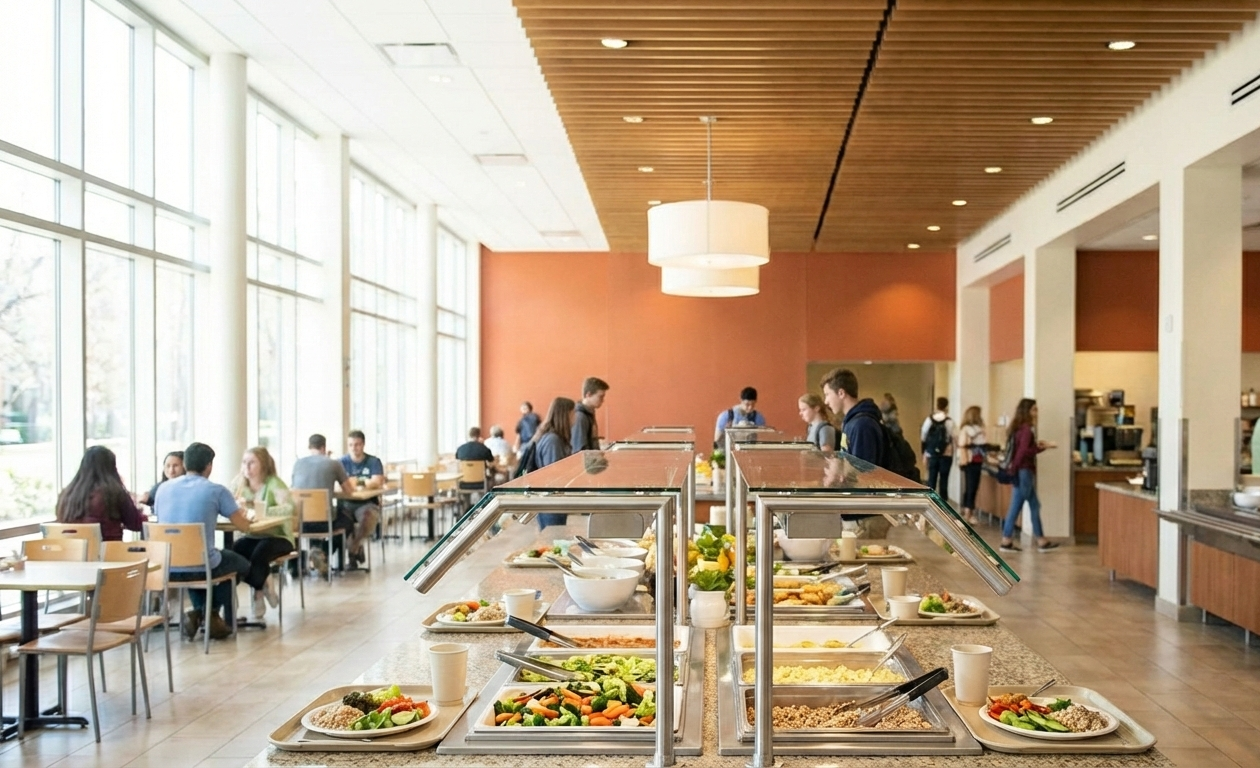
If you manage a campus dining program, you’ve seen the mountains of takeout containers firsthand. As student life gets busier, the demand for grab-and-go meals grows, and so does the waste. Disposable packaging costs have skyrocketed more than 200% in the last three years, and many campuses spend over $50,000 a year on single-use containers alone. At the same time, students are demanding more sustainable options, and institutional zero-waste mandates are becoming the norm.
This is where zero-waste packaging comes in. It’s not just an environmental ideal; it’s a practical strategy to cut costs, meet sustainability goals, and improve the student dining experience. By shifting from a disposable model to a reusable one, you can create a system that’s better for your budget and the planet.
What "Zero Waste" Really Means
The term "zero waste" can sound intimidating, but the concept is simple. It’s about designing and using packaging that creates little to no trash. Instead of a linear path where a container is used once and thrown away, zero-waste packaging creates a circular system. Materials are intentionally kept in use through reusing, recycling, or composting.
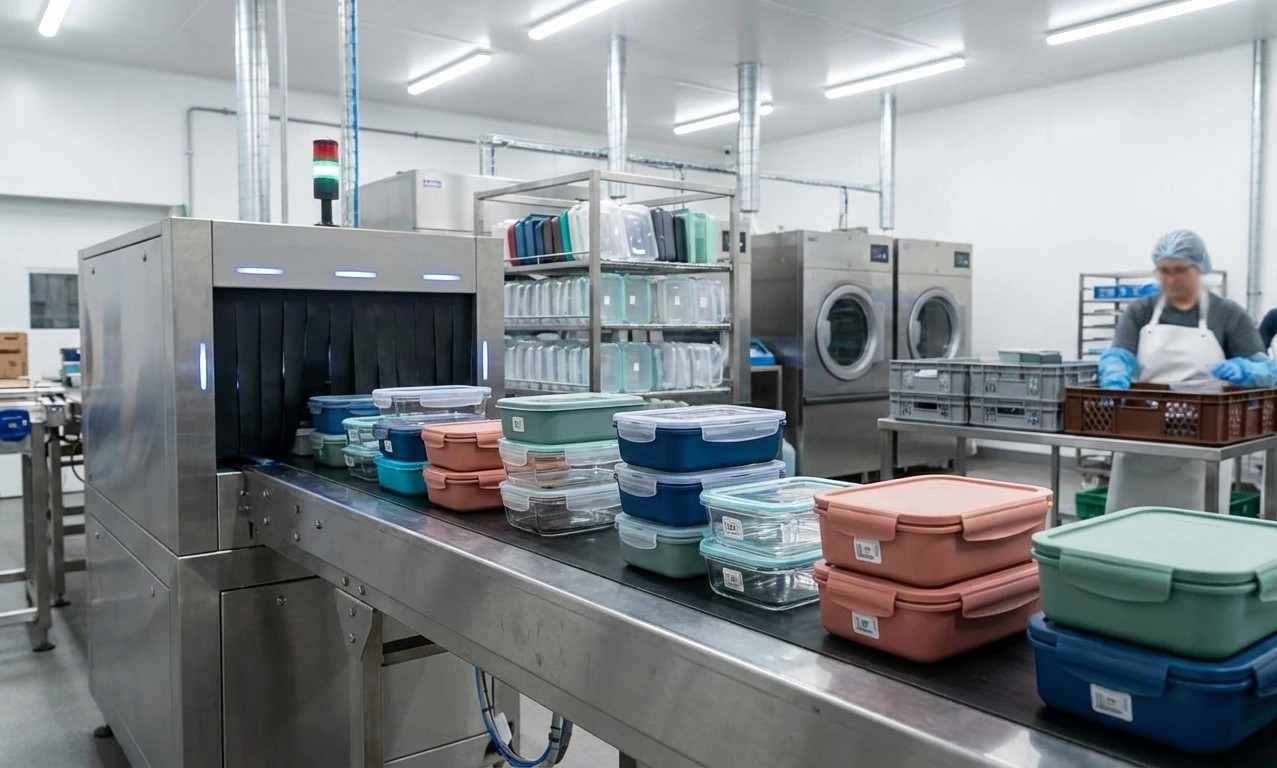
For campus dining, this means replacing single-use containers with a durable, reusable alternative. Think of it as a library system for food containers. A student borrows a container, enjoys their meal, and returns it to a designated bin. The container is then washed, sanitized, and put back into circulation for the next person. It’s a simple shift that eliminates waste at the source.
Single-Use vs. Reusable: The Real Cost
When you look at the numbers, the case for reusables becomes clear. While a single compostable fork or container seems cheap, those costs add up quickly across thousands of students every single day. A well-run reusable container system can save a university 35% to 45% annually compared to the high price of single-use compostable packaging.
This approach changes your spending from a constant operational expense to a long-term investment. Instead of continuously buying items destined for the trash, you invest in a durable inventory that pays for itself over time. This not only stabilizes your budget against volatile supply chain costs but also frees up funds for other parts of your dining program.
The Financial and Environmental Case for Change
The impact of single-use packaging goes far beyond your budget. Most plastic containers take over 400 years to decompose, contributing to overflowing landfills and polluted waterways. Campus dining is a major source of this waste, but it’s also perfectly positioned to be a major part of the solution. By adopting a zero-waste model, you directly address this environmental challenge.
This isn't just about doing the right thing; it's also a smart move for your institution. Many cities and universities are setting ambitious goals to eliminate single-use plastics by 2030. Students are increasingly choosing where to attend based on a school's commitment to sustainability. Demonstrating sustainability leadership sets your campus apart, enhances your brand, and shows that you are aligned with the values of your community.
Choosing the Right Materials and Technology for Zero-Waste Success
Switching to a zero-waste system is about more than just good intentions. The success of your program hinges on the choices you make upfront, specifically the materials and technology you implement. The right combination can create a seamless experience for students and staff, leading to high adoption and impressive return rates. On the other hand, the wrong choices can lead to operational headaches, low engagement, and a system that fails to meet its environmental or financial goals. It's a decision that impacts everything from your budget and staff workload to your campus's sustainability reputation. Let's look at the key factors to consider, from the truth about compostables to the power of smart technology, so you can build a program that truly works.
The Truth About Compostables
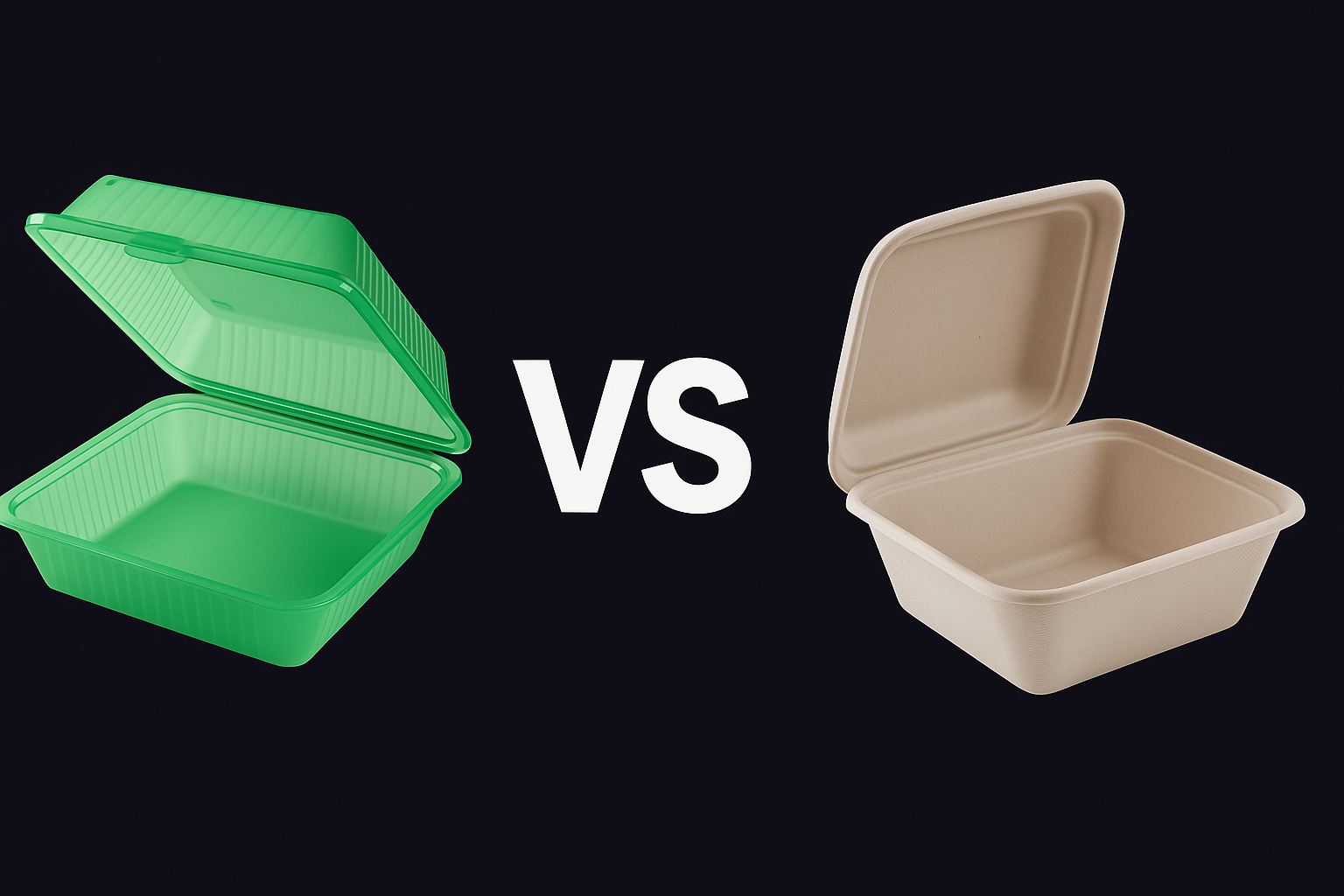
Compostable packaging often seems like an easy win for sustainability, but the reality is more complex. Many so-called "eco-friendly" options, like those made from PLA (polylactic acid), require specific industrial composting facilities to break down properly. If your campus doesn't have access to one, these containers often end up in landfills, where they fail to decompose as intended. Truly compostable materials like bagasse or palm leaf are a step up, but they still contribute to a cycle of single-use consumption. A reusable system eliminates this waste stream altogether, offering a more permanent and impactful solution to campus waste.
Why Smart Containers Are a Game-Changer
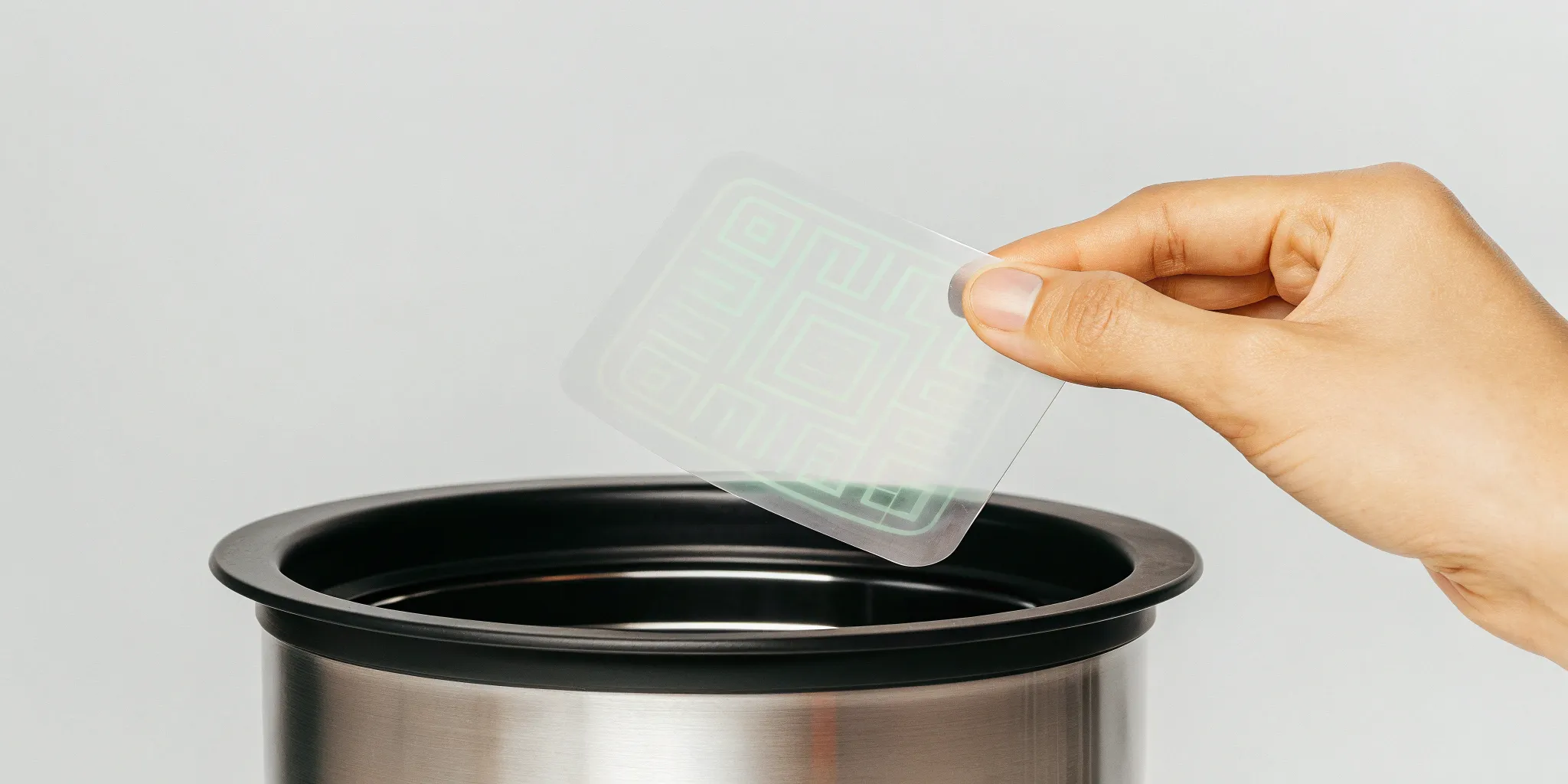
The biggest hurdle for any reusable program is getting the containers back. This is where technology makes all the difference. Smart containers, equipped with unique QR or RFID tags, transform the system from a hopeful suggestion into an accountable process. As seen at institutions like the University of Pittsburgh, this approach works like a library system, allowing students to easily check out and return containers. This simple accountability has led to 99% return rates on some campuses. Beyond ensuring your inventory comes back, this model also delivers significant financial benefits, with some universities saving 35-45% compared to the high recurring cost of single-use compostables.
Finding the Right Container Material for Your Campus
Once you’ve committed to a smart reuse system, you need to choose the containers themselves. The best material for your campus depends on your specific needs, from the types of food you serve to your dishwashing capabilities. Durable, BPA-free plastic is a lightweight and versatile option, while stainless steel offers exceptional longevity and a premium feel. The key is to select containers that are not only built to last through hundreds of uses but are also easy for your staff to handle and clean. To truly close the loop, you should also prioritize materials that can be widely recycled at the end of their long life, ensuring your program is sustainable from start to finish.
How to Launch a Successful Reusable Container System
Switching to a reusable container system might seem like a huge undertaking, but a successful launch comes down to three key elements: making it incredibly easy for students, fitting into your existing operations, and automating the return process. When you get these pieces right, you create a program that students actually want to use and that doesn't add extra work for your staff. A well-designed system feels less like a new rule to follow and more like a simple, smart upgrade to campus life. By focusing on a frictionless experience from checkout to return, you can build a sustainable program that delivers on its financial and environmental goals from day one.
Make It Easy with App-Free "Tap to Reuse" Technology
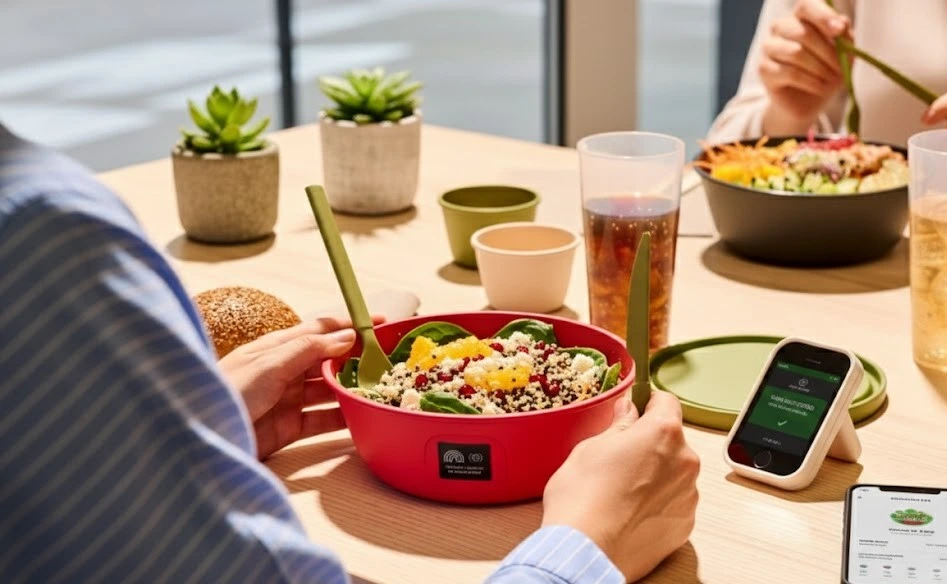
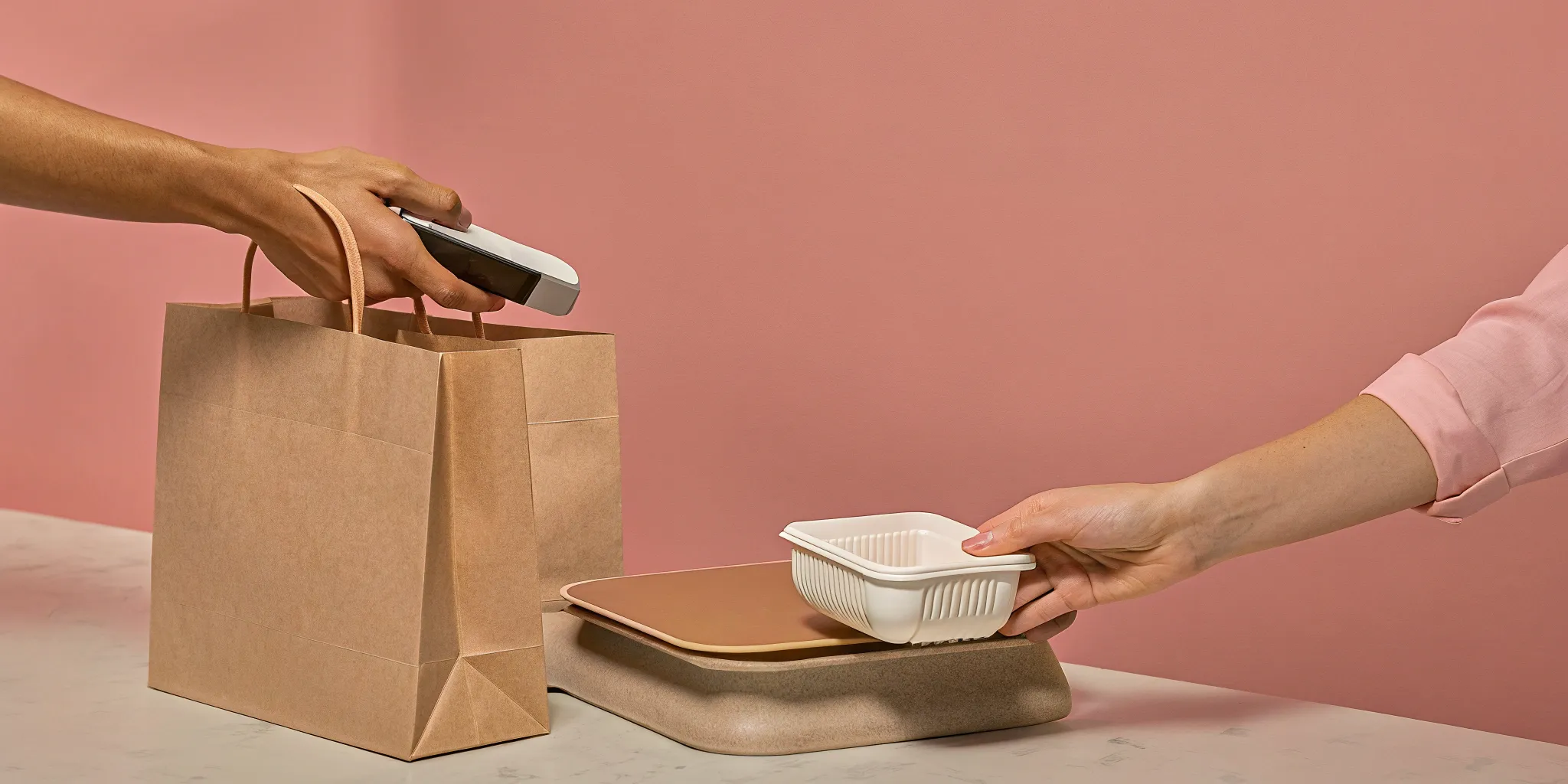
If a new system is complicated, students simply won't use it. That’s why the most effective programs remove as much friction as possible. Instead of requiring students to download and sign up for yet another app, a "Tap to Reuse" system lets them check out a container in seconds using their student ID or a linked payment card. The process works just like a library: tap, take, and go. This intuitive approach is the key to high adoption rates because it meets students where they are. By making participation effortless, you turn a sustainable choice into the most convenient one. This simple, app-free experience is a core part of our campus solutions.
Integrate with Your Existing Campus Card System
A reuse program shouldn't feel like a separate, bolted-on initiative. It should feel like a natural part of your campus dining experience. The best way to achieve this is by integrating directly with the campus card and payment systems your students and staff already use every day. Whether your campus runs on Transact, CBORD, Atrium, or TouchNet, the reusable container checkout can be built right in. This means no new hardware for your cashiers to learn and no separate account for students to manage. It streamlines operations, simplifies training, and makes the entire program feel like it has always been a part of your campus infrastructure.
Automate Returns with Smart Bins and Tracking
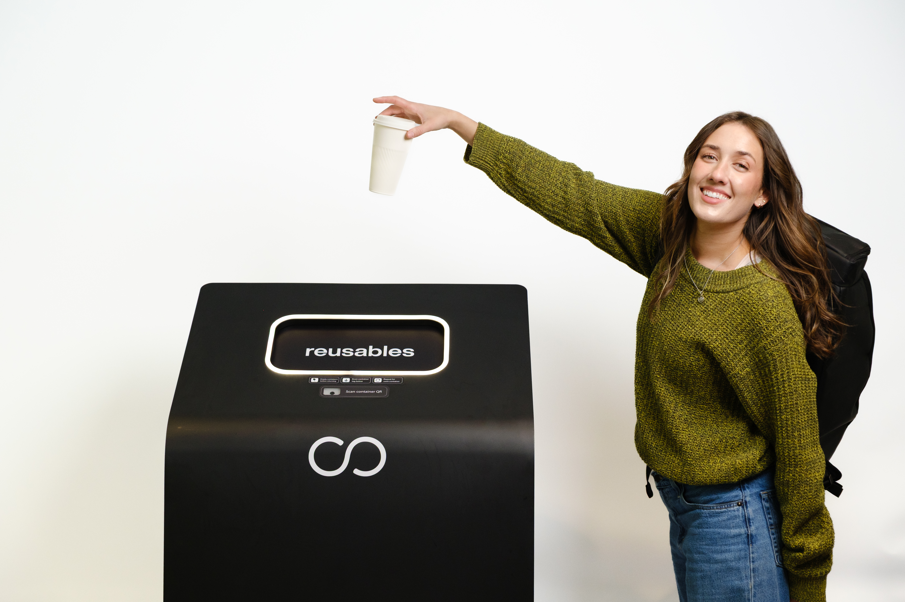
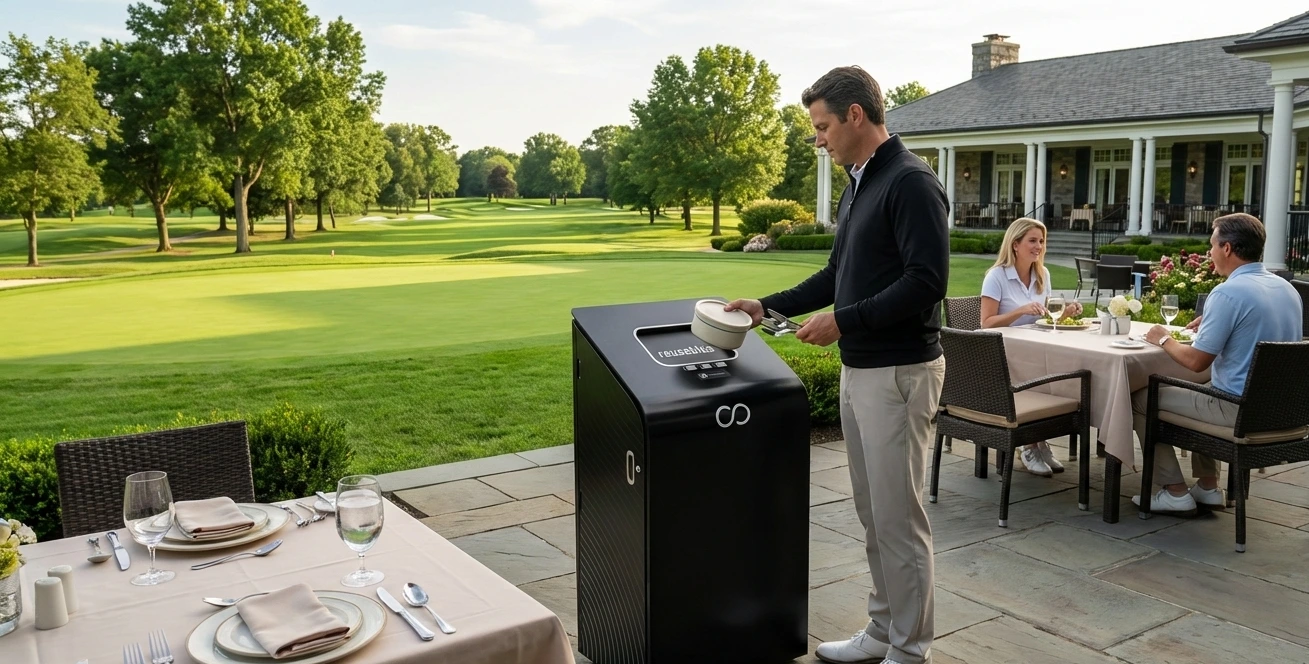
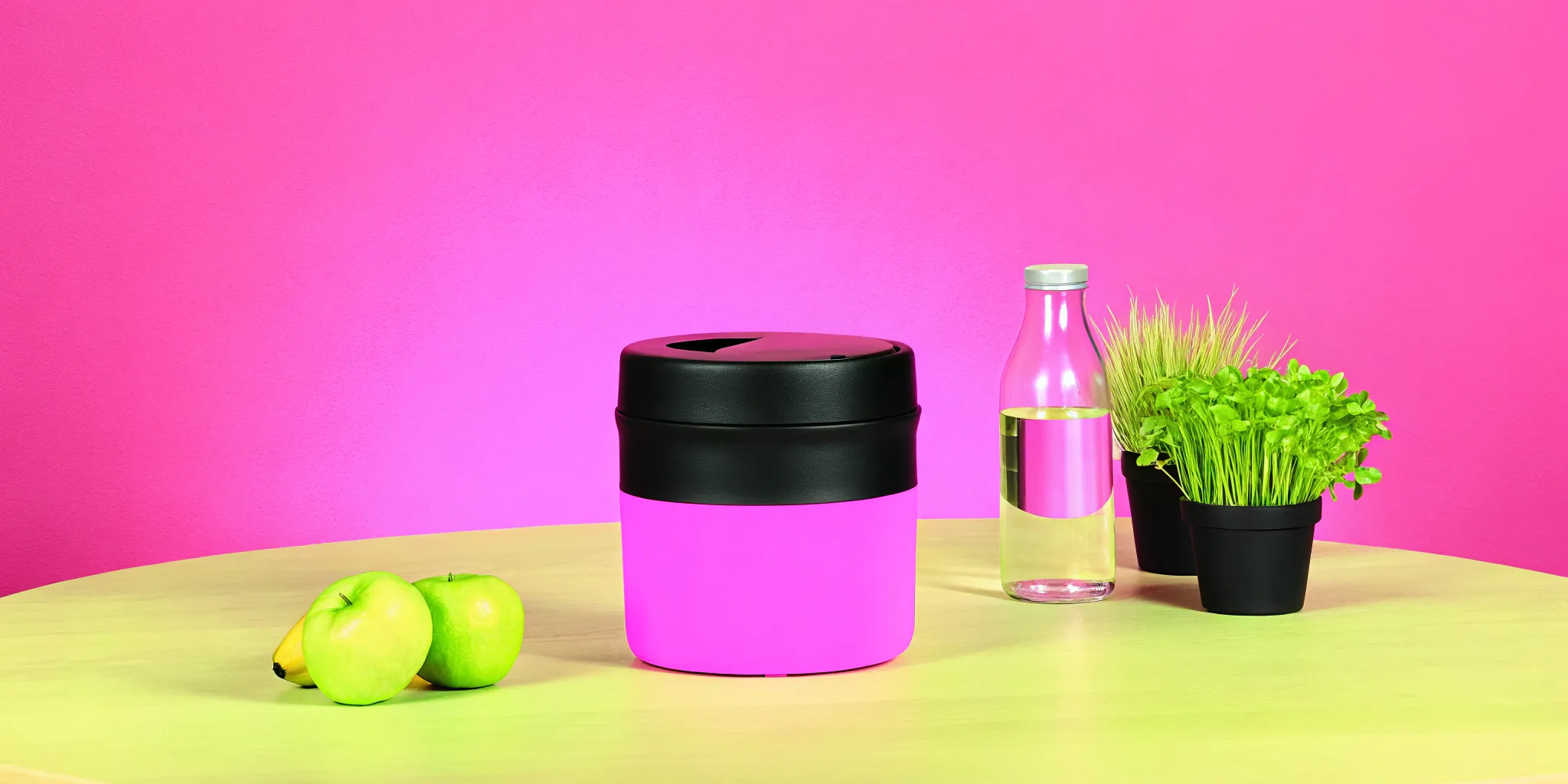
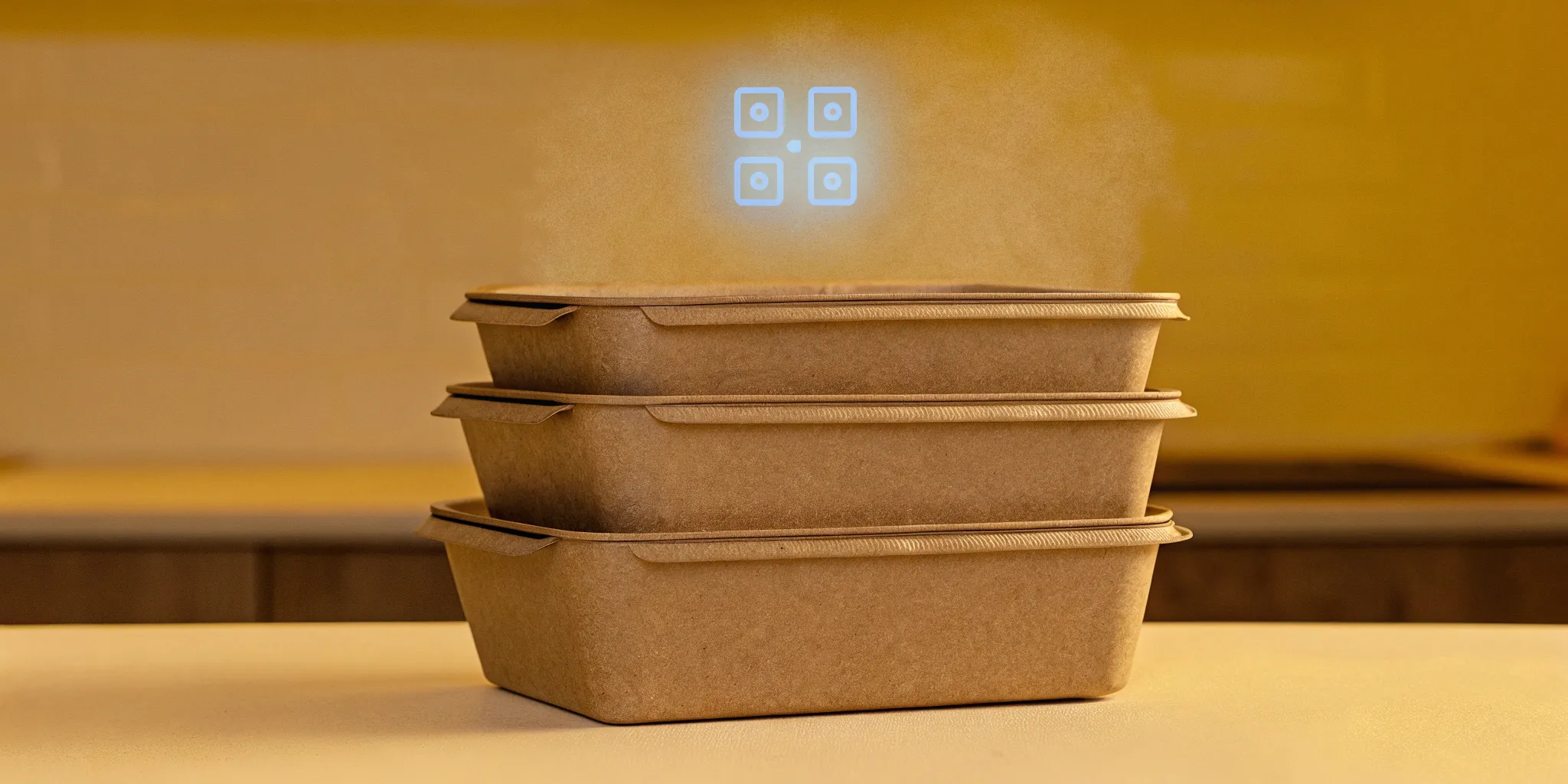
The number one question we hear is, "How do you make sure you get the containers back?" The answer isn't manual tracking or relying on goodwill; it's smart, automated accountability. By giving every container a unique digital identity with QR and RFID tags, you can track its journey from checkout to return. Strategically placed Smart Return Bins allow for 24/7 drop-offs, and the system automatically handles reminders and refundable late fees without any staff intervention. This automated approach is how we see campuses achieve 99% return rates. It ensures your container inventory stays healthy and frees your team from ever having to chase down missing items. You can learn more about our proven system and its impact.
How to Get Students and Staff Excited About Reusables
A state-of-the-art reuse system is only as good as its adoption rate. If students and staff don't embrace the change, even the best technology will fall flat. The key to a successful program isn't just about having smart bins and trackable containers; it's about making people want to participate. Building genuine excitement and making reuse the easiest, most obvious choice is how you’ll achieve the high return rates that lead to significant cost savings and environmental impact. The following strategies focus on the human side of the equation, helping you turn your campus into a community of enthusiastic reusers. It’s about creating a culture of sustainability that feels less like a mandate and more like a shared mission.
Remove Barriers with a Deposit-Free System
The quickest way to discourage participation is to ask for money upfront. Students are often on tight budgets, and even a small deposit can feel like a hassle. A deposit-free system removes that financial friction entirely. Think of it like a library book: you check it out and bring it back, no questions asked. This approach makes grabbing a reusable container as easy as grabbing a disposable one. By implementing an automated system with gentle reminders and refundable late fees for unreturned items, you can maintain accountability without penalizing students for participating. When the process is free and effortless, adoption rates naturally climb.
Communicate Clearly Through Simple Storytelling
Facts and figures about waste reduction are important, but they don't always capture hearts and minds. To get your campus community truly on board, you need to tell a compelling story. Frame the program around a simple, relatable narrative. Instead of just saying "we're reducing waste," show them what that means. Use digital screens in dining halls to display real-time impact metrics, like the number of single-use containers saved that day. Share stories on social media about how the program is making a tangible difference. This kind of clear communication helps everyone feel like they are part of a positive change, turning a simple daily action into a meaningful contribution.
Spark Engagement with Rewards and Friendly Competition
A little friendly competition can go a long way in building new habits. Gamification is a powerful tool for making sustainability fun and interactive. You can create campus-wide leaderboards that track which dorm or department is reusing the most, offering prizes or simple bragging rights to the winners. Launching contests and giveaways for frequent reusers also adds a layer of excitement. When students can see their individual and collective impact, like the amount of water saved or carbon emissions avoided, it fosters a powerful sense of accomplishment. These engagement incentives transform the act of returning a container from a chore into a rewarding part of the campus experience.
How to Measure and Improve Your Program's Performance
Launching your reusable container program is a huge accomplishment, but the work doesn’t stop there. To build a system that lasts, you need to know what’s working and where you can make improvements. Tracking your performance gives you the data to prove the program's value, justify its budget, and make smart decisions that will ensure its long-term success.
Think of data as your guide. It shows you how students are interacting with the system, where you’re saving the most money, and the real-world environmental impact you’re making. By focusing on a few key areas, you can move from simply running a program to truly optimizing it. Let's walk through the most important metrics to track and how to use them to keep your program running smoothly.
Key Metrics to Track: Returns, Usage, and Inventory
The health of your reuse program comes down to three core metrics. First and foremost is your container return rate. A high return rate is essential for keeping costs down and ensuring you always have enough containers for everyone. Systems with automated reminders and accountability measures, like those used at the University of Pittsburgh, consistently see return rates over 99%. Next, you’ll want to monitor usage rates. Tracking checkouts by location and time of day helps you understand adoption patterns and tells you where the program is most popular. Finally, keep a close eye on your inventory. Knowing how many containers are in circulation, in storage, or at the wash station helps you prevent shortages during peak meal times.
Calculate Your Cost Savings and Environmental Impact
This is where you connect your program’s performance to your institution's larger financial and sustainability goals. Start by calculating your cost savings. With disposable packaging costs on the rise, a well-run reuse program can cut your annual spending by 30% or more. The formula is simple: compare what you used to spend on single-use containers to the operational cost of your new system. The difference is your savings. Just as important is your environmental impact. You can measure your success by tracking the amount of waste diverted from landfills. For example, in just 10 months, one university program prevented over 670 pounds of waste. These powerful numbers demonstrate your commitment to campus sustainability goals.
Use a Real-Time Dashboard to Stay Ahead
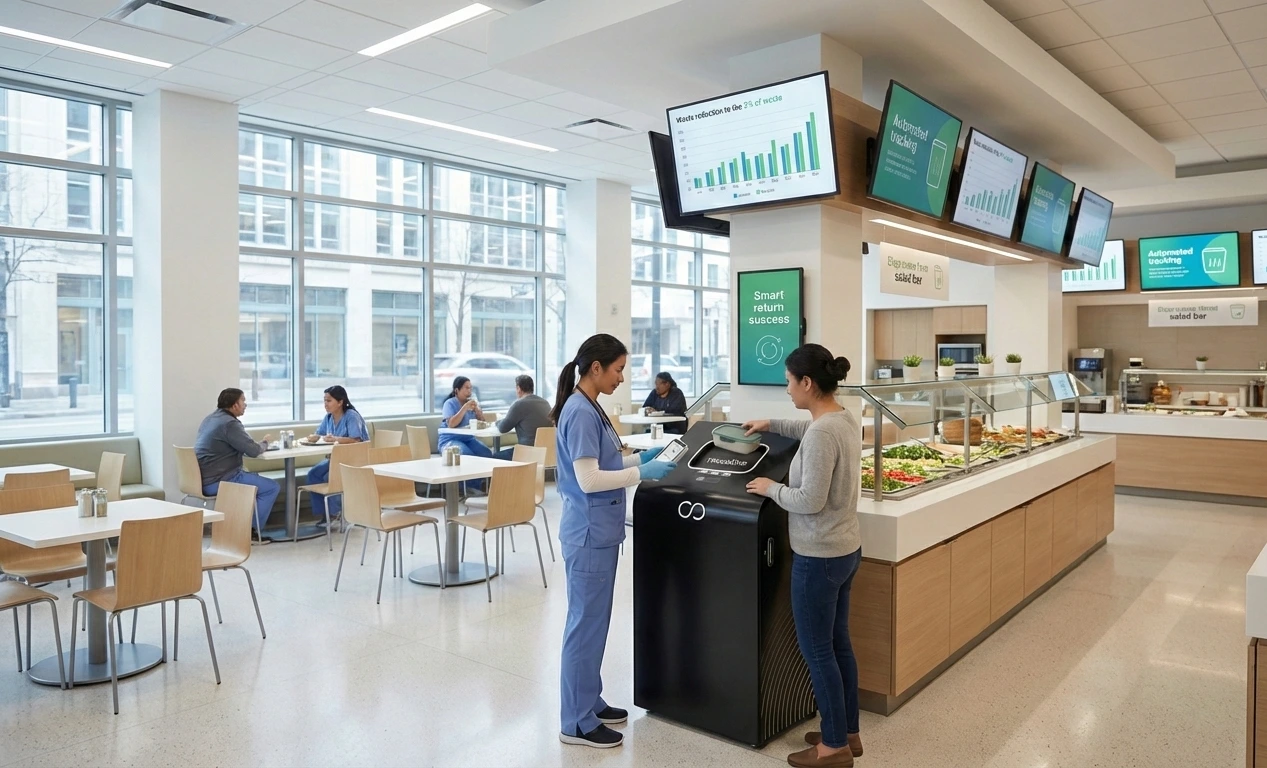
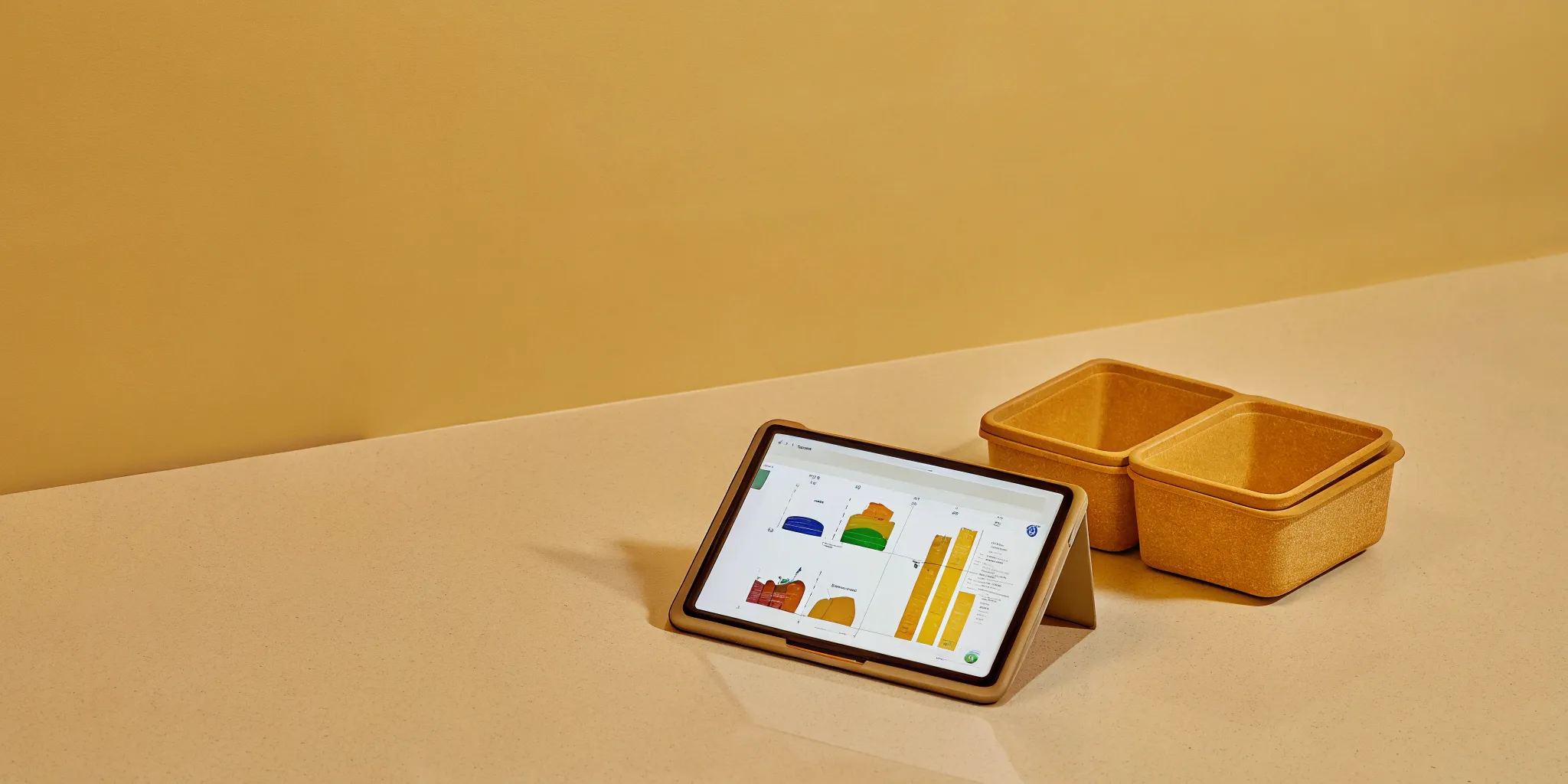
The best way to manage all this data is with a real-time dashboard. An operator portal gives you a live, at-a-glance view of your entire system. You can see bin fullness levels, get service alerts, and check inventory across all your dining locations without having to do manual counts. This operational visibility allows your team to work more efficiently and proactively. Instead of reacting to problems like an overflowing return bin, you can get ahead of them. This data also helps you make informed decisions to improve the user experience and scale your program. A robust dashboard makes it easy to pull reports and share your successes with campus leadership, proving the value of your zero-waste packaging solution.
Preparing for Common Challenges (And How to Overcome Them)
Launching any new campus-wide initiative comes with questions. A successful reuse program is about more than just containers; it’s a system that works effortlessly for everyone. By anticipating a few common hurdles, you can design a program that runs smoothly and delivers results. The key is making reuse the easiest choice. With the right technology and strategy, you can build a system that meets your sustainability goals and enhances the campus dining experience.
Encourage New Habits and Prevent Contamination
A big part of making a reuse program work is helping people shift from a disposable mindset. The best way to do this is by making the new habit incredibly simple. While clear communication helps, the system itself should do the heavy lifting. When students can check out a container with a quick tap of their campus card and drop it in a convenient bin, the new behavior feels natural. Our system design focuses on this user-friendly experience. To prevent contamination, smart bins accept only the correct containers, and simple, visual instructions at return points keep the stream clean.
Smooth Out Tech and System Integration
Technology should solve problems, not create them. A clunky app or a system that doesn’t work with your existing infrastructure is a major barrier. Think of it like a library: students check out a container and the system tracks it until it’s returned. Our platform makes this seamless by integrating directly with the campus card and payment systems you already use, like Transact and CBORD. There’s no app to download. Dual QR and RFID tracking automates the entire process, giving you accurate data without requiring staff to manually scan or manage anything.
Keep Return Rates High for the Long Haul
A reusable system’s success hinges on one metric: the return rate. Low returns mean lost inventory and rising costs, defeating the program's purpose. We’ve found the key to our 99% return rates is automated accountability. Instead of requiring deposits, which can deter participation, our system sends automated reminders. If a container isn’t returned on time, a fully refundable late fee is charged, gently encouraging returns without creating extra work for your staff. This approach, combined with convenient smart bins, ensures your containers stay in circulation and continue to generate savings.
Key Operational Steps for a Seamless Program
Launching a successful reuse program goes beyond just having the right containers and technology. The real magic happens when the system works effortlessly for everyone involved, from students grabbing a quick lunch to your staff managing the dish pit. Thoughtful planning around a few key operational steps will make your program feel like a natural part of campus life and ensure its long-term success. By focusing on convenience, workflow integration, and financial benefits, you can build a system that not only reduces waste but also improves the entire dining experience.
Place Return Stations Where People Actually Are
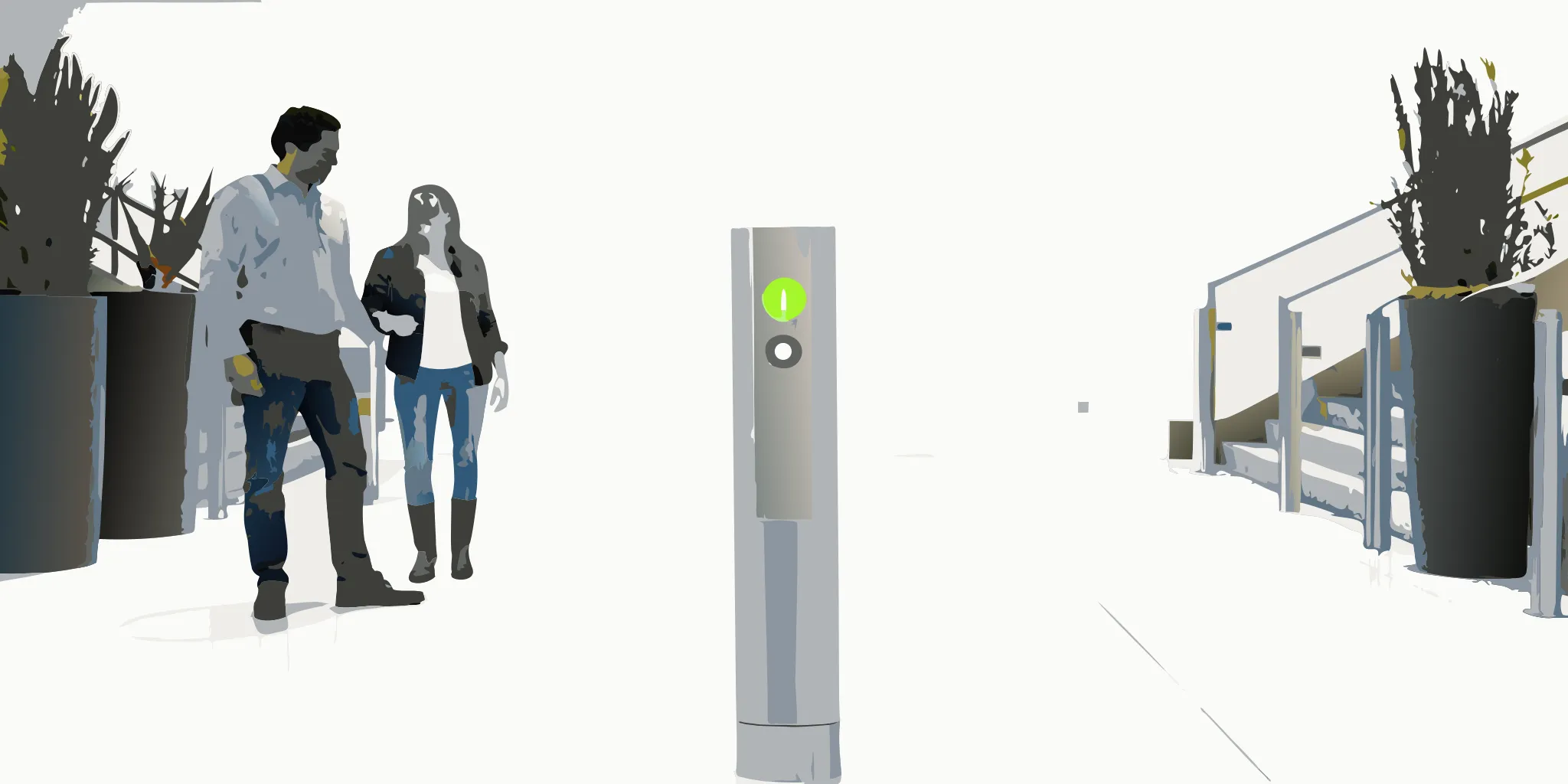
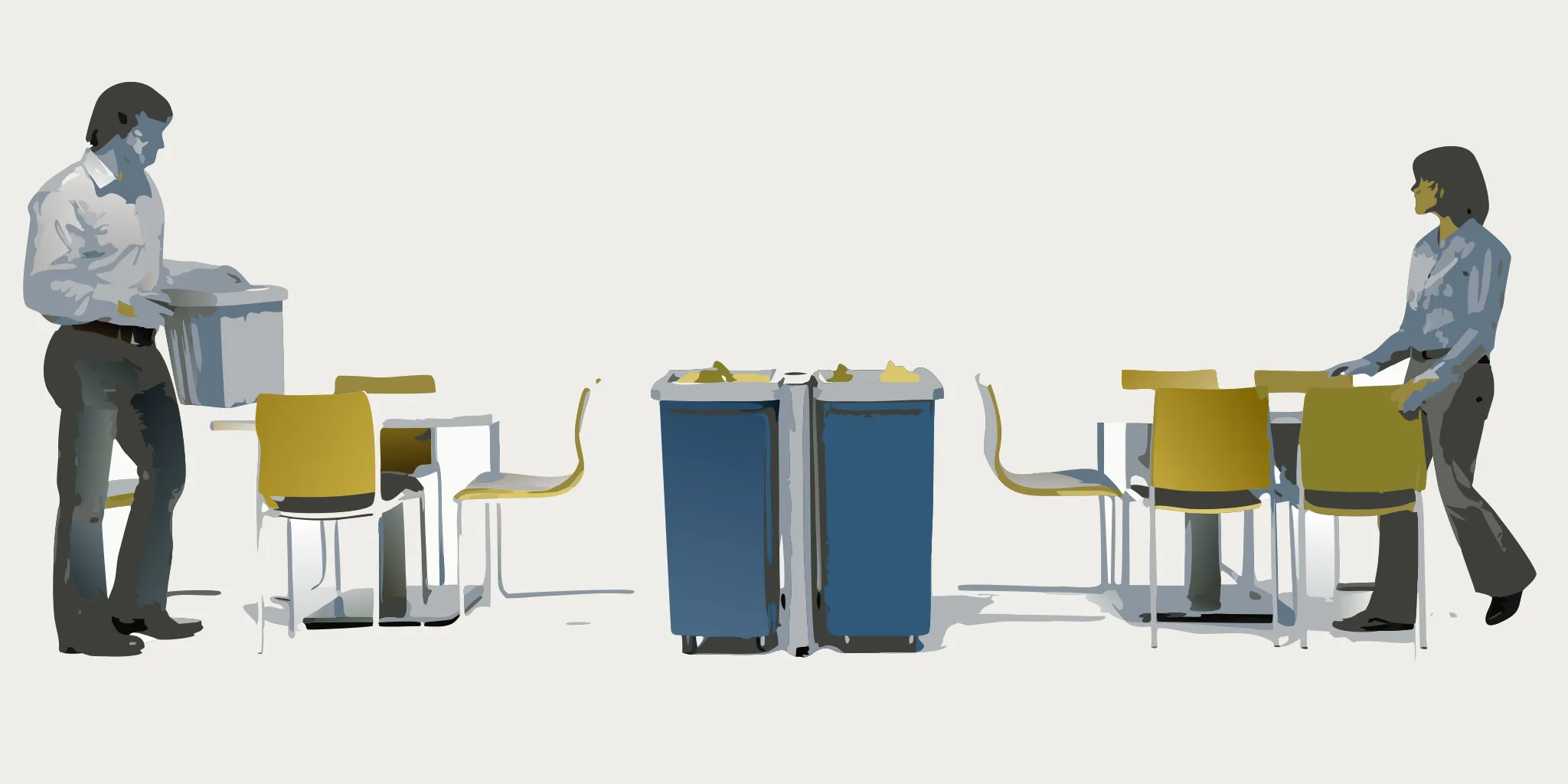
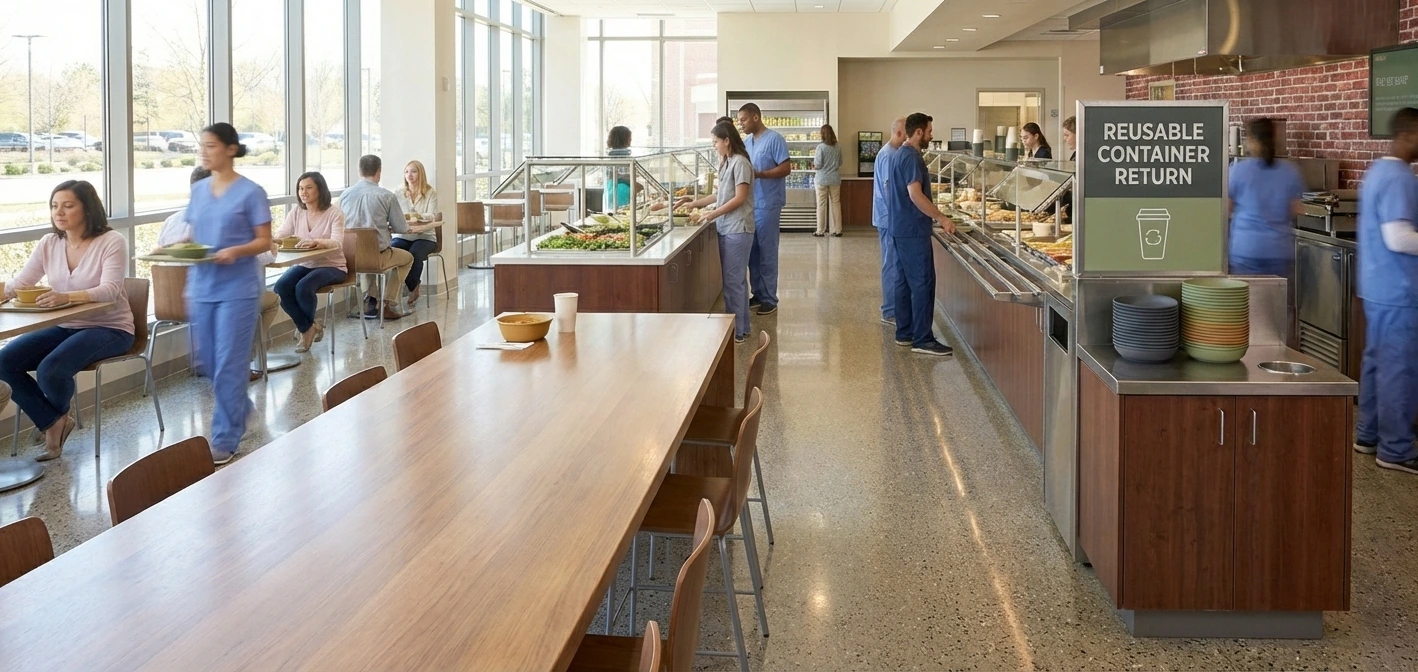
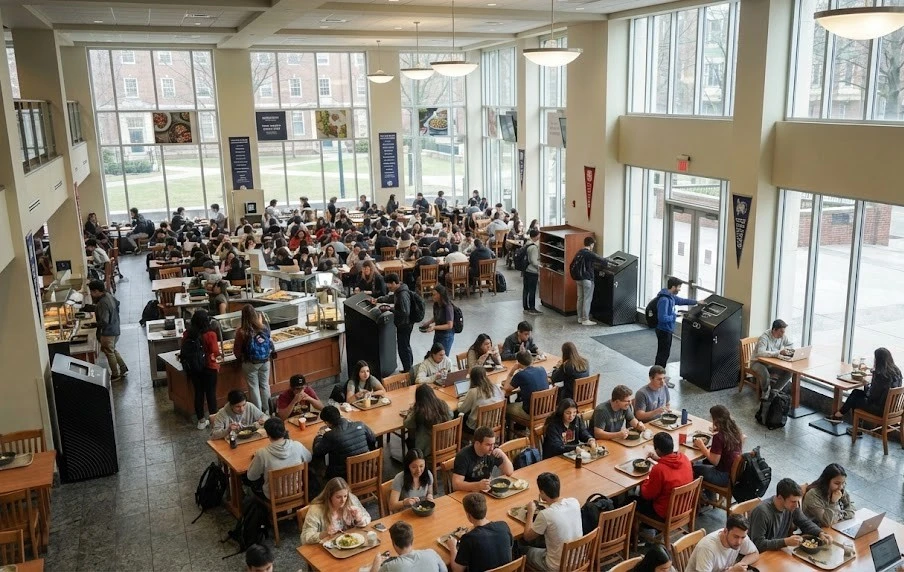
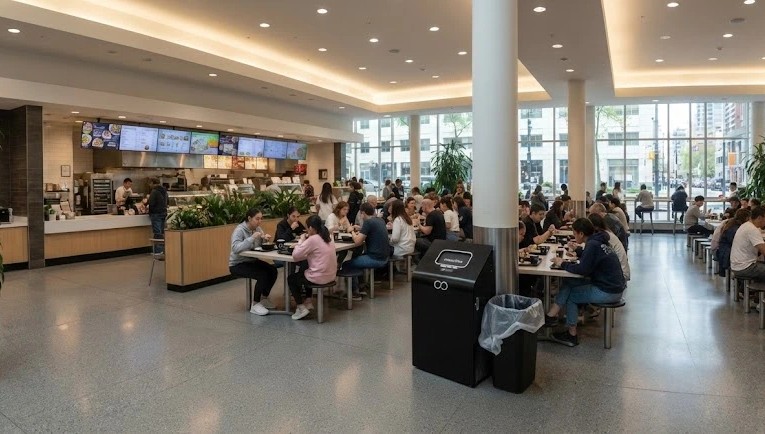
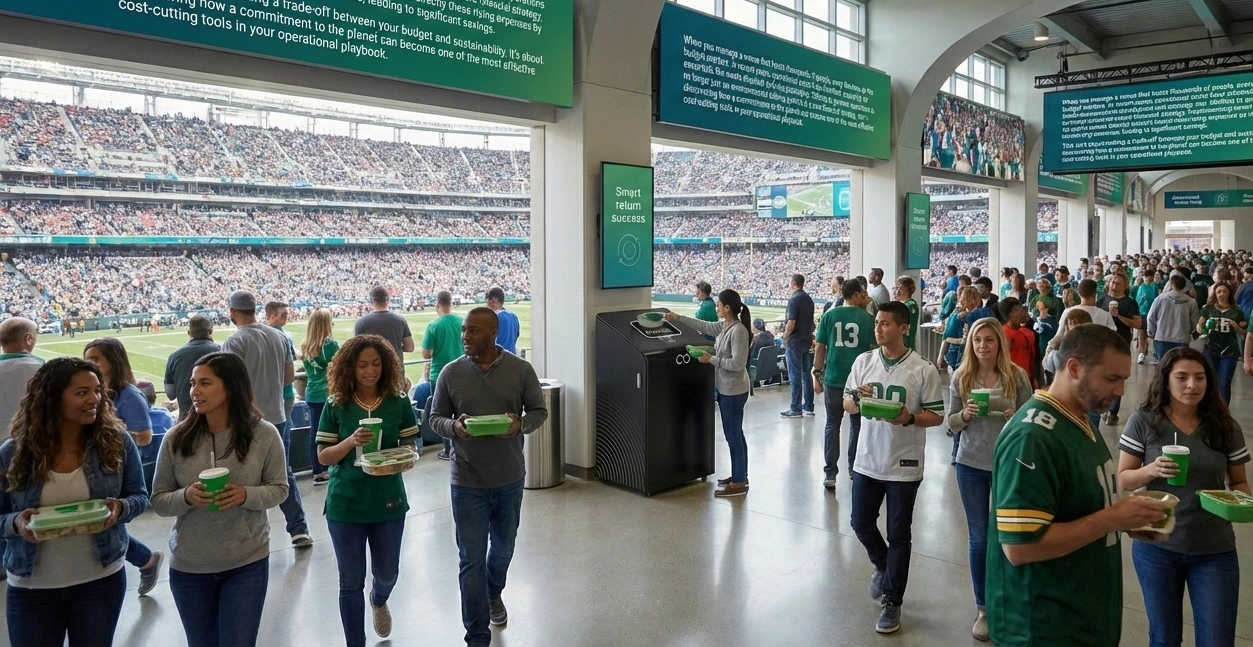
If returning a container is a hassle, it won’t happen. The most critical factor for achieving high return rates is convenience. Think about the daily paths students take across campus and place return stations in those high-traffic spots. Position smart bins near dining hall exits, outside popular lecture halls, in student unions, and within residence halls. As Cleveland State University notes, making bins easy to find is a simple but powerful way to reduce waste on campus. Our 24/7 Smart Return Bins are designed for these key locations, allowing students to drop off containers anytime, without making a special trip.
Fit Seamlessly into Your Staff's Workflow
Your team is the backbone of your dining services, and a new program should make their jobs easier, not harder. A successful reuse system integrates directly into your existing operational flow. A big part of making the program work is helping people change their habits from using disposable items to reusable ones, and that includes your staff. With automated tracking and accountability, your team won't have to manually check containers in or chase down late fees. The system handles it all. This frees up their time to focus on what they do best: providing excellent food and service to the campus community.
Turn Your Program into a Revenue Stream
While the primary goal is sustainability, a well-run reuse program offers significant financial advantages. Shifting away from disposables can save your institution a substantial amount of money, with some universities seeing savings of 35% or more on packaging costs. But the benefits don't have to stop at cost reduction. Our Smart Return Bins are equipped with media screens that can be used for campus announcements or sold as advertising space. This unique feature creates an opportunity to generate thousands of dollars in new revenue per year, turning a waste reduction initiative into a profitable part of your campus operations.
Related Articles
- 7 Smart Eco-Friendly Initiatives for Campus Food
- Successful Zero Waste Initiatives for College Dining
- The Truth: Why Compostable Packaging is Unsustainable
- A Guide to Sustainable College Cafeterias
Frequently Asked Questions
How do we manage the initial investment of switching to a reusable system? Think of this as shifting your budget from a recurring expense to a one-time investment. Instead of constantly buying disposable containers that get thrown away, you're purchasing a durable asset that pays for itself. Many universities find that the system saves them 30% or more annually on packaging costs, which quickly offsets the initial setup. This approach stabilizes your budget against unpredictable supply chain prices and creates long-term financial value.
Will this program create more work for my already busy dining staff? Not at all; it's designed to do the opposite. The system is automated, so your staff won't have to manually track containers, manage accounts, or chase down students for late fees. The technology handles all the reminders and accountability. This frees up your team to focus on their main responsibilities, like preparing great food and serving students, rather than managing a complex new program.
What really stops students from just throwing the containers away? The key is a smart system that combines convenience with gentle accountability. We make returning containers incredibly easy with 24/7 smart bins in high-traffic areas. Each container has a unique digital ID, so the system knows who has what. If a container isn't returned on time, the system automatically sends reminders and can issue a fully refundable late fee. This process encourages returns without requiring deposits and is how our partners achieve 99% return rates.
We have limited space. How much room do the return bins and extra container inventory require? The system is designed to be flexible and fit within your existing footprint. The smart return bins are sleek and have a small profile, allowing them to be placed in high-traffic hallways or dining hall exits without causing disruption. Your inventory needs will depend on your usage rates, but because the containers are constantly circulating, you don't need a massive storage area. We work with you to map out the most efficient placement for bins and storage.
Can we use our existing inventory of reusable containers with your system? Yes, our platform is designed to be flexible. If you've already invested in a supply of durable plastic or stainless steel containers, we can often integrate them into our tracking system. We simply tag your existing inventory with our unique QR and RFID technology. This allows you to gain the benefits of our automated tracking and accountability without having to start your container collection from scratch.
Other stories you may find interesting


















.webp)
.webp)








.webp)























Watch the Webinar
Learn How to Eliminate Single-Use Waste
Get instant access to our expert webinar and discover how leading institutions reach 99% return rates through smarter reuse systems.

© Reusables™. All rights reserved.