
Top 4 Reusable Container Tracking Software Platforms

January 26, 2026
If you’ve tried a reusable container program before, you might be familiar with the headaches: low return rates, frustrated staff chasing down missing inventory, and a clunky process that students simply ignore. Without a solid system, even the best intentions can lead to operational chaos. The key to making reusables work at scale is moving beyond manual methods and embracing automation. This is where reusable container tracking software changes the game. By giving every container a unique digital identity, it creates a closed-loop system that runs itself, freeing your team from tedious tasks and ensuring your assets come back, every time.
Key Takeaways
- Automation is non-negotiable: A successful reuse program relies on software that handles accountability for you. Look for a system that tracks containers in real-time, sends return reminders, and manages fees to eliminate manual work and prevent costly inventory loss.
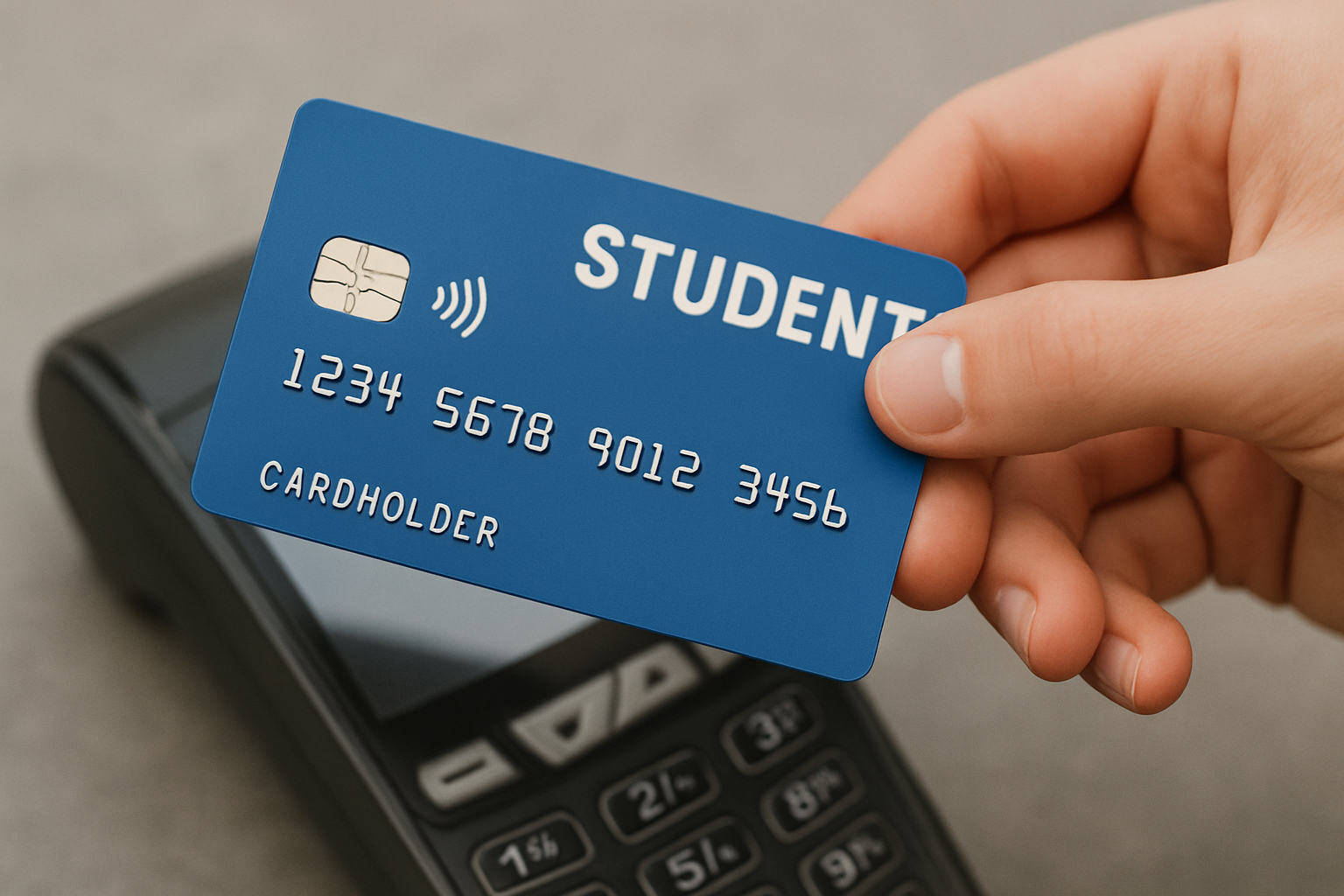
- Make it easy for students to participate: High adoption rates depend on a seamless user experience. Prioritize an app-free system that integrates directly with existing campus cards, creating a simple tap-and-go process that fits into students' daily routines.
- Measure what matters to prove your ROI: Your tracking software should provide a clear dashboard with actionable analytics. Use this data to track key metrics like cost savings, container return rates, and environmental impact to build a strong business case and demonstrate the program's value.
What is reusable container tracking software?
If you’re managing a campus dining program, you’re likely juggling thousands of takeout containers, cups, and maybe even cutlery. Reusable container tracking software is the system that keeps an eye on all those items for you. Think of it as a digital librarian for your container fleet. It helps you know where your containers are, how many are in use, and when they’re returned, ensuring you don’t lose your valuable inventory. This kind of software is designed to make your entire reuse system more efficient and sustainable. Instead of relying on manual counts, paper slips, or the honor system, you get a clear, automated view of your operations. The goal is to create a closed-loop system where containers are consistently checked out, used, returned, and washed with minimal loss. For dining services, this means less money spent on replacing lost containers and a much smoother, more reliable process for both your staff and the students you serve. A well-implemented reuse system can transform your sustainability efforts from a logistical challenge into a streamlined, cost-effective part of your daily operations, all while providing a better experience for everyone on campus. It’s the technology backbone that makes a large-scale reuse program not just possible, but practical.
How does container tracking technology work?
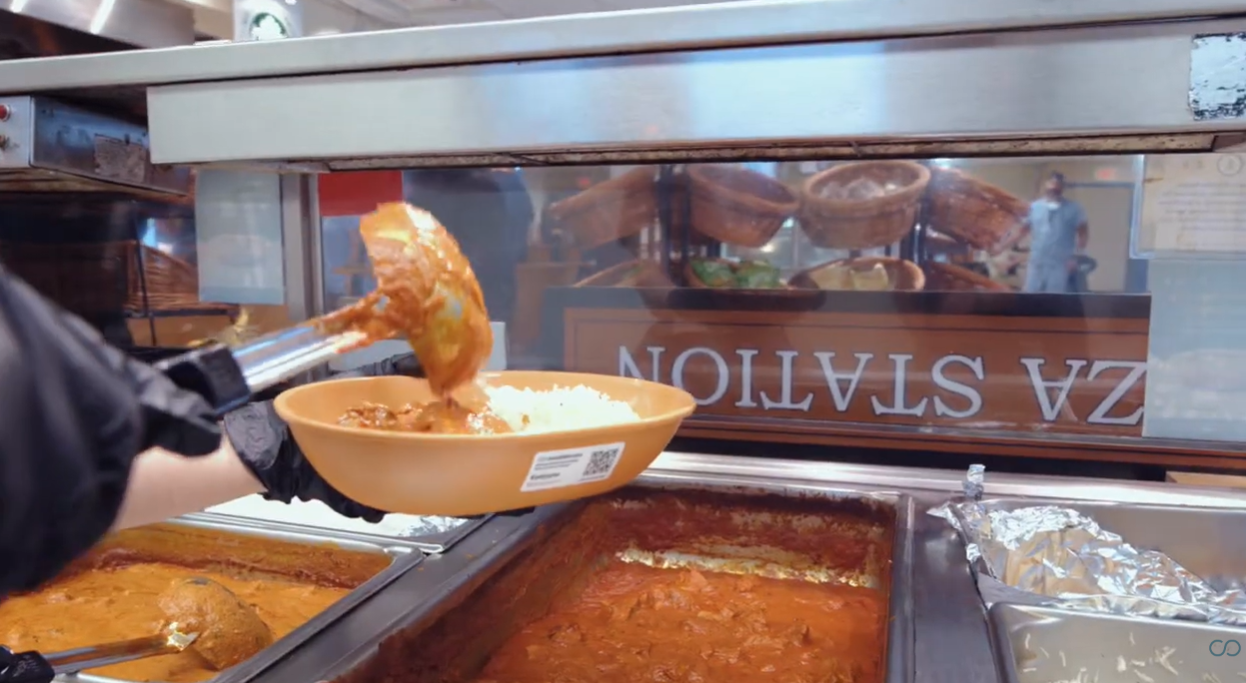
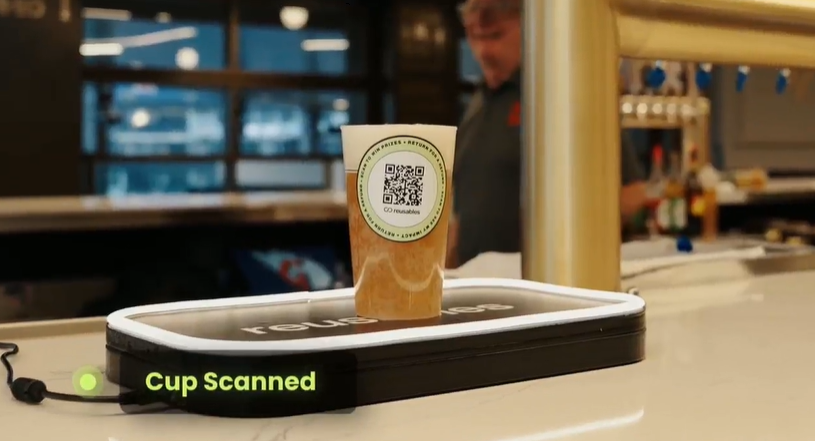
At its core, container tracking technology gives each reusable item a unique digital identity. This is usually done by attaching a small tag—like a QR code or an RFID chip—to every container. When a student grabs a meal to-go, the container is scanned at checkout, linking it to their account. When they bring it back to a return station, it’s scanned again to mark it as returned. This process is powered by modern Internet of Things (IoT) technologies, which connect physical objects (your containers) to a digital network. This connection allows for automated tracking that’s both technically reliable and affordable. Some advanced systems even use tags that can monitor a container's location and condition in real time, giving you a complete picture of your inventory as it moves across campus. The result is a seamless flow of information that makes managing thousands of containers feel simple.
RFID vs. QR codes: What's the difference?
When it comes to tagging your containers, the two most common options are RFID and QR codes. A QR code is essentially a fancy barcode that a student or staff member scans with a camera or scanner. They’re inexpensive to produce but have a key weakness: they rely on a clear line of sight and can easily get scratched, smudged with sauce, or damaged in the dishwasher, leading to scan errors and unreliable data. RFID (Radio-Frequency Identification) tags, on the other hand, use radio waves to communicate. An RFID reader can scan a tag without a direct line of sight—it can even scan multiple tags at once, right through a bag. These embedded tags are far more durable and built to withstand the rigors of a commercial kitchen. While the initial cost is higher, their reliability prevents container loss and operational headaches. Many top-tier platforms use a dual-mode system with both QR and RFID, offering maximum flexibility and accuracy.
What a complete tracking solution includes
A great tracking system is more than just tags and scanners. A truly comprehensive solution combines technology with smart processes to make reuse effortless for everyone. It starts with the tagged containers but also includes the physical hardware, like checkout scanners and convenient, 24/7 return stations that students will actually use. The software itself is the brain of the operation. It should feature a robust dashboard that gives you real-time data on inventory levels, return rates, and your environmental impact. The best platforms also integrate directly with your existing campus card and payment systems, creating a frictionless experience for students. Ultimately, a complete tracking solution should feel like a natural extension of your dining services—one that simplifies logistics, provides valuable insights, and supports your sustainability goals without adding complexity to your workflow.
Why make the switch to reusable container tracking?
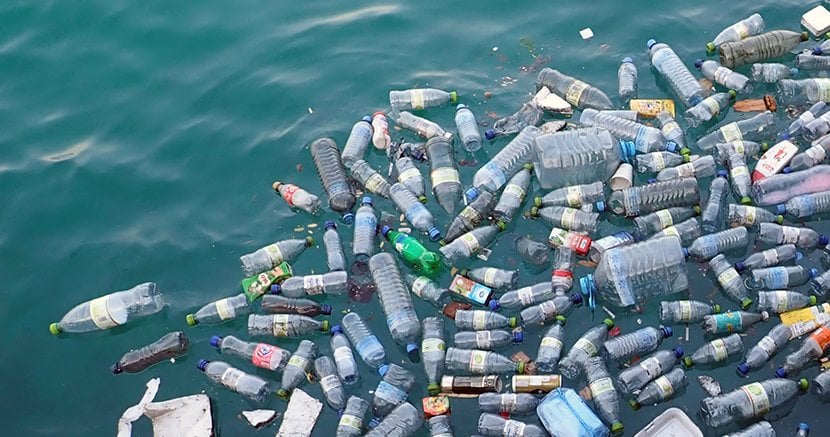
If you’re managing a campus dining program, you’re likely juggling rising operational costs, ambitious sustainability goals, and the daily challenge of keeping things running smoothly. Single-use packaging is a major pain point on all three fronts. It’s expensive, creates a mountain of waste, and doesn’t align with the green initiatives that students and stakeholders expect. While switching to reusable containers seems like the obvious answer, it introduces a new problem: how do you keep track of everything without losing your inventory or overwhelming your staff?
This is where reusable container tracking software comes in. It’s the operational brain that turns a well-intentioned reuse program into a cost-effective, efficient, and scalable system. By automating the entire lifecycle of each container—from checkout to return—you can finally solve the core challenges of running a zero-waste dining program. A great tracking platform doesn't just prevent container loss; it provides the data you need to manage inventory, prove your environmental impact, and create a seamless experience for students. It’s the key to making reusables work at scale.
Cut down on rising disposable packaging costs
The cost of single-use containers has skyrocketed, with many institutions spending tens of thousands of dollars annually on items that are used once and thrown away. This is a significant and recurring operational expense that directly impacts your bottom line. By investing in a durable set of reusable containers, you shift from a constant purchasing cycle to a one-time capital expense.
A robust tracking system is what protects that investment. It ensures you get your containers back, driving return rates up to 99% and maximizing the lifespan of each asset. By switching to reusable containers, dining places can free up money they used to spend on disposable packaging. This isn't just about saving a little here and there; it's about fundamentally changing your cost structure and reallocating funds to other areas of your dining program.
Meet sustainability and compliance mandates
Universities are at the forefront of the sustainability movement, often facing institutional or municipal mandates to eliminate single-use plastics and achieve zero-waste goals by 2030. A reusable container program is one of the most visible and impactful ways to demonstrate this commitment. It’s a tangible change that students interact with every single day.
Effective tracking software is crucial for turning these initiatives into measurable successes. It provides the hard data you need to report on waste diversion, carbon footprint reduction, and overall environmental impact. Many campuses are pursuing these innovative sustainability initiatives to improve their environmental stewardship. With the right system, you can easily track key metrics, demonstrate compliance, and share your success stories with the entire campus community.
Solve manual tracking headaches
Without a dedicated technology solution, reuse programs often rely on manual, honor-system-based methods that are prone to failure. Staff are left chasing down lost containers, manually checking inventory, and dealing with clunky sign-out sheets. This approach isn’t scalable and creates frustrating experiences for both your team and your students. It also requires significant coordination across different departments.
Automated tracking software eliminates these operational bottlenecks. By assigning a unique digital identity to every container, the system handles all the heavy lifting. It tracks where every item is in real-time, sends automated return reminders to users, and provides live inventory data. This frees your staff to focus on what they do best: providing great food and service. A proper system simplifies the complex challenge of reusable container tracking and makes the entire process effortless.
Uncover new revenue opportunities
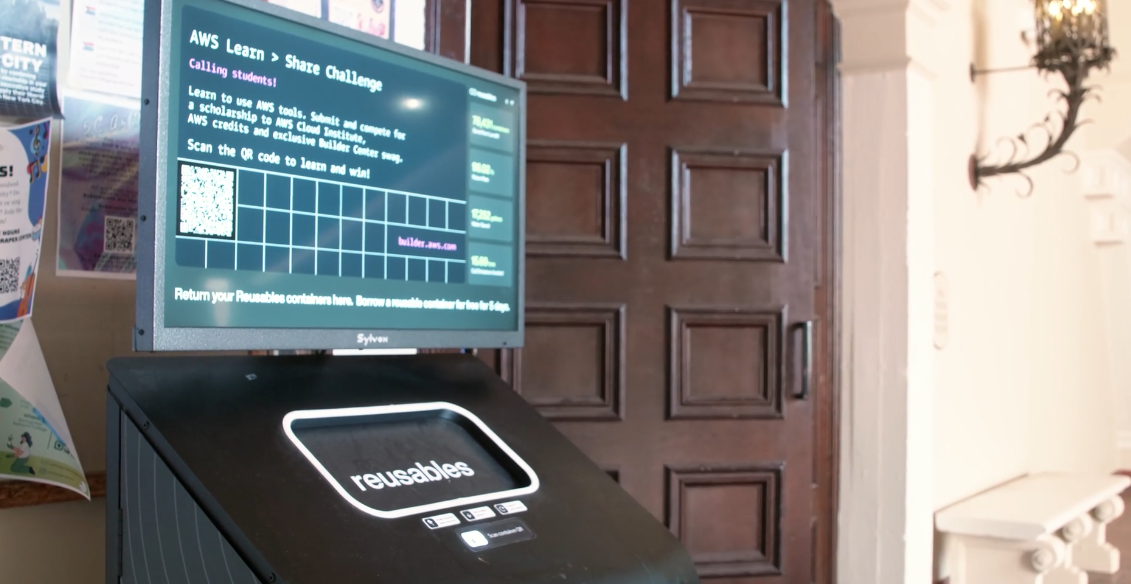
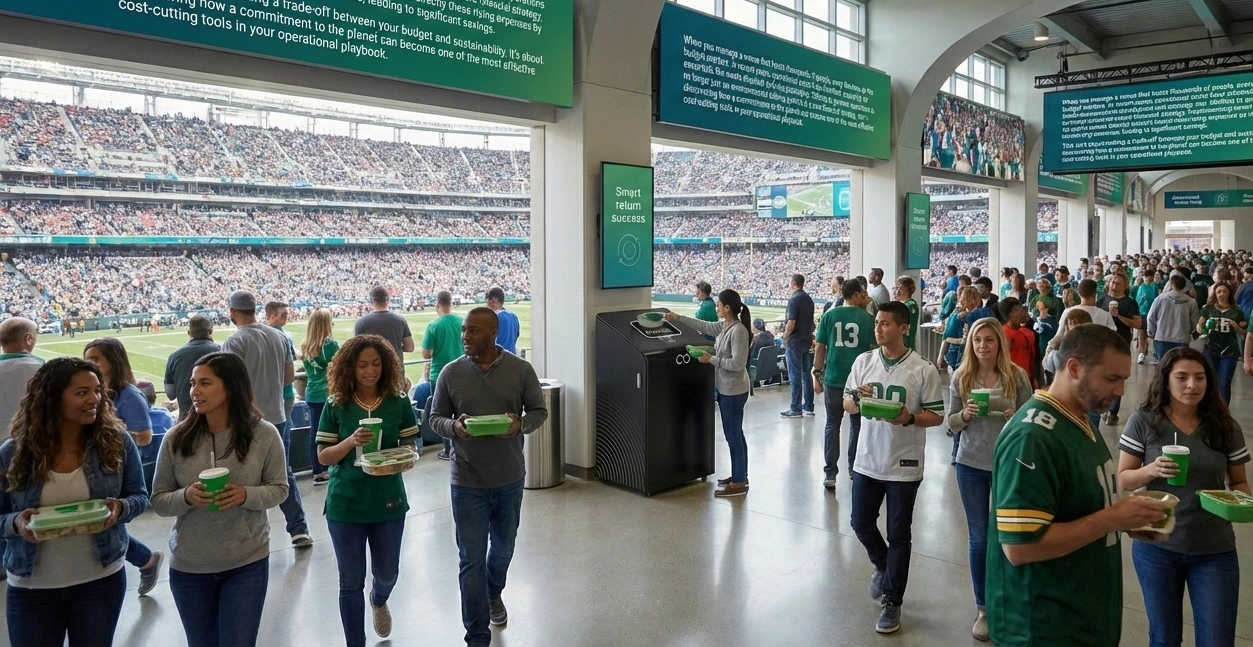
While the primary goals of a reuse program are cost savings and waste reduction, a modern tracking system can also create new streams of value. For example, some smart return bins are designed with built-in digital screens. These can be used for campus announcements or sold as advertising space to campus groups or local businesses, generating thousands of dollars in passive revenue per year.
Beyond direct revenue, a successful and highly visible sustainability program enhances your institution's brand. It becomes a selling point for prospective students who prioritize environmental responsibility and can be a point of pride for alumni and donors. The data from your tracking software—like the total number of containers reused or the amount of waste diverted—provides powerful content for marketing and communications that showcases your leadership in campus sustainability.
5 must-have features in container tracking software
When you’re ready to implement a reusable container program, the software you choose is the engine that will make it run smoothly. The right platform does more than just count containers; it integrates seamlessly into your operations, makes life easier for your staff, and provides a frictionless experience for students. A great system automates the tedious work of tracking and accountability, giving you the data you need to prove ROI and scale your sustainability efforts. Without solid tracking technology, even the best-intentioned reuse programs can falter due to lost inventory and low participation.
But with different technologies and approaches on the market, it can be tough to sort through the noise. What features actually make a difference in a busy campus dining environment? Think of this as your essential checklist. These five features are the non-negotiables that separate a clunky, frustrating system from one that drives high return rates, cuts costs, and genuinely supports your zero-waste goals. From effortless payment integrations to simple, app-free checkouts, these are the capabilities that will ensure your reusable program is a success from day one. Getting these right means you can focus on the big picture—reducing waste and improving the dining experience—while your software handles the details.
Real-time tracking with automated accountability
A successful reuse program depends on one thing: getting your containers back. Manual tracking is a recipe for lost inventory and staff headaches. Look for a system that gives each container a unique digital identity for real-time tracking. This lets you see where your inventory is at all times. More importantly, it enables automated accountability. The software should handle sending return reminders and applying late fees without any manual intervention from your team. As experts at Dalos point out, modern technology makes "automated reusable container tracking both technically feasible and economically compelling," freeing up your staff to focus on what they do best—serving students.
Seamless campus card and payment integration
For students, convenience is key. The best way to encourage adoption is to make the reusable program fit into their existing habits. That means the tracking software absolutely must integrate with your campus card and payment systems. A platform that works with providers like Transact, CBORD, and TouchNet allows students to check out a container with the same card they use for everything else on campus. This creates a smooth, familiar experience that removes friction. As a Transact Campus partnership announcement noted, this kind of integration "supports campuses’ commitments to their sustainability goals while also enhancing the checkout experience for students."
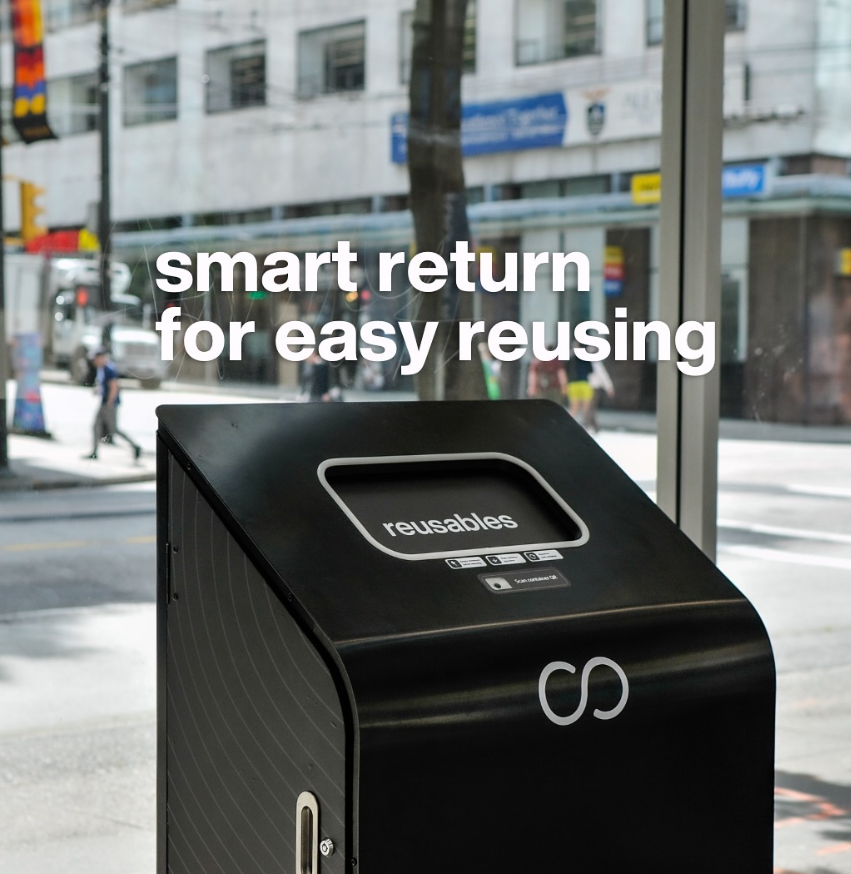
24/7 access with smart return stations
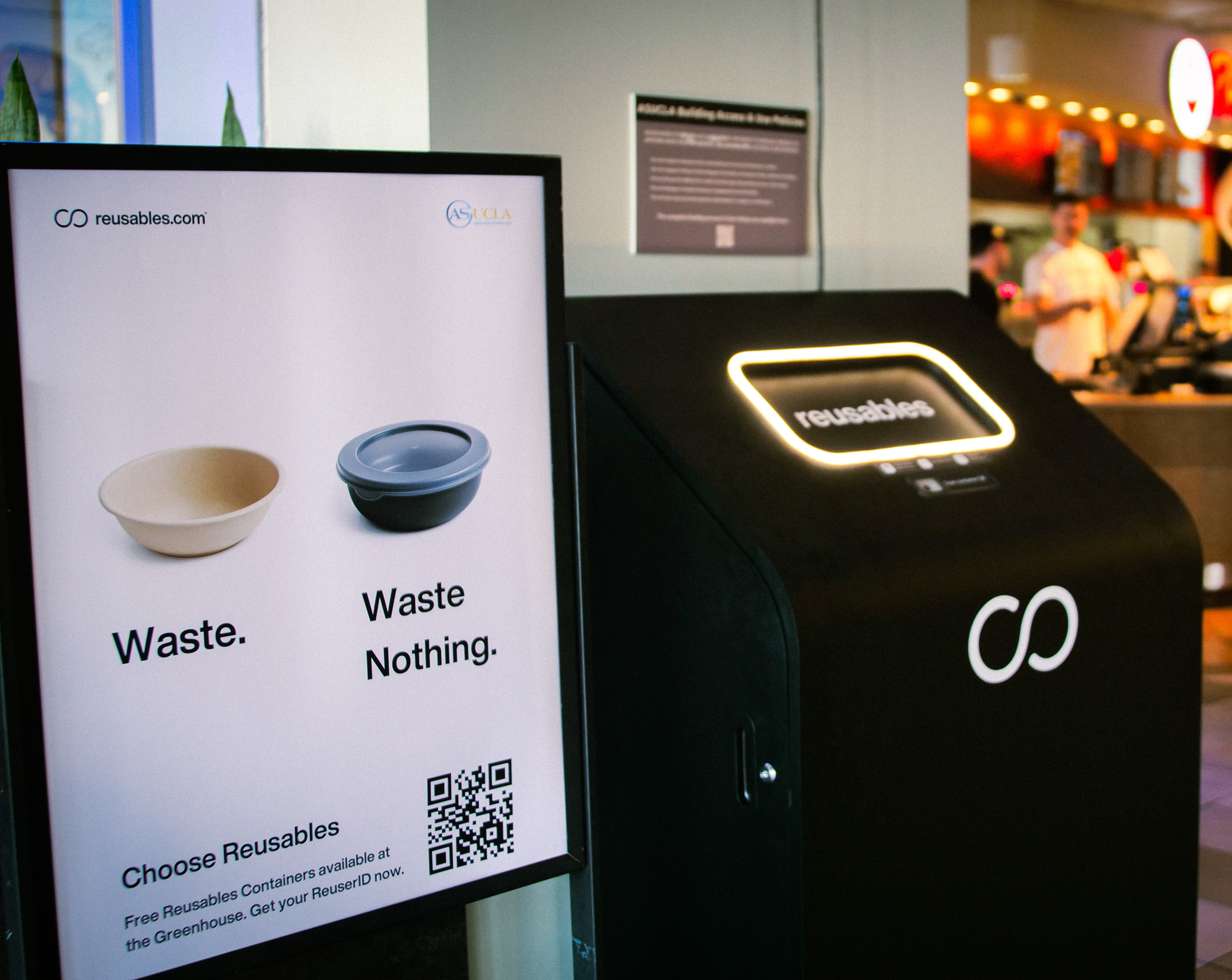
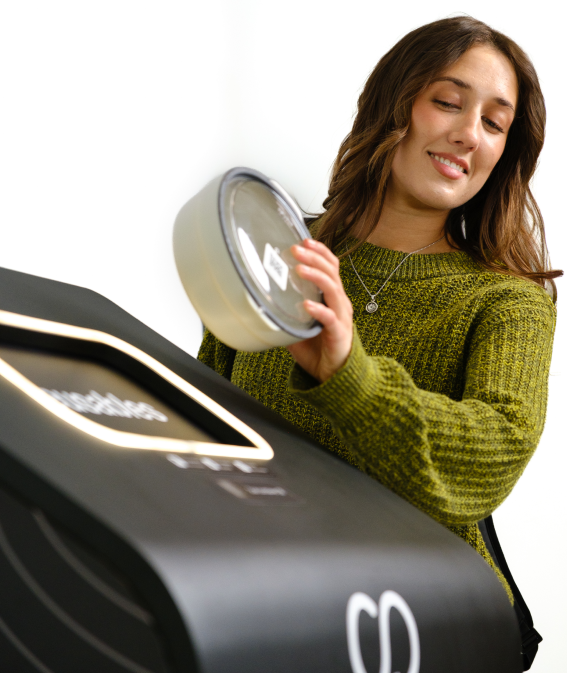
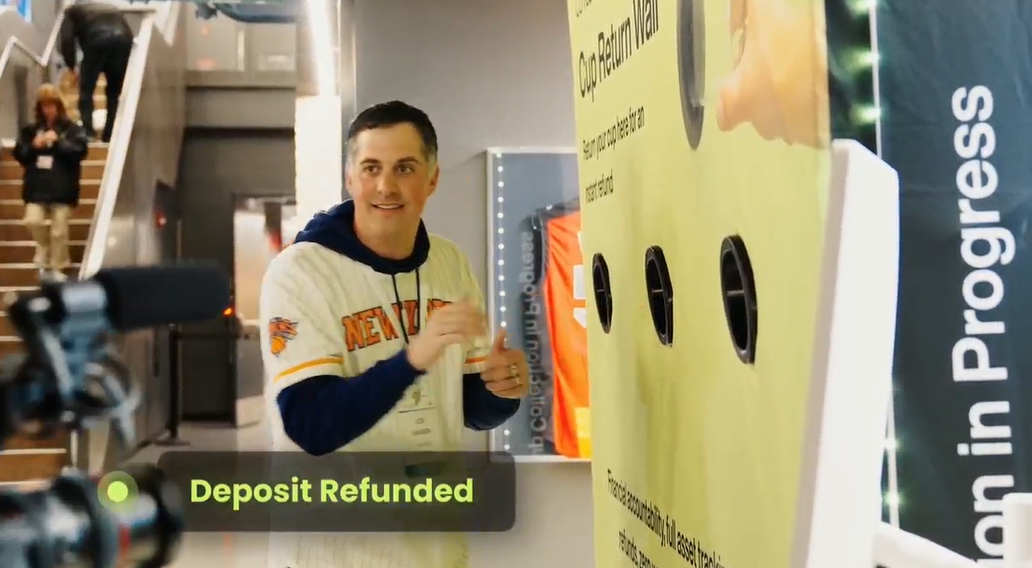
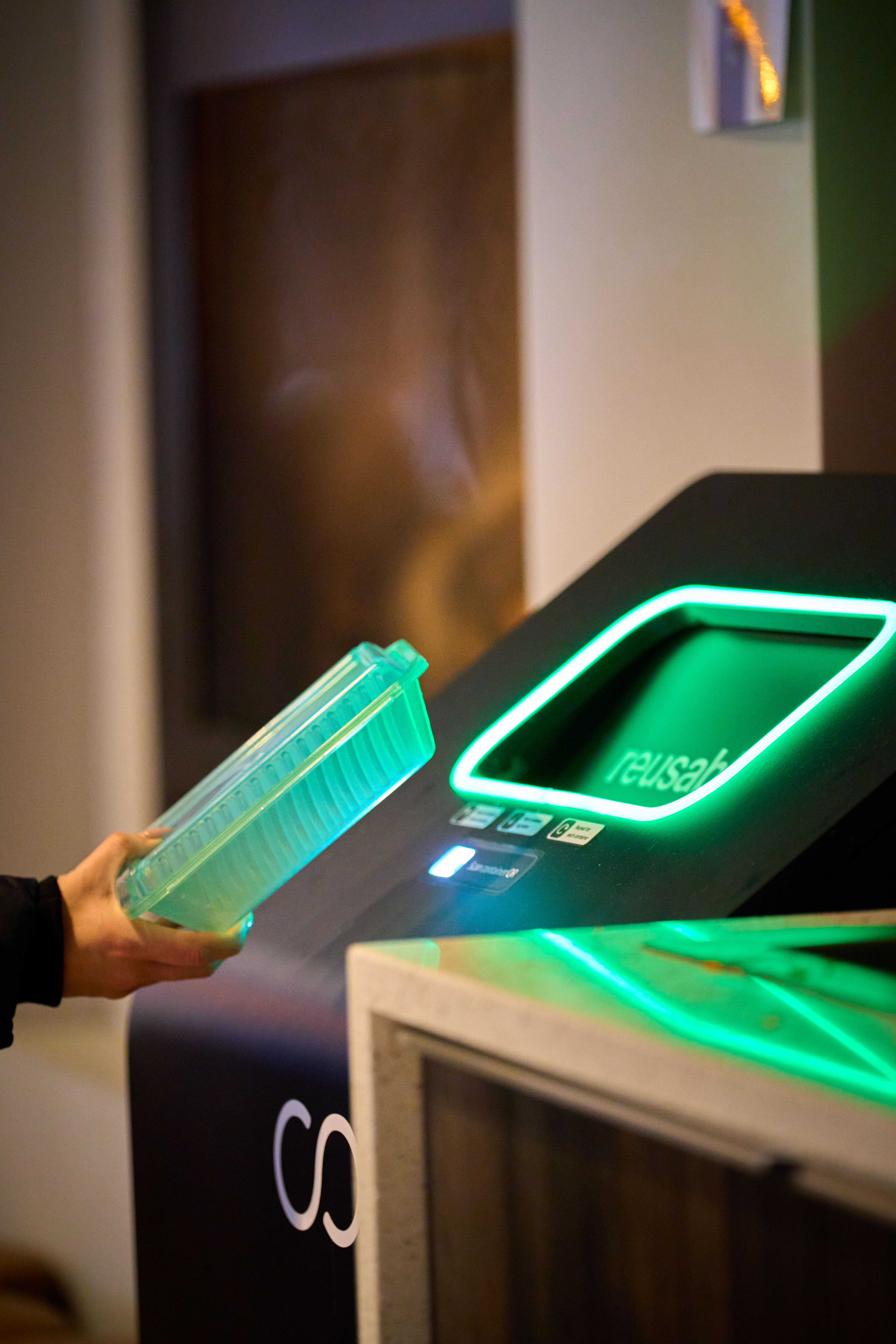
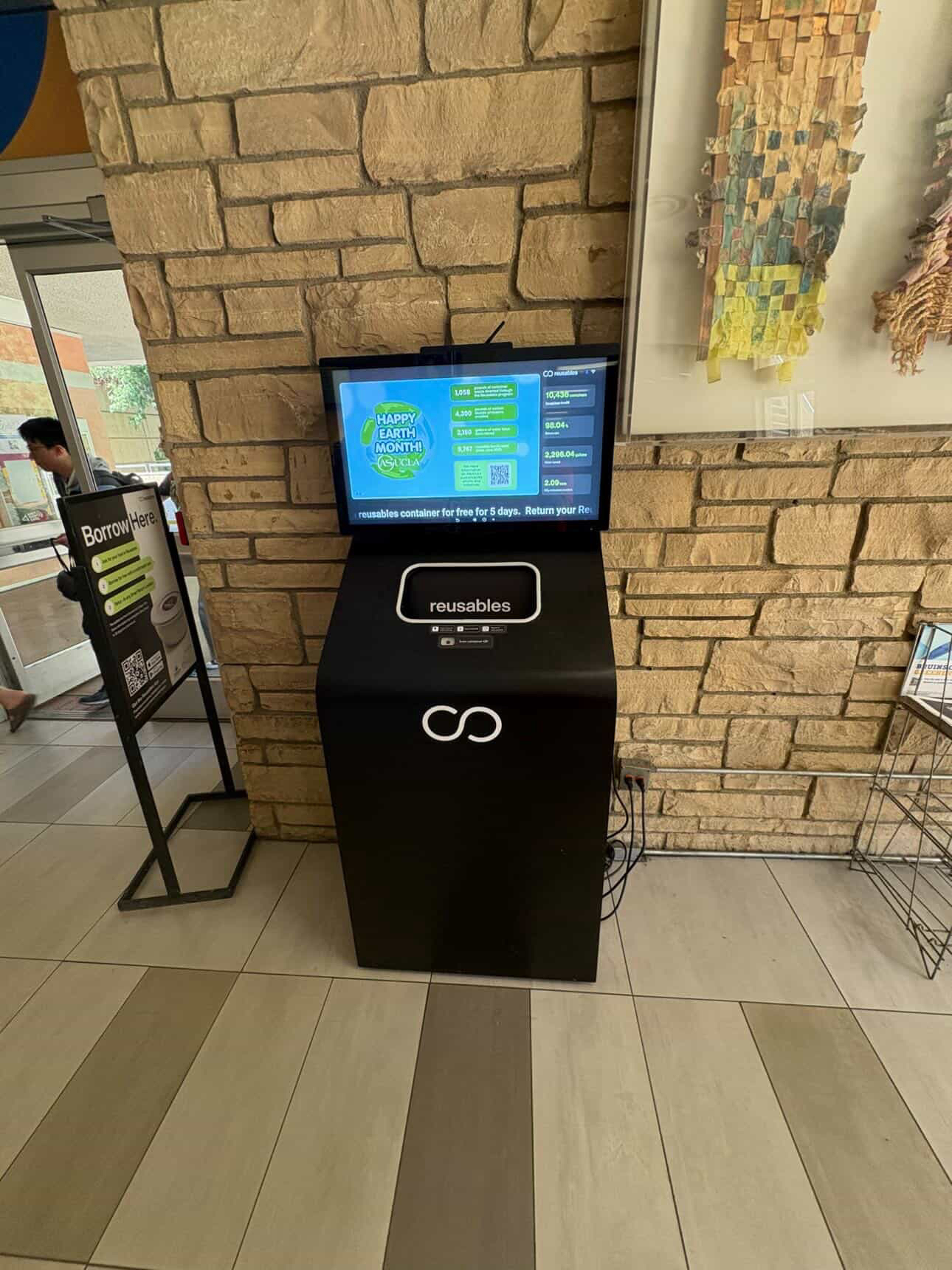
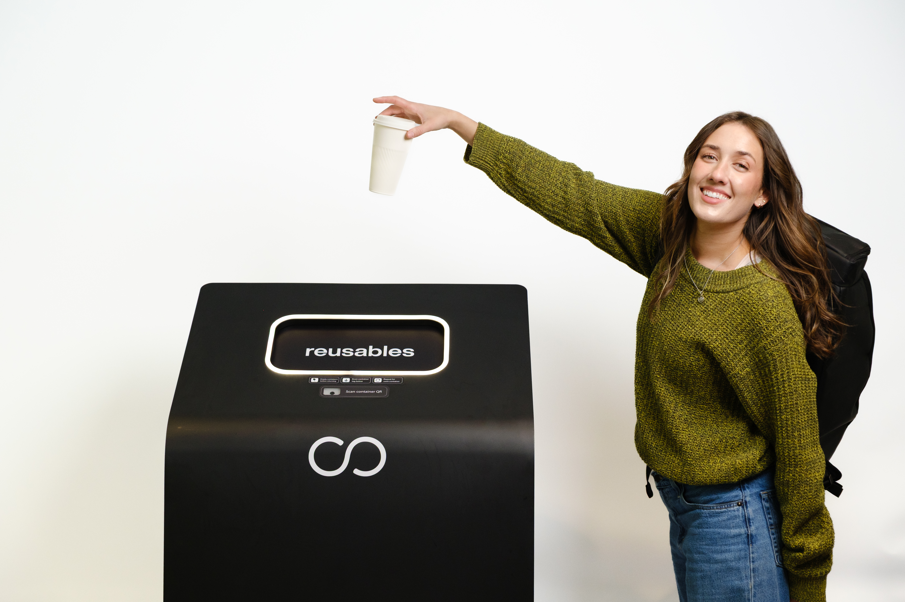
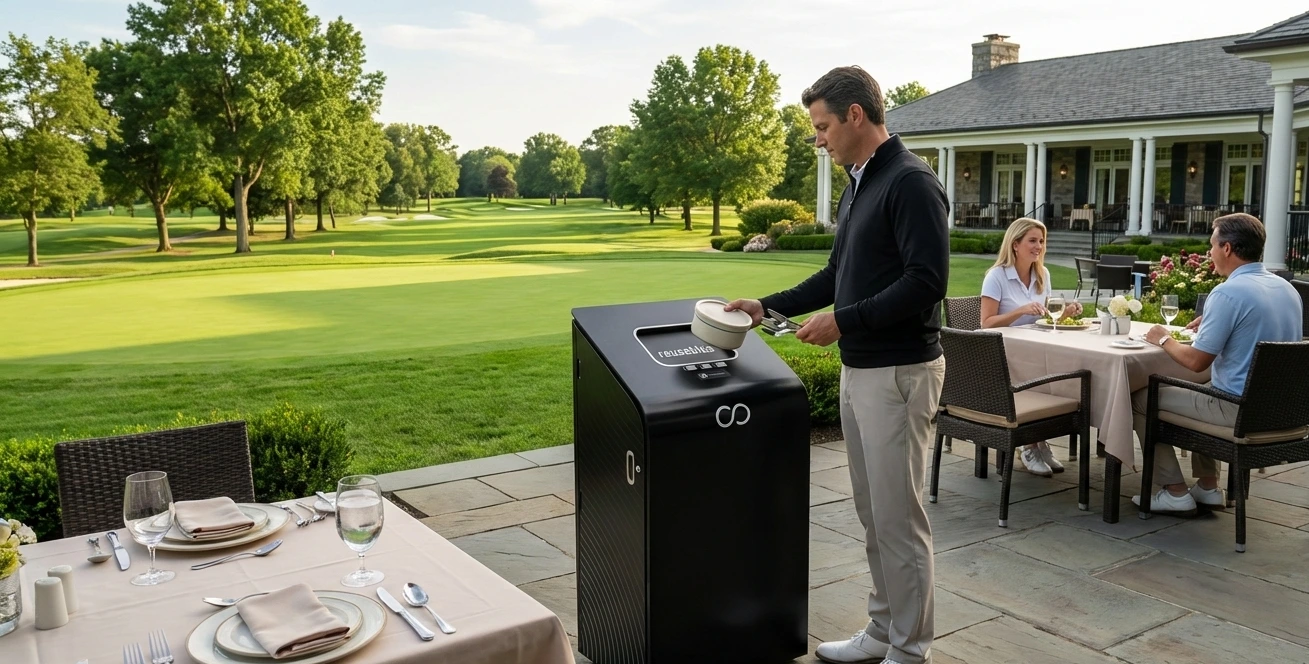
Students keep late hours, and your return system needs to accommodate that. Relying on returns only during dining hall hours creates a major bottleneck and discourages participation. Smart return stations are the solution. These bins should be accessible 24/7 in convenient locations across campus, like residence halls and libraries. The best ones are tamper-proof and use technology like QR or RFID scanners to automatically register a return the moment a container is dropped inside. This Tap-to-Reuse™ approach means students can "borrow a reusable cup or container at checkout, return it through smart drop points, and keep packaging in circulation—without deposit-first friction."
Actionable dashboards and analytics
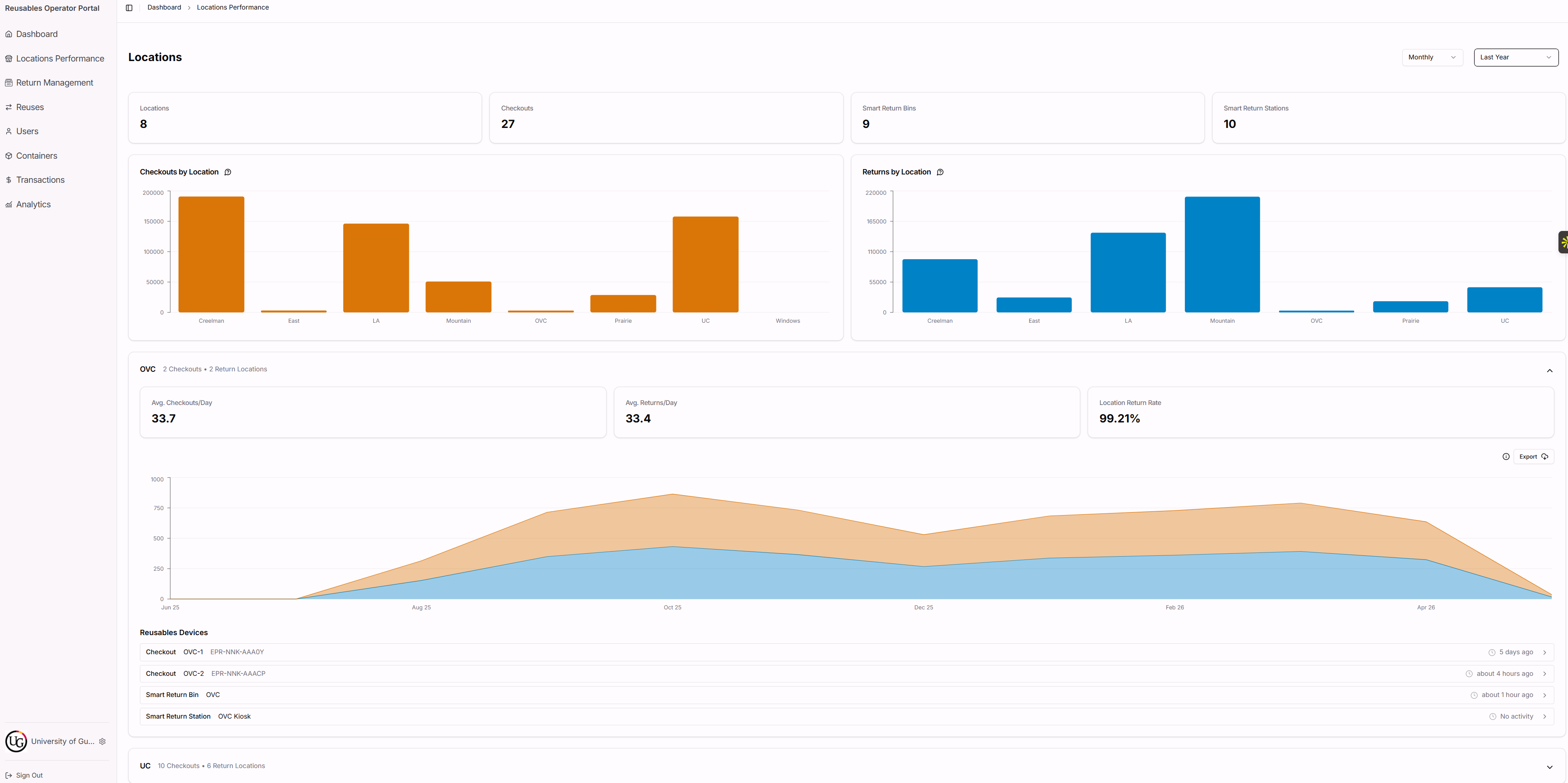
You can't manage what you can't measure. Your tracking software should provide a robust dashboard with clear, actionable analytics. At a glance, you should be able to see key performance indicators like return rates, container utilization, inventory levels, and your program's environmental impact. This data is crucial for optimizing your operations and demonstrating the value of the program to stakeholders. As a white paper from CHEP explains, "when it comes time to cement stakeholder alignment and prove ROI, having the right reports in place will make it easier to showcase the asset tracking system’s overall value."
A simple, app-free user experience
In a world of endless apps, the last thing students want is to download another one just to grab lunch. App fatigue is real, and requiring an app creates a significant barrier to entry. The ideal system offers an app-free experience. Using technologies like QR codes and RFID, students can simply tap their campus card or phone to check out a container. This "tap, take, and go" model is intuitive and fast. As we've explored in our guide to RFID vs QR codes, "Students might use the familiar QR code to check out a container at a self-serve station, while RFID handles the high-speed, automated work of logging returns in a smart bin."
How do the top container tracking solutions compare?
Choosing the right container tracking software is about finding the best fit for your campus's unique operations, technical infrastructure, and student experience goals. While many platforms aim to reduce waste, they approach the problem with different technologies and user experiences. Some rely on mobile apps, while others integrate directly with your existing campus card systems. Let's look at a few of the leading solutions to see how they stack up and help you identify the key features that matter most for your dining program.
Reusables.com: Tap to Reuse™ and full campus integration
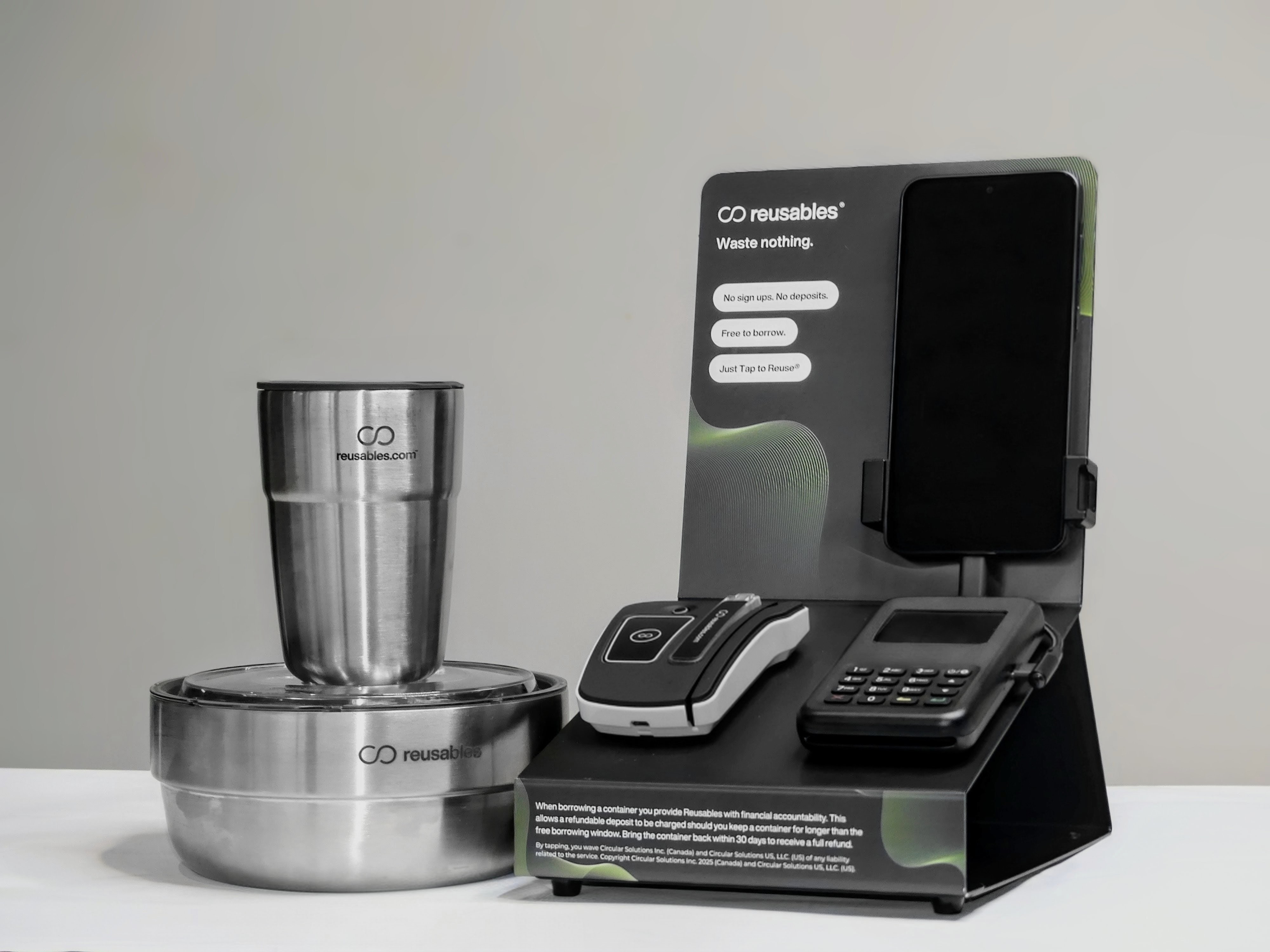
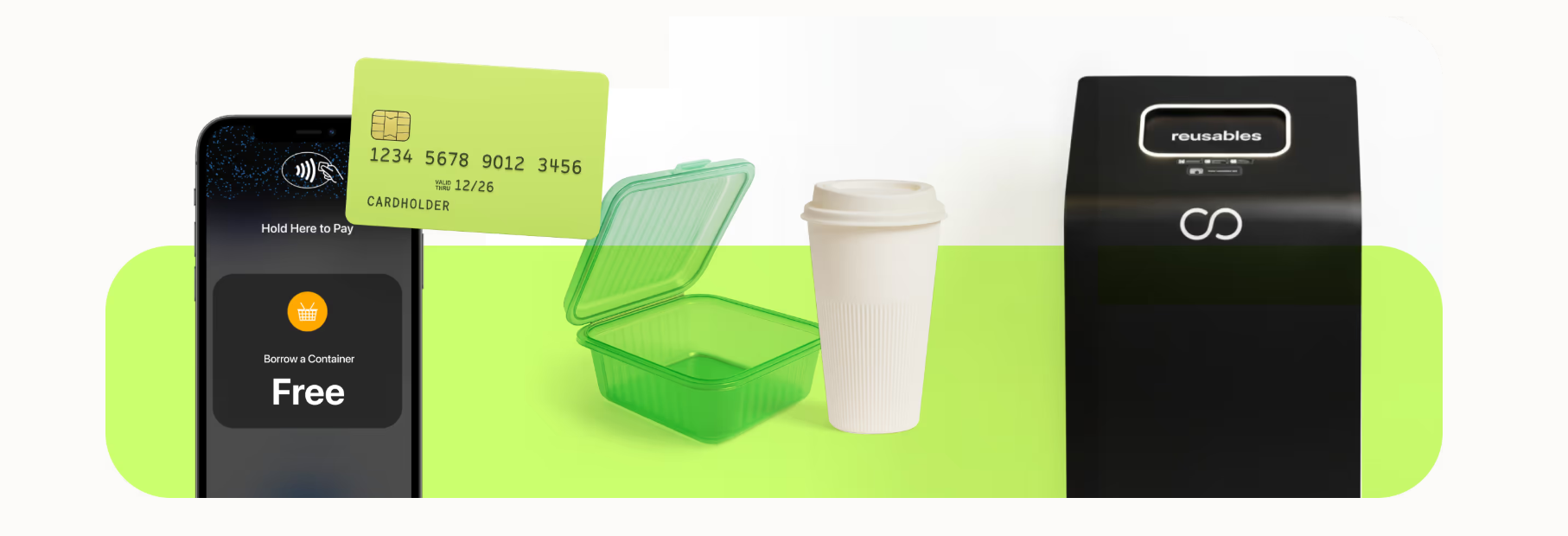
Reusables.com offers a complete, tech-enabled system designed for total campus integration. The standout feature is Tap to Reuse™, an app-free checkout process that lets students borrow containers simply by tapping their student ID card, mobile credential, or credit card. This seamless experience removes the friction of downloading an app. The platform is built to work with leading campus card systems, including a direct API integration with Transact. Combined with smart return bins and dual QR/RFID tracking, it provides a comprehensive solution that automates accountability and gives operators a clear view of their inventory and impact from a central dashboard.
ReusePass: A focus on dining locations
ReusePass is a program designed to help dining services manage reusable containers from checkout to return. Its primary focus is on tracking container usage within specific dining locations to reduce single-use waste. The system is effective at its core function and helps venues quantify their environmental impact by tracking metrics like greenhouse gas emissions saved. While it provides a solid foundation for a reuse program, it’s a more contained solution centered on the basic check-in/check-out process. It may be a good fit for smaller, self-contained operations that don't require deep integration with other campus-wide payment or credentialing systems.
SYNCROTESS: AI-powered logistics
SYNCROTESS takes a different approach, focusing on the high-level logistics of reusable packaging management. It’s an AI-powered software platform built to streamline complex supply chains for companies managing large pools of reusable assets, like crates or pallets. For a university setting, this type of reusable packaging management is more aligned with large-scale, behind-the-scenes operational planning rather than the student-facing experience in a dining hall. It’s a powerful tool for optimizing logistics but isn't designed for the specific point-of-sale interactions and student engagement needed on a college campus.
reUser: Solutions for campus environments
Like Reusables.com, reUser is designed for campus environments such as universities, hospitals, and corporate dining. The key difference lies in the user experience. The reUser platform operates through a mobile app that students must download to check containers in and out. While app-based systems are familiar, they can create a barrier to entry for some users and may lead to lower adoption rates compared to frictionless, tap-and-go systems. For campuses comfortable with an app-based ecosystem, reUser provides the necessary tools to manage a reusable container program and track inventory across different locations.
Comparing key differentiators and pricing
When you compare these solutions, the main differences come down to user experience and integration depth. Reusables.com’s app-free, tap-based system is built for high adoption, while reUser requires a mobile app. ReusePass offers a straightforward tracking system for dining halls, and SYNCROTESS is geared toward industrial logistics. As modern tech makes reusable container tracking more accessible, your decision will depend on your priorities. Do you need deep integration with campus cards? Is an app-free experience critical for your students? Pricing often reflects these factors, so it’s important to consider the total cost of ownership, including hardware like smart bins and potential integration fees.
How to plan for a smooth implementation
Switching to a reusable container system is a big move, but with a little planning, the transition can be seamless for your team and your students. A successful rollout isn't just about choosing the right software; it's about preparing your campus for a new way of operating. Thinking through the logistics ahead of time will help you avoid common hurdles and ensure your program gets off to a strong start. The goal is to make reuse feel like a natural, easy choice for everyone involved.
Ensure technology and system compatibility
Before you commit to a platform, make sure it plays well with the systems you already have. Your reusable container software should feel like a natural extension of your current operations, not a clunky workaround. Does it integrate with your existing campus card and payment providers, like Transact, CBORD, or TouchNet? A fully integrated system prevents headaches for your IT department and creates a frictionless experience for students. When you’re looking at tracking technology, it’s easy to see RFID and QR codes as interchangeable. The best solutions often use a dual-mode system, where each container has both, ensuring accurate tracking and compatibility across different container types and return stations.
Align your teams and departments
A successful reuse program is a team sport. Implementing asset tracking requires coordination across your operations, IT, finance, and facility management teams. Get key stakeholders from each department involved in the conversation early. Your dining staff are on the front lines and can offer practical insights, while your IT team will need to confirm network and security compatibility. Finance will want to understand the cost savings and ROI, and facilities will play a role in placing and maintaining return bins. Getting everyone on the same page from the start builds shared ownership and helps you address potential challenges before they become roadblocks.
Create a plan for container loss and damage
It’s a reality of any reusable system: some containers will get lost, damaged, or simply not returned on time. While some of the common problems companies experience include loss or theft of containers, a great tracking platform will have features designed to minimize this. Look for a system with automated accountability, like gentle reminders for overdue items and refundable late fees. This approach encourages high return rates—often 99% or higher—without creating awkward conversations or manual charging tasks for your staff. Having a clear policy in place for handling lost or damaged items ensures your inventory stays healthy and your program remains financially sustainable.
Drive user adoption through clear training
For any new system to succeed, people have to actually use it. This starts with clear, simple training for both your staff and your students. Your team needs to feel confident managing the system, from checking out containers to monitoring inventory levels in the dashboard. For students, the process should be so intuitive that it barely requires any training at all. An app-free checkout experience, like a simple tap of a student card, removes a major barrier to entry. The best way to ensure the system works for your campus is to make it incredibly easy for everyone to participate from day one.
How to measure the ROI of your tracking software
Once you’ve launched a reusable container program, you need a clear way to measure its success. The right tracking software doesn’t just give you data—it gives you the story of your program's impact. Proving the return on your investment goes beyond the balance sheet; it’s about showing improvements in efficiency, sustainability, and the student dining experience. Effective, clear, accurate reports not only ensure the continued efficiency of the program, but when it comes time to secure stakeholder alignment, having the right reports in place will make it easier to showcase the system’s overall value.
To get a complete picture, you need to look at four key areas: direct cost savings, container performance, environmental impact, and operational efficiency. Each piece tells part of the story. Financial savings demonstrate the business case, while return rates prove the system is working as intended. Environmental metrics fulfill your sustainability mission, and efficiency gains show the positive impact on your staff and daily operations. By tracking these areas together, you can build a comprehensive and compelling case for your investment. This data-driven approach moves the conversation from "Is this working?" to "How can we expand this success?" It provides the concrete evidence needed to justify budgets, gain support from other departments, and celebrate your wins with the entire campus community.
Calculate cost savings and your break-even point
Start by tallying up your annual spending on disposable containers, lids, and bags. With disposable packaging costs rising more than 200% in recent years, this number is likely significant. Compare that figure to the investment in your reusable container system, including the software, containers, and return stations. Your tracking software’s dashboard should provide the data you need to calculate your new, lower cost-per-use. This allows you to pinpoint your break-even point—the moment the program starts saving you money. This financial data is essential when you need to prove ROI to leadership and other departments, turning a sustainability initiative into a clear financial win.
Track return rates and container utilization
For a reuse program to be financially viable, you need to get your containers back. A high return rate is the single most important indicator of a healthy system. Before you launch, you should establish a set of key performance indicators (KPIs), with your target return rate at the top of the list. Your software should make it easy to see this metric in real time, so you can make adjustments quickly if rates dip. Also, monitor container utilization—how often is each container being checked out? This helps you understand if you have the right amount of inventory and ensures your assets are working for you, not sitting on a shelf.
Measure your environmental impact
One of the primary reasons for switching to reusables is to meet sustainability goals. Your tracking software should automatically translate your usage data into tangible environmental impact metrics. Look for dashboards that quantify the number of single-use containers you’ve diverted from the landfill, as well as the associated reductions in waste, carbon emissions, and water usage. These metrics are powerful for campus sustainability reporting, marketing materials, and showing students how their participation is making a real difference. This data provides the essential insights needed to assess environmental performance and communicate the value of your program beyond just cost savings.
Gauge improvements in operational efficiency
A reusable container program should make life easier for your team, not harder. Measure how the new system affects your operational workflow. Are you spending less time managing inventory or dealing with waste disposal? Implementing asset tracking requires coordination across operations, IT, and finance, but a good system streamlines these interactions. Look for time savings in areas like manual container counting, fee collection, and waste management. These efficiencies contribute to your overall ROI by freeing up your staff to focus on what they do best: providing an excellent dining experience for your students. This is a crucial, though often overlooked, component of your program's total value.
Related Articles
- How RFID Tracking for Beer Cups at Stadiums Works
- Is RFID Tracking for Better Inventory Management Worth It?
- How Student Card Reusable Container Checkout Works
- QR Code Reusable Packaging: A Campus Guide
- RFID vs QR Code for Reusable Tracking: Which is Best?
Frequently Asked Questions
What happens if students don’t return the containers? This is one of the biggest concerns when starting a reuse program, but it’s a problem that a great tracking system is built to solve. The software automates accountability so your staff doesn’t have to. If a container isn’t returned on time, the system can send a friendly reminder to the student. Most platforms also include a process for applying small, refundable late fees for items that are long overdue. This combination of gentle nudges and clear accountability is incredibly effective, leading to return rates of 99% or higher.
Will implementing a tracking system create more work for my staff? It’s actually designed to do the opposite. A good system automates the most time-consuming parts of managing reusables. Think about the time your team currently spends on tasks like counting inventory, managing disposables, or dealing with overflowing trash cans. Automated tracking eliminates that manual work. Since the software handles checkouts, returns, and reminders, your staff is freed up to focus on providing great food and service instead of chasing down containers.
How do we get students to actually participate in the program? The key to getting students on board is to make it incredibly easy. The most successful programs integrate directly with existing campus card systems, so students can check out a container with the same card they use for everything else. This removes the friction of having to download another app or sign up for a separate service. When you combine a simple, tap-and-go checkout with convenient 24/7 return bins placed in high-traffic areas like residence halls, participation feels effortless and becomes a natural part of their daily routine.
What’s the real difference between an app-based system and a tap-to-use system? The main difference is the user experience. An app-based system requires every student to download an application on their phone, create an account, and remember to use it at checkout. This can be a significant barrier for many. A tap-to-use system, on the other hand, is app-free. It works with the student ID card or mobile wallet they already use every day. Students simply tap their card or phone to borrow a container, making the process as fast and familiar as buying a coffee.
How quickly can we expect to see a return on our investment? You can start measuring your return almost immediately. The first step is to calculate what you currently spend on single-use packaging each year. Once the reusable system is running, your software’s dashboard will show you the new, much lower cost-per-use for your containers. This allows you to find your break-even point, which is often much sooner than you’d think. Beyond the direct financial savings, your return also includes significant gains in operational efficiency and the immense value of meeting your campus sustainability goals.
Other stories you may find interesting

.png)


.avif)




.webp)



Watch the Webinar
Learn How to Eliminate Single-Use Waste
Get instant access to our expert webinar and discover how leading institutions reach 99% return rates through smarter reuse systems.

© Reusables™. All rights reserved.