
How to Implement Trackable Food Packaging Solutions

March 16, 2026
In food service, you rely on data to manage everything from food costs to staffing levels. So why should your packaging be a black box? Without a clear way to monitor your reusable containers, you’re left guessing about return rates, inventory levels, and the true ROI of your sustainability efforts. This lack of visibility can make a reuse program feel like a risky investment. Modern trackable food packaging solutions replace that guesswork with certainty. By giving each container a unique digital identity, you gain real-time insights into your entire system, allowing you to make informed decisions, streamline operations, and confidently report on your progress toward zero-waste goals.
Key Takeaways
- Treat Reusables Like an Investment, Not an Expense: A trackable system transforms your containers into valuable assets. By giving each item a unique digital ID, you protect your investment, ensure high return rates, and gain the operational data needed to manage inventory effectively.
- Make Reuse the Easiest Choice on Campus: Success depends on student and staff adoption. The best programs integrate with existing campus cards and use familiar tech like QR codes for checkout and automated RFID for returns, creating a seamless experience that encourages participation.
- Look Beyond Upfront Costs to See the Real Savings: To understand the true value, compare the one-time cost of a reusable system to the endless cycle of purchasing disposables. A trackable program provides clear data on your return on investment, showing significant long-term savings and measurable environmental impact.
What is Trackable Food Packaging?
Trackable food packaging is a system that lets you follow a reusable container's journey from the servery to a student’s hands and back to the dish room. Think of it as giving each container a unique digital passport. Instead of being a disposable expense, each cup, bowl, and clamshell becomes a valuable, trackable asset for your dining program. This visibility helps you answer critical questions: Where is our inventory right now? How many containers are in circulation versus sitting in a dorm room? Which locations have the highest usage rates?
By tracking each item, you can create a system of accountability that encourages returns without burdening your staff. It’s the foundation of a successful reuse program, turning a potential logistical headache into a streamlined, data-driven operation. A well-implemented zero-waste packaging system not only helps you understand how your assets are being used but also provides the insights needed to optimize inventory, reduce loss, and accurately measure your environmental impact. It’s about replacing guesswork with certainty.
The Technology Behind the Tracking
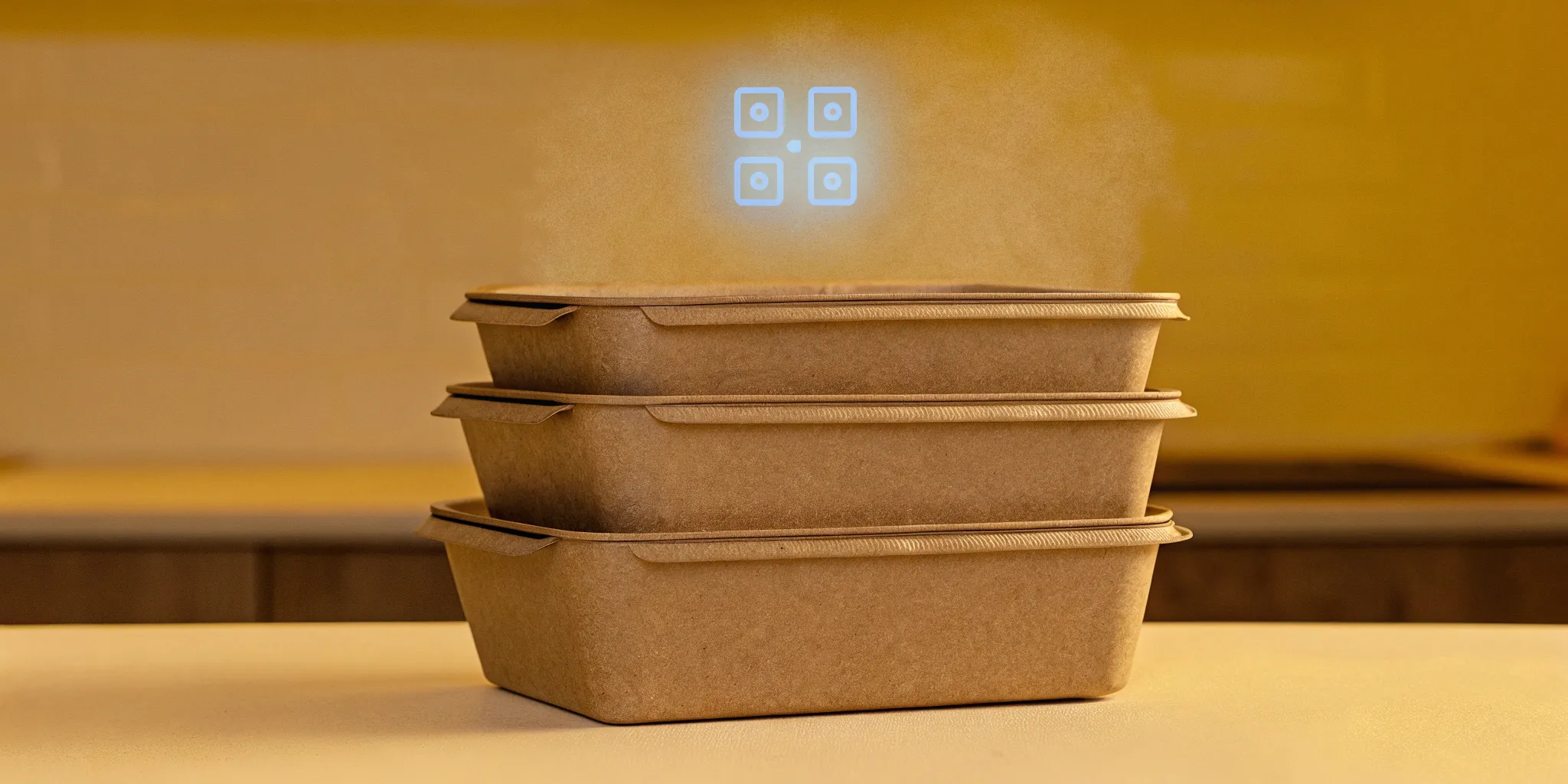
The magic behind tracking lies in giving each container a unique digital identity. This is typically done using one of two technologies: QR codes or Radio Frequency Identification (RFID). A QR code is a scannable barcode that students can easily scan with their phones or that your team can scan at checkout. It’s a simple and familiar way to link a container to a user’s account.
RFID technology uses a small tag or chip embedded in the container that can be read automatically by scanners, often without a direct line of sight. This allows for faster, more automated check-ins and returns at smart bins. The best systems often use both, providing flexibility for different operational needs across campus.
How Does It All Work?
The technology is just one piece of the puzzle; the software and operational flow bring it all together. When a student checks out a container, a quick scan or tap links that item’s unique ID to their campus card or account. The system now knows who has which container. When the student drops it off at a return station, another scan automatically checks it back into your inventory and clears the student’s account.
This automated process is crucial for creating a structured traceability system that ensures high return rates. Modern food traceability software streamlines the entire workflow, sending automated return reminders to students and providing your team with real-time data on inventory levels and bin fullness. This removes the need for manual tracking and follow-up, freeing up your staff to focus on providing a great dining experience.
Why Your Dining Service Needs Trackable Packaging
Implementing a reusable packaging system is a major step, but adding tracking is what makes it a truly smart investment for your dining service. Trackable containers give you the data and accountability needed to manage your inventory, understand student behavior, and prove the value of your program. It transforms your reusables from simple containers into powerful assets that help you meet sustainability targets, ensure food safety, and control your budget. Without tracking, you’re essentially guessing about your return rates and financial impact. With it, you have a clear, data-backed path to success.
Hit Your Sustainability Goals
Many campuses have ambitious zero-waste goals, and dining services are on the front lines of making them a reality. While switching to reusables is a great start, a trackable system ensures your program is effective. Tracking each container provides concrete data on usage and return rates, allowing you to measure your environmental impact accurately. This data is essential for reporting progress to stakeholders and showing students how their participation makes a difference. As food brands increasingly adopt smart packaging features, students and staff expect modern, transparent solutions. A trackable system demonstrates a serious commitment to sustainability that goes beyond simple material swaps, building confidence and encouraging participation across campus.
Improve Food Safety and Compliance
In food service, safety and compliance are non-negotiable. Trackable packaging creates a digital record for every container, offering a new layer of traceability. This is especially important with regulations like FSMA Rule 204, which requires detailed tracking for certain foods to ensure a safer supply chain. By assigning a unique ID to each container, you can monitor its journey from the kitchen to the student and back to the dish room. This digital trail can be crucial during a safety recall or for simply ensuring that every container is properly sanitized between uses. It provides peace of mind and a clear, defensible record of your operational procedures, keeping your students safe and your service compliant.
Cut Costs and Increase Efficiency
Disposable packaging comes with endless, rising costs that can strain any budget. A trackable reusable system offers a way to break that cycle. While there is an initial investment, the long-term savings are significant. Tracking is the key to protecting that investment by ensuring containers actually come back. With industry-leading return rates, you avoid the constant need to repurchase lost inventory, a common pitfall of untracked programs. Furthermore, the data from a trackable system helps you optimize your packaging program by revealing usage patterns and peak demand times. This allows you to manage your inventory more efficiently, reduce waste, and ultimately lower your annual operational costs by 30% or more.
The Technology That Powers Effective Tracking
A successful reusable packaging program hinges on one key factor: getting your containers back. Without a reliable way to track your inventory, you risk losing assets, frustrating students, and creating more work for your staff. This is where smart tracking technology comes in. It’s the engine that runs a smooth, efficient, and accountable reuse system, turning a good idea into a practical, cost-saving solution.
Effective tracking isn't just about knowing where a container is. It’s about creating a frictionless experience for everyone involved. For students, it means a simple checkout and return process that feels effortless. For your team, it means having clear, real-time data on inventory levels, return rates, and bin fullness without manual counts or guesswork. The right technology provides the operational visibility needed to manage the system proactively, ensuring you always have enough clean containers ready to go. By combining different technologies, you can automate the entire lifecycle of a container, from the moment it's checked out to the second it’s returned. This integrated approach is what separates a program that works from one that creates headaches. It ensures high return rates and gives you the data to demonstrate the program's financial and environmental impact.
RFID for Automated Accuracy
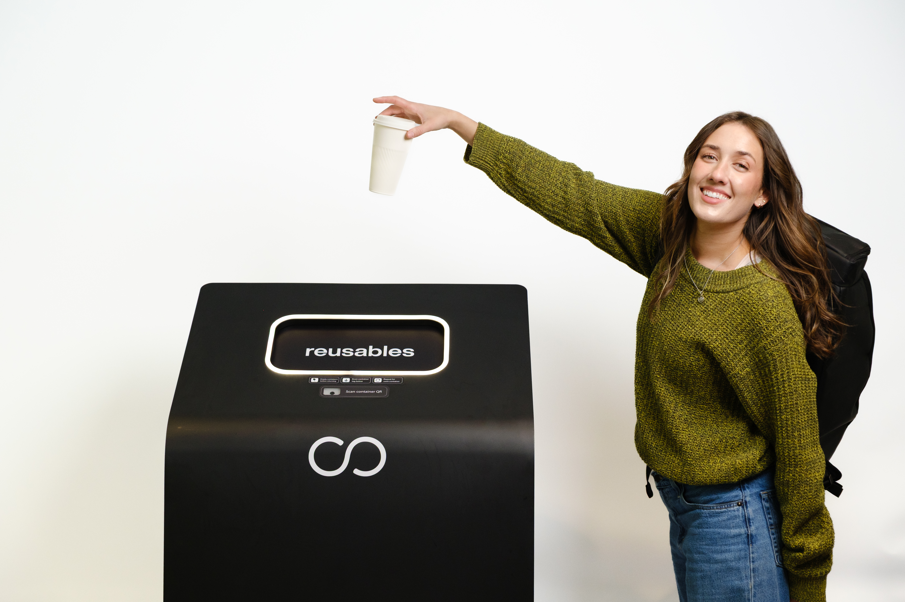
Think of RFID (Radio-Frequency Identification) as an automatic check-in for your containers. Each container is equipped with a small tag that has a unique digital ID. When a container is dropped into a smart return bin, an RFID reader automatically detects the tag and registers its return, no manual scanning required. This hands-free process is incredibly fast and accurate, eliminating the potential for human error and freeing up your staff from tedious tasks.
This automated accuracy is what makes managing a large fleet of containers possible. You get a precise, real-time count of returned inventory without anyone needing to scan each item individually. RFID technology gives each container a unique identity, allowing you to collect and store information at every step. This is especially useful for durable stainless steel containers, where printed codes might wear down over time.
QR Codes for Easy Scanning
While RFID handles the return process automatically, QR codes make the checkout process simple and familiar. Everyone knows how to use a QR code. Students can quickly scan a container at a self-checkout kiosk or have it scanned by a cashier, linking it to their account in seconds. This approach removes the need for students to download a special app, reducing friction and encouraging participation from day one.
This ease of use is critical for adoption. By using a technology that’s already integrated into daily life, you make the borrowing process feel like a natural part of the dining experience. This mobile traceability is powerful because it’s accessible to everyone with a smartphone. When combined with RFID for returns, you get a dual-mode system that offers the best of both worlds: simple, user-driven checkouts and automated, staff-free returns.
Dashboards for Real-Time Data
All the information gathered from RFID and QR scans needs a central place to live, and that’s the role of a management dashboard. This is your command center, translating raw data into actionable insights. Instead of guessing how many containers are in circulation or when a return bin is getting full, you can see everything in one place. A good dashboard gives you a live look at key metrics like inventory levels, usage rates, and return patterns.
This visibility allows your team to manage the system with confidence. You can see which locations are most popular, identify trends over time, and receive automatic alerts when a bin needs to be serviced. This level of automated data collection provides the high-quality data you need to optimize your operations, prove the system's ROI, and track your progress toward sustainability goals.
Comparing Your Options: Cost vs. Effectiveness
When you’re evaluating new packaging solutions, it’s easy to focus on the upfront price tag. But a true comparison goes deeper, weighing initial investment against long-term operational gains and savings. The most effective choice isn’t always the cheapest at first glance; it’s the one that delivers the best value by solving multiple problems at once, from reducing waste to streamlining your daily workflow. Let's break down how to look at the bigger picture.
The Advantage of an Integrated System
A truly effective packaging solution is more than just a container; it’s a complete system. Think of it this way: your packaging needs to protect food quality, but it also needs to be easy for staff and students to use. An integrated system combines durable containers with smart technology that gives you full visibility. Features that support traceability and consumer confidence are becoming standard because they create a seamless and trustworthy experience. When your tracking technology, return stations, and user accounts all work together, you get higher return rates, better inventory management, and valuable data you can use to make informed decisions.
The Hidden Costs of Disposable Options
The price of single-use containers is just the beginning. The ongoing cycle of purchasing, stocking, and disposing of these items adds up quickly, especially as material and shipping costs rise. Beyond the purchase price, you have to account for waste management fees, which can be substantial. This constant expense is a major challenge for many dining programs, creating a significant drain on your budget without adding any lasting value. Opting for a reusable system transforms this recurring operational expense into a one-time investment that pays for itself by eliminating the need to constantly buy and throw away packaging.
Calculating Your Implementation Costs and ROI
To understand the true value of a trackable packaging system, you need to calculate its return on investment (ROI). Start by auditing your current annual spending on disposable containers, including purchase price, shipping, and waste hauling fees. Then, compare that to the cost of implementing a reusable system. But don't stop there. Factor in the long-term cost savings from eliminating disposables and the operational efficiencies gained from automated tracking. A system with a robust data dashboard makes it easy to monitor key metrics like return rates, container usage, and student participation, giving you clear proof of your program's financial and environmental success.
How to Implement a Trackable Packaging System
Switching to a reusable packaging system can feel like a huge project, but it's manageable when you break it down. A successful launch comes down to three things: ensuring the tech fits your current operations, getting staff and students on board, and tracking the right metrics. Focusing on these steps helps you build a program that meets your sustainability goals and runs smoothly from the start.
Check Your Infrastructure and Integration Needs
First, look at your existing technology. Your dining halls and cafes already have campus card and point-of-sale (POS) systems. The right reusable packaging program should integrate with what you already use, not force you to start over. Seamless integration is key for accurate tracking and a smooth user experience for students. It also ensures all your data is available instantly, which is essential for meeting modern food traceability regulations. Find a partner that works with your current payment and credential platforms to make the transition simple for everyone.
Plan for Staff Training and Student Adoption
Technology is only effective if people use it. Your staff will be the champions of this new program, so they need clear training on how the system works and how to answer student questions. For students, the process must be easy and rewarding. It's much simpler to get students excited about reuse when the process is frictionless. Look for systems that don't require an app download and instead use existing student cards. Engaging your community is easier with built-in incentives, like rewards or campus leaderboards, which help build a culture of reuse.
Measure Success with the Right Metrics
You need to know if your new system is working, so define your key performance indicators (KPIs) from the start. Beyond tracking cost savings on disposables, monitor metrics like container return rates, student participation, and inventory levels. The best systems provide a dashboard with real-time data on your environmental impact, such as the number of single-use containers saved from a landfill. With the right tools, you can easily measure the effectiveness of your program and share clear, compelling results with campus stakeholders.
Related Articles
- What Is RFID Tracking for Reusable Food Containers?
- QR Code Reusable Packaging: A Campus Guide
- A Guide to RFID Reusable Container Management Systems
- RFID vs QR Code for Reusable Tracking: Which is Best?
Frequently Asked Questions
What kind of return rates can we realistically expect? We've seen other reuse programs struggle with this. This is the most common concern, and it's a valid one. The key difference is accountability. Untracked systems rely on goodwill, but a trackable system creates a gentle feedback loop. With automated reminders and a clear link to a student's account, return rates are consistently high, often around 99%. It’s less about penalizing students and more about creating a clear, easy-to-follow process that makes returning containers a simple habit.
How does a trackable system affect my staff's workload? It's designed to reduce their workload, not add to it. The system automates the most time-consuming tasks. Your team won't have to manually count inventory, chase down students for returns, or handle late fees. Smart return bins even send alerts when they're full, so your staff can manage them efficiently. This frees up their time to focus on what they do best: serving great food and creating a positive dining experience.
Can we use our existing container inventory with your tracking system? Yes, absolutely. The system is designed to be flexible. While we can connect you with partners for new containers if you need them, our tracking technology (like QR and RFID tags) can be applied to your existing inventory of durable plastic or stainless steel containers. This allows you to protect the investment you've already made while gaining all the benefits of a fully trackable, automated system.
How complicated is the integration with our current campus card and POS systems? We know that adding new technology can be a concern, so we've made integration a priority. Our platform is built to work seamlessly with the major campus card and payment systems you already use, like Transact, CBORD, and TouchNet. The goal is to make the system feel like a natural extension of your existing operations, not a complicated add-on.
What makes this system easy for students to use? Simplicity is everything. Students can check out a container with a quick tap of their campus card or phone, without needing to download a separate app. The process is fast and feels just like any other transaction. Returns are just as simple, often just dropping the container into a smart bin. By removing friction and making reuse as easy as grabbing a disposable, we see much higher and more consistent participation.
Other stories you may find interesting
















.webp)
.webp)


























Watch the Webinar
Learn How to Eliminate Single-Use Waste
Get instant access to our expert webinar and discover how leading institutions reach 99% return rates through smarter reuse systems.

© Reusables™. All rights reserved.