
5 Best Zero Waste Solutions for Universities

April 13, 2026
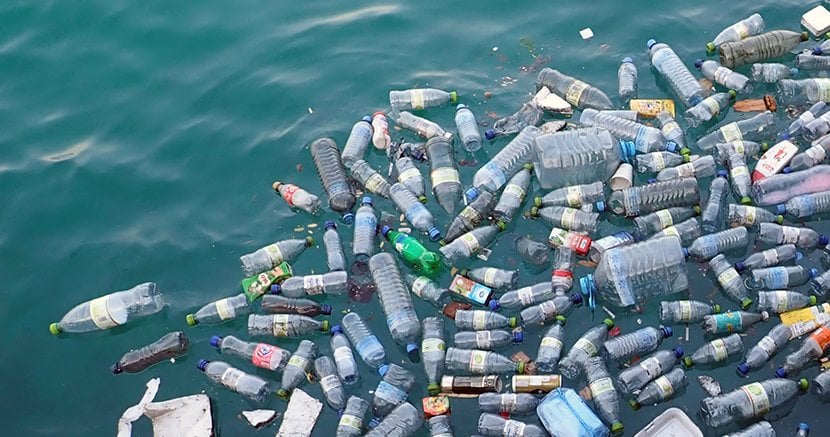
Zero waste is no longer just a campus buzzword. With disposable packaging costs rising more than 200% in recent years and sustainability mandates tightening across North America, dining directors and sustainability leaders need solutions that actually work at scale.
The challenge? Most campus zero waste programs stall because they rely on student goodwill alone. The solutions that succeed combine smart technology, operational simplicity, and measurable results.
Here are five proven zero waste solutions for universities, ranked by impact and scalability.
Key Takeaways
- Reusable container systems deliver the highest waste reduction per dollar, especially when powered by automated tracking and app-free checkout.
- Composting programs handle organic waste but add operational complexity and cost.
- Water refill stations are a quick win for eliminating single-use beverage bottles.
- Food waste tracking platforms reduce overproduction and surplus, cutting waste before it happens.
- Procurement policy changes create long-term systemic impact by eliminating single-use materials at the source.
What Makes a Zero Waste Solution Effective on Campus?
Before diving into specific solutions, it helps to understand what separates programs that thrive from those that fade after one semester.
The most successful zero waste solutions for universities share three qualities:
- Low friction for students. If it takes extra steps, participation drops. The best programs fit into existing student behavior rather than requiring new habits.
- Minimal staff overhead. Dining teams are already stretched thin. Solutions that require manual tracking, constant monitoring, or extra labor rarely last.
- Measurable results. Campus leadership and grant committees want data. Solutions that provide real-time metrics on waste diversion, cost savings, and environmental impact earn continued funding and support.
With those criteria in mind, here are the five solutions making the biggest impact on university campuses today.
1. Reusable Container Systems
Best for: Campus dining and takeout operations
Waste reduction potential: Up to 90% reduction in single-use packaging waste
Reusable container programs have evolved dramatically from the "borrow and hope they return" model of a few years ago. Today's systems use technology to automate the entire cycle, from checkout to return to tracking.
How Modern Reusable Systems Work
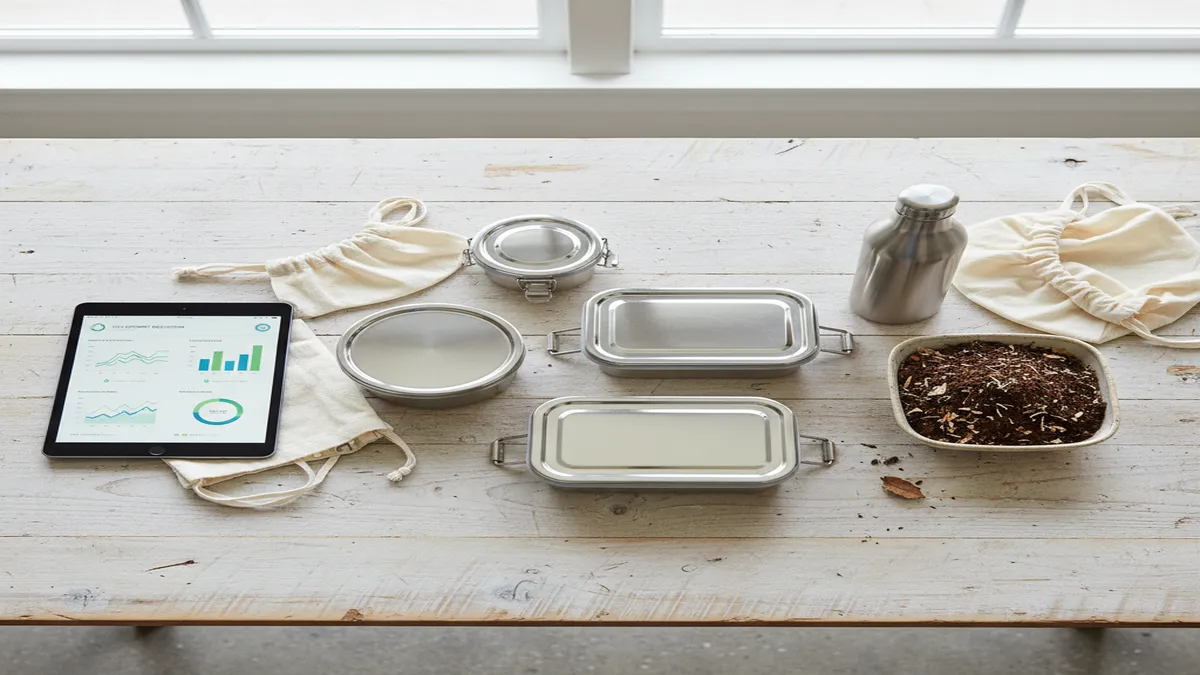
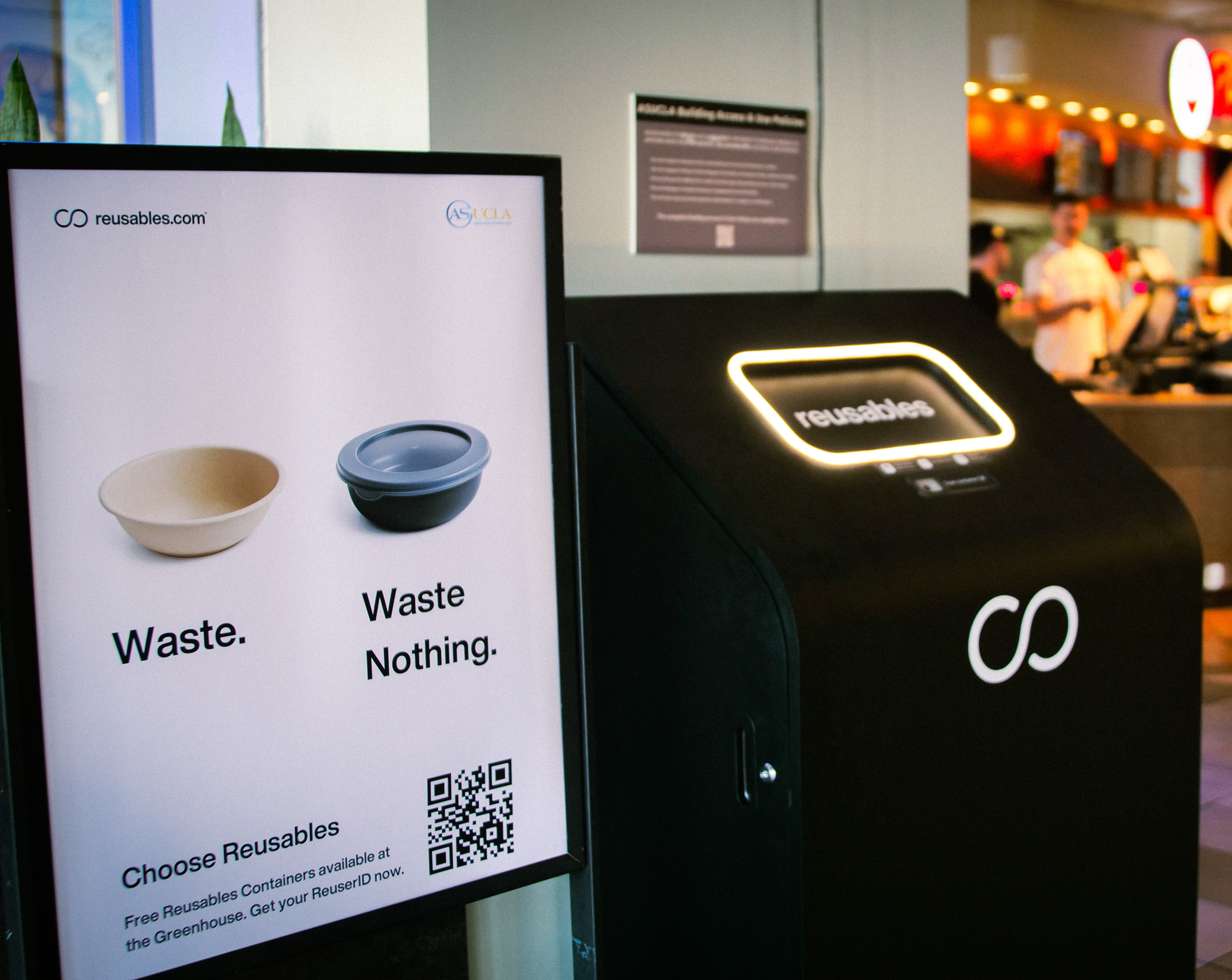
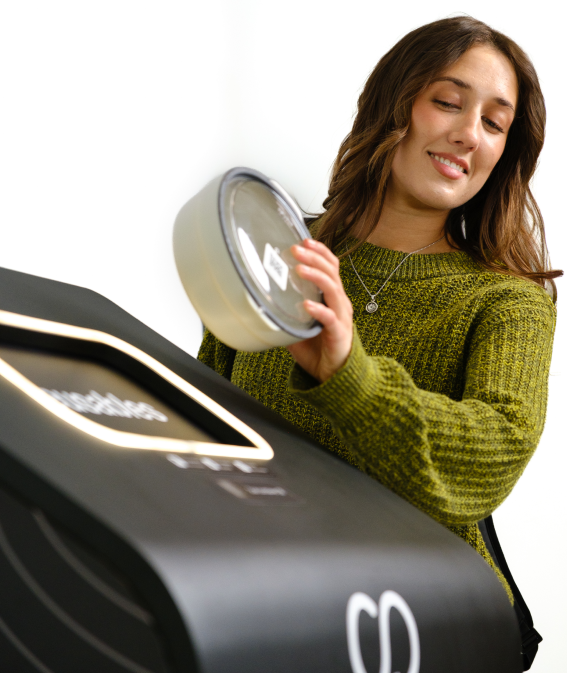
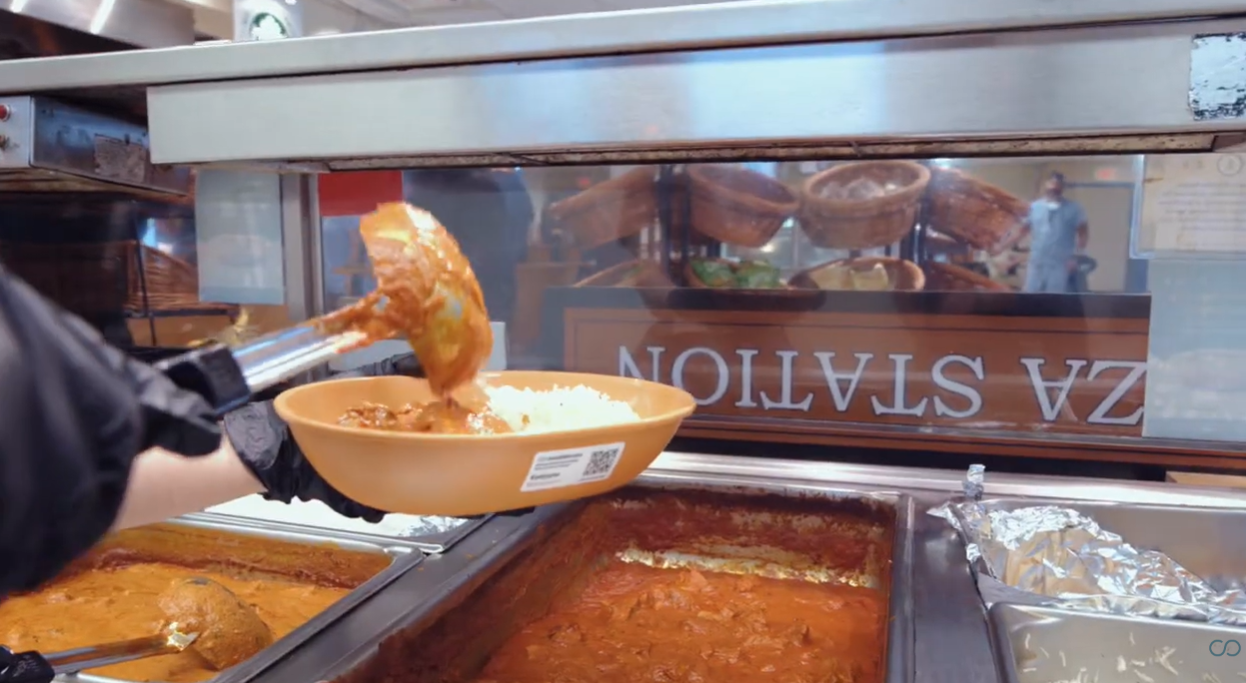
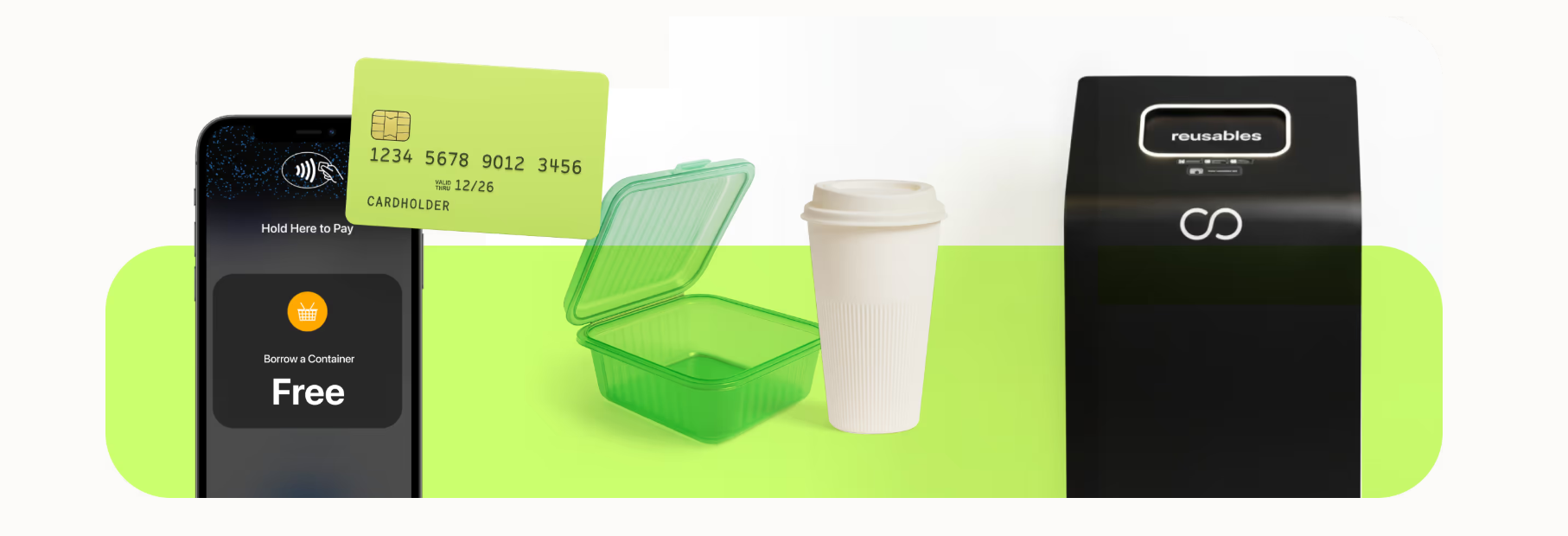
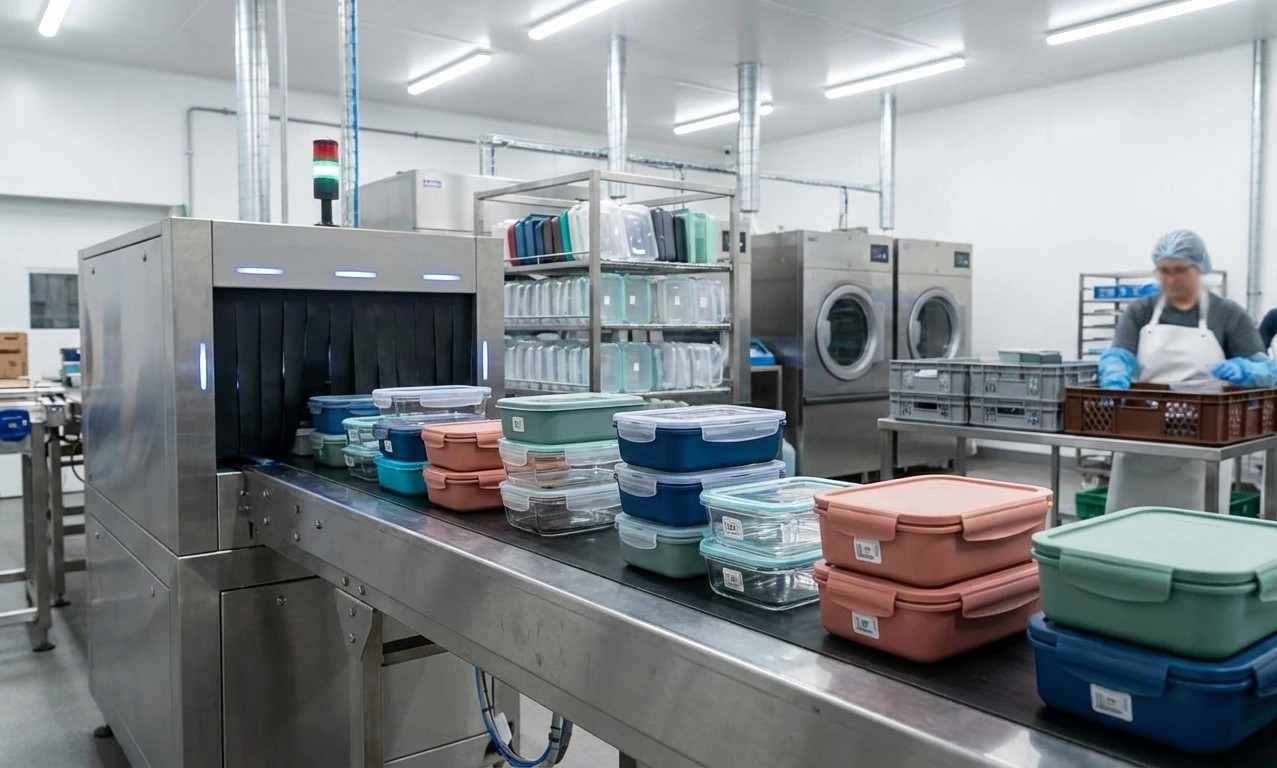
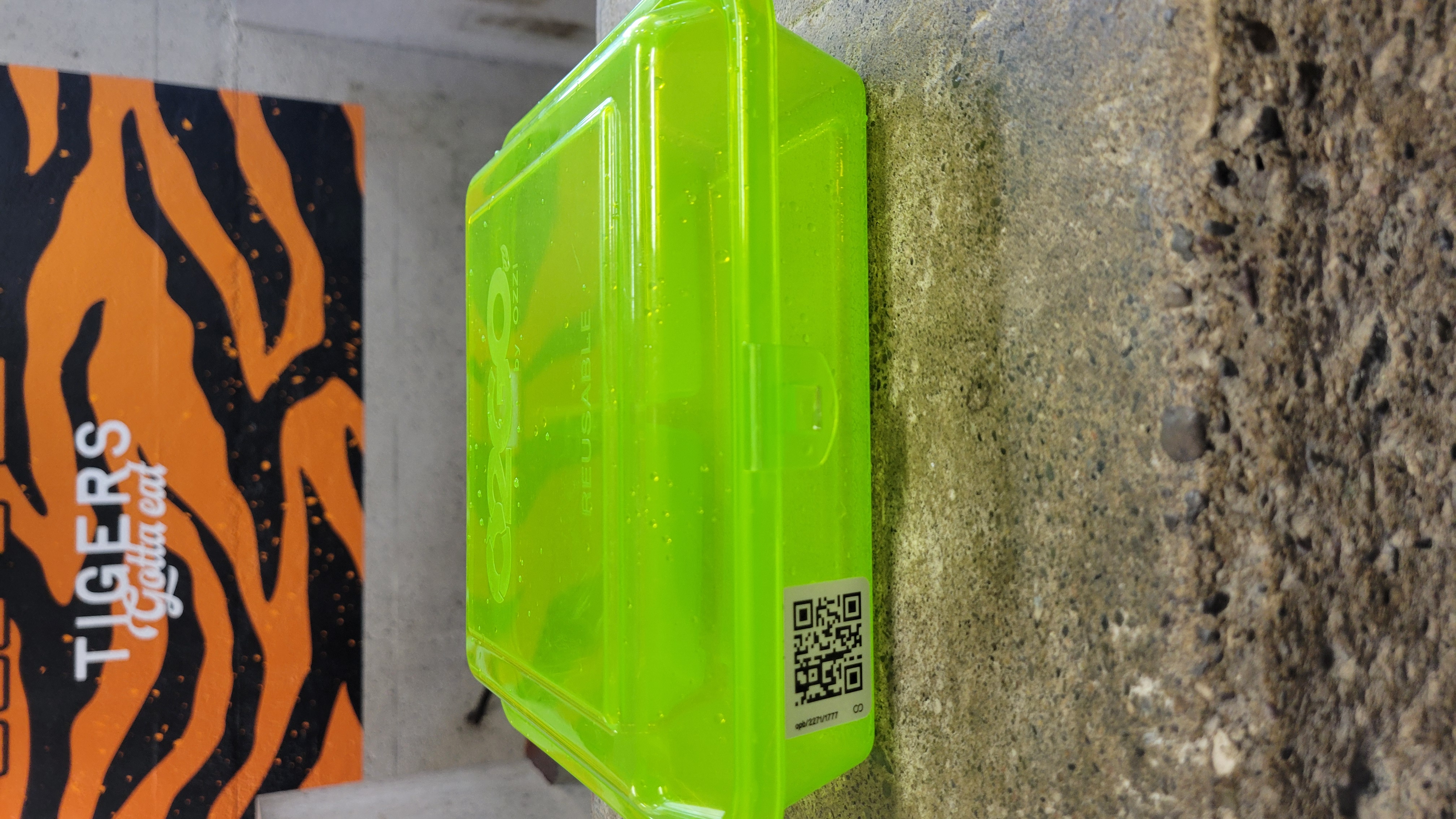
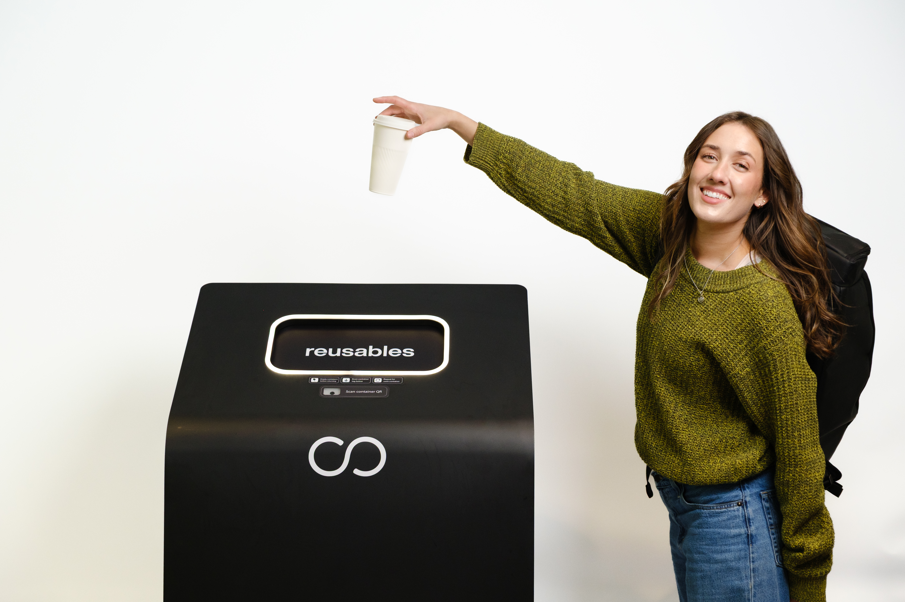
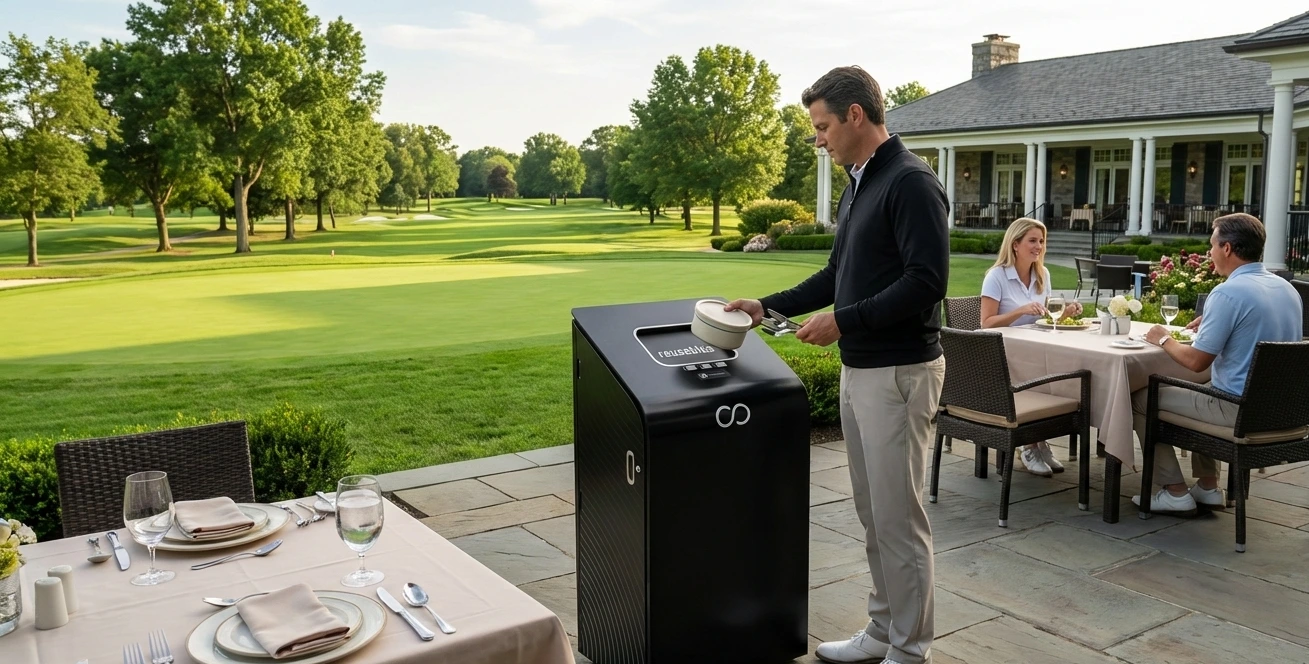
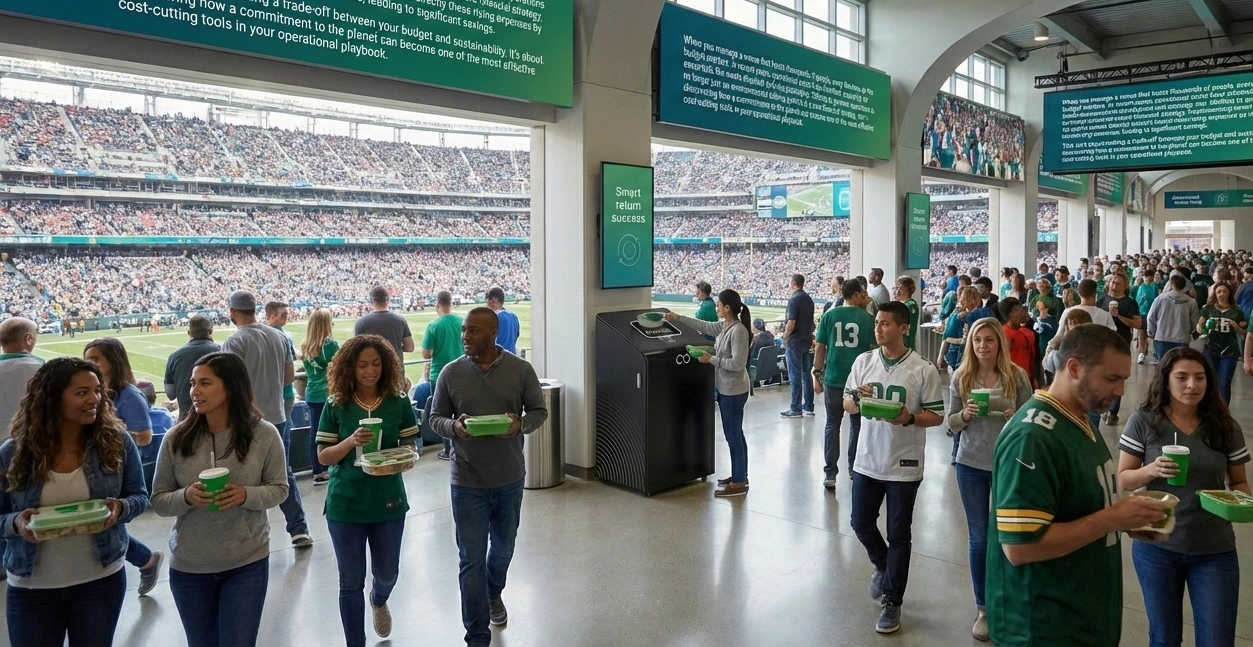
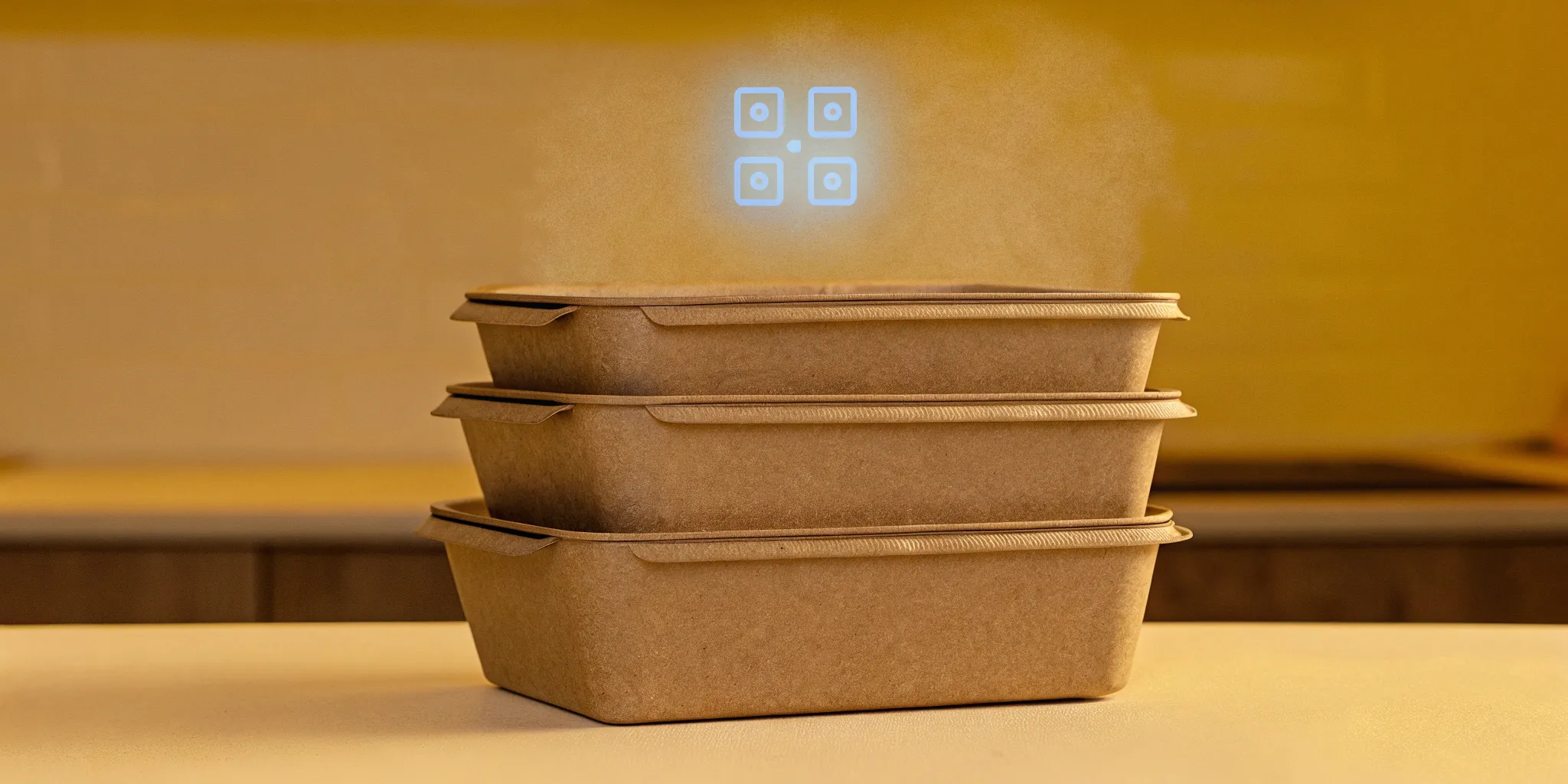
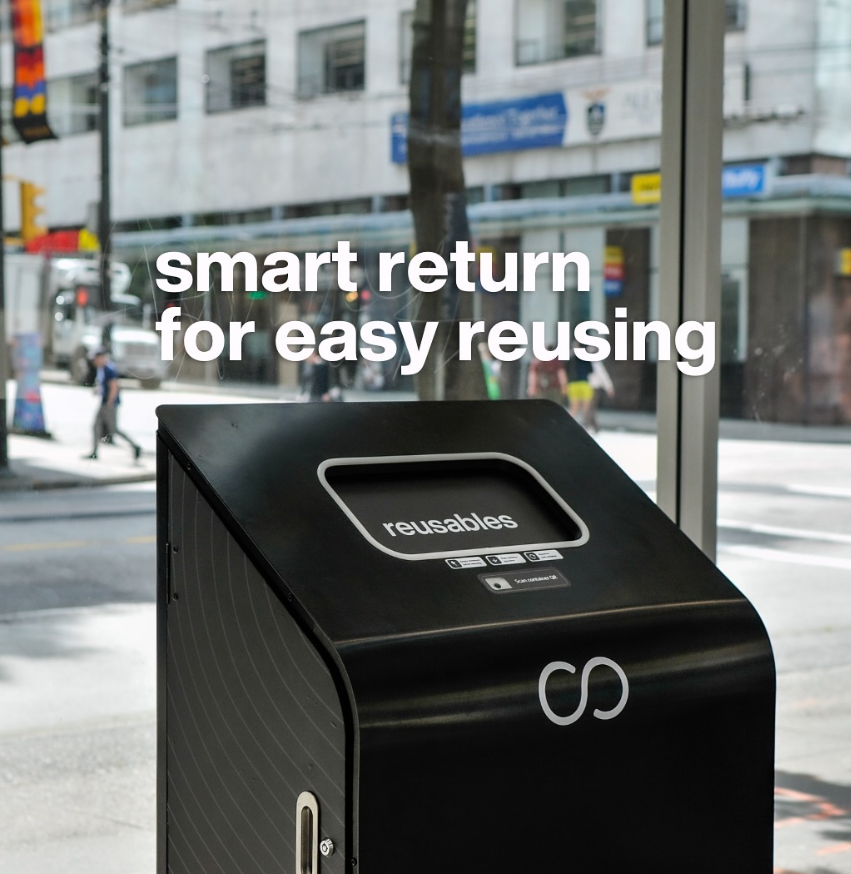
The latest reusable container platforms use a closed-loop model. Students borrow a durable container at a dining location, fill it with their meal, and return it to a smart return bin when they are finished. The container is sanitized, restocked, and ready for the next user.
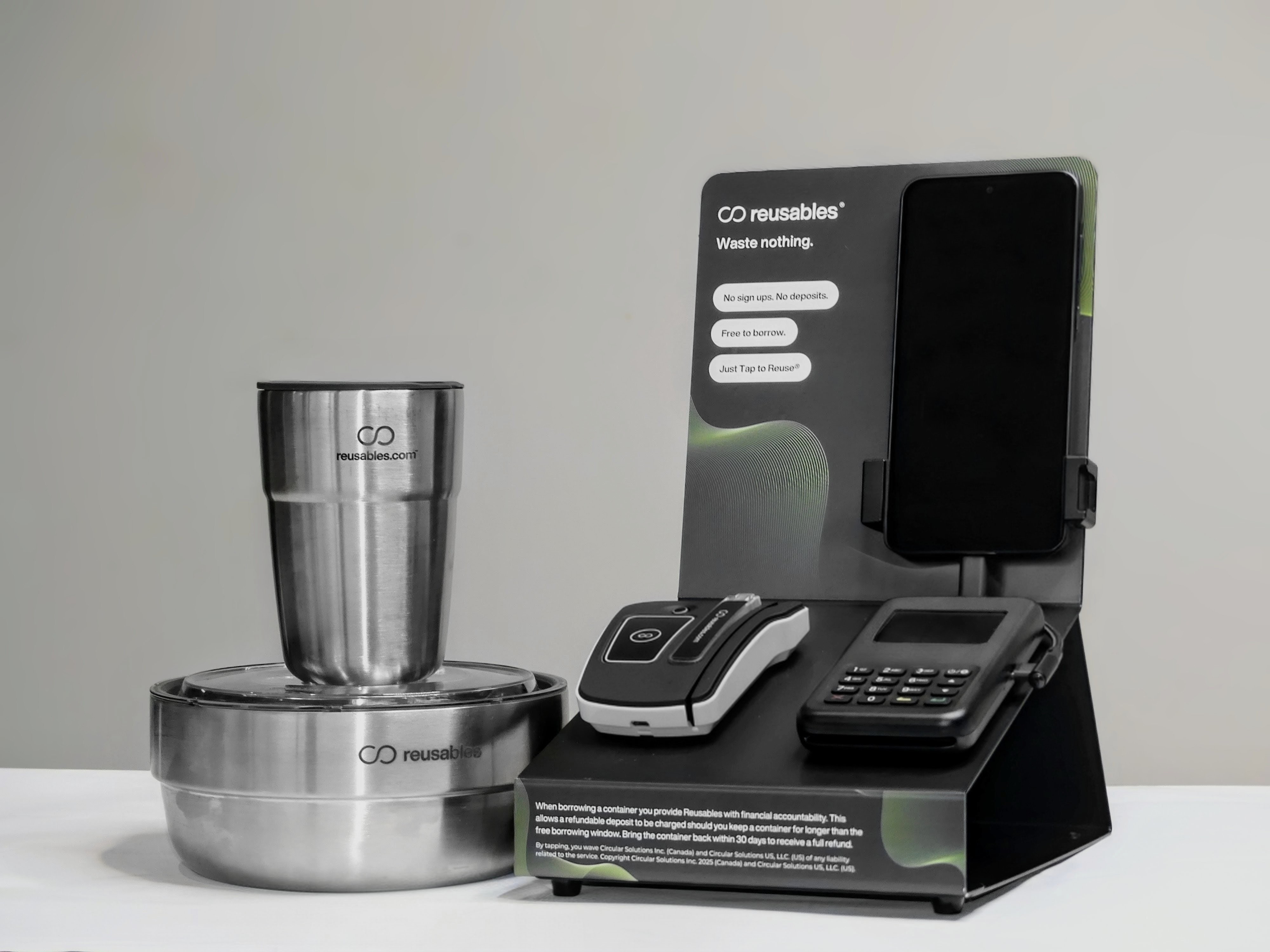
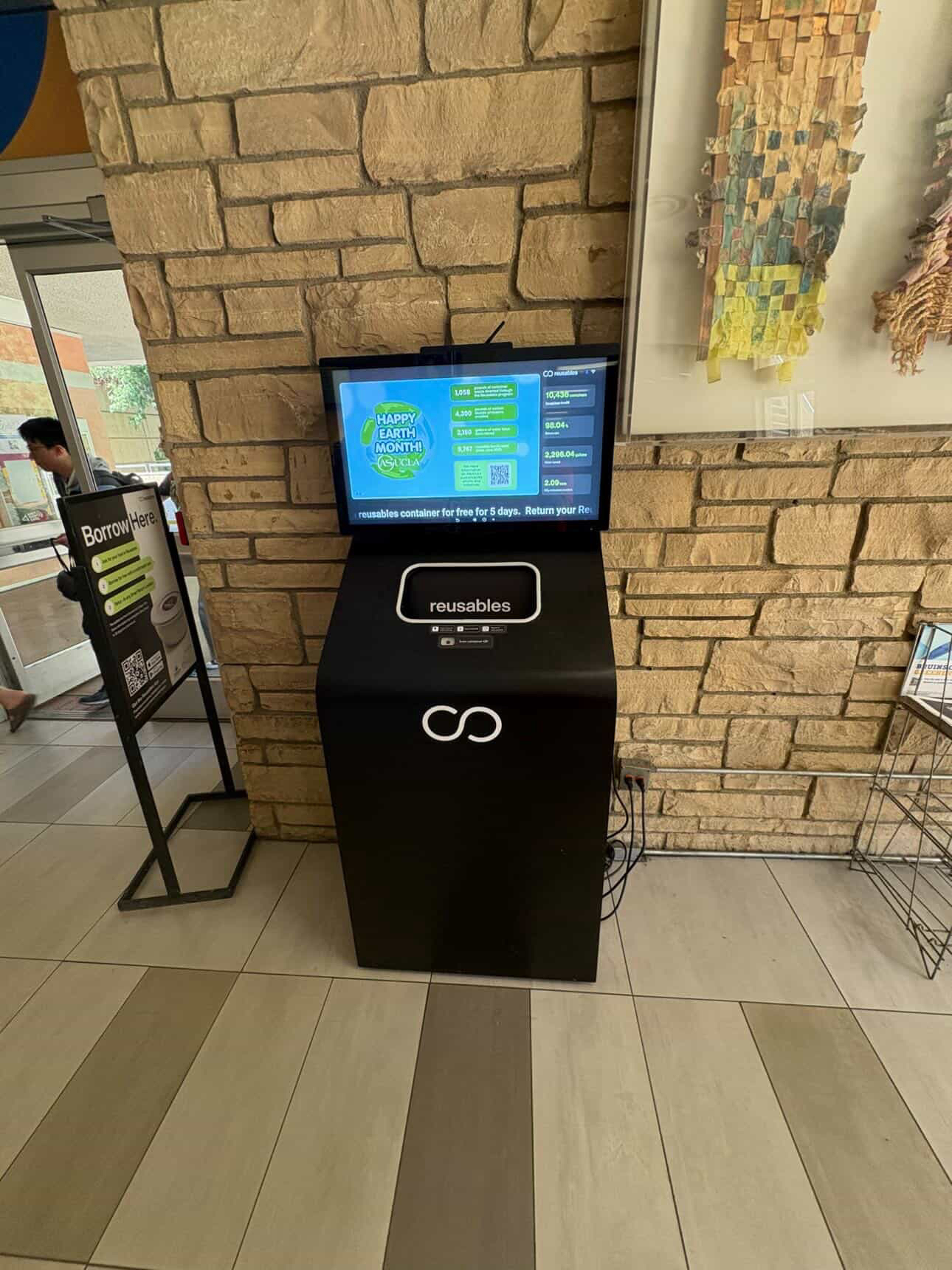
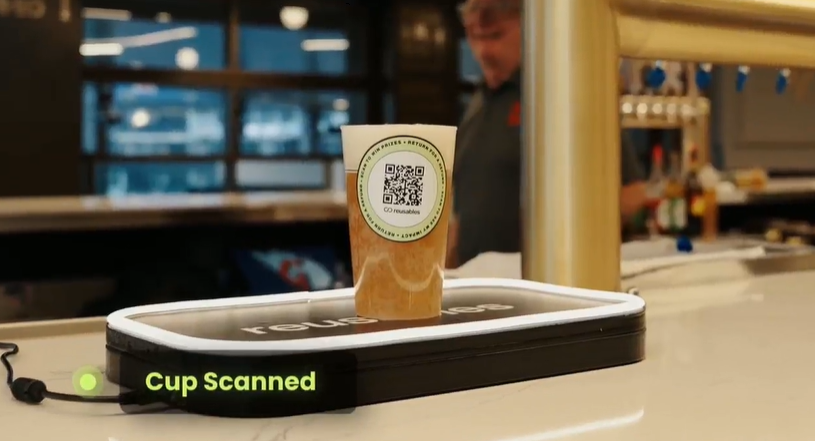
What makes modern systems different from earlier attempts is the technology layer. Features like app-free checkout using campus cards, automated return bins with real-time fullness detection, and dual-mode QR and RFID tracking remove the friction that caused older programs to fail.
Why It Works at Scale
The biggest barrier to reusable programs has always been return rates. When students forget to return containers, programs lose inventory and money. Automated accountability, where the system tracks each container and sends reminders automatically, solves this problem. Programs using this approach report return rates as high as 99%.
For dining directors, the operational case is strong. Many institutions spend over $50,000 annually on disposable takeout containers. A well-run reusable system can cut those costs by 30% or more while generating data on usage patterns, peak hours, and environmental impact.
What to Look For
- No-app checkout that works with existing campus card systems (Transact, CBORD, TouchNet)
- Automated tracking and accountability so staff do not have to chase returns
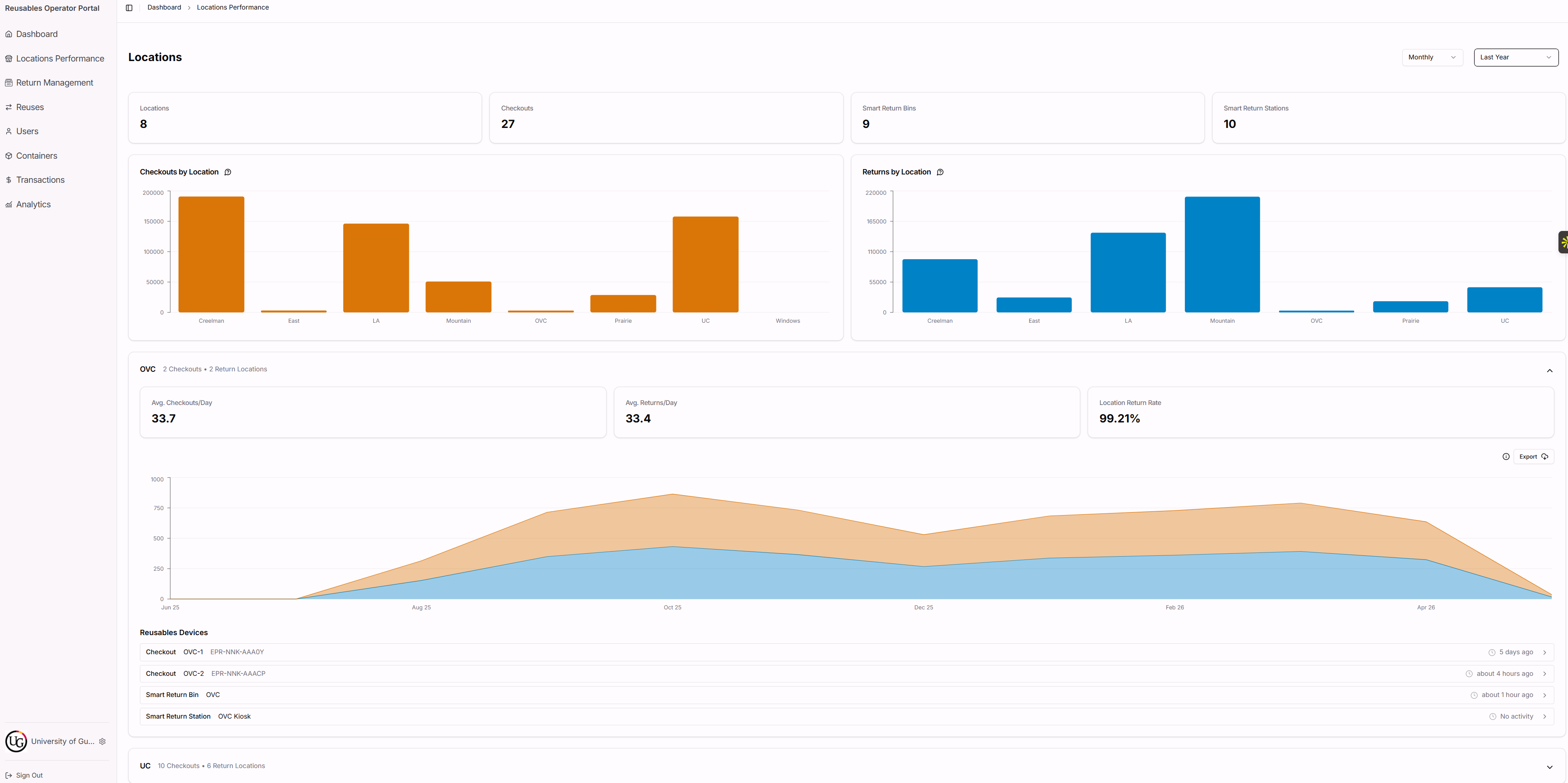
- Real-time dashboards for usage, return rates, and cost savings
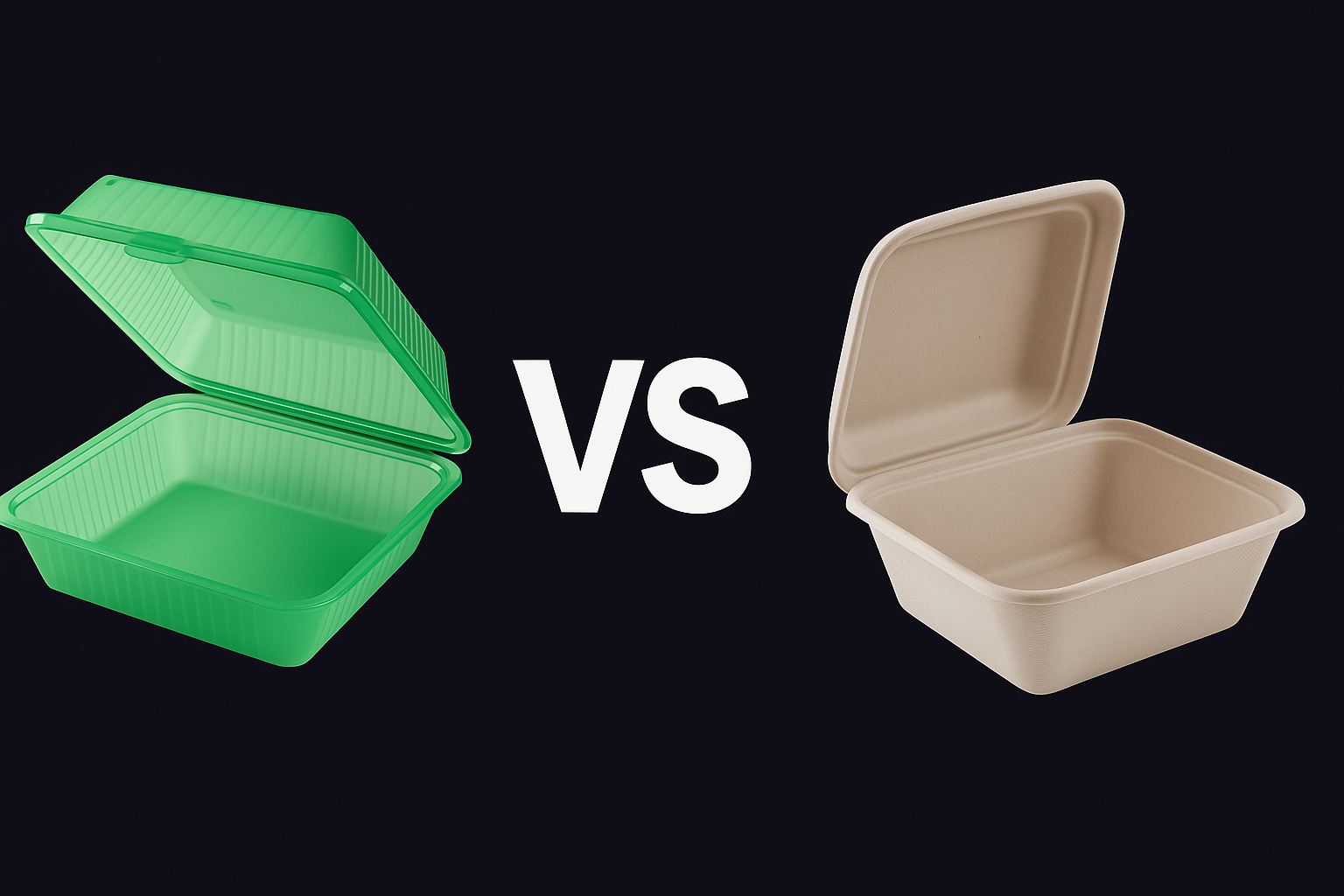
- Container flexibility, supporting both stainless steel and durable plastic options
2. Composting and Organic Waste Diversion Programs
Best for: Dining halls and residence life
Waste reduction potential: 30-50% diversion of total campus waste stream
Organic waste, including food scraps, napkins, and compostable serviceware, makes up a significant portion of campus waste. A well-designed composting program can divert thousands of pounds from the landfill each semester.
How Campus Composting Works
Most university composting programs operate in one of two ways: on-site processing using industrial composters, or partnerships with off-site composting facilities that handle collection and processing.
On-site systems give campuses more control and can produce usable compost for campus landscaping. Off-site programs are simpler to manage but add hauling costs. Both require clear signage, dedicated collection bins, and ongoing education to minimize contamination.
The Limitations
Composting is a strong complement to other zero waste efforts, but it has real limitations. Contamination rates in campus compost bins typically run between 15-25%, requiring sorting labor or resulting in rejected loads. The operational overhead, including bin management, hauling, and education, adds cost that many campuses underestimate.
It is also worth noting that compostable packaging is not the same as zero waste. Compostable containers still require energy and resources to produce and process. True zero waste aims to keep materials in use for as long as possible before any end-of-life processing.
What to Look For
- Clear contamination reduction strategy with signage and sorting protocols
- Regular waste audits to track diversion rates and contamination
- Integration with dining operations so food prep waste is captured alongside post-consumer waste
3. Water Refill and Beverage Stations
Best for: Eliminating single-use beverage bottles campus-wide
Waste reduction potential: 500,000+ bottles eliminated per year on a mid-size campus
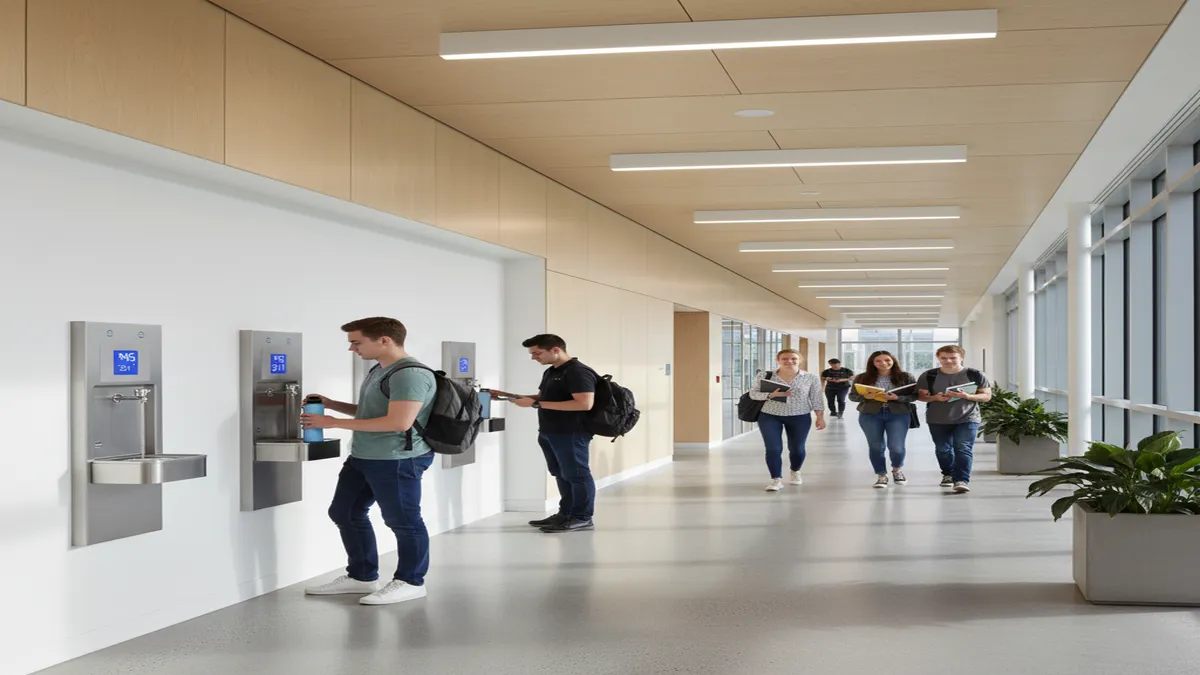
Single-use beverage bottles are among the most visible waste items on any campus. Water refill stations offer a straightforward, high-impact solution that students readily adopt because they save money and provide convenient access to filtered water.
How Refill Stations Drive Zero Waste
Modern refill stations go beyond the basic water fountain. They offer filtered water, sometimes with flavor options, and include digital counters that display the number of bottles saved. This visible impact metric creates a feedback loop that reinforces the behavior.
The key is placement density. Stations in every academic building, residence hall, gym, and dining location make it easier to refill than to buy a new bottle. Many campuses pair station rollouts with policies that limit or ban single-use bottle sales on campus.
What to Look For
- Filter quality and maintenance schedules to ensure water quality
- Bottle-counter displays that create visible sustainability metrics
- Strategic placement in high-traffic areas across campus
- Integration with campus sustainability reporting
4. Food Waste Tracking and Reduction Platforms
Best for: Dining production planning and surplus management
Waste reduction potential: 20-40% reduction in pre-consumer food waste
While reusable containers address packaging waste, food waste itself is a massive problem. The average university dining operation wastes 25-40% of the food it prepares. Technology platforms that track food production, consumption, and waste in real time help dining teams reduce overproduction and capture surplus before it becomes waste.
How Food Waste Tracking Works
These platforms use a combination of smart scales, camera systems, and POS integration to measure exactly what is being wasted, when, and why. Dining managers get daily reports showing which menu items are overproduced, which stations generate the most waste, and how waste trends shift over the semester.
Some platforms also connect surplus food with campus food recovery programs, routing edible but unsold meals to food banks or student pantries instead of the trash.
Why It Matters
Food waste is expensive. A mid-size university dining operation can save $100,000 or more annually by reducing overproduction by just 20%. The environmental impact is significant too. Food waste in landfills generates methane, a greenhouse gas roughly 80 times more potent than carbon dioxide over a 20-year period.
What to Look For
- Integration with your existing POS and dining management system
- Actionable daily reporting (not just data dumps)
- Surplus food recovery features that connect to campus or community food banks
- Staff training resources to drive adoption in kitchen operations
5. Sustainable Procurement Policies
Best for: Systemic, campus-wide waste prevention
Waste reduction potential: Varies widely, but creates long-term structural change
The most effective way to reduce waste is to prevent it from entering campus in the first place. Sustainable procurement policies set purchasing standards that prioritize reusable, recyclable, or minimal-packaging options across all campus operations, not just dining.
How Procurement Policies Work
A sustainable procurement policy establishes clear criteria for purchasing decisions. For example, a policy might require that all new food service contracts include provisions for reusable or returnable packaging, or that office supply vendors ship in recyclable packaging only.
These policies work best when they have executive-level support and are embedded in the RFP process for campus vendors. When sustainability criteria carry weight in vendor selection, the supply chain adjusts.
What to Look For
- Executive sponsorship to ensure policy is enforced, not just aspirational
- Clear vendor requirements embedded in RFPs and contracts
- Regular policy review to update standards as better solutions emerge
- Alignment with campus sustainability plans and reporting frameworks
How to Choose the Right Combination for Your Campus
No single solution will get a university to zero waste on its own. The most successful campuses layer multiple approaches:
- Start with the highest-impact, lowest-friction option. For most dining operations, that means a reusable container system paired with water refill stations.
- Add composting to capture organic waste that reusable systems do not address.
- Implement food waste tracking to reduce overproduction in dining operations.
- Establish procurement policies to prevent new waste streams from entering campus.
The key is to start with solutions that deliver measurable results quickly, then build from there. A successful zero waste initiative creates momentum that makes each subsequent step easier.
Frequently Asked Questions
What is the most effective zero waste solution for university dining?
Reusable container systems powered by automated tracking technology deliver the highest waste reduction per dollar for university dining operations. Modern systems achieve return rates up to 99% with minimal staff overhead, making them the most scalable option for campus takeout.
How much can a university save by going zero waste?
Savings vary by institution size, but most universities spend over $50,000 annually on disposable takeout containers alone. A reusable container system can reduce packaging costs by 30% or more, while food waste tracking platforms can save an additional $100,000 or more per year by cutting overproduction.
How long does it take to implement a zero waste program on campus?
A reusable container pilot can launch in as few as four weeks. Composting programs and procurement policy changes typically require one to two semesters to plan and implement. Most campuses see measurable results within the first semester of any program.
Do students actually participate in zero waste programs?
Participation depends entirely on convenience. Programs that require app downloads, manual returns, or extra steps see low adoption. Systems that integrate with existing student cards and provide frictionless checkout and return consistently report participation rates above 80%.
Can a university achieve true zero waste?
Zero waste as defined by the Zero Waste International Alliance means diverting 90% or more of waste from landfills and incineration. Several universities have reached or approached this target by combining reusable systems, composting, food waste reduction, and procurement policies. It requires sustained commitment and investment, but it is achievable.
Ready to see how a reusable container system can anchor your campus zero waste strategy? Book a demo to learn how Reusables.com helps universities eliminate single-use packaging with automated, data-driven reuse.
Other stories you may find interesting

.png)

.avif)




.webp)


Watch the Webinar
Learn How to Eliminate Single-Use Waste
Get instant access to our expert webinar and discover how leading institutions reach 99% return rates through smarter reuse systems.

© Reusables™. All rights reserved.