
The Real Cost of Disposable Containers for Universities

January 22, 2026
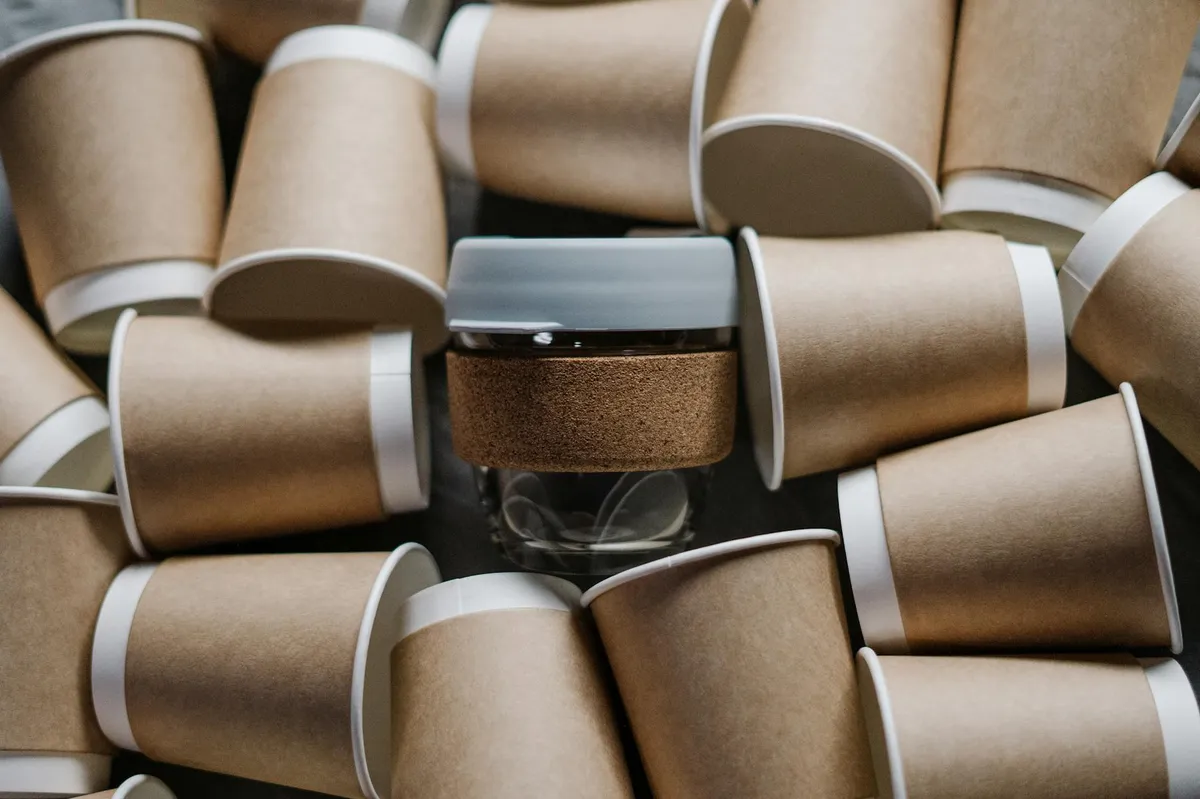
Walk through your student union during the lunch rush, and you'll see it: a sea of clamshells, coffee cups, and takeout boxes. This constant stream of single-use packaging is more than an eyesore; it's a massive operational challenge that directly impacts your bottom line. Beyond the initial purchase price, you're paying for waste hauling, extra labor for cleanup, and overflowing bins. The total cost of disposable containers for universities goes far beyond the invoice from your supplier. To truly understand the financial drain, you have to look at the entire lifecycle of that container. Here, we'll dig into those hidden expenses and reveal the full picture of what single-use packaging is really costing your program.
Key Takeaways
- Calculate the full cost of disposables: Look past the per-unit price and factor in your annual waste hauling fees, labor for trash management, and the impact of unpredictable price increases to see the true financial drain.
- Question the "green" label on disposables: Before paying a premium for compostable containers, confirm you have access to an industrial composting facility. Otherwise, you're likely paying more for packaging that still ends up in the landfill.
- Reframe reusables as a capital investment: Stop the cycle of buying and trashing. A well-managed reusable system is a one-time purchase that pays for itself by drastically cutting your recurring packaging costs and creating a stable, predictable budget.
What Disposable Containers Do Universities Use?
Walk through any campus dining hall or student union, and you'll see a wide array of single-use containers. The choice of packaging often comes down to a mix of factors: the type of food being served, budget constraints, and the university's sustainability commitments. From clear plastic boxes for salads to paper-based soup bowls, each option comes with its own set of operational and environmental considerations.
Understanding the most common types of disposable containers is the first step in evaluating their true cost and impact. While convenience is a major driver for their use, the materials, sourcing, and end-of-life challenges associated with each type are creating significant hurdles for dining programs aiming for zero-waste goals. Let's break down the four main categories of disposables you'll find on campuses across the country.
Plastic Clamshells and Takeout Boxes
Clear plastic clamshells are everywhere on college campuses, and for good reason. They offer great visibility for grab-and-go items like salads and sandwiches, and their secure closures help prevent spills. These containers, often made from PET or polystyrene, are a staple in many food and beverage packaging lineups for higher education.
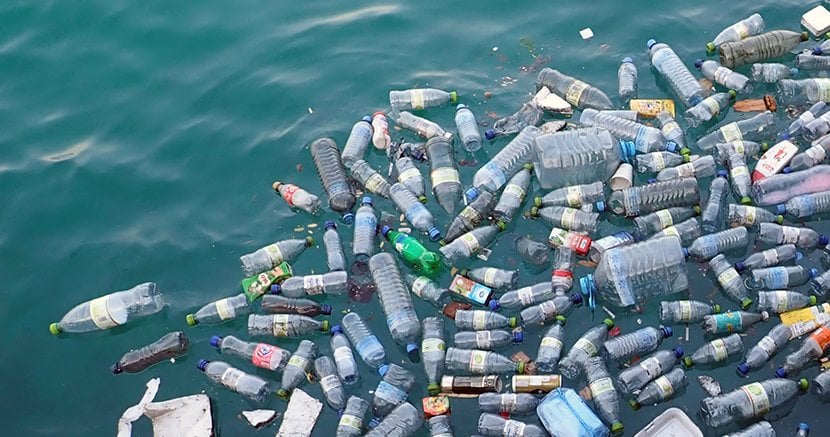
However, their convenience comes at a cost. Growing concerns about microplastics and health-harming chemicals leaching into food have led many institutions to reconsider their reliance on plastic. Furthermore, while many of these containers are technically recyclable, food contamination often sends them straight to the landfill, adding to your campus's waste management burden.
Paper and Paperboard Options
As universities look for alternatives to plastic, many have turned to paper and paperboard containers. These options are often marketed as a more sustainable choice, and it's true that they can be made from renewable resources. Many campuses are adopting what they hope are compostable or biodegradable packaging options to reduce their environmental footprint.
The challenge, however, lies in the details. To hold up against grease and liquids, many paper products are lined with a thin layer of plastic or treated with chemicals (like PFAS), which can hinder their compostability and recyclability. Without the right processing facilities, these "greener" alternatives can end up in the landfill right alongside traditional plastics.
Compostable and "Green" Containers
The push for sustainability has given rise to a new category of "green" containers made from materials like cornstarch (PLA) or sugarcane fiber (bagasse). Many institutions are switching to sustainable packaging to avoid the health and environmental risks associated with petroleum-based plastics. These plant-based materials are designed to break down under specific conditions, offering a seemingly perfect solution to the waste problem.
Unfortunately, the reality is more complex. Most compostable containers require industrial composting facilities to decompose properly—a resource not available in every community. When tossed in a standard recycling bin or landfill, they can contaminate recycling streams or fail to break down as intended, undermining their environmental benefits.
Specialty Cups and Bowls
Beyond standard boxes, campus dining services rely on a host of specialty items like soup bowls, coffee cups, and portion cups. These containers are designed for specific uses and often involve multiple materials, such as a paper cup with a plastic lining and a separate plastic lid. While some suppliers offer durable polypropylene containers as a way to cut down on disposable costs, they are frequently treated as single-use in practice.
This variety adds another layer of complexity to your waste stream. Each component may have different disposal requirements, making it confusing for students and staff to sort correctly. The result is often a high volume of contaminated waste and missed opportunities for recycling or composting.
What Drives Up the Cost of Disposable Containers?
When you look at your annual budget for disposable containers, it's easy to see the total but harder to pinpoint exactly where the money is going. The price of a single clamshell or coffee cup is influenced by a surprising number of factors, from the raw materials used to the certifications printed on the bottom. Understanding these cost drivers is the first step toward getting a handle on your packaging expenses.
The choices you make—whether it's opting for a larger container, a branded design, or a certified compostable material—all add up. Even purchasing in bulk, which seems like a cost-saving measure, can lead to a staggering annual spend when you're serving thousands of students daily. Let's break down the four main factors that determine how much you're really paying for single-use packaging and why those costs seem to be constantly on the rise.
Material and Quality
The material you choose is the single biggest factor in determining container cost. A simple, thin plastic container will always be cheaper than a sturdy, PLA-lined compostable box. While plastics are often the most budget-friendly option upfront, they come with other concerns. Research shows that disposable food containers made with plastic can release microplastics and other chemicals into food, a growing concern for health-conscious students and staff.
On the other end of the spectrum, premium materials like bamboo, bagasse (sugarcane fiber), or certified compostable bioplastics offer a greener image but come with a significantly higher price tag. The quality also plays a role; thicker walls, secure locking mechanisms, and leak-proof designs all add to the manufacturing cost, which is then passed on to you.
Size, Design, and Capacity
It might seem obvious, but the bigger the container, the higher the price. As a UCLA study on reusable containers notes, the average cost of disposable containers varies significantly based on size and design, with larger containers costing more due to increased material usage. This applies to everything from a 12-ounce soup bowl versus a 24-ounce one, or a small sandwich clamshell versus a large entrée box.
Beyond just size, any customization or complex design elements will also increase the cost. Do you need containers with multiple compartments for meal combos? Are you paying extra for custom printing with your university's logo? These features enhance the dining experience but add pennies to each unit—which quickly multiply into thousands of dollars over a semester.
Order Volume and Pricing Tiers
Like most supplies, disposable containers are cheaper per unit when you buy them in bulk. Suppliers offer tiered pricing that rewards larger orders, which is why most university dining services purchase containers by the pallet. However, this is where the numbers can become deceptive. While the per-item cost seems low, the total expenditure can be massive.
For example, one university reported spending nearly $52,000 on more than 270,000 disposable containers in a single year. That data shows how even a seemingly small per-unit cost balloons into a significant budget line item when scaled across a campus. Relying on bulk purchasing locks you into a cycle of high-volume, recurring expenses that are directly tied to how much food you serve.
Sustainability Certifications
In response to student demand and institutional goals, many campuses are shifting to compostable or biodegradable packaging. While this is a step in the right direction, these "green" options almost always come at a premium. As noted in a report on reusables on college campuses, these alternatives are often more expensive due to their sustainability certifications.
Certifications from organizations like the Biodegradable Products Institute (BPI) verify that a product can be composted in a commercial facility, but the testing, materials, and manufacturing processes required to meet these standards increase the final cost. You're not just paying for a container; you're paying for the promise of sustainability, which can strain your budget without solving the core problem of waste generation.
How Much Do Disposable Containers Actually Cost?
When you're managing a campus dining budget, the per-unit cost of a disposable container can seem like a small detail. But when you multiply that small number by thousands of students grabbing meals to-go every single day, the costs quickly become staggering. The price of single-use packaging varies widely based on material, size, and any special features like branding or compostability certifications. Understanding these different tiers is the first step to getting a clear picture of your annual spend and identifying where you can find major savings.
It's not just about the line item on an invoice; it's about forecasting, managing supply chain volatility, and aligning your spending with your campus's sustainability commitments. Disposable packaging costs have risen dramatically, making what was once a predictable expense a major variable in your budget. This isn't just an operational headache; it's a strategic challenge. Every dollar spent on a container that gets thrown away is a dollar that could have been invested in the student dining experience. By breaking down the costs of different container types, you can better understand where your money is going and how those choices impact both your bottom line and your waste stream. Let's look at the typical cost ranges you'll encounter to see the full financial picture.
Budget-Friendly Plastics ($0.10-$0.30 per unit)
Basic plastic containers, like polypropylene (PP) clamshells, are often the default choice because they appear to be the most economical. At just a few cents per unit, the initial cost is low. For example, one university recently spent $51,946.86 on disposable containers in a single year, averaging about $0.19 per container. While this price point is attractive for high-volume operations, it comes with significant environmental drawbacks and contributes directly to plastic waste on campus. These containers are also susceptible to supply chain disruptions and price volatility, making long-term budget forecasting a challenge.
Mid-Range Paper Options ($0.15-$0.50 per unit)
Paper and paperboard containers are often positioned as a step up from plastic. Many universities have switched to these compostable or biodegradable packaging options to meet student demand for more sustainable choices. While they can be a good middle-ground solution, their costs are higher than basic plastics. It's also important to remember that most paper-based containers are lined with a thin layer of plastic or wax to prevent leaks, which can complicate recycling and composting efforts. This means they often end up in the landfill despite their "green" appearance, and you're paying a premium for an environmental benefit that may not be fully realized.
Premium Compostables ($0.30-$0.80 per unit)
Containers made from materials like PLA (a corn-based plastic) or bagasse (sugarcane fiber) represent the premium tier of disposables. Their rise in sustainable dining is driven by a strong environmental message. However, this comes at a much higher cost per unit, which can strain your budget. Furthermore, the term "compostable" requires careful consideration. These materials typically need to be processed in an industrial composting facility to break down properly—a service that isn't available in all areas. Without the right infrastructure, these expensive containers end up in the same landfill as cheaper options, negating their intended purpose.
Specialty Items ($0.60-$3.00+ per unit)
Beyond standard containers, your dining program likely uses a variety of specialty items. This category includes everything from branded coffee cups and soup bowls to multi-compartment meal boxes and custom-printed containers for catering. The costs for these items can escalate quickly, especially for custom-branded containers or those made from premium materials. While they can enhance the presentation of your food and promote your brand, their single-use nature means you are paying for that custom design over and over again. This recurring expense is a significant and often overlooked drain on the annual budget.
Where to Buy Disposable Containers in Bulk
Once you've landed on the types of containers you need, the next step is finding a reliable source to purchase them in bulk. Your procurement strategy can have a big impact on your budget, inventory management, and even the quality of the products you receive. Most universities and food service operations rely on a few key channels to keep their kitchens stocked. Each option comes with its own set of benefits, whether you're prioritizing variety, personalized service, or direct-from-the-source pricing. Understanding these channels will help you make the best purchasing decisions for your campus dining program.
Online Wholesale Suppliers
For sheer variety and convenience, it's hard to beat online wholesalers. Large retailers offer a massive selection, allowing you to browse and compare thousands of products from one dashboard. For example, Walmart carries over 1,000 different disposable take-out containers, including options made from recycled paper, aluminum, plastic, and compostable plant fibers. This breadth of choice makes it easier to find containers that fit both your budget and your sustainability goals. While you might not get the same hands-on service as a local distributor, online suppliers are an excellent choice for teams that need to source a wide range of items quickly.
Local Foodservice Distributors
If you value a more personal touch and tailored recommendations, a local foodservice distributor is often the best way to go. These suppliers typically have dedicated representatives who understand the specific needs of educational institutions. They can provide samples, offer advice on the best products for your dining halls, and help you manage inventory levels. Many distributors carry specialized food and beverage packaging for schools, ensuring you get containers that are proven to work in a campus environment. Building a relationship with a local distributor can streamline your ordering process and give you a reliable partner to turn to when you need support.
Direct from Manufacturers
For high-volume orders, purchasing directly from a manufacturer can be the most cost-effective option. This route often gives you access to the best bulk pricing and the manufacturer's full range of products, including their most innovative and sustainable lines. Companies like Eco-Products design eco-friendly food containers that meet the demands of modern foodservice while supporting green initiatives. Going direct is ideal for universities that have standardized their packaging and can meet the higher minimum order quantities. It cuts out the middleman, potentially lowering your per-unit cost and giving you a direct line to the source for product information.
The True Annual Cost of Single-Use Packaging
The price tag on a case of clamshells is just the beginning. When you zoom out to look at the entire year, the true financial impact of single-use packaging becomes much clearer. It's not just about the per-unit cost; it's about the thousands of units you order every week, the cost to throw them away, and the market volatility that makes budgeting a constant challenge. Understanding these factors reveals the full picture of your annual spend on disposables.
Yearly Spend by Campus Size
This is where the numbers can be startling. For example, a report on Wesleyan University's dining program showed the school spent nearly $52,000 on over 270,000 disposable containers in a single fiscal year. For larger campuses, this figure can easily climb into the six-figure range. This isn't a one-time expense; it's a recurring operational cost that eats into your budget year after year. When you multiply the cost of a single container by the hundreds of thousands of meals served annually, you see how a seemingly small expense becomes a major financial commitment.
The Hidden Costs of Waste Management
Beyond the purchase price, single-use containers create a ripple effect of additional expenses. Every container used adds to your campus waste stream, which directly impacts your waste hauling fees. More trash means more pickups and higher bills. There's also the labor cost of staff managing overflowing bins and cleaning up campus litter. Furthermore, many disposable containers contribute to long-term waste management challenges and can introduce health concerns, creating costs that are harder to quantify but impossible to ignore. These downstream expenses are rarely factored into the initial purchasing decision, but they significantly inflate the total cost.
How Rising Prices Impact Your Budget
Relying on disposables leaves your budget vulnerable to unpredictable market forces. In recent years, the cost of single-use packaging has surged due to supply chain disruptions, inflation, and fluctuating raw material prices. This volatility makes financial planning difficult, as the price you pay one semester could be drastically different the next. You're locked into a cycle of repurchasing, constantly exposed to price hikes that are entirely out of your control. This lack of cost stability can strain your budget and force difficult trade-offs in other areas of your food service operation.
Disposables: Are They Worth the Convenience?
For busy campus dining halls, disposable containers can feel like an easy answer. In a world of grab-and-go meals and tight turnaround times between classes, offering a single-use option seems like the most straightforward way to serve students efficiently. There's no washing, no tracking, and no need to get containers back. You buy them, use them, and toss them. It's a simple, linear process that has become the default for many food service operations.
But as the invoices for paper, plastic, and compostable packaging pile up and the trash bins outside the dining hall constantly overflow, it's worth asking a critical question: is that convenience really worth it? The true cost of disposables goes far beyond the per-unit price. It includes the expense of waste removal, the labor required to manage the constant stream of trash, and the environmental impact that a sustainability-minded student body is increasingly aware of. For any dining director trying to balance student satisfaction, budget realities, and campus-wide green initiatives, taking a hard look at the real pros and cons of single-use packaging is a necessary first step toward a more efficient and responsible system.
The Pros: Hygiene and Simplicity
Let's be honest: the main appeal of disposables is simplicity. On the surface, they remove a whole layer of operational complexity. You don't have to worry about washing infrastructure, tracking inventory, or encouraging students to return containers. Every meal is served in a brand-new container, which can create a perception of hygiene and ease.
However, this "out of sight, out of mind" approach has its own hidden complications. While a disposable container is used only once, studies show that plastic packaging can release microplastics and other chemicals into food, raising health concerns. The perceived simplicity also starts to break down when you factor in the constant need to manage inventory, reorder supplies, and deal with the ever-growing mountains of trash.
The Cons: Waste, Environmental Impact, and Rising Costs
The financial drain of single-use packaging is often the most immediate and staggering issue. These aren't small expenses; they are significant, recurring line items in your budget. For example, one university reported spending nearly $52,000 on over 270,000 disposable containers in a single year. That's money that could be reinvested into better food quality or other student experience improvements.
Beyond the budget, there's the environmental price. The sheer volume of waste generated daily on a college campus is a massive operational and ecological challenge. Research consistently shows that reusable systems are a far better alternative. In fact, one study found that after just 20 uses, reusable containers can reduce the climate change impact by 59% compared to their single-use counterparts. This is the kind of measurable impact that aligns with institutional sustainability goals and resonates deeply with today's students.
How Reusables Can Cut Your Packaging Budget
Switching from single-use packaging to a reusable system is one of the most effective ways to control and reduce your annual spending. While disposables feel like a small, recurring line item, they add up to a significant operational expense that only ever increases. A reusable container program, on the other hand, transforms that recurring cost into a capital investment. Instead of constantly re-buying items you'll throw away, you invest once in a durable asset that delivers returns for years. This shift not only makes your budget more predictable but also frees up funds that were previously lost to the waste stream. By focusing on the total cost of ownership, you can build a more resilient and financially sustainable dining program.
Upfront Investment vs. Recurring Expenses
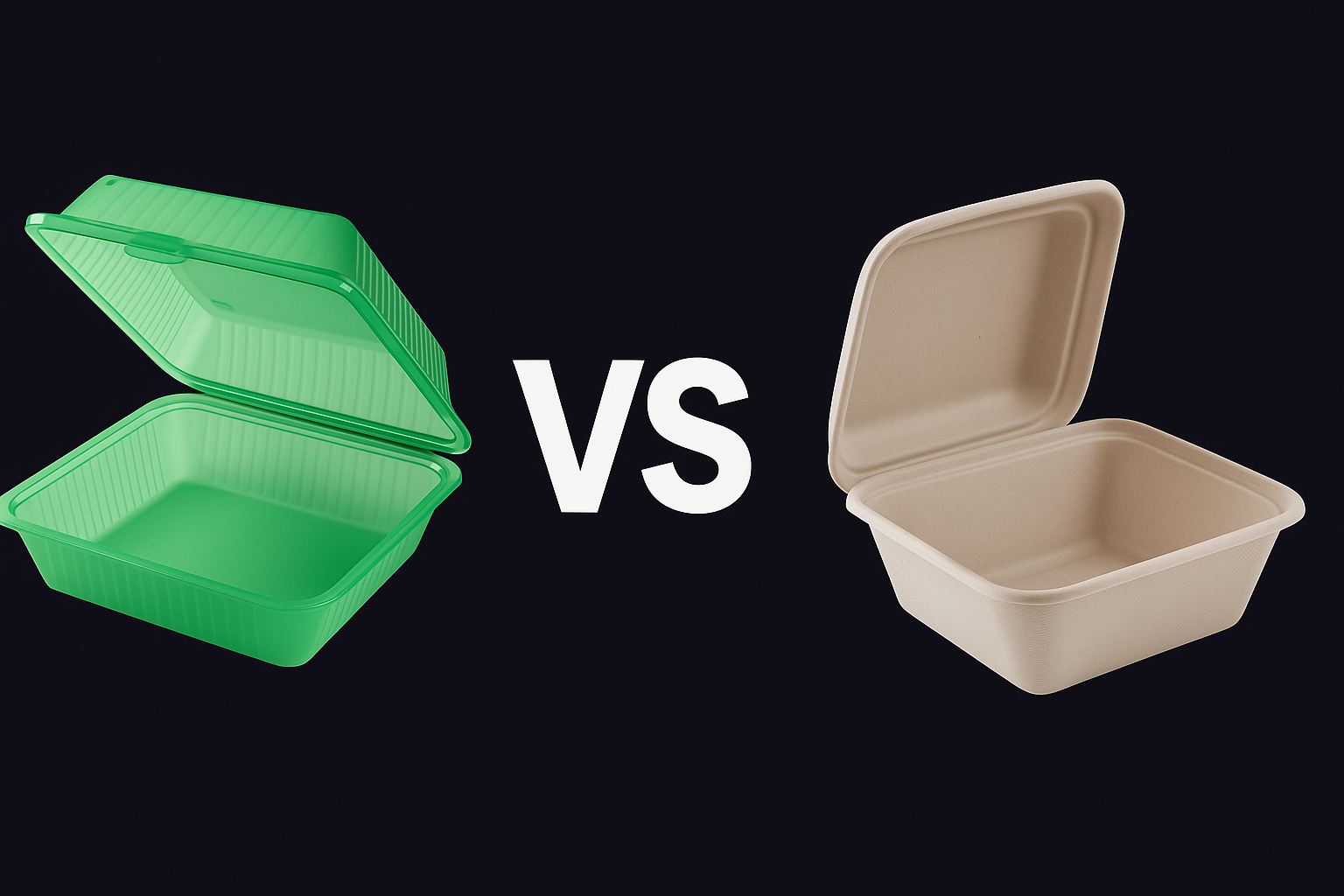
Let's be direct: implementing a reusable container system requires an upfront investment. In fact, one comparative life cycle assessment found that reusable boxes can initially be more costly than their disposable counterparts. However, that's where the comparison ends. Single-use containers are a perpetual expense—a budget line you pay over and over without ever building value.
Reusable containers are a one-time purchase. With every use, the cost-per-use plummets. A container that's used hundreds of times ultimately costs just pennies per meal served, creating substantial savings over time. You're not just buying a product; you're investing in an asset that actively reduces future spending.
Calculating Your Long-Term Savings
The financial advantage of reusables grows with every use. Your long-term savings are directly tied to how many times each container is checked out, returned, and washed. This is why effective management is so important—you need a system that maximizes the reusable potential of your inventory. Simply buying a stockpile of containers isn't enough. Without a reliable way to track them and ensure they come back, your investment can quickly walk out the door.
A well-managed program with high return rates is what turns a good idea into a great financial decision. By focusing on maximizing the lifecycle of each container, you ensure your initial investment pays off many times over, leading to a significant reduction in your annual packaging budget.
See How Reusables.com Delivers a Better ROI
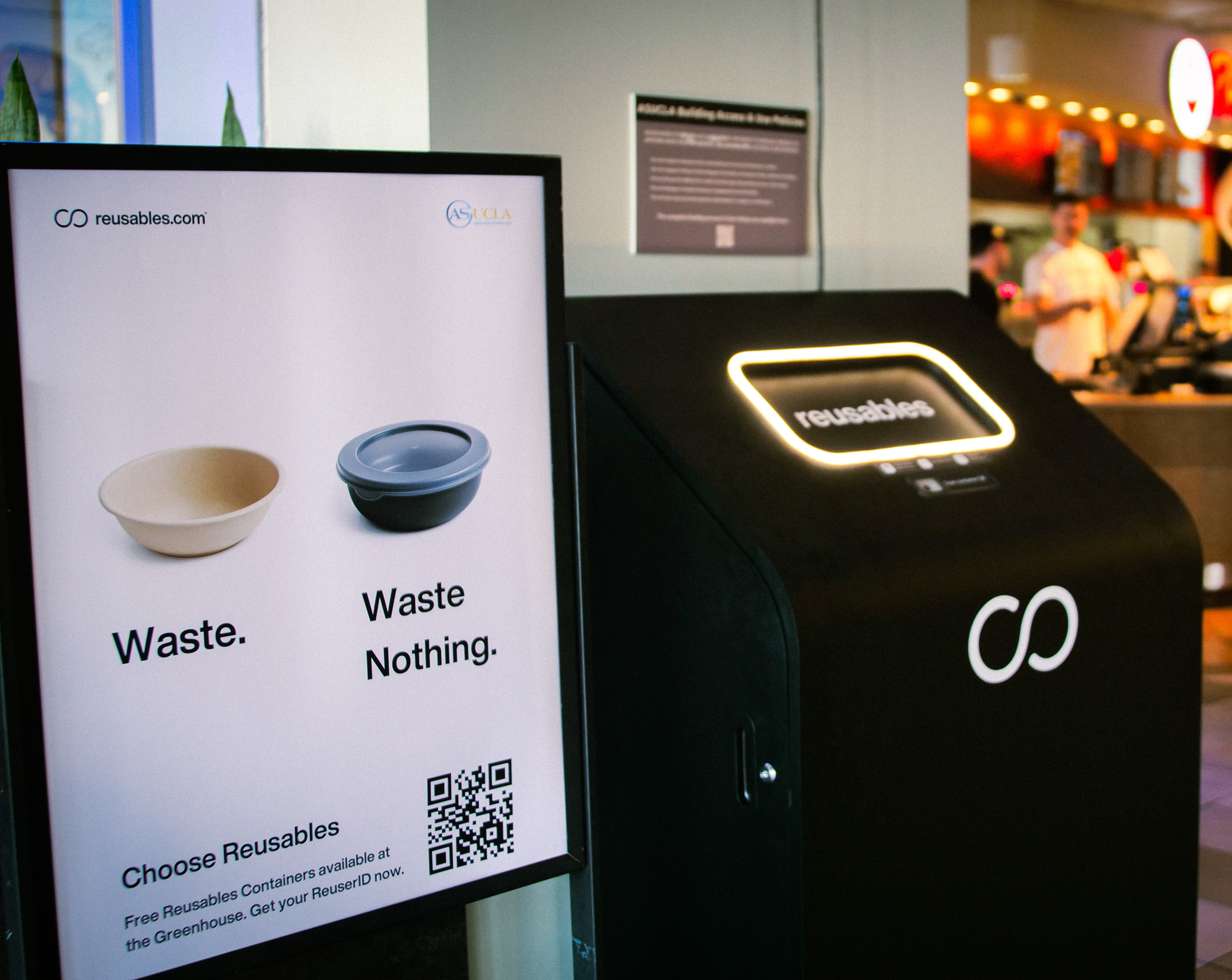
A successful reuse program depends on technology that ensures containers come back. At UCLA, the dining team partnered with Reusables.com to introduce a smart reusable container program that integrated seamlessly with their existing operations. Our platform provides the real-time data needed to optimize logistics, track inventory, and accurately measure cost savings over time.
With automated accountability and smart return bins, our partners achieve industry-leading return rates of 99%. This high rate of compliance is the key to delivering a strong return on investment. It ensures each container reaches its maximum potential, directly cutting down on the need to purchase disposables and proving the financial case for a well-run reuse system.
Generating New Revenue with Smart Technology
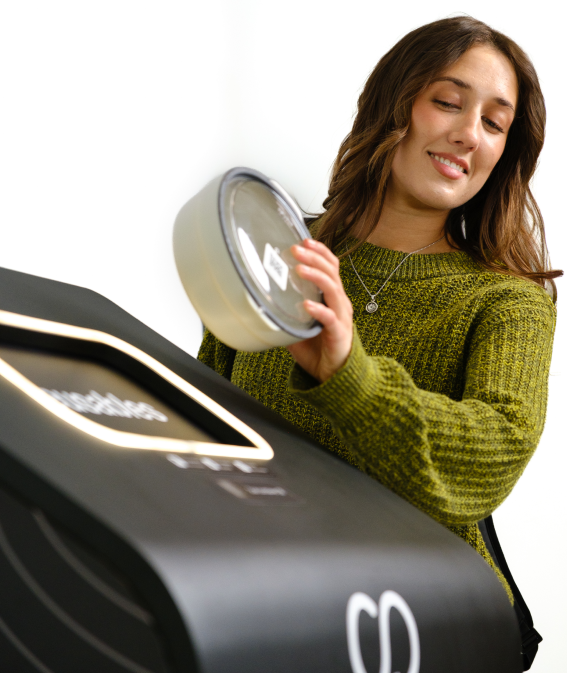
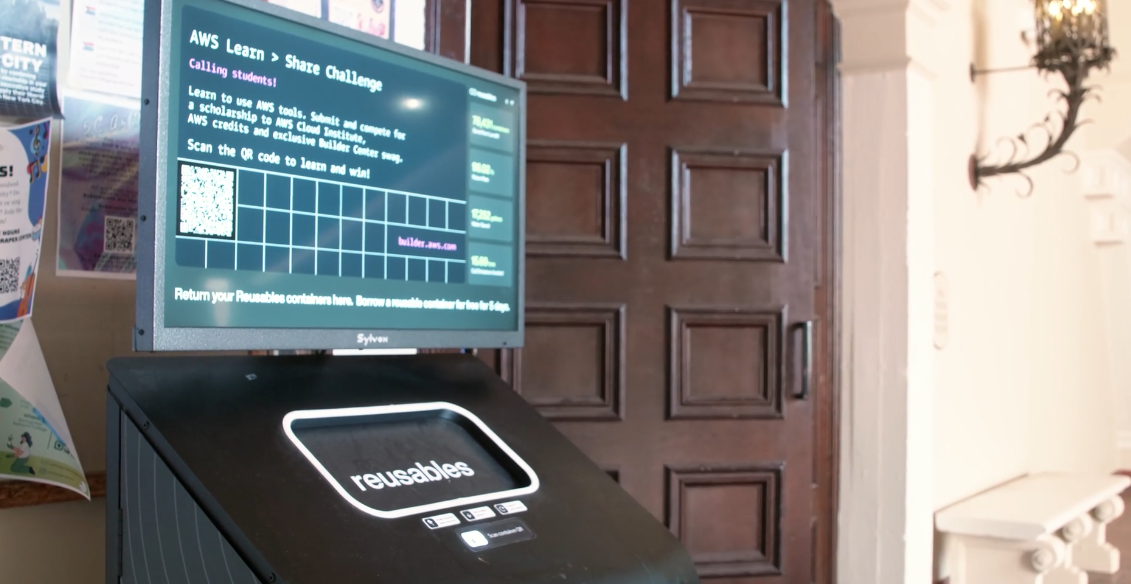
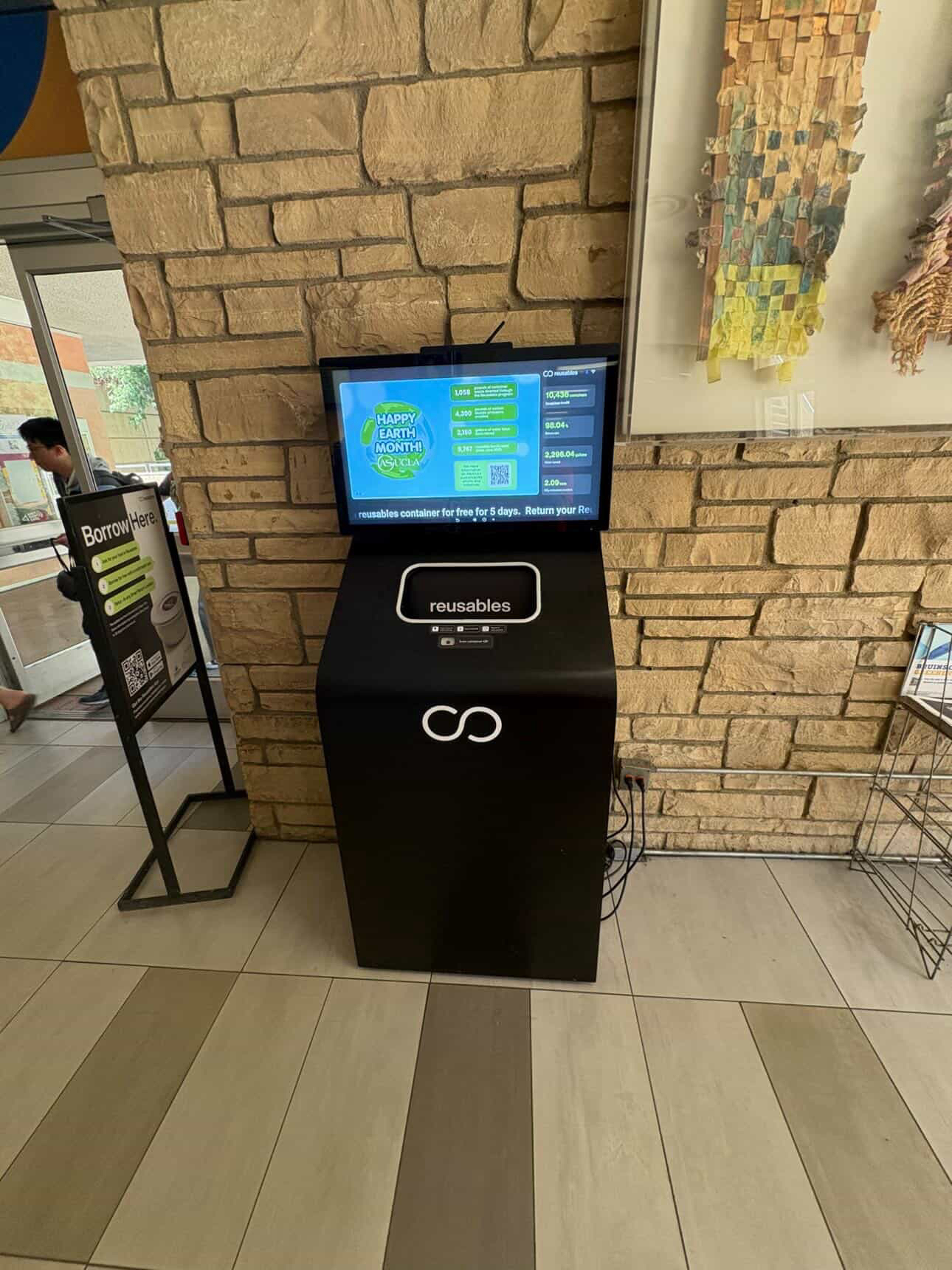
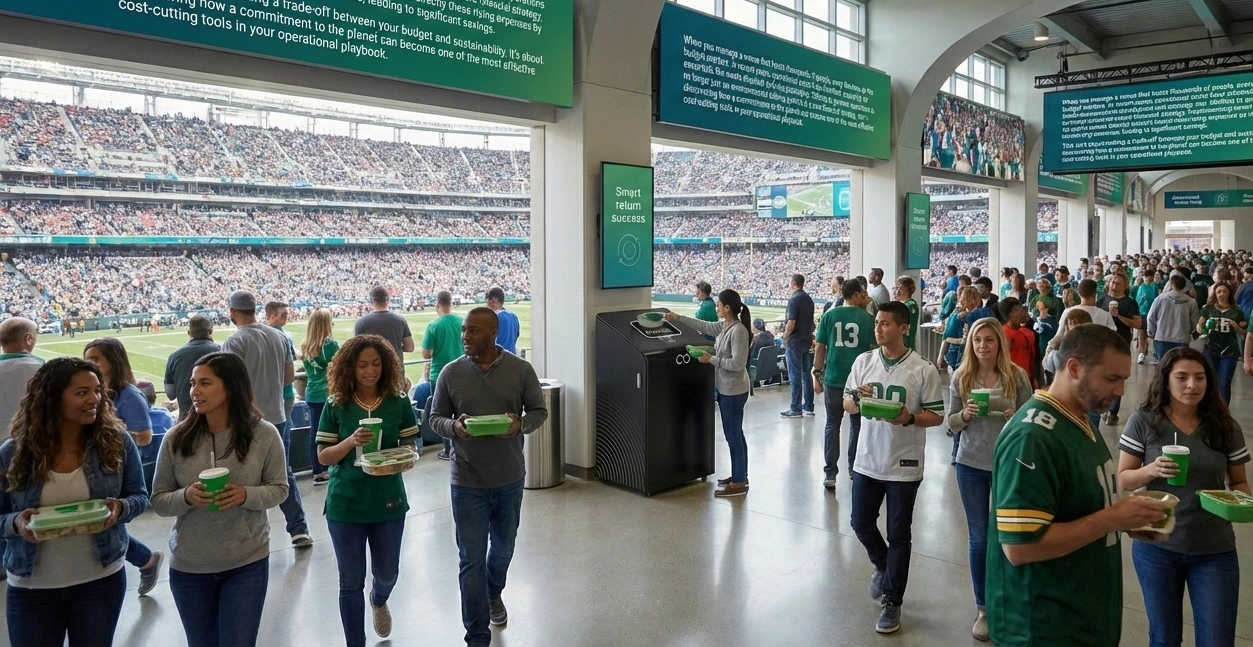
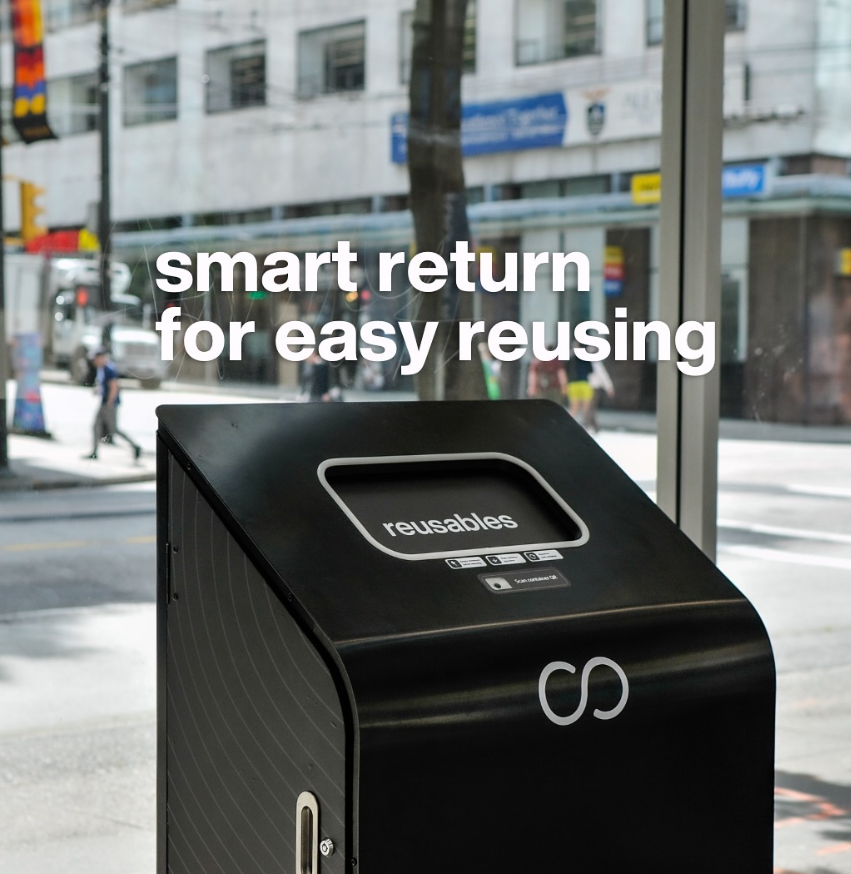
A modern reuse system does more than just cut costs—it can also create new income streams. Reusables.com's Smart Return Bins are equipped with digital screens that can be used for campus messaging or third-party advertising, generating thousands in passive revenue per year without adding work for your staff. Furthermore, the technology that powers the system ensures accountability. Automated reminders and small, refundable late fees encourage students to return containers on time, which helps maintain a near-perfect 99% return rate. This automated process protects your inventory and eliminates the administrative headache of manually tracking down missing items.
What Tech Powers a Successful Reusables Program?
The difference between a reuse program that struggles and one that thrives often comes down to technology. Clunky, manual systems create friction for students and headaches for your staff, leading to low return rates and lost inventory. The right tech, however, makes reusing as easy as—or even easier than—throwing something away. A successful system automates the tedious parts of tracking and returns, integrates smoothly into your existing campus operations, and gives you the data you need to manage your program effectively. It's not just about having reusable containers; it's about having a smart, seamless system that powers the entire experience from checkout to return. This technology is what turns a well-intentioned idea into a cost-saving, waste-reducing reality for your campus.
Smart Bins and Automated Tracking
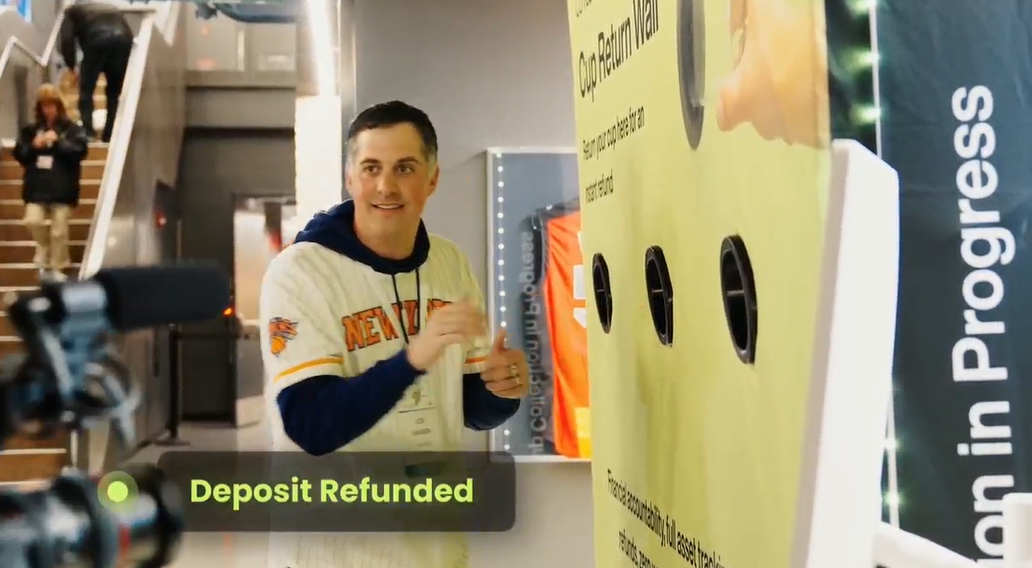
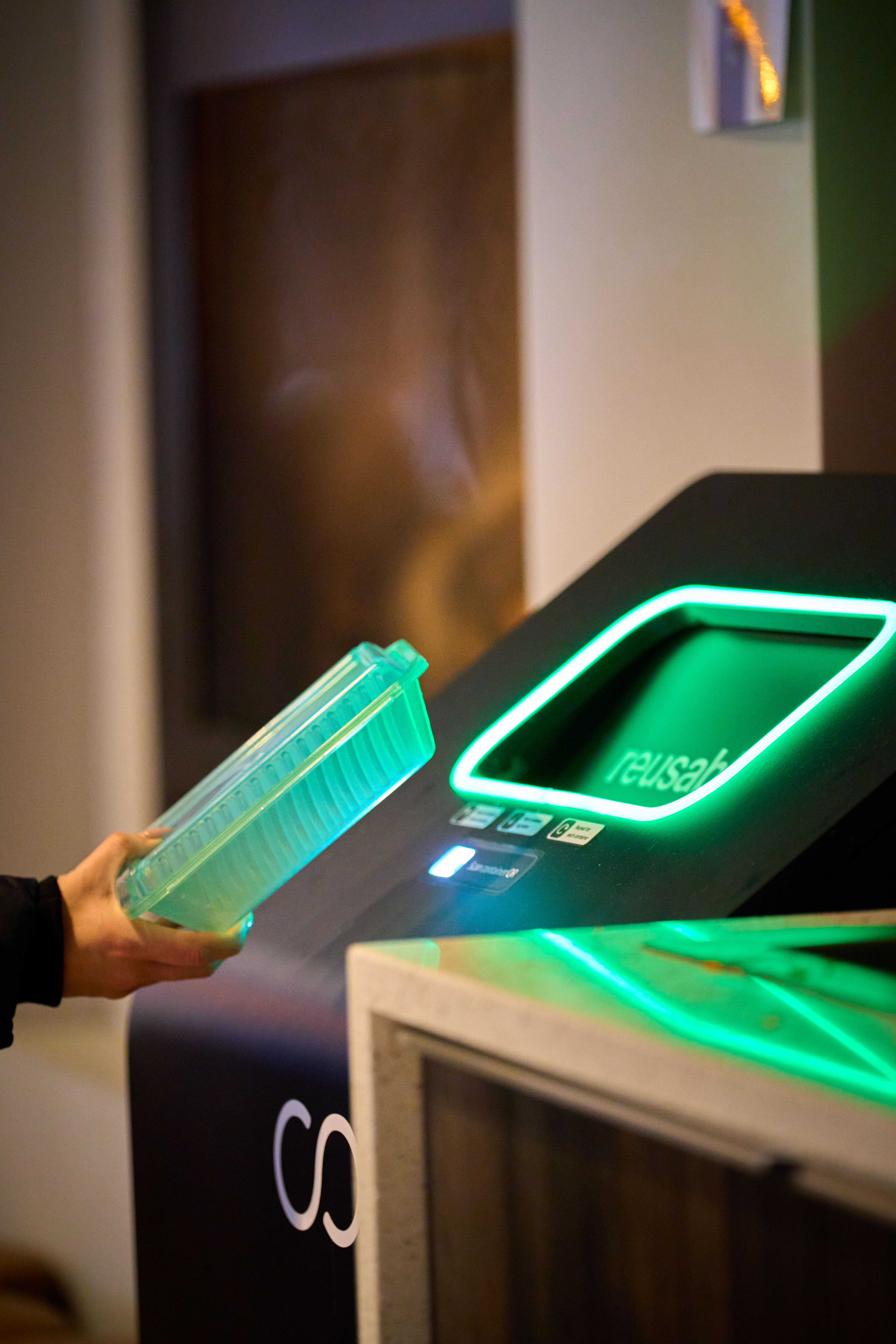
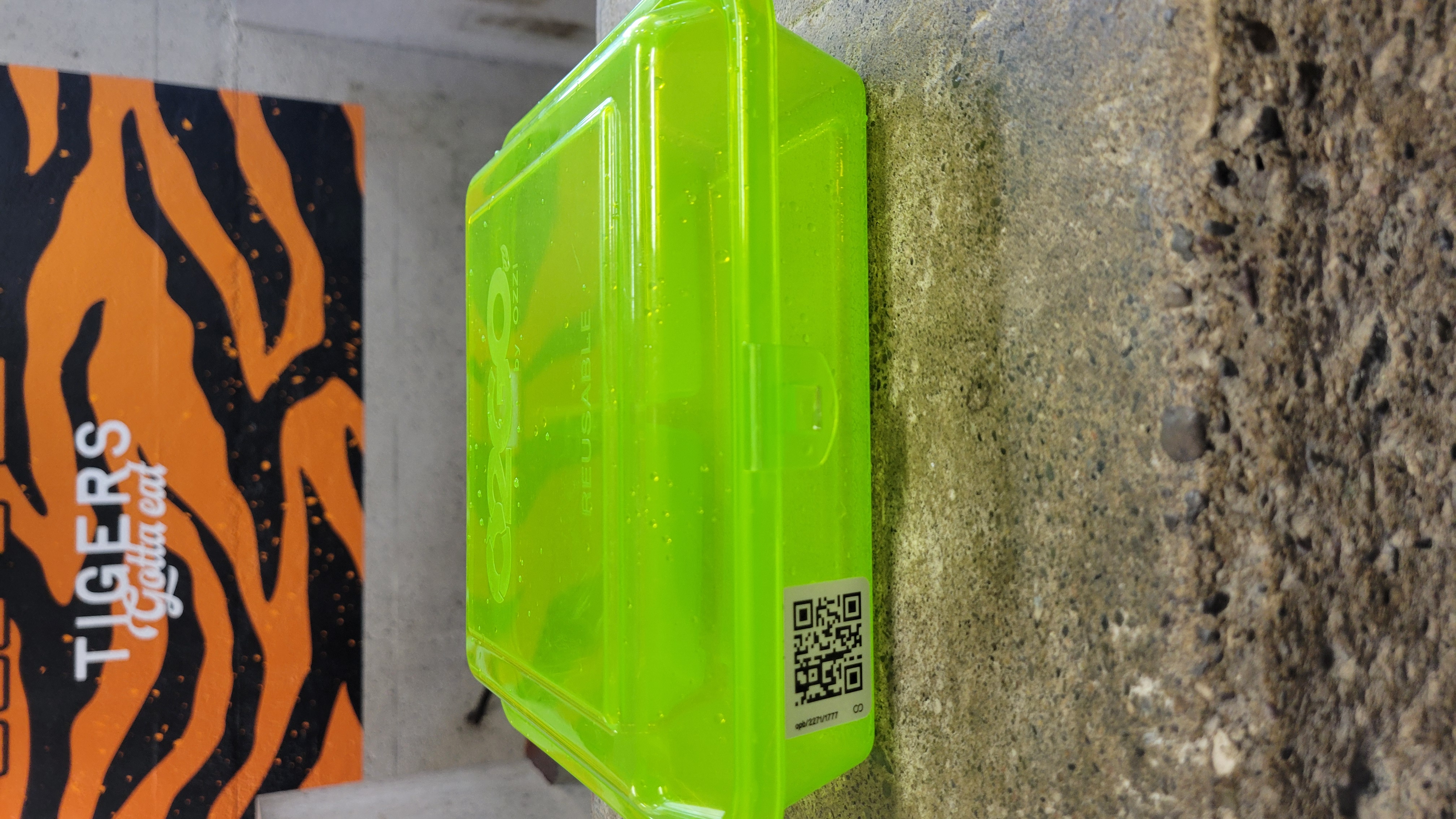
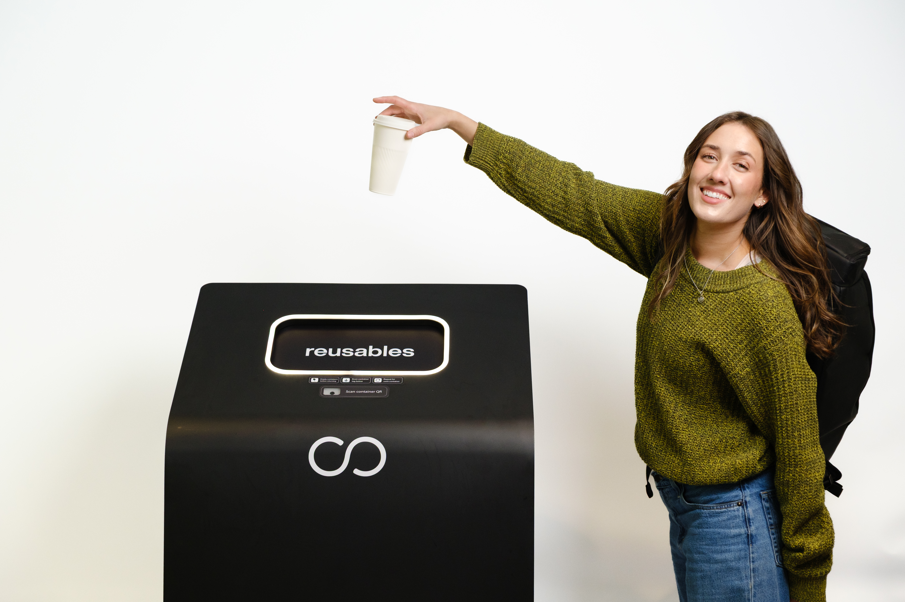
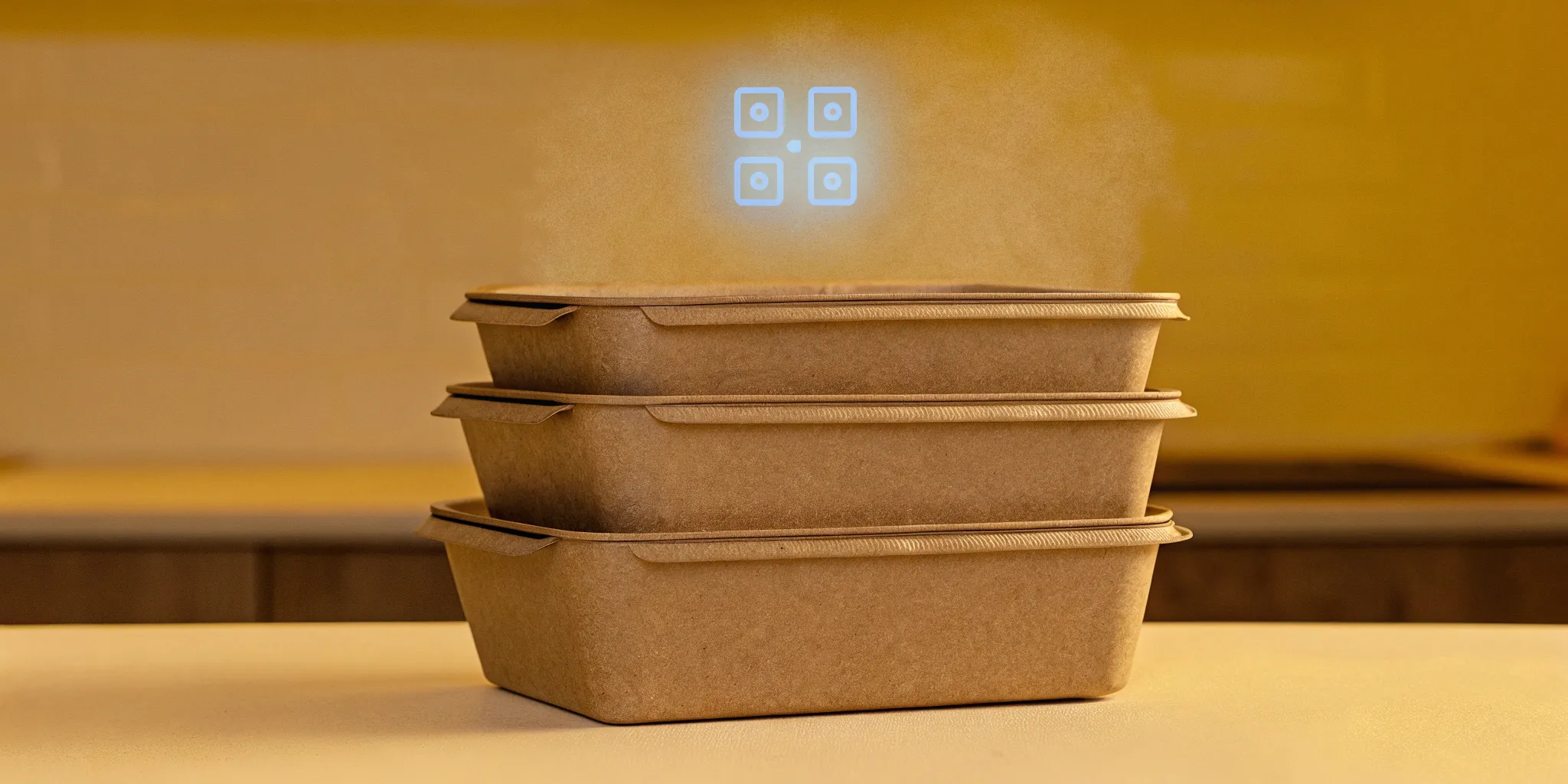
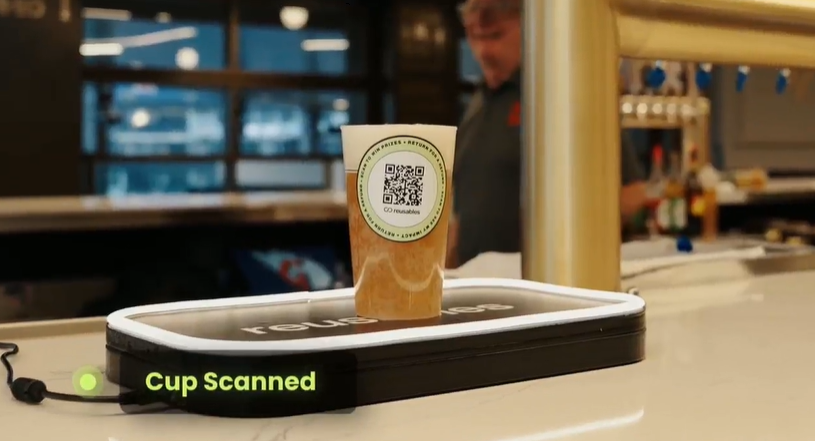
The best reuse programs make returning a container effortless. This is where smart return bins and automated tracking come in. Instead of relying on staff to manually check in containers, students can simply drop them into a bin anytime. Each container is tagged with a unique QR code or RFID chip, so when it's returned, the system automatically scans it and updates the student's account. This dual-mode digital tracking provides accurate, real-time inventory data without any paper slips or manual work. It ensures every container is accounted for and gives you a clear picture of your inventory levels across campus, which is a core part of the Reusables.com system.
Frictionless Checkout with Campus Card Integration
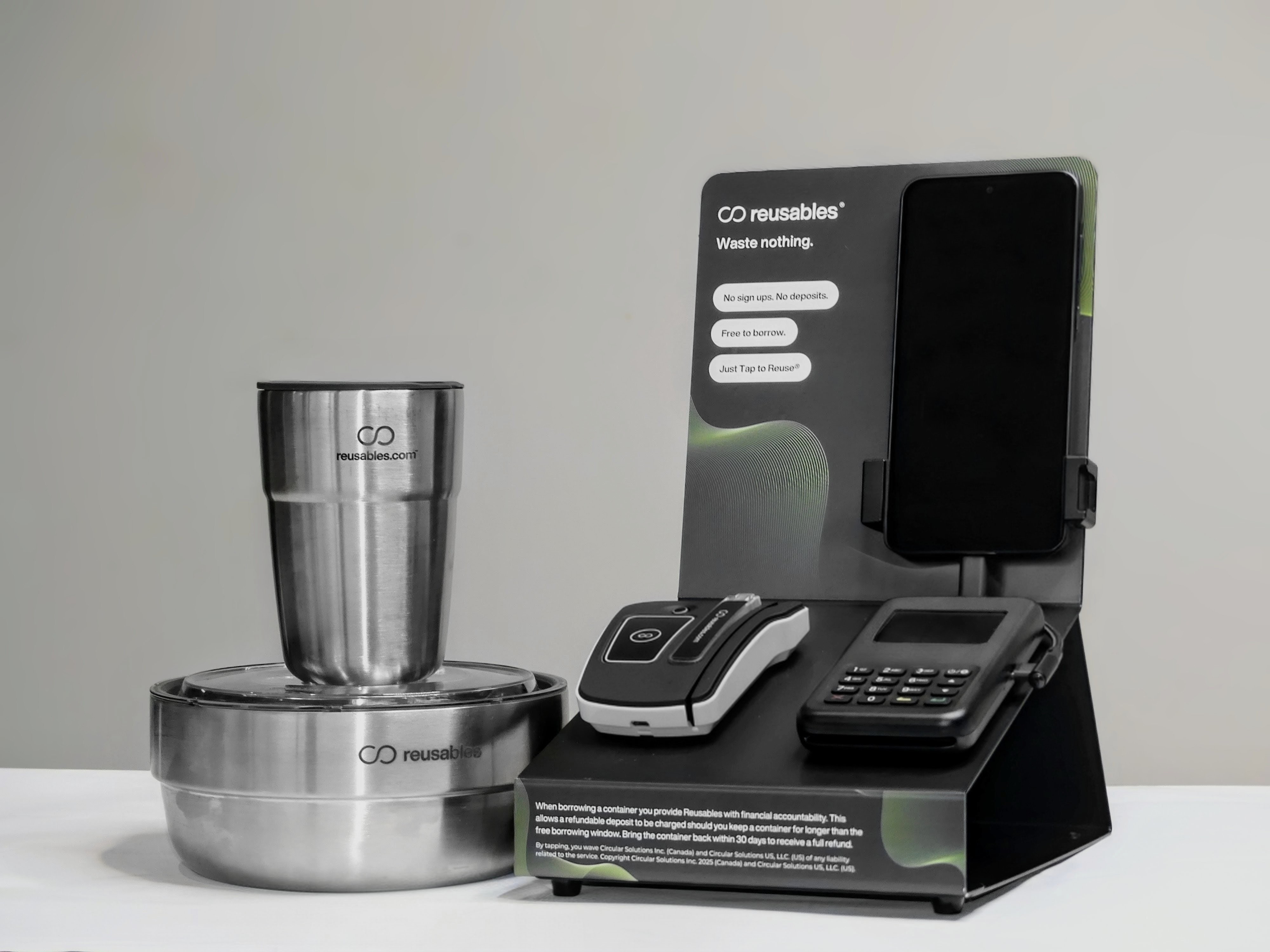
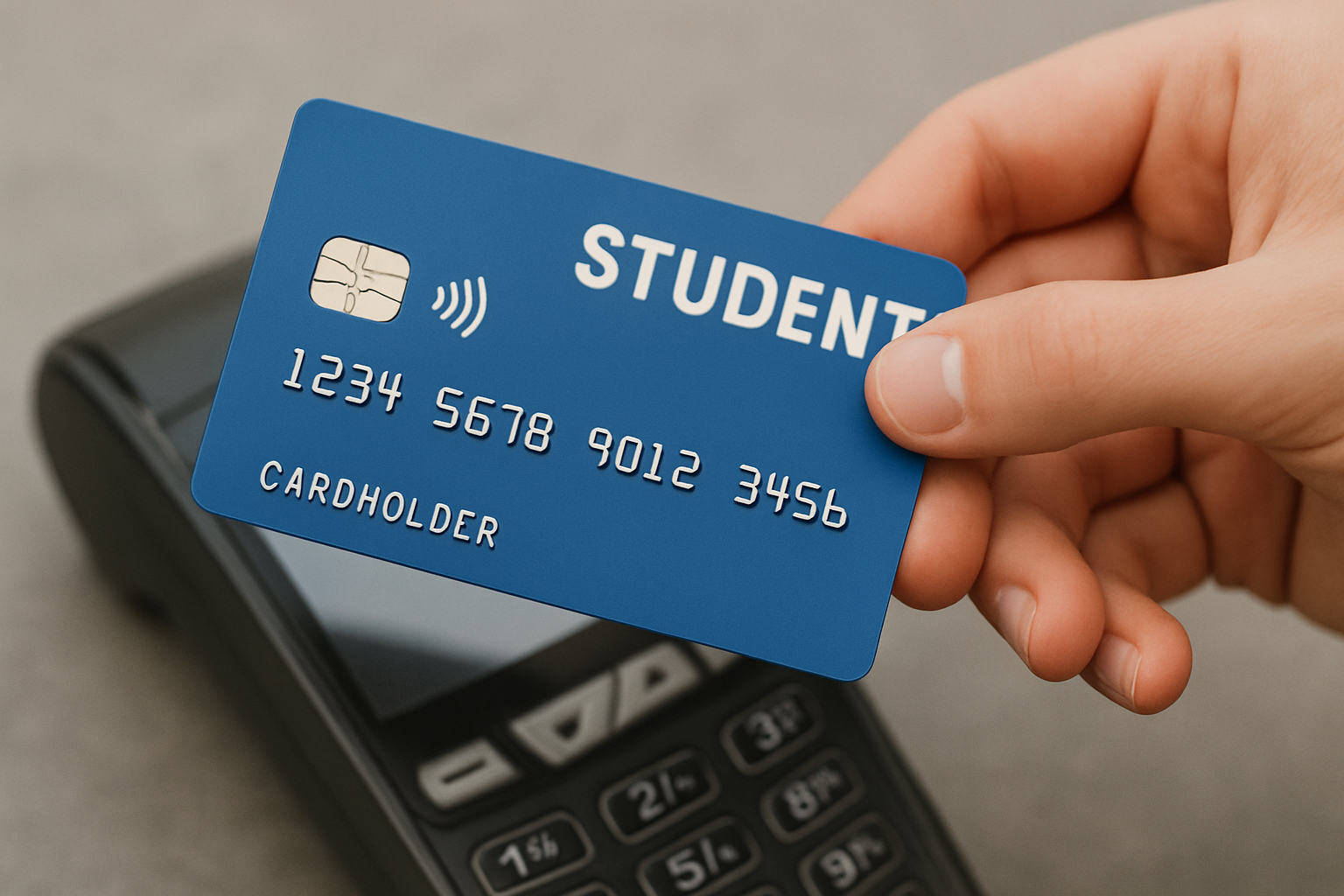
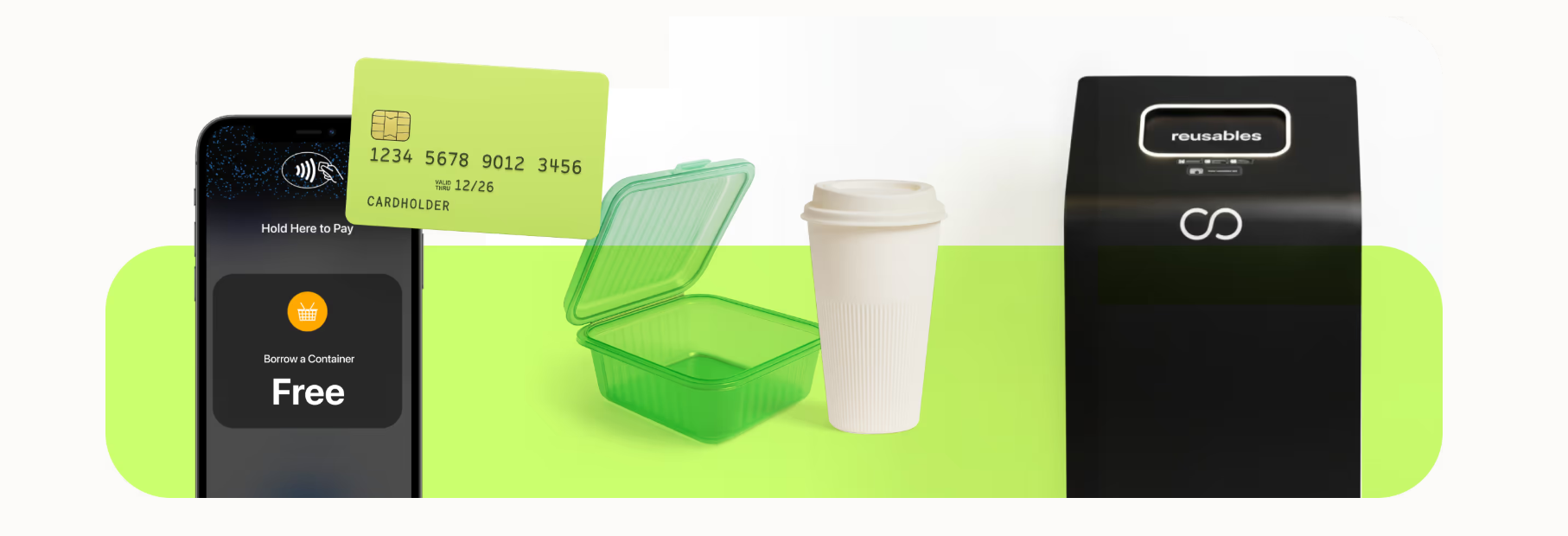
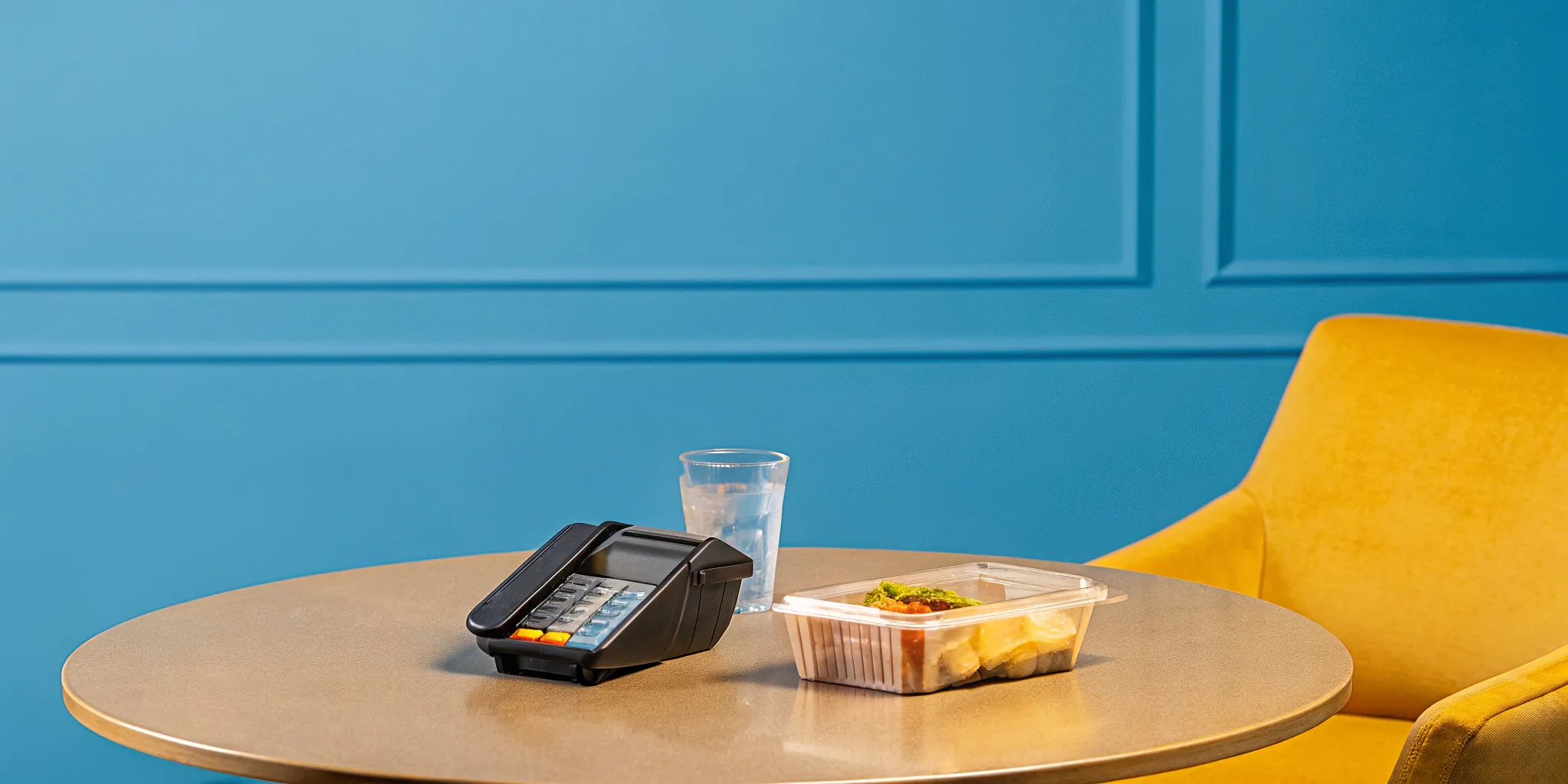
To get students on board, the checkout process has to be incredibly simple. Requiring them to download another app creates a barrier that many won't cross. That's why direct integration with existing campus card systems is a game-changer. With a "Tap to Reuse" approach, students can borrow a container just by tapping their student ID, credit card, or mobile wallet. This leverages the payment and credential platforms you already use, like Transact, CBORD, and TouchNet. It's a familiar, frictionless action that makes participation second nature and is a key feature of our business solutions.
Real-Time Data and Analytics Dashboards
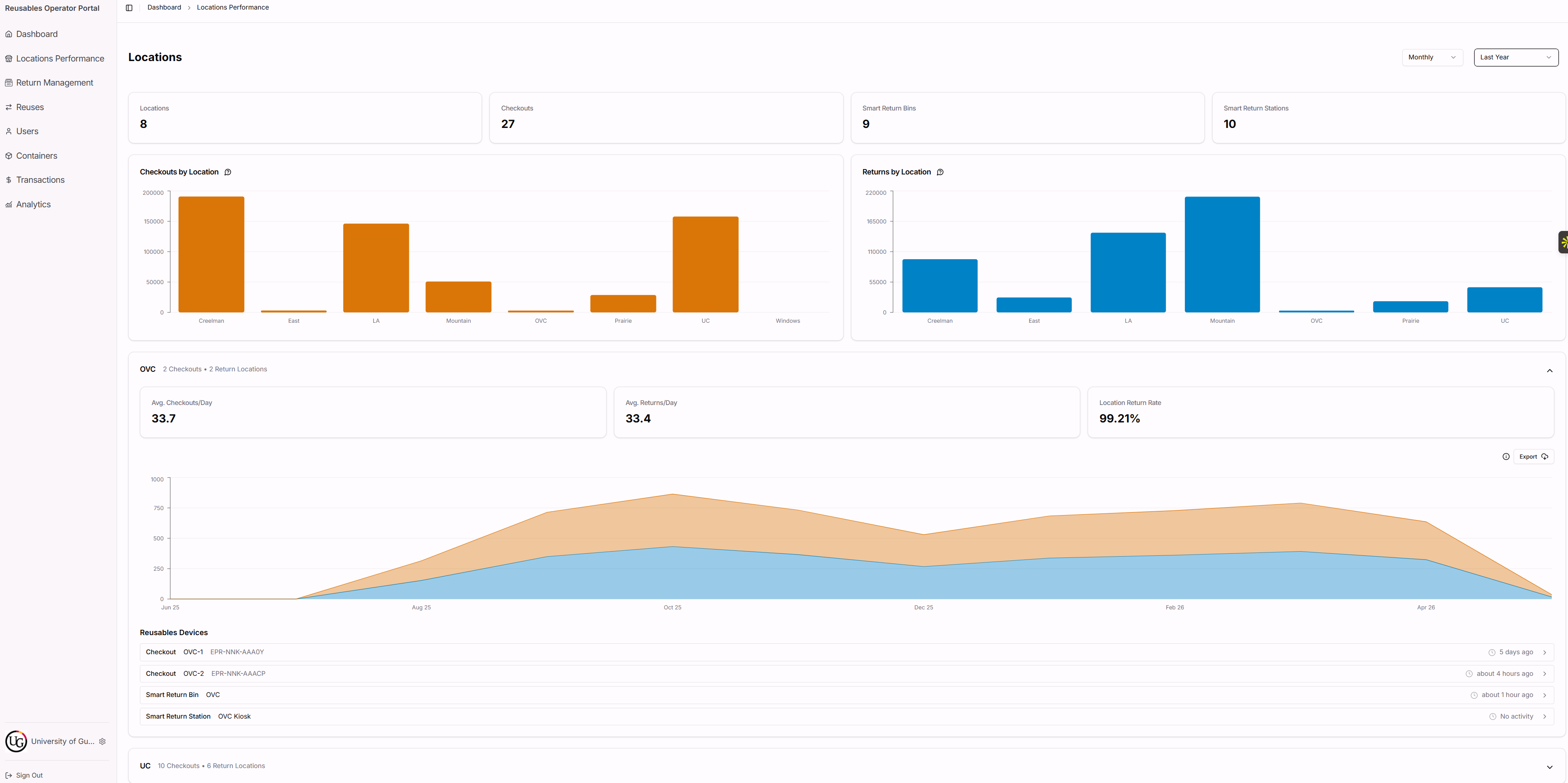
Running a successful reusables program requires good data. A robust operator dashboard gives you a live look at everything you need to know. You can see real-time return rates, track inventory levels at each dining hall, and monitor the fullness of your smart bins so you know when they need to be serviced. More importantly, you can instantly see your financial savings and measure your environmental impact with metrics like waste diverted from landfills. This transparency allows you to make informed decisions, prove the program's value to stakeholders, and fine-tune your operations for the best results.
Flexible Container and Inventory Management
Your program should adapt to your needs, not the other way around. A tech-forward system offers flexibility in your container choices, allowing you to use your existing inventory or select from various options like stainless steel or durable plastic. Beyond the containers themselves, the system's software automates accountability. It sends friendly return reminders to students and can be configured to handle refundable late fees automatically. This process encourages high return rates—often over 99%—without adding the burden of chasing down fees to your staff's workload, freeing them up to focus on providing great service.
What Are the Common Hurdles to a Reusables Program?
Switching from single-use packaging to a reusable system is a significant operational change, and it's natural to anticipate a few challenges. The good news is that with the right technology and a clear plan, these hurdles are entirely manageable. Most concerns fall into a few key areas: getting students on board, managing the new logistics, handling the budget, and putting a solid strategy in place. Let's walk through each of these common questions and look at the straightforward solutions that make a reuse program successful.
Encouraging Student Adoption
A successful reusables program hinges on student participation. If the system is clunky or inconvenient, students simply won't use it. The key is to make reusing easier than throwing away. Getting students excited from the start is crucial for building momentum. Instead of adding another app to their crowded phones, modern systems use frictionless technology like "Tap to Reuse," allowing students to check out a container with their existing campus card or phone. By integrating gamification, leaderboards, and rewards, you can transform sustainability from a chore into a fun, engaging campus-wide activity. When the process is seamless and even rewarding, high adoption rates will follow.
Addressing Infrastructure and Logistics
Managing a fleet of reusable containers can seem daunting. How do you track them all? What happens if you run out during the lunch rush? These are valid logistical concerns that older, manual systems struggled with. Today, technology provides the answer. Smart return bins offer 24/7 access and automatically notify your team when they're getting full, preventing overflow. Dual QR and RFID tracking on every container gives you a real-time inventory count, so you always know your stock levels. This automation not only prevents shortages but also frees up your staff from tedious manual counting, giving them more time to focus on providing a great dining experience.
Planning Your Budget and Initial Investment
The upfront cost of durable containers and new technology is a primary consideration for any dining director. However, it's essential to weigh this one-time investment against the ever-increasing annual expense of disposable packaging. Many universities spend tens of thousands of dollars each year on single-use containers—a number that continues to rise. A reusable system can reduce packaging costs by over 30% annually, offering a clear return on investment. Furthermore, some tech-enabled solutions, like smart bins with digital screens, can even create new revenue streams through on-campus advertising, helping to offset the initial costs even faster.
Creating a Strategy to Overcome Obstacles
A successful transition requires more than just new containers and bins; it requires a thoughtful strategy. The most effective programs involve collaboration with students from the very beginning to ensure the system meets their needs and that they feel a sense of ownership. Your strategy should include clear communication about how the program works, its environmental benefits, and any incentives for participation. By partnering with a provider that offers robust data and analytics, you can track key metrics like return rates and container usage. This allows you to make informed adjustments and demonstrate the program's positive financial and environmental impact to stakeholders across campus.

Your Roadmap for a Successful Transition to Reusables
A successful reuse program doesn't happen by accident. It's the result of a thoughtful strategy that considers everything from student buy-in to the technology that powers it. A clear plan ensures a smooth rollout, high adoption rates, and the long-term cost savings and waste reduction you're aiming for. This roadmap outlines the key phases for launching, measuring, and growing a program that becomes a celebrated part of your campus culture. By following these steps, you can build a system that not only meets your sustainability goals but also enhances the dining experience for everyone.
A Step-by-Step Implementation Plan
The best way to ensure a smooth launch is to build excitement and start smart. Begin by engaging students from day one; their support is essential for the program to work well. Create a student advisory committee or run surveys to get their input on container types and return locations. It's also a good idea to begin with a pilot program in one high-traffic area, like a central dining hall. This allows you to gather feedback and refine your process before expanding to other campus spots like coffee shops and retail locations. Clear communication through signs, social media, and student groups will help everyone understand how to participate.
How to Measure Your Program's Success
Success is more than just launching—it's about tracking your progress with clear data. The most critical metric is your container return rate. With automated accountability and convenient return options, you can achieve rates of 99% or higher, which is key to your program's financial viability. You should also track direct cost savings from reduced spending on disposable packaging and waste hauling. A robust data dashboard can show you these financial wins in real time, alongside key environmental impact metrics, like the amount of waste diverted from landfills. Finally, keep an eye on student participation rates and satisfaction to ensure the program remains a positive campus feature.
Scaling and Improving Your Program Over Time
Your initial launch is just the beginning. Once your pilot program is running smoothly, you can use the data and feedback you've collected to scale effectively. A phased rollout allows you to expand to satellite cafes, athletic venues, and other food service locations with confidence. Use your analytics dashboard to make informed decisions, like adding more return bins in popular spots or identifying which locations have the highest adoption rates. To keep momentum high, continue to engage students with fun initiatives like campus-wide leaderboards or rewards for frequent reusers. This creates a cycle of continuous improvement that solidifies the program's long-term success.
Related Articles
- A Guide: How to Use Transact Card for Reusables
- Guide to Sustainable College Cafeterias
- How Student Card Reusable Container Checkout Works
- QR Code Reusable Packaging: A Campus Guide
Frequently Asked Questions
We're already using compostable containers. Isn't that good enough? Switching to compostable containers is a well-intentioned first step, but it often comes with hidden challenges. These containers are significantly more expensive than plastic and require specialized industrial composting facilities to break down properly. If your campus or city lacks this infrastructure, they often end up in a landfill, which undermines their environmental benefit and means you're paying a premium for a solution that isn't fully realized.
How can we justify the upfront cost of a reusable system when our budget is already tight? This is a common and very practical concern. It helps to think of it not as a new expense, but as a shift from a recurring operational cost to a one-time capital investment. You're already spending tens, or even hundreds, of thousands of dollars every year on disposables that get thrown away. A reusable system stops that cycle. The long-term savings from eliminating those constant re-orders create a clear return on your initial investment.
What's to stop students from just throwing the reusable containers away? This is the single biggest challenge for any reuse program, and it's where having a smart system makes all the difference. Simply handing out containers isn't enough. Our platform uses automated accountability, easy-to-find smart return bins, and student incentives to make returning a container the easiest option. This approach is why our partners see return rates of 99%, ensuring your investment stays on campus and out of the trash.
Does running a reusable program create a lot of extra work for my staff? A poorly designed program absolutely can create more work, but our system is built to do the opposite. The technology automates the most time-consuming tasks, like tracking inventory, sending return reminders, and managing late fees. Your staff never has to manually chase down students or charge fees. The goal is to integrate seamlessly into your existing workflow, freeing up your team to focus on the dining experience.
Do we have to use a specific type of container with your system? Our platform is designed to be flexible. We are container-agnostic, which means you can integrate your campus's existing inventory of reusable containers right into our system. If you're starting from scratch or looking to expand, we can also connect you with our list of approved partners who offer a range of durable plastic and stainless steel options that work perfectly with our tracking technology.
Other stories you may find interesting
.png)
.avif)



.webp)


Watch the Webinar
Learn How to Eliminate Single-Use Waste
Get instant access to our expert webinar and discover how leading institutions reach 99% return rates through smarter reuse systems.

© Reusables™. All rights reserved.