
Reusables vs Green Box: Which is More Sustainable?

February 25, 2026
A sustainability initiative on campus only succeeds if students actually want to participate. When it comes to takeout dining, convenience is everything. This is where the core difference in the Reusables V Green Box debate truly lies. One system asks students to remember tokens, pay deposits, and return containers during limited hours. The other lets them tap their student card and drop a container in a smart bin anytime. A clunky, inconvenient process will always struggle with adoption, no matter how eco-friendly it is. We'll explore how a frictionless, tech-forward experience not only drives high participation but also builds a campus culture where choosing to reuse is the easiest and most natural option.
Key Takeaways
- Technology makes the difference: A successful reuse program is more than just a durable box; it's a complete system. Automated tracking and seamless campus integration are what separate a modern solution from a manual, ineffective one.
- Prioritize high return rates for real savings: A reusable container only saves money and reduces waste if it's consistently returned. Look for a system that uses automated accountability and convenient return options to ensure your investment pays off.
- An effortless user experience is non-negotiable: To get students on board, the system must be incredibly simple. Choose a solution that works with existing campus cards and avoids extra steps like app downloads or token exchanges to maximize participation.
Reusable Containers vs. Green Boxes: What's the Difference?
On the surface, any reusable container program seems like a step in the right direction. Both modern reusable systems and traditional "Green Box" programs aim to cut down on single-use waste from takeout dining. However, the way they operate and the results they deliver are worlds apart. The key difference isn't just the container itself, but the system built around it.
A modern reusable packaging system is a fully integrated, tech-forward solution designed for convenience and accountability. A Green Box program, on the other hand, is typically a manual, first-generation approach that often creates more problems than it solves. Understanding these distinctions is crucial for any dining director looking to implement a program that actually meets sustainability goals without creating operational headaches. Let's break down what sets these two models apart.
What is a Reusable Packaging System?
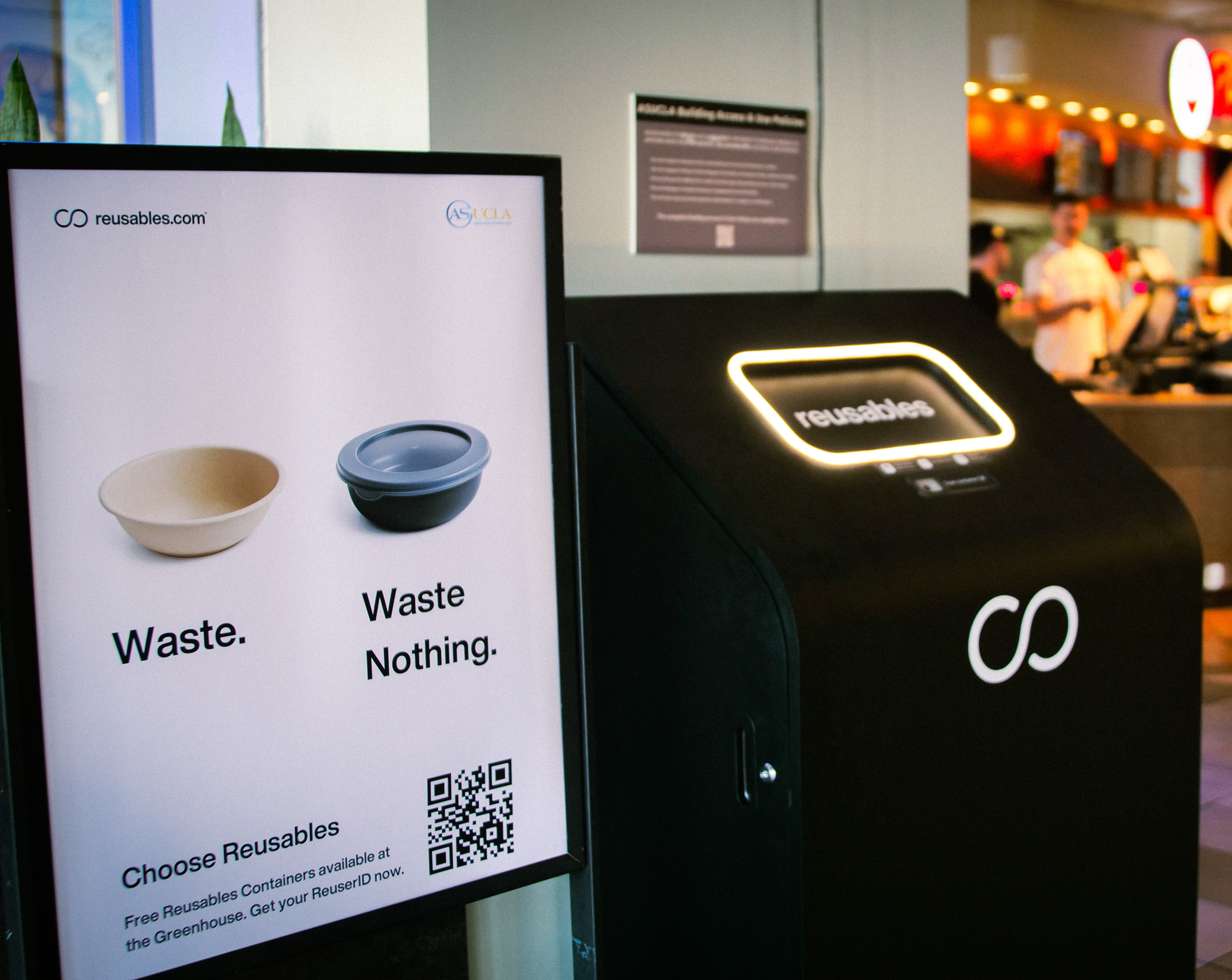
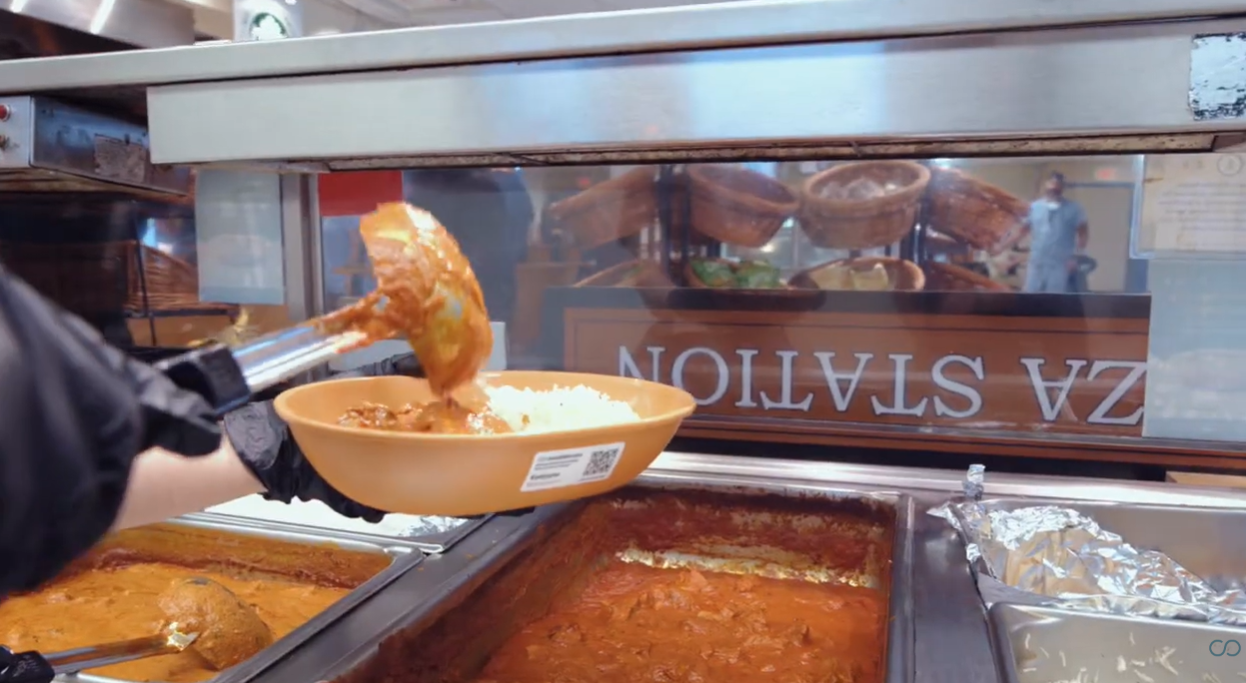
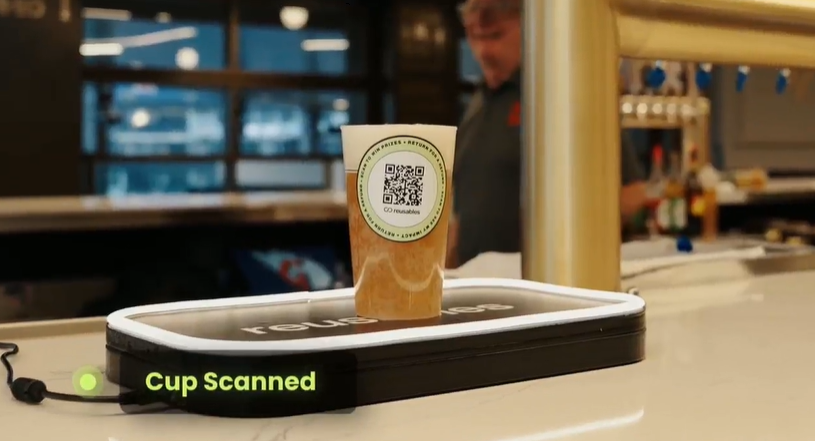
Think of a reusable packaging system as an entire service, not just a product. These systems use technology to make borrowing and returning containers effortless for students and staff. Each container is typically equipped with a unique QR code or RFID tag that connects to a central tracking platform. This allows you to see real-time data on inventory, usage rates, and environmental impact. The best reusable packaging systems are designed to integrate directly with existing campus card and POS systems, creating a seamless experience that encourages participation and ensures containers make their way back to be washed and used again. This systematic approach is proven to deliver significant environmental benefits over single-use alternatives.
What is a "Green Box" System?
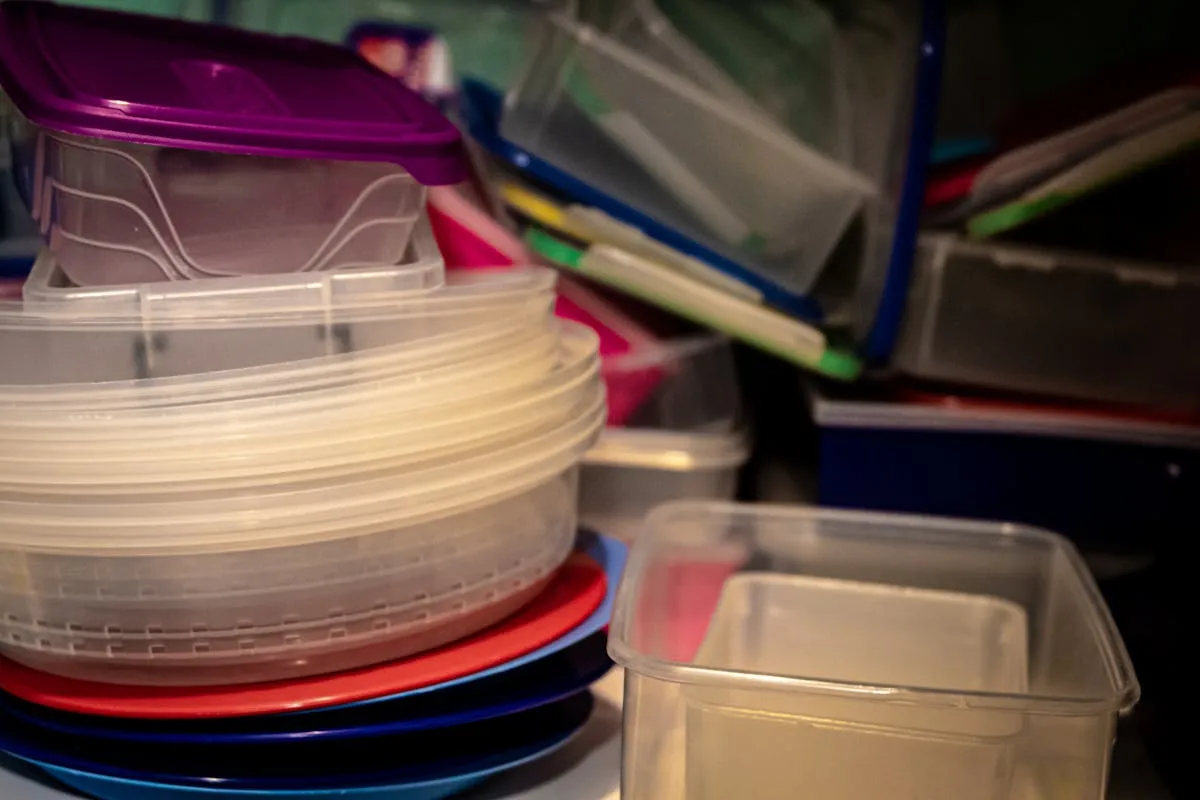
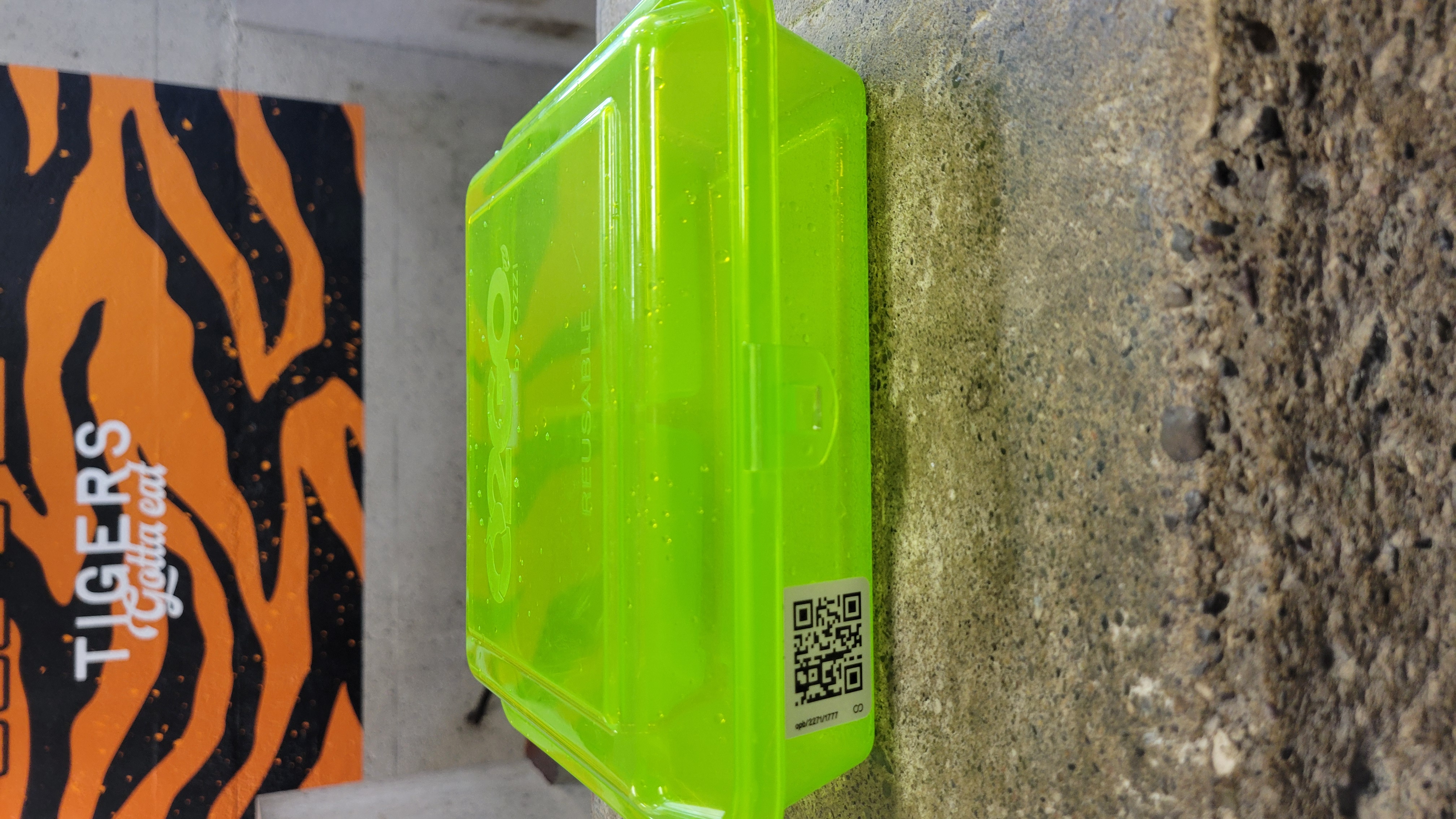
A "Green Box" system is a more basic approach to reusable takeout containers. Often, these programs rely on a token or deposit system where a student exchanges a token for a clean box. To get their token back, they must return the used box to a specific person or location, usually during limited hours. While the intention is good, these programs are manual and lack any real tracking. There's no data on how many boxes are actually in circulation, where they are, or when they're returned. This often leads to low return rates, high container loss, and a frustrating experience for both students and staff who have to manage the manual process.
How traditional Green Box programs actually worked
To understand why a modern tech-enabled system is a significant improvement, it helps to know what the traditional Green Box experience looked like in practice. Most of these programs operated on a token-and-deposit system. To join, a student typically paid a one-time fee of around $5 and received their first container. This initial payment was meant to give students a sense of ownership and fund any lost containers. Some programs required students to tape a receipt to the container for verification — an early sign of how manual these systems were.
When a student wanted a to-go meal, they brought their container to the servery. After finishing, they returned the used container at a specific location — usually a staffed station in the main dining hall — during operating hours. In return, they either received a clean container immediately or a physical token (often a branded carabiner or coin) to redeem for a clean container next time. This token added another object for students to keep track of, another step in a process that already had more friction than disposable alternatives. When tokens were lost — which happened regularly — participation dropped. Without any tracking system, there was no data on where containers were, how many were in circulation, or how long the average turnaround time was. Dining staff absorbed these costs and logistics manually.
Comparing Design and Functionality
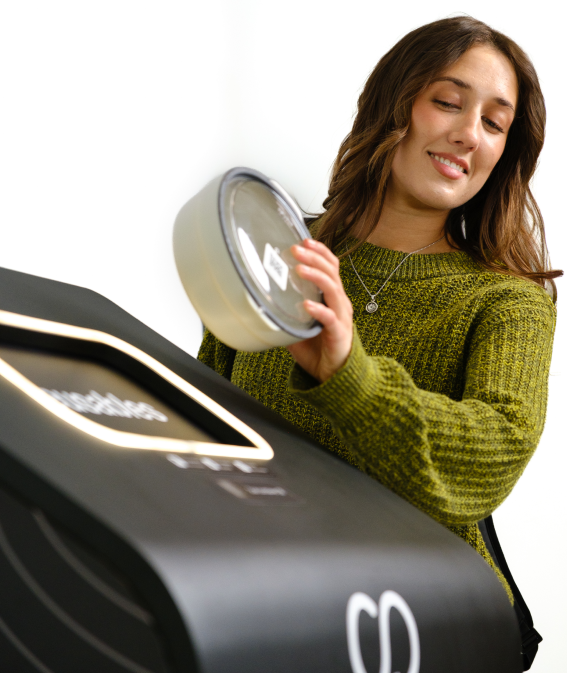
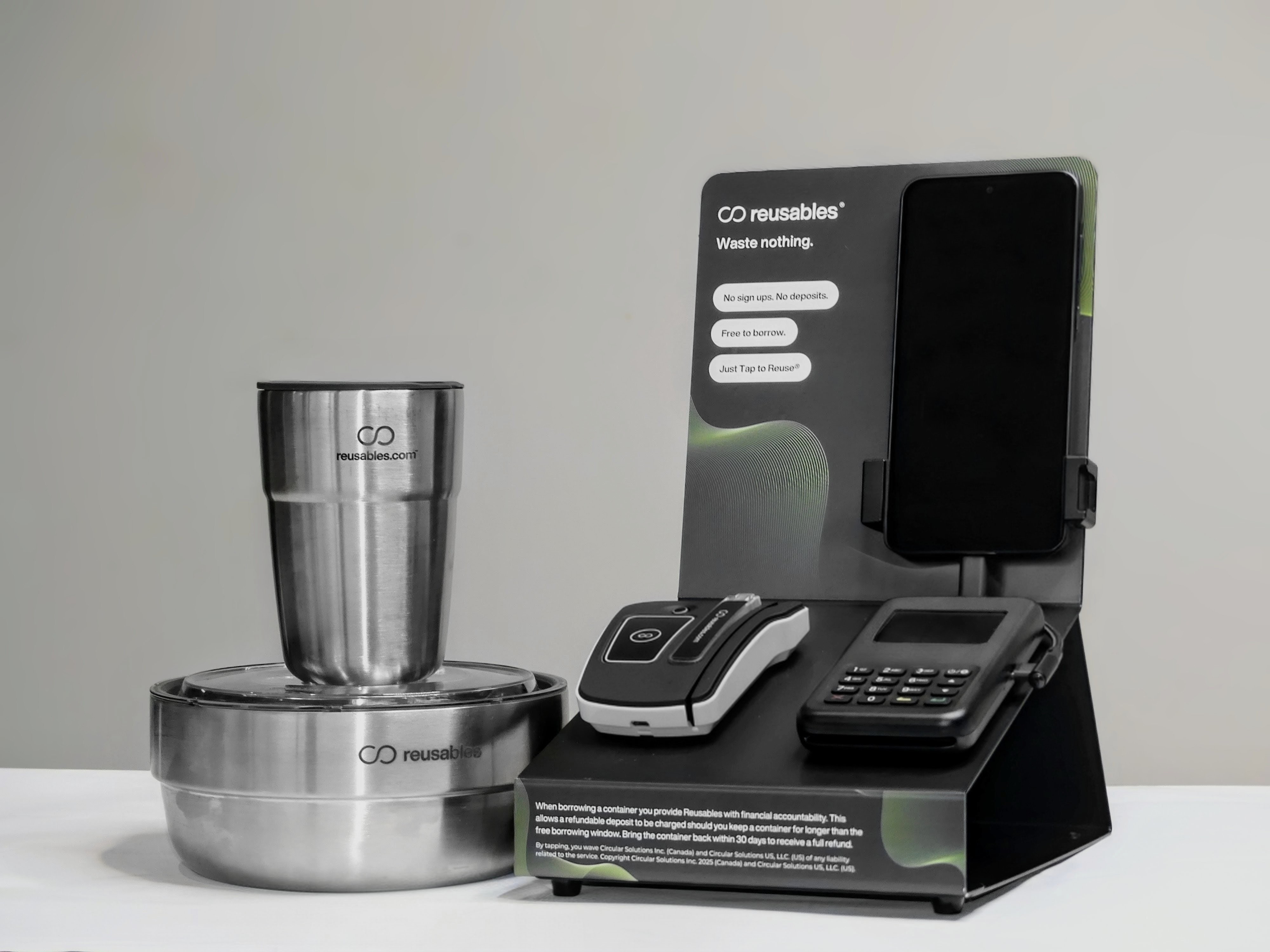
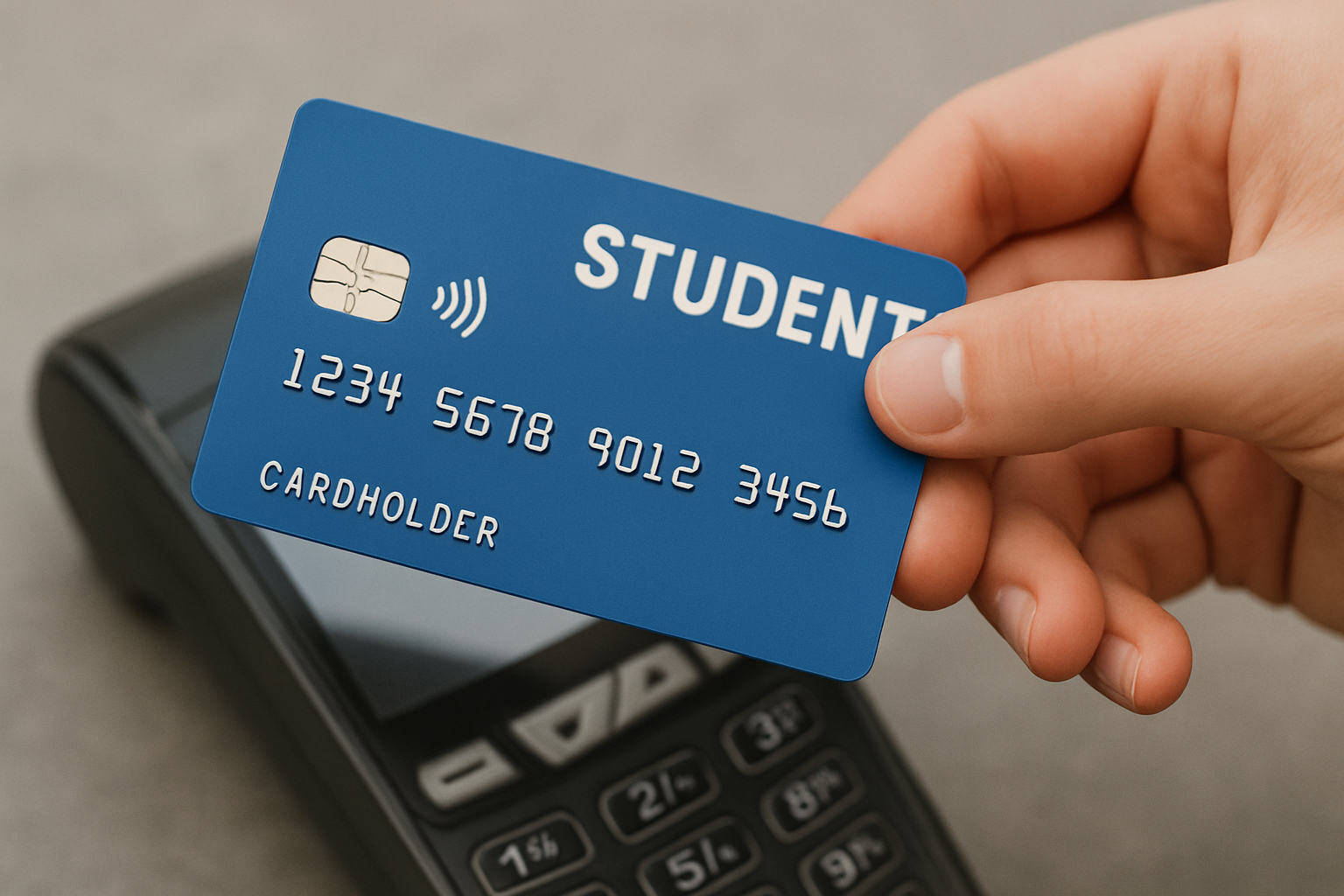
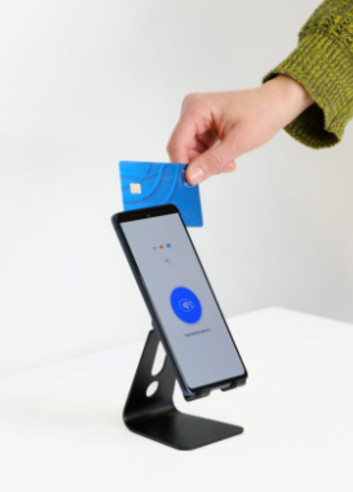
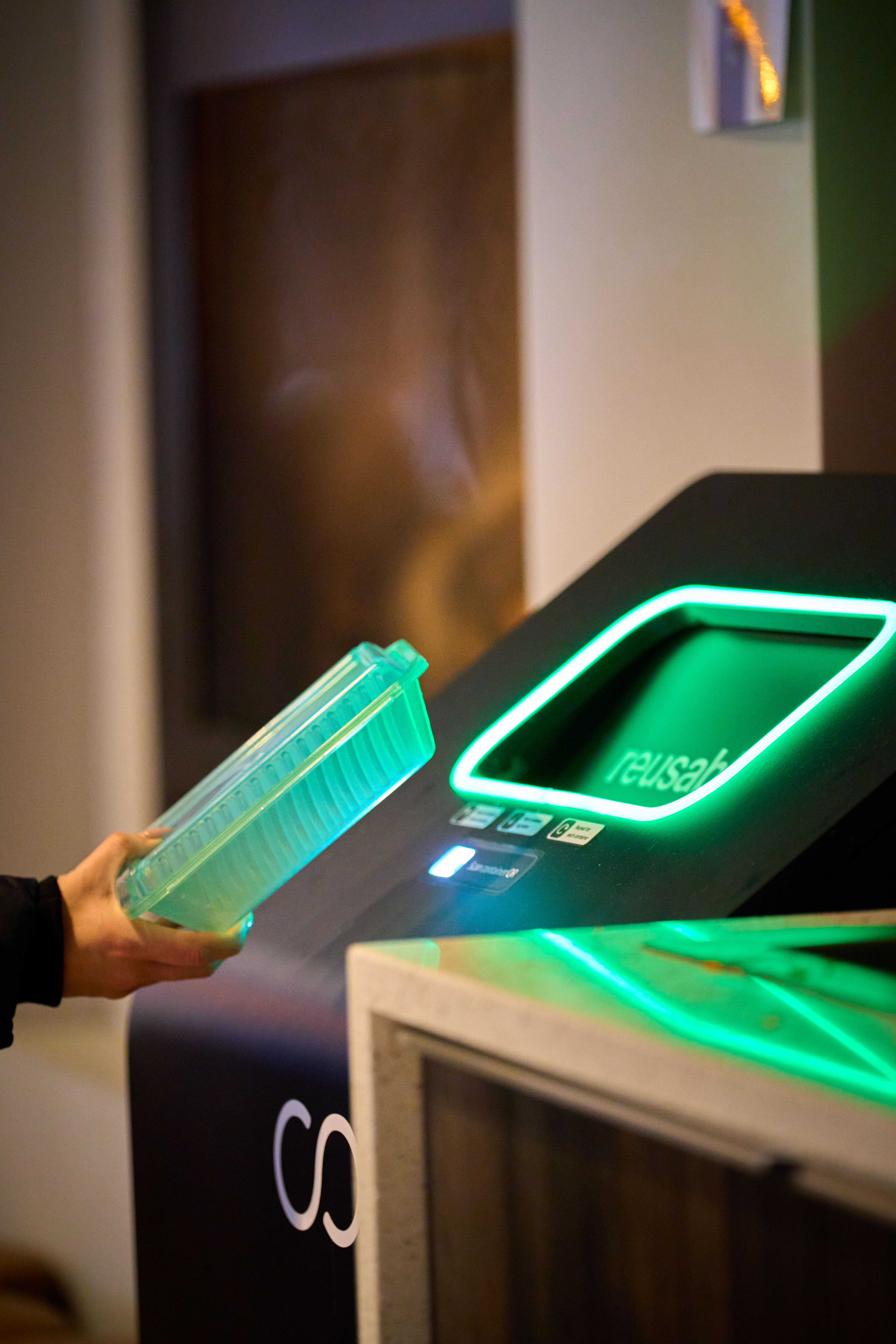
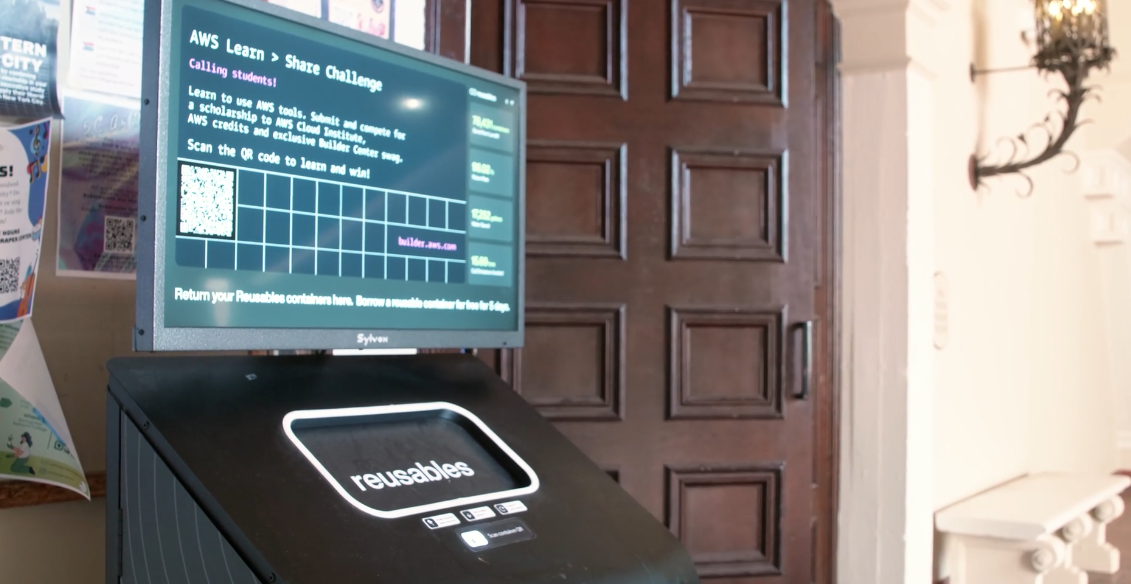
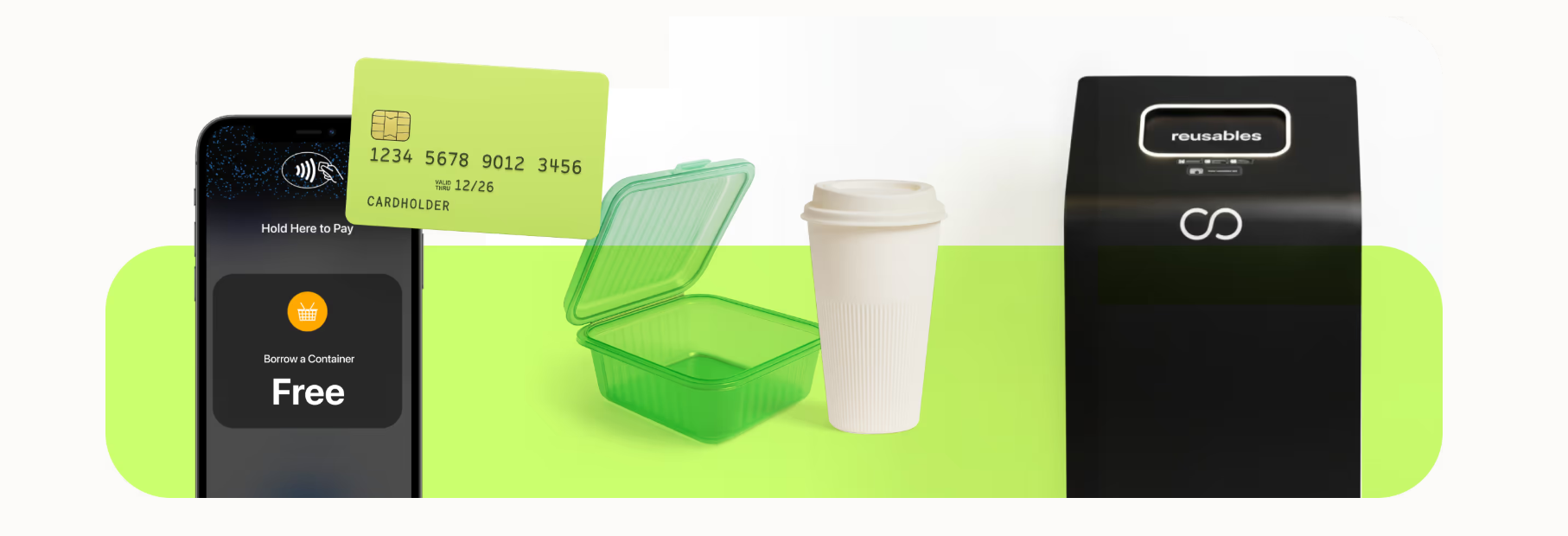
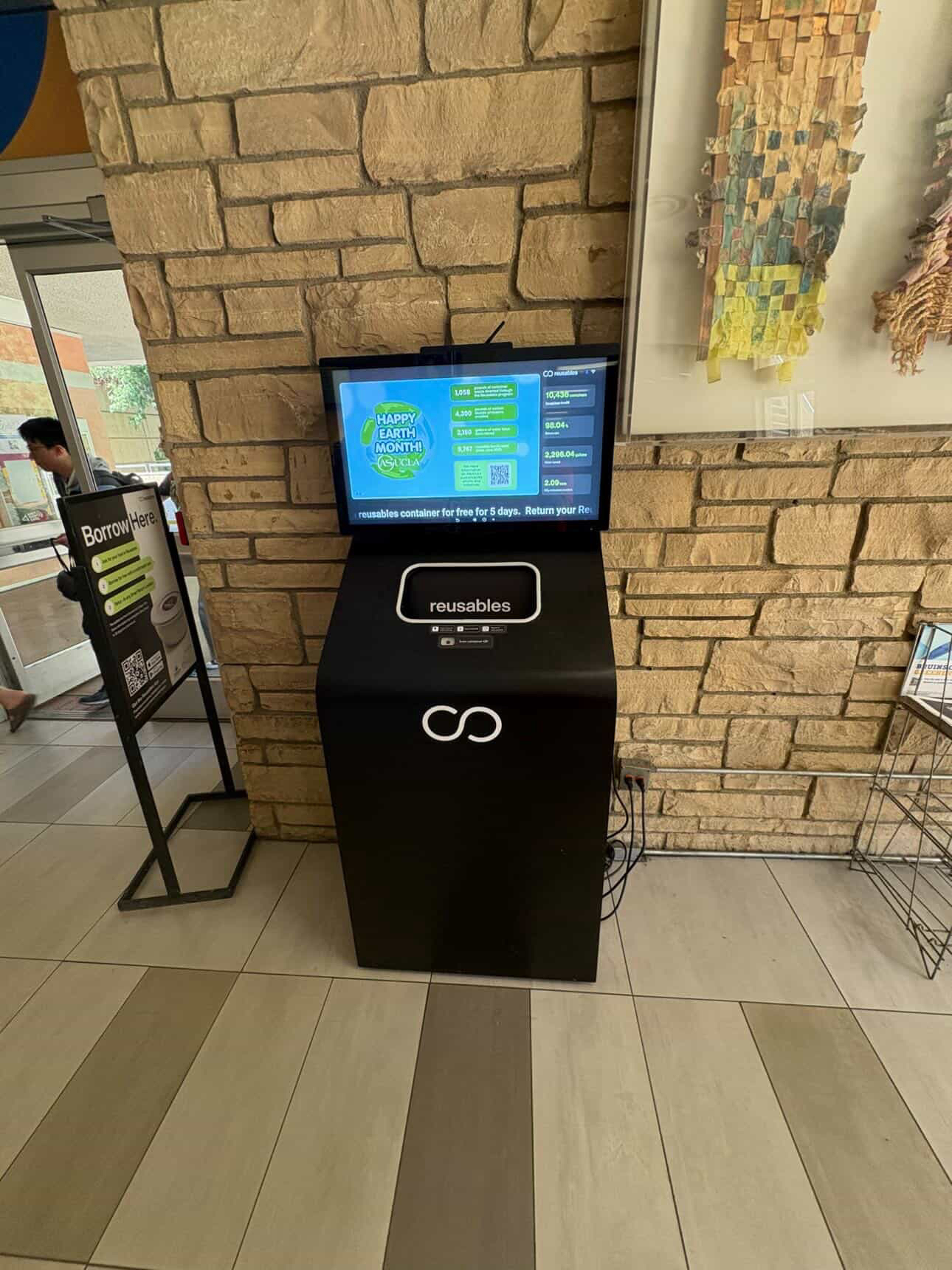
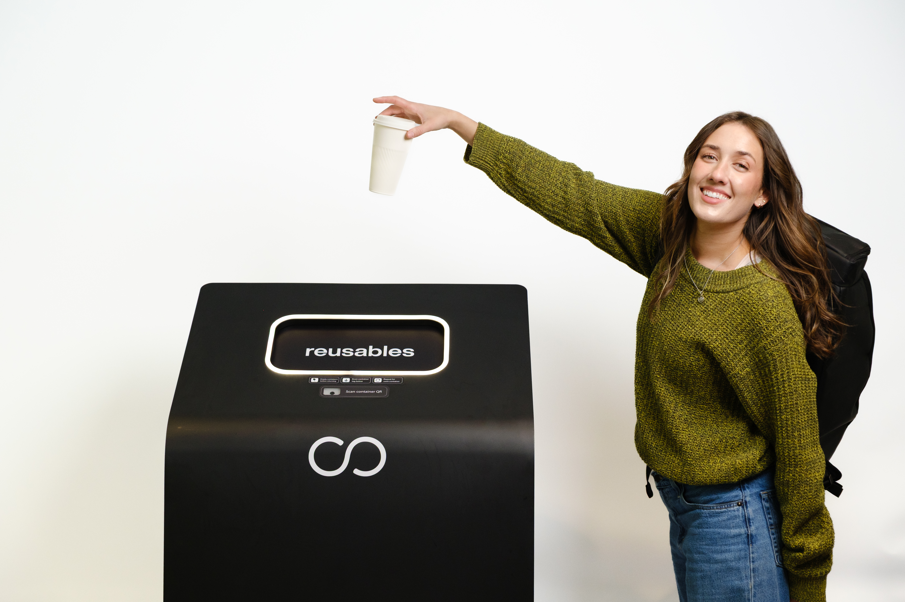
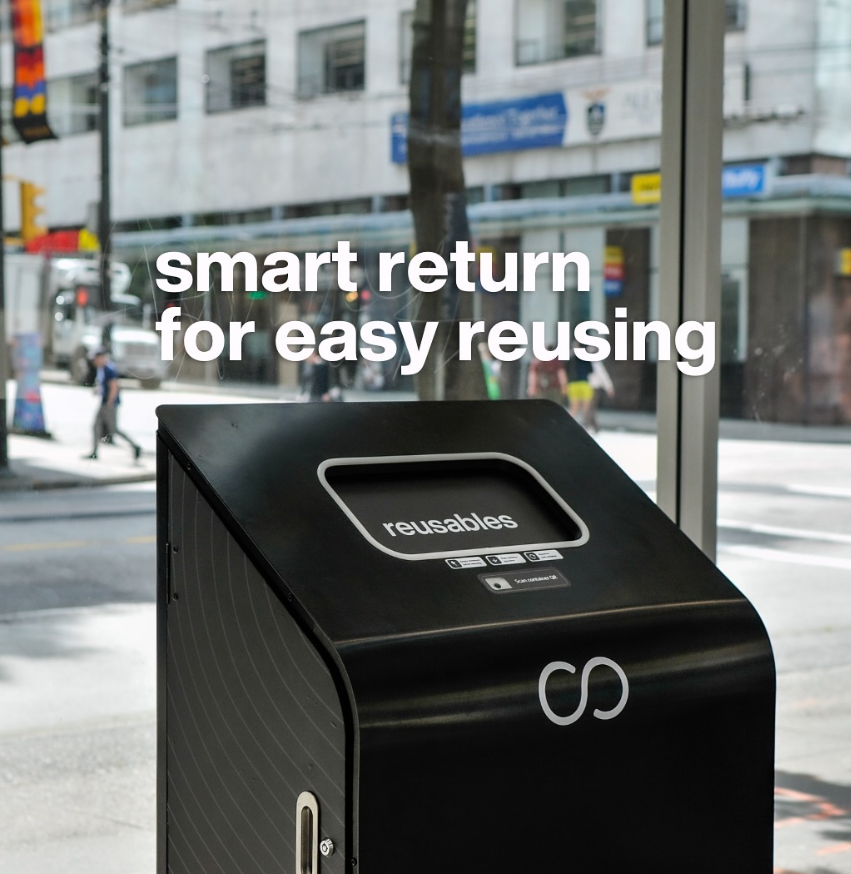
The user experience is where the differences become crystal clear. A modern reusable system is designed to be frictionless. Students can tap their campus card or phone to check out a container in seconds without downloading an app. Returns are just as easy, with smart bins available 24/7. In contrast, Green Box programs often feel clunky. Students have to remember to bring a token, and returns are restricted to specific dining hall hours. This lack of convenience is a major barrier to adoption and a primary reason why so many of these programs struggle with low participation and high container loss. Without a standardized, easy-to-use infrastructure, participation naturally declines.
How Tech and Tracking Set Them Apart
Technology is the engine that makes a modern reusable system successful. By equipping containers with unique identifiers like QR or RFID tags, you gain complete visibility over your inventory. This data-driven approach allows for automated accountability, sending gentle reminders to users with overdue containers and even applying late fees if needed. This automation is what drives the near-perfect return rates of top-tier systems. Green Box programs have no such capabilities. Without tracking, there is no accountability, and dining staff are left to manually chase down lost containers or simply absorb the cost of replacing them, undermining the program's financial and environmental goals.
Which System is Truly More Sustainable?
When we talk about sustainability, it's easy to focus just on the container itself. Is it plastic? Is it steel? But the true environmental impact of a reuse program comes from the entire system that supports it. A container is only as sustainable as its ability to be used over and over again. This is where the differences between a basic Green Box program and a tech-enabled reusable system become crystal clear. Both aim to reduce waste, but their effectiveness hinges on a few key factors: how many times each container is actually used, how much energy is spent tracking and recovering them, and how seamlessly the program fits into your daily operations.
A system with a high loss rate isn't truly reusable; it's just a more expensive disposable. To figure out which system is genuinely more sustainable, we need to look beyond the box. We have to examine the entire lifecycle, from checkout to return and everything in between. It's about creating a closed-loop solution that minimizes friction for students and provides clear data for your team. The most sustainable system is the one that works so well that reusing becomes the easiest choice for everyone on campus, leading to high return rates and a real reduction in your environmental footprint.
Measuring Waste Reduction and Carbon Footprint
At their core, both Green Box and tech-enabled systems are designed to tackle the mountain of single-use packaging waste. Studies confirm that reusable packaging systems often have significant environmental benefits over their single-use counterparts. The key metric here is the "breakeven point," or the number of times a container must be used to offset the environmental impact of its production and washing. A durable container used hundreds of times will always outperform a disposable one. While washing does require water and energy, this is a fraction of the resources needed to constantly manufacture, ship, and dispose of single-use items. The more efficient the return and washing process, the lower the overall carbon footprint becomes.
The Problem with Low Return Rates and Contamination
A reusable system's sustainability claims fall apart if you can't get the containers back. One of the primary challenges for any program is managing the return flow of its packaging. This is the Achilles' heel of many basic Green Box programs that rely on tokens, deposits, or manual sign-out sheets. When return rates are low, you're forced to constantly replenish your container inventory, driving up costs and negating the environmental benefits. It essentially becomes an expensive disposable system. Furthermore, simple drop-off bins can lead to contamination with trash, creating a messy and unpleasant experience for both students and staff, and potentially damaging your container inventory.
A Look at the Full Product Lifecycle
To understand true sustainability, you have to consider the entire lifecycle of a product, from creation to disposal. The simple act of reusing goods removes the need for the energy, materials, and costs associated with producing a new one every time someone gets takeout. This is a huge advantage over single-use items, which have a linear "take-make-waste" lifecycle. A well-designed reusable system creates a circular economy on your campus. The goal is to maximize the "use" phase of each container for as long as possible. A system that uses durable containers and ensures they are consistently returned and cared for extends that lifecycle dramatically, delivering a much greater return on your environmental and financial investment.
Gauging Long-Term Environmental Impact
A pilot program that looks good on paper doesn't help your campus meet its long-term zero-waste goals if it can't scale. Many reuse initiatives struggle with widespread adoption because they are clunky or inconvenient. If students have to download an app, pay a deposit, or remember a token, participation will drop off. This is why scalability is a major hurdle for achieving a large-scale implementation of reusable systems. A truly sustainable program is one that is built for the long haul. It needs to be frictionless for users and automated for staff. By removing these barriers, you create a system that can grow with your campus and deliver a lasting, measurable environmental impact year after year.
The Real Cost: Reusables vs. Green Boxes
When you're comparing reusable containers to green boxes, the price tag on the container itself is just the tip of the iceberg. A true cost analysis looks at the entire picture, from the initial purchase to the daily operational tasks and long-term value. Disposable "green boxes" might seem like the cheaper option at first glance, but they come with endless reordering costs that can quickly add up, especially with supply chain issues and rising prices.
A modern reusable system, on the other hand, shifts the investment from a disposable commodity to a durable asset. While the upfront cost for containers and technology is higher, the goal is to eliminate the recurring expense of single-use packaging for good. To figure out which model makes financial sense for your campus, you need to look beyond the per-unit price and consider the total cost of ownership. This includes the initial investment, daily operating expenses, hidden labor costs, and the ultimate return you can expect.
Breaking Down the Upfront Investment
The initial investment for any new packaging system is a major consideration. With green boxes, the upfront cost is the price of your first bulk order. While that initial invoice might seem low, it's the first of many. You're essentially paying a subscription for trash. In contrast, a reusable system requires purchasing a fleet of durable containers and the technology to manage them. This initial spend is higher, but it's an investment in a long-term asset. A well-managed reusable program minimizes waste and reduces the need for continuous material extraction and processing. Plus, some modern systems are container-agnostic, allowing you to integrate your existing inventory of durable containers to reduce the initial outlay.
Factoring in Daily Operational Expenses
Your daily expenses are where the differences between these two systems really start to show. For a green box program, the primary operational cost is the constant purchasing of new inventory. With disposable packaging costs rising over 200% in the last few years, this can become a significant and unpredictable line item in your budget. For a reusable system, the daily costs are centered around washing and sanitizing the containers. While this requires water and energy, these costs are often more stable and predictable than the volatile market for disposable goods. A key challenge can be the lack of standardized infrastructure for washing and returns, which is why a fully integrated system with dedicated return stations is so important for efficiency.
Uncovering Hidden Staffing and Logistics Costs
Hidden costs, particularly for staffing and logistics, can quickly erode the budget of a poorly planned packaging program. With green boxes, staff spend time managing inventory, restocking stations, and dealing with overflowing trash and contaminated recycling bins. For traditional reusable programs, the biggest challenge is getting the containers back. As one source notes, "The main difficulty with reusable packaging is getting it back to be used again." Without an automated system, this task falls to your staff, who have to manually track containers, remind users, and process fees for unreturned items. This is where modern, tech-enabled solutions make a huge difference by automating accountability and freeing up your team to focus on food service, not container collection.
Calculating Your Long-Term ROI
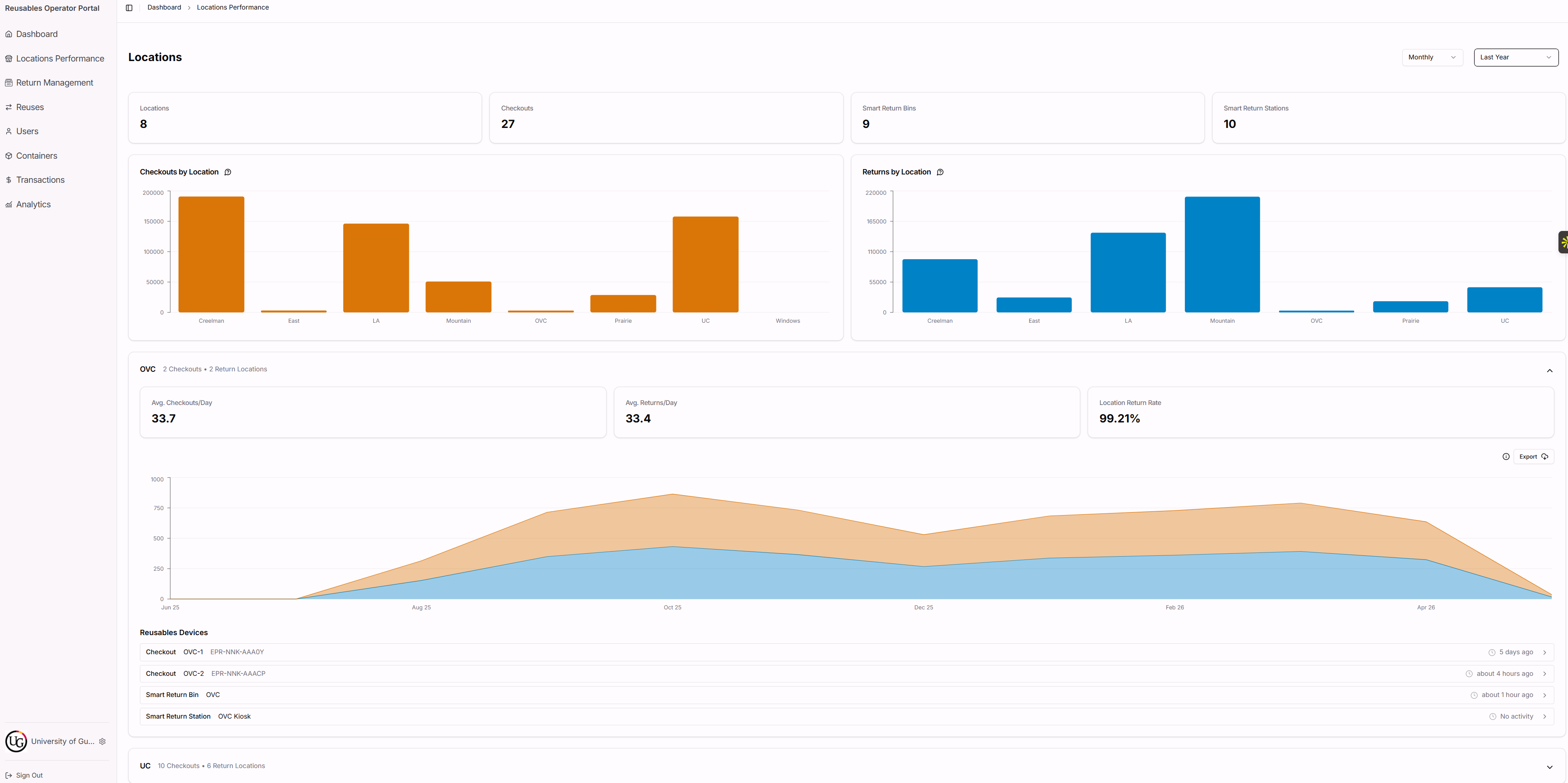
Ultimately, the goal is to find a solution that offers a strong return on investment. While green boxes offer no long-term financial return, a well-executed reusable system can deliver significant savings over time. Even though reusable packaging costs more at first, it leads to savings by eliminating the recurring expense of disposables and reducing waste hauling fees. The key to unlocking this ROI is achieving a high return rate. A system that uses smart technology to make returns easy for students and automates accountability can achieve return rates of 99%, ensuring your container fleet stays in circulation. This transforms your packaging from a costly expense into a sustainable, money-saving asset for your campus.
How to Choose and Launch the Right System for Your Campus
Switching from single-use packaging to a reusable system is a significant step toward your campus's sustainability goals. But a successful transition requires more than just good intentions. It's about choosing a system that fits your unique operational flow, gets students excited to participate, and integrates smoothly with the technology you already use. A thoughtful rollout can make all the difference between a program that thrives and one that creates more headaches than it solves.
To make sure your new reuse program is a win for your budget, your staff, and the planet, you'll want to approach the launch strategically. By focusing on a few key areas, you can build a strong foundation for a system that delivers on its promises of waste reduction and cost savings. Let's walk through the essential steps for selecting the right partner and launching a program that lasts.
Assess Your Campus's Operational Needs
Before you can choose the right system, you need a clear picture of your current operations. How many takeout meals do you serve daily across all locations? Where are your busiest spots? What does your staffing and dishwashing capacity look like? Answering these questions will help you identify potential bottlenecks and determine the features you can't live without. For example, a system with real-time data and tracking is essential for managing container inventory across multiple dining halls. Understanding these details will help you find a solution for your business that supports your team instead of adding to their workload.
Encourage Student and Staff Adoption
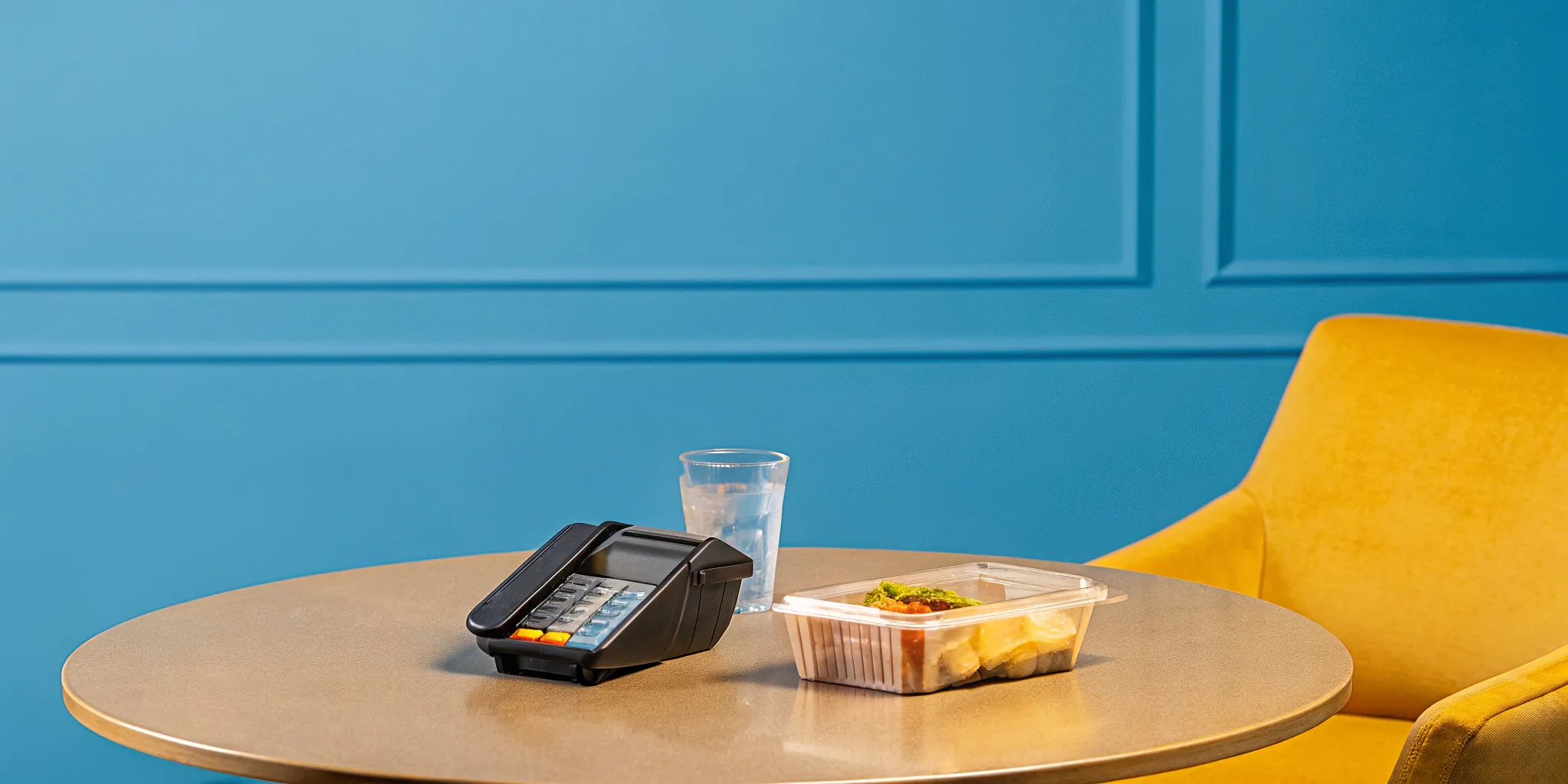
The best reusable system in the world won't make a dent in your waste reduction goals if no one uses it. The key to high adoption is making participation as easy as possible. Look for a system that offers a frictionless experience, like a simple tap of a student card to check out a container, with no app download required. You can also build excitement and friendly competition with features like campus-wide leaderboards and rewards for frequent reusers. When you engage students in sustainability in a way that's convenient and fun, you create a campus culture where choosing to reuse becomes second nature.
Get Your Team and Stakeholders on Board
A successful reuse program is a team effort. It's crucial to get buy-in from everyone involved, including your dining services staff, the campus sustainability office, and even your IT department. When everyone understands the goals and their role in the process, you create a unified front that prevents confusion and ensures a smooth rollout. Presenting a clear plan that highlights benefits for each department, such as reduced costs for administration and less manual work for staff, can help get everyone on board. A partner with a proven track record can provide the data and case studies you need to make a compelling case to all your campus stakeholders.
Account for health and safety requirements
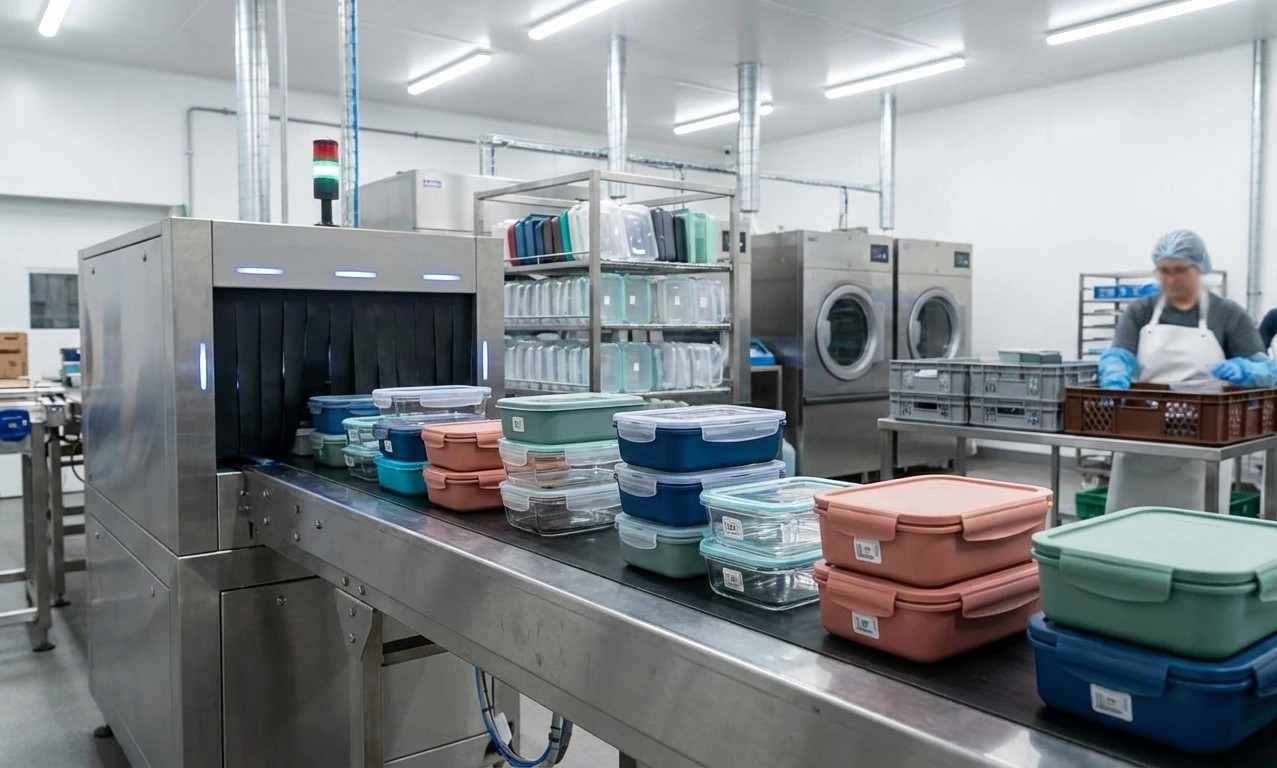
Switching to reusables raises immediate questions about hygiene and food safety — questions that are easily answered but important to address proactively. Commercial-grade reusable containers are manufactured to withstand repeated high-temperature washing and sanitisation in industrial dishwashers. They go through the same cleaning cycle as your dining hall plates and cutlery, which means every student receives a fully sanitised container every time. Unlike single-use packaging, which is often made from materials that flex or degrade under heat and pressure, durable reusable containers are designed to maintain their integrity through hundreds of wash cycles. Addressing this clearly in your student communications and staff training will pre-empt the most common objection and build confidence in the program from the start.
Ensure Seamless Campus Integration
Your new reusable system shouldn't operate in a silo. For the best results, it needs to integrate seamlessly with your existing campus infrastructure. This means finding a solution that works with your current point-of-sale, payment platforms, and student card systems. The physical logistics matter, too. Think about where students will return their containers. A flexible system with options like smart return bins for 24/7 access and smaller scan stations for dining halls will make returns convenient and boost your return rates. When a system is built to work with your campus, it becomes a natural part of the dining experience. If you have questions about specific integrations, it's always a good idea to contact a provider to discuss your technical requirements.
Planning for long-term program success
A reusable container program that launches well but stagnates within a semester has not succeeded. The goal is to build something that becomes a permanent, valued part of your campus dining identity — and that means planning for the long haul from the beginning.
Build on a scalable platform
Your system should be able to grow with your campus. Adding a new dining hall, introducing a different container format, or expanding to a second campus should not require starting over. Look for a platform that is container-agnostic — one that can apply its tracking technology to a range of container types — and that has demonstrated experience scaling across multiple dining locations. Scalability is not a nice-to-have; it is a structural requirement for any program that intends to be permanent.
Use data to drive continuous improvement
Real-time data is what separates a well-managed program from one that drifts. Monitor return rates, checkout volumes, bin usage patterns, and fee application rates on a regular cadence. If a particular location consistently underperforms, that data tells you where to add a return station or run a targeted communication. If return rates dip during exam periods, that signal tells you when to increase automated reminder frequency. The most successful programs are not static; they use operational data to make small, evidence-based adjustments that compound over time. Access to a clear dashboard is one of the most important criteria to evaluate when choosing a technology partner.
Celebrate milestones to sustain momentum
Long-term engagement requires ongoing communication that gives students a reason to stay invested. Share cumulative impact data at regular intervals — containers saved, waste diverted, carbon avoided. Celebrate the program reaching its 10,000th return, its first zero-loss month, or its two-year anniversary. These moments give your communications team compelling, specific stories to tell, and they reinforce to students that what they do every day is adding up to something real. Institutional sustainability reporting increasingly values this kind of granular, programme-level data, which means these milestones serve both your community engagement goals and your external reporting obligations.
Related Articles
- 7 of The Best Reuse Companies Redefining Waste
- The Truth: Why Compostable Packaging is Unsustainable
- Shared Reusable Container System for Malls 101
- 7 Green Initiatives for Sports Arenas
Frequently Asked Questions
Our staff is already stretched thin. How does a tech-enabled system avoid adding more work for them? This is a common and completely valid concern. A modern reusable system is designed to reduce staff workload, not add to it. Unlike manual Green Box programs that require staff to collect tokens or track returns on a clipboard, a tech-enabled system automates the entire process. Accountability is handled by the system through gentle reminders and automated fees, so your team never has to chase down students or lost containers. Smart return bins also alert your team when they need to be serviced, which means no one wastes time checking half-empty stations.
What kind of return rates can we realistically expect, and how are they achieved? While traditional programs often struggle with low returns, a well-designed, tech-enabled system can achieve return rates of 99%. This high rate is possible because the system removes friction for students and creates effortless accountability. With simple tap-to-checkout functionality and 24/7 return stations, participation becomes easy. The technology tracks each container, so the system can automatically send reminders to users who have held onto a container for too long, which encourages prompt returns without any manual effort from your staff.
We already invested in a different type of reusable container. Do we have to start over from scratch? Not necessarily. Many modern reuse platforms are container-agnostic, meaning they can work with the durable containers you already own. The technology, which involves adding a unique QR or RFID tag to each item, can often be retrofitted to your existing inventory. This allows you to gain the benefits of a smart tracking and accountability system without having to discard your previous investment, making the transition much more cost-effective.
How does the cost of a modern reusable system compare to just buying disposables over the long run? While the initial investment in durable containers and technology is higher than a single order of disposables, the long-term savings are significant. You are shifting from a recurring expense to a one-time investment in a durable asset. With the cost of single-use packaging constantly rising, a reusable system provides a predictable and stable cost model. Most campuses see a full return on their investment by eliminating the endless cycle of purchasing and hauling away trash, often saving 30% or more annually on packaging costs.
How do you get students to actually participate without making it a hassle for them? Student adoption is everything, and the key is to make reusing easier than throwing something away. The most successful programs are completely frictionless. Students can check out a container simply by tapping their campus card or phone, without needing to download an app or pay a deposit. Convenient, 24/7 return bins placed in high-traffic areas also make it simple to drop off containers anytime. When the process is that seamless, participation feels natural and becomes a normal part of the campus dining experience.
Other stories you may find interesting
.png)

.avif)


.webp)


Watch the Webinar
Learn How to Eliminate Single-Use Waste
Get instant access to our expert webinar and discover how leading institutions reach 99% return rates through smarter reuse systems.

© Reusables™. All rights reserved.