
Your Guide to an Easy Reusable Container Checkout Process

December 11, 2025
The rising cost of disposable packaging is a significant and growing line item in your budget. While reusable containers offer a clear path to savings, many programs fail to deliver because they create operational friction. If students find the checkout process confusing or staff find it burdensome, you’ll be left with low participation and lost inventory. The key to unlocking both financial and environmental benefits is an easy reusable container checkout process. It’s the engine that drives adoption, ensures high return rates, and turns your sustainability initiative into a smart financial decision without adding headaches for your team.
Key Takeaways
- An Effortless Checkout Drives Adoption: The success of your program depends on how easy it is for students to participate. Prioritize systems that use existing campus cards and eliminate app downloads to remove friction and achieve high adoption rates.
- Automate Tracking to Protect Your Investment: Solve the costly problem of lost containers with smart technology. A system with unique QR or RFID tags and automated reminders creates accountability, ensures high return rates, and reduces the manual workload for your staff.
- Choose a Partner with Deep Integration: Your reuse program should simplify, not complicate, your operations. Select a platform that integrates seamlessly with your existing payment systems and provides real-time data to help you manage inventory and demonstrate value.
What Makes a Reusable Container Checkout Easy?
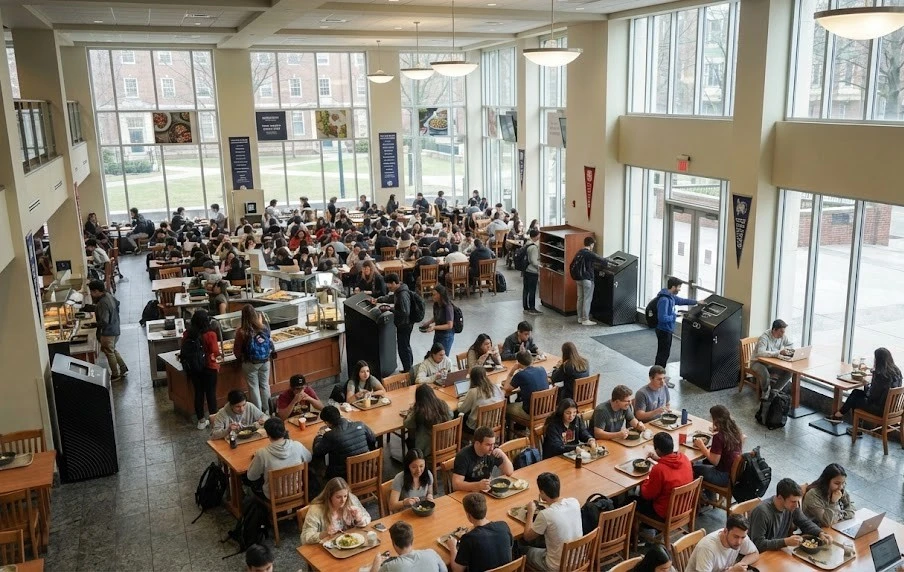
When you’re running a busy campus dining hall, the last thing you need is a new system that slows down your lines. The success of any reusable container program hinges on one simple question: Is it easy to use? If checking out a reusable container feels like an extra step or a hassle for students, adoption rates will suffer, and your team will be left managing a clunky process. A truly easy checkout is one that feels invisible—it should seamlessly integrate into the way students already grab and pay for their meals.
An effortless checkout experience is fast, intuitive, and requires almost no thought from the user. It doesn't rely on students downloading another app or staff having to manually track inventory with paper slips or tokens. Instead, it uses smart, simple technology to do the heavy lifting. The best systems are built on a solid operational foundation and powered by tech that removes friction for everyone involved. This combination ensures students participate, containers come back, and your sustainability goals are met without adding operational headaches.
The Basics of Reusable Container Systems
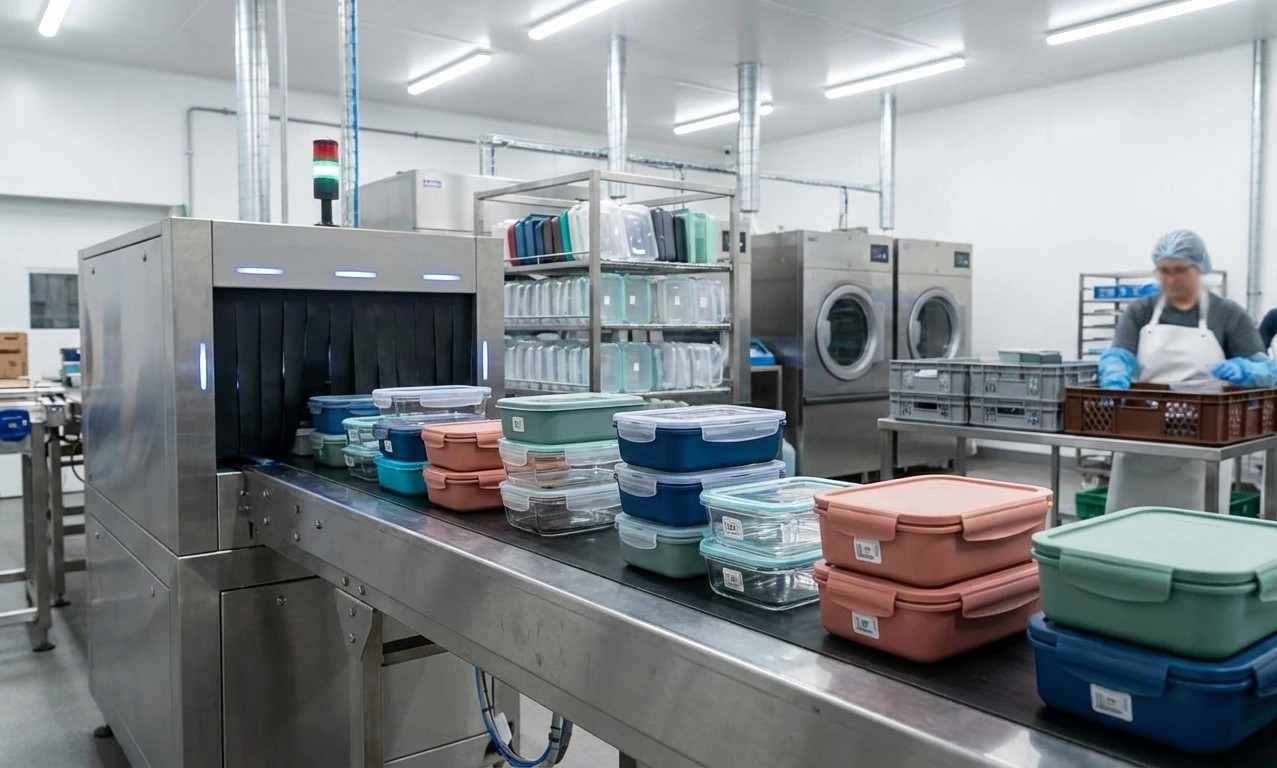
At its core, a reusable container system is designed to create a closed-loop program for your takeout packaging. Instead of being thrown away after one use, containers are checked out, returned, professionally cleaned, and put back into circulation. The key to making this work is having a reliable way to track each container. This ensures you maintain a healthy inventory and encourages students to bring them back. A well-designed system helps you reduce single-use waste and significantly cuts down on the ever-rising costs of disposable packaging, turning your sustainability initiative into a financially smart decision.
The Tech Behind a Simple Checkout
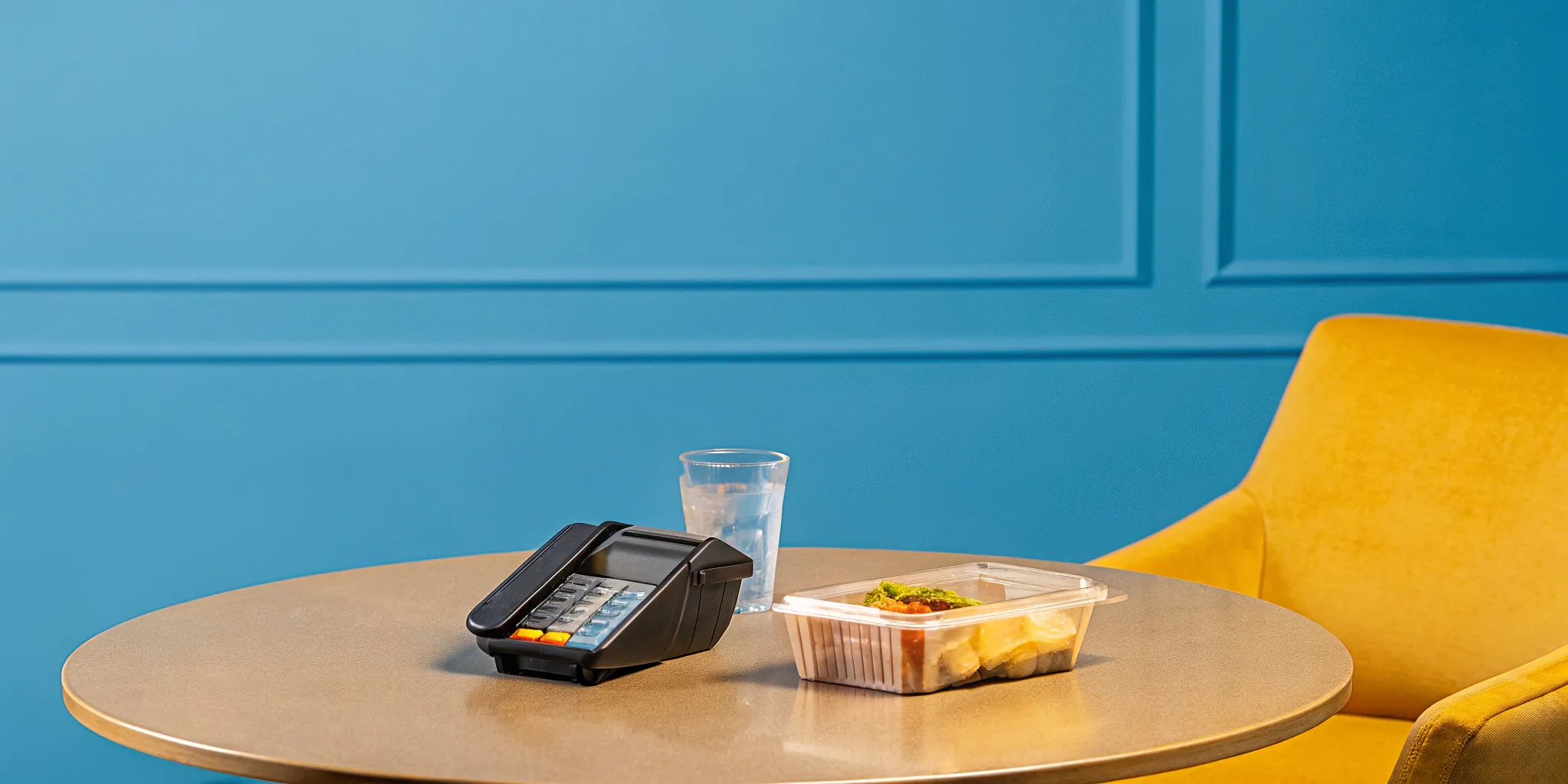
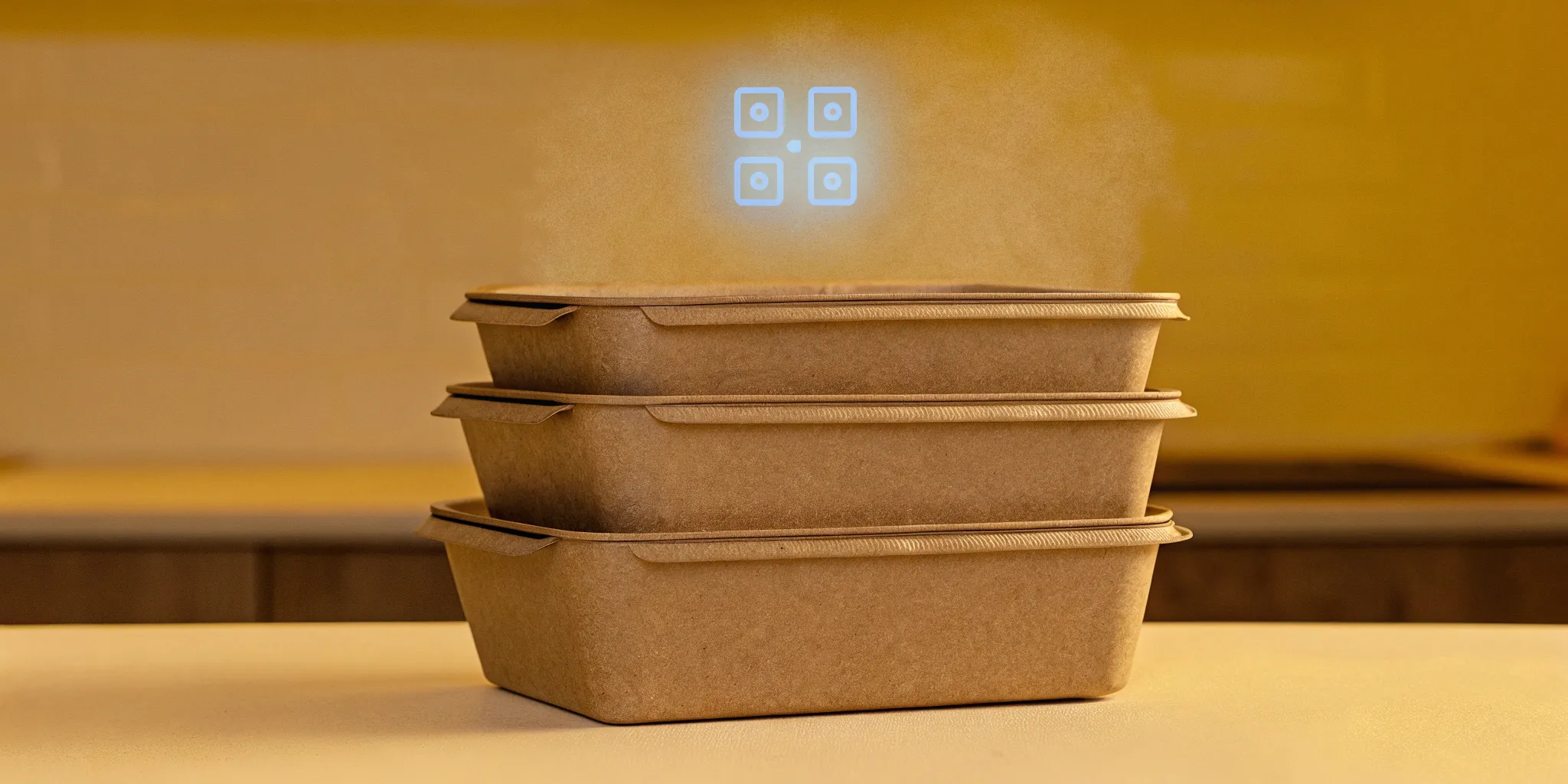
The magic behind a modern, simple checkout process is technology that works quietly in the background. Gone are the days of requiring cash deposits or manual tracking. Today’s systems use unique identifiers like QR codes or RFID tags on every container. When a student is ready to pay, they can simply tap their student ID, credit card, or phone. The system automatically links the specific container to their account without any extra steps. This creates a truly frictionless experience that feels just as fast as using a disposable container, removing a major barrier to adoption and making it easy for students to make a sustainable choice.
How Does a Modern Checkout Process Work?
A modern reusable container system is all about making the process invisible and effortless for everyone involved. Gone are the days of clunky sign-outs, forgotten deposits, and manual tracking. Today’s checkout process is designed to fit seamlessly into the daily flow of a busy campus dining hall. It uses smart, simple technology to make borrowing and returning a container as easy as buying a cup of coffee. For you, this means higher adoption rates, fewer lost containers, and a dining program that runs itself. The goal is to remove every possible point of friction for students and staff, creating a smooth experience that encourages participation and makes sustainability the easiest choice. When the system is this simple, it becomes a valued part of the campus experience rather than a chore.
App-Free Checkout with Tap to Reuse™
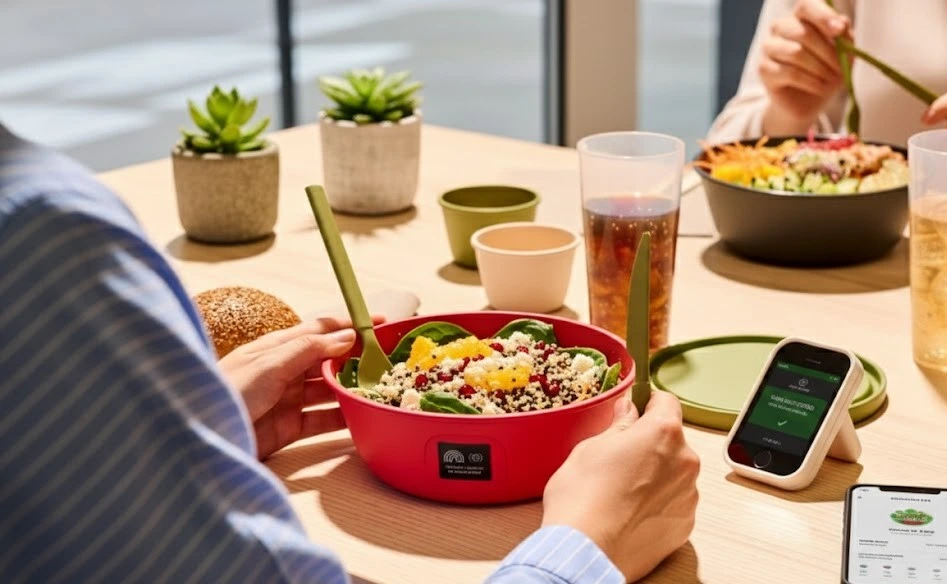
The best checkout experience is one students don’t even have to think about. Instead of asking them to download yet another app, modern systems use a simple tap or scan. With a feature like Tap to Reuse™, students can borrow a container just by tapping their student ID or scanning a QR code at checkout. The system instantly and automatically links the container to their account without any extra steps. This app-free approach removes a major barrier to entry, making it incredibly easy for students to participate and helping you achieve widespread adoption from day one.
Integrating with Student Cards and Payments
A truly seamless system works with the tools your campus already uses. That’s why direct integration with student card and payment platforms is so important. When a reuse program connects with systems like Transact, CBORD, or TouchNet, students can check out containers using the same card they use for everything else on campus. There are no new accounts to create or separate funds to manage. This level of integration makes the reusable container program feel like a natural part of the campus dining experience, not a complicated add-on. It simplifies operations for your team and provides a familiar process for students.
Tracking Containers with QR Codes and RFID
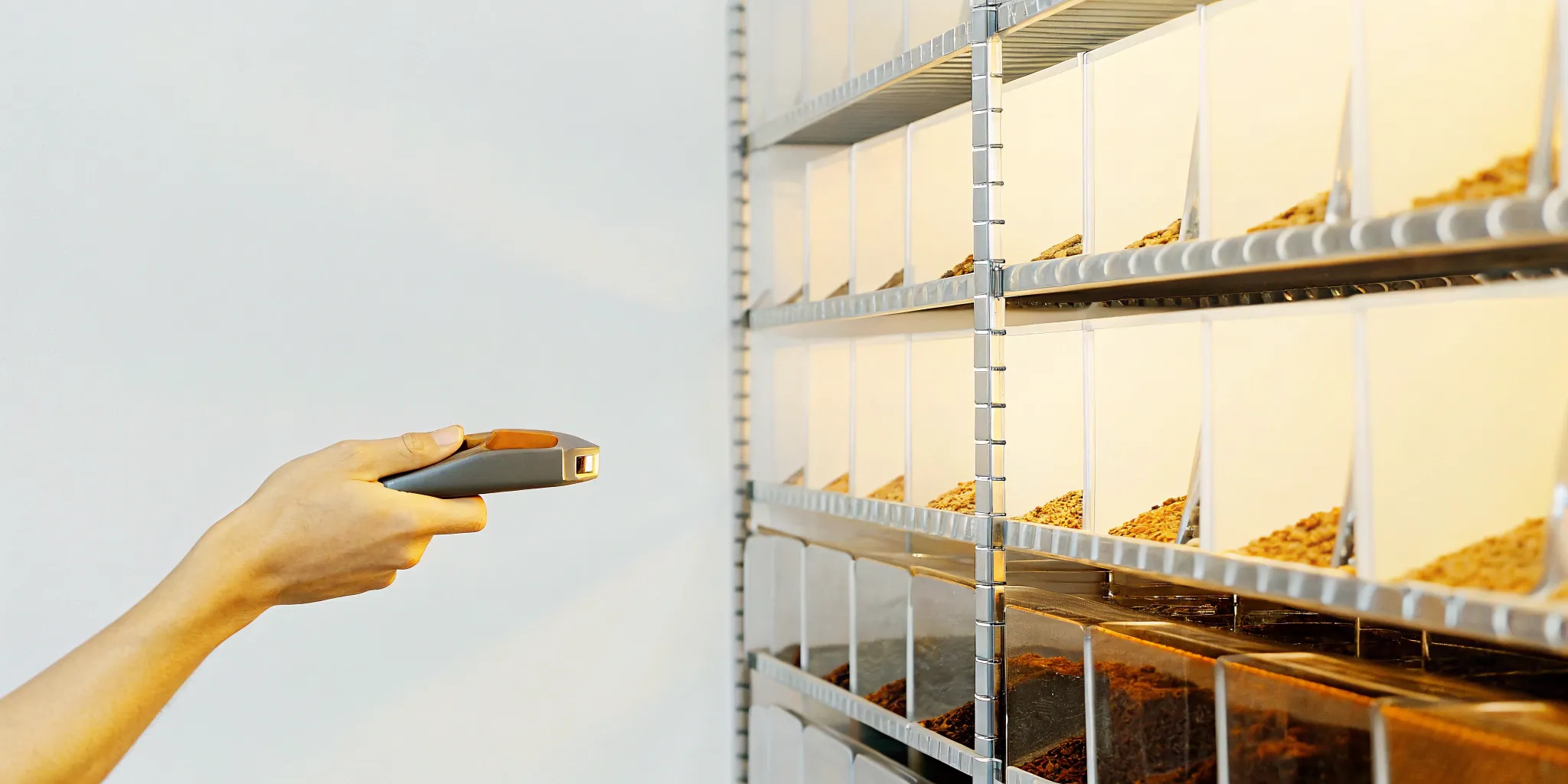
So, how do you keep track of thousands of containers without creating a logistical nightmare? The answer lies in unique digital identifiers. Every container is tagged with its own QR code or RFID chip, giving it a distinct identity. This technology makes it easy to track containers and see who has what at any given time. This isn’t about policing students; it’s about creating a system of gentle accountability. If a container isn’t returned, the system can send automated reminders. This simple feature dramatically reduces container loss and ensures your inventory is always ready for service.
Automating Returns with Smart Bins
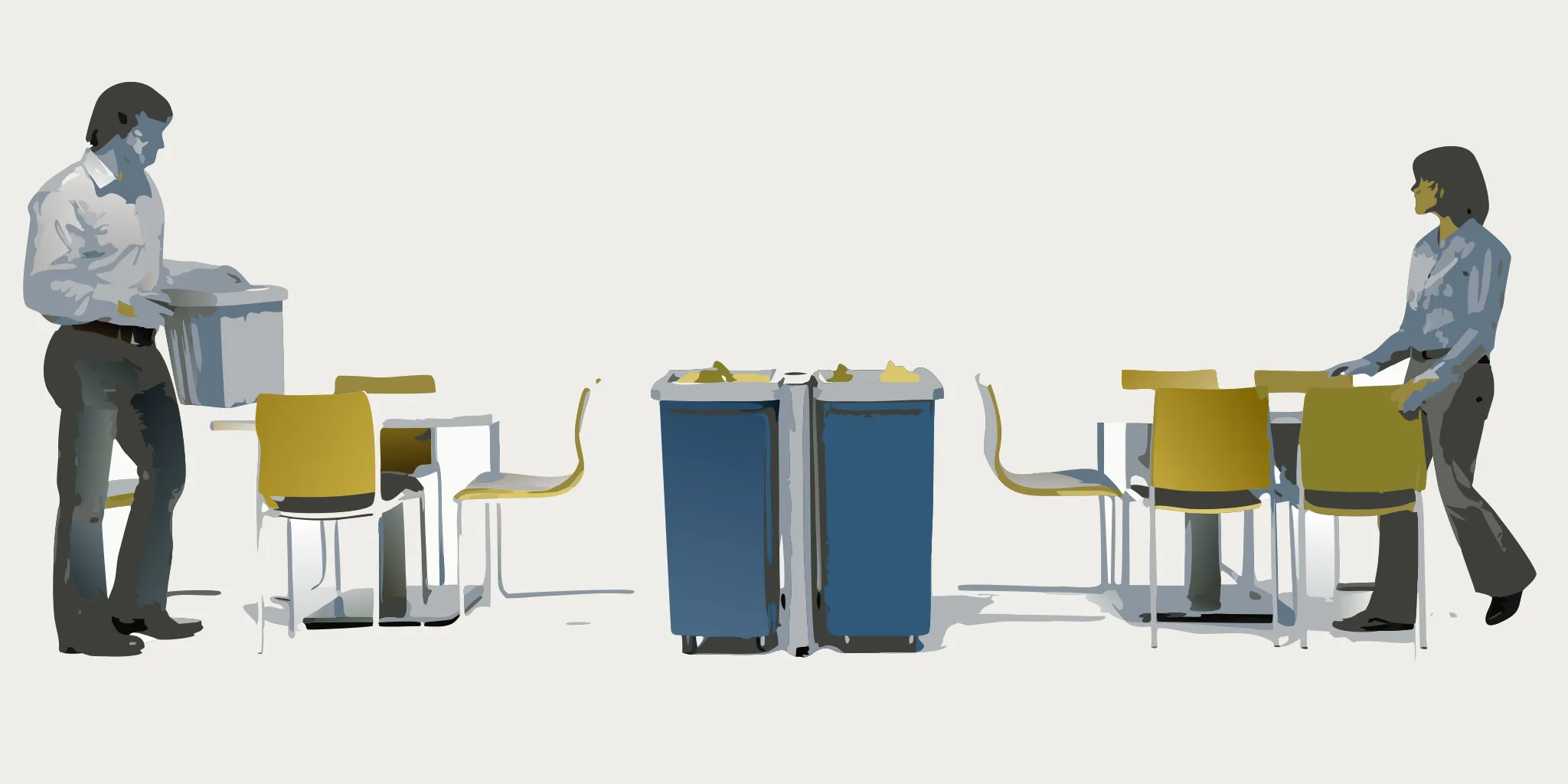
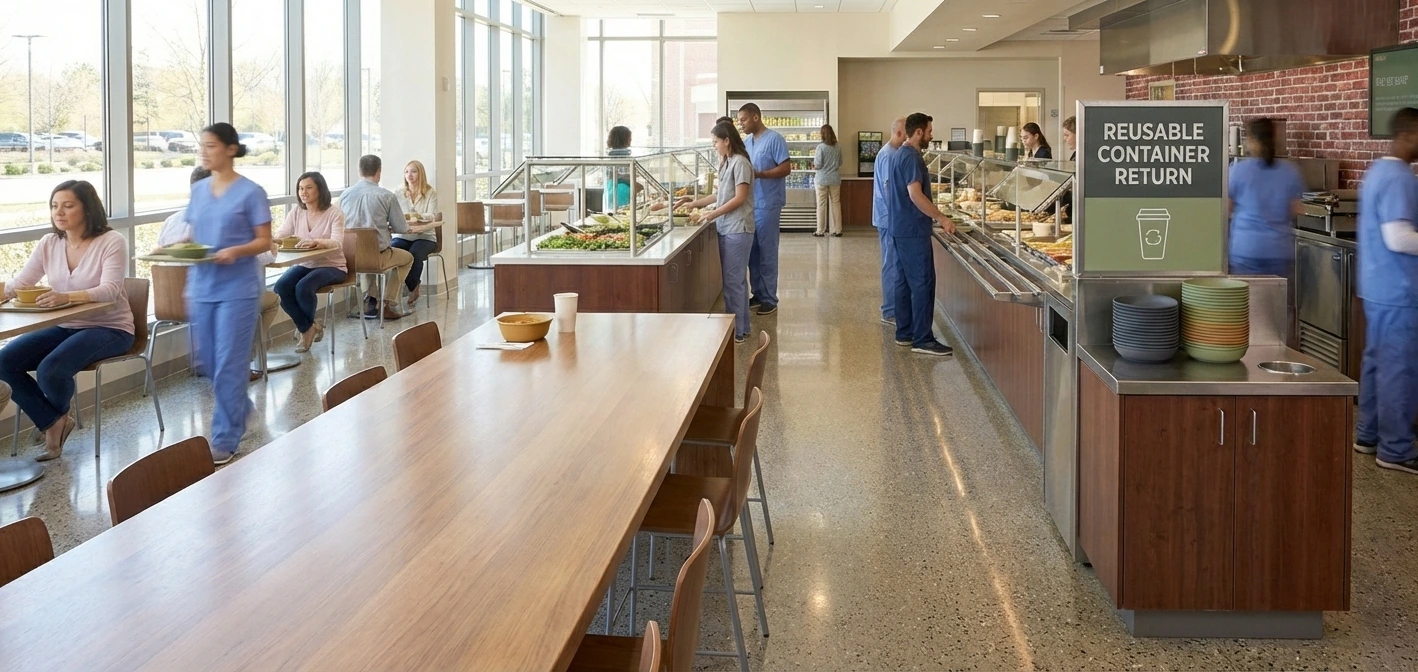
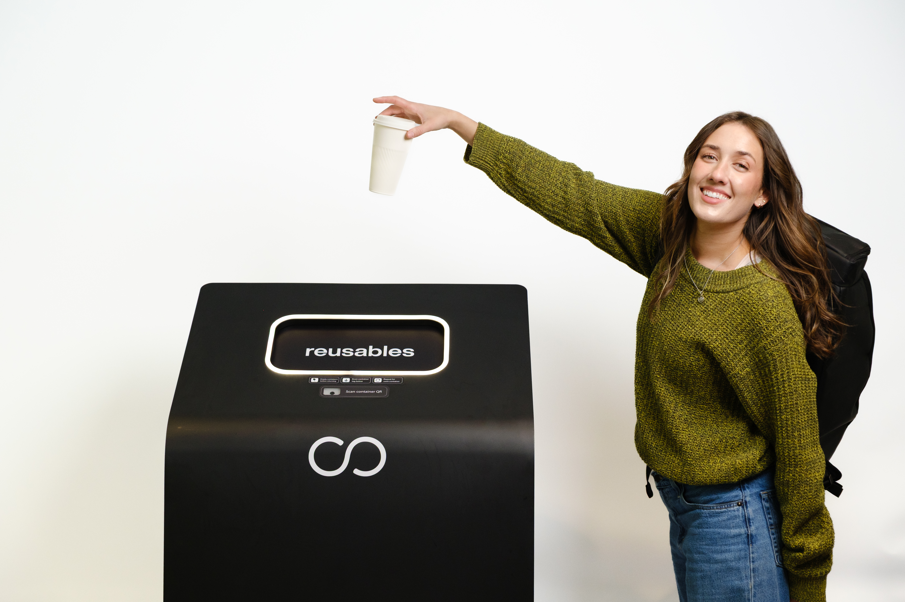
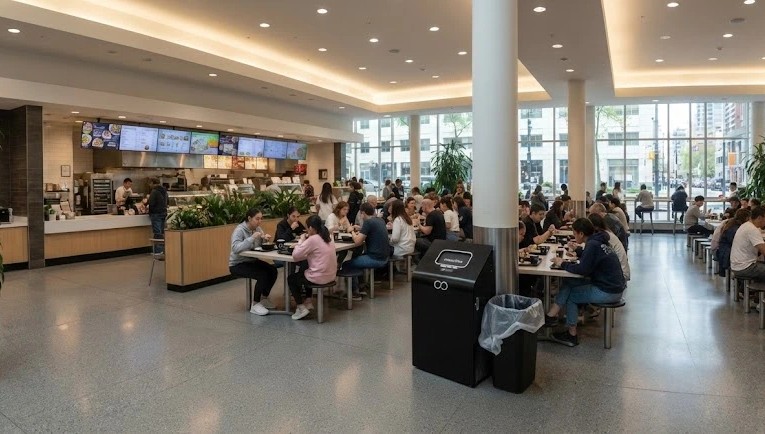
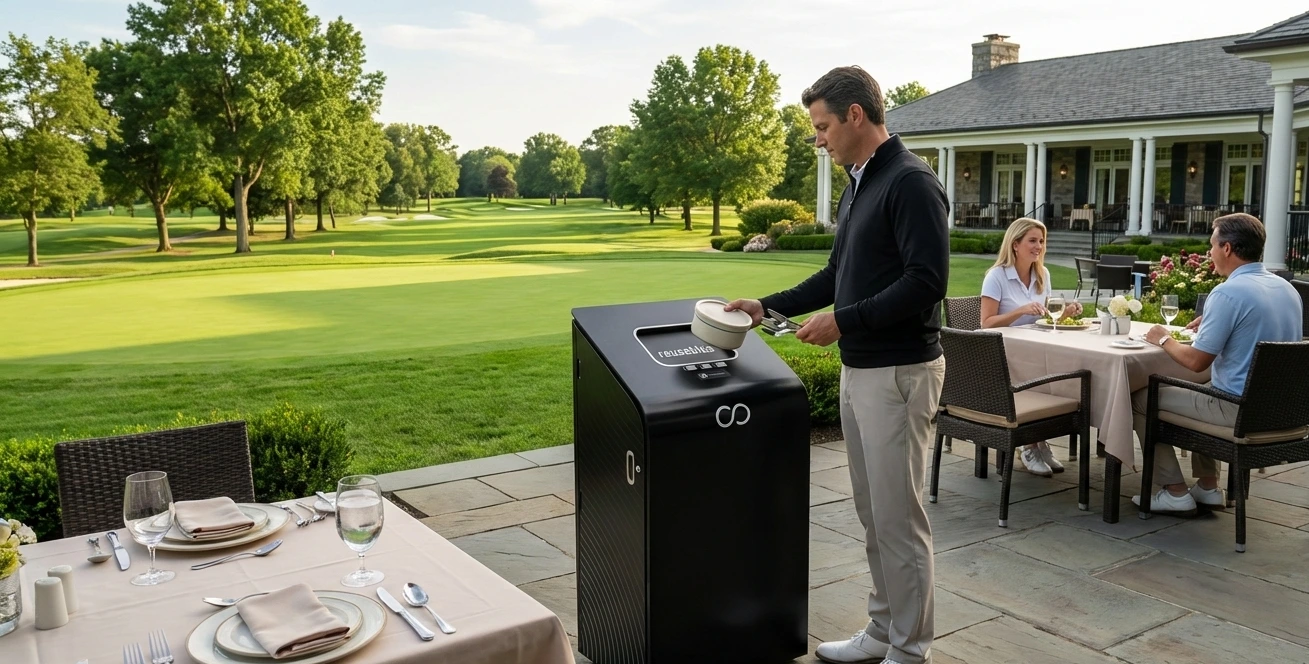
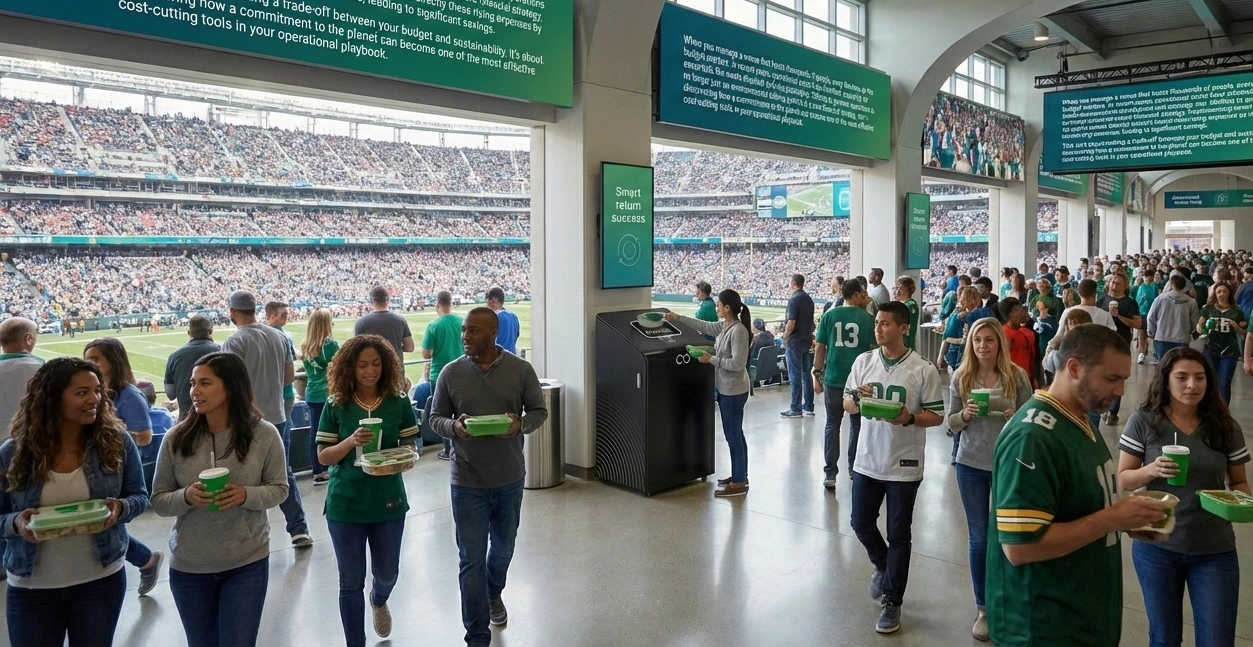
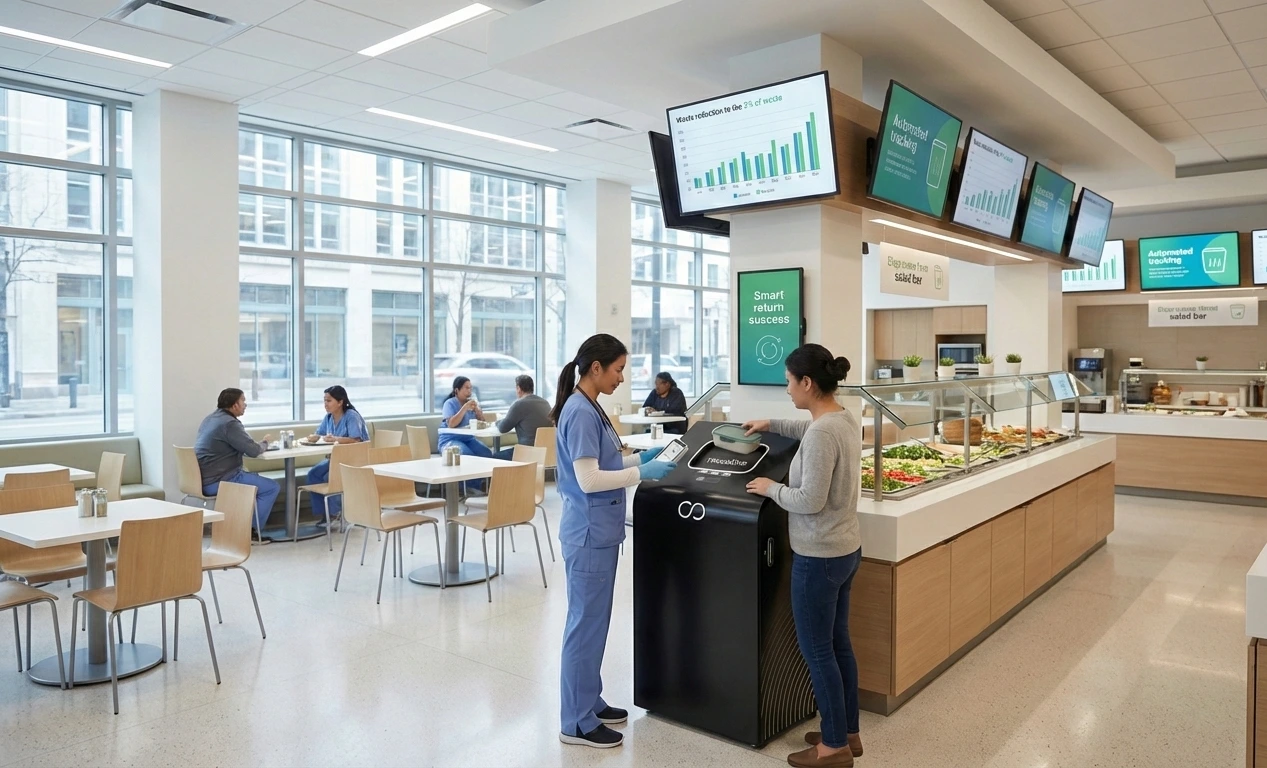
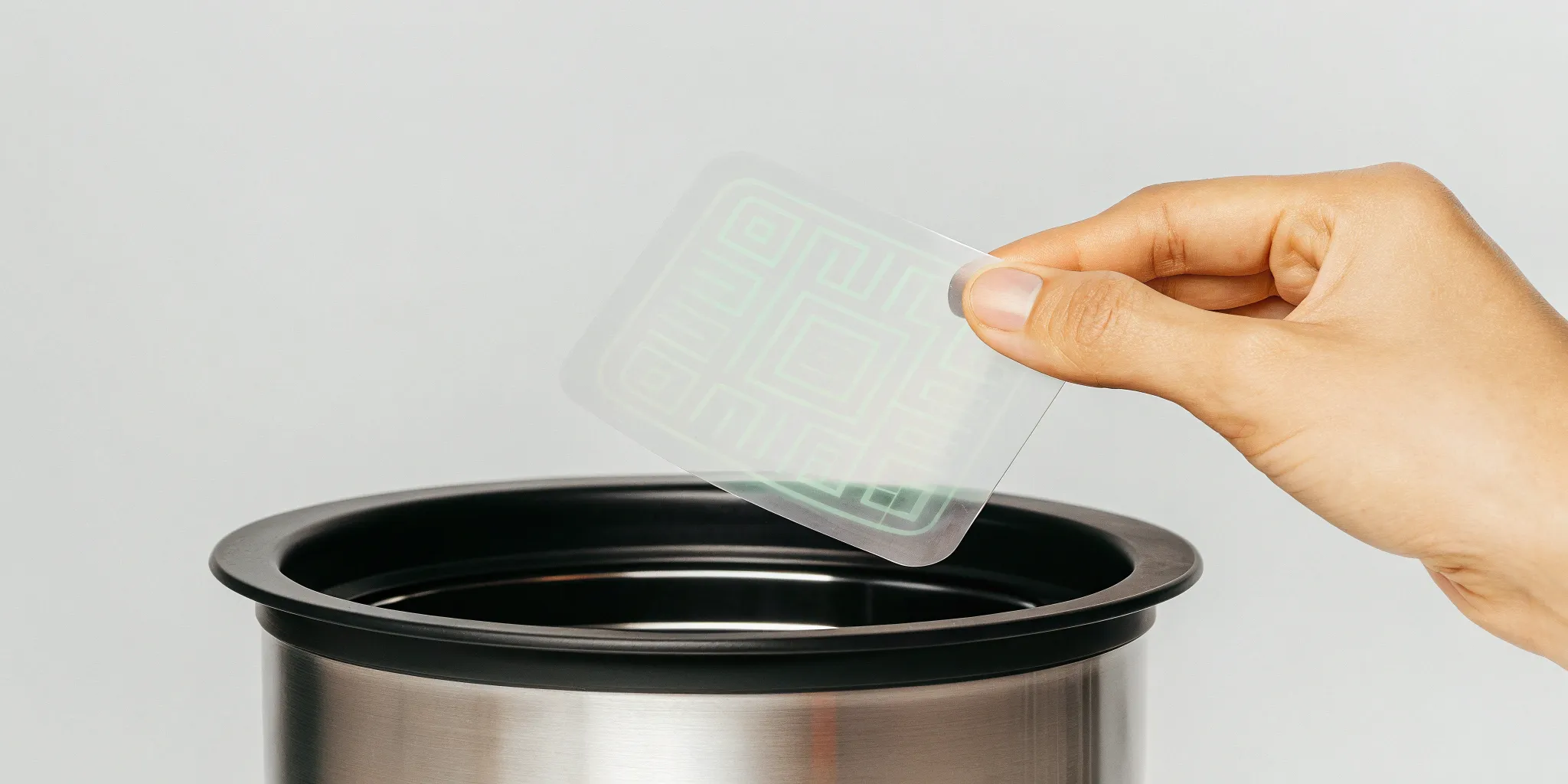
The checkout process is only half the story; the return needs to be just as easy. Smart return bins provide a 24/7, self-service drop-off point for students. They simply scan the container and place it inside. The system automatically registers the return, closing the loop without any staff involvement. These bins can even send alerts when they’re getting full, so your team knows exactly when to service them. This automated process saves countless staff hours and provides the flexibility students need, making it a core part of any successful zero-waste packaging system.

What Are the Top Checkout Solutions?
Choosing the right reusable container system can feel overwhelming, but the best solutions make reuse effortless for students and staff. The market offers a few different approaches, from specialized container systems to integrated tech platforms. Understanding the key players and what makes them different is the first step to finding the perfect fit for your campus.
Reusables.com: The All-in-One Platform
The goal of any reuse program is to create a simple, circular flow. Reusables.com was built to manage this entire lifecycle with a single, integrated platform. Our system is designed to be frictionless, starting with a Tap to Reuse™ checkout that doesn’t require an app. It fully integrates with existing campus card and payment systems like Transact and CBORD. We use dual-mode QR and RFID tracking for total accuracy and have Smart Return Bins for 24/7 drop-offs. This all-in-one approach gives you a complete view of your inventory, return rates, and environmental impact from one central dashboard.
A Look at Other Market Providers
As you explore your options, you’ll come across other providers that tackle specific parts of the reuse puzzle. For example, OZZI is known for its closed-loop collection system, which uses specific machines to collect its branded containers. Another provider, Relevo, focuses on automated solutions that work with self-checkout kiosks. These systems can be effective, but it’s important to look at the complete picture. Consider whether they require a specific container type or if they integrate with all the payment and operational software you already use.
How to Compare Checkout Systems
Many early reusable programs struggled because containers would get lost or created too much work for staff. Modern solutions solve these issues with smart tracking and automation. When comparing systems, ask how they handle accountability. Do they use QR codes or RFID tags to track each container? How easy is the checkout and return process for students? A system that integrates with self-checkout can make dining more efficient. Look for a partner that offers seamless integration with your campus infrastructure, provides real-time data, and has a proven track record of high return rates without creating operational headaches.
Why an Easy Checkout Process Matters
The checkout process is the most critical touchpoint in any reusable container program. If it’s clunky, slow, or confusing, students won’t participate, and you’ll be left with low adoption and lost containers. But when the checkout is simple and intuitive, it becomes the engine that drives your entire system forward. A frictionless experience directly impacts your budget, sustainability metrics, student satisfaction, and operational workload. It’s the difference between a program that struggles and one that becomes a celebrated feature of your campus dining experience.
Save Money and Reduce Waste
Let’s be direct: the cost of disposable packaging is a significant and growing line item in your budget. An easy checkout process makes reusable containers the most convenient option for students, which dramatically increases participation. Higher adoption means you purchase fewer single-use containers, leading to immediate and substantial cost savings. By making the system user-friendly for both your staff and your students, you can reduce packaging expenses while giving customers a sustainable choice they feel good about. This isn't just about cutting costs; it's about reallocating those funds toward what matters most—like higher-quality food and better services.
Meet Your Sustainability Goals
Every institution has sustainability targets, and reducing single-use plastic is often at the top of the list. A seamless checkout process is essential for hitting those goals. When students can easily check out a container without friction, return rates soar, and the environmental impact of your dining program shrinks. High compliance, driven by a simple user experience, ensures your reuse program is actually making a difference. This visible commitment to sustainability also resonates with a student body that increasingly values and expects eco-friendly initiatives from their university, strengthening your institution's reputation as a green campus leader.
Improve the Student Dining Experience
Today’s students expect convenience. Asking them to download another app or pay an upfront deposit for a container adds friction to their busy lives. A modern checkout process eliminates these barriers. When a student can simply tap their campus card or scan a QR code to borrow a container, the experience feels effortless and integrated into their daily routine. This seamless interaction enhances their overall perception of campus dining, showing that you value their time and are providing modern, thoughtful amenities. It transforms sustainability from a chore into a simple, satisfying part of their day.
Streamline Your Operations
Your staff is already managing countless tasks, and a reusable container program shouldn't add to their workload. An easy, automated checkout process is designed to run smoothly without requiring constant staff intervention. When the system integrates with your existing POS and self-checkout machines, it creates a more efficient workflow. Digital tracking and automated reminders handle the accountability, so your team isn't left chasing down lost containers or manually managing fees. This allows your employees to focus on what they do best: providing excellent food and service to students.
What Problems Do Modern Checkout Systems Solve?
If you’ve ever tried to launch a reusable container program, you’re likely familiar with the common hurdles: low return rates, lost inventory, and extra work for your staff. It’s frustrating when a great idea for sustainability gets bogged down by logistical headaches. The good news is that modern checkout systems are designed specifically to solve these exact problems.
By pairing smart technology with a deep understanding of how a campus dining hall actually works, these systems transform reusables from a complicated initiative into a smooth, integrated part of your daily operations. They address the core issues that cause older programs to fail, creating a system that works for students, staff, and your budget. Instead of adding complexity, a modern checkout process removes it, making reuse the easiest and most obvious choice for everyone.
Remove Barriers like Deposits and Apps
One of the fastest ways to derail a reuse program is to ask too much of students. Requiring them to download yet another app or pay an upfront deposit creates friction that stops participation before it even starts. Today’s best systems eliminate these barriers completely. Students can check out a container simply by tapping their student card or scanning a QR code—a process that takes seconds and feels completely natural. By making the system free and app-free, you lower the barrier to entry so significantly that participation becomes effortless. This approach respects students' time and money, making them far more likely to embrace the program from day one.
Solve Container Loss with Better Tracking
"Where did all the containers go?" It's a question that plagues many reuse programs and can quickly drain a budget. Modern systems solve this expensive problem with robust, automated tracking. Each container is equipped with a unique QR code or RFID tag, linking it to a specific user at checkout. This creates a clear line of accountability. If a container isn't returned on time, the system can automatically send friendly reminders. This technology gives you a real-time view of your inventory and helps you maintain impressive return rates, ensuring your investment in durable containers pays off for years to come.
Cut Down on Staff Workload
Your dining staff already has a full plate. The last thing they need is another manual process to manage. A modern checkout system automates the entire lifecycle of a reusable container, from checkout and reminders to returns and fee processing. This means your team isn't stuck manually tracking inventory, chasing down students, or handling complicated transactions. Instead, they can focus on what they do best: providing great food and service. By letting the technology handle the administrative lift, you can run a highly effective reuse program without adding to your team’s workload or pulling them away from more important tasks.
Encourage Student Adoption
Getting students to change their habits can be a challenge, but a well-designed system makes it easy. When the process is fast, free, and integrated with the technology they already use every day—like their student ID card—adopting reusables feels like a natural choice, not a chore. Many universities have found success by simply making reusable containers the default option. A seamless checkout experience shows students that you value both sustainability and their convenience. This alignment with student values helps build a campus culture where choosing to reuse is a point of pride, leading to high adoption and a visible commitment to your institution's sustainability goals.

What Features Create a Frictionless Experience?
A successful reusable container program feels effortless for everyone involved. When the sustainable choice is also the easiest one, students are more likely to participate, and your staff isn't burdened with extra work. This seamless experience isn’t magic—it’s built on a foundation of smart, user-friendly features that remove common barriers and make reuse a natural part of campus life. From integrating with existing payment systems to making returns simple, the right features work together to create a process that is intuitive for students and efficient for your operations.
Flexible Payment and System Integrations
The best reusable systems fit right into your existing campus infrastructure. Students are already used to paying for meals, coffee, and bookstore items with a simple tap of their student ID. A checkout process for a reusable container should be just as simple. Requiring students to download a separate app or use a different payment method adds a layer of complexity that can discourage participation. Look for a solution that offers full integration with your current campus card systems—like Transact, CBORD, and Atrium—as well as standard credit and debit cards. This makes borrowing a container as easy as buying a snack, creating a smooth experience that students will adopt without a second thought.
Automated Tracking for Full Accountability
One of the biggest challenges with reusable programs is keeping track of your container inventory. Without a reliable system, containers can go missing, leading to replacement costs and program failure. Modern solutions solve this by assigning a unique QR code or RFID tag to every container. This technology allows you to track your assets automatically, so you always know who has what and when it’s due back. The system can send automated reminders to students when a container is overdue, gently nudging them to return it. This creates full accountability and drives high return rates without requiring your staff to manually chase down missing items or manage complicated spreadsheets.
Get Real-Time Data and Insights
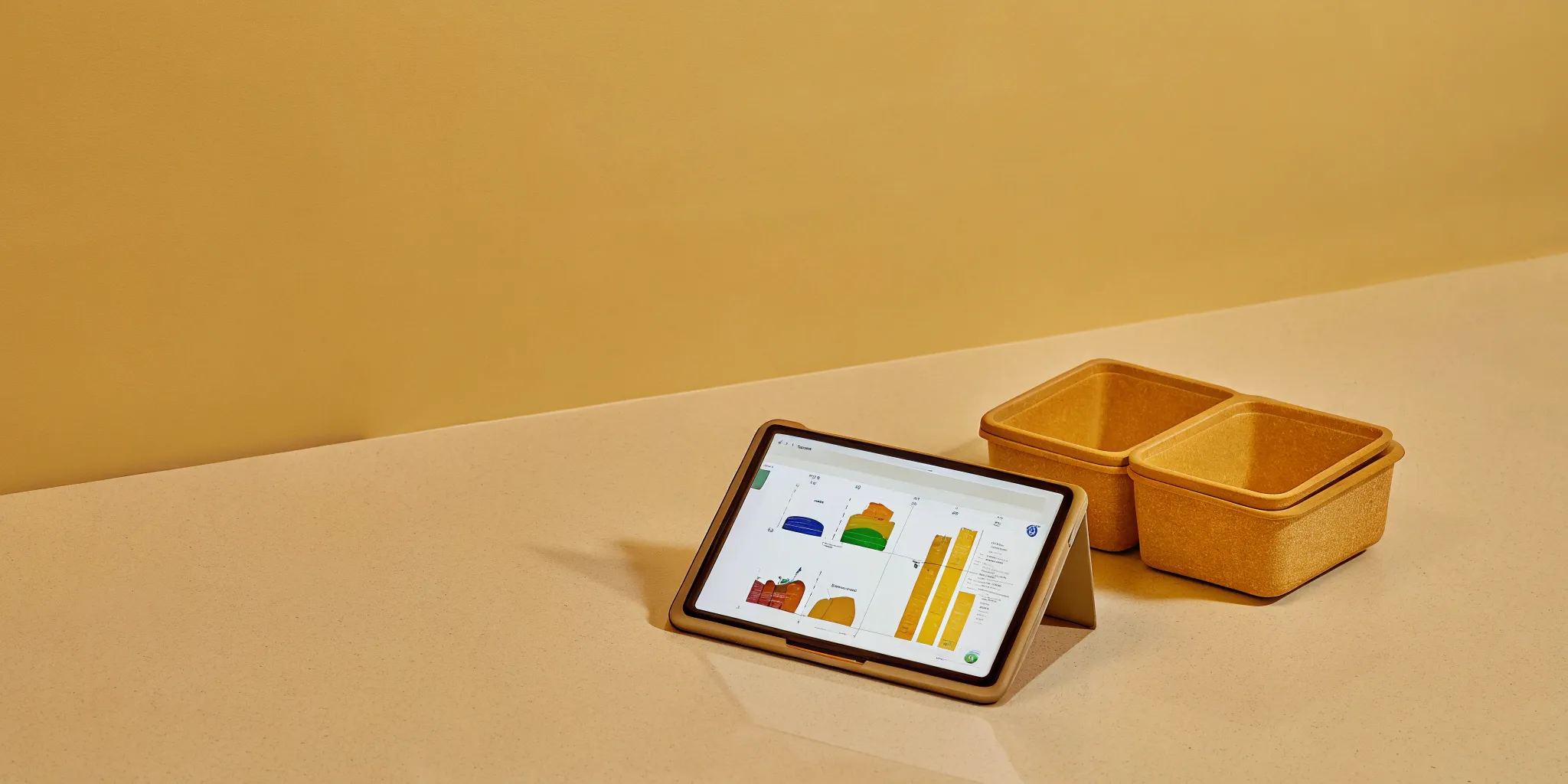
How do you know if your reuse program is actually working? The right platform gives you clear, actionable data through a robust operator dashboard. Instead of guessing, you can see real-time metrics on usage rates, return patterns, current inventory levels, and bin fullness. You can also track your environmental impact by seeing exactly how many single-use containers you’ve avoided. This information is invaluable for managing your operations effectively. For example, if you notice a return station isn't getting much use, you can move it to a higher-traffic area. Having these insights at your fingertips allows you to make informed decisions and demonstrate the program's value to stakeholders.
Engage Students with Gamification and Rewards
While a smooth process is essential, making it fun can take student engagement to the next level. Top-tier reuse systems incorporate gamification elements to encourage participation. Features like campus-wide leaderboards, friendly competitions between dorms, and digital badges can turn reusing into a rewarding habit. You can also offer incentives, such as points or discounts, for students who consistently return their containers. These features help build a positive culture around sustainability on campus, transforming a simple operational change into a community-wide initiative that students are excited to be a part of.
How to Choose the Right Checkout System
Selecting the right checkout system is one of the most important decisions you’ll make when launching a reusable container program. The right technology makes participation effortless for students and staff, while the wrong one can create friction that dooms the program before it even gets started. Think of it as the front door to your entire reuse initiative—if it’s hard to open, people will just walk away. A successful system should feel like a seamless extension of your existing dining services, not a complicated new process that requires extensive training and creates long lines at the register. When students can grab a reusable container as easily as they grab a disposable one, you’re on the path to success. To find the best fit for your campus, it's helpful to focus on four key areas: how well it integrates with your current infrastructure, its flexibility with container options, the quality of the technology and vendor support, and a clear plan for a successful launch. Getting this piece right will directly impact your return rates, operational workload, and ultimately, the financial and environmental success of your sustainability initiatives. It’s the difference between a program that thrives and one that struggles to get off the ground.
Check for Seamless Campus Integration
Your reusable container program shouldn't operate in a silo. For students to adopt it, the checkout process needs to feel familiar and easy. Look for a system that integrates directly with your campus's existing infrastructure, especially student card and payment platforms like Transact, CBORD, and TouchNet. When a student can simply tap their card to check out a container—without downloading an app or creating a new account—the barrier to entry is virtually eliminated. This kind of deep campus integration is what separates a clunky, manual process from a truly modern and automated solution that students will actually use. It also simplifies things for your cashiers, as the process becomes a natural part of their existing workflow.
Look for Flexible and Scalable Container Options
Every campus has unique needs, and your container inventory should reflect that. A great reuse platform won't lock you into a single proprietary container type. Instead, it should be "container-agnostic," giving you the freedom to choose what works best for your operations and budget. This flexibility allows you to use your existing inventory or select from a variety of approved partners offering everything from stainless steel to durable plastic. This approach ensures you can find the right reusable solutions that fit your specific dining venues, whether it's a soup and salad bar or a grab-and-go cafe. It also makes it easier to scale your program across campus over time.
Evaluate Tech Needs and Vendor Support
The technology behind your checkout system should make life easier for everyone, not add more work for your staff. The ideal guest experience is quick and digital, where the system automatically identifies the container without requiring manual entry. This speed and accuracy reduces mistakes at the register and keeps lines moving. Beyond the checkout counter, evaluate the back-end operator portal. Does it provide real-time data on inventory levels, return rates, and environmental impact? A strong vendor will also offer robust support to ensure your team is confident using the system and can get help when needed. Look for a partner who is invested in your success, not just in selling you software.
Plan Your Rollout for High Adoption
A successful launch goes beyond just installing new technology. It requires a thoughtful rollout plan designed to get students excited and encourage high participation from day one. Your vendor should be a strategic partner in this process, helping you map out a launch strategy that includes marketing, student engagement, and staff training. Ask potential providers if they offer support with promotional materials, leaderboards, or rewards programs to make reuse fun and engaging. Before you commit, schedule a demo to see exactly how the system works and what kind of savings and impact you can expect. A clear plan ensures your investment pays off with high adoption rates and a visible commitment to sustainability.
Related Articles
- Deposit-Free Reuse Systems and their Impact for On-Campus Dining – Reusables.com
- Reusable Packaging Solutions for Institutions & Workplaces
- Smart Reuse Programs for Campuses, Private Clubs, Offices & More
- Reusable Packaging Systems for Efficient, Sustainable Operations
Frequently Asked Questions
What happens if students don’t return the containers? This is the most common concern we hear, and modern systems are built to solve it. Each container has a unique digital ID, like a QR code, that links it to a student's account at checkout. If a container isn't returned within the set timeframe, the system automatically sends friendly, personalized reminders. This gentle accountability is incredibly effective and helps maintain very high return rates without your staff ever having to chase down a student or a missing container.
Will this system slow down our checkout lines? Not at all. In fact, it’s designed to be just as fast as any other transaction. Because the system integrates directly with your existing campus card and payment platforms, students simply tap their card or phone to check out a container. There are no new apps to open or manual logs to fill out. The process is seamless and takes only a few seconds, ensuring your lines keep moving smoothly even during the busiest lunch rush.
Do we have to use a specific type of container with your system? You have complete flexibility. The platform is container-agnostic, which means it works with a wide variety of container types, including durable plastic and stainless steel. You can use your existing inventory if you have one, or you can choose from a list of our trusted container partners. This allows you to select the options that best fit your budget, brand, and the specific needs of your different dining locations.
How does an easy checkout process actually save our dining program money? It saves money in a few key ways. First, when the checkout is effortless, student participation goes way up. Higher adoption directly translates to purchasing far fewer single-use disposable containers, which is an immediate and significant reduction in your packaging budget. Second, by preventing container loss through automated tracking, you protect your investment in durable assets and avoid constant replacement costs.
How much extra work does this create for my staff? The goal is to reduce your team's workload, not add to it. A modern reuse system automates the most time-consuming tasks. Your staff won't have to manually track inventory, handle deposits, or follow up with students about late returns. The technology handles all the accountability and data tracking in the background. This frees up your team to focus on what they do best: preparing great food and serving students.
Other stories you may find interesting




















.webp)
.webp)








.webp)


























Watch the Webinar
Learn How to Eliminate Single-Use Waste
Get instant access to our expert webinar and discover how leading institutions reach 99% return rates through smarter reuse systems.

© Reusables™. All rights reserved.