
A Guide to Inventory Management Software for Reusables

March 25, 2026
You wouldn't manage your food inventory with a simple spreadsheet, so why would you for your reusable containers? Standard inventory software is designed for a linear process: items come in, get used, and are gone for good. Reusables are fundamentally different. They operate in a continuous loop, and their value lies in their return. This circular model requires a specialized tool built for the job. A purpose-built inventory management software for reusables is designed to track each item through its entire lifecycle, ensuring accountability and high return rates. It’s the critical piece of technology that makes a zero-waste system truly sustainable and financially viable for your campus.
Key Takeaways
- Ditch the Spreadsheets for Smart Software: Manual tracking methods are not built for a circular reuse program and often lead to lost containers and high replacement costs. Specialized inventory software provides the automated accountability needed to ensure items return, protecting your investment and making the system financially viable.
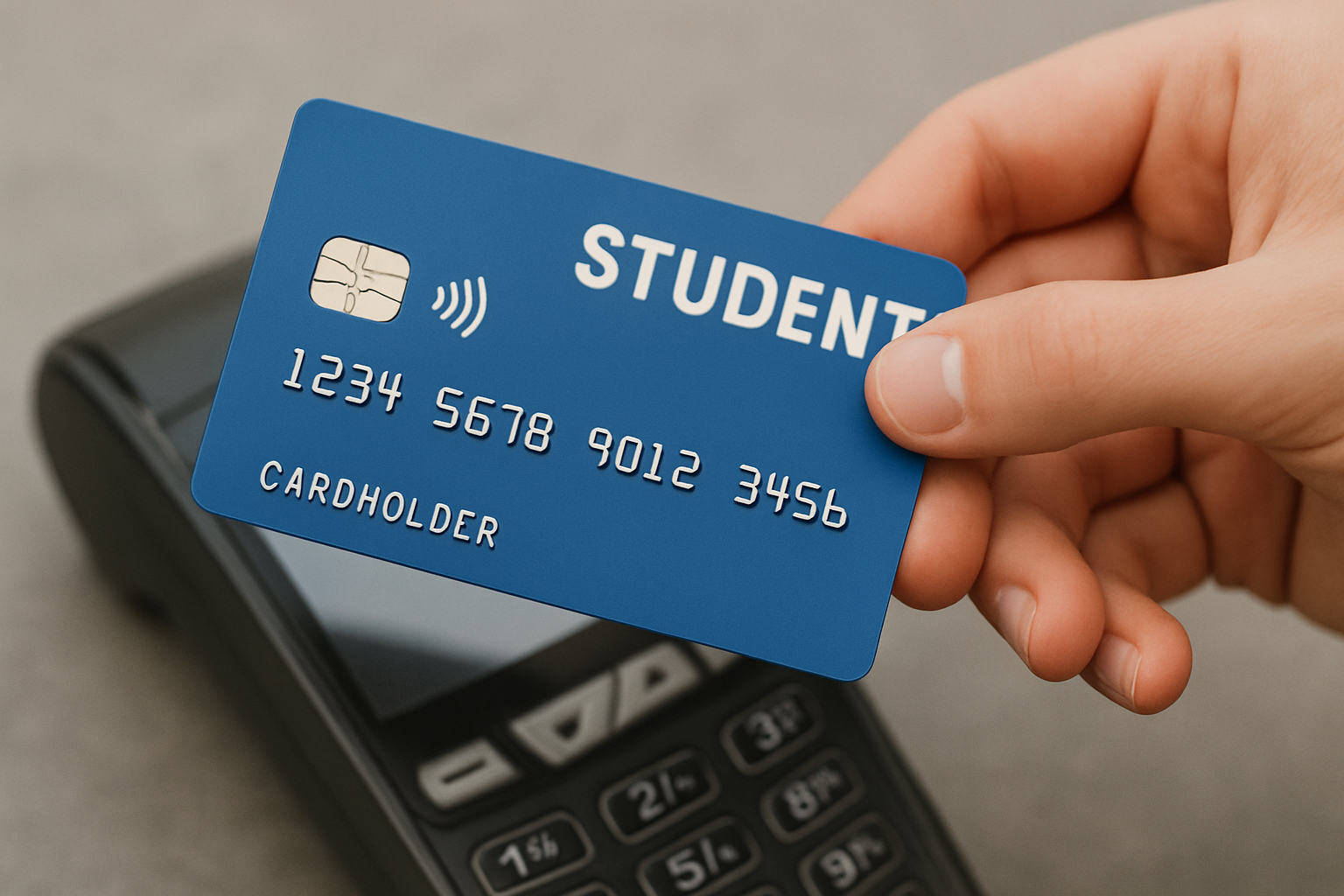
- Focus on a Frictionless Experience: The success of your program depends on how easy it is for students and staff to use. Prioritize a solution that integrates directly with your existing campus card and payment systems to create a simple, tap-to-checkout process that encourages widespread adoption.
- Look for a True Partner, Not Just a Vendor: The right provider does more than sell you software; they guide you through implementation, training, and launch. Evaluate a company's support and integration experience to ensure you have a partner who is invested in helping you achieve your cost-saving and sustainability goals.
What is Reusable Inventory Management Software?
If you’re managing a reusable container program on campus, you know that the containers themselves are just one piece of the puzzle. Reusable inventory management software is the tech backbone that makes the whole system work. Think of it as a specialized command center for your entire fleet of reusable cups, bowls, and containers. Unlike the software you use for food or disposable packaging, this technology is built specifically to track items that are meant to be returned, washed, and used again. This software helps you see where your containers are, how many are in use, and how many have been returned, giving you the data you need to run a smooth, cost-effective, and sustainable dining program.
How Does Reusable Inventory Tracking Work?
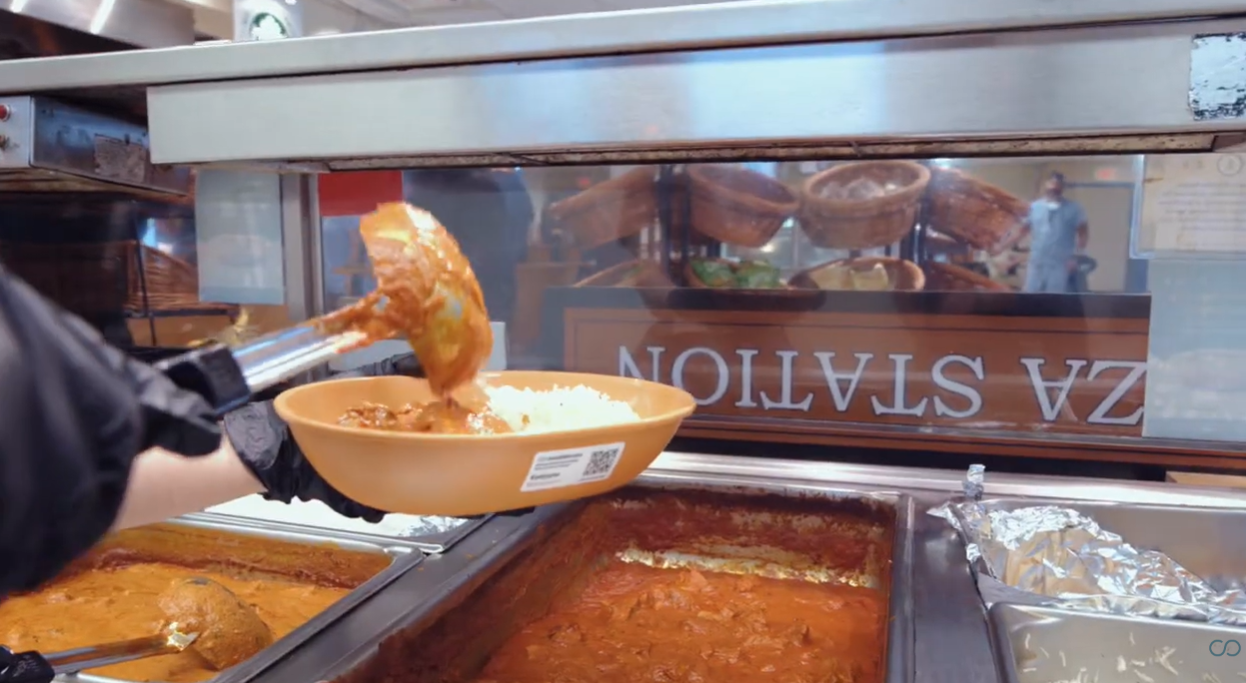
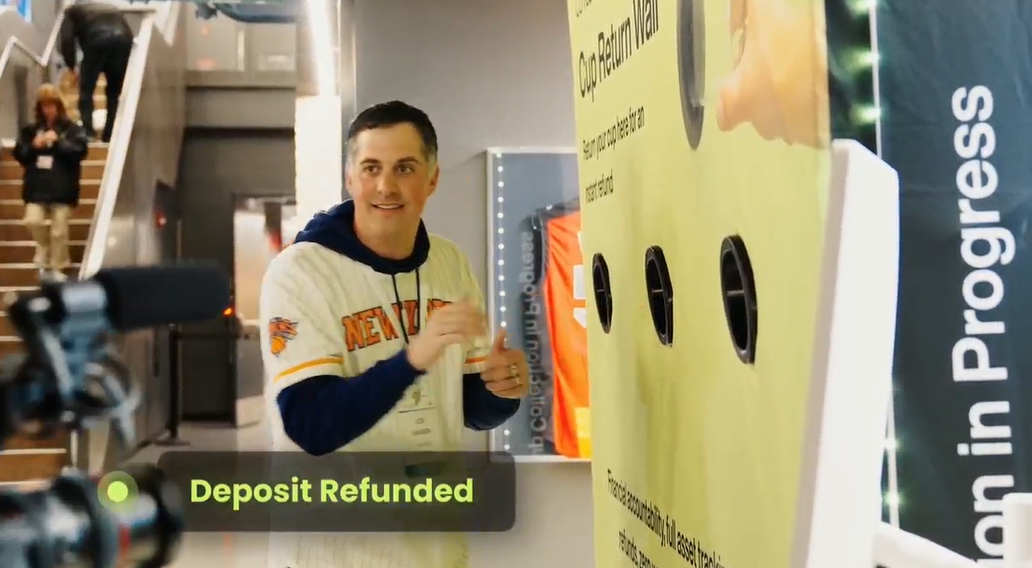
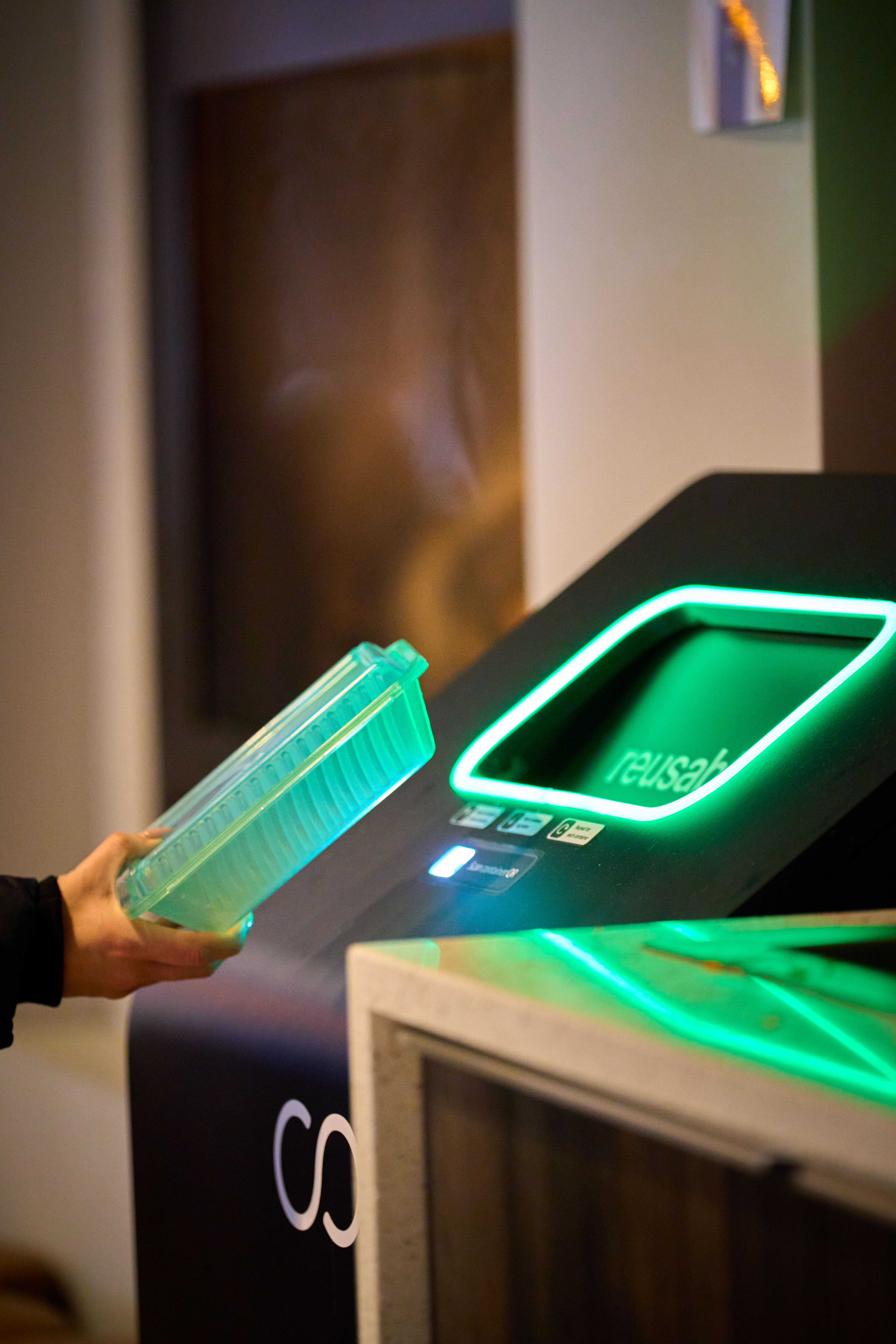
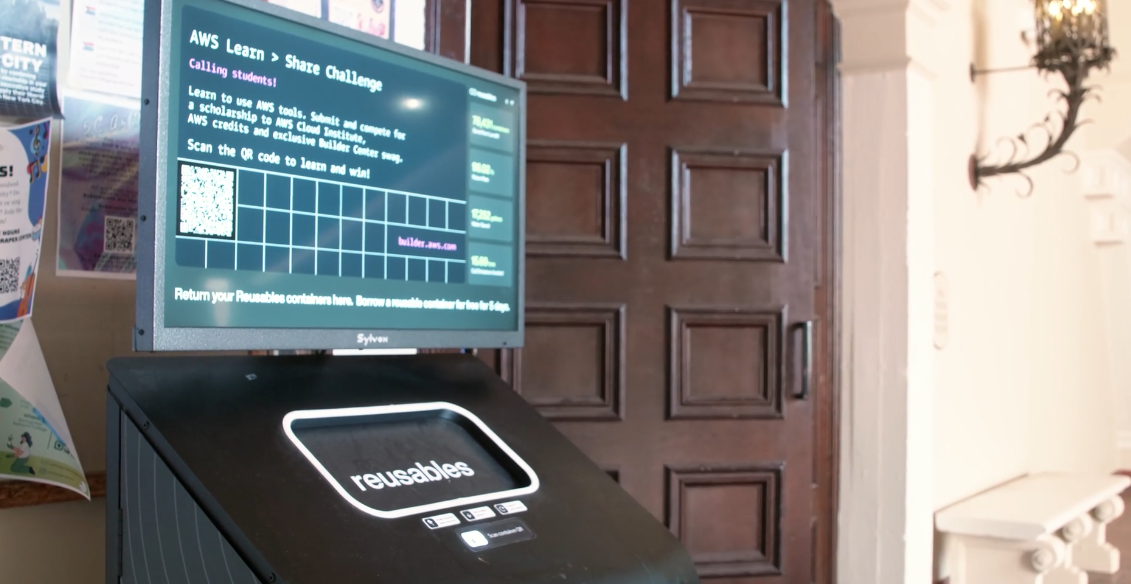
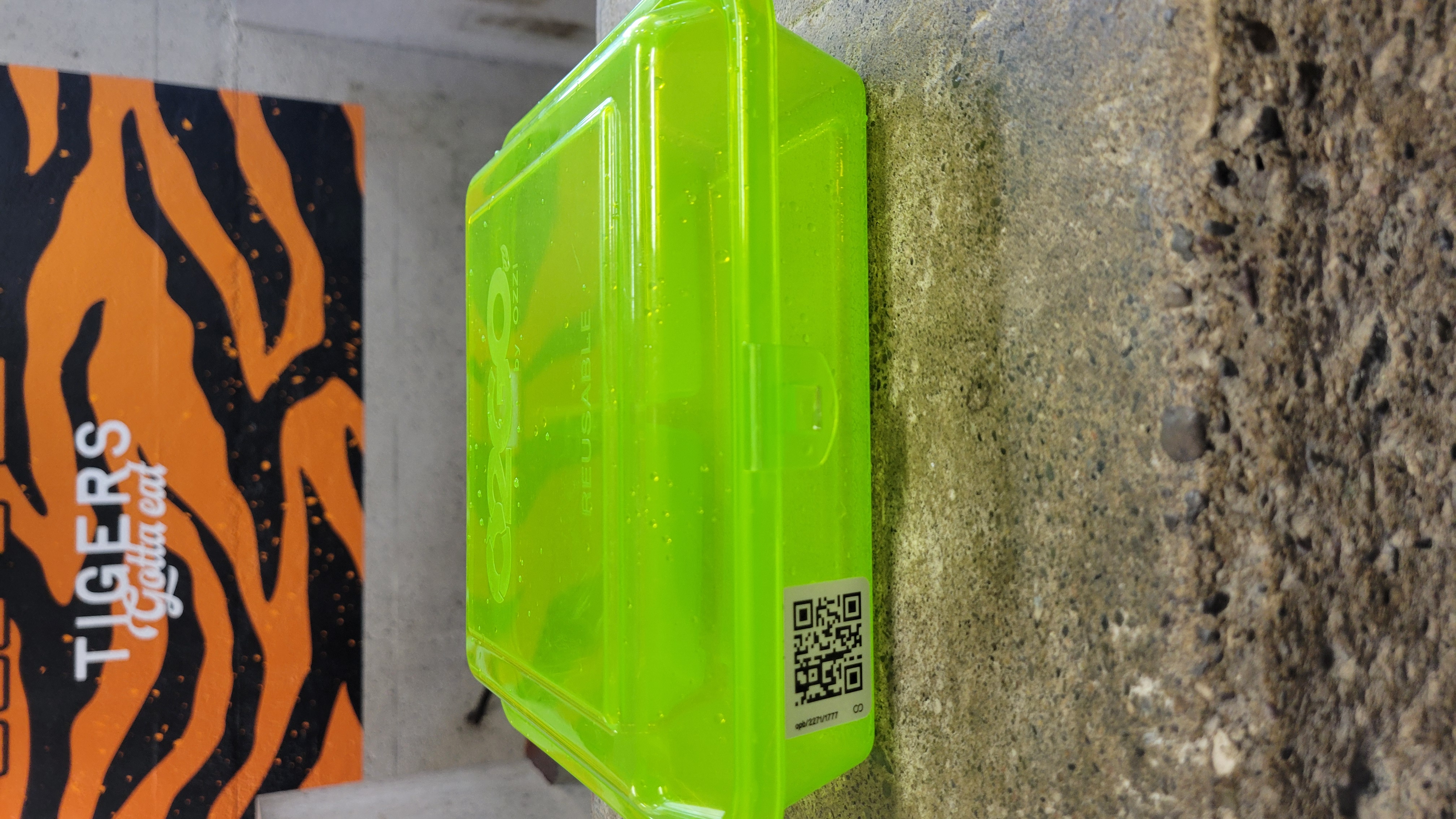
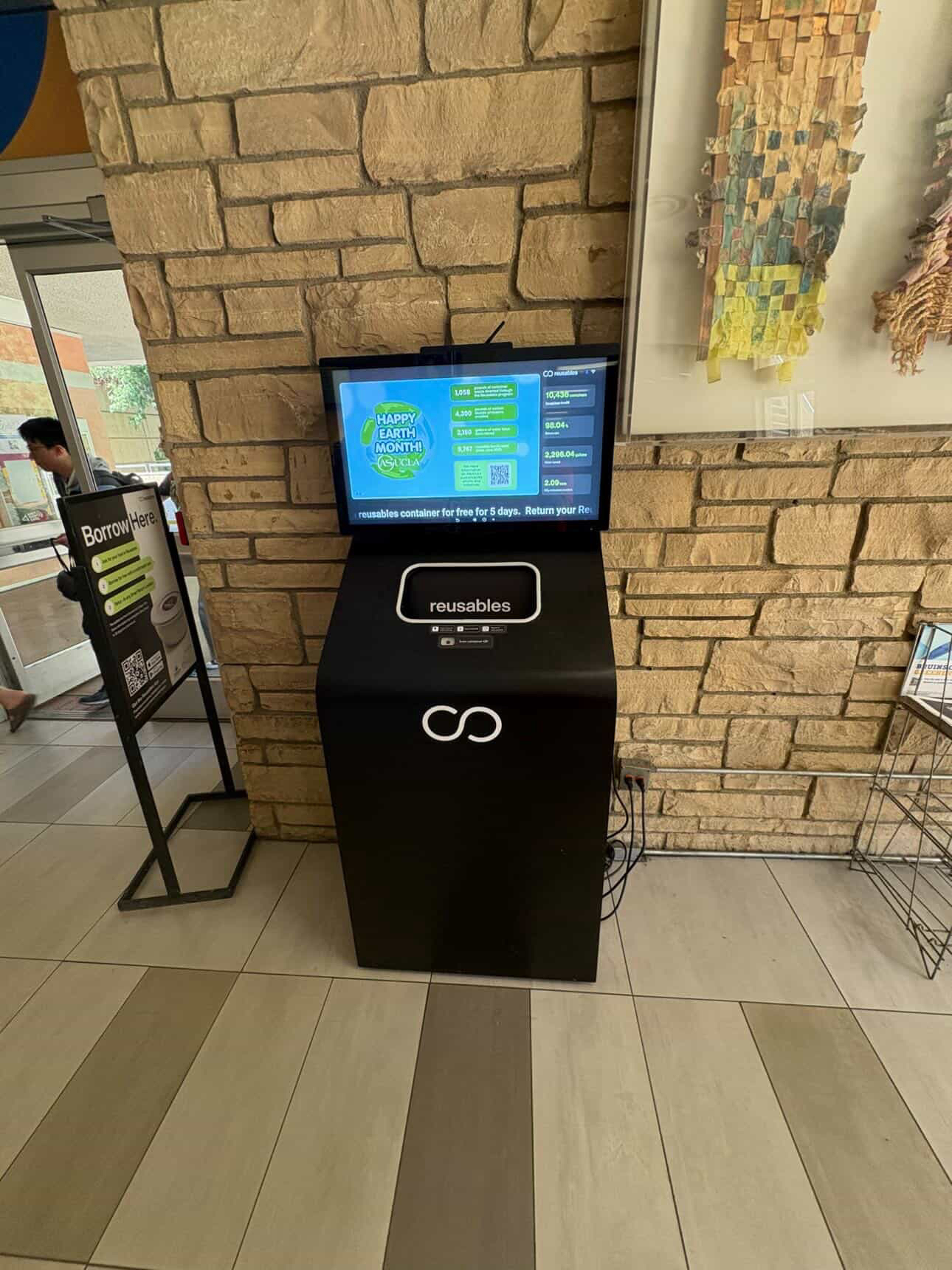
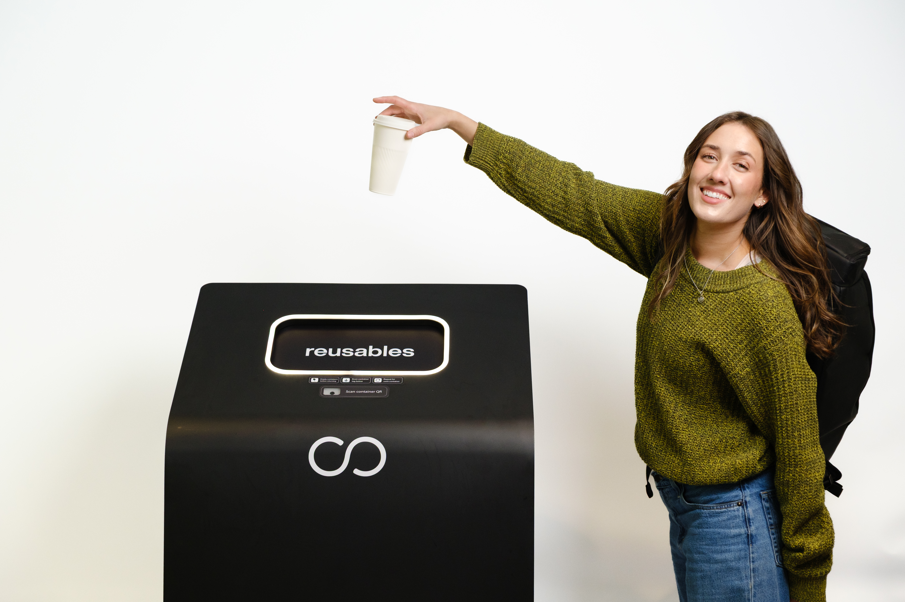
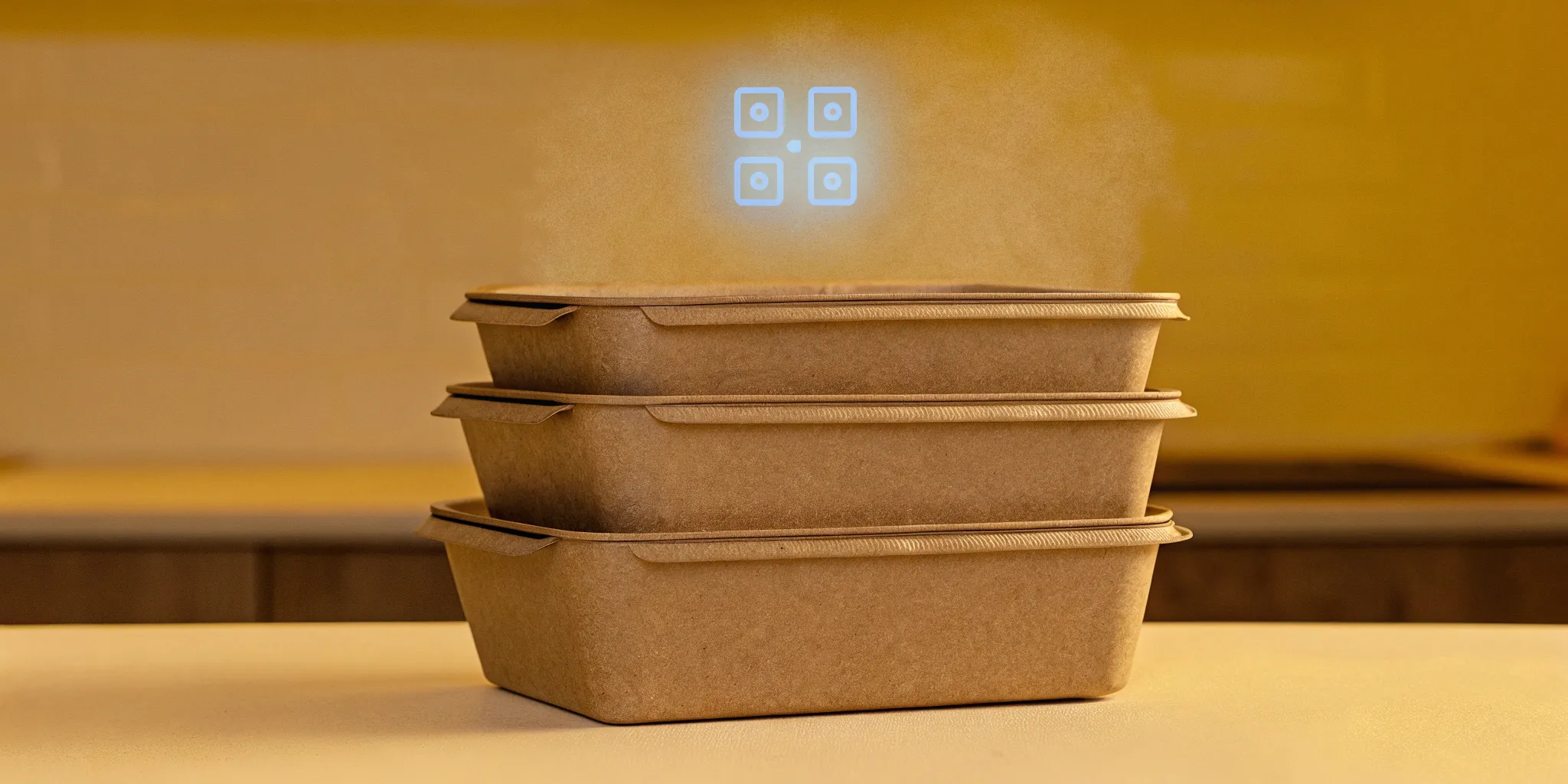
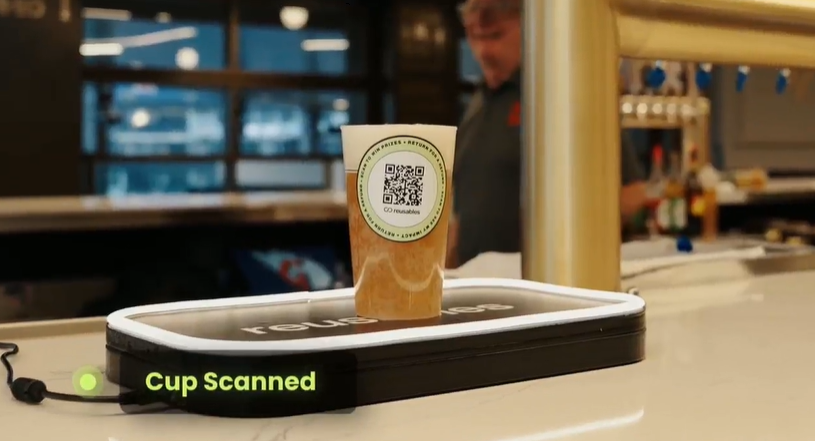
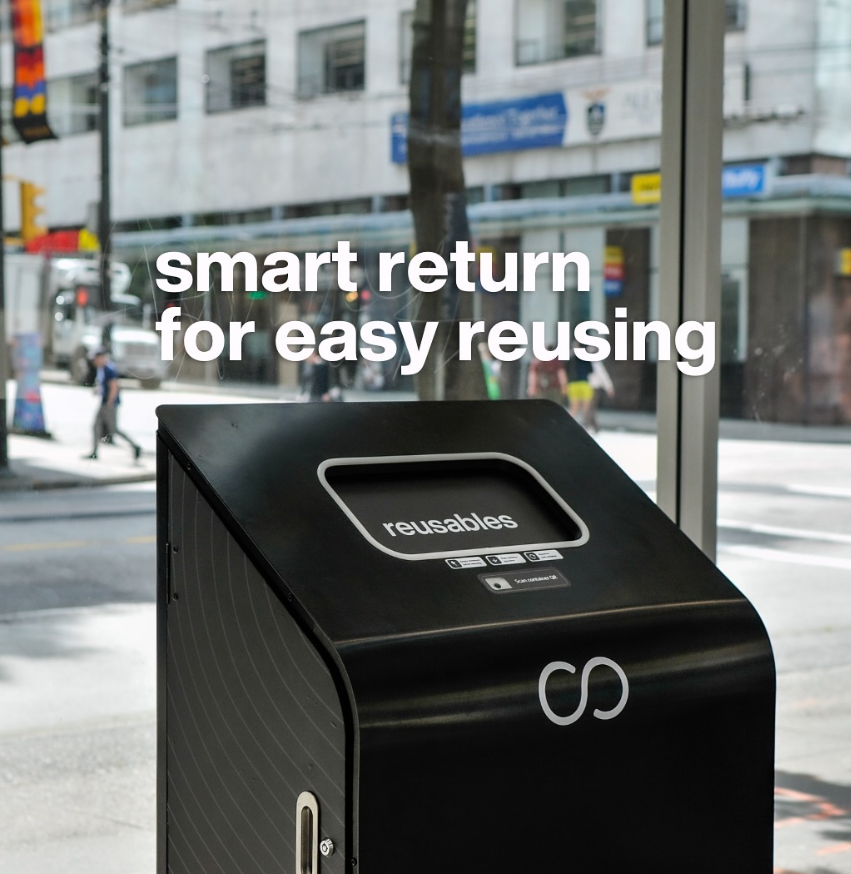
At its core, reusable inventory tracking works by giving each container a unique digital identity. This is usually done with a QR code or an RFID tag. When a student checks out a container, the code is scanned, linking that specific item to their account. The software logs the transaction and keeps a record of who has what. When the container is returned to a smart bin or drop-off station, another scan closes the loop, marking the item as back in your inventory. This process gives you a real-time view of your entire container fleet, helping you understand usage patterns and ensure you always have enough clean containers ready to go.
Why Traditional Methods Fall Short for Reusables
Trying to manage reusable containers with spreadsheets or manual counts is often a recipe for frustration. These traditional methods can’t keep up with the constant flow of items leaving and returning to your dining halls. Without an automated system, containers frequently go missing, leading to inaccurate inventory counts and the unexpected cost of buying replacements. This not only strains your budget but also undermines the environmental goals of your program. Managing a reusable system effectively is a complex task, and relying on manual processes can quickly become expensive and inefficient, creating more work for your staff and leading to low return rates. Industry data suggests companies typically lose 6–10% of their returnable assets annually, making automated tracking essential for protecting your program's investment.
How It Differs from Standard Inventory Software
Standard inventory software is great for tracking things you sell or use up, like food ingredients or paper cups. It’s built for a linear process: items come in, get counted, and go out for good. Reusable inventory software is different because it manages a circular process. Its main job isn’t just to count what you have, but to ensure every container completes its journey back to you. This specialized approach is what makes a zero-waste packaging system truly sustainable. Without a system designed for returns, a reuse program can struggle to achieve the high return rates needed to reduce waste and save money.
What to Look for in Reusable Inventory Software
Choosing the right software is the most critical step in launching a successful reuse program. The technology you select will be the engine that runs your entire system, influencing everything from student adoption and return rates to operational efficiency and cost savings. A great platform does more than just count containers; it integrates smoothly into your campus ecosystem, automates tedious tasks, and provides the data you need to prove your program's success. As you evaluate your options, focus on these five key features that separate a functional system from a truly transformative one.
Real-Time Tracking (QR & RFID)
You can't manage what you can't measure. To prevent inventory loss and ensure you always have enough containers, you need to know where they are at all times. Look for a system that uses both QR codes and RFID tags for dual-mode digital tracking. This technology allows you to see the real-time status of every container, whether it’s checked out to a student, sitting in a return bin, or ready for use in the dining hall. This level of visibility is essential for managing your reusable packaging inventory, preventing shrinkage, and making sure your investment is protected.
Seamless Campus System Integration
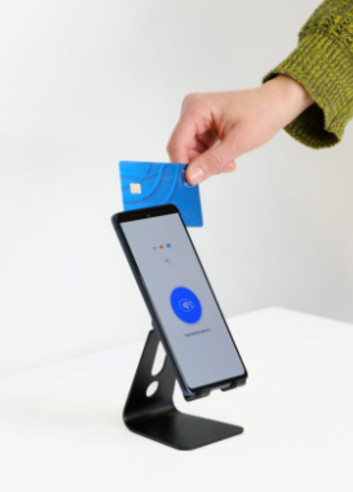
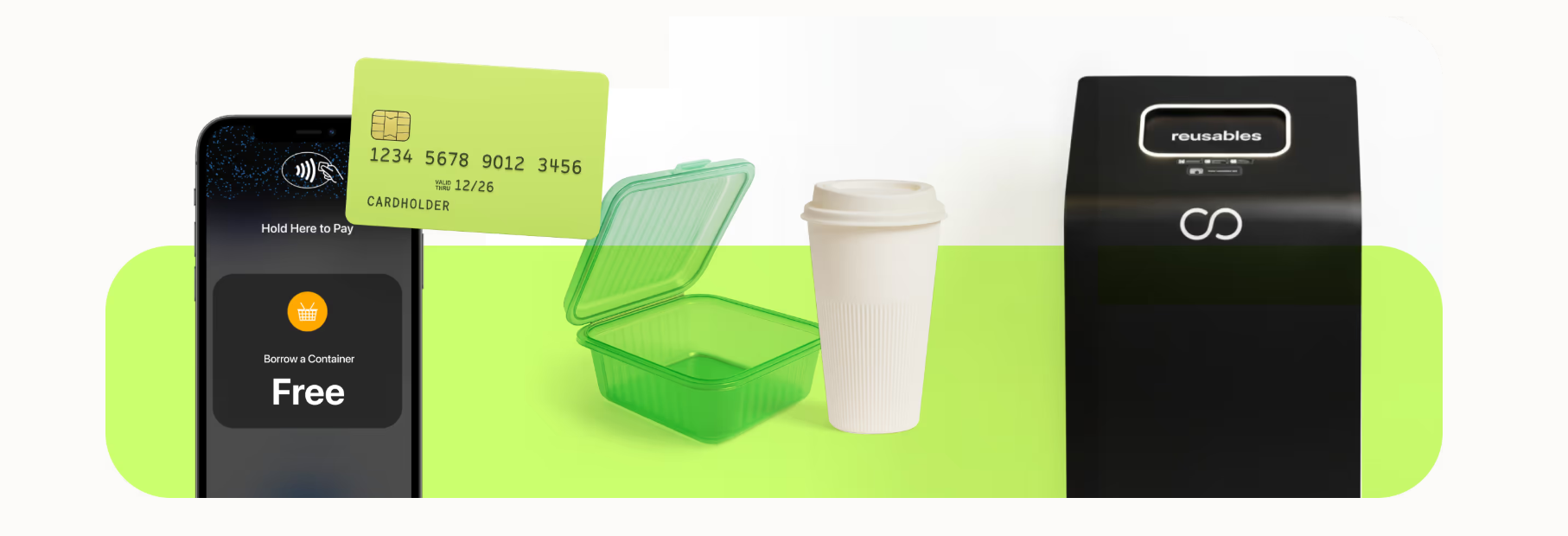
Your reusable inventory software shouldn't operate in a silo. The best solutions are built to integrate directly with your existing campus infrastructure, including student card systems (like Transact and CBORD), POS terminals, and payment platforms. This creates a frictionless experience for students, who can check out containers with a simple tap of their card, and eliminates headaches for your IT department. A fully integrated platform makes the reuse program feel like a natural part of the campus dining experience, not a clunky add-on.
Automated Return Management
Your staff is busy enough without having to manually track down missing containers. A smart inventory system automates the entire return process. It should handle sending polite return reminders to students, processing late fees, and confirming when a container has been successfully returned to a smart bin or drop-off station. Automating your packaging management saves an incredible amount of time, reduces human error, and is the single most important factor in achieving near-perfect return rates. This allows your team to focus on what they do best: providing excellent food and service.
Clear Analytics and Impact Reporting
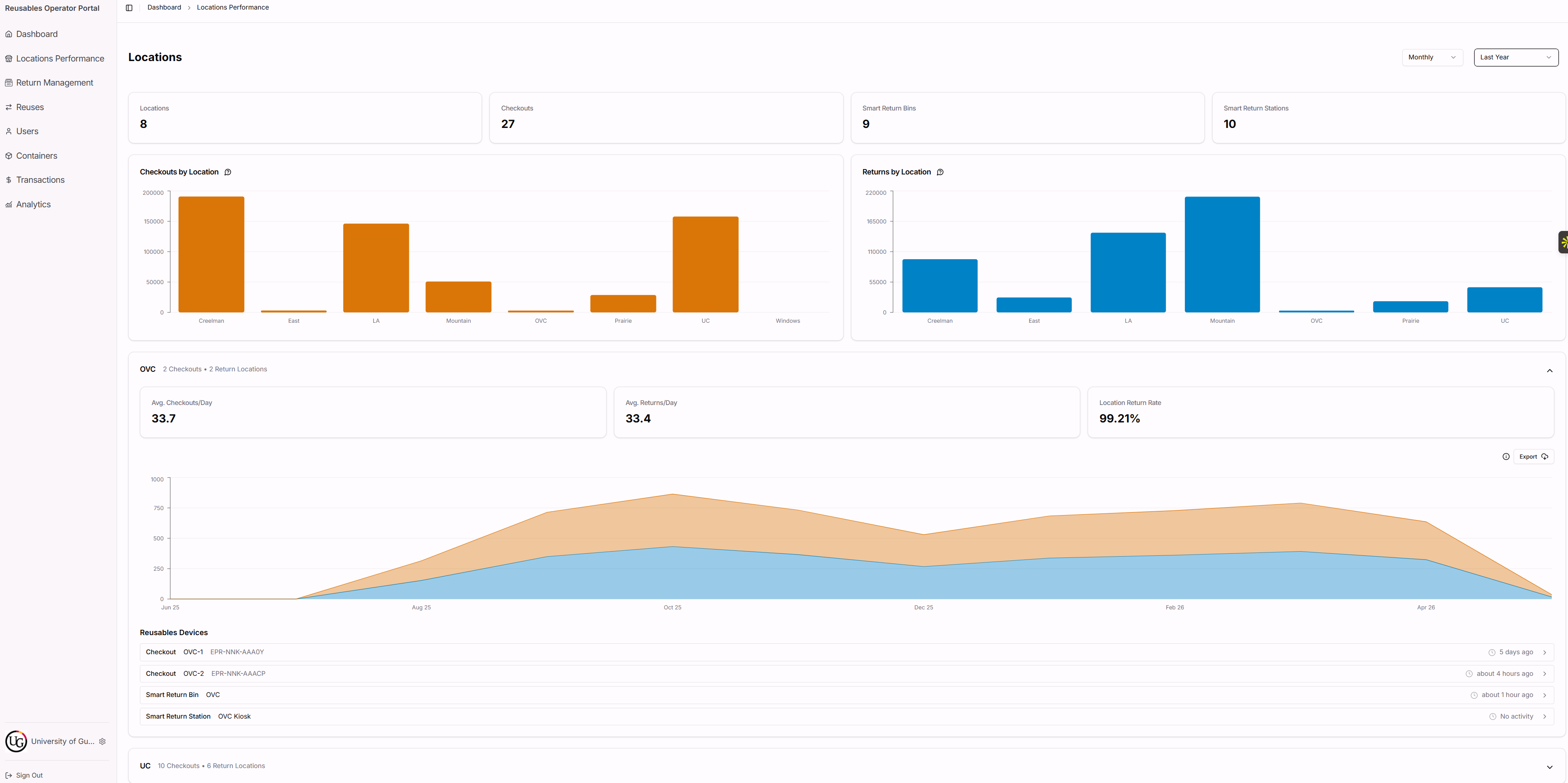
How do you know if your program is working? Your software should give you the answer with a clear, comprehensive dashboard. It’s essential to track the right metrics to demonstrate the value of your program to stakeholders. Look for a platform that provides real-time data on key performance indicators like usage rates, return rates, current inventory levels, and bin fullness. It should also calculate your financial savings and, just as importantly, your environmental impact, including waste diverted from landfills and CO2 emissions reduced. This data is crucial for optimizing your operations and sharing your sustainability story.
An Easy-to-Use Interface for Your Team
Powerful features are only useful if your team can actually use them. The software's operator portal should have a user-friendly and intuitive interface. Your managers should be able to log in and immediately understand the status of the program without needing weeks of training. A well-designed dashboard will present the most important information, like operational notifications and inventory levels, in a way that is easy to digest. This ensures your team feels confident managing the system day-to-day, making the entire program run more smoothly.

What Are the Benefits of Smart Inventory Software?
Switching to a reusable container system is a fantastic goal, but the containers themselves are only half the story. The real success of your program hinges on the software that manages them. The right platform transforms a potential logistical puzzle into a streamlined, cost-effective operation. It provides the data you need to prove your impact, the automation to ensure containers come back, and the insights to make your program better every single semester.
Cut Costs and Improve Operational Efficiency
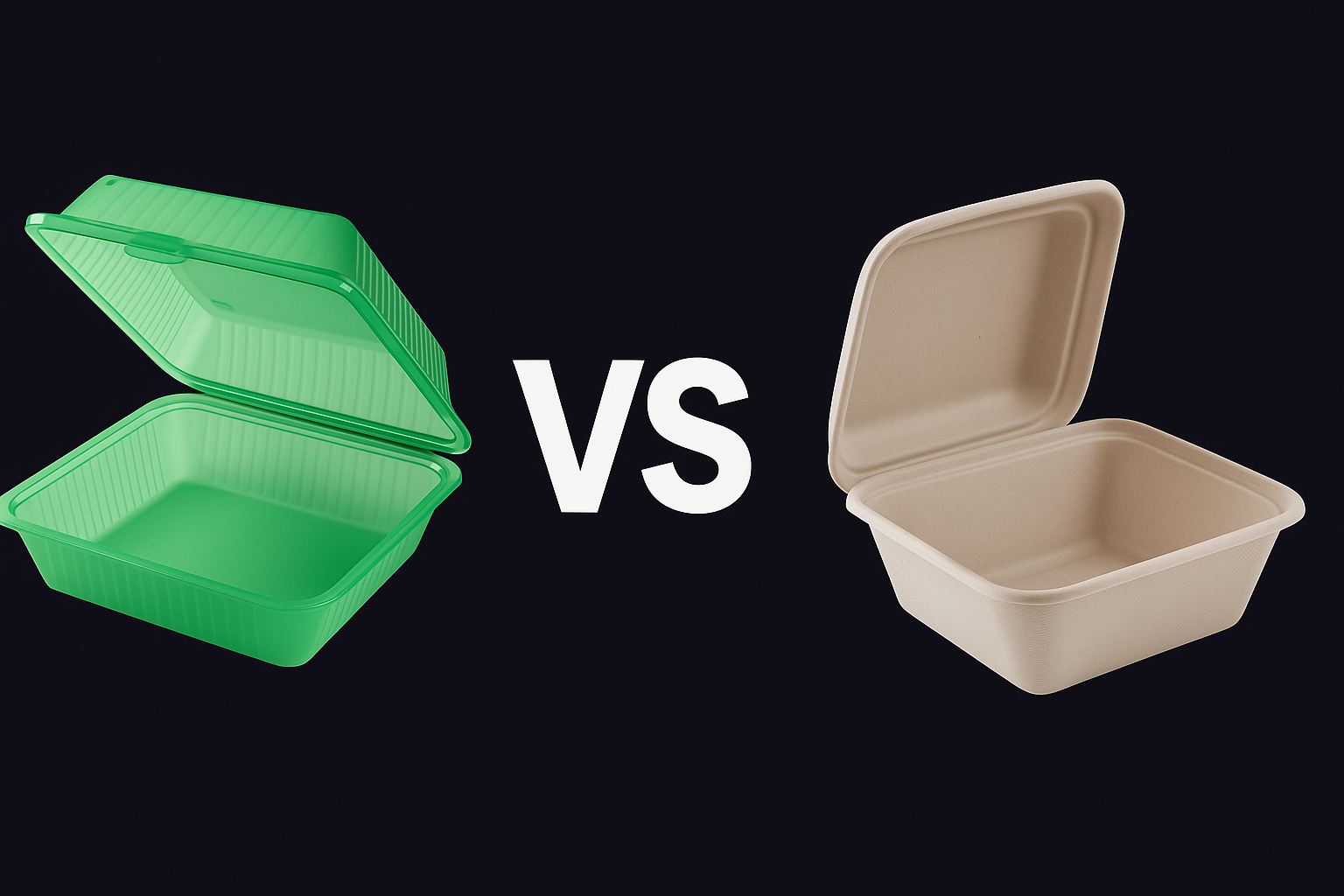
Let’s be direct: disposable packaging is expensive, and those costs are only going up. Smart inventory software tackles this head-on by giving you complete control over your reusable container fleet. By tracking every container, the system helps you drastically reduce loss and prevent unnecessary replacement purchases. It also provides real-time data on inventory levels across different locations, so you can avoid stockouts during the lunch rush or over-ordering for a low-traffic cafe. This level of operational visibility means your team spends less time on manual counts and more time on what matters: serving students. Automation handles the tedious work, making your entire dining service run more smoothly and saving significant money. To put the savings in concrete terms: a polypropylene container typically pays for itself in just 3–4 uses compared to compostable alternatives, while stainless steel breaks even in 8–10 uses.
Track Sustainability Goals and Meet Compliance
Many campuses have ambitious zero-waste goals, and stakeholders want to see the proof. Smart inventory software is your engine for data-driven sustainability reporting. Instead of estimating your impact, you get precise, real-time metrics right from your dashboard. You can instantly see how many single-use containers have been avoided, track your progress toward waste reduction targets, and calculate your environmental footprint with confidence. This information is invaluable for annual reports, compliance with institutional mandates, and sharing your success story with the campus community. It turns your sustainability initiatives from a general concept into a set of hard numbers that demonstrate real, measurable progress toward your goals.
Achieve Higher Return Rates Automatically
A common worry with reuse programs is getting the containers back. Without a smart system, this can become a major headache for your staff. The right software solves this by building accountability directly into the process, automatically. Through unique QR or RFID codes on each container, the system knows who has what and for how long. It can send automated reminders to users and even manage late fees without any manual intervention from your team. This gentle, consistent accountability is proven to drive incredibly high return rates, often over 99%. It makes participation easy for students and removes the burden of enforcement from your staff, ensuring your container fleet keeps circulating efficiently.
Gain Insights to Optimize Your Program
A great reuse program is one that continuously improves. Smart inventory software provides the analytics you need to make informed decisions and refine your operations over time. Your dashboard can reveal powerful insights, like which dining halls have the highest usage, when peak return times occur, and how long containers typically stay checked out. These key performance indicators help you identify patterns and opportunities. You might decide to add another return bin in a high-traffic area or adjust container inventory based on demand. This data empowers you to optimize everything from staffing for collections to purchasing, ensuring your program is always running at peak efficiency.
How to Compare Reusable Inventory Solutions
Once you start looking, you’ll find that reusable inventory solutions aren’t all built the same. Some are simple tracking apps, while others are comprehensive platforms designed to manage every aspect of a reuse program. To find the right fit for your campus, you need to look beyond the surface-level features and compare how each system handles the core challenges of running a successful program.
The key is to think about the entire lifecycle of your containers. How are they checked out? How are they returned? How does the system integrate with the tools your team and students already use every day? A solution might look great in a demo, but if it creates friction for users or extra work for your staff, it won’t deliver the results you need. We’ll walk through the most important factors to consider, from the technology itself to the total cost of ownership, so you can make a confident and informed decision.
The Advantage of an Integrated Platform
The most effective reuse programs don’t operate in a silo. Instead, they connect seamlessly with your existing campus infrastructure. An integrated platform combines inventory management with your other essential systems, like student card and payment processors, to create a single, unified experience. This gives you a more holistic view of your operations, making it easier to spot trends, manage inventory, and plan for the future.
Look for a solution that offers proven, out-of-the-box integrations with the systems you already rely on, such as Transact, CBORD, or TouchNet. This eliminates the need for clunky workarounds or complex custom development, ensuring a smooth, frictionless experience for both your students and your dining staff from day one.
Container Flexibility vs. Proprietary Systems
Some reuse solutions require you to use their specific, proprietary containers. This can seem simple at first, but it locks you into one supplier and limits your options. A more flexible, container-agnostic platform allows you to choose the packaging that best suits your needs, whether it's durable plastic, stainless steel, or even your campus’s existing inventory. This flexibility is crucial for adapting your program over time.
Remember, the container itself isn't what makes a system smart; the software is. Effective reusable packaging management relies on digital tracking technology like QR codes or RFID tags that can be applied to any type of container. This approach gives you the freedom to choose the best containers for your food, budget, and operational flow without sacrificing accountability.
Understanding Pricing and Total Cost
When comparing solutions, it’s easy to focus on the upfront price tag. However, the true cost of a reuse program goes far beyond the initial software license. To understand the total cost of ownership, you need to consider ongoing expenses like container replacement, staff labor for manual tracking, and the potential for lost revenue if the system fails to achieve high return rates.
A system with automated accountability and reminders can dramatically lower these hidden costs by ensuring you get your containers back. By tracking the right inventory metrics, you can clearly see how the system is reducing your spend on disposables and improving efficiency. The most cost-effective solution is the one that delivers the highest return rates with the least amount of staff intervention.
Evaluating Integration and Support
Implementing any new software can feel like a huge undertaking, especially when it needs to connect with other campus systems. This is where a provider’s integration capabilities and support team make all the difference. A smooth data migration and rollout process is essential for getting your team and students on board quickly.
When evaluating providers, ask detailed questions about their implementation process. Do they have a dedicated team to guide you through setup and training? Do they have experience working with your specific POS or campus card systems? Choosing a partner with a proven track record of successful integrations will save you countless headaches and ensure your program launches without a hitch. Think of it as choosing a partner, not just a product.
Common Misconceptions About Reusables Software
Switching to a new system can feel like a big step, and it’s natural to have questions. Many of the common worries about reusable inventory software are based on outdated ideas about technology. Let's clear up a few myths so you can make a confident decision for your campus.
Myth: "We can manage it manually."
Relying on spreadsheets or pen-and-paper counts might seem straightforward, but it’s a recipe for lost inventory and wasted staff hours. Manually tracking hundreds or thousands of containers is a labor-intensive task that often leads to inaccurate data and a poor understanding of your stock levels. Instead of guessing where your containers are, a smart inventory system provides a clear, real-time picture of your entire operation. This automated accountability frees your team from tedious data entry, allowing them to focus on providing a great dining experience for students and staff.
Myth: "It's too expensive and complex."
The idea that inventory software comes with a shocking price tag is becoming a thing of the past. Modern, cloud-based platforms are designed to be affordable and scalable, allowing you to subscribe only to the features you need. When you factor in the rising cost of disposable packaging and the savings from preventing inventory loss, the software often pays for itself. Plus, today’s systems are built with the user in mind. An intuitive dashboard and simple checkout process mean you don’t need a dedicated tech team to manage your reusables program effectively.
Myth: "Implementation will take forever."
Getting a new program off the ground shouldn't be a months-long headache. A well-designed reusables platform is built for a smooth and efficient rollout. With modern tools like QR codes and RFID tags, you can streamline the process and skip the excessive paperwork. The key is finding a solution that integrates with your existing campus systems, like student cards and payment processors. This eliminates the need to build a new infrastructure from scratch and allows students and staff to adopt the program with almost no learning curve.
Myth: "Our staff won't adopt it."
Any change requires adjustment, but the right technology makes work easier, not harder. A system with a simple interface and automated workflows reduces the burden on your team. When checkout is a quick tap and returns are handled automatically by smart bins, your staff can operate more efficiently. By providing clear training and onboarding, you can equip your team with the skills to use the software effectively. They’ll quickly see it as a tool that helps them succeed, rather than another task on their to-do list.

How to Choose and Implement the Right Solution
Once you’ve narrowed down your options, the final step is to select a partner and plan your rollout. Choosing the right reusable inventory software is about more than just features; it’s about finding a solution that fits your campus culture and a team that will support you long-term. A successful implementation doesn’t happen by accident. It requires a clear understanding of your goals, a thorough evaluation of the system, and a solid plan for getting your team and students on board. This phase is where your research turns into reality, transforming a concept into a tangible program that students and staff interact with daily. By following a structured approach, you can ensure a smooth transition and set your reusables program up for success from the very beginning. This process helps you move forward with confidence, knowing you’ve made an informed decision that will benefit your campus for years to come. It's about building a foundation for a program that not only works but thrives, delivering on its promises of cost savings and sustainability while enhancing the dining experience for everyone involved.
Assess Your Campus's Needs and Goals
Before you look at any software, first look inward at your own operations. What are you hoping to achieve? Are you primarily focused on reducing the high cost of disposable containers, meeting ambitious campus sustainability targets, or improving the student dining experience? Understanding your specific goals is the first step to finding a system that can actually help you meet them. Make a list of your must-haves versus your nice-to-haves. Consider your current transaction volume, the number of dining locations you have, and any unique operational challenges you face. This initial assessment will give you a clear framework for evaluating potential solutions for your campus and asking the right questions.
Evaluate Demos and Trial Opportunities
You wouldn’t buy a car without a test drive, and the same logic applies to inventory software. The best way to understand if a system will work for your campus is to see it in action. Ask for a live, personalized demo that walks you through the specific workflows your team would use every day. This is your chance to ask detailed questions about how the software handles returns, integrates with your existing POS or campus card systems, and what the student experience looks like. A pre-recorded video can’t answer your specific questions. A live demonstration lets you dig into the details and confirm that the platform is as intuitive and powerful as it claims to be before you schedule a call to move forward.
Plan Your Implementation and Prepare Your Team
The most advanced software in the world won’t be effective if your team isn’t prepared to use it. A smooth rollout depends on clear communication and comprehensive training. Your team is the key to making a reuse program successful, so investing in proper training ensures everyone feels confident from day one. Work with your chosen provider to create an implementation timeline that includes staff onboarding, student marketing, and technical setup. A great partner will provide you with training materials, support during the launch phase, and a dedicated contact to help you navigate any challenges. This collaborative approach ensures your staff feels supported and empowered to make the program a success.
Measure Success with the Right KPIs
How will you know if your reusables program is working? By tracking the right Key Performance Indicators (KPIs). These are the specific data points that show whether you’re hitting the goals you set in the beginning. Key metrics for a reusables program often include container return rates, cost savings on disposables, waste diversion from landfills, and student participation rates. Tracking these KPIs helps you fine-tune your program, improve operational efficiency, and clearly demonstrate its positive impact to campus stakeholders. Your inventory software should make this easy by providing a dashboard with real-time data and clear, automated reporting that turns numbers into actionable insights.
Related Articles
- Top 4 Reusable Container Tracking Software Platforms
- The Right Way to Buy Reusable Food Containers for College
- A Guide to Tracking Inventory of Returnable Containers
Frequently Asked Questions
What if students don't return the containers? This is a common concern, but it's solved with smart, automated accountability. Each container is linked to a student's account when they check it out. The system can then send friendly, automated reminders if an item is overdue. This gentle nudge, combined with a simple and accessible return process using smart bins, is proven to drive return rates above 99 percent without creating an enforcement role for your staff.
How much extra work does this create for my dining staff? The right system should actually reduce your staff's workload, not add to it. The entire process, from checkout to return, is designed to be automated. Checkout is a simple tap of a card, and returns are handled by smart bins that automatically scan and register the container. This eliminates the need for manual tracking, counting, or chasing down late fees, freeing up your team to focus on food and service.
Do we have to use specific containers, or can we use our existing inventory? A flexible platform should be container-agnostic, meaning it works with what you already have or what you want to use. The technology, which uses QR codes or RFID tags, can be applied to various container types, including durable plastic and stainless steel. This gives you the freedom to choose the best packaging for your menu and budget without being locked into a single proprietary system.
How exactly does this software save our dining program money? The savings come from a few key areas. First, you drastically cut your spending on single-use disposable packaging, which has become increasingly expensive. Second, by achieving near-perfect return rates through automated tracking, you avoid the hidden cost of constantly replacing lost reusable containers. Finally, the system's efficiency reduces the staff hours previously spent on manual inventory counts and management.
Do students need to download an app to participate? No, and that's a critical feature for high adoption. A frictionless system integrates directly with the campus card or payment methods students already use. They can check out a container with a simple tap of their student ID or credit card, making the process as quick and easy as any other transaction. This removes the barrier of having to download and sign up for yet another app.
Other stories you may find interesting

.png)


.avif)


.webp)



Watch the Webinar
Learn How to Eliminate Single-Use Waste
Get instant access to our expert webinar and discover how leading institutions reach 99% return rates through smarter reuse systems.

© Reusables™. All rights reserved.