
Dining for Private Clubs vs. Private Dining Rooms

January 12, 2026
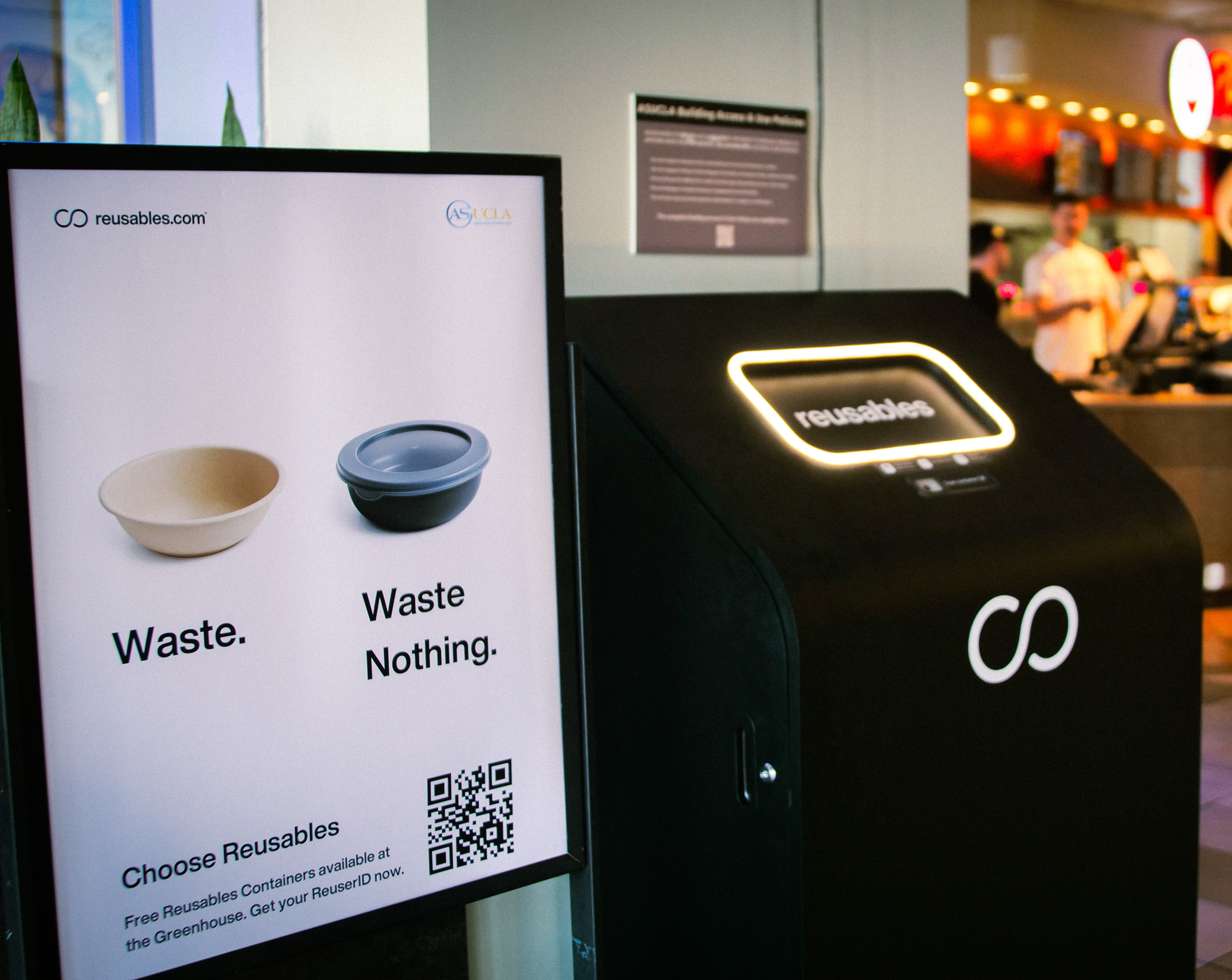
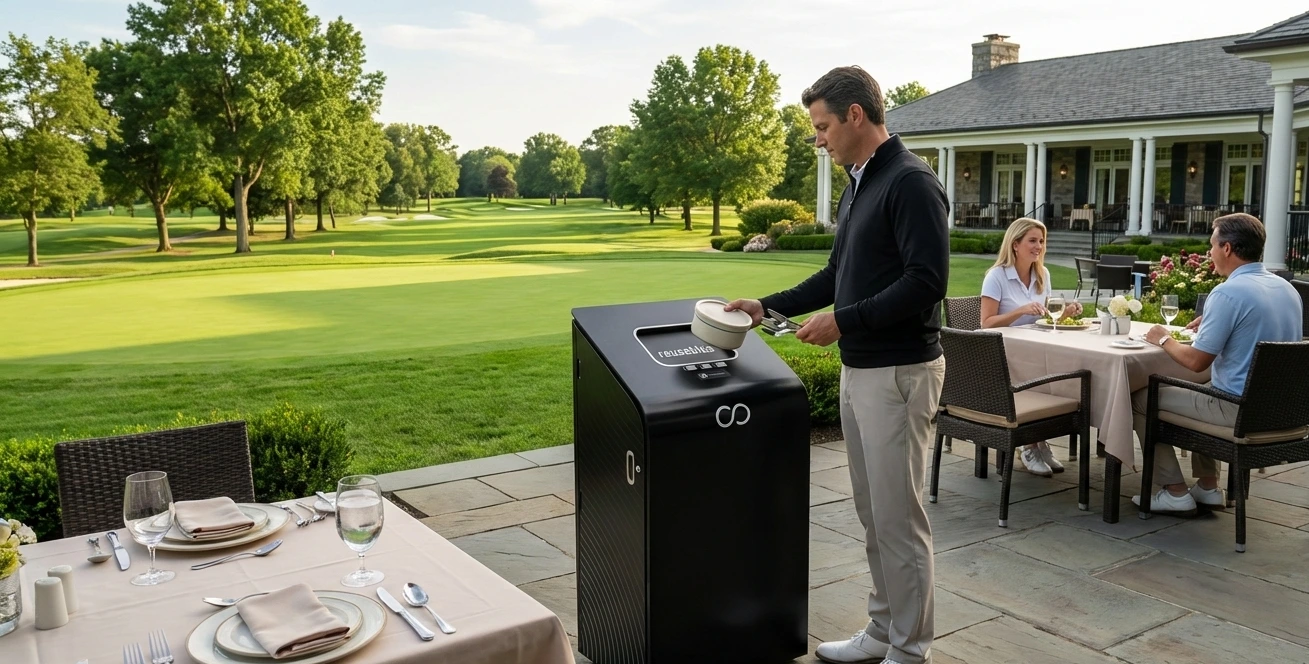
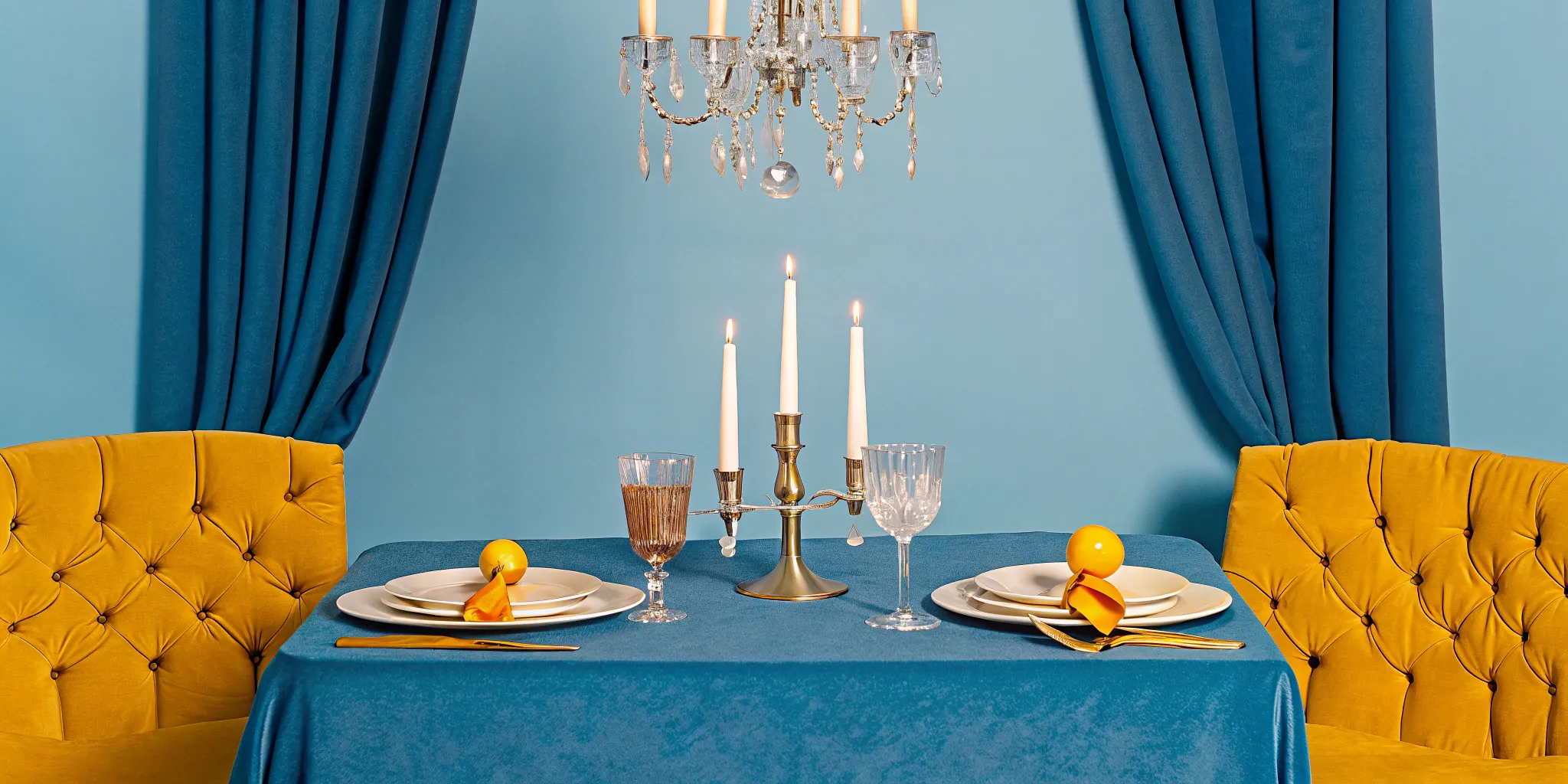
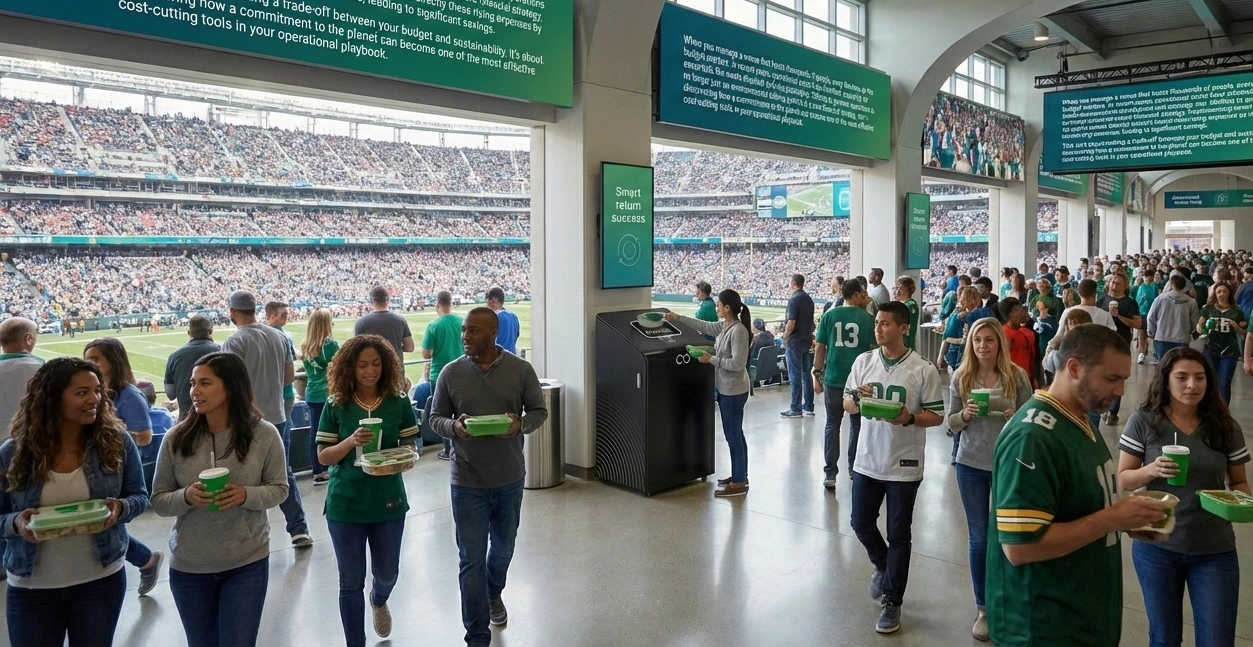
What defines a top-tier private club today? While exceptional cuisine and personalized service remain paramount, modern members also value innovation and social responsibility. The choices you make in your operations send a powerful message about your club's brand and its commitment to the future. Sticking with wasteful, single-use packaging can make an otherwise premium experience feel dated. Adopting a sophisticated, zero-waste reuse system, however, positions your club as a forward-thinking leader. It’s a tangible amenity that demonstrates a commitment to quality and sustainability, setting you apart from the competition. This isn't just an environmental initiative; it's a strategic move to enhance your brand and redefine excellence in dining for private clubs.
Key Takeaways
- Prioritize relationships over transactions: The true value of a private club is its community. Empower your staff to provide personalized service—knowing names, preferences, and special dates—to create a consistent sense of belonging that a public restaurant can't replicate.
- Use your financial structure to guarantee quality: Membership dues and dining minimums provide the stability needed to maintain exceptional standards in food and service. This model ensures a consistently premium experience that justifies the members' investment.
- Become the go-to venue for every occasion: A successful dining program offers a spectrum of options, from casual meals to formal celebrations and private events. This versatility increases member engagement and solidifies the club's role as the central hub for their social and professional lives.
Private Club vs. Restaurant: What's the Real Difference?
While both private clubs and restaurants can offer exceptional dining, they operate on fundamentally different models. A restaurant’s private dining room provides a temporary, curated experience for a specific event. A private club, on the other hand, offers a continuous, member-focused environment where dining is just one part of a larger community experience. Understanding these core distinctions is key to appreciating the unique value a private club provides its members. It’s about creating a consistent, exclusive space rather than a one-time special occasion. Let's look at the key areas where clubs truly set themselves apart.
An Exclusive Atmosphere and Personalized Service
A restaurant can offer a beautiful private room for an evening, but a private club provides an entire ecosystem of exclusivity. The atmosphere isn't just for a single event; it's the standard. This allows for a level of personalized service that’s hard to replicate elsewhere. Your staff get to know members on a first-name basis, remembering their favorite table, their drink order, or their child's food allergy. While a restaurant can create a romantic setting with special lighting and flowers for an anniversary, a club knows the couple's anniversary is coming up and proactively suggests a reservation. This transforms the service from transactional to relational, making members feel truly known and valued every time they walk through the door.
Better Networking Opportunities
People go to restaurants with their network; they go to private clubs to build their network. The very nature of a club is to bring together a community of peers. As The Rainier Club notes, it’s a place where "cultural and intellectual activities are pursued in a relaxed, intimate atmosphere." This curated environment naturally fosters connections, whether over a casual lunch or at a formal club event. Unlike a restaurant, where you’re seated among strangers, a club dining room is filled with fellow members, creating endless opportunities for personal and professional introductions. Many clubs also offer access to a huge network of other private clubs worldwide, extending these networking benefits far beyond the local area.
A Consistent, Member-Focused Experience
Consistency is the hallmark of a great private club. Members expect the same high-quality food, service, and ambiance with every visit, creating a reliable "third place" that feels like an extension of their home or office. This experience is built entirely around the membership. Menus, events, and even decor are often shaped by member feedback and preferences, ensuring the club evolves with its community. Furthermore, many clubs have reciprocity agreements, allowing members to enjoy a familiar, high-standard experience at partner clubs when they travel. This creates a dependable and seamless experience that a standalone restaurant simply can't offer, fostering a deep sense of loyalty and belonging among the membership.
What Dining Experiences Do Private Clubs Offer?
Private clubs are defined by the unique and varied experiences they provide, and dining is often the centerpiece of the member experience. Unlike a public restaurant, a club has the unique opportunity to cater to its members' tastes across a spectrum of occasions, from a casual weeknight dinner to a milestone celebration. This versatility is what builds loyalty and makes the club feel like a second home. The dining program isn't just about food; it's about creating a consistent, high-quality environment where members feel recognized and valued. By offering a range of options, you can meet the diverse needs of your membership and create a vibrant social hub that keeps them coming back. A truly exceptional dining program anticipates member needs, offering everything from quick, convenient options for busy professionals to elaborate tasting menus for food enthusiasts. It becomes the backdrop for business deals, family gatherings, and lasting friendships. This focus on a holistic experience is what sets a club apart and justifies the investment of membership. It's about building a community around shared culinary moments.
Fine Dining and Casual Grills
One of the biggest draws of a private club is the ability to offer multiple dining atmospheres under one roof. Members can enjoy a sophisticated, multi-course meal in a formal dining room one night and grab a relaxed burger and beer at the grill the next. This flexibility caters to different moods, occasions, and company. It allows a family to celebrate an anniversary in style or a group of friends to unwind after a round of golf, all within the familiar and exclusive setting of their club. Offering these distinct high-quality dining experiences at member-exclusive pricing reinforces the value of their membership and encourages frequent visits.
Private Rooms for Special Events
The ability to host personal and professional events in an exclusive setting is a powerful benefit for members. Private rooms provide a dedicated space for everything from board meetings and corporate retreats to birthday parties and anniversary dinners. This service goes beyond simply providing a room; it includes the support of a dedicated team to assist with planning and execution, ensuring every detail is perfect. When members host private events at the club, they are not just booking a venue—they are welcoming guests into a space that reflects their lifestyle and status, creating memorable experiences that strengthen their connection to the club community.
Seasonal Menus and Chef Specialties
A static menu can quickly become tiresome, but private clubs have the advantage of a captive audience that appreciates culinary innovation. Introducing seasonal menus that feature fresh, local ingredients keeps the dining experience exciting and new. It showcases the talent of your culinary team and demonstrates a commitment to quality. Many clubs also offer members the chance to work directly with chefs to create custom dishes or menus for special occasions. This level of personalization is a hallmark of the private club experience and something that public restaurants with private rooms often can't match.
Curated Wine Programs and Sommelier Services
An exceptional dining experience is often complemented by an equally impressive beverage program. Many top-tier clubs invest in curated wine programs, building cellars that feature both classic vintages and interesting new discoveries. Offering sommelier services adds another layer of sophistication, allowing members to receive expert guidance on pairings that enhance their meal. This focus on a high-quality beverage program not only improves the member experience but also serves as a significant revenue driver. Even for private events, the expertise of a sommelier can transform a simple dinner into a memorable culinary event.

Breaking Down the Cost of Private Club Dining
When members join a private club, they’re investing in an experience that goes far beyond a simple meal. The cost structure reflects this, combining upfront commitments with ongoing expenses to maintain the high standards of service, facilities, and cuisine that define the club. Unlike a public restaurant where you only pay for what you order, private club dining involves a more holistic financial arrangement that includes membership fees, spending requirements, and event-specific charges.
Understanding these different cost components is key for club managers aiming to create transparent and valuable membership packages. For members, these costs grant them access to an exclusive community, personalized service, and a reliable, high-quality dining environment. For the club, this structure ensures financial stability, allowing for consistent operational excellence and long-term planning. It’s a model built on mutual commitment, where member investment directly translates into a superior and dependable experience every time they walk through the door.
Initiation Fees and Annual Dues
The financial journey for a new member begins with an initiation fee and recurring annual dues. The one-time initiation fee is the price of entry, granting access to the club's facilities and community. Think of it as purchasing a stake in the club's exclusive environment. Annual dues are the ongoing subscription that covers the club's operational costs, from staffing and maintenance to facility upgrades. These fees ensure the club remains a premium destination. In return, membership often provides access to a huge network of other private clubs across the country, adding significant value beyond the home club’s walls.
Food and Beverage Minimums
Many private clubs implement a food and beverage minimum, which is a set amount members are required to spend on dining and drinks over a specific period, such as a month or a quarter. This policy encourages members to use the club’s dining facilities regularly, creating a vibrant social atmosphere and guaranteeing a predictable revenue stream for the food service operation. These food and drink minimums help the club manage inventory, plan staffing, and maintain culinary quality without having to rely on fluctuating public traffic. It’s a system that supports the club’s financial health while encouraging members to fully enjoy the amenities they pay for.
Special Event Pricing and Gratuities
Private clubs are premier venues for hosting personal celebrations and professional functions. Company Events, from board meetings to holiday parties, are a major draw for members who need a professional and private setting with exceptional service. The pricing for these events is typically separate from regular dining and can include room rental fees, custom menu costs, and dedicated staffing charges. Additionally, gratuities or service charges are often automatically included in the final bill for private events and large parties. This ensures that the staff is fairly compensated for delivering the high level of service expected during these important occasions.
How Private Club Dining Programs Drive Revenue
A private club’s dining program is much more than an amenity—it’s a powerful engine for revenue and member engagement. While membership dues form the financial foundation, the food and beverage department is where clubs can truly thrive, creating experiences that keep members coming back and attracting new ones. A successful strategy goes beyond simply serving great food; it involves a multi-layered approach that combines guaranteed income streams with high-margin offerings and exclusive events.
By treating the dining program as a core business unit, clubs can cover operational costs, fund improvements, and enhance the overall value of membership. This focus on revenue diversification not only strengthens the club's balance sheet but also enriches the community, making the dining room the true heart of the club. When members see consistent quality and unique value in their dining options, they are more likely to utilize the facilities, host guests, and remain loyal for years to come.
Member Dining Minimums
One of the most direct ways clubs ensure a steady revenue stream is through food and beverage minimums. This is a set amount that each member is required to spend on dining and drinks over a specific period, such as a quarter or a year. This policy effectively creates a predictable baseline of income for the dining operation, which helps with everything from staffing schedules to inventory management. It encourages members to use the club’s facilities regularly, transforming the dining room from an occasional option into a consistent part of their social lives and fostering a stronger club community.
Event Hosting and Catering
Private events are a cornerstone of a profitable dining program. Clubs are uniquely positioned to host everything from intimate family celebrations to large-scale corporate meetings and weddings. As The Rainier Club in Seattle highlights, "Members can use the club's private rooms to host their own parties or business events." By offering dedicated event spaces and in-house catering services, clubs can generate significant income that goes far beyond daily dining. These events not only serve the existing membership but also introduce the club to a wider audience of potential new members. Offering full-service event planning makes the process seamless for hosts and establishes the club as a premier venue in the community.
Wine and Beverage Programs
A well-curated wine and beverage program can be a major profit center and a key differentiator for a private club. It’s about more than just having a well-stocked bar; it’s about creating an exclusive experience. This can include offering a list of rare and allocated wines, hosting sommelier-led tasting events, or providing personal wine locker services for members. These premium offerings carry high-profit margins and appeal to discerning members who are passionate about wine and spirits. By building a reputation for an exceptional beverage program, a club can attract and retain members while adding a significant and recurring source of revenue to its bottom line.
Unique Amenities and Partnerships
Beyond the daily menu, unique amenities and strategic partnerships can drive revenue by enhancing the overall value of membership. For example, many clubs offer reciprocal benefits, allowing their members to "visit other exclusive clubs around the world through a special program." While this doesn't generate direct dining income, it makes the membership itself more valuable and justifies higher dues. Other amenities, like featuring a renowned executive chef or hosting guest chef dinners and cooking classes, can turn the club’s restaurant into a culinary destination. These special touches create buzz, encourage members to dine more frequently, and make the club stand out in a competitive landscape.
Private Dining Room vs. Dining Club: Which is Which?
Ever found yourself using the terms “private dining room” and “dining club” interchangeably? You’re not alone. While both offer exclusive dining experiences, they operate on fundamentally different models that cater to different needs. For anyone managing a club or hospitality venue, understanding this distinction is key to positioning your offerings correctly and meeting member expectations. A private dining room is a feature you can offer, while a dining club is a community you build. Let's break down what sets them apart so you can better define the experience you provide.
Their Purpose and Membership Structure
The biggest difference comes down to access and commitment. A private dining room is a service, not a community. It’s a designated space within a restaurant, hotel, or event venue that anyone can book for a specific occasion, like a board meeting or an anniversary dinner. There’s no long-term commitment; it’s a transactional relationship.
On the other hand, a dining club is a membership-based organization built around community and shared experiences. Members pay initiation fees and ongoing dues for the privilege of belonging. The purpose isn't just to have a meal, but to connect with other members, network, and socialize in a consistent and exclusive environment. It’s about creating a "third place" for members beyond home and work.
Atmosphere and Service Style
Think of a private dining room as a blank canvas for a single event. You can customize the lighting, decor, and menu to create a specific mood for one night. The service is focused and dedicated to your party's needs for that duration, offering an intimate escape from the main restaurant floor. It’s perfect for creating a controlled, bespoke experience for a specific group.
A dining club cultivates a consistent atmosphere of familiarity and belonging. The service style is deeply personalized over time—the staff knows members by name, remembers their favorite table, and anticipates their drink order. The goal is less about a one-off "wow" moment and more about sustained, comfortable excellence that makes members feel recognized and valued every time they walk through the door.
Location and Reciprocity Benefits
A private dining room is a feature within another establishment. Its location is tied to that public venue, whether it's a bustling downtown restaurant or a quiet hotel. A dining club, however, is the establishment. It's a dedicated building or space with amenities—lounges, bars, and multiple dining areas—that are exclusively for members and their guests.
One of the most unique perks of belonging to a dining club is the benefit of reciprocity. Many clubs have agreements with others in a wider network of private clubs, allowing members to visit and use facilities in different cities or even countries. This transforms a local membership into a global passport for exclusive dining and socializing, a value proposition a single private dining room can't match.

Which Private Clubs Are Known for Exceptional Dining?
What makes a private club’s dining program truly stand out? It’s a blend of culinary skill, impeccable service, and a unique atmosphere that members can’t find anywhere else. While every club has its own identity, looking at what others are doing well can spark some great ideas for your own venue. Excellence isn’t one-size-fits-all; it can be rooted in century-old traditions, built on cutting-edge innovation, or inspired by the local landscape. The key is to define a clear vision for the dining experience and execute it consistently.
From historic institutions that have hosted generations of members to modern clubs with breathtaking views, the best dining programs know how to create memorable experiences. They build their reputation on more than just food—they cultivate a sense of community and belonging around the dinner table. This is where clubs have a distinct advantage over public restaurants; they can build long-term relationships with members, learn their preferences, and create a highly personalized environment. Let’s explore a few examples of clubs that have mastered the art of exceptional dining, each with a distinct approach to creating a culinary destination for their members.
Historic Clubs with Renowned Kitchens
There's a certain magic to dining in a place steeped in history. Historic clubs build their culinary reputation on a foundation of tradition and timeless quality. These institutions have spent decades, sometimes centuries, perfecting their service and creating an atmosphere of classic elegance. For them, a great meal is about honoring a legacy. A perfect example is The Rainier Club in Seattle, which has been a hub for community and fine food since 1888. For clubs like this, the kitchen is the heart of the member experience, offering a consistent, high-quality environment where meaningful connections are made over classic dishes and impeccable service.
Modern Clubs with Innovative Concepts
While historic clubs lean on tradition, modern clubs make their mark with fresh ideas and unique experiences. These venues often use stunning locations, contemporary design, and forward-thinking menus to attract members. They focus on creating a "wow" factor that feels current and exciting. Take the Columbia Tower Club, for instance, which offers exclusive dining from the 75th floor of Seattle's tallest skyscraper. By combining gourmet food with breathtaking views and a vibrant social calendar, modern clubs create a dynamic atmosphere that appeals to members looking for something new and different. It’s all about crafting an unforgettable experience that can’t be replicated.
Regional Clubs with Distinctive Local Cuisine
Some of the most compelling dining programs are those that celebrate their local roots. These clubs build their menus around fresh, seasonal ingredients sourced from nearby farms and waters, creating a culinary identity that is completely unique to their region. This approach not only results in incredible food but also fosters a strong connection to the local community. A venue like Decoys Seafood showcases this beautifully by centering its private dining on fresh, local seafood and waterfront views. For members, this focus on regional flavor offers an authentic experience that reflects a sense of place, making every meal feel special and distinct.
What Does the Membership Process Look Like?
Joining a private club is quite different from simply booking a table at a restaurant. It’s a structured process designed to build a community of like-minded individuals and preserve the club's unique culture. Prospective members typically go through several stages, from submitting a detailed application to participating in interviews. Each step is a chance for both the club and the candidate to ensure it’s the right fit. This careful vetting process is what allows clubs to maintain their distinct atmosphere and offer a consistently high-quality experience for everyone involved.
Applications and Sponsor Requirements
The journey to membership begins with a formal application, but it almost always requires an inside connection. Most private clubs ask candidates to secure sponsorship from one or more current members. This endorsement is a crucial vote of confidence, signaling to the membership committee that the applicant is a good fit for the club’s community. The requirements can range from a single sponsor to as many as a dozen letters of recommendation. This practice is a foundational part of guarding the gates, ensuring that new members will uphold the club's traditions and values.
Waiting Lists and Approvals
Due to high demand and a commitment to maintaining an intimate atmosphere, many of the most sought-after private clubs have waiting lists. Getting on the list is just one step; the approval process itself can be lengthy and deliberate. Committees take their time reviewing applications, prioritizing candidates who align with the club’s culture and mission. This isn't about filling spots quickly but about curating the membership roster. A thoughtful membership vetting process ensures that each new member will contribute positively to the existing community and help maintain the club’s long-standing reputation for excellence.
Interviews and Background Checks
An interview is a standard part of the process, giving the membership committee a chance to meet candidates personally and look beyond their written applications. It’s a two-way conversation to confirm mutual interest and fit. Following the interview, many clubs conduct thorough background checks. This has become an essential step in protecting the club’s members and its reputation. These screenings provide deep reputational and background information on applicants, which is vital for mitigating risk and ensuring a safe, trustworthy environment where all members can feel comfortable and secure.
What Defines a Top-Tier Private Club Dining Program?
A truly exceptional private club dining program is about so much more than just what’s on the plate. It’s an intricate blend of culinary artistry, impeccable service, and an atmosphere that makes members feel both special and completely at home. It’s the thoughtful details that transform a simple meal into a memorable experience. For club managers and dining directors, understanding these core pillars is the first step toward creating a program that not only satisfies members but also becomes a cornerstone of the club's identity and a significant driver of revenue. It’s about building a reputation for excellence that keeps members coming back and attracts new ones.
Menu Variety and Chef Credentials
A standout dining program begins with a menu that is both diverse and consistently excellent. This means offering a range of options, from casual grill fare to sophisticated fine dining, that caters to different occasions and palates. But variety alone isn't enough; the quality must be impeccable. This is where a talented executive chef becomes invaluable. A chef with strong credentials and a clear culinary vision can define the club's dining identity. For example, the Columbia Tower Club in Seattle is known for its high-quality food, a reputation built by its skilled culinary team. A celebrated chef not only ensures exceptional meals but also becomes a draw for membership, signaling a commitment to quality that resonates with discerning members.
High Service Standards and Staff Training
In a private club, service is everything. Unlike a restaurant, where staff may see a customer only once, club staff build long-term relationships with members. The best programs invest heavily in training their teams to provide personalized, anticipatory service. This means knowing a member’s name, their favorite table, their usual drink order, and anticipating their needs before they even have to ask. This level of attention creates a powerful sense of belonging. Clubs like The Rainier Club, which hosts numerous private parties and business events, rely on impeccably trained staff to deliver flawless experiences every time. This commitment to high-touch service is what truly distinguishes a premier club from any other dining option.
Facility Quality and Atmosphere
The physical environment plays a huge role in the overall dining experience. A top-tier program requires facilities that are well-maintained, beautifully designed, and versatile enough to host everything from a quiet business lunch to a festive holiday gala. The atmosphere should align with the club's unique brand and the expectations of its members. Whether it’s the breathtaking city views from a high-rise club or the historic, intimate ambiance of a century-old institution, the setting should enhance the meal. Creating a space where members feel comfortable, relaxed, and proud to bring guests is essential for a program’s success and encourages repeat visits.
Seamless Technology and Modern Conveniences
Today’s members expect modern conveniences to be woven seamlessly into their club experience. The best technology is often invisible—it works in the background to make everything smoother, from booking a reservation online to settling a bill without a fuss. This isn't about replacing personal interaction but supporting it. Technology should empower staff to provide even better, more efficient service. This extends to behind-the-scenes operations, where modern systems for everything from kitchen orders to sustainable dining initiatives contribute to a flawless member experience. When technology removes friction, it allows the food, service, and atmosphere to truly shine.
Frequently Asked Questions
Is joining a private club really worth it just for the dining? That’s a great question, and the simple answer is that you’re joining for much more than just the food. While the dining is often exceptional, the real value comes from the entire experience. It’s about having a reliable "third place" where the staff knows you by name, your favorite drink is waiting, and you're surrounded by a community of peers. The dining room becomes a backdrop for building relationships and professional networks in a way that a public restaurant can't replicate.
What exactly are "food and beverage minimums" and why do they exist? Think of a food and beverage minimum as a commitment to use the club you've invested in. It's a set amount you agree to spend on dining over a certain period, like a quarter. Clubs use this model to ensure a steady stream of revenue, which allows them to maintain high-quality food and service without relying on the unpredictable traffic of a public restaurant. It helps them plan better and ultimately creates a more vibrant, active social scene for all the members.
I can book a private room at my favorite restaurant. How is hosting an event at a club any different? Booking a private room at a restaurant gives you a space for an evening, but hosting an event at your club means welcoming guests into your community. The key difference is the level of privacy and personalized service. You have a dedicated team that already understands your preferences and the club's standards. The entire environment is exclusive to members and their guests, creating a more intimate and impressive atmosphere than a cordoned-off section of a public venue.
How do I know which type of private club is the right fit for me? The best way to decide is to think about what you value most. Are you drawn to tradition, history, and a formal atmosphere? A historic club might be perfect. If you're looking for a dynamic social scene, innovative food, and modern design, a contemporary club could be a better match. Consider the primary reason you want to join—whether it's for business networking, family activities, or a specific hobby like golf—and tour the clubs that align with that goal.
Beyond the menu, what are modern clubs doing to improve the member dining experience? Top-tier clubs are focusing on making the entire experience seamless and more thoughtful. This often involves integrating technology that works behind the scenes, like simple online reservation systems or effortless, paperless billing. They are also becoming more conscious of their operational footprint, adopting more sustainable practices that reduce waste without compromising the high-end experience members expect. The goal is to remove any friction so the focus can remain on the food, the service, and the community.
Other stories you may find interesting


.png)


.avif)











.webp)








Watch the Webinar
Learn How to Eliminate Single-Use Waste
Get instant access to our expert webinar and discover how leading institutions reach 99% return rates through smarter reuse systems.

© Reusables™. All rights reserved.