
Your Guide to Food Grade Plastic Packaging Containers

February 3, 2026
Managing a dining services budget is a balancing act, especially with the rising costs of disposable packaging. At the same time, the pressure to meet campus sustainability goals has never been higher. The choice of your food containers sits right at the intersection of these challenges. Making an informed decision can lead to significant cost savings and a smaller environmental footprint. The first step is a clear understanding of your options. This guide breaks down the essentials of food grade plastic packaging containers, from their safety certifications to their suitability for reuse, giving you the knowledge to invest in solutions that are good for your budget, your students, and the planet.
Key Takeaways
- Look Beyond the "Food-Grade" Label: Ensure any container is also certified BPA-free and made from the right material for the job. For hot foods and reheating, always choose Polypropylene (#5 plastic) to guarantee safety and prevent warping.
- Select Containers Based on Function, Not Just Size: Your container's performance is critical. Prioritize features like high heat resistance for microwaves, sturdy construction for daily handling, and secure, leak-proof lids to protect food quality during transport.
- Treat Packaging as an Asset, Not a Recurring Expense: Shift your strategy from constantly buying disposables to investing in long-term solutions. Implementing a durable, reusable container system reduces annual packaging costs and waste management fees.
What Makes a Plastic Container "Food Grade"?
When you're serving thousands of students a day, the containers you use are just as important as the food you put in them. But what exactly makes a plastic container "food grade"? Simply put, food-grade plastics are those that have been tested and certified safe for direct contact with food. They're made from materials that won't leach harmful substances into a meal, ensuring the safety and well-being of your campus community. Understanding these standards is the first step in choosing the right containers for your dining operations.
Why Food Grade Certification Matters
The "food grade" label is more than just a suggestion; it's a critical safety standard. Many plastics contain chemicals that can seep into food and have been linked to various health issues. Choosing containers with a food-grade certification ensures you're minimizing this risk. For a dining director, this is about protecting your students and maintaining the trust of the campus community. It demonstrates a commitment to health and safety that goes beyond the kitchen, ensuring every part of the dining experience is safe, from prep to the final bite.
Understanding FDA Safety Standards
The U.S. Food and Drug Administration (FDA) sets the rules for what makes a plastic safe for food. They maintain a list of approved materials that have undergone rigorous testing to ensure they don't transfer any unsafe substances to food. You'll often see plastics like High-Density Polyethylene (HDPE), Polypropylene (PP), and Polyethylene Terephthalate (PET) used for food containers because they meet these strict FDA safety standards. When you're evaluating suppliers, always confirm their products are made from FDA-approved, food-contact-safe materials. This isn't a corner you can afford to cut.
Decoding Plastic Recycling Codes
You've probably noticed the small number inside a triangle on the bottom of plastic containers. These are Resin Identification Codes, and they tell you what type of plastic you're holding. While their main purpose is for recycling, they're also a quick reference for food safety. Generally, plastics marked with a 2 (HDPE), 4 (LDPE), and 5 (PP) are considered the safest choices for food and drink. Knowing these plastic recycling codes can help you make quick, informed decisions when sourcing containers or checking your current inventory, ensuring you're always using the most appropriate materials for your dining services.
Common Types of Food Grade Plastic
When you're choosing containers for a campus dining program, it's easy to feel overwhelmed by the options. Understanding the different types of food-grade plastic helps you select the right container for the right purpose, whether it's for grab-and-go salads or hot entrees. Each type has unique properties, from heat resistance to durability, that affect its performance and reusability. Knowing the basics will help you make a more informed decision that aligns with your operational needs and sustainability goals. Let's walk through the most common types you'll encounter, identified by their recycling codes.
PET (Polyethylene Terephthalate)
You’re probably most familiar with PET, which is labeled with the recycling number 1. It’s the clear, lightweight plastic used for single-use items like water bottles, soft drink bottles, and some food jars. While PET is considered safe for its intended one-time use and is one of the most commonly recycled plastics, it isn't designed for repeated heating and washing. Its lower heat resistance means it can warp or break down over time, making it less suitable for a long-term reusable container program. Think of it as the go-to for disposable packaging, but not the workhorse you need for a daily-use system.
HDPE (High-Density Polyethylene)
HDPE, marked with recycling number 2, is a step up in strength and durability. It’s the sturdy, opaque plastic you see used for milk jugs, juice bottles, and large food buckets. HDPE is known for its excellent resistance to impact and chemicals, which is why it’s a popular choice for containers that need to withstand some wear and tear. While it’s a very safe and reliable material for storing food, it’s important to check if a specific HDPE container is rated for microwave or dishwasher use, as not all are. Its durability makes it a solid contender for certain food service applications where high heat isn't a factor.
PP (Polypropylene)
Polypropylene, or PP, is a real all-star in the food service world. Designated with recycling number 5, PP is celebrated for its high heat tolerance, making it both microwave-safe and dishwasher-safe. This is the material you’ll often find used for reusable food containers, yogurt tubs, and hot meal trays. Its ability to handle high temperatures without warping or leaching chemicals makes it an ideal choice for reusable packaging systems. PP is durable, lightweight, and can stand up to the daily demands of a busy campus dining hall, from reheating leftovers to running through a commercial dishwasher. This makes it a top choice for high-volume reuse programs.
LDPE (Low-Density Polyethylene)
LDPE carries the recycling number 4 and is a softer, more flexible plastic than its high-density cousin. You’ll find it used for things like grocery bags, bread bags, and the lids for some food containers. While it’s considered safe for food contact, its lower melting point means it’s not suitable for hot foods or for use in the microwave. Because of its flexibility, it’s less common for primary food containers and more often used for films, liners, and flexible lids. It’s good to know about, but you’ll likely be working more with HDPE and PP for your main container fleet.
Key Features to Look for in a Food Container
Choosing the right food container goes beyond just size and shape. For a busy dining operation, the container is a critical tool for ensuring food safety, maintaining quality, and providing a great student experience. From the materials used to the design of the lid, every detail matters. When you’re evaluating your options, focusing on a few key features will help you select containers that are safe, reliable, and perfectly suited for your campus needs.
Chemical Safety and BPA-Free Certification
First and foremost, any container you use must be certified as "food grade." This means the materials have been approved by the Food and Drug Administration (FDA) and won't transfer harmful substances into the food. A major concern with plastics is the presence of chemicals like BPA (Bisphenol A), which has been linked to health issues. Always look for containers that are explicitly labeled "BPA-free" to ensure you're providing the safest option for your students and staff. This certification is your assurance that the container meets strict safety standards and is built for food contact.
Heat Resistance and Microwave Safety
In a campus dining setting, many meals are served hot or need to be reheated. That’s why heat resistance is a non-negotiable feature. You need containers that won't warp, melt, or leach chemicals when exposed to high temperatures. Polypropylene (PP), identified by the recycling code #5, is an excellent choice because it’s durable and can safely handle the heat of microwaves and commercial dishwashers. Before purchasing, always confirm that a container is labeled "microwave-safe." This simple check protects both the food’s integrity and the well-being of the person eating it, ensuring a safe and positive dining experience every time.
Durability for Daily Use
Campus food service is a high-volume operation. Your containers need to be tough enough to handle the daily grind of being filled, stacked, transported, and handled by countless students. Look for options with sturdy construction and strong walls that resist cracking under pressure. Flimsy containers can lead to spills, messes, and wasted food, which ultimately affects your bottom line and the student experience. Investing in durable containers means fewer replacements and more reliable service, whether you're serving meals in the dining hall or packing them for takeout across campus.
Secure Lids and Seal Quality
A container is only as good as its lid. A secure, tight-fitting seal is essential for preventing leaks and spills, which are not only messy but also a food safety risk. A quality seal locks in freshness and protects food from outside contaminants during transport. For grab-and-go items, you might also consider tamper-evident containers, which have a safety seal that breaks upon opening. This feature gives students peace of mind, assuring them that their food hasn't been touched since it was packed. This small detail goes a long way in building trust with your diners.
How Well It Preserves Food Freshness
The right container plays a huge role in keeping food fresh and appealing. High-quality packaging with a secure seal creates a barrier against air and moisture, which can cause food to spoil or become stale. This extends the shelf life of your meals, from crisp salads to warm entrees, ensuring students receive food that tastes as good as it did when it was first prepared. By preserving freshness, you not only deliver a better product but also help reduce food waste, a key goal for any sustainable dining program on campus.
Top Brands for Food Grade Plastic Containers
When you're sourcing containers for a campus dining hall or food service operation, you need reliable brands that prioritize safety and durability. The right partner can make all the difference in your day-to-day workflow and long-term sustainability goals. From tech-forward reusable systems to bulk disposable options, here are some of the top brands that food service professionals trust for their food grade plastic container needs. Each one offers something a little different, so you can find the perfect fit for your specific operational requirements, whether you're focused on reducing waste, stocking up for big events, or ensuring your back-of-house storage is as efficient as possible.
Reusables.com
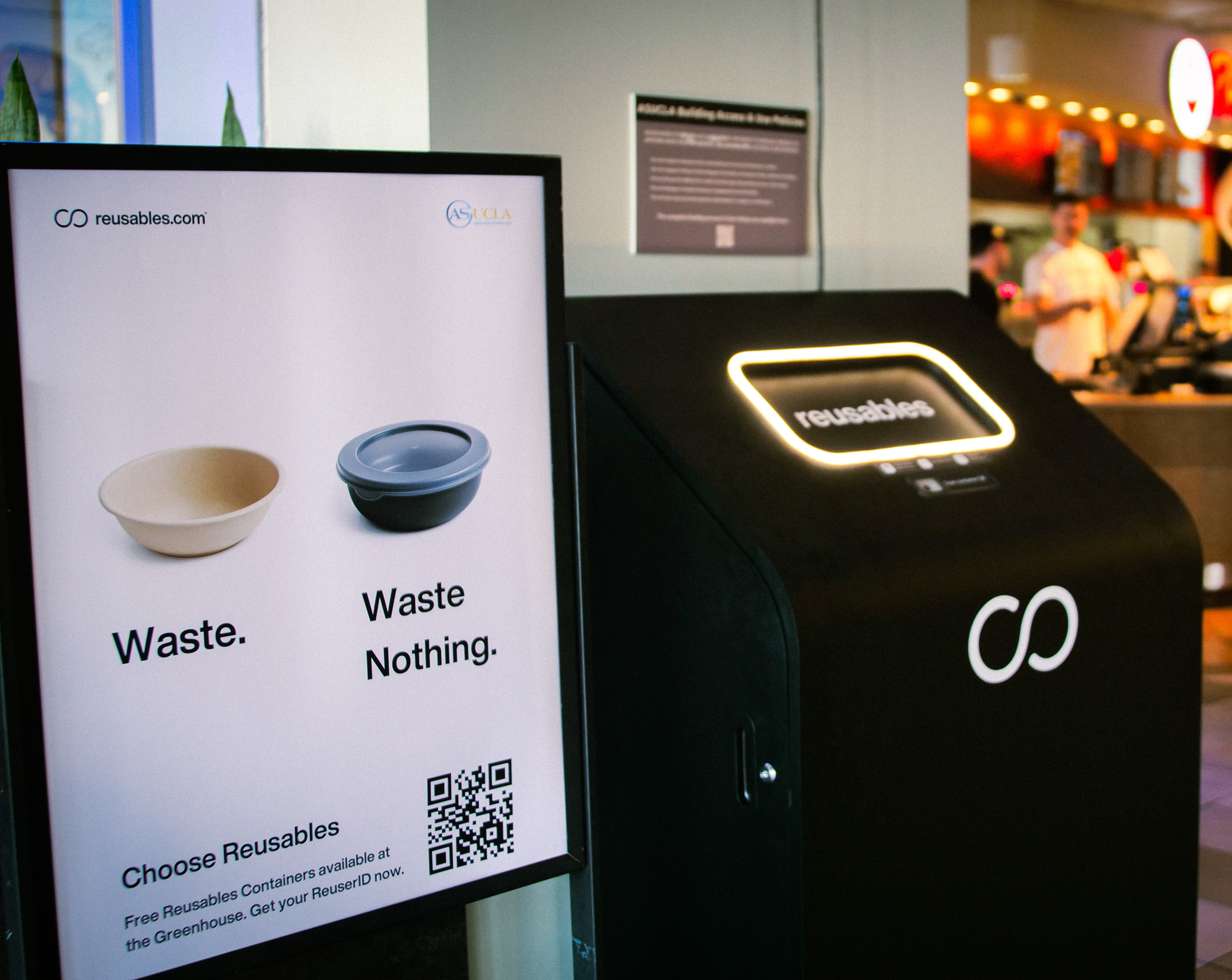
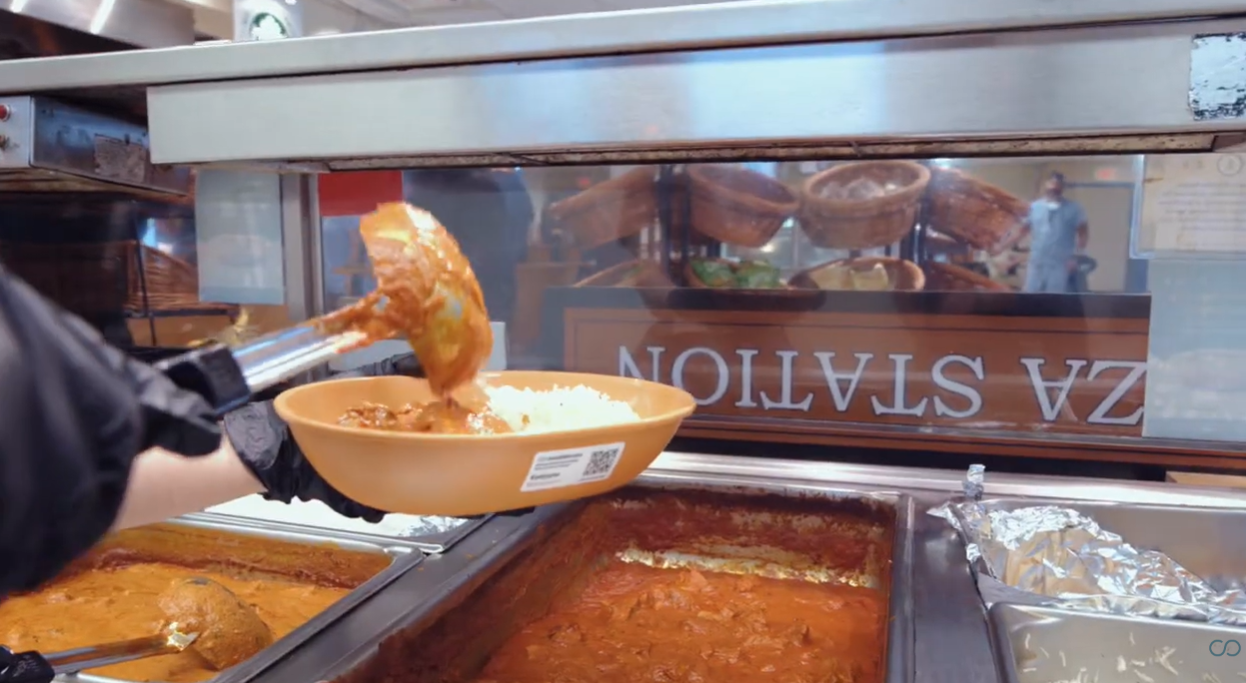
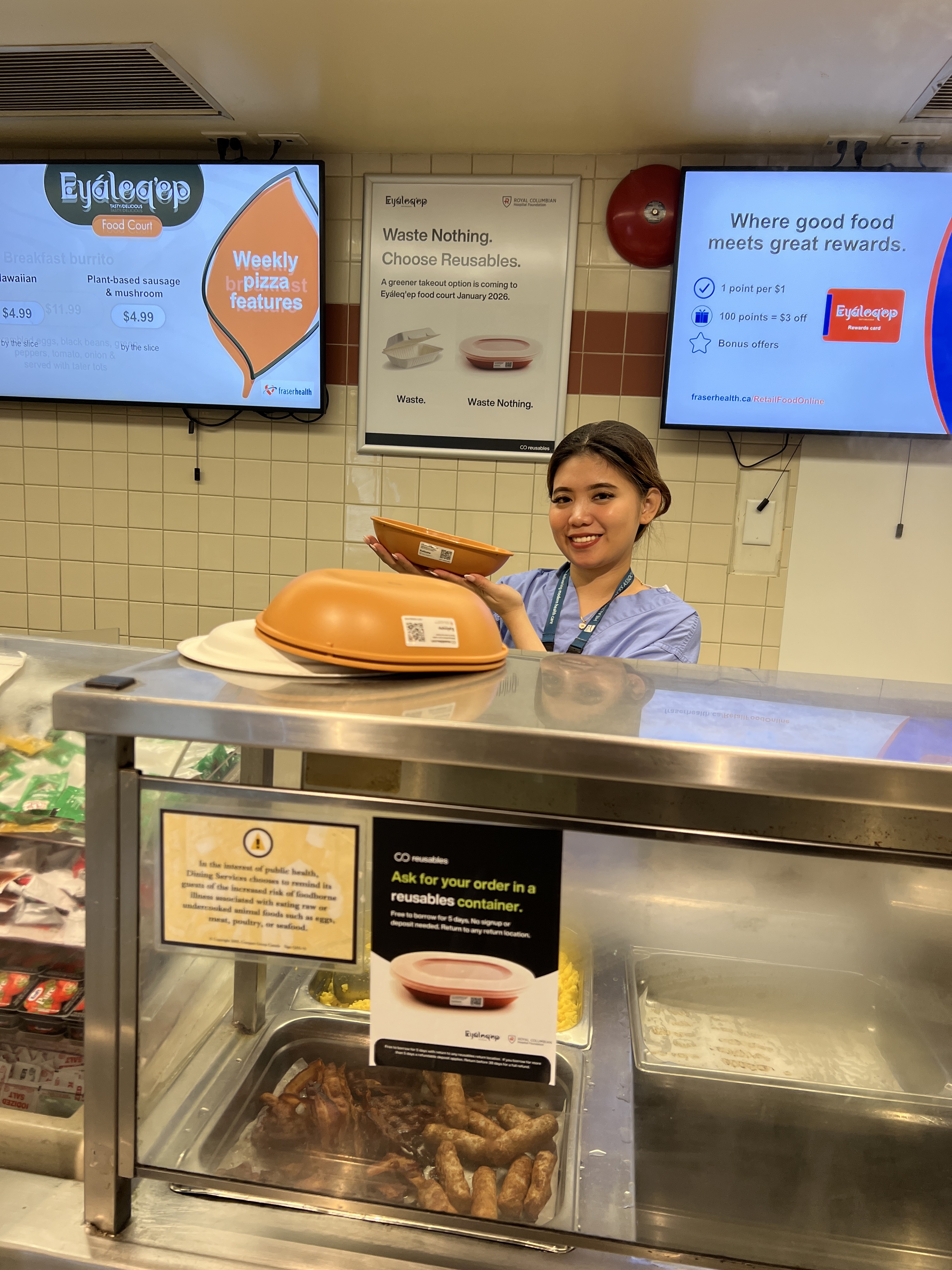
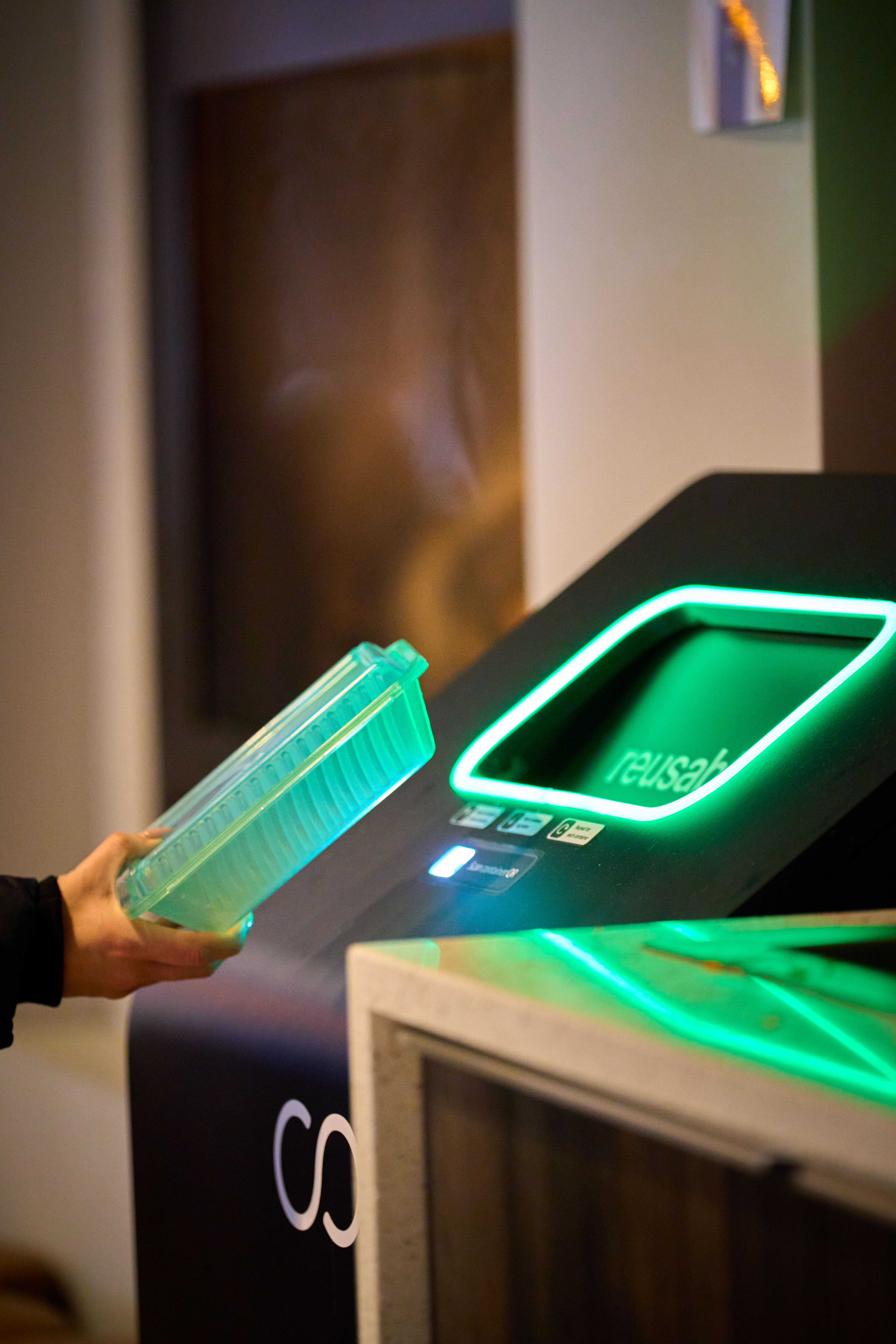
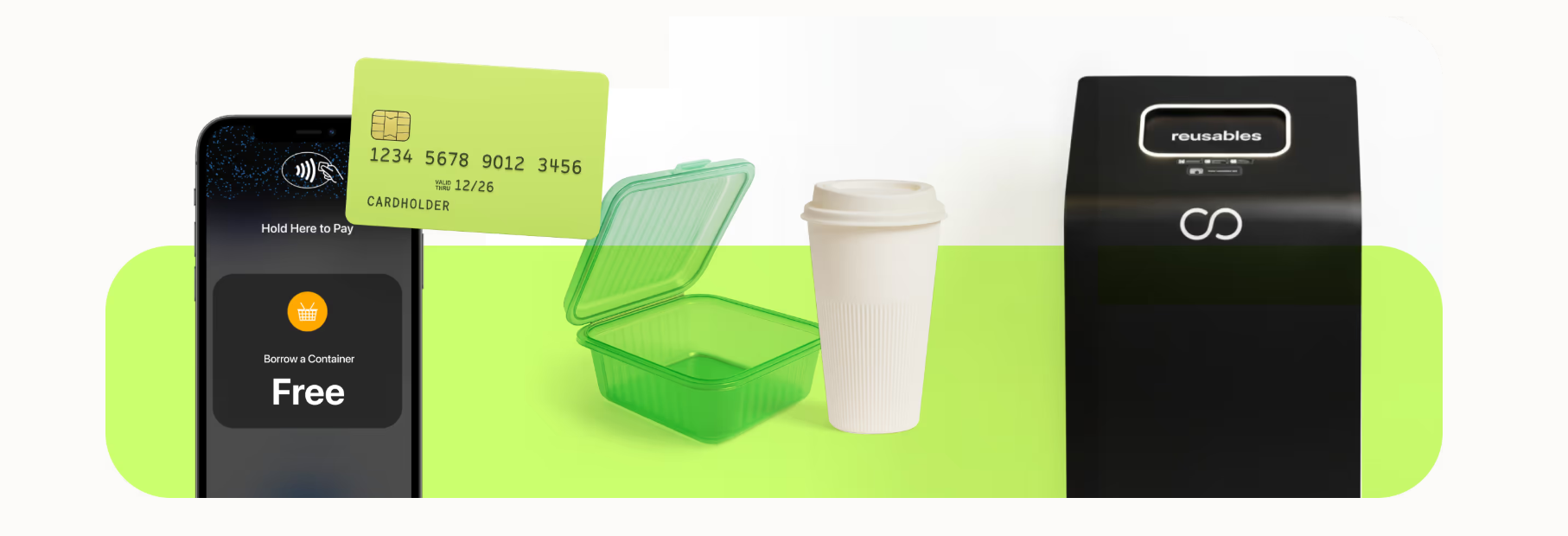
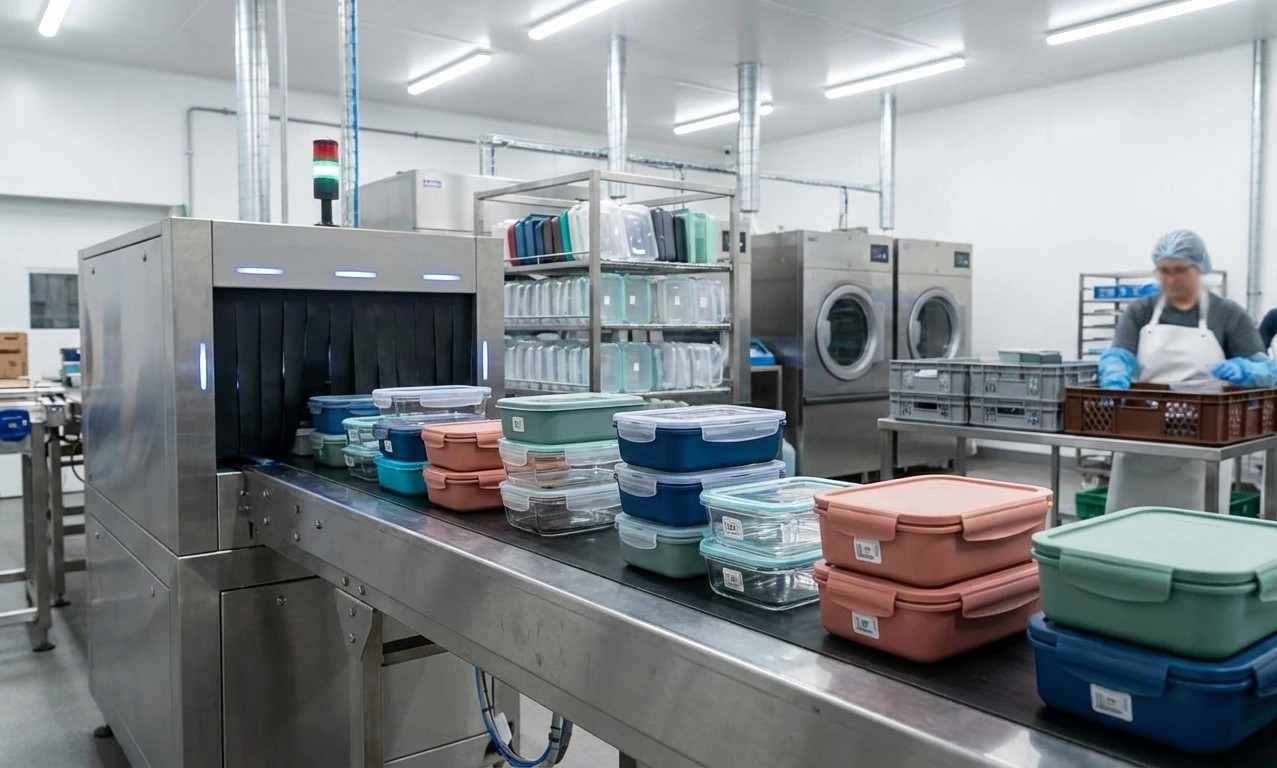
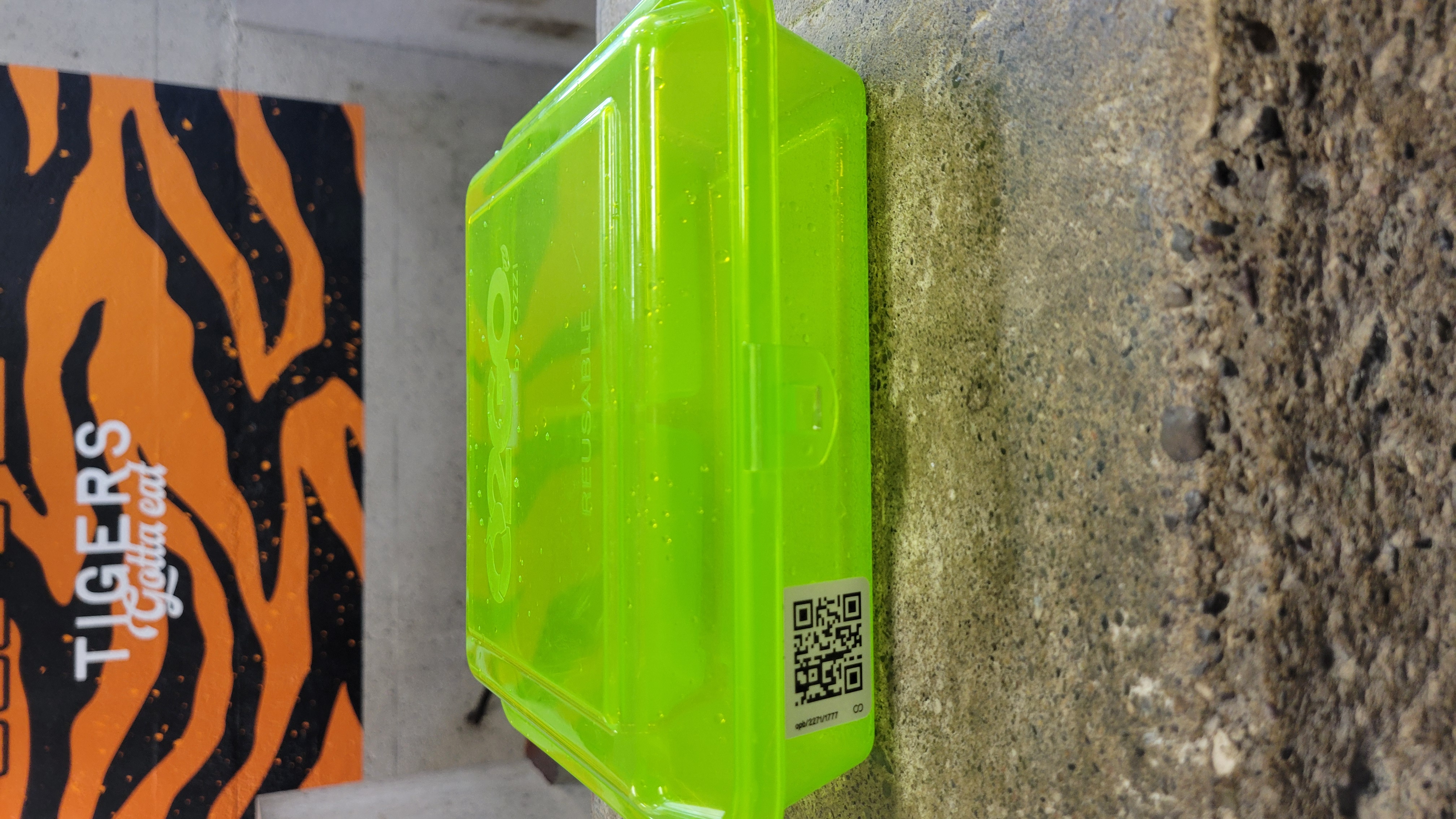
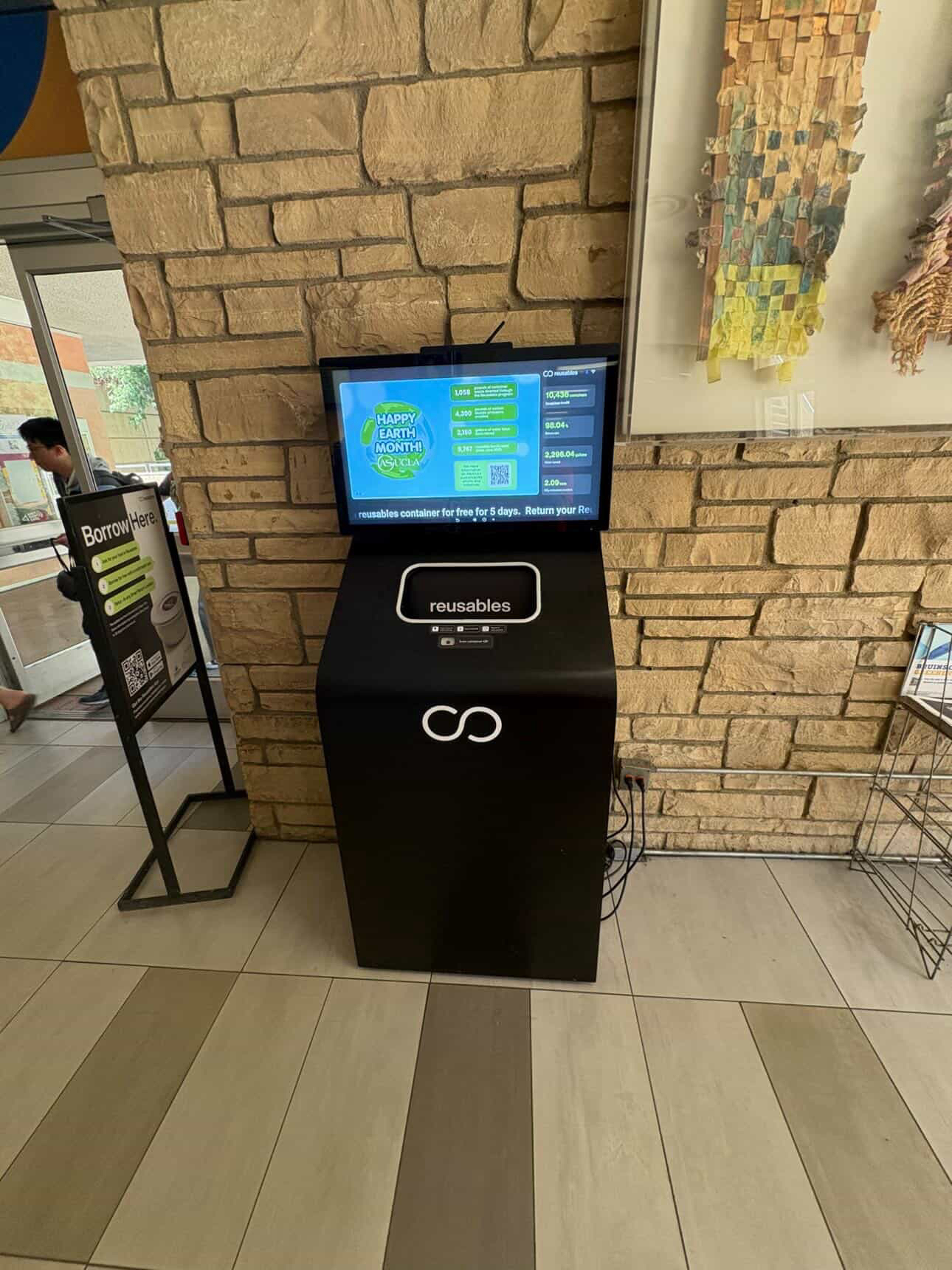
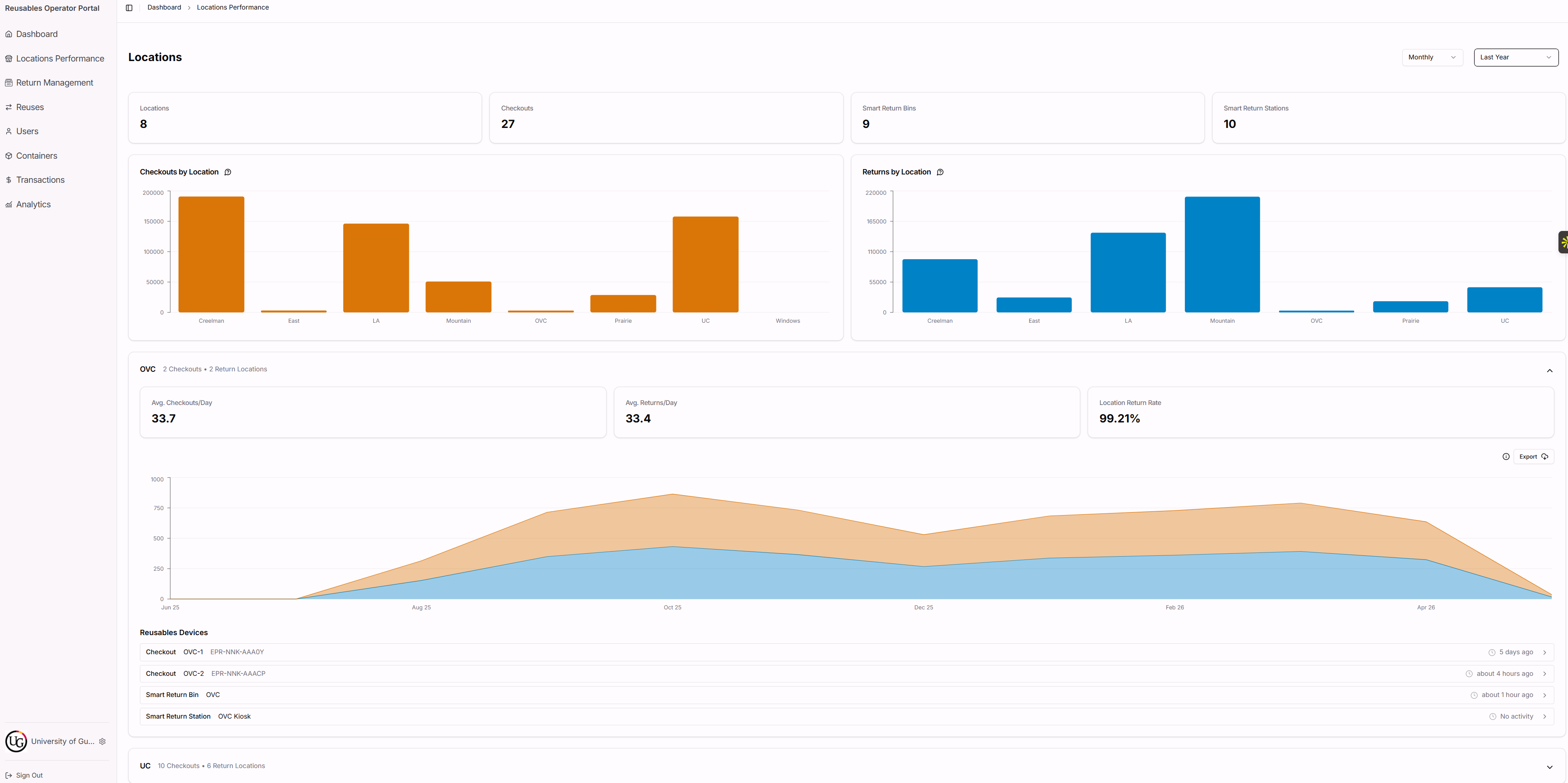
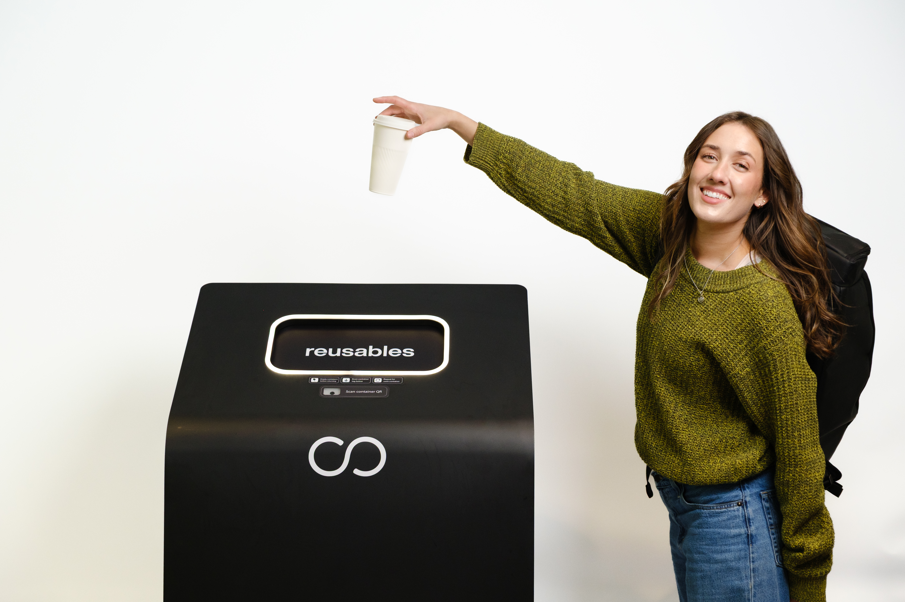
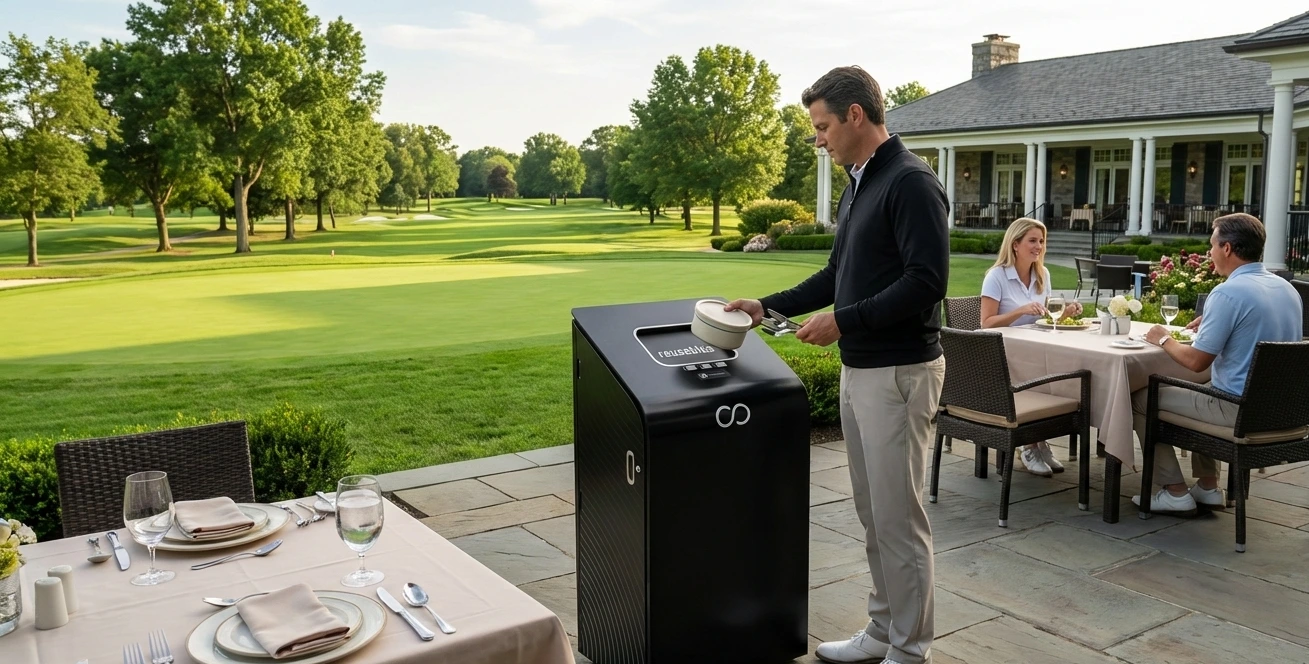
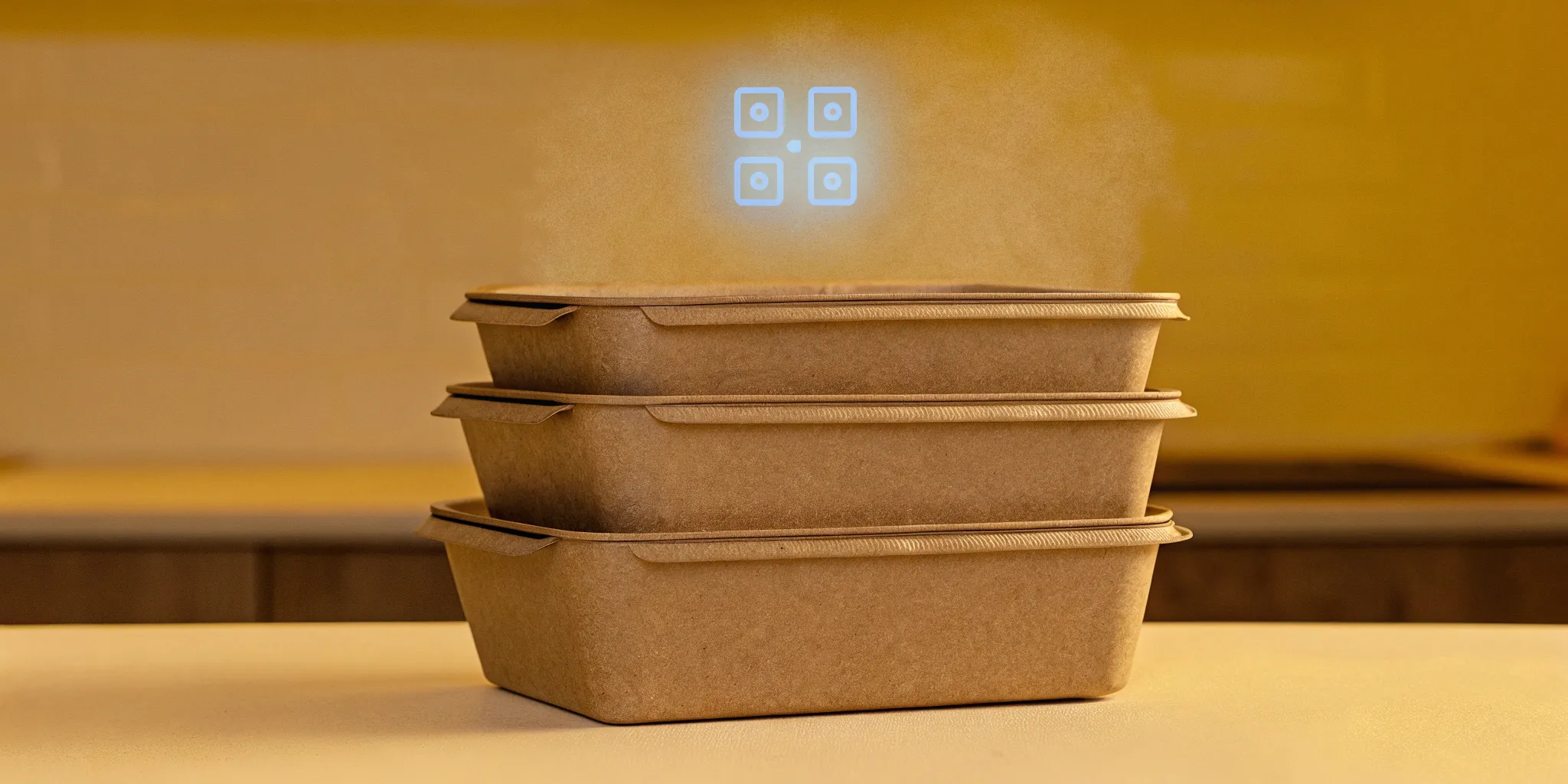
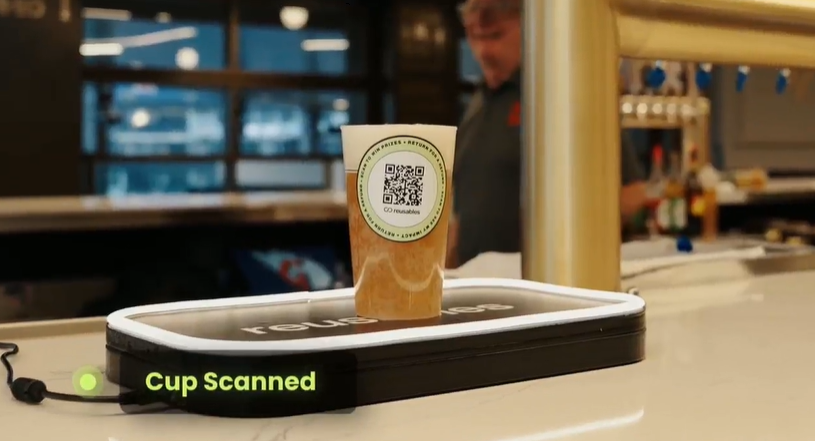
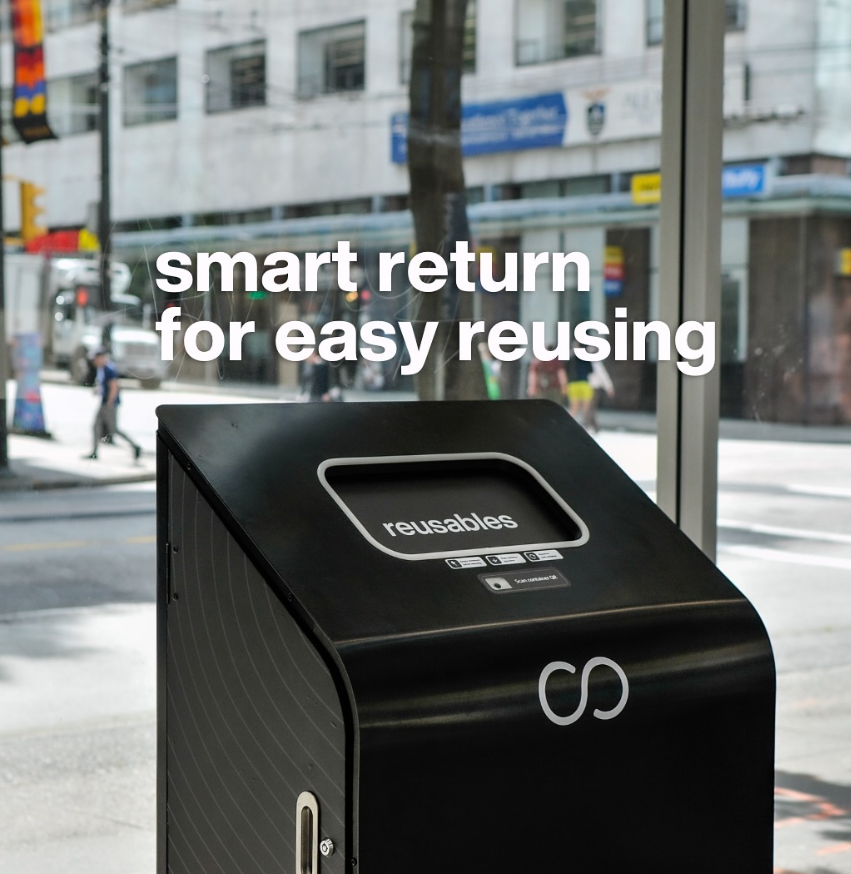
If your goal is to move away from single-use packaging altogether, Reusables.com offers a comprehensive, tech-enabled system rather than just containers. The company specializes in eco-friendly and reusable food storage solutions that are designed to reduce waste while integrating smoothly into existing campus operations. Their system uses durable, food-safe containers that are tracked with QR codes or RFID tags, encouraging high return rates through smart return bins and automated reminders. This approach is ideal for institutions looking to cut down on the recurring costs of disposable packaging and meet ambitious zero-waste targets. It’s a full-circle solution that handles everything from checkout to return, making sustainability simple for both your staff and students.
ePackageSupply
For operations that need a reliable source for high-volume orders, ePackageSupply is a go-to. They provide food-grade, BPA-free plastic containers in bulk, making them a great choice for storage, transport, and packaging. Because their products are FDA-approved and BPA-free, you can be confident in their safety for all types of food applications. Their inventory is geared toward businesses that need to stock up, offering a straightforward way to purchase large quantities of dependable containers for everything from kitchen prep to grab-and-go meals. This is a practical option for fulfilling your everyday disposable or reusable plastic container needs efficiently and affordably.
Rubbermaid Commercial Products
Rubbermaid is a household name for a reason, and their commercial line lives up to the reputation for quality and toughness. Rubbermaid Commercial Products offers a wide range of food storage containers designed specifically for the demands of food service environments. Built for durability, their products are made to withstand the rigors of a busy kitchen, from high-heat dishwashers to constant daily use. Many of their containers are made from BPA-free materials, ensuring food safety is a top priority. If you’re looking for long-lasting, reliable containers for back-of-house storage and food prep, Rubbermaid’s commercial-grade options are a solid investment that can handle the pressure of a high-volume operation.
Cambro Manufacturing
Cambro Manufacturing is another industry leader known for its high-quality food storage solutions. Their containers are a staple in commercial kitchens because they are incredibly durable, easy to clean, and designed with food safety at the forefront. Cambro focuses on creating products that help food service operations run more smoothly and safely. Their containers are made from food-grade materials that are built to last, helping you maintain an organized and efficient kitchen. For anyone managing a large-scale dining service, Cambro provides the kind of dependable, workhorse containers that your team can rely on day in and day out for everything from ingredient storage to meal transport.
WOW Plastics
When you need disposable options, especially for large events, catering, or specific items like baked goods, WOW Plastics is a strong contender. The company offers many kinds of disposable plastic containers for food and cakes, making them a convenient choice for businesses that need to restock for special occasions or high-traffic periods. Many of their products feature extra-strong walls and secure, tight-fitting lids to prevent spills and keep food fresh during transport. This focus on secure closures makes them particularly useful for takeout and delivery services where maintaining quality on the go is essential. They provide a practical solution when reusables aren't an option.
How Plastic Compares to Other Materials
Choosing the right container material is a big decision that impacts your budget, operations, and sustainability goals. While food-grade plastic is a popular choice for its versatility and cost, it’s not the only player in the game. Materials like glass and stainless steel offer different benefits and drawbacks that are important to consider. The best choice often comes down to balancing durability, safety, user experience, and long-term value. Let's break down how these materials stack up to help you find the best fit for your food service program.
Plastic vs. Glass
Glass is often seen as a premium, safe option for food storage. It’s non-porous, so it won’t absorb food odors or flavors, and it handles heat well without leaching chemicals. However, for a busy campus dining hall, glass presents some real challenges. It’s heavy and, most importantly, it breaks. A single dropped container can create a safety hazard and a costly cleanup. While plastic containers require careful selection to ensure they’re high-quality and BPA-free, their durability and light weight make them a much more practical choice for high-volume, fast-paced environments where accidents are bound to happen.
Plastic vs. Stainless Steel
Stainless steel is the workhorse of the kitchen for a reason—it’s incredibly durable, easy to clean, and won't hold onto flavors. It’s a fantastic long-term investment for a reusable program. The main trade-off is that it’s not microwave-safe, which can be a dealbreaker for operations that rely on reheating. High-quality polypropylene (PP) plastic, on the other hand, is strong, heat-resistant, and safe for both microwaves and dishwashers. While stainless steel has a longer lifespan, modern, durable plastics offer a versatile and often more affordable alternative that fits seamlessly into existing student habits, like reheating leftovers in their dorm room.
Comparing Cost and Sustainability
When you look at upfront costs, plastic containers are almost always the most affordable option. But the true cost goes beyond the initial purchase price. Single-use disposables create a constant cycle of reordering that adds up quickly, not to mention the ever-increasing waste management fees. A well-implemented reusable system, using either durable plastic or stainless steel containers, shifts the focus to long-term value. True sustainable packaging is about reducing environmental impact across the entire lifecycle. Moving away from a throwaway model with tech-enabled reusable solutions for businesses is the most effective way to achieve both cost savings and sustainability goals.
Common Myths About Food Grade Plastic
Let's clear the air about plastic food containers. With so much information out there, it’s easy to get tangled in conflicting advice and common myths. For any food service director, understanding the facts is key to making smart, safe, and sustainable choices for your campus dining operations. Separating fact from fiction helps you select containers that not only meet safety standards but also align with your operational needs and environmental goals.
We'll walk through three of the most persistent myths surrounding food-grade plastics. By breaking down these misconceptions, you can feel more confident in your packaging decisions, whether you're sourcing single-use options or investing in a durable, long-term reusable system. This clarity ensures you’re providing the best for your students while managing costs and waste effectively.
Myth: All Plastics Are Unsafe for Food
One of the biggest misconceptions is that any plastic container is inherently unsafe for food. While it's wise to be cautious, the reality is that plastics designated as "food-grade" have undergone specific testing to ensure they are safe for direct contact with what we eat. These materials are regulated by bodies like the U.S. Food and Drug Administration (FDA) to prevent harmful chemicals from transferring into food. The key is the "food-grade" label—it’s a guarantee that the material is suitable for its intended purpose, from storing salads to holding hot soup. Not all plastics are created for food, but those that are, are designed with safety as the top priority.
Myth: All Food-Grade Plastics Are Created Equal
It’s easy to assume that if two containers are labeled "food-grade," they offer the same performance. In reality, different types of food-grade plastics have unique properties. For example, Polypropylene (PP) is often used for hot foods because of its high heat resistance, while Polyethylene Terephthalate (PET) is common for cold drinks and salads. Beyond the type of plastic, the quality of manufacturing plays a huge role. Some containers are engineered for durability and repeated use, while others are thin and intended for a single use. Understanding these differences is crucial for choosing the right container that can stand up to the demands of a busy campus dining hall.
Myth: Plastic Containers Always Leach Chemicals
The fear of chemicals leaching from plastic into food is widespread, but it’s often overstated. Food-grade plastics are specifically tested to ensure that any migration of substances is well below the safe limits set by regulatory agencies. The risk of leaching primarily occurs when plastics are used improperly—for instance, microwaving a container that isn't marked as microwave-safe or using a container that is visibly damaged or degraded. By following the manufacturer's instructions and using high-quality, certified BPA-free containers, you can confidently serve food without worrying about harmful chemical transfer. It’s all about using the right product for the right application.
How to Choose the Right Container for Your Needs
Selecting the right container isn't just about finding something that holds food; it's about ensuring food safety, maintaining quality, and delivering a great experience for your guests. The ideal container for a cold salad is completely different from one needed for a hot pasta dish. Your choice impacts everything from how well food travels to whether it can be safely reheated. As you build out your dining program, thinking through these use cases will help you select a versatile inventory that works for your menu and your operations. Whether you're using disposables or implementing modern reusable systems, the material and design of your containers matter. Let's break down what to look for based on how you'll be using them.
For Cold Storage and Refrigeration
When it comes to cold storage, food safety is the top priority. You need containers that keep food fresh without leaching unwanted chemicals. Always look for options that are explicitly labeled as food-grade and BPA-free. This certification ensures the plastic is safe for direct contact with food and won't impart any harmful substances. According to packaging experts at ePackageSupply, top-tier containers are approved by the FDA, giving you confidence that you're meeting safety standards. This is non-negotiable for grab-and-go salads, sandwiches, fruit cups, and any other items you’re holding in refrigeration before service. A quality container will protect the flavor and integrity of your cold dishes until they’re ready to be enjoyed.
For Hot Foods and Reheating
Serving hot food requires containers that can handle the heat—literally. You can't use just any plastic for hot-holding or microwaving. The best material for this job is Polypropylene (PP), which is known for its high heat tolerance. It won't warp, melt, or release harmful chemicals when exposed to high temperatures, making it a safe choice for everything from soups to entrees. In contrast, clear plastics like PET are better suited for cold applications and should never be used for reheating. This simple distinction is crucial for operational safety and for ensuring your guests can conveniently and safely warm up their meals. Always check the recycling code on the bottom—PP is typically marked with a "5."
For Takeout and Delivery
For takeout and delivery, your containers need to be durable, secure, and versatile enough to protect your food during transport. The last thing you want is a customer opening a crushed or spilled meal. Look for features that match your menu items, like multi-compartment containers that keep sides separate from the main dish or deep domes for saucy entrees. Options like hinged containers can offer a secure closure, while specialized trays for items like nachos with separate wells for toppings show a thoughtful attention to detail. The right container ensures your food arrives looking and tasting just as good as it did when it left your kitchen.
Considering Eco-Friendly Alternatives
The conversation around packaging is changing. With disposable costs rising and sustainability goals becoming a priority, looking beyond single-use plastics is a necessity. Students expect campuses to share their environmental values, creating an opportunity to rethink your packaging, reduce long-term costs, and enhance your dining program. Exploring eco-friendly alternatives boils down to a few key categories, each with its own operational benefits. From compostables to smart reusable systems, let's break down the most viable options for your campus.
Compostable and Biodegradable Options
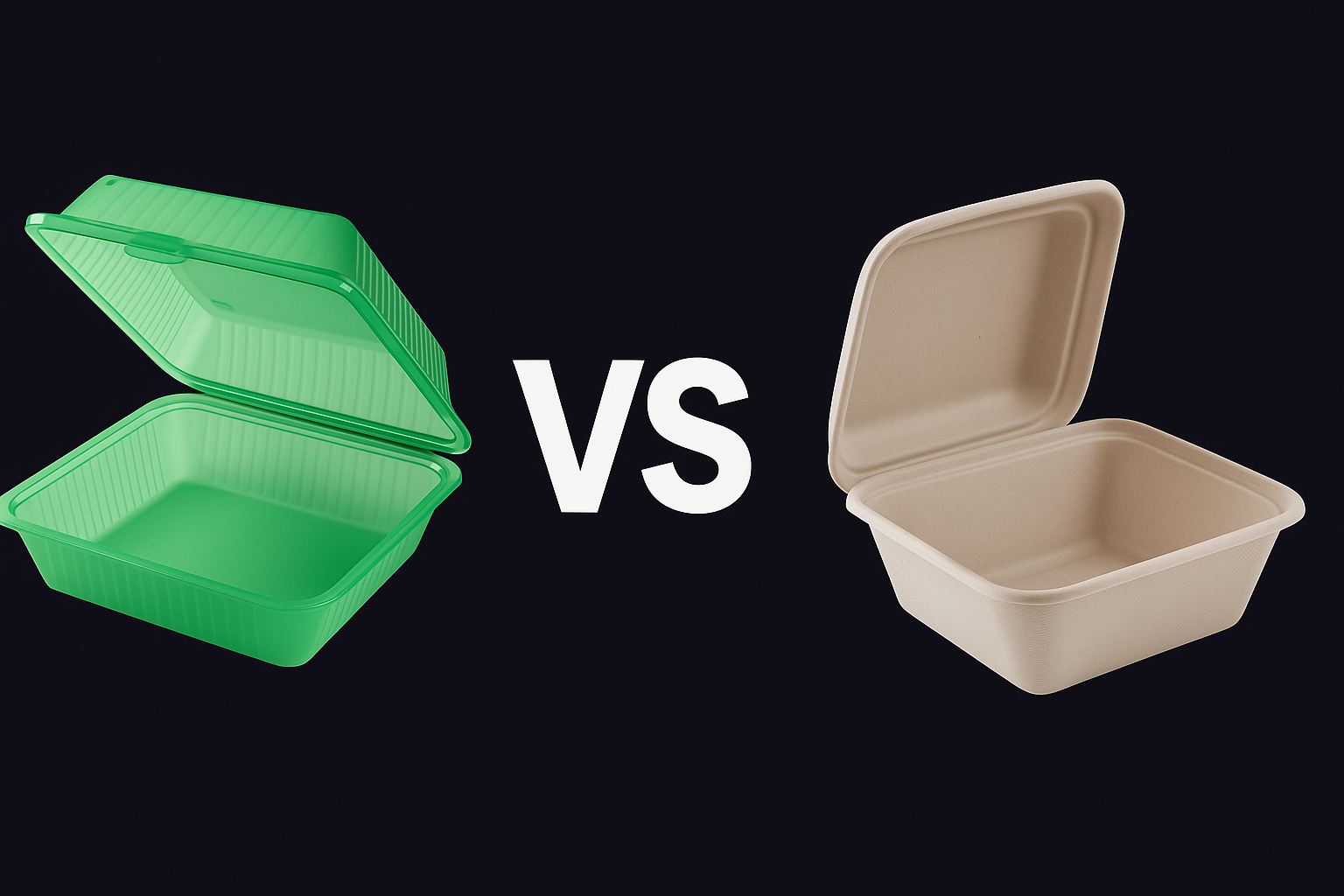
Compostable containers are a common first step away from traditional plastic. You'll find options like molded fiber containers made from renewable resources like recycled paper. Their main appeal is that they break down under the right conditions, reducing landfill waste. However, most "compostable" products require commercial composting facilities to decompose properly. Before committing, you'll want to confirm you have the local infrastructure to support composting and that the higher per-unit cost fits your budget. This due diligence is key to ensuring the solution is truly sustainable.
Tech-Enabled Reusable Systems
For a truly zero-waste approach, tech-enabled reusable systems are changing the game. Students borrow a durable container and return it to be washed and used again. Modern reusable packaging platforms use technology like QR codes or RFID tags to track each container, encouraging high return rates without creating extra work for your staff. This model cuts the recurring costs of disposable inventory and waste hauling fees, transforming packaging from a constant expense into a reusable asset. It's a premium, sustainable dining experience for students.
Containers with Recycled Content
Another way to make your packaging more sustainable is to choose containers made with recycled materials. This approach supports a more circular economy by giving existing plastic a new life. You can find many food-safe options, like salad bowls and beverage cups, made from 100% recycled PET plastic. While this doesn't eliminate single-use waste, it does reduce the demand for virgin plastic. When sourcing these containers, always verify they are certified food-grade and check the percentage of post-consumer recycled content. It's a solid step toward reducing your environmental footprint.
How to Source Your Food Grade Containers
Once you know what kind of containers you need, the next step is finding a reliable source. This decision impacts your budget, operational flow, and even your sustainability goals. Thinking through your purchasing strategy can save you money and headaches down the line. Whether you’re stocking up for the semester or making a complete switch in your packaging, here are a few key approaches to consider.
Buying in Bulk
For any large-scale dining service, buying in bulk is almost always the most cost-effective strategy. When you start purchasing wholesale, you can often cut container costs by 20% to 40%. This adds up to significant savings over a fiscal year. Beyond the financial benefits, having a healthy stock of containers on hand simplifies inventory management. You’ll spend less time placing frequent orders and reduce the risk of running out during peak times like orientation week or final exams. It’s a straightforward way to make your budget stretch further while ensuring your team always has what it needs.
Weighing Online vs. Direct Suppliers
Your next decision is where to buy from. Online suppliers offer incredible convenience and a vast selection, allowing you to compare options from your desk. They are built for speed and volume, which can be a major advantage. On the other hand, working with a direct manufacturer or a local distributor can help you build a stronger relationship. This can be invaluable if you need custom specifications, want to negotiate pricing for very large volumes, or prefer having a dedicated representative who understands your campus’s unique needs. Consider which model best fits your procurement process and long-term goals.
Finding Seasonal and Promotional Deals
A little strategic timing can go a long way in managing costs. Keep an eye out for seasonal and promotional deals from suppliers. Many offer discounts at the end of a quarter, during industry off-seasons, or as part of a promotion for a new product line. Signing up for newsletters from a few potential suppliers is an easy way to stay in the loop on these offers. You might find great prices on essential items or discover deals on more sustainable products, like compostable takeout containers, that can help you meet your environmental targets without straining your budget.
How to Care for Your Plastic Containers
Properly caring for your plastic containers does more than just keep them clean—it ensures food safety, protects your investment, and extends the life of your inventory. By following a few simple guidelines for cleaning, storing, and monitoring your containers, you can maintain high standards and get the most value from your packaging. Think of it as a simple maintenance routine that pays off in durability and safety.
Best Practices for Cleaning
To ensure your containers are always safe for food use, start by checking the recycling number on the bottom. This code helps you identify which types of food grade plastic you’re working with. Be mindful of plastics labeled with a number 7, as this "Other" category can contain a mix of materials, some of which may not be suitable for food. Following the manufacturer's cleaning instructions is always the best approach, whether you're washing by hand or using a commercial dishwasher. Consistent and correct cleaning practices are fundamental to any food service operation.
Storing Containers to Extend Their Life
How you store your containers matters just as much as how you clean them. To prevent the plastic from degrading over time, keep your containers in a cool, dry place, ideally between 50-80°F. Storing them away from direct sunlight is also crucial, as UV exposure can weaken the material. When stacking, make sure containers are completely dry to prevent mildew. For operations looking for maximum durability, exploring alternatives like stainless steel or other high-performance food-grade packaging can offer even greater longevity and resilience in a demanding commercial environment.
When to Replace Your Containers
Even the most durable plastic containers have a lifespan. It’s important to regularly inspect your inventory for signs of wear and tear. You should replace any container that shows cracks, deep scratches, or discoloration, as these can harbor bacteria and indicate that the plastic is breaking down. Even plastics considered safe can become compromised if they are overused, exposed to direct sunlight, or heated improperly. As a rule of thumb, avoid using plastics with recycling numbers 3 (PVC) or 6 (Polystyrene) for food, as they are known to leach chemicals. A proactive replacement schedule keeps your operations safe and efficient.
Related Articles
- The Truth: Why Compostable Packaging is Unsustainable
- Guide to Sustainable College Cafeterias
- Frequently Asked Questions (U.S.) – Reusables.com
Frequently Asked Questions
What's the quickest way to tell if a plastic container is safe for hot food? Check the bottom for the recycling number. Polypropylene, marked with a number 5, is your best bet for hot foods and reheating. It has a high heat tolerance, which means it won't warp or melt in the microwave or a commercial dishwasher. Clear plastics like PET (number 1) are designed for cold items only and should never be used for heating.
Are "BPA-free" and "food-grade" the same thing? Not exactly, but you want to see both. "Food-grade" means the material has been approved by the FDA as safe for contact with food. "BPA-free" is a more specific certification confirming the container doesn't contain Bisphenol A, a chemical that has raised health concerns. For the highest safety standard, always choose containers that are explicitly labeled as both food-grade and BPA-free.
Why would I choose a durable plastic like polypropylene over stainless steel for a reusable program? While stainless steel is incredibly durable, its biggest drawback is that it can't go in the microwave. High-quality, food-grade polypropylene (PP) offers a great balance of durability and convenience. It's tough enough for daily use in a high-volume dining hall and can be safely used by students to reheat their meals, which is a huge factor in user experience and adoption.
How do I know when it's time to replace a reusable plastic container? You should regularly inspect your containers for any signs of damage. It's time to retire a container if you see deep scratches, cracks, or significant staining or discoloration. These signs indicate that the plastic is breaking down and could harbor bacteria or become brittle. A proactive replacement schedule is key to maintaining safety and quality.
Do reusable container systems actually save money compared to buying disposables in bulk? Yes, they do. While buying disposables in bulk feels cost-effective upfront, it's a recurring expense that adds up significantly over the year, especially with rising supply costs and waste hauling fees. A tech-enabled reusable system transforms packaging from an ongoing cost into a long-term asset. After the initial investment, you dramatically reduce your spending on single-use containers and waste management.
Other stories you may find interesting
.png)
.avif)





.webp)



Watch the Webinar
Learn How to Eliminate Single-Use Waste
Get instant access to our expert webinar and discover how leading institutions reach 99% return rates through smarter reuse systems.

© Reusables™. All rights reserved.