
The Director's Guide to Sustainable College Cafeterias

December 1, 2025
If the thought of launching a reuse program brings to mind images of lost containers, frustrated staff, and dismal return rates, you’re not alone. Many older systems were clunky and created more problems than they solved. But the landscape has changed. Modern, tech-enabled solutions have eliminated the friction that caused earlier programs to fail, making it possible to achieve near-perfect return rates without adding extra work for your team. It’s time to reconsider what’s possible. This guide to sustainable college cafeterias will show you how to implement systems that actually work, turning past hurdles into new opportunities for creating a seamless, efficient, and highly successful sustainable dining program on your campus.
Key Takeaways
- Treat Sustainability as a Budget Strategy: Focus on how sustainable initiatives, especially a reusable container program, directly cut the significant and rising costs of single-use packaging to deliver a clear return on investment.
- Make the Sustainable Choice the Easiest Choice: The success of any program hinges on a frictionless experience for both students and staff. Prioritize tech-enabled systems that make borrowing and returning containers effortless to ensure high participation rates.
- Use Data to Drive Engagement and Prove Impact: Turn your sustainability efforts into a campus-wide movement by sharing real-time metrics on waste diverted and containers saved. This data keeps students motivated and clearly demonstrates the program's value to campus leadership.
Why Build a Sustainable College Cafeteria?
As a dining director, you're juggling countless daily tasks—from menu planning and staffing to managing budgets. It’s easy to get caught up in the immediate demands. But what if you could also build a dining program that not only serves great food but also serves a greater purpose? Creating a sustainable cafeteria is one of the most impactful ways to do just that. It’s about making smart, forward-thinking choices that benefit your students, your budget, and the planet.
This isn't just about following a trend. It's a strategic move that addresses some of the biggest challenges in campus food service today: rising operational costs, increasing student demand for eco-friendly options, and institutional pressure to meet zero-waste goals. By shifting to sustainable practices, you can cut down on waste, save money on disposables, and create a dining experience that students feel good about. It’s a powerful way to show that your campus is a leader and truly cares about its community and its future. We'll walk through what this looks like in practice, from defining sustainability in your dining hall to seeing the tangible benefits on your campus.
What "Sustainable" Means for College Dining
When we talk about sustainability in college dining, we're looking at the big picture. It goes far beyond just having recycling bins. A truly sustainable dining program considers the entire lifecycle of the food it serves—from where ingredients are sourced to how leftovers are handled. It’s a commitment to reducing your environmental footprint through smarter sourcing, waste reduction, and energy conservation. Pursuing sustainability certifications can provide a clear roadmap, helping you set goals and measure progress. This shows your campus community that your commitment is serious and built to last, not just a passing phase.
The Hidden Costs of a Traditional Cafeteria
Your budget spreadsheet tells a story, and if you look closely, you’ll see the rising costs of a traditional cafeteria model. Disposable packaging costs have skyrocketed, turning what was once a minor line item into a major expense. Every single-use cup, container, and fork adds up—not just financially, but in the mountains of trash your campus sends to the landfill. This waste creates a significant environmental burden and can also hurt your campus's reputation. Students are more aware than ever of single-use waste, and a dining hall full of disposables sends the wrong message. It's a costly cycle, but it's one you have the power to break with the right reuse solutions.
How Going Green Benefits Your Campus
Shifting to a sustainable model does more than just cut costs and waste—it builds a stronger campus community. When you prioritize sustainability, you attract and retain environmentally conscious students and faculty who want to be part of a forward-thinking institution. It shows that your campus values are more than just words on a website. As schools like Princeton University have shown, a long-term commitment to green practices can become a core part of the campus identity. You’ll not only enhance your brand's reputation but also create a more engaging and positive dining experience that aligns with the values of the students you serve every day.
Which Sustainability Certifications Should You Pursue?
Earning a sustainability certification is more than just getting a badge of honor. It’s a powerful way to validate your efforts, build credibility, and show students, faculty, and staff that you’re serious about your commitment to the planet. These third-party verifications provide a clear framework for your initiatives and help you communicate your successes effectively. Pursuing a certification can also uncover new opportunities for improvement within your dining operations.
Deciding which certification is right for your campus depends on your specific goals, from reducing waste to sourcing ethically. Let's look at some of the most impactful options for college dining services.
Green Restaurant Association
If you’re looking for a comprehensive, food-service-specific certification, the Green Restaurant Association (GRA) is an excellent place to start. The GRA program evaluates your dining facilities across a wide range of categories, including water efficiency, waste reduction, sustainable food sourcing, and energy use. Achieving this certification shows a deep commitment to sustainable practices across your entire operation. It also provides a clear roadmap for continuous improvement and helps you engage your campus community in your eco-friendly mission, making your green initiatives visible and easy to understand for everyone.
LEED for Dining Facilities
While many associate LEED (Leadership in Energy and Environmental Design) with new construction, it’s a powerful certification for dining facilities. A LEED-certified building tells a story of sustainability before anyone even takes a bite. It signifies that the physical space was designed for energy efficiency, water conservation, and a healthier indoor environment. For students and faculty who care about sustainability, the visible plaque on a LEED-certified dining hall serves as a constant and tangible reminder of your institution's commitment. It’s a strong statement that your green efforts are built into the very foundation of the campus experience.
Fair Trade and Organic Labels
Sourcing certifications like Fair Trade and organic labels allow you to align your menu with the values of your student body. Offering Fair Trade Certified coffee, tea, and chocolate shows you support ethical production practices and fair wages for farmers. Likewise, incorporating certified organic products demonstrates a commitment to environmentally friendly agriculture that avoids synthetic pesticides and fertilizers. These labels are easily recognizable and resonate with a generation of students who are increasingly conscious of where their food comes from and the impact of their purchasing decisions. They are simple, effective ways to show you care about both people and the planet.
Local and Regional Programs
Engaging with local and regional food programs is a fantastic way to make a direct impact on your community and the environment. By sourcing ingredients from nearby farms, you drastically reduce the carbon footprint associated with long-haul transportation. This approach also allows you to serve fresher, more seasonal food. Building relationships with local producers supports your regional economy and creates a compelling story you can share with diners. Programs like Farm to School provide frameworks and resources to help you establish these valuable connections, enriching your menu and strengthening your ties to the community.
How to Cut Waste in Your Cafeteria
Tackling waste is one of the most impactful ways to build a more sustainable dining program. It’s not just about reducing your environmental footprint—it’s about running a more efficient and financially sound operation. When students see less waste, they also perceive more value in their dining experience. A comprehensive waste reduction strategy addresses everything from the food you buy to the containers you serve it in. By focusing on these four key areas, you can create a system that minimizes waste at every step and sets a new standard for sustainability on your campus.
Reduce Food Waste
Food waste is a major drain on both your budget and the environment. The first step is to understand where it’s coming from. Start by conducting waste audits to track pre-consumer waste (kitchen prep scraps, overproduction) and post-consumer waste (what students leave on their plates). This data will reveal your biggest opportunities. Simple changes like going trayless in dining halls can reduce post-consumer food waste by encouraging students to take only what they can eat. You can also refine portion sizes and retrofit kitchen equipment for more efficiency. These projects often have quantifiable cost savings and surprisingly short payback periods, making them smart financial decisions.
Implement a Reusables Program
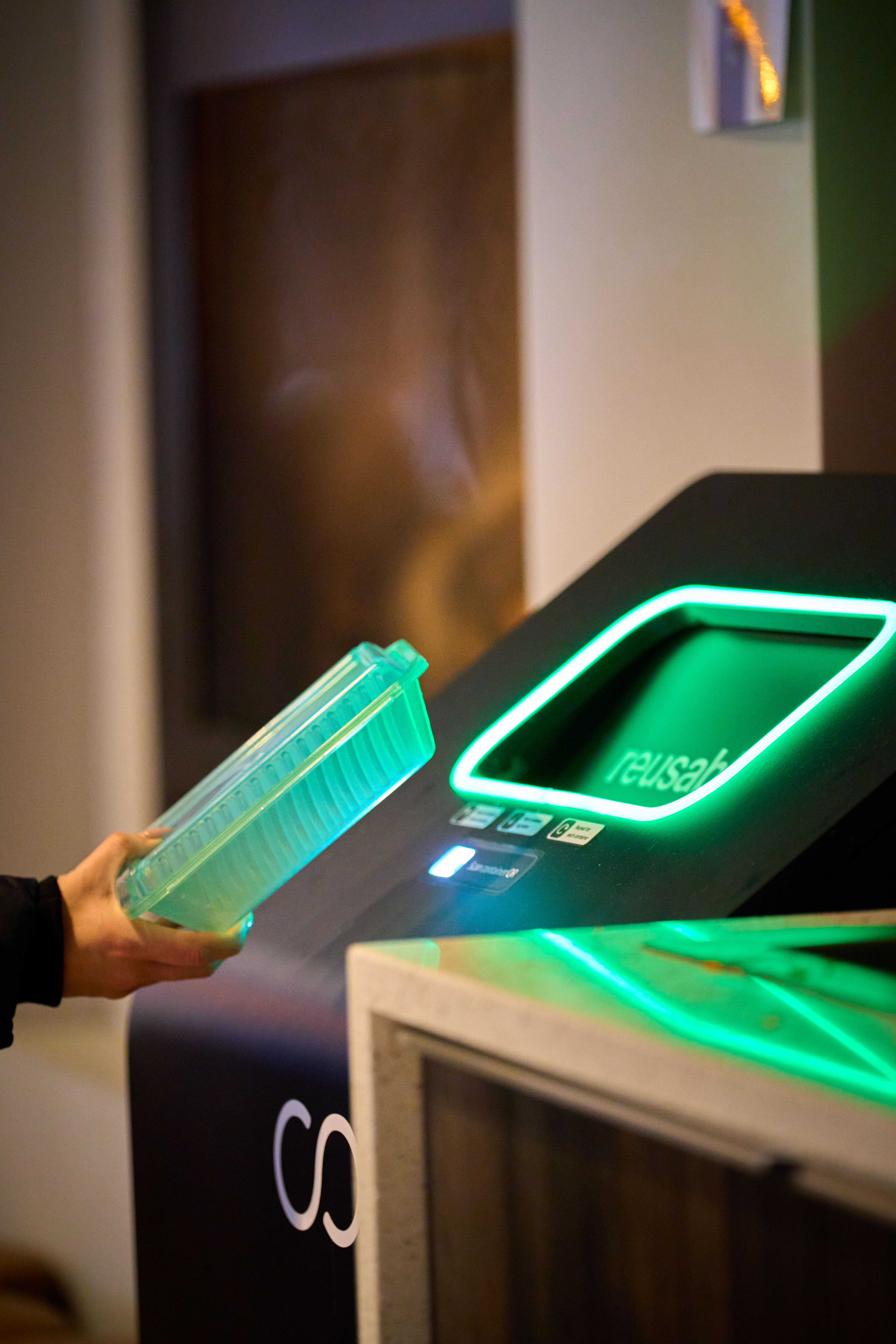
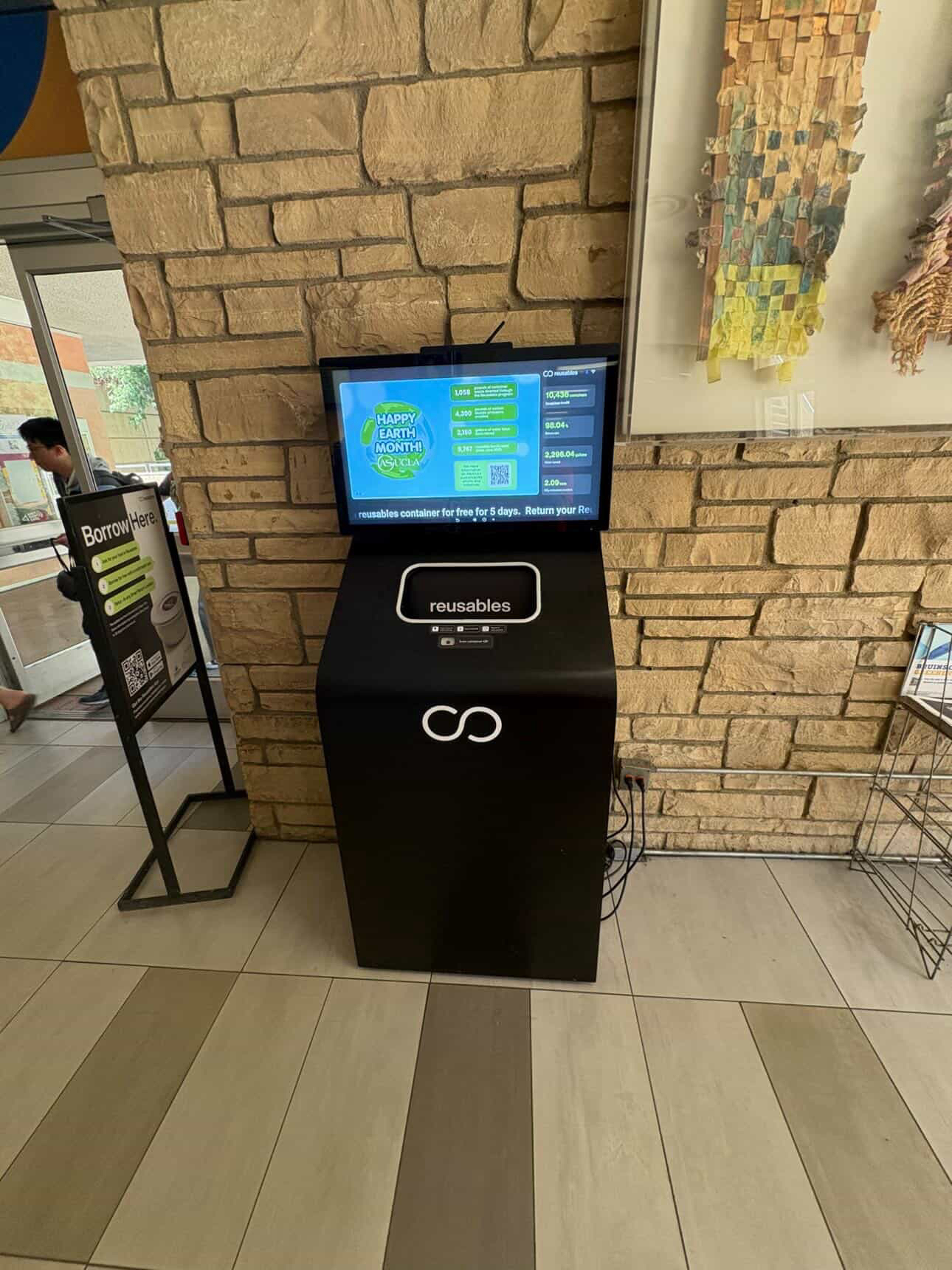
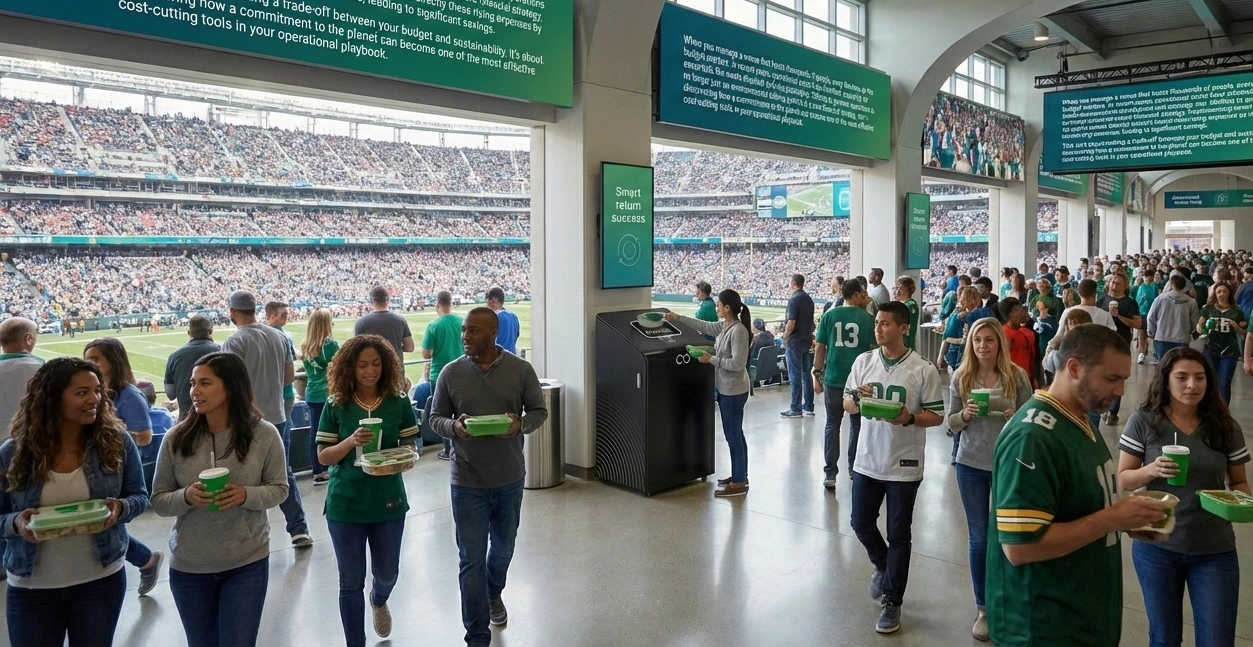
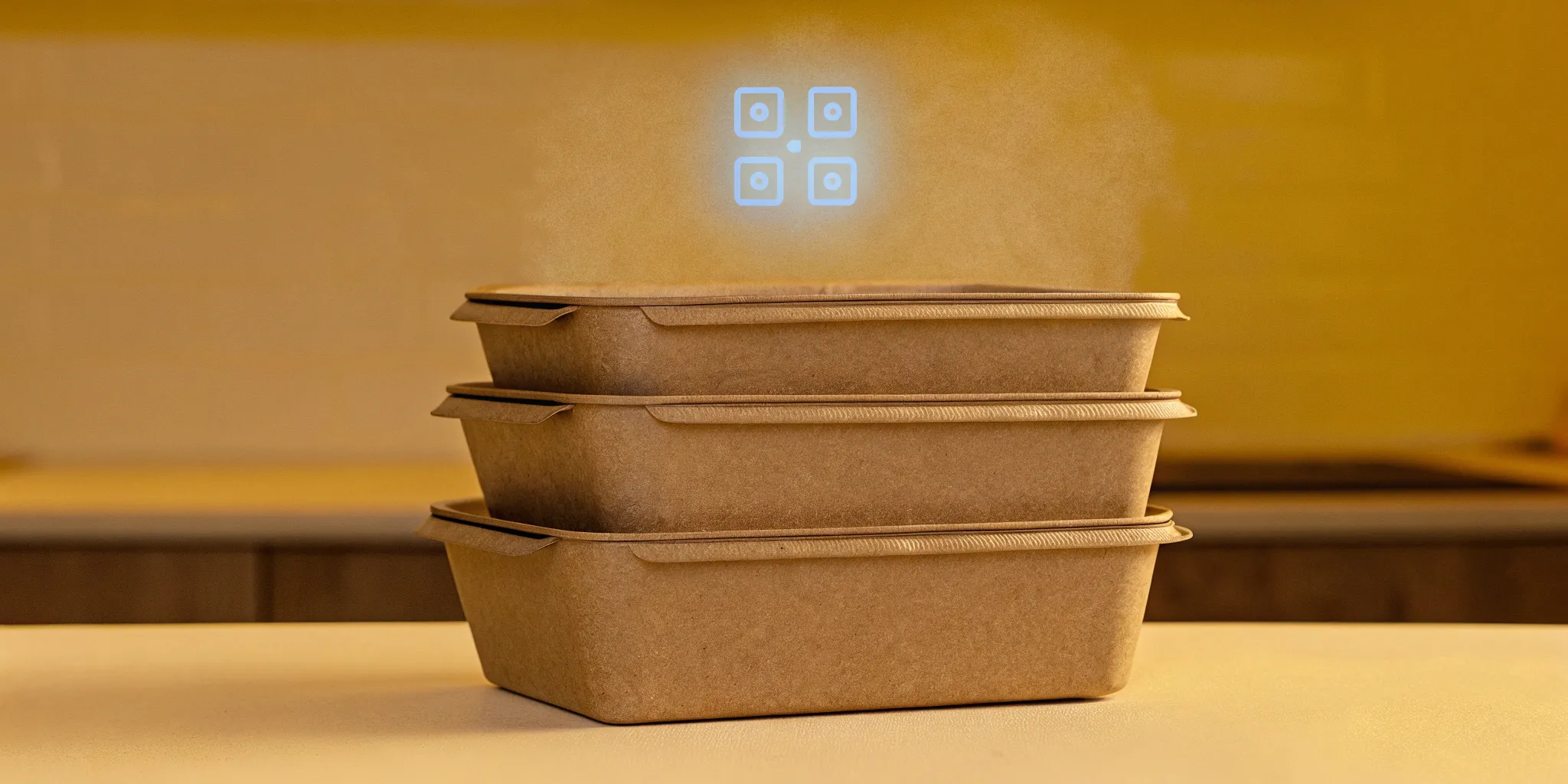
Single-use containers are a constant source of visible waste and recurring costs. Switching to a reusable container program is a powerful move that demonstrates your commitment to sustainability. Beyond cutting down on trash, using reusable dishes and containers simply makes meals feel more premium and improves the overall dining experience. The key to success is making the system effortless for both students and your staff. Modern, tech-enabled reuse systems eliminate the friction of older programs, using smart tracking and convenient return options to ensure high return rates without creating extra work for your team. This shift not only slashes your spending on disposable packaging but also builds a campus culture of reuse.
Strengthen Composting and Recycling
Even with the best prevention strategies, some waste is inevitable. That’s where a robust sorting system comes in. The goal is to divert as much as possible from the landfill. Set up clear, well-marked waste stations that make it easy for students to separate compost, recycling, liquids, and trash correctly. According to the NYC Department of Sanitation's guide, clear bins and simple labels are critical for reducing contamination. Work with your campus facilities team and local waste management providers to ensure you have the right infrastructure in place. Consistent education through signage, orientation events, and digital reminders will help students and staff sort their waste properly and keep your diversion rates high.
Adopt Smart Inventory Management
Waste reduction starts long before food hits the kitchen. Smart inventory management helps you buy the right amount of ingredients, preventing over-purchasing and spoilage. Use your sales data to forecast demand for different menu items and adjust your orders accordingly. A good point-of-sale (POS) system can be a powerful tool for this. Pay attention to what’s selling and what isn’t, and don’t be afraid to trim unpopular items from the menu. Research shows that students’ perceived value of campus dining is significantly influenced by visible sustainability efforts like waste management and reuse, making these behind-the-scenes operational improvements something they truly notice and appreciate.
Source Smarter for a Sustainable Menu
Beyond waste reduction, the food you serve is at the heart of your cafeteria’s environmental footprint. A thoughtful sourcing strategy is one of the most impactful ways to build a truly sustainable dining program. By rethinking where your ingredients come from, you can dramatically lower your carbon emissions, offer students fresher and more nutritious meals, and invest directly in your regional economy. This approach transforms your menu from a simple list of options into a powerful story about your campus’s commitment to community and environmental stewardship.
Sourcing smarter doesn’t require a complete overhaul overnight. It’s about making intentional shifts—prioritizing local producers, embracing seasonal planning, expanding plant-based offerings, and choosing proteins that are raised and harvested responsibly. These changes not only align with your sustainability goals but also create a more vibrant and engaging dining experience that students will notice and appreciate. Let’s look at a few practical ways to get started.
Prioritize Local and Regional Foods
Connecting with local and regional food producers is a fantastic way to shrink your food miles and serve fresher, better-tasting ingredients. When you buy directly from farmers, you cut out the middleman, which can give you more control over quality and cost while building valuable community relationships. Start small by identifying one or two product categories you can consistently source locally, like seasonal fruits, dairy, or bread. You can also work with regional food hubs that aggregate products from multiple local farms, simplifying the procurement process. Highlighting these local ingredients on your menu helps students feel more connected to the food they’re eating and the place they call home.
Plan Menus Seasonally
Designing your menus around the seasons goes hand-in-hand with prioritizing local foods. When you feature ingredients at their natural peak, you get better flavor and often a better price. Seasonal planning reduces your reliance on produce that has been shipped across the country—or the world—which significantly cuts down your carbon footprint. It also keeps your menu fresh and exciting for students, preventing menu fatigue with a rotating cast of seasonal specials. A seasonal calendar can become your best friend, helping you anticipate what’s coming into harvest and plan creative, cost-effective dishes that celebrate the best of what your region has to offer.
Add More Plant-Based Options
Reducing meat consumption is a powerful lever for sustainability, and campuses are proving it’s a popular move with students. At Princeton, for example, the university found that 36% of its food spending was on plant-based items. You don’t need to eliminate meat entirely; simply making delicious plant-based dishes more visible and accessible can make a big impact. Consider launching a "Meatless Monday" initiative, creating a dedicated plant-based food station, or integrating more legumes, whole grains, and vegetables into your existing menu cycles. Focusing on flavorful, satisfying plant-forward meals celebrates food in its own right, rather than just as a substitute for meat, making it an easy choice for all students.
Choose Sustainable Seafood and Meat
For the animal products you do serve, making informed choices is key. When it comes to seafood, partnering with programs like the Monterey Bay Aquarium Seafood Watch can help you select options that are caught or farmed in environmentally responsible ways. This ensures you’re not contributing to overfishing or destructive harvesting practices. For meat and poultry, look for suppliers who prioritize animal welfare and sustainable land management. This often overlaps with local sourcing, as smaller, regional farms are frequently at the forefront of these practices. Even small shifts in your purchasing can support a more sustainable food system and show students you’re committed to responsible sourcing across the board.
Partner with Local Farms
Moving beyond simple transactions to build genuine partnerships with local farms can unlock incredible benefits. These relationships can lead to customized growing plans, where a farmer might plant a specific crop just for your dining halls. As one university study noted, a key step is "meeting with local farmers, suppliers, and processors" to build a shared understanding. You can bring these partnerships to life by hosting "meet the farmer" events, featuring their stories on your menus, or even arranging for culinary staff to visit the farms. This creates a transparent and engaging food story that deepens students' appreciation for their meals and strengthens your campus’s role in the local food ecosystem.
Get Students Excited About Sustainability
Your sustainability initiatives can only go so far without the most important group on campus: the students. The good news is that students are often the biggest advocates for environmental change. Your role is to channel their passion into action and make participation easy, engaging, and rewarding. When students feel like they are part of the solution, they become the driving force behind your program's success.
Getting student buy-in isn't about forcing new rules; it's about building a campus culture where sustainability is the default, not the exception. By making your efforts visible, fun, and impactful, you can turn your dining halls into hubs of positive change. The key is to meet students where they are and give them clear, simple ways to contribute. From turning reuse into a friendly competition to empowering green-minded student groups, you can create a program that students are genuinely excited to be a part of.
Use Incentives and Gamification
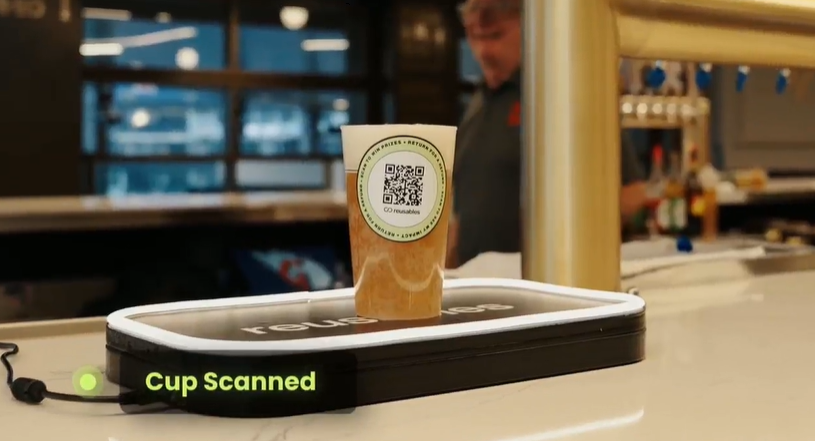
Making sustainability fun is one of the most effective ways to encourage participation. Instead of just asking students to change their habits, you can turn sustainable actions into a rewarding experience. Research shows that interactive approaches, like competitions and rewards, are highly effective at engaging students. Think about creating a campus-wide leaderboard that tracks which dorm has the highest reuse rate or offering a free coffee to students who consistently use reusable containers. This is where technology can be a huge help. Platforms like Reusables.com have gamification features built right in, allowing you to set up contests and reward systems that run automatically, tapping into students' competitive spirit without adding work for your staff.
Support Student-Led Initiatives
You don't have to come up with every great idea yourself. Often, the most creative and effective sustainability solutions come directly from students. Empowering them to lead their own initiatives fosters a powerful sense of ownership and ensures your program resonates with their peers. Many successful campus sustainability projects, like those at Princeton University, started as student-led ideas. Consider creating a formal channel for students to pitch their ideas, like a "Green Team" or a sustainability advisory committee. You can provide the budget and operational support, while they bring the passion and peer-to-peer marketing. This collaborative approach builds a strong, authentic connection with the student body.
Launch Educational Campaigns
For students to participate, they need to understand the "why" behind your initiatives. A well-planned educational campaign can build awareness and connect their daily actions—like choosing a reusable container—to a larger positive impact. These campaigns don't have to be complicated; simple, clear messaging is often the most effective. Use posters in the dining hall, create engaging social media content, or set up a table during lunch to talk directly with students. Partner with other campus groups, like the environmental studies department, to co-host a documentary screening or run a workshop. The goal is to make sustainability a visible and ongoing conversation on campus.
Create a System for Feedback
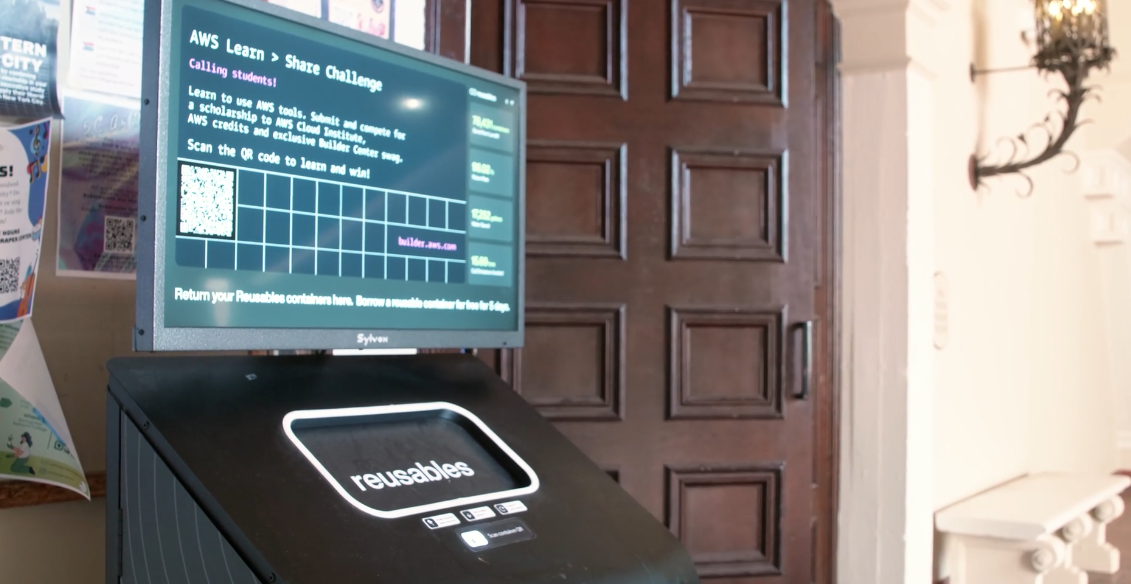
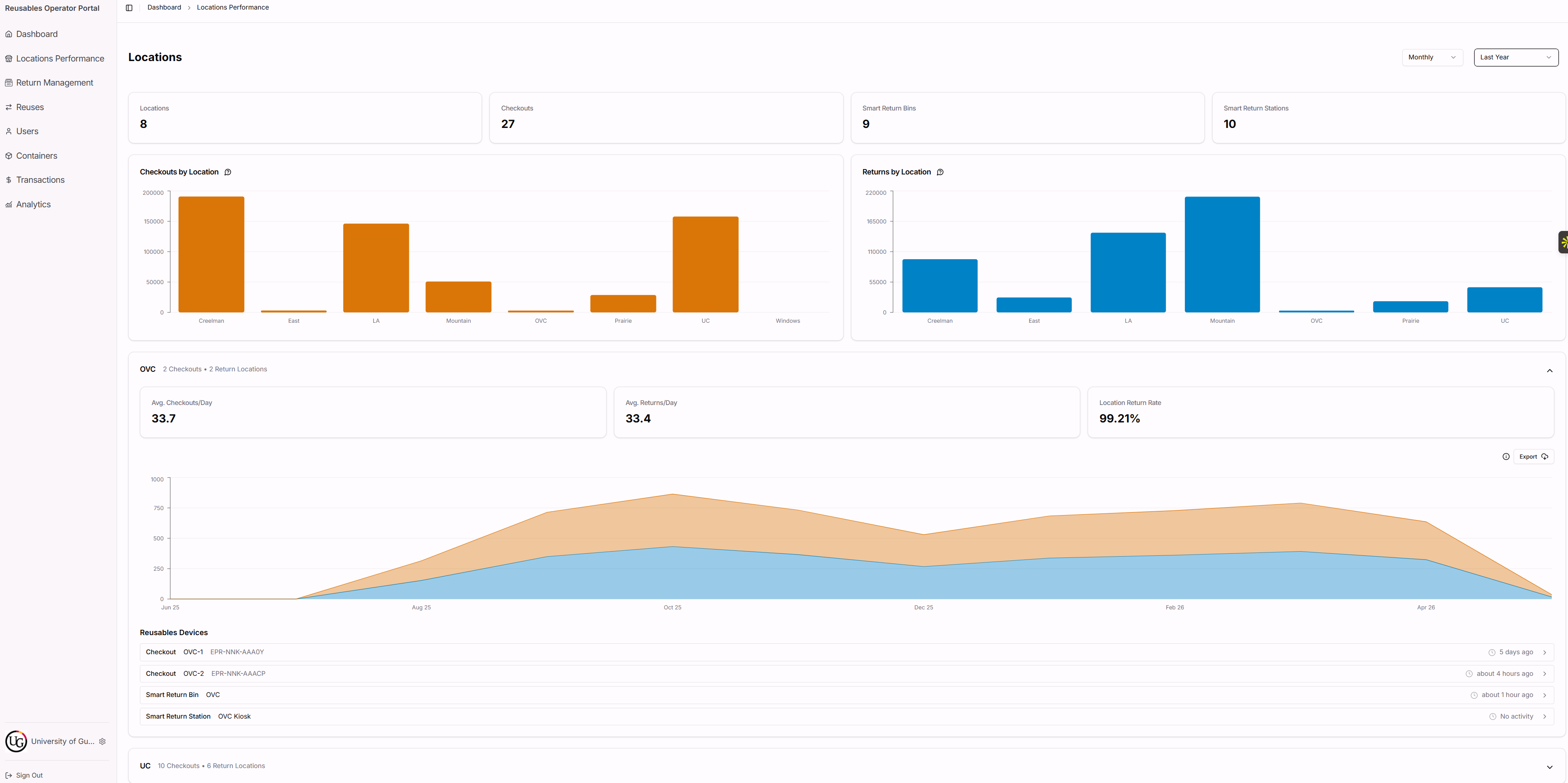
Closing the loop is crucial for maintaining momentum. When students can see the collective impact of their efforts, it reinforces their positive behavior and motivates them to keep going. Vague goals aren't nearly as powerful as concrete data. Instead of just saying "we're reducing waste," show them exactly how much you've diverted from the landfill. Share metrics on return rates, plastic saved, and your campus's carbon footprint reduction. A tech-enabled system makes this easy. The Reusables.com platform, for example, provides a robust dashboard with real-time data you can share on screens in the dining hall, proving that each student's participation matters.
Upgrade Your Operations for Lasting Change
A sustainable menu and a great recycling program are fantastic, but the real, long-term change happens behind the scenes. Upgrading your daily operations is what transforms a well-intentioned cafeteria into a truly sustainable one. These changes don’t have to be massive or disruptive. By focusing on equipment, cleaning, training, and tracking, you can build a more efficient, cost-effective, and environmentally friendly dining service from the ground up.
Choose Energy-Efficient Equipment
Your kitchen's appliances are workhorses, but they can also be major energy hogs. Making the switch to energy-efficient equipment is one of the most impactful operational changes you can make. Look for appliances with the ENERGY STAR certification to guarantee savings on your utility bills. If a full replacement isn't in the budget, retrofitting existing equipment can also yield significant savings. While the upfront investment can seem daunting, these projects often have surprisingly short payback periods. You’ll not only reduce your carbon footprint but also see quantifiable cost savings that strengthen your department’s bottom line year after year.
Adopt Sustainable Cleaning Practices
The products and processes you use to keep your cafeteria sparkling clean have a big environmental impact. Start by swapping conventional, chemical-heavy cleaners for green-certified, non-toxic alternatives. This simple change protects local waterways and creates a healthier environment for your staff and students. Also, take a look at your water usage, especially in the dish room. Modern dishwashers are designed for high efficiency, but proper loading and maintenance are key. Adopting these practices isn't just good for the planet; it can also help you earn points toward sustainability certifications that showcase your commitment to campus wellness.
Invest in Staff Training
Your sustainability goals will only succeed if your team is on board and knows how to execute them. Investing in staff training is non-negotiable. This goes beyond simply teaching new procedures; it’s about explaining the why behind each initiative. When your team understands the importance of reducing food waste, properly sorting compost, or guiding students through a new reusables program, they become your most powerful advocates. A well-informed and motivated staff ensures that your sustainability efforts are implemented correctly and consistently, turning your vision into a daily reality and improving the overall dining experience for everyone on campus.
Use Technology to Track Your Progress
How do you know if your sustainability initiatives are actually working? You stop guessing and start tracking. Technology is essential for gathering the data you need to measure your impact and prove the return on your investment. A robust tracking platform can give you real-time insights into everything from waste diversion and container return rates to your financial savings and environmental impact metrics. This data allows you to identify what’s working, pinpoint areas for improvement, and share compelling success stories with campus leadership and students. With the right tech-enabled solutions, you can manage your program with confidence and make data-driven decisions for lasting change.
Overcome Common Implementation Hurdles
Making the switch to a more sustainable dining program is a huge step forward, but it’s not without its challenges. You might be facing budget meetings, a campus community accustomed to the status quo, or logistical puzzles that seem impossible to solve. The good news is that these hurdles are common, and with the right strategy, they are entirely surmountable. Let’s walk through how to address the four biggest obstacles you’re likely to encounter.
Address Budget Constraints and Prove ROI
The most common question for any new initiative is, "What's the cost?" While sustainability projects require an initial investment, they often lead to significant long-term savings. Disposable packaging costs have skyrocketed, with many institutions spending over $50,000 a year on single-use containers alone. A reusable system shifts this recurring expense to a one-time investment with a clear and often surprisingly short payback period.
Modern reuse platforms provide detailed analytics that show your return on investment in real time. You can track exactly how much you’re saving on packaging and waste hauling fees. By framing the conversation around quantifiable cost savings and resource efficiency, you can build a powerful business case that transforms the budget discussion from an obstacle into an opportunity for financial and environmental leadership.
Manage Resistance to Change
Getting everyone on board—from kitchen staff to students—can feel like a challenge. People are creatures of habit, and any change to the daily routine can be met with friction. The key is to make the sustainable choice the easiest and most appealing one. If a new system is clunky or inconvenient, it won’t stick.
Focus on initiatives that improve the user experience. For example, a reuse program that uses a simple tap-and-go system is far more likely to succeed than one requiring app downloads or manual sign-ups. Research shows that students' perceived value of campus dining is directly tied to visible sustainability efforts like waste management and reuse. When you introduce a system that is both seamless and impactful, you’re not just asking people to change—you’re offering them an upgrade.
Solve Supply Chain Limitations
A sustainable cafeteria depends on a reliable supply chain, but that can be tricky when it comes to both food and packaging. Constantly ordering disposable containers creates logistical headaches and vulnerability to price hikes. Implementing a reusable container system simplifies this part of your operation immensely. Instead of managing a constant stream of incoming disposables, you manage a durable, long-lasting inventory.
This shift gives you more control and predictability. With a tech-enabled platform, you can use a robust dashboard to see real-time inventory levels and track your assets automatically. This frees up your team’s time and resources, allowing them to focus on other supply chain goals, like building relationships with local farmers and sourcing higher-quality ingredients for your menus.
Build Campus-Wide Support
A truly successful sustainability program can’t exist in a silo. It requires buy-in from every corner of campus, from the student body and faculty to administrative departments. To achieve this, you need to create a shared sense of purpose and make participation feel rewarding. This goes beyond just putting up a few posters in the dining hall.
Launch educational campaigns that highlight your goals and progress. Use gamification, like campus-wide leaderboards and rewards, to make participation fun and engaging. Most importantly, involve the entire campus community in the process. Form a sustainability committee with student leaders, faculty members, and staff to ensure everyone has a voice. When sustainability becomes a core part of your campus culture, you create a powerful, lasting movement.
Measure and Maintain Your Success
Launching your sustainability initiatives is a huge accomplishment, but the work doesn’t stop there. To ensure your program has a lasting impact, you need a clear way to measure what’s working and identify areas for improvement. Consistent tracking helps you prove the value of your efforts to campus leadership, maintain momentum, and make smart decisions for the future. It turns your good intentions into tangible, data-backed results that showcase the real-world benefits of your sustainable cafeteria.
Define Your Key Performance Indicators
What gets measured gets managed. Start by setting clear Key Performance Indicators (KPIs) to gauge the success of your sustainability program. These metrics give you a baseline to work from and concrete goals to aim for. Think about tracking your waste diversion rate, the percentage of students participating in your reusables program, or your progress toward earning sustainability certifications. These credentials not only validate your efforts but also provide a structured framework for your goals, showing students and faculty that you’re serious about making a difference. A high container return rate, for example, is a powerful indicator of a successful, frictionless reuse system.
Track Your Environmental Impact
Your sustainability program is making a real difference for the planet, and you should have the numbers to prove it. Tracking your environmental impact helps you tell a compelling story about your success. Focus on clear, understandable metrics like the total number of single-use containers avoided, the pounds of waste diverted from the landfill, and the reduction in your carbon footprint. Aiming for a "zero-waste cafeteria" is a powerful goal that centers on using reusable items and composting to minimize what goes to the landfill. With the right technology, you can access real-time data on your impact, making it easy to share progress reports with stakeholders and the campus community.
Monitor Financial Performance
A successful sustainability program is also financially sound. Proving a positive return on investment (ROI) is key to securing long-term support and funding from campus administration. Track your cost savings from reduced purchasing of disposable containers and lower waste-hauling fees. Some initiatives, like retrofitting kitchen equipment or implementing a robust reuse system, can have surprisingly short payback periods. When you can present clear data showing that your program not only meets sustainability goals but also improves the bottom line, you build a powerful case for continued investment and expansion.
Evolve Your Program Over Time
Sustainability isn't a destination; it's an ongoing commitment. The best programs are dynamic and adapt based on data and feedback. Use the KPIs and financial metrics you’re tracking to see what’s resonating and where you can make adjustments. Actively solicit feedback from students and staff to understand their experience and identify any friction points. Getting the entire campus community involved creates a sense of shared ownership and generates new ideas. By continuously refining your approach, you ensure your program remains effective, engaging, and aligned with your campus's evolving sustainability goals.
Frequently Asked Questions
This all sounds great, but where do I even start? The best first step is to tackle the most visible and costly source of waste: single-use containers. Implementing a reusable container program creates an immediate and noticeable impact that students can see and participate in every day. It also offers clear financial savings you can track from day one. Starting here builds momentum and proves the value of sustainability, making it easier to get support for other initiatives like food waste audits or sourcing changes down the line.
How can I justify the upfront cost of a reusables program to my administration? Frame the conversation around return on investment. Disposable packaging is a significant and constantly rising operational expense. A reusables program shifts that recurring cost to a one-time investment with a clear payback period. You can build a strong business case by showing how the program will reduce annual spending on disposables and waste hauling. Modern systems provide the data to track these savings in real-time, proving that sustainability is not just an environmental goal but a smart financial strategy.
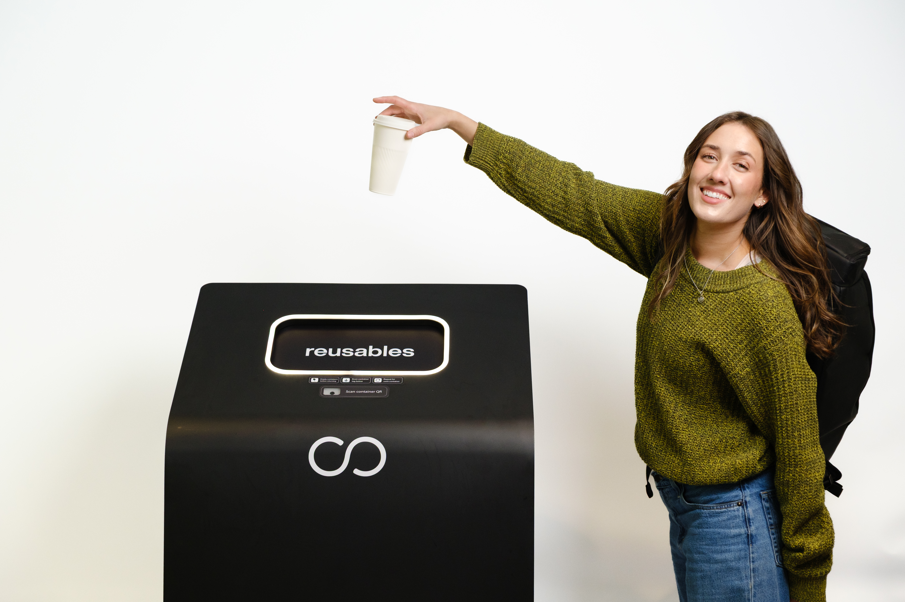
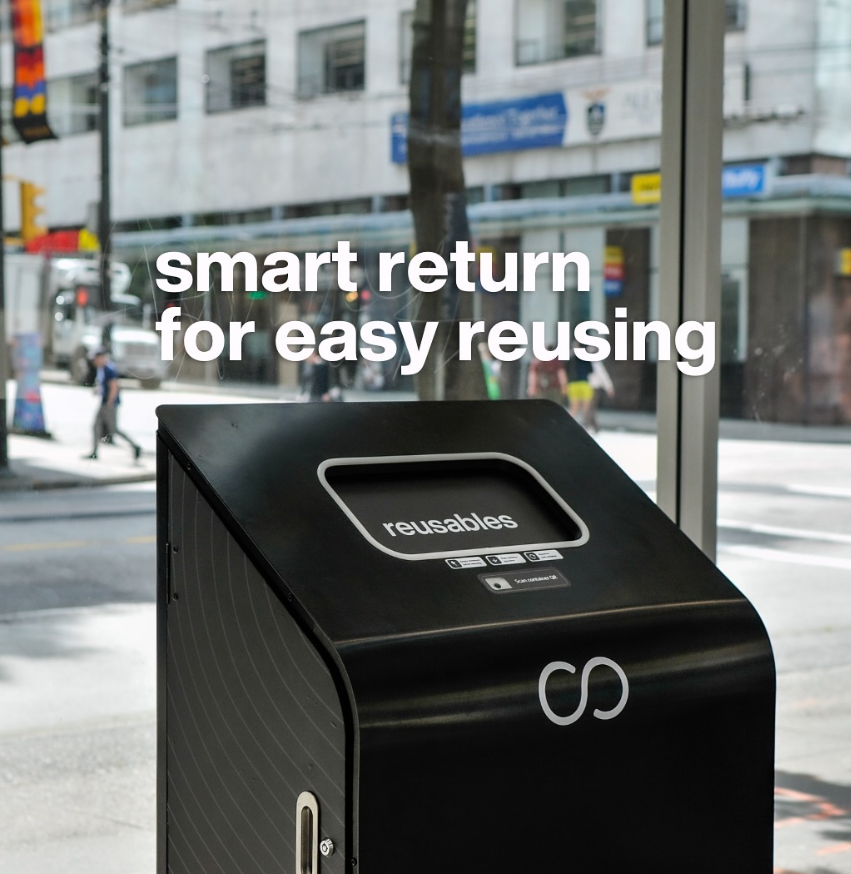
Will students actually return the reusable containers? I'm worried about losing our inventory. This is a common and valid concern, but modern reuse systems are designed to solve this exact problem. The key is to make returning containers effortless and to have a system of gentle accountability. With convenient, 24/7 smart return bins and automated reminders, students are prompted to bring items back. Tech-enabled platforms achieve return rates of 99%, ensuring your inventory is protected without creating a punitive experience for students.
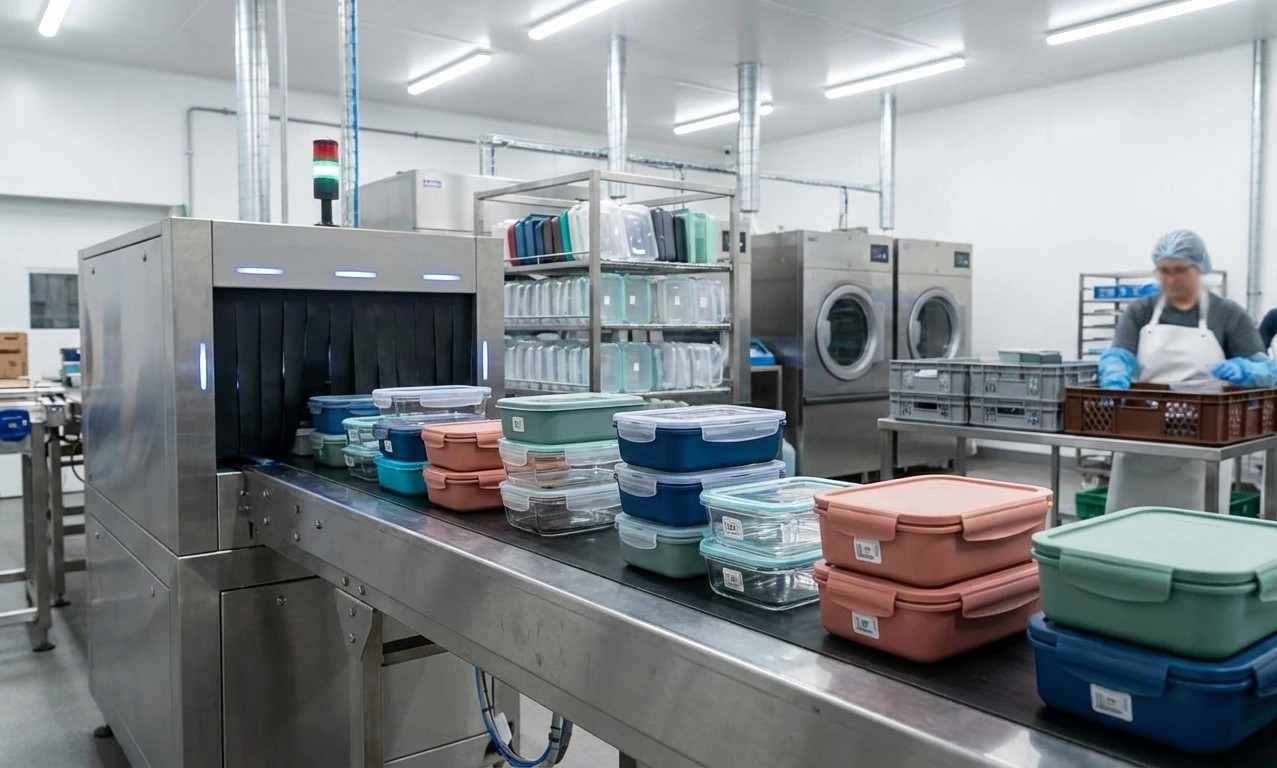
How much extra work will a program like this create for my already busy staff? A well-designed reuse system should actually reduce your staff's workload, not add to it. Look for a solution that automates the tedious parts of the process. A tech-first platform can handle tracking, reminders, and late fees automatically, so your team never has to chase down containers or manually charge accounts. This frees them from managing the constant ordering and stocking of disposable packaging, allowing them to focus on providing a great dining experience.
We already have a good recycling program. Why is switching to reusables so important? Recycling is a good step, but it still requires a massive amount of energy and resources to collect, transport, and reprocess materials. Reuse is a more powerful solution because it prevents waste from being created in the first place. By switching to a reusable system, you eliminate the need for single-use items entirely, which dramatically reduces your campus's carbon footprint and cuts down on the contamination issues that often plague recycling streams. It’s a more direct and impactful way to achieve your zero-waste goals.
Other stories you may find interesting


.png)


.avif)









.webp)





Watch the Webinar
Learn How to Eliminate Single-Use Waste
Get instant access to our expert webinar and discover how leading institutions reach 99% return rates through smarter reuse systems.

© Reusables™. All rights reserved.