
What Is RFID Tracking for Reusable Food Containers?

February 3, 2026
The cost of single-use packaging has skyrocketed, putting a major strain on dining services budgets. While switching to reusables seems like the obvious solution to cut costs, it introduces a new financial risk: asset loss. A program with low return rates can quickly become more expensive than disposables. To make reusables a true cost-saving measure, you need a system that protects your inventory. This is where RFID tracking for reusable food containers proves its value. It transforms your containers from a potential liability into a secure, trackable asset, guaranteeing the high return rates necessary to deliver a significant and sustainable return on your investment.
Key Takeaways
- Solve Container Loss with Automated Accountability: RFID tracking is the key to a successful reuse program because it eliminates the main point of failure: lost containers. By linking each item to a user's account, the system ensures high return rates, protecting your investment and program viability.
- Make Smarter Decisions with Real-Time Inventory Data: Stop guessing about your container levels. RFID gives you a live dashboard view of your entire fleet, helping you optimize purchasing, prevent shortages, and streamline everything from checkout to the dish room, which directly reduces operational costs.
- Choose a System That Works with Your Existing Tech: A new reuse program shouldn't create IT headaches. The right RFID solution integrates smoothly with the campus card, payment, and POS systems you already use, making adoption easy for students and simplifying operations for your staff.
What is RFID Tracking for Reusable Containers?
If you’ve ever managed inventory, you know the headache of trying to keep track of every last item. Now, imagine that inventory is a fleet of thousands of reusable food containers being checked out and returned by students all over campus. Manual tracking is nearly impossible, and it’s where many reuse programs fall apart. This is where RFID tracking comes in. Think of it as a smart, automated system that gives you a complete, real-time view of your entire container inventory.
RFID stands for Radio Frequency Identification. In a reuse program, a small, durable tag is attached to each container. This tag acts as a unique license plate, allowing you to see where every container is—whether it’s in a student’s hands, in a return bin, or in the dish room. Unlike barcodes, these tags don’t need to be seen to be scanned, which means you can track items automatically and in bulk. This technology is the backbone of a successful, scalable reuse system, turning a logistical challenge into a streamlined, data-driven operation. With an automated system, you can finally stop guessing about inventory levels and start making informed decisions.
How RFID Works in Your Dining Hall
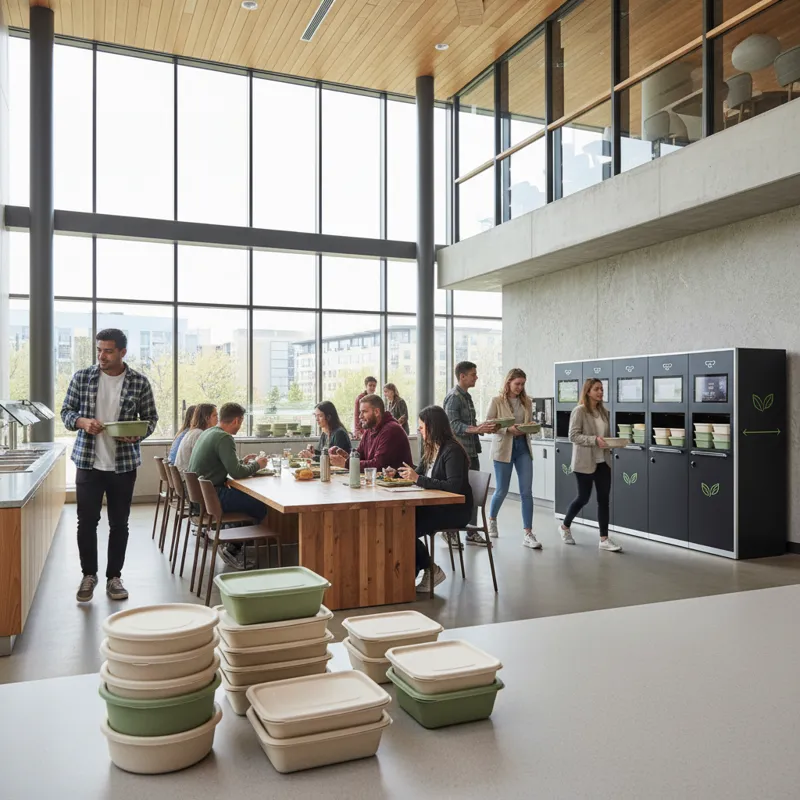
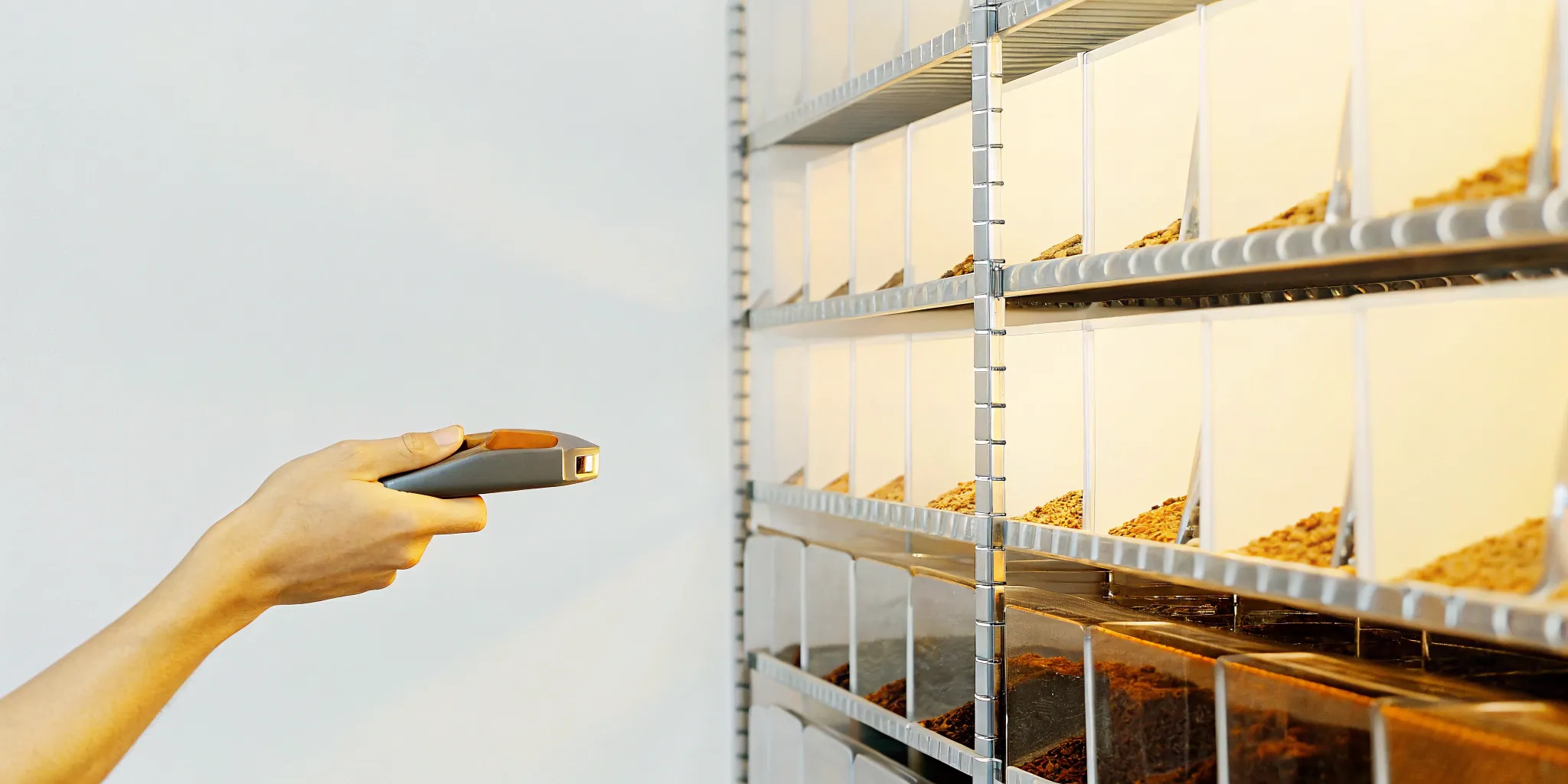
So, how does this actually work during a busy lunch rush? It’s simpler than you might think. RFID uses radio waves to identify and track the tags attached to your containers. Readers placed at key points—like checkouts and return stations—can scan these tags from a distance without needing a direct line of sight. This means a student can drop a container into a smart return bin, and the reader inside instantly registers its return without anyone needing to scan a barcode. It’s a completely frictionless process that keeps things moving for both students and your staff. This ability to track assets automatically is what makes a large-scale reuse program manageable and effective.
RFID vs. QR Codes: What's the Difference?
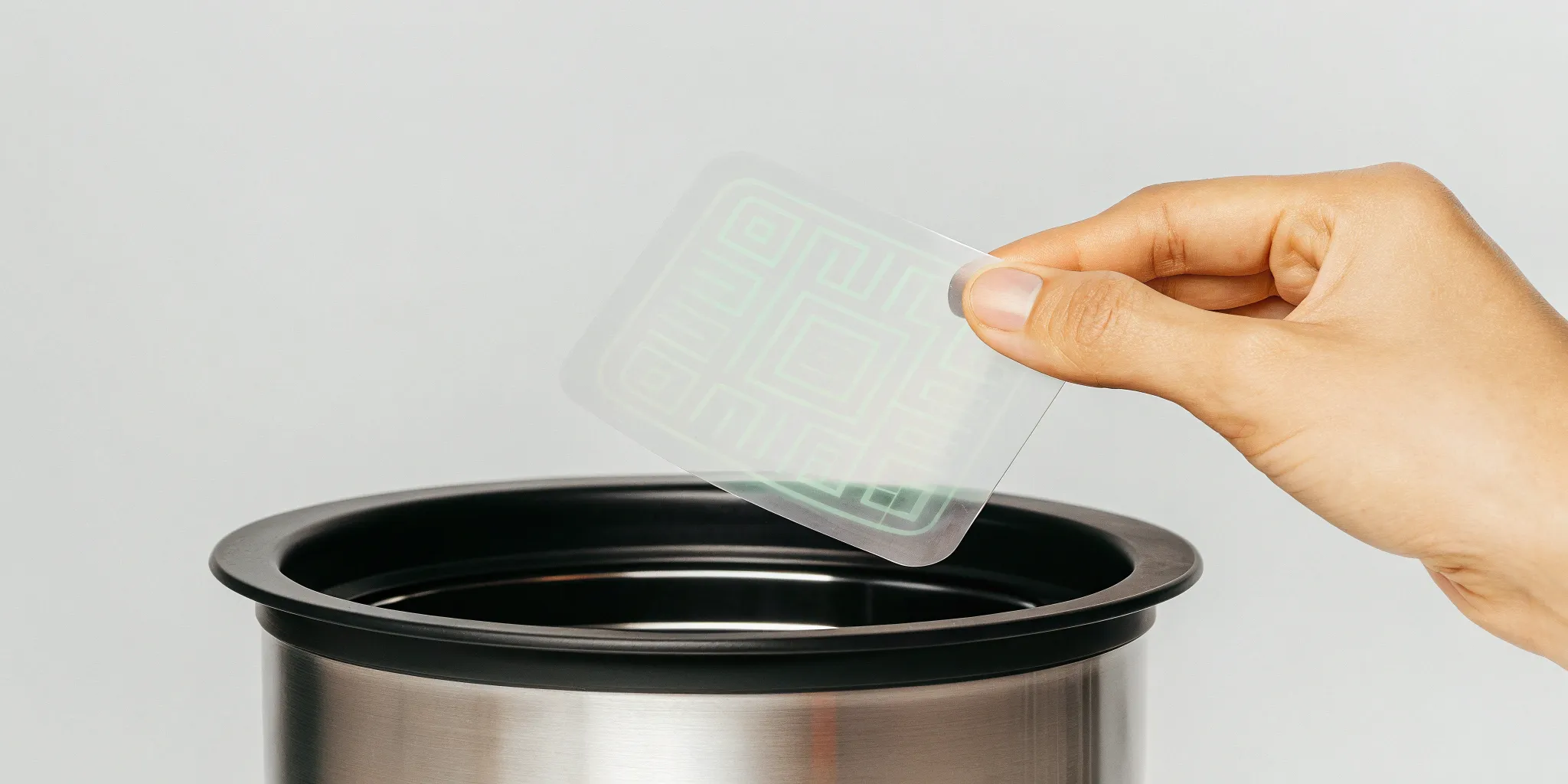
You might be wondering how RFID compares to the QR codes we see everywhere. The two technologies actually serve different but complementary purposes in a reuse system. QR codes are fantastic for the student-facing experience. A student can scan a QR code to check out a container, linking it to their account in seconds. It’s simple and familiar.
RFID, on the other hand, handles the heavy lifting on the operational side. It’s what gives you powerful inventory data, tracks return rates, and tells you how many containers are going through the wash. While QR codes manage the one-to-one interaction with the user, RFID manages the entire fleet of assets for your team. The most effective reusable packaging systems use both, creating a seamless experience for students and providing robust, automated tracking for your operations.
Why Automated Tracking is a Must-Have for Reusables
Let’s be direct: reuse programs without automated tracking often struggle with low return rates. Relying on an honor system or manual counts simply doesn’t work at scale. Containers go missing, inventory shrinks, and costs go up. Automated tracking solves this by creating effortless accountability. The system knows which container is checked out to which student and sends gentle, automated reminders when it’s time for a return. This is crucial for maintaining the high return rates needed to make a program financially viable. Modern reusable container tracking makes the entire process of reverse logistics—getting your containers back—both technically simple and economically smart, ensuring your investment is protected.
The Benefits of RFID Tracking for Your Campus
Switching to a reusable container program is a big step toward your campus sustainability goals, but it often comes with a major operational headache: keeping track of all those containers. Without a reliable tracking system, you can face low return rates, high replacement costs, and a lot of manual work for your team. This is where Radio Frequency Identification (RFID) technology changes the game.
RFID tags are small, durable chips that can be embedded in or attached to each container. Unlike a QR code, which needs a direct line of sight to be scanned, RFID tags can be read automatically and from a distance by specialized readers. When you integrate this technology into your dining halls and return stations, you get a powerful, automated system that gives you a complete picture of your container fleet. This isn't just about counting containers; it's about creating a frictionless system that saves money, streamlines your workflow, and ensures your reuse program is actually successful.
See Your Entire Inventory in Real-Time
Imagine knowing exactly how many clean containers are ready for the lunch rush, how many are currently checked out by students, and which return bins are getting full—all without having to do a manual count. That’s the clarity RFID provides. Because each container is tracked individually, you get a live, accurate view of your entire inventory across campus.
This real-time data helps you make smarter purchasing decisions and avoid running out of containers when you need them most. You can see usage patterns, identify bottlenecks in your cleaning process, and ensure your inventory levels are always optimized. This level of inventory visibility means less guesswork for your team and a smoother, more reliable dining experience for students.
Stop Losing Containers with Automated Accountability
One of the biggest challenges for any reuse program is container loss. When students don't return containers, your program's costs go up and its environmental impact goes down. RFID creates a seamless system of accountability that encourages returns without adding work for your staff. When a student checks out a container, its unique RFID tag is automatically associated with their campus card or account.
The system handles everything from there, sending automated reminders and, if needed, applying pre-set late fees. This gentle accountability is incredibly effective, helping our partners achieve 99% return rates. By making it easy to track returnable assets, you can protect your investment and ensure your containers stay in circulation, not in dorm rooms or trash cans.
Cut Costs and Improve Your Workflow
A well-run reusable container program should save you money, not create new expenses. By drastically reducing container loss, RFID tracking directly lowers your replacement costs. But the savings don't stop there. Automating your inventory process eliminates the need for tedious, time-consuming manual counts, freeing up your staff to focus on more important tasks.
This streamlined workflow makes your entire operation more efficient. Inventory checks that once took hours can be done in minutes. With a clear view of your container flow, you can optimize everything from purchasing to dishwashing schedules. This efficiency translates into significant operational savings and a system that practically runs itself, making it easier to manage and scale your program over time.
Hit Your Sustainability Goals and Reduce Waste
Your reusable container program is a visible commitment to your campus's sustainability goals. RFID tracking provides the data to prove its impact. High return rates mean you are actively displacing single-use packaging and significantly reducing your campus's waste stream. You can track exactly how many containers are used, returned, and washed, giving you concrete metrics to share in your sustainability reports.
This data doesn't just look good on paper; it demonstrates real progress toward zero-waste mandates and shows students that you're serious about making a difference. By ensuring your program runs efficiently and effectively, RFID technology helps you deliver on your environmental promises and build a campus culture that values reuse.
How RFID Integrates with Your Existing Systems
Adopting new technology like RFID might sound like a massive operational lift, but a well-designed system works with the tools you already use. The goal isn't to replace your infrastructure but to enhance it, making your reusable container program seamless for your team and students. The right RFID solution fits into your existing payment, point-of-sale, and campus card systems, creating a smooth experience that encourages participation and simplifies your workflow.
Connect with Campus Cards and Payment Systems
Getting students to adopt a new campus initiative can be a challenge. That's why direct integration with your campus card and payment systems is so important. Instead of asking students to download another app, they can check out a reusable container by simply tapping their student ID or linked payment card. Our Tap to Reuse™ technology connects directly with leading platforms like Transact, CBORD, and TouchNet. This lets the RFID system handle backend work like inventory tracking while students enjoy a familiar, frictionless checkout. It’s the key to making reuse as easy as grabbing a disposable.
Streamline Checkouts at Your POS
Long lines at the register are a headache for everyone. RFID tracking helps speed things up by automating the checkout process for reusables. When a student brings a container to your point-of-sale, an RFID reader instantly identifies its unique tag and links it to their account with a quick tap of their campus card. This removes the need for manual tracking, paper slips, or clunky token systems that slow down your staff. By efficiently tracking your reusable assets, you improve inventory management, reduce container loss, and free up your team to focus on serving students.
Automate Returns with Smart Stations
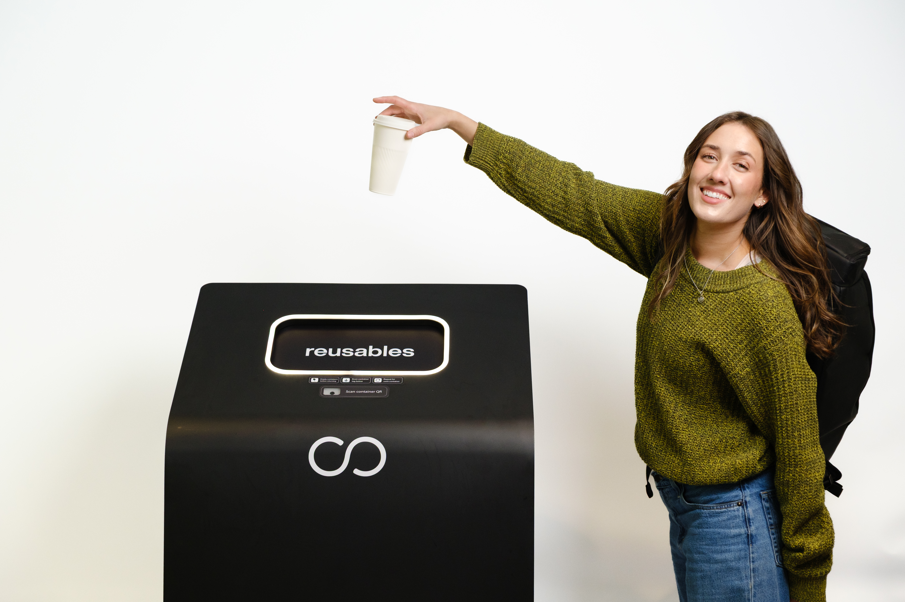
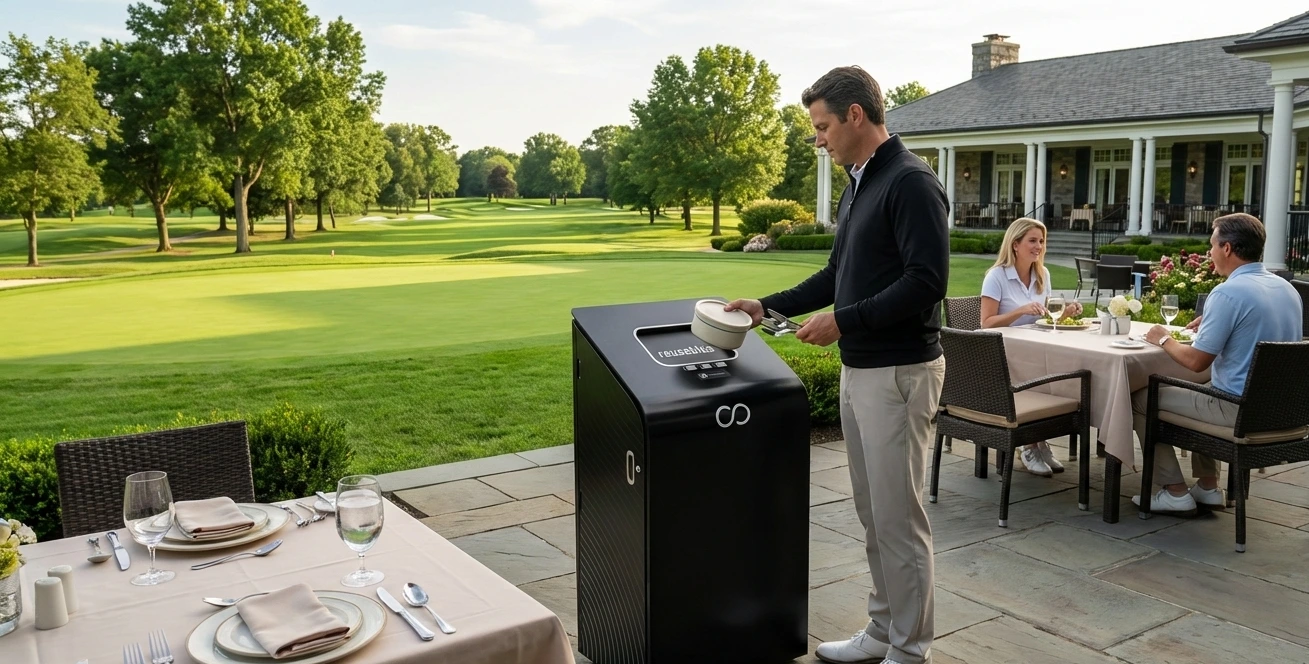
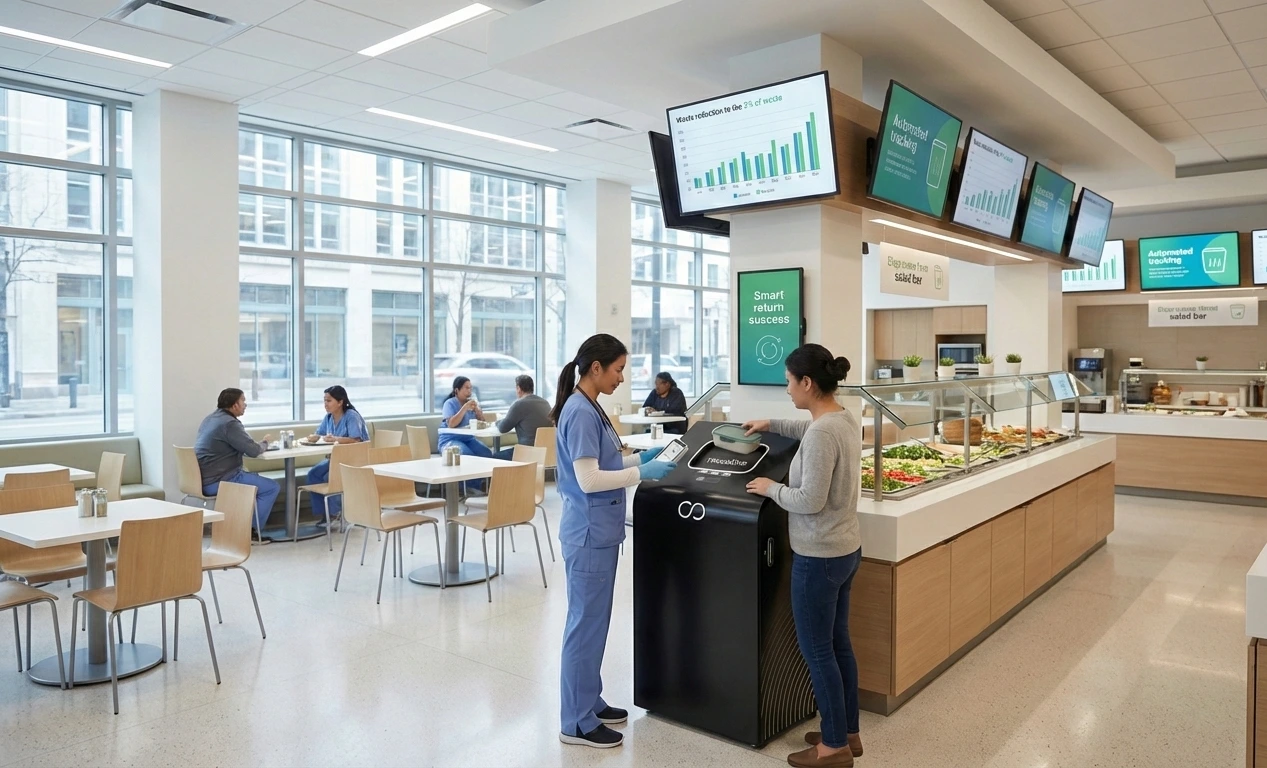
Getting containers back is the most critical part of any reuse program. RFID-enabled Smart Return Bins make this process effortless and available 24/7. Students can drop their used containers into any bin on campus at their convenience. An internal scanner automatically reads the RFID tag, identifies the container, and instantly updates the student's account. This automated, touch-free system provides crucial operational support by handling all tracking without staff involvement. It’s how our partners achieve industry-leading return rates and ensure their container inventory is always ready for the next meal service.
RFID Implementation: What to Expect
Making a change to your campus dining operations can feel like a massive project, but implementing an RFID tracking system is more straightforward than you might think. When you have the right partner and a clear plan, the transition can be smooth and incredibly rewarding. Let’s walk through what you can realistically expect when you bring this technology to your campus, from the initial costs to getting your team excited for the launch.
Myth-Busting: The Real Cost and Capabilities of RFID
Let's clear the air about one of the biggest myths surrounding RFID: that it's prohibitively expensive. While there is an initial investment in hardware and software, it’s important to look at the bigger picture. Think about the money you currently lose on unreturned containers and the staff hours spent on manual tracking. A smart RFID system quickly pays for itself by nearly eliminating container loss and automating your workflow. The long-term savings and operational efficiency make it a wise financial decision, not just an expense. Modern RFID technology is more accessible and powerful than ever, offering a clear return on investment.
Understanding the Initial and Ongoing Costs
So, what goes into the cost? Typically, an RFID system includes three main components: the RFID tags for your containers, the readers for checkout and return stations, and the software that ties it all together. A transparent partner will give you a clear breakdown of these initial setup costs. Ongoing costs are usually minimal, often related to software subscriptions and support. The key is to find a solution that helps you calculate your potential ROI from day one. By replacing the recurring expense of disposable packaging and stopping inventory shrinkage, the system becomes a cost-saving tool for your department.
Choosing the Right Containers for RFID
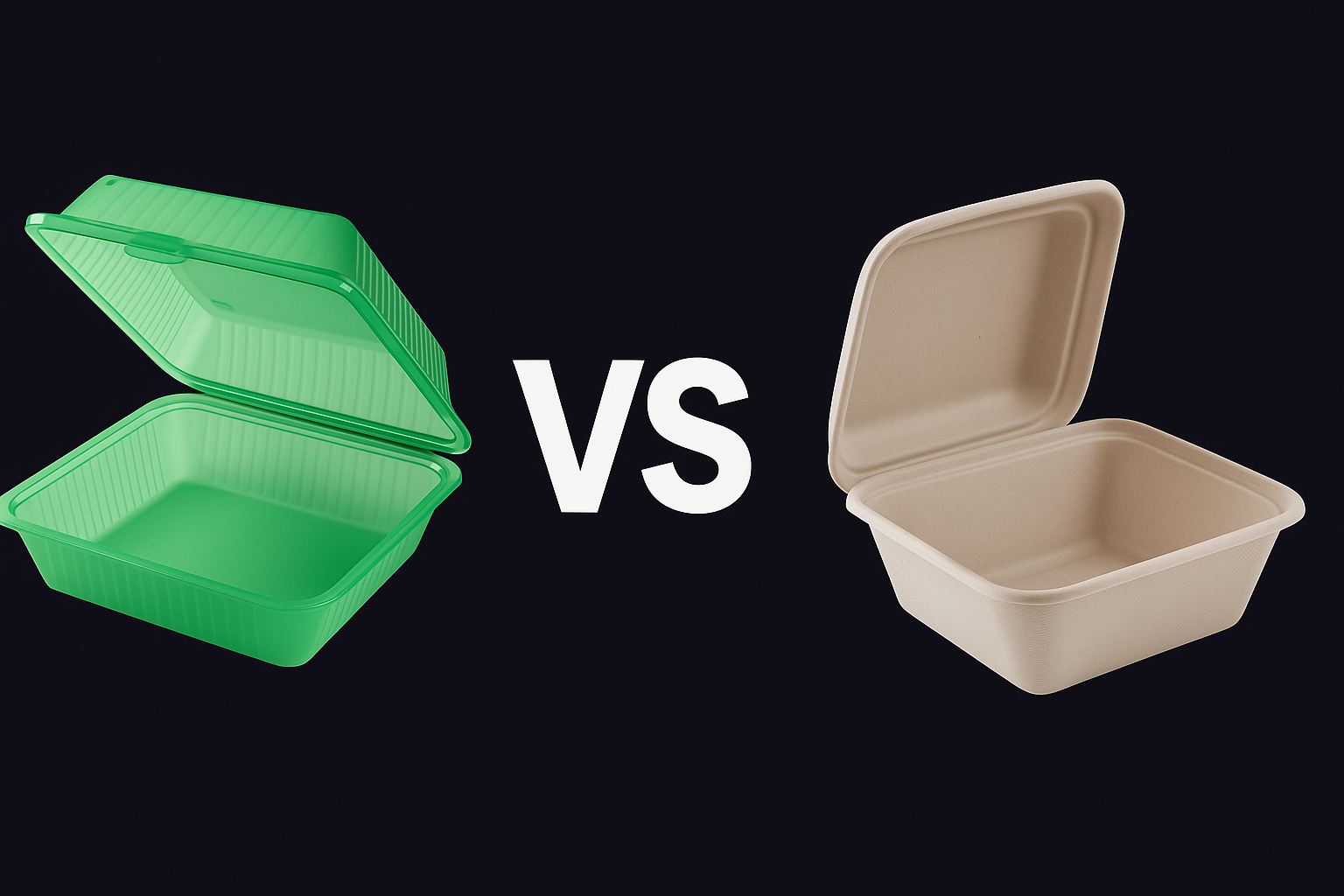
Your reusable containers need to be tough, and so do their RFID tags. It’s essential to use tags that are designed to withstand the demanding environment of a commercial kitchen, including high-temperature dishwashers, microwaves, and daily handling. The good news is that you have options. Many RFID tracking systems can be integrated with your existing inventory of durable containers. Or, you can select new ones from a list of approved partners who specialize in products built for reuse. The most important thing is ensuring the tags are securely embedded and protected, so they can keep up with the hustle of campus life.
Getting Your Team Onboard
A new system is only as good as the team using it, which is why a smooth rollout is key. Implementing RFID successfully requires a bit of coordination between your dining, operations, and IT staff, but it doesn't have to be complicated. The best approach is to involve your team leads early in the process and communicate the benefits clearly—less manual counting for them and better service for students. A well-designed system should be intuitive, requiring minimal training. When your team sees how an automated system makes their jobs easier, getting them on board is a natural part of the change management process.
Key Features to Look For in an RFID Solution
When you’re ready to bring a reusable container program to your campus, it’s easy to get caught up in the details of the containers themselves. But the technology that tracks them is what truly makes or breaks the system. The right RFID solution works quietly in the background, making reuse effortless for students and staff while giving you the data you need to manage inventory and measure success. A great system isn't just about tracking; it's about creating a seamless experience that integrates perfectly into your existing operations.
As you evaluate different options, look beyond the basic promise of tracking. The best platforms offer a complete, integrated solution designed for the unique demands of a high-volume campus dining environment. Key features like flexible container options, real-time reporting, and student engagement tools can make the difference between a program that simply functions and one that thrives. Think about what you need to not only launch a program but also to sustain it long-term, ensuring high return rates and a positive impact on both your budget and your sustainability goals.
Flexible Tracking for All Your Containers
Your dining service might use a mix of containers—perhaps durable plastic for some concepts and stainless steel for others. Your RFID solution shouldn't limit your choices. Look for a container-agnostic platform that can embed durable tags in any type of reusable asset you use. This flexibility ensures you can choose the best containers for your needs without worrying about compatibility. While there's an initial investment in tagging your inventory, the long-term savings from fewer lost items and better efficiency make it a smart move for any campus reuse program. A system that adapts to your inventory, not the other way around, is essential for a smooth and scalable operation.
Access Real-Time Data and Reporting
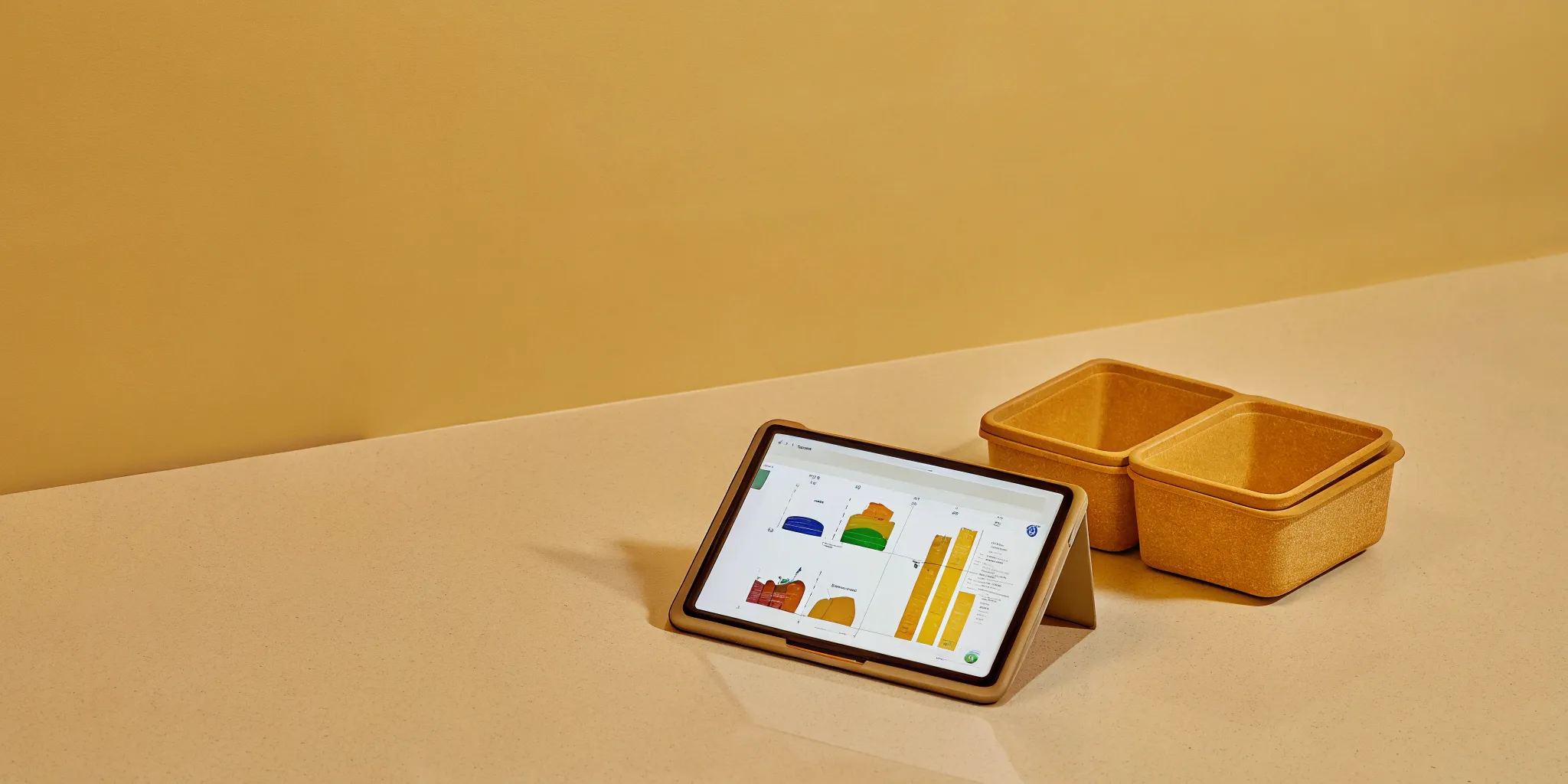
Guesswork has no place in inventory management. A powerful RFID solution gives you a live look at your entire operation through a robust reporting dashboard. You should be able to see exactly where your containers are, how many are in circulation, and what your return rates look like at any given moment. This real-time data is critical for making informed decisions. For example, alerts for full return bins help your team work more efficiently, while inventory tracking tells you precisely when it’s time to reorder. This level of operational visibility helps you prevent shortages, reduce losses, and accurately report on your program's financial and environmental impact.
Engage Students and Create New Revenue
An RFID system can do more than just track containers; it can help create a campus culture around reuse. Look for a partner that offers features designed to get students excited about participating. Gamification elements like campus-wide leaderboards, rewards for frequent reusers, and special contests can transform sustainability from a chore into a fun, engaging activity. Some advanced systems even incorporate revenue-generating opportunities, such as digital ad screens on smart return bins. These features not only encourage higher participation and return rates but also create new income streams that can help offset program costs, all without adding more work for your staff.
Ensure Your Tags Can Withstand the Dishwasher
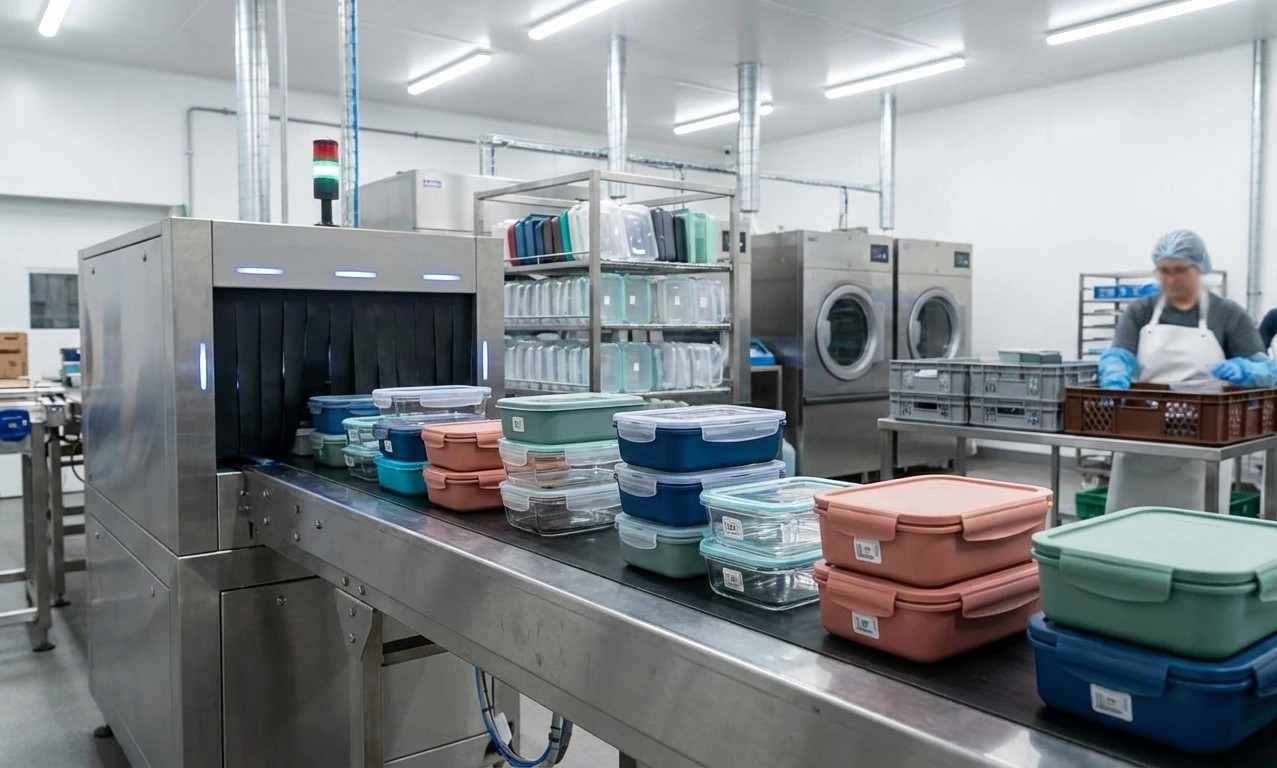
A reusable container’s life is tough. It needs to survive daily use, transportation, and most importantly, the high heat and harsh chemicals of a commercial dishwasher. The RFID tag attached to it must be just as durable. Look for a solution that uses embedded RFID tags designed to withstand these conditions day after day. Unlike printed QR codes that can fade, peel, or get damaged in the wash, a high-quality embedded tag ensures a reliable scan every time. This durability is the key to preventing lost containers and maintaining the accurate data you need to run a successful program.
How to Choose the Right RFID Partner
Selecting the right RFID partner is one of the most important decisions you'll make when launching a reusable container program. The technology is the engine that powers your system, but the partner is the team that helps you build the car, teaches you how to drive it, and keeps it running smoothly. A great partner offers more than just hardware; they provide a comprehensive solution that fits your campus, integrates with your existing operations, and delivers a clear return on investment.
The right technology partner will work with you to understand your specific challenges, from your dining hall layout to your student payment systems. They should have a proven track record of success, especially in environments like yours. As you evaluate your options, think of it as hiring a new member of your team—one who specializes in making your reuse program a success. Ask tough questions, look for transparency, and choose a partner who is as committed to your sustainability goals as you are.
Ask About Tracking Accuracy and Return Rates
The primary goal of an RFID system is to track your containers accurately. If you don't know where your inventory is, you can't hold users accountable or maintain a successful program. When speaking with potential partners, ask them to provide hard data on their tracking accuracy and, most importantly, their average container return rates. A partner confident in their system will have case studies and client testimonials to back up their claims.
A system that can track your reusable assets in real-time is non-negotiable. You need to see where your containers are, who has them, and when they are returned. Vague answers or an inability to provide specific metrics are red flags. Look for a partner who can demonstrate a history of achieving near-perfect return rates, as this is the clearest indicator that their accountability and tracking methods actually work.
Check for Seamless Integration and Scalability
Your new reuse program shouldn't create operational silos or IT headaches. A top-tier RFID partner will offer a solution that integrates seamlessly with the systems you already use every day. This includes campus card systems (like Transact, CBORD, and Atrium), POS terminals, and payment gateways. The checkout and return process should feel like a natural extension of your current workflow, not a clunky workaround.
Ask potential partners about their integration capabilities and what the process looks like. A smooth implementation requires coordination across multiple departments, and a good partner will guide you through it. Also, consider the future. Your program will likely grow, so you need a system that can scale with you, whether you're expanding to new dining halls or adding more containers to your inventory.
Calculate the Total Cost of Ownership and ROI
While the initial price tag is important, it doesn't tell the whole story. To make a smart financial decision, you need to understand the total cost of ownership (TCO). Ask for a detailed breakdown of all costs, including hardware (tags, readers, bins), software subscriptions, implementation fees, and any ongoing maintenance or support charges. Be wary of partners who aren't transparent about their pricing.
The best RFID solutions are an investment, not just an expense. Your partner should be able to provide a clear return on investment (ROI) projection. This calculation should show you how the system will save you money over time by reducing your spending on single-use packaging and nearly eliminating inventory loss. While some sources point to the high implementation costs of RFID, a well-designed system for reusables should pay for itself through these operational savings.
Look for Great Support and Compliance
Technology is only as good as the team supporting it. A successful RFID implementation depends on having a partner who is there for you before, during, and after launch. Ask about their onboarding process, staff training programs, and what their ongoing customer support looks like. Do they offer a dedicated account manager? What are their response times for technical issues? You want a partner who will answer the phone when you call.
Your partner should also ensure the system complies with all relevant industry standards and regulations. They should be a resource for your team, helping you manage the transition and get both staff and students excited about the new program. Ultimately, you're looking for a true partnership, not just a transactional vendor relationship. Choose a company that feels like an extension of your own campus services team.
Related Articles
- Is RFID Tracking for Better Inventory Management Worth It?
- How RFID Tracking for Beer Cups at Stadiums Works
- RFID vs QR Code for Reusable Tracking: Which is Best?
Frequently Asked Questions
This sounds great, but how much extra work will this create for my already busy staff? That’s the best part—it actually reduces your team’s workload. The system is designed to automate the most time-consuming parts of managing reusables. Your staff will no longer have to manually count containers, track down missing inventory, or chase students for late fees. The RFID readers and software handle all the tracking, and the system sends out return reminders automatically. This frees up your team to focus on what they do best: providing great food and service to students.
We already invested in a large inventory of reusable containers. Do we have to start over with new ones? Not at all. A flexible RFID system should work with the assets you already own. The small, durable RFID tags can be securely attached to your existing containers, whether they are durable plastic or stainless steel. This allows you to get the benefits of automated tracking without having to discard your current inventory, which saves you money and aligns perfectly with the goal of reducing waste.
How does this system actually get students to bring the containers back? The system creates simple, automated accountability. When a student checks out a container using their campus card, the container's unique RFID tag is linked to their account. If they don't return it within the set timeframe, the system automatically sends them friendly reminders. This gentle nudge is usually all it takes. For the few who still forget, a pre-determined, refundable late fee can be automatically applied, encouraging a prompt return without any awkward conversations for your staff. This process is key to achieving the 99% return rates we see with our partners.
Can the RFID tags really hold up to our high-temperature commercial dishwashers? Yes, absolutely. The RFID tags used in these systems are specifically engineered for the harsh environment of a commercial kitchen. They are encased in a protective, waterproof shell that can withstand the high heat, powerful detergents, and constant impact of your dishwashing cycle. Unlike a sticker or a printed code that can fade or peel off, these embedded tags are built to last for thousands of wash cycles, ensuring a reliable scan every single time.
Our budget is tight. How can we justify the upfront cost of an RFID system? It's helpful to think of it as an investment that pays for itself rather than just another expense. First, calculate how much you currently spend on disposable packaging each year—an RFID system can drastically reduce or even eliminate that recurring cost. Then, consider the money lost from unreturned containers in your current program. By nearly eliminating that loss, the system protects your inventory. When you add up the savings from disposables and reduced container replacement, the return on investment becomes very clear, very quickly.
Other stories you may find interesting

























.webp)
.webp)









.webp)


































Watch the Webinar
Learn How to Eliminate Single-Use Waste
Get instant access to our expert webinar and discover how leading institutions reach 99% return rates through smarter reuse systems.

© Reusables™. All rights reserved.