
7 Smart Eco-Friendly Initiatives for Campus Food

January 2, 2026
Let’s be honest: many past attempts at campus reuse programs have been clunky. They often create more work for staff, suffer from low return rates, and end up being a logistical headache. But what if sustainability could actually make your operations smoother? Modern, tech-enabled systems are designed to do just that. They automate tracking, streamline returns with smart bins, and eliminate the manual work of chasing down lost containers. By focusing on the right technology, eco-friendly initiatives for campus food can transform your program into a more efficient, self-sustaining operation. This article breaks down how to implement a system that works seamlessly with your existing infrastructure.
Key Takeaways
- Treat sustainability as a financial strategy: A reusable container program directly cuts the ever-increasing cost of single-use packaging, making it a smart investment that also aligns with student values.
- Leverage technology for a frictionless system: The success of a reuse program hinges on making it effortless. Smart tracking and automated return stations are key to ensuring high return rates and accountability without adding work for your staff.
- Turn students into program champions: Get students excited and invested in your sustainability goals by using gamification, educational campaigns, and campus-wide competitions to drive participation and build a culture of reuse.
What Makes a Campus Food Program Eco-Friendly?
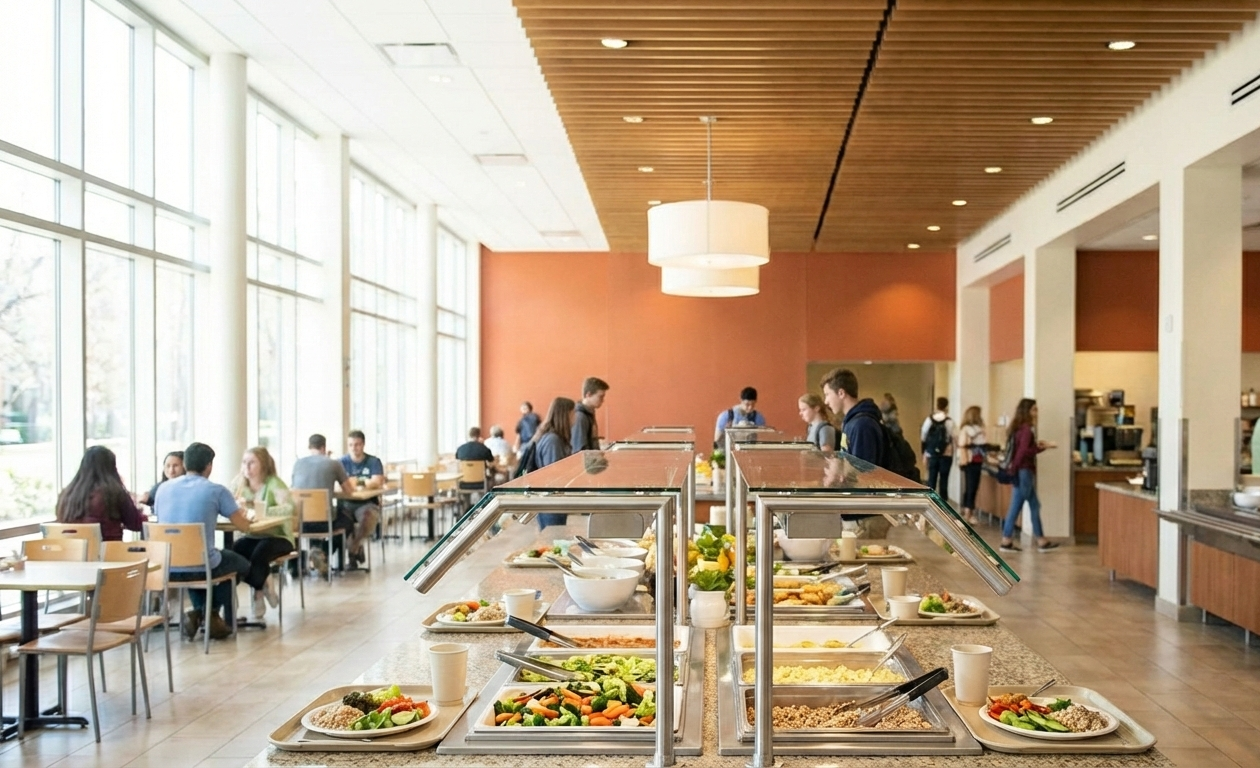
Creating an eco-friendly campus food program is about more than just adding a recycling bin to the dining hall. It’s a comprehensive approach that looks at the entire lifecycle of food on campus—from where it’s grown to what happens after a meal is finished. A truly sustainable program weaves together responsible sourcing, smart waste reduction, and innovative systems that make it easy for everyone to make greener choices. By focusing on these key areas, you can build a program that not only reduces your environmental footprint but also enhances the student dining experience and supports your institution's long-term goals.
Focus on Sustainable Sourcing
The journey to a greener dining program starts at the source. Sustainable sourcing means partnering with suppliers who share your commitment to the environment and ethical practices. This often involves prioritizing local farmers to reduce food miles, choosing fair-trade certified products, and selecting humanely raised meat and dairy. For example, UMD Dining Services sources local and fair trade food and even grows organic vegetables on its own campus farm. This approach not only lowers your carbon footprint but also supports the local economy and provides students with fresher, higher-quality food. It’s a powerful way to connect your dining program to the wider community.
Implement Waste Reduction Programs
A major part of any sustainability plan is tackling waste head-on. This includes both food waste and packaging waste. On the food front, simple operational changes can make a huge difference. Smart inventory management, cooking in smaller batches to match demand, and offering trayless dining are all proven strategies to cut down on what gets thrown away. But food isn't the only culprit. Single-use takeout containers generate a staggering amount of trash. With less than 10% of plastic in the U.S. actually getting recycled, it's clear that disposables aren't a sustainable solution.
Introduce Reusable Packaging Systems
The most effective way to deal with packaging waste is to design it out of the system from the start. This is where reusable packaging comes in. By replacing single-use containers with durable, reusable alternatives, you create a closed-loop system that dramatically reduces landfill waste. This shift doesn't just benefit the planet; it benefits your budget. Universities that switch to reusables can save 20-50% compared to the recurring cost of single-use compostable containers. The key is to implement a tech-enabled reuse system that makes borrowing and returning containers seamless for students and staff, ensuring high participation and even higher return rates.
How a Sustainable Food Program Benefits Your Campus
Shifting to a more sustainable dining program is more than just an environmental initiative—it’s a strategic move that delivers tangible benefits across the board. By rethinking how you source, serve, and manage food, you can create a positive ripple effect that touches your budget, your students, and your campus’s reputation. It’s a win for your bottom line, a win for student satisfaction, and a clear win for the planet.
Reduce Your Environmental Impact
Let’s start with the big picture. A sustainable food program directly shrinks your campus’s environmental footprint. This goes beyond simply recycling. It involves a conscious effort to cut down on waste, especially from single-use packaging, and reduce the greenhouse gas emissions tied to your operations. Implementing changes like a reusable container system is one of the most effective ways to tackle this. By moving away from a disposable model, you can dramatically reduce pollution and waste production, making a measurable difference in your campus’s overall environmental health.
Save on Operational Costs
Sustainability isn't just good for the planet; it's good for your budget. The recurring expense of single-use containers adds up quickly, especially with supply chain issues and rising material costs. By adopting a reusable container system, you stop the cycle of constantly buying and throwing away packaging. In fact, universities that make the switch can save between 20% and 50% compared to using disposables. This makes sustainability a financially savvy decision that frees up funds for other important areas of your dining program while demonstrating fiscal responsibility.
Improve Student Health and Satisfaction
Today’s students are more conscious than ever about where their food comes from and how their choices impact the world. A sustainable dining program aligns perfectly with their values. Research shows that a majority of Gen Z students are already eating plant-based meals and want to see more sustainable options on campus. By offering eco-friendly choices and being transparent about your initiatives, you show students you’re listening. This not only meets a growing demand but also enhances the overall dining experience, leading to higher satisfaction and greater engagement with your services.
How Students Can Drive Sustainability on Campus
Your students are more than just customers; they are your most powerful allies in creating a sustainable campus. Today’s students are passionate about environmental issues and are often the driving force behind major campus changes. When you bring them into the conversation and empower them to take action, you’re not just launching a program—you’re building a campus-wide movement. By listening to their ideas and giving them a real stake in the outcome, you can foster a culture of sustainability that extends far beyond the dining hall.
Tapping into this energy is key to the success of any eco-friendly initiative. Student buy-in can transform a good idea into a campus standard. They can champion new systems, provide invaluable feedback, and hold their peers accountable in ways that administration simply can’t. Think of them as your on-the-ground marketing team and your most honest focus group, all rolled into one. By creating a genuine partnership with your student body, you can ensure your sustainability goals are met with enthusiasm and widespread adoption, making your job easier and your impact greater. The following strategies will help you channel that student passion into tangible results for your dining program.
Encourage Student-Led Initiatives
Students are fantastic leaders when it comes to starting sustainability projects on campus. Your role is to give them the platform and support they need to bring their ideas to life. Start by connecting with existing student environmental clubs or forming a dedicated student sustainability advisory board for your dining services. These groups can serve as a direct line to the student body, helping you test ideas and gather honest feedback. Consider setting aside a small budget for student-led projects or hosting a "green idea" competition. An open-door policy where students feel comfortable pitching their thoughts can also uncover innovative solutions you might not have considered. When students feel a sense of ownership over the program, they become its most effective advocates.
Promote Green Dining Habits
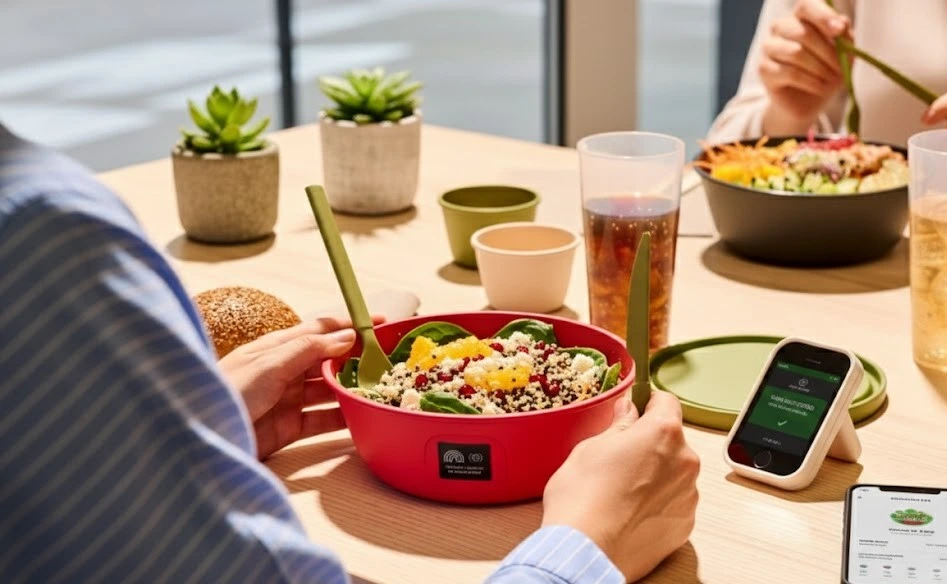
You can guide students toward more sustainable choices by making those options easy and appealing. With nearly 80% of Gen Z students eating plant-based meals weekly, you can meet this demand by making vegan and vegetarian dishes prominent and delicious. Simple changes in menu placement and marketing can make a big difference. Similarly, you can tackle packaging waste by introducing a modern reuse system. Using reusable containers creates a closed-loop program where items are used again and again, which saves money and reduces a massive amount of trash. When the system is frictionless—think a simple tap of a student card to check out a container—it becomes second nature for students to participate and make a positive impact with every meal.
Build Awareness Through Education
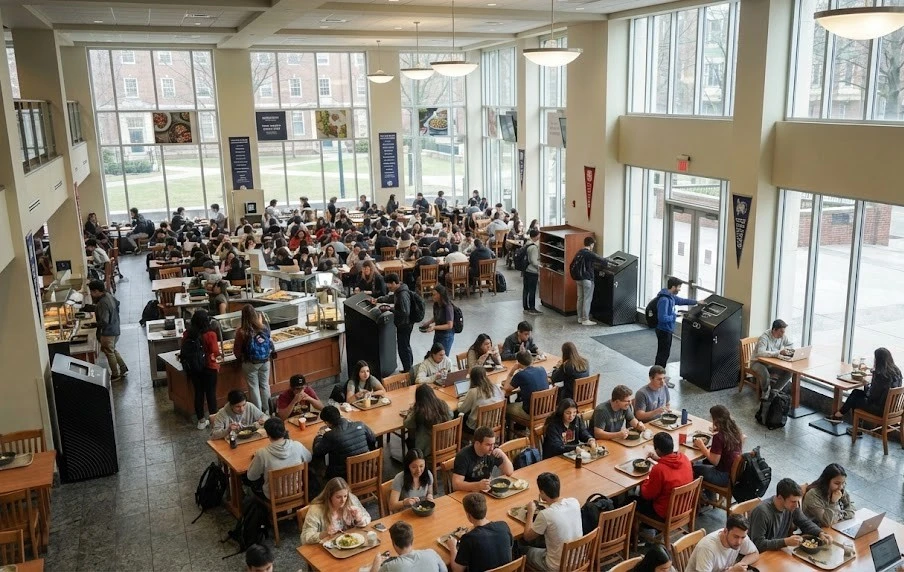
Your dining halls are more than just places to eat; they're classrooms. With thousands of meals served daily, you have a huge opportunity to teach students about sustainable living. Students are curious and want to know how their food choices affect the environment, so give them the information they’re looking for. Use clear signage to highlight locally sourced ingredients or the carbon footprint of different meals. You can also use digital screens on smart return bins to display real-time data, like the number of single-use containers saved that day. By making the impact of their choices visible and easy to understand, you empower students to connect their daily actions to the campus’s broader sustainability goals.
What Every Successful Campus Food Program Needs
Building a truly sustainable campus food program goes beyond just a few recycling bins. It’s about creating a holistic system where every choice—from the ingredients you buy to the energy you use—is made with intention. The most successful programs are built on a foundation of four key pillars: sourcing food responsibly, meeting student demand for greener menus, actively managing waste, and running an efficient operation.
When these elements work together, they create a powerful cycle. Local sourcing reduces your carbon footprint, while plant-forward menus appeal to today’s students and are often less resource-intensive. Smart waste management cuts costs and prevents food from ending up in landfills. And an energy-efficient kitchen ties it all together, minimizing your environmental impact from start to finish. Let’s look at what each of these pillars involves and how you can start implementing them on your campus.
Prioritize Local and Organic Sourcing
Connecting with local farmers and suppliers is one of the most impactful changes you can make. Sourcing locally shortens the supply chain, which means fresher ingredients for your students and a smaller carbon footprint from transportation. It also invests money back into your local community. The University of Maryland, for example, has been buying local and fair-trade food since 2012. They even grow their own organic vegetables at an on-campus farm, showing a deep commitment to knowing exactly where their food comes from. You can start by identifying one or two high-volume items, like produce or dairy, and finding a local partner to supply them.
Expand Plant-Based Menu Options
Today’s students are actively seeking out more sustainable and healthier food choices, and plant-based meals are at the top of their list. In fact, data shows that nearly 80% of Gen Z students eat plant-based meals weekly, and many want to incorporate even more into their diets. Meeting this demand isn’t just a trend; it’s a strategic way to align your program with student values. Expanding your plant-based offerings can also reduce your environmental footprint, as these options typically require fewer resources to produce than meat-based dishes. Start by introducing a few exciting, flavor-forward plant-based dishes and gather student feedback to guide your menu development.
Manage Waste Comprehensively
A successful eco-friendly program tackles waste from every angle, not just at the point of disposal. This starts in the kitchen with smart inventory management and cooking in smaller, more frequent batches to prevent overproduction. Many universities have also found success with trayless dining, which naturally discourages students from taking more food than they can eat. Beyond prevention, it’s about creating systems for reuse and donation. The University of Maryland, for instance, focuses on repurposing leftovers and donating surplus food, ensuring that as little as possible goes to waste. A comprehensive approach reduces landfill contributions and can lead to significant cost savings on raw ingredients.
Run an Energy-Efficient Kitchen
Your kitchen's energy and water consumption are a huge part of your program's overall environmental footprint. Running an energy-efficient operation involves everything from choosing ENERGY STAR-rated appliances to optimizing your building's design for natural light and ventilation. The University of Maryland opened its first carbon-neutral dining facility, the Yahentamitsi Dining Hall, in 2022, setting a new standard for sustainable infrastructure in campus dining. While building a new facility isn't always an option, you can make a difference by regularly maintaining equipment, training staff on energy-saving practices, and conducting an energy audit to identify areas for improvement.
How to Overcome Common Implementation Challenges
Launching a new sustainability initiative is a big move, and it’s natural to anticipate a few hurdles. From budget approvals to operational shifts, every new program has its challenges. The good news is that with a clear strategy, these obstacles are entirely manageable. By addressing potential issues head-on, you can ensure a smooth rollout that gets everyone on board and sets your program up for long-term success. Let's walk through some of the most common challenges and the practical steps you can take to solve them.
Find Solutions for Budget Constraints
Let’s be honest: budget is often the first hurdle. The initial cost of implementing sustainable practices can seem daunting, but it’s crucial to frame it as a long-term investment rather than an expense. With the cost of disposable packaging rising over 200% in the last few years, a reusable system can lead to significant annual savings. To manage the upfront investment, you can explore grants for sustainability and partnerships that can help alleviate the financial load. When you present the plan, focus on the total cost of ownership and the impressive return on investment from eliminating single-use containers, which often saves programs over 30% annually.
Engage the Campus Community
Your students are your greatest allies and can be powerful leaders in campus sustainability projects. Getting them involved from the very beginning creates a sense of shared ownership and excitement. Before you launch, gather feedback through surveys, host focus groups, or create a student advisory committee to help shape the program. When students feel heard, they become advocates who encourage their peers to participate. This collaborative approach not only improves the program's design but also builds a campus culture that values and actively supports your eco-friendly initiatives.
Integrate New Infrastructure and Technology
Bringing in new technology can feel disruptive, but modern reuse systems are designed to make the transition seamless. The key is to find a solution that works with your existing infrastructure, not against it. Look for platforms that offer full integration with your current campus card and payment systems, like Transact, CBORD, and TouchNet. A frictionless experience is essential for adoption. For example, our Tap to Reuse™ technology allows students to check out a container with a simple tap of their card—no app download required. This makes participation effortless and keeps your operations running smoothly.
Train Staff and Adjust Operations
Any new system is only as good as the team running it. To ensure a successful transition, invest time in training your staff on the new procedures and the "why" behind them. Clear communication helps everyone understand their role and the positive impact of the program. The best systems also reduce the burden on your team. With features like smart return bins that signal when they're full and automated accountability that handles late fees without staff intervention, your team can focus on what they do best: providing great food and service. This thoughtful approach to operations makes sustainability an easy, integrated part of your daily workflow.
How to Build a Zero-Waste Campus Dining System
A zero-waste campus isn't a far-off dream; it's a practical goal that starts right in your dining halls. The key is building a closed-loop system that makes reusing just as easy—if not easier—than throwing something away. This means moving beyond the endless cycle of purchasing and disposing of single-use items and creating a circular flow of containers that students and staff can rely on day after day. But it’s about more than just swapping out forks and clamshells. A truly successful system requires a thoughtful, tech-enabled approach that integrates seamlessly into your existing operations, encourages participation without adding friction, and provides clear data on your progress. When you get the system right, you can significantly cut down on landfill waste, reduce ever-rising packaging costs, and give students a modern dining experience they can feel good about. The following steps break down how to build a system that works for your campus, your budget, and your long-term sustainability goals, turning a major cost center into a point of pride for your institution.
Eliminate Single-Use Packaging
The first and most impactful step is to replace single-use items with durable, reusable alternatives. Single-use takeout containers, especially plastic, create a mountain of trash. In fact, less than 10% of plastic in the U.S. actually gets recycled. Beyond the environmental toll, the cost of disposable packaging has skyrocketed, eating into your operational budget. By switching to a system of reusable containers, you create a sustainable loop where items are used again and again. This not only saves money and reduces waste but also demonstrates a clear commitment to your campus's green initiatives. The key is to choose high-quality containers and a system that makes the transition smooth for everyone involved.
Use Smart Return Systems and Container Tracking
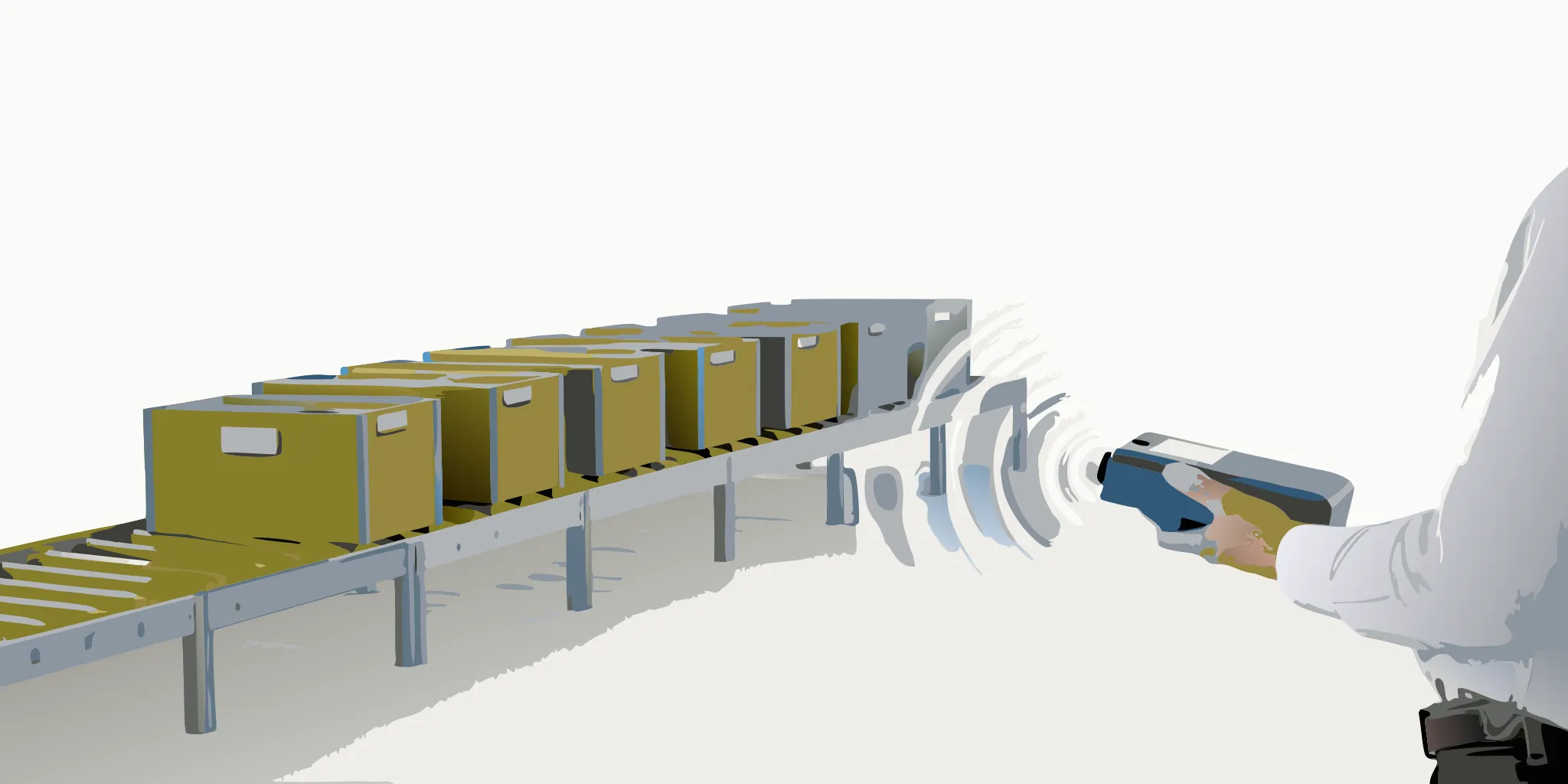
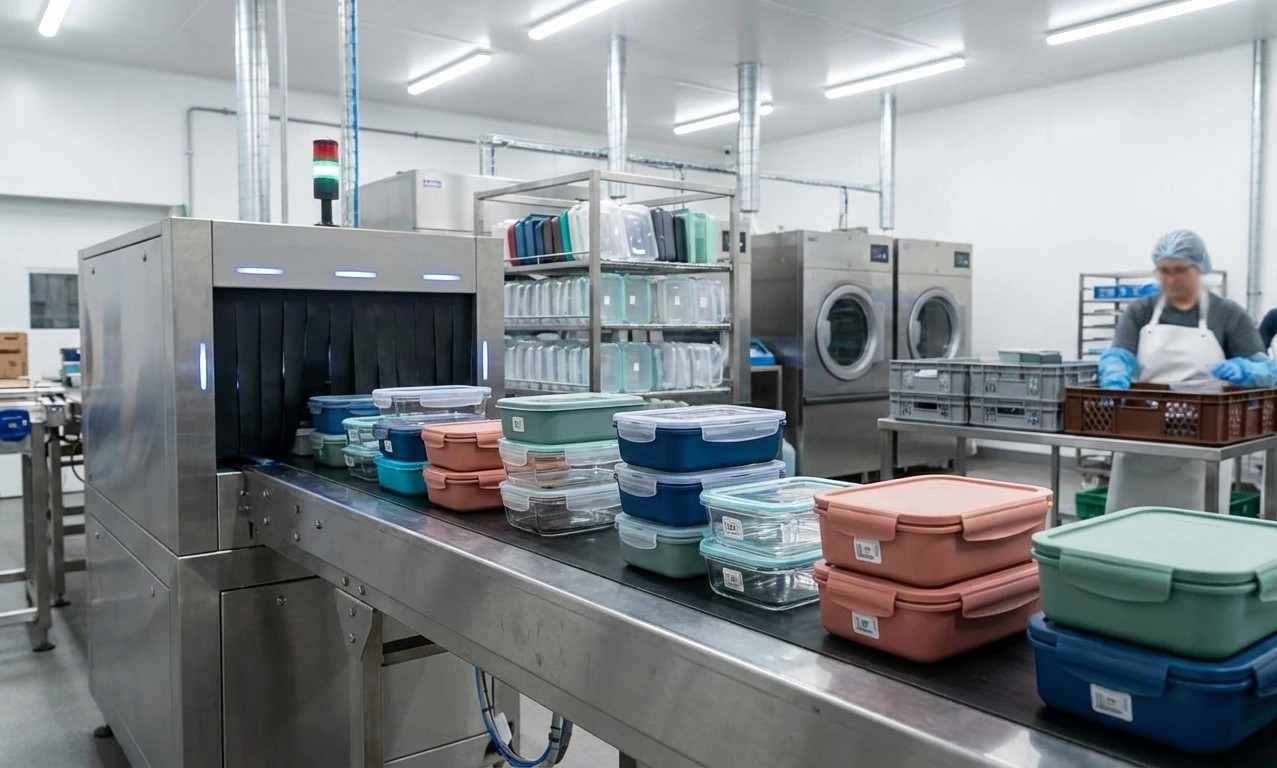
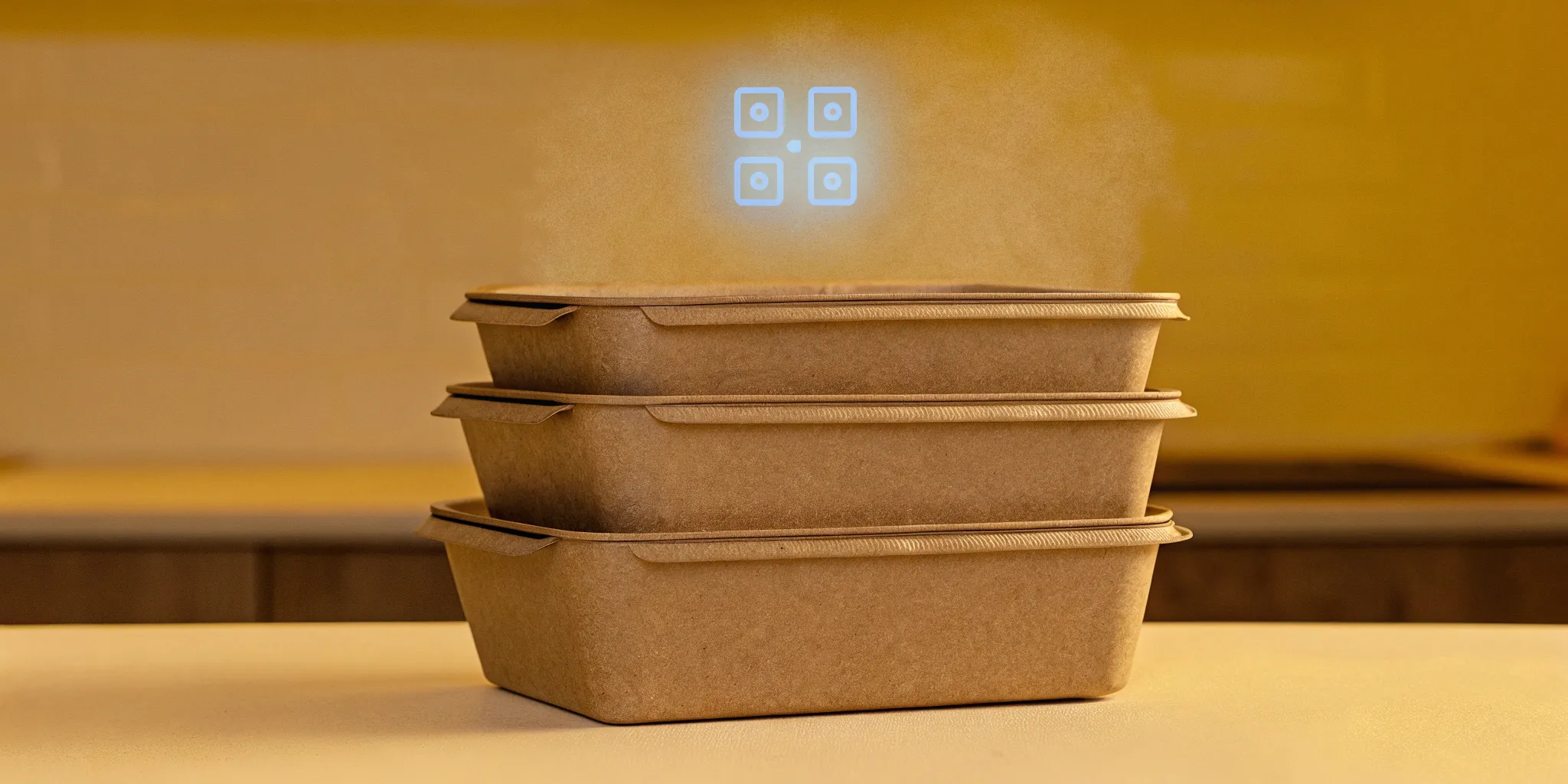
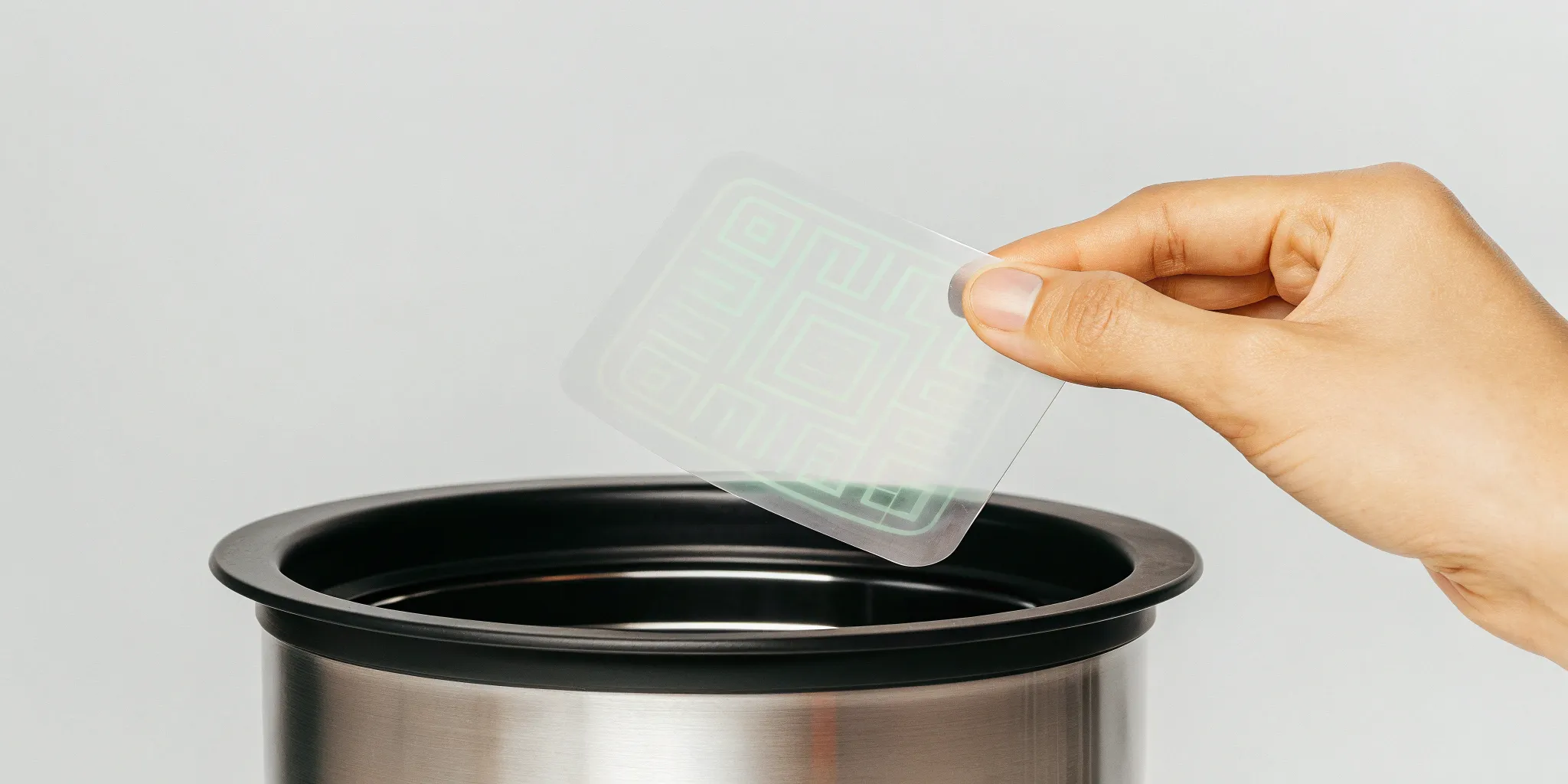
A reusable container program is only as good as its return rate. To make it work, you need a convenient way for students to return items and a reliable way for you to track them. This is where a smart return system comes in. Look for solutions that offer 24/7, tamper-proof return bins that can be placed in high-traffic areas across campus, not just in the dining hall. Each container should have a unique QR or RFID tag, allowing you to track its journey from checkout to return. This digital tracking eliminates manual guesswork, gives you real-time inventory data, and ensures every container is accounted for, creating a system that saves money and reduces waste.
Automate Accountability
High return rates don't happen by accident; they're the result of a system that encourages good habits. The best way to do this without adding work for your staff is through automated accountability. When a student checks out a container, the system should automatically link it to their account. If a container isn't returned on time, the system can send friendly reminders and, if necessary, apply a small, refundable late fee. This gentle nudge is incredibly effective. Finding the right partner means this entire process is automated, so your team never has to chase down students or manually manage fees. It’s a simple, fair way to ensure containers keep circulating and your program remains self-sustaining.
The Right Tech for Your Sustainable Dining Program
A successful reusable container program is about more than just the containers themselves—it’s powered by the technology that makes the system work. Without a smart, integrated tech stack, even the best intentions can lead to lost inventory, low student participation, and a logistical nightmare for your staff. The right technology transforms a reuse program from a complex operational challenge into a seamless, self-sustaining system. It provides the framework for tracking, returns, and reporting, ensuring your program not only meets its sustainability goals but also delivers a great student experience and a clear return on investment.
Think of it this way: the containers are the vehicles, but the technology is the traffic control system that keeps everything moving smoothly. It automates the tedious tasks that would otherwise fall on your team, like chasing down missing containers or manually logging returns. This frees up your staff to focus on what they do best—providing excellent food and service. By integrating smart tech from the start, you build a program that’s scalable, accountable, and genuinely easy for students to embrace. This is where you move from simply offering reusables to running a truly efficient, zero-waste dining operation that benefits everyone involved.
Digital Tracking and RFID Systems
To run a successful reuse program, you need to know where your containers are. Digital tracking is non-negotiable for maintaining inventory and creating accountability. Systems that use both QR codes and RFID technology offer the most flexibility, allowing you to track different types of containers, from durable plastic to stainless steel. Each time a student checks out a container, a quick scan links it to their account. This simple step is the key to preventing container loss and achieving the high return rates needed to make your program financially viable. It turns your container fleet from a disposable expense into a managed asset, giving you full visibility and control.
Automated Return Stations
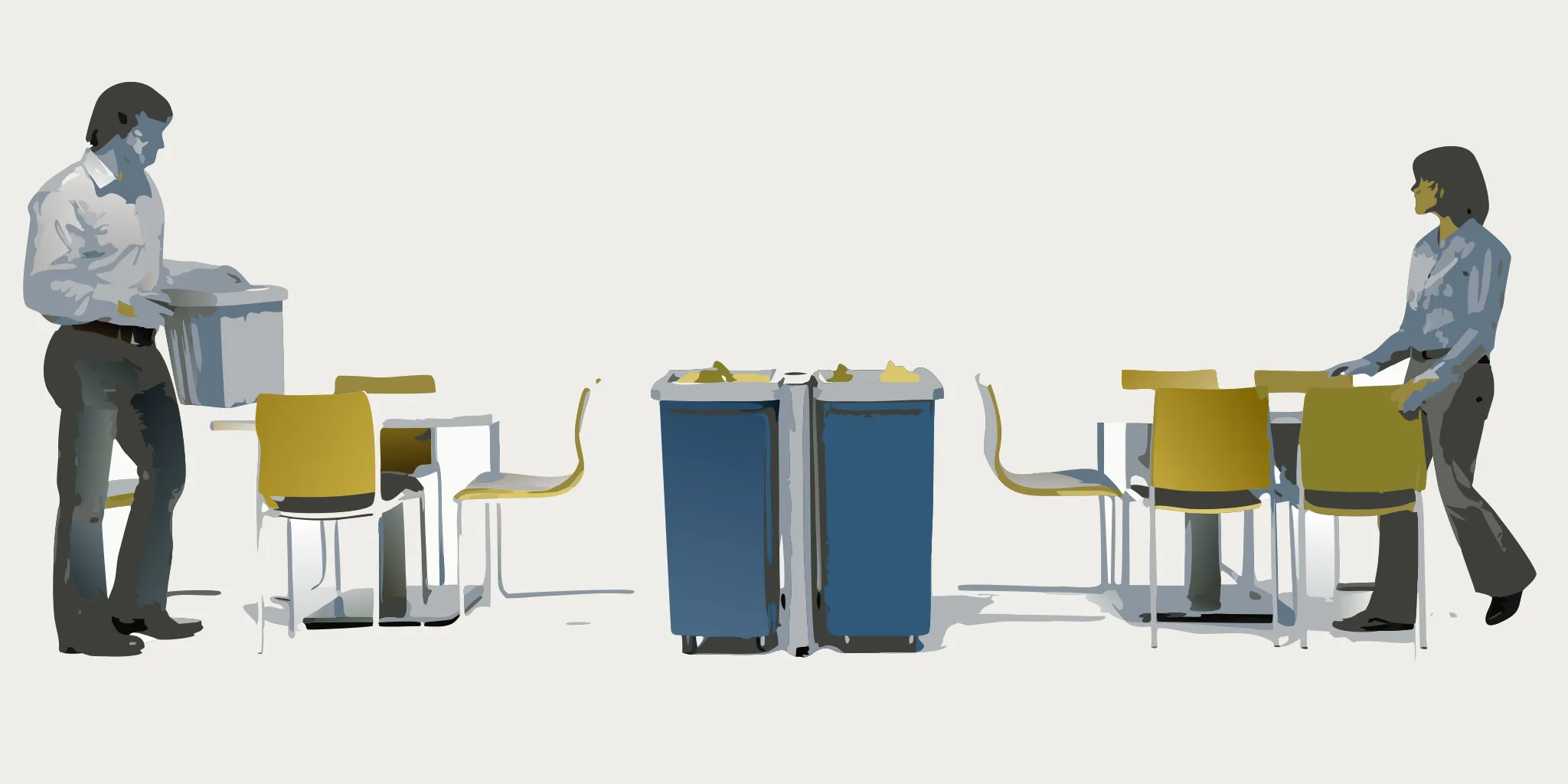
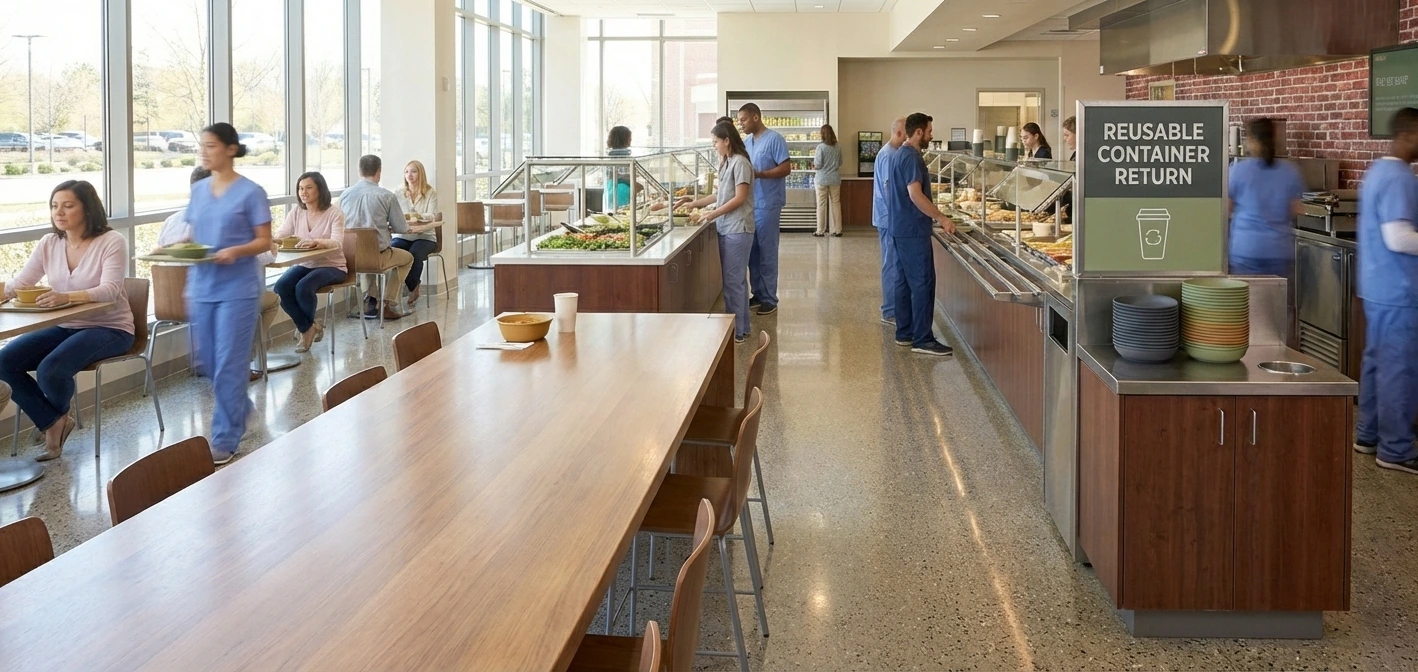
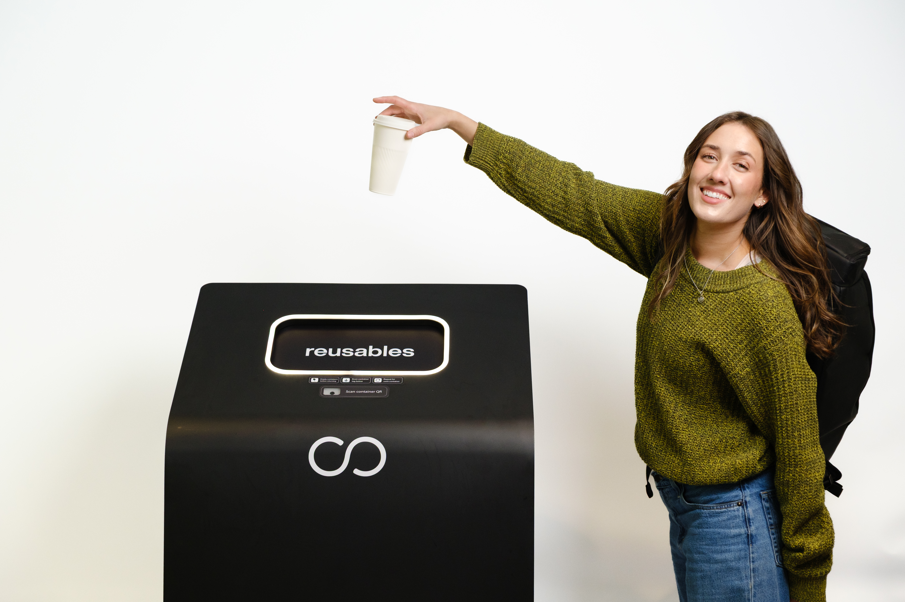
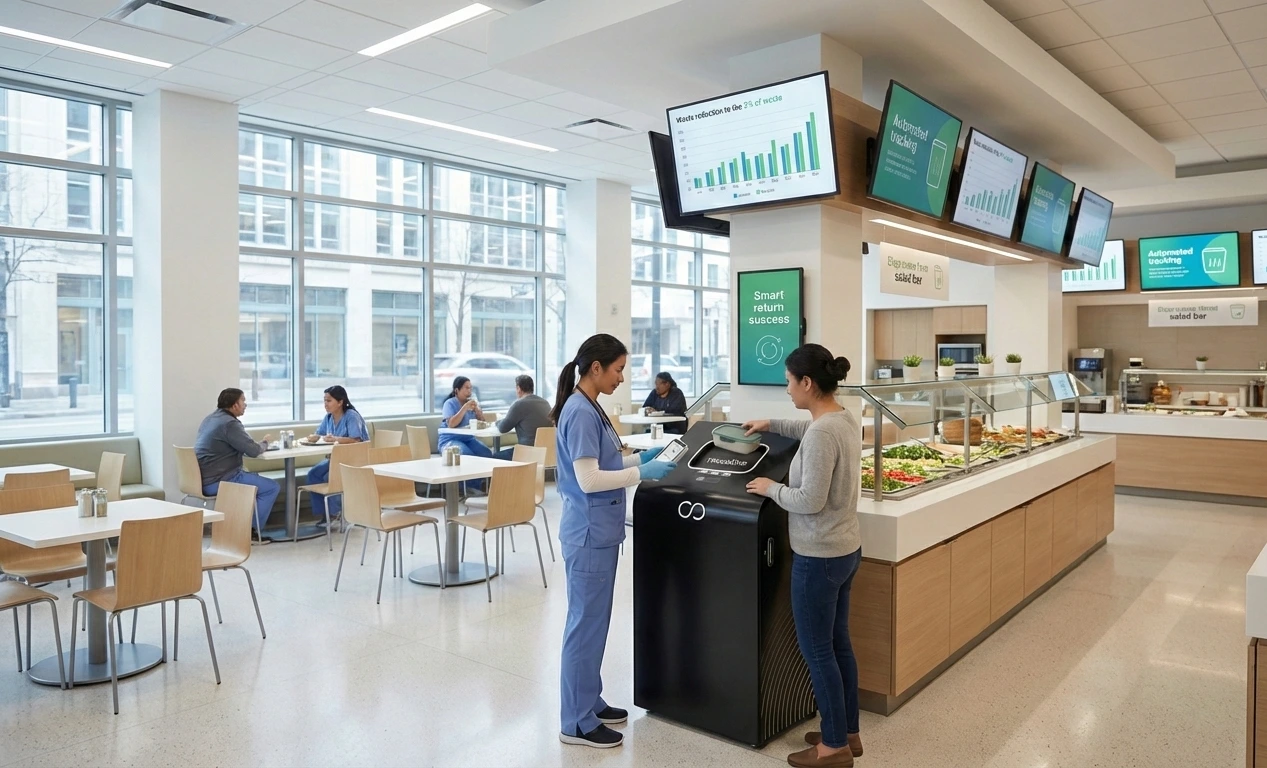
If returning a container is inconvenient, students simply won’t do it. That’s why automated, 24/7 return stations are a game-changer. Instead of relying on staff to manually collect and scan containers during limited hours, smart bins allow students to drop off items whenever and wherever is easiest for them. This streamlined process eliminates lines, reduces labor for your staff, and makes participating in the reuse program a frictionless part of campus life. The best systems are designed to be tamper-proof and can automatically detect when they’re full, alerting your team for pickup. It’s a simple, elegant solution that drives the high return rates essential for success.
Real-Time Impact Dashboards
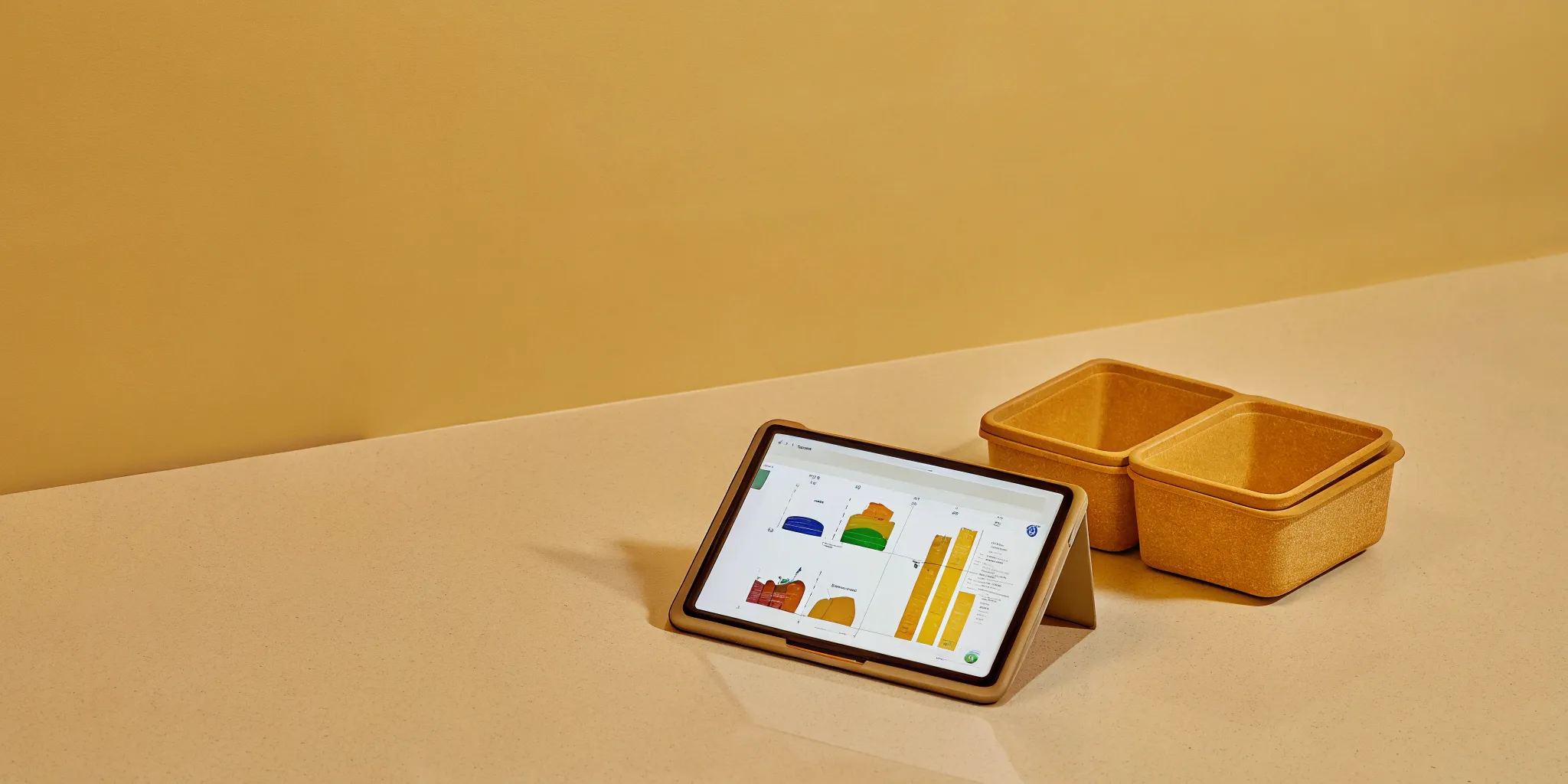
How do you prove your sustainability program is working? With clear, accessible data. A real-time impact dashboard gives you a live look at your program’s performance, translating daily operations into powerful metrics. You can track key indicators like container usage, return rates, current inventory levels, and financial savings. More importantly, you can quantify your environmental impact by seeing exactly how many single-use containers have been diverted from the landfill. This data is invaluable for reporting to stakeholders, engaging the student body, and making informed decisions to continuously improve your program’s effectiveness.
How to Get Students Excited About Sustainability
A new sustainability program is only as strong as the student body that supports it. While today's students are passionate about environmental causes, you're competing for their attention. Simply launching an initiative isn’t enough; you need to actively cultivate excitement. The key is to make sustainability feel less like a chore and more like a shared campus mission. By making it engaging, educational, and even a little competitive, you can transform student awareness into meaningful action and ensure your program’s long-term success.
Introduce Gamification and Rewards
Turning sustainability into a game is a powerful way to drive participation. Students are already used to point systems, so apply that logic to eco-friendly habits. Create a system where students earn points for every reusable container they return, redeemable for rewards like a free coffee or bookstore discounts. Campus-wide leaderboards can also spark friendly competition, showing which students are leading the charge. Our platform makes this easy with built-in gamification and student experience features that track participation and help you manage rewards automatically, keeping students engaged without adding work for your staff.
Launch Educational Campaigns
For students to buy into a program, they need to understand its impact. An educational campaign can connect the simple act of using a reusable container to the larger goal of reducing campus waste. Use clear visuals in dining halls and on social media to show the collective impact—for example, "This week, we saved 5,000 single-use containers from the landfill!" Partner with student environmental groups to spread the word. When students see the tangible results of their actions, they become more invested. These campus sustainability campaigns are most effective when they consistently reinforce the "why" behind your program.
Organize Campus-Wide Competitions
A little friendly competition can go a long way. Challenge different student groups, dorms, or departments to see who can achieve the highest reuse rate over a specific period. Competitions create a sense of community and shared purpose, turning individual actions into a collective effort. Promote the challenge during major campus events like homecoming or Earth Week to maximize visibility. To make it work, you need reliable data. A system with a robust dashboard that provides real-time tracking is essential for monitoring progress, declaring winners, and showcasing the impressive results of the campus’s collective effort.
How to Measure the Success of Your Program
Once your eco-friendly initiatives are up and running, you need a clear way to see what’s working. Measuring success isn’t just about feeling good about your efforts; it’s about gathering concrete data to justify the program, secure ongoing support, and make smart decisions for the future. Solid metrics show the real-world value of your sustainable food program to students, staff, and campus leadership, moving your efforts from good intentions to tangible, reportable results.
Track Return Rates and Compliance
For any reusable packaging program, the single most important metric is the return rate. If containers aren't consistently returned, your system isn't truly circular, and costs will climb. A high return rate—aiming for 99% or higher—is the clearest sign of a healthy, well-adopted program. Beyond just the return rate, you should also track compliance over time. Are students and staff using the system consistently each semester? This kind of data on long-term sustainability shows that the new habits are sticking. Modern tracking systems with unique QR or RFID tags on each container can automate this process, giving you precise, real-time data without manual counts.
Analyze Waste Reduction and Cost Savings
A successful sustainability program should deliver clear financial and environmental wins. Start by calculating your cost savings. Compare what you spent on single-use packaging before the program to your current operational costs. With disposable packaging expenses on the rise, creating a closed-loop system where containers are used hundreds of times offers a direct path to significant savings. Next, measure your waste reduction. Track the volume or weight of single-use items diverted from the landfill. This powerful metric not only demonstrates your program's effectiveness but also provides compelling data for your campus sustainability reports and marketing materials.
Assess Your Environmental Impact
Beyond cost and waste, it’s important to measure the broader environmental benefits of your program. This includes tracking reductions in your carbon footprint, water usage, and energy consumption. You don’t have to create these metrics from scratch. You can use established frameworks to measure your performance across key sustainability impact areas, like the Sustainability Tracking, Assessment & Rating System (STARS). The right technology partner can make this simple by providing a dashboard with real-time impact data. These numbers help you tell a powerful story about your campus’s commitment to sustainability and celebrate your collective achievements with the entire community.
Your Action Plan for Sustainable Campus Dining
Ready to make a change? Shifting to a more sustainable dining program is a process, but breaking it down into manageable phases makes it achievable. This three-phase action plan will guide you from initial assessment to a fully scaled, campus-wide system that cuts costs and waste.
Phase 1: Assessment and Planning
Before you can build a better system, you need a clear picture of your current operations. The first step is to understand how your campus food services work. Is your dining program run by the university, or do you partner with a third-party contractor? Knowing this structure is crucial because it clarifies who you need to collaborate with to get new initiatives approved. Dig into your data to find your baseline: How much are you spending on single-use packaging? What’s your current waste output? This information is essential for building a business case and setting realistic, measurable goals for your program.
Phase 2: Pilot Program Implementation
You don’t have to overhaul your entire dining system overnight. Starting with a pilot program is a smart way to test new ideas, gather feedback, and demonstrate success on a smaller scale. You could launch a reusable container program in a single dining hall or café. Introducing a system where items are used again and again is a proven way to save money and reduce waste. This is also a great time to test other initiatives, like introducing a dedicated plant-based food station. A successful pilot provides the data and student testimonials you need to gain support for a campus-wide rollout. It’s your chance to prove the concept works before making a larger investment.
Phase 3: Scaling and Long-Term Strategy
Once your pilot program has proven successful, it’s time to think bigger. The goal is to expand your initiatives across the entire campus and integrate them into your long-term operational strategy. The most effective way to cut down on waste is to prevent it from being created in the first place, and a campus-wide reusable container program does exactly that. Use the data from your pilot to create a phased rollout plan. As you scale, continue to listen to student feedback and adapt. Your long-term strategy should align with your institution's broader sustainability goals, helping you move toward a truly zero-waste dining experience that benefits your budget, your students, and the planet.
Related Articles
- Guide to Sustainable College Cafeterias
- A Guide: How to Use Transact Card for Reusables
- Deposit-Free Reuse Systems and their Impact for On-Campus Dining
Frequently Asked Questions
How does a reusable container system actually save our dining program money? It’s a common question, especially when you consider the upfront investment. The savings come from eliminating the endless cycle of buying disposable containers. With packaging costs rising dramatically, that recurring line item on your budget adds up fast. A reusable system turns that ongoing expense into a one-time investment in durable assets. Over time, the cost per use of a reusable container drops to mere pennies, leading to significant annual savings that often exceed 30% compared to single-use alternatives.
What's the key to getting students to actually return the containers? The secret is to make returning items incredibly simple and to have a system of gentle accountability. Success isn't about relying on goodwill alone. It’s about having convenient, 24/7 return bins in high-traffic areas and using technology that links each container to a student's account. A system that sends automated reminders and applies a small, refundable late fee for unreturned items creates a powerful incentive. This approach ensures high return rates without creating a punitive environment for students.
How can we implement a new reuse system without overwhelming our staff? The right system should reduce your team's workload, not add to it. Look for a solution that automates the most time-consuming tasks. For example, smart return bins can alert your staff when they need to be emptied, and a fully automated accountability system means your team never has to chase down students for missing containers or manually process fees. When the technology handles the tracking and accountability, your staff can stay focused on providing excellent food and service.
We're focused on local sourcing and plant-based menus. Why is reusable packaging so important? Sourcing and menu choices are huge parts of the sustainability puzzle, but packaging waste is a uniquely visible and persistent problem. Single-use containers generate a massive amount of landfill waste daily, and recycling is often an ineffective solution. By adding a reusable packaging system, you address the "end-of-life" part of the meal experience that sourcing and menus don't cover. It closes the loop on your operations and makes a tangible, daily impact that students can see and participate in.
What's the most important feature to look for in a technology partner for a reuse program? Look for a partner whose technology integrates seamlessly with the systems you already use. The best platforms work directly with your existing campus card and payment providers, so students don't have to download a separate app or learn a complicated new process. A frictionless checkout, like a simple tap of a student card, is essential for widespread adoption. This focus on integration ensures the program is easy for students to use and simple for your team to manage from day one.
Other stories you may find interesting






















.webp)
.webp)








.webp)



























Watch the Webinar
Learn How to Eliminate Single-Use Waste
Get instant access to our expert webinar and discover how leading institutions reach 99% return rates through smarter reuse systems.

© Reusables™. All rights reserved.