
8 Ways to Increase Student Engagement in Reuse Programs

March 13, 2026
You've seen the overflowing bins and the budget lines for disposable containers creeping higher each year. You might have even tried a reuse program in the past, only to be frustrated by low return rates and clunky logistics that created more work for your staff. It's easy to think students just don't care enough, but the problem usually isn't apathy; it's friction. A program that's complicated or inconvenient is doomed from the start. This guide is for dining directors who know there's a better way. We'll walk through practical, proven strategies that show you how to increase student engagement in reuse programs by designing a system that is simple, intuitive, and genuinely easy to use.
Key Takeaways
- Make reusing the easiest option: A successful program must be convenient. By integrating with existing campus card systems and using simple tap-to-reuse technology, you remove friction and make participation an effortless part of a student's daily routine.
- Turn participation into a campus movement: Go beyond logistics by building a culture of reuse. Use clear messaging, fun incentives like dorm competitions, and student ambassadors to create genuine excitement and make sustainability a shared community value.
- Use data to drive improvement: A great program evolves based on real-world use. Track key metrics like return rates, gather direct student feedback, and use those insights to make informed decisions that continuously improve the experience for everyone.
Why Bring a Reuse Program to Your Campus?
Campus dining services are at a crossroads. On one hand, there's a clear mandate to operate more sustainably and reduce waste. On the other, budgets are tight, and the cost of single-use packaging has skyrocketed over the last few years, with some institutions spending over $50,000 annually on disposables alone. It can feel like you have to choose between your budget and your environmental goals. But what if you didn't have to? A well-designed reuse program offers a practical path forward, allowing you to cut operational costs while making a significant, visible impact on your campus's sustainability efforts.
Students today are more environmentally conscious than ever. They expect their university to lead by example, and a mountain of single-use containers in the dining hall sends the wrong message. By implementing a modern reuse system, you not only meet student demand for greener options but also enhance their dining experience. Forget the clunky, manual systems of the past that created headaches for staff and students alike. Today's reuse solutions are powered by smart technology that makes participation seamless for students and management straightforward for your team. It's a powerful way to demonstrate environmental leadership, strengthen your campus community, and improve your bottom line.
The Problem with Single-Use Packaging
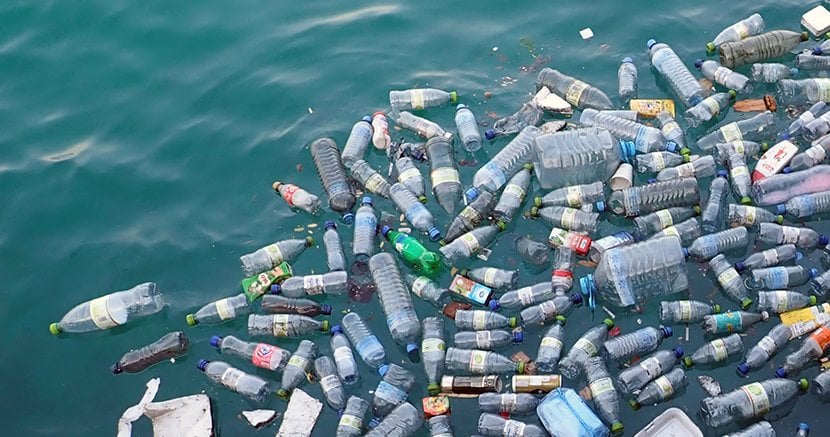
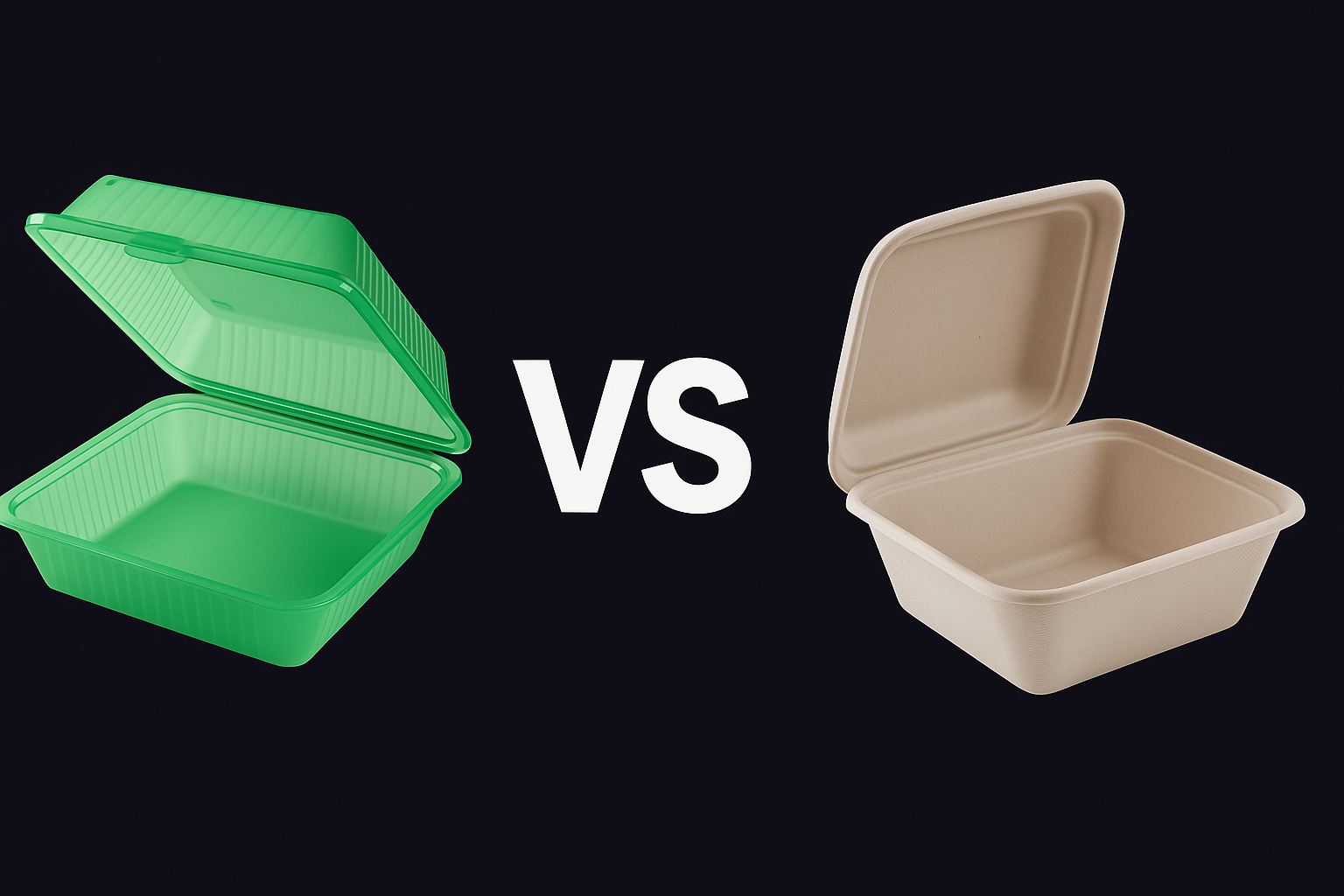
The most obvious sign of the problem is the overflowing trash cans across campus. Each takeout meal contributes to a mountain of waste. Plastic containers can take hundreds of years to break down, lingering in the environment long after a student graduates. While paper or compostable options might seem like a better choice, their production is incredibly resource-intensive. These alternatives often create a new set of environmental challenges without solving the core issue of a throwaway culture. This constant cycle of use and disposal is not only costly but also undermines the sustainability message your campus wants to promote.
How Reuse Programs Cut Waste and Costs
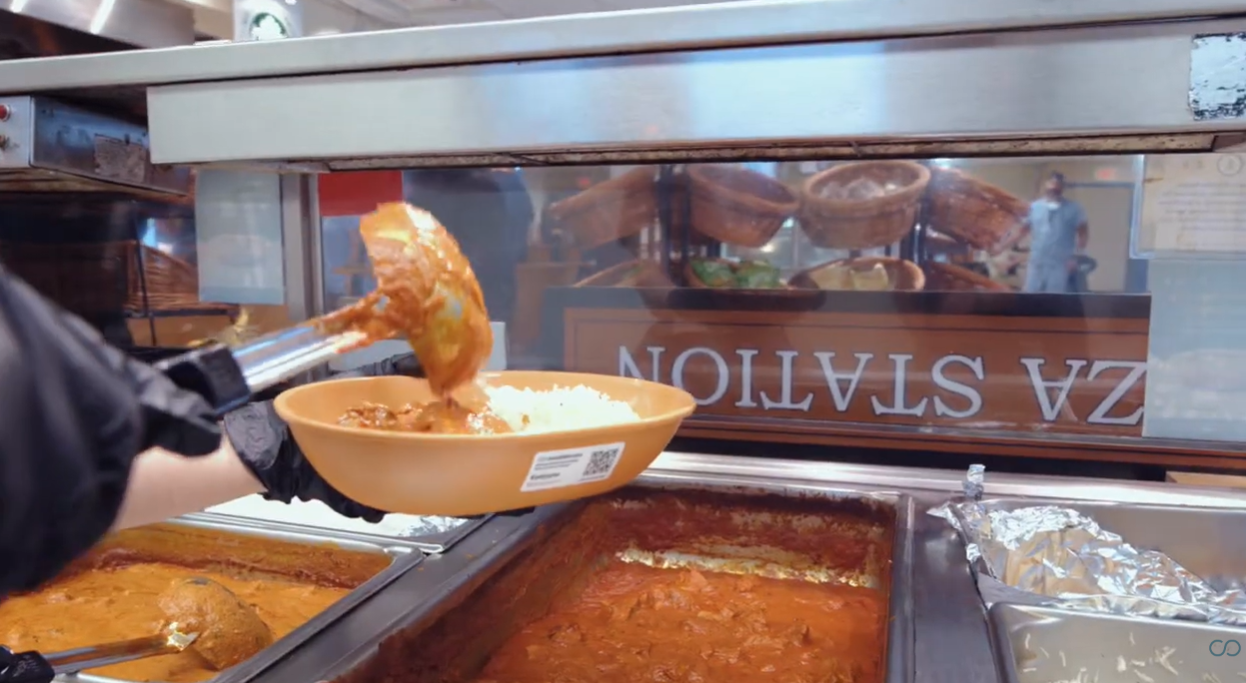
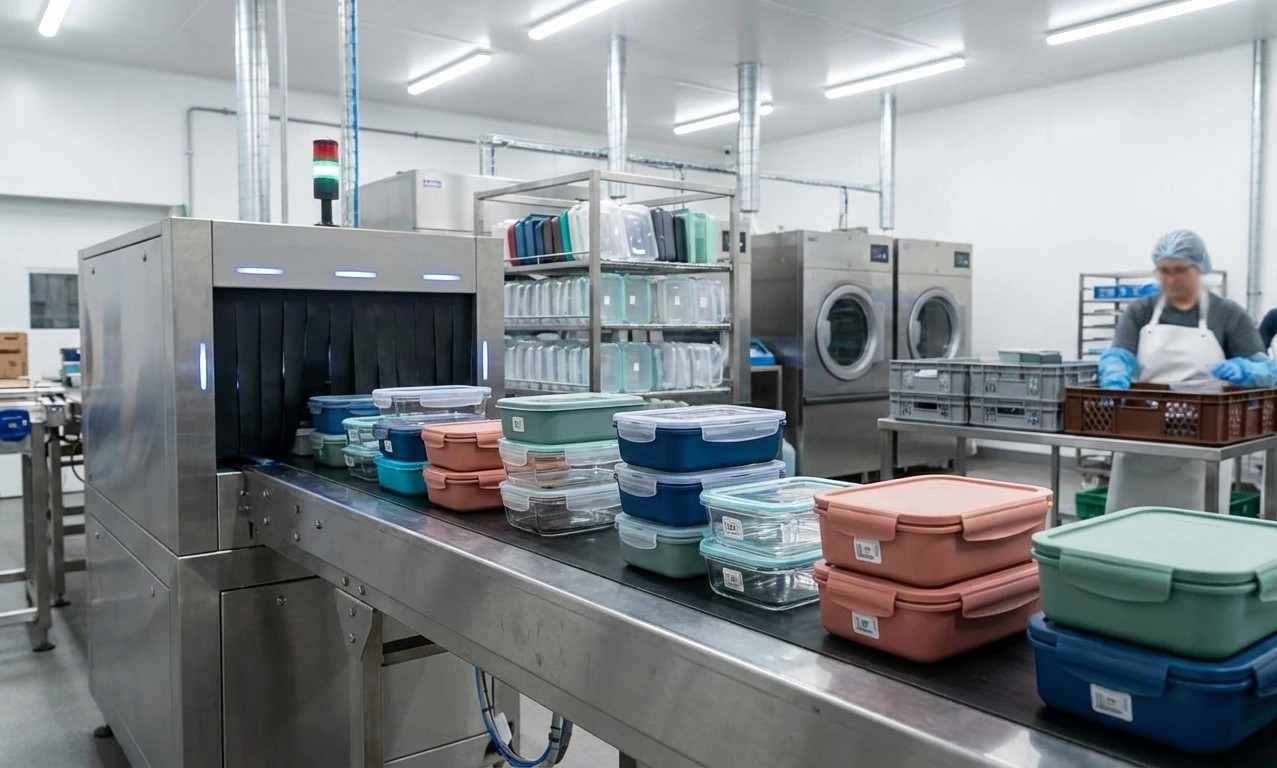
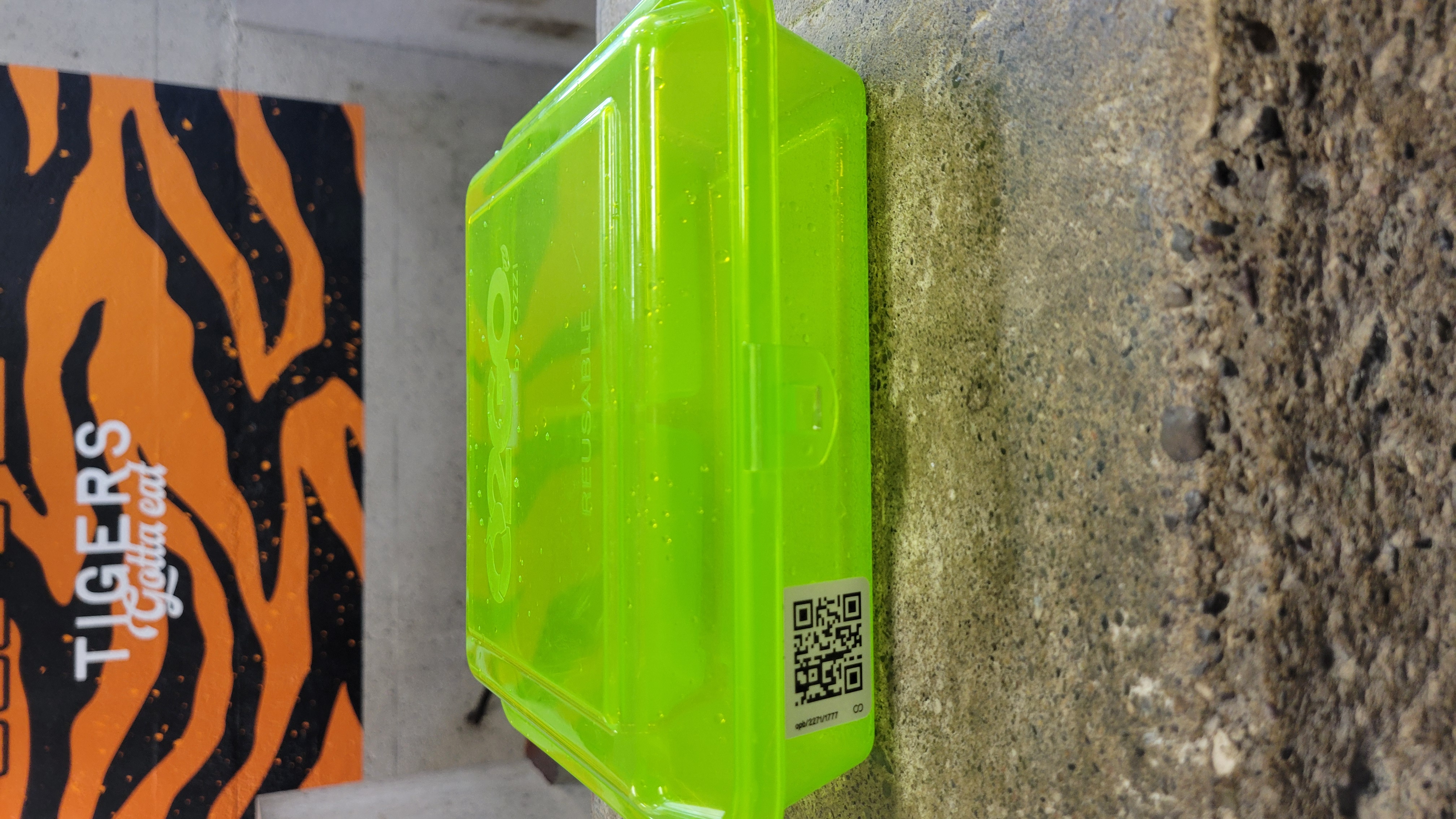
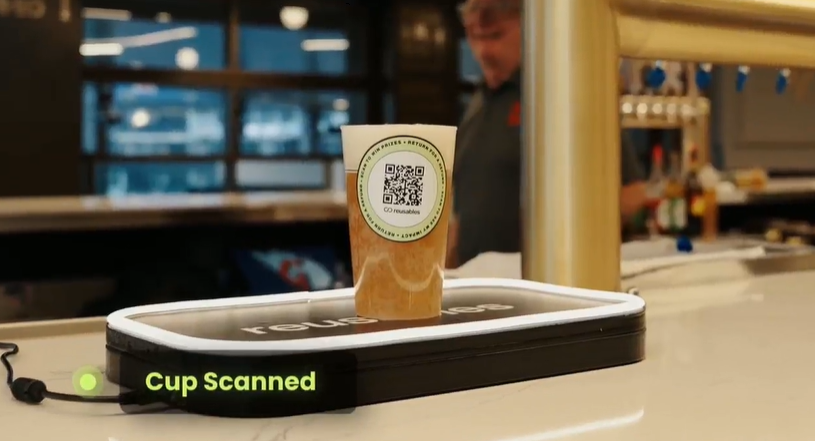
A reuse program directly tackles the waste and expense of single-use packaging. By replacing disposable containers with a fleet of durable, reusable ones, you can dramatically reduce your campus's waste stream. This shift also leads to significant financial savings, cutting down on the recurring, high costs of purchasing single-use items. Modern systems use technology like QR codes or RFID tracking to streamline inventory management and ensure high return rates, making the entire program run smoothly. These sustainable dining initiatives are more than just an environmental project; they are a smart operational investment that simplifies dining services for everyone involved.
Common Roadblocks to Student Participation
Launching a reuse program is a fantastic step, but getting students to participate consistently can feel like its own challenge. Often, low engagement isn't due to a lack of interest in sustainability. Instead, it usually comes down to a few common, and fixable, roadblocks. Students are juggling classes, social lives, and jobs, so any new system needs to be incredibly simple and clearly valuable.
Before you can build a program they'll love, you need to understand what might be holding them back. From lingering misconceptions about waste to systems that feel like too much work, these hurdles can stop even the most eco-conscious student from participating. Let's break down the three biggest barriers and how to start thinking about solutions.
Busting Common Reuse Myths
Many students operate on well-intentioned but inaccurate ideas about sustainability. For instance, some might believe that using a paper bag is always better than plastic, without realizing the significant resources paper production requires. Others might think that as long as they toss something in the recycling bin, they've done their part. This can lead to a sense of complacency, making a reuse program seem less urgent.
Addressing these myths head-on is the first step. When students understand the nuances of waste reduction and the limits of recycling, the value of a true reuse system becomes much clearer. Correcting these common misconceptions about our eco habits helps build a stronger case for why choosing to reuse matters every single day.
Overcoming the "It's Too Complicated" Hurdle
If a reuse program involves downloading a new app, remembering a special card, or following a multi-step process, you'll lose students. Convenience is king on a busy campus. The perception that a program is too complicated is one of the biggest barriers to adoption. Students are looking for grab-and-go solutions that fit into their fast-paced lives, not another task to manage.
An effective program should feel invisible. The process of checking out and returning a container needs to be as fast and easy as grabbing a disposable one. By simplifying the logistics with intuitive technology, you can transform the student experience and make participation feel effortless. A great system for eco-friendly member dining services should reduce friction, not create it.
Closing the Awareness Gap
You can have the best reuse program in the world, but it won't succeed if students don't know it exists. A simple lack of awareness is often a primary reason for low engagement. Many students are passionate about sustainability but are simply unaware of the specific programs available on their campus or how to get involved. They might not know where to pick up a reusable container or where the return bins are located.
Effective marketing and clear communication are essential. You need to meet students where they are, both physically and online. Often, student groups are already leading sustainability initiatives and can be powerful allies in spreading the word. By creating targeted educational campaigns, you can close this awareness gap and ensure every student knows about the program and understands its benefits.
Design a Reuse Program Students Will Actually Use
The most successful campus initiatives are the ones that feel like they've always been there. A great reuse program shouldn't feel like an extra task for students; it should seamlessly blend into their daily routines. When you design your program around convenience and simplicity, you make the sustainable choice the easiest choice. Instead of asking students to go out of their way, you meet them where they are with a system that is intuitive, reliable, and genuinely easy to use from day one.
Make Participation Effortless with Tap-to-Reuse Tech
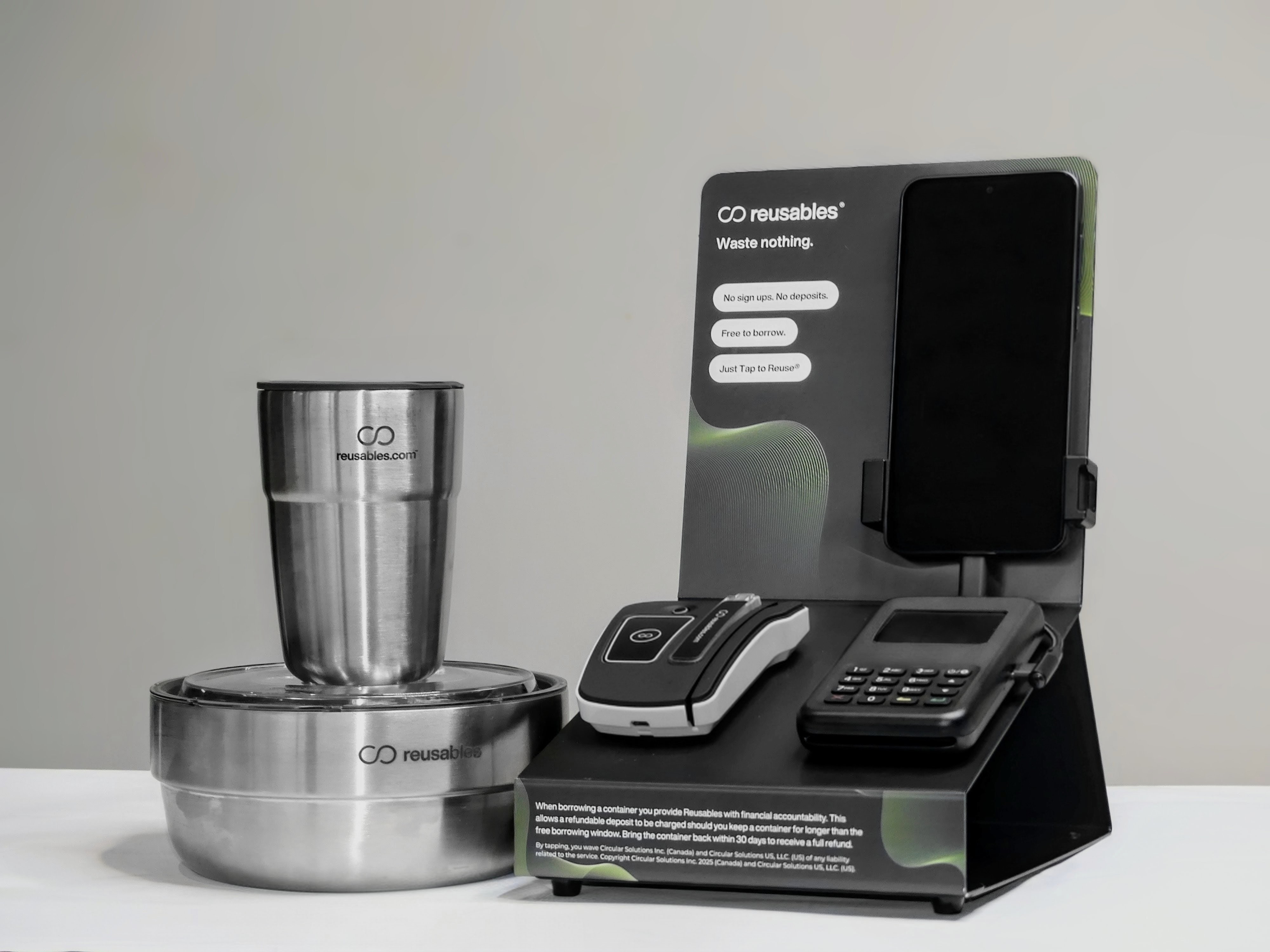
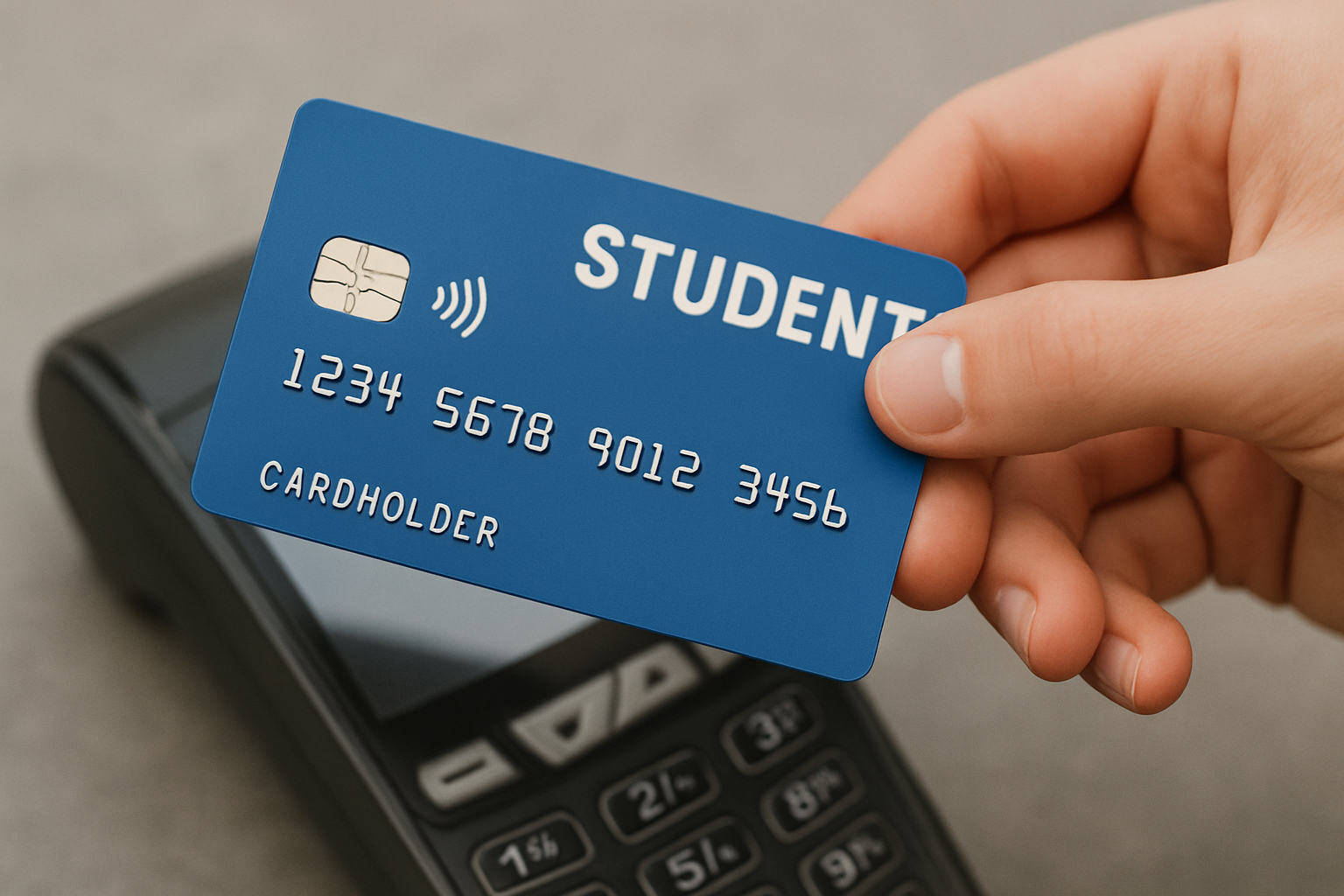
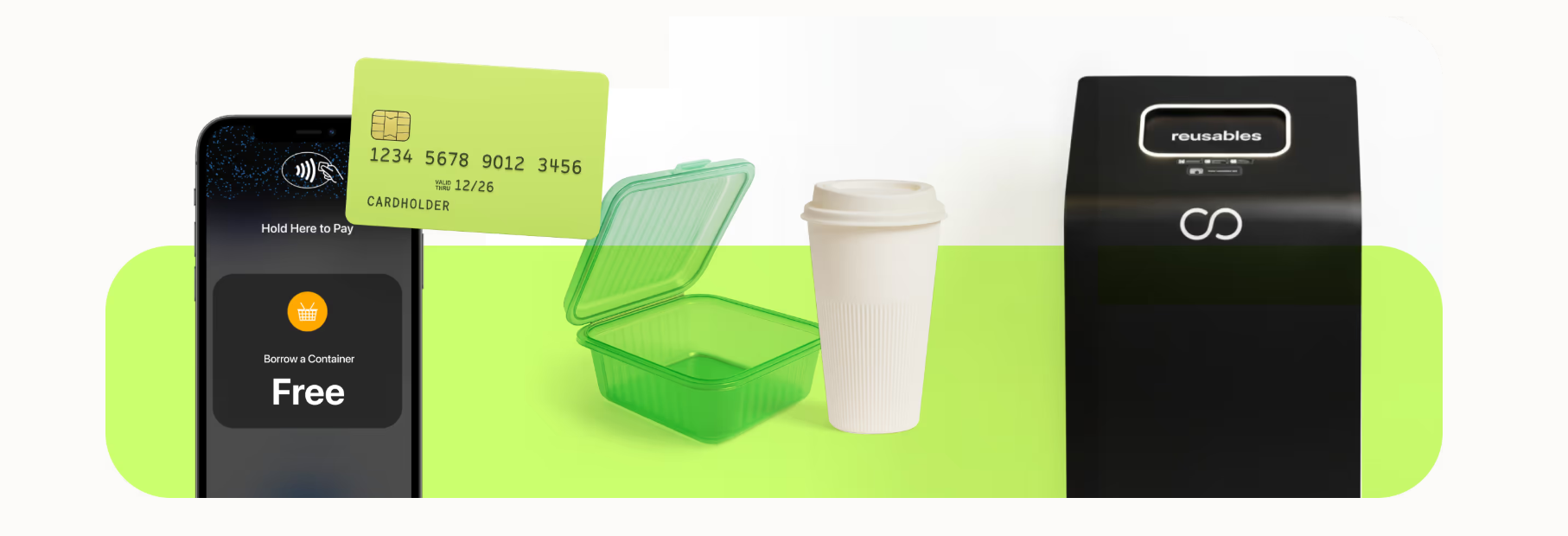
If students have to download an app, create an account, and enter their credit card information just to borrow a container, most won't bother. The initial sign-up is often the biggest hurdle to participation. That's why making the process effortless is so important. With Tap to Reuse™ technology, students can check out a container simply by tapping their student ID or phone. There are no apps to download or lengthy forms to fill out. This simple, familiar action removes the friction, allowing students to join the program and borrow a container in a matter of seconds. It makes participation as quick and easy as buying a snack.
Integrate with Existing Campus Card Systems
The easiest way to fit into a student's routine is to use the tools they already rely on every single day. Students use their campus cards for everything from accessing their dorms to paying for meals. Integrating your reuse program directly with your existing campus card and payment systems (like Transact, CBORD, or TouchNet) makes participation feel automatic. When borrowing a reusable container is part of the same transaction as buying their lunch, it becomes a natural habit. This deep integration is a key reason our partners see industry-leading return rates. It makes the program feel like a core part of the campus dining experience, not a complicated, optional add-on.
Provide 24/7 Returns with Smart Bins
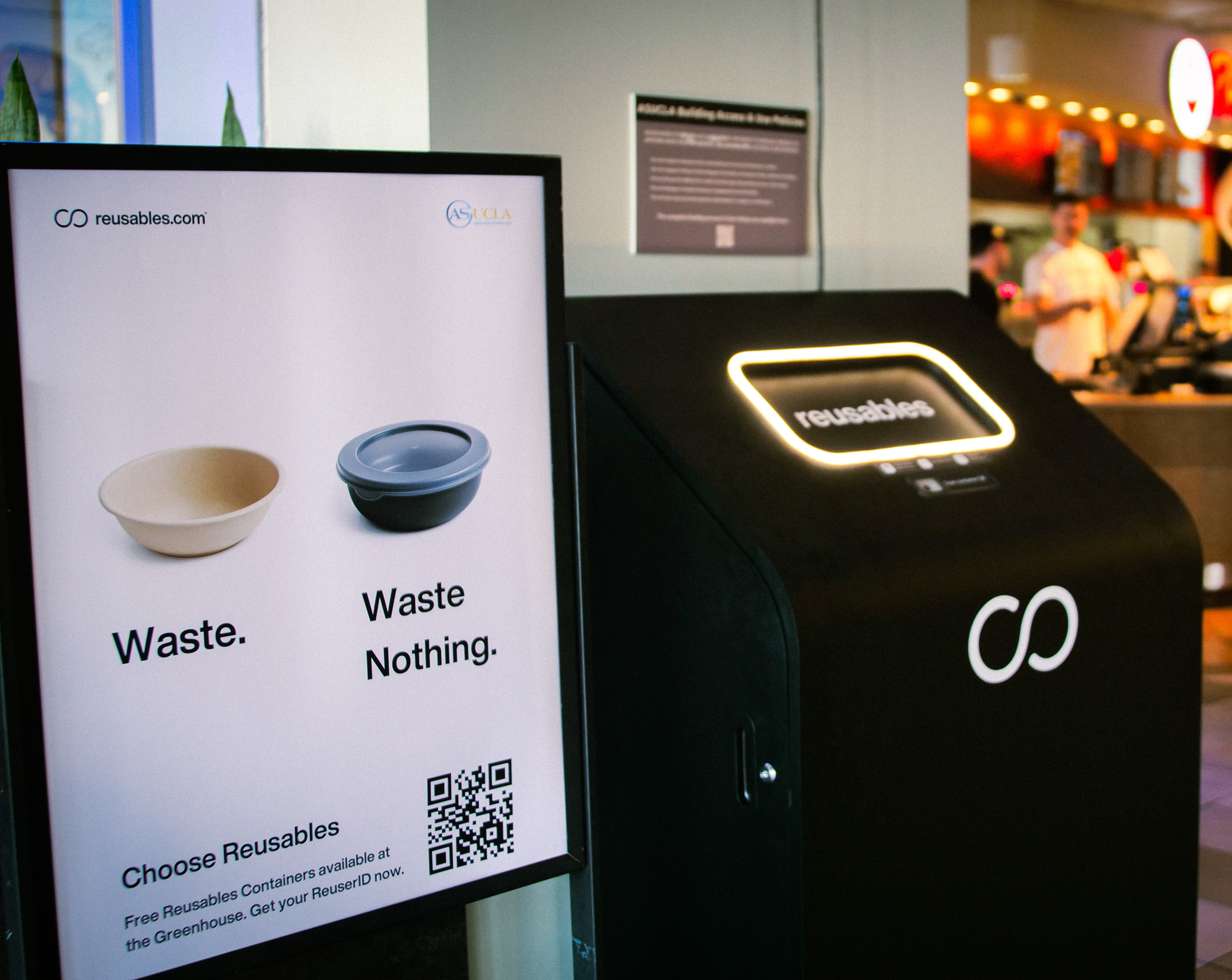
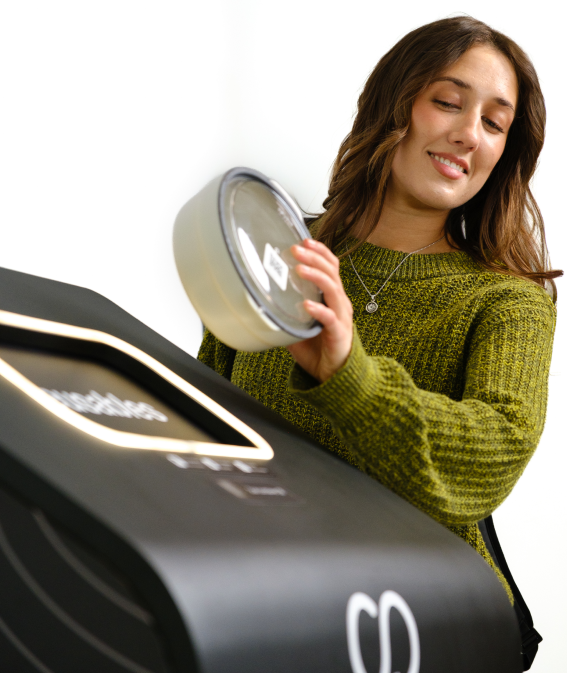
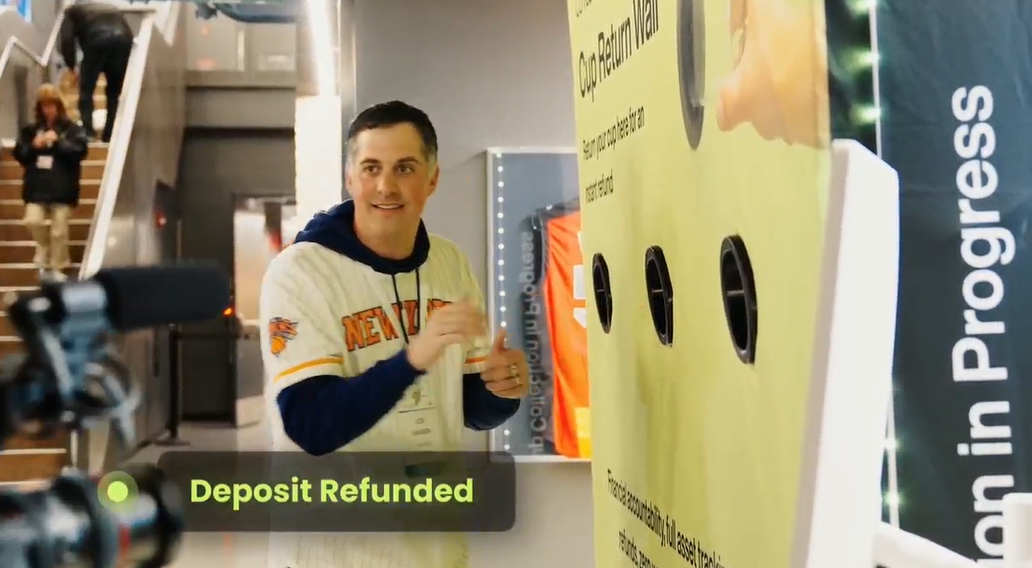
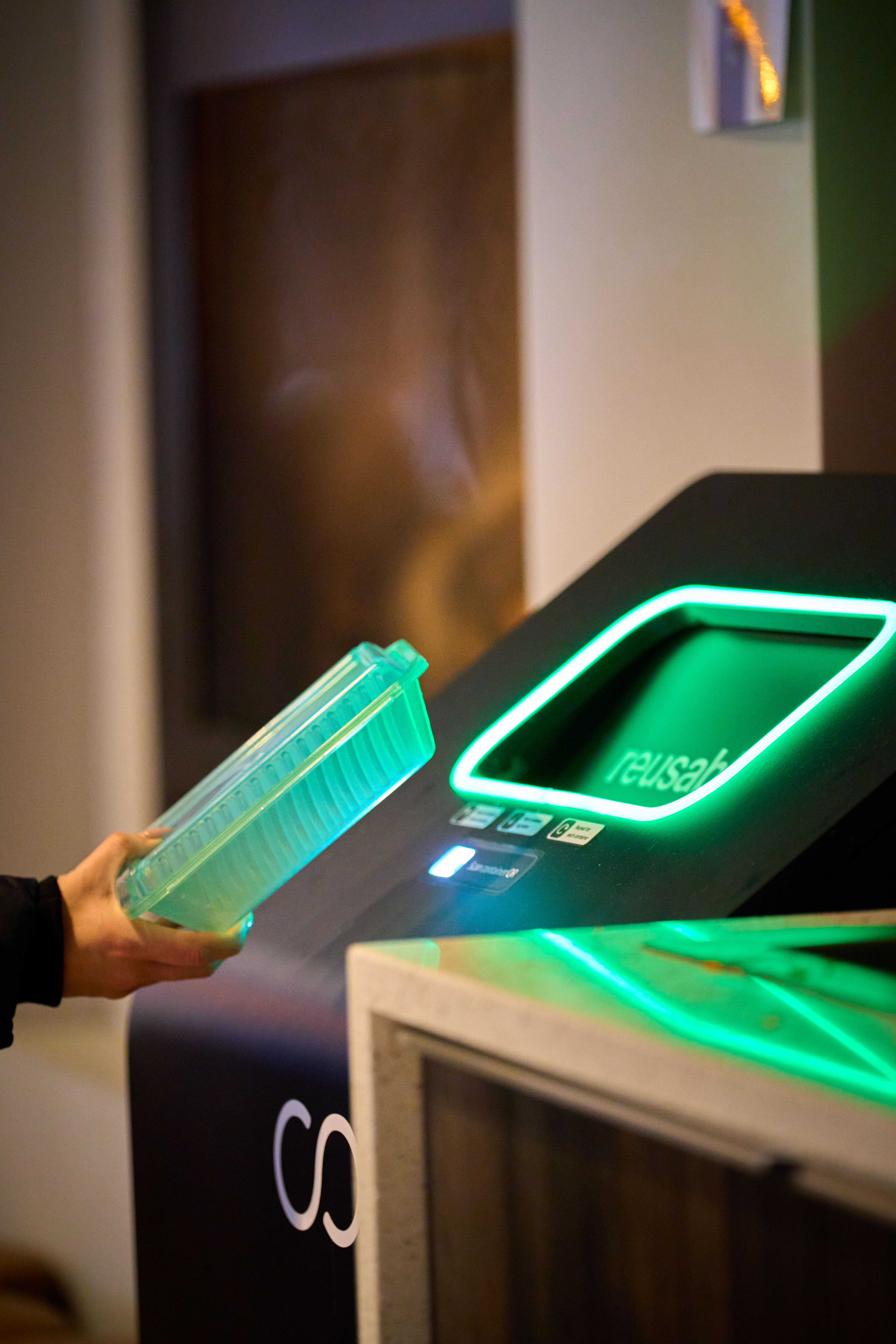
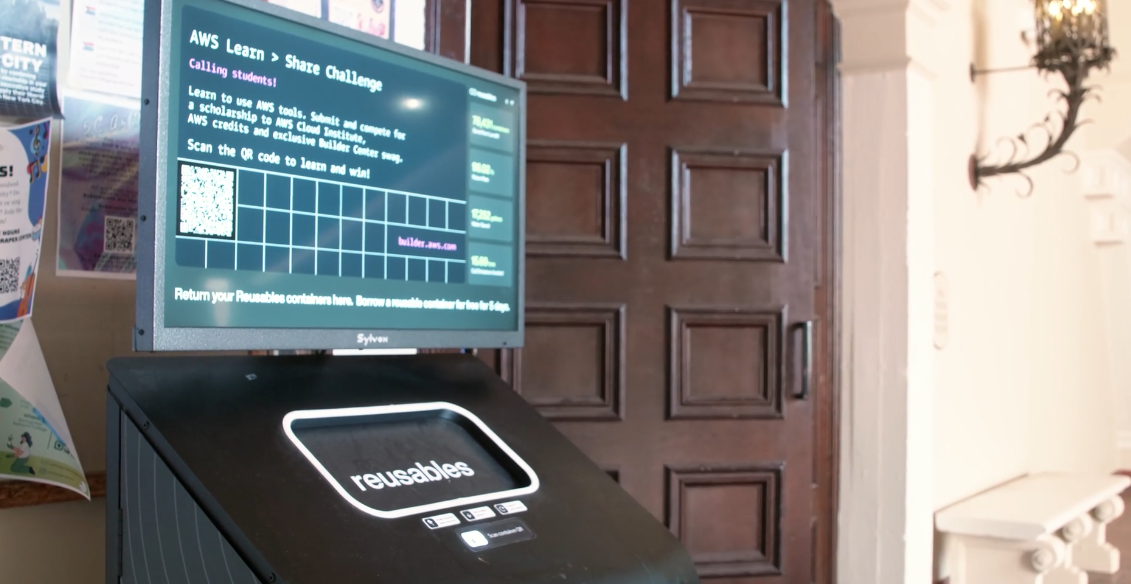
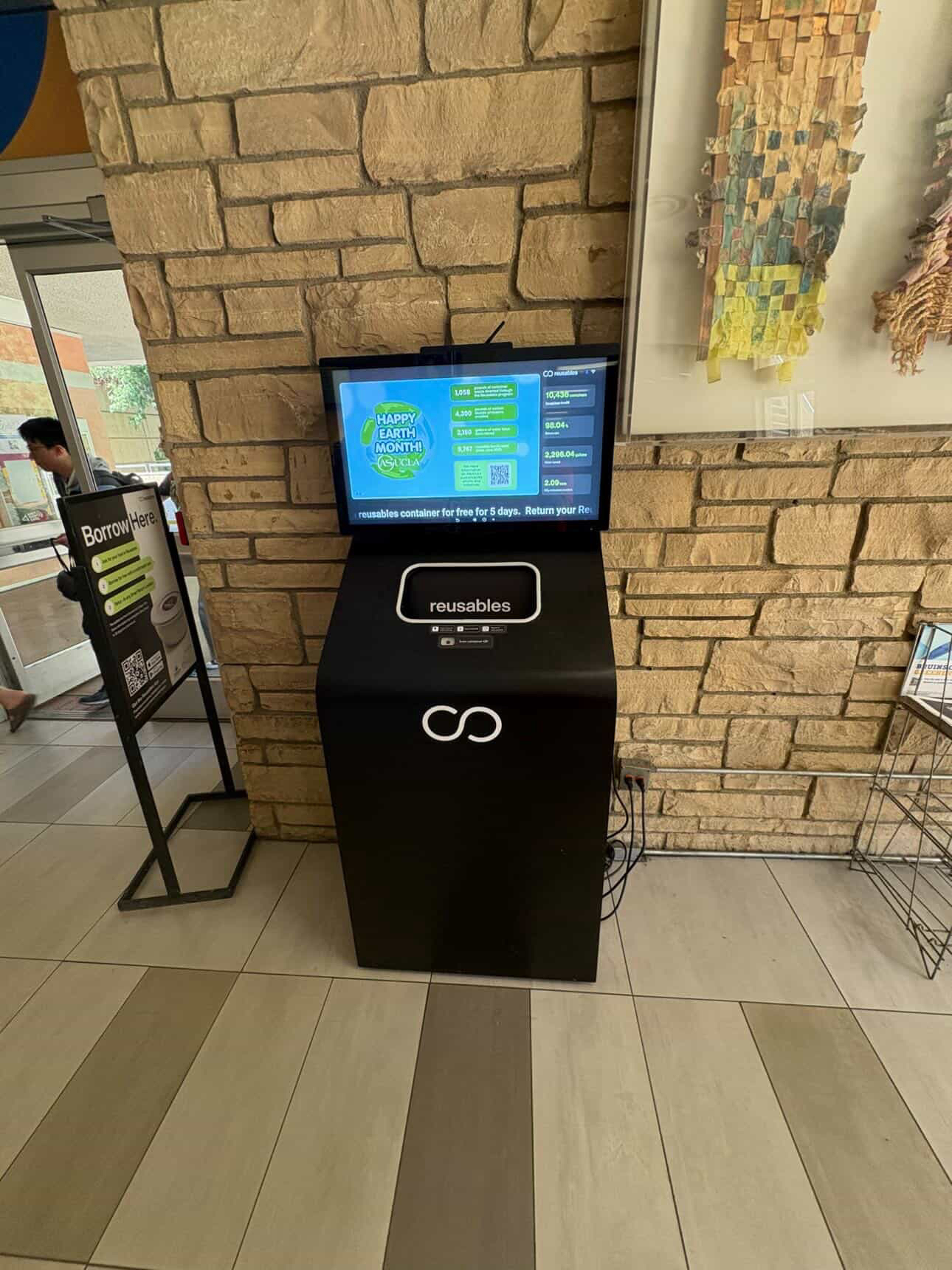
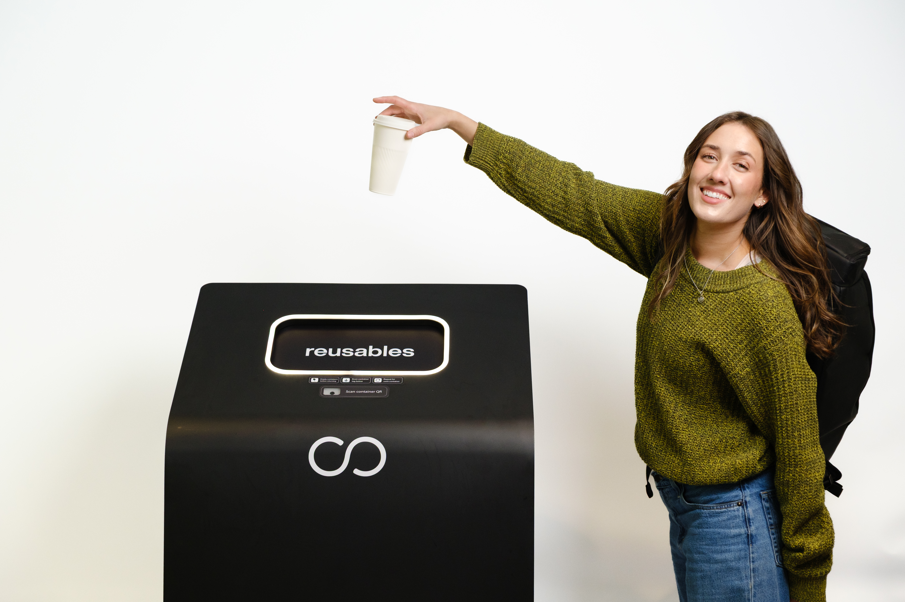
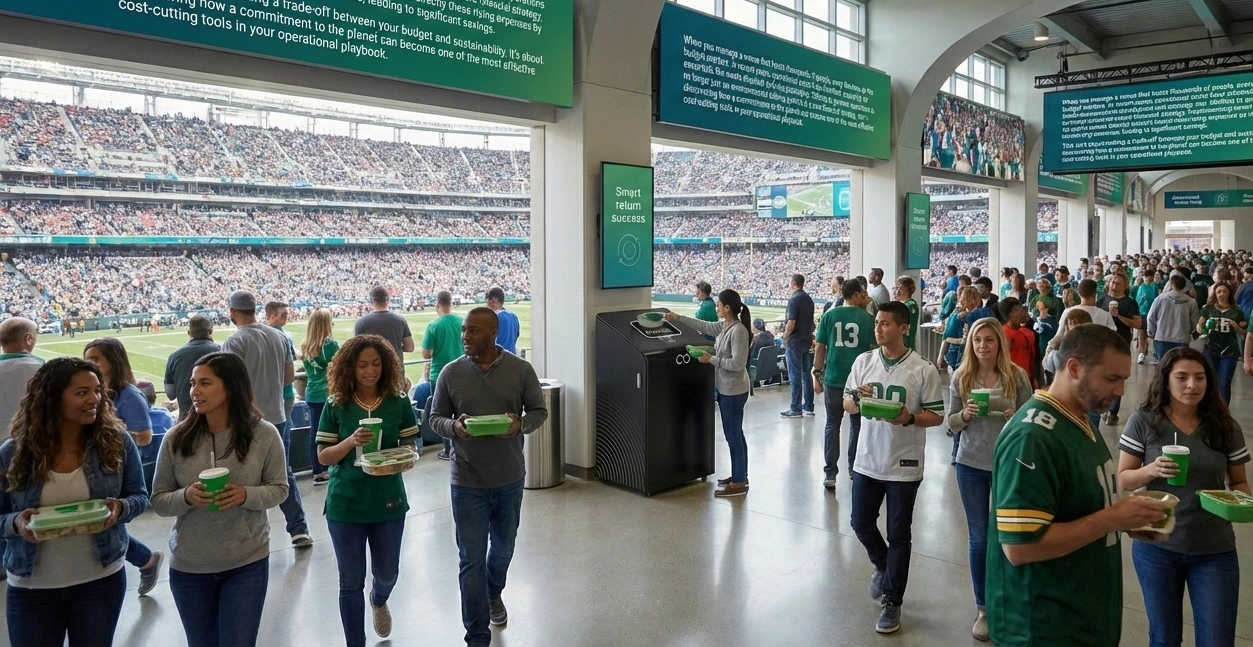
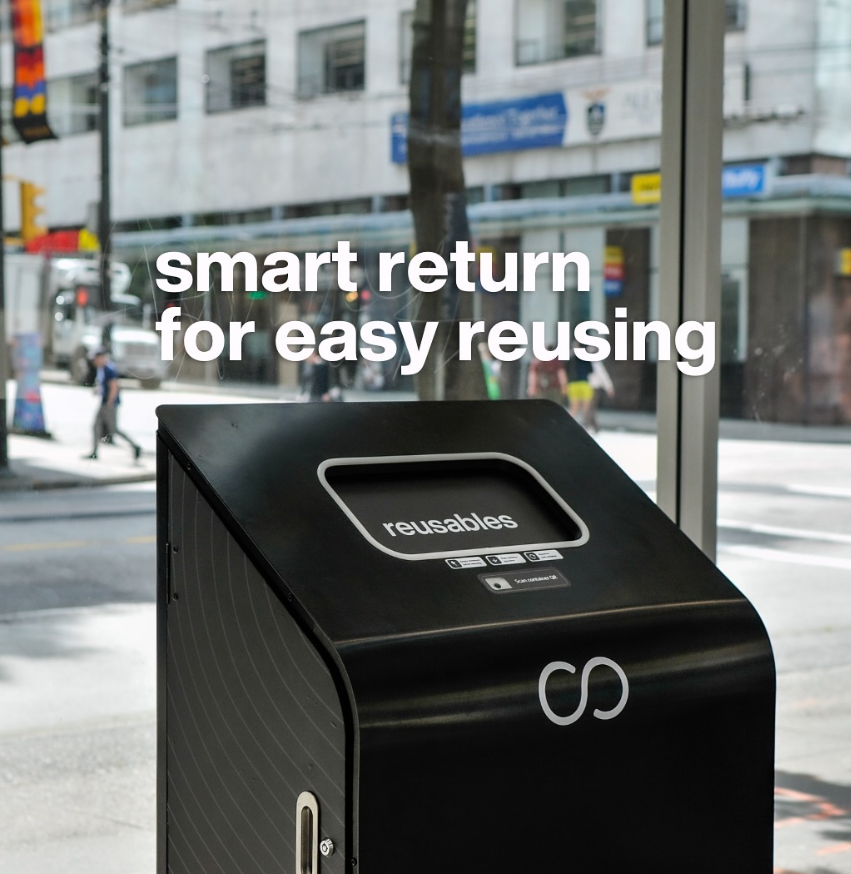
Getting a container should be easy, and returning it should be even easier. If students can only return containers during specific hours at a single location, you'll end up with low return rates and lost inventory. Smart Return Bins solve this by offering 24/7, touch-free returns across campus. Students can drop off their used containers anytime, and the built-in QR and RFID scanners automatically credit their account. This gives students instant confirmation and peace of mind. For your team, this technology streamlines inventory and reduces loss, creating an accountable system that keeps containers circulating without requiring manual oversight from your staff.
Spread the Word: Communication Strategies That Work
Even the most intuitive reuse program needs a solid communication plan to get off the ground. When students understand the "why" behind the switch and the "how" feels simple, participation becomes second nature. A strong launch campaign builds initial momentum, while ongoing communication keeps the program top-of-mind and encourages long-term adoption.
The goal isn't just to inform students about a new service; it's to invite them to be part of a campus-wide sustainability movement. This means crafting a message that resonates, showing up in the places they already are, and using clear, engaging visuals to guide their actions. By combining a compelling story with practical, easy-to-follow instructions, you can build the excitement and clarity needed to make your reuse program a success from day one. A well-planned communication strategy transforms a campus initiative into a shared community value, making sustainability an easy and obvious choice for everyone.
Craft Clear, Compelling Messages
Your message should go beyond the logistics of borrowing and returning a container. Start by telling a story about your campus's commitment to sustainability and how this program is a major step forward. Effective marketing for reusable products connects with people's values by framing the program as a collective effort that empowers every student to make a tangible difference. Explain the impact in simple terms: how many single-use containers the campus aims to eliminate and what that means for your community's environmental footprint. When students feel like they are part of a meaningful mission, they are much more likely to participate.
Reach Students Where They Are
To get your message heard, you need to meet students in their world. Identify the primary channels the university already uses to share important updates. This could be anything from official campus emails and newsletters to the digital screens in the student union and dining halls. Partner with student organizations and resident advisors who can share information directly with their peers. As one guide on implementing a reusables program points out, using existing communication habits is key. We can also help by providing a full suite of marketing materials, including posters, table tents, and digital assets, to ensure your message is consistent and visible across campus.
Leverage Social Media and Visual Cues
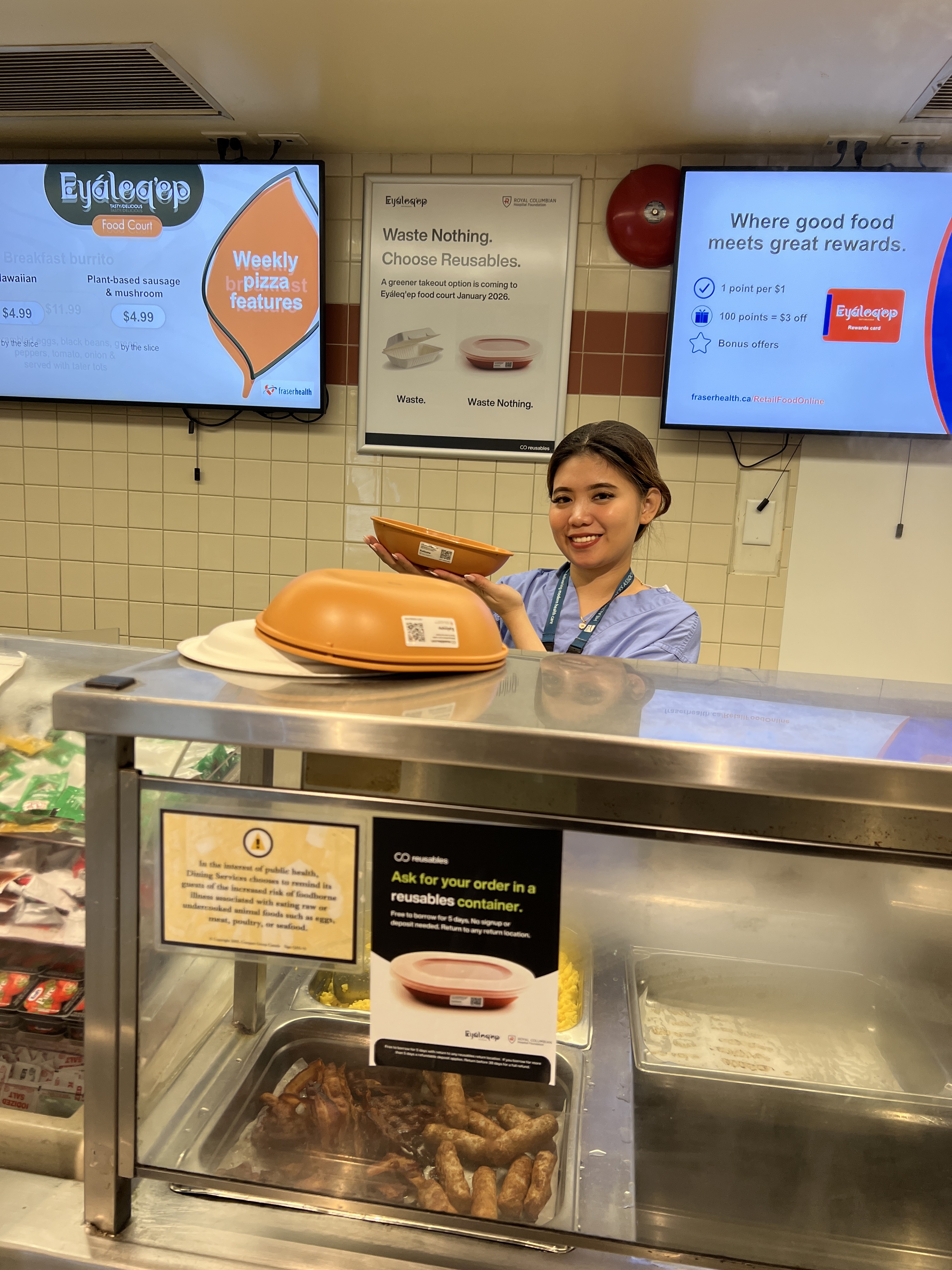
Social media is a powerful tool for building buzz and creating a sense of community around your program. Create a unique, memorable hashtag and encourage students to share photos of their reusable containers in action. You can even take inspiration from other successful marketing ideas for campus programs by running contests or featuring user-generated content on your official channels. In physical spaces, clear visual cues are essential. Use simple, picture-based signs on return bins to show students exactly what to do. This small detail removes confusion and makes the return process quick and effortless, which can significantly increase participation rates.
Engage Students with Incentives and Gamification
Let's be honest, simply telling students to reuse isn't always enough to create lasting habits. The key is to make participation fun, rewarding, and a little bit competitive. When you add incentives and gamification to your reuse program, you tap into students' natural desire for achievement and recognition, transforming reusing from a chore into an engaging campus-wide activity. With the right technology, you can automate this entire process, making it easy to run contests and distribute perks without adding work for your staff. It's about creating a positive feedback loop that encourages more students to get involved.
Implement a Rewards System
A simple rewards system is one of the most effective ways to encourage consistent participation. Think of it as a loyalty program for sustainability. Every time a student returns a container, they can earn points or credits. For example, Portland State University gives tokens for returning reusable containers, which can be used for future food purchases, a great way to motivate good habits. Our platform automates this process by tracking every return, making it simple to set up a points system that rewards students for their positive actions.
Create Campus-Wide Competitions
Nothing sparks engagement like friendly competition. You can create campus-wide contests between dorms or faculties to see who can achieve the highest reuse rate, tapping into existing school spirit. Competitions like the Campus Race to Zero Waste show that this approach can dramatically improve waste reduction efforts. Our dashboard provides real-time data on usage and return rates, so you can easily display leaderboards across campus. This visibility makes the competition exciting and encourages everyone to participate, turning sustainability into a team sport.
Offer Tangible Perks like Discounts and Points
Sometimes, the most straightforward incentives are the most effective. Offering tangible perks like a discount on a future meal, points toward the campus bookstore, or entry into a raffle can be a powerful driver for participation. These rewards don't have to break the bank; the money you save on single-use packaging can fund your incentive program. As experts note, recognition and rewards generate positive buzz. By integrating with your campus card system, you can automatically apply discounts or add points when students return containers, making the process seamless.
The technology behind consistent return rates
A well-designed incentive and communication strategy brings students to the program, but it is the right technology that keeps containers coming back reliably at scale. Without a way to automate tracking, reminders, and accountability, even motivated students will occasionally forget — and without data, you will not know where the friction is. Modern reuse platforms are built to manage this complexity in the background, so your team can focus on food service rather than container logistics.
Track every container with QR and RFID
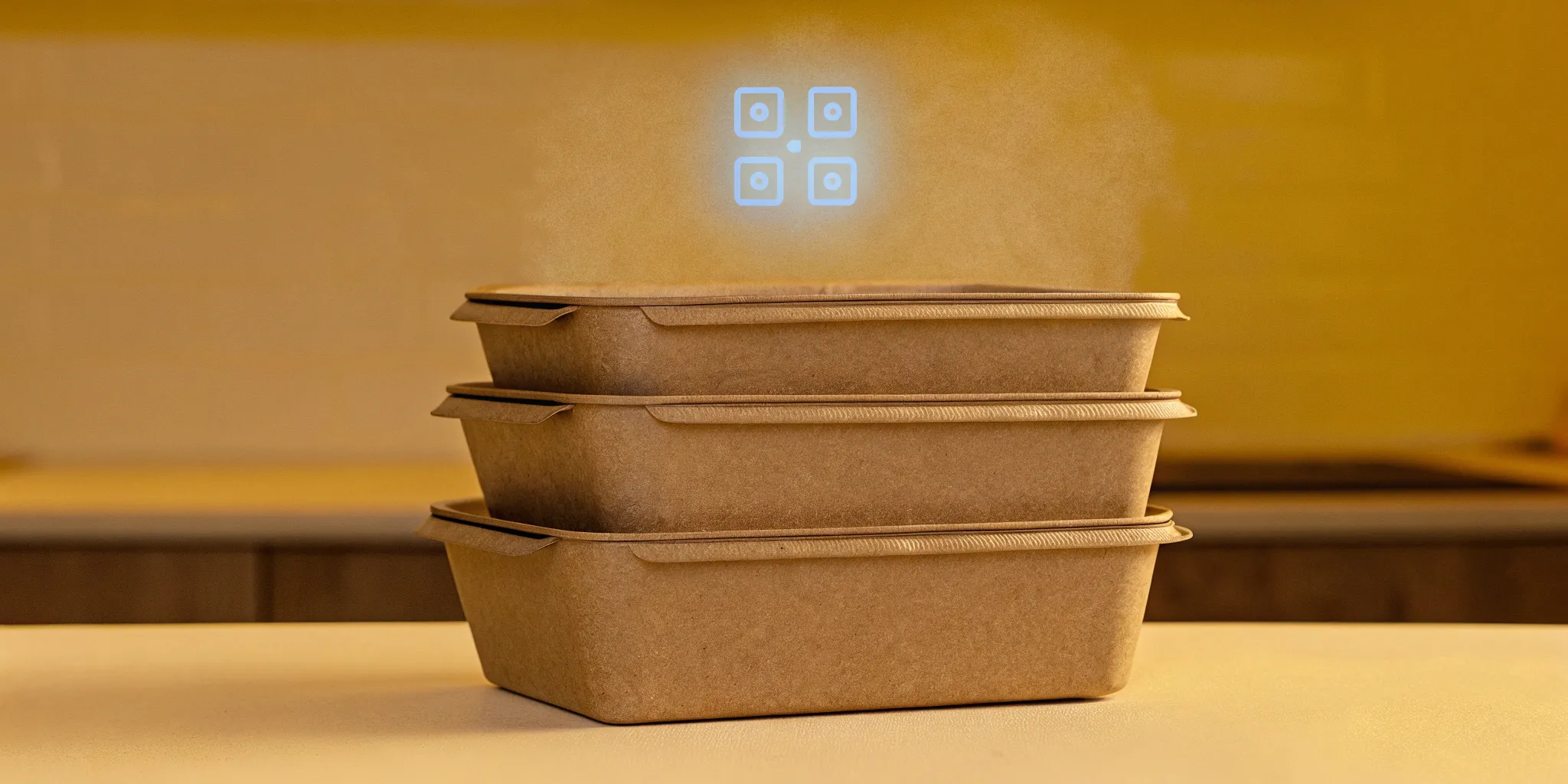
Assigning each container a unique digital identity — via a QR code, RFID tag, or both — is the foundation of the entire accountability system. Every checkout links a specific container to a specific student. Every return at a smart bin closes that record automatically. This removes the need for manual sign-out sheets, staff follow-up, or awkward conversations about fees. The system knows which container is where, who has it, and when it is due back, providing accurate inventory data across all campus locations in real time.
Send automated return reminders
Even engaged students have busy weeks. Automated reminders — a friendly text or email a day before a container is due — prompt the vast majority of returns without any staff intervention. This approach treats students as adults who have simply forgotten, rather than defaulting to punitive measures. Paired with a reasonable return window and a grace period, automated reminders significantly reduce the number of containers that ever require a late fee, which keeps the student experience positive and the program's reputation intact.
Monitor bin capacity with smart alerts
Nothing stops a student from returning a container faster than arriving at a full bin. Smart return stations monitor their own capacity and send automated alerts to your team when a collection is needed. This means bins are serviced proactively rather than reactively, ensuring there is always space for a return. It also optimises staff time: instead of checking bins on a fixed schedule, your team only responds when actually needed. This reliability builds student trust in the system — they know a return station will always be ready when they arrive.
Automate late fee management
Late fees provide the accountability layer that makes a deposit-free model work. When they are managed manually, they create significant administrative burden and often go unpursued, undermining the incentive structure. An automated system handles this entirely: applies the hold after the grace period, sends the student a notification, reverses the charge the moment the container is scanned returned. This creates consistent accountability without requiring any staff time, and without the awkwardness that comes with manual enforcement. The result is a program that students understand to be fair and predictable.
The Power of Peer Influence
Top-down mandates from the administration can only go so far. The real momentum for campus-wide change comes from the students themselves. Peer influence is one of the most effective tools for normalizing new habits, and a reuse program is no exception. When students see their friends, classmates, and resident advisors choosing reusables, it sends a powerful message that this is the new standard. Tapping into this organic, student-led energy is the key to transforming your program from a niche option into a celebrated part of campus culture.
Empower Student Ambassadors
Your most passionate advocates are already on campus. Identify students from environmental clubs, student government, and other leadership groups to become program ambassadors. These students can be your voice on the ground, sharing authentic messages with their peers. As one campus study notes, "student groups are at the forefront" of initiating sustainability initiatives on campus and are often skilled at building the initial excitement needed for a successful launch.
Equip your ambassadors with the tools they need: clear talking points, branded merchandise, and a direct line of communication for feedback. They can host info tables in the dining hall, create content for social media, and present to other student organizations. By empowering them, you give your program a credible, relatable face that resonates far more than an official email ever could.
Build a Community Around Sustainability
Make participating in your reuse program feel like joining a movement, not just following a rule. The goal is to create a shared identity around sustainability that brings people together. You can foster this sense of community by hosting zero-waste events, creating a unique hashtag for students to share their reuse moments, or featuring participants on digital screens in the student union. The more visible the program is, the more it becomes an integral part of campus life.
When students feel they are part of a collective effort, their motivation shifts from extrinsic to intrinsic. They aren't just avoiding a fee; they are contributing to a cause they believe in alongside their peers. This approach helps bring the whole school community together and creates a positive feedback loop where participation encourages more participation.
Support Student-Led Initiatives
When students approach you with their own ideas to promote the program, your role is to listen and provide support. They might want to run a dorm-versus-dorm competition or design a marketing campaign. Instead of taking over, give them the resources to bring their vision to life. This could mean offering a small budget, providing access to official communication channels, or sharing key data to help them make their case.
Different campus departments value different outcomes. For example, the sustainability office wants to see the environmental impact, while your dining team is focused on operational efficiency and cost savings. A platform that provides clear, real-time data allows you to equip students with the right metrics to build support across campus. When you back student-led initiatives, you not only get great ideas but also cultivate a deeper sense of ownership and pride in the program.
How to Measure and Improve Engagement
Launching a reuse program is a fantastic first step, but the real magic happens when you continuously refine it based on how students are actually using it. You can't improve what you don't measure, and a modern reuse system should give you clear, real-time insights into your program's performance. Think of it as your command center for campus sustainability. By keeping a close eye on key metrics and listening to student feedback, you can move from simply offering a reusable option to running a program that students love and use every single day.
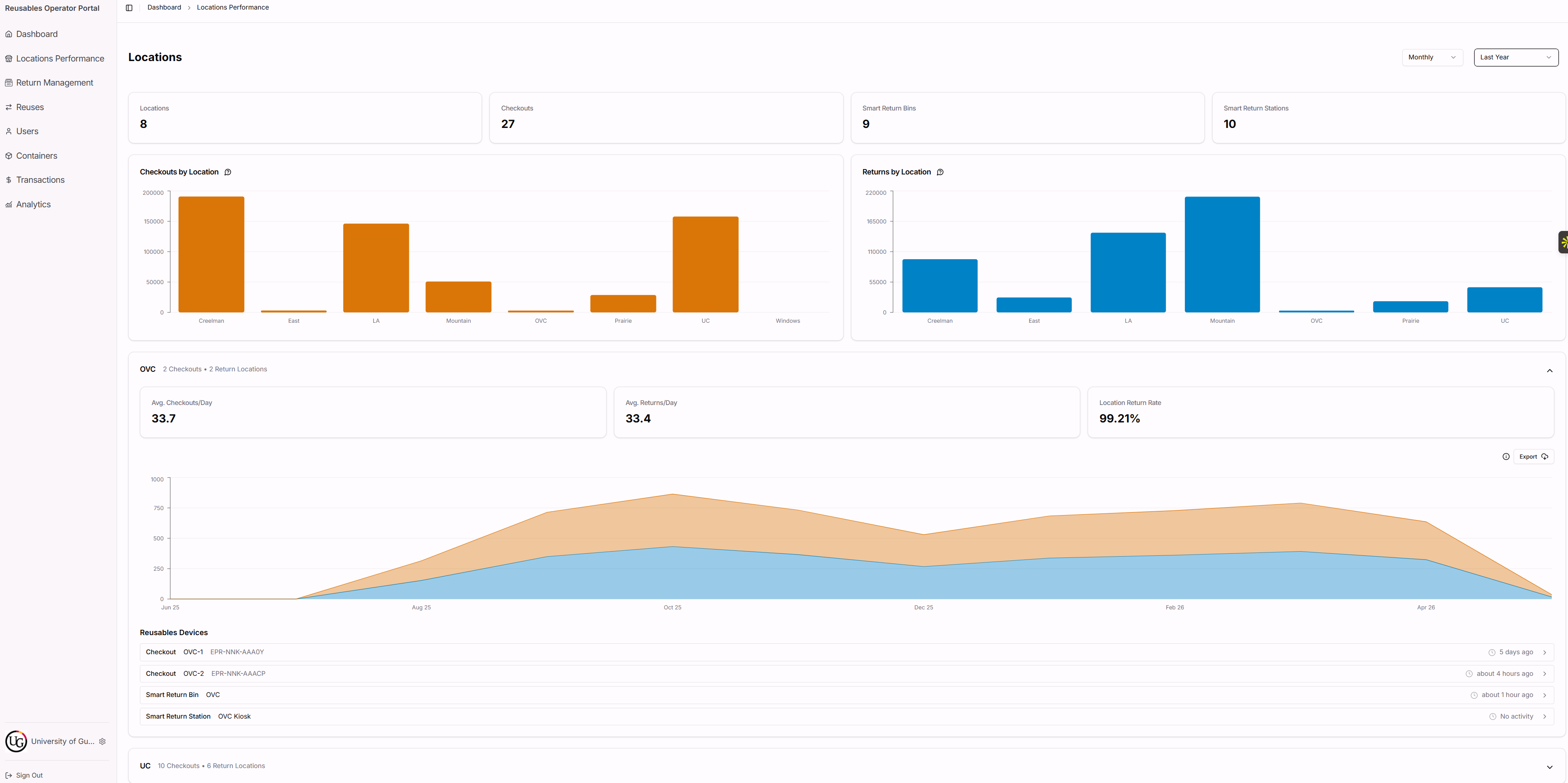
This data-driven approach helps you spot what's working, identify friction points, and make smart decisions to grow participation. Are students returning containers quickly? Is one dining hall outperforming the others? Are there specific times when usage spikes? Answering these questions is the key to making your program more effective and impactful over time. It allows you to fine-tune everything from the placement of your return bins to the incentives you offer, ensuring your efforts lead to meaningful waste reduction and a better campus experience. A robust dashboard with live data on inventory levels, return rates, and usage trends gives you the transparency you need to manage your operations efficiently and demonstrate the program's success to stakeholders.
Track Participation and Return Rates
The two most important numbers for your reuse program are participation and return rates. Participation tells you how many students are actively using the system, while return rates show if your containers are coming back. A great system gives you a live look at these metrics, so you're never guessing about your inventory levels or program health. You should be able to easily see how many unique students have checked out a container, the total number of reuses, and the average time a container is out. Tracking these core metrics is the first step in assessing your program's performance and making sure your investment is paying off.
Gather Student Feedback
Data tells you what is happening, but student feedback tells you why. While high return rates are great, understanding the student experience behind the numbers is what will help you build long-term engagement. You can gather this insight through simple surveys, focus groups, or even informal conversations in the dining hall. Ask students what they like about the program and what could be improved. Understanding what motivates your students, whether it's a passion for sustainability, the convenience of the system, or the fun of earning rewards, helps you tailor your messaging and features to what they truly care about.
Use Data to Find New Opportunities
Once you have a steady stream of data, you can start looking for patterns and opportunities. For example, if you notice that participation is low at a particular dining hall, you might need to add another return station or run a targeted promotional campaign there. If containers aren't being returned from a specific dorm, you could place a smart bin nearby to make it more convenient. This proactive approach helps you identify weak spots in your system and address them before they become bigger problems. Use your dashboard to turn insights into action and continuously make your program better, easier, and more integrated into campus life.
Why Convenience is Key for Long-Term Success
Students have packed schedules, from classes and clubs to jobs and social lives. If you introduce a new system that adds friction to their day, even with the best intentions, it's unlikely to stick. For a reuse program to succeed, it can't just be a good idea; it has to be the easiest choice available. Convenience is the single most important factor in driving long-term adoption and achieving the high return rates that make a program sustainable for both the planet and your budget. Think about it: if reusing takes an extra minute, but grabbing a disposable takes five seconds, which option will a student in a hurry choose?
When reusing is as simple as grabbing a disposable container, students will participate without a second thought. This is where modern technology makes all the difference. A truly successful program leverages smart, integrated systems to eliminate hurdles for students and staff alike. By focusing on a frictionless experience from checkout to return, you can build a program that not only meets your sustainability goals but also becomes a valued and effortless part of campus life. This approach transforms sustainability from a chore into a simple, everyday habit that students can feel good about.
Remove Barriers to Getting Started
The first interaction a student has with your reuse program sets the tone for their entire experience. If signing up requires downloading an app, creating a new account, or paying an upfront deposit, you've already lost a significant portion of potential users. The goal is to make participation instant and intuitive. An ideal system allows students to join and borrow a container in seconds using something they already have, like their student ID or a credit card. By removing these initial obstacles, you make it easy for everyone to say "yes" to reusing from day one.
Fit Seamlessly into Daily Routines
For students to choose reusables consistently, the process must blend into their existing habits. A program that replaces single-use containers should feel like a natural upgrade, not an extra step. This means integrating directly with your point-of-sale and campus card systems, allowing students to check out a container with the same tap they use to pay for their meal. When the process is that smooth, it encourages participation and drives the near-perfect return rates needed for a successful program. The easier it is to do the right thing, the more often students will do it.
Ensure Your Program is Consistent and Reliable
Trust is the foundation of any successful campus initiative. If students encounter full return bins, a lack of clean containers, or a clunky app, they'll quickly revert to disposables. A reliable program works the same way every time, with accessible 24/7 return options and a steady supply of containers where they're needed most. Technology is your best partner in building this consistency, providing real-time data on inventory levels and bin fullness so your team can stay ahead of demand. This operational excellence ensures a smooth experience for students and reinforces your campus's commitment to sustainability.
Strengthen Student Commitment Through Education
A truly successful reuse program goes beyond just providing the tools; it builds a culture of sustainability. While convenience is crucial, education is what creates lasting change and turns students from passive participants into active advocates. When students understand the "why" behind the program, they become more invested in its success. They're more likely to participate consistently, encourage their peers, and feel a sense of pride in their campus's environmental leadership.
Educating students doesn't have to be a massive undertaking. It's about integrating information into existing channels and creating moments for connection. By explaining the impact of their choices, you empower them to see how one small action, like choosing a reusable container, contributes to a much larger goal. This approach fosters a deeper commitment that outlasts any short-term incentive and helps solidify your program as a core part of the campus identity.
Weave Education into Your Program Rollout
The best time to introduce your reuse program is the moment a student steps on campus. Make it a fundamental part of their introduction to university life. During orientation and welcome week, include a quick, clear tutorial on how the system works. Add a section to student handbooks and digital welcome packets that explains where to find containers, how to use the return bins, and why the program is so important for your campus's sustainability goals. By presenting reuse as a standard campus procedure from day one, you normalize the behavior and set a clear expectation that participation is part of being a member of the community.
Create Hands-On Learning Experiences
Move beyond posters and emails by giving students a chance to get directly involved. Partner with student environmental groups or create a volunteer "Green Team" to act as program ambassadors during the launch phase. These students can host info tables in the dining hall, demonstrate how to use the smart return bins, or help their peers during busy lunch rushes. Creating these opportunities for active participation gives students a sense of ownership. When they help run the program, they become more invested in its success and are more likely to champion it within their own social circles, creating a powerful ripple effect across campus.
Connect Reusing to the Bigger Picture
Help students see the collective impact of their daily choices. Use digital screens in dining halls to display real-time data from your Reusables.com dashboard, showing how many single-use containers have been saved that week or semester. Frame the program as a key part of your institution's larger commitment to achieving zero-waste goals. When students can see tangible results and understand how their participation helps the university meet its targets, the simple act of grabbing a reusable container feels more meaningful. This connection reinforces that they aren't just reducing waste; they are actively contributing to a more sustainable campus community.
Build a campus identity around sustainability
A reuse program that students see as a dining services policy will always struggle for participation. A program they see as part of who their campus is will gain advocates. The difference lies not in the technology or the incentives, but in how the program is communicated and positioned within the broader institutional story. The most resilient campus sustainability programs are the ones that become woven into the campus identity — something alumni remember, something new students hear about before they arrive, something the institution is genuinely proud to report on.
Frame individual actions as collective achievement
Sustainability goals become far more motivating when they are visible and shared. Rather than asking students to make a sustainable choice in isolation, connect each return to a campus-wide effort. Display cumulative impact on dining hall screens: containers diverted, waste reduced, carbon avoided this semester. When students see that their individual action is part of a meaningful collective total, the simple act of returning a container carries a different weight. It is no longer just a logistical task — it is participation in something the whole campus is building together.
Involve students in shaping the program
Students who help design or advocate for a program feel a sense of ownership that passive participants never do. Consult student sustainability groups, residence life staff, and student government early in the planning process. When the program launches, give those groups a real role — not just as ambassadors repeating official talking points, but as genuine participants who can share their honest experience and bring peer-level credibility that no institutional communication can match. Students trust other students more than they trust administration, and that trust is one of the most valuable assets a reuse program can have.
Plan for the long game
A launch event creates initial energy, but sustained participation requires ongoing effort. Set up a regular cadence of communications that share progress, celebrate milestones, and introduce new challenges or incentive opportunities throughout the academic year. Plan for moments that naturally bring the program back into focus — orientation, Earth Week, the start of each semester. The goal is to ensure the program never fades into the background. When sustainability is a recurring feature of campus life rather than a one-off initiative, it becomes part of the institution's culture in a way that outlasts any individual cohort of students.
Related Articles
- 7 Smart Eco-Friendly Initiatives for Campus Food
- A Guide: How to Use Transact Card for Reusables
- Successful Zero Waste Initiatives for College Dining
- Guide to Sustainable College Cafeterias
Frequently Asked Questions
How much extra work will this program create for my already busy dining staff? A modern reuse system is designed to reduce your team's workload, not add to it. The technology automates the most time-consuming tasks, like tracking inventory, sending return reminders, and managing late fees. This means your staff won't have to manually check containers in or out, chase down students for returns, or handle complicated fee collections. The entire process is streamlined to run smoothly in the background.
We've struggled with low return rates in the past. How do you ensure students actually bring the containers back? High return rates are achieved by making the process incredibly easy and accountable. When students can drop off containers anytime at convenient smart bins across campus, it removes the biggest barrier to returning them. The system also uses automated reminders and refundable late fees to gently encourage returns without creating a negative experience. This combination of convenience and automated accountability is why our partners see return rates of 99%.
Getting students to adopt new habits is tough. What's the biggest factor in making a reuse program successful on campus? The single most important factor is convenience. A program succeeds when choosing a reusable container is just as fast and easy as grabbing a disposable one. This means eliminating friction at every step, from a simple tap-to-checkout process that doesn't require an app to strategically placed return bins. When the sustainable choice is also the easiest choice, students will adopt it naturally as part of their daily routine.
This sounds great, but how complicated is it to get started? Does it work with our existing campus card system? A great program should fit into your existing operations, not force you to change them. The system is designed to integrate directly with the campus card and payment platforms you already use, like Transact, CBORD, and TouchNet. This makes the checkout process seamless for students and simplifies the setup for your team, as it works with the technology you already have in place.
The post mentions saving money on disposables, but what about the cost of the program itself? While there is an investment in setting up a robust reuse system, it's designed to deliver significant long-term savings. Many campuses spend tens of thousands of dollars annually on single-use packaging, a cost that has been rising sharply. A reuse program directly reduces or eliminates that recurring expense, providing a clear return on investment by cutting packaging costs and minimizing container loss.
Other stories you may find interesting

.png)


.avif)





.webp)



Watch the Webinar
Learn How to Eliminate Single-Use Waste
Get instant access to our expert webinar and discover how leading institutions reach 99% return rates through smarter reuse systems.

© Reusables™. All rights reserved.