
How to Reuse Containers to Cut Costs & Waste

March 4, 2026
If you've looked at your budget recently, you know the cost of single-use packaging is climbing at an alarming rate. For many campuses, this single line item now exceeds $50,000 annually, a number that’s hard to ignore. This isn't just a financial drain; it's an operational one, tied to ever-growing waste management fees and the constant pressure to reorder inventory. Switching to reuse containers is the most effective way to tackle this problem head-on. A modern, tech-enabled system can deliver annual cost savings of 30% or more, turning a major expense into a smart investment for your department.
Key Takeaways
- Adopt reuse to cut costs and reduce waste: A reusable container program directly counters the rising expense of single-use packaging, offering significant long-term savings while helping your campus achieve its sustainability goals.
- Choose durable materials and plan your workflow: The success of your program depends on selecting the right containers, like stainless steel or certified plastic, and creating a streamlined operational plan for collection, washing, and redistribution.
- Use technology to make participation effortless: The best reuse systems integrate with existing campus technology for a simple, app-free checkout and use automated tracking to ensure high return rates without adding extra work for your staff.
What Are Reusable Containers (And Why Do They Matter)?
Switching from single-use packaging to a reusable system is one of the most impactful changes you can make to meet your campus sustainability goals. But it’s about more than just reducing waste. With the cost of disposable packaging continuing to rise, implementing a reuse program is also a smart financial move that can streamline your operations and improve the student dining experience. Let’s start with the basics of what reusable containers are and why they are so important for modern food service.
What Counts as a Reusable Container?
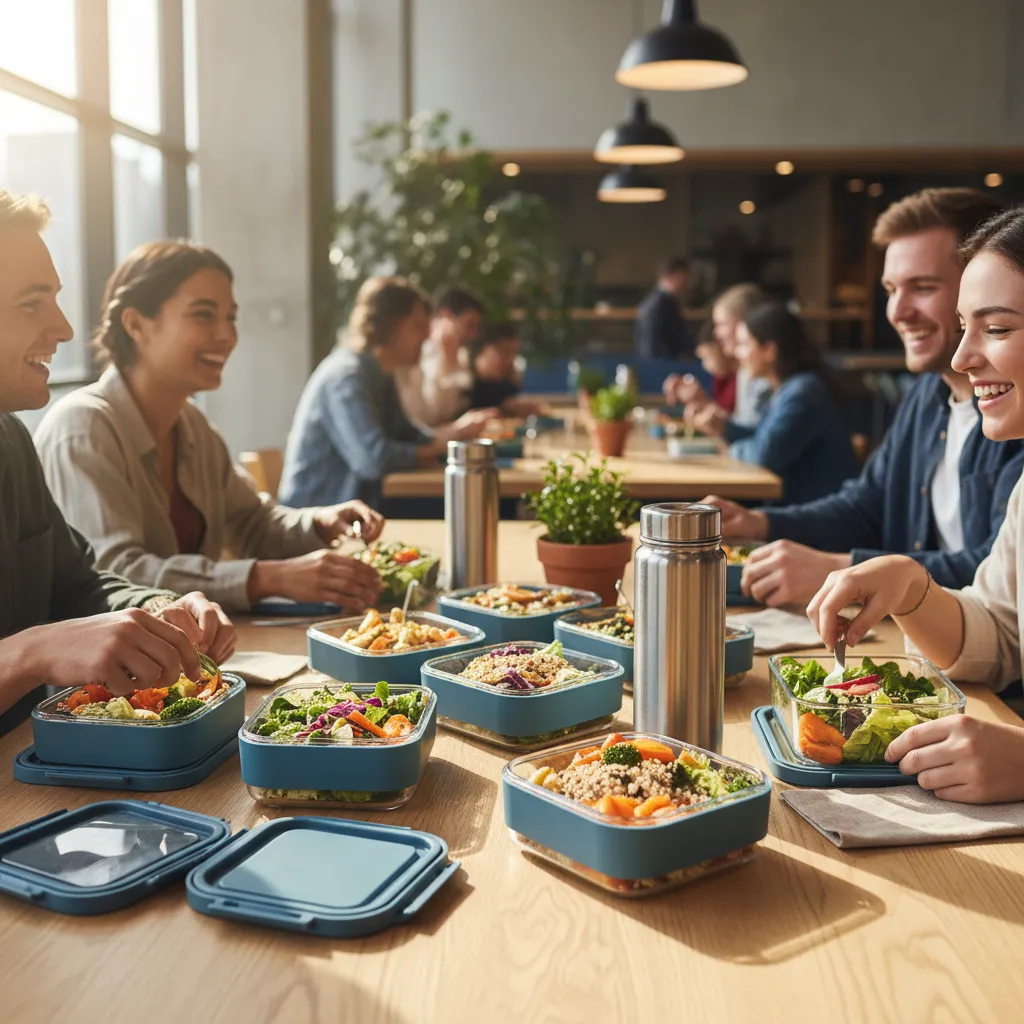
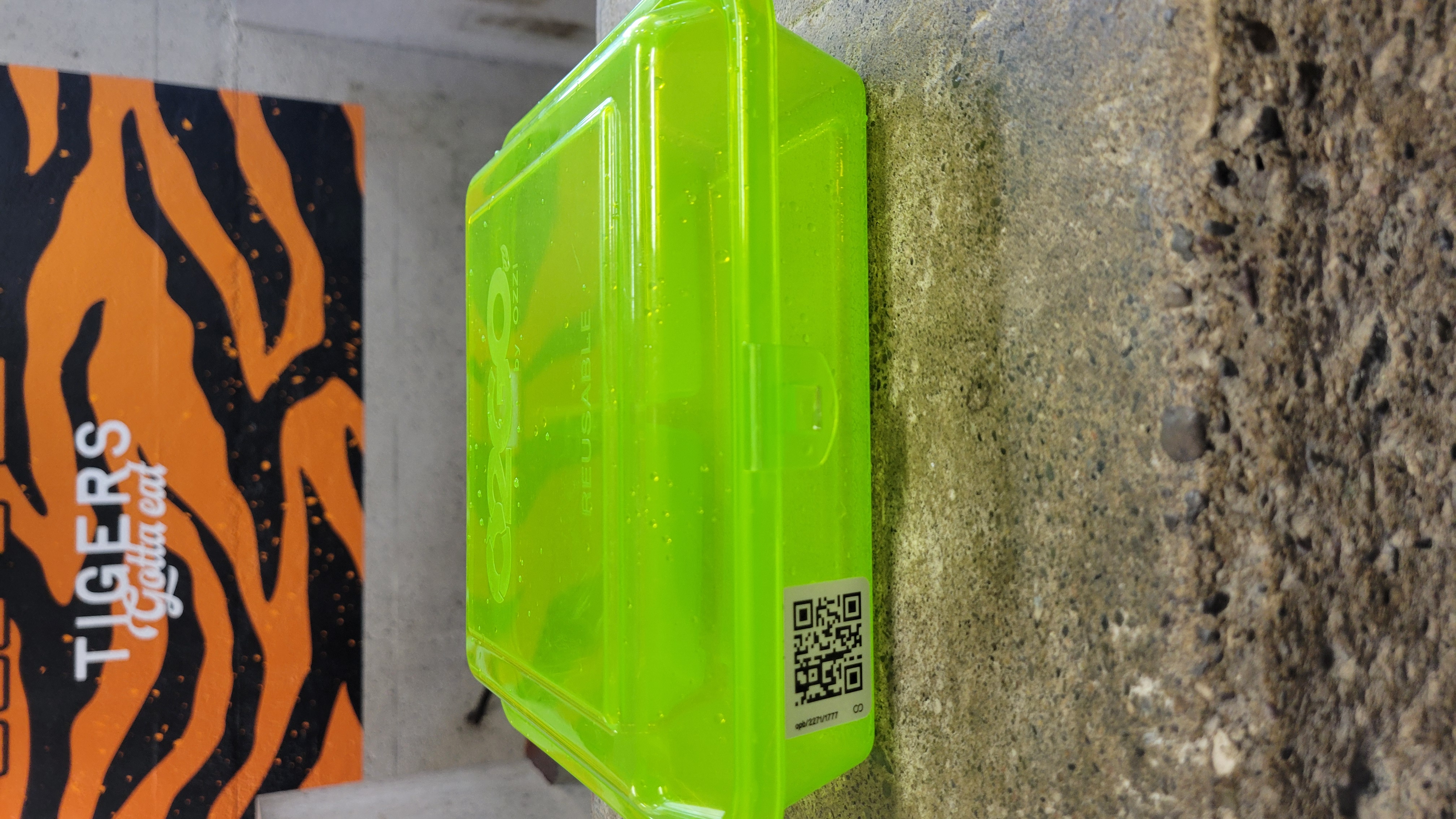
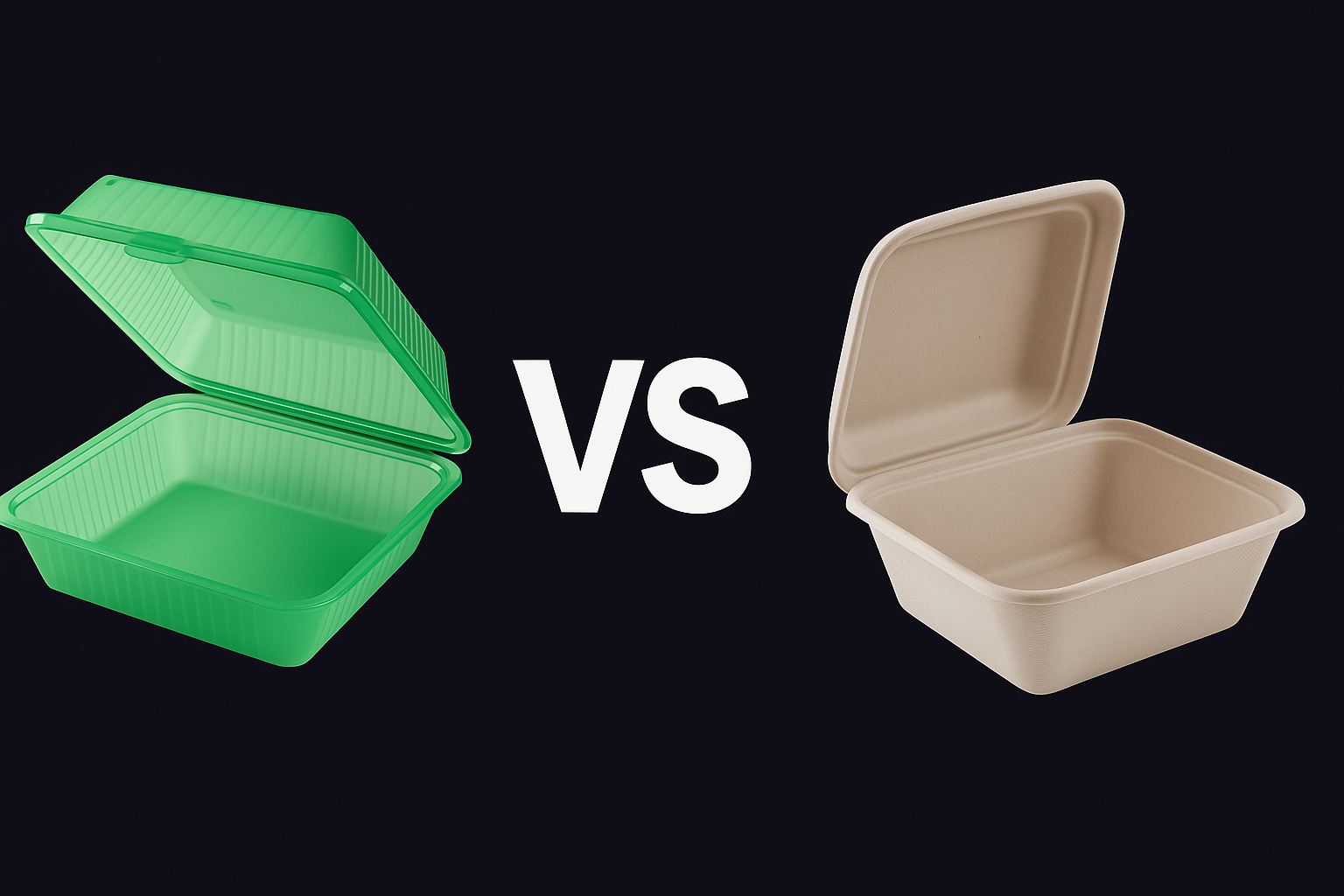
Simply put, a reusable container is any vessel designed to be used over and over again. This category includes items like stainless steel bowls, durable plastic clamshells, and glass jars. The key feature is their durability, which allows them to withstand hundreds of wash cycles and replace the need for single-use packaging. The goal is to break the cycle of using a container once and then throwing it away. A modern reuse system can work with a variety of flexible container options, from stainless steel to durable plastic, fitting seamlessly into your existing operations and dishwashing cycles.
Why Sustainability Makes Reuse Essential
Every time a student chooses a reusable container, it’s one less disposable item headed for the landfill. This directly reduces waste hauling costs and the consumption of resources needed to produce single-use items. Of course, the environmental benefits hinge on one key factor: the containers must actually be reused many times to offset the energy used to make and wash them. This is where a successful reuse program makes all the difference, ensuring containers are consistently returned, washed, and put back into circulation. When managed properly, a system with clean, damage-free reusables is just as safe and sanitary as using disposables.
How Reusables Help the Planet
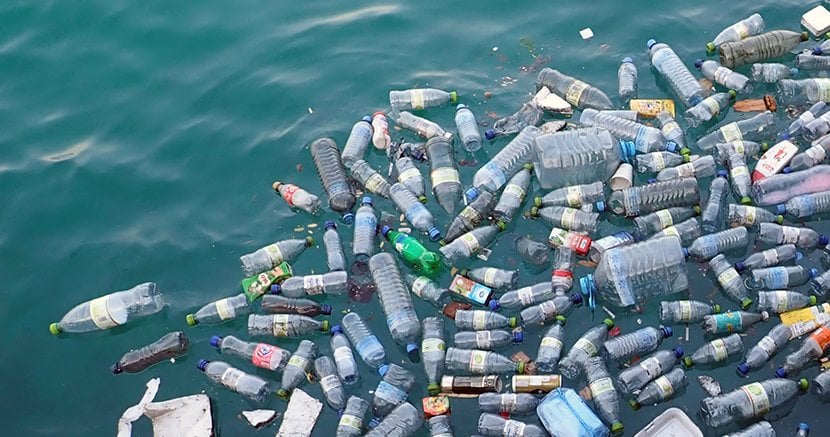
Choosing reusable containers over single-use options is one of the most direct ways your campus can make a positive environmental impact. It’s a tangible change that students and staff can see and participate in every day. While disposable containers offer a moment of convenience, their journey from production to landfill leaves a lasting mark, contributing to overflowing waste systems and pollution. The sheer volume of single-use packaging from food service operations is staggering, and it represents a major hurdle for any institution with sustainability targets.
Implementing a reuse program tackles this problem at its source. For large institutions, this collective action adds up to a significant change, moving your entire community away from a throwaway culture. This shift helps reduce the amount of waste piling up in landfills, lowers the carbon emissions tied to manufacturing and disposal, and conserves precious natural resources like water and energy. It’s a practical, powerful way to make your campus a leader in environmental stewardship and meet ambitious zero-waste goals. Let's look at exactly how these benefits come to life when you put reusables at the center of your dining operations.
Cut Down on Landfill Waste
Every time someone chooses a reusable container, it’s one less disposable item headed for the trash. This simple action, when multiplied across thousands of students and staff members every day, makes a massive difference. Campuses that implement reuse programs see a dramatic reduction in the volume of waste they send to landfills. For example, Ohio State University’s reusable container program keeps over 12,000 pounds of trash out of landfills each year. This not only helps meet sustainability goals but also reduces the operational costs associated with waste management. It’s a clear, measurable win for both the planet and your budget.
Lower Your Carbon Footprint
The environmental cost of a single-use container begins long before it’s thrown away. Manufacturing disposable packaging requires significant energy and resources, a process that releases greenhouse gases into the atmosphere. By contrast, a reusable container’s environmental impact is spread out over hundreds or even thousands of uses. Choosing to reuse helps break this cycle of production and disposal, directly lowering your campus’s carbon footprint. Beyond emissions, many single-use plastics can contain chemicals that are potentially harmful to human health. A well-managed reuse system offers a safer, more sustainable alternative for your community.
Conserve Natural Resources
Beyond reducing waste and emissions, reuse programs are excellent for conserving natural resources. Think about the amount of water, trees, and energy required to produce a constant stream of paper and plastic containers. A reusable system sidesteps much of this consumption. In fact, the commercial dishwashing process for reusable containers often uses less water than what’s needed to manufacture a brand-new single-use item. By investing in a durable inventory of containers, you reduce the demand for raw materials and help preserve vital resources for the future. It’s a smarter, more efficient way to operate that aligns with responsible resource management.

The Best Types of Reusable Containers
When you’re building a reuse program, choosing the right container is one of the most important decisions you’ll make. The best material for the job really depends on your specific needs. A container that’s perfect for home meal prep might not be the right fit for a busy campus dining hall serving thousands of students every day. For large-scale operations, you need to think beyond just the container itself and consider factors like durability, weight, stackability, and how easily it can be cleaned and sanitized in commercial dishwashers.
The good news is that there are fantastic, high-quality options designed specifically for the demands of food service. While glass jars and metal tins are great for repurposing at home, they often fall short in a high-volume environment due to issues with breakage and standardization. That’s why most successful campus reuse programs rely on materials like durable, NSF-certified plastics or stainless steel. These containers are built to last for hundreds or even thousands of uses, providing a safe, reliable, and cost-effective alternative to single-use packaging. Let’s look at the pros and cons of the most common materials.
Glass Containers and Jars
Glass is a fantastic material for food storage in many ways. Because it’s non-porous, it won’t absorb food odors, flavors, or stains, keeping your leftovers tasting fresh. It’s also easy to clean and can be used over and over again without degrading. For personal use, a good set of glass containers is a kitchen staple for meal prepping and storing food safely.
However, for a bustling food service environment, glass presents some serious challenges. Its two main drawbacks are weight and breakability. Glass containers are significantly heavier than plastic or stainless steel, which can be cumbersome for students carrying meals across campus. More importantly, the risk of breakage is a major safety and operational concern, leading to potential hazards and costly replacements.
Durable Plastic Takeout Containers
Don’t confuse these with flimsy, single-use plastic. High-quality, durable plastic containers are specifically engineered for reuse. They are lightweight, easy to carry, and virtually unbreakable, making them a practical choice for on-the-go meals. These containers are also cost-effective and stack efficiently, which saves valuable space in a busy kitchen. For campus dining programs, modern reusable plastics are BPA-free and certified for food safety. They are designed to withstand hundreds of cycles in high-temperature commercial dishwashers, ensuring they are properly sanitized for every use. Their durability and practicality make them a workhorse for many successful reuse systems.
Metal Cans and Tins
Metal cans and tins are champions of repurposing at home. An empty coffee can becomes a perfect planter, and small tins are great for organizing office supplies or craft materials. This kind of creative reuse is a wonderful way to give a single-use item a second life and keep it out of the landfill.
That said, these types of metal containers aren't designed for regulated food service reuse programs. Most are intended for one-time use as product packaging and aren't built to withstand repeated washing and sanitizing. They also lack the standardization needed for an efficient system of collection, washing, and redistribution. While they are great for DIY projects, they aren’t a practical or safe option for serving fresh meals.
Stainless Steel Options
Stainless steel is a premium choice for reusable containers, and for good reason. It is incredibly durable, resistant to rust and corrosion, and won’t break or crack, giving it an exceptionally long lifespan. Like glass, stainless steel is non-porous, so it won’t hold onto odors or stains, making it a very hygienic option for food. While it comes with a higher upfront cost, its longevity can make it a worthwhile investment for any organization committed to a long-term reuse program. The sleek look and feel of stainless steel can also elevate the dining experience. Many modern reuse systems are designed to work with both stainless steel and durable plastic, giving you the flexibility to choose the best fit for your budget and brand.
Get Creative: How to Repurpose Your Containers
Once a container has served its main purpose, its journey doesn’t have to end in the recycling bin. Giving items a second life is one of the most effective ways to reduce waste and make the most of your resources. Before you toss that jar or tin, think about how it could solve a small problem around your home, office, or even on campus. A little imagination can turn everyday packaging into a practical tool, helping you get organized, simplify tasks, and add a personal touch to your space. It’s all about seeing the potential in what you already have. This mindset shift is key to building more sustainable habits. Instead of viewing an empty container as trash, you start to see it as a raw material. This approach not only cuts down on what goes to the landfill but also saves you money on storage solutions and other household items. Repurposing is a hands-on way to practice resourcefulness and can be a fun, creative outlet for you, your family, or your colleagues. It’s a simple, tangible step toward a more circular economy, right in your own space.
Organize Your Kitchen and Pantry
Your kitchen is full of containers that are perfect for a second act. Large yogurt, sour cream, or cottage cheese tubs are fantastic for storing leftovers or freezing fresh fruits and vegetables for smoothies. You can also use glass jars of all sizes to create a uniform and organized pantry. Store bulk items like rice, pasta, nuts, and flour in them to keep food fresh and your shelves tidy. This simple pantry organization method also lets you see exactly what you have at a glance, which helps cut down on food waste.
Tidy Up Your Home and Office
You can easily repurpose containers to bring order to your workspace and other rooms. An empty tin can, for example, makes a great pencil holder for your desk. With a coat of paint, it can become a small vase for flowers or a caddy for makeup brushes. Shoeboxes can be transformed into drawer dividers for socks or office supplies, while smaller containers like mint tins are perfect for corralling paper clips, pushpins, and other small items that tend to get lost. These small changes can make a big difference in keeping your spaces clutter-free.
Use Them for Crafts and Hobbies
If you have a creative hobby, you know how quickly small supplies can pile up. Reusing containers is a budget-friendly way to keep everything in its place. Small gum or mint containers are ideal for storing beads, buttons, glitter, or even loose change. Glass baby food jars are perfect for mixing small amounts of paint or holding screws and nails in the workshop. By labeling each container, you can create a custom organization system that makes it easy to find exactly what you need for your next project, so you can spend more time creating and less time searching.
Take Them Into the Garden
Your garden is another place where repurposed containers can shine. A plastic milk jug can become a watering can by simply poking a few holes in the lid. You can also cut off the bottom of plastic bottles to create mini-greenhouses that protect young seedlings from pests and frost. Larger tubs from items like ice cream or pretzels make excellent planters for herbs or small flowers. You can even fill a milk jug with water and freeze it to create a giant ice pack for coolers, which is perfect for keeping food cold on picnics or camping trips without getting everything soggy.
How to Make Reusables a Daily Habit
Turning reuse into a reflex is the key to creating lasting change. For any campus-wide sustainability program to succeed, it needs a community of people who are already on board with the idea of reuse in their own lives. When using a reusable container feels as natural as grabbing your keys before you leave the house, you’re building a powerful habit that lays the groundwork for institutional success. The good news is that these habits are easy to build, starting with small, simple actions that add up over time.
By integrating reusables into daily routines like packing lunch, storing leftovers, and even grocery shopping, we can create a culture where choosing to reuse is the easy and obvious choice. When students and staff already understand and practice reuse, they become enthusiastic participants in a formal program rather than a group that needs convincing. This grassroots adoption makes the rollout of a campus-wide system smoother and more effective. These individual habits are the foundation for the collective success of larger programs, making it easier for everyone to participate and feel good about their impact.
Simplify Meal Prep and Food Storage
One of the easiest places to start building a reuse habit is in the kitchen. Instead of reaching for plastic wrap or single-use bags, get into the habit of using durable containers for meal prep and leftovers. Glass jars are perfect for storing salads and sauces, while sturdy plastic containers can keep pre-chopped veggies fresh for days. Once you see how practical these items are, you’ll start to find all sorts of useful ways to repurpose them around the house. This simple shift in mindset makes your kitchen more organized and your food last longer, all while cutting down on waste and saving money.
Rethink Your Grocery Shopping
Your reuse habit can extend beyond your home and into your shopping routine. Along with reusable grocery bags, consider bringing your own produce bags and containers for bulk bin items like nuts, grains, and coffee. This practice helps you avoid bringing single-use plastics home in the first place. It’s important to remember that reusable products have lower environmental impacts only when they are used consistently over time. Making a commitment to bring your own containers every time you shop is a great way to ensure you’re making a real difference, saving resources and money along the way.
Bring Reusables to the Workplace
Taking these habits to work or campus is where individual action starts to create community-wide change. Packing your lunch in a reusable container or bringing your own coffee mug are simple steps that can inspire colleagues and classmates. As more people participate, it builds momentum for larger initiatives. Many colleges and universities have already begun to embrace the plastic-free reuse movement in their dining halls, recognizing the potential for huge cost savings and environmental benefits. And don’t worry about cleanliness; as long as reusables go through a proper commercial cleaning process, they are just as safe and sanitary as disposables.
Common Hurdles to Reuse (And How to Clear Them)
Switching to a reusable container system can feel like a big undertaking, but most of the common challenges have straightforward solutions. When you understand the potential roadblocks, you can plan for them and build a program that works seamlessly for your team and your campus community. From ensuring hygiene to managing costs, let's walk through the biggest hurdles and how to clear them with confidence. A well-designed reuse program not only meets sustainability goals but also enhances the dining experience and saves money in the long run.
Keeping Your Containers Clean and Safe
One of the first questions that comes up is about hygiene. Can reusable containers truly be as clean and safe as single-use options? The answer is a resounding yes. When handled correctly, reusables that go through a standard commercial dishwashing process are just as sanitary as disposables. Think of it this way: you already trust your dishwashers to clean every plate, bowl, and fork used in your dining halls. Reusable containers are no different. A properly cleaned container is free from defects and poses no greater contamination risk than a brand-new disposable one. The key is having a reliable system to ensure every container is returned and sanitized correctly before it goes back into circulation.
Making Reuse Easy and Convenient
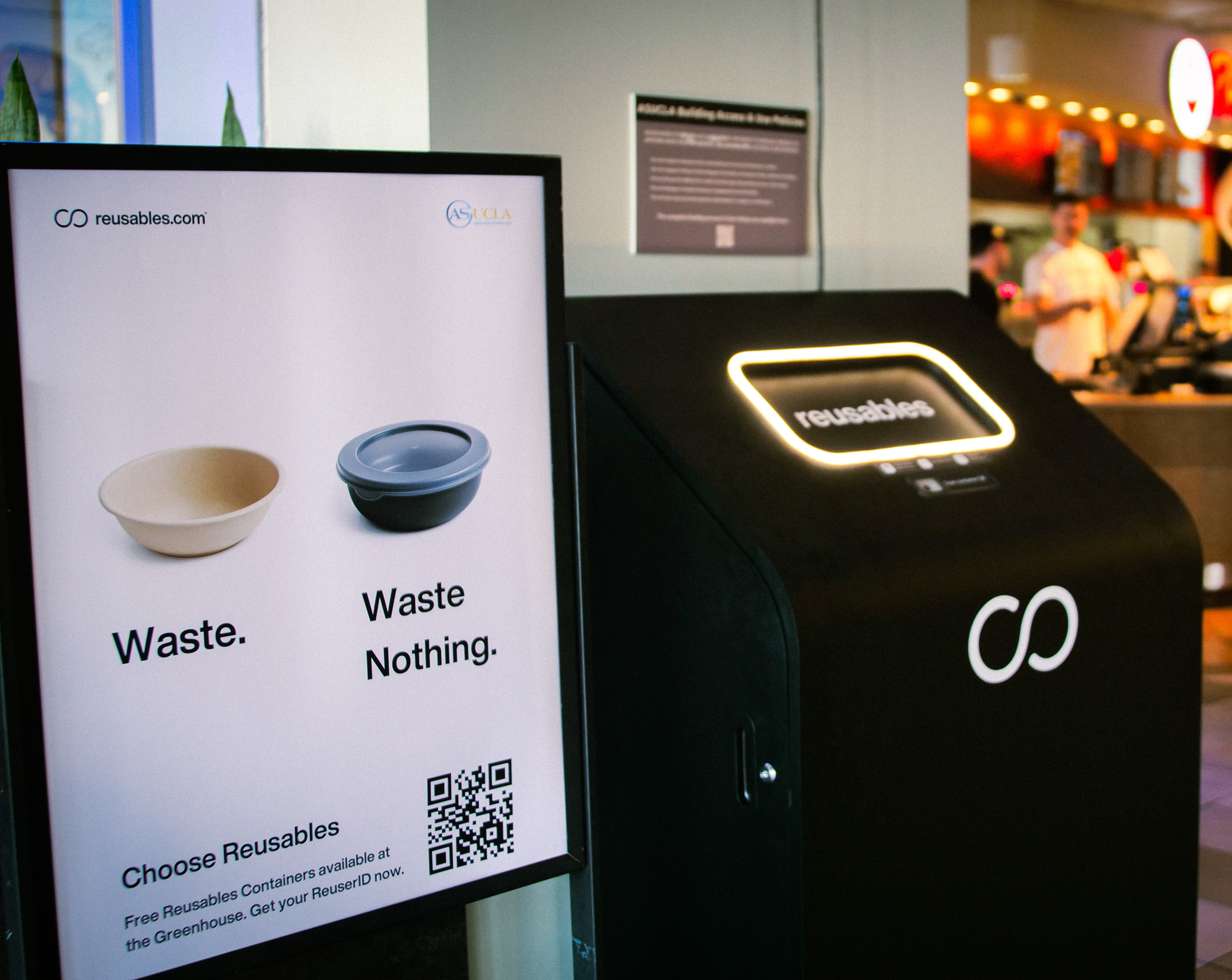
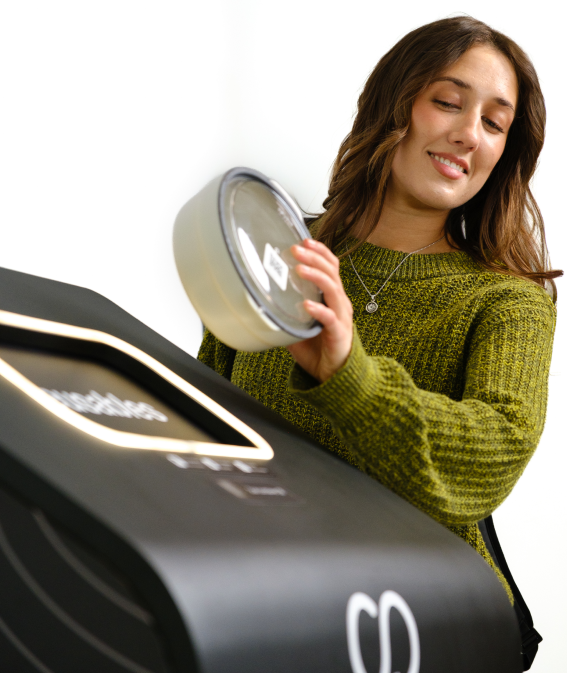
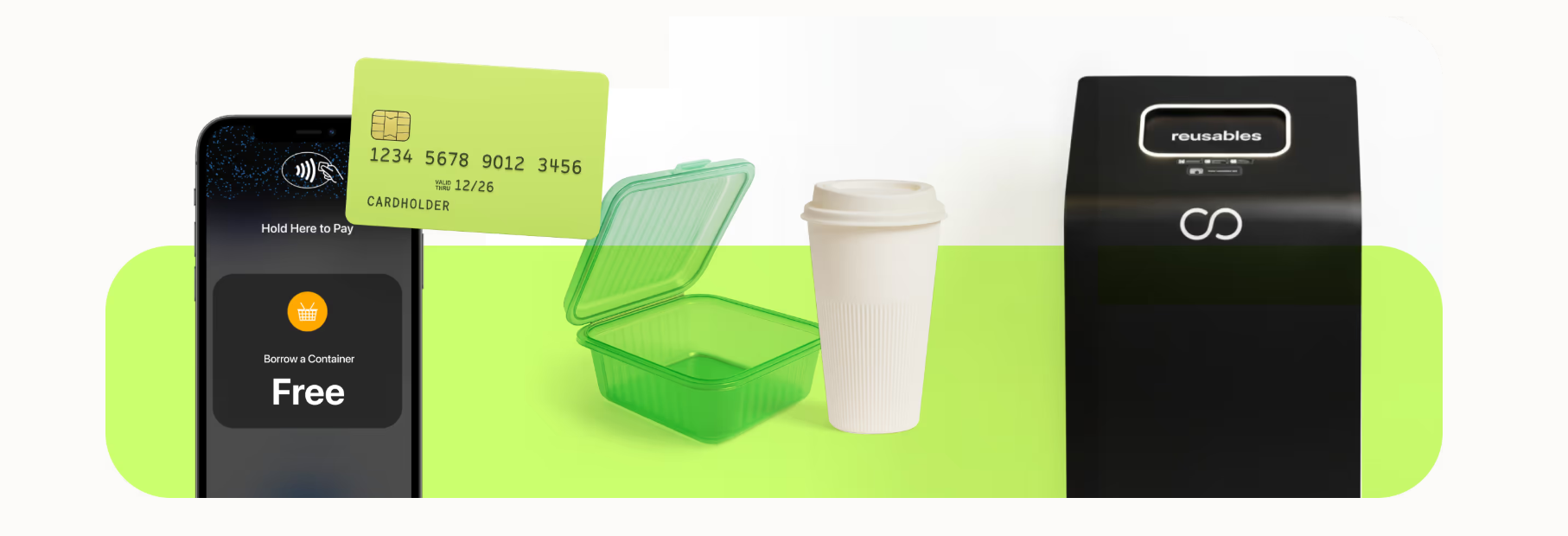
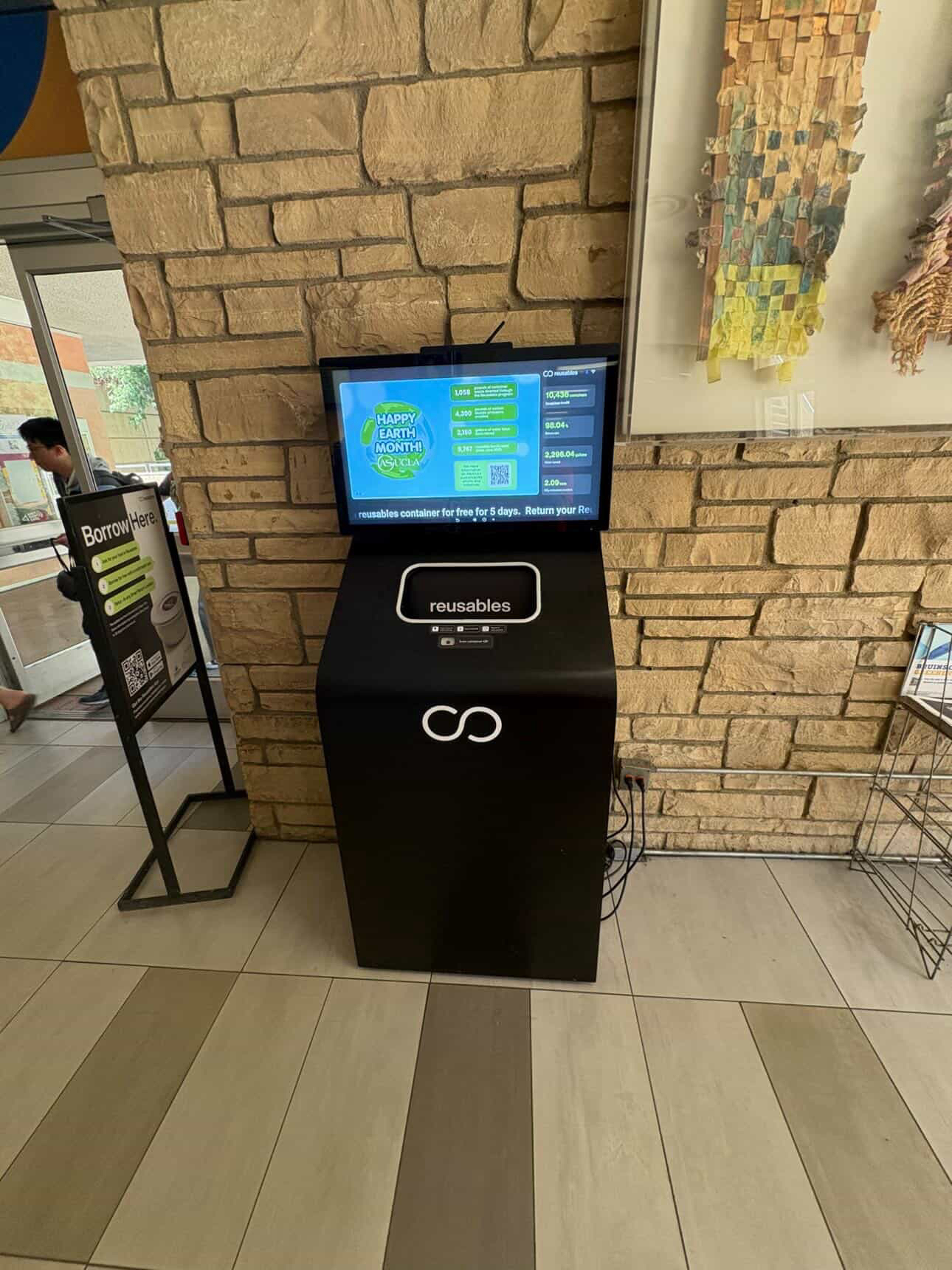
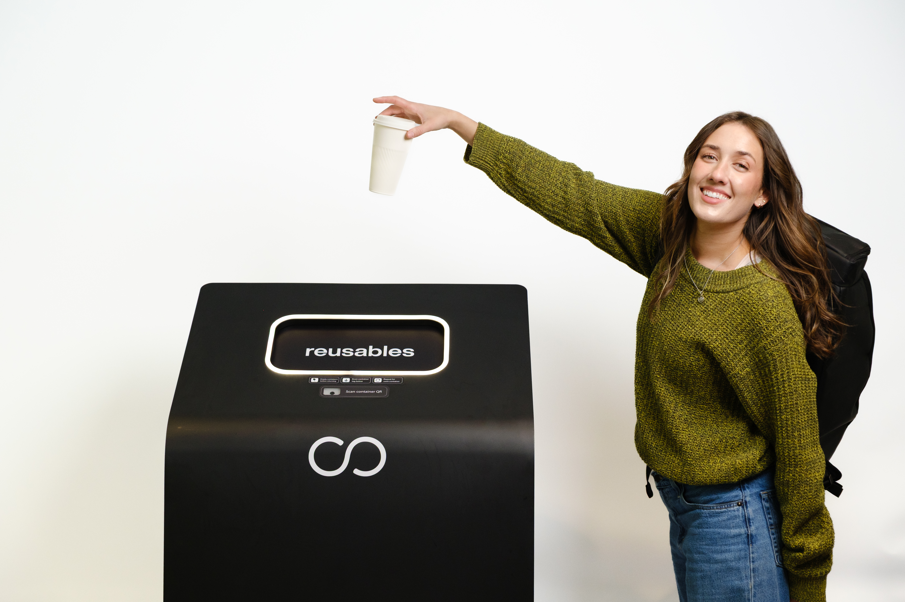
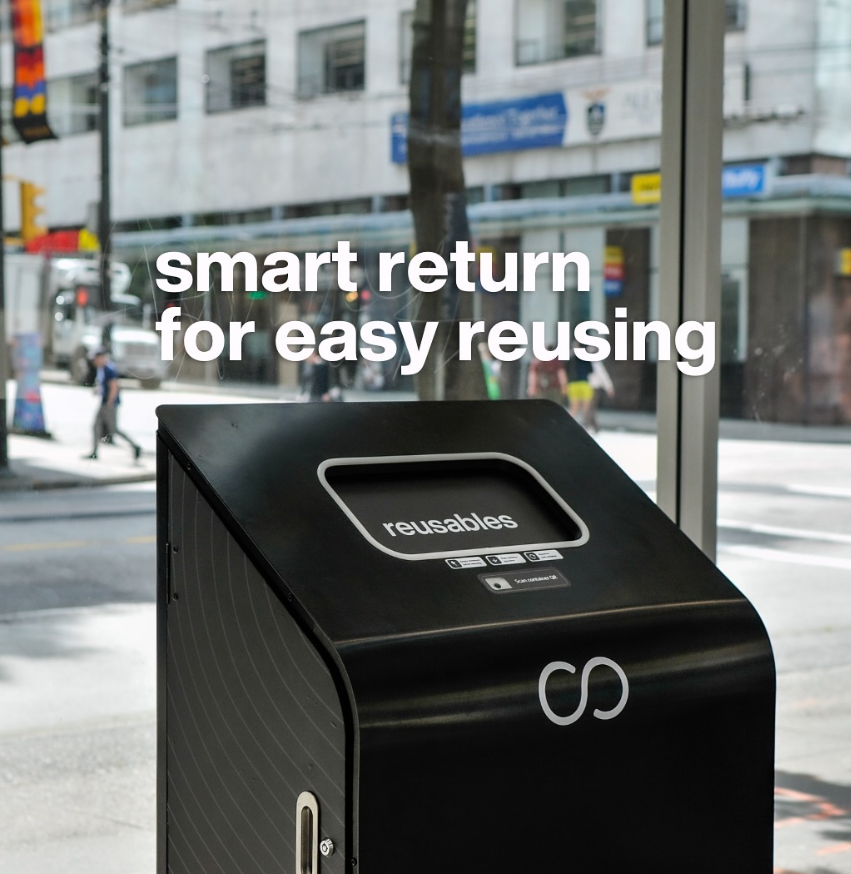
If a reuse program is inconvenient, students and staff simply won't participate. The perception that reusables are more work is a major barrier. Without an efficient system, you can end up with staff spending valuable time tracking down lost containers or managing a clunky checkout process. Some campuses report losing more than half of their container inventory each semester. The solution is to make reuse completely frictionless. Imagine a system where students can check out a container with a simple tap of their campus card, no app download required. With smart, 24/7 return bins placed in convenient locations, returning a container becomes as easy as tossing a disposable one in the trash.
Breaking Down the Costs
The initial investment in reusable containers can seem daunting, but it’s important to look at the bigger financial picture. The cost of single-use packaging has skyrocketed, with many universities spending tens of thousands of dollars annually on disposable containers alone. A well-managed reuse program can deliver significant savings. For example, after implementing a reusable system, Northern Arizona University began saving over $100,000 each year compared to their single-use container costs. By eliminating the need to constantly repurchase disposables, you can achieve a return on your investment quickly and see annual cost savings of 30% or more. Plus, some systems even offer revenue-generating opportunities through ad screens on return bins.
Debunking Common Reuse Myths
Let's clear up a few final misconceptions. One common myth is that reusable packaging isn't actually better for the environment. The reality is that the environmental benefits are directly tied to how many times a container is reused. A program with low return rates won't achieve its sustainability goals. This is why accountability is so important. A system that can track every container and automate reminders for returns is essential for success. With the right technology and incentives, you can achieve return rates of 99%, ensuring your program makes a real, measurable impact on waste reduction and resource conservation.

How to Care for Your Reusable Containers
A successful reuse program hinges on more than just having the containers. It requires a solid plan for maintaining them. Proper care ensures your containers remain safe, appealing to students, and in circulation for as long as possible. This protects your investment and keeps your program running smoothly. By focusing on three key areas, you can build a system that is both sustainable and efficient.
Clean and Sanitize Properly
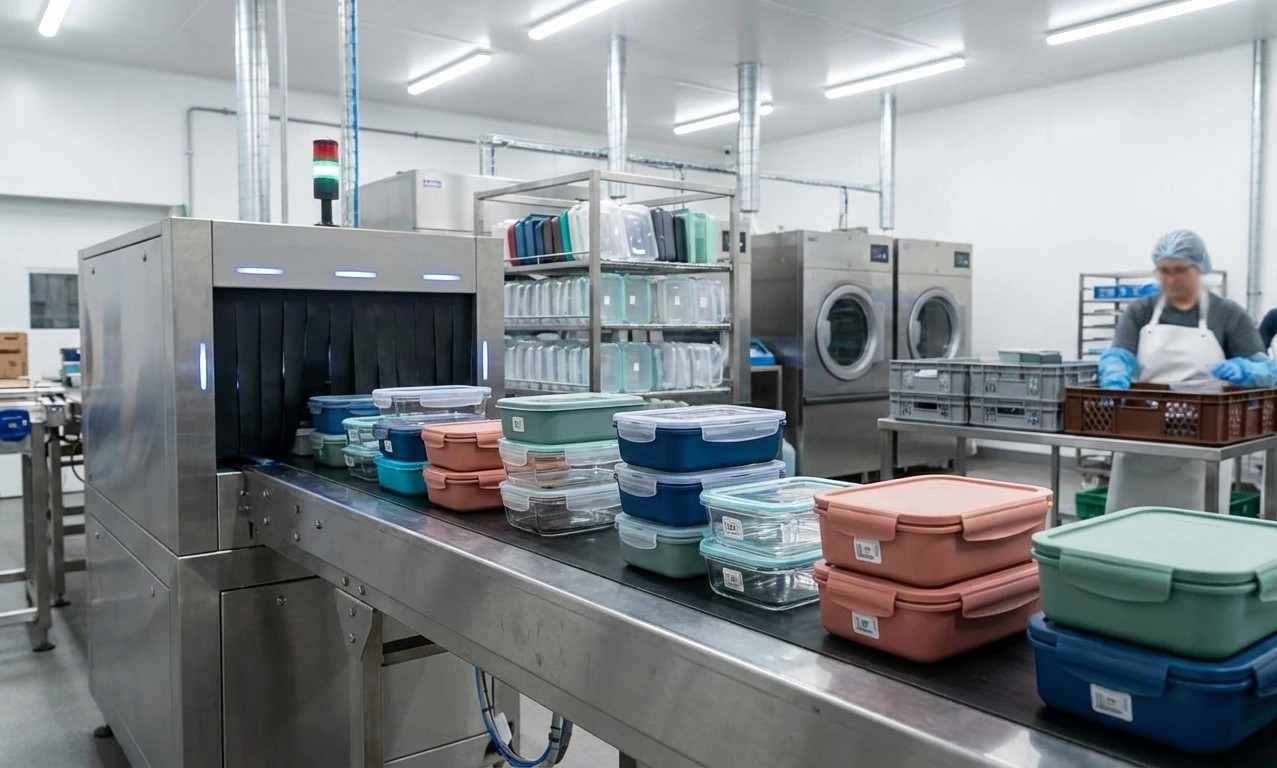
For any food service operation, hygiene is non-negotiable. The good news is that reusable containers can be cleaned to the same high standards as your dining hall plates and cutlery. When processed through commercial dishwashers, reusables are just as clean, if not cleaner, than their single-use counterparts. According to the EPA, a reusable container that is properly cleaned and free from defects presents an equal contamination risk as a brand-new disposable one. Your existing sanitation protocols are perfectly suited to keep your container fleet safe and ready for service, ensuring peace of mind for both your staff and your students.
Store Your Containers the Smart Way
Managing your container inventory is crucial for operational efficiency. A well-organized system for collection, transport, washing, and restocking prevents loss and ensures containers are always available where they’re needed most. Think about the entire lifecycle: where will students return them? How will staff collect them from return bins? Where will clean containers be stored before being sent back to dining locations? Planning these logistics prevents bottlenecks and keeps your inventory in a constant, efficient loop. A streamlined process makes it easier for staff to manage and simpler for students to participate.
Make Your Containers Last
The durability of reusable containers is what drives your long-term cost savings and environmental impact. Choosing high-quality materials is the first step. Unlike many single-use items that may contain harmful chemicals, durable containers made from stainless steel or certified plastics are designed for safety and longevity. By investing in quality and implementing a system that encourages returns, you maximize the lifespan of each container. This approach leads to significant financial benefits. For example, after switching to a reusable system, Northern Arizona University began saving over $100,000 annually on single-use container costs. Proper care directly translates to a better return on your investment.
How to Launch a Successful Reuse Program on Campus
Bringing a reusable container program to your campus is a powerful way to meet sustainability goals, cut down on packaging costs, and show students you’re serious about environmental stewardship. While it might seem like a major operational lift, the right strategy and tools can make the transition smooth for everyone. A successful program isn't just about providing containers; it's about creating a system that integrates seamlessly into campus life, making it the easy and obvious choice for students and staff. By focusing on technology, accountability, and user experience, you can build a program that delivers impressive results, from high return rates to significant cost savings.
Use Technology to Power Your System
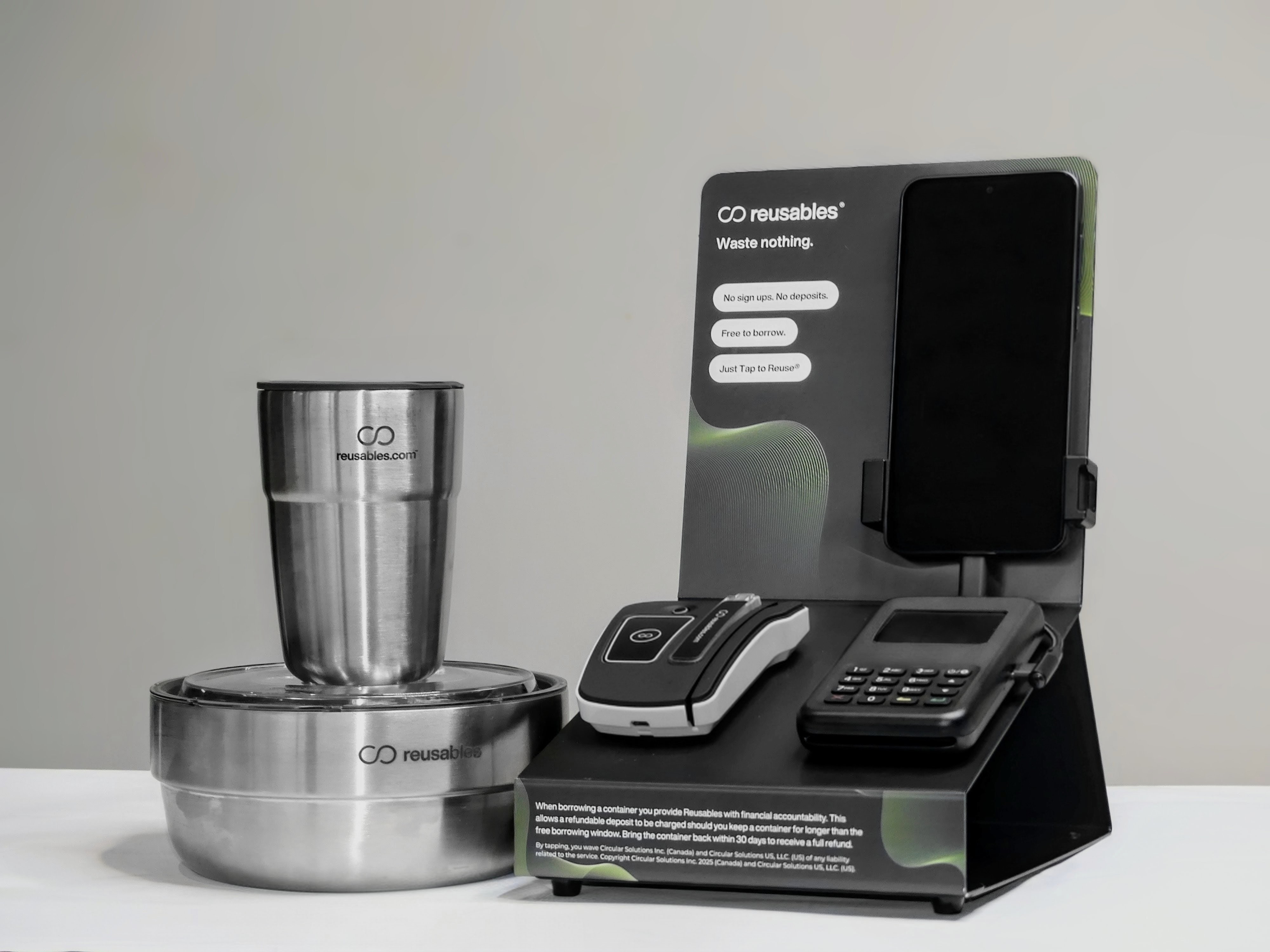
The easiest way to get students on board is to meet them where they already are. Instead of asking them to download yet another app, you can integrate your reuse program with the technology they use every day. Ohio State University found success by building its program into Grubhub, an app students were already familiar with. This approach removes friction and makes participation feel intuitive. The key is to make borrowing a reusable container as simple as a single tap. By linking the program to student ID cards, meal plans, or existing payment systems, you create an effortless checkout process that encourages widespread adoption from day one.
Automate Tracking for Full Accountability
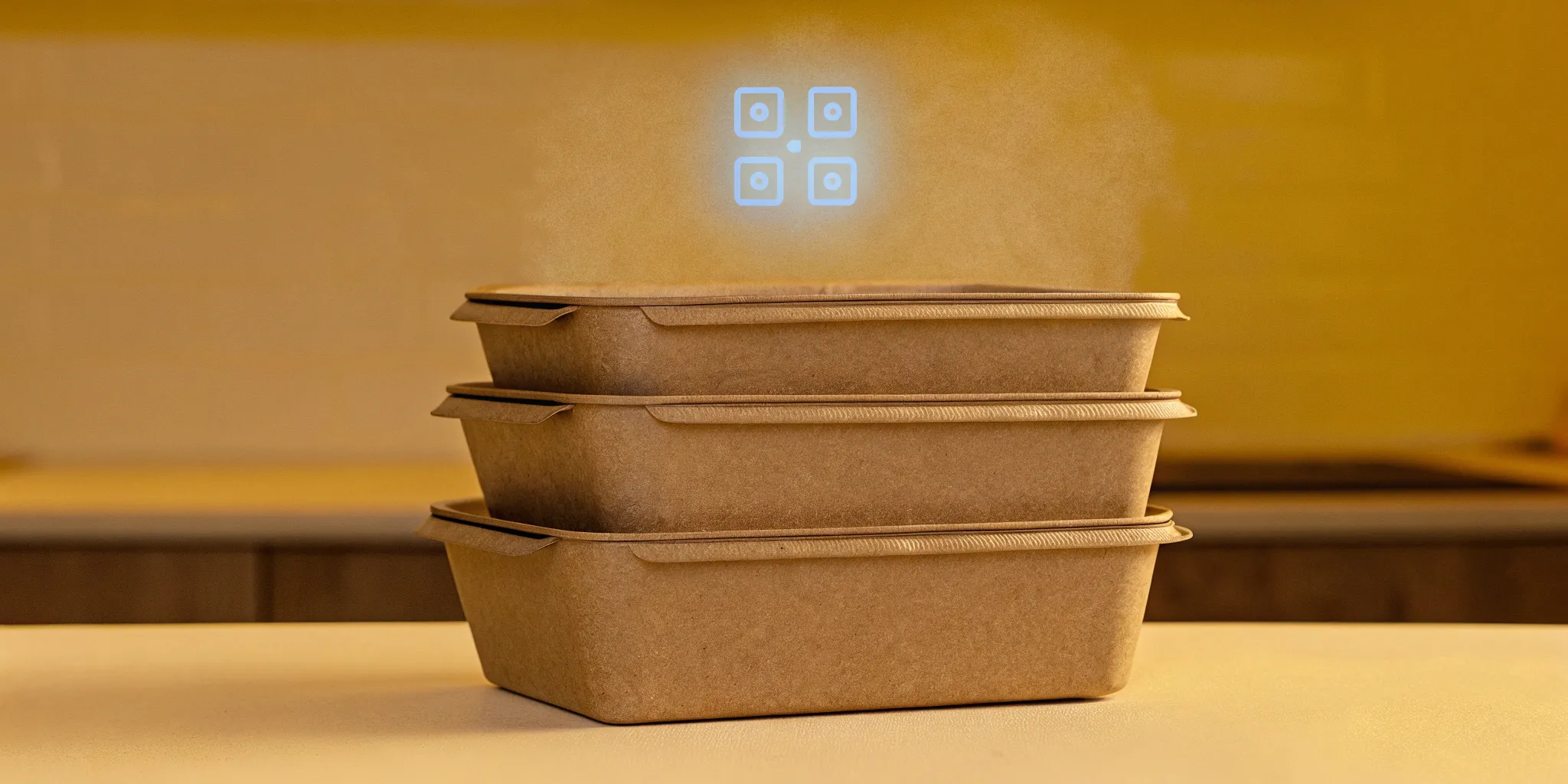
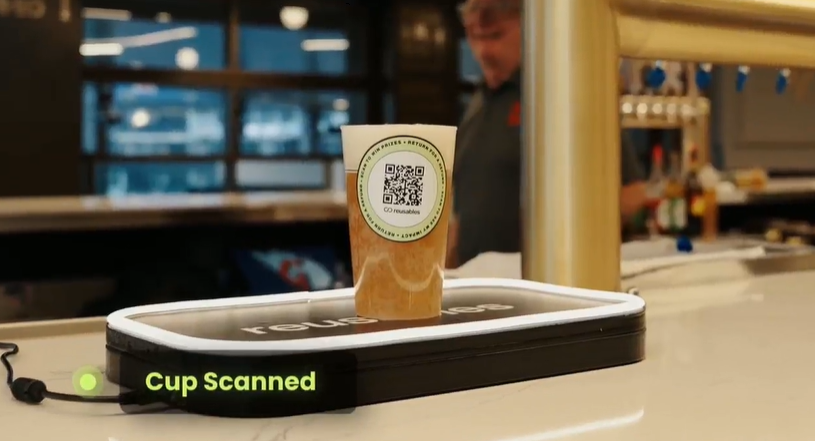
A common worry with reuse programs is losing your inventory. How do you make sure all those containers come back? The answer is automated tracking. A simple scan can link a specific container to a student’s account, creating a system of accountability that works "just like checking out a library book." This digital approach eliminates the need for manual tracking, which saves your staff valuable time and reduces human error. When students know a container is checked out to them, they are far more likely to return it. This automation is the engine behind achieving near-perfect return rates, ensuring your container fleet is always in circulation and ready for the next meal.
Create a Seamless Experience for Students and Staff
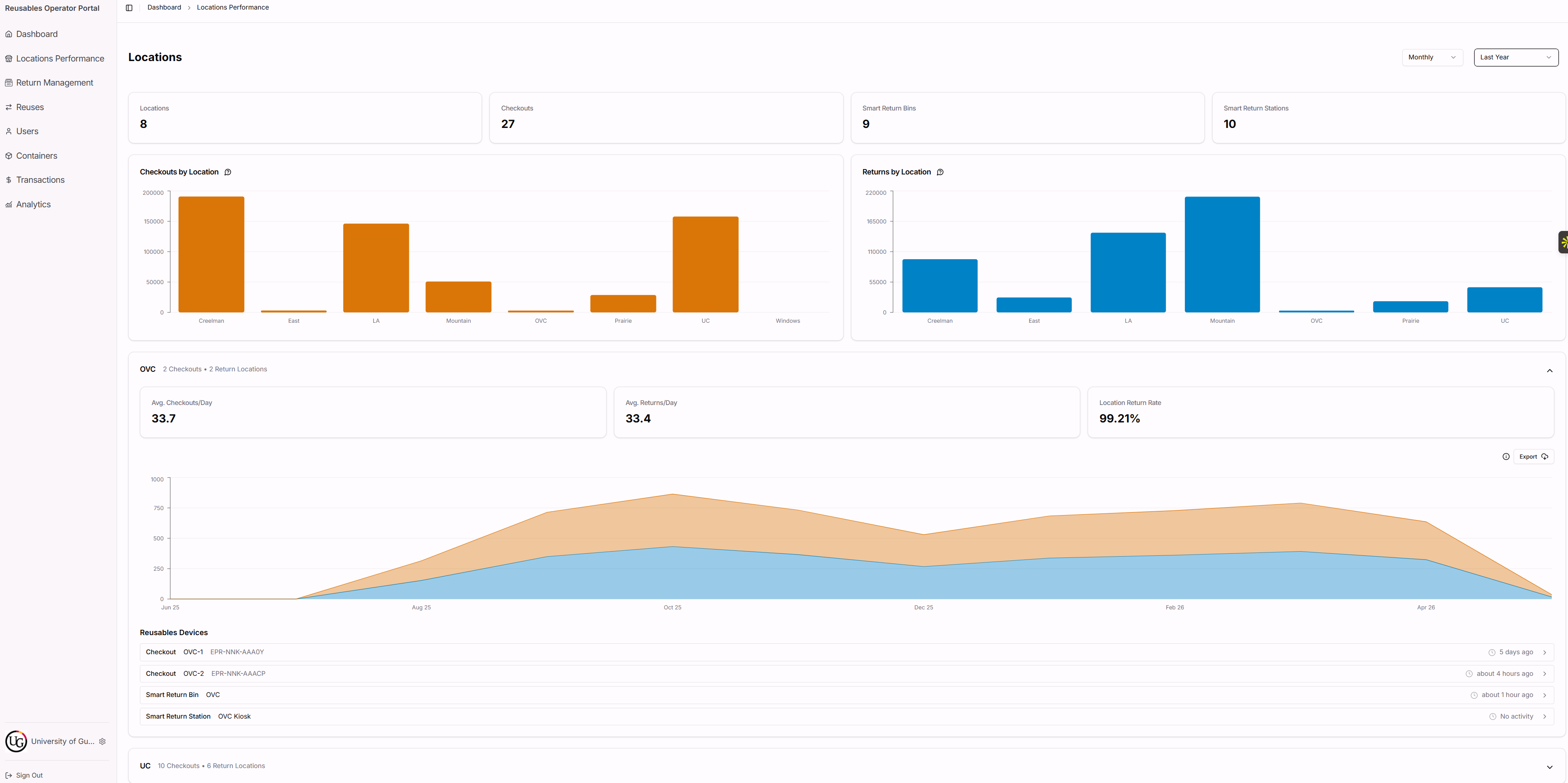
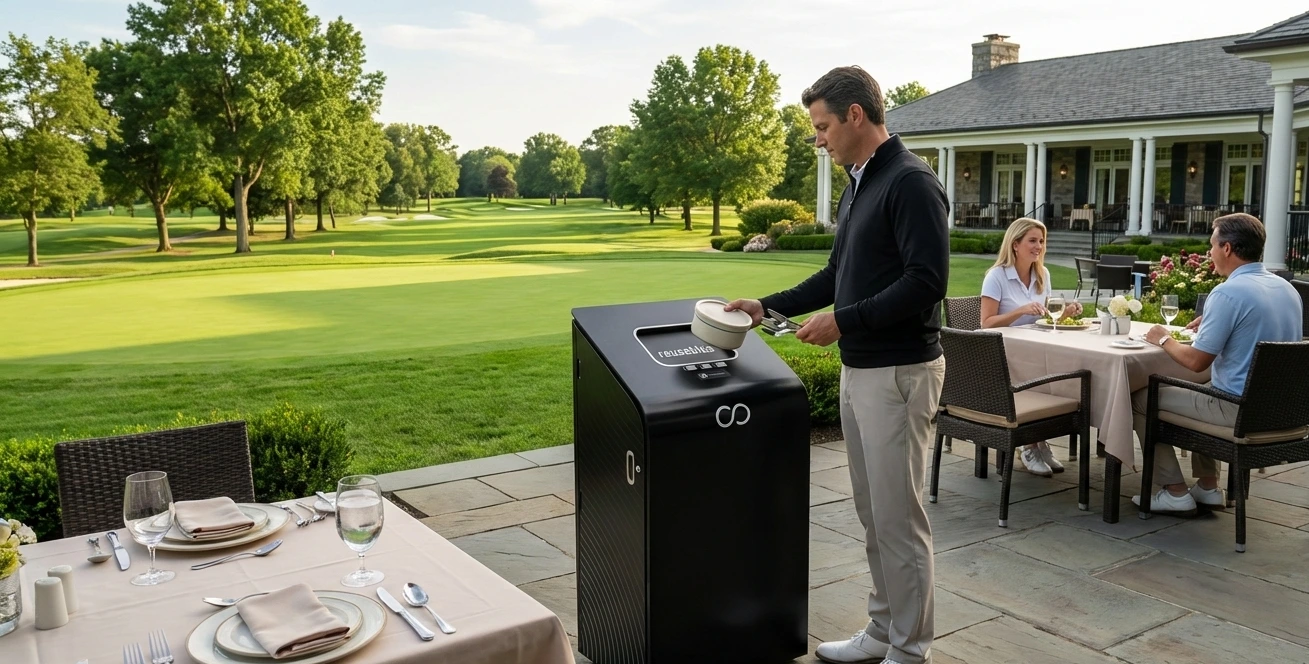
For a reuse program to stick, it has to be easy for everyone. For students, this means a quick checkout and convenient, accessible return options available 24/7. For staff, it means the system shouldn't create more work. While it might seem that reusables add logistical hurdles like washing and restocking, a well-designed program actually streamlines these tasks. Smart return bins can notify staff when they’re full, and a central dashboard can provide real-time data on inventory levels and system performance. By focusing on a seamless user experience, you create a culture of reuse that feels like a natural part of the campus dining experience, not a chore.
Related Articles
- The Real Cost of Disposable Containers for Universities
- 7 of The Best Reuse Companies Redefining Waste
- Smart Reuse Programs for Campuses, Private Clubs, Offices & More
- How Student Card Reusable Container Checkout Works
- The Right Way to Buy Reusable Food Containers for College
Frequently Asked Questions
What's the real cost of a reusable system compared to disposables? While there is an upfront investment in durable containers and technology, a well-run reuse program delivers significant long-term savings. The cost of single-use packaging has risen dramatically, and many campuses find they can reduce their annual packaging and waste expenses by 30% or more. The system pays for itself by eliminating the need to constantly buy and dispose of throwaway containers.
How do we prevent students from losing or keeping the containers? The key is a system built on accountability, not hassle. Modern reuse programs use technology like QR codes or RFID tags to link each container to a student's account, much like checking out a library book. The entire process is automated, from sending friendly return reminders to handling refundable late fees. This approach ensures high return rates, often over 99%, without requiring your staff to manually track inventory or chase down missing items.
Are reusable containers as sanitary as single-use ones? Absolutely. When cleaned in a commercial dishwasher, reusable containers meet the same high standards of hygiene as the plates, bowls, and cutlery you already use in your dining halls. A properly washed and sanitized container is just as safe for serving food as a brand-new disposable one. The process fits directly into your existing sanitation protocols.
Will a reuse program create a lot of extra work for my staff? A well-designed system should actually streamline operations, not add to your team's workload. With features like automated tracking, smart return bins that signal when they're full, and a central dashboard for real-time data, the program manages itself. This frees your staff from tedious tasks like manual inventory counts or managing fees, allowing them to focus on providing a great dining experience.
How do we ensure students will actually use the program? Student participation comes down to convenience. The most successful programs make reuse completely frictionless by integrating with technology students already use, like their campus ID cards. When checking out a container is as simple as a quick tap, with no app to download or new account to create, it becomes an easy and natural choice. Conveniently placed 24/7 return stations also make it simple for students to return containers on their own schedule.
Other stories you may find interesting
.png)
.avif)




.webp)




Watch the Webinar
Learn How to Eliminate Single-Use Waste
Get instant access to our expert webinar and discover how leading institutions reach 99% return rates through smarter reuse systems.

© Reusables™. All rights reserved.