
How Reusable Container Programs Work: A Director's Guide

April 9, 2026
Many campuses launch reusable container programs with good intentions but watch them fall apart within a semester. Containers vanish, return rates drop below 50%, and staff get buried in manual tracking. The problem is rarely the concept. It is the execution.
A well-designed reusable container program replaces single-use takeout packaging with durable, trackable containers that cycle through checkout, use, return, washing, and redistribution. When the right technology and processes are in place, these programs cut packaging costs by 50% or more and achieve return rates above 95%.
This guide walks dining directors and operations leaders through exactly how modern reusable container programs work, from the core components to implementation steps to measuring success.
What Is a Reusable Container Program?
A reusable container program is a structured system where an institution provides durable food containers to diners, tracks each container through its lifecycle, and ensures containers come back for cleaning and reuse.
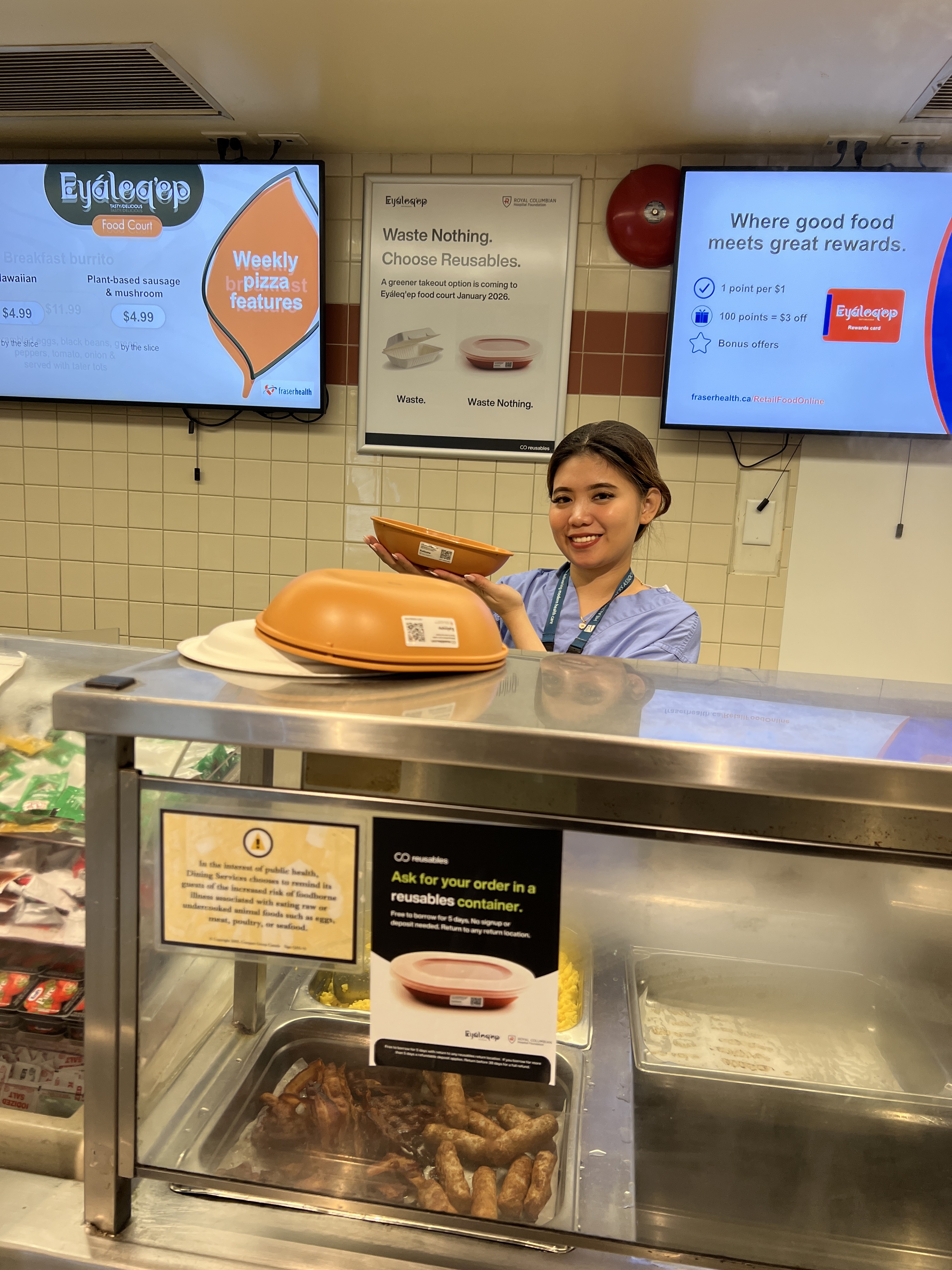
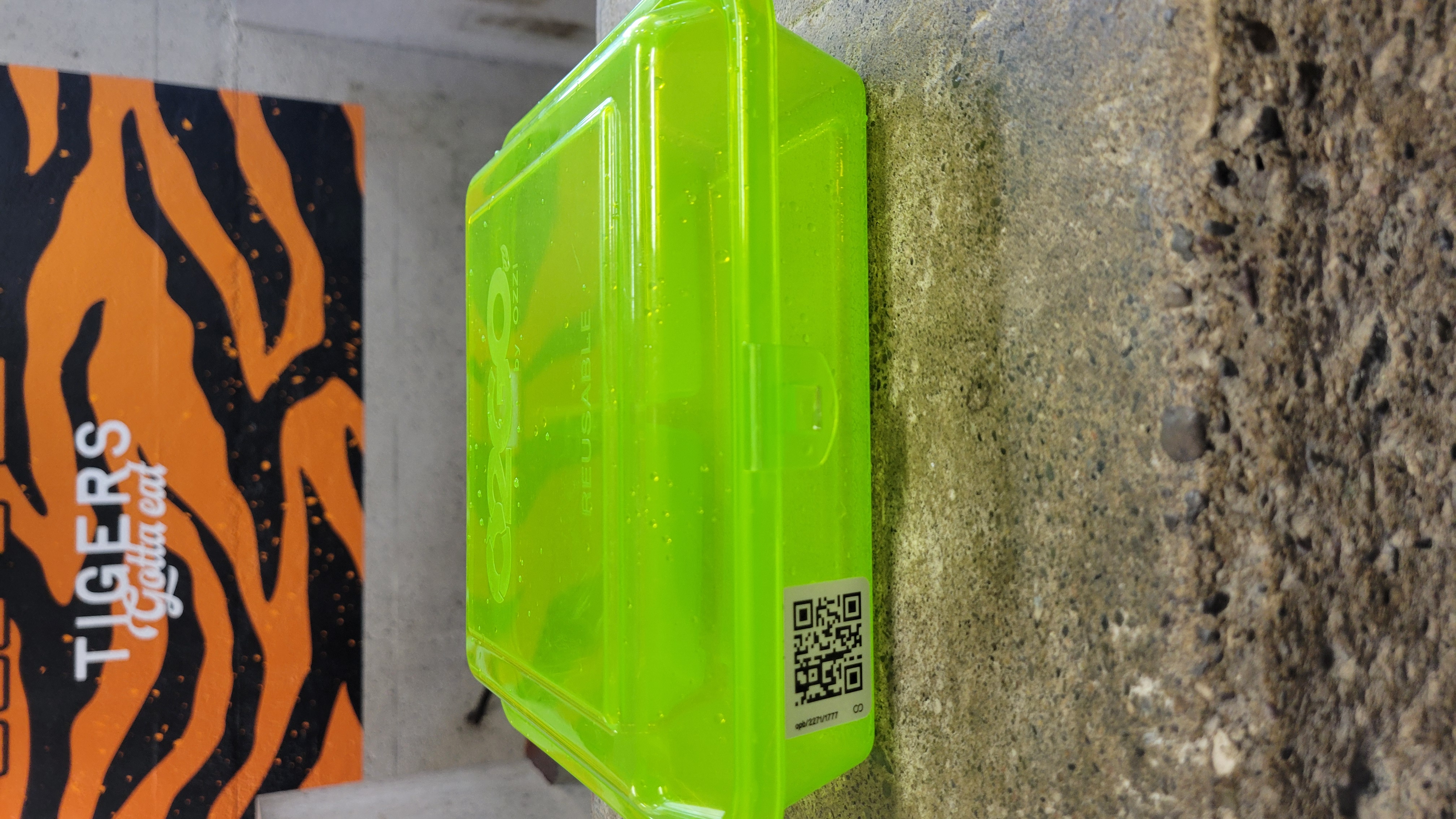
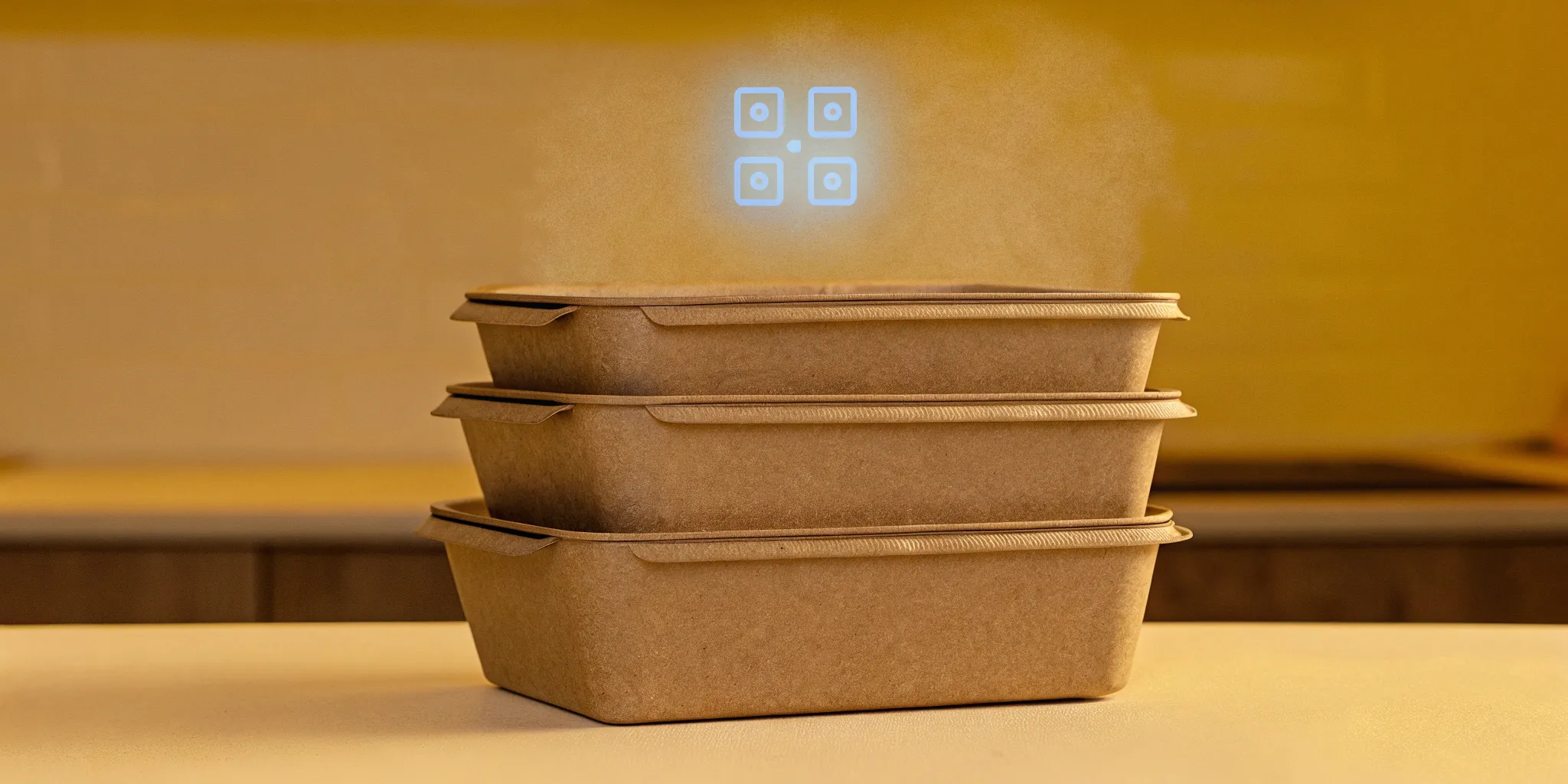
Think of it like a library system for food packaging. Each container is tagged (using RFID chips, QR codes, or both), assigned to a user during checkout, and tracked until it is returned to a designated drop-off point.
The goal is simple: eliminate disposable takeout packaging entirely while keeping operations running smoothly. Modern programs use campus card systems for reusable programs to make participation seamless for students and staff.
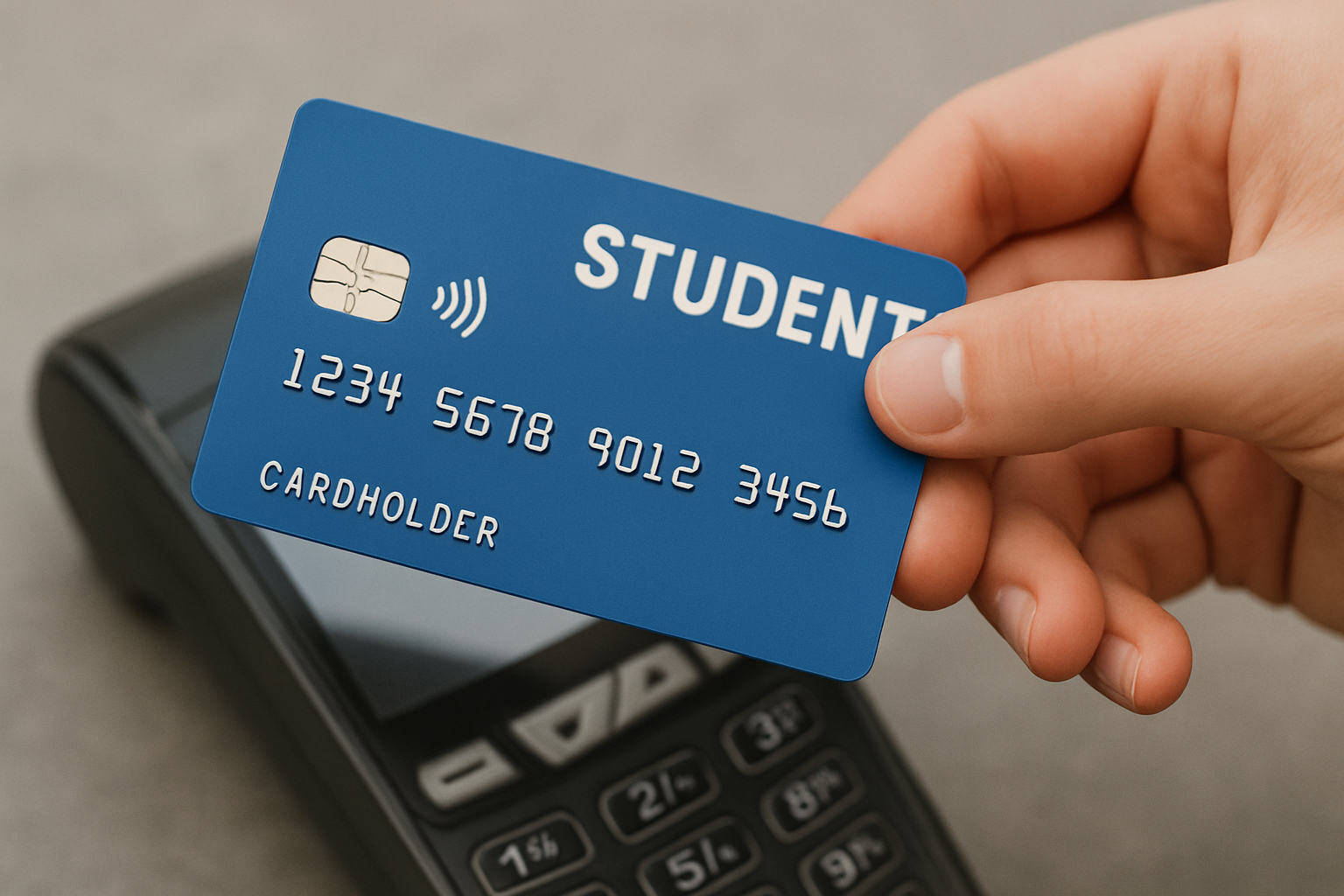
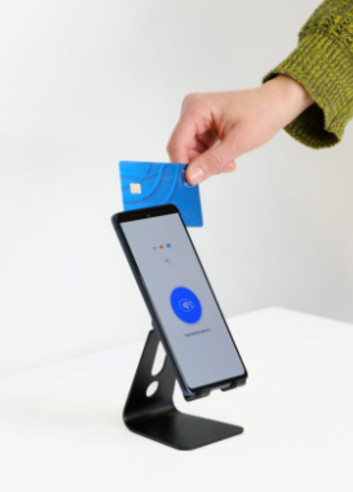
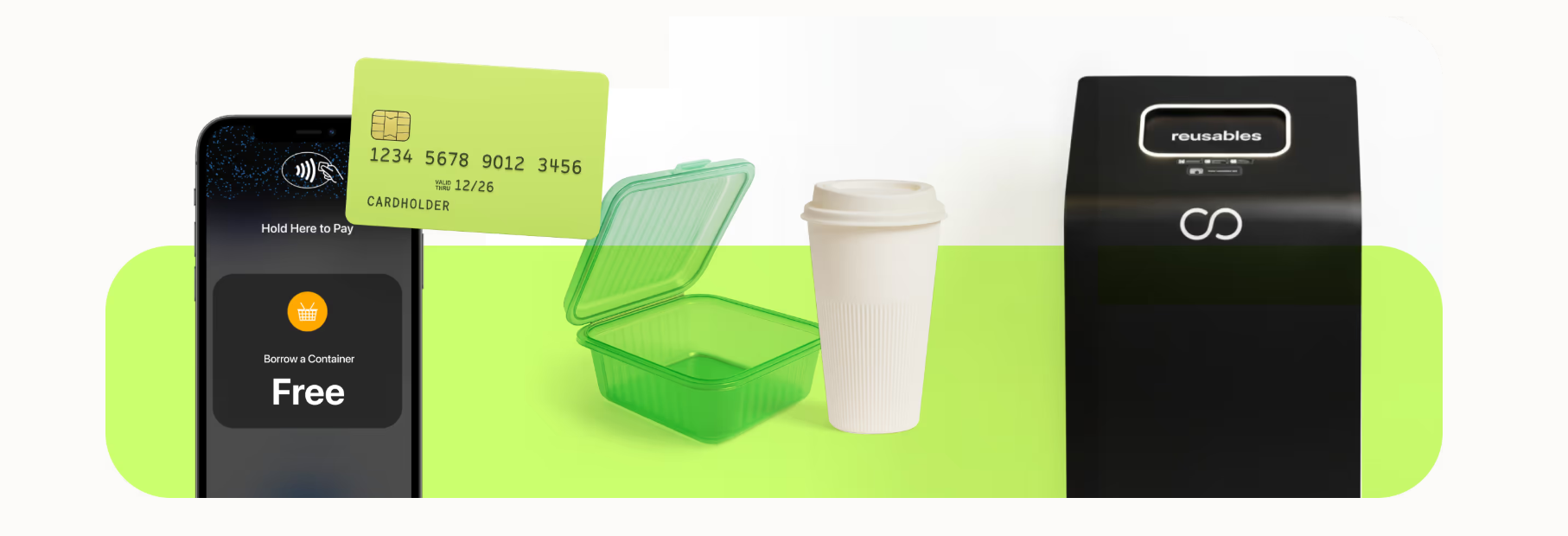
Unlike older programs that relied on tokens, deposits, or dedicated apps, today's systems integrate directly with existing campus card infrastructure. Students tap their ID or payment card, grab a container, and return it when they are done. No app downloads. No deposits. No extra steps.
How the Checkout Process Works
The checkout experience is the most critical part of any reusable container program. If it takes more than a few seconds or requires extra steps, adoption drops fast.
Here is how modern checkout systems typically work:
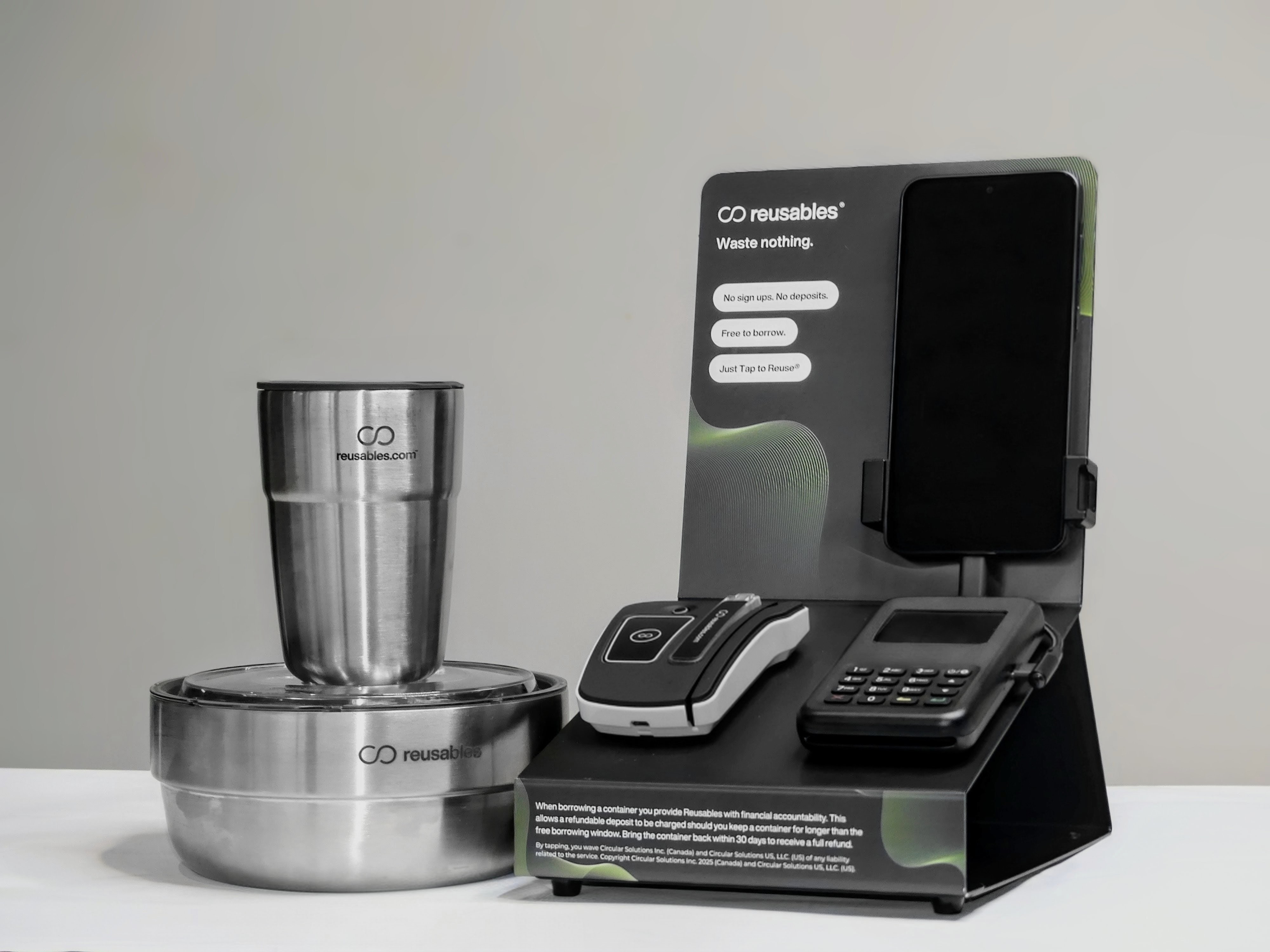
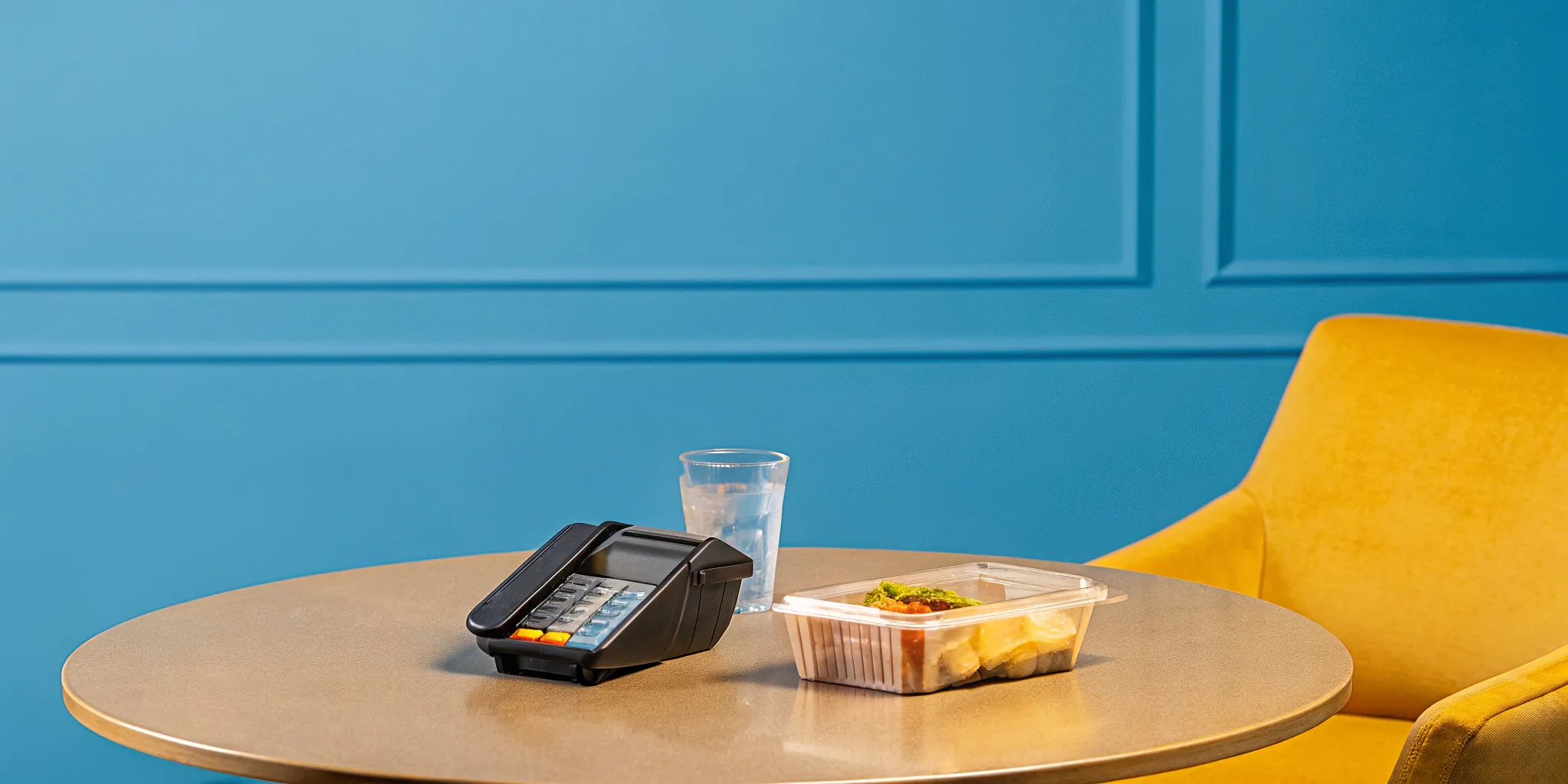
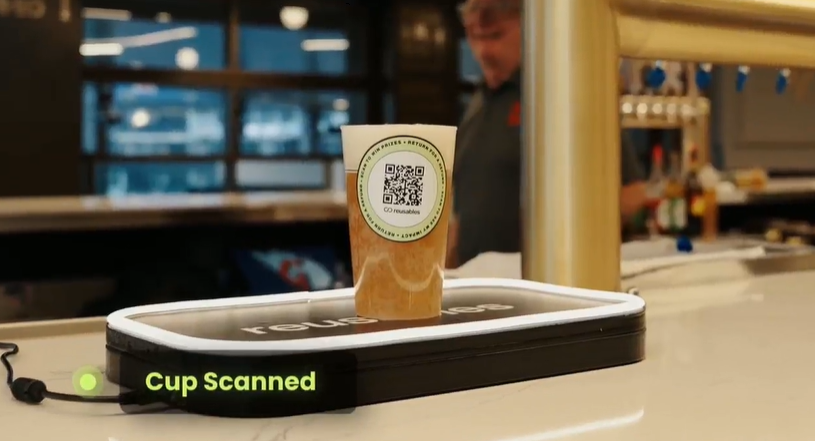
- Tap or scan at the point of service. The student uses their campus card, credit card, or mobile wallet at a scan station near the food service counter.
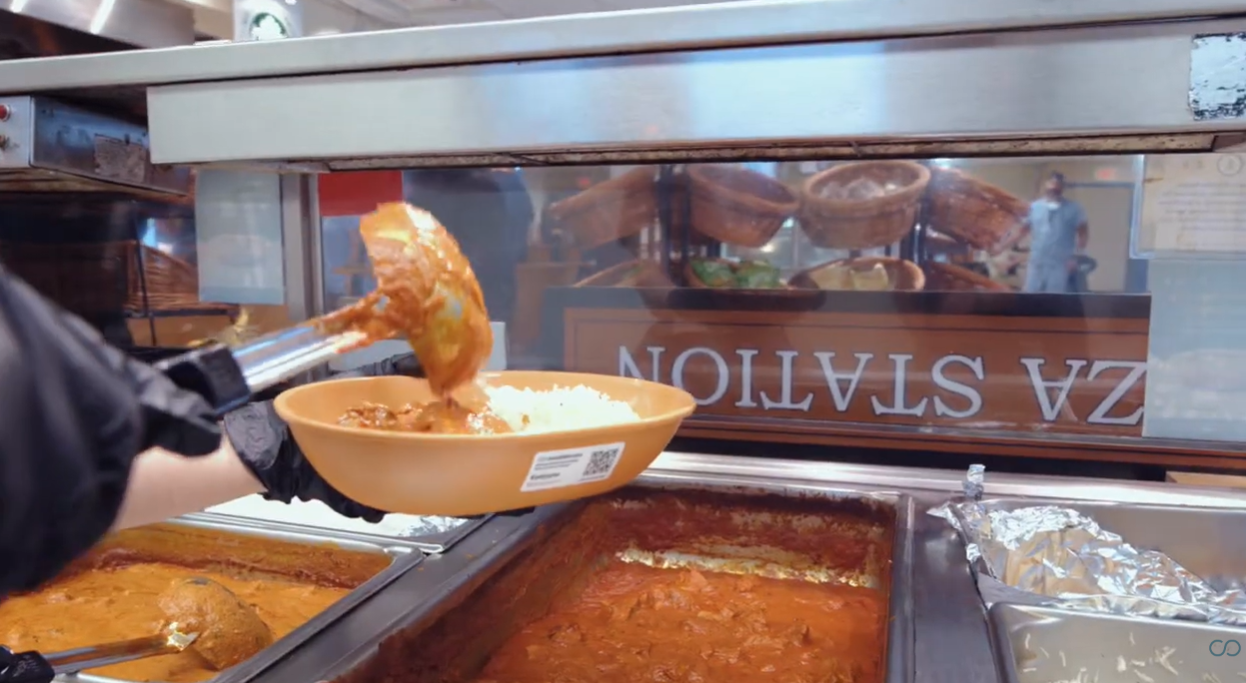
- Container assignment. The system automatically links that specific container (identified by its RFID tag or QR code) to the student's account.
- No app required. The entire process happens through existing payment infrastructure, not a separate application.
- Automated accountability. The system records the checkout time and starts a return countdown (usually 3 to 5 days).
This easy reusable container checkout process is what separates programs with 95%+ return rates from those stuck at 40%.
How Container Tracking Works
Once a container leaves the food service counter, the program needs to know where it is and who has it. This is where tracking technology becomes essential.
Dual-mode tracking using both QR codes and RFID provides the most reliable results:
- RFID tags embedded in containers allow bulk scanning at return stations. Staff do not need to scan each container individually.
- QR codes provide a visual backup and work well for manual check-ins at satellite locations.
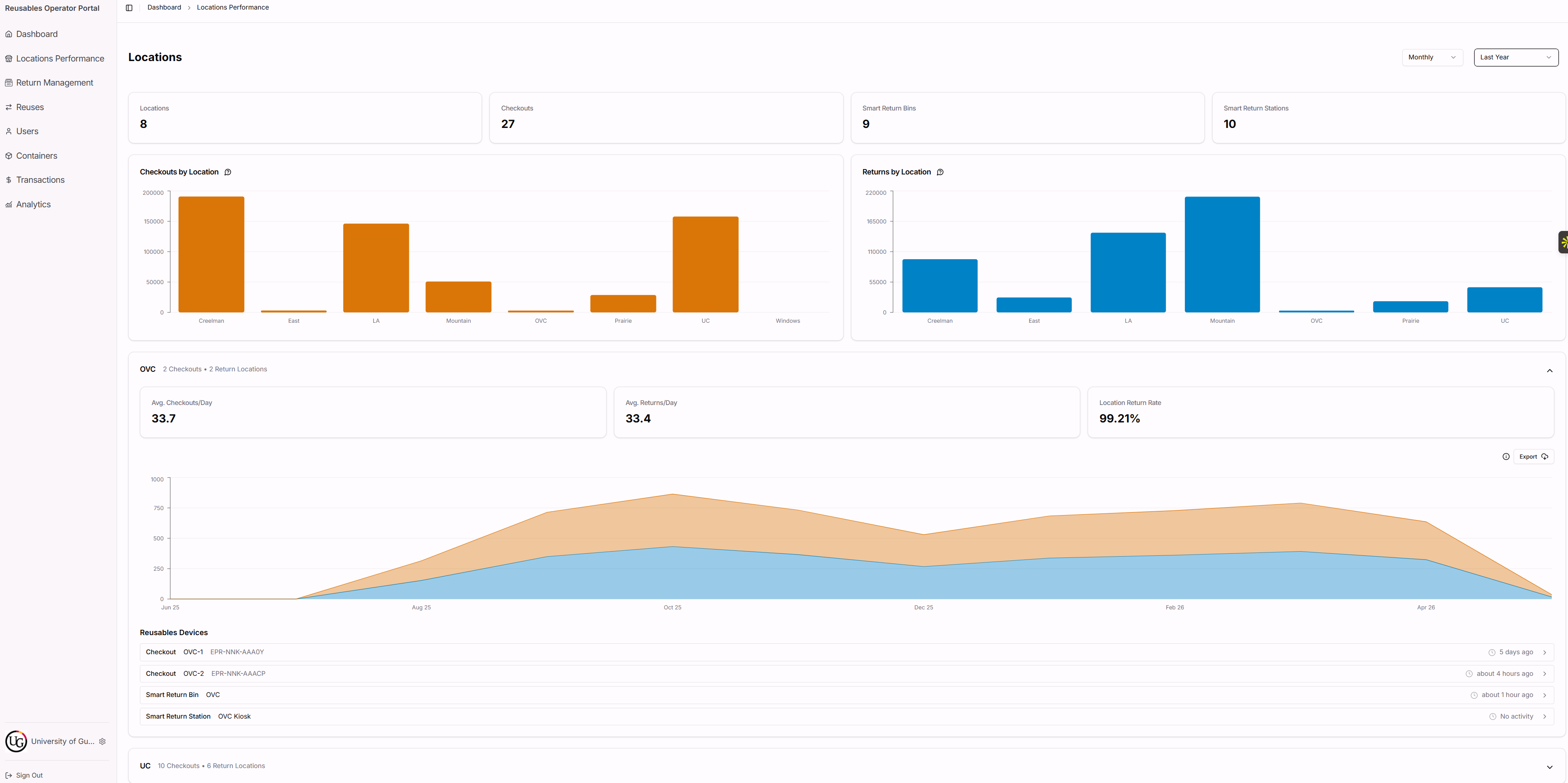
- Real-time dashboards show operators exactly how many containers are checked out, overdue, returned, and in the wash cycle.
For a deeper comparison of these technologies, see our guide on RFID vs QR code for reusable tracking.

The tracking system also powers the accountability mechanism. When a container is not returned within the set window, the system automatically sends the student a reminder notification, applies a hold or late fee after a grace period, and charges a replacement fee if the container is never returned.
This automated billing for unreturned containers process drives high return rates without requiring staff to chase down missing items.
The Return and Cleaning Cycle
Returns are where many programs fail. If returning a container is inconvenient, students simply will not do it.
Modern programs solve this with two types of return infrastructure:
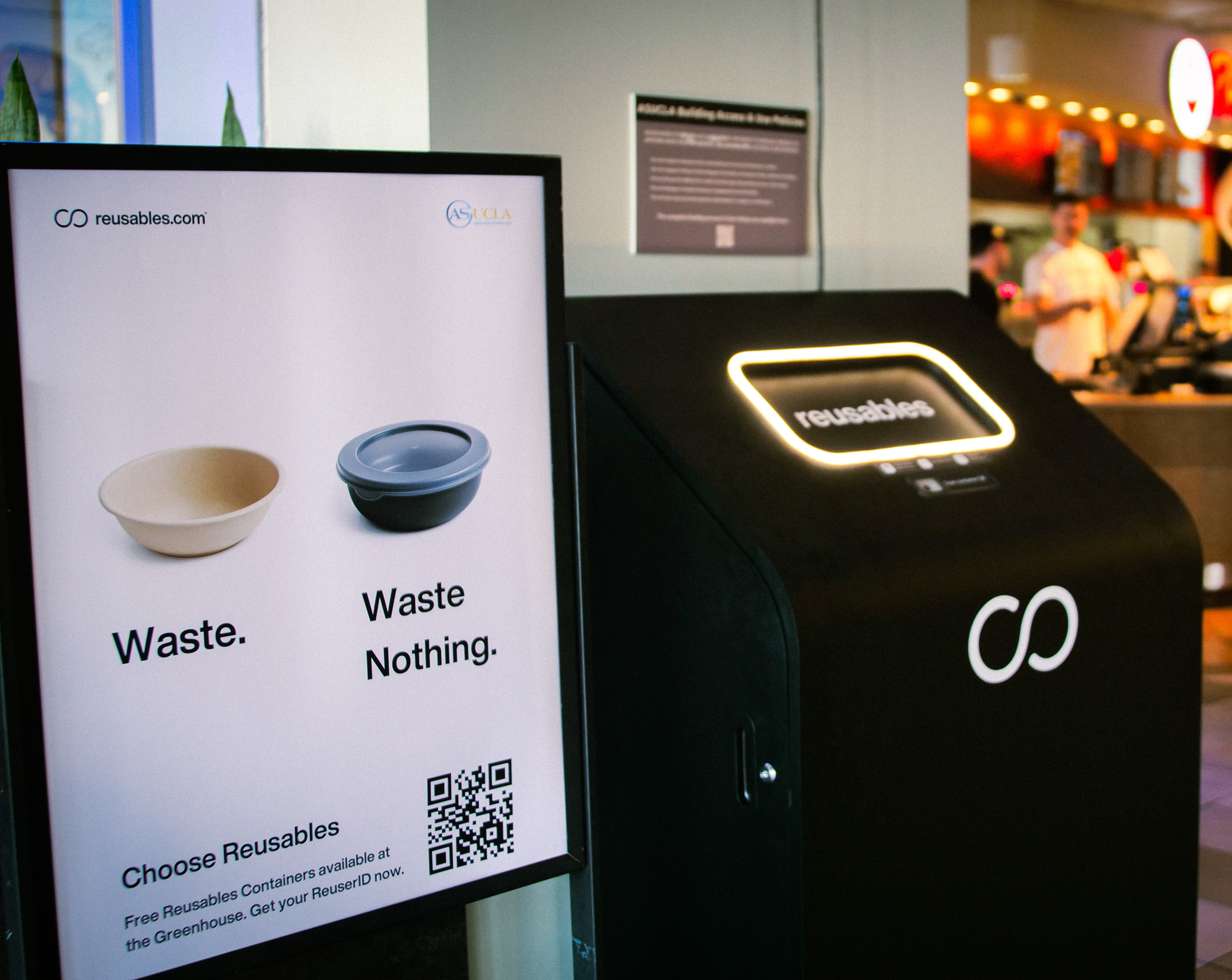
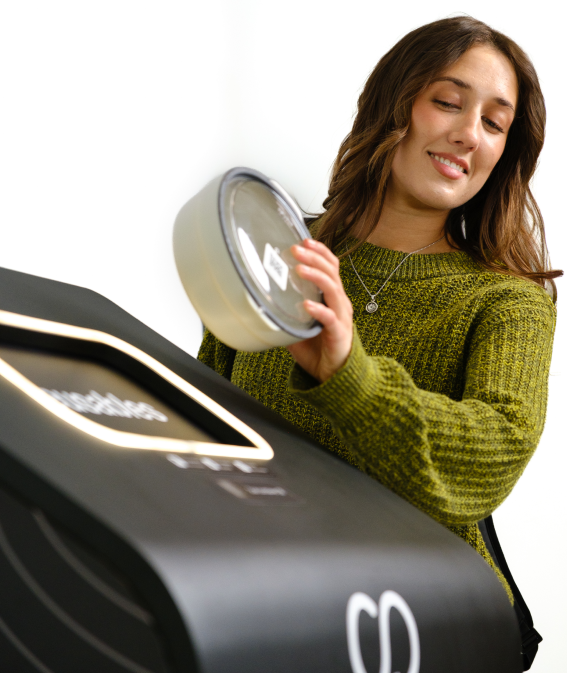
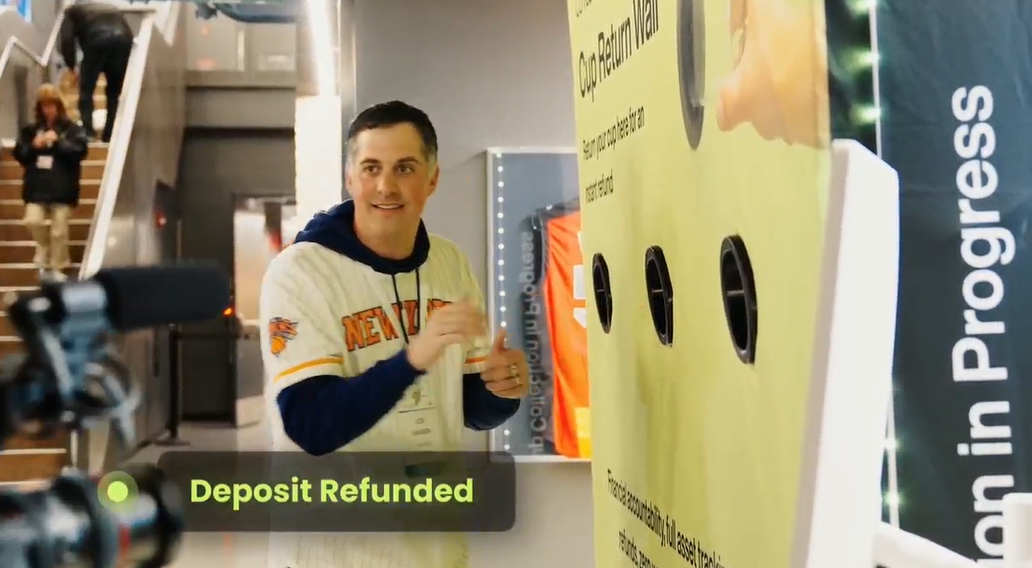
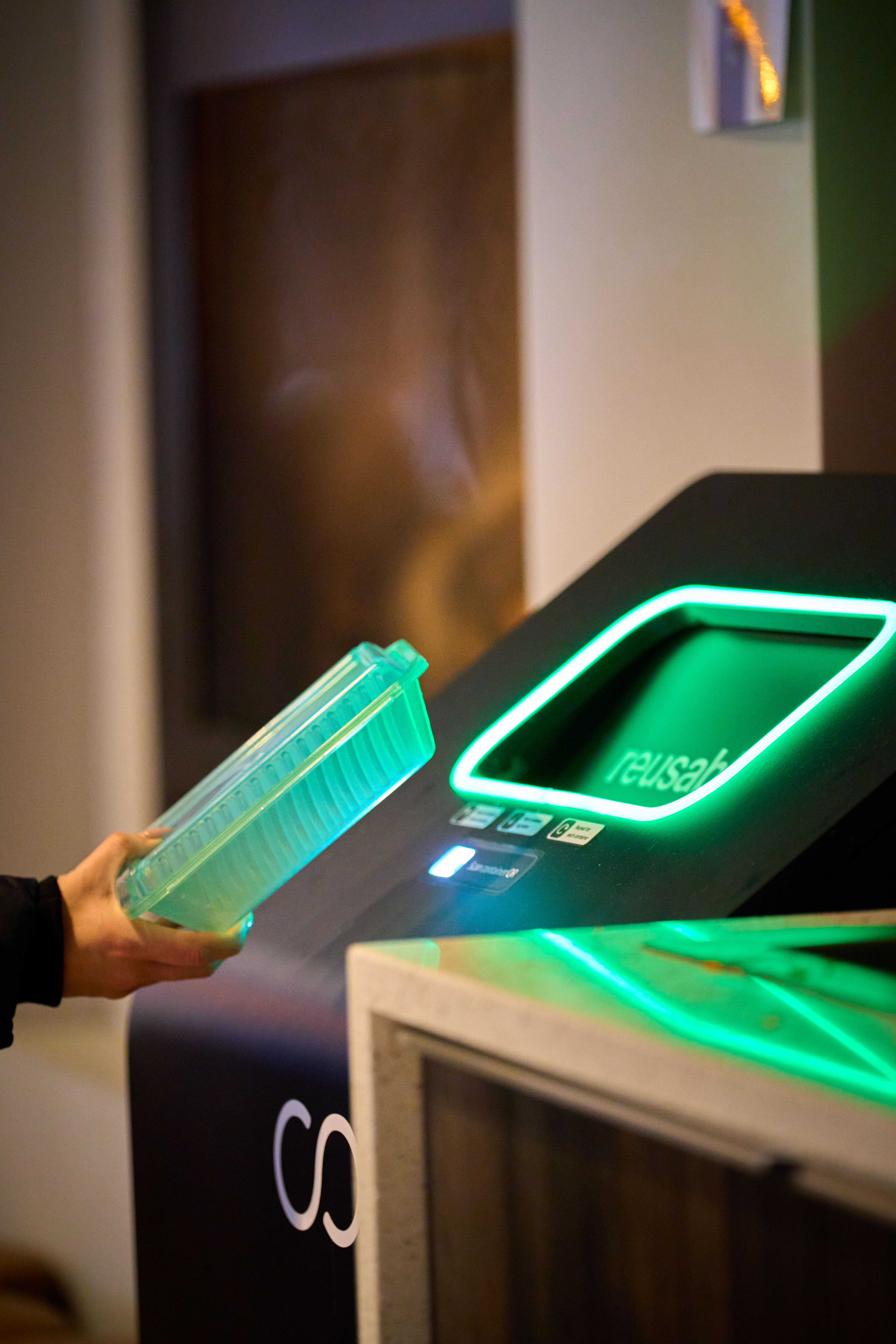
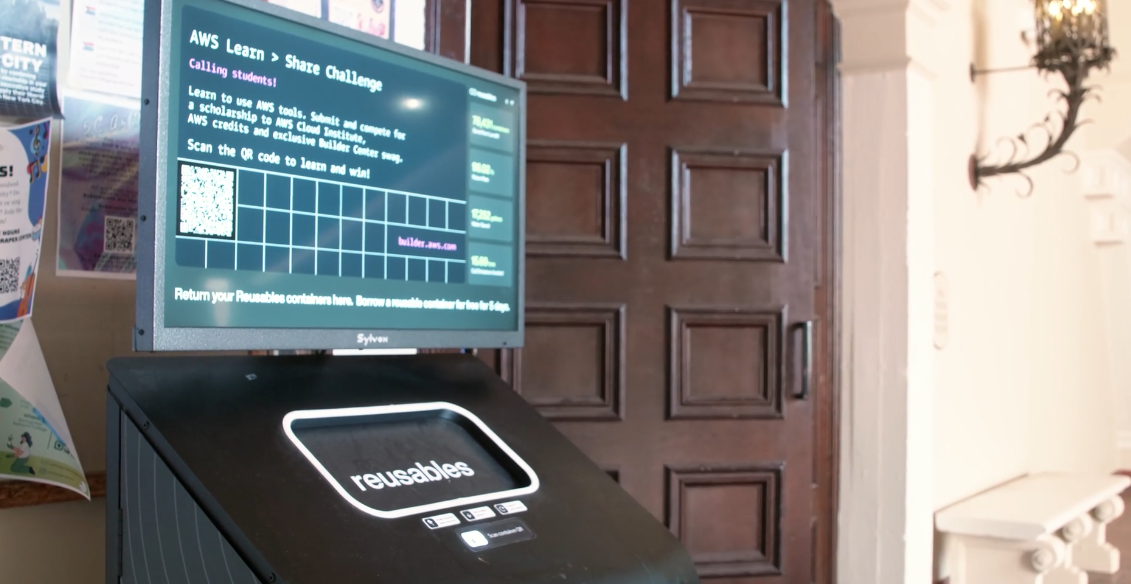
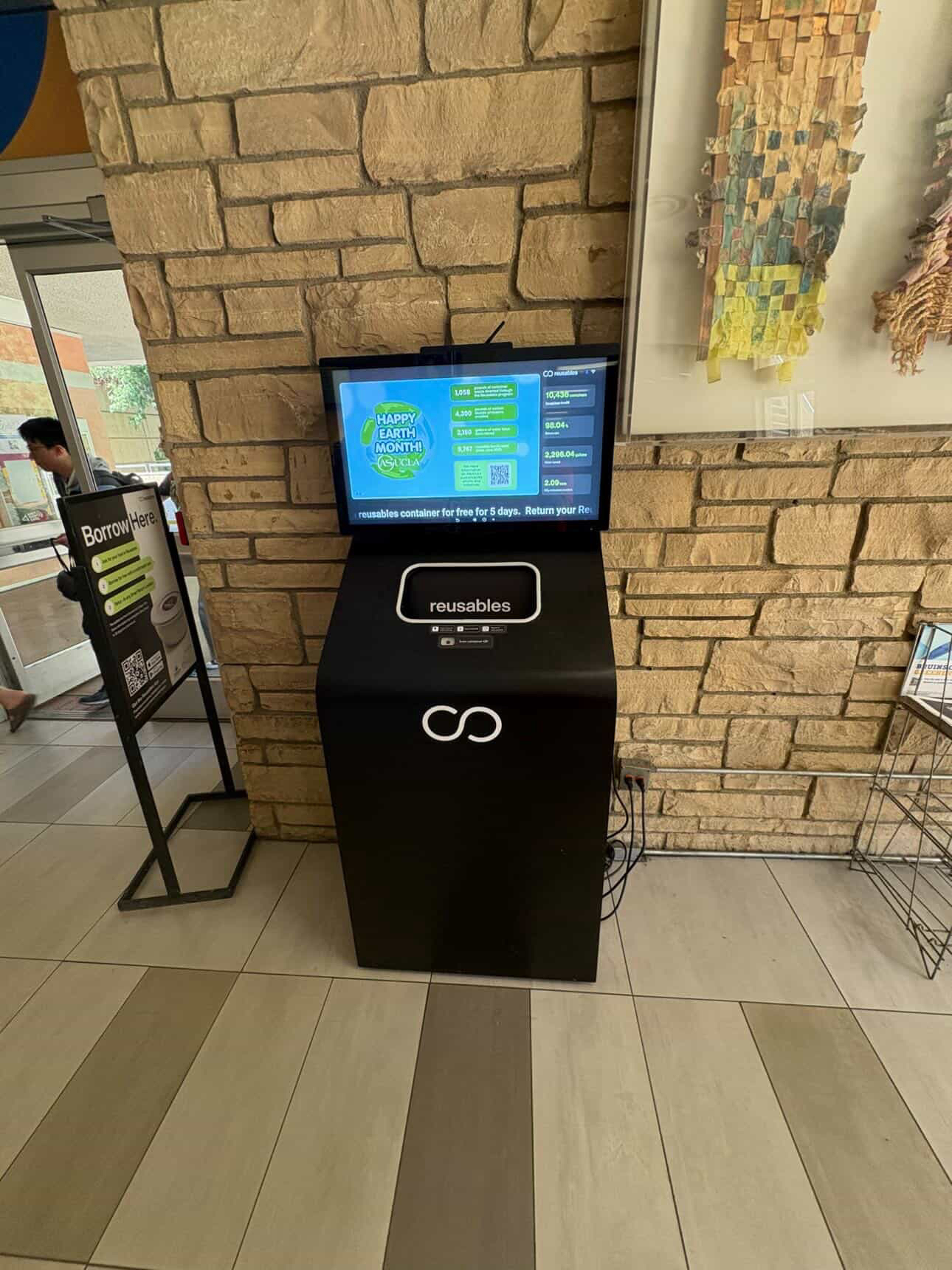
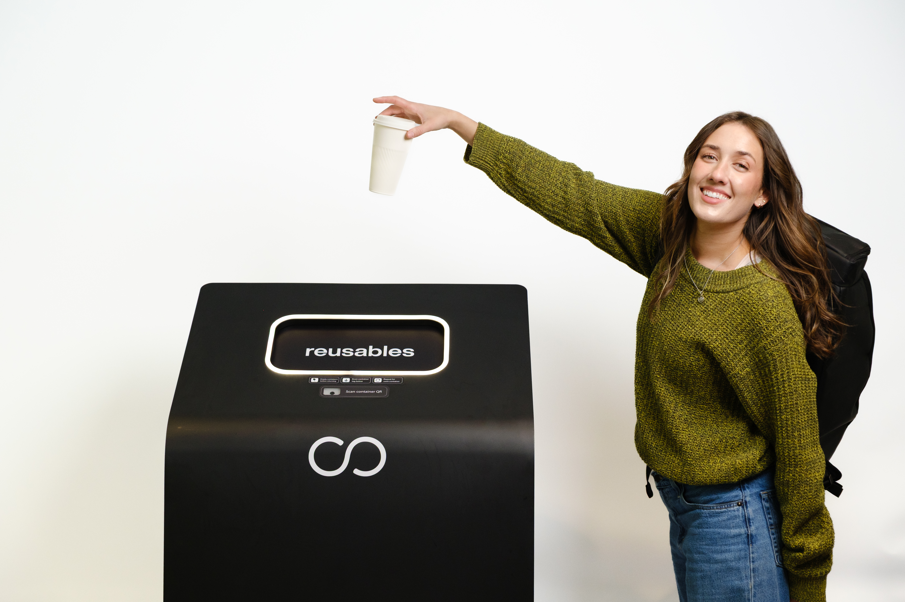
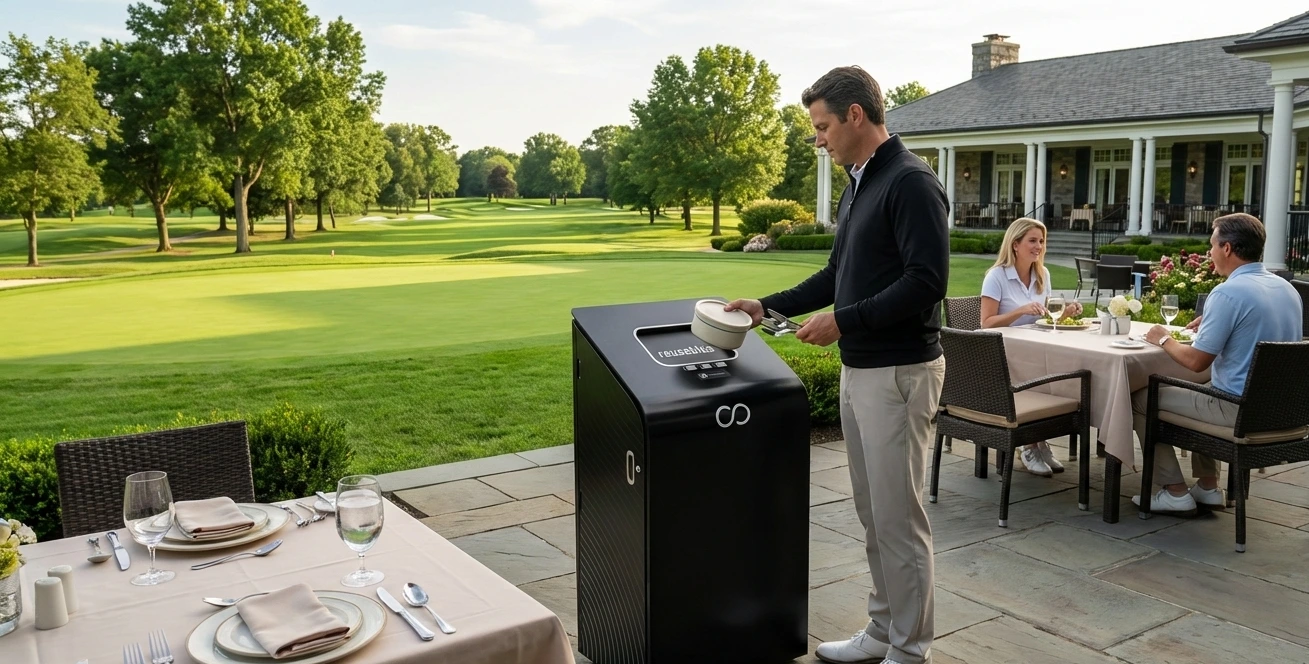
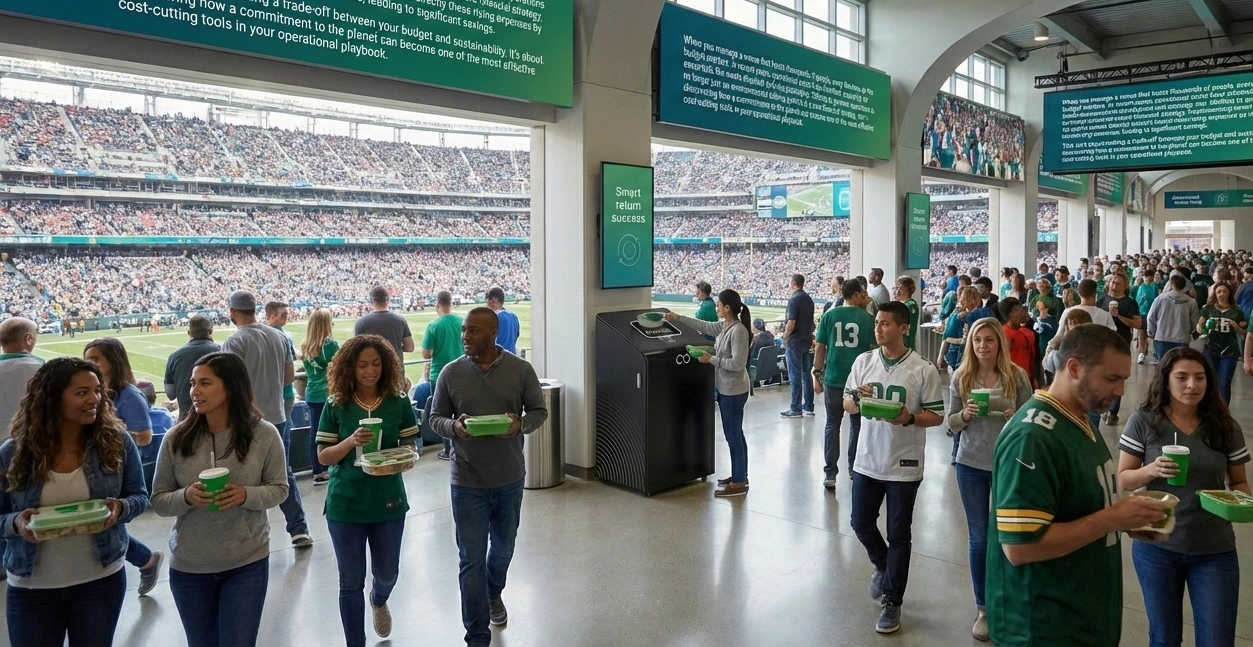
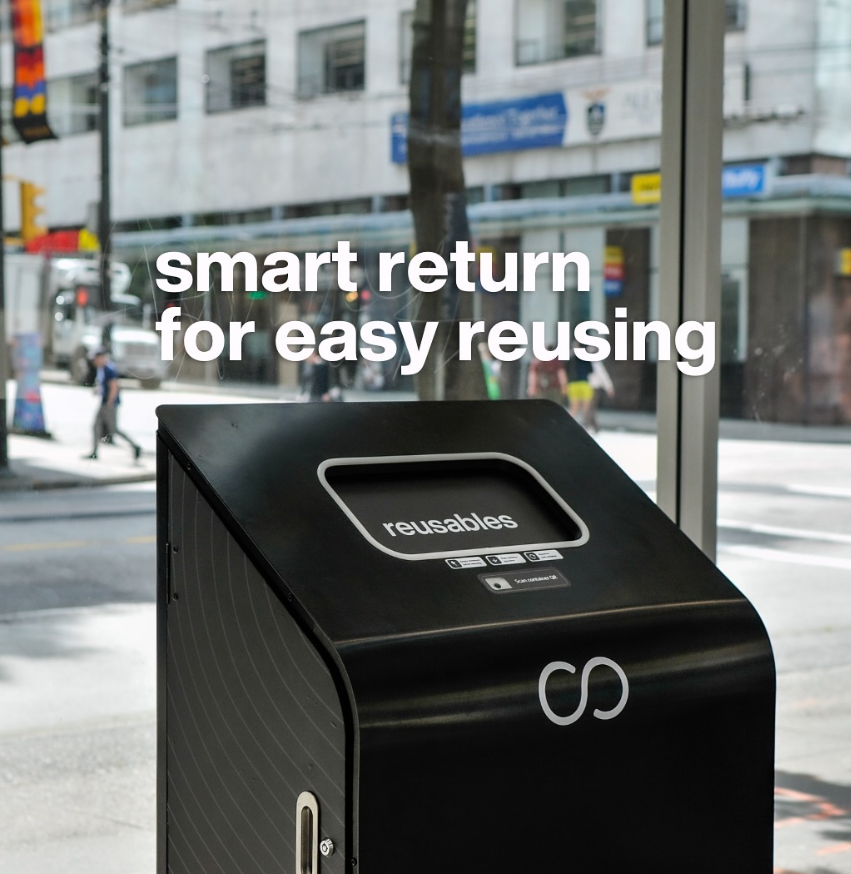
Smart return bins are freestanding, tamper-proof stations placed in high-traffic areas across campus. Students drop their container into the bin, and built-in sensors automatically identify it using RFID and update the student's account in real time. No scanning, no staff, no app.
Return scan stations are placed in dining halls and dish drop areas. These work well for locations where containers are returned during regular meal service.
The key to high return rates is making returns as easy as possible. Placing smart return bins for reusable containers in dormitories, student centers, libraries, and near dining halls gives students multiple convenient options.
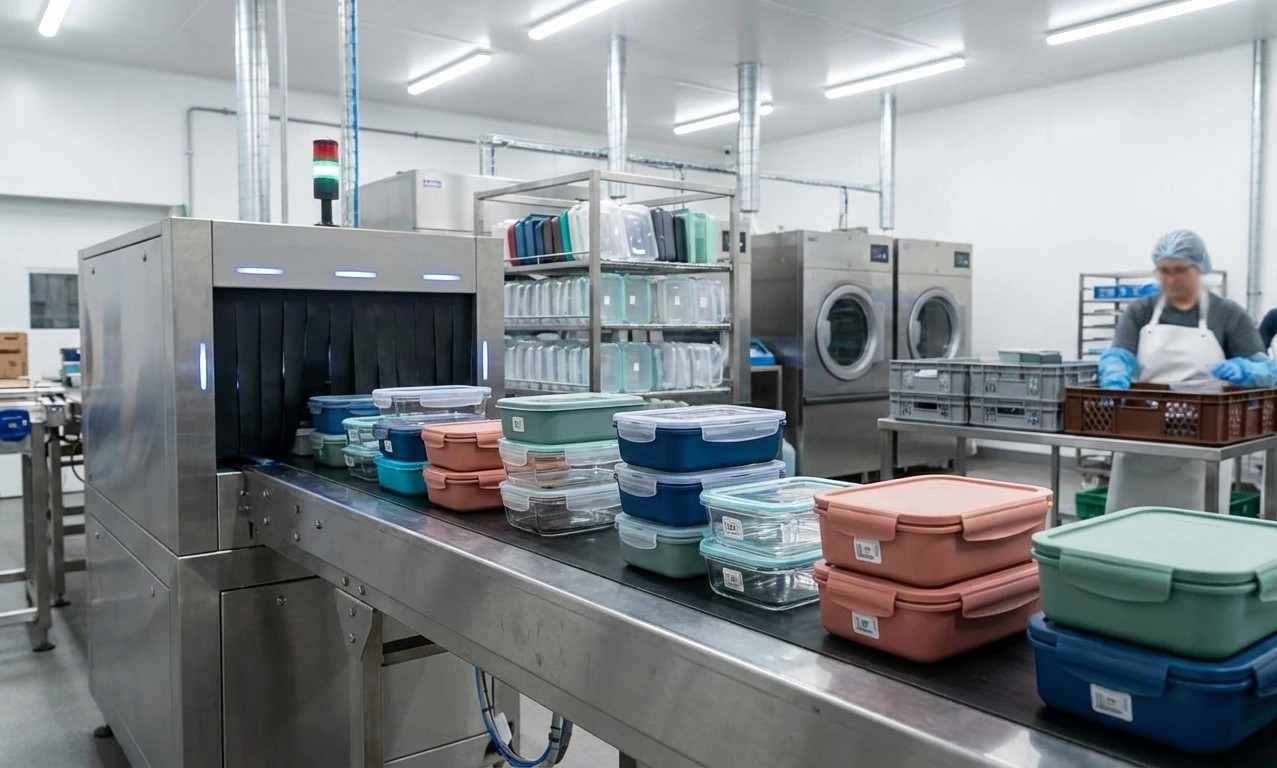
After collection, containers go through a commercial washing process and re-enter circulation. The tracking system updates their status from "returned" to "available" once they are cleaned and ready for reuse.
Key Components of a Successful Program
Not all reusable container programs deliver results. The ones that consistently achieve 95%+ return rates and measurable cost savings share these components:
Campus Card Integration
The program must work with the payment systems students already use. Full integration with platforms like Transact, CBORD, Atrium, or TouchNet means students do not need to create new accounts or download apps. Their campus card or linked payment method is all they need.
Automated Accountability
Manual tracking kills programs. Staff should never need to chase students for unreturned containers or process charges manually. The automated late fees for reusable containers system handles holds, reminders, and charges without human intervention.
Real-Time Operational Visibility
Operators need a dashboard showing total containers in circulation, return rates by location, overdue container counts, inventory levels and wash cycle throughput, and environmental impact metrics like waste diverted and emissions avoided. This data is essential for reporting to campus leadership and for making operational adjustments throughout the semester.
Flexible Container Options
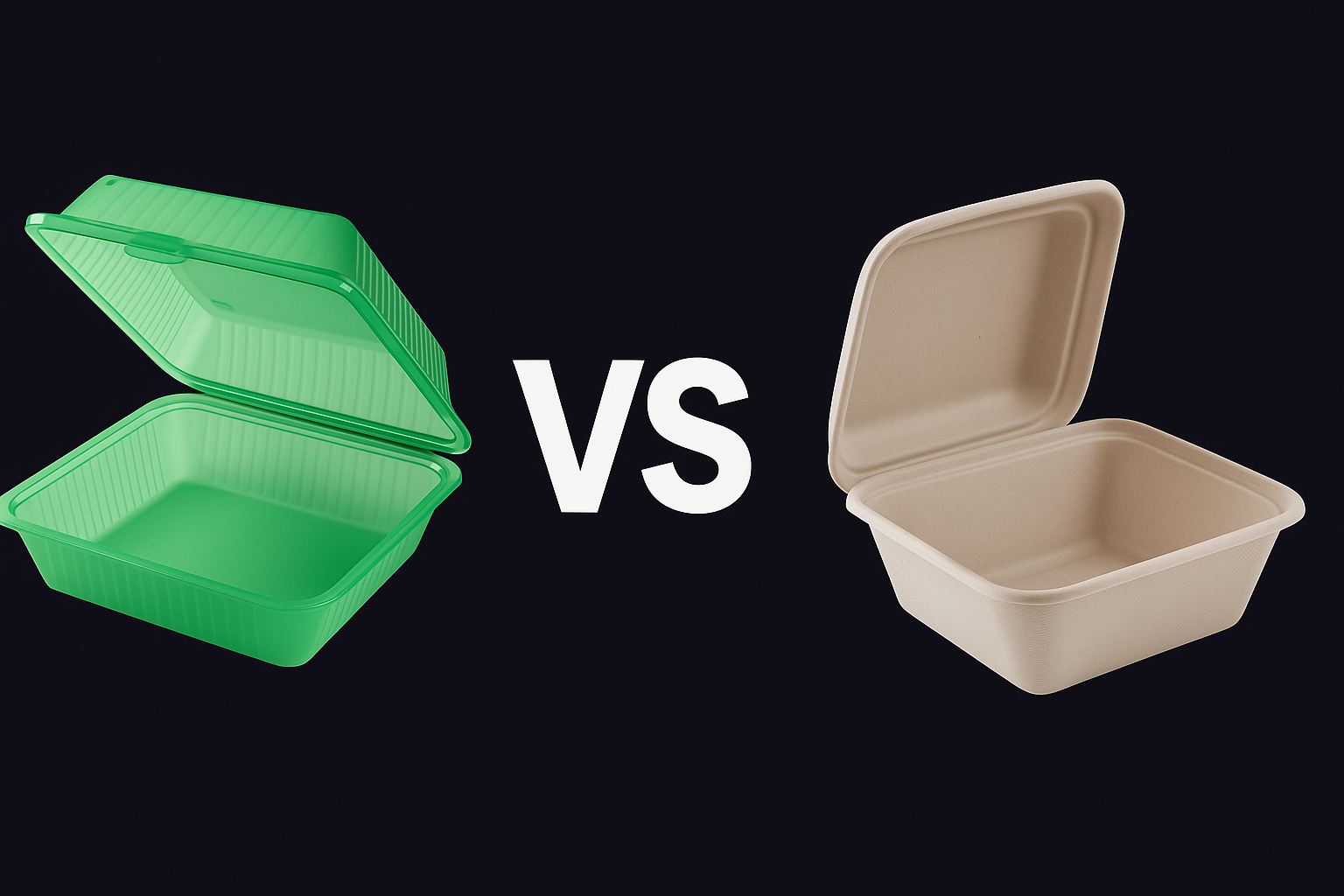
Programs should support containers made from both stainless steel and durable plastic, and work with existing inventory rather than requiring all new containers. A container-agnostic platform reduces upfront costs and gives institutions more flexibility.
How to Evaluate Vendors for Your Program
Choosing the right partner is the most consequential decision a dining director will make when launching a reusable container program. Here is what to prioritize:
- Card system integration: Native support for your campus card platform, not middleware.
- App requirement: No app needed for students or staff.
- Container tracking: Dual-mode (QR + RFID) for maximum reliability.
- Return infrastructure: Smart bins with automated identification, not just collection boxes.
- Accountability automation: Fully automated holds, reminders, and charges.
- Dashboard and analytics: Real-time data on return rates, inventory, and impact.
- Container flexibility: Works with your existing containers or offers multiple partner options.
- Revenue potential: Built-in features like advertising screens on return stations.
- Implementation support: Turn-key deployment including hardware installation and training.
Ask vendors for documented return rates from existing deployments and case studies from institutions similar to yours. Claims of "high return rates" without data should raise concerns.
Implementation: What to Expect
Weeks 1-4: Planning and configuration. The vendor works with your team to map dining locations, determine container volume needs, identify return station placements, and configure the system with your campus card platform.
Weeks 5-8: Hardware deployment. Smart return bins and scan stations are installed. Containers are tagged and loaded into the tracking system.
Weeks 9-10: Staff training and soft launch. Your dining team learns the operational dashboard, troubleshooting procedures, and communication plan for students.
Week 11+: Full launch. The program goes live across all target locations. The first few weeks focus on monitoring return rates, adjusting bin placements if needed, and reinforcing participation through campus communications.
Most institutions see return rates stabilize above 90% within the first month, reaching 95%+ by the end of the first semester as students develop the return habit.
Measuring Program Success
As a dining director, you need to track specific metrics to demonstrate value to campus leadership and justify continued investment.
Operational metrics: Container return rate (target: 95%+), average return time (target: under 48 hours), container lifecycle count (how many uses per container before replacement), and wash cycle throughput and turnaround time.
Financial metrics: Packaging cost reduction compared to disposable baseline, revenue from advertising screens on return stations, late fee and replacement charge revenue, and total cost of ownership per meal served.
Environmental metrics: Pounds of packaging waste eliminated, carbon emissions avoided, and number of single-use containers replaced.
For a full breakdown of the financial case, read our ROI of reusable containers for campus guide.
Common Challenges and How to Solve Them
Low initial adoption: Students resist change. Counter this with gamification for reusable containers including campus leaderboards, rewards, and contests. Making the program the default (rather than opt-in) also drives participation.
Container loss in the first semester: Some loss is normal as students adjust. Automated accountability with escalating reminders and charges typically brings return rates above 95% within 6-8 weeks.
Resistance from dining staff: New systems create friction for frontline workers. Choose a vendor that provides hands-on training and a system that actually reduces staff workload rather than adding to it.
Budget approval hurdles: Frame the investment around cost savings, not just sustainability. When institutions spend $50,000+ annually on disposable containers, a reusable program with 50%+ cost reduction pays for itself quickly.
Frequently Asked Questions
How much does a reusable container program cost to implement?
Costs vary based on the number of dining locations, container volume, and return infrastructure needed. Most programs achieve a positive ROI within the first year by reducing disposable packaging costs by 50% or more. Request a custom analysis from your vendor based on your current packaging spend.
Do students need to download an app to participate?
Not with modern systems. The best programs use existing campus card infrastructure (Transact, CBORD, TouchNet, Atrium) so students can check out containers with a simple tap. No app downloads, no account creation, no friction.
What happens if a student does not return a container?
The system sends automated reminders after the return window expires. If the container is still not returned after a grace period, a replacement fee is charged to the student's account automatically. This process requires zero staff intervention.
What return rate should we expect?
Programs with automated accountability, convenient return locations, and smart bins consistently achieve 95-99% return rates. The industry benchmark for manual or token-based programs is much lower, typically 40-70%.
Can the program work with our existing containers?
Yes. Container-agnostic platforms support both stainless steel and durable plastic containers from multiple manufacturers. You can start with your current inventory and expand or upgrade over time.
Take the Next Step
If you are evaluating reusable container programs for your campus, the most important step is understanding how the technology fits your specific operation. Every campus has different dining layouts, card systems, and student traffic patterns.
Book a discovery call to see how a turn-key reusable container program could work at your institution, or explore our solutions for businesses to learn more about the platform.
Other stories you may find interesting

.png)
.avif)


.webp)


Watch the Webinar
Learn How to Eliminate Single-Use Waste
Get instant access to our expert webinar and discover how leading institutions reach 99% return rates through smarter reuse systems.

© Reusables™. All rights reserved.