
The Right Way to Buy Reusable Food Containers for College

December 1, 2025
We’ve all seen well-intentioned reuse programs that didn’t quite stick. They often start with enthusiasm but end with low return rates, student confusion, and a closet full of unused containers. These failures almost always stem from a piecemeal approach—sourcing containers from one vendor and trying to patch together a tracking and returns process on your own. Many programs fail because the strategy stopped after the decision to buy reusable food containers for college use. They missed the most critical part: building a frictionless, integrated system for checkout, returns, and accountability that actually drives participation and protects your investment from day one.
Key Takeaways
- Prioritize a complete system over just containers: A successful program depends on an integrated solution that combines durable containers with frictionless checkout, smart 24/7 return bins, and automated tracking to ensure high return rates.
- Make the sustainable choice the easiest choice for students: High adoption is a direct result of convenience. Eliminate friction by integrating with existing campus card systems and placing return stations in high-traffic areas students already frequent.
- Turn a major expense into a smart investment: A tech-enabled reuse program directly reduces your annual spend on disposable packaging while providing real-time operational data to help you manage inventory and streamline your workflow.
Why It's Time to Switch to a Reusables Program
If you’re managing a campus dining program, you’ve likely seen the numbers. The cost of disposable packaging has soared, with many schools spending tens of thousands of dollars each year on single-use containers alone. At the same time, pressure is mounting to meet ambitious zero-waste goals. Introducing a reusable container program is a direct and effective way to tackle both of these challenges head-on. It’s a practical change that reduces operational costs while making a visible commitment to sustainability.
More than just a budget-friendly move, a reuse program meets a growing demand from your most important audience: the students. Today’s students are not just aware of environmental issues; they actively choose to support green initiatives. A well-run reusables program can get students excited about dining on campus, turning a simple meal into a point of pride and participation in a larger movement. When students use reusable containers for their daily meals, sustainability becomes a tangible part of campus culture rather than an abstract goal.
The benefits are clear and backed by research. Studies show that reusable containers can outperform single-use options across every important environmental metric. By switching, you’re not just cutting down on landfill waste; you’re adopting a system that is fundamentally more efficient and responsible. It’s a smart decision that improves the student experience, strengthens your budget, and moves your campus closer to its sustainability targets.
What Makes a Campus Reuse Program Successful?
Switching to a reusable container program is a fantastic goal, but success hinges on more than just buying a pallet of containers. A truly effective program is a complete system—one that feels effortless for students and simplifies operations for your staff. When students barely have to think about participating, you know you’ve found the right solution. The best programs are built on a few key pillars: an incredibly simple checkout process, high-quality containers suited for your menu, convenient return options, and smart, automated tracking that keeps everything running smoothly.
The goal is to create a closed-loop system that integrates so well into campus life that it becomes the new normal. This means no clunky apps for students to download, no complicated sign-up sheets, and no manual tracking for your team. Instead, imagine a system where a student can grab a reusable container as easily as they grab a disposable one, using their existing student ID. Imagine knowing exactly where your container inventory is in real-time and seeing return rates climb above 99% without having to chase down a single student. That’s not a far-off dream; it’s what a well-designed, tech-enabled reuse program delivers. It’s about making the sustainable choice the easiest choice for everyone involved.
Frictionless Checkout for Students
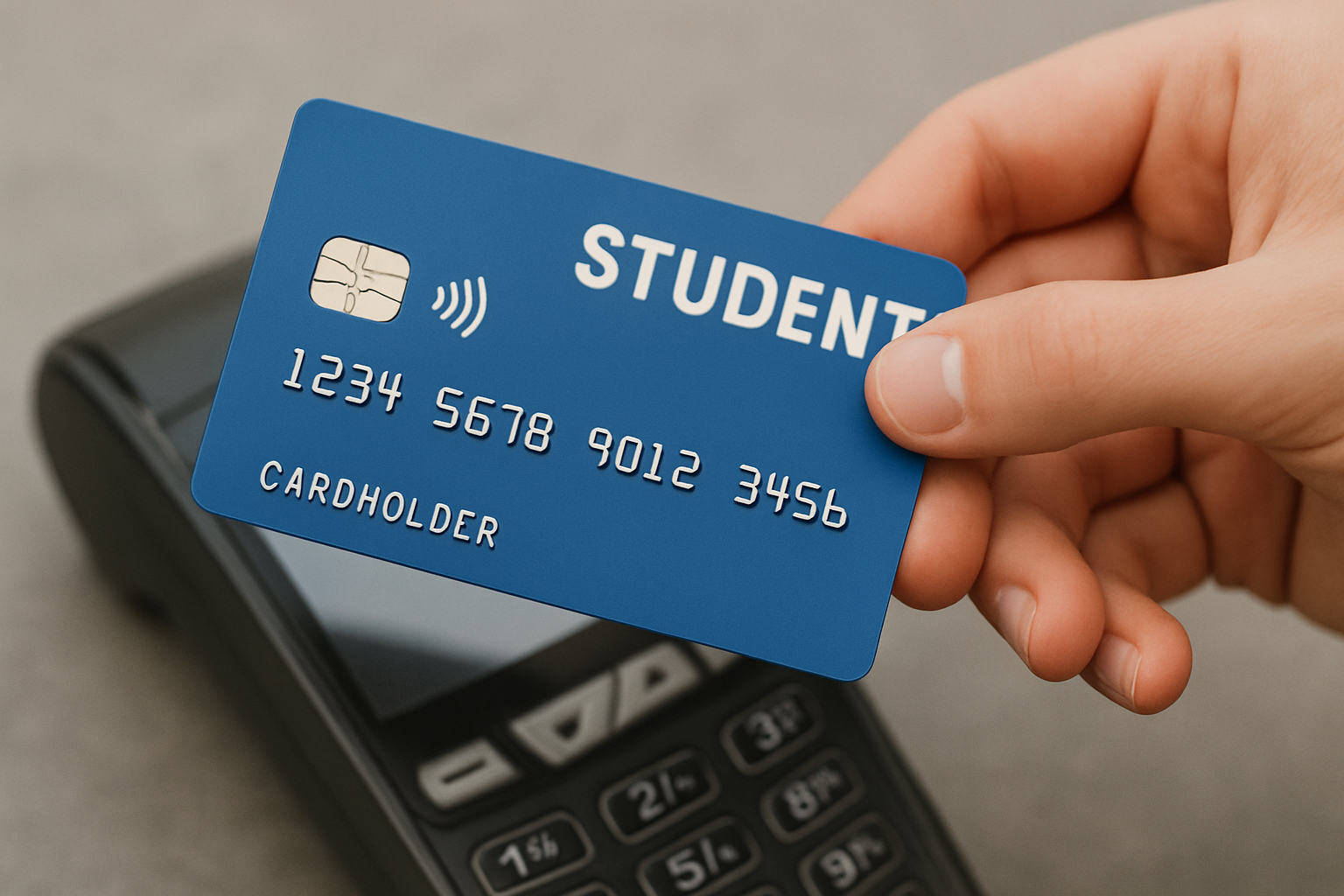
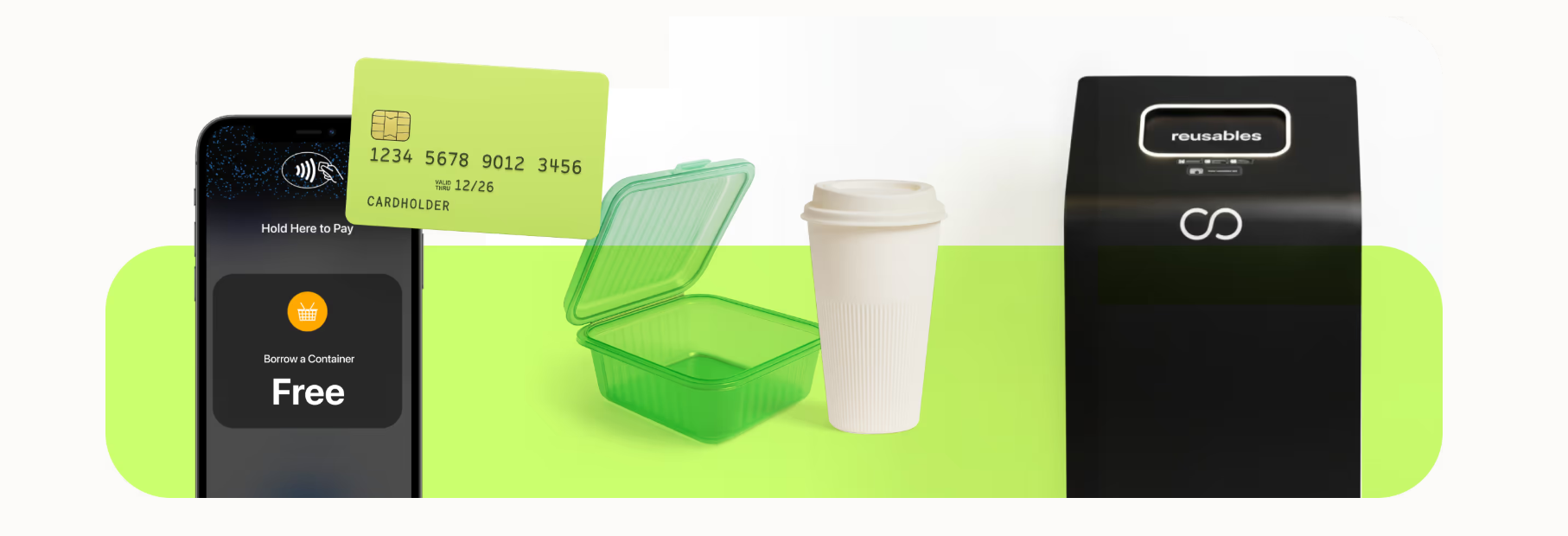
If a reuse program isn’t incredibly easy for students, it simply won’t get off the ground. College students are busy, and adding any friction to their day—like downloading an app or waiting in a special line—is a recipe for low adoption. The most successful programs eliminate these barriers with a simple tap-and-go checkout. Students should be able to use what they already have, like their campus card or a mobile wallet, to check out a container in seconds. This approach makes reusing feel like a natural part of the dining experience rather than a chore. By focusing on a frictionless user experience, you encourage participation and build positive habits from day one.
Durable and Flexible Container Options
The containers themselves are the face of your program, so they need to be both durable and versatile. They must be tough enough to withstand hundreds of cycles through a commercial dishwasher without warping, staining, or breaking. At the same time, you need a variety of shapes and sizes that work for your entire menu—from salads and sandwiches to soups and hot entrees. Look for partners that offer flexible container options, whether that’s stainless steel, durable BPA-free plastic, or a mix of both. This allows you to choose the best vessel for each dish, ensuring food stays fresh and appealing while standing up to the demands of a busy campus dining hall.
Smart, 24/7 Return Bins
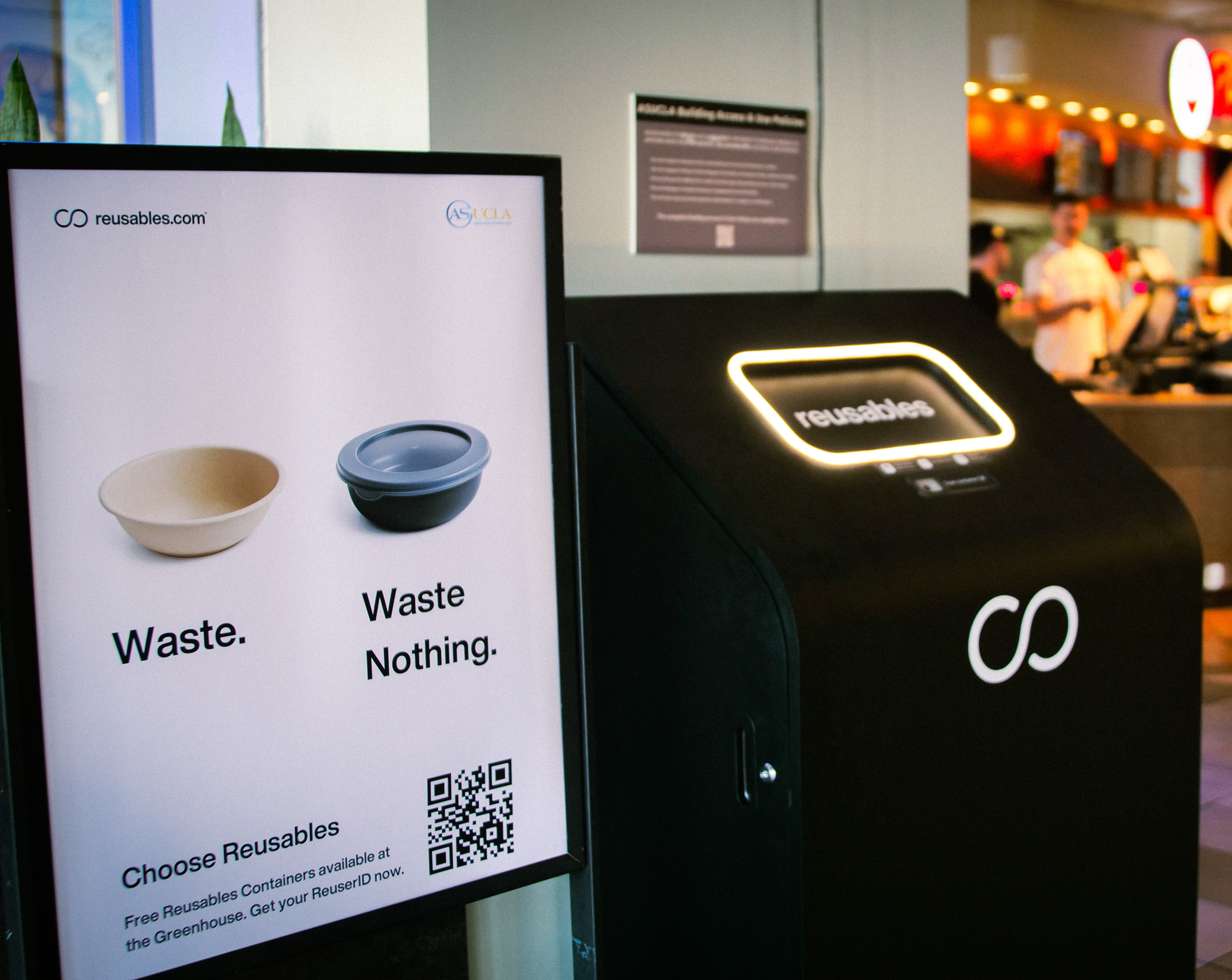
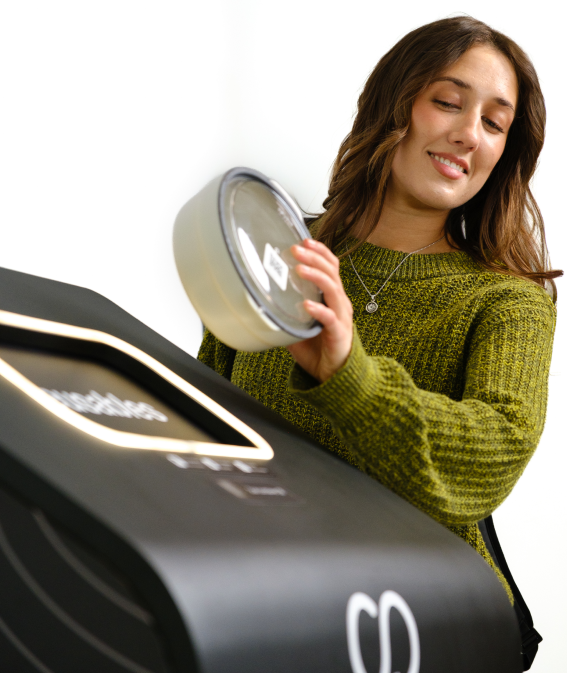
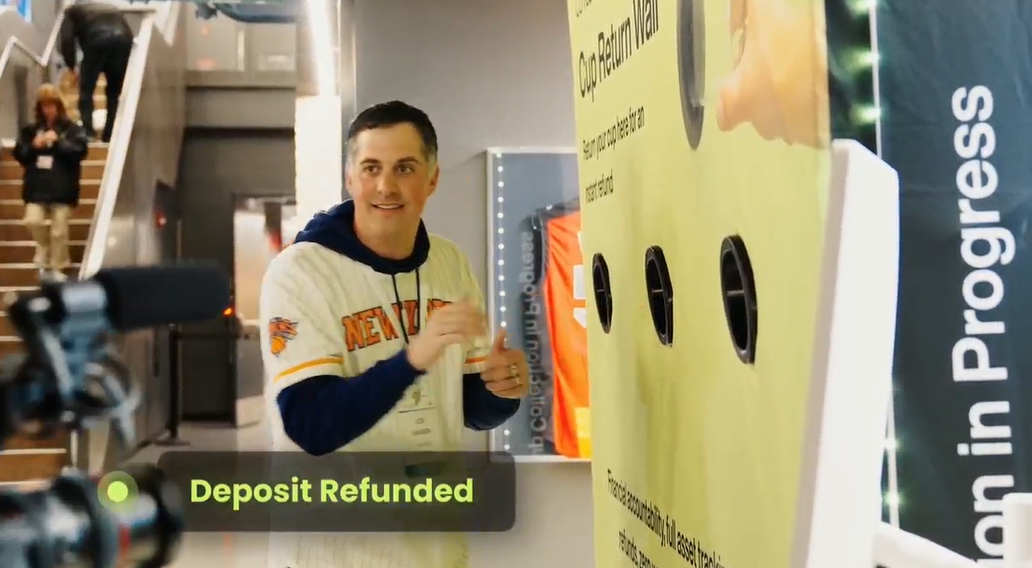
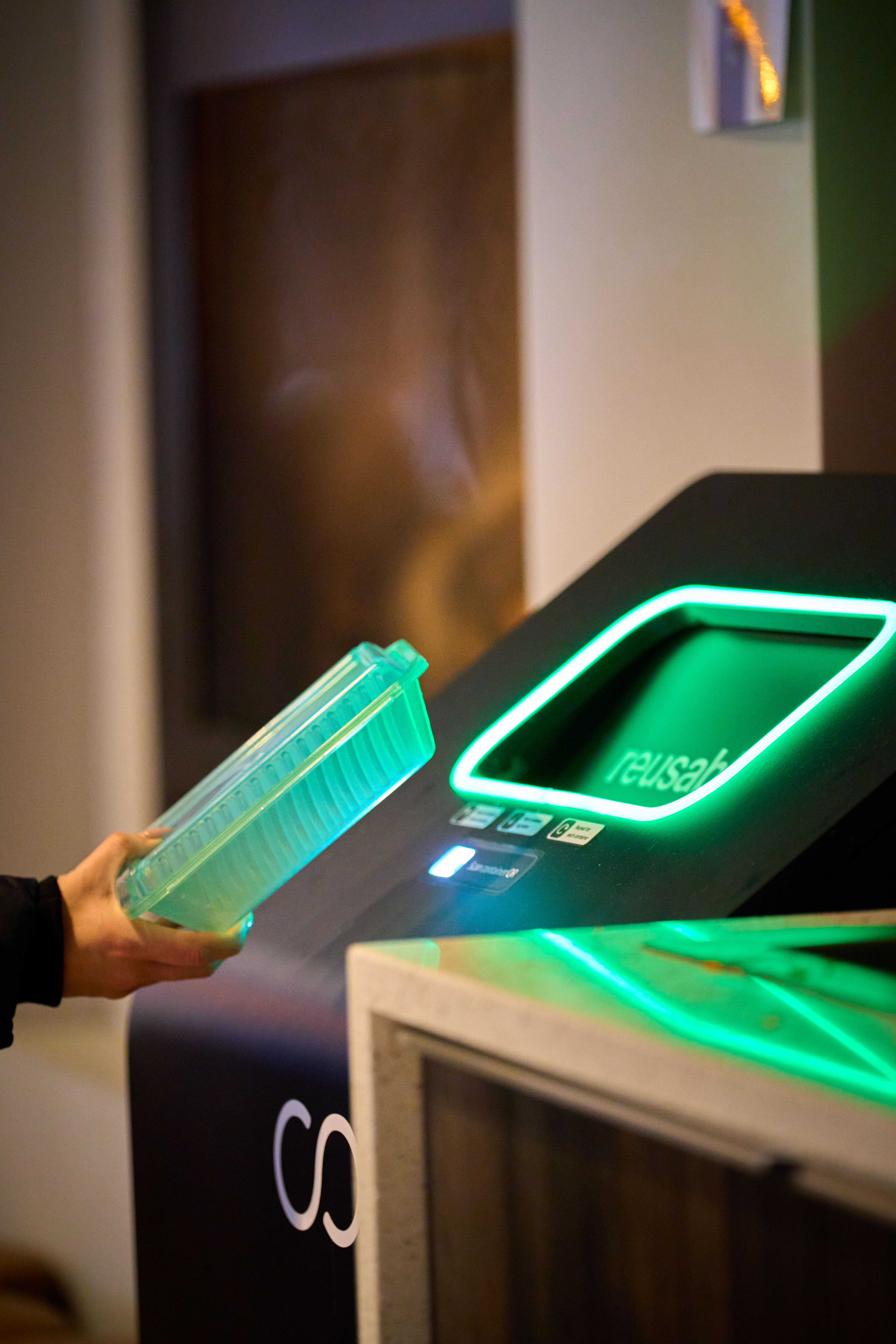
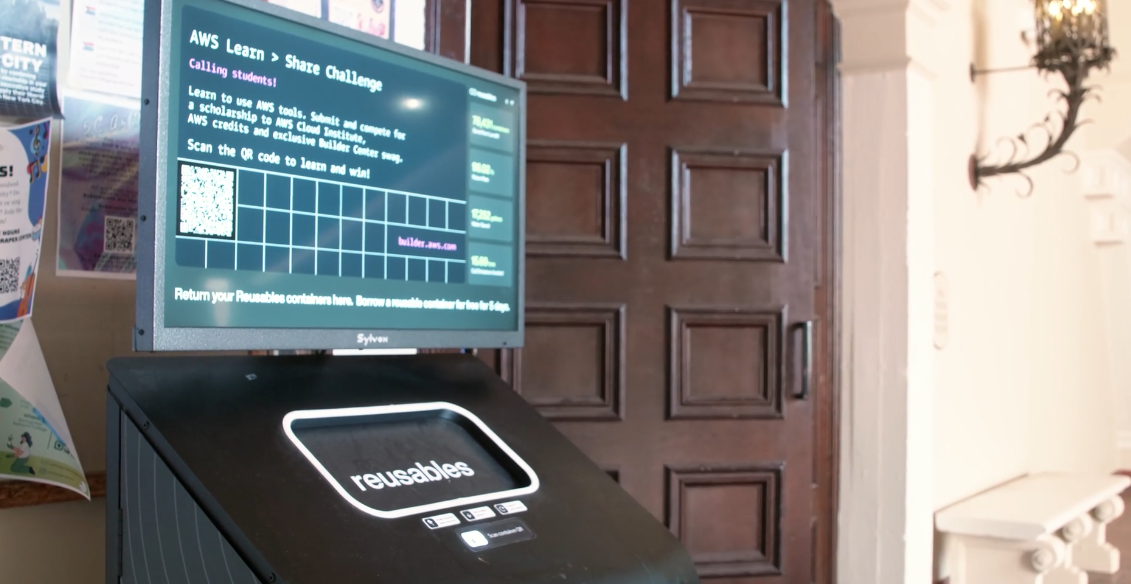
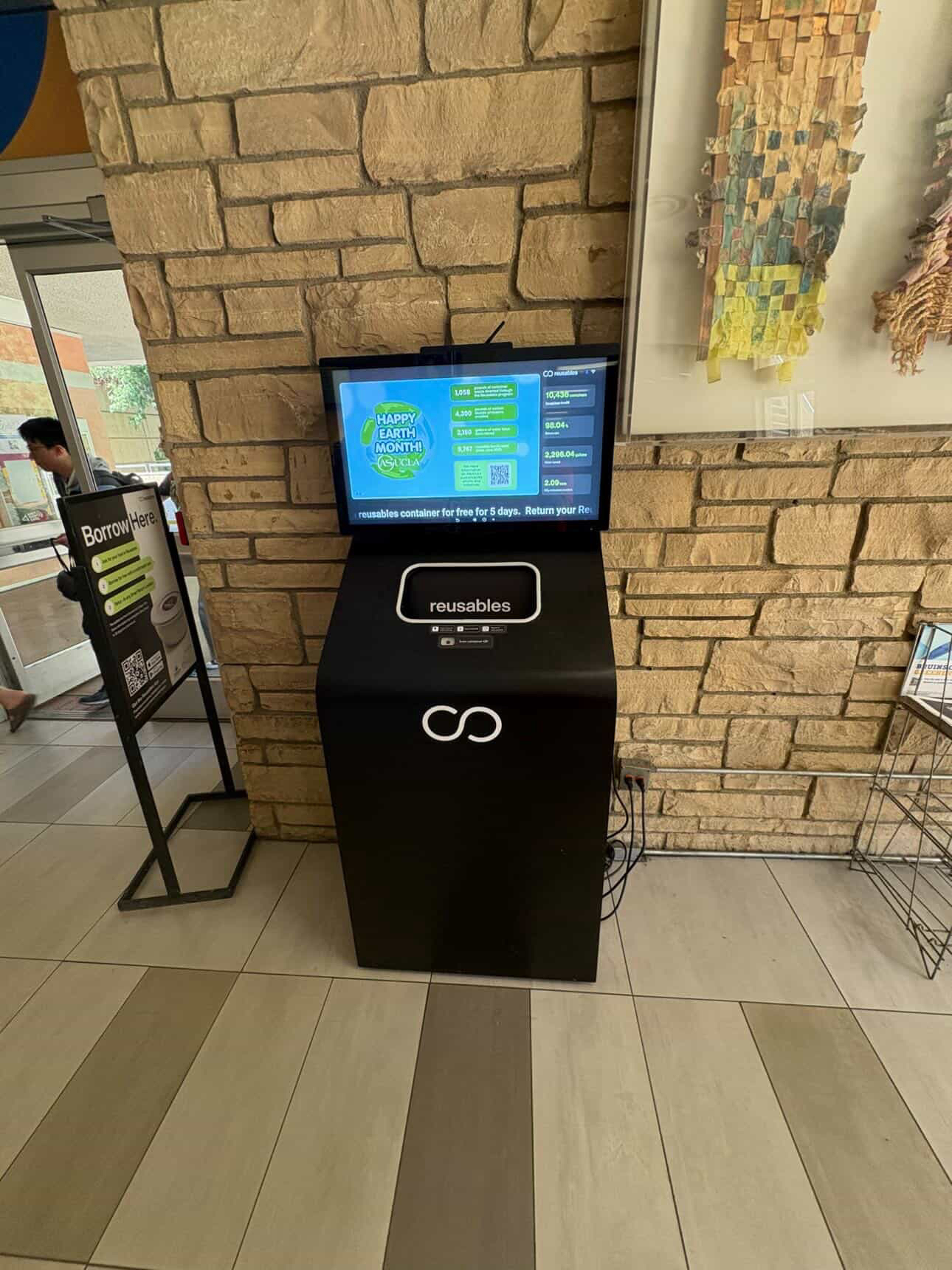
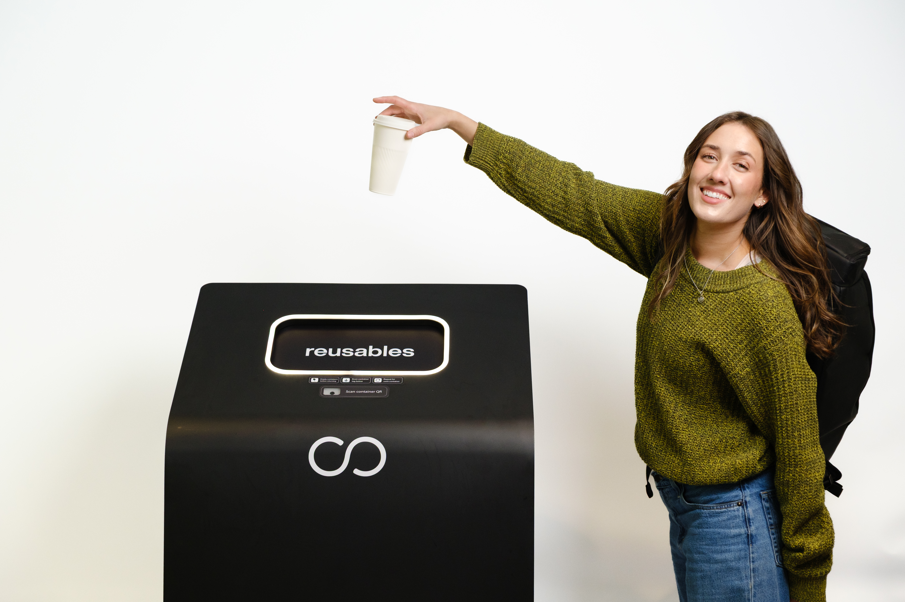
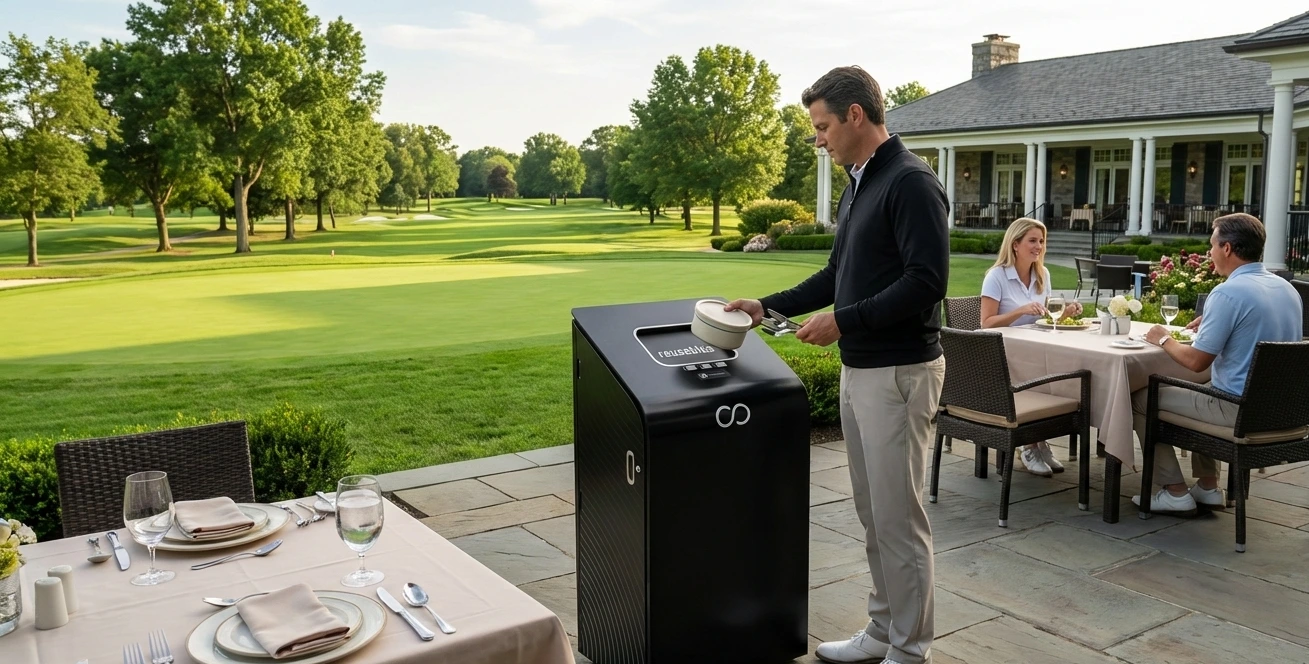
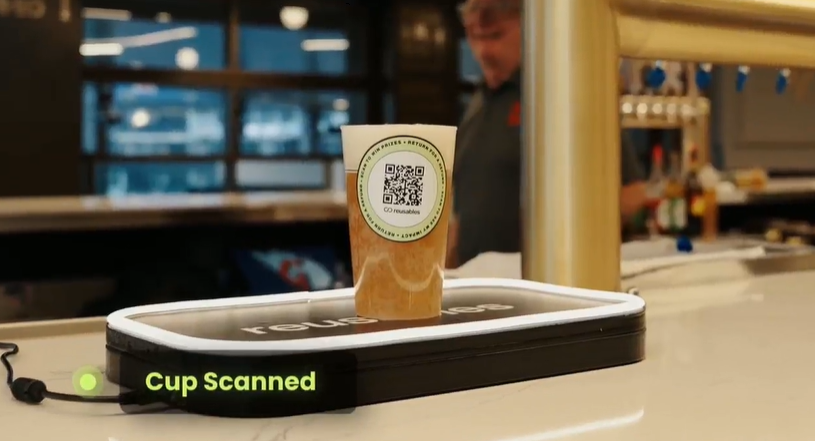
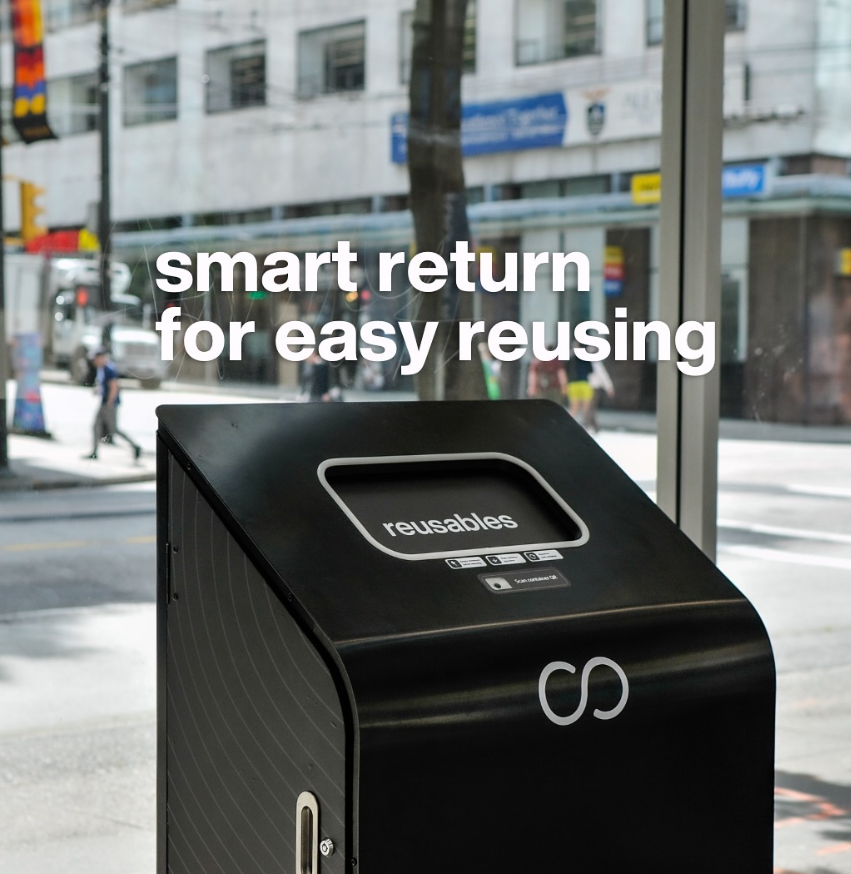
Making returns as easy as checkout is critical for getting containers back. Students need convenient drop-off points available 24/7, not just during dining hall hours. This is where smart return bins make a huge difference. Unlike a simple bucket, these bins are designed with technology that automatically scans the container upon return, instantly crediting the student’s account. They can also notify your staff when they’re getting full, preventing overflow and ensuring a clean, tidy appearance. This level of asset tracking technology removes the manual labor from collecting and sorting, making the entire return process efficient for both students and your team.
Automated Tracking and Accountability
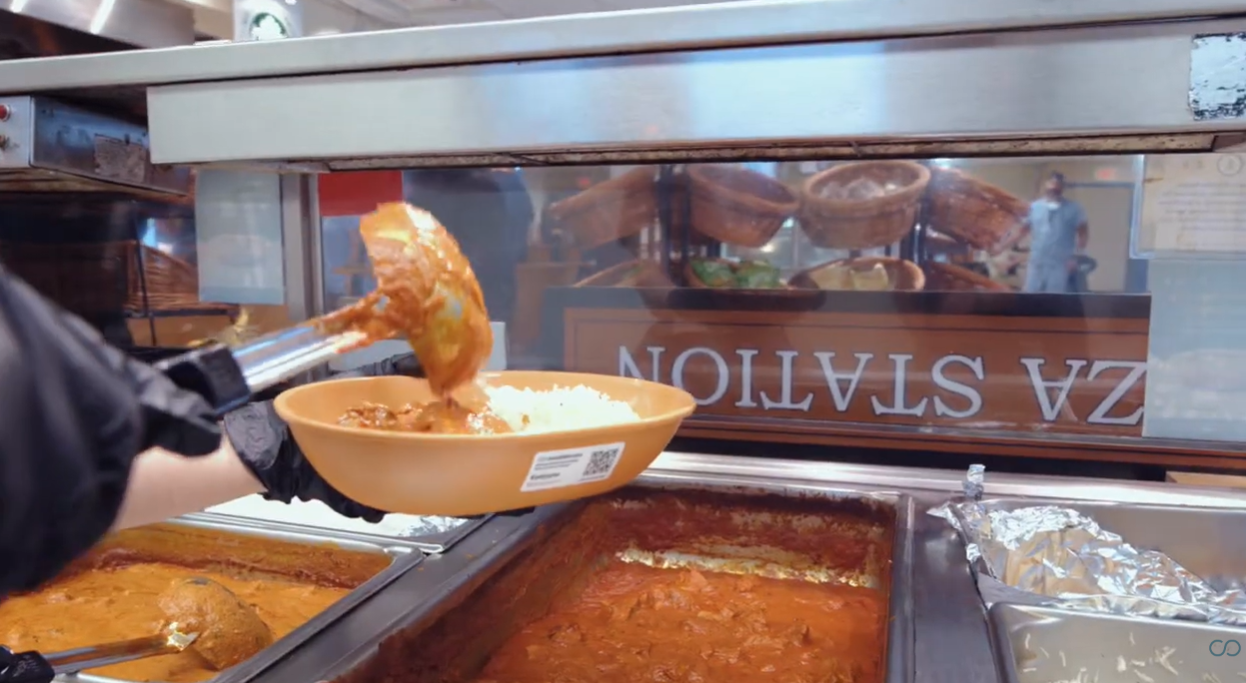
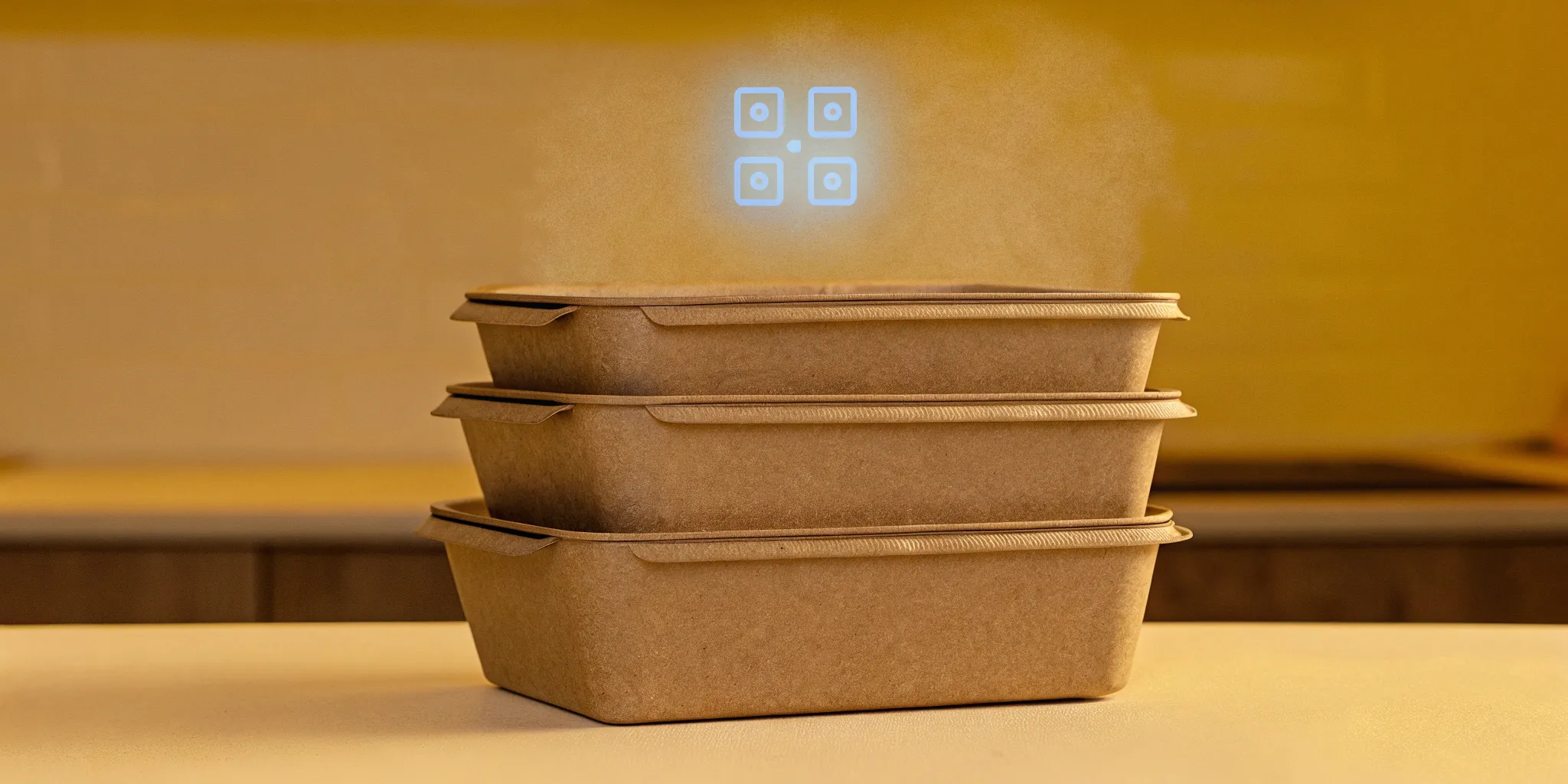
One of the biggest fears for any dining director is losing thousands of dollars in unreturned containers. The key to preventing this is a system with built-in tracking and automated accountability. When each container has a unique QR or RFID tag, you can see its entire journey in real-time. This data powers an automated system that can send friendly reminders to students with overdue items. If a container still isn’t returned, the system can automatically apply a pre-determined late fee. This gentle but firm approach encourages high return rates—often over 99%—without requiring your staff to manually track inventory or have awkward conversations about missing items.
Seamless Campus Card and POS Integration
For a reuse program to truly become part of your campus ecosystem, it needs to integrate with your existing technology. A standalone system that doesn’t communicate with your other platforms creates data silos and operational headaches. The best solutions offer seamless integration with campus card and point-of-sale (POS) systems. This allows students to check out containers using the same card they use for everything else on campus. For your team, it means all transaction data flows into one place, giving you a clear, unified view of your dining operations and making the program simple to manage.
Choosing Your Solution: All-in-One Systems vs. Container-Only Vendors
When you decide to launch a campus reuse program, one of the first big questions you'll face is how to build it. This isn't just about picking out some durable containers; it's about creating a smooth, reliable system that students will actually use and your staff can easily manage. Your approach here will shape everything from student adoption and return rates to your operational workload and the program's overall return on investment. Getting this right from the start is the key to avoiding common pitfalls that can derail even the most well-intentioned sustainability initiatives.
Broadly, you have two paths. The first is to partner with an all-in-one provider that offers a complete, integrated system—the containers, the return stations, the tracking software, and the payment integrations, all designed to work together from day one. The second path is more of a do-it-yourself approach, where you source containers from one vendor and then try to piece together the tracking, returns, and accountability components on your own. Each path has significant implications for your team's time, your budget, and the long-term success of your sustainability goals. Let's walk through what each option looks like in practice.
The Integrated Platform: Reusables.com
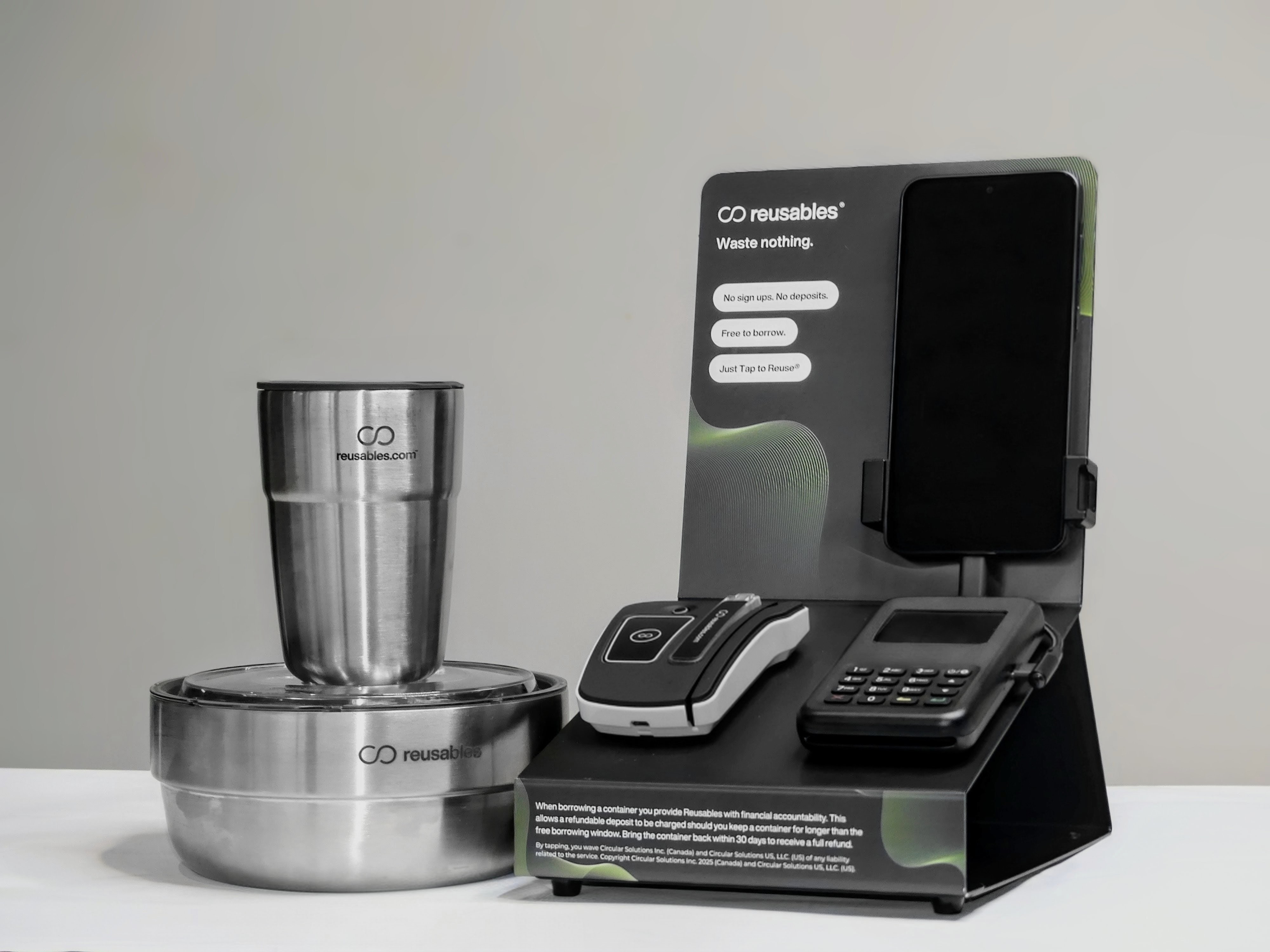
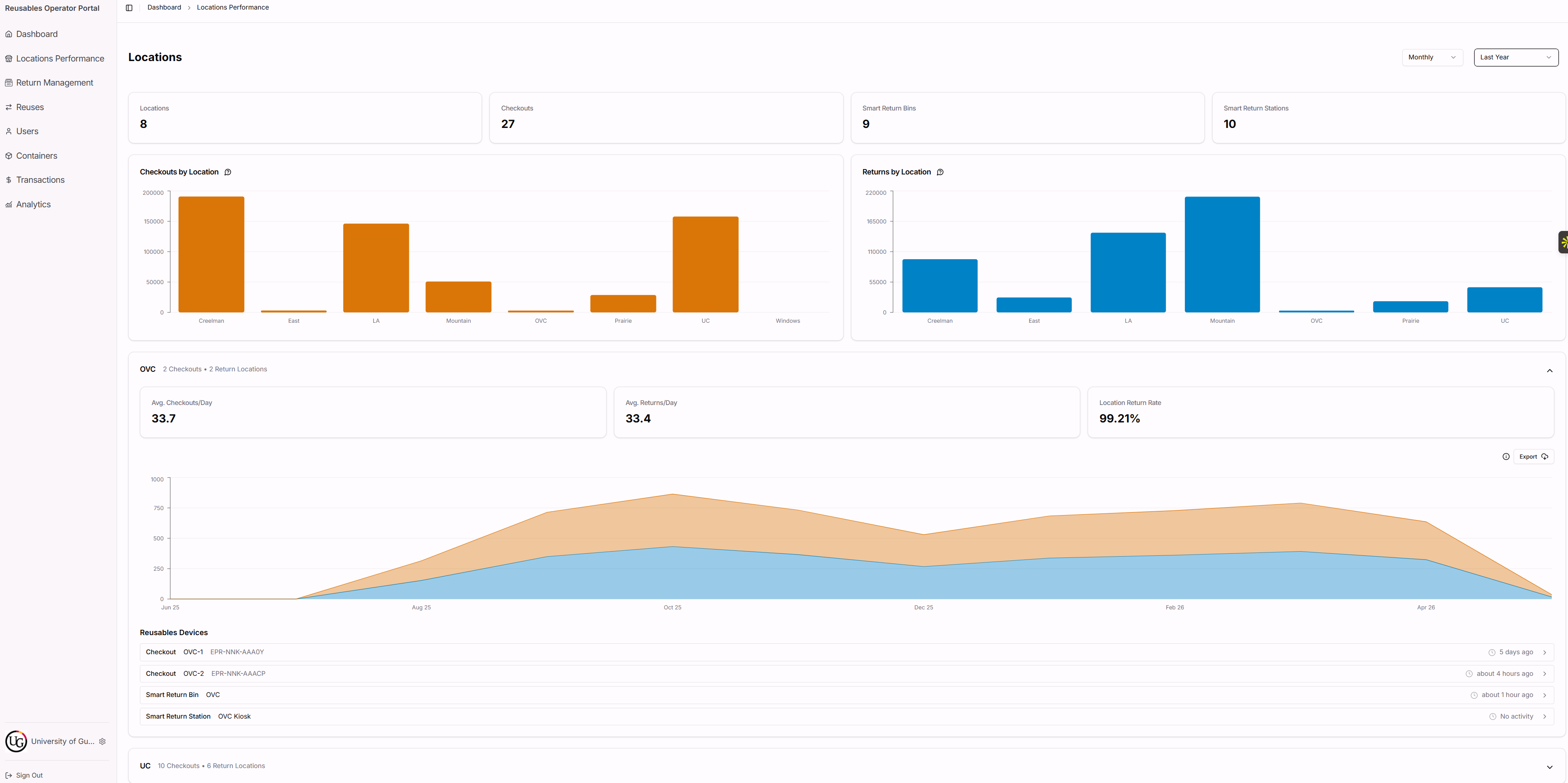
An integrated platform is designed to be a plug-and-play solution for campus dining. Think of it as the central operating system for your entire reuse program. Instead of juggling multiple vendors and trying to make different technologies talk to each other, you get a single, cohesive system. At Reusables.com, our full-stack solution includes everything from smart return bins and QR/RFID-tagged containers to a powerful operator dashboard that gives you real-time data. Because every component is built to work together, you get a frictionless experience for students and a system that automates accountability, so your staff doesn't have to manually chase down late fees or track inventory. It’s a system that seamlessly fits into your existing campus ecosystem.
Container-Focused Brands: OZZI, Pyrex, and Others
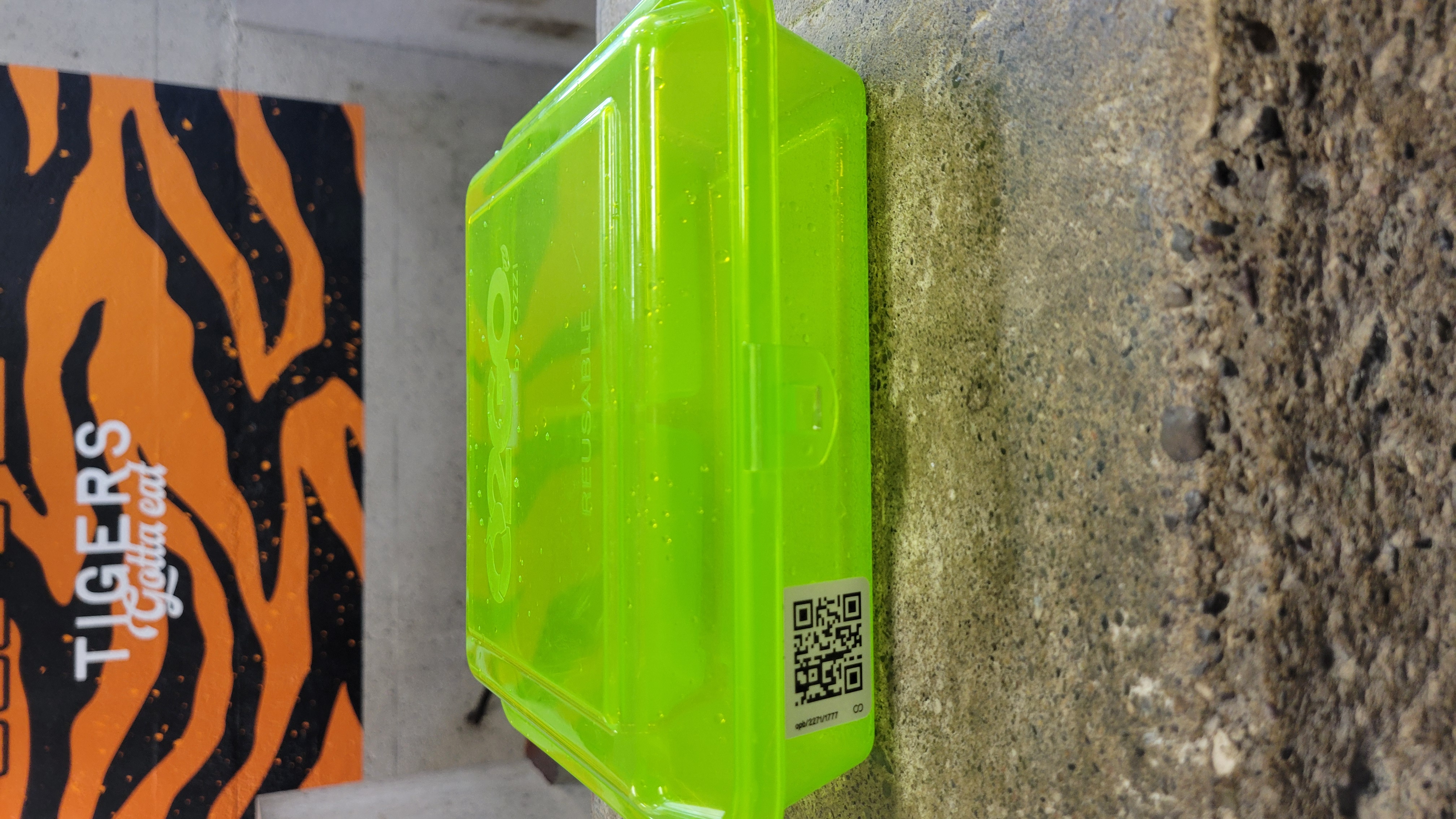
The alternative is to purchase your inventory from a container-only vendor. Brands like OZZI specialize in producing reusable containers for food service, while others might even consider consumer-grade options from companies like Pyrex. These companies provide high-quality, durable products, but the containers are just one piece of the puzzle. Without a built-in tracking and returns system, the responsibility falls on you to figure out the logistics. You’ll need to find a separate app or software provider to handle checkouts, create a manual process for returns, and figure out how to hold students accountable. This approach can work, but it often requires you to act as the systems integrator, which can be a complex and time-consuming role.
The Challenges of a DIY Approach
Building a program from scratch can seem like a way to save money upfront, but it often comes with hidden operational costs. Campuses that go the DIY route frequently run into unforeseen challenges, like managing the sheer space needed for washing and drying, or manually balancing container inventory across different dining halls. Without an automated system, the burden of tracking, reminders, and enforcement falls directly on your staff. This can lead to inconsistent accountability, low return rates, and a clunky experience for students. Ultimately, a successful program depends on making reuse an easy and rewarding habit, a goal that’s much harder to achieve when the system feels disjointed.
Find the Right Containers for Your Campus Menu
The success of your reusable container program depends on more than just tracking technology—it hinges on the containers themselves. If they’re difficult to carry, leak in a backpack, or don’t work for your most popular menu items, students won’t use them. The best approach is to match your container inventory to what your students are actually eating. Think about your most popular stations: the salad bar, the hot entree line, the grill, and the grab-and-go coolers. Each one serves food with different needs for transport and temperature control.
Because every campus dining program is different, there’s no single "best" container. You might need partitioned containers for your popular grain bowls, insulated bowls for the soup station, and a simple clamshell for the grill. That’s why our system is container-agnostic. You can use your existing inventory or choose from our list of approved partners. This flexibility allows you to build the perfect container library for your campus, ensuring your reuse program is a hit from day one. By providing the right tools, you make it easy for students to choose sustainability without sacrificing convenience or the quality of their meal.
Bento Boxes for Balanced, Grab-and-Go Meals
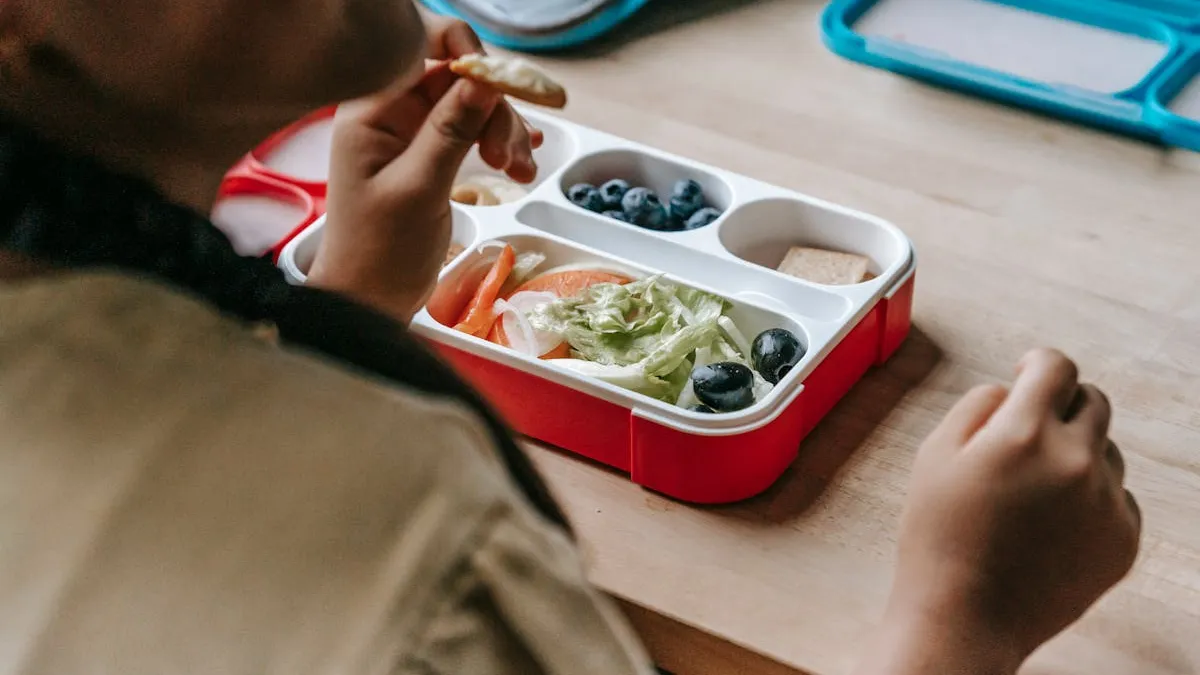
Bento-style boxes with multiple compartments are perfect for the grab-and-go meals that students love. They keep salad dressings from making croutons soggy and prevent the main course from mixing with the sides. This design is ideal for balanced meals, from build-your-own bowls to classic protein, starch, and vegetable combinations. When selecting bento boxes, prioritize durability. These containers will go through hundreds of cycles of use and commercial washing, so they need to be tough. Look for secure latches that prevent leaks and high-quality materials that resist warping and cracking. While premium options can seem expensive upfront, their longevity makes them a worthwhile investment for a high-volume dining program.
Insulated Containers for Hot Soups and Foods
Nothing is less appealing than lukewarm soup or cold pasta. Insulated containers are essential for maintaining the quality and safety of hot menu items. For your soup and chili stations or any hot entrees served to-go, providing an insulated option ensures students enjoy their meal as intended, even if they’re walking back to their dorm across campus. Stainless steel is an excellent material for this purpose. It’s incredibly durable, doesn’t absorb flavors or odors, and offers great insulation. Using high-quality insulated containers shows a commitment to the student dining experience. It proves that choosing a reusable option doesn’t mean compromising on a hot, fresh meal, which is key for getting widespread adoption of your program.
Silicone Bags for Snacks and Smaller Items
Think about all the single-use plastic bags used for snacks, sandwiches, and small sides at your campus cafés and markets. Reusable silicone bags are a fantastic alternative that directly tackles this stream of waste. They are lightweight, flexible, and easy for students to tuck into a backpack. While often associated with individual consumer use, silicone bags can be integrated into a campus-wide program. They are perfect for items like bagels, cookies, or fruit. Offering them at your coffee shops or convenience stores can significantly cut down on plastic bag waste. They are easy to wash, durable, and provide a simple way for students to make a more sustainable choice for their smaller purchases.
Glass vs. Stainless Steel vs. Durable Plastic
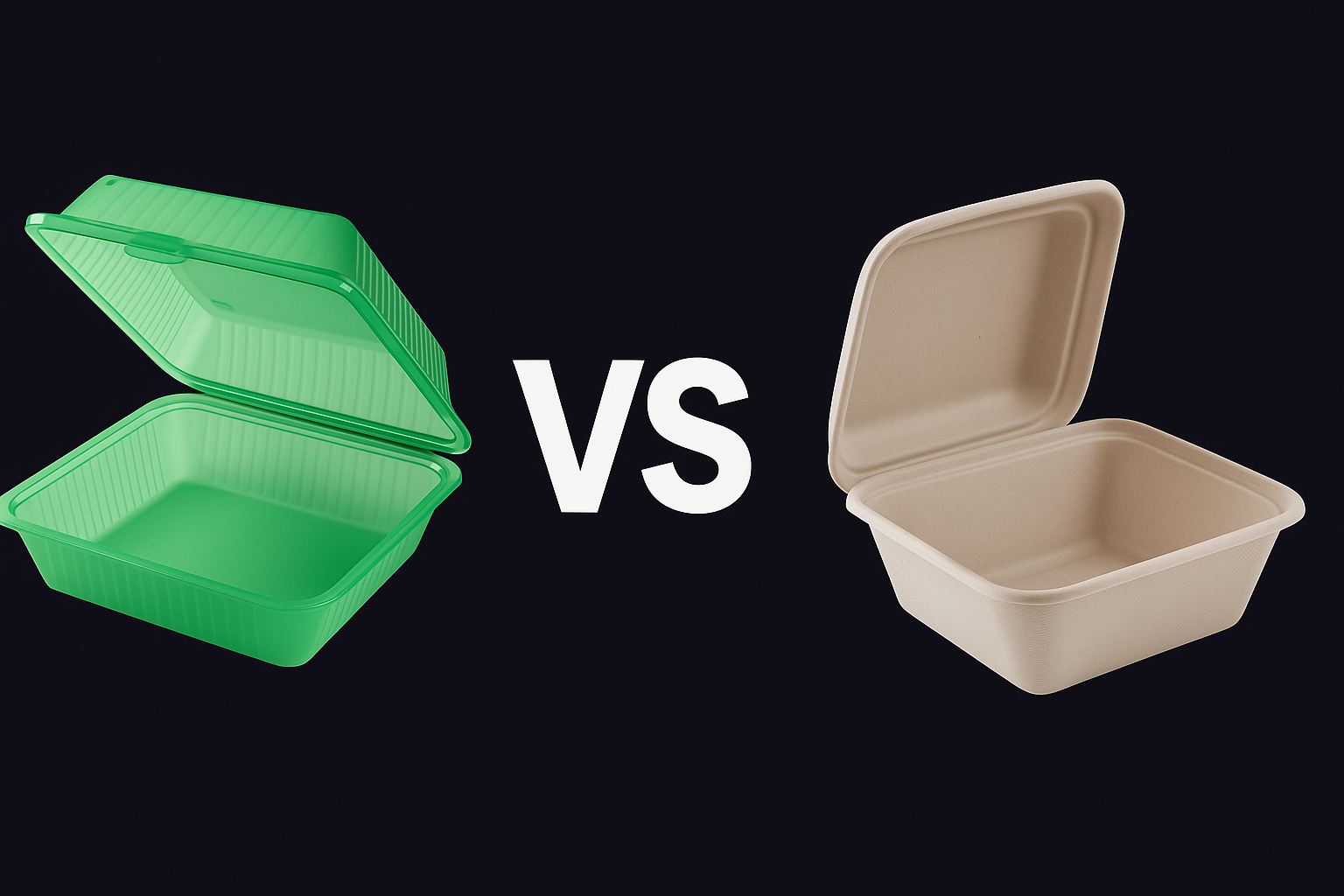
Choosing the primary material for your containers involves a trade-off between features, durability, and cost. The best choice depends entirely on your menu and how students will use the containers. Glass containers are great because they are microwave-safe and completely resistant to stains and odors. However, they are also heavy and can break, which poses a significant safety and replacement cost issue in a bustling campus environment. Stainless steel is the most durable option. It’s lightweight and excellent for insulation, but it can’t be used in the microwave—a major drawback for students who want to reheat leftovers. High-quality, BPA-free plastic is often the most practical choice. It’s lightweight, durable, and typically microwave-safe. The main downside is that lower-quality plastics can stain or retain odors over time. The key is to invest in commercial-grade, durable plastic containers designed for reuse.
How Reusables Cut Costs and Improve Your Bottom Line
Switching to a reusable container system isn't just a sustainability win; it's a strategic financial move. With the cost of disposable packaging climbing over 200% in recent years, many dining programs are spending tens of thousands of dollars annually on containers that get thrown away after one use. A well-designed reuse program directly tackles this operational expense, but the financial benefits go much deeper than just cutting your packaging budget.
An integrated system provides a clear return on investment by not only reducing material costs but also by giving you the data you need to run a smarter, more efficient operation. When you can see exactly how your inventory is being used, where it is, and when it’s returned, you can make informed decisions that save time and money. Plus, demonstrating a real commitment to sustainability can improve your brand reputation on campus, attracting students and staff who value environmental responsibility. The right reusables solution transforms a major expense into a valuable asset that pays for itself.
Reduce Your Annual Spend on Disposables
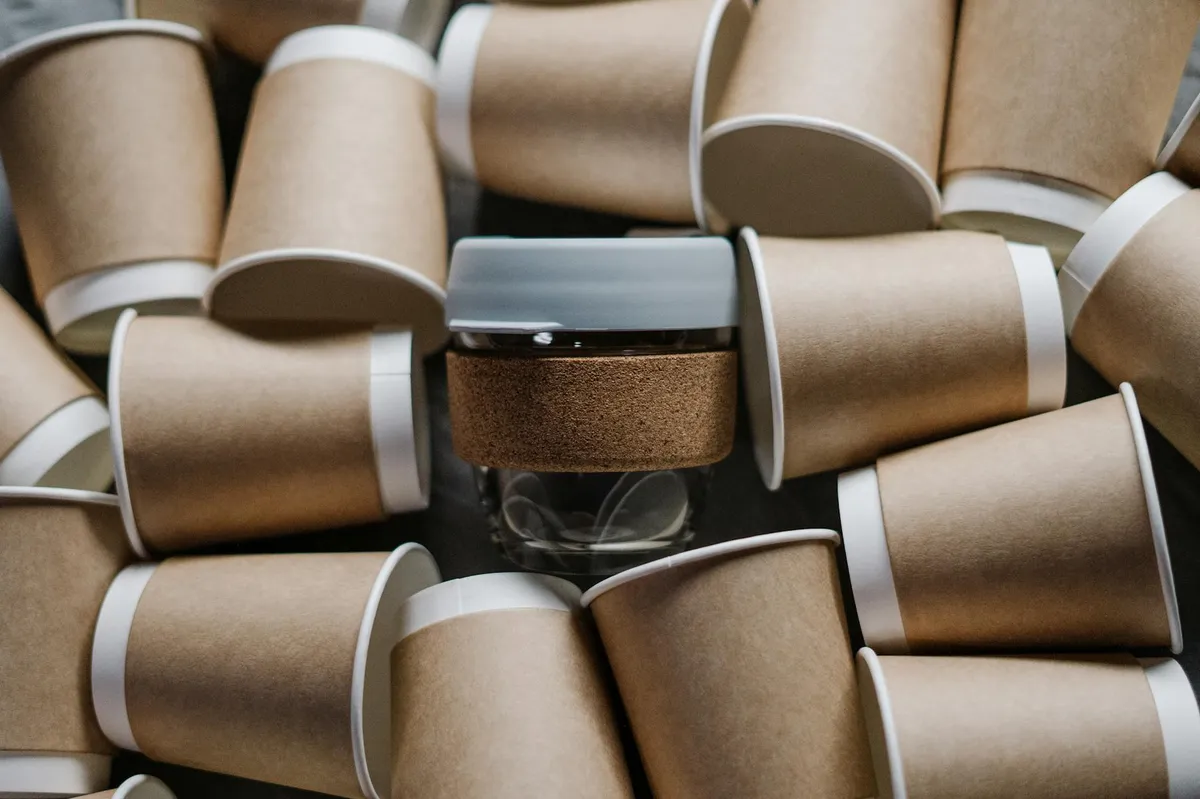
The most immediate financial benefit of a reuse program is the dramatic reduction in your annual spend on single-use containers. Think about the recurring costs of purchasing disposable cups, clamshells, and cutlery week after week. Over time, investing in a fleet of durable, reusable containers is simply cheaper than constantly buying disposables. When a single reusable container can replace hundreds or even thousands of single-use items, the savings add up quickly.
Of course, this model only works if you get the containers back. A system with a 99% return rate ensures you aren't constantly spending money to replace lost inventory. By creating a closed-loop system, you protect your initial investment and maximize the lifespan of each container, leading to predictable, long-term cost savings of 30% or more on your packaging budget.
Gain Real-Time Data on Your Operations
An effective reusable program should offer clear, real-time insights into how well it’s performing and help you keep tabs on your container inventory. Without data, you’re essentially flying blind—unsure of how many containers are in circulation, which dining halls are most active, or when return bins are getting full. This guesswork can lead to over-ordering inventory, inefficient staffing, and a poor student experience.
A tech-enabled platform gives you a dashboard with live data on usage rates, return patterns, and current inventory levels. This allows you to optimize your operations, ensuring you have the right number of containers in the right places at the right times. You can anticipate needs, manage your dishwashing workflow more effectively, and make data-driven decisions that streamline your entire dining service.
Lower Your Environmental Footprint
Beyond the financial savings, a reuse program significantly lowers your campus's environmental impact. Every reusable container that replaces a disposable one means less waste sent to the landfill. But the benefits go even further. Studies show that reusable containers can outperform single-use options across all major environmental impact categories, including carbon emissions and water usage, after just a handful of uses.
For institutions with zero-waste goals and sustainability mandates, a successful reuse program is one of the most visible and impactful initiatives you can launch. It provides tangible proof of your commitment to environmental stewardship—something that resonates deeply with today’s students and faculty. With a system that tracks your impact, you can easily report on the amount of waste diverted and share your success story with the entire campus community.
How to Get Students to Actually Return Containers
Let’s be honest: the biggest hurdle for any campus reuse program is getting the containers back. Students have packed schedules, and returning a container can easily fall to the bottom of their to-do list. A successful program doesn't just provide reusable containers; it builds a system that makes returning them the easiest and most natural choice. Forget manual tracking and chasing down students for late fees. The key is to create a positive feedback loop that encourages participation without adding work for your staff.
Achieving a near-perfect return rate isn't a fantasy. With the right strategy, you can make reusables a seamless part of campus life. It comes down to a three-part approach: making it rewarding, making it incredibly simple, and making it a visible part of your campus culture. When you combine smart incentives with a frictionless return process and clear communication, you create a system that students actually want to participate in. This approach not only ensures you maintain your container inventory but also helps build sustainable habits that can last a lifetime.
Offer Campus-Wide Incentive Programs
A little friendly competition can go a long way. Instead of penalizing students for late returns, focus on rewarding them for consistent participation. You can use gamification features like campus-wide leaderboards, prize draws for students who return containers promptly, or points that can be redeemed for coffee or campus store discounts. This shifts the dynamic from a chore to a fun challenge. An effective program should also offer clear, real-time insights into its performance, allowing you to share progress with students. Highlighting milestones—like the total number of single-use containers saved—helps everyone feel like they are part of a collective effort and makes their individual actions feel more meaningful.
Implement a Convenient Check-In System
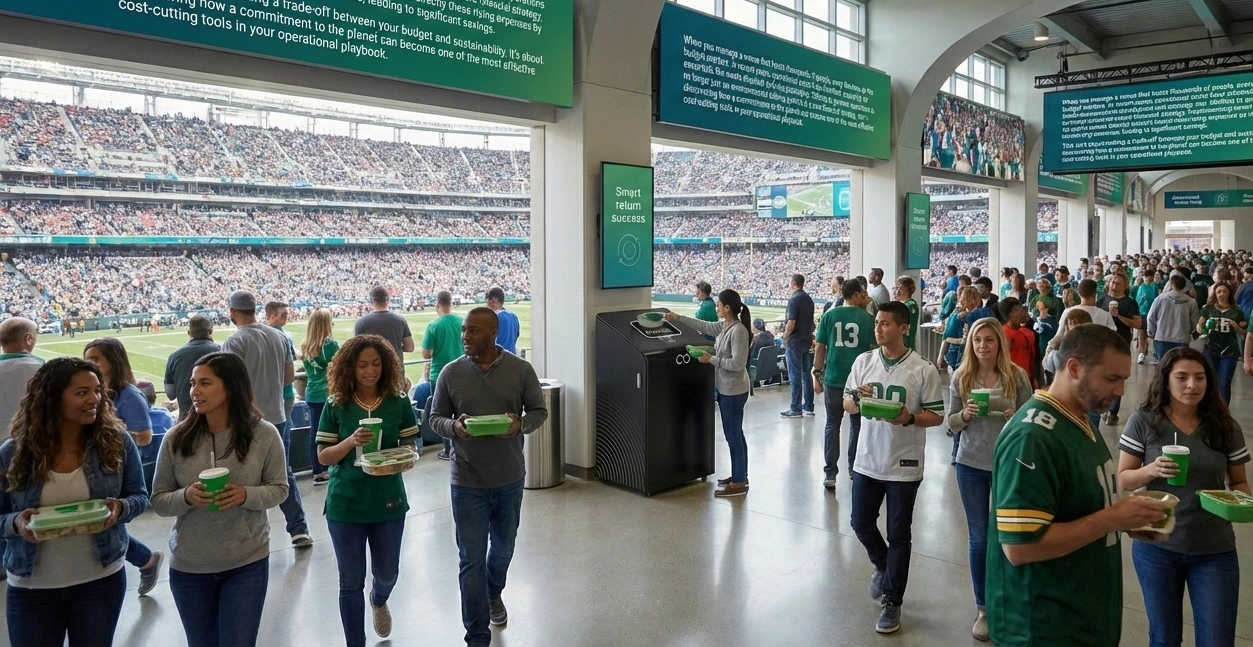
If returning a container is a hassle, students won’t do it. The return process needs to be as simple as throwing something away—but even easier. Strategically placed, 24/7 smart return bins in high-traffic areas like residence halls, libraries, and student centers are essential. Students should be able to drop off a container in seconds without waiting in line or interacting with staff. Our partners achieve a 99% return rate because innovative technology makes the process effortless. With simple QR or RFID scans, the system instantly registers the return, clearing the student's account and keeping your inventory data accurate and up-to-date.
Launch Campaigns to Educate and Engage Students
Your reuse program needs a great marketing plan. Students need to know how the system works, where to return containers, and why their participation matters. Launch a campaign at the start of the semester using posters, social media, and digital screens in dining halls. As Washington State University found, students are eager to make sustainability part of their daily lives when they understand the impact. Share real-time data on your program’s success, such as the number of containers returned each week or the collective reduction in waste. Celebrating these wins publicly reinforces the value of the program and encourages even more students to get involved.
Solve the Biggest Challenges of Campus Reuse Programs
Switching to a reusable container program is an exciting step toward your campus sustainability goals. But let's be honest—the idea can also bring up some valid operational concerns. How do you keep track of thousands of containers? Where will you store and wash them all? And how do you get busy students to actually bring them back?
These are the hurdles that can make or break a reuse program. A successful system isn't just about buying durable containers; it's about having a smart, integrated solution that anticipates these challenges. With the right approach, you can create a program that runs smoothly for your team and becomes a seamless part of the student experience. Let's walk through how to solve the most common issues.
How to Manage Container Tracking and Inventory
One of the biggest fears for any dining director is lost inventory. When containers go missing, costs add up quickly and the environmental benefits shrink. Without a clear view of your inventory, you’re left guessing how many containers are in circulation, where they are, and when you need to reorder. An effective program needs to give you clear, real-time insights into its performance.
The solution is a system where every container is uniquely identifiable, usually with a QR code or RFID tag. This allows you to track each item from checkout to return, giving you a live look at usage rates, return times, and inventory levels across different dining halls. This data is invaluable. It helps you optimize container distribution, forecast purchasing needs, and demonstrate the program's financial and environmental impact with concrete numbers.
Make Cleaning and Storage Simple
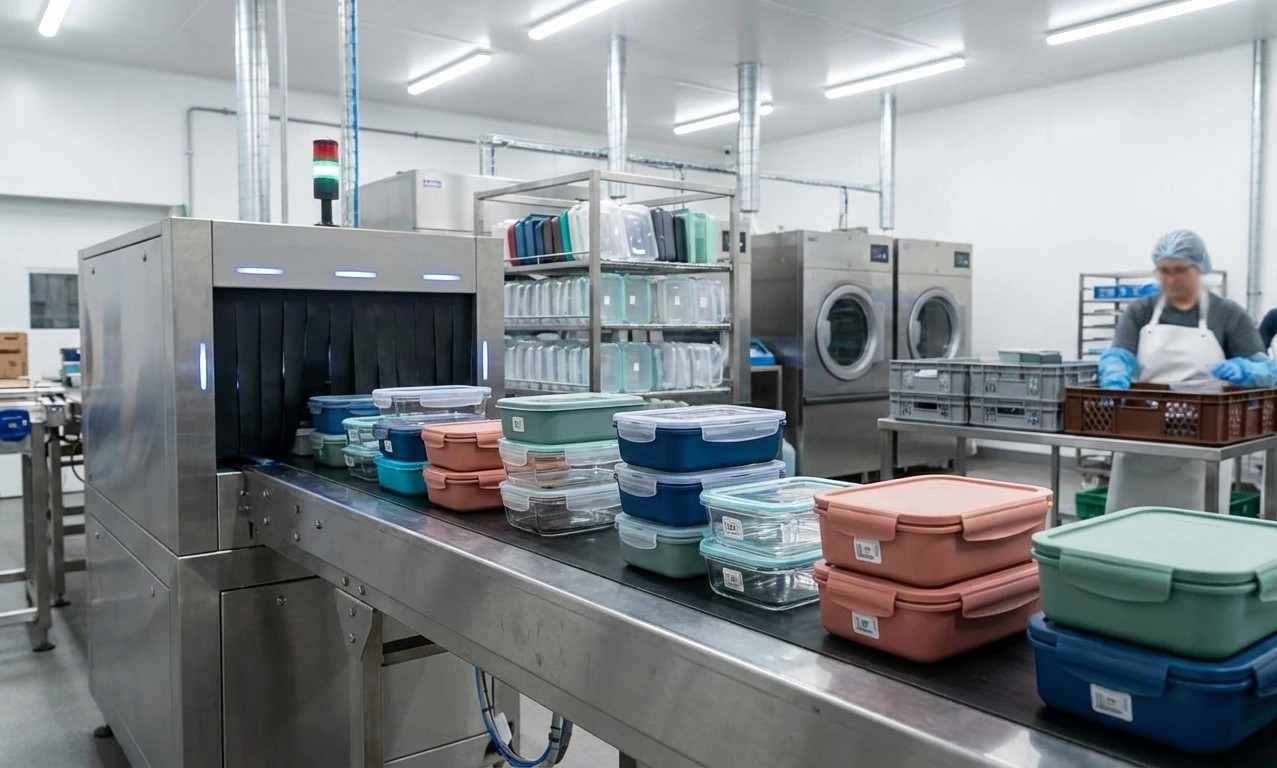
A high return rate is fantastic, but it also means you’ll have a steady stream of containers coming back to your dish rooms. This can create logistical bottlenecks, especially if you’re short on space. A common challenge is figuring out how to manage the sheer volume of containers that need to be washed, dried, and stored, especially when students return them to different locations than where they were picked up.
A well-designed reuse program helps you manage this workflow. Smart return bins, for example, can send automated alerts to your staff when they’re getting full, so you can plan collections efficiently and avoid overflow. By tracking where and when containers are returned, you can also identify patterns and anticipate needs. This turns a potentially chaotic process into a predictable operational flow, ensuring your team can handle the volume without getting overwhelmed and that clean containers are always ready to go.
Help Students Build Sustainable Habits
Today’s students are eager to make sustainable choices, but convenience is still king. If a reuse program is complicated or clunky, they simply won’t use it. The key is to make participating so easy that it becomes second nature. You can help students make sustainability a part of their daily lives by removing as much friction as possible from the process.
Start by making checkout effortless—no app download required. A simple tap of a student card or phone is all it should take. Next, build in a system of automated accountability with gentle reminders and refundable late fees to encourage timely returns without adding work for your staff. Finally, make it fun. You can use gamification with campus-wide leaderboards, contests, and rewards to celebrate participation. When reusing is this easy and engaging, it stops feeling like a chore and becomes a valued part of the campus culture.
How to Integrate a Reuse Program with Your Existing Systems
Introducing a new system into your campus dining operations can feel like a massive undertaking. Your team is already busy, and the last thing you need is a clunky process that disrupts workflow and frustrates students. The good news is that a modern reuse program is designed to fit right into your existing infrastructure, not fight against it. With a thoughtful approach, you can create a seamless transition that enhances your service from day one.
Let's walk through the key steps to successfully integrate a reusable container program on your campus, making it a win for your budget, your students, and your sustainability goals.
Start with a Pilot Program
You don’t have to go from zero to one hundred overnight. A pilot program is the perfect way to test the waters, gather feedback, and build momentum. Think of it as a dress rehearsal for a campus-wide rollout. By starting in one or two high-traffic dining halls, you can see what works, identify any friction points, and prove the concept to university leadership.
This approach allows you to collect valuable data on return rates and student engagement in a controlled environment. For example, Washington State University saw such great results from their initial pilot that they quickly expanded the program to other dining centers on campus.
Connect with Your Campus Payment Systems
For a reuse program to stick, it has to be effortless for students. The most effective way to achieve this is by connecting it directly to the payment and ID systems they already use every day. A program that requires students to download a separate app or carry another card is dead on arrival.
Look for a solution that offers full integration with major campus card platforms like Transact, CBORD, and Atrium. When checking out a reusable container is as simple as tapping a student ID or a linked credit card, adoption rates soar. This approach not only simplifies the student experience but also automates tracking and accountability for your team, eliminating manual work.
Design a Convenient Return Process
Getting containers back is the cornerstone of a successful and cost-effective reuse program. If returns are inconvenient, you’ll see low participation and lose inventory. More importantly, the environmental benefits can be negated if students have to make special trips just to return a container.
A University of Michigan study found that the positive impact of reusables depends heavily on an easy return process. Strategically place smart return bins in high-traffic areas like residence halls, libraries, and student centers. These stations should be available 24/7 and require no staff interaction, allowing students to drop off containers on their own schedule.
Align with University Sustainability Goals
Position your reuse program as a key contributor to your institution's broader sustainability initiatives. Most universities have established zero-waste targets and green commitments. By framing your program within this context, you can gain crucial support from other departments, student groups, and university leadership.
When your program is seen as a visible and impactful part of the campus-wide mission, it’s easier to secure funding and resources. It also reinforces the university's commitment to environmental stewardship, which resonates strongly with today's students. A program that is well-supported by the university is one that is set up for long-term success.
Related Articles
- Deposit-Free Reuse Systems and their Impact for On-Campus Dining – Reusables.com
- Flexible Pricing Plans with Guaranteed Cost Savings
- Reusable Packaging Systems for Efficient, Sustainable Operations
- Smart Reuse Programs for Campuses, Private Clubs, Offices & More
Frequently Asked Questions
What’s to stop students from just keeping or losing the containers? This is the number one concern for most dining directors, and it’s something we’ve focused on solving. Our system is built on automated accountability. Each container is tagged and linked to a student's account upon checkout. If a container isn't returned on time, the system automatically sends friendly reminders. If it's still not returned, a small, refundable late fee is applied to their account. This gentle but consistent process encourages students to bring items back promptly and is the reason our partners achieve 99% return rates without staff having to chase anyone down.
How much extra work will this program create for my staff? Our goal is actually to reduce your team's workload. The system is designed to automate the most tedious parts of managing a reuse program. Your staff won't have to manually sign containers in and out, track inventory on a spreadsheet, or handle charging for lost items. Smart return bins even send alerts when they need to be emptied. By handling the tracking and accountability automatically, our platform frees up your team to focus on their core responsibilities.
We already invested in reusable containers from another company. Can we still use your system? Yes, absolutely. Our technology platform is container-agnostic, which means it can work with inventory you already own. We can apply our unique QR or RFID tracking tags to your existing containers, allowing you to get all the benefits of our smart system—like frictionless checkout and automated returns—without having to start your inventory from scratch. This makes it much easier to get a more effective program up and running.
How does a reusable system actually save our dining program money? The savings are twofold. The most direct impact is the significant reduction in your annual spending on single-use disposable packaging, which for many schools is a major and rising expense. Beyond that, our system protects your investment in the containers themselves. Because the high return rates prevent inventory loss, you aren't constantly spending money to replace lost items. This creates a more predictable and stable budget for your packaging needs.
What’s the real difference between an all-in-one system and just buying containers from a vendor? Think of it as buying ingredients versus getting a fully prepared meal. A container vendor sells you one component, but you're still left to figure out how to track the items, manage returns, and hold students accountable. An all-in-one system provides the entire operational framework. It includes the checkout and payment integrations, the smart return stations, and the software that makes everything run smoothly. It’s a complete, proven solution designed to work from day one.
Other stories you may find interesting

.png)

.avif)



.webp)



Watch the Webinar
Learn How to Eliminate Single-Use Waste
Get instant access to our expert webinar and discover how leading institutions reach 99% return rates through smarter reuse systems.

© Reusables™. All rights reserved.