
A Guide to Tracking Inventory of Returnable Containers

February 4, 2026
Your reusable containers are valuable assets, but without a proper management system, they can feel more like liabilities. Many campuses lose thousands of dollars a year replacing containers that simply walk off campus. This isn't just a financial drain; it's an operational bottleneck that undermines your sustainability efforts. The key to protecting your investment and ensuring your program's success is a reliable method for tracking inventory of returnable containers. This article breaks down everything you need to know, from comparing tracking technologies like RFID and QR codes to identifying the must-have software features that will give you real-time visibility and automated accountability, turning your program into a model of efficiency.
Key Takeaways
- Stop Losing Money on Lost Containers: Every unreturned container is a direct hit to your budget. A reliable tracking system protects your inventory as a valuable asset, preventing the constant cycle of replacement costs and ensuring your program saves money as intended.
- The Right Tech Creates a Frictionless Experience: Your tracking technology directly impacts student participation. Look for solutions like dual-mode QR and RFID that make checkout and returns fast and effortless, encouraging adoption without slowing down your dining lines.
- Automation Drives High Return Rates: An honor system isn't enough to ensure containers come back. The best solutions automate accountability with gentle reminders and fee systems, which achieves high return rates without adding manual follow-up to your staff's workload.
Why You Need to Track Your Returnable Containers
Switching to a reusable container program is a fantastic step toward your campus sustainability goals. But if you’ve made the switch, you’ve probably realized that the containers themselves introduce a new challenge: keeping track of them. Without a solid tracking system, these valuable assets can easily disappear, leading to replacement costs that eat into your budget and undermine the very environmental benefits you set out to achieve. It’s a common headache that can make a well-intentioned program feel like a logistical nightmare.
Losing containers isn't just a minor inconvenience; it's a direct hit to your bottom line and operational efficiency. When your inventory dwindles, you risk not having enough containers during the lunch rush, which can disrupt service and frustrate students. The core issue is that reusable containers are assets, not disposables. Just as you track kitchen equipment or food inventory, your container fleet requires a management system to protect your investment and ensure the program's success. By understanding the true cost of lost containers and moving past common myths about returns, you can build a system that actually works. A well-managed program not only reduces waste but also creates a smoother, more reliable dining experience for everyone on campus.
Common Types of Returnable Containers
When we talk about returnable containers, we’re discussing any asset that is sent out with the expectation of being returned. In industrial settings, this can include items like gas cylinders or chemical drums, which are often worth more than the products they hold. In your campus dining environment, this applies to your entire fleet of reusables—from durable plastic clamshells and stainless steel bowls to reusable coffee cups and soup containers. Each of these items represents a tangible investment. Thinking of them as durable assets, rather than throwaway packaging, is the first step toward managing them effectively and ensuring your program remains financially and environmentally sustainable for the long haul.
The Real Cost of Lost Containers
The price of a lost container goes far beyond its simple replacement cost. Research shows that many companies lose about 6-10% of their returnable assets each year, and those losses create significant ripple effects. For a busy campus dining hall, a shortage of containers means service delays and an inability to meet student demand. It also creates an ongoing operational strain for your team, who has to manage unpredictable inventory levels and constantly reorder stock. This cycle of loss and replacement not only inflates your operational budget but also chips away at the environmental promise of your reuse program. If you’re constantly buying new "reusables," you aren't truly reducing waste.
Debunking Common Myths About Container Returns
A common belief is that students will simply remember to bring containers back on their own. While most have good intentions, busy academic and social schedules mean containers are often forgotten in dorm rooms or backpacks. Relying on an honor system is a recipe for high loss rates. Another myth is that you can get by with a simple manual count at the dish return. However, this fails to account for the complexities of reverse logistics. Without serialized tracking for each individual item, you have no way of knowing which containers are missing, where they were last seen, or who has them. This leads to what some in the industry call "black hole recovery"—the moment you start tracking and discover just how many assets were missing that you never even knew about.
How Does Returnable Container Tracking Work?
Tracking technology is the engine that powers a successful reuse program. It works by giving each container a unique digital identity, allowing you to monitor its journey from the dining hall, across campus, and back to your dish room. This isn't just about knowing where your containers are; it's about creating a seamless experience for students and staff, automating accountability, and gathering the data you need to manage inventory effectively. Let's look at the most common technologies that make this possible.
RFID Tracking Explained
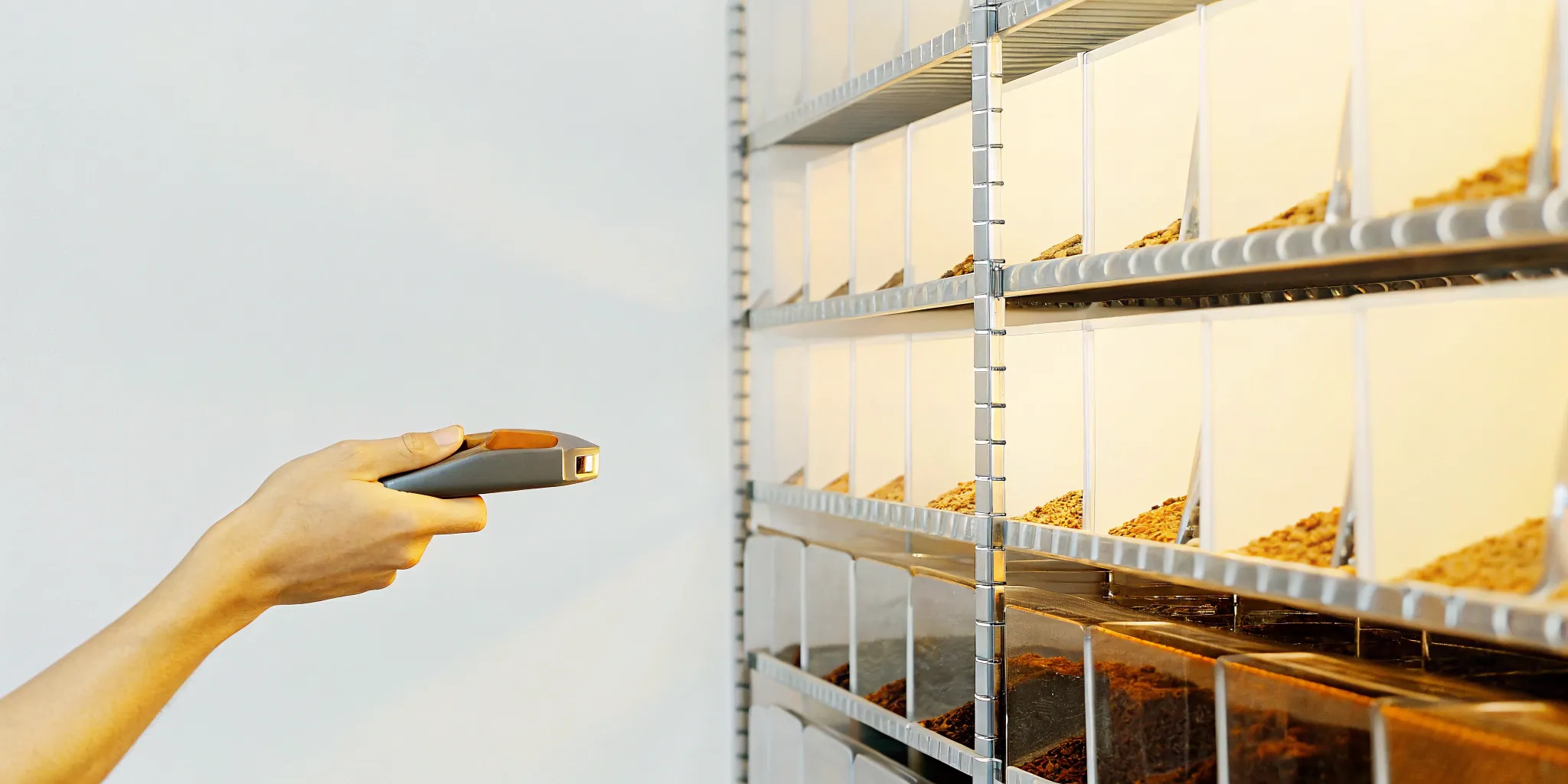
RFID, or Radio-Frequency Identification, uses radio waves to read information stored on a small tag attached to each container. Think of it as a high-tech barcode that doesn't need to be seen to be scanned. When a container with an RFID tag passes near a reader—say, when it's dropped into a smart return bin—the reader automatically captures its unique ID. This enables completely "hands-free" tracking, which is perfect for busy environments. Because you don't need a direct line of sight, you can process returns instantly and accurately, which helps you get a real-time picture of your inventory and improve operational efficiency. It’s a reliable way to reduce manual work for your staff and minimize container loss.
QR Code and Barcode Systems
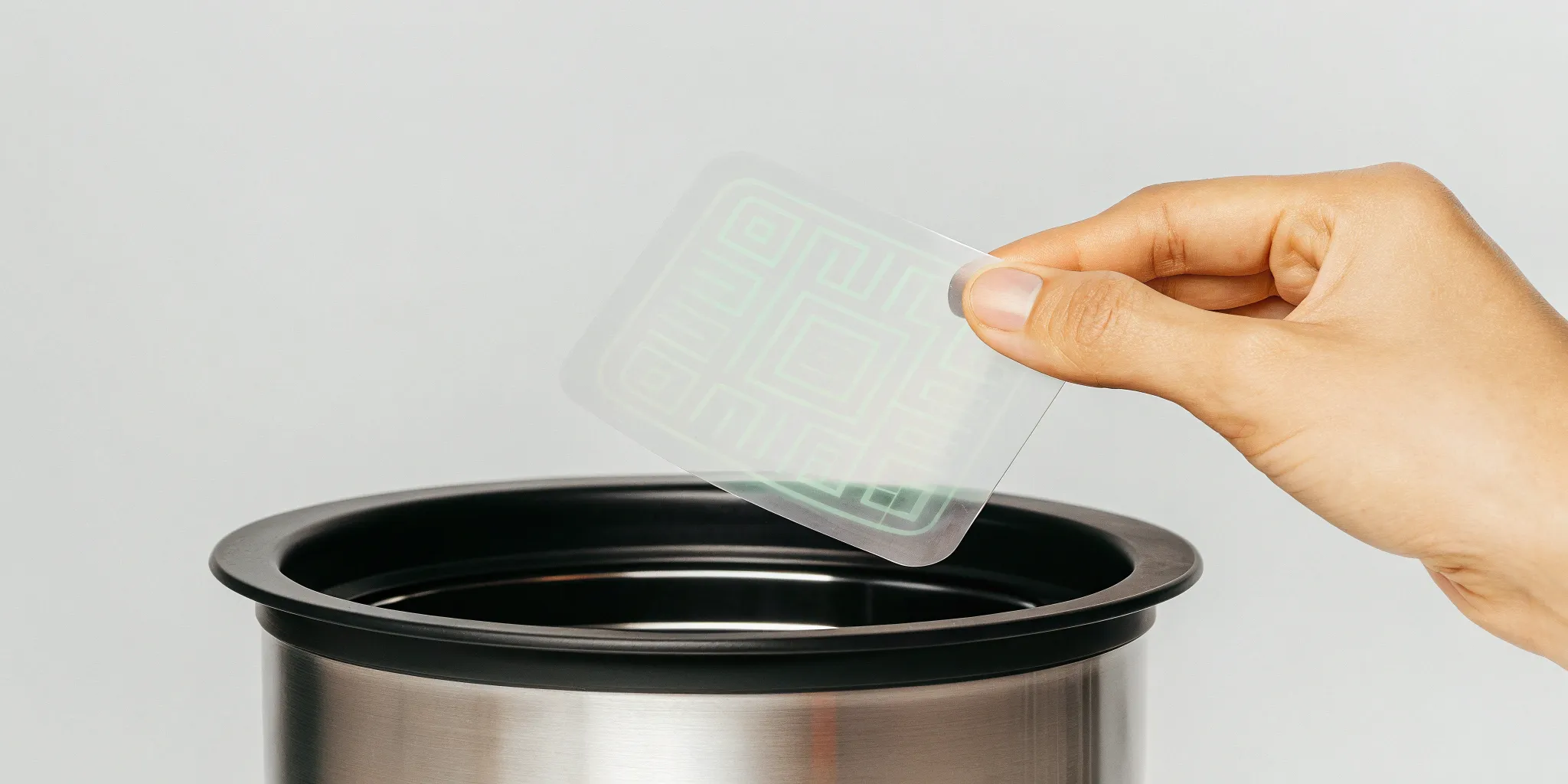
You’re likely already familiar with QR codes and barcodes from retail stores and restaurants. In a reuse system, a unique code is placed on every container. At checkout, a staff member or student can scan the code with a point-of-sale scanner or a smartphone to link the container to their account. The process is repeated when the container is returned. This method is straightforward and cost-effective to set up, as it relies on visual scanning technology that is widely available. While it requires a direct line of sight and a manual scan for every transaction, it provides a simple and universally understood way to track your assets and hold users accountable.
GPS and IoT Solutions
For a big-picture view of your container fleet, some systems use GPS (Global Positioning System) and IoT (Internet of Things) technology. IoT solutions connect physical objects, like your containers, to the internet, allowing them to send and receive data. A small device on the container can transmit its location in real-time, giving you a map of where your inventory is across campus. This technology offers incredible visibility and can provide rich data for optimizing container distribution and collection routes. While GPS tracking is powerful, it can be more costly and power-intensive, making it better suited for high-value assets. However, modern IoT technologies are making automated tracking more accessible and economically compelling for large-scale reuse programs.
The Power of Dual-Mode Tracking
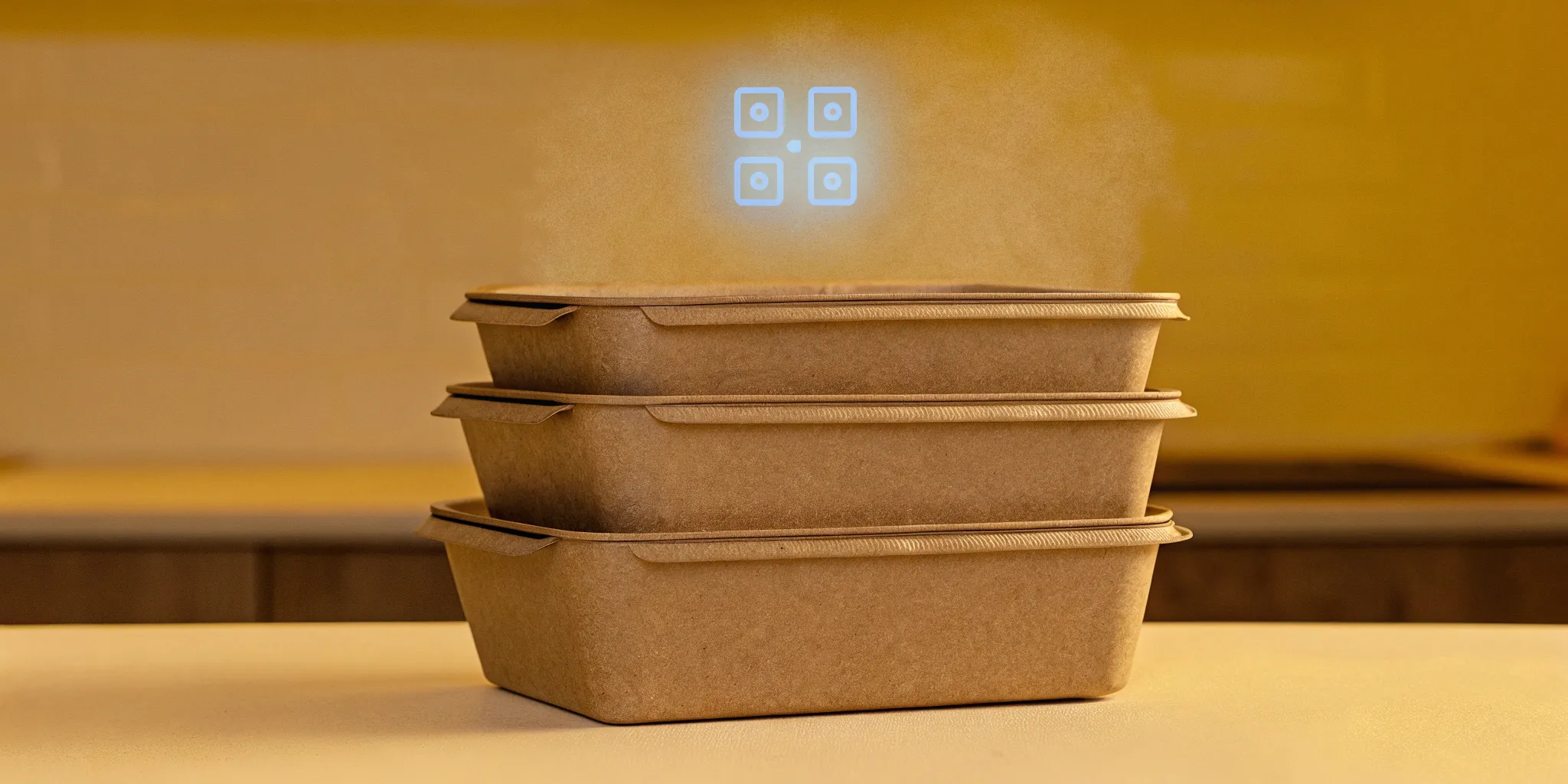
Why choose just one technology when you can have the best of both worlds? Dual-mode tracking combines two or more methods to create a more resilient and user-friendly system. For instance, you could use QR codes for the student-facing checkout process—it’s simple and everyone knows how to use their phone—while leveraging RFID for automated, high-speed returns at smart bins. This approach uses each technology for what it does best. It enhances accuracy, provides valuable redundancy, and ensures the experience is smooth for both your users and your staff. A fully integrated system that combines technologies gives you the flexibility and reliability needed to achieve industry-leading return rates and maintain a sustainable program.
What Are the Best Tracking Solutions Available?
Once you’ve decided to track your returnable containers, the next step is finding the right system. The market offers a range of solutions, from comprehensive platforms designed specifically for reuse programs to more generalized asset-tracking software. Some focus on the physical hardware, like tags and sensors, while others are all about the software and data management. Understanding these categories will help you pinpoint the best fit for your campus dining operations, ensuring you get a system that meets your specific goals for cost savings, sustainability, and user experience. The key is to find a solution that not only tracks your containers but also integrates smoothly into your daily workflow, making life easier for your staff and students.
The Reusables.com Platform
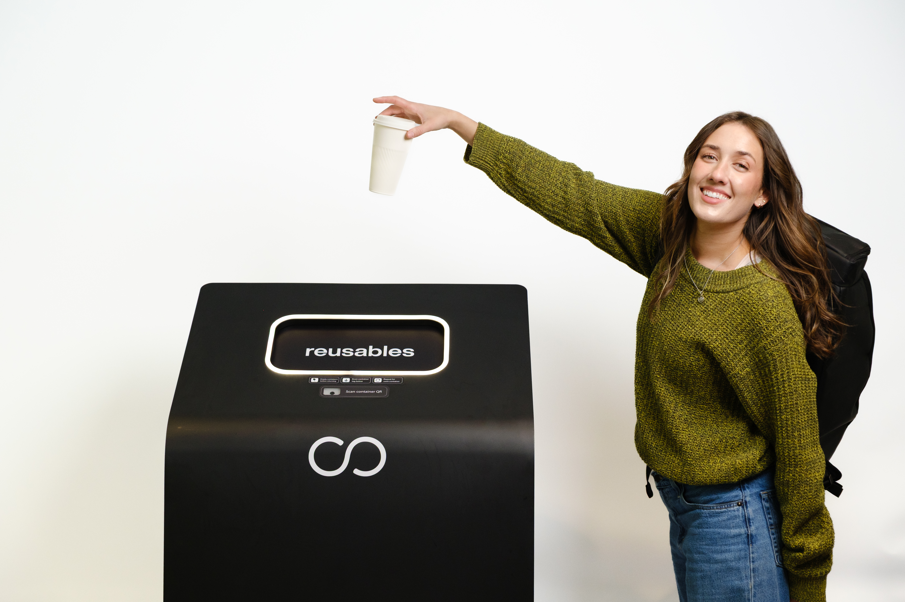
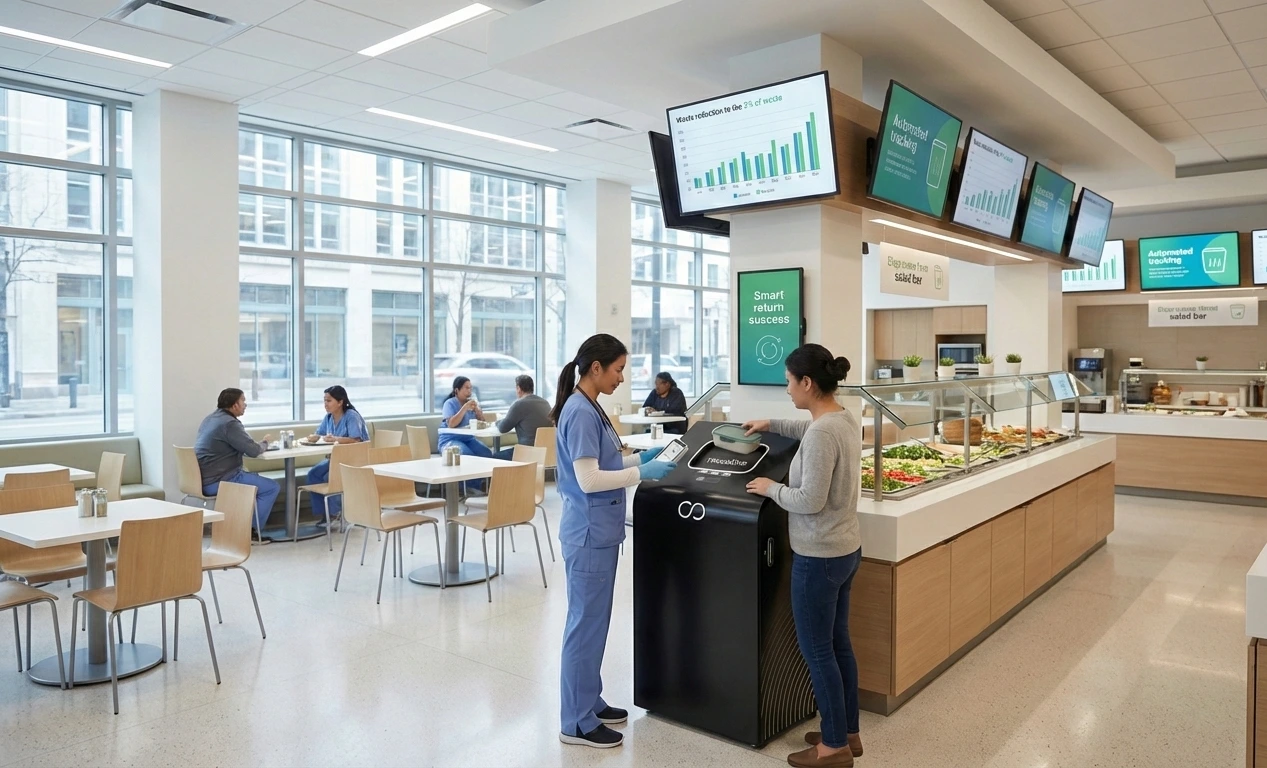
For campus environments, a specialized, all-in-one solution offers the most direct path to success. Our full-stack reuse system is designed specifically for institutional food service, combining hardware, software, and user experience into one seamless package. We use dual-mode tracking with both QR codes and RFID to ensure every container is accounted for. Our system includes app-free checkout with Tap to Reuse™ technology, smart return bins for 24/7 access, and a robust operator portal for real-time data. Unlike generic systems that might rely on Bluetooth or require manual scanning, our platform automates the entire process, from checkout to return, making it effortless for both students and staff.
Software-Only Tracking Systems
Software-only systems are focused on the digital side of inventory management. These platforms help you organize data, monitor container cycles, and identify bottlenecks in your workflow. Using special software can help you use your containers more efficiently so they don’t get lost or sit empty. This approach can be a good fit if you already have a reliable method for scanning containers, like a barcode system, but need a more powerful backend to manage the information. However, for a busy campus dining hall, relying on a software-only solution may still require significant manual labor from your staff to ensure every container is scanned correctly at every step.
Hardware-Focused Solutions
Some providers specialize in the physical tracking technology itself, such as durable RFID tags, GPS locators, or IoT sensors. These hardware-focused solutions are built to withstand tough environments and provide precise location data. Modern IoT technologies have made automated tracking more feasible and affordable, but implementation can be complex. Integrating this hardware often requires close collaboration with your IT, finance, and facilities departments to get everything connected and running smoothly. While powerful, this approach means you’ll still need to find separate software to manage the data the hardware collects, adding another layer of vendor management and integration work for your team.
Platforms Built for Integration
Another category of tracking solutions includes platforms designed to integrate with other business systems through an API (Application Programming Interface). These are common in the global shipping and logistics industries, where companies need to pull tracking data into their existing enterprise software. For example, a system might let you connect to your own business systems to automate container tracking and save time. While this level of integration is powerful for large-scale logistics, it can be overly complex and not specifically tailored to the unique challenges of a campus dining program, which involves high-volume, short-cycle reuse from thousands of individual users.
How to Choose the Right Tracking Technology
Picking the right tracking technology for your reusable containers can feel like a big decision, but it boils down to finding the best fit for your campus operations, budget, and goals. There isn't a single "best" option—the ideal choice depends on your specific needs. You'll want to think about the types of containers you use, the flow of your dining halls, and how much automation you're aiming for. The main contenders are QR codes and Radio Frequency Identification (RFID), each with its own strengths, and sometimes the best solution involves using both.
Your decision will impact everything from the speed of your checkout lines to the accuracy of your inventory data. It’s also important to consider the total cost of ownership, not just the price per tag. A cheaper upfront option might create more manual work for your staff down the line, leading to hidden costs and frustration. The goal is to find a system that makes life easier for both your team and your students, all while delivering a strong return on investment. A well-chosen system streamlines your operations, provides clear data on your container fleet, and ultimately helps you cut down on waste and unnecessary spending.
Comparing RFID, QR Codes, and GPS
Let's break down the most common tracking options. QR codes are the most familiar; students can scan them with their phones, making them easy to adopt. However, they require a direct line of sight and a manual action for every single scan, which can slow down high-traffic areas. On the other hand, RFID tags use radio waves to transmit data. This means you can scan multiple containers at once without even seeing the tags, which is a game-changer for fast returns at a smart bin. Each container gets a unique tag that is scanned at checkout and return points. While GPS is great for tracking delivery trucks, it’s too costly and power-intensive for individual containers. For the best results, many campuses find that a dual-mode system using both QR and RFID offers the most flexibility and accuracy.
Analyzing Costs and Calculating ROI
When you’re looking at costs, think beyond the price of the tags. You need to factor in the hardware (like scanners or smart return bins), software fees, and any staff time needed to manage the system. While RFID tags may have a higher initial cost, the savings in labor and efficiency can deliver a much faster return on investment (ROI). The real cost to your program is losing containers. Replacing lost inventory can add up to tens of thousands of dollars annually. A strong tracking system with automated accountability dramatically increases return rates, often to 99% or higher. By preventing container loss and reducing your spend on single-use packaging, the right system doesn't just pay for itself—it starts saving you money.
Considering Durability and Campus Environment
Your campus dining environment is tough on equipment. Reusable containers and their tracking tags have to survive daily trips through high-temperature commercial dishwashers, accidental drops, and constant handling by students. Standard paper or plastic labels just won't cut it; they’ll peel, fade, or get damaged, rendering your tracking system useless. You need durable tags specifically designed for this environment. Whether you use stainless steel or durable plastic containers, the tracking technology must be able to withstand heat, water, and physical impact. Choosing a provider who understands these challenges is key to ensuring your system works reliably day in and day out, without creating extra maintenance work for your team.
Checking for Integration With Your Existing Systems
A tracking system that doesn’t connect with your current campus technology will only create more work. To make a reuse program truly seamless, it needs to integrate with the systems you already have in place. This includes student card platforms like Transact and CBORD, POS terminals, and payment processors. The ideal solution allows a student to check out a container simply by tapping their campus card or using a linked payment method—no separate app or account required. This frictionless experience is what drives adoption and makes reuse the easy choice. When your tracking platform works in harmony with your existing infrastructure, you get better data, less administrative headache, and a program that students actually want to use.
Key Features Your Tracking System Must Have
Once you’ve decided on the right technology for your campus, it’s time to look at the features that will make or break your program. A great tracking system does more than just count containers; it gives you a clear, comprehensive view of your entire operation. It should simplify tasks for your team, provide actionable insights, and keep the system running smoothly with minimal manual effort. Let’s walk through the four non-negotiable features your system needs to have.
Real-Time Visibility and Automated Alerts
To effectively manage your container inventory, you need to know where your assets are at all times. A system that offers real-time visibility allows you to see the entire journey of a container, from checkout to return. Top-tier systems ensure assets are "tracked at every checkpoint, monitored in real-time, and accounted for." This means you can instantly see how many containers are in circulation, which dining halls are running low, and which return bins are nearing capacity. Automated alerts are a game-changer here, notifying your staff when a bin needs to be emptied or when inventory levels dip below a certain threshold. This proactive approach prevents overflows and ensures you never run out of clean containers during the lunch rush.
An Easy-to-Use Interface for Your Team
The most powerful technology is useless if your team finds it difficult to use. Your tracking system should be built with your staff in mind, featuring an intuitive interface that requires minimal training. Look for a centralized dashboard where your managers can see key metrics at a glance. The goal is to reduce manual work, not create more of it. Systems that use tap-to-checkout technology or automated scanning at return stations eliminate the need for staff to handle every transaction. This frees up your team to focus on what they do best: providing great food and service to students. An easy-to-use system ensures a smooth rollout and encourages adoption from day one.
Powerful Data and Reporting Capabilities
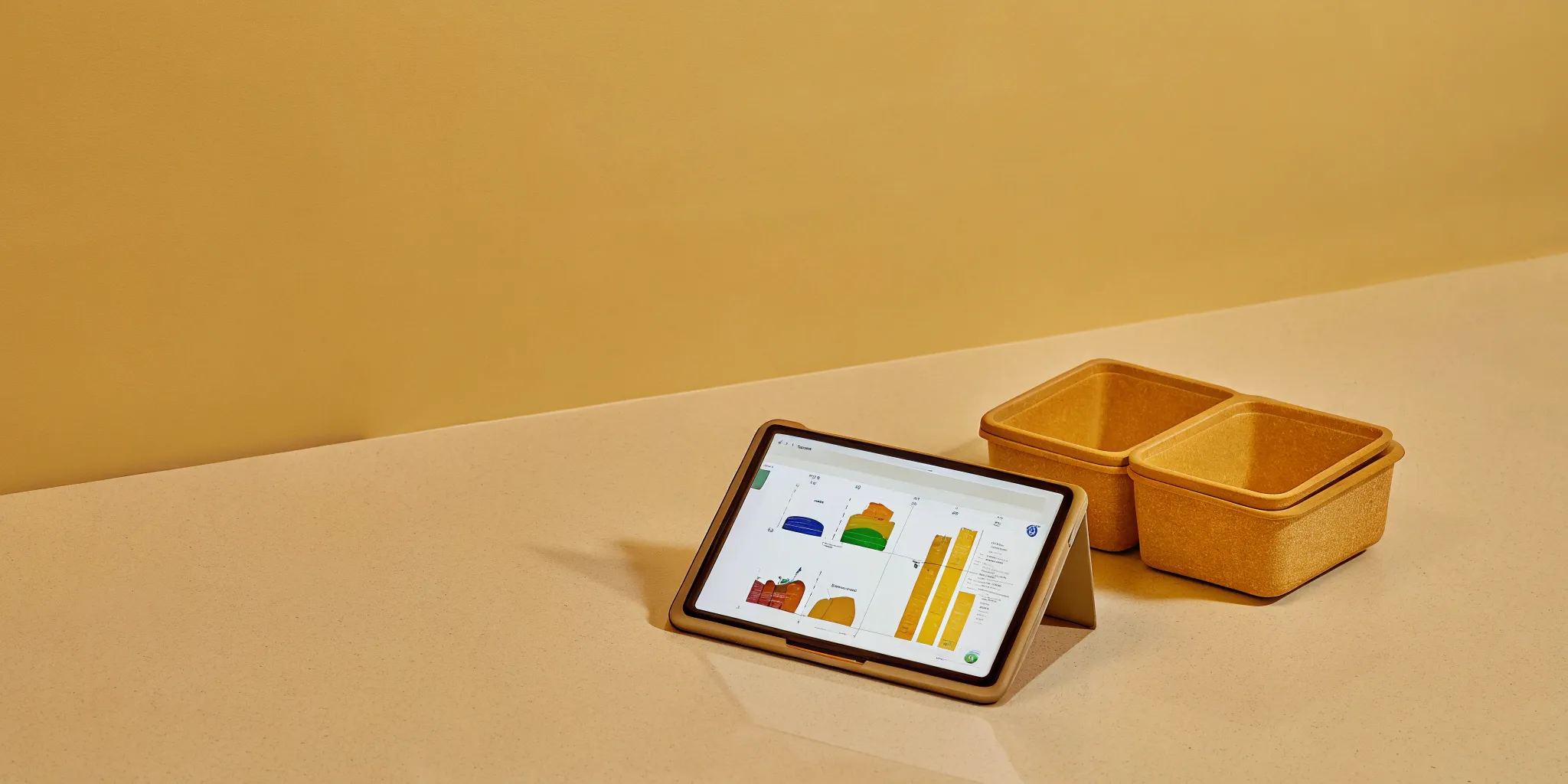
A successful reuse program runs on data. Your tracking system should provide more than just raw numbers; it needs to offer powerful reporting that helps you understand performance and make informed decisions. Through the perpetual tracking of individual items, you can identify trends in container usage, pinpoint popular dining locations, and measure your program's environmental impact. Are return rates higher at the library than at the student union? Is there a specific day of the week when you need more containers on hand? These are the kinds of insights that allow you to optimize inventory, adjust staffing, and demonstrate the value of your program to campus leadership.
Automated Accountability and Fee Systems
Let’s be honest: no one on your team has time to manually track down students for unreturned containers. An automated accountability system is essential for achieving high return rates without adding to your staff’s workload. The system should handle everything from sending automated reminders to students to applying refundable late fees for containers that aren’t returned on time. This gentle, consistent enforcement encourages students to bring items back promptly. Mismanaging the complexity of reverse logistics can lead to lost assets and wasted resources, but a fully automated system ensures accountability is built-in, protecting your investment and keeping your inventory in circulation.
How to Implement Container Tracking Successfully
Choosing the right technology is a huge step, but a successful reuse program depends just as much on how you roll it out. A thoughtful implementation plan ensures your staff and students embrace the new system, your data stays accurate, and you get the return on investment you’re looking for. A great system makes this part easy, but it still requires a clear strategy. By focusing on a few key areas, you can set your program up for high return rates and long-term success from day one.
The goal is to create a seamless experience that makes reusing containers the easiest and most obvious choice for everyone on campus. This involves more than just technology; it requires clear communication, staff training, and a commitment to using data to make informed decisions. Let’s walk through the essential steps for putting your container tracking system into action effectively.
Create Your Tracking Strategy and Define Key Metrics
Before you tag a single container, you need a clear plan. Start by defining what success looks like for your campus. Are you aiming for a 99% return rate? Do you want to reduce container replacement costs by 30% in the first year? Setting specific, measurable goals will give you a benchmark to work toward. Your strategy should outline how you’ll achieve these goals, from checkout to return. A key part of this is leveraging a system that provides complete visibility. With serialized tracking, you can locate each asset, see how long it’s been checked out, and identify which containers are sitting unused. This data is the foundation of an efficient and accountable reuse program.
Get Your Staff and Students On Board
A new system is only as good as the people who use it every day. Your dining staff are on the front lines, so they need to be confident in how the system works. Provide clear training on the checkout and return process, how to handle student questions, and how to use the operator dashboard. Just as important is your communication with students. Explain why you’re launching the program, how it works, and what the benefits are for them and the campus. When you first launch, you might even experience what some call "black hole recovery"—the process of finding all the containers that went missing under a previous, less accountable system. Getting everyone involved helps ensure a smooth transition and builds a campus-wide culture of reuse.
Maintain Data Accuracy and System Performance
Once your program is live, the focus shifts to maintaining its integrity. Inaccurate data can lead to major headaches down the line. An unreliable tracking system can cause visibility gaps, higher replacement costs, and wasted staff time spent hunting for assets. The best way to prevent this is to choose a system that automates as much of the process as possible, reducing the chance of human error. For example, automated scanning at return bins ensures every container is logged correctly without requiring staff intervention. Regularly check your system’s performance and address any discrepancies quickly to keep your inventory data clean and your operations running smoothly.
Measure Success and Optimize Your Program
Your work isn’t done after the launch. The real power of a great tracking system is the data it provides to help you improve over time. It’s normal to run into challenges; in fact, one study found that 76% of companies encountered problems with their returnable container programs. The difference is having the data to solve them. Use your dashboard to monitor the key metrics you defined in your strategy. Are return rates high? Are certain dining halls seeing slower returns? This information allows you to make targeted adjustments, like moving a return bin to a higher-traffic area or sending a reminder campaign to students. Continuous optimization is what turns a good reuse program into a great one.
Related Articles
- QR Code Reusable Packaging: A Campus Guide
- RFID vs QR Code for Reusable Tracking: Which is Best?
- How RFID Tracking for Beer Cups at Stadiums Works
Frequently Asked Questions
Why can't we just rely on an honor system for container returns? While most students have great intentions, their busy schedules mean that returning a container isn't always top of mind. Relying solely on goodwill often leads to high loss rates as containers get forgotten in dorm rooms or left in backpacks. An honor system lacks the structure to remind users and provides no data on where your inventory is, making it nearly impossible to manage your container fleet effectively and protect your investment.
What's the main difference between using QR codes and RFID for tracking? Think of it as the difference between a manual and an automatic process. QR codes require a person to actively scan a code with a direct line of sight, which is simple and familiar for checking items out. RFID, however, uses radio waves to automatically detect a tag when it comes near a reader, like when a container is dropped into a smart bin. This makes the return process completely hands-free and much faster, reducing manual work for your staff and capturing data with higher accuracy.
How does investing in a tracking system actually save our dining program money? The initial investment in a tracking system is quickly offset by eliminating two major recurring costs: the constant need to replace lost containers and the ongoing expense of single-use packaging. A strong system with automated accountability can get your return rates to 99%, meaning you stop losing assets. This allows you to drastically cut your budget for disposable cups and clamshells, leading to significant annual savings that far outweigh the cost of the system itself.
Will a tracking system create more work for my already busy staff? Quite the opposite. A well-designed system is built to reduce your team's workload. Features like automated scanning at return bins and tap-to-checkout technology eliminate the need for staff to manually manage every transaction. The system also automates accountability by sending reminders and handling late fees, so your team never has to chase down students or containers. This frees them up to focus on food service and student experience, not inventory management.
How does this system ensure high return rates without punishing students? The goal is to encourage returns, not penalize students. The system achieves this through gentle, automated accountability. It sends friendly reminders when a container is overdue and can apply a small, refundable fee for items that aren't brought back on time. This fee is automatically returned when the container is scanned at a return station. This approach creates a clear and consistent incentive for students to participate, ensuring containers stay in circulation without creating a negative experience.
Other stories you may find interesting























.webp)
.webp)









.webp)




























Watch the Webinar
Learn How to Eliminate Single-Use Waste
Get instant access to our expert webinar and discover how leading institutions reach 99% return rates through smarter reuse systems.

© Reusables™. All rights reserved.