
A Guide to RFID Reusable Container Management Systems

February 1, 2026
The rising cost of single-use packaging is putting a serious strain on dining service budgets. While reusable containers offer a clear path to savings, that promise disappears if your inventory isn't returned. Every lost container is a direct hit to your bottom line, turning a smart investment into a recurring expense. A successful program requires a system that protects your assets. An RFID reusable container management system provides that security by creating automated accountability. By ensuring industry-leading return rates of over 99%, it stops the financial drain of container loss and delivers a clear, measurable return on investment. Let's break down the numbers.
Key Takeaways
- Protect Your Investment with Automated Tracking: An RFID system gives every container a unique digital ID, creating a clear system of accountability. This is the key to achieving high return rates, preventing costly container loss, and making your program financially sustainable.
- Make Participation Effortless Through Integration: The most successful reuse programs fit into existing student routines. Prioritize a system that integrates directly with your campus card and payment platforms, allowing for a simple, app-free checkout that drives high adoption.
- Choose a Complete Solution, Not Just a Box of Parts: A successful program depends on more than just tags and readers. Look for a full-service partner that provides an end-to-end system, including smart return bins, a user-friendly data dashboard, and proven integrations for a seamless rollout.
What is an RFID Reusable Container System?
Think of an RFID reusable container system as a smart inventory manager for your campus dining program. RFID, which stands for Radio-Frequency Identification, uses radio waves to automatically identify and track tags attached to objects—in this case, your reusable food and drink containers. Unlike a barcode that requires a direct line of sight to a scanner, RFID tags can be read from a distance, through other objects, and in batches. This makes the entire process of checking containers in and out fast, accurate, and completely frictionless for both your staff and students.
Each container in your fleet is fitted with a small, durable RFID tag that acts as its unique fingerprint. When a student checks out a container or drops it in a return bin, a reader automatically detects the tag and updates its status in your system. This gives you a real-time, bird's-eye view of your entire container inventory: where each one is, how long it’s been checked out, and when it’s ready for washing and reuse. This automated approach eliminates tedious manual counting and the guesswork that often comes with managing thousands of assets. It provides the data-driven foundation you need to run a large-scale, zero-waste dining program efficiently and successfully, ensuring containers get returned and your investment is protected.
How RFID Tracks Reusable Containers
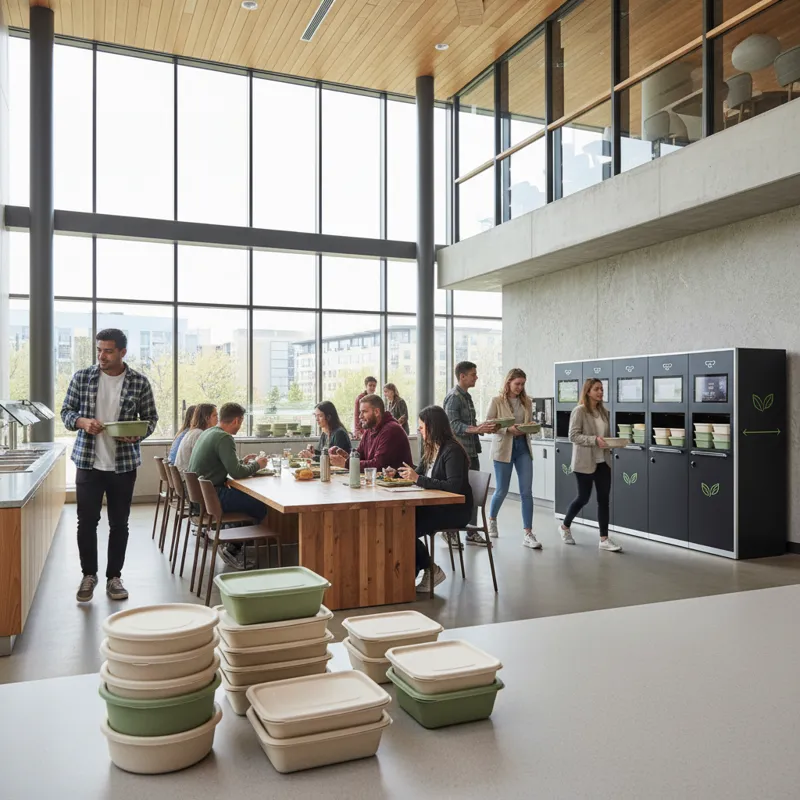
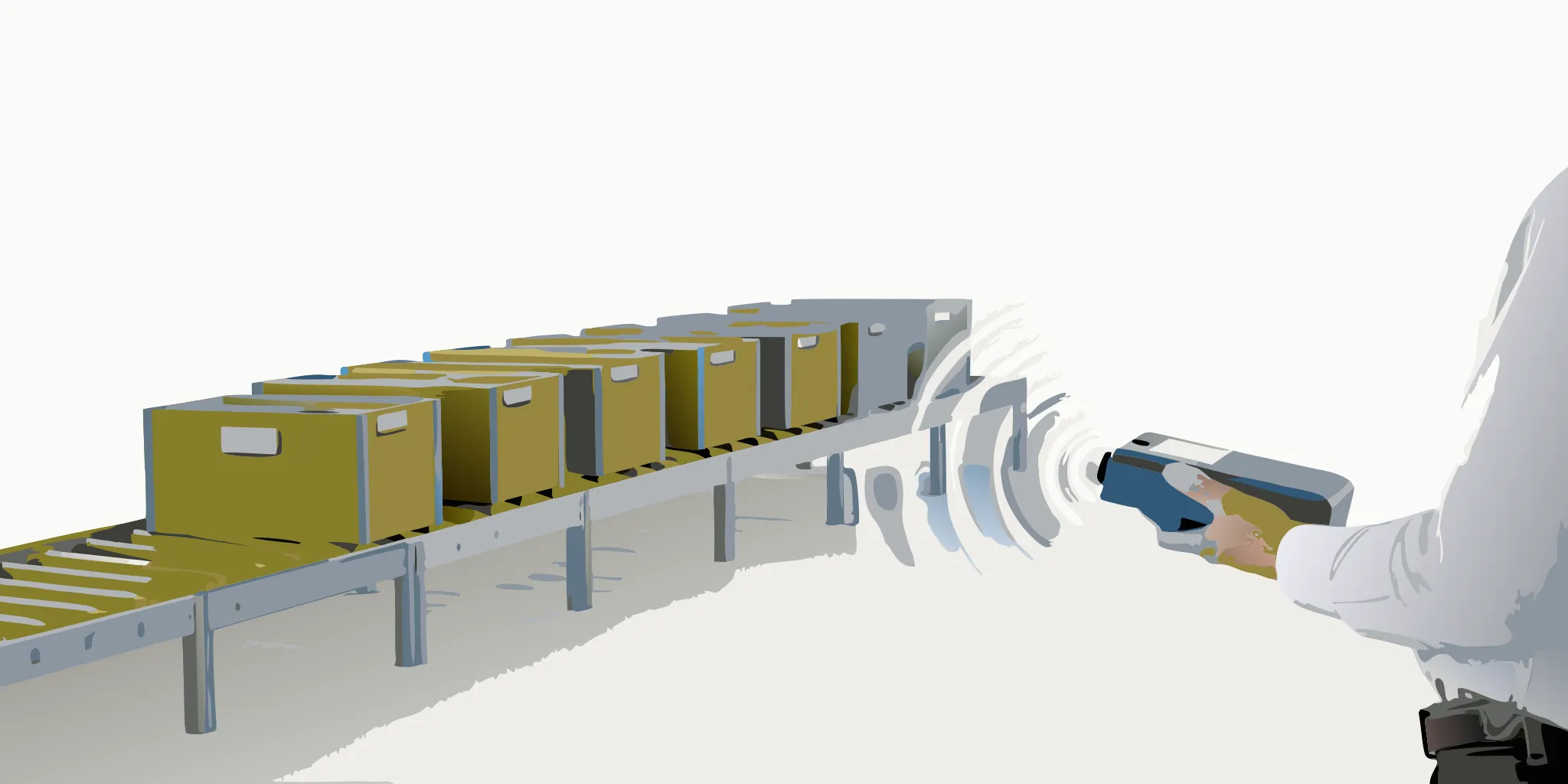
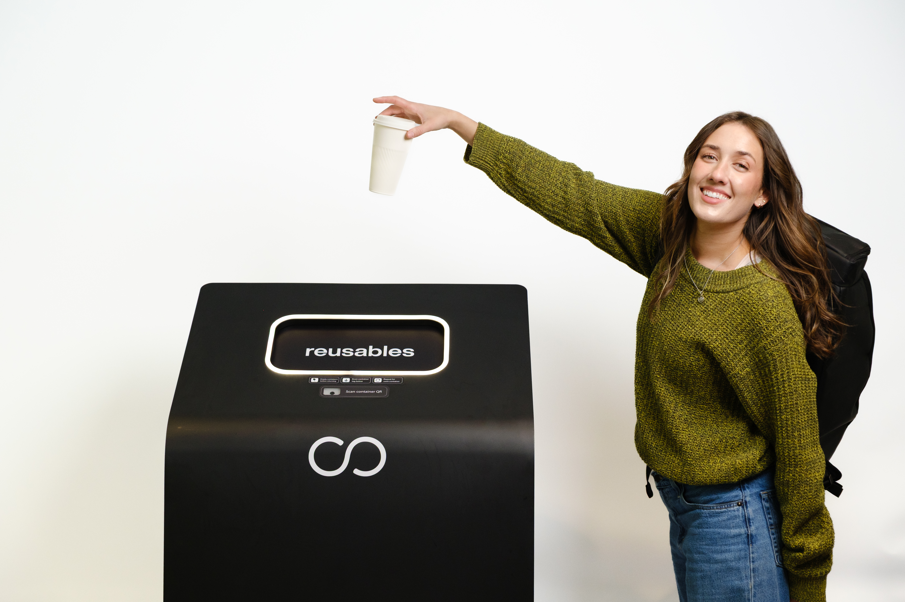
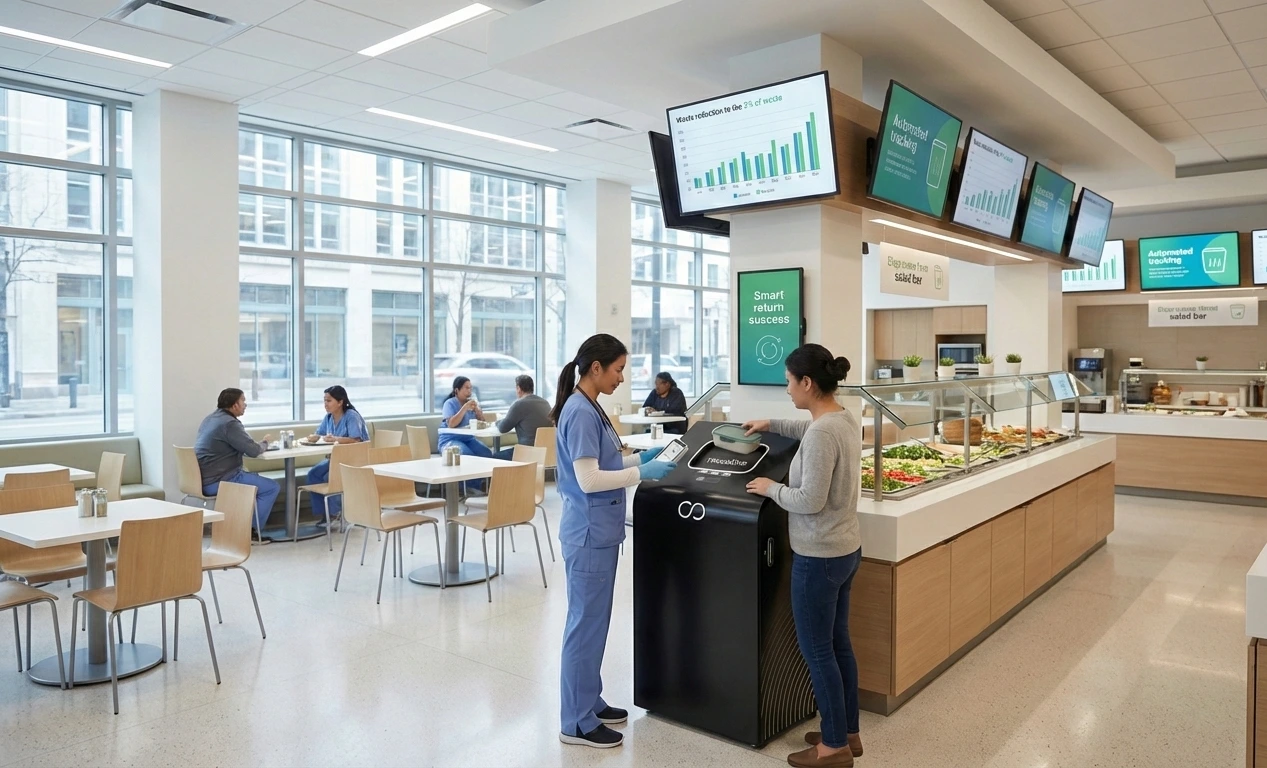
The tracking process is simple and happens seamlessly in the background. It starts when a unique RFID tag is attached to every reusable container, giving each one a digital identity. From there, the system works in a continuous loop. When a student takes a container, an RFID reader at the checkout station instantly scans the tag and associates it with their account. When they’re finished, they drop the container into a smart return bin, where another reader scans the tag and marks it as returned. This data is sent to a central cloud platform, giving you a live dashboard view of your entire inventory and each container's journey.
The Core Components of an RFID System
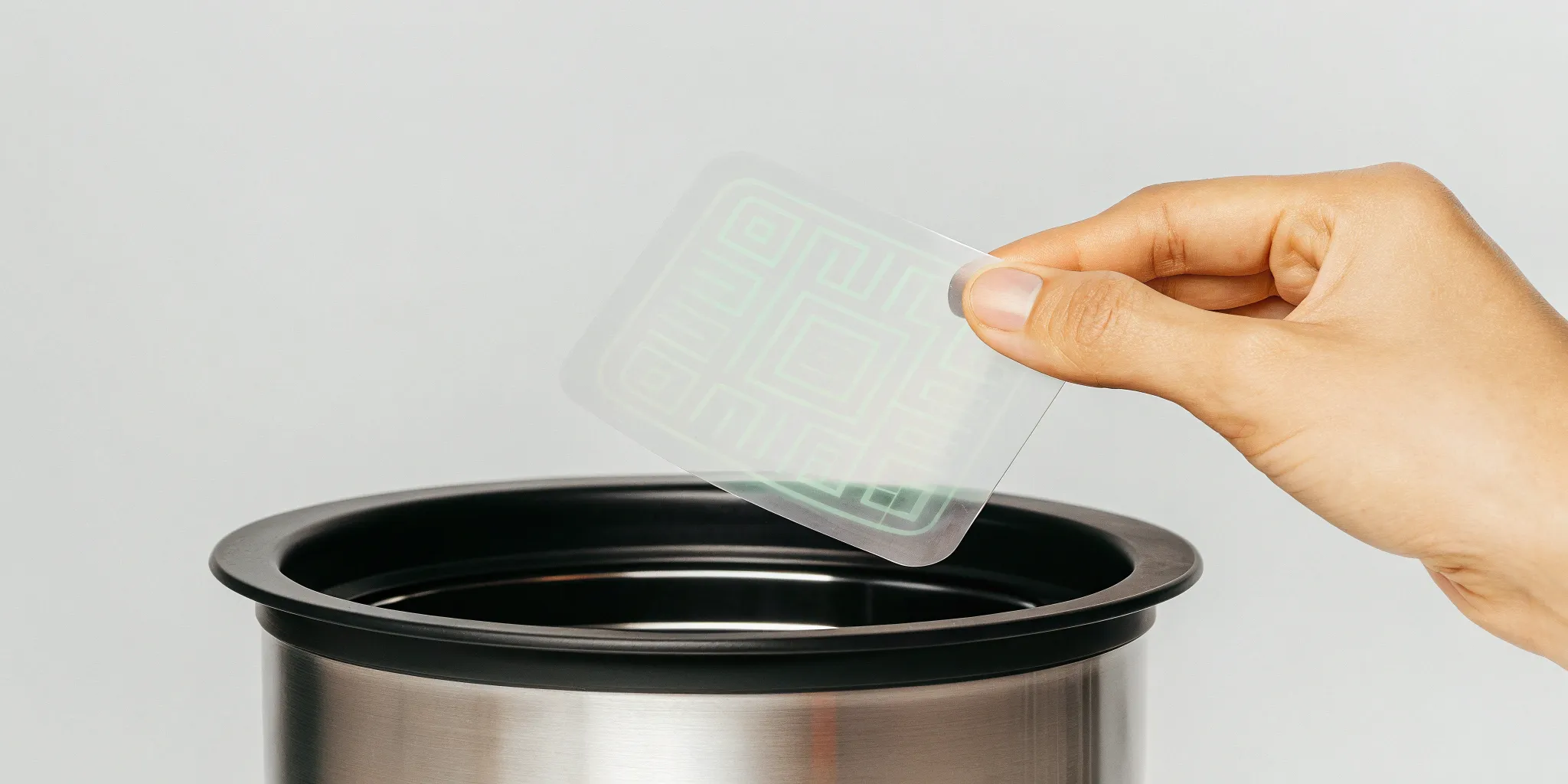
An RFID tracking system is built on three key components working together. First are the RFID tags, which are small, durable electronic chips affixed to each container. Each tag stores a unique ID that serves as the container’s digital identity. Second are the RFID readers, the devices installed at checkout points and return stations that send and receive radio signals to communicate with the tags. Finally, there’s the management software. This is the system's brain, processing all the data from the readers to provide you with real-time dashboards, inventory reports, and valuable insights into your reuse program’s performance.
Who Benefits from RFID Container Tracking?
If you’re managing a campus dining program that uses hundreds or thousands of reusable containers, this technology is designed for you. Any organization that handles a large volume of returnable assets can benefit from the accuracy and efficiency of RFID. While it’s widely used in industries like manufacturing and logistics to track parts and pallets, its application in foodservice is transforming how institutions approach sustainability. For campus dining directors, an RFID system provides the tools to reduce single-use waste, cut packaging costs, and run a smooth, accountable reuse program that enhances the student experience.
The Benefits of an RFID Container Tracking System
Switching to a reusable container system is a big step, but the real magic happens when you can track every single asset. An RFID system gives you a powerful, behind-the-scenes look at your container fleet, transforming your operations from reactive to proactive. Instead of wondering where your inventory is or manually counting returned containers, you get clear, automated data that helps you make smarter decisions.
This technology does more than just count containers; it creates a seamless loop of accountability that keeps your inventory in circulation and out of landfills. By attaching a small RFID tag to each container, you unlock a host of benefits that directly address the common challenges of running a large-scale dining service. From cutting down on the constant expense of lost containers to freeing up your staff from tedious manual tasks, an RFID system is the engine that powers a successful and sustainable reuse program. It provides the data you need to not only manage your inventory but also to prove the positive impact your program is having on both your budget and the environment.
Gain Real-Time Inventory Visibility
Imagine knowing exactly how many clean containers are ready for service, how many are currently checked out, and which return bins are nearing capacity—all from a single dashboard. That’s the power of real-time inventory visibility. RFID technology provides a live, accurate count of your assets, eliminating guesswork and manual inventory checks. This seamless inventory management ensures you always have the right number of containers where you need them, preventing shortages during peak hours and optimizing your wash cycles. With a clear view of your entire container fleet, you can manage your resources more effectively and keep your dining operations running smoothly.
Reduce Costs and Prevent Container Loss
Lost and unreturned containers are a significant and recurring expense for any reuse program. An RFID tracking system directly tackles this problem by assigning a unique digital identity to every container. This allows you to know who checked out each item and when, creating a clear system of accountability. When containers aren't returned on time, the system can trigger automated reminders or late fees. This simple step drastically reduces shrinkage. As a result, you can save money by minimizing replacement orders and make your program more financially sustainable in the long run.
Automate Accountability and Compliance
A successful reuse program depends on high return rates, but chasing down unreturned containers shouldn't fall on your staff. An RFID system automates accountability without creating extra work. Each container gets a unique tag that is scanned at checkout and return points, linking it to a specific user. This information is captured automatically, so you can see exactly where every container is in real-time. This automated process ensures students and staff are accountable for returns, driving compliance and achieving the high return rates needed to make a reuse program work, all without manual intervention from your team.
Improve Operational Efficiency
In a busy dining hall, speed is everything. RFID technology streamlines both the checkout and return processes, making them faster and more accurate. Unlike barcodes, which require a direct line of sight, RFID readers can quickly read many items at once, even from a short distance. This means students can simply tap their card and go, and staff can process returns in seconds without scanning each container individually. This speed reduces lines, improves the student dining experience, and frees up your team to focus on more important tasks than managing container logistics.
Support Sustainability and Reduce Waste
Ultimately, the goal of a reusable container program is to reduce single-use waste and support your campus's sustainability initiatives. An RFID system is critical to achieving this. By ensuring high return rates—often over 99%—you maximize the lifecycle of each container and significantly cut down on the need for disposable alternatives. This level of inventory accuracy helps you create less waste and operate a more sustainable program. The data from your RFID system also provides tangible metrics, allowing you to track and report your environmental impact with confidence.
Who Offers RFID Reusable Container Solutions?
When you start looking for an RFID partner, you'll find that different providers focus on different industries and offer varying levels of service. Some provide the basic tracking technology, while others offer a complete, end-to-end system designed specifically for environments like campus dining. Understanding these differences is key to finding the right fit for your needs. The main distinction comes down to buying a set of tools versus implementing a comprehensive solution. A tool provider might offer tags and readers, leaving your team to build the user experience and integrate it into your operations. A solution provider, on the other hand, delivers a ready-to-launch platform that handles everything from checkout and returns to data management and user engagement. For a busy campus environment, this distinction is critical.
Reusables.com: A Fully Integrated Reuse Platform
Reusables.com offers a full-stack reuse system built specifically for institutional food service. Instead of just providing tags and readers, we deliver a complete solution that includes tech-enabled containers, smart return bins, and a robust software platform. As seen in our partnership with Compass Group Canada, our system tracks every container from checkout to return, ensuring accountability. Our platform is the only one that fully integrates with student card systems like Transact and CBORD, creating a frictionless "Tap to Reuse" experience for students without needing a separate app. This focus on seamless integration and user experience helps our campus partners achieve 99% return rates and significant cost savings.
Checkpoint Systems: RFID Tracking Solutions
Checkpoint Systems provides a more generalized reusable packaging solution that uses RFID to help businesses track their assets. Their focus is on the core technology of tracking packaging from its point of origin until it's returned, giving businesses visibility into their container inventory. This type of solution is designed to be adaptable across various industries, from retail to logistics, helping companies improve efficiency and reduce the costs associated with lost packaging. While powerful for general asset tracking, it typically requires more hands-on integration to fit the specific workflows of a campus dining environment.
Surgere: Container Management Software
Surgere specializes in returnable container management software that leverages Internet of Things (IoT) technology for supply chain and logistics operations. Their software is designed to give companies a clear view of where their containers are, what they're carrying, and when they are expected to be returned. This is particularly valuable for manufacturing and distribution businesses that manage large fleets of returnable transport items (RTIs) moving between facilities. Their system is centered on providing data and visibility for complex, large-scale logistics rather than a consumer-facing application like a campus dining program.
Other Providers in the RFID Space
Beyond these players, you'll find other companies that offer specialized tracking technologies. For example, RFiD Discovery provides systems for tracking returnable transport items using a variety of tags, including RFID and BLE. Their solution assigns a unique ID to each asset and uses automated readers to monitor movement, displaying the real-time location of every item on a central dashboard. These systems are excellent for tracking high-value assets within a defined area, like a warehouse or distribution center, and offer a high degree of precision for inventory management.
Common Challenges of RFID Implementation
Switching to an RFID-based reuse system is a significant step, and it’s smart to consider the potential hurdles. While the technology is more accessible than ever, a successful rollout depends on anticipating and planning for these common challenges. By understanding them upfront, you can choose a partner and a system designed to solve them from the start.
Upfront Investment and Operational Costs
The idea that "RFID is expensive" often comes up, and it’s true that there's an initial investment. The costs for tags, readers, and software can seem like a significant financial barrier compared to the familiar cost of disposable containers. However, it’s important to view this as a long-term investment. When you factor in the rising costs of single-use packaging and the savings from eliminating container loss, the return on investment becomes clear. A well-designed system pays for itself by cutting annual supply costs and reducing waste management fees, turning an upfront expense into a sustainable financial strategy.
Integrating with Existing POS and Payment Systems
Bringing a new system into your existing operational workflow can feel daunting. Will it work with your current campus card and payment providers? The good news is that modern RFID systems are designed to integrate smoothly with the tools you already use. The key is to choose a provider that has established partnerships with major campus platforms like Transact, CBORD, and TouchNet. A fully integrated system avoids creating data silos or clunky workarounds for your team. Instead, it fits right into your existing infrastructure, making the transition seamless for both your staff and your students.
Ensuring Staff and Student Adoption
For any new system to succeed, people have to actually use it. If the process is complicated, adoption will suffer. Your staff needs to understand how to operate and manage the system effectively, which makes intuitive design and proper training essential. For students, the experience must be frictionless. App-free solutions that use existing student cards or mobile wallets for checkout remove a major barrier. When borrowing a container is as simple as a quick tap, students are more likely to participate, which drives up your return rates and the overall success of the program.
Managing System Data
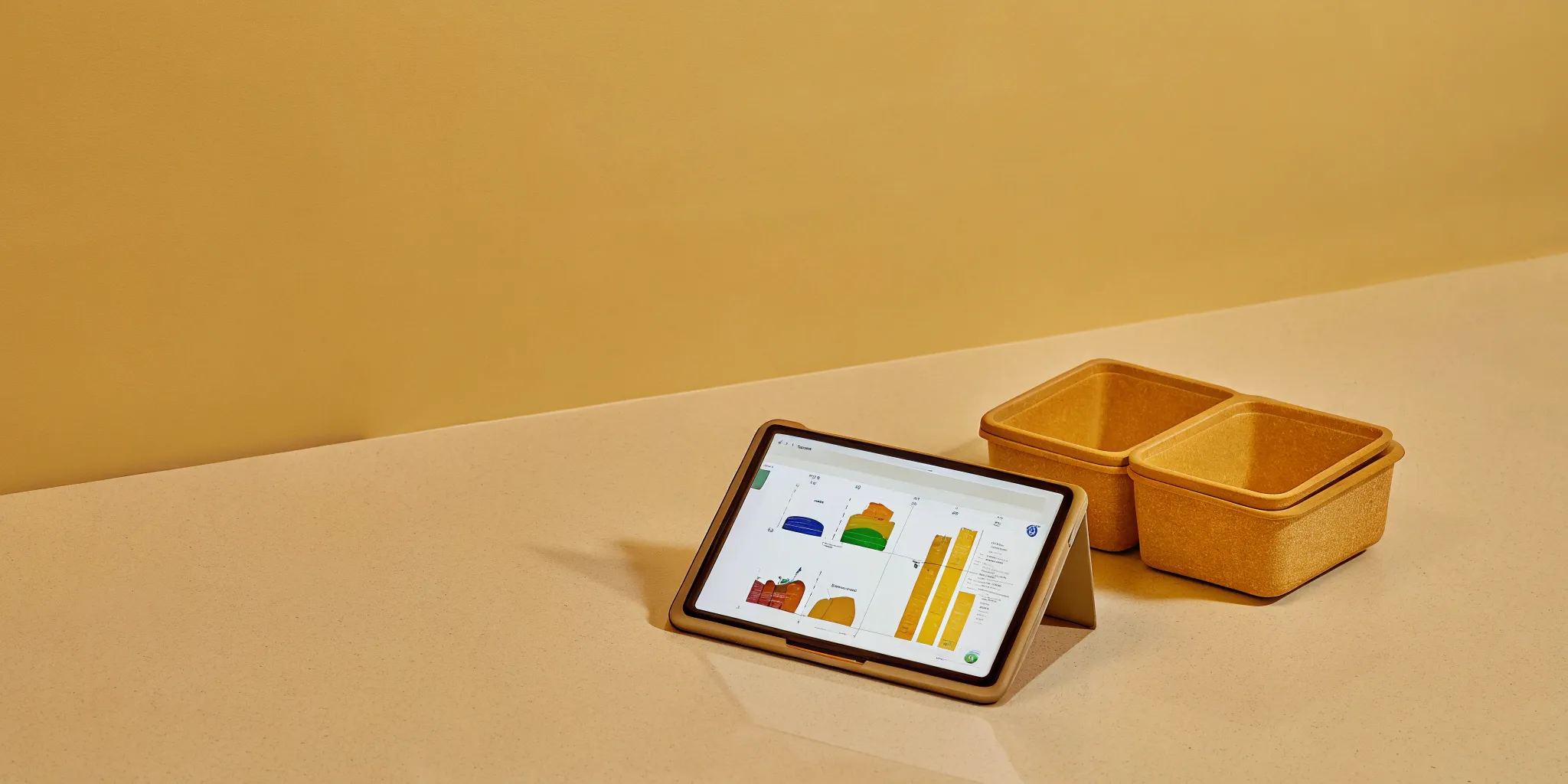
An RFID system generates a massive amount of data with every scan. While this information is powerful, the sheer volume can be overwhelming if you don’t have the right tools to process it. The primary challenge facing the deployment of RFID is often not collecting the data, but making sense of it. Look for a solution that provides a robust, user-friendly dashboard. This turns raw data into actionable insights, giving you a real-time view of inventory levels, return rates, bin fullness, and your environmental impact, all without needing a data scientist on your team.
Considering Technical and Environmental Factors
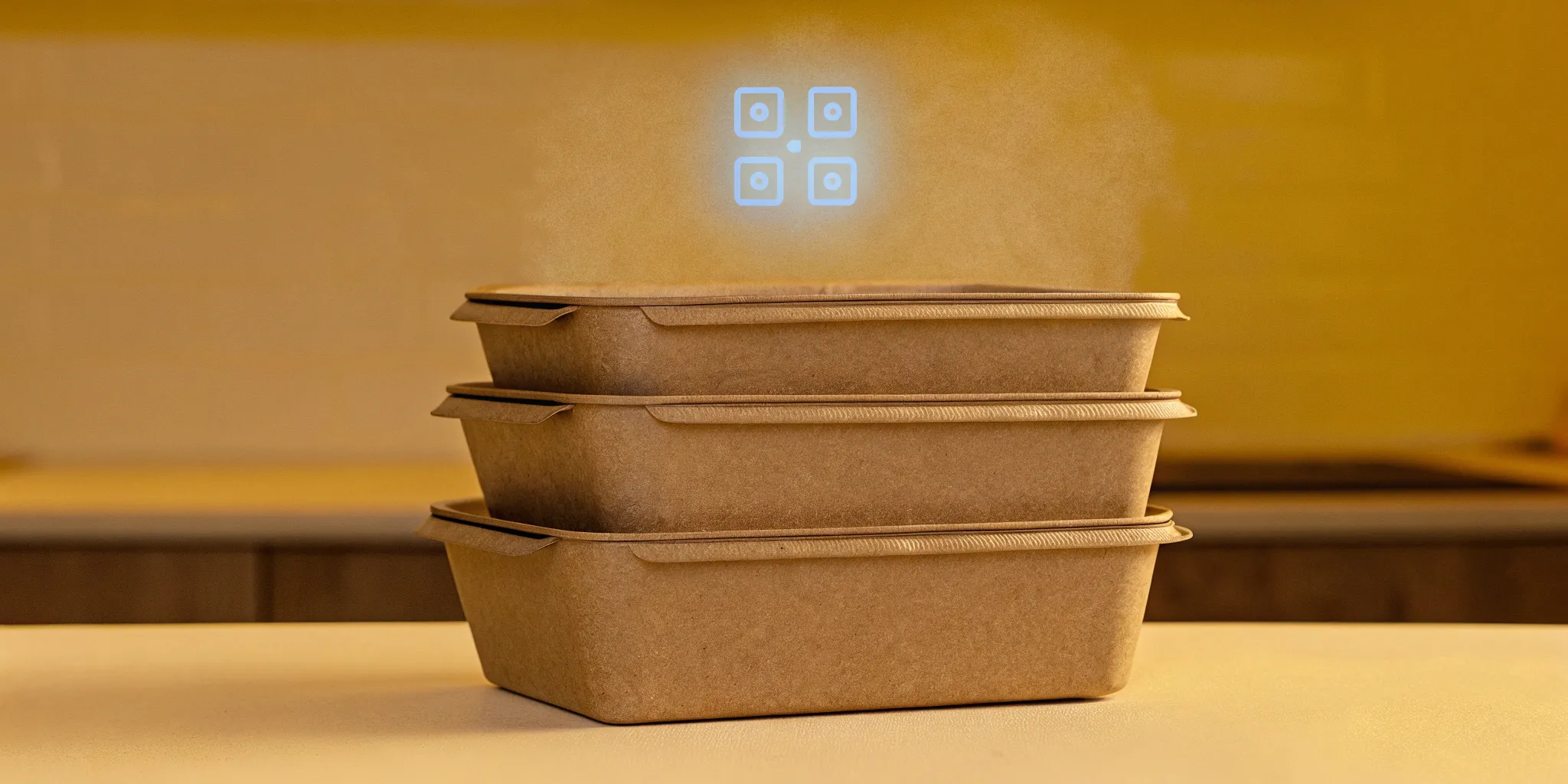
Not all RFID tags and readers perform the same way in every environment. Factors like the container material—stainless steel versus plastic—and the presence of liquids or metals can interfere with radio frequencies. This can make it difficult to track the location and status of reusable containers accurately. A reliable system accounts for these variables. For example, using a dual-mode approach with both RFID and QR codes provides redundancy and ensures a successful scan every time, whether a container is being checked out at a busy cafe or dropped into a smart return bin.
How to Choose the Right RFID System for Your Campus
Selecting the right RFID system is about more than just the technology; it’s about finding a partner and a solution that fits seamlessly into your campus environment. The goal is to make reuse the easiest choice for everyone, from students grabbing a quick lunch to your dining staff managing inventory. A successful system should reduce friction, not create it. When evaluating your options, focus on how the system will integrate with your existing operations, how it will enhance the student experience, and what kind of support you’ll receive to ensure a smooth rollout and long-term success. Look for a solution that provides clear data, simplifies accountability, and ultimately helps you meet your financial and sustainability targets.
Key Features for Campus Dining
Your campus dining hall is a fast-paced environment, and any reuse system needs to keep up. Look for RFID technology specifically designed for the demands of the foodservice industry. This means tags and readers that can withstand commercial dishwashers, and a system that provides accurate, real-time tracking from checkout to return. The best platforms offer more than just tracking; they provide a complete operational view. Key features should include automated alerts for low inventory or full return bins and a user-friendly dashboard for your staff. As industry experts note, RFID systems are ideal for ensuring reusable containers maintain their integrity and are properly managed throughout their entire lifecycle, making your program both sustainable and efficient.
Seamless Campus Card Integration
The easiest way to get students on board with a new reuse program is to make it part of their existing routine. A system that requires downloading a separate app or carrying another card adds an extra step that can hinder adoption. That’s why seamless integration with your campus card system is a non-negotiable feature. When students can simply tap their existing ID card to check out a container, participation becomes effortless. As reported by RFID Journal, leading foodservice providers are already using solutions that link reusable containers directly to student accounts at the point of sale. This approach not only simplifies the user experience but also automates accountability without creating extra work for your staff.
Tips for a Successful Rollout
A successful launch depends on your team feeling confident and prepared. When choosing a system, prioritize one that is intuitive and easy to use. While RFID technology is powerful, the software interface shouldn't be complicated. A common concern is that new technology will be difficult to learn, but modern systems are designed to be user-friendly. Before you launch, ensure your provider offers comprehensive training for your entire dining staff. They need to understand how to operate the system and answer any questions students might have. Clear communication is also key. Use signs, emails, and social media to explain how the new program works and highlight the positive impact it has on your campus.
Calculating Your Return on Investment (ROI)
Understanding the ROI of an RFID system goes beyond the simple cost savings of replacing disposable containers. A robust system helps you prevent container loss, which is a major expense in traditional reuse programs. It also improves efficiency by automating tasks that were once manual, freeing up your staff to focus on providing great service. The best way to measure your ROI is through a platform that offers a detailed analytics dashboard. Look for a system that provides real-time data on container inventory, usage rates, return rates, and your environmental impact. These metrics allow you to track your progress, demonstrate the program's value to stakeholders, and make data-driven decisions to optimize your operations.
Related Articles
- RFID vs QR Code for Reusable Tracking: Which is Best?
- Is RFID Tracking for Better Inventory Management Worth It?
- QR Code Reusable Packaging: A Campus Guide
- How RFID Tracking for Beer Cups at Stadiums Works
Frequently Asked Questions
How does an RFID system handle unreturned containers? This is one of the most important functions of a smart reuse system. Instead of requiring your staff to manually track down missing items, the system automates accountability. When a container isn't returned by the due date, the platform can automatically send reminders to the user's account. If needed, it can also apply a pre-set, refundable late fee directly through your integrated campus card system. This process encourages timely returns and protects your inventory without adding any manual work for your team.
Will my staff need a lot of training to use this system? Not at all. A well-designed RFID system should simplify your team's workflow, not complicate it. The front-end process for students is typically a simple tap of their card, and the return process is as easy as dropping a container in a bin. For your management team, the software dashboard is designed to be intuitive, presenting clear data on inventory, return rates, and bin fullness. A good provider will also offer comprehensive training to ensure everyone feels confident from day one.
Can we use our existing inventory of reusable containers with an RFID system? Yes, in most cases you can. The best platforms are container-agnostic, meaning they can work with the containers you already own. The process involves retrofitting your current inventory with small, durable RFID tags that are designed to withstand commercial washing. This allows you to gain the benefits of automated tracking and accountability without having to invest in an entirely new fleet of containers.
How is this different from a system that just uses QR codes? While both are used for tracking, RFID offers a much faster and more seamless experience. A QR code requires a user to pull out their phone, open an app or camera, and line up the shot to scan a code. RFID is frictionless—a simple tap is all that's needed. More importantly, RFID readers can scan multiple tags at once without a direct line of sight, which is critical for smart return bins. This means a student can drop a container in a bin and the system instantly registers its return without any individual scanning.
How does this integrate with our campus card system? Is it complicated? The integration process is surprisingly straightforward when you work with the right partner. Leading providers have already built partnerships and integrations with major campus card platforms like Transact, CBORD, and TouchNet. This means it's less of a custom IT project and more of a plug-and-play setup. The system securely communicates with your existing infrastructure to associate a container with a student account, making the entire experience feel like a natural part of your campus services.
Other stories you may find interesting

























.webp)
.webp)









.webp)
































Watch the Webinar
Learn How to Eliminate Single-Use Waste
Get instant access to our expert webinar and discover how leading institutions reach 99% return rates through smarter reuse systems.

© Reusables™. All rights reserved.