
Is RFID Tracking for Better Inventory Management Worth It?

December 19, 2025
What if you could cut your container replacement costs and free up your staff from tedious manual counting, all while improving the student dining experience? It’s not just a wish list; it’s the direct result of a smarter inventory system. While launching a reuse program is a great step toward your sustainability goals, its success hinges on operational efficiency. A system that prevents loss and provides accurate, real-time data is essential. We’ll explore how RFID tracking for better inventory management delivers these benefits, giving you the control and automation needed to save money, reduce waste, and run a program that students and staff will love.
Key Takeaways
- Automate Inventory for Total Accuracy: RFID technology moves beyond manual, line-of-sight scanning by using radio waves to track every container in real time. This eliminates human error and gives you a constantly accurate count of your assets, freeing up staff from tedious work.
- Prioritize a Frictionless Student Experience: A successful reuse program is one that’s incredibly easy to use. Look for a system that integrates with existing campus cards and offers 24/7 smart return bins to make participation effortless for students, which is the key to achieving near-perfect return rates.
- Start with a Strategic Pilot Program: Before a full-scale launch, test your RFID system in a single, controlled location. This allows you to prove the concept, gather feedback, and build a powerful case study based on real data, ensuring a smooth and successful campus-wide rollout.
What is RFID and How Does It Work?
If you’re looking for a better way to keep track of your reusable container inventory, you’ve likely come across the term RFID. It stands for Radio Frequency Identification, and it’s a powerful technology that uses radio waves to automatically identify and track items. Think of it as a major upgrade from manual counting or even barcode scanning. Instead of scanning each container one by one, an RFID system can tell you exactly how many containers are in a return bin or passing through a doorway, all in an instant. This gives you a real-time, accurate picture of your inventory without the manual effort, helping you understand exactly what you have and where it is at all times.
The Core Components: Tags, Readers, and Software
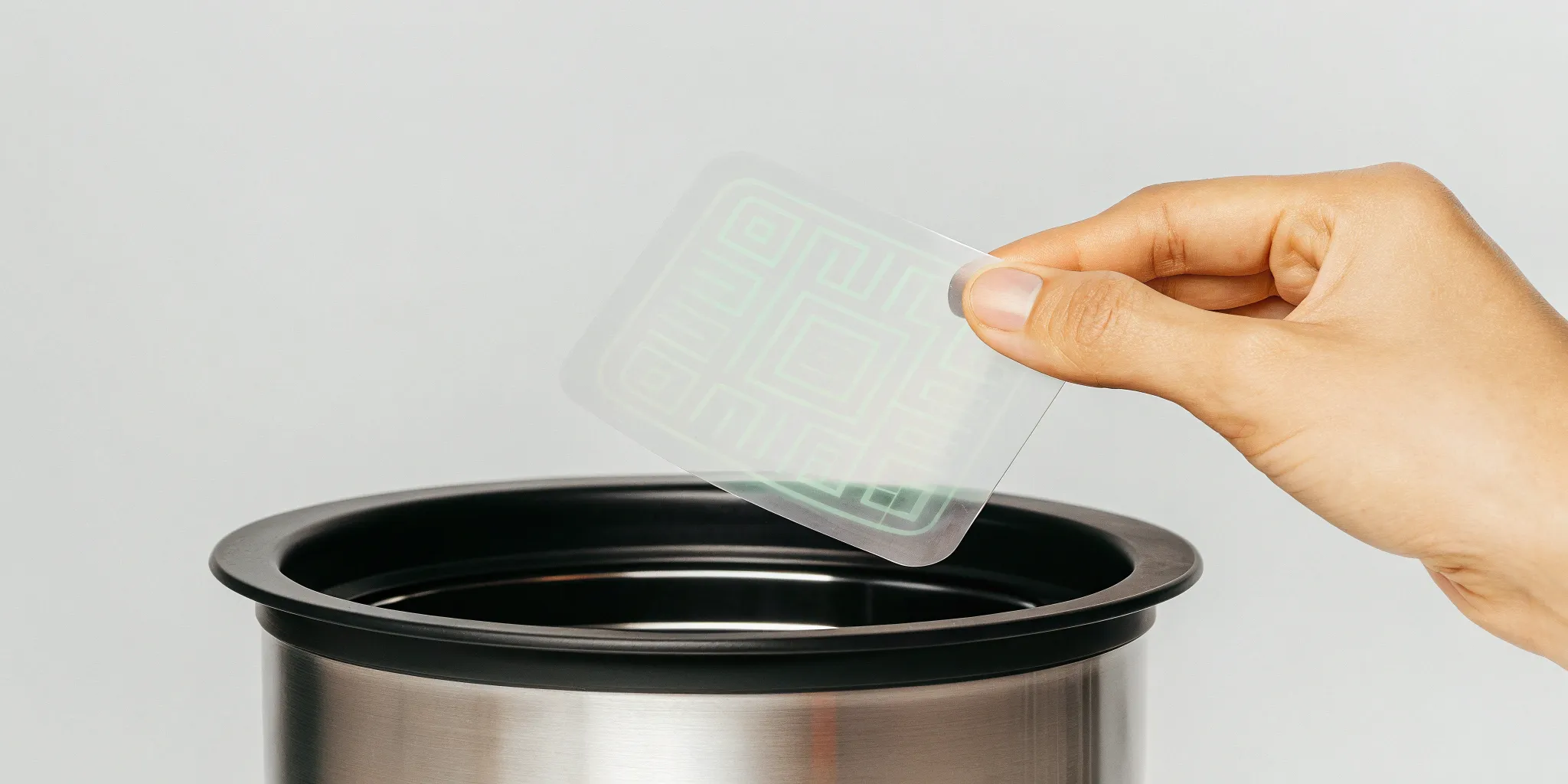
An RFID system has three main parts that work together seamlessly. First are the RFID tags. These are small labels or discs attached to each of your reusable containers. Each tag has a tiny microchip that stores a unique ID number, essentially giving every cup and container its own digital identity.
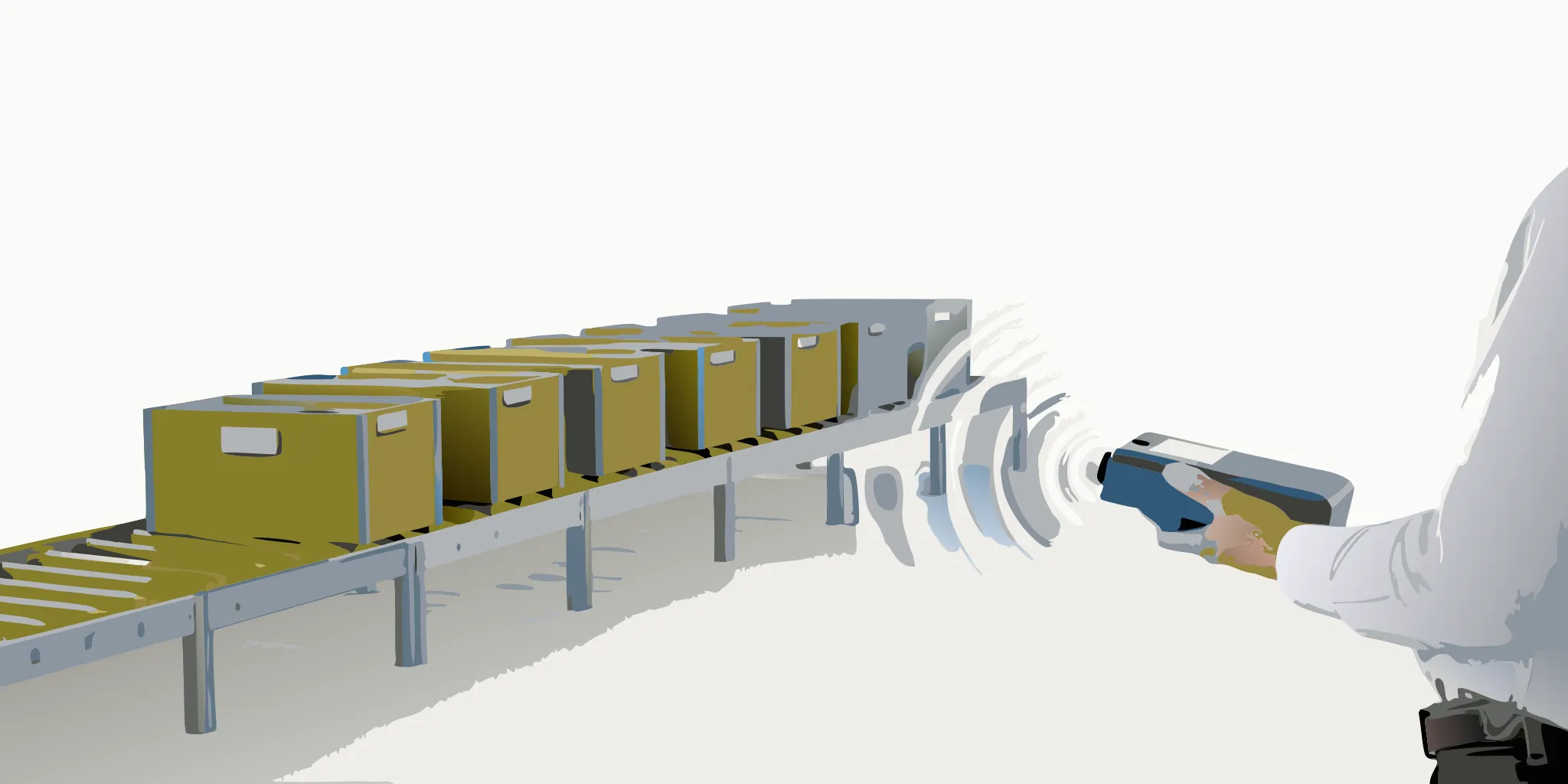
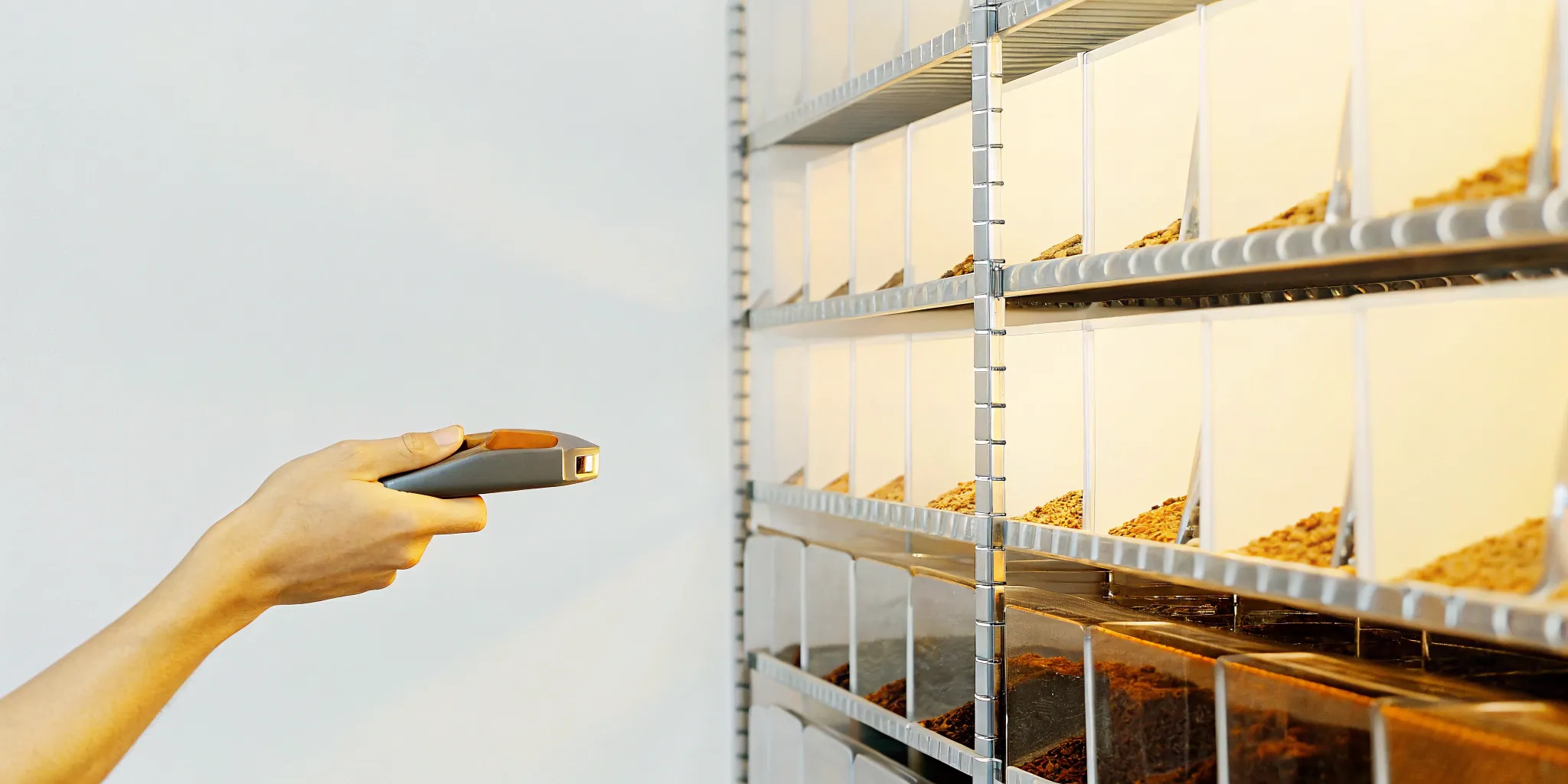
Next are the RFID readers. These devices, which can be built into return stations or handheld scanners, send out radio waves. When a tagged container comes within range, the reader picks up its unique signal. This is how our Smart Return Bins can instantly register a return without any manual scanning.
Finally, the software ties everything together. It takes the raw data from the readers and turns it into useful information on a dashboard. This is where you can see real-time inventory levels, track return rates, and get alerts, giving you the operational visibility you need to manage your program effectively.
How RFID Uses Radio Waves to Communicate
The magic of RFID lies in its wireless communication. It’s a bit like a quick, automated conversation happening between the tag and the reader. The reader sends out a low-power radio wave signal. When a tag passes through this field, the signal energizes the tag's microchip.
Once powered on, the tag sends its unique identification number back to the reader via radio waves. The reader captures this information and sends it to the software for processing. This entire exchange happens in milliseconds and doesn't require a direct line of sight. That means a reader can scan multiple tags at once, even if they’re stacked inside a return bin, making it an incredibly efficient way to track and manage products like your reusable containers.
Passive vs. Active RFID Tags: What's the Difference?
When looking at RFID, you’ll hear about two main types of tags: passive and active. For managing reusable container inventory, you’ll almost always be working with passive tags. These tags don’t have a built-in battery. Instead, they draw power directly from the radio waves sent by the RFID reader. This makes them inexpensive, small, and durable enough to withstand thousands of wash cycles. They are the perfect fit for tracking high volumes of items over shorter distances, like across a campus dining system.
Active tags, on the other hand, have their own power source. This internal battery allows them to broadcast their signal over a much larger distance. You’ll typically find them used for tracking large, high-value assets over vast areas, like cargo containers in a shipping yard. While powerful, they are more expensive and have a limited battery life, making them less practical for a campus reuse program.
Is RFID Better Than Barcodes?
When you're managing hundreds or thousands of reusable containers across a busy campus, the tracking technology you choose is a big deal. Both barcodes and RFID are used for inventory management, but they work very differently. While barcodes are a familiar and straightforward option, RFID technology offers a level of automation and accuracy that can completely change your operations. Let's break down the key differences to see which system makes the most sense for a dynamic environment like yours.
RFID vs. Barcodes: A Head-to-Head Comparison
Think of a barcode as a license plate that needs to be read up close with a special camera. It’s a simple, visual system that requires a direct line of sight to work. RFID (Radio Frequency Identification), on the other hand, uses a small chip and antenna to broadcast its identity using radio waves. This means an RFID reader can identify an item without "seeing" it. While barcodes are often a more cost-effective solution for basic inventory, RFID tags are more durable and can be read in bulk, making them ideal for tracking high-volume, reusable assets that are constantly on the move.
Why Line-of-Sight Doesn't Matter for RFID
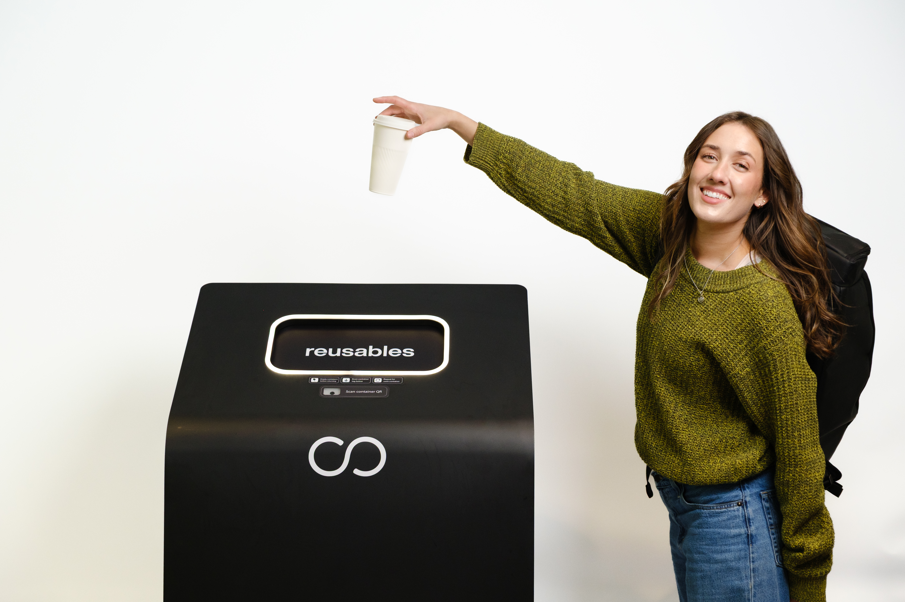
The biggest operational advantage of RFID is that it doesn't require a direct line of sight. Imagine a student returning a container. With a barcode, they’d have to find the code, aim it at a scanner, and wait for the beep. It’s a small but significant point of friction. With RFID, they can simply drop the container into a smart bin. A reader inside the bin automatically registers the return without any extra steps. This streamlined process makes it incredibly easy for students to participate, which is key to achieving high return rates and keeping your container inventory circulating efficiently.
Gaining Speed and Accuracy
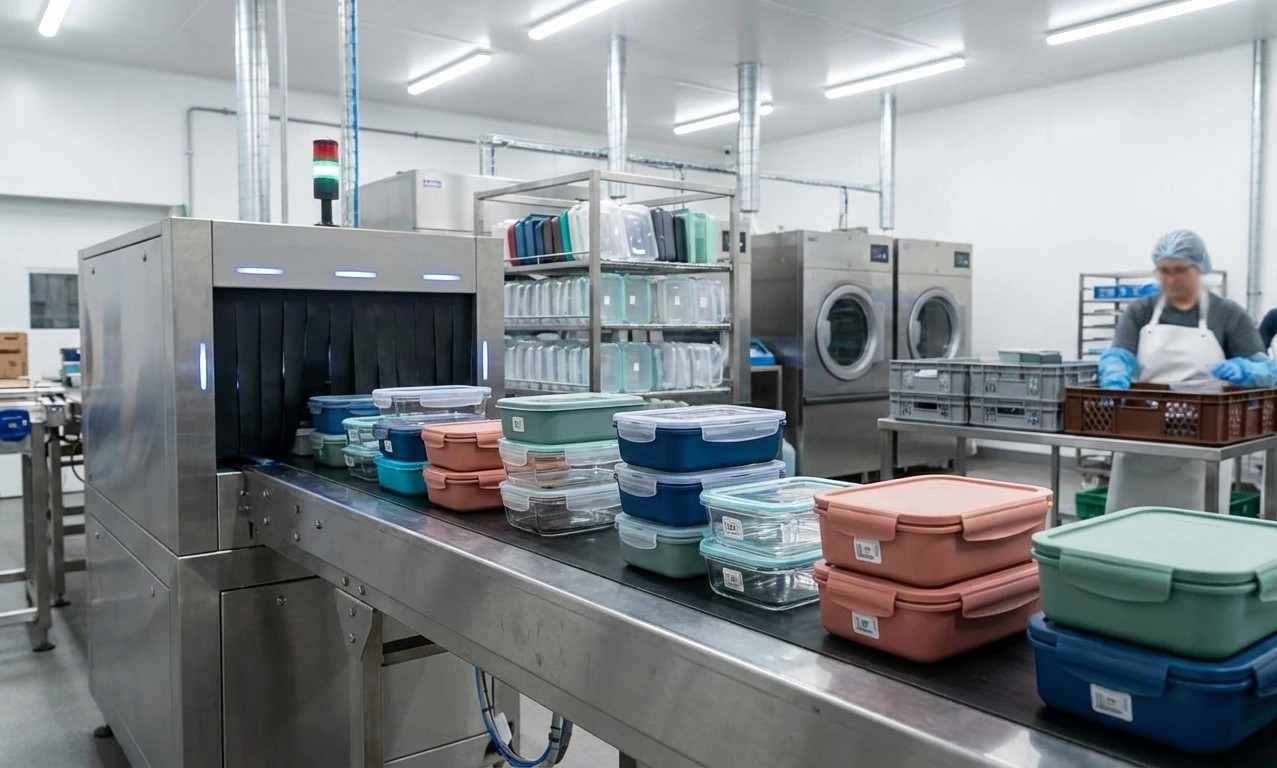
Because RFID readers can scan multiple tags at once from a distance, you gain a massive advantage in speed. Instead of a staff member scanning each container one-by-one as it enters the dish room, an RFID reader can log dozens of containers in seconds as they pass by a checkpoint. This automation not only saves valuable labor hours but also drastically reduces human error. Manual scanning will always have mistakes, but RFID systems provide near-perfect data. This leads to much higher inventory accuracy, giving you a true real-time picture of where your assets are at all times.
The Top 5 Benefits of Using RFID for Inventory
Switching to an RFID system might feel like a big leap, but the operational benefits are hard to ignore. It’s about more than just swapping a barcode for a tag; it’s about building a smarter, more efficient inventory system from the ground up. By moving away from manual counts and line-of-sight scanning, you can get a precise, real-time picture of your entire operation. For campus dining programs managing thousands of reusable containers, this means less guesswork and more control. Let's walk through the five biggest advantages you'll see when you put RFID to work.
Get Real-Time Visibility into Your Inventory
Imagine knowing exactly how many clean containers are ready for the lunch rush, which return bins are nearing capacity, and how many containers are currently checked out across campus—all without lifting a finger. That’s the power of real-time visibility. RFID technology allows you to capture data in real time, giving you an accurate, up-to-the-minute count of your entire inventory. This continuous flow of information means you can make smarter decisions on the fly, anticipate needs before they become problems, and ensure you always have the right number of containers exactly where they need to be.
Eliminate Human Error and Improve Accuracy
Let’s be honest: manual inventory counts are a headache. They’re time-consuming, pull staff away from more important tasks, and are almost always prone to human error. A simple miscount or a missed scan can throw off your numbers for the entire day. RFID automates the entire tracking process, taking the potential for mistakes out of the equation. By automating data collection, RFID reduces the possibility of human error and ensures the information in your dashboard is consistently accurate. This reliability gives you data you can actually trust for forecasting, ordering, and managing your reusable container program.
Increase Security and Prevent Loss
Your reusable containers are valuable assets, and losing them to neglect or theft directly impacts your bottom line. RFID tags give each container a unique digital identity, making it easy to track its journey from the dining hall to the student and back to a return bin. This creates a seamless system of accountability. When a container isn't returned on time, the system can automatically send reminders to the user. This simple step is incredibly effective for asset tracking and is a key reason why programs using this technology see return rates of 99% or higher.
Reduce Labor Costs and Boost Efficiency
Think about the time your team spends counting, scanning, or searching for containers. With RFID, those hours can be repurposed for tasks that directly improve the student dining experience. Because RFID readers can scan hundreds of items at once without needing a direct line of sight, tasks that once took hours can now be done in seconds. A staff member can walk past a shelf of containers with a handheld reader or simply watch as items are automatically scanned when dropped into a smart return bin. This makes daily operations much faster and more accurate, freeing up your team to focus on what they do best.
Automate Your Inventory Processes
The ultimate goal is to create a system that runs itself, and that’s what RFID helps you achieve. It’s the engine that powers a fully automated workflow. When a return bin is full, the system can send an automatic alert to your team. When inventory levels for clean containers run low, you can be notified instantly. This level of automation streamlines the inventory management process by handling the routine tasks for you. Instead of constantly putting out fires, you can manage the system from a high level, confident that the day-to-day operations are running smoothly and efficiently.
Common RFID Implementation Challenges to Prepare For
Switching to an RFID system is a big step, and like any major operational upgrade, it comes with its own set of hurdles. Being aware of these potential challenges ahead of time is the best way to create a smooth, successful rollout. Think of it as drawing a map before you start the journey—it helps you anticipate the turns and avoid roadblocks. By planning for these common issues, you can make sure your investment in RFID technology pays off in efficiency, accuracy, and peace of mind.
Integrating RFID with Your Current Systems
Your campus already runs on a complex web of software for dining, payments, and student identification. An RFID system can’t operate in a vacuum; it needs to communicate seamlessly with these existing platforms. One of the biggest technical challenges is ensuring the new technology is compatible and can be integrated without causing disruptions. This process requires careful planning and coordination with your IT department and vendors. The goal is to create a connected ecosystem where data flows smoothly, from a student tapping their campus card to your dashboard showing real-time inventory levels.
Dealing with Signal Interference
RFID technology uses radio waves, which can sometimes be disrupted by materials in the surrounding environment. This is known as signal interference. In a food service setting, two common culprits are liquids and metals—think stainless steel containers or kitchens with a lot of water. This interference can prevent a tag from being read correctly, which could throw off your inventory count. A well-designed system accounts for these factors by using the right type of tags and reader placement. Understanding your specific operational environment is key to designing a system that delivers the reliable performance you need.
Training Your Staff on New Workflows
New technology always brings changes to daily routines. Your team—from cashiers to kitchen staff—will need to learn how to use the new RFID equipment and understand the updated processes. Without proper training and buy-in, even the best system can fail. It’s important to plan for comprehensive staff training that not only shows them how to use the system but also explains why the change is being made. When your team understands the benefits, like fewer manual tasks and more accurate counts, they’re more likely to embrace the new workflow and become champions for the system.
Overcoming Common Misconceptions
Many people still think RFID is too expensive, overly complex, or only suitable for massive corporations tracking millions of items. These are outdated ideas. Modern RFID solutions have become much more accessible and user-friendly, making them a practical choice for campus dining operations. You don’t need a giant budget or a dedicated team of engineers to make it work. The key is to find a partner who offers a solution designed for your specific needs—one that simplifies the complexity and makes the power of RFID accessible to your team.
Breaking Down the Cost of an RFID System
Thinking about adopting an RFID system can feel a bit like buying a car—it’s not just the sticker price you have to consider. The total investment includes the hardware, the software that makes it run, and the initial setup to get everything humming. Understanding these different cost components helps you see the full picture and accurately weigh it against the potential return. Let's walk through the main expenses you can expect when implementing an RFID system for your campus operations.
Software: Licensing and Maintenance
Your RFID hardware is only as smart as the software that powers it. This is where licensing and maintenance fees come in. The software is the central hub that collects data from the readers, tracks your inventory in real-time, and integrates with your other campus systems, like student card services. Setting this up involves connecting the readers and your inventory platform to your existing network, which can be a resource-intensive process. Ongoing software costs usually cover updates, security patches, and technical support, ensuring your system runs smoothly long after the initial launch.
How to Calculate Your Return on Investment (ROI)
This is where the initial investment starts to pay off. Calculating your ROI involves looking at both direct cost savings and operational improvements. For example, RFID systems can dramatically improve inventory accuracy and reduce the manual labor spent on cycle counts. This means less time spent searching for lost containers and more accurate data for reordering. By automating tracking, you can also significantly cut down on container loss, which directly impacts your budget. Plus, the ability to track assets efficiently means your team can focus on what they do best: providing a great dining experience for students.
How to Measure the Success of Your RFID System
Once your RFID system is up and running, you need a clear way to see if it’s actually working for you. It’s not enough to just launch the technology; you have to measure its impact to understand the value it brings to your campus operations. Tracking the right metrics will show you exactly how the system is improving efficiency, cutting costs, and contributing to your sustainability goals.
Think of it as building a business case for your success. By focusing on a few key performance indicators (KPIs), you can move beyond anecdotal feedback and use hard data to demonstrate the system's effectiveness to stakeholders. This data helps you refine your processes, prove the return on your investment, and plan for future growth. The right system will even provide a dashboard that puts all of this crucial information right at your fingertips, making it simple to monitor progress and share results.
Key Metrics: Inventory Accuracy and Turnover
One of the most direct ways to measure success is by looking at your inventory accuracy rate. This metric compares the number of containers your system says you have against the number you physically possess. Before RFID, you might have relied on manual counts, which are often time-consuming and inaccurate. With RFID, you can get a precise count in seconds, giving you a real-time understanding of your inventory levels across campus—from dining halls to smart return bins. A high accuracy rate means you can trust your data to make smart purchasing and operational decisions.
Equally important is inventory turnover. In a reuse program, this tells you how frequently your containers are being checked out, used, and returned. A healthy turnover rate indicates that the system is efficient and students are actively participating.
Tracking Fulfillment Times and Stockouts
Nothing slows down a busy lunch rush like running out of clean containers. These stockouts create a poor student experience and can even lead your team to fall back on single-use disposables. An RFID system helps you track your inventory in real time, so you can see when a specific dining hall is running low on containers and restock them before it becomes a problem.
You can also measure fulfillment time—how long it takes for a student to check out a container. With seamless integrations like tap-to-use campus cards, this process should take only a few seconds. By tracking these key performance indicators, you can pinpoint any bottlenecks in your workflow and ensure the checkout and return process remains fast and frictionless for everyone involved.
Measuring Cycle Count Improvements
Cycle counts—the process of regularly counting a portion of your inventory—are essential for maintaining accuracy, but they can be a major drain on staff time. Manually counting hundreds or thousands of reusable containers is a tedious task that pulls your team away from more valuable work. This is where you’ll see a dramatic improvement with RFID. Instead of scanning one barcode at a time, an RFID reader can scan an entire stack of containers instantly.
This efficiency means you can conduct counts more often and with far less effort. The result is consistently accurate inventory data without the operational headache. By measuring the reduction in time and labor spent on cycle counts, you can quantify one of the clearest operational benefits of an RFID system.
Proving Your Return on Investment
Ultimately, the success of your RFID system comes down to its return on investment (ROI). This calculation goes beyond simply comparing the system's cost to your savings on disposable packaging. A true ROI considers all the financial benefits, including reduced labor costs from automated counts, lower replacement costs from losing fewer containers, and the operational savings that come from improved efficiency.
An effective RFID system provides the data to prove this value. You can track container loss rates, monitor return rates (which should be 99% or higher in a well-run program), and analyze usage patterns to optimize inventory levels. By quantifying these time and cost savings, you can clearly demonstrate the financial wisdom of investing in a reusable container program powered by RFID.
Must-Have RFID Features for Campus Operations
Implementing an RFID system is a big step, but choosing one with the right features is what truly sets your campus dining program up for success. In a university setting, you’re dealing with high-volume, fast-paced service where convenience is king. Students won’t adopt a system that’s clunky or complicated, and your staff doesn’t have time for manual processes or chasing down lost containers. A generic RFID solution just won’t cut it. You need a system built specifically for the unique rhythm of campus life, one that understands the flow of thousands of students moving between classes, dining halls, and dorms.
The goal is to find a platform that not only tracks your reusable container inventory but also enhances the student experience and simplifies your team's workflow. This means looking beyond basic tag-and-reader functionality. The most effective systems offer a blend of flexible technology, automated processes, and seamless integration into the tools your campus already uses every day. When these elements work together, you get more than just data—you get a smooth, self-sustaining reuse program with impressive return rates and a real impact on your sustainability goals. Let’s look at the essential features that make all the difference.
Smart Return Stations for 24/7 Access
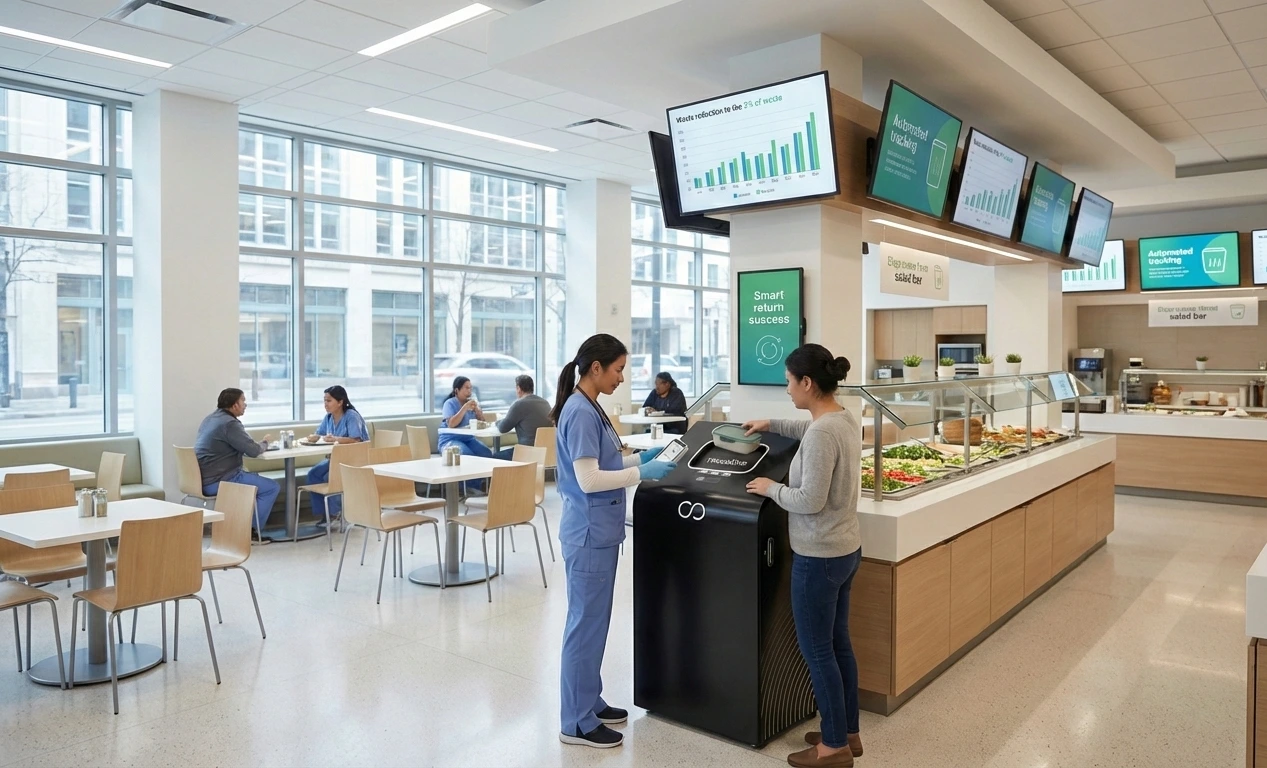
College students keep unconventional hours, and your reuse program needs to accommodate that. Smart return stations equipped with RFID readers are a game-changer, allowing for secure, 24/7 container drop-offs without any staff supervision. When a student returns a container, the station automatically scans the RFID tag, identifies the item, and credits the student’s account instantly. This convenience is key to achieving high return rates. It also helps your team automate tasks by eliminating the need for manual collection or scanning, freeing up staff to focus on providing great service instead of managing logistics.
A Real-Time Dashboard with Actionable Alerts
Data is only useful if it helps you make better decisions. A robust, real-time dashboard is the command center for your reuse program. It should give you an at-a-glance view of key metrics like inventory levels across different locations, container return rates, and peak usage times. More importantly, it should provide actionable alerts. Imagine getting an automatic notification when a return bin is nearly full or when a specific dining hall is running low on clean containers. This kind of real-time tracking allows you to manage your inventory proactively, prevent shortages, and keep the entire system running smoothly.
Seamless Integration with Campus Card Systems
Nothing slows down adoption faster than forcing students to download another app or create a new account. That’s why seamless integration with your existing campus card and payment systems is non-negotiable. The right RFID platform will work directly with providers like Transact, CBORD, and TouchNet. This allows students to check out a reusable container simply by tapping their student ID or linked payment card. While integration with existing systems can often be a hurdle, a partner with proven experience makes it a frictionless part of the student dining experience, which is essential for campus-wide buy-in.
How to Choose the Right RFID System
Finding the right RFID system for your campus isn’t about picking the one with the most features; it’s about finding the one that solves your specific problems and fits seamlessly into your daily operations. A system that works wonders for a massive distribution center might be total overkill for a campus dining hall. The key is to match the technology to your goals, whether that’s cutting down on container loss, speeding up checkout lines, or getting a real-time handle on your inventory.
Think of it as a partnership. The right provider won’t just sell you hardware and software; they’ll work with you to understand your unique challenges and configure a solution that makes sense for your staff and students. Before you dive into demos and quotes, it helps to have a clear framework for what you’re looking for. Let’s walk through the essential factors to consider so you can choose a system that delivers real value from day one.
Select the Right Tags and Frequencies
The physical RFID tags are the foundation of your tracking system, and choosing the right ones is critical. You need tags that can withstand the rigors of your specific environment. For campus dining, that means surviving daily trips through industrial dishwashers, potential microwave use, and constant handling. The material of your containers—whether stainless steel or durable plastic—also dictates the type of tag and frequency that will work best. Choosing inappropriate RFID hardware can lead to read-rate errors and system failure, so it’s essential to get this part right. Work with a provider who understands these nuances and can recommend tags built for the demanding world of food service.
Evaluate Software and Integration Capabilities
An RFID system is only as good as its software and how well it plays with the technology you already use. The last thing you want is a clunky, standalone platform that creates more work for your team. A major challenge when implementing RFID is ensuring it can seamlessly integrate with current systems. Look for a solution that connects directly with your existing campus card and POS systems, like Transact, CBORD, or TouchNet. This creates a frictionless experience for students and provides you with a single source of truth for all your data, from inventory levels to user engagement, without requiring a massive operational overhaul.
Plan for Scalability and Future Growth
Your reuse program might start in one dining hall, but what happens when it’s a huge success? You’ll want to expand it across campus. That’s why scalability is so important. Your RFID system should be able to grow with you, whether that means adding more containers, opening new return stations, or expanding to different venues like coffee shops and grab-and-go locations. A system that can grow with your business is vital. Choosing a flexible, asset-light solution ensures that as your needs evolve, your technology can adapt without requiring a complete and costly replacement.
Start by Assessing Your Current Pain Points
Before you even look at a single piece of technology, take a step back and identify the exact problems you’re trying to solve. Are you losing thousands of dollars in unreturned containers each semester? Is your staff spending too much time on manual inventory counts? Are you struggling to get accurate data on your sustainability impact? Identifying the specific challenges your operation faces is the most important first step. This assessment will act as your guide, helping you filter out systems that don’t address your core needs and focus on the ones that will deliver a measurable return on your investment.
Your Action Plan for Implementing RFID
Ready to bring the efficiency and accuracy of RFID to your campus? A successful rollout doesn't happen by accident. It requires a clear, thoughtful approach. By breaking the process down into manageable steps, you can ensure a smooth transition for your team and a frictionless experience for your students. This four-step plan will guide you from initial concept to a fully optimized system, helping you build momentum and achieve your sustainability goals faster.
Step 1: Plan Your Implementation Strategy
A solid plan is the foundation of any successful tech implementation. Setting up an RFID system involves more than just buying tags and readers; it’s about creating a connected ecosystem. You’ll need to map out how readers, tags, software, and your campus network will work together across various locations, from busy dining halls to residence hall cafes. Think about where containers will be checked out, where they’ll be returned, and how staff will manage inventory. A detailed implementation strategy helps you anticipate challenges, allocate resources effectively, and set a realistic timeline, ensuring every piece of the puzzle fits together perfectly from day one.
Step 2: Run a Pilot Test Before a Full Rollout
Before you go all-in, run a pilot test in a controlled environment. Choose a single dining hall or a popular coffee shop to introduce the new system. This allows you to work out any kinks in the workflow, gather direct feedback from students and staff, and confirm the technology works seamlessly within your specific operational setup. A pilot program is your chance to prove the concept and build a powerful case study for a campus-wide launch. It minimizes risk and helps you build buy-in from other departments and decision-makers by demonstrating the real-world benefits, like improved efficiency and higher container return rates, on a smaller scale.
Step 3: Train Your Team and Establish Support
Your team is the key to making any new system a success. While RFID automates many manual processes, your staff still needs to feel confident using the new tools. Comprehensive training should cover everything from the day-to-day checkout and return process to understanding the data on the new dashboard. It’s also a great opportunity to get them excited about the "why" behind the change—reducing waste and improving the student experience. Ensure your RFID partner provides robust, ongoing support so your team always has someone to turn to with questions. When your staff becomes an advocate for the system, student adoption will follow naturally.
Step 4: Measure Success and Optimize Performance
How do you know if your new system is working? By measuring it. Before you launch, define what success looks like and identify the key performance indicators (KPIs) you’ll track. For a reusable container program, this goes beyond simple inventory counts. You’ll want to monitor metrics like container return rates, checkout volume per location, reduction in single-use packaging costs, and student participation rates. The right RFID system will give you a real-time dashboard to track these KPIs, allowing you to spot trends, celebrate wins, and make data-driven decisions to continuously optimize your program’s performance and impact.
Related Articles
- RFID vs QR Code for Reusable Tracking: Which is Best?
- How Student Card Reusable Container Checkout Works
- A Guide: How to Use Transact Card for Reusables
Frequently Asked Questions
How does this system actually ensure we get our containers back? This is the most common concern we hear, and it’s where the technology really shines. Each container’s unique RFID tag is linked to a student’s account when they check it out. If a container isn’t returned on time, the system automatically sends friendly reminders. This simple accountability, combined with convenient 24/7 return bins, creates a process that makes returning containers easy and encourages participation, leading to the 99% return rates our partners see.
Will my team need to become tech experts to run this? Not at all. The system is designed to make your team’s job easier by automating the most tedious tasks. Staff won't need to manually count containers or chase down students for returns. The dashboard gives you a simple, clear overview of your inventory and sends alerts for things that need attention, like a return bin that’s getting full. The day-to-day operations are incredibly straightforward for your team.
Our students won't download another app. How do they participate? We completely agree—the last thing students want is another app. That’s why the system integrates directly with the campus card technology you already use. Students can check out a container simply by tapping their student ID or linked payment card, just like they would to buy a coffee. This makes participating in the reuse program a seamless part of their existing routine, which is the key to getting everyone on board.
What's a realistic starting point? Do we have to launch this across the entire campus at once? You absolutely don't have to go all-in from day one. We strongly recommend starting with a pilot program in one or two high-traffic locations, like your main dining hall or a popular cafe. This allows you to see the system in action, gather feedback from your staff and students, and build a strong case for a campus-wide expansion. It’s a low-risk way to prove the concept and ensure a smooth rollout.
How durable are the RFID tags? Can they handle a commercial kitchen environment? Yes, they are built for it. The RFID tags are encased in a durable, waterproof shell that’s specifically designed to withstand the high temperatures, harsh detergents, and constant impact of a commercial dishwasher. They are tested to survive thousands of wash cycles, ensuring they will last for the entire lifespan of the container itself without any issue.
Other stories you may find interesting

























.webp)
.webp)









.webp)



































Watch the Webinar
Learn How to Eliminate Single-Use Waste
Get instant access to our expert webinar and discover how leading institutions reach 99% return rates through smarter reuse systems.

© Reusables™. All rights reserved.