
5 Ways to Prevent Loss of Reusable Containers

January 29, 2026
Many dining directors believe that high container loss is just an unavoidable cost of running a reuse program. They budget for replacements each year, accepting that a certain percentage of their inventory will simply walk away. This is one of the biggest and most expensive myths in campus sustainability. You don't have to settle for a system that constantly leaks assets. True success in preventing loss of reusable containers comes from challenging this assumption and implementing a system built on accountability and convenience. It’s not about accepting loss, but eliminating its root causes. From a clunky user experience to a lack of real-time tracking, the reasons containers disappear are identifiable and fixable. Let's break down why traditional programs fail and explore the modern solutions that deliver 99% return rates.
Key Takeaways
- Design a frictionless experience: Container loss often stems from inconvenience, not bad intentions. Make returning an item the easiest choice by using 24/7 smart bins in high-traffic areas and integrating checkouts with existing campus cards.
- Use technology to automate accountability: A fully integrated system with QR/RFID tracking and automated late fees creates a clear incentive for returns, eliminating the need for manual staff follow-up and driving compliance without creating a negative user experience.
- Combine your system with a culture of ownership: Technology alone isn't enough. Build a successful program by training staff on the "why" behind reuse, communicating the program's positive impact, and using incentives to make participation rewarding for the entire campus community.
Why Do Reusable Containers Go Missing?
If you’ve launched a reusable container program, you know the frustration of watching your inventory slowly disappear. It feels like a leaky bucket—you keep pouring resources in, but the containers just keep vanishing. This isn't just a minor annoyance; it's a significant operational cost that can undermine your sustainability goals. The good news is that high loss rates aren't an inevitable part of running a reuse program. They’re a symptom of specific, solvable problems.
Why Do Reusable Containers Go Missing?
If you’ve launched a reusable container program, you know the frustration of watching your inventory slowly disappear. It feels like a leaky bucket—you keep pouring resources in, but the containers just keep vanishing. This isn't just a minor annoyance; it's a significant operational cost that can undermine your sustainability goals. The good news is that high loss rates aren't an inevitable part of running a reuse program. They’re a symptom of specific, solvable problems.
Understanding why containers go missing is the first step to keeping them in circulation. It’s rarely due to a single cause. Instead, it's a combination of simple human error, gaps in your operational workflow, and how students perceive the program. When containers are accidentally tossed in the trash, left in dorm rooms, or simply not tracked, your investment walks out the door. By pinpointing these weak spots, you can implement a system that not only prevents loss but also makes your entire dining operation run more smoothly. Let's look at the four main reasons your reusable containers don't come back.
Staff Handling and Misplacement
Your dining staff is the backbone of your operation, but they’re also juggling a dozen tasks at once, especially during peak hours. In the rush to clear tables, wash dishes, and serve students, reusable containers can easily get lost in the shuffle. As one industry report notes, small mistakes made in a hurry, like a worker grabbing the wrong box, can add up to big losses. A reusable container might be mistaken for a disposable one and thrown away, or it could be stacked with the wrong items and sent to a different part of the kitchen. These aren't intentional acts, but rather the result of a system that doesn't make proper handling easy and intuitive for a busy team.
Inadequate Tracking and Accountability
Without a robust tracking system, your reusable containers exist in a black hole. You know how many you started with, but you have no idea where they are at any given moment. This lack of real-time visibility makes it impossible to hold anyone accountable for returns. When a container isn't tied to a specific user, there's no incentive for them to bring it back. Manual tracking methods like sign-out sheets are often inaccurate and create extra work for your staff. To truly solve container loss, you need a system that provides automated accountability by uniquely identifying every container and linking it to a user from checkout to return, all without creating friction.
User Habits and Return Behavior
For students, convenience is everything. If returning a container is more difficult than tossing it, you can guess what’s going to happen. The most successful reuse programs make returning an item the easiest and most obvious choice. Students often leave containers in their dorm rooms, backpacks, or cars with every intention of bringing them back, but life gets in the way. Without clear return instructions, convenient drop-off locations, and gentle reminders, those good intentions fade and your containers are effectively lost. A system designed around the student experience removes these barriers, making it simple and even rewarding to participate in the program correctly.
Low Awareness of Container Value and Impact
When containers are treated as if they're disposable, they become disposable. If neither your staff nor your students understand the true value of each container, they’re less likely to care about its return. Many organizations simply budget for replacement costs instead of addressing the root cause of loss, which sends the message that the containers aren't important. To shift this mindset, you need to treat your reusables as valuable assets. Communicating the financial cost of a lost container and the positive environmental impact of each return helps build a culture of ownership. When everyone understands what’s at stake, they become partners in making the program a success.
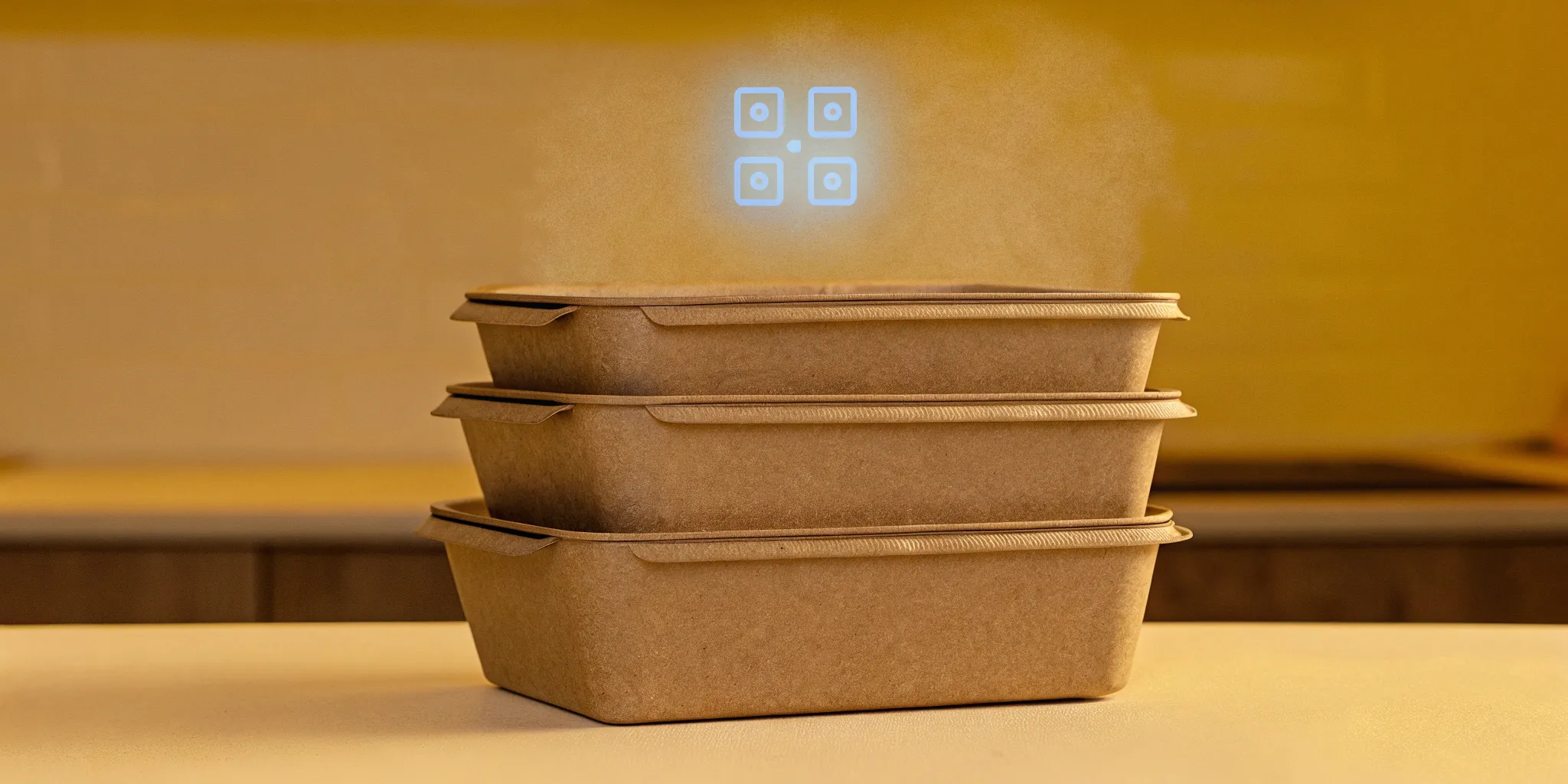
If you’ve ever felt like your reusable containers are vanishing into thin air, you’re not alone. The good news is that you don’t have to accept high loss rates as a cost of doing business. Modern tracking technology is the key to building a reuse program with a near-perfect return rate. By giving each container a unique digital identity, you gain complete visibility into your inventory. This isn't about policing users; it's about creating a smart, accountable system that makes it easy for everyone to participate. Technology transforms container management from a manual, time-consuming chore into an automated, data-driven process that saves staff time and reduces replacement costs.
Using RFID and QR Code Systems
Think of RFID and QR codes as a unique fingerprint for each container. When you attach these tags, you’re no longer dealing with a pile of anonymous plastic or steel; you’re managing individual assets. A QR code allows a student to easily scan and check out a container with their phone, while RFID technology enables automated, touch-free returns at a smart bin. This dual-tech approach provides flexibility and incredible accuracy. It allows you to track the entire lifecycle of each container—from the dining hall, to a student’s dorm, and back to the dish room. This detailed history helps you pinpoint exactly where and when containers might be going missing.
Managing Inventory in Real-Time
Guesswork has no place in an efficient reuse program. With a real-time tracking system, you can see exactly where your containers are at any moment. Your operator dashboard can show you how many containers are currently checked out, how many are sitting in return bins, and what your overall inventory levels look like across campus. This live data is a game-changer for operations. You’ll know precisely when to collect containers from return bins, when to run a wash cycle, and when you might need to re-stock a popular dining location. This level of operational visibility prevents you from over-ordering new containers and helps you manage your existing inventory much more effectively.
Automating Accountability Without Manual Work
One of the biggest drains on staff time is manually tracking down missing items and chasing down fees. A tech-enabled system automates accountability so your team doesn’t have to. When a student checks out a container, it’s linked to their campus account. If they forget to return it, the system can automatically send friendly reminders. If the container is still not returned after a set period, a pre-determined late fee can be applied automatically. This creates a clear and consistent incentive for users to bring containers back on time, driving return rates up to 99% without adding a single task to your staff’s to-do list.
Integrating with Your Existing POS and Payment Systems
For any new system to succeed on campus, it has to play well with the technology you already have. The best reuse platforms are designed for seamless integration with your existing point-of-sale (POS) and campus card systems like Transact, CBORD, and TouchNet. This means students can check out a container simply by tapping their student ID or credit card—no new apps to download or accounts to create. This smooth, familiar experience removes friction for users and makes the program feel like a natural part of campus life. When the technology works effortlessly in the background, students and staff can focus on what matters: enjoying great food without the waste.
How Can Staff Training Improve Return Rates?
While technology is the engine of a successful reuse program, your staff are the drivers. Even the most advanced tracking systems and smartest return bins need a well-informed team to operate them effectively. Investing in staff training is one of the most powerful ways to protect your container inventory, reduce replacement costs, and ensure your sustainability program thrives. When your team understands the system and their role within it, they become champions for the program, guiding students and ensuring everything runs smoothly.
A comprehensive training program goes beyond just showing someone how to scan a container. It’s about building a deep understanding of the program's goals, from hitting sustainability targets to managing operational costs. By empowering your staff with knowledge and clear procedures, you create a campus-wide culture of reuse. They can answer student questions with confidence, troubleshoot minor issues on the spot, and actively contribute to the program's success. This proactive approach helps you prevent asset loss and turns your dining team into the frontline advocates who make zero-waste dining a reality.
Highlighting Sustainability Goals and Operational Costs
For training to stick, your team needs to understand the "why" behind the program. Connect their daily actions to the bigger picture by explaining your campus's sustainability goals and how the reuse program helps achieve them. Show them the numbers—what the university spends on single-use packaging and how much a reusable container costs to replace. When staff realize that each lost container has a direct financial and environmental impact, their perspective shifts. They move from simply handling containers to actively protecting valuable university assets and contributing to a mission they can be proud of.
Teaching Proper Handling and Return Procedures
Clear and simple procedures are the foundation of a high-functioning reuse system. Your training should cover every touchpoint, from the initial "Tap to Reuse" checkout to handling returns at scan stations. The goal is to make the correct process the easiest and most intuitive one for your team. Provide hands-on demonstrations and easy-to-reference guides so they feel confident explaining the system to students. When your staff can quickly and accurately manage transactions and answer questions, it creates a frictionless experience for everyone and dramatically reduces the chance of containers being misplaced or checked out improperly.
Building a Culture of Accountability
Make container management a shared responsibility, not just another task on a checklist. You can build a culture of accountability by integrating reuse program metrics into your regular team meetings. Discuss return rates, celebrate when you hit new milestones, and brainstorm solutions together if you notice a dip. When handling reusables becomes a part of the team's collective goals, it fosters a sense of ownership. Staff will be more likely to encourage good practices among their peers and take pride in maintaining a high return rate, knowing they are all contributing to the program's success.
Providing Ongoing Education and Feedback
Training isn’t a one-and-done event. A great reuse program evolves, and your training should, too. Use the real-time data from your Reusables.com dashboard to create a continuous feedback loop. If you notice containers are sitting idle in a specific location, you can address it with the relevant team members. This data provides valuable insights for targeted refreshers and helps you adapt your training as needed. With serialized tracking, you can pinpoint exactly where issues arise, allowing you to refine processes and provide ongoing support that keeps your system running efficiently.
How Do Automated Returns Stop Container Loss?
Even the most well-intentioned reuse program can fail if the return process is a hassle. When students have to go out of their way or return containers during a narrow time window, those containers are more likely to end up forgotten in a dorm room or tossed in the wrong bin. Automated returns remove that friction entirely. By making the process simple, convenient, and available around the clock, you integrate it into the natural rhythm of campus life, making reuse the default choice.
The key is to create a system that works for your students and staff, not against them. An automated return system uses smart technology to ensure bins are always ready, conveniently located, and secure. This approach not only makes life easier for everyone but also provides you with the data and security needed to protect your inventory. When returning a container is as easy as grabbing a coffee, you’ll see your return rates climb and your replacement costs drop. It’s about building a reliable, user-friendly process that encourages participation and keeps your containers in the loop, ultimately protecting your investment and driving your sustainability goals forward.
Offering 24/7 Touch-Free Return Bins
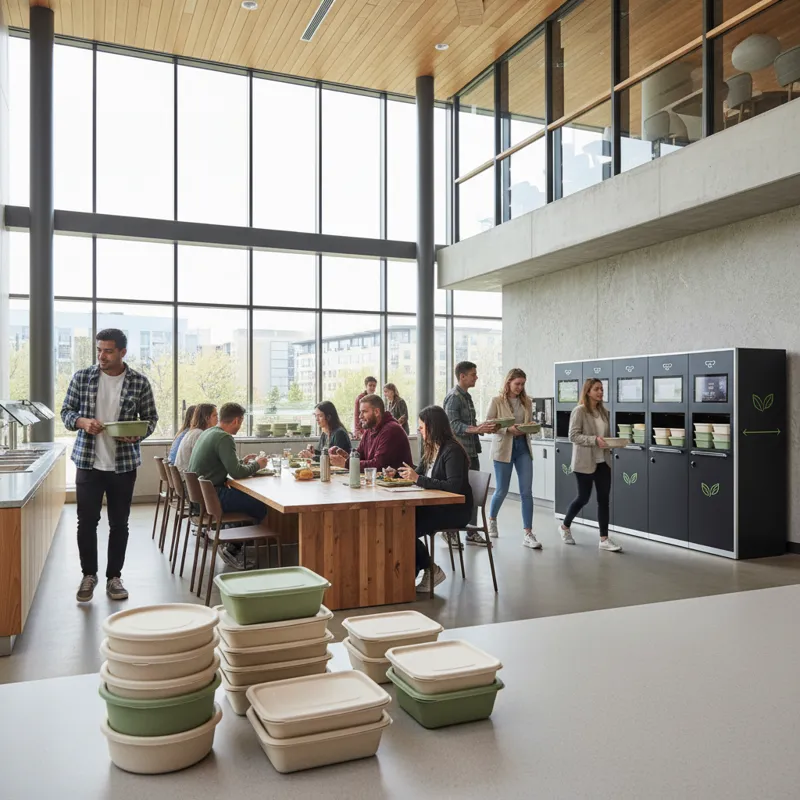
Student schedules are anything but predictable. A return system that only operates from 9-to-5 simply won’t cut it. By offering 24/7 access to touch-free return bins, you empower students to return containers whenever it’s convenient for them—whether that’s after a late-night study session or before an early morning class. This flexibility is crucial for preventing container pile-ups in dorm rooms.
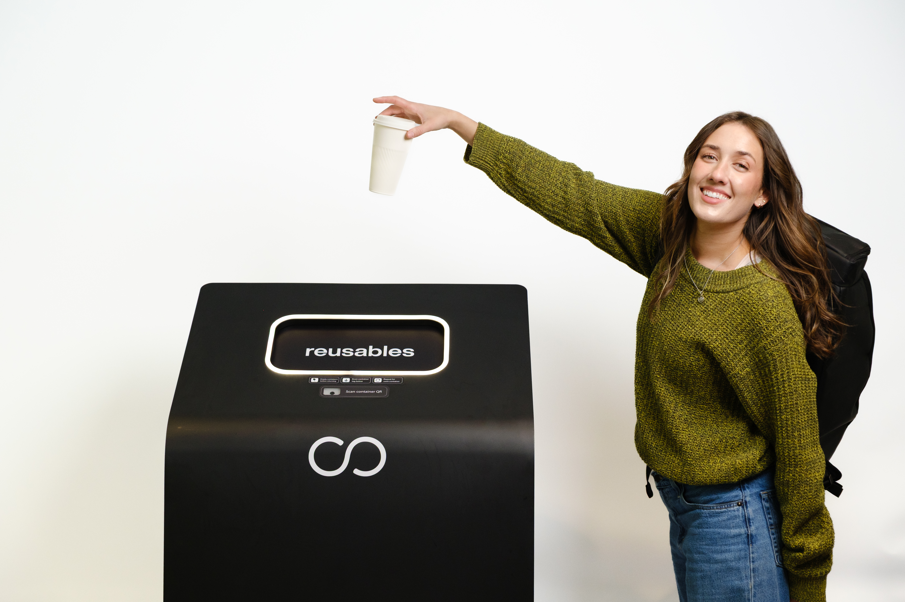
The process should be effortless: a quick scan and a simple drop. Our Smart Return Bins are designed for this kind of speed and ease. When the return process takes only a few seconds and is always available, it becomes a simple habit rather than a chore. This constant availability dramatically reduces the chances of containers getting lost or accidentally thrown away.
Using Automated Alerts and Fullness Detection
An overflowing return bin is more than just an eyesore; it’s a roadblock that stops your reuse program in its tracks. If a student tries to return a container and finds the bin is full, they’re likely to walk away and forget about it. This is where automated alerts and fullness detection become essential. Smart bins use built-in sensors to monitor their capacity in real-time.
When a bin starts to get full, it automatically sends an alert to your staff. This allows your team to empty it proactively before it ever becomes an issue for users. Instead of relying on manual checks, your staff can manage bin collections efficiently, saving time and labor. This technology helps you keep track of containers and maintain a smooth, uninterrupted return process that users can always count on.
Placing Bins Strategically for Convenience
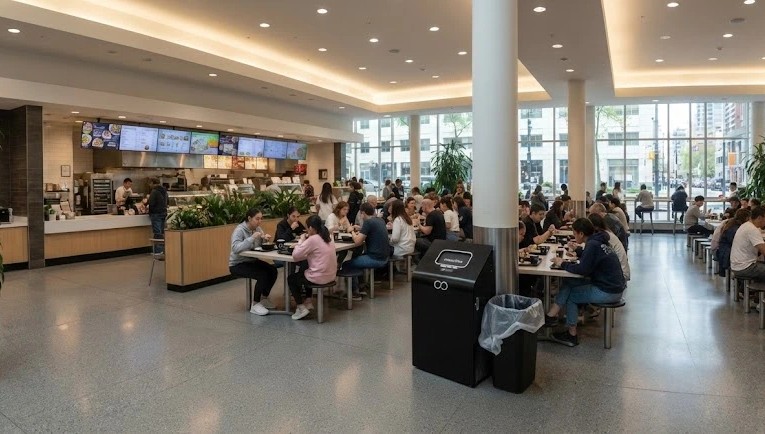
Where you place your return bins has a direct impact on your return rates. The goal is to make returning a container a thoughtless, simple action, not a special trip. By placing bins in high-traffic areas that are already part of a student’s daily path, you make it incredibly easy for them to participate. Think about locations like residence hall lobbies, library entrances, student centers, and outside major dining halls.
A strategically placed bin serves as a constant visual reminder. When students see the bins frequently, returning their containers becomes a natural part of their routine. This simple logistical choice removes the common excuse of "I'll do it later," which is often when containers go missing. Making returns convenient is a foundational element of a successful reusable takeout container program.
Ensuring Tamper-Proof Design and Security
Once a container is returned, you need to know it’s safe and accounted for. Modern return bins are much more than simple receptacles; they are secure, intelligent units designed to protect your inventory. A tamper-proof design is critical, as it prevents unauthorized access and ensures that returned containers can’t be removed from the bin. This protects your assets from theft and ensures the items inside remain ready for collection and cleaning.
This security also contributes to the integrity of your tracking data. When a container is scanned and deposited into a secure bin, the system can confidently mark it as returned. This closes the loop on that container’s journey, providing accurate inventory counts and reinforcing the accountability that is central to a high-performing reuse system.
What Incentives Actually Encourage Returns?
Let's be honest: even with the best intentions, students and staff are busy. A reusable container can easily get left in a dorm room, office, or backpack. The key to getting those containers back is to make returning them the easiest, most obvious choice. This isn't just about avoiding penalties; it's about creating a system with positive nudges and clear benefits that encourage participation. When the right choice is also the most convenient one, you build a sustainable habit that sticks.
A successful incentive strategy combines accountability with engagement. It removes friction from the return process while also connecting the user's actions to a larger, shared goal. Think less about punishment and more about creating a rewarding experience. From automated reminders to friendly campus-wide competitions, the right incentives can transform your return rates from average to exceptional. It’s about designing a system that works with human behavior, not against it. By making returns simple, rewarding, and meaningful, you ensure your container inventory stays in circulation, your operational costs go down, and your sustainability goals stay on track. The following strategies show how to build a program that students and staff actually want to be a part of.
Using Deposit-Free Systems with Automated Late Fees
Traditional deposit systems can feel like a penalty right from the start, adding a barrier to entry for users. A deposit-free model removes that initial friction, making it easier for everyone to participate. Instead of an upfront cost, the system uses automated late fees as a gentle reminder. If a container isn't returned within a generous timeframe, a small, refundable fee is automatically applied to the user's account. This approach maintains accountability without burdening your staff with manual tracking or awkward conversations. Modern reusable container tracking technology makes this process seamless, handling holds, reminders, and charges automatically so your team can focus on what they do best.
Gamifying Returns with Rewards and Leaderboards
Nothing sparks participation on a college campus like a little friendly competition. Gamifying the return process turns a simple task into an engaging campus-wide activity. You can set up leaderboards to show which dorms or departments have the highest return rates, offering prizes like gift cards or campus swag to the winners. This kind of social comparison is a powerful motivator. When students see others participating and winning, they’re more likely to join in. By celebrating top reusers and running occasional contests, you can promote reusable packaging uptake and build a positive, energetic culture around your sustainability initiatives.
Establishing Clear Policies and Convenient Locations
For any reuse program to succeed, the process has to be incredibly simple. If it’s easier to return a container than to lose it or throw it away, you’ve already won half the battle. This starts with clear, straightforward policies that everyone can understand. Use simple signage and consistent messaging across campus to explain how the system works. Just as important is the placement of your return stations. By offering 24/7, touch-free smart bins in high-traffic areas—like residence halls, libraries, and student centers—you make it convenient for users to return containers on their own schedule. The goal is to make the right choice the most appealing and effortless one.
Engaging the Community with Sustainability Messaging
People are more likely to participate when they understand the "why" behind the program. Connecting the simple act of returning a container to your campus's larger sustainability goals creates a sense of shared purpose. Regularly share impact metrics, like the number of single-use containers saved from landfills, to show the community their efforts are making a real difference. You can also frame reusables as an "upgrade"—highlighting that they’re sturdier and offer a better dining experience than flimsy disposable options. When students and staff feel like they are part of a meaningful initiative and see the tangible benefits, they become advocates for the program, encouraging their peers to participate.
How Does System Integration Simplify Container Management?
A reusable container program shouldn't feel like a separate, clunky add-on to your dining services. When the system doesn't communicate with the tools you already use, it creates extra work for your staff and friction for your students—two major causes of container loss. The most successful reuse programs are the ones that feel invisible, blending perfectly into the existing campus ecosystem. Think of it this way: if students and staff have to learn a whole new process just to grab lunch, adoption will suffer, and containers will inevitably go missing.
System integration is the key to making this happen. By connecting your reuse platform with your campus card, payment, and Point of Sale (POS) systems, you create a single, streamlined workflow. This approach automates tracking, simplifies the user experience, and gives you a clear, real-time view of your entire operation. Instead of managing a complicated new process, you’re simply enhancing the one you already have. A program that seamlessly fits into your existing operations is one that’s built for high adoption and even higher return rates. It removes the guesswork and manual effort, letting technology handle the complexities of container management so you and your team can focus on providing great food and service.
Connecting with Campus Card and Payment Systems
The easiest way to get students on board with reuse is to make it part of their daily routine. They already use their campus cards or mobile wallets for everything from grabbing a coffee to entering their dorm. When your reusable container system connects directly with these credentials, checking out a container becomes a simple, familiar tap. This eliminates the biggest hurdle for many programs: forcing users to download and sign up for a separate app. A fully integrated system means no new accounts to create and no new apps to clutter their phones. This frictionless checkout process not only encourages participation but also automatically links each container to a specific user, laying the foundation for effortless accountability.
Ensuring Seamless POS Integration
Your cashiers are busy, and the last thing they need is another complicated step during checkout. Integrating your reuse platform directly with your POS system ensures that tracking containers doesn't slow down the line. When a student grabs a reusable container, the transaction is logged automatically at the point of sale, just like any other menu item. This means every container is accounted for from the moment it leaves the servery, without requiring staff to manually scan codes or enter information. This seamless process minimizes the risk of human error, prevents un-tracked containers from "walking away," and provides accurate data for every transaction, giving you a reliable foundation for managing your inventory.
Sharing Data for Real-Time Visibility
How many containers are currently checked out? Which dining hall is running low? Are return rates trending up or down this week? Without integrated data, answering these questions is a matter of guesswork. System integration pulls all your operational data into one clear, accessible dashboard. You get real-time visibility into inventory levels, container usage patterns, and individual return behaviors. This allows you to proactively manage your container fleet, identify potential issues before they escalate, and make data-driven decisions to optimize your program. Instead of reacting to container shortages, you can anticipate needs and keep your operations running smoothly.
Creating a Smooth User Experience
Ultimately, all these integrations work together to create an experience that is simple and intuitive for students. When they can tap their card to borrow a container, see their checkout history in a familiar campus portal, and receive automated return reminders, reusing becomes second nature. A positive user experience is the most powerful tool for preventing container loss. When the process is easy and convenient, students are far more likely to participate and return containers on time. This combination of seamless technology and user-centric design is what drives the industry-leading return rates that save money and dramatically reduce single-use waste. If you're ready to see how this could work on your campus, get in touch with our team.
What Are the Biggest Myths About Preventing Container Loss?
When it comes to reusable container programs, a few common misconceptions can stand in the way of success. Believing these myths can lead to high loss rates, frustrated staff, and a program that never quite hits its stride. Let's clear up some of the biggest misunderstandings about container loss so you can build a system that truly lasts.
Believing Technology Is the Only Solution
It’s easy to think that slapping a QR code or RFID tag on a container is a magic bullet for loss prevention. While tracking technology is a critical piece of the puzzle, it can’t work in a vacuum. The most effective reuse systems recognize that human behavior is the driving force behind high return rates. Technology should support and encourage the right behaviors, not just track the items. A great system combines smart tracking with a frictionless user experience and clear incentives, making it easy and intuitive for people to participate correctly.
Accepting High Loss Rates as a Cost of Business
Many institutions treat container loss as an unavoidable operational expense, simply budgeting for replacements year after year. This mindset accepts a preventable problem as a permanent one. Instead of just managing the costs of loss, a successful program addresses the root causes. With automated accountability, real-time inventory data, and convenient return options, you can stop the cycle of repurchasing. Achieving return rates of 99% isn't a fantasy; it's the result of a well-designed system that makes losing containers the exception, not the rule.
Underestimating the Importance of User Experience
If returning a container is complicated or inconvenient, even the most eco-conscious students will struggle to keep up. A clunky user experience is one of the fastest ways to sink a reuse program. To get people on board, the sustainable choice needs to be the easiest one. This means no-fuss checkouts that don't require a special app, and return bins that are always available and easy to find. When the process is seamless, participation becomes second nature, and containers make their way back reliably.
Overlooking the Need for Staff Engagement
Your dining services staff are the frontline ambassadors of your reuse program. If they aren't properly trained or engaged, their uncertainty can send a message to students that the containers aren't a priority. A successful rollout involves getting your team excited about the program's goals and giving them the tools to succeed. The right system should also make their jobs easier by automating tedious tasks like tracking and fee collection. When your staff feels supported and confident, they can champion the program and help build a strong culture of reuse on campus.
How to Measure Your Container Retention Success
Once your reusable container program is up and running, how do you know if it’s actually working? Success isn't just about launching; it's about creating a sustainable, cost-effective system that people consistently use. Measuring your progress is key to understanding what’s working and where you can improve. By focusing on a few core metrics, you can get a clear picture of your program's health, from financial savings to environmental impact. These data points will not only help you refine your operations but also demonstrate the value of your sustainability efforts to key stakeholders across campus.
Tracking Return Rates and Loss Prevention Data
The most fundamental metric for any reuse program is your container return rate. A high return rate is the clearest sign that your system is convenient and that users are engaged. To get an accurate picture, you need technology that can track individual containers from checkout to return. Systems that use unique QR codes or RFID tags on every item provide granular data, showing you exactly which containers are in circulation, which are overdue, and which are lost. This level of detail helps you pinpoint potential issues in your workflow and prevent loss before it becomes a significant cost, ensuring your container fleet remains healthy and available.
Calculating Savings on Replacement and Disposal Costs
Moving from single-use to reusable containers shifts your spending from a constant operational expense to a manageable asset. To measure your financial success, start by calculating the money saved on purchasing disposable packaging and the associated waste disposal fees. Then, track the costs of replacing any lost reusable containers. A successful program will show a dramatic reduction in disposable spending that far outweighs the minimal cost of replacing a small number of lost reusables. With a platform that provides real-time visibility, you can easily monitor your inventory and see these savings add up in your operational dashboard.
Measuring Environmental Impact and Waste Reduction
Beyond the financial benefits, a primary goal of a reuse program is to make a positive environmental impact. You can measure this by tracking the total number of single-use containers you’ve avoided since launching the program. Many platforms, including ours, automatically convert this data into tangible impact metrics, like pounds of waste diverted from landfills and reductions in CO2 emissions and water usage. These powerful statistics are perfect for sharing in sustainability reports and campus communications, helping to build community pride and reinforce the value of the program. It’s a clear way to show everyone how their small actions are contributing to your campus’s larger sustainability goals.
Analyzing Operational Efficiency and Staff Productivity
A successful reuse program should make life easier for your staff, not harder. You can measure operational efficiency by looking at the amount of time your team spends managing the system. Are they manually tracking inventory, chasing down late fees, or dealing with overflowing return bins? A fully automated system with smart return bins that send fullness alerts and handle accountability without staff intervention frees up your team to focus on what they do best: providing great food and service. By reducing manual tasks, you not only improve staff productivity but also create a more seamless and reliable reuse solution for your entire campus.
Related Articles
- Guide to Sustainable College Cafeterias
- How Student Card Reusable Container Checkout Works
- The Right Way to Buy Reusable Food Containers for College
- Shared Reusable Container System for Malls 101
Frequently Asked Questions
Is a high-tech reuse system really cheaper than just buying disposables? It’s a fair question, especially when you see the rising costs of single-use packaging. While there's an initial investment in reusable containers and the system to manage them, the long-term savings are significant. Think of it as shifting from a constant, unpredictable expense to a manageable asset. When you achieve high return rates, you drastically cut down on what you spend on disposable containers and waste hauling fees. A well-run program often saves clients over 30% annually on packaging costs alone, paying for itself quickly and providing predictable savings year after year.
My staff is already stretched thin. How much extra work does a program like this create? This is one of the biggest concerns we hear, and it's why a modern reuse system is designed to reduce your team's workload, not add to it. The right technology automates the most time-consuming tasks. Accountability is handled by the system, which sends reminders and applies late fees without any staff involvement. Smart return bins even alert your team when they need to be emptied. This frees your staff from manually tracking items or chasing down students, allowing them to focus on providing great service.
Won't students just lose the containers anyway? How do you actually change their habits? It's less about forcing new habits and more about making the right choice the easiest one. Students don't lose containers on purpose; it usually happens when returning them is inconvenient. A successful program removes that friction entirely. By placing 24/7 return bins in high-traffic areas and using a simple tap-to-checkout system, you integrate reuse into their daily routine. When you combine that convenience with automated reminders and positive incentives like campus leaderboards, returning containers becomes a simple, thoughtless action.
We've tried a reuse program before and the return rates were terrible. What makes this different? Many early reuse programs failed because they relied on manual processes, clunky apps, or inconvenient return methods. The difference today is a fully integrated, tech-first approach. Instead of asking students to download another app, the system works with their existing campus cards. Instead of relying on staff to track everything, each container is uniquely identified and linked to a user automatically. This combination of seamless integration, automated accountability, and a frictionless user experience is what drives return rates up to 99%.
How important is integrating with our existing campus card and POS systems? It's absolutely critical. Integration is the key to making a reuse program feel like a natural part of your dining operation rather than a complicated add-on. When the system connects directly with your campus card and POS, checkouts become effortless for both students and cashiers. It eliminates the need for a separate app, prevents checkout lines from slowing down, and ensures every container is accurately tracked from the start. This smooth experience is what encourages high participation and keeps your containers from walking away.
Other stories you may find interesting





















.webp)
.webp)




























Watch the Webinar
Learn How to Eliminate Single-Use Waste
Get instant access to our expert webinar and discover how leading institutions reach 99% return rates through smarter reuse systems.

© Reusables™. All rights reserved.