
The Best Reuse Systems: 5 Must-Have Features

February 11, 2026
If you’ve ever tried a reuse program that failed, you know the common pitfalls: low return rates, clunky apps users won’t download, and a system that creates more manual work for your already busy staff. It’s a frustrating experience that can make you hesitant to try again. The good news is that the technology has evolved. Modern platforms have solved these core challenges by focusing on a frictionless user experience and smart automation. The best reuse systems are designed to achieve 99% return rates not by chance, but through integrated accountability, convenient smart bins, and an app-free checkout that everybody actually enjoys using.
Key Takeaways
- View reuse as a financial strategy, not just an environmental one: A modern reuse system directly addresses budget pressures by significantly cutting the rising costs of disposable packaging, turning your sustainability goals into a financially sound investment.
- Prioritize a frictionless experience to ensure success: High participation hinges on making reuse effortless. The best programs use app-free technology that integrates with existing cards and provides convenient, 24/7 smart return bins.
- Choose a system that automates accountability and simplifies operations: The right platform frees up your staff by handling container tracking, user reminders, and late fees automatically, giving you clear data to manage the program without adding to your team's workload.
What Is a Reuse System and How Does It Work?
At its core, a reuse system is a closed-loop model where durable food and beverage containers are used many times instead of being thrown away after one use. Think of it like a library for takeout containers. The system provider, like Reusables.com, owns the inventory, and everyone can simply "borrow" a container when they grab a meal. This approach directly tackles the mountains of single-use packaging that organizations generate every year.
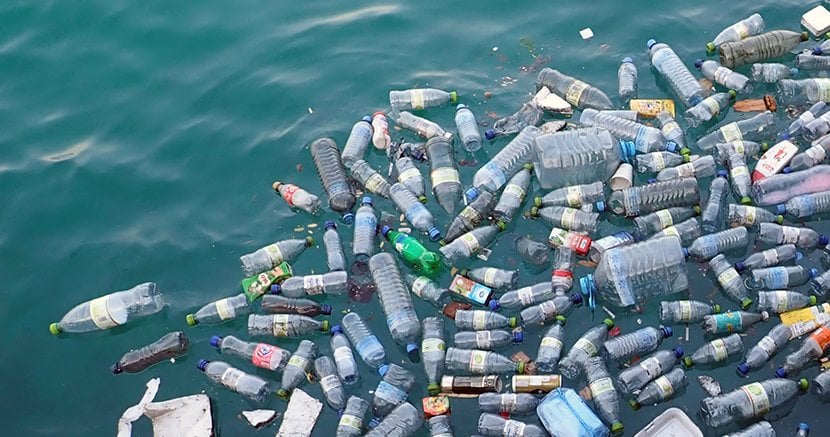
But a great reuse system is much more than just a stack of sturdy containers. It’s a complete, tech-enabled service designed to make reusability easy and efficient for both your team and your reusers. It includes everything from the containers themselves to smart return bins and the software that tracks every item. Researchers agree that well-designed reuse solutions are a critical tool in fighting plastic pollution. By shifting from a disposable model to a reusable one, you’re not just swapping out a product; you’re adopting a smarter, more sustainable, and cost-effective way to operate your dining services.
How the System Works, Step-by-Step
The beauty of a modern reuse system is its simplicity. The entire process is designed to be a seamless part of the dining experience, working in a full circle from checkout to return.
Here’s a typical flow:
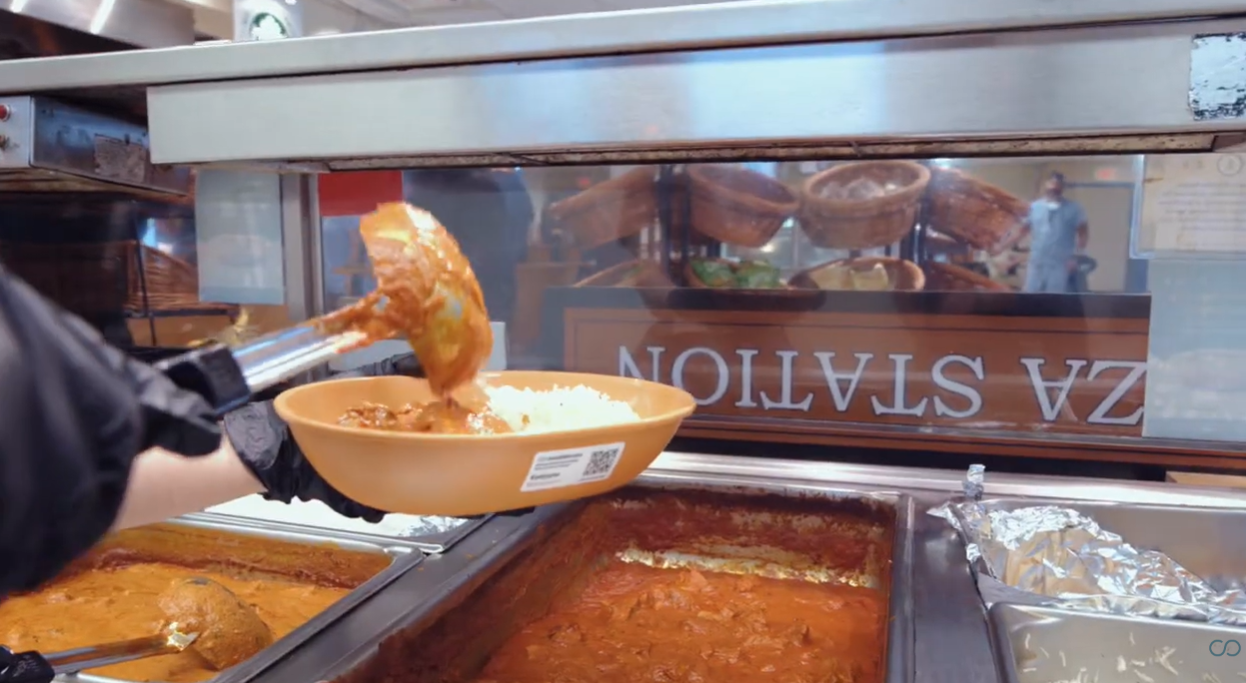
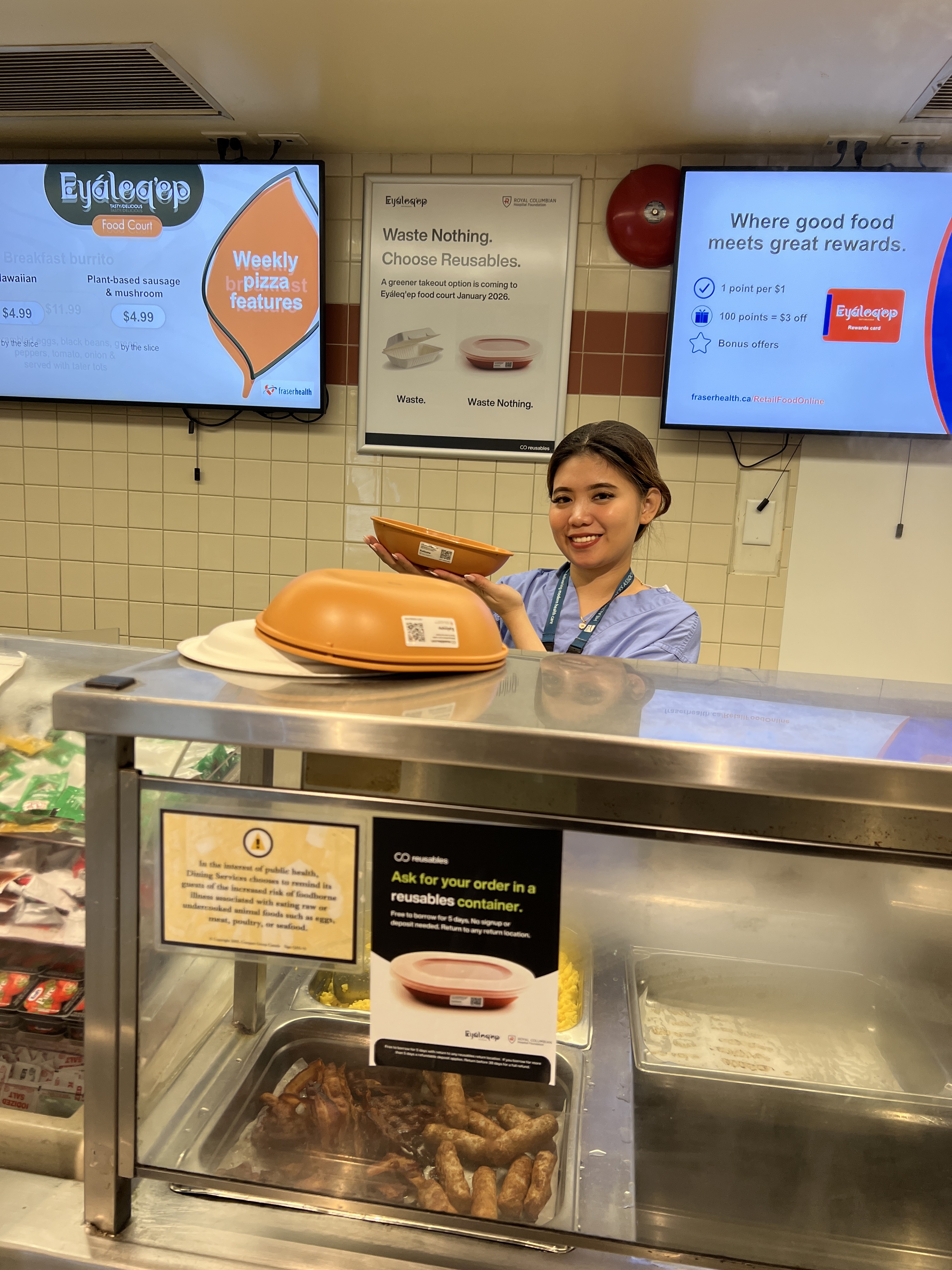
- Borrow: A customer grabs a meal and checks out a reusable container, usually by tapping their ID or a payment card.
- Enjoy: They take their food to go and eat wherever they like.
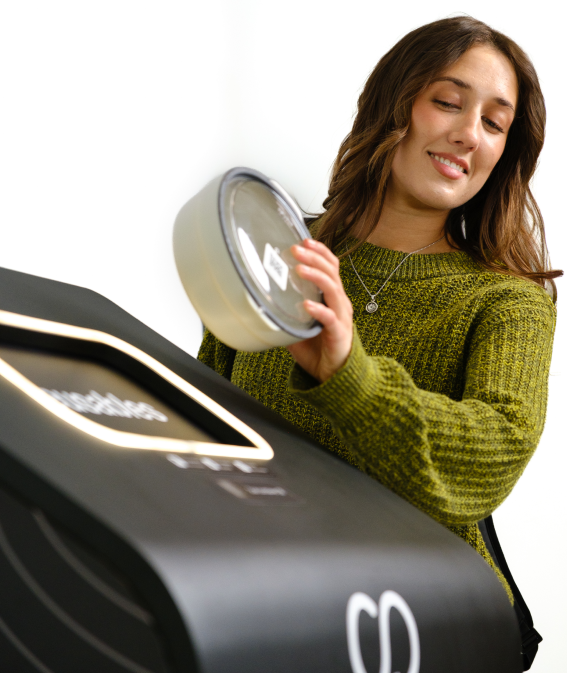
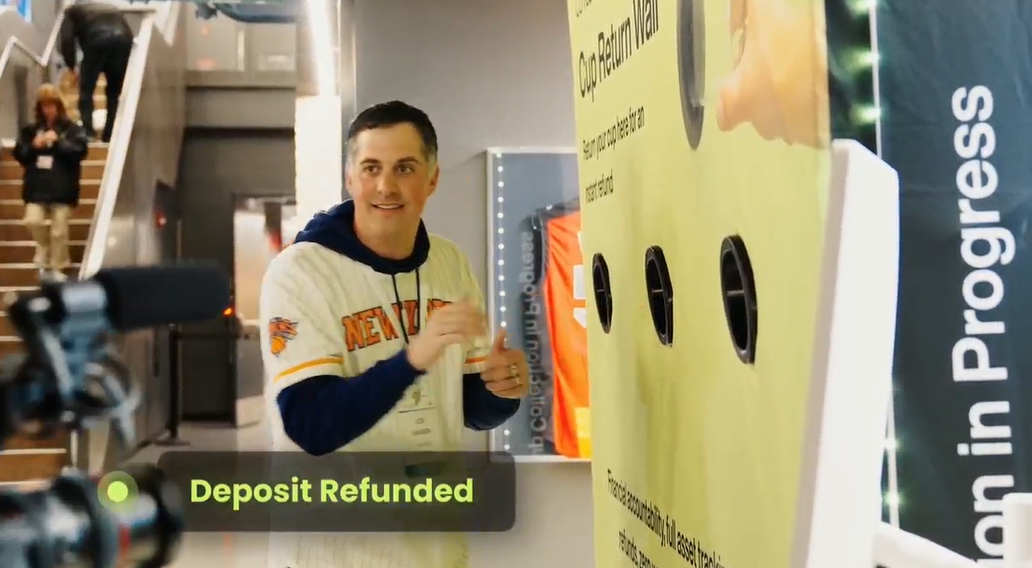
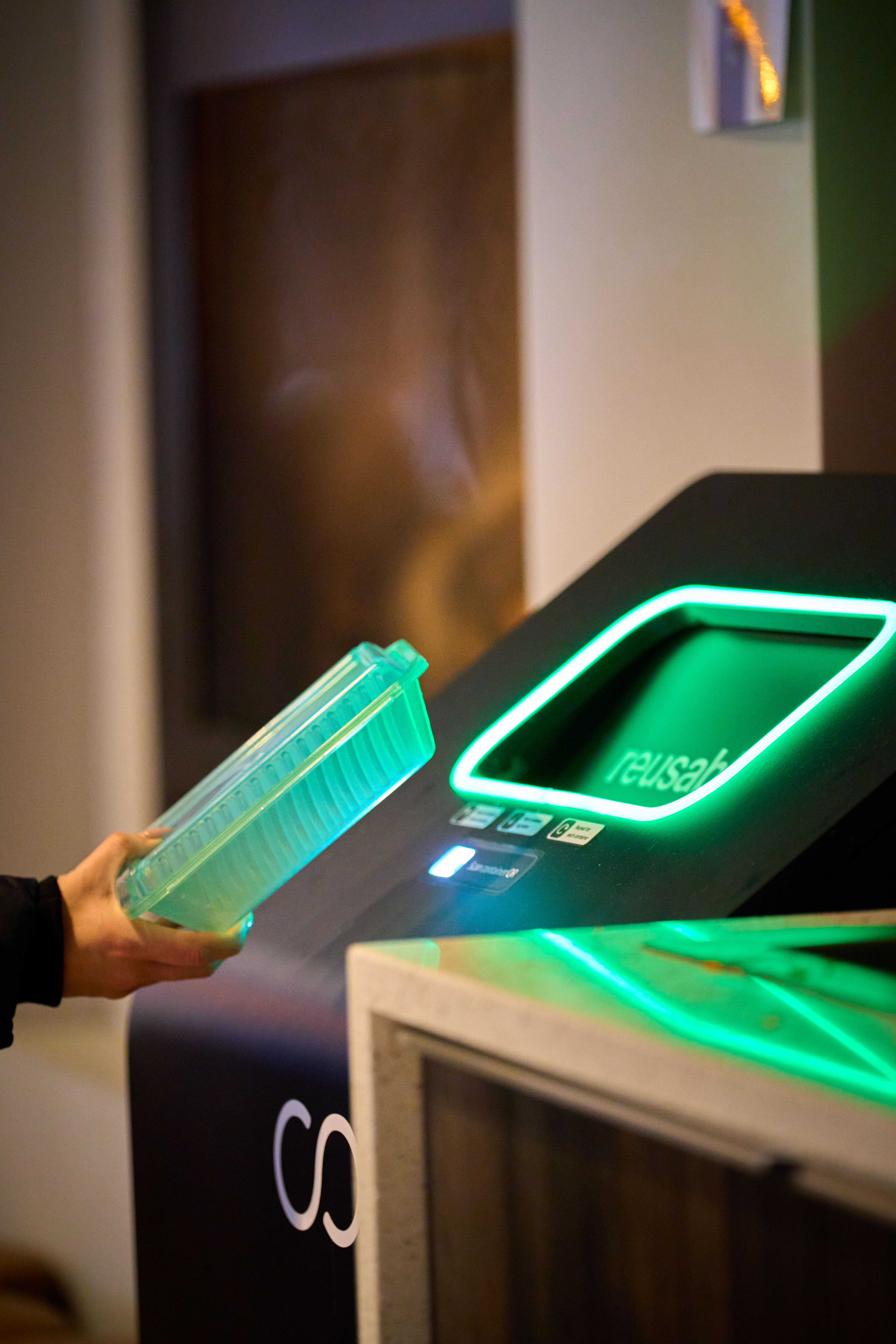
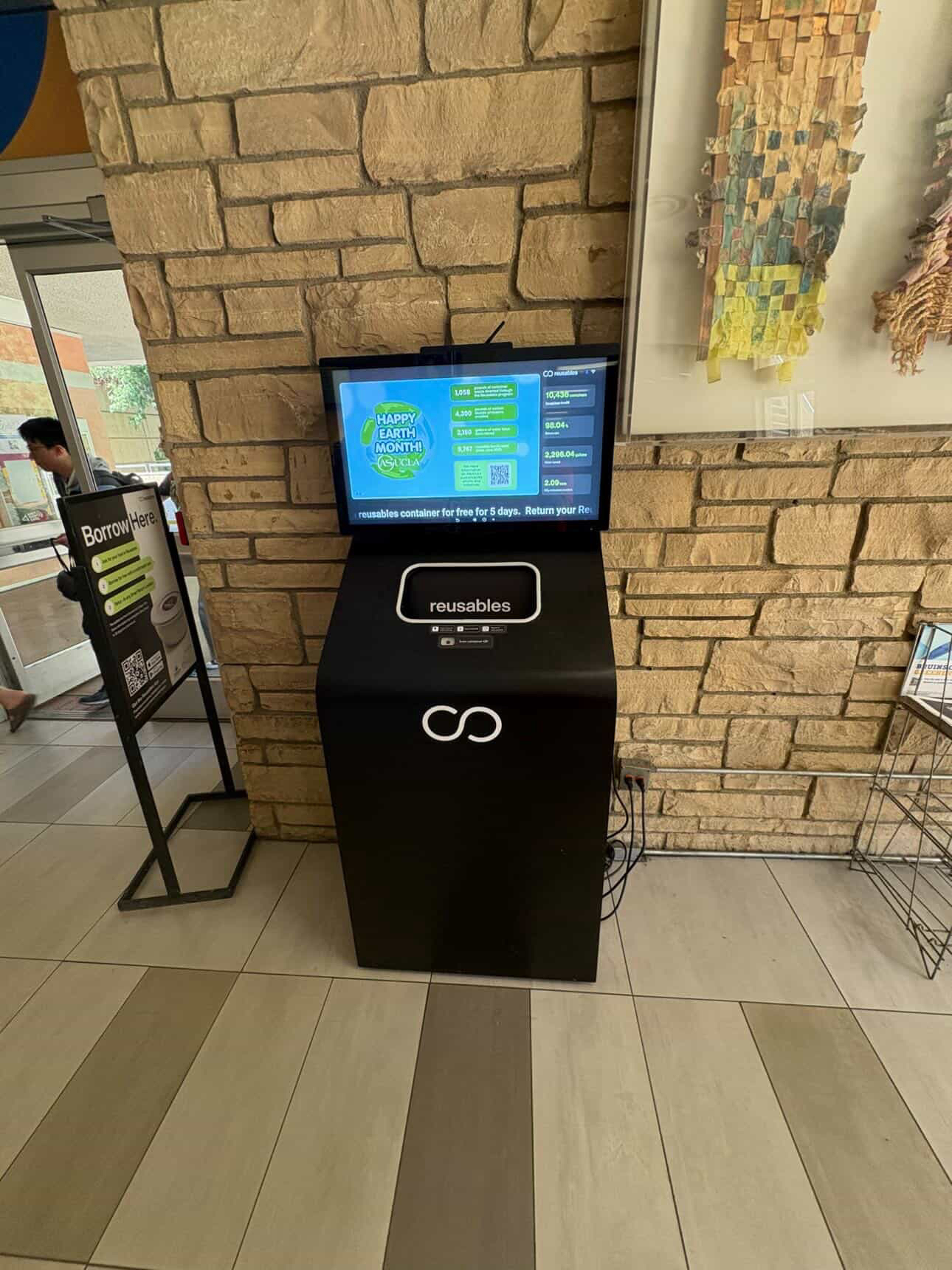
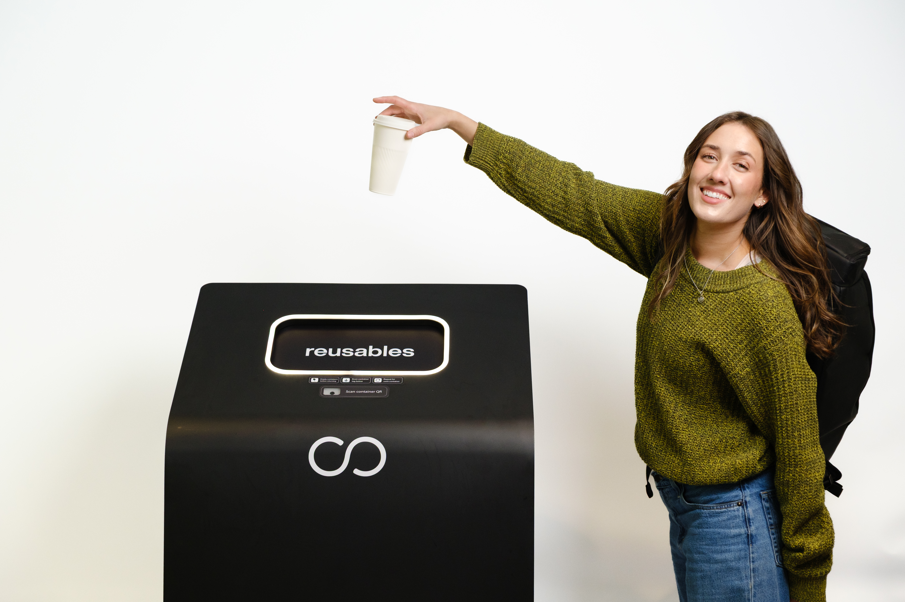
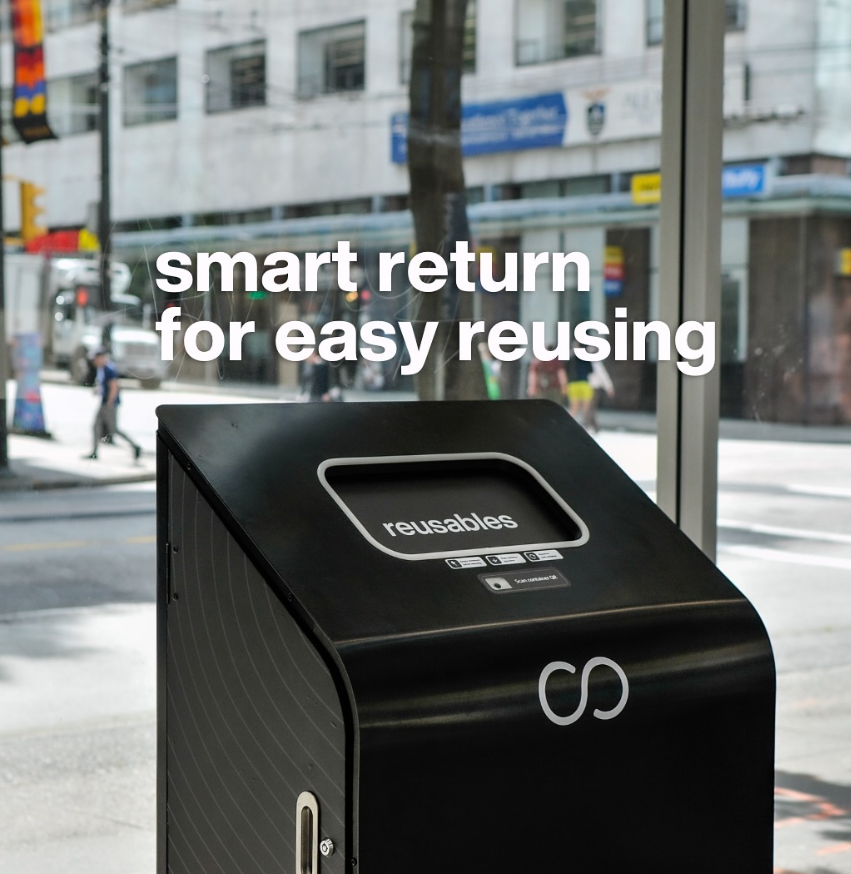
- Return: After their meal, they drop the empty container into a designated smart return bin located conveniently around the location.
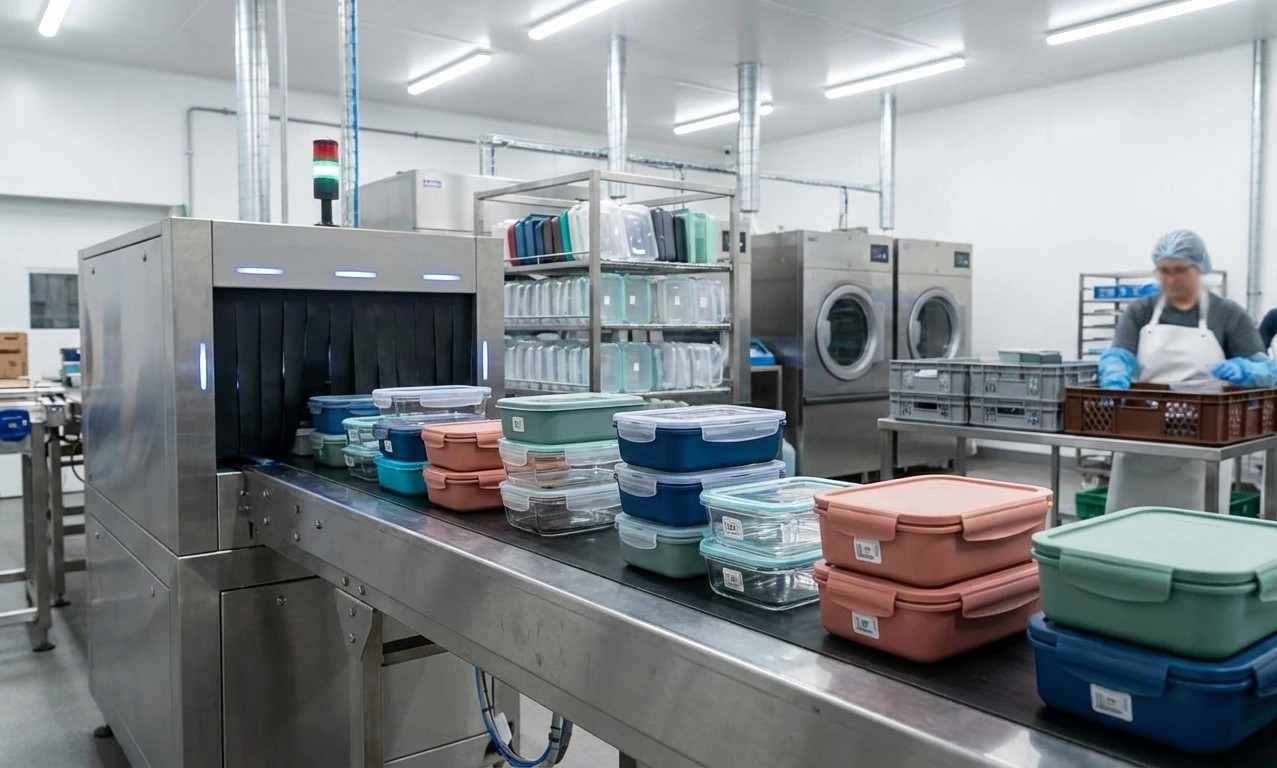
- Repeat: Your team collects the containers, washes them in your existing dishwashing facilities, and restocks them for the next person to use.
The Core Components of a Successful Program
A successful reuse program is built on a few key pillars that ensure it runs smoothly and achieves high participation. First, it needs to be incredibly easy for everyone to use—no clunky apps to download or complicated sign-up processes. Second, it requires a system of accountability to ensure containers actually come back, which is essential for maintaining inventory and keeping costs down. Finally, it needs a strong operational backbone. Effective reuse depends on convenient return options, efficient collection and washing logistics, and clear data that gives you visibility into how the program is performing. When these components work together, you create a system that people love and that delivers real environmental and financial benefits.
What Separates a Good Reuse System from a Great One?
You’ve probably seen a few different reuse programs out there. While they all share the goal of reducing waste, their performance can vary dramatically. A good system might cut down on some single-use containers, but a great one transforms your entire dining operation. It saves you significant money, delights your customers, and runs so smoothly that your staff barely has to think about it.
The difference lies in a few key areas: the technology that powers the system, the strategies used to get containers back, and the physical infrastructure that makes it all work. A truly effective program isn't just about providing reusable containers; it's about creating a frictionless experience that makes reuse the easiest and most obvious choice for everyone. Let’s look at the features that make that happen.
Seamless Tech and Automated Tracking
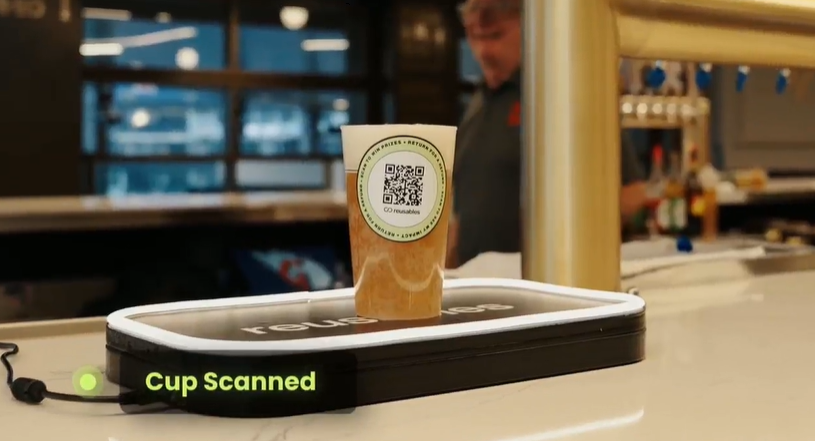
The backbone of any modern reuse program is its technology. A good system might have an app, but a great one makes participation effortless with no download required. The best platforms use advanced technology to manage the entire lifecycle of every container, from checkout to return to washing. This means automated, accurate tracking that gives you a clear view of your inventory at all times. This looks like a simple tap of their card to check out a container. For your team, it means no more manual counting or chasing down missing items. This seamless integration makes it easier for everyone to adopt and maintain the system for the long haul.
High Return Rates and User Accountability
A reuse system is only as good as its return rate. If containers aren't coming back, you’re just replacing the cost of disposables with the higher cost of lost reusables. High return rates are essential, and they don’t happen by accident. A well-designed system builds in gentle, automated accountability to encourage participation. This keeps the containers in circulation and owned by the program, not the user. Instead of relying on staff to enforce rules, a great system uses automated reminders and refundable late fees to achieve compliance. This approach promotes responsible use and helps you build a sustainable, closed-loop program with industry-leading return rates of 99% or higher.
Smart Bins and Flexible Container Choices
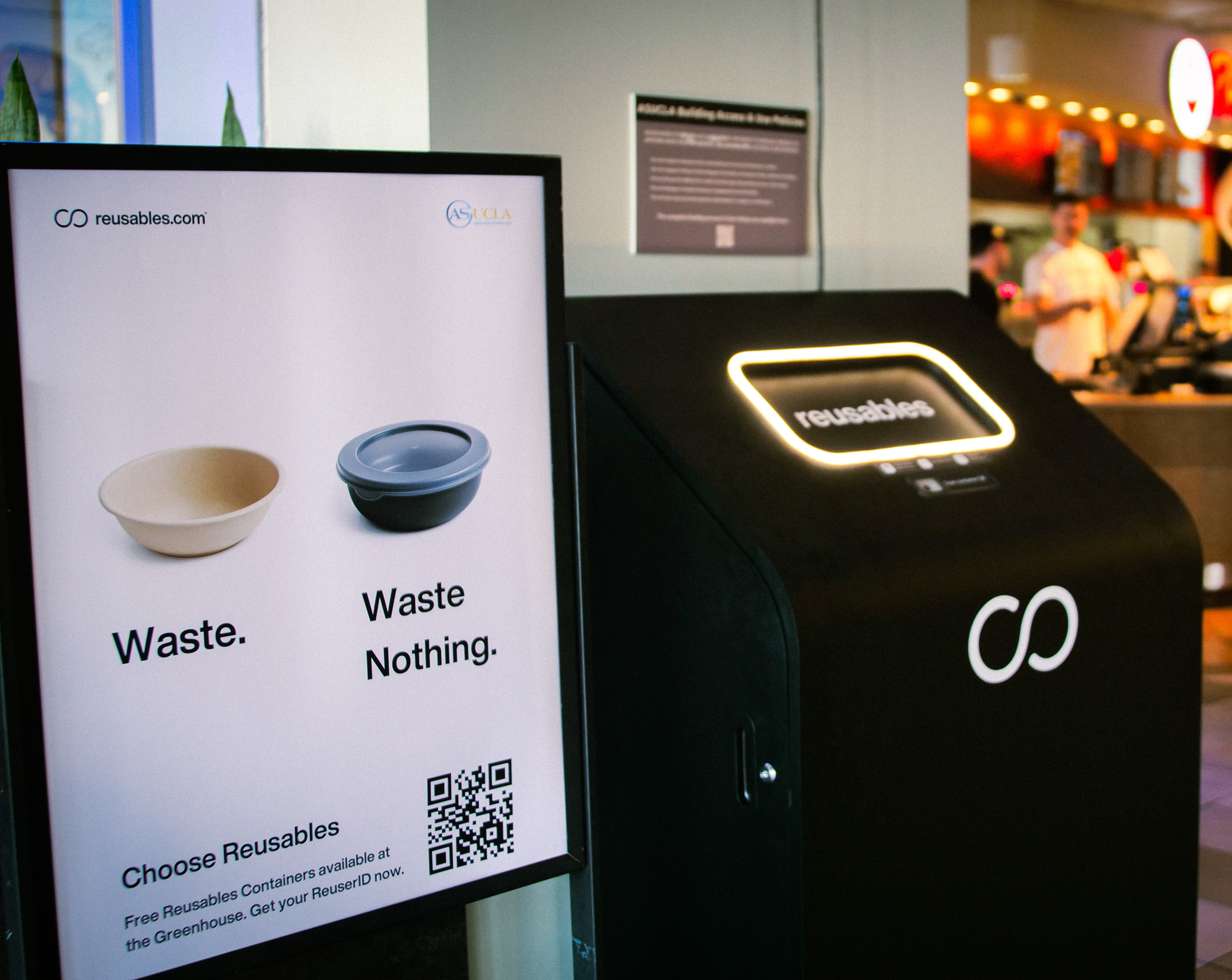
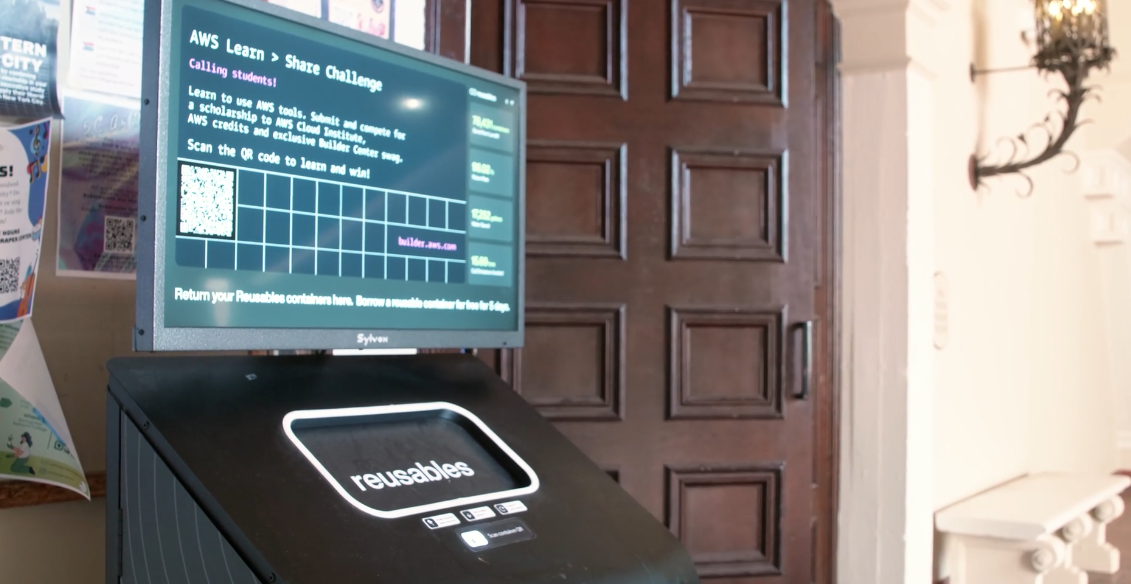
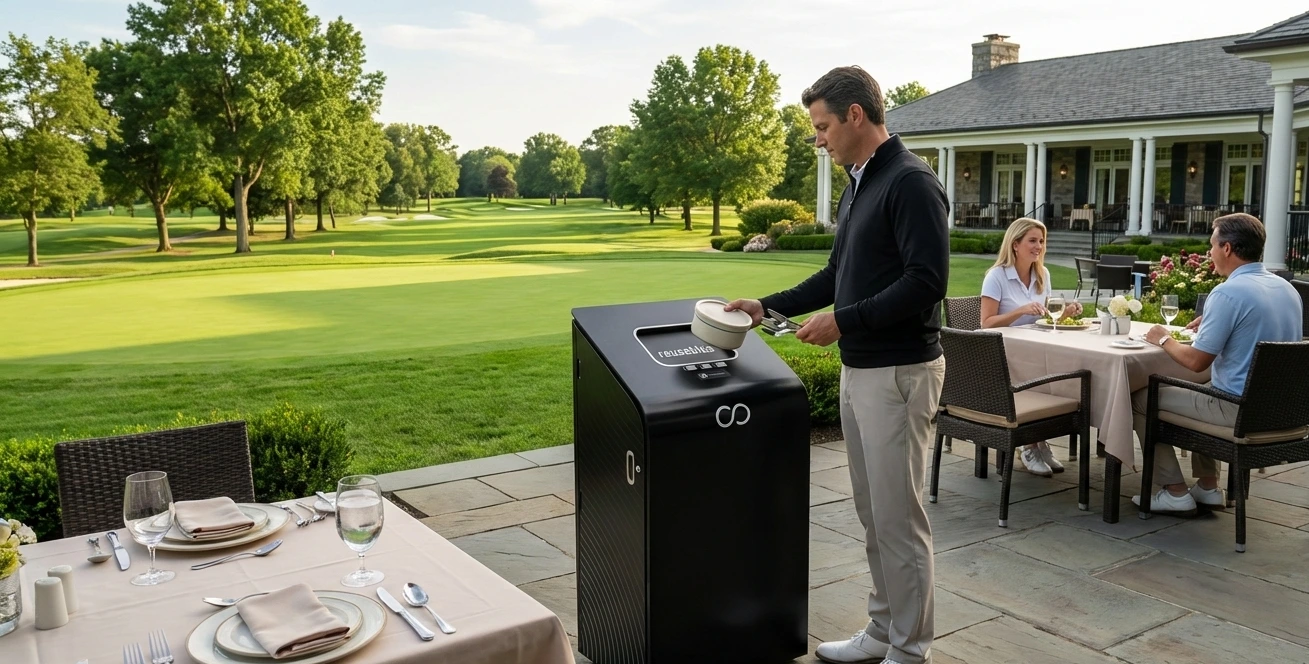
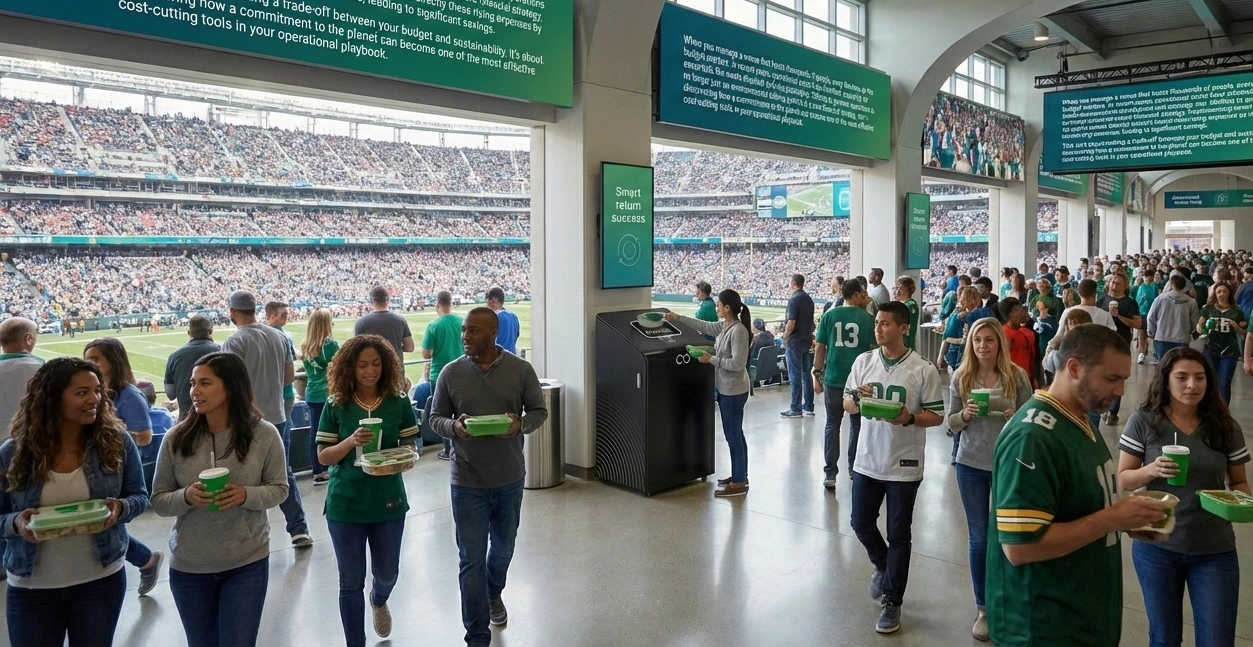
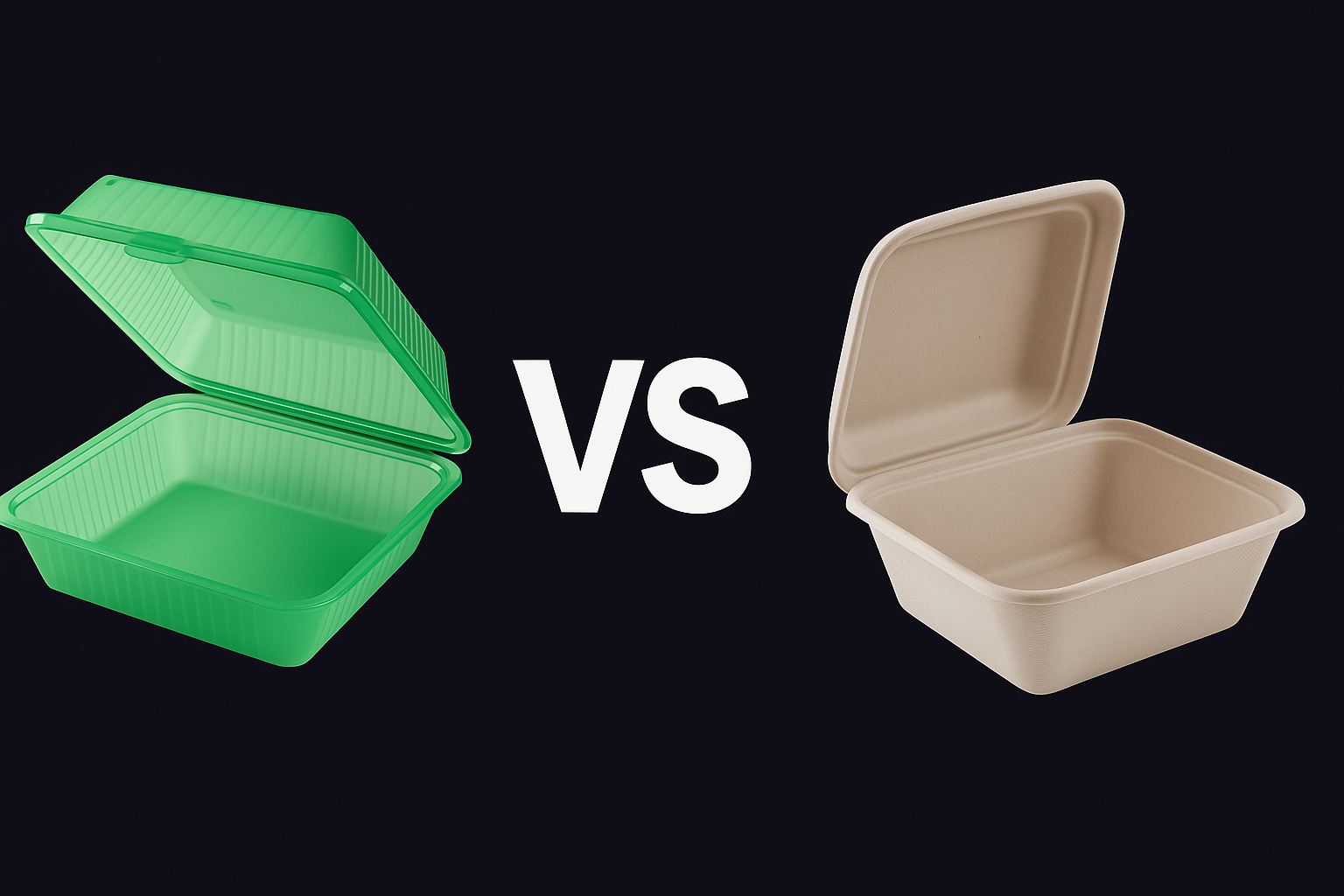
Making returns easy is just as important as making checkout easy. The best reuse systems feature smart return bins that are available 24/7, providing a convenient way for reusers to drop off used containers on their own schedule. These bins should be more than just a box; they should automatically scan and register the return, detect when they’re getting full, and alert your staff for pickup. This eliminates overflow and manual check-ins. A great system also offers flexible container choices, allowing you to use your existing inventory or select from a range of approved options, from stainless steel to durable plastic. This flexibility ensures the program can adapt to your specific operational needs and menu offerings.
Why Adopt a Reuse System?
Switching from single-use packaging to a reusable system is one of the most impactful decisions you can make for your dining program. It’s a move that addresses three key priorities for any leader: environmental responsibility, operational budget, and satisfaction. With disposable packaging costs soaring and sustainability mandates becoming more common, a well-designed reuse program isn't just a "nice-to-have"—it's a strategic investment in a more efficient and resilient future for your food service operations. It directly confronts the reality that businesses and organizations generate a lot of waste that isn't easily recycled, positioning reuse as the clear solution.
Beyond the big-picture benefits, a modern reuse system enhances the daily dining experience. It shows them that their university is listening to their calls for more sustainable options and is actively working to build a better environment. When implemented correctly, it becomes a seamless part of life that everyone can appreciate and champion. Let’s look at the specific advantages you can expect when you implement a reuse system.
Reduce Your Carbon Footprint
Every single-use container that’s replaced is one less item heading to a landfill. Food Spaces generate a massive amount of waste from takeout packaging alone, and much of it isn't easily recycled or composted. A reuse program directly tackles this problem by creating a closed-loop system where containers are used, returned, washed, and put back into circulation hundreds of times. This simple change significantly cuts down on waste and reduces your institution's overall carbon footprint. By adopting a zero-waste alternative to disposables, you’re making a tangible commitment to protecting our shared environment and communities.
Cut Down on Packaging Costs
The cost of disposable containers, cutlery, and bags adds up quickly, and prices have been rising steadily. For many institutions, this line item can exceed tens of thousands of dollars annually. A reuse system helps you break free from that endless cycle of purchasing and trashing. While there's an initial investment in the system and containers, the long-term savings are substantial. By replacing constant reordering with a durable, circulating inventory, you can reduce your annual packaging and waste expenses by 30% or more. This approach not only frees up your budget for other priorities but also prevents hundreds of thousands of disposables from entering the waste stream each year.
Meet Sustainability Goals and Expectations
Today’s customers are more environmentally conscious than ever, and they expect their university to lead on sustainability. Implementing a visible, easy-to-use reuse program is a powerful way to meet those expectations. It demonstrates a genuine commitment to institutional zero-waste goals and positions you as a leader. Top universities are already enhancing the dining experience with reusable container programs because they know it resonates with young people and aligns with their mission. By making reuse the default, you not only meet demand but also actively engage them in your business-wide sustainability efforts.
Common Challenges in Reuse (and How to Solve Them)
Switching to a org-wide reuse system can feel like a huge undertaking, but most of the hurdles you anticipate have already been solved. The key is choosing a partner and a platform designed to address these challenges from the start. A great reuse system isn’t just about providing containers; it’s about creating a smooth, intuitive experience for both your customers and your staff.
Let’s walk through some of the most common concerns we hear from dining directors and explore how the right technology and strategy can turn these potential roadblocks into opportunities for success. By understanding these issues upfront, you can confidently move forward with a program that saves money, reduces waste, and fits perfectly into your culture.
Addressing Myths About Cost and Complexity
Many leaders assume that implementing a reuse program will be expensive and complicated. With disposable packaging costs rising over 200% in the last few years, however, the opposite is often true. A well-run reuse system can deliver significant long-term savings that far outweigh any initial investment. The most effective programs are designed to reduce your annual spending on single-use containers by 30% or more.
Modern reuse systems also eliminate the operational complexity you might fear. Forget manual tracking or clunky hardware. Today’s platforms are tech-first, using smart automation to handle everything from inventory management to user accountability. This approach minimizes the burden on your staff and provides clear, real-time data, making the entire process transparent and easy to manage. Understanding the real ROI helps debunk the common myths about reuse and empowers you to make a confident decision.
Making It Easy to Participate
Your reuse program is only as successful as its adoption rate. If participating is a hassle for users, your return rates will suffer, and you’ll be left managing lost inventory. The most critical factor for success is removing friction from the experience. Requiring people to download yet another app or pay an upfront deposit creates barriers that discourage participation from the very beginning.
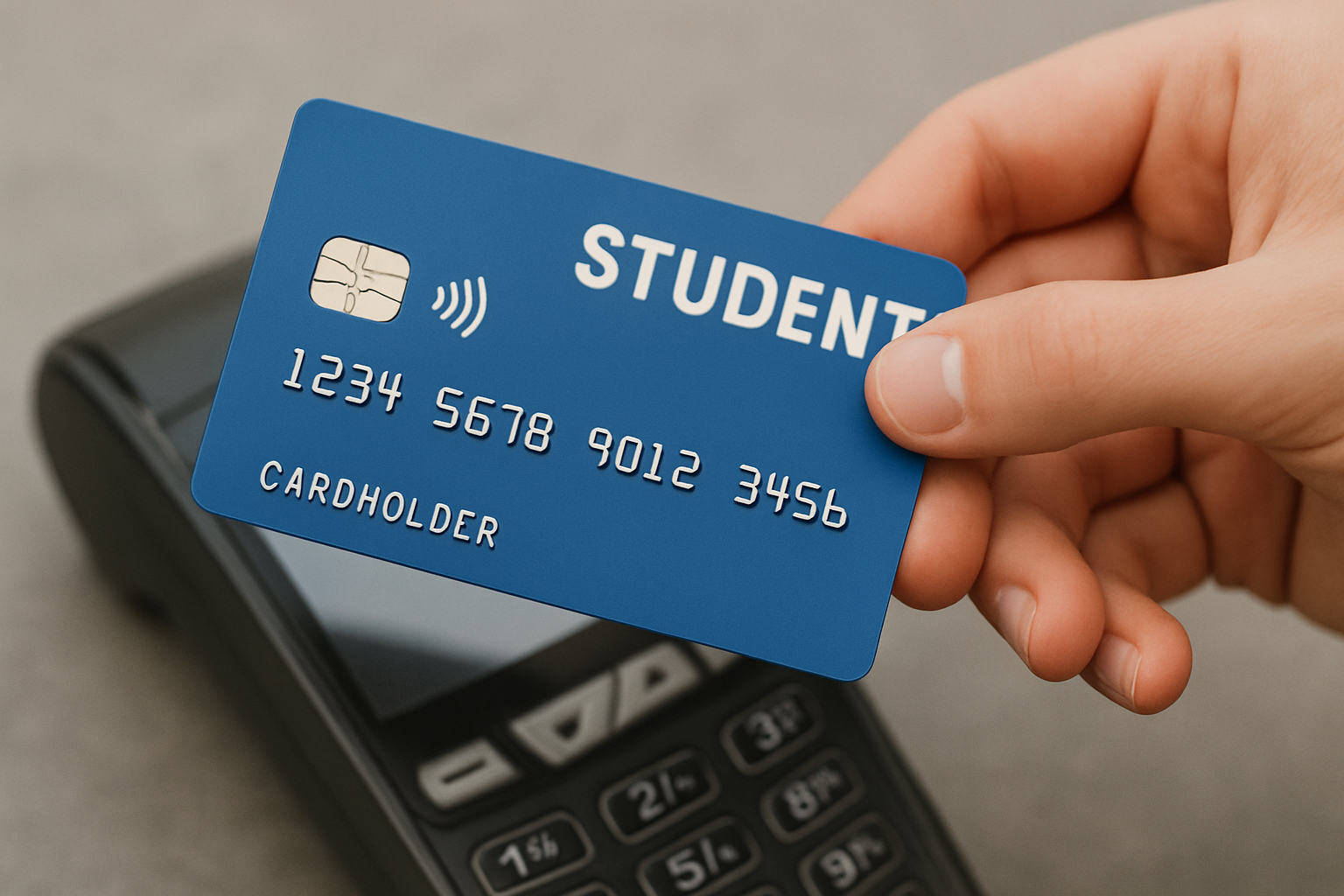
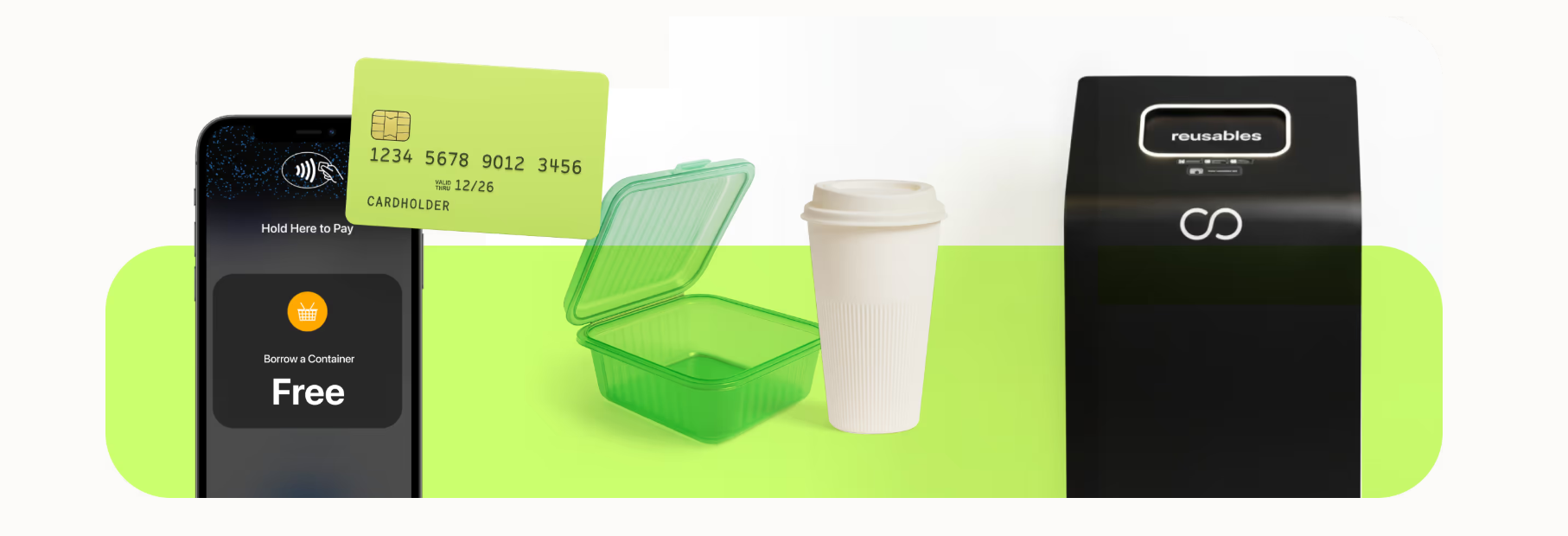
The solution is to make reusing as simple as tapping a card. Systems that integrate directly with existing IDs, meal plans, and credit/debit cards allow users to check out a container in seconds. Combine this with convenient, 24/7 return options like smart bins placed in high-traffic areas, and you create a closed-loop process that’s easier than finding a trash can. This focus on a seamless user experience is how top-tier programs achieve 99% return rates and make reuse in schools a campus-wide habit.
Integrating with Your Existing Operations
A new system shouldn't disrupt your workflow—it should enhance it. One of the biggest challenges in implementing sustainable change is ensuring that new initiatives align with current operational processes. Your dining staff is already busy, and they don’t have time to learn a complicated new system or manually track containers. That’s why deep integration is a non-negotiable feature of any effective reuse platform.
Look for a solution that works with the technology you already use, including your POS and card systems like Transact, CBORD, and TouchNet. A fully integrated platform automates tracking and accountability, so your team never has to chase down customers for late returns or manually charge fees. The system should handle reminders, holds, and charges automatically. This not only saves your staff valuable time but also provides you with a robust dashboard of real-time data on inventory, usage, and environmental impact, giving you complete operational visibility without adding to your team’s workload.
The Technology Behind a Modern Reuse System
The success of any reuse program hinges on the technology that powers it. Gone are the days of clunky, manual systems that create more work for your staff and headaches for your customers. A modern reuse system is built on a smart, integrated tech stack that makes participation effortless and operations seamless. It’s this technology that transforms a well-intentioned idea into a scalable, effective solution for reducing waste.
The right platform automates the entire lifecycle of a reusable container, from checkout to return to washing. It provides the data you need to manage inventory, track your impact, and demonstrate the program's value. When the technology works flawlessly behind the scenes, students and customers can easily do the right thing, and your team can focus on what they do best: providing great food and service. Let’s look at the key technological components that make this possible.
App-Free Checkout and Payment Integration
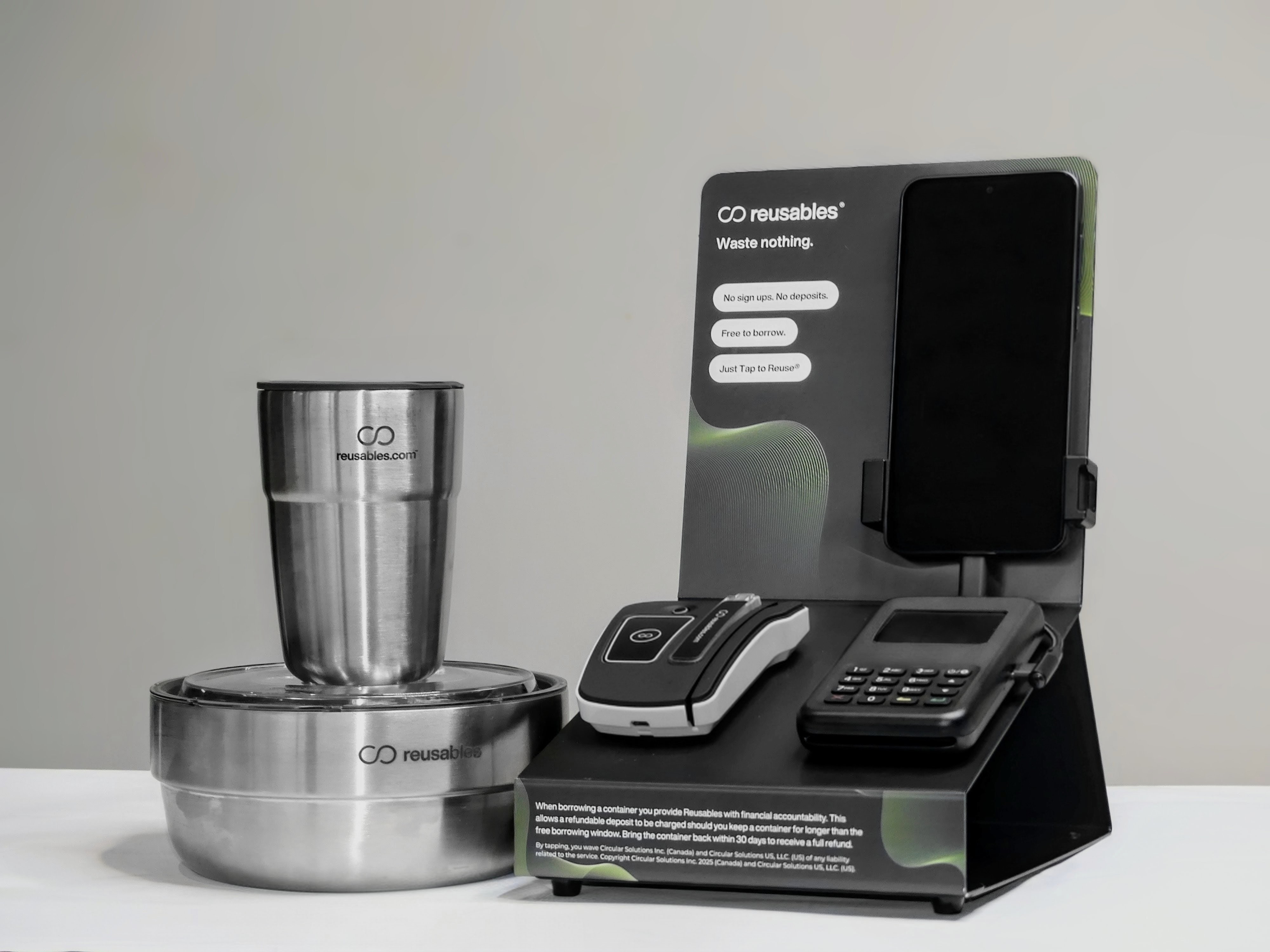
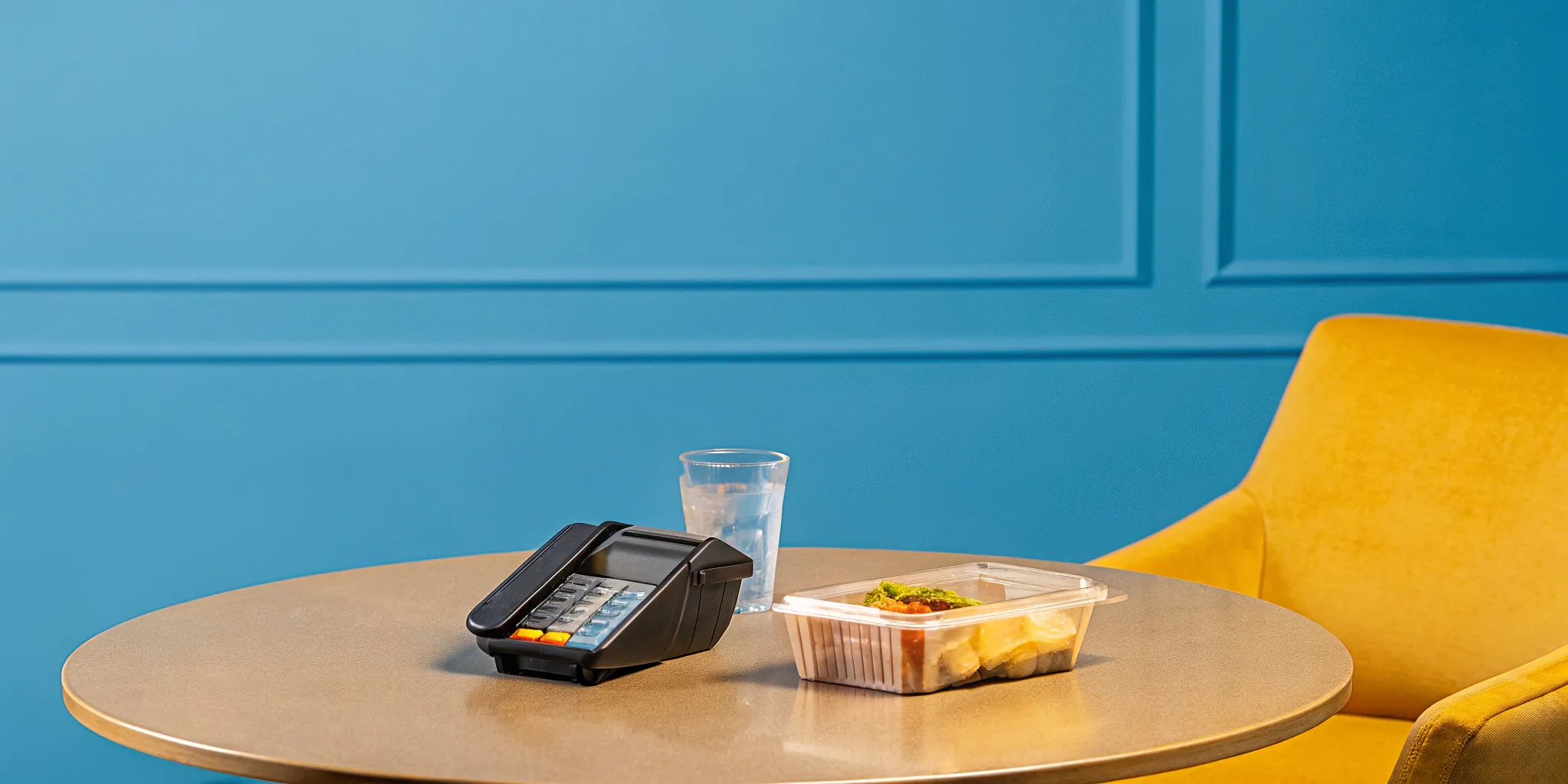
The easiest way to get people on board with a new program is to make it incredibly simple. Forcing them to download another app is a guaranteed way to limit participation. That’s why leading reuse systems offer an app-free experience. With a "Tap to Reuse" approach, students can check out a container in seconds using what they already have in their pocket: their ID card, credit card, or mobile wallet.
This isn't just about convenience; it's about integration. The best platforms connect directly with your existing campus card and POS systems, like Transact, CBORD, and TouchNet. This allows for automated accountability, such as placing a temporary hold or issuing a refundable late fee, without any manual work for your staff. When checking out a reusable container is as easy as buying a coffee, everyone is far more likely to participate. You can explore how these business solutions fit into your current operations.
Accurate Tracking with QR and RFID
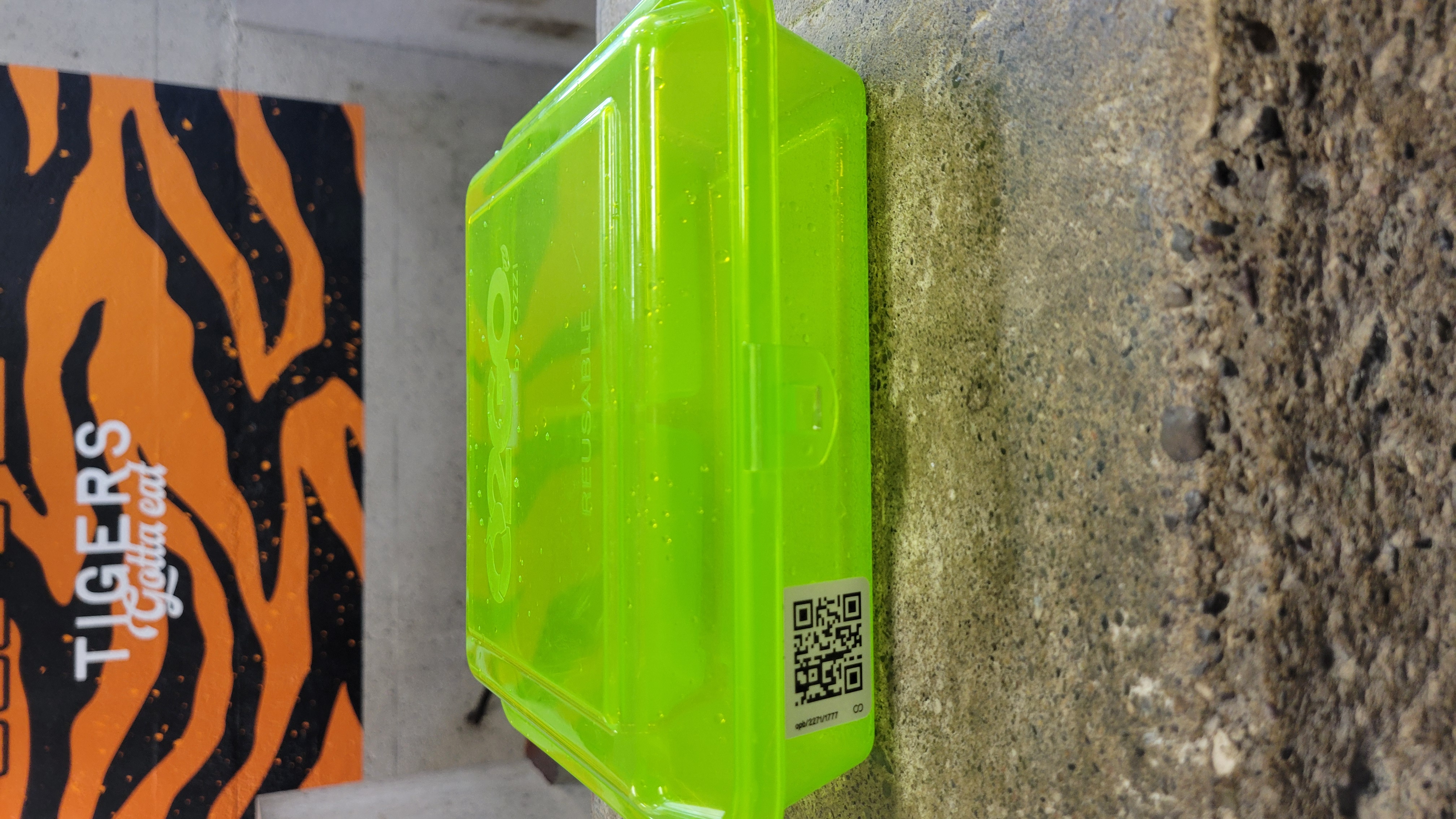
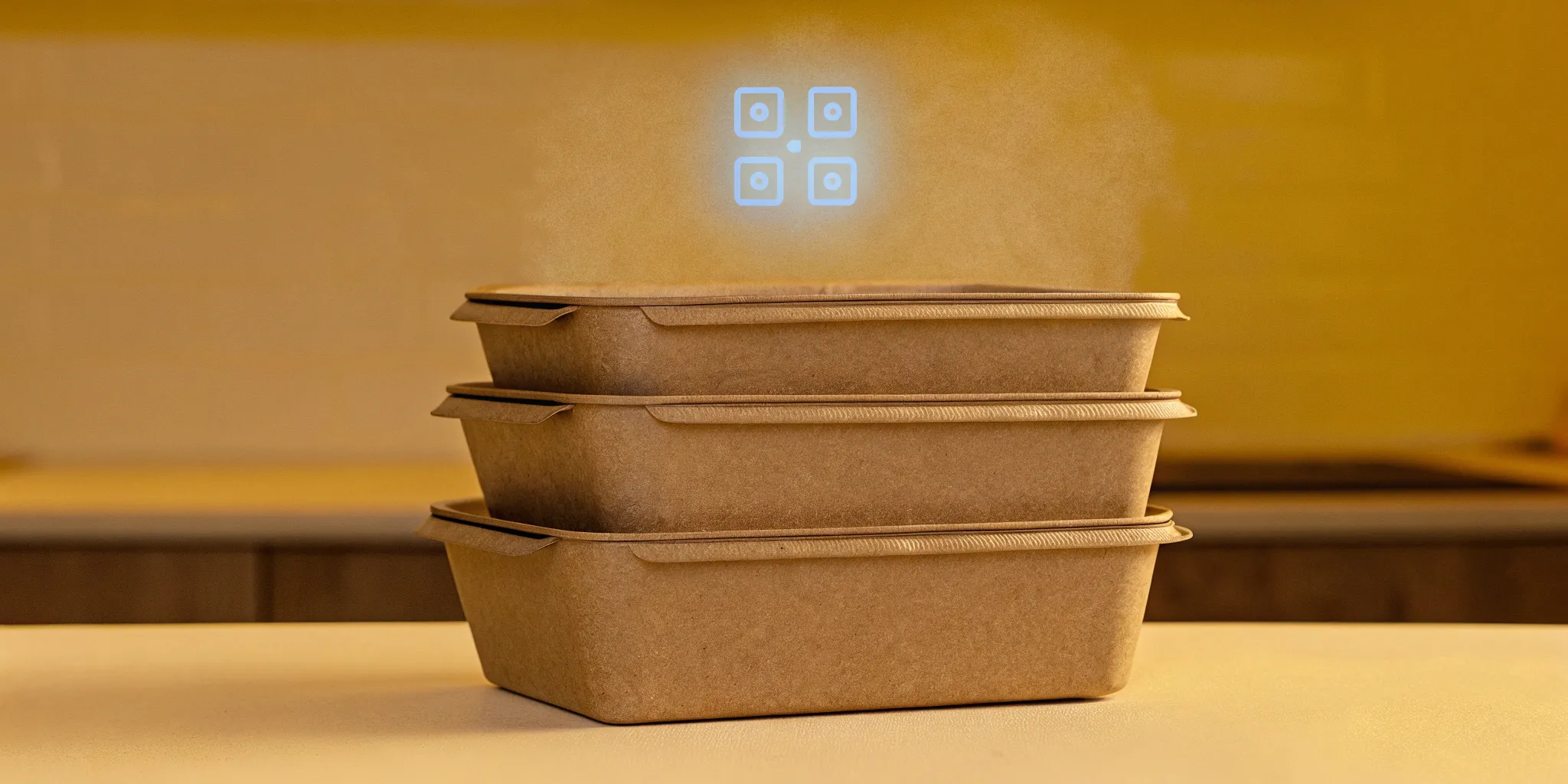
So, how do you keep track of thousands of containers across a busy location? The answer is individual container tracking. A modern system assigns a unique digital identity to every cup, bowl, and clamshell using a combination of QR codes and RFID tags. This dual-mode approach ensures every item can be scanned and accounted for, whether it’s made of durable plastic or stainless steel.
This technology eliminates the need for outdated methods like tokens or paper slips, providing precise, real-time inventory data. When a person returns a container to a smart bin or return station, it’s automatically scanned and checked back into the system. This level of accuracy is fundamental to maintaining a successful program. It ensures accountability, prevents inventory loss, and gives you a clear picture of your container fleet at all times. This tech-first approach to reuse is what separates a great system from a good one.
Automated Reminders and Real-Time Data
A smart reuse system doesn't just track containers—it helps you manage the human side of the equation. Automated reminders are a perfect example. If a customer forgets to return a container, the system can automatically send them a friendly text or email nudge. This simple feature is a game-changer for achieving high return rates, often exceeding 99%, without your staff having to chase anyone down.
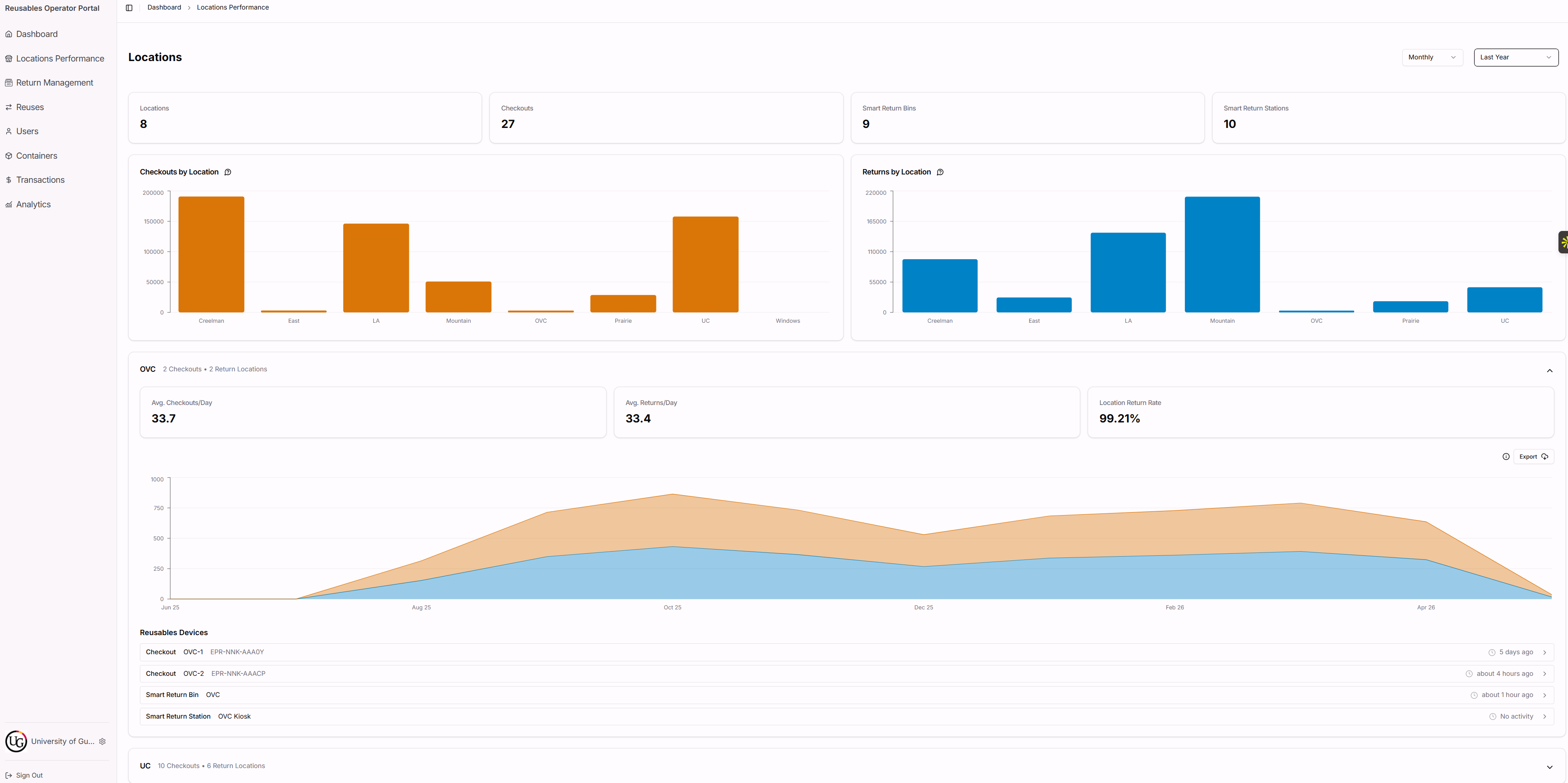
Beyond user engagement, the technology provides you with a powerful operator dashboard. Here, you can see real-time data on everything from usage rates and inventory levels to bin fullness and your program’s environmental impact. This transparency gives you complete operational visibility and the metrics you need to prove the program's success to stakeholders. If you'd like to see how this data can work for your campus, you can get in touch to see a demo.
How to Implement a Reuse System on Site
Ready to bring a reuse system to your organization? A successful launch is the result of thoughtful planning and clear communication. By breaking the process down into a few key phases—strategy, stakeholder buy-in, and staff training—you can set your program up for long-term success and make a real impact on your waste reduction goals.
Develop Your Rollout Strategy
Colleges go through billions of single-use items annually, making reuse a powerful solution. Instead of a org-wide launch, consider starting with a smaller program in one or two high-traffic dining halls. This lets you gather feedback, work out operational kinks, and build a success story you can share. Map out the most convenient spots for checkout and return stations to make participation effortless. A clear rollout plan is your roadmap to a smooth and effective implementation.
Train Your Staff for a Smooth Launch
Your frontline dining staff are the champions of your reuse program. Their confidence in the system directly impacts the experience. Provide clear, hands-on training that covers every step, from checkout to return. Remember that employees need ongoing support to adapt to new practices. Create simple, visual guides for busy shifts and foster an environment where they feel comfortable asking questions and sharing feedback. This not only helps you improve the system but also makes your team feel invested in the program's success.
Drive Participation with Community Engagement
A great reuse system is built on more than just smart technology; it thrives on community buy-in. Getting customers and staff excited about participating is what turns a good program into a success story. When people feel connected to the mission, they’re more likely to build the habits that lead to incredible return rates and real environmental impact.
The best part is that you don’t have to create this culture from scratch. A modern reuse platform comes with built-in tools to make engagement simple and fun. By combining a clear communication plan with a few smart incentives, you can create a program that customers and staff are genuinely happy to use. It’s about making sustainability the easiest and most rewarding choice.
Build Awareness and Promote the Program
A strong launch sets the tone for your entire reuse program. Before the first container is checked out, you need a clear plan to get the word out. Think of it as a campaign. Create eye-catching signage for dining halls, coffee shops, and high-traffic areas explaining how the system works. Use campus social media channels and email newsletters to announce the launch and highlight the benefits—less waste, a cleaner campus, and a simple, modern experience.
Your communication should be part of a comprehensive strategy that outlines how the program fits into your broader sustainability goals. Host a launch day event with demos and giveaways to generate initial excitement. The goal is to make the program visible and easy to understand from day one, ensuring everyone knows how to participate and why it matters.
Create Incentives and Rewards for Reusing
A little motivation can go a long way in building lasting habits. While a frictionless system removes barriers, incentives give people a positive reason to participate. This doesn’t always have to be a financial reward. Reusables.com’s platform includes gamification features like leaderboards and contests that tap into a friendly sense of competition. You can reward the most active reusers with gift cards, exclusive merchandise, or even just public recognition.
Offering small perks or discounts for participation can also be highly effective. For example, you could partner with the coffee shop to offer a small discount to anyone who uses a reusable container. These rewards reinforce positive behavior and show users and staff that their efforts are valued, making them more invested in the program's success.
Measure Your Success and Track ROI
How do you know if your engagement efforts are working? You track the data. A key advantage of a tech-enabled system is the ability to see exactly how your program is performing in real time. The Reusables.com operator dashboard gives you a clear view of key metrics like participation rates, container usage, and return rates, so you can see the direct impact of your promotional campaigns and incentives.
This data is essential for demonstrating the program's value to stakeholders. Financial viability is critical for any program's longevity, and tracking your ROI proves that reuse is not just an environmental win but a smart financial decision. By monitoring your dashboard, you can see cost savings from reduced disposable packaging purchases pile up, making it easy to build a case for expanding the program across site.
Related Articles
- 7 Smart Eco-Friendly Initiatives for Campus Food
- Successful Zero Waste Initiatives for College Dining
- A Guide: How to Use Transact Card for Reusables
- A Guide to Sustainable College Cafeterias
Frequently Asked Questions
How does a reuse system affect my budget? Think of it as shifting from a constant operational expense to a smart, long-term investment. Instead of spending tens of thousands of dollars every year on disposable containers that get thrown away, you invest in a durable inventory that circulates for hundreds of uses. Our partners typically see a reduction in their annual packaging and waste costs by 30% or more, freeing up funds for other dining service priorities.
What if people don't return the containers? This is a common concern, but it’s one we’ve solved with a two-part approach. First, we make returning incredibly easy with convenient, 24/7 smart bins placed in high-traffic areas. Second, our system has gentle, automated accountability built in. If a person forgets to return a container, they get a friendly reminder and a charge after 5 days, even if they still return after the 5 days, they get a full automatic refund until 30 days after receiving the container. This combination of convenience and accountability is how our partners achieve industry-leading return rates of 99%.
Will this system create more work for my dining staff? Quite the opposite. The system is designed to reduce your team's workload by automating the most tedious tasks. It integrates directly with your existing card and POS systems, so there’s no manual tracking of containers. Our platform handles all the user reminders and late fees automatically, meaning your staff never has to play police or chase down missing items. This gives them more time to focus on providing a great dining experience.
What if we already own reusable containers? Can we use them with your system? Absolutely. Our platform is container-agnostic, which means it’s designed to work with a wide variety of container types, including both durable plastic and stainless steel. If you have an existing inventory of containers, we can tag them with our unique QR and RFID trackers to integrate them seamlessly into our tracking and accountability system.
Can we start small, or do we have to launch site-wide all at once? Starting with a pilot program is a fantastic strategy. We often recommend launching in one or two high-traffic dining halls to begin. This allows you to introduce the system to your community, gather feedback, and build a success story. A phased rollout lets you work out any operational kinks on a smaller scale before expanding the program across site.
Other stories you may find interesting

.png)

.avif)



.webp)


Watch the Webinar
Learn How to Eliminate Single-Use Waste
Get instant access to our expert webinar and discover how leading institutions reach 99% return rates through smarter reuse systems.

© Reusables™. All rights reserved.