
How a System to Manage Reusable Container Returns Works

January 19, 2026
Let’s be direct: many reusable container programs fail. They start with great intentions but quickly run into the same old problems—containers disappear, return rates plummet, and staff are left with a logistical nightmare. This isn't because the idea is flawed; it's because the execution lacks the right technology. A successful program depends entirely on a smart, automated system to manage reusable container returns that eliminates guesswork and manual effort. By using technology like QR and RFID tracking, seamless card integrations, and smart return bins, you can achieve near-perfect return rates and gain complete operational visibility. This guide will walk you through the key components of a system that delivers real results.
Key Takeaways
- Make participation effortless to drive adoption: A successful reuse program integrates seamlessly into human life. Focus on systems that use app-free checkouts with existing cards and offer convenient, 24/7 return options to ensure people consistently choose reusables.
- Automate tracking to protect your investment: The key to a financially sustainable program is getting your containers back. A system with automated QR and RFID tracking provides the accountability needed to achieve high return rates, preventing inventory loss and eliminating manual work for your staff.
- Leverage real-time data to prove ROI: A smart system provides a clear view of your program's performance. Use a dashboard to track cost savings, waste reduction, and user engagement, giving you the concrete numbers needed to demonstrate the program's value to stakeholders.
What Is a Reusable Container System?
At its core, a reusable container system is a complete service designed to replace single-use, disposable packaging with durable, returnable alternatives. Think of it as a library system for food and drink containers. Instead of creating trash with every takeout meal, customers and staff can simply borrow a high-quality container and return it when they’re done. The goal is to make the sustainable choice the easiest and most convenient one for everyone on site.
A successful system isn’t just about providing sturdy containers; it’s about the entire infrastructure that supports them. This includes how containers are checked out, how they’re tracked, where they’re returned, and how they’re washed and put back into circulation. When all these pieces work together seamlessly, you create a closed-loop program that significantly cuts down on waste and packaging costs. It transforms the dining experience from a linear "take, eat, toss" model into a circular one that benefits both your budget and the environment. This is the foundation of the zero-waste solutions we help organizations build.
The Core Components
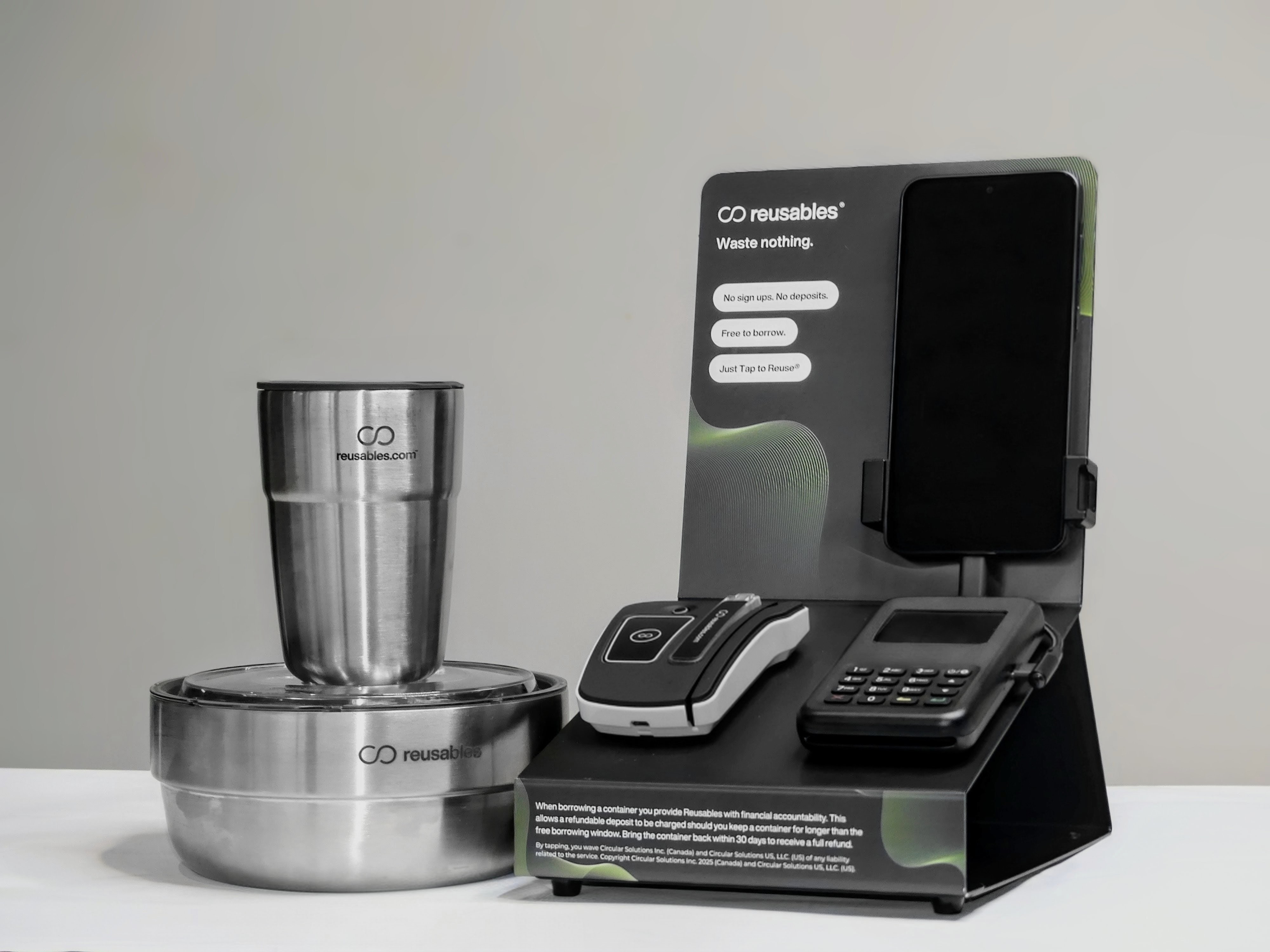
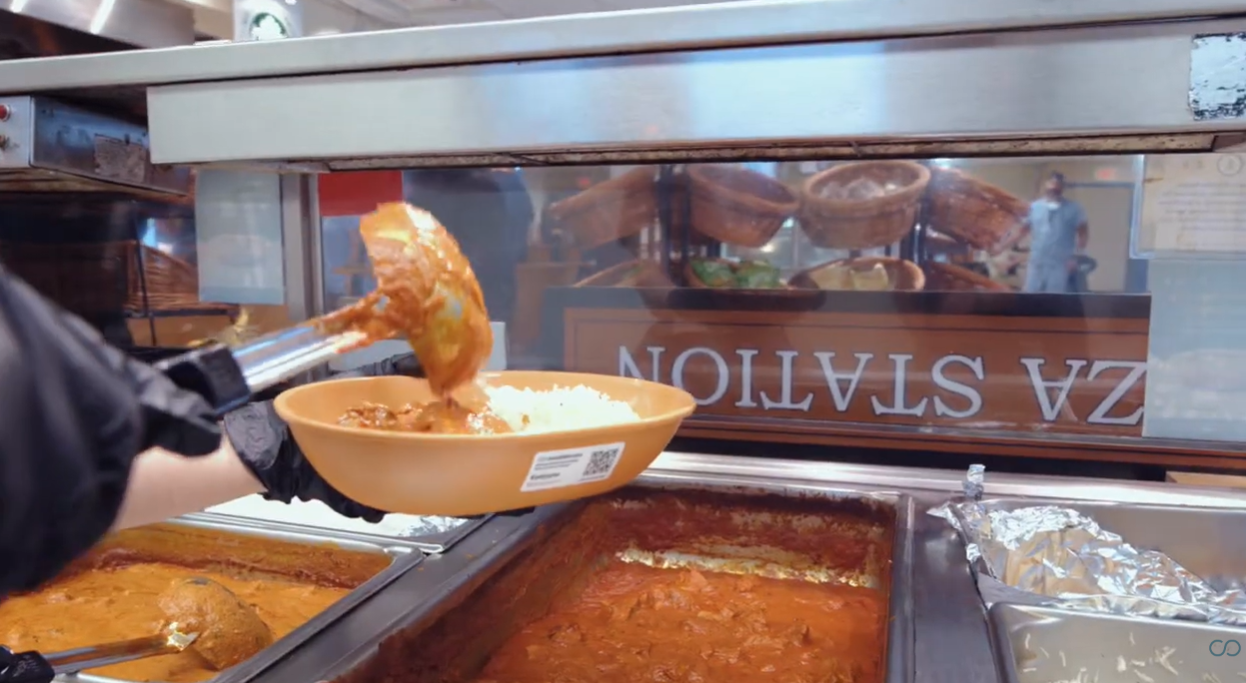
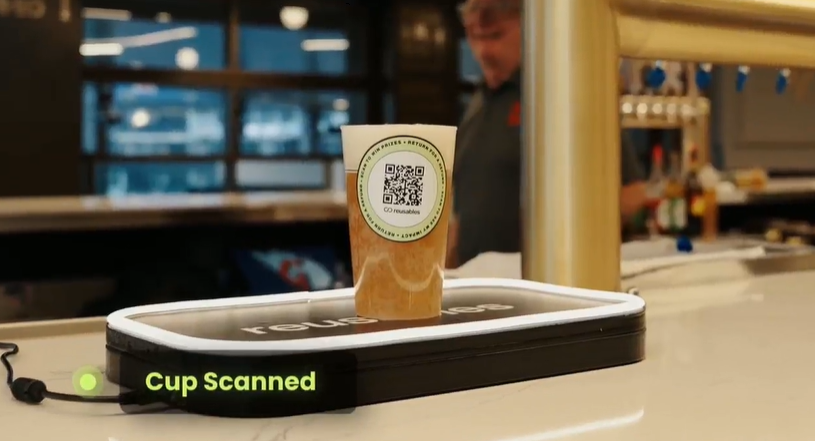
A modern reusable container system is built on a few key pillars that ensure it runs smoothly for both operators and users. First are the containers themselves—durable, food-safe, and often made from stainless steel or tough plastic. Each one is equipped with tracking technology, like a unique QR code or an RFID tag. This digital identity is what makes the whole system smart. It allows for effortless, app-free checkouts and ensures every item is accounted for. Finally, convenient return points like smart bins and scanning stations make it simple for users to drop off containers anytime, without needing a staff member present.
How It Replaces Single-Use Containers
Many places have tried reusable programs before, only to see their container inventory slowly disappear. The key difference with a modern, tech-enabled system is accountability and convenience. By making the checkout process as simple as a tap of a card, you remove the initial friction. Automated reminders and a clear, easy return process solve the problem of forgetfulness and low return rates. Instead of relying on honor systems or manual tracking, this approach provides a frictionless experience that encourages participation. It’s this combination of smart technology and user-friendly design that allows a reusable system to effectively replace single-use containers and achieve return rates of 99% or higher.
How Does a Reusable Return System Work?
A modern reusable container system is designed to be simple for both customers and your staff. It moves away from clunky, manual processes and instead uses smart, integrated technology to make borrowing and returning containers seamless. The goal is to create a system that fits right into your existing dining operations without adding extra work for your team. It all comes down to three key steps: an easy checkout process that encourages participation, convenient return options available 24/7, and accurate tracking that ensures containers always make their way back to you.
When these pieces work together, you get a smooth, efficient cycle that reduces waste, cuts down on packaging costs, and keeps your inventory secure. This isn't about adding another complex layer to your operations; it's about replacing a costly, wasteful process with a smarter, more sustainable one that people will actually want to use. The entire system is built around automation, from checkout to return to data collection, freeing up your staff to focus on what they do best: providing great food and service. It provides the operational visibility you need to manage inventory effectively while hitting your sustainability targets. Let's break down how each part of the process works.
The Tap-to-Reuse Checkout Process
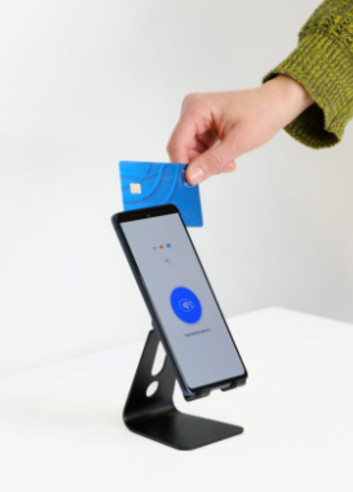
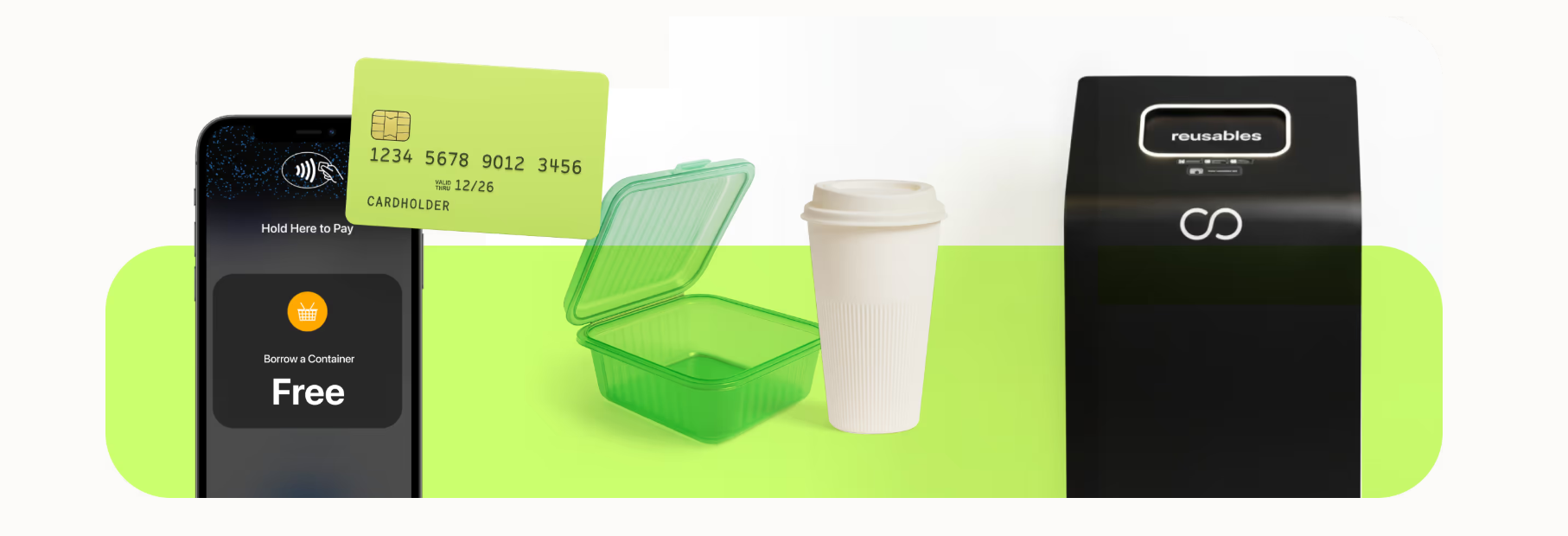
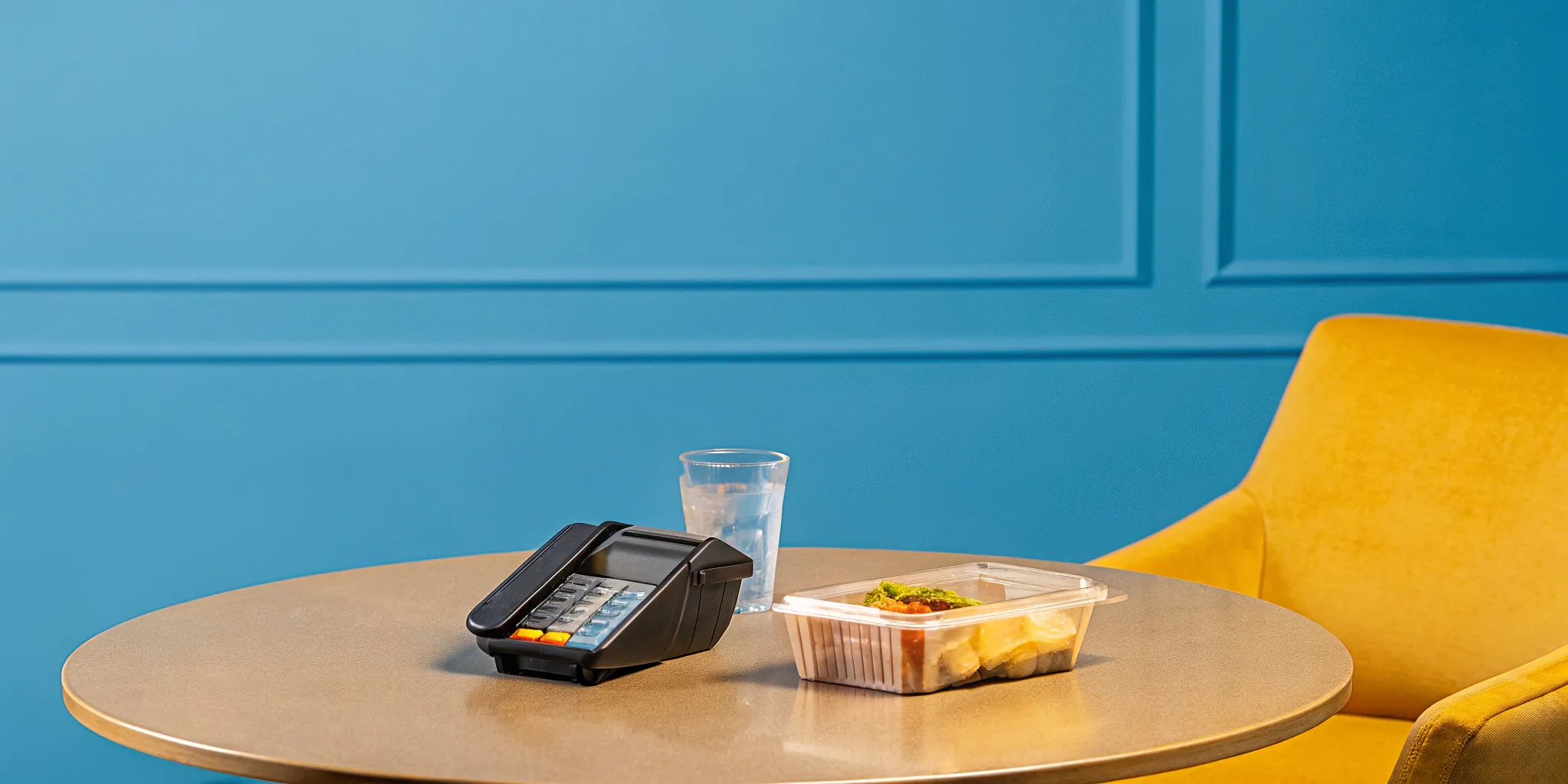
The best systems make it incredibly easy for everyone to choose reusables. The Tap-to-Reuse™ checkout process does just that by eliminating the need for anybody to download a special app or pay an upfront deposit. Instead, they can borrow a container in seconds simply by tapping their existing ID, credit card, or mobile wallet at checkout. This frictionless experience removes a major barrier to adoption and makes choosing a reusable container just as fast as grabbing a disposable one. By integrating directly with your card and POS systems, it feels like a natural part of the dining experience, not an extra step that slows down the line.
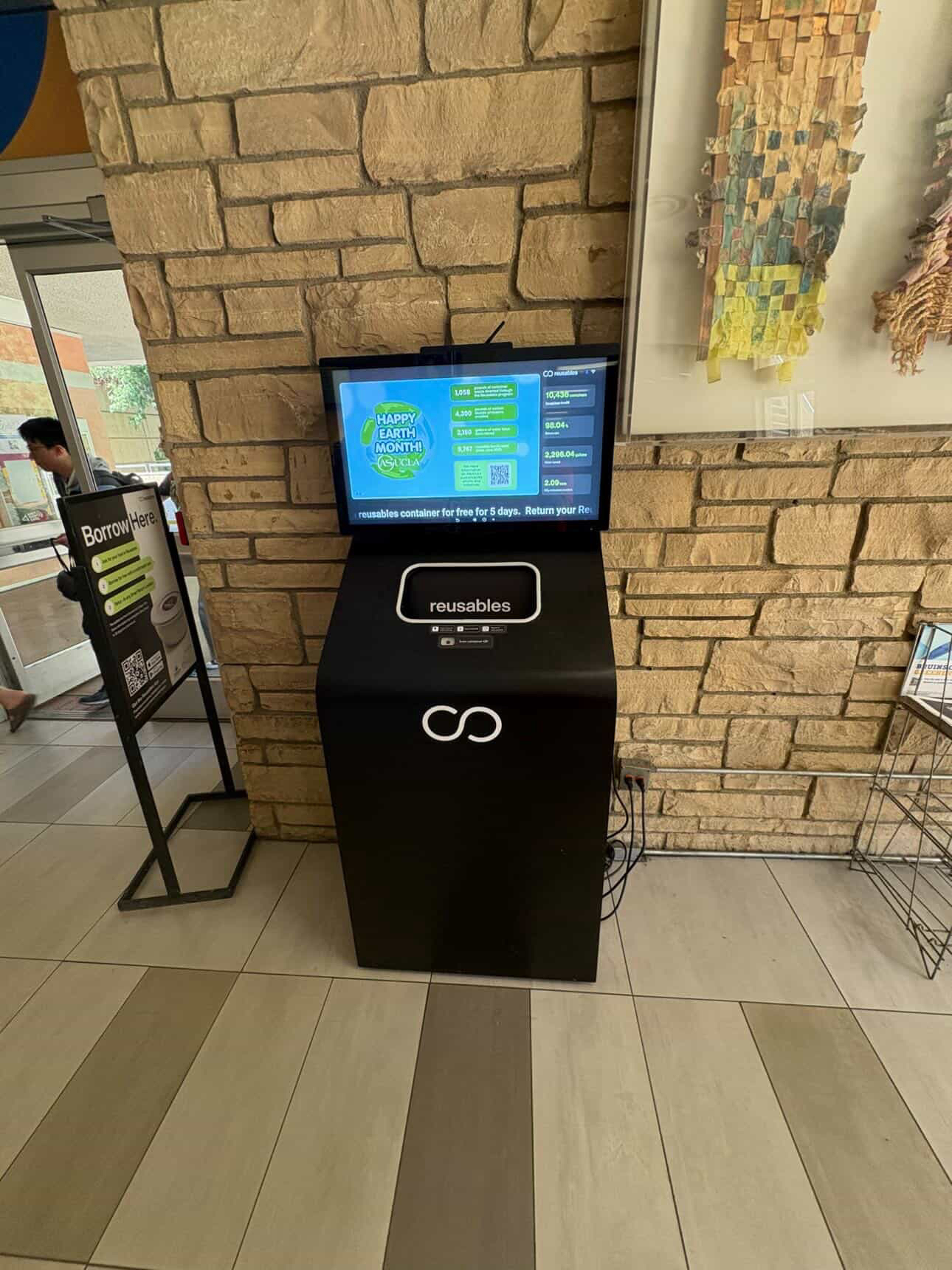
Smart Bins and Automated Returns
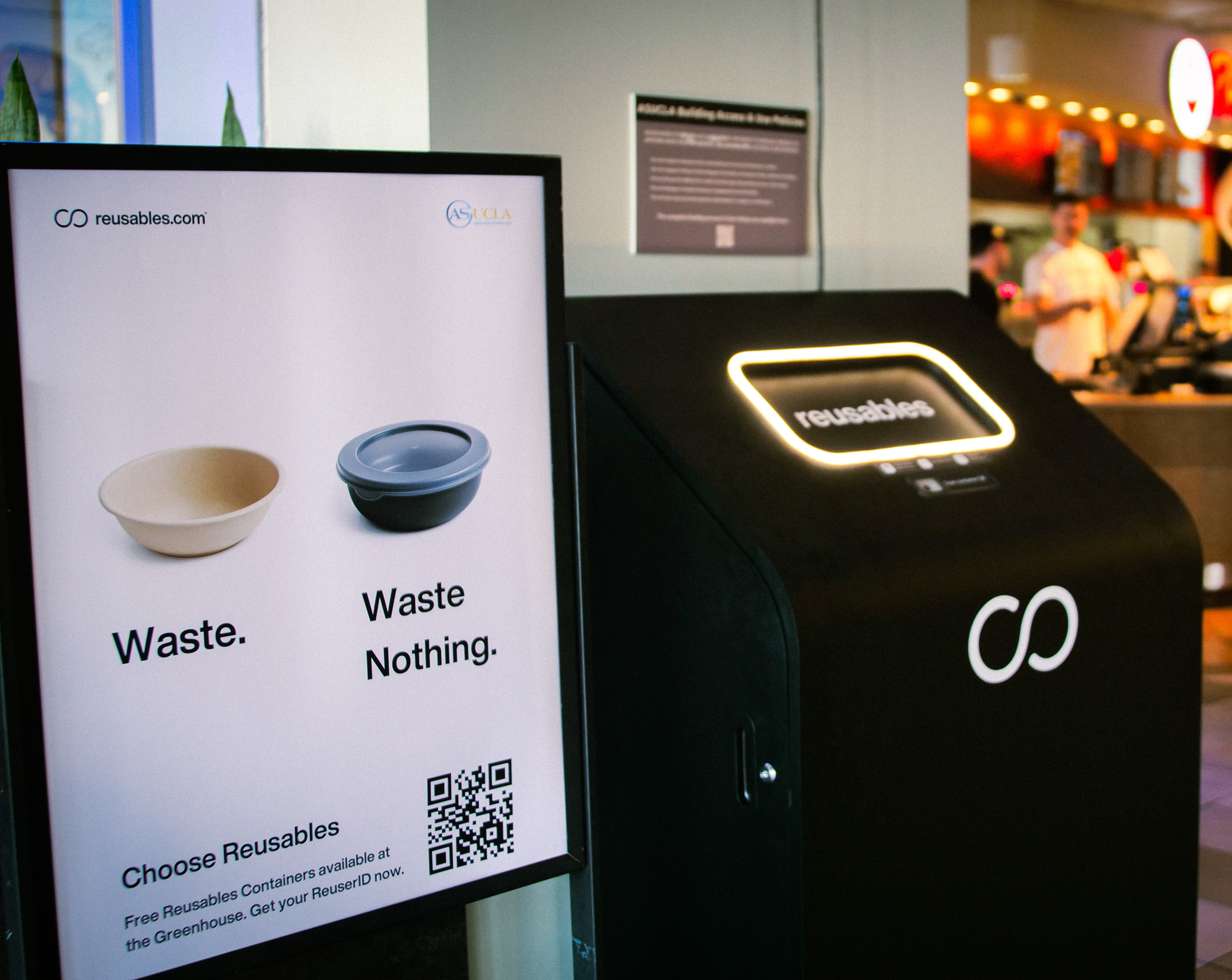
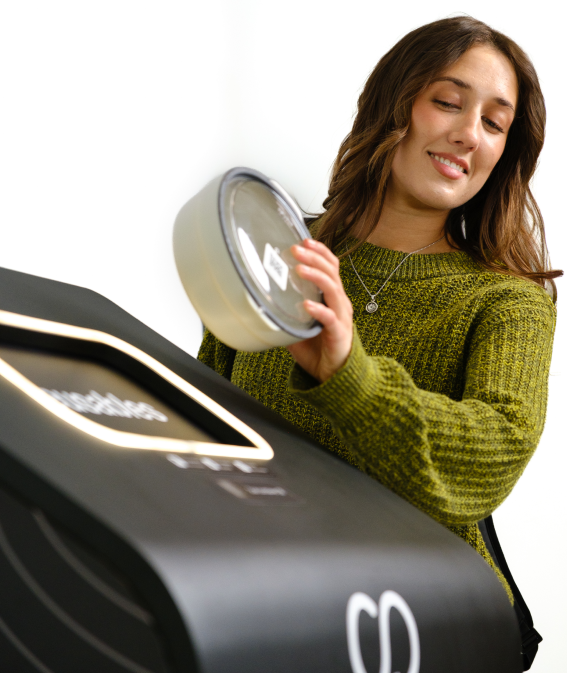
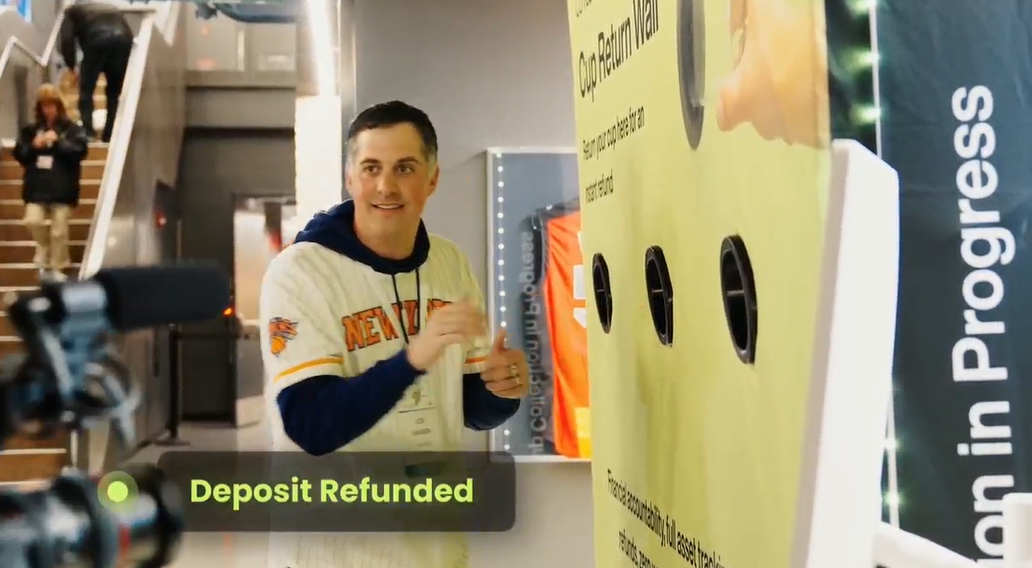
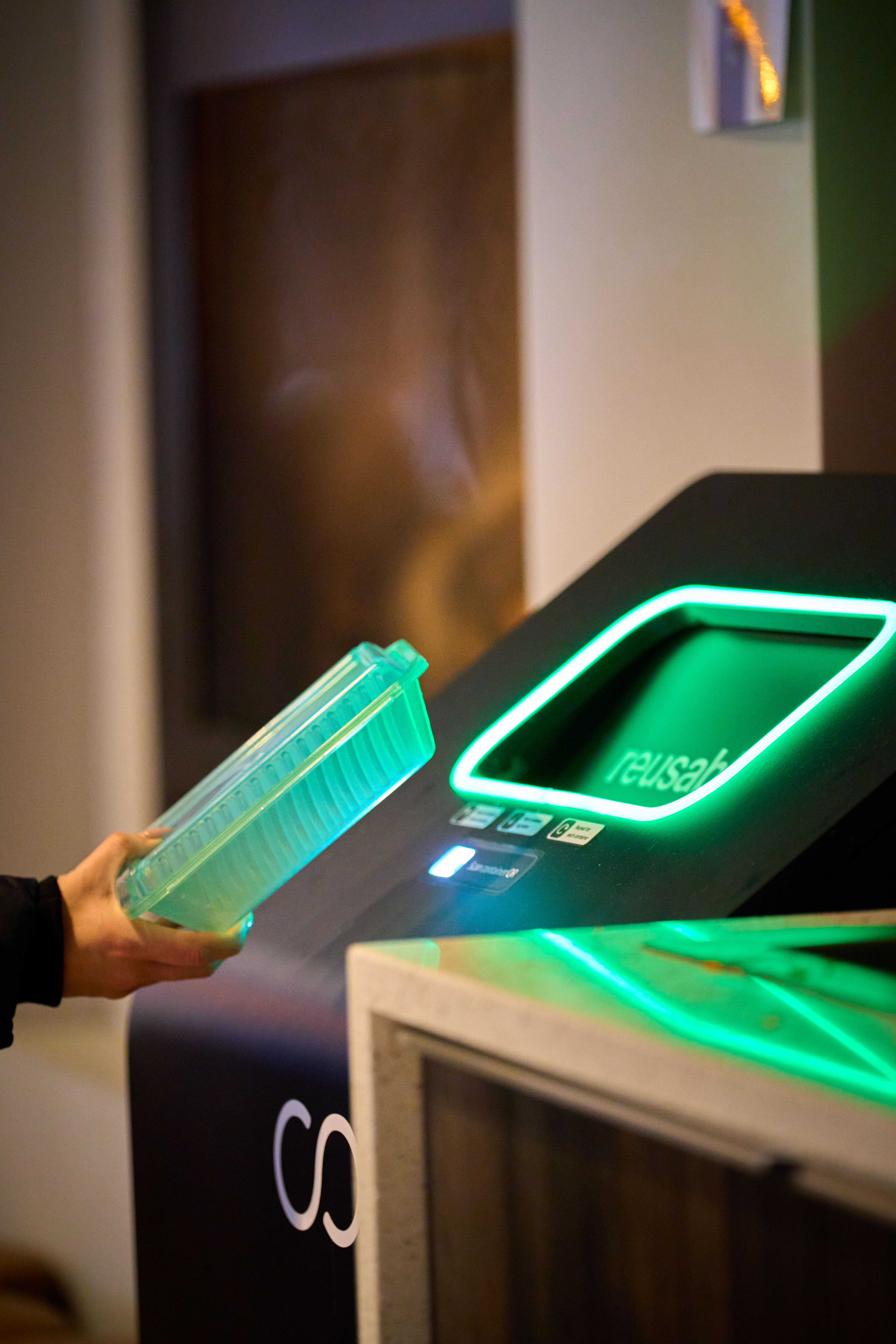
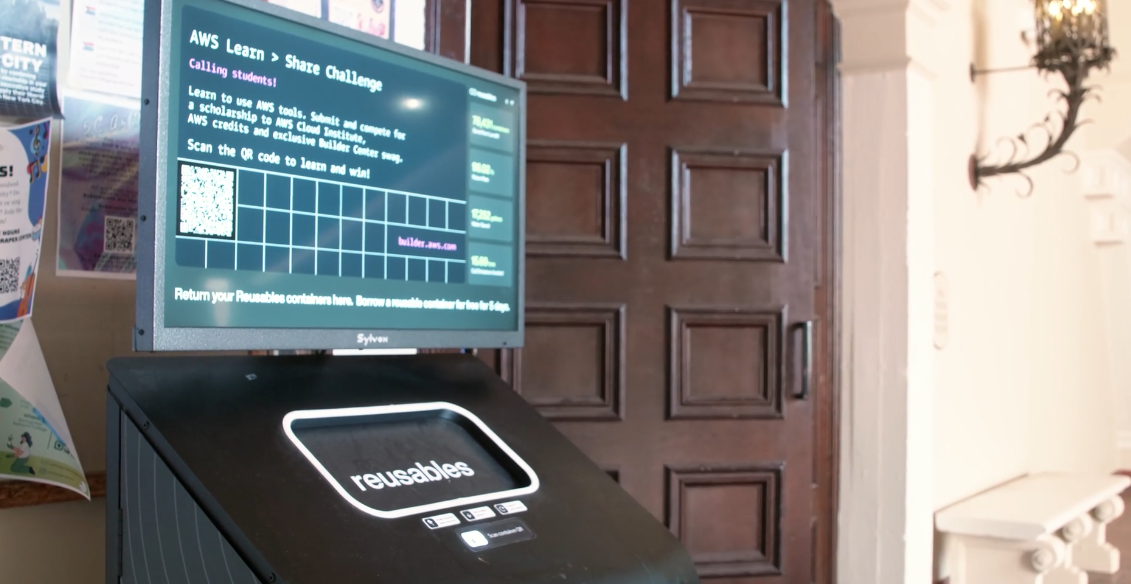
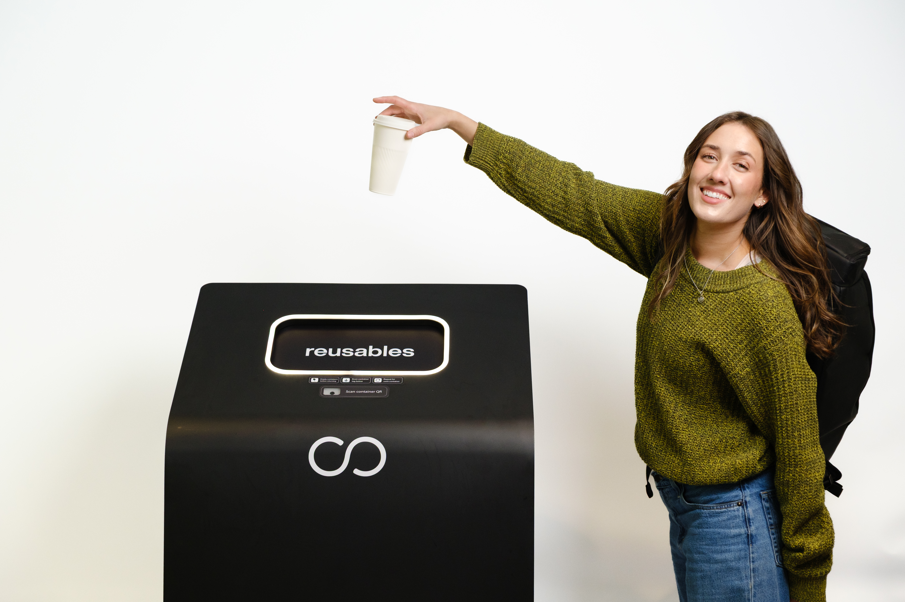
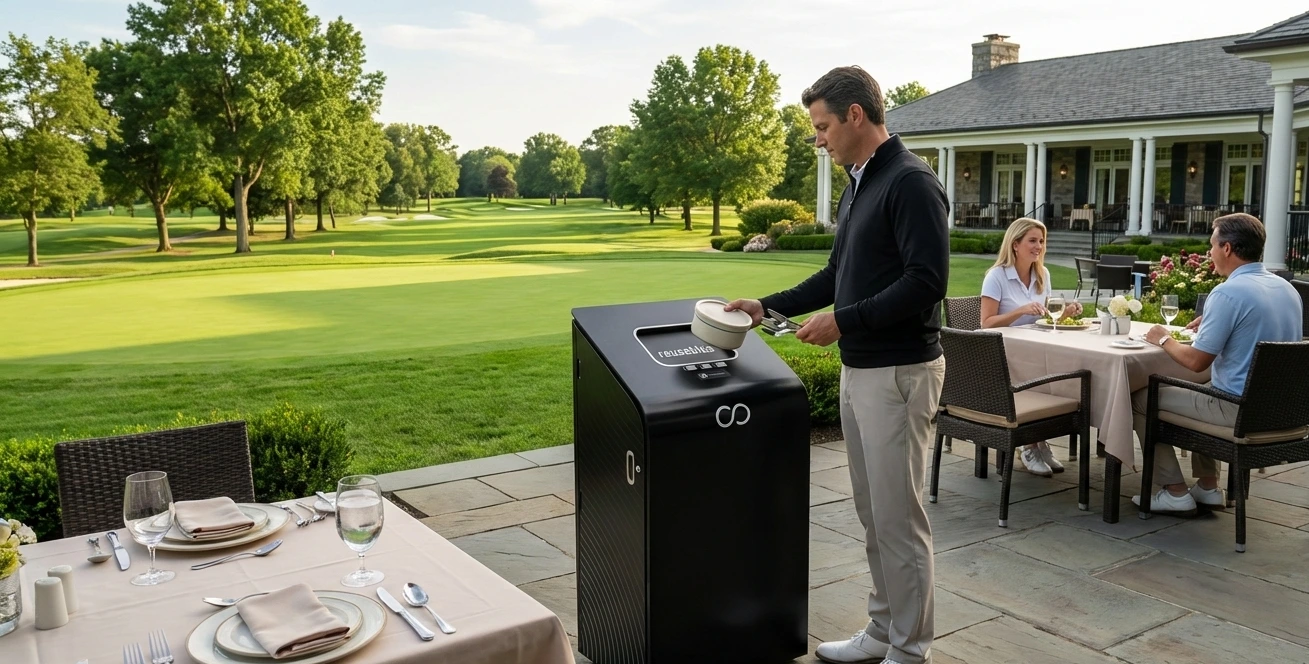
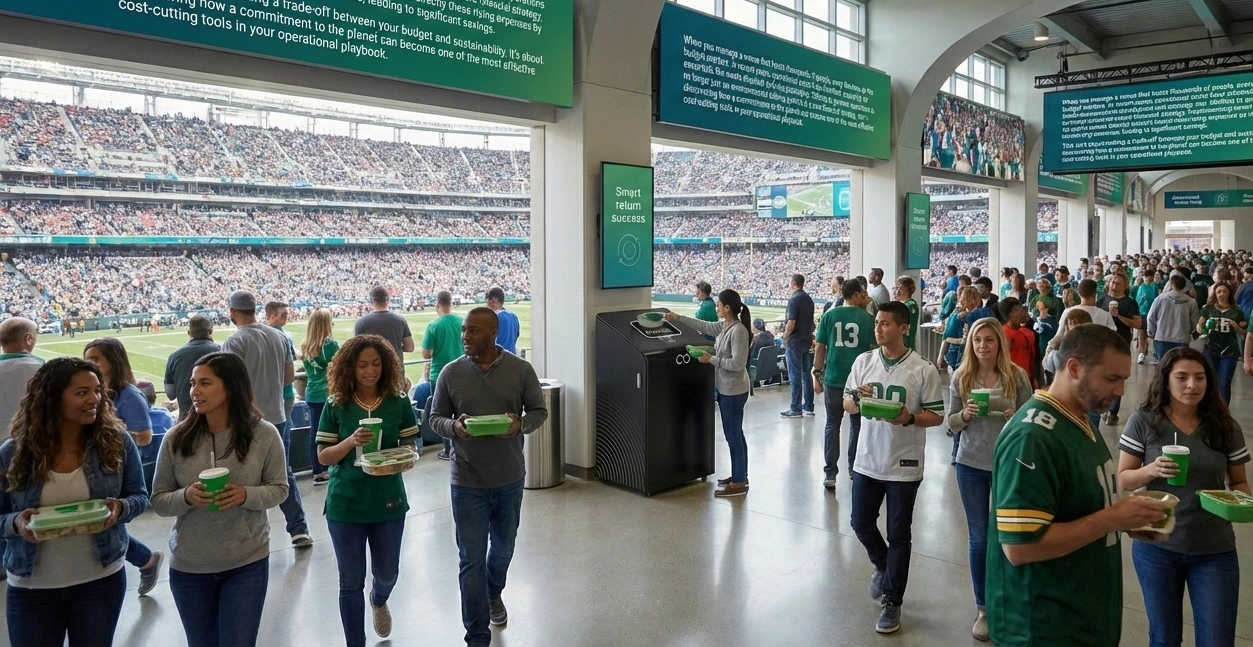
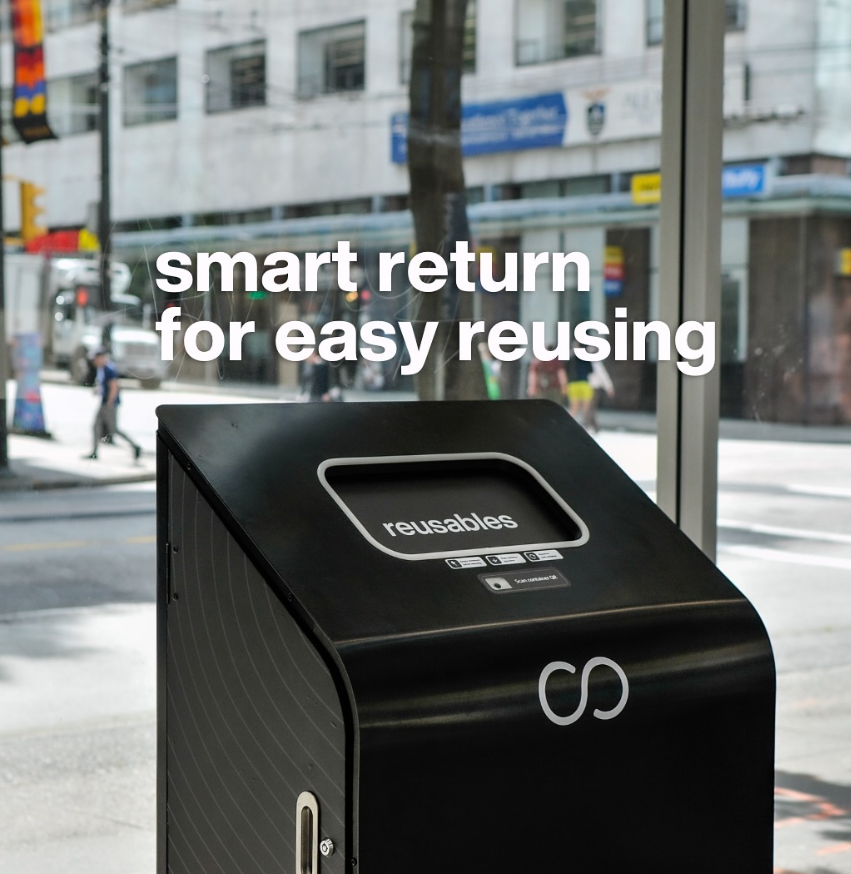
Getting containers back is just as important as checking them out. Smart Return Bins and stations are designed for 24/7, touch-free returns that don’t require any staff assistance. Customers can drop off their used containers at any time, and the station automatically scans and registers the return. This automation is a game-changer for dining services because it eliminates the need for staff to manually collect, scan, or manage returns. The bins also monitor their own fullness levels and send alerts when they need to be serviced, streamlining your operational workflow and ensuring the return process is always available and convenient for everyday life.
Tracking Containers with RFID and QR Codes
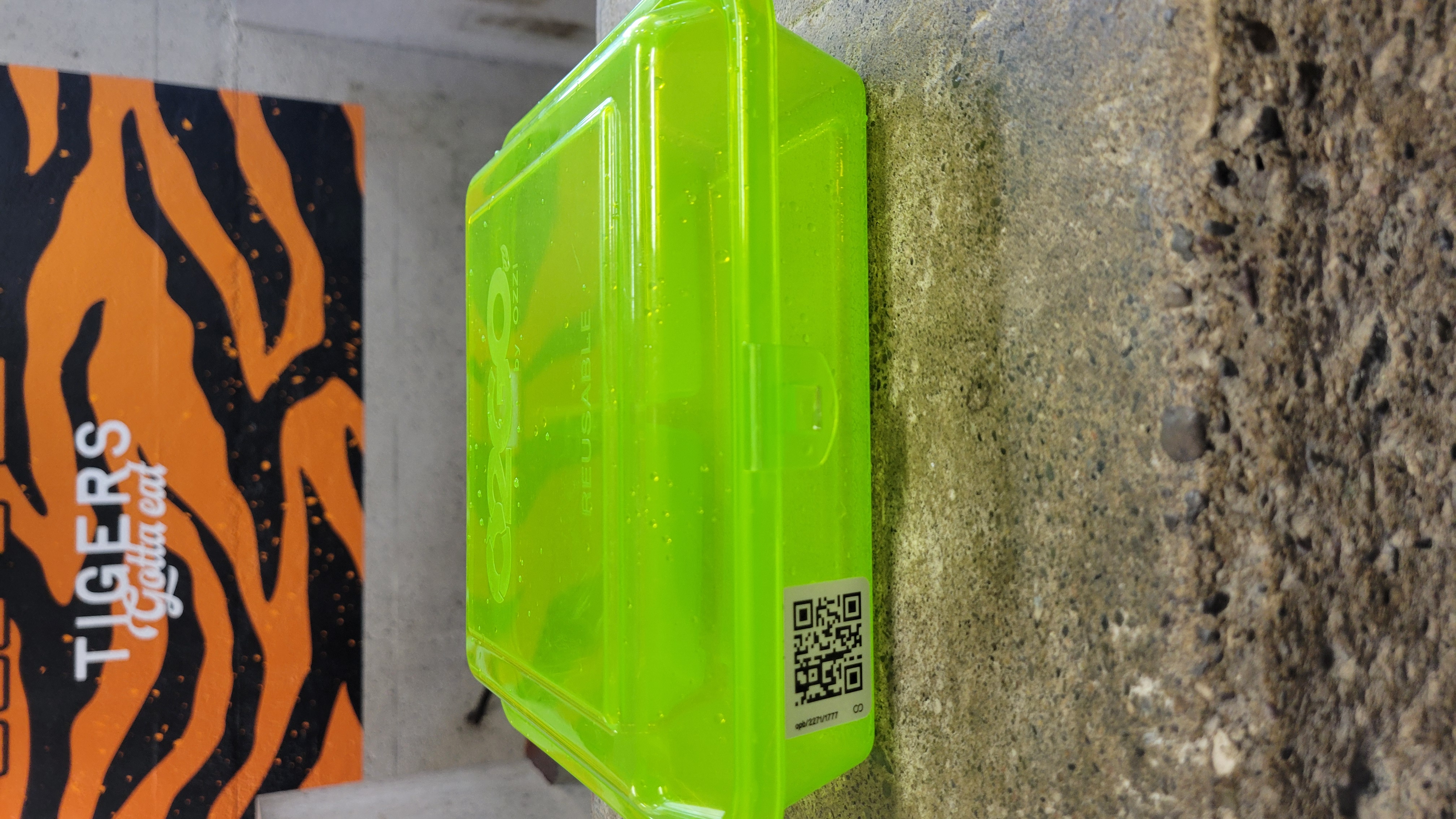
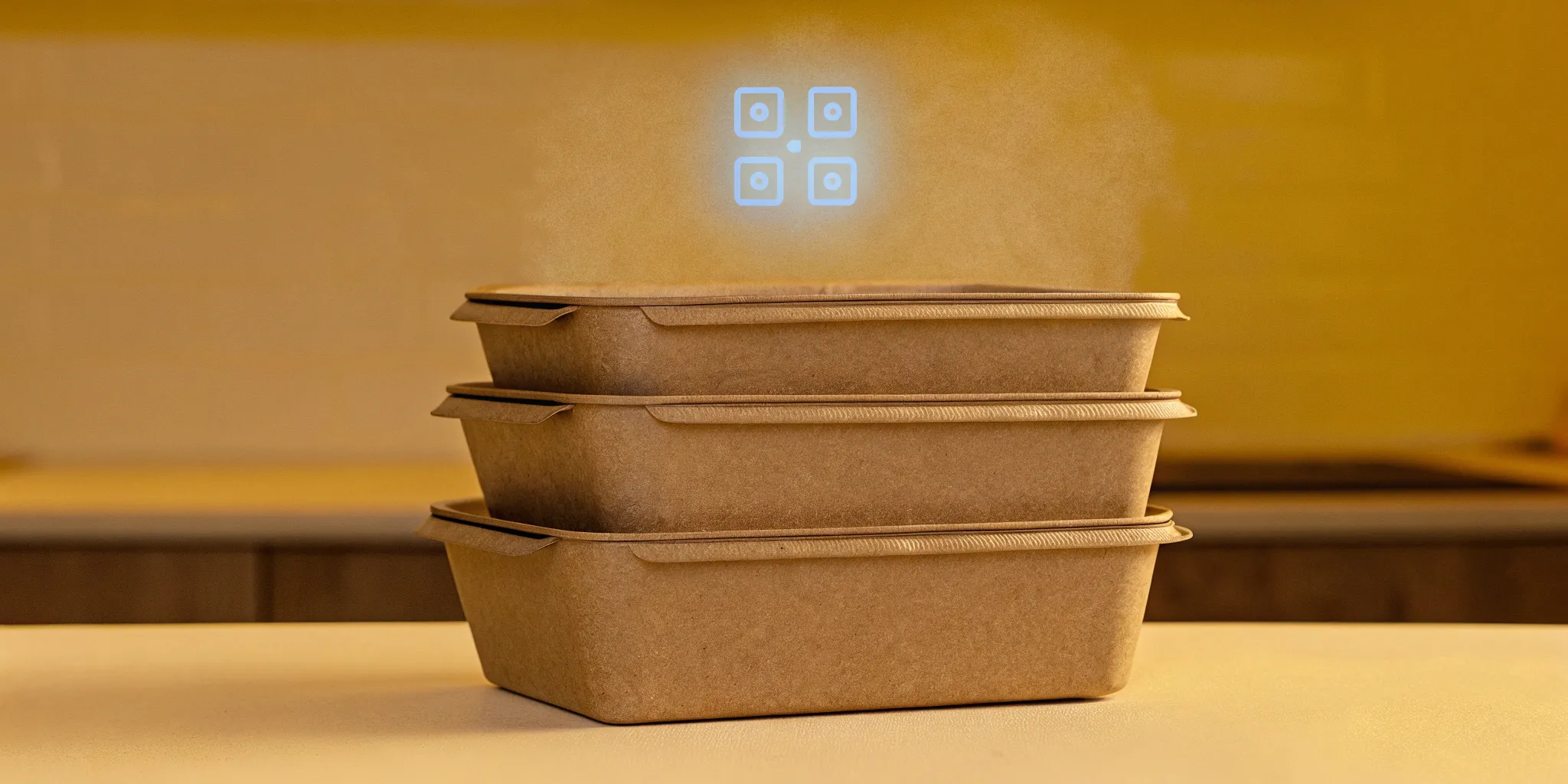
So, how do you keep track of everything? Every container is tagged with a unique identifier, like a QR code or an embedded RFID chip. This dual-mode approach ensures every item can be accurately tracked throughout its lifecycle. When a person checks out a container, the system links it to their account. When they drop it in a Smart Return Bin, the system automatically scans the tag and marks it as returned. This digital tracking provides real-time data on inventory levels, usage rates, and return patterns, giving you complete visibility into your program. It’s this automated accountability that drives industry-leading return rates and makes managing a large-scale reusables program truly sustainable.
Why Implement a Reusable Container System?
Switching from single-use containers to a reusable system is more than just an environmental decision—it's a strategic move that impacts your budget, operations, and experience. While the idea of overhauling your packaging might seem daunting, a modern, tech-enabled system simplifies the transition and delivers clear benefits from day one. It addresses the rising costs of disposables, meets demand for sustainable options, and streamlines your dining services. Let's look at the core reasons why implementing a reusable container system is a smart choice for your business or organization.
Reduce Waste and Environmental Impact
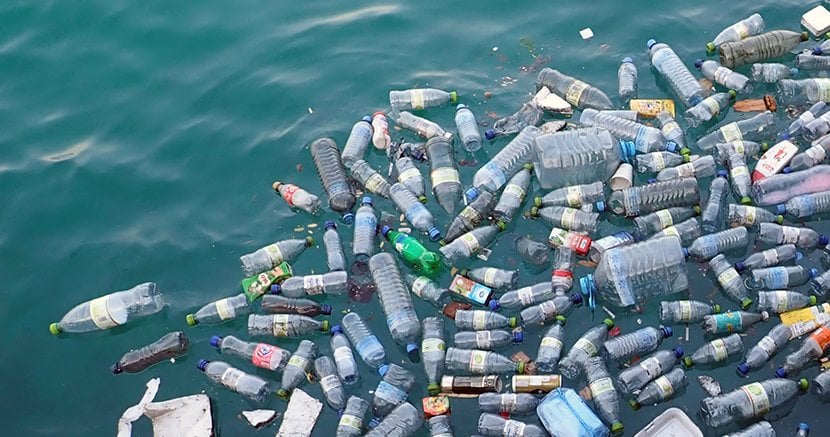
Meeting sustainability goals is a top priority, and single-use packaging is a major hurdle. A reusable container system directly tackles this challenge by replacing a constant stream of trash with a closed-loop solution. Every time a person chooses a reusable container, it’s one less disposable item heading to the landfill. By simplifying the process of borrowing and returning, you encourage widespread participation and make a measurable difference in your environmental footprint. This aligns your operations with the values of your business and institution, demonstrating a real commitment to sustainability.
Save Money and Improve Operations
The cost of disposable packaging has skyrocketed, putting a strain on dining service budgets. A reusable system offers a direct path to significant cost savings by reducing your reliance on single-use items. Instead of constantly reordering disposables, you invest in a durable inventory that pays for itself over time. Beyond packaging costs, a smart system improves your operations. You get access to a robust dashboard with reports on usage rates, inventory levels, and waste reduction, giving you the data you need to manage resources effectively. This automated approach frees up staff time and provides the operational visibility needed to run a smoother, more efficient dining program.
Create a Better, More Convenient Experience
For any new system to succeed, it has to be easy to use. Older reuse programs often failed because they were clunky or inconvenient. The goal is to make reuse feel invisible and effortless for your customers. With a modern, app-free approach like Tap-to-Reuse™, people can check out a container simply by tapping their card or phone, making it as fast as any other transaction. This frictionless experience removes barriers to adoption and encourages consistent participation. When reusing is this simple, it becomes a natural part of the dining experience, showing customers that your organization is committed to providing convenient and sustainable solutions.
Common Challenges with Reusable Container Systems
Switching from single-use packaging to a reusable system is a fantastic goal, but let's be honest—it comes with its own set of operational questions. Any new initiative requires careful planning to get right. The good news is that the most common hurdles are well-understood, and with the right approach, they are entirely solvable.
Most challenges fall into three main buckets: getting people to actually use and return the containers, making the system work with your existing technology, and managing the logistics of tracking and collecting your container fleet. A successful program isn't just about having durable containers; it's about having a smart, user-friendly system that addresses these points head-on. By anticipating these challenges, you can build a program that everyone loves and that delivers real cost savings and environmental benefits from day one.
Encouraging User Adoption and New Habits
The biggest question for any new program is: will people actually use it? Building new habits takes time, and the key is to make participation as frictionless as possible. If the process is complicated or inconvenient, humans will stick with what they know. A program’s success often comes down to its simplicity. For example, when UCLA implemented its reuse program, students quickly got on board because it was easy to use and aligned with the campus's strong sustainability culture. Gentle nudges, like automated return reminders, are also incredibly effective at helping customers remember to bring containers back on time, turning a new action into a routine habit.
Managing Logistics for High Return Rates
A reuse program is only sustainable if you get your containers back. Losing containers is not only costly but also defeats the environmental purpose of the system. Manually tracking hundreds or thousands of containers is nearly impossible and creates a huge administrative burden. This is where technology becomes essential. Modern digital systems are designed to encourage returns through automated tracking and accountability. By monitoring program data, you can see where containers are, optimize the placement of return bins, and ensure you have the inventory you need. This data-driven approach is critical for achieving high return rates and proving the program's financial and environmental ROI over time.
Key Features to Look For in a Return System
When you’re evaluating different reusable container systems, it’s easy to get lost in the details. But not all platforms are built to handle the scale and pace of a busy location. The right system should make life easier for your staff and customers, not add another layer of complexity. A successful program hinges on a few critical features that work together to create a smooth, intuitive experience for everyone involved.
The goal is to find a solution that feels like a natural part of your dining operations. It should integrate with the tools you already use, provide clear data on your progress, and make it simple for everyone to participate. Look for a system that automates the tedious work—like tracking containers and managing fees—so your team can focus on providing great food and service. The most effective systems are designed to drive high return rates without creating extra work, ensuring your investment saves money and makes a real environmental impact.
Automated, Dual-Mode Tracking (QR + RFID)
To run a successful reuse program, you need to know where your containers are at all times. The best way to do this is with a system that gives each reusable item a unique special tag, like a QR code or an RFID chip. This technology allows you to track every container from checkout to return, creating accountability and preventing inventory loss. Dual-mode tracking is especially important because it offers the flexibility to use different types of containers, from durable plastic to stainless steel, without sacrificing accuracy. This automated approach eliminates manual counting and guesswork, giving your team precise, real-time inventory data and helping you maintain the high return rates needed for a cost-effective program.
Seamless, App-Free Payment Integrations
The biggest barrier to adopting a new habit is friction. If people have to download an app or create a new account just to borrow a container, many won’t bother. A top-tier system avoids this by integrating directly with your existing infrastructure. Look for a solution that allows for an app-free checkout using ID cards, meal plans, or credit/debit cards. This approach connects with your current payment and credential systems to keep track of items without creating a separate process. By making reuse as simple as a tap, you can expect much higher participation and a smoother experience for both customers and cashiers. This seamless integration is a core component of modern reuse solutions for businesses.
Real-Time Data and Engagement Tools
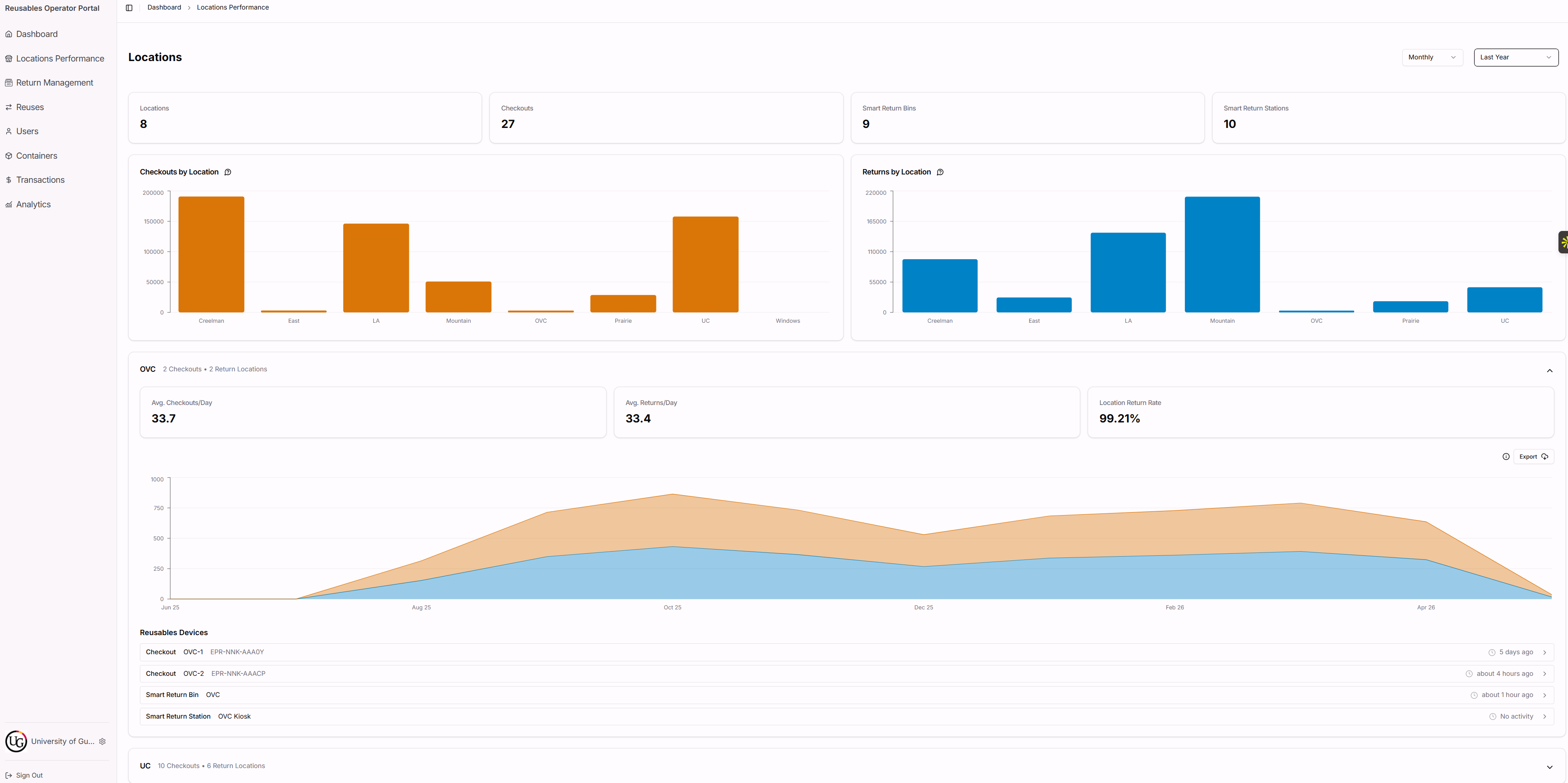
How do you know if your program is actually working? A powerful system gives you access to a dashboard with real-time data and clear reports. You should be able to easily see key metrics like return rates, container usage, inventory levels, and bin fullness. This information is crucial for managing your operations efficiently and demonstrating the program's success to stakeholders. Beyond just numbers, look for tools that help you engage with your community. Features like leaderboards, rewards, and contests can turn participation into a fun, organization-wide initiative. These tools not only encourage returns but also help build a campus culture that values sustainability and supports your mission.
How to Measure the Success of Your Reusables Program
Once your reusable container program is up and running, how do you know if it’s actually working? Measuring success goes beyond simply counting how many containers are in circulation. A truly successful program delivers on multiple fronts: it operates efficiently, saves money, reduces waste, and creates a positive experience for your community. By tracking the right data points, you can get a clear picture of your program’s performance and demonstrate its value to key stakeholders across site.
Tracking Key Metrics and Return Rates
The health of any reuse program starts with its return rate. After all, containers that aren’t returned can’t be reused, which undermines both the financial and environmental goals. The Sustainable Packaging Coalition suggests that success rests on three pillars: long-term user engagement, high return rates, and a lower environmental footprint. A modern system with a real-time dashboard makes it easy to monitor these metrics. Look for a return rate of 95% or higher as a benchmark for a healthy, self-sustaining program. This ensures you maintain enough inventory and avoid the cost of replacing lost containers. Tracking these key performance indicators gives you the data you need to make informed decisions and keep your program running smoothly.
Analyzing Cost Savings and Environmental Impact
A well-run reusables program should have a positive impact on your budget and your sustainability goals. With the cost of single-use packaging continuing to rise, switching to reusables presents a clear opportunity for significant cost savings. Your system should allow you to track exactly how much you’re saving on disposable container procurement over time. On the environmental side, the primary goal is to reduce waste from single-use packaging. A robust reporting dashboard can translate your program’s usage data into tangible impact metrics, such as the number of single-use items diverted from landfills, and the associated reduction in carbon emissions and water usage.
Measuring User Engagement and Participation
A system is only successful if people use it. High user adoption is critical, and the best way to achieve it is by making participation effortless. A program that integrates easily with life—for example, by linking to cards for checkout—removes friction and encourages participation. You can measure engagement by tracking the number of unique users, the frequency of use, and participation rates across different dining locations. Smart systems also use automated notifications to send a friendly reminder to return containers, which helps maintain high return rates without adding work for your staff. Looking at these engagement metrics helps you understand user behavior and identify opportunities to make the experience even better.
Related Articles
- How to Encourage Reusable Container Returns
- How Student Card Reusable Container Checkout Works
- Smart Reuse Programs for Campuses, Private Clubs, Offices & More
- The Right Way to Buy Reusable Food Containers for College
- QR Code Reusable Packaging: A Campus Guide
Frequently Asked Questions
What if people don't return the containers? This is one of the most common concerns, and it’s why modern systems are built around accountability. Each container is linked to a credit card or account during checkout. If an item isn't returned on time, the system automatically sends friendly reminders. This simple, automated process is incredibly effective and helps maintain return rates of 99% or higher, ensuring your container inventory stays secure without your staff having to chase anyone down.
How much work is it for my staff to implement and manage this system? A smart reuse system is designed to reduce your team's workload, not add to it. The technology automates the most time-consuming tasks, like tracking inventory, processing returns, and managing late fees. Since checkouts and returns are self-service for customers, your staff is freed up from manual oversight. The goal is to have the system run quietly in the background, making your dining operations smoother and more efficient.
How does a reusable system actually save us money? The savings come primarily from cutting your spending on disposable packaging, which has become increasingly expensive. While there is an initial investment in the durable containers and the system itself, it quickly pays for itself by eliminating the recurring cost of single-use items. Over time, this leads to significant savings for your dining services budget, turning a major expense into a smart, sustainable investment.
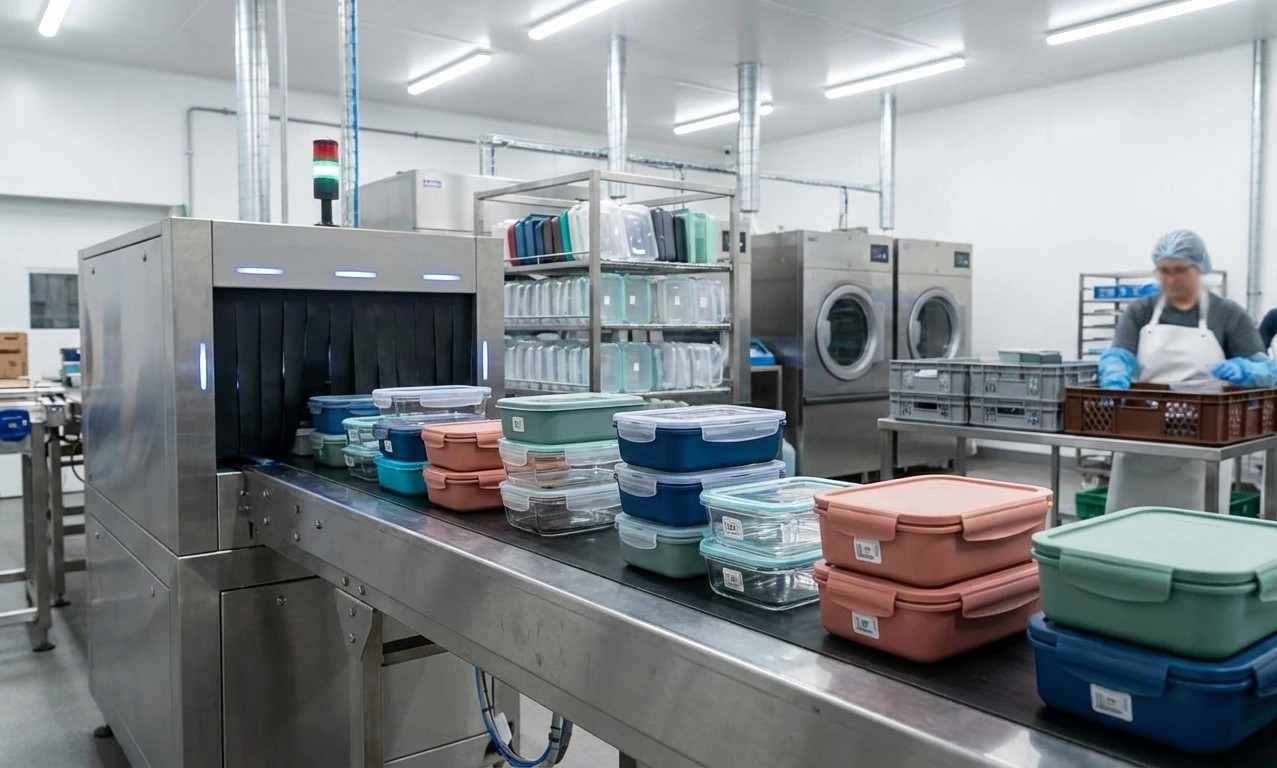
What about the logistics of washing and sanitizing the containers? The system is designed to fit right into your existing dishwashing operations. Smart return bins streamline the collection process, making it simple for your staff to gather used containers. From there, they can be washed and sanitized in your commercial dishwashers, just like the rest of your dining ware. The system makes the front-end process of borrowing and returning seamless, so your back-of-house team can handle the cleaning efficiently.
Does this system require our team to download another app? No, and that’s one of its biggest strengths. Everyone is tired of downloading a new app for every little thing. This system is app-free and integrates directly with the technology they already use every day, like student ID cards, debit/credit cards, and mobile wallets. By making the process as simple as a tap, we remove a huge barrier to participation and make it easy for everyone to choose the sustainable option.
Other stories you may find interesting

.png)

.avif)



.webp)


Watch the Webinar
Learn How to Eliminate Single-Use Waste
Get instant access to our expert webinar and discover how leading institutions reach 99% return rates through smarter reuse systems.

© Reusables™. All rights reserved.