
How to Achieve a Zero-Waste Hospital Food Service

December 15, 2025
Disposable packaging costs have skyrocketed, and waste hauling fees keep climbing. For hospital food service directors, managing a budget can feel like a constant battle against rising expenses. What if you could turn one of your biggest cost centers—waste—into a source of significant savings? This isn't just wishful thinking; it's the practical outcome of a well-designed zero-waste strategy. By rethinking everything from procurement to plate service, you can cut down on purchasing, lower disposal fees, and improve your bottom line. This guide provides a clear, actionable framework on how to achieve a zero-waste hospital food service, transforming your operation into a model of financial and environmental responsibility.
Key Takeaways
- Tackle Waste Before It Starts: Your biggest cost savings come from upstream decisions. Implement data-driven forecasting, design flexible menus to use every ingredient, and work with suppliers on packaging to cut waste and expenses at the source.
- Use Data to Build Your Business Case: You can't manage what you don't measure. Conduct a waste audit to establish a baseline, set specific KPIs for reduction, and use the data to clearly demonstrate cost savings and operational improvements to leadership.
- Empower Your People to Drive Change: A zero-waste program succeeds when your team is invested. Involve kitchen staff in finding solutions, collaborate with clinical departments to ensure compliance, and partner with community organizations to give the work a greater purpose.
What is Zero-Waste Food Service? (And Why It Matters for Hospitals)
Zero-waste food service is a system designed to dramatically reduce the amount of waste sent to landfills and incinerators. It’s not about achieving absolute zero, but about creating a circular flow where resources are used thoughtfully from procurement to disposal. For a hospital, this means rethinking everything from menu planning and purchasing to food preparation and managing leftovers. It involves preventing waste before it happens, recovering surplus food for those in need, and composting or recycling the rest.
Adopting a zero-waste approach is more than just an environmental initiative; it’s a strategic decision that aligns directly with a hospital's core mission to promote health. By cutting down on waste, you not only contribute to a healthier planet but also unlock significant cost savings and strengthen your connection to the community. It’s a powerful way to demonstrate leadership in sustainability while improving your operational efficiency. Let’s break down why this matters for your facility.
See the Environmental Impact of Hospital Food Waste
Hospitals are centers for healing, yet their operations can have a significant environmental footprint. Food waste is a major contributor, making up a large portion of a hospital's total waste stream. When this organic material ends up in a landfill, it decomposes and releases methane, a greenhouse gas that is about 25 times more potent than carbon dioxide at trapping heat in the atmosphere.
The scale of this impact is staggering. If the global healthcare sector were a country, it would be the world's fifth-largest source of greenhouse gas emissions. By implementing a zero-waste food service program, your hospital can take direct action to reduce its carbon footprint, conserve natural resources, and position itself as a leader in environmental stewardship.
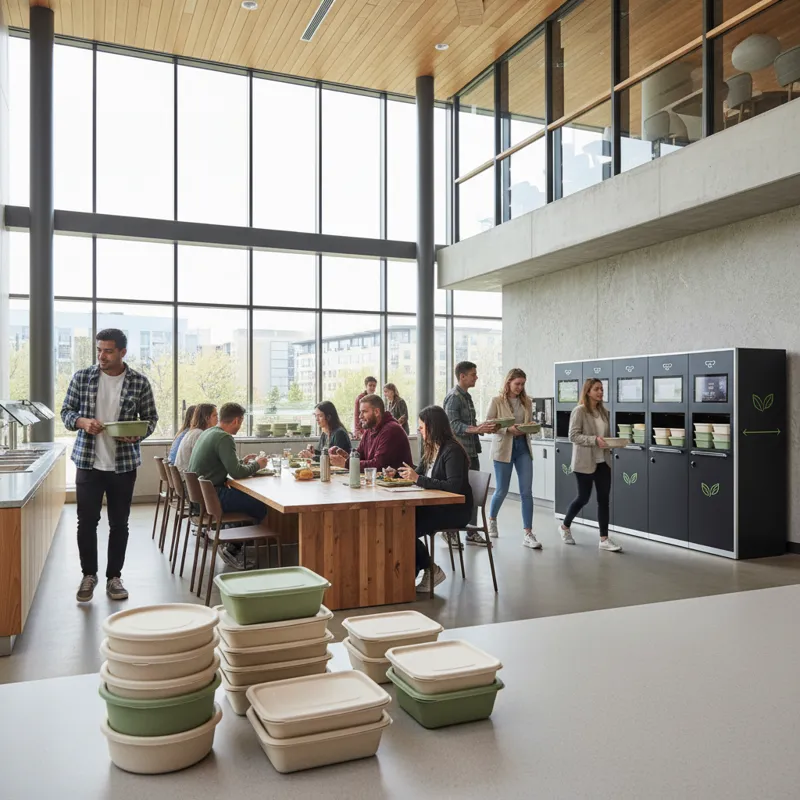
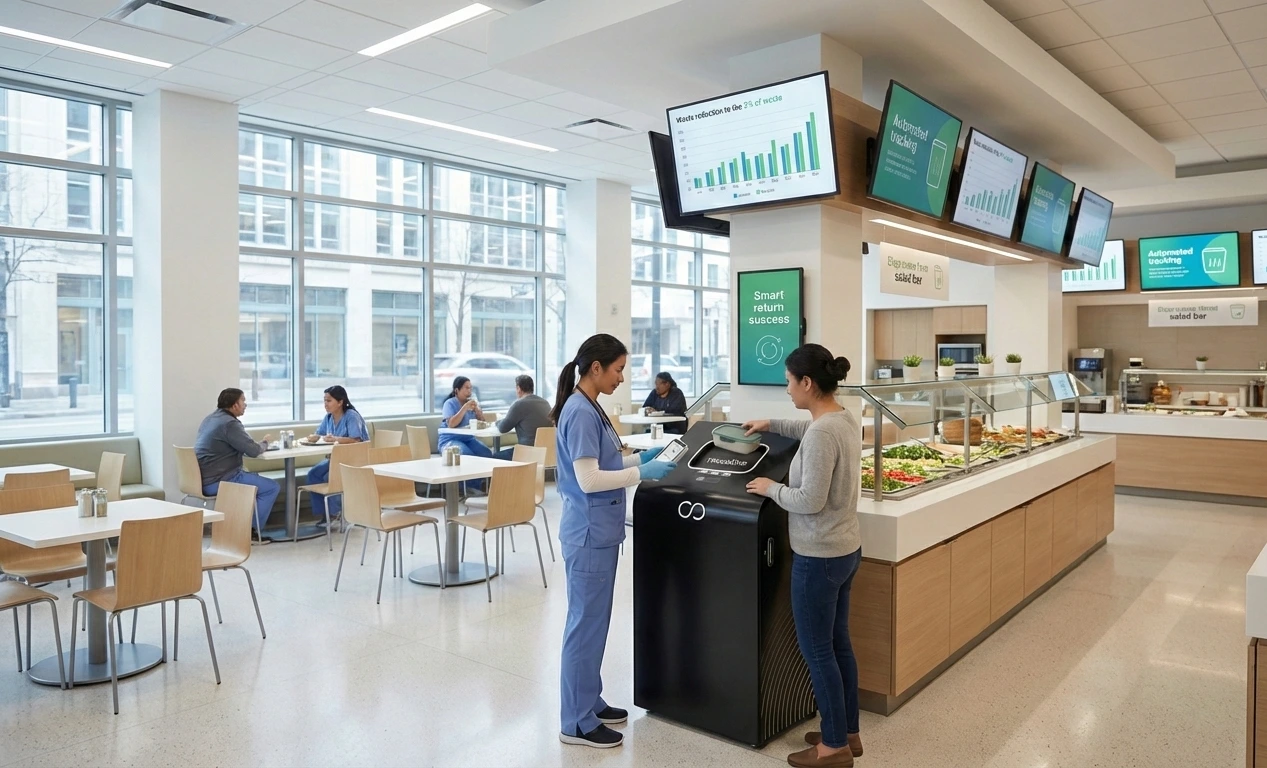
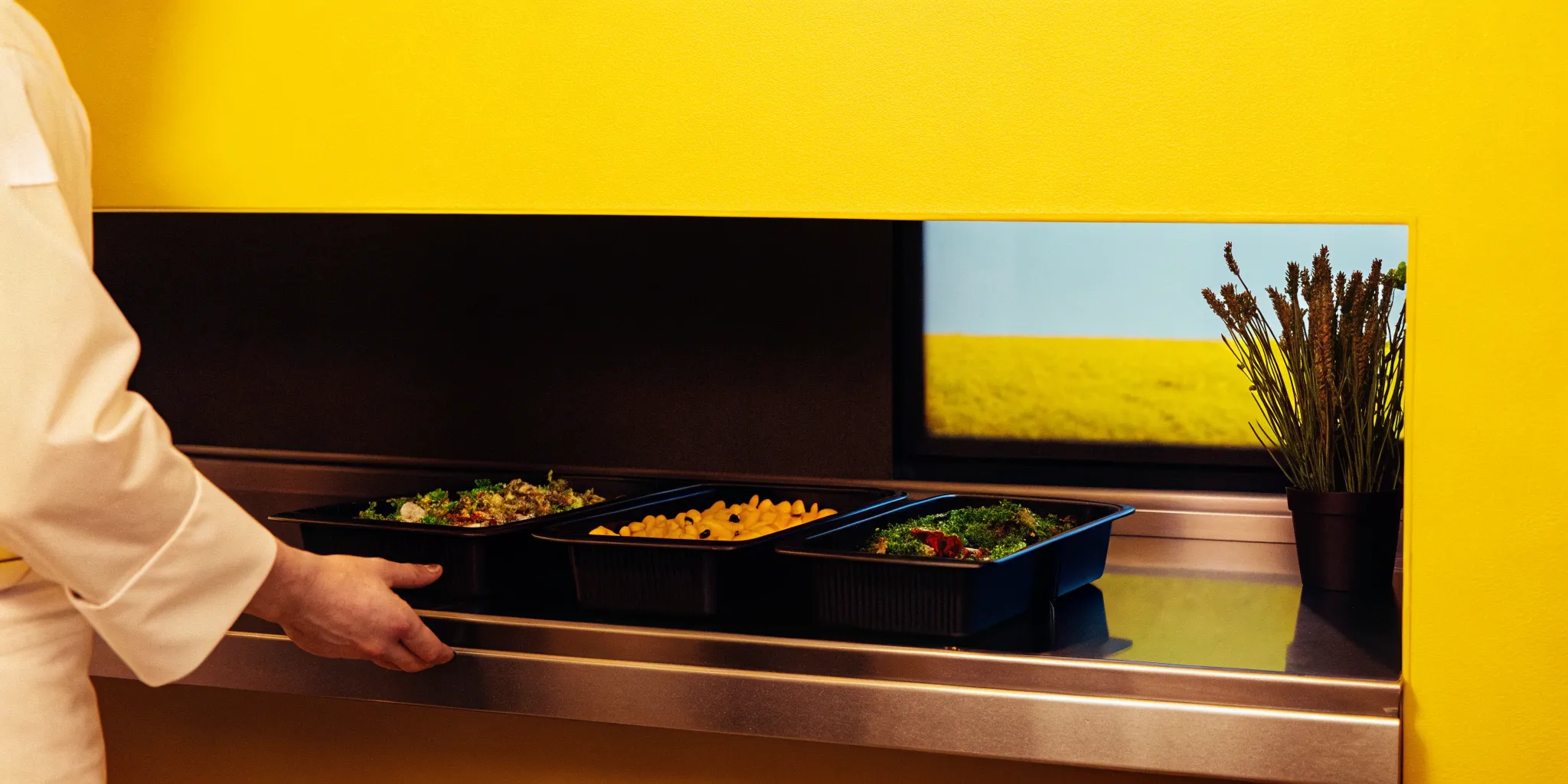
Healthcare facilities can see how Reusables' automated system reduces staff workload.
Calculate Cost Savings from Waste Reduction
Beyond the environmental benefits, a zero-waste strategy makes strong financial sense. Every bit of food that gets thrown away is a lost investment—in purchasing, labor, and utilities. Reducing this waste can directly save facilities money and improve your bottom line. For example, a typical 200-bed community hospital could see thousands of dollars in savings each year just by tackling its food waste.
While setting up a comprehensive program requires an initial investment, the long-term returns are substantial. You’ll spend less on purchasing food that ultimately goes unused, and you can also lower your waste hauling fees. By optimizing your operations to prevent waste, you create a more efficient and financially resilient food service department that contributes positively to the hospital's overall budget.
Understand the Community Health Benefits of Food Recovery
A hospital's commitment to health shouldn't stop at its doors. Food recovery programs offer a powerful way to extend your mission into the local community. Many hospitals have perfectly safe, unserved food that could be donated, but hesitation often comes from concerns over liability. However, legal protections are in place to encourage these donations.
By donating extra food to local shelters and food banks, you can help address food insecurity and support vulnerable populations in your area. This not only prevents waste but also reinforces your hospital's role as a pillar of community well-being. It’s a tangible way to demonstrate social responsibility, build positive relationships, and ensure that nutritious food nourishes people instead of landfills.
Where Does Hospital Food Waste Come From?
Before you can build a zero-waste action plan, you need a clear picture of where your waste is actually coming from. Food waste in a hospital setting isn't just one single problem—it’s a series of interconnected challenges happening at every stage, from the receiving dock to the patient's bedside. Understanding these key sources helps you pinpoint the biggest opportunities for improvement and cost savings in your own facility.
Most hospital food service operations see waste generated in four main areas: overproduction in the kitchen, improper storage and handling, uneaten patient meals, and leftovers from staff dining. By looking closely at each of these stages, you can start to see where small changes can make a significant impact on both your budget and your environmental footprint. Let's break down each of these common waste streams.
Overproduction and Inaccurate Forecasting
One of the biggest culprits of food waste is simply making too much. In a hospital, forecasting patient meal needs is incredibly complex due to fluctuating patient censuses, last-minute admissions, and sudden dietary changes. This uncertainty often leads kitchens to err on the side of caution and prepare excess food to avoid shortages. Unfortunately, as one study notes, this "often leads to excess food being prepared, which ultimately goes uneaten." When forecasting models aren't aligned with real-time patient data, the result is perfectly good food ending up in the bin before it ever leaves the kitchen. This is a direct hit to your food budget and a primary target for waste reduction efforts.
Issues in Food Storage and Handling
Waste can occur long before food even reaches the prep line. Improper stock rotation, inadequate storage conditions, and spoilage all contribute to the problem. Another hidden issue is how waste is handled. Many hospitals use in-sink disposals, which sends food waste straight down the drain. While convenient, this practice makes it nearly impossible to accurately measure how much food is being thrown away. Without accurate data on your pre-consumer waste, it's difficult to identify patterns, track progress, or implement effective reduction strategies. What you can't measure, you can't manage, and this lack of visibility can hide significant opportunities for savings.
Patient Meal Refusals and Last-Minute Changes
It’s a startling statistic: research shows that only about 28% of hospital meals are fully eaten, with nearly 40% of the food served to patients coming back as waste. These high rates of plate waste are often driven by factors outside the kitchen's control. A patient's condition can change suddenly, a new dietary restriction may be ordered right before mealtime, or they may simply be feeling too unwell to eat. This disconnect between what is prepared and what the patient is able or willing to consume is a major source of post-consumer food waste, highlighting a need for more flexible and patient-centered meal service models.
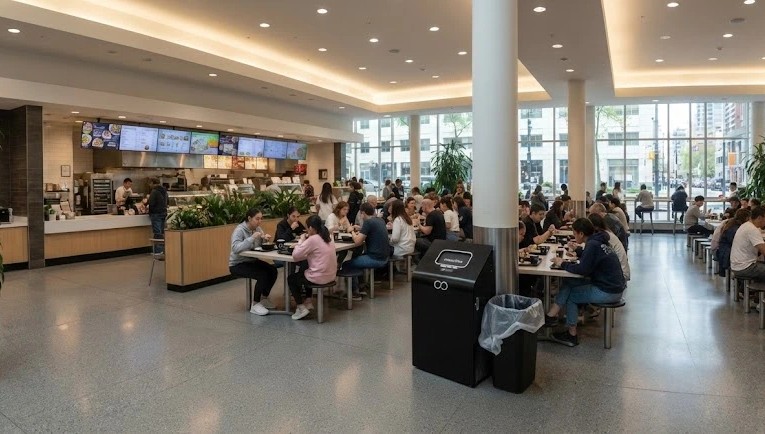
Waste from Staff Cafeterias
Patient trays aren't the only source of waste; staff cafeterias and retail cafés are also significant contributors. From the hot line to the salad bar, any unsold or uneaten food at the end of the day adds up. However, this area also presents a unique opportunity. Reducing waste here can lead to substantial cost savings for the hospital. More importantly, engaging food service staff in finding creative solutions can improve job satisfaction and help build a stronger culture of sustainability. When your team is invested in the mission, they become your most valuable asset in the effort to eliminate waste.
How to Reduce Waste in Procurement and Planning
The most effective way to manage waste is to stop it at the source. Long before any food is prepped or served, your procurement and planning decisions set the stage for how much waste your operation will generate. By being strategic about what you buy and when you buy it, you can make a massive dent in your waste output and your budget. This proactive approach means shifting from simply ordering supplies to thoughtfully curating an inventory that aligns with your actual needs and sustainability goals.
Think of your purchasing process as the first line of defense against waste. Every order is an opportunity to be more efficient. Are you using data to inform your purchasing decisions, or are you relying on old habits? Are your menus designed for flexibility, allowing you to use ingredients creatively and fully? And are your suppliers partners in your mission, or just vendors filling an order? Getting these foundational pieces right makes every subsequent step in reducing waste that much easier. It’s about creating a system where efficiency and sustainability are built-in from the very beginning.
Improve Demand Forecasting and Inventory Management
One of the biggest culprits of food waste is simply buying too much. That’s where sharp demand forecasting comes in. Instead of guessing, you can use historical data—like past meal counts, event schedules, and even seasonal campus traffic—to predict your needs with much greater accuracy. This data-driven approach helps you avoid over-purchasing perishable items that are likely to spoil. The financial upside is significant; making the case for reducing food waste is easier when you can show how it directly impacts the bottom line. Implementing a first-in, first-out (FIFO) inventory system also ensures that older stock is used before it expires, keeping your inventory fresh and minimizing spoilage.
Plan Menus with Local Sourcing and Seasonality
Your menu is more than just a list of options—it's a powerful tool for waste reduction. Planning menus around seasonal and locally sourced ingredients is a fantastic strategy. Not only does it mean fresher, better-tasting food, but local produce often has a longer shelf life because it spends less time in transit. As Hitchcock Farms points out, using seasonal foods can also keep your offerings exciting and varied. Design menus that allow for ingredient cross-utilization. For example, broccoli stems can be used in a slaw, and leftover roasted chicken can become the star of tomorrow’s soup. This flexibility allows your kitchen team to adapt and use what’s on hand.
Build Supplier Partnerships to Reduce Waste
Your suppliers can be incredible allies in your zero-waste efforts. Treat them as partners, not just vendors. Start a conversation about your sustainability goals and ask how they can help. Can they offer flexible order sizes to prevent overstocking? Do they have a program for taking back packaging like crates and boxes for reuse? Some suppliers may even offer "imperfect" produce at a discount, which is perfectly good for soups, sauces, and smoothies. When you connect with food service staff and suppliers around a shared interest in waste reduction, you can uncover innovative solutions together, like just-in-time delivery schedules that reduce the need for extensive on-site storage.
Cut Waste During Food Prep and Kitchen Operations
The kitchen is the heart of any food service operation, but it can also be a major source of preventable waste. By refining your processes from the moment ingredients arrive to the time a meal is plated, you can make a significant dent in your waste output. These strategies aren’t about overhauling your entire operation overnight; they’re about making smart, targeted changes that reduce waste, control costs, and empower your team.
Use Batch Cooking and Just-in-Time Preparation
Batch cooking involves preparing core ingredients in large quantities—like sauces, grains, or chopped vegetables—that can be used across multiple menu items. This streamlines prep and ensures you use whole cases of produce efficiently. Pair this with a just-in-time (JIT) approach, where meals are cooked closer to service time. This is especially effective for room service models, as it cuts down on food held at temperature for long periods, which often gets discarded. Reducing food waste has the potential to save your facility money while giving staff creative opportunities to contribute, instilling a sense of pride in their work.
Control Portions with Standardized Recipes
Inconsistent portions are a fast track to food waste. A little extra here, a little less there—it all adds up. Standardized recipes are your best tool for consistency. They provide clear instructions for ingredients, measurements, and procedures, ensuring every dish meets the same quality and size standards. This precision helps you manage inventory more accurately and drastically cuts down on overproduction. As research from the Online Journal of Issues in Nursing highlights, a key step is to "control portion sizes" to prepare less food overall. By implementing and following reliable recipes, you can produce exactly what you need, reduce plate waste, and maintain predictable food costs.
Cross-Train Staff for More Flexible Production
A well-trained team is an adaptable one. Cross-training your kitchen staff to handle multiple stations and tasks creates a more flexible production line. When your team is versatile, you can adjust workflows in real time to match fluctuating patient demand or accommodate last-minute dietary changes without missing a beat. This agility means you’re less likely to overproduce certain dishes "just in case." It also empowers your staff by expanding their skill sets. Giving your team opportunities to contribute to waste reduction efforts can improve job satisfaction and make them active partners in achieving your sustainability goals.
Minimize Waste During Patient Meal Service
Once food leaves the kitchen, you’re in the final stretch of preventing waste. How meals are delivered and presented to patients can be the difference between a clean plate and a full tray in the trash. This is where plate waste—food that is served but not eaten—becomes a major factor. By focusing on patient choice and empowering your service staff, you can make a significant dent in your waste totals.
The key is to shift from a one-size-fits-all approach to a more personalized, patient-centric model. Simple adjustments in portioning, delivery style, and staff interaction can dramatically reduce the amount of food that comes back uneaten. These strategies not only cut down on waste but also improve patient satisfaction, creating a better dining experience that supports healing and recovery. Let’s look at three practical ways to tackle waste at the point of service.
Offer Flexible Portion Sizes Based on Patient Preference
One of the most direct ways to reduce plate waste is to serve patients only what they can eat. A standardized portion might be too much for someone with a small appetite, leading to inevitable waste. By offering flexible portion sizes, you empower patients to choose what’s right for them. An effective way to do this is by implementing an electronic ordering system that allows patients or staff to select "small," "regular," or "large" servings for different menu items. This simple change acknowledges that appetites vary and gives patients more control, ensuring less food is discarded and resources are used more efficiently.
Compare Room Service vs. Traditional Tray Models
Rethinking your entire delivery model can lead to massive waste reduction. Research shows that hospitals using a "room service" model, where patients order meals from a menu at their preferred time, can cut plate waste from 30% down to just 17%. Unlike the traditional tray-line system with fixed meal times and limited options, a room service approach provides flexibility and choice. When patients can order food they are genuinely in the mood for, they are far more likely to eat it. This on-demand model not only enhances the patient experience but also proves to be a powerful strategy for minimizing waste.
Train Staff on Waste-Conscious Serving Practices
Your food service staff are on the front lines of waste prevention. Proper training can turn them into active participants in your sustainability goals. Educate your team on the importance of reducing food waste and teach them mindful serving practices, like confirming a patient's appetite before plating or asking about preferences. When staff feel involved and are given opportunities to contribute ideas, it fosters a sense of ownership and pride in their work. This engagement not only helps reduce waste but also improves team morale and job satisfaction, creating a culture of consciousness that benefits the entire department.
How to Track Your Food Waste Reduction Progress
You can't improve what you don't measure. Once you've started making changes in your procurement, prep, and service, the next critical step is to track your progress. This isn't just about patting yourselves on the back; it's about creating a feedback loop that makes your entire program smarter and more effective. Consistent tracking provides the hard data you need to justify your program, demonstrate ROI to leadership, and keep your team motivated by showing them the tangible impact of their hard work. It transforms your zero-waste initiative from a hopeful idea into a data-driven operational strategy. When you know exactly how much waste you're diverting from landfills and how much money you're saving on disposables and food costs, you can build a powerful case for continued investment. Below, we’ll cover three key steps for building a robust tracking system: conducting waste audits, defining your KPIs, and leveraging technology to make it all easier.
Set Up Waste Audits and Collect Data
A waste audit is your starting point—it’s a hands-on look at what’s actually ending up in your bins. This process involves collecting, sorting, and weighing your food waste to get a clear baseline. The insights are invaluable for pinpointing problem areas, whether it's overproduction in the kitchen or specific items coming back on patient trays. According to Practice Greenhealth, reducing food waste has the potential to save a typical 200-bed community hospital around $7,800 annually. Plus, making the case for food waste reduction can also improve job satisfaction by giving your staff creative opportunities to contribute to sustainability goals and see the results of their efforts firsthand.
Define KPIs for Your Zero-Waste Goals
Once you have your baseline data, you can set meaningful targets. Key Performance Indicators (KPIs) are the specific metrics you’ll use to measure success. Instead of a vague goal like "reduce waste," a KPI makes it concrete, like "reduce pre-consumer food waste by 25% in six months." As one study suggests, you should create outcome metrics to measure successful programs, including food waste reduction, staff satisfaction, and the number of people served through donation programs. Other powerful KPIs could include your waste diversion rate, cost savings per patient meal, or even the return rate on reusable containers. Choose metrics that align directly with your hospital's financial and sustainability objectives.
Use Technology to Monitor Waste
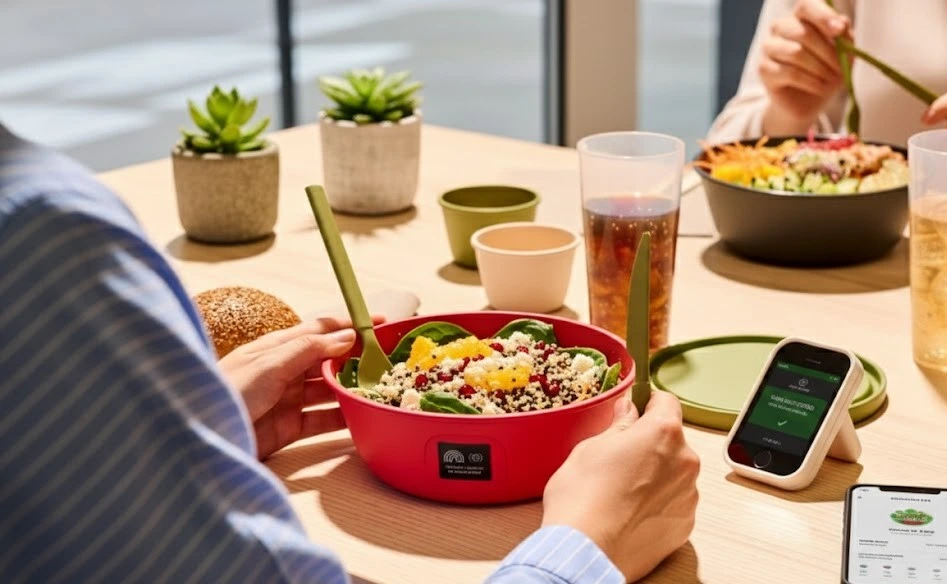
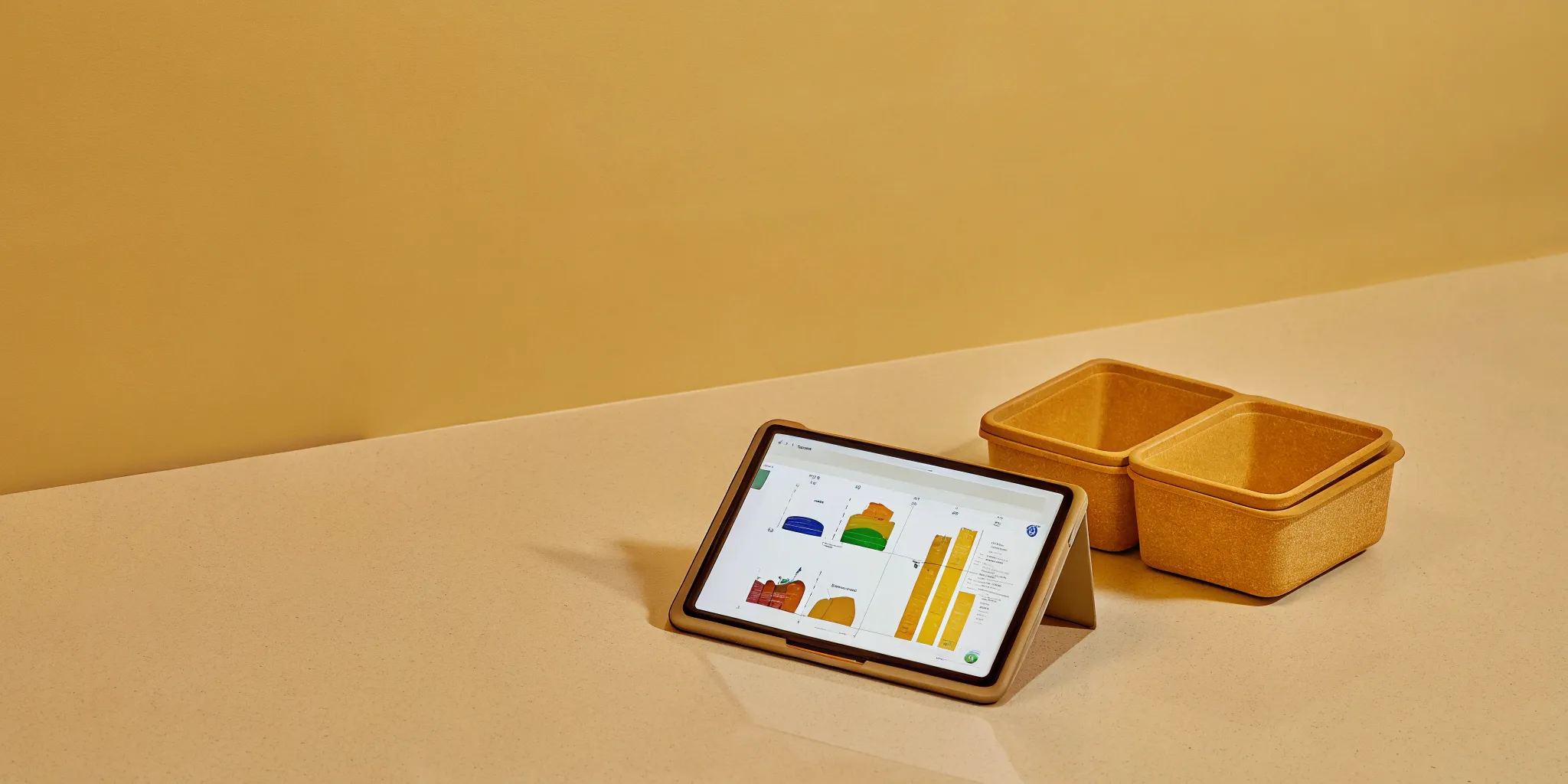
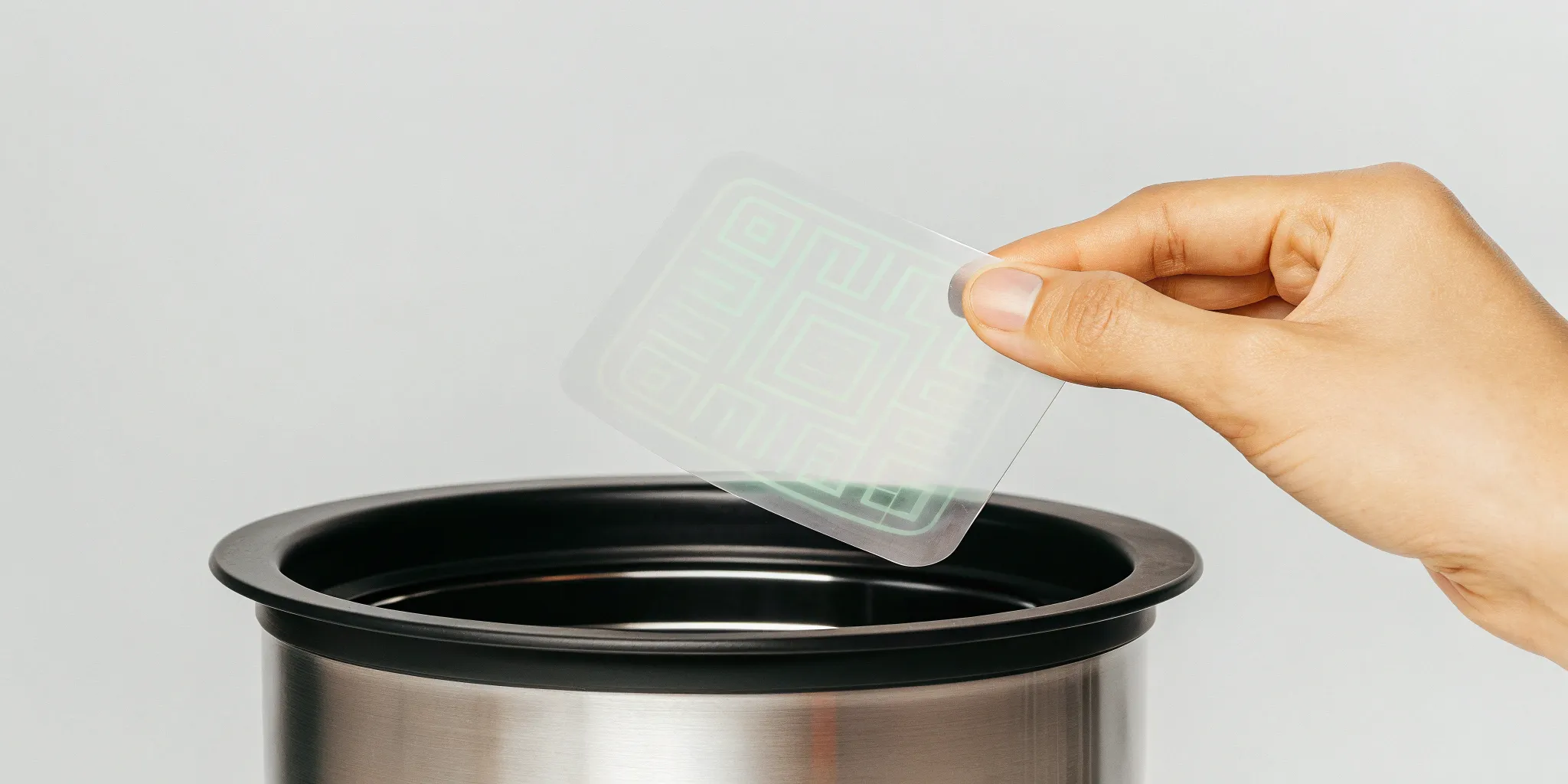
Manual tracking can be time-consuming. Fortunately, technology can streamline data collection and provide deeper insights. For example, one study found that 26% of food was wasted when served on white plates, compared to just 9% on colored plates—a detail you might only catch with careful monitoring. Modern tools can help you implement better ordering and delivery systems, especially by using electronic systems to tighten up inventory. Tech-enabled reuse systems offer robust dashboards with real-time data on container usage, return rates, and environmental impact, giving you a clear, automated view of your progress and helping you manage inventory with precision.
Turn Surplus Food into Community Support
Redirecting surplus food from the trash to the community is one of the most impactful steps you can take in your zero-waste journey. It’s a powerful way to reduce waste, cut disposal costs, and extend your institution's mission of care into the local community. While it requires careful planning, creating a food donation program is an achievable goal that turns a problem—excess food—into a meaningful solution for food insecurity. With the right approach, you can build a safe, efficient, and reliable system for getting wholesome food to people who need it most.
Understand Legal Protections and Food Safety Rules
One of the biggest hesitations around donating surplus food is the fear of liability. The good news is that federal laws are designed to protect you. The Bill Emerson Good Samaritan Food Donation Act shields organizations from liability when donating apparently wholesome food in good faith to non-profit organizations. Get familiar with this act and any local public health regulations. Your first step is to work with your legal and compliance teams to understand these protections. This will give your leadership the confidence to move forward and help you establish clear internal guidelines for what can and cannot be safely donated.
Reusables serves healthcare institutions with customized solutions.
Partner with Local Food Banks and Charities
A successful donation program depends on a strong partnership with a reliable local organization. You’ll want to connect with food banks, shelters, or charities in your area that are equipped to handle prepared food donations safely. When vetting potential partners, ask about their food safety certifications, transportation and storage capabilities (like refrigerated trucks), and pickup schedules. A great partner will work with you to create a consistent and predictable process. You can find local food banks through national networks, which can help you identify reputable organizations ready to collaborate and make the case to your leadership.
Create a Plan for Safe Food Recovery and Distribution
Once you have a partner, it’s time to build a clear and simple process for your team. Your food recovery plan should be easy for kitchen staff to follow, even during the busiest times. Define exactly what types of food are eligible for donation and establish clear procedures for cooling, packaging, labeling, and storing it safely until pickup. Train your staff on these protocols to ensure everyone understands their role. It’s also helpful to track your progress. By measuring the volume of food you donate, you can quantify your program's impact, celebrate successes with your team, and report on your positive community contributions.
Implement Composting and Organic Waste Diversion
After you’ve reduced waste at the source and set up a food donation program, composting is the next logical step for handling unavoidable food scraps. Diverting organic waste from landfills is a cornerstone of any zero-waste initiative. When food breaks down in a landfill, it releases methane, a potent greenhouse gas. Composting, on the other hand, transforms scraps like vegetable peels, coffee grounds, and plate scrapings into a nutrient-rich soil amendment.
Implementing a composting program can significantly reduce your landfill hauling fees and demonstrate a deep commitment to environmental stewardship. It closes the loop on your food system, turning what was once considered trash into a valuable resource that can support local gardens or agriculture. The key to success lies in choosing the right system for your facility and ensuring everyone, from kitchen staff to clinical teams, understands their role in making it work. It requires a clear plan, whether you decide to process scraps on-site or partner with a commercial facility.
Explore On-Site Composting Systems
For hospitals with the available space and capital, an on-site composting system offers the most control over your organic waste stream. These systems can range from relatively simple setups to advanced in-vessel composters that manage temperature and aeration for faster processing. According to a practical plan for hospital food waste recovery, the investment for on-site systems can range from $6,000 to over $500,000, depending on the scale and technology. Another option is to partner with local farms that can use your food scraps for animal feed or their own composting operations. This can be a cost-effective and community-oriented alternative to processing everything yourself.
Find Commercial Composting Partners
If an on-site system isn’t feasible, the next step is to find a commercial composting facility to haul your organic waste. Depending on your location, this can sometimes be a challenge. Start by contacting your current waste management provider to see if they offer organics collection services. If not, reach out to your city or county’s solid waste department for a list of licensed commercial composters in the region. These partners can provide the necessary bins, training materials, and pickup schedules to integrate seamlessly with your kitchen’s workflow, making it simple to divert food scraps from the landfill.
Train Staff to Prevent Contamination
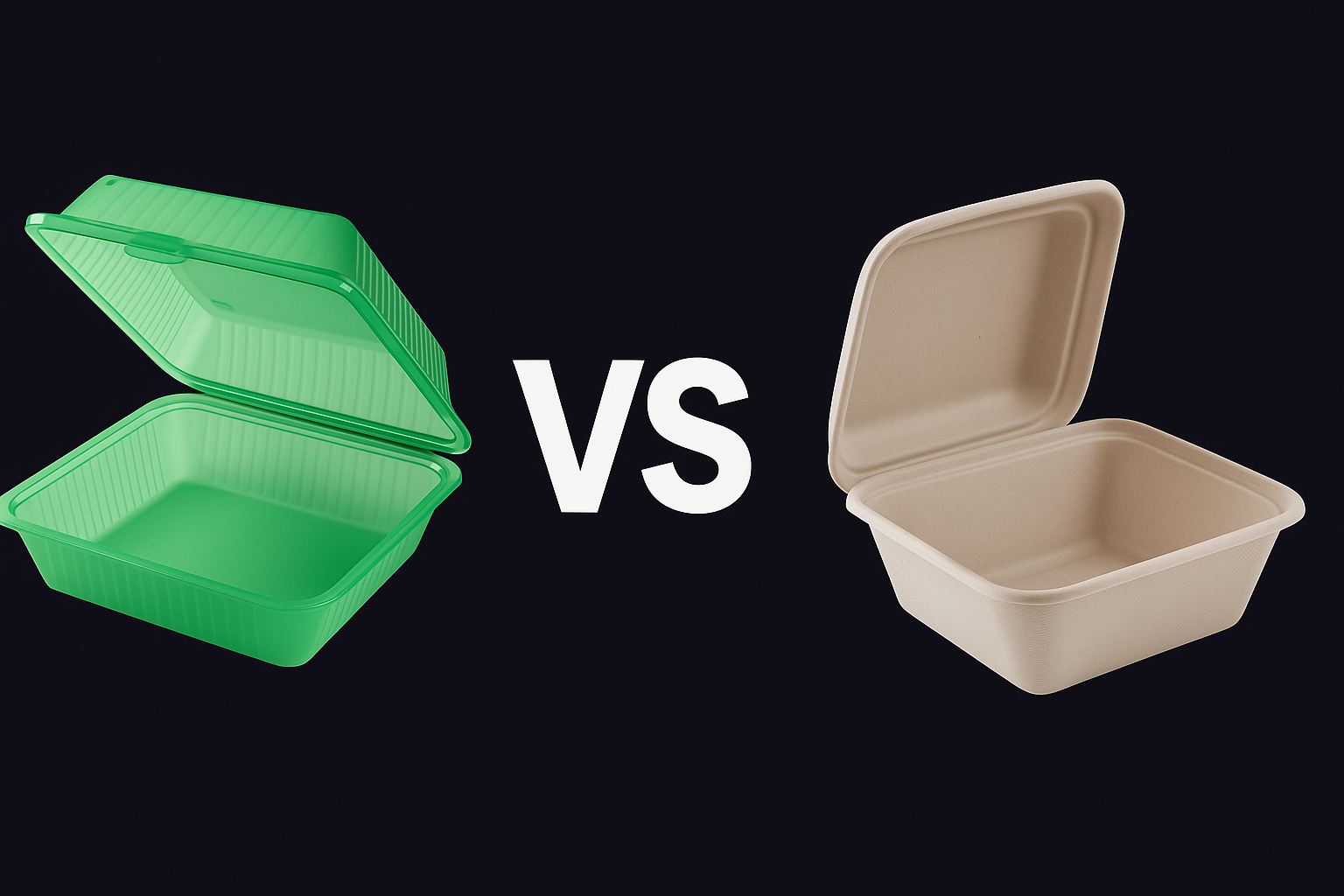
A composting program is only as good as the materials that go into it. Contamination from non-compostable items like plastic wrappers, gloves, and cutlery is the single biggest threat to a successful program. Clear and consistent training is essential. Use bins with simple, image-based signage in the kitchen, cafeteria, and on patient floors. To make it easier for everyone, consider switching to certified compostable serviceware in public areas. As one study on hospital food waste notes, engaging nurse leaders is crucial for educating clinical staff and ensuring the program is followed correctly during patient meal service.
Prepare for Common Zero-Waste Challenges
Transitioning to a zero-waste model is a significant operational shift, and it’s smart to anticipate a few common hurdles along the way. Every hospital food service department faces similar questions about regulations, staff buy-in, physical space, and budget. Thinking through these challenges ahead of time doesn't just prepare you for bumps in the road—it helps you build a more resilient and successful program from the start. By framing these potential issues as solvable problems, you can create a clear and confident path forward for your team. With a little foresight, you can turn potential obstacles into opportunities for innovation and improvement. This proactive approach ensures that when you do encounter resistance or limitations, you already have a plan in place to address them, keeping your momentum going and your team motivated. It’s the difference between a program that fizzles out after a few months and one that becomes a core part of your operational identity.
Address Food Safety Regulations and Liability
One of the biggest hesitations around donating surplus food is the fear of liability. It’s a valid concern, as many hospitals worry about being sued if a recipient were to get sick. This fear often prevents perfectly good food from reaching people who need it. However, legal frameworks like the Bill Emerson Good Samaritan Food Donation Act were created specifically to protect food donors from liability when donating to non-profit organizations. The key is to establish clear, documented protocols for safely handling, storing, and transporting donated food. By working with your legal team to understand the protections available, you can confidently build a food recovery program that is both safe and impactful.
Manage Staff Resistance and Workflow Changes
Any new initiative that changes daily routines can be met with some resistance. Your kitchen staff is already busy, and new sorting requirements or food tracking procedures can feel like just another task on a long list. The best way to get your team on board is to involve them in the process from the very beginning. Instead of just handing down new rules, ask for their input on how to make the system work best. As Practice Greenhealth notes, giving staff opportunities to contribute creatively can instill a sense of pride and improve job satisfaction. Form a "green team," celebrate milestones, and clearly communicate the positive impact of their efforts.
Work Around Space and Infrastructure Limits
Many hospital kitchens were designed for efficiency, not for the circular workflows of a zero-waste program. You might find that you simply don't have the square footage for a large-scale, in-house composting system or extensive sorting stations. This is where creativity comes in. You don’t have to solve everything within your own four walls. Look into partnerships with local farms that can use food scraps for animal feed or compost. You can also explore different scales of on-site solutions, from smaller vermicomposting bins to working with a commercial composting service that handles the hauling. A practical plan for recovery often involves a mix of on-site and off-site solutions tailored to your facility's unique constraints.
Weigh the Costs of Sustainable Alternatives
There’s no getting around it: implementing new systems comes with a price tag. Whether it's investing in new bins, signing up for a composting service, or dedicating staff time to training, there are upfront costs to consider. It’s important to look at these figures as an investment rather than just an expense. A comprehensive food waste program can lead to significant long-term savings by reducing purchasing costs for disposables and lowering waste-hauling fees. When you calculate the return on investment, factor in these savings, along with potential tax benefits for food donations and the immense reputational value of becoming a leader in sustainability.
Create Your Zero-Waste Action Plan
With a clear picture of where waste comes from and how to tackle it, you can build a practical roadmap for your hospital. A zero-waste action plan turns your goals into a series of concrete steps. It doesn’t have to be an overwhelming, all-at-once overhaul. Instead, think of it as a strategic guide that keeps your team aligned, demonstrates progress to leadership, and builds momentum for lasting change. By breaking the journey down into manageable phases, you can create a system that works for your specific operational needs and budget.
Set Realistic Timelines and Milestones
The goal of "zero waste" can feel huge, so start by breaking it down into smaller, achievable milestones. Maybe your first goal is to reduce single-use container waste by 30% in the first six months or to implement a composting program in the main cafeteria by the end of the year. These early wins are powerful motivators. They also provide concrete data to show leadership that your efforts are paying off. For example, Practice Greenhealth notes that a typical 200-bed hospital could save $7,800 annually just by reducing its food waste. Setting a clear timeline with specific targets makes your progress measurable and keeps everyone focused.
Engage Staff and Collaborate Across Departments
Your zero-waste plan will only succeed with the support of the people who handle food every day. Get your kitchen and service staff involved from the very beginning. Ask for their ideas on reducing waste—they see the front-line challenges and opportunities that managers might miss. Creating a "green team" with representatives from dining, nursing, and facilities can also foster collaboration and shared ownership. When staff feel like they are part of the solution, they become your biggest advocates. This approach not only improves your program's effectiveness but also can instill a sense of pride and job satisfaction.
Calculate Your Budget and Project Your ROI
To get leadership on board, you need to present a clear business case. Be transparent about the initial investment required, whether it's for new reusable containers, staff training, or a composting service. Then, focus on the return. A comprehensive program can significantly cut costs associated with purchasing disposable items and paying for waste hauling. Your plan should project these savings over time to demonstrate a strong ROI. Frame your initiative not as an expense, but as a smart investment that delivers financial, environmental, and social benefits. Highlighting how modern reuse systems can even generate revenue through ad screens makes the financial case even more compelling.
Related Articles
- Guide to Sustainable College Cafeterias
- Simon Fraser University: Long-Term Leadership in Zero-Waste Dining - Case Studies
- Smart Reuse Programs for Campuses, Private Clubs, Offices & More
Frequently Asked Questions
Where should I even start? This feels overwhelming. The best way to begin is by getting a clear picture of your current situation. Before you change anything, conduct a simple waste audit to see what’s actually ending up in your bins. This isn't about judgment; it's about gathering data. Once you know whether your biggest issue is uneaten patient meals, kitchen prep scraps, or something else, you can pick one specific area to focus on. Starting with a targeted, measurable goal makes the entire process feel much more achievable.
What's the real financial impact of a zero-waste program? While there are upfront costs for things like new bins or training, a zero-waste program is truly an investment with a strong return. You'll see direct savings from buying less food that ultimately gets thrown away and from reducing your waste hauling fees. Over time, these operational savings can be substantial. It’s a shift from spending money to manage waste to investing in a more efficient system that improves your bottom line and demonstrates financial stewardship.
How can I get my busy kitchen staff to support these changes? The key is to involve your team from the very beginning. Instead of just announcing new rules, ask for their input on how to make new processes work within their existing workflow. Your staff on the front lines have invaluable insights. You can create a voluntary "green team" to champion the effort and be sure to celebrate early wins, like hitting a waste reduction target. When your team feels a sense of ownership and sees the positive impact of their work, they become your strongest allies.
We're worried about the legal risks of donating surplus food. Is it safe? This is a common and completely valid concern. The good news is that legal protections are in place to encourage food donation. The Bill Emerson Good Samaritan Food Donation Act, for example, was created to shield organizations from liability when they donate food in good faith to non-profits. The best approach is to work with your legal department to understand these protections and to partner with a reputable local food bank that has established safety protocols for handling prepared food.
Our hospital has limited space. How can we handle things like composting or sorting? You don't need a massive amount of extra room to make a difference. If a large on-site composting system isn't feasible, look for a commercial composting service in your area that can haul your organic waste for you. Many waste management providers now offer this as a standard service. You can also get creative by building partnerships with local farms that might be able to use your food scraps. The solution is often about finding the right external partners to work around your internal space constraints.
Other stories you may find interesting





























.webp)
.webp)










.webp)




































Watch the Webinar
Learn How to Eliminate Single-Use Waste
Get instant access to our expert webinar and discover how leading institutions reach 99% return rates through smarter reuse systems.

© Reusables™. All rights reserved.