
7 Smart Ways to Lower Food Service Supply Costs

February 9, 2026
Campus sustainability goals are no longer just a talking point; they're a core part of institutional strategy. For dining services, this often means pressure to reduce waste and adopt greener practices. But what if these initiatives could also be your secret weapon for budget relief? The truth is, sustainable operations are often more efficient and financially sound. With the price of single-use packaging soaring, making eco-friendly changes is one of the most effective ways to lower food service supply costs. This article explores how you can align your environmental goals with your financial ones, turning sustainability into a powerful cost-cutting tool for your program.
Key Takeaways
- Focus on Kitchen Fundamentals for Immediate Savings: The most direct way to lower costs is by tightening your internal processes. Standardize recipes and portions, enforce a strict "first-in, first-out" inventory system, and train your team to see waste reduction as a core part of their job.
- Treat Sustainability as a Financial Strategy: Shift your view of green initiatives from an expense to a powerful savings tool. Switching to a reusable container system directly attacks the rising cost of disposables, while composting reduces waste hauling fees.
- Leverage Data and Partnerships for Better Decisions: Use technology to track key metrics like food cost percentage and inventory turnover to understand what's working. At the same time, build strong supplier relationships to negotiate stable pricing and reduce supply chain risks.
Why Are Your Supply Costs So High?
If you feel like you’re constantly fighting a losing battle against rising supply costs, you’re not alone. It’s one of the biggest challenges for food service directors on campuses and in corporate settings. Your budget seems to shrink while the price of everything from cooking oil to takeout containers keeps climbing. This isn't just a feeling; it's a reality driven by a combination of global and local pressures that are squeezing operational budgets everywhere.
Understanding why these costs are so high is the first step toward getting them under control. It’s not just one single issue but a perfect storm of market volatility, logistical headaches, labor challenges, and the ever-increasing expense of disposable goods. Each of these factors puts a strain on your bottom line, making it harder to deliver quality service while meeting sustainability goals. Let's break down the four main culprits behind your escalating supply expenses.
Unpredictable commodity prices
One of the biggest headaches in budgeting is the volatility of commodity prices. The cost of basic ingredients like grains, oils, and produce can swing wildly due to factors completely out of your control, such as weather events, geopolitical issues, and shifts in market demand. These fluctuations make financial forecasting a serious challenge. One quarter, your costs are stable and predictable; the next, a sudden price spike for a staple ingredient can throw your entire budget off track, forcing you to either absorb the cost or make difficult decisions about your menu.
Supply chain and transport issues
Getting supplies from point A to point B has become increasingly complex and expensive. Disruptions can happen at any point in the supply chain, whether it’s a storm delaying a shipment or a simple logistical error. These issues create a ripple effect, leading to product shortages, higher freight charges, and the need to find last-minute, often more expensive, alternative suppliers. The key challenges in implementing sustainable practices are often tied to these very supply chain vulnerabilities, making it difficult to source eco-friendly products reliably and affordably.
Labor shortages slowing things down
The ongoing labor shortage in the food service industry doesn't just impact front-of-house service; it hits your supply chain and operational efficiency hard. Fewer workers in production, transportation, and distribution means delays and increased labor costs passed on to you. Internally, a short-staffed team has less time for crucial cost-saving tasks like careful inventory management and waste tracking. This can also create one of the more common challenges for sustainable businesses, as implementing new, more efficient systems often requires an initial investment of labor that you simply may not have.
The rising cost of disposables
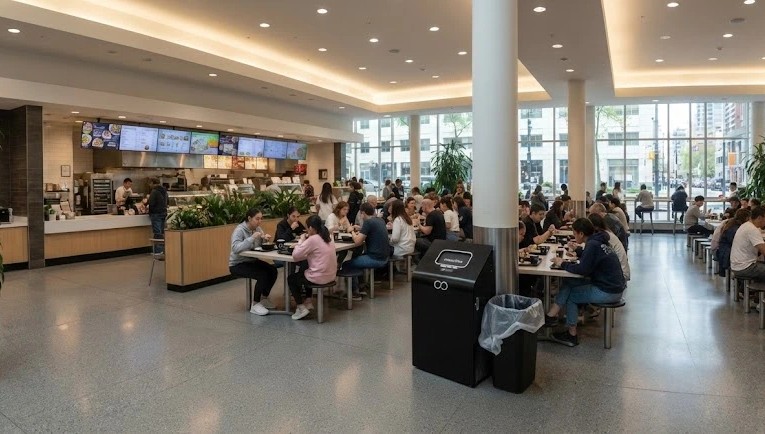
Single-use containers, cutlery, and cups have become a significant and rapidly growing line item in food service budgets. In the last few years alone, the cost of disposable packaging has skyrocketed. This is driven by a combination of factors: rising raw material costs, new regulations targeting single-use plastics, and increasing consumer demand for more sustainable—and often more expensive—alternatives. For many institutions, the annual spend on disposables can easily exceed $50,000, turning what was once a minor expense into a major financial drain.
Cut Costs with Smarter Inventory Management
Managing your inventory effectively is one of the most direct ways to control your budget. With food costs on the rise, letting ingredients expire on the shelf is like watching money go straight into the compost bin. By tightening up your inventory processes, you can reduce waste, prevent over-ordering, and get a much clearer picture of your operational finances. These strategies don’t require a massive overhaul—just a smarter, more intentional approach to how you track and use the supplies you have on hand.
Adopt a "first-in, first-out" system
The "first-in, first-out" (FIFO) method is a foundational principle of good kitchen management. It’s a simple concept: use the oldest ingredients before you open the new ones. Implementing a consistent FIFO system ensures that items are used well before their expiration dates, which dramatically cuts down on spoilage and waste. You can put this into practice by training your team to always place new deliveries behind existing stock in walk-ins, refrigerators, and dry storage. Clear labeling with delivery or expiration dates also makes it easy for staff to grab the right item every time.
Use software for real-time inventory tracking
Manual inventory counts are time-consuming and prone to error. Using digital tools for real-time inventory tracking gives you an accurate, up-to-the-minute view of your stock levels. This technology allows you to see what’s selling, what’s sitting on the shelves, and which items are approaching their use-by dates. With this data, you can make more informed purchasing decisions, prevent stockouts of popular items, and avoid wasting money on ingredients you don’t need. It provides the operational visibility required to manage a large-scale dining service efficiently.
Automate reorder points to avoid overstocking
Once you have a digital inventory system in place, you can take efficiency a step further by setting automated reorder points. This feature helps maintain optimal stock levels by automatically flagging when an item is running low, preventing both overstocking and shortages. Instead of relying on guesswork, the system uses historical sales data and current inventory levels to tell you exactly when and how much to order. This prevents you from tying up your budget in excess inventory that could spoil and ensures you have exactly what you need to meet student demand.
Run regular waste audits to find savings
You can’t manage what you don’t measure. Conducting a regular food waste audit gives you clear insight into what’s being thrown away and why. This process can be as simple as having your team track and categorize all discarded food for a week. The results often highlight specific areas for improvement, whether it’s adjusting portion sizes, refining prep techniques, or finding creative uses for ingredients that would otherwise be tossed. An audit provides the hard data you need to make targeted changes that reduce waste and directly lower your food costs.
Design a Cost-Effective Menu
Your menu is more than just a list of what you offer; it's one of your most powerful tools for managing costs. A strategically designed menu can directly impact your bottom line by reducing food waste, simplifying your purchasing process, and guiding customers toward your most profitable items. Think of it as the blueprint for your entire kitchen operation. When you're intentional about what goes on the menu, you create a ripple effect that makes everything from inventory management to daily prep more efficient.
This isn't about sacrificing quality or creativity. It's about making smart, data-driven choices that support both your financial goals and your sustainability mission. By analyzing what sells, what doesn't, and what each dish truly costs to produce, you can build a menu that delights students and keeps your budget in check. A well-engineered menu helps you control food costs without your guests ever noticing anything but delicious food. The following strategies will help you refine your offerings to maximize profitability and minimize waste, turning your menu into a financial asset.
Feature seasonal ingredients and high-margin dishes
Leaning into seasonal ingredients is a win-win. When produce is in season, it’s more abundant, which means it's typically less expensive and tastes better. Sourcing locally also cuts down on transportation costs, a bonus for both your budget and your carbon footprint. At the same time, take a close look at your menu to identify which dishes bring in the highest profit margins. These are your star players. Make them stand out with a slightly more descriptive name, a call-out box, or a prime position on the menu. Highlighting these items encourages more sales and helps you balance your overall food costs effectively.
Standardize your recipes and portions
Consistency is your best friend when it comes to cost control. When every burger has the same amount of beef and every salad has the same amount of dressing, you can accurately predict your food costs. Standardizing recipes ensures that every dish meets quality expectations and financial targets. If you notice students frequently leave a certain side dish on their plates, it might be a sign that your portion sizes are too large. Pre-portioning ingredients before service is a great practice that saves time during peak hours and guarantees every plate that leaves the kitchen is consistent. This simple discipline removes guesswork and prevents profit from being lost to over-serving.
Use ingredients across multiple menu items
A streamlined menu is an efficient menu. Instead of buying a unique, expensive ingredient for a single dish that doesn't sell well, focus on versatile items you can use in several recipes. This practice, known as cross-utilization, is key to reducing waste and simplifying inventory. For example, the grilled chicken from a main course can also be used in a salad, a wrap, and a pasta dish. This approach allows you to buy key ingredients in larger quantities, potentially unlocking volume discounts from suppliers. It also minimizes the risk of spoilage, ensuring you get the most value out of everything you purchase.
Cut dishes that don't perform well
It can be tough to say goodbye to a menu item, but data should drive your decisions. Regularly review your sales reports to identify which dishes are popular and profitable, and which ones are just taking up space. An item that requires expensive ingredients and specialized prep but rarely gets ordered is a drain on your resources. Removing these underperformers frees up inventory space, simplifies kitchen operations, and allows your team to focus on executing your best-selling dishes flawlessly. Don't be afraid to trim the fat from your menu; it’s a necessary step to keep your offerings fresh, exciting, and financially sound.
Get More Value From Your Supplier Relationships
Your suppliers are more than just vendors; they’re partners in your success. Building strong, strategic relationships can unlock significant savings and create a more resilient supply chain. It’s not just about haggling for the lowest price on every order. It’s about creating a foundation of trust and mutual benefit that pays off in the long run with better pricing, reliable service, and even access to new, innovative products. When you treat your suppliers as partners, they’re more likely to go the extra mile for you, whether that’s offering flexible payment terms or giving you a heads-up on market changes.
A smart approach to supplier relationship management involves a mix of strategies. You need to know when to negotiate hard, when to lean on loyalty, and when to diversify. By regularly evaluating your contracts and staying informed about market prices, you can ensure you’re always getting a fair deal. This proactive stance helps you manage costs effectively and keeps your operations running smoothly, even when faced with unexpected supply chain disruptions. It’s about playing the long game to build a network of suppliers you can truly count on.
Negotiate for better terms and volume discounts
Don’t be afraid to ask for what you want. Before you even start a conversation, do your homework. Get quotes from a few different suppliers to understand the market rate and create some healthy competition. When it’s time to talk, make sure the person handling purchasing really understands the industry. They’ll be better equipped to negotiate effectively. If you’re placing a large order, always ask about volume discounts—it’s one of the simplest ways to lower your per-unit cost. Being a prepared and informed buyer gives you the leverage you need to secure better terms and protect your budget.
Build long-term partnerships for stable pricing
While it’s good to shop around, there’s immense value in loyalty. Cultivating a long-term partnership with a reliable supplier can lead to more than just good service; it can result in stable, predictable pricing. When a supplier knows they have your consistent business, they’re often more willing to offer better terms, lock in prices, or provide special deals. Consider agreeing to a longer-term contract in exchange for a guaranteed price. This kind of stability is invaluable for forecasting and budgeting, helping you avoid the stress of sudden price hikes and ensuring a steady flow of the supplies you depend on.
Work with multiple suppliers to reduce risk
As much as we value loyalty, it’s risky to rely on a single source for critical items. What happens if your main supplier has a production issue or a transportation delay? Spreading your business across a few trusted suppliers creates a safety net that protects you from disruptions. Make it a habit to regularly review your contracts and get quotes from other vendors to ensure you’re still getting competitive pricing. This doesn’t mean you have to constantly switch; it just means you’re keeping your options open and making informed decisions. This balanced approach helps you reduce supply chain risk without sacrificing the benefits of strong relationships.
Join a group purchasing organization
There’s strength in numbers. A group purchasing organization (GPO) brings together multiple institutions, like universities and hospitals, to buy supplies in bulk. By pooling your purchasing power, you can access discounts that would be impossible to get on your own. GPOs handle the negotiation process for you, saving your team valuable time and effort. This is an especially effective strategy for common, high-volume items where price is the primary factor. Teaming up with other institutions through a GPO is a powerful way to drive down costs and improve your bottom line without compromising on quality.
Lower Costs with Sustainable Practices
Adopting sustainable practices is more than just a good look for your campus—it's a powerful strategy for cutting operational costs. With disposable packaging prices soaring and waste management fees on the rise, aligning your dining services with green initiatives can have a direct, positive impact on your bottom line. These changes don't have to be complicated or disruptive. In fact, many sustainable shifts create more efficient, streamlined workflows for your team while meeting student demand for more environmentally-friendly options.
From reducing what you send to the landfill to cutting down on energy bills, every step toward sustainability is also a step toward a more resilient and financially sound operation. Think of it as future-proofing your budget against volatile supply costs and increasing regulations around single-use plastics. Many institutions are setting ambitious zero-waste goals, and dining services are on the front lines of making that happen. By focusing on a few key areas, you can meet these campus-wide environmental goals while uncovering significant savings that can be reinvested into your programs, whether that's new menu development or staff training. Let's look at four practical ways to make sustainability a core part of your cost-saving strategy.
Switch from single-use to a reusable container system
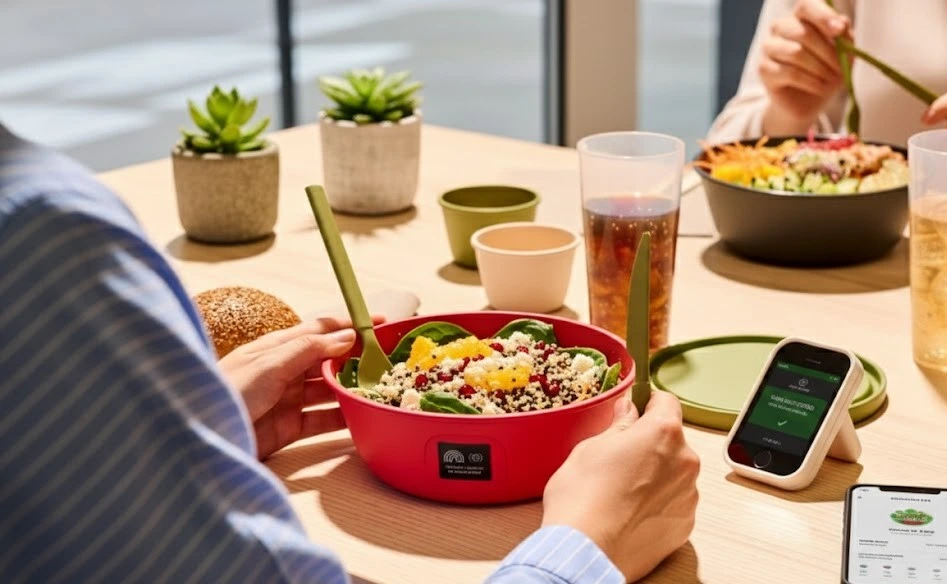
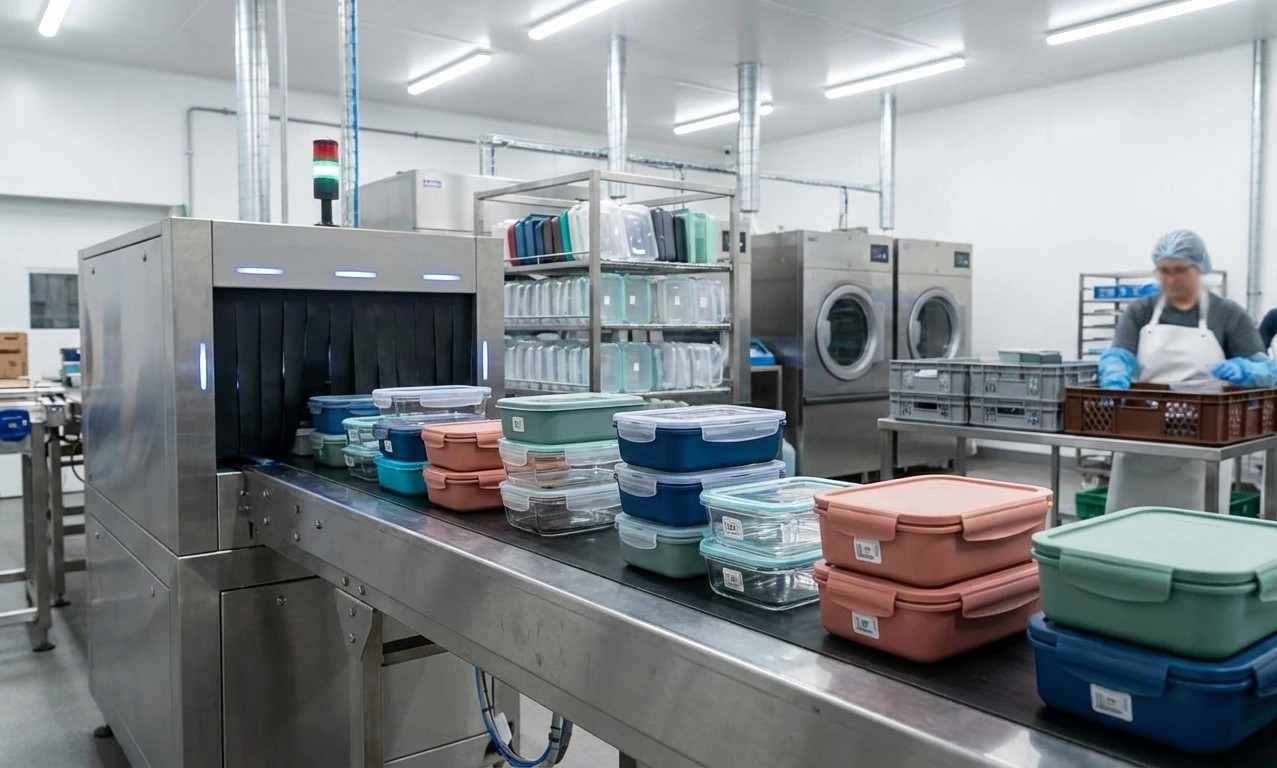
The cost of single-use containers has climbed over 200% in recent years, turning a line item into a major budget headache. Making the switch to a reusable container system is one of the most impactful changes you can make. It directly cuts the recurring expense of buying disposable cups, clamshells, and cutlery. Modern reuse systems are designed for the campus environment, using technology to track containers and ensure high return rates without creating extra work for your staff. By investing in a durable inventory of reusables, you trade a volatile, endless expense for a predictable, long-term asset that also eliminates a massive stream of waste.
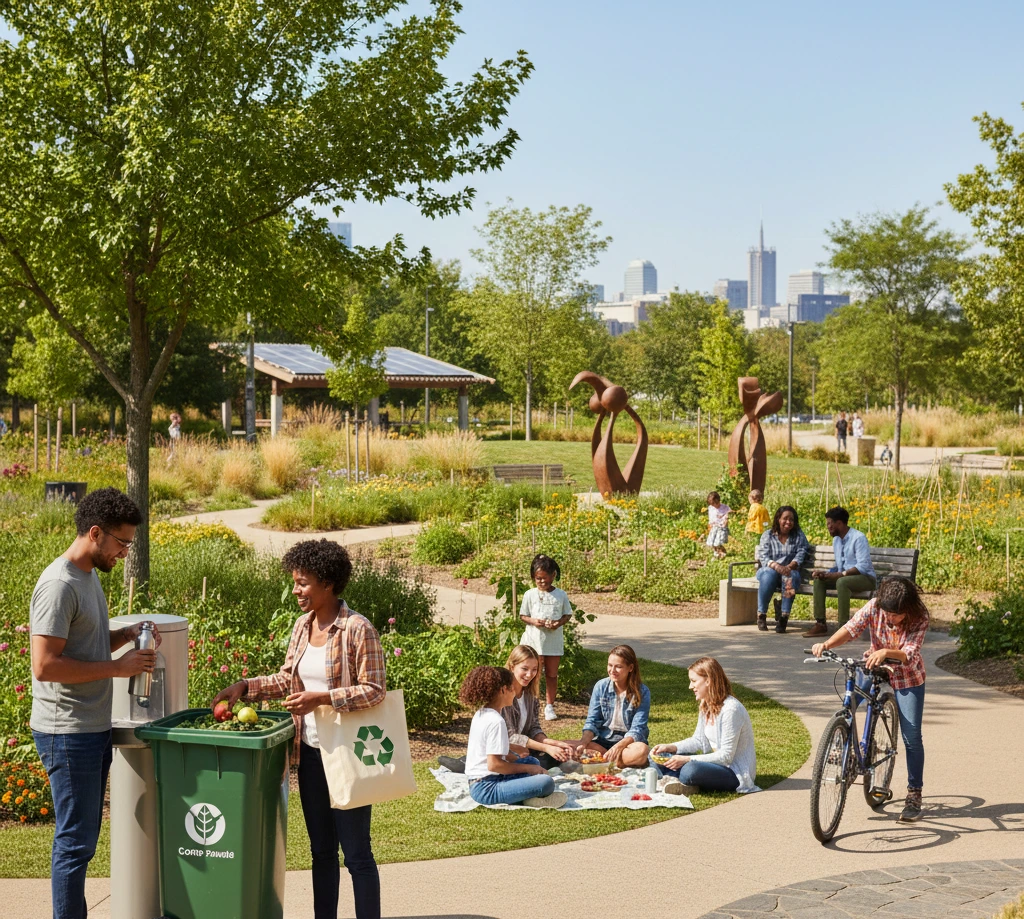
Start a composting program to reduce disposal fees
A significant portion of your waste management bill comes from the sheer weight of the trash you send to the landfill—and food scraps are heavy. Implementing a composting program diverts this organic waste, which can dramatically lower your disposal fees. Setting up designated bins for food scraps in your kitchens and dining halls is the first step. You can then partner with a local composting facility or even start an on-campus program. While it requires some initial training and setup, a well-run composting program turns waste into a resource and provides a clear, measurable reduction in your hauling costs.
Invest in energy-efficient kitchen equipment
Your kitchen is an energy hub, with refrigerators, ovens, and dishwashers running for hours every day. Older equipment can be a major drain on your utility budget. When it's time to upgrade, choosing ENERGY STAR-certified commercial kitchen equipment can lead to immediate and substantial savings. These appliances are designed to use less electricity, gas, and water without sacrificing performance. An energy-efficient convection oven or dishwasher might have a higher upfront price, but the reduction in your monthly utility bills means the equipment often pays for itself over its lifespan, delivering savings for years to come.
Source locally to cut down on transport costs
Building relationships with local farms and producers can do wonders for your budget and your menu. Sourcing ingredients locally reduces the long-haul transportation costs that are baked into the prices from large, national distributors. It also shortens your supply chain, making it more resilient to widespread disruptions. Beyond the savings, using fresh, seasonal produce from nearby farms enhances the quality of your meals—a benefit that students and faculty will notice and appreciate. This approach supports your local economy and gives you a great story to tell about your commitment to fresh, sustainable food.
Use Technology to Streamline Operations
Manual tracking and guesswork are a drain on your budget and your team’s time. A tech-forward approach gives you the data and automation needed to make smarter, more cost-effective decisions. By integrating digital tools, you can reduce human error, minimize waste, and free up your staff to focus on creating a great dining experience. It’s about working smarter, not harder, and letting technology handle the tedious tasks.
Adopt digital inventory systems with forecasting
Moving from spreadsheets to a digital system is a key step toward efficiency. These tools track stock in real time, preventing costly over-ordering or running out of ingredients. This accuracy helps you prevent food from going bad before it’s used. The real power is in forecasting. By analyzing past sales data, these systems predict future needs, helping you order the right amount every time and cut down on spoilage.
Use automated tools for ordering and demand planning
Once inventory is tracked, you can automate reordering. Instead of manual checks, software can place orders for you when stock hits a certain level, saving time and reducing error. Some advanced tools use AI to analyze demand patterns, factoring in campus events and historical sales to help you plan more accurately. You’ll be prepared for any rush without carrying excess, costly inventory.
Analyze food costs with specialized software
Do you know the exact cost and profit margin of every dish? Specialized software breaks down recipe costs, giving you a clear view of your most and least profitable items. This data is essential for smart menu engineering. By integrating sustainability metrics into your operations, you can also track sources of waste and inefficiency. This insight helps you find savings by adjusting recipes or finding more cost-effective ingredients.
Install smart storage to monitor temperature and freshness
Technology can also make a big impact in your storage areas. Smart solutions monitor temperature and humidity 24/7, alerting you if conditions fall outside a safe range to prevent spoilage. These systems also help enforce a "first-in, first-out" (FIFO) policy by tracking expiration dates. You can get alerts when an item is nearing its end, prompting your team to use it before it becomes waste. It’s a simple change that significantly reduces food costs.
Train Your Team to Prevent Waste
Your team is your greatest asset in the fight against waste. While smart inventory systems and sustainable packaging are crucial, it’s the daily habits of your staff that make the biggest difference. Investing in training empowers your team to become active participants in your cost-saving and sustainability goals. It’s not about enforcing rigid rules, but about building a shared understanding of how small, mindful actions in the kitchen can lead to significant financial and environmental wins. When everyone knows the "why" behind the "what," they become more engaged, efficient, and proactive in preventing waste before it happens.
Teach proper portioning and waste reduction
Consistent portioning is one of the fastest ways to control food costs and reduce what gets left on the plate. Train your kitchen staff on standardized recipes and the correct serving utensils to ensure every dish is the same. Pre-portioning ingredients during prep not only speeds up service during busy hours but also guarantees that cooks use the right amount every time. If you notice a lot of a particular item coming back to the dish pit, it might be a sign to adjust your portion sizes. This simple feedback loop helps you fine-tune your menu, keep customers happy, and stop wasting valuable ingredients.
Standardize food prep and storage procedures
Clear, consistent procedures are the backbone of an efficient kitchen. Implementing a strict “First-In, First-Out” (FIFO) system is non-negotiable for managing your inventory. This simple method ensures that older products are always used before new ones, drastically cutting down on spoilage. Your training should cover everything from how to label and date incoming stock to the correct storage temperatures for different food types. When everyone on the team follows the same food safety and storage protocols, you reduce the risk of contamination and waste, creating a safer and more cost-effective operation.
Set up clear accountability and performance metrics
People perform best when they know what’s expected of them and how their work contributes to the bigger picture. Establish clear goals for waste reduction and communicate them to your entire team. You can start by tracking key metrics, like the weight of daily food waste or the cost of spoiled inventory. Share these numbers regularly to show progress and highlight areas for improvement. This isn’t about pointing fingers; it’s about creating a culture of shared responsibility. When staff members understand the financial impact of waste, they are more likely to take ownership and find creative ways to be more efficient.
Define protocols for handling inventory
Your inventory is cash sitting on a shelf, so it’s essential to have clear rules for managing it. Create and document protocols for every stage, from receiving deliveries to daily use. This includes verifying orders against invoices, immediately storing items in their designated places, and using digital tools to track what you have on hand. A well-defined system helps prevent over-ordering and ensures you always know what needs to be used next. By implementing a robust inventory management strategy, you can give your team the structure they need to minimize spoilage and make smarter use of your resources.
Track These Metrics to Measure Success
Once you start putting new cost-saving strategies into place, you need a way to see what’s working. Tracking the right metrics gives you a clear picture of your progress and helps you make smarter decisions for the future. It’s not just about seeing numbers go down; it’s about understanding the why behind the changes so you can replicate your successes.
Think of these metrics as your operational dashboard. They show you where you’re saving money, where you’re becoming more efficient, and how your sustainability efforts are paying off. By focusing on a few key performance indicators (KPIs), you can prove the value of your initiatives to stakeholders and keep your team motivated. It’s how you turn good ideas into lasting, impactful results for your dining program.
Keep an eye on food cost percentage and profit margins
Your food cost percentage—the cost of your ingredients divided by your food service revenue—is one of the most important financial health indicators you can track. Monitoring this number closely helps you see the direct impact of menu changes, supplier negotiations, and waste reduction efforts. A lower percentage means you’re keeping more of every dollar you earn.
But financial metrics are only part of the story. As you work to improve profitability, it’s also important to consider how your changes affect your broader sustainability goals. Sustainable food system metrics are essential tools for evaluating performance beyond just the bottom line, helping you measure environmental and social impacts alongside financial ones. This holistic view ensures your cost-saving measures are also building a more resilient and responsible operation.
Track inventory turnover and waste reduction rates
How quickly are you moving through your inventory? A high inventory turnover rate is generally a good sign, indicating that you’re not overstocking or letting ingredients go to waste. Tracking this metric helps you fine-tune your purchasing and avoid tying up cash in excess stock. Pair this with regular waste audits to pinpoint exactly what’s being thrown away and why.
By integrating sustainability metrics into your daily operations, you can make significant strides. When you track your waste reduction, you can identify sources of inefficiency in everything from food sourcing to portion control. For example, switching to a reusable container system can dramatically cut down on single-use packaging waste, a change that will show up clearly in your metrics and your budget.
Measure changes in energy and water use
Food and packaging aren't your only supply costs. Energy and water consumption can take a big bite out of your budget, especially in large-scale campus kitchens. Start by benchmarking your current usage, then track it over time as you implement changes like installing energy-efficient appliances or training staff on water conservation practices.
Monitoring these numbers helps you understand your kitchen’s overall operational efficiency. While data tracking can seem complex, focusing on a few key areas like energy consumption and water usage provides clear insight into where you can cut costs. Small adjustments, from fixing leaky faucets to upgrading to ENERGY STAR equipment, can lead to significant savings that add up month after month.
Analyze the ROI of new initiatives
When you invest in a new system or piece of equipment, you need to know if it’s paying off. Calculating the return on investment (ROI) helps you justify the initial expense and demonstrates the value of your decisions. For example, if you invest in a reusable container program, you can calculate the ROI by comparing the upfront cost to your monthly savings on disposable packaging.
Remember to look beyond the purely financial return. The ROI of sustainability initiatives also includes benefits like a reduced carbon footprint, improved brand reputation, and a better customer experience. When you analyze the ROI of a new program, be sure to account for these less tangible, but equally important, outcomes. This comprehensive approach gives you a true picture of the value you’re creating for your institution.
Related Articles
- Guide to Sustainable College Cafeterias
- 7 Smart Eco-Friendly Initiatives for Campus Food
- Successful Zero Waste Initiatives for College Dining
- 6 Steps for Hospital Cafeteria Waste Reduction
Frequently Asked Questions
My team is already stretched thin. Where should I start to get the biggest impact with the least disruption? A great starting point is a simple waste audit. It doesn't require new software or a huge time commitment, but it gives you the hard data you need to make targeted changes. Have your team track what’s being thrown away for a week. The results will immediately show you where your biggest opportunities are, whether it's over-portioning a specific side dish or spoilage from a certain ingredient. This information allows you to focus your efforts on changes that will make the most significant financial difference right away.
Switching to a reusable container system seems like a big investment. How does it actually save money? It’s a shift in thinking from a constant operational expense to a long-term asset. Instead of spending tens of thousands of dollars every year on disposable containers—a cost that keeps rising—you make a one-time investment in a durable inventory. This eliminates that recurring line item from your budget. Over time, the savings on purchasing disposables and paying lower waste-hauling fees add up, delivering a clear return on your initial investment while also providing price stability.
How can I convince my team to get on board with new waste reduction habits? The key is to connect their daily actions to the bigger picture. Explain how reducing food waste directly impacts the budget, which in turn can free up funds for things that benefit them, like better equipment or more staff hours. Frame it as a shared goal rather than a top-down rule. When you share progress on waste reduction metrics and celebrate the wins, it helps everyone feel like they are part of a successful team effort, making them more likely to stay engaged.
You mentioned tracking metrics, but what's the single most important number I should be watching? If you can only track one thing, make it your food cost percentage. This number tells you what portion of your revenue is spent on ingredients, giving you a high-level view of your operation's financial health. It’s a powerful indicator because it’s affected by almost everything you do—from your supplier negotiations and menu pricing to your portion control and waste reduction efforts. A steady or decreasing food cost percentage is a clear sign that your strategies are working.
Is it better to stick with one trusted supplier or work with several? The smartest approach is a balanced one. Cultivating a long-term relationship with a primary, trusted supplier is invaluable for securing stable pricing and reliable service for your most critical items. However, it's also wise to have secondary suppliers for some categories. This protects you from supply chain disruptions if your main vendor has an issue and keeps pricing competitive. It gives you the stability of a partnership with the safety net of having other options.
Other stories you may find interesting

























.webp)
.webp)









.webp)


































Watch the Webinar
Learn How to Eliminate Single-Use Waste
Get instant access to our expert webinar and discover how leading institutions reach 99% return rates through smarter reuse systems.

© Reusables™. All rights reserved.