
Eco-Friendly Hospital Food Service: A How-To Guide

March 5, 2026
Running a hospital dining program means juggling patient health, staff satisfaction, and a very tight budget. The rising cost of single-use containers, which has jumped over 200% recently, is likely a major strain on your resources. This expense, combined with the sheer volume of waste generated daily, creates significant financial and operational pressure. This is where an eco-friendly hospital food service becomes more than just a green initiative; it’s a strategic solution. By rethinking your approach to packaging and waste, you can directly address these challenges, cutting costs and creating a more efficient system that aligns with your core mission of care.
Key Takeaways
- Connect sustainability to your bottom line: An eco-friendly food program is a powerful financial tool that cuts operational costs from packaging and waste, all while improving patient health and satisfaction with better menus.
- Make participation effortless with technology: A successful reuse program requires a frictionless system. Use smart tracking and seamless payment integrations to drive high container return rates and generate clear data that demonstrates your return on investment.
- Go beyond containers for greater impact: While reusable packaging is a crucial first step, a truly sustainable system also addresses the food itself. Combine your reuse program with smart menu strategies, like sourcing locally and offering plant-forward options, to reduce waste across your entire operation.
What is eco-friendly hospital food service?
Eco-friendly hospital food service is a holistic approach that considers the entire journey of a meal, from how ingredients are sourced to how waste is managed. It’s about creating a system that nourishes patients and staff while minimizing environmental harm. This means rethinking menus to be healthier, cutting down on operational waste, and building a dining program that supports both personal and planetary well-being. It’s a strategy that aligns the hospital's food service with its core mission of healing.
Defining sustainable dining in healthcare
Sustainable dining in healthcare is about more than just adding a few organic options to the menu. It involves a fundamental shift in how food is sourced, prepared, and served. A key part of this is the move toward more plant-forward menus. As organizations like Morrison Healthcare have shown, adding more plant-based meals supports both patient health and environmental goals. True sustainability also means tackling operational waste, from reducing food scraps to eliminating single-use packaging. It’s about creating a closed-loop system where resources are conserved and the environmental footprint of every meal is thoughtfully considered.
The impact of traditional hospital food systems
For years, many hospital food systems have relied on convenience, which often leads to processed foods and a mountain of single-use waste. This approach can contribute to poor patient nutrition and creates significant operational challenges. The dependence on disposable containers, cutlery, and cups generates tons of landfill waste and comes with ever-increasing supply costs. These traditional models miss a huge opportunity to use food as a tool for healing and patient satisfaction. Adopting more sustainable food service operations allows hospitals to address these issues head-on, turning the dining program into a source of pride and positive impact.
How sustainability improves patient care
Ultimately, a sustainable food program is a patient care program. When hospitals serve fresh, thoughtfully sourced meals, they directly contribute to better health outcomes. Research shows that plant-forward diets can lower the risk of serious health problems, making the cafeteria an extension of the hospital's clinical mission. This commitment to wellness also improves patient satisfaction. People notice when their food is delicious and nourishing, and they appreciate an institution that cares about its community and environment. By creating people & planet-friendly food programs, hospitals can strengthen their reputation and build deeper trust with the people they serve.
Key benefits of sustainable food practices in hospitals
Adopting sustainable practices in your hospital's food service isn't just about being green; it's a strategic move that delivers powerful, measurable results. From significant cost savings to better patient outcomes, an eco-friendly approach can transform your operations. It strengthens your hospital's reputation as a community leader and shows a deep commitment to the well-being of both patients and the planet. Let's look at the four key benefits you can expect when you make the switch.
Save money by reducing waste
Food and packaging waste can take a huge bite out of your budget. When you track and reduce what you throw away, the savings add up quickly. In fact, some commercial kitchens have used innovative technology to prevent millions of dollars worth of food from ending up in the landfill. Beyond food, consider the rising cost of single-use containers, which has jumped over 200% in recent years. By implementing a reusable container program, you can drastically cut your annual spending on disposable packaging and waste hauling fees. This isn't just an environmental win; it's a smart financial strategy that directly improves your bottom line.
Improve patient health with better menus
The food you serve is a critical part of the healing process. Sustainable menus often prioritize fresh, whole foods, which can lead to better patient health and faster recovery times. Hospitals across the country are finding success with delicious and satisfying plant-forward meals that are rich in nutrients and flavor. By focusing on high-quality ingredients and thoughtfully designed menus, you can offer food that not only meets dietary requirements but also comforts and nourishes patients. This approach demonstrates a holistic commitment to patient care that extends beyond the clinic and into the cafeteria.
Lower your environmental footprint
Hospitals are pillars of their communities, and leading on environmental issues is part of that responsibility. Simple changes in your food service can make a massive impact. Common sustainable practices include sourcing from local farms, offering more plant-based options, and reducing meat on the menu. One of the most effective ways to shrink your footprint is by eliminating single-use plastics and styrofoam from your takeout service. This single change prevents tons of waste from entering landfills and oceans, positioning your hospital as a true leader in corporate responsibility and environmental stewardship.
Increase patient satisfaction and community trust
Patients and their families notice the details, and a commitment to sustainability sends a powerful message. When NYC Health + Hospitals introduced more plant-based meals, patient happiness with the food soared to over 90%. Serving fresh, appealing, and culturally diverse meals shows that you care about the patient experience. This effort builds trust and enhances your hospital's reputation. When the community sees you investing in sustainable, high-quality food service, they see an organization that is truly dedicated to health in every sense of the word.
How to transition to a zero-waste food system
Moving to a zero-waste food system might sound like a massive undertaking, but it’s more achievable than you think. The key is to break the process down into clear, manageable steps. Instead of a complete operational overhaul, think of it as a strategic upgrade. By replacing outdated, wasteful practices with modern, tech-driven solutions, you can create a system that’s better for your budget, your patients, and the planet. A successful transition focuses on making reuse easy and intuitive for everyone, from your kitchen staff to patients and visitors. It’s about building a smarter, more efficient workflow that eliminates waste at its source. The right approach combines durable products with intelligent software to create a seamless circular system.
Ditch single-use containers
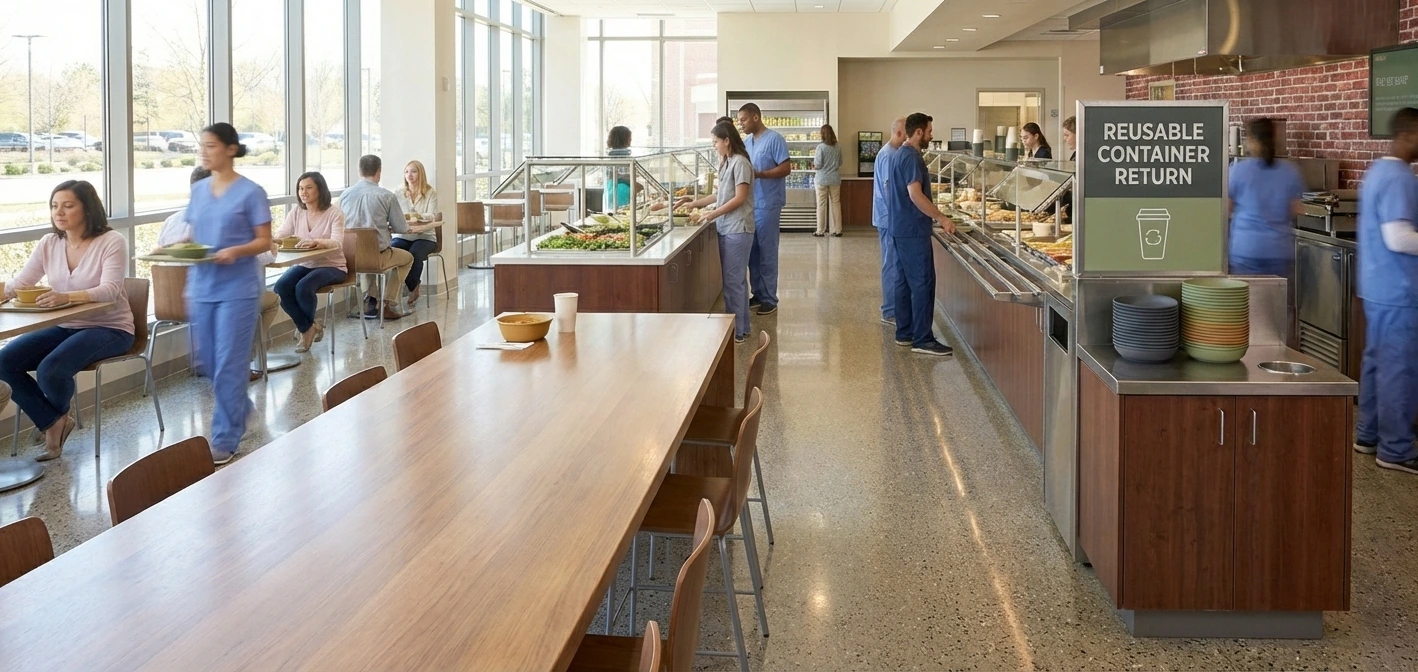
The most visible first step toward a zero-waste system is replacing disposable containers. Single-use plastics are a significant source of waste in healthcare, and as many hospitals are discovering, switching to eco-friendly supplies is better for both people and the planet. Plastic waste harms the environment and can take hundreds of years to break down, which runs counter to a hospital’s core mission of promoting health. By swapping disposables for durable, reusable containers made from materials like stainless steel or sturdy plastic, you immediately cut down on landfill waste. This change not only reduces your environmental footprint but also eliminates the recurring cost of purchasing single-use items, leading to significant long-term savings.
Adopt a tech-enabled reusable program
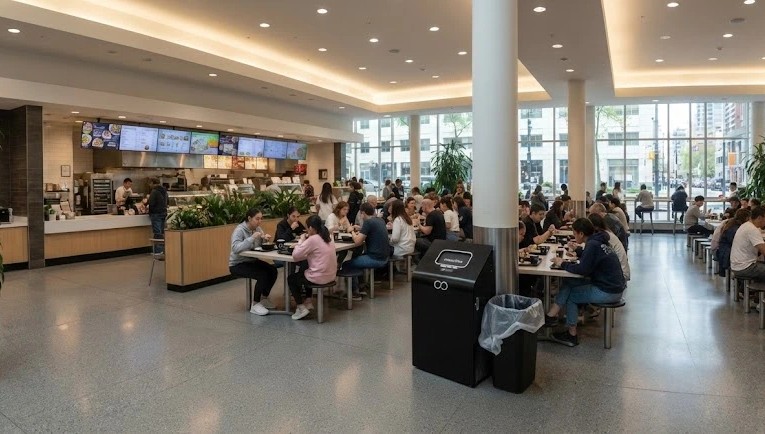
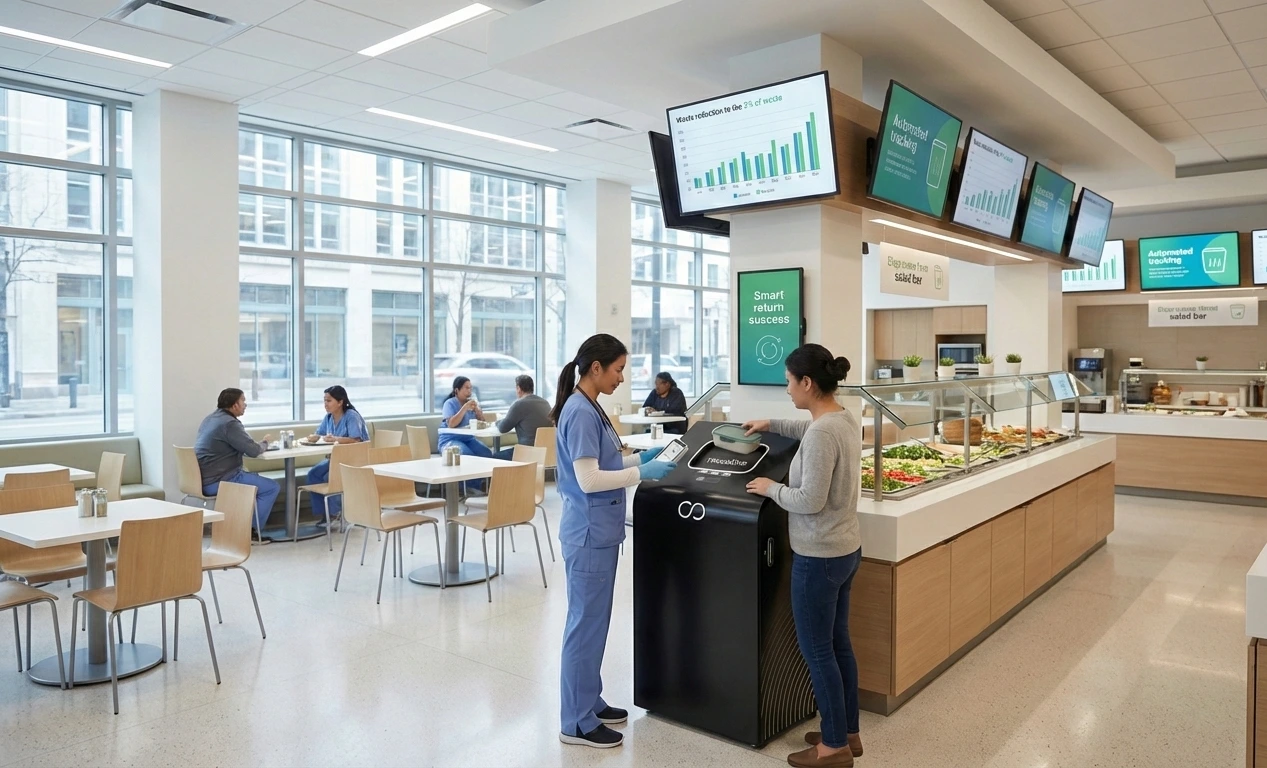
Simply providing reusable containers isn’t enough; you need a system to manage them effectively. This is where technology comes in. A tech-enabled reuse program automates the entire process, making it simple for staff and patients to participate without adding extra work. Innovative technology is already helping commercial kitchens reduce food waste, and the same principles can be applied to packaging. Imagine a system where patients or staff can check out a container with a simple tap of their ID card, no app required. When they’re done, they can return it to a smart bin that automatically registers its return. This creates a frictionless experience that encourages participation and ensures your containers keep circulating, not disappearing.
Use smart tracking for accountability
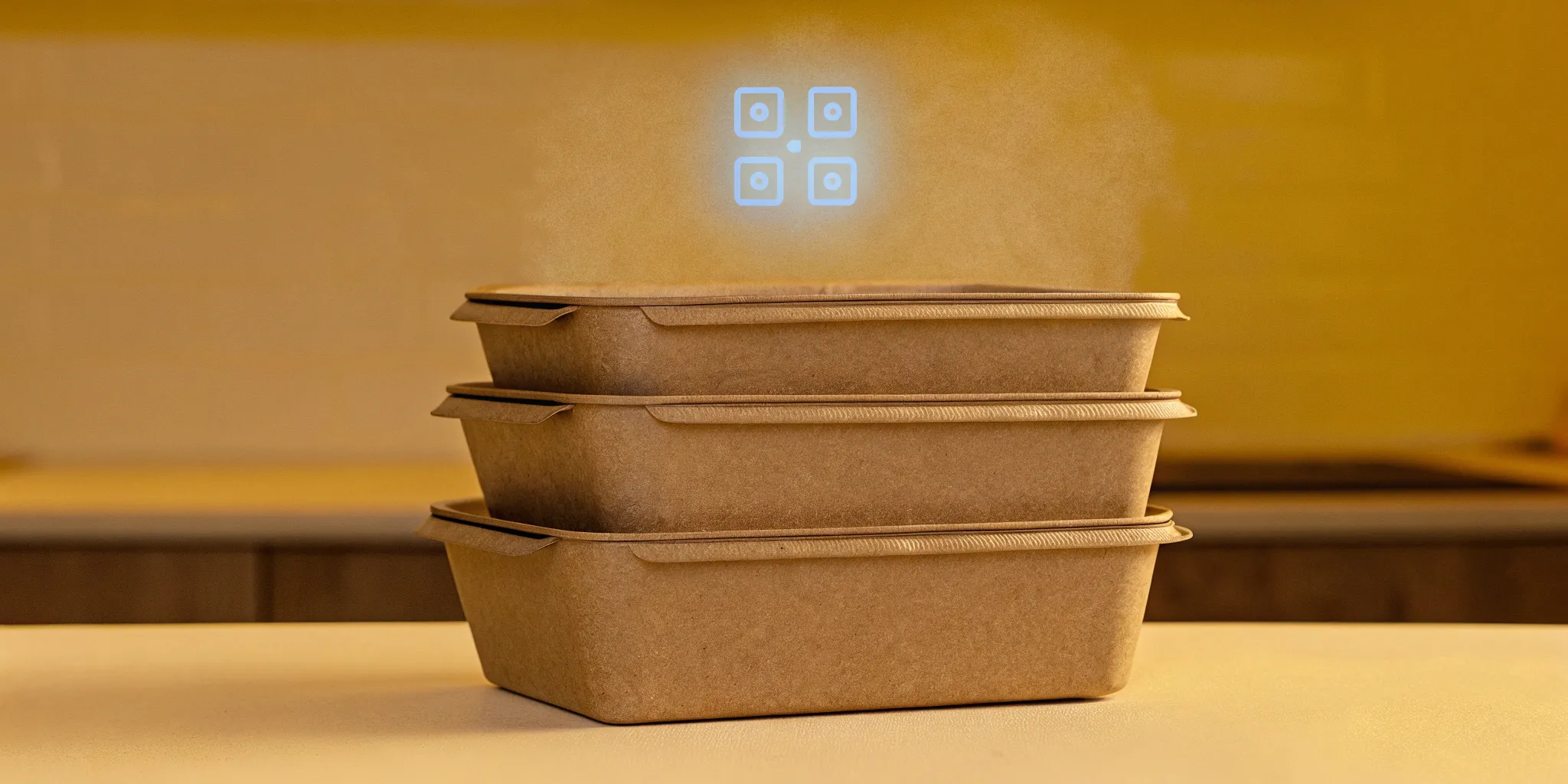
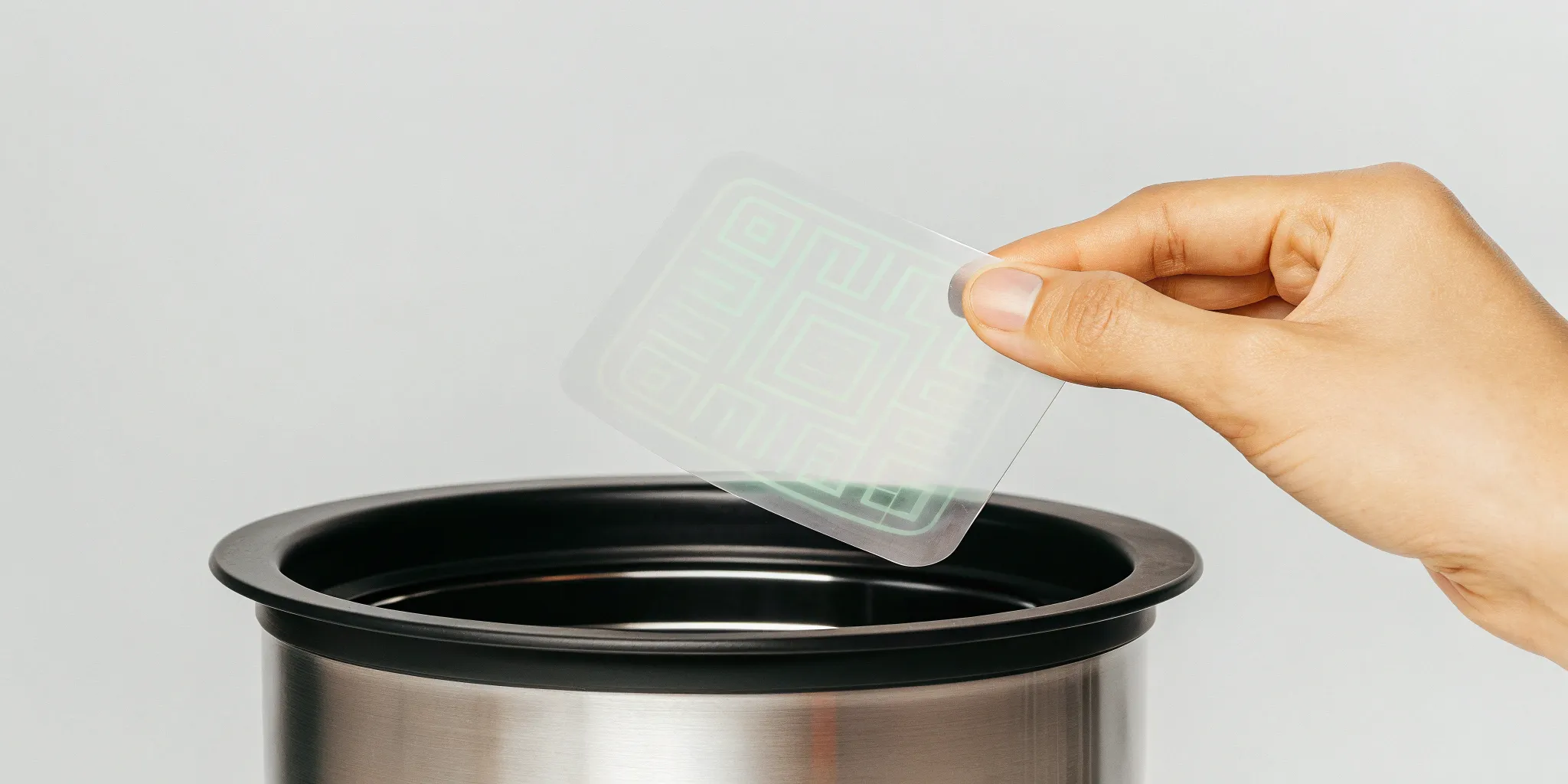
One of the biggest challenges with traditional reuse programs is losing containers. Without accountability, your inventory can quickly shrink, driving up costs and undermining the program. Smart tracking solves this problem by assigning a unique digital identity, like a QR code or RFID tag, to every container. This allows you to see your entire inventory in real time. Systems that leverage technology and analytics can track where every container is, how often it’s used, and when it’s returned. This data is crucial for maintaining high return rates (upwards of 99%) and managing your inventory efficiently. Automated reminders and late fees can also be implemented to encourage timely returns without requiring manual follow-up from your staff.
Integrate with existing payment systems
For any new system to succeed in a busy hospital environment, it must be incredibly easy to use. The best way to ensure smooth adoption is to integrate the reuse program directly into your existing infrastructure. Forcing staff, patients, or visitors to download a new app or use a separate payment method creates unnecessary friction that hinders participation. Look for a solution that works with the systems you already have in place, such as employee and student ID cards, credit and debit terminals, and mobile wallets. As other foodservice technologies become more common in healthcare, seamless integration is the standard. This approach makes checking out a reusable container as simple as buying a coffee, ensuring the program fits effortlessly into daily routines.
Sustainable sourcing and menu strategies for hospitals
Switching to a reusable container system is a huge step toward a zero-waste food service operation, but it’s just one piece of the puzzle. What you put in those containers matters just as much. By rethinking your sourcing and menu design, you can create a truly sustainable dining program that benefits patients, your budget, and the planet. These strategies focus on the entire food lifecycle, from where your ingredients come from to how you minimize waste in the kitchen. Let’s look at four practical ways to build a more sustainable menu.
Source local and organic ingredients
Partnering with local farms is a powerful way to reduce your carbon footprint and invest in your community. When you source ingredients locally, you cut down on the emissions associated with long-haul transportation. Plus, you get access to fresher, seasonal produce that can make your patient meals more nutritious and flavorful. Start by identifying one or two high-volume items you can source from a nearby producer, like seasonal vegetables or dairy. Building these relationships not only supports the local economy but also provides a great story to share with patients and staff. As research shows, buying local and organic food is a foundational practice for environmentally sustainable hospital food services.
Develop plant-forward menus patients love
Shifting toward a plant-forward menu is one of the most impactful changes you can make for both patient health and the environment. This doesn’t mean you have to eliminate meat entirely. Instead, it’s about making plant-based foods the star of the plate. Think hearty grain bowls, flavorful vegetable curries, and creative legume-based dishes. When done well, these meals are often more affordable and can introduce patients to delicious, healthy options they’ll want to eat. Many hospitals are finding that offering more plant-based meals improves patient satisfaction while meeting health and sustainability goals. The key is to focus on flavor and variety, creating dishes that are appealing to everyone.
Cut food waste with tracking technology
You can’t manage what you don’t measure. Food waste is a major source of unnecessary costs and environmental harm, but modern technology offers a clear solution. Smart systems can help your kitchen staff track exactly what’s being thrown away and why. Using tools like AI-powered cameras and digital scales, you can get precise data on pre-consumer waste from prep and post-consumer waste from returned trays. This information allows your team to make data-driven decisions, like adjusting portion sizes, refining purchasing orders, and finding creative uses for leftovers. This innovative technology gives you the visibility needed to make targeted changes that significantly cut costs and waste.
Educate staff and patients on sustainability
Your sustainability initiatives will be most successful when everyone understands the mission. Education is key to getting buy-in from both your staff and your patients. For your team, this means training them on new sorting procedures, food prep techniques that minimize waste, and the importance of the program. For patients, simple communications can make a big difference. Use table tents, menu notes, or digital screens to share information about your local farm partners or the environmental impact of choosing a plant-based meal. When people understand the "why" behind the changes, they are more likely to participate enthusiastically. This collaborative approach helps build a people and planet-friendly food culture throughout the hospital.
Overcoming common challenges in sustainable food service
Making the switch to a more sustainable food service model can feel like a huge undertaking, but it’s more achievable than you might think. The key is to anticipate the common hurdles and have a clear plan to address them. From budget concerns and staff training to getting everyone on board, every challenge has a practical solution. Let’s walk through some of the biggest obstacles and how you can confidently move past them.
Debunking myths about sustainable food
One of the first hurdles is often a series of myths that paint sustainability as expensive and complicated. The most common one? That going green will drain your budget. In reality, organizations that embrace sustainable practices often find significant long-term cost savings through waste reduction and resource optimization. Hesitating on sustainability means you risk being left behind. Another myth is that the operational shift is too complex. Modern, tech-enabled systems are designed for seamless integration, simplifying everything from tracking inventory to managing returns without adding a heavy burden to your team. They fit into your current workflow, making the transition smooth for everyone involved.
Managing your budget and proving ROI
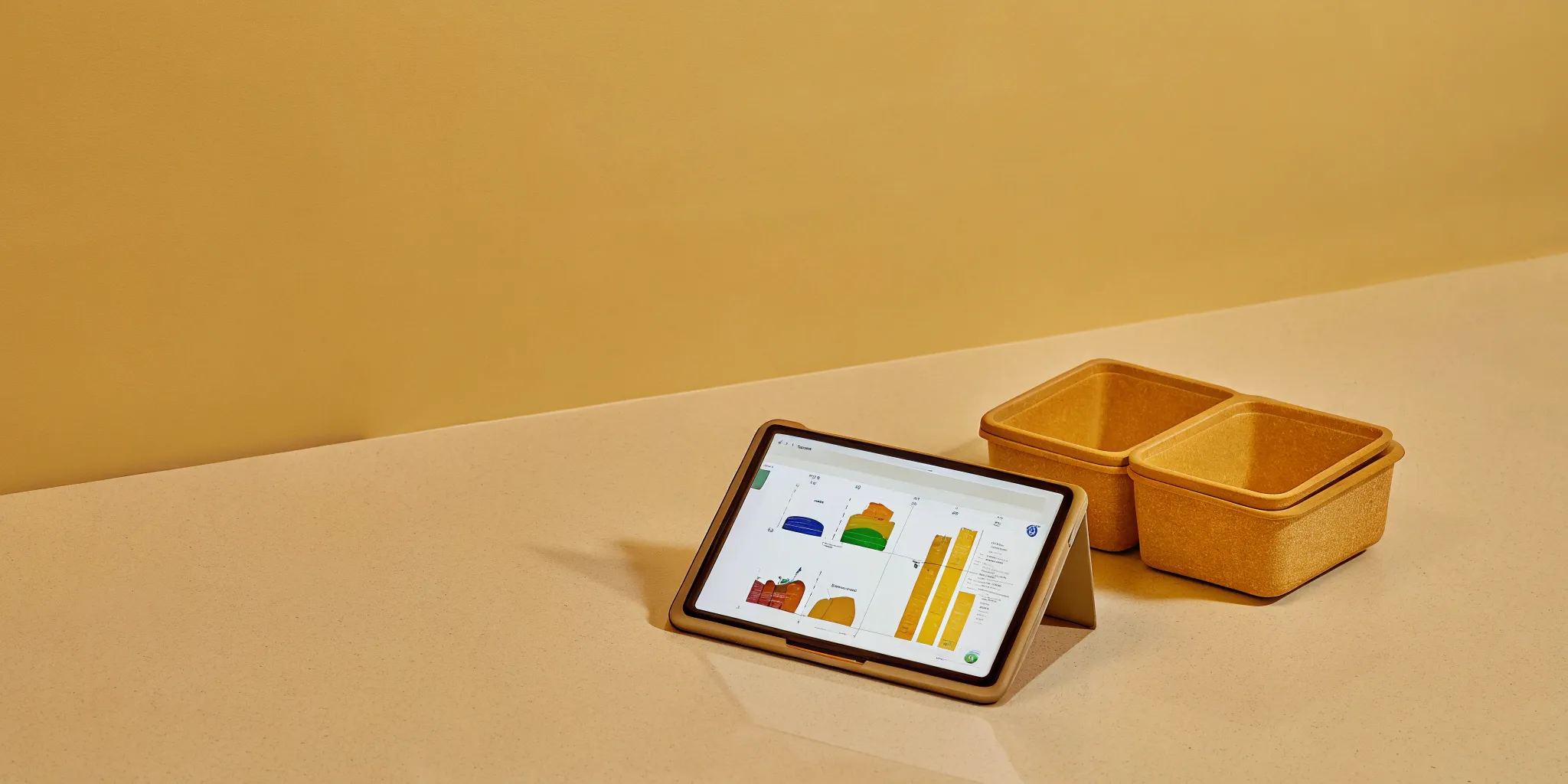
For any food service director, the budget is king. The good news is that a zero-waste program, particularly one focused on reusables, offers a clear and compelling return on investment. Start by calculating your current spending on single-use containers; with disposable packaging costs rising significantly in recent years, this number is likely substantial. A reusable system directly cuts that line item. Because certain waste streams can be much more expensive to handle, reducing the amount of waste you generate saves money right away. To prove ROI to leadership, use a platform that provides a robust dashboard with real-time data on usage rates, return rates, and exact financial savings, making your program’s success easy to demonstrate.
Training staff and integrating new workflows
Introducing any new system can bring concerns about staff workload and the time needed for training. The most successful sustainability practices are the ones that fit into your existing operations, rather than forcing a complete overhaul. When choosing a reuse program, look for one that prioritizes a simple, intuitive user experience for both your team and your customers. The time and cost of implementation are often cited as barriers, but a tech-first approach minimizes manual tasks like tracking containers or charging late fees. This automation frees up your staff to focus on providing great service, not managing a complicated new process.
Ensuring patient buy-in and meeting dietary needs
Your sustainability efforts will only succeed if your customers are on board. The key is to make participation easy and rewarding. Clunky, inconvenient systems lead to low adoption and poor return rates. A frictionless experience, like a simple tap-to-checkout system, encourages participation from the start. You can also use gamification, leaderboards, and rewards to build excitement. Furthermore, sustainability often aligns with improved nutrition. Many institutions are finding success with appealing plant-forward meals that are both eco-friendly and popular with health-conscious diners. By framing your program around an enhanced, modern dining experience, you can build a loyal following and achieve your sustainability goals.
How to measure and maintain your sustainability program
Launching a sustainability program is a great first step, but the real success comes from consistent measurement and maintenance. A data-driven approach allows you to demonstrate the value of your efforts, secure ongoing support, and make smart adjustments over time. By tracking the right things and using modern tools, you can create a program that not only lasts but also becomes a core part of your operational excellence.
Track key metrics and environmental impact
To prove your program's value, you need to track what matters. Go beyond simple waste reduction numbers and connect your efforts to the hospital's broader goals. For example, many hospitals find that sustainable food practices lead to better health outcomes and higher patient satisfaction. Start by establishing a baseline for key metrics like your monthly spending on single-use containers and waste hauling fees. Then, regularly measure your progress in waste diversion, cost savings, and carbon footprint reduction. This combination of hard numbers and positive feedback creates a powerful story.
Use technology to monitor waste and efficiency
Manual tracking is time-consuming and prone to error. Technology offers a much more accurate and efficient way to monitor your program. Just as specialized tools can help kitchens track and record food waste to achieve major reductions, a tech-enabled reuse system gives you real-time data on your container inventory. With a platform like Reusables.com, you can see live return rates, track container usage, and monitor bin fullness automatically. This digital oversight ensures accountability and provides the concrete data you need to manage inventory effectively and calculate your precise environmental impact.
Get leadership buy-in and align policies
Sustaining your program requires strong support from hospital leadership. The best way to get this is by presenting a clear business case built on solid data. Use the metrics you’re tracking to show how your sustainability initiatives are cutting costs and improving the patient experience. Frame sustainability not as an expense, but as a strategic advantage that delivers long-term cost savings and strengthens the hospital's reputation. When leadership sees the tangible return on investment, they are more likely to align hospital policies with your program's goals, ensuring it has the resources to thrive.
Build a program that enhances patient care
Ultimately, a successful sustainability program in a hospital must support its core mission: patient care. Your initiatives should be designed to enhance, not complicate, the patient experience. For example, shifting to healthier, more sustainable menus can be a key part of this. Many healthcare facilities are finding success with appealing plant-forward meals that benefit both people and the planet. When you replace flimsy disposable containers with high-quality reusables, you also improve the quality of the meal itself. A program that is easy for patients to use and visibly demonstrates a commitment to health becomes a seamless part of providing excellent care.
Related Articles
Frequently Asked Questions
Will a reusable container program actually save my hospital money? Yes, it’s a smart financial move. While there's an initial investment, the return is significant. Think about what you currently spend on disposable containers, a cost that has risen dramatically. A reusable system eliminates that recurring expense. You also save on waste hauling fees. The key is to see it not as a cost, but as an investment that directly reduces operational spending and improves your bottom line year after year.
How much extra work does a reusable system create for my staff? This is a common concern, but modern systems are designed to minimize staff effort. A tech-enabled program automates the most time-consuming tasks. Checking containers out is as simple as a tap, and returns are handled by smart bins. The system automatically tracks inventory and can even manage late fees without anyone on your team having to chase them down. This frees up your staff to focus on food and service, not on managing containers.
What happens if patients or staff don't return the containers? This is where smart tracking makes all the difference. Each container has a unique digital ID, so you always know where it is. The system creates accountability by linking each container to a user. Automated reminders and a small, refundable late fee gently encourage people to bring them back. This approach is highly effective, leading to return rates of 99% without creating a negative experience for users.
Does a tech-enabled reuse program require everyone to download a new app? Not at all. The best systems are designed to be as frictionless as possible, which means no new apps are needed. They integrate directly with the technology you already use, like employee ID cards, credit and debit terminals, and mobile wallets. This makes participation incredibly simple and intuitive for everyone, ensuring the program fits seamlessly into their daily routine from day one.
What's the most impactful first step to make our food service more sustainable? Switching from single-use to reusable containers is the most visible and financially impactful first step you can take. It tackles a huge source of physical waste and recurring costs head-on. This single change creates a ripple effect, reducing your environmental footprint and sending a clear message to patients and staff that you are committed to health in every sense of the word.
Other stories you may find interesting































.webp)
.webp)










.webp)






































Watch the Webinar
Learn How to Eliminate Single-Use Waste
Get instant access to our expert webinar and discover how leading institutions reach 99% return rates through smarter reuse systems.

© Reusables™. All rights reserved.