
How Smart Return Bins for Reusable Containers Work

April 13, 2026
You already know why reusable containers matter. The harder question is how to get them back. Manual return processes, app-dependent systems, and honor-based programs all share the same fatal flaw: they rely on human behavior without making the right behavior easy. Smart return bins solve this by removing friction entirely. They are automated, tamper-proof stations that accept returned containers 24/7, verify each item instantly using RFID or QR technology, and update your inventory in real time. For dining directors and sustainability leaders at universities, hospitals, and corporate campuses, they are the missing piece that turns a well-intentioned program into one that actually works at scale.
Key Takeaways
- Eliminate return friction: Smart return bins accept containers 24/7 without staff, apps, or manual scanning, which is the single biggest driver of high return rates.
- Get real-time operational data: Every return is logged instantly, giving you live inventory counts, fullness alerts, and usage patterns you can act on today.
- Choose the right technology: Both RFID and QR tracking work inside smart bins; the best systems support both for maximum flexibility across container types.
What Are Smart Return Bins?
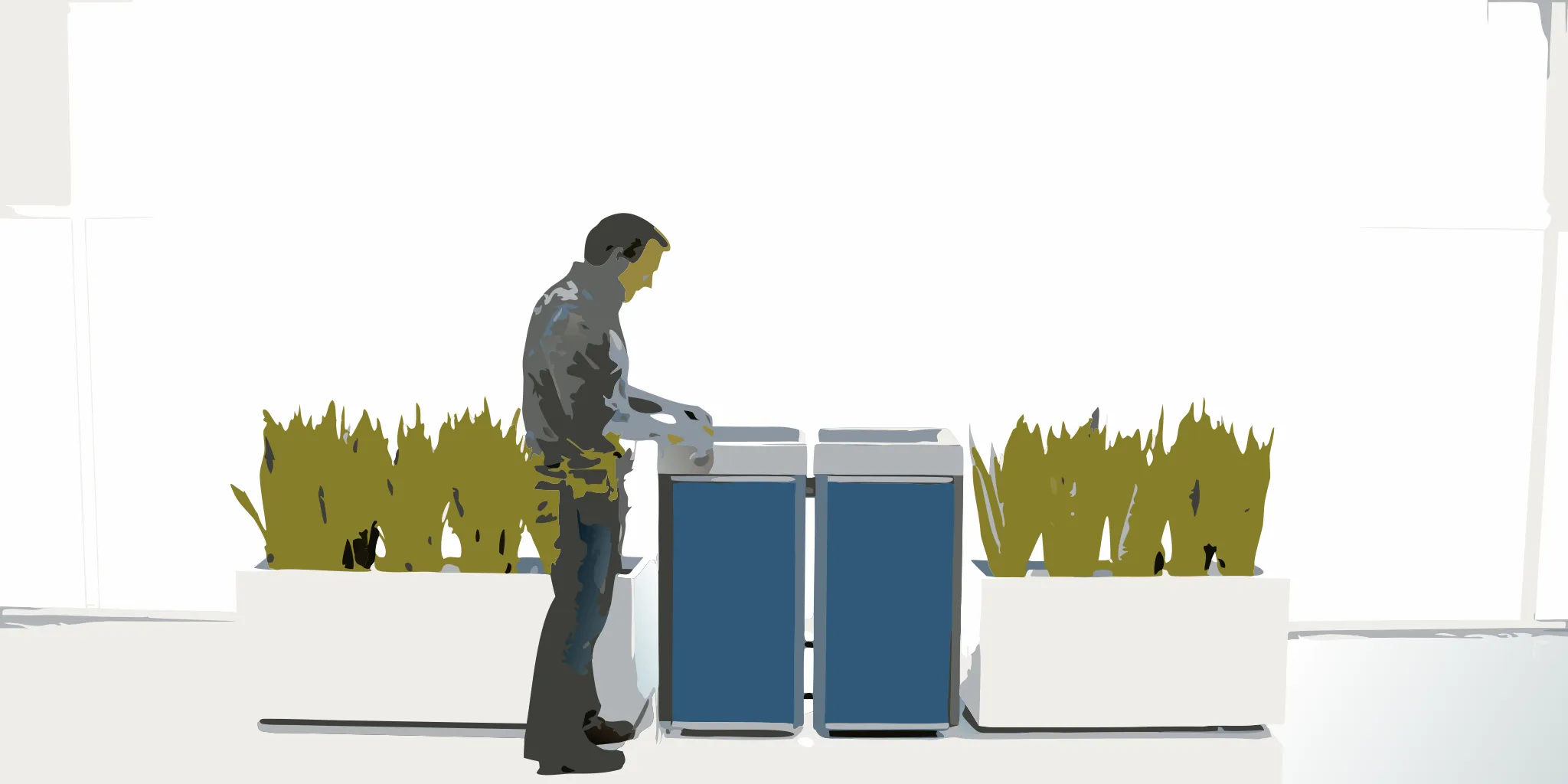
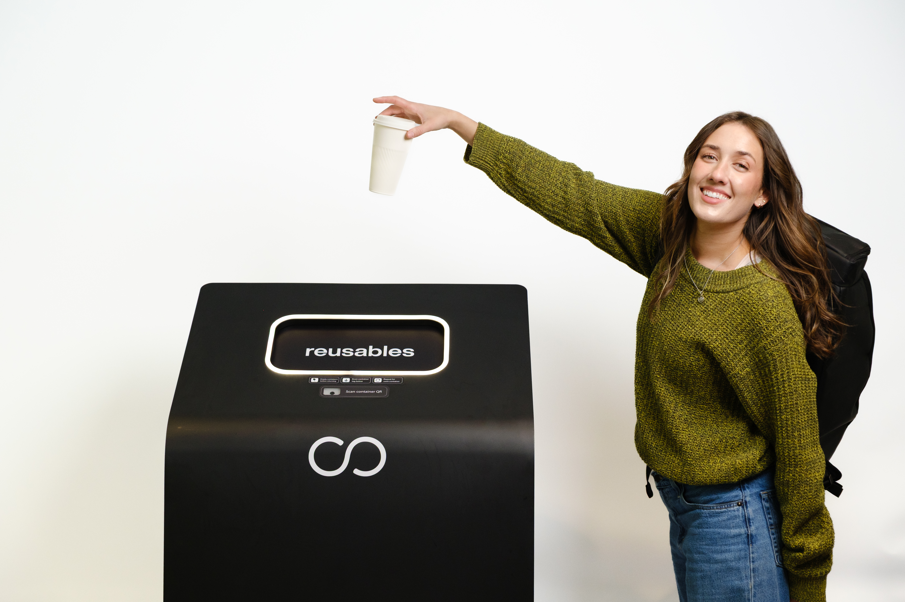
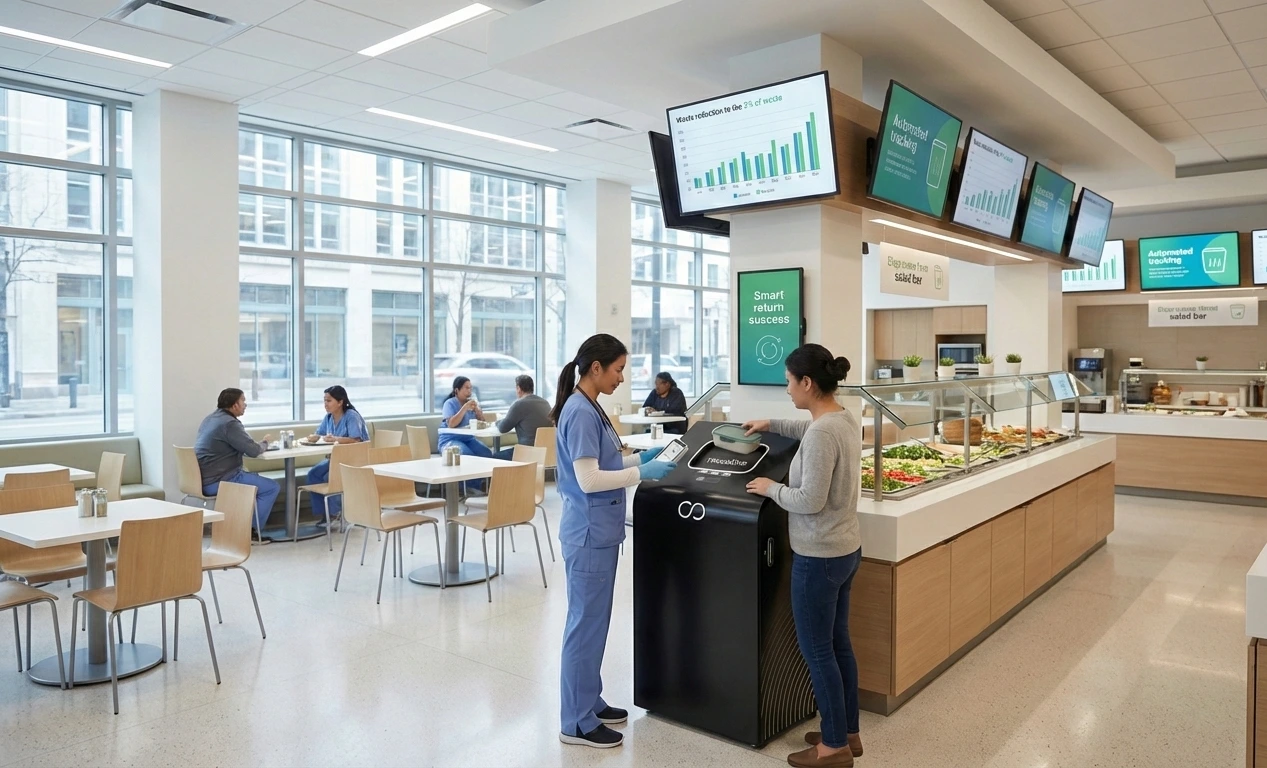
A smart return bin is an automated collection station designed specifically for reusable food containers. Unlike a standard drop-off box or dish return window, a smart bin uses embedded sensors and scanning technology to identify each container the moment it is deposited. It then records that return in your management software, updates the user's account, and monitors its own capacity so your team knows exactly when it needs to be emptied.
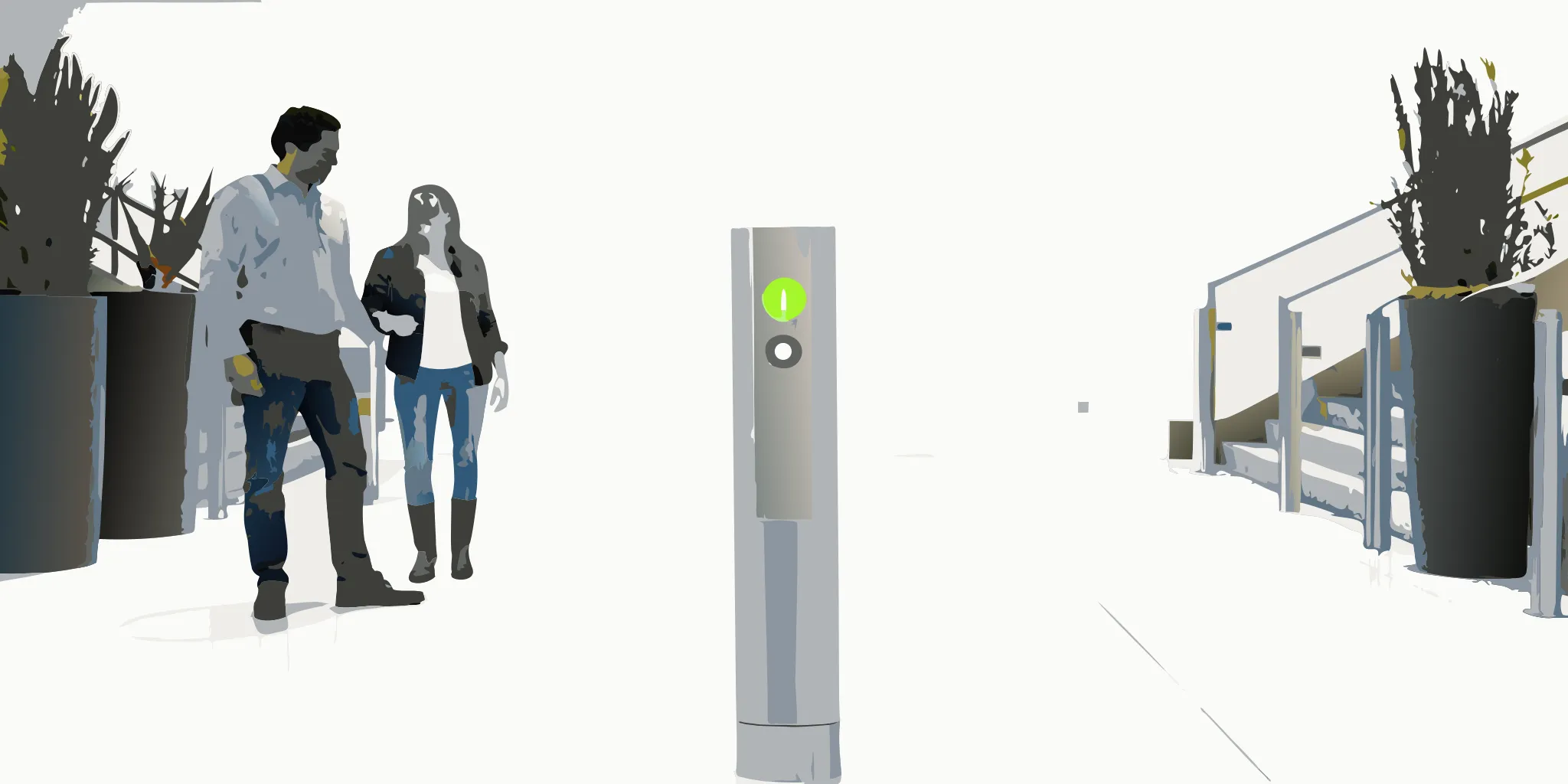
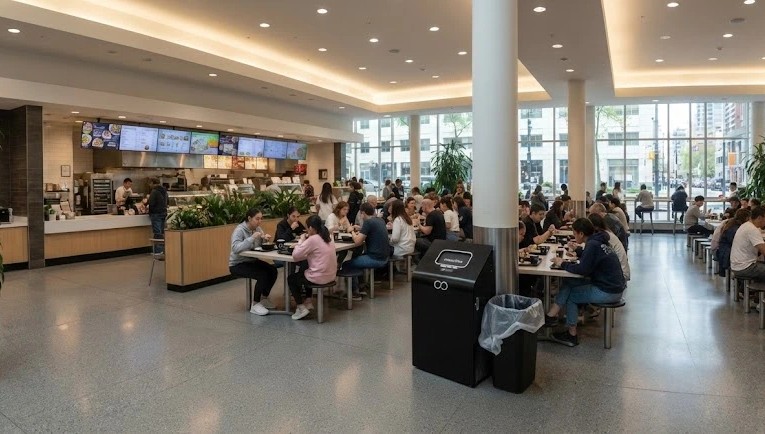
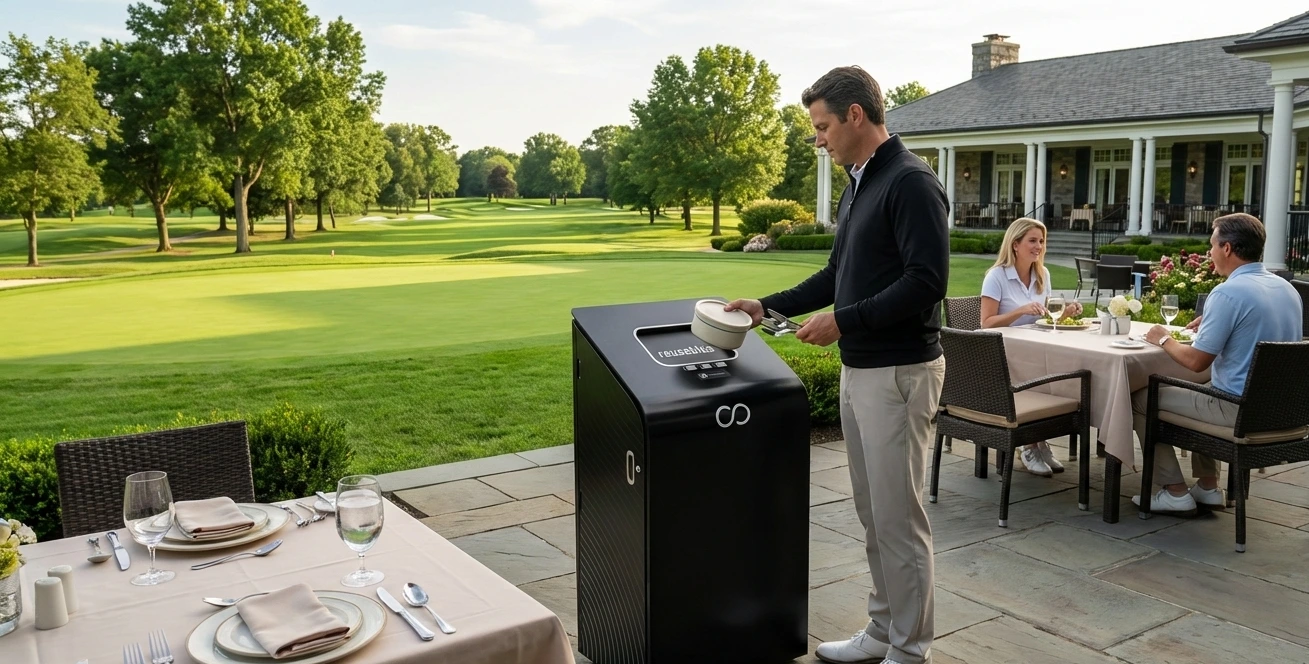
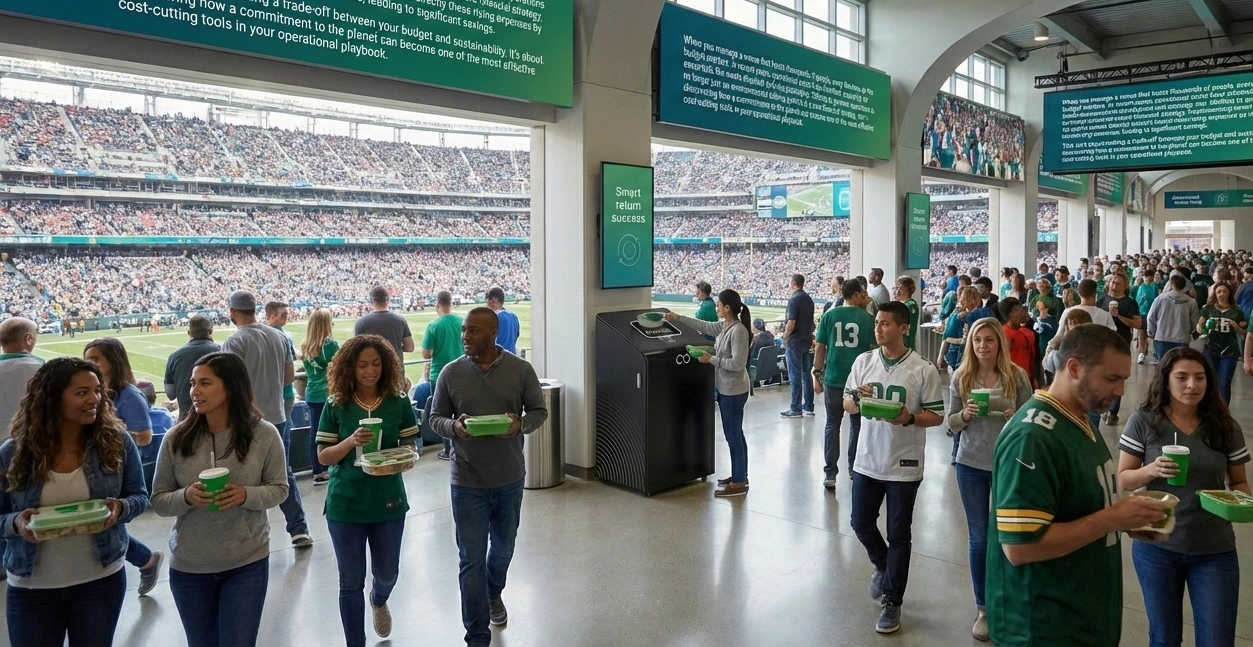
The key distinction is automation. Traditional return methods require a staff member to scan containers, count inventory, or manually reconcile who returned what. A smart bin handles all of this without human intervention. That means returns can happen anytime, anywhere you place a bin, whether that is outside a dining hall, in a residence lobby, or next to a campus coffee shop.
For programs that need to scale beyond a single dining location, this is transformative. Instead of staffing return desks at every site, you deploy bins that work around the clock and feed data directly into your container tracking software.
How Smart Return Bins Work: Step by Step
Understanding the technology inside a smart return bin helps you evaluate which system fits your operation. Here is what happens during a typical return:
Step 1: Container Detection
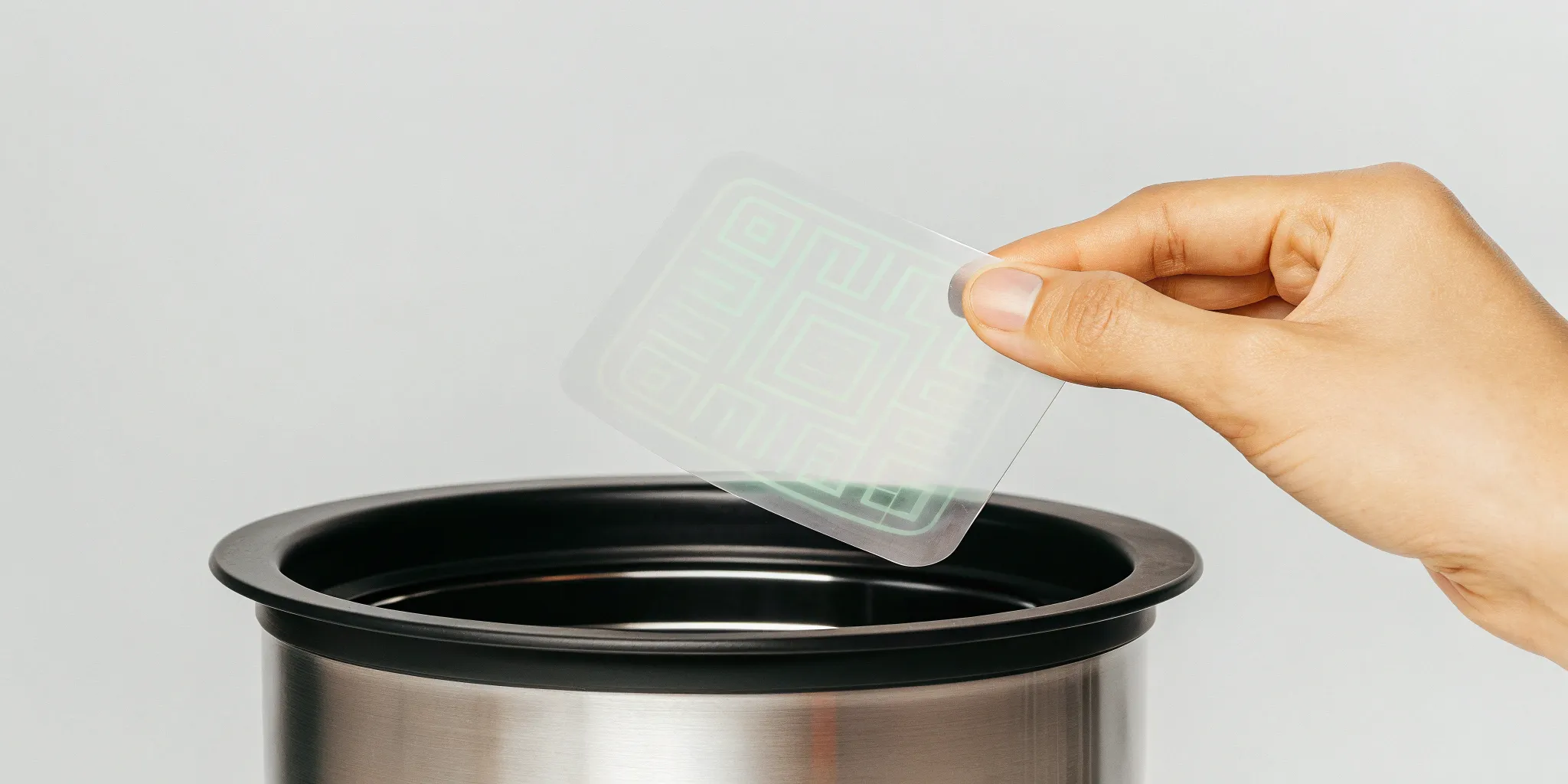
When a user drops a container into the bin, sensors detect the item's presence. The bin's internal RFID antenna or camera system reads the container's unique identifier, whether that is an RFID tag embedded in the container or a QR code printed on its surface. This happens in under two seconds with no action required from the user.
Step 2: Identity Verification
The scanned identifier is matched against the system database to confirm this is a registered container currently checked out to a specific user. The system verifies the container is legitimate (not a duplicate scan or unregistered item) and links the return to the borrower's account.
Step 3: Account Update
Once verified, the system automatically clears any pending hold or late fee on the user's account. If your program uses a deposit model, the deposit is released. If it uses an accountability model with automated charges for unreturned items, the countdown timer resets. The user receives confirmation, often via a screen on the bin itself or a brief notification.
Step 4: Inventory and Capacity Update
The returned container is added back to your available inventory count in real time. Simultaneously, the bin's internal fullness sensors update the capacity reading on your operator dashboard. When the bin reaches a configurable threshold, it triggers an automatic service alert so your team knows it is time to collect and wash the containers.
Key Features That Matter for Campus Operations
Not all smart bins are created equal. When evaluating options, these are the features that directly impact your program's return rates and operational efficiency:
24/7 Automated Operation
The most important feature is around-the-clock availability. Students do not return containers only during dining hours. A bin that works at 2 AM in a residence hall lobby captures returns that a staffed desk never would. Look for bins that require no power cycling, no daily resets, and no staff presence to operate.
Tamper-Proof Design
In high-traffic environments like university campuses, bins need to withstand heavy use and resist tampering. The best smart bins use enclosed, secure collection chambers that prevent people from reaching in to retrieve containers or deposit non-program items. This also prevents contamination, a major issue with open-top return solutions.
Dual-Mode Tracking (RFID + QR)
Different container materials work better with different tracking technologies. Stainless steel containers pair well with RFID, while plastic containers often use QR codes. A dual-mode system that supports both gives you flexibility to use multiple container types without being locked into a single tracking method.
Real-Time Fullness Detection
Manual fullness checks waste staff time and create gaps where bins overflow. Built-in sensors that report fill levels to your dashboard in real time allow you to route collection staff efficiently and prevent overflows that discourage returns.
Integrated Advertising Screens
Some smart bins include built-in media screens that display campus messaging, sustainability metrics, or advertising. These screens can generate revenue (approximately $5,000 per screen annually in some deployments) while also reinforcing the program's environmental impact to users at the point of return.

Why Smart Return Bins Drive Higher Return Rates
The data is clear: convenience is the primary driver of return rates. Programs that rely on manual returns at staffed windows typically see return rates between 60-80%. Programs using smart bins consistently achieve return rates above 95%, with some reaching 99%.
The reason is simple behavioral economics. Every barrier you add between the user and the return action reduces the likelihood they will follow through. A staffed window that closes at 7 PM excludes everyone who finishes dinner late. An app-based return that requires opening a phone, scanning a code, and confirming a return adds multiple friction points. A smart bin requires one action: drop the container in.
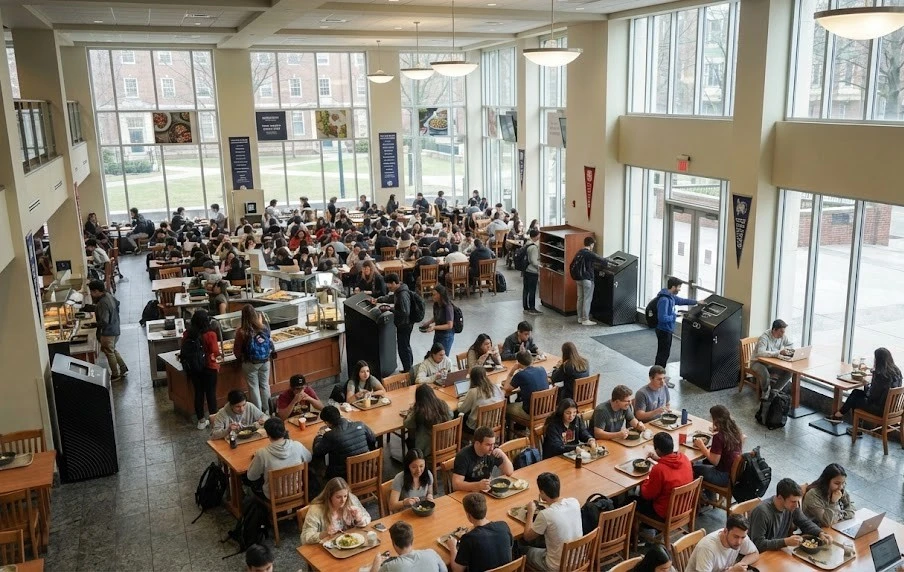
This is especially critical on college campuses, where your user base is 18-22 year olds with unpredictable schedules. They eat at odd hours, study late, and move between buildings constantly. Placing smart bins at high-traffic points throughout campus, not just in dining halls, meets them where they already are.
The behavioral science behind encouraging returns shows that reducing friction matters far more than increasing penalties. Smart bins are the physical embodiment of that principle.
Where to Place Smart Return Bins on Campus
Placement strategy directly impacts return rates. The goal is to put bins where users naturally pass during their daily routines, not just where it is convenient for your operations team.
High-Priority Locations
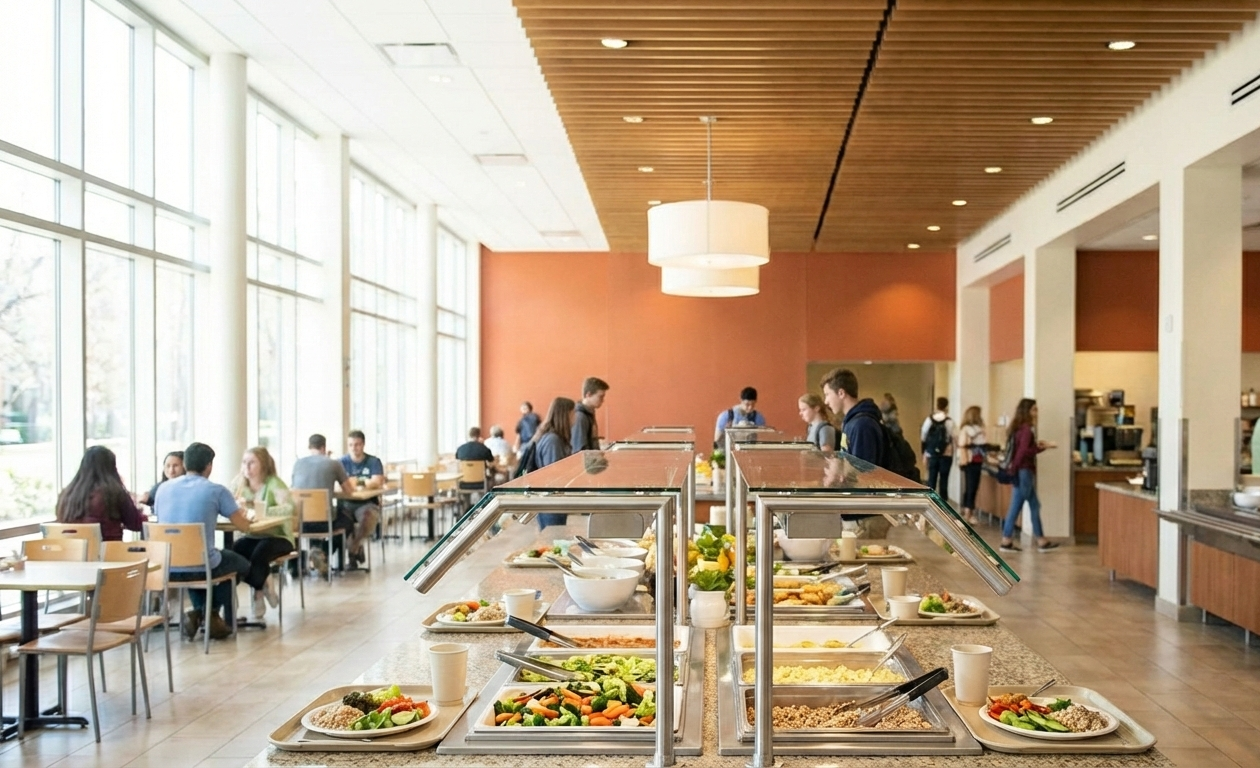
- Dining hall exits: Capture returns immediately after meals when users still have containers in hand.
- Residence hall lobbies: Students who take food back to their rooms need a convenient return point near where they live.
- Library and student center entrances: High-traffic buildings where students pass multiple times daily.
- Academic building foyers: Convenient stops between classes.
Secondary Locations
- Recreation and fitness centers: Students often grab food before or after workouts.
- Parking garage entrances: Commuter students who take food off campus can return containers when they arrive the next day.
- Campus shuttle stops: Natural waiting points where a quick return takes seconds.
A general rule: aim for one smart bin per 500-800 program participants, distributed so that no user is more than a 2-minute walk from a return point. Your container program data will show you which locations get the most returns, letting you optimize placement over time.
Smart Bins vs. Traditional Return Methods
To understand the operational advantage, compare smart bins against the alternatives:
| Feature | Smart Return Bin | Staffed Return Window | Open Drop Box |
|---|---|---|---|
| Availability | 24/7 | Limited hours | 24/7 |
| Staff Required | None for returns | 1+ per location | None |
| Container Verification | Automatic (RFID/QR) | Manual scan | None |
| Inventory Tracking | Real-time | Batch updates | None |
| Contamination Control | Enclosed, tamper-proof | Staff-monitored | Open to anything |
| Fullness Alerts | Automatic | Visual check | Visual check |
| Typical Return Rate | 95-99% | 70-85% | 50-70% |
The open drop box deserves special attention because it is the cheapest option and the most deceptive. It appears to work because containers come back, but without verification, you have no idea which containers were returned, by whom, or when. You cannot enforce accountability, track inventory accurately, or identify users who consistently fail to return items. Preventing container loss is impossible without per-item tracking.
Integration with Your Existing Systems
A smart return bin is only as useful as the systems it connects to. The best bins integrate directly with:
- Campus card systems: Transact, CBORD, Atrium, and TouchNet integrations mean students use the same card they already carry for dining and building access. No new credentials, no app downloads.
- Container tracking platforms: Real-time data flows from the bin to your tracking platform, giving you a single source of truth for container location, status, and circulation history.
- Automated accountability systems: When a bin records a return, the user's account is updated automatically. Late fees are cleared, deposits are released, and gamification rewards are credited without any manual processing.
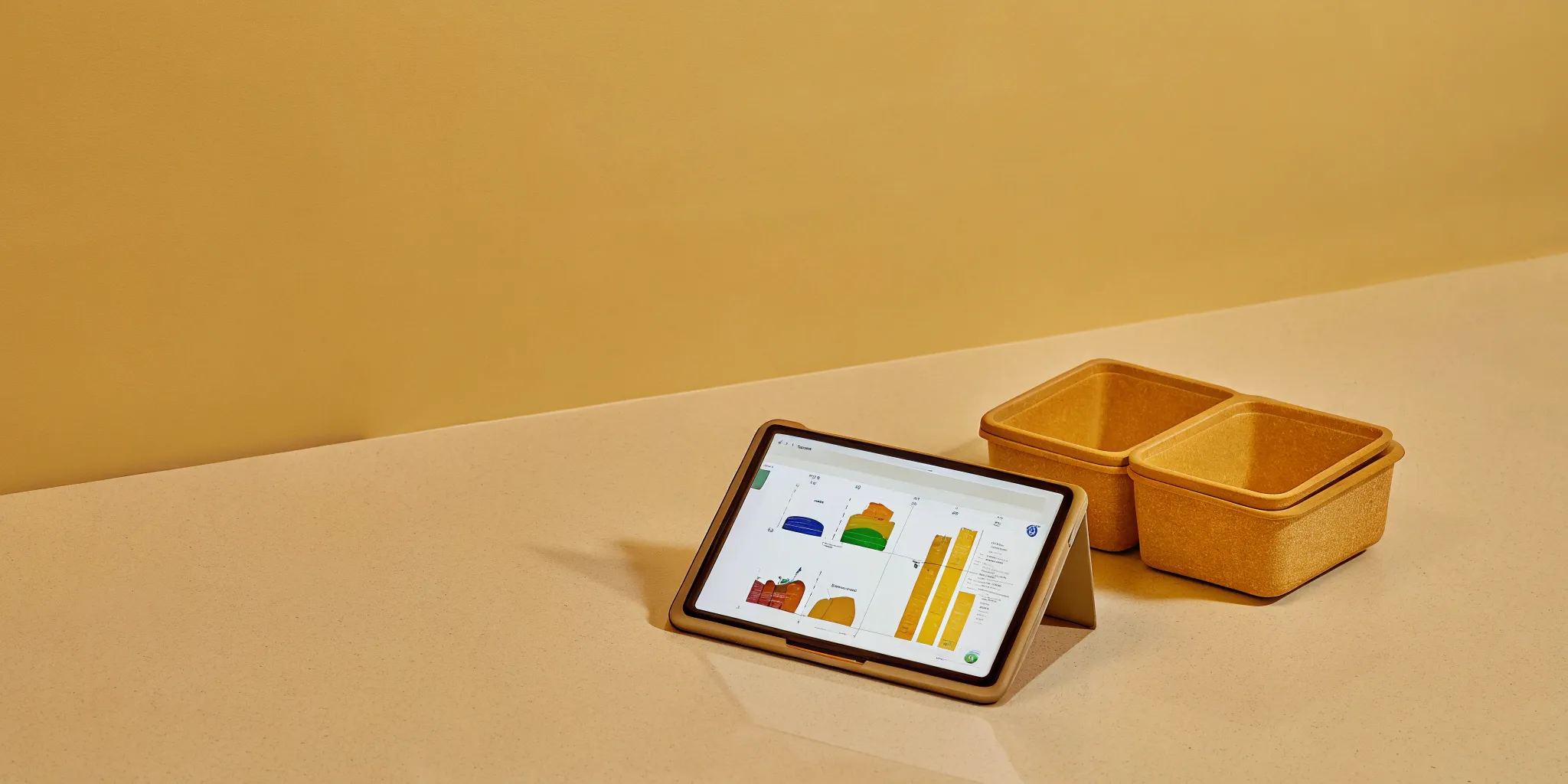
- Operator dashboards: Fullness levels, return velocity, peak usage times, and maintenance alerts all feed into a centralized dashboard your team can monitor from anywhere.
If a smart bin requires its own separate app or management portal that does not talk to your existing systems, it will create more work, not less. Demand seamless integration before committing.
ROI and Cost Considerations
Smart return bins require a higher upfront investment than open drop boxes, but the return on investment comes from multiple sources:
- Reduced container loss: Moving from 70% to 99% return rates on a 5,000-container program means recovering 1,450 additional containers per cycle that would otherwise need replacement.
- Lower labor costs: Eliminating staffed return windows frees dining staff for higher-value tasks. Even one fewer part-time position per location adds up across multiple sites.
- Advertising revenue: Built-in screens can generate approximately $5,000 per bin annually, offsetting operational costs.
- Reduced waste management fees: Higher return rates mean fewer containers in the waste stream, which directly lowers your waste disposal costs.
- Data-driven optimization: Real-time usage data helps you right-size your container inventory, optimize collection routes, and identify underperforming locations.
Most institutions see full payback within the first 12-18 months when factoring in container recovery savings alone. The operational data and labor savings extend the value well beyond that initial period.
Frequently Asked Questions
Do students need an app to use smart return bins?
No. The best smart return bins work without any app. The user simply drops the container into the bin, and the embedded RFID or QR scanner handles identification automatically. Systems that integrate with campus card platforms like Transact or CBORD use the student's existing ID card, so there is nothing new to download or learn.
How often do smart return bins need to be emptied?
Frequency depends on location and program size. High-traffic bins near dining halls may need daily collection, while bins in secondary locations might only need attention every 2-3 days. The built-in fullness sensors send automatic alerts to your team when a bin reaches its capacity threshold, so you never have to guess.
Can smart bins handle different container sizes and materials?
Yes. Modern smart bins are designed to accept various container sizes, from small bowls to large clamshell containers. Dual-mode tracking (RFID + QR) means the bin can identify both stainless steel and plastic containers, regardless of size. The right container selection depends on your menu and service style.
What happens if someone puts non-program items in the bin?
Tamper-proof designs minimize this risk, but it can happen. Smart bins that use enclosed intake mechanisms (rather than open tops) significantly reduce contamination. When a non-program item is deposited, the system simply does not register a return. During collection, staff separate any non-program items. Over time, this becomes rare as users learn the system.
How do smart return bins connect to the campus network?
Most smart bins connect via Wi-Fi or cellular data. Wi-Fi is preferred for indoor locations with reliable campus coverage. Cellular backup ensures bins in outdoor or low-coverage areas stay connected. Data transmission is lightweight, similar to a point-of-sale terminal, so it does not burden your network infrastructure.
What maintenance do smart return bins require?
Routine maintenance is minimal: regular emptying, periodic cleaning, and occasional firmware updates (typically pushed over-the-air). The bins are built for commercial use with no moving parts in the scanning system, so mechanical failures are rare. Most issues are flagged automatically through the dashboard's predictive maintenance alerts.
Ready to see how smart return bins can transform your reusable program's return rates? Book a demo to see the technology in action at a campus near you.
Other stories you may find interesting


















.webp)
.webp)







.webp)






















Watch the Webinar
Learn How to Eliminate Single-Use Waste
Get instant access to our expert webinar and discover how leading institutions reach 99% return rates through smarter reuse systems.

© Reusables™. All rights reserved.