
Top 5 Club Management Sustainability Software

January 13, 2026
Your members and students want to do the right thing, but a clunky sustainability program can stop them in their tracks. If participating requires downloading another app, paying an upfront deposit, or going out of their way to return an item, adoption rates will plummet. A successful zero-waste initiative depends on a frictionless user experience. The best programs make the sustainable choice the easiest one. Modern club management sustainability software is designed with this principle at its core, integrating seamlessly with existing campus cards and payment systems. Ahead, we’ll explore the essential features that create an effortless and engaging experience, ensuring your sustainability program becomes a celebrated success instead of an operational headache.
Key Takeaways
- Choose software that pays for itself: The right platform is an investment, not an expense. Focus on solutions that deliver a clear return by cutting your spending on disposable packaging and automating administrative work.
- Make participation effortless for everyone: Your program's success depends on high adoption rates. Prioritize a system that integrates with your existing technology and offers a simple, app-free experience for both your members and staff.
- Use data to prove your program's value: Track key metrics like container return rates and cost savings to demonstrate your impact to stakeholders and make informed decisions that strengthen your program over time.
What is Club Management Sustainability Software?
Think of club management sustainability software as a digital command center for your environmental initiatives. It’s a specialized tool designed to help your organization track, manage, and report on its resource use and environmental impact. Instead of relying on scattered spreadsheets and manual data entry, this software centralizes everything, giving you a clear picture of your club's performance in areas like waste management, energy consumption, and water usage.
The main goal is to turn your sustainability ambitions into measurable actions. This type of software helps you identify operational inefficiencies you might not have noticed otherwise, which often translates directly into significant cost savings. For example, by tracking food waste or disposable packaging costs, you can pinpoint exactly where to make changes that benefit both the planet and your budget. Furthermore, it allows you to generate accurate, data-driven reports on your ESG performance, which is perfect for sharing progress with members, boards, and stakeholders to build trust and enhance your club’s reputation.
What Are the Core Features?
At its heart, sustainability software is built to centralize data and make it actionable. While specific platforms vary, most solutions are designed to support your club’s sustainable transformation with a few key capabilities. You can typically expect to find features that handle data collection for things like carbon emissions, resource use, and compliance with environmental standards. This information is then presented in easy-to-understand dashboards with real-time analytics. Many platforms also include tools to help manage physical assets, like buildings and kitchen equipment, ensuring you have the financial foresight for repairs and sustainable upgrades.
How Does It Benefit Your Club?
So, what does this all mean for your club's day-to-day operations and bottom line? Implementing sustainability software offers a host of practical advantages. It saves your team a tremendous amount of time by automating data collection and reporting, freeing them up to focus on more strategic tasks. By keeping all your sustainability data in one place, you reduce the risk of human error and ensure everyone is working with the most current information. Most importantly, these tools can directly impact your finances. Many clubs find that sustainability practices not only reduce waste but also cut operational costs, leading to a healthier bottom line.
Key Features to Look for in Sustainability Software
When you're ready to invest in sustainability software, it’s easy to get lost in a sea of features and promises. The right platform does more than just track your green initiatives; it should simplify your operations, reduce costs, and make it easy for your members and students to participate. Think of it less as an add-on and more as a core operational tool that should work as hard as you do. A flashy interface is nice, but it’s the underlying functionality that will determine your program's success.
To find a solution that truly works for your campus or club, it helps to focus on a few key capabilities that deliver tangible results. These core features are the difference between a program that looks good on paper and one that makes a real, measurable impact on your bottom line and your environmental footprint. We'll walk through the essential features that address the biggest challenges in food service sustainability—from managing container inventory and tracking waste to engaging your community and integrating with the tech you already rely on. This will help you cut through the noise and identify a partner that can help you achieve your goals.
Zero-Waste and Reusable Container Management
A top priority for any food service operation is tackling single-use packaging waste. Your software should provide a robust system for managing a fleet of reusable containers. This isn't just about swapping disposables for reusables; it's about having a system that tracks each container, encourages returns, and gives you a clear view of your inventory. Look for features like unique QR or RFID codes on each item and an automated system that holds users accountable without creating extra work for your staff. This ensures you maintain high return rates and protect your investment, turning your zero-waste goals into a financially sound operational practice.
Real-Time Waste Tracking and Analytics
You can't improve what you don't measure. Vague estimates won't cut it when you need to report on your progress to stakeholders or justify your budget. Your sustainability software must include a dashboard with real-time analytics. This allows you to track key sustainability metrics like waste diversion rates, container usage, return patterns, and your overall environmental impact. With live data at your fingertips, you can spot trends, identify operational bottlenecks, and make informed decisions to refine your program. This transparency is key to demonstrating clear, quantifiable results and showing the real value of your sustainability efforts.
Energy and Resource Monitoring
While packaging is a major focus, a comprehensive sustainability strategy also looks at energy and water consumption. Some software solutions offer tools to monitor your utility usage across different facilities. This feature helps you pinpoint areas of inefficiency, whether it's a walk-in freezer that’s working overtime or a dish machine running during off-peak hours. By tracking these resources, you can implement changes that lead to significant cost savings and a smaller carbon footprint. It also helps you tell a compelling sustainability story to your community, backed by hard data that goes beyond just waste reduction.
Member Engagement and Communication Tools
Your sustainability program is only as strong as the community that supports it. The best software includes tools designed to get your members, students, and staff excited about participating. Features like gamification, leaderboards, and rewards for consistent reuse can transform sustainability from a chore into a fun, engaging challenge. These tools are crucial for driving adoption and maintaining momentum. Effective club management software recognizes that building a culture of sustainability requires active participation, not just passive compliance, making it easy and rewarding for everyone to get involved.
Integration with Your Existing Systems
Nothing will derail a new initiative faster than a clunky system that creates more work for your staff. It is absolutely essential that your sustainability software integrates seamlessly with the systems you already use every day. This includes your point-of-sale (POS) system, campus card and payment platforms (like Transact, CBORD, or TouchNet), and other operational tools. A fully integrated digital solution creates a frictionless experience for both your team and your users. This eliminates manual data entry, prevents service disruptions, and ensures the program runs smoothly in the background without adding to your team's workload.
A Look at the Top Sustainability Software Solutions
Choosing the right software depends entirely on your club's primary sustainability goals. Are you focused on eliminating packaging waste in your dining halls, tracking your carbon footprint across all operations, or simply getting a better handle on energy bills? Each platform has a different specialty. To help you find the best fit, here’s a breakdown of some of the top contenders in the sustainability software space, each with a unique strength.
Reusables.com - For Zero-Waste Packaging Systems
If your main goal is to eliminate single-use container waste from your food and beverage services, Reusables.com is built specifically for you. This platform provides a complete, tech-powered system for managing reusable takeout containers. Members can check out a container with a simple tap of their student card or credit card—no app download required. The system uses smart return bins and QR/RFID tracking to ensure you get your containers back, boasting industry-leading return rates. It’s an ideal solution for campus dining, corporate cafeterias, and clubs looking for a seamless way to implement a zero-waste program that cuts packaging costs and simplifies operations.
Enablon - For Comprehensive Sustainability Management
For larger organizations that need a wide-angle view of their environmental impact, Enablon offers a powerful suite of tools. It’s designed for more than just waste or energy; it’s a comprehensive platform for managing overall sustainability performance and environmental compliance. Think of it as an enterprise-level solution for tracking everything from air and water quality to health and safety regulations. Recognized as a leader among top sustainability data management solutions, Enablon is a strong choice for institutions with complex reporting needs and multiple facilities to oversee.
IBM Envizi - For ESG Data and Emissions Management
If your reporting needs are centered on Environmental, Social, and Governance (ESG) metrics, IBM Envizi is a top-tier option. Acquired by IBM to strengthen its sustainability offerings, Envizi excels at capturing, tracking, and analyzing data related to emissions and energy usage. This platform helps you consolidate complex data from across your operations into a single source of truth for ESG reporting. As noted by analysts covering sustainability management software providers, it’s a robust tool for any organization that needs to accurately calculate its carbon footprint and demonstrate progress toward climate goals to stakeholders, investors, or regulatory bodies.
Sphera - For Environmental Impact and Compliance
Sphera is another strong contender in the ESG and compliance space, with a particular focus on calculating environmental impacts. Its software modules are designed to help you collect ESG data and manage sustainability performance, especially when it comes to greenhouse gas emissions. If your club needs to go beyond simple tracking and perform detailed calculations of your environmental footprint for strategic planning or regulatory disclosure, Sphera provides the necessary tools. It’s built to help organizations not only meet their compliance obligations but also proactively manage their environmental risk and performance across the board.
EnergyElephant - For Energy Tracking and Reporting
For many clubs and campuses, utility bills are a massive operational expense. If your primary goal is to reduce energy consumption, a specialized tool like EnergyElephant is worth a look. As its name suggests, this software focuses squarely on tracking and reporting energy usage. It helps you monitor consumption patterns, identify inefficiencies, and find concrete opportunities to save money and reduce your carbon footprint. It’s recognized as one of the top sustainability management software tools for its focused approach, making it perfect for facilities managers who want to turn energy data into actionable cost-saving strategies.
Other Notable Solutions
The sustainability software market is constantly growing, and many other excellent tools are available. Some platforms focus on supply chain sustainability, while others specialize in water management or employee engagement. It’s also worth exploring solutions that can integrate directly with your existing club management or point-of-sale (POS) systems. As you conduct your research, keep an eye out for niche players that might offer a solution perfectly tailored to your club’s unique operational challenges and sustainability priorities.

How Can Sustainability Software Lower Your Operating Costs?
Investing in sustainability is one of the smartest financial decisions you can make for your operations. The right software doesn't just help you meet environmental goals; it provides the tools to turn those initiatives into tangible savings. By tracking resources, automating processes, and delivering clear data, these platforms highlight major cost-saving opportunities. Here’s a closer look at how this technology directly lowers your operating costs.
Reduce Packaging and Waste Costs
The cost of disposable packaging has skyrocketed, putting a major strain on budgets. A well-designed reuse program, powered by smart software, directly tackles this expense. Instead of constantly reordering single-use containers, you invest in a durable inventory that pays for itself over time. This strategy has a proven financial upside. Research shows that for every dollar invested in reducing food waste, businesses can save an average of $7 in operational costs. By implementing a system that tracks reusable containers and ensures high return rates, you dramatically cut down on purchasing costs and waste hauling fees.
Save on Energy and Utilities
Beyond packaging, sustainability software can offer powerful insights into your energy and utility consumption. Many platforms include dashboards that monitor electricity, water, and gas usage across your facilities. This data helps you pinpoint areas of inefficiency, whether it's an old refrigerator running overtime or dishwashers operating on suboptimal cycles. By identifying these energy drains, you can make targeted improvements—like upgrading equipment or adjusting operational schedules—that lead to significant reductions in your monthly utility bills. It’s about making smarter, data-driven decisions that benefit both the planet and your budget.
Streamline Labor and Admin Tasks
Your team's time is one of your most valuable resources. Sustainability programs can create a lot of administrative work, from tracking inventory to manually charging for unreturned items. Modern sustainability software automates these tedious tasks. Imagine a system that automatically sends return reminders to members, processes late fees without staff intervention, and generates impact reports with a single click. This level of automation in operations frees up your staff to focus on what they do best: creating a great member experience, not chasing down containers or crunching numbers in a spreadsheet.
Calculate Your Return on Investment (ROI)
How do you prove your sustainability program is working? The answer is in the data. The best software solutions provide a robust dashboard with real-time analytics, turning your efforts into a clear financial picture. Tracking sustainability KPIs like container return rates, cost avoidance on disposables, and waste diversion is essential. This information allows you to calculate a precise return on investment (ROI), demonstrating the program's value to stakeholders and making a powerful case for continued investment. It moves sustainability from a cost center to a proven value driver for your organization.
Common Implementation Challenges (and How to Solve Them)
Adopting a new sustainability platform is an exciting move toward a greener, more efficient operation. But let's be honest—any significant change comes with its own set of questions and potential hurdles. From getting your team on board to making sure the technology fits with your existing systems, it’s smart to anticipate the common challenges that can arise. The good news is that these challenges are all solvable with a bit of foresight and the right partner.
Instead of viewing them as roadblocks, think of them as key milestones in your implementation plan. Addressing them proactively is what separates a program that struggles from one that thrives. A successful rollout isn't about avoiding challenges altogether; it's about having a clear strategy to handle them. The most common issues are less about the technology itself and more about the people and processes surrounding it. Below, we’ll break down the four most common implementation challenges—from human behavior to technical integration—and provide straightforward, actionable solutions to ensure your transition to a new sustainability system is a resounding success.
Encouraging Staff and Member Adoption
Any new system is only as good as the people who use it. The biggest hurdle is often human nature—we’re all creatures of habit. For your staff, a new workflow can feel disruptive. For members, learning a new process can seem like a hassle. The solution is to make the sustainable choice the easiest and most rewarding one. Start with clear communication and hands-on training for your team, focusing on how the new system simplifies their work. For members, the experience must be frictionless. Look for app-free solutions that don’t require downloads or complicated sign-ups. Gamification, like leaderboards or rewards for frequent reusers, can also turn participation from a chore into a fun, engaging activity.
Handling System Integration and Data
Your club already relies on a network of software for payments, member access, and point-of-sale. A sustainability platform that doesn’t connect with these systems creates data silos and clunky workarounds for your team. These green IS adoption challenges can stop a program in its tracks. To avoid this, prioritize software that offers seamless, proven integrations with your core systems, whether it’s student cards or credit card processors. A fully integrated platform provides a single source of truth, giving you real-time data on inventory, return rates, and financial impact in one clear dashboard. This not only streamlines operations but also makes reporting a breeze.
Managing Your Budget and Resources
Let's be direct: budget is always a factor. It’s easy to view a new software subscription as just another line item expense. However, the right sustainability platform is an investment that should pay for itself. To get buy-in from leadership, you need to build a strong business case focused on return on investment (ROI). Calculate how much you currently spend on single-use packaging and waste hauling. The best software solutions can drastically reduce these costs, delivering savings that often exceed the price of the platform. When you prioritize initiatives that offer a clear financial return, the conversation shifts from "Can we afford this?" to "Can we afford not to do this?"
Meeting Regulatory Requirements
The landscape of environmental regulation is always changing. Cities, states, and even internal governing bodies are setting ambitious zero-waste goals and single-use plastic bans. Staying on top of these rules and proving your compliance can be a major administrative burden, especially as businesses face growing sustainability compliance pressure. This is where technology becomes your best ally. Instead of relying on manual counts and spreadsheets, a smart sustainability platform automates data collection and reporting. It tracks every container and provides auditable metrics on waste diversion, reuse rates, and carbon footprint reduction. This ensures you can easily meet current mandates and confidently adapt to future ones.
What Sustainability Metrics Should You Track?
To truly understand the impact of your sustainability initiatives, you need to go beyond good intentions and track concrete data. The right metrics not only prove the value of your programs but also highlight opportunities for improvement. Think of it as a report card for your green efforts—one that shows you exactly where you’re saving money, reducing waste, and engaging your members. By focusing on a few key performance indicators, you can make smarter, data-driven decisions that strengthen both your sustainability profile and your bottom line.
Waste Diversion and Container Return Rates
One of the most impactful metrics you can track is your waste diversion rate—the percentage of waste you keep out of the landfill through reuse, recycling, and composting. For dining services, this is especially critical. Implementing a robust reusable container program is a fantastic start, but its success hinges on a high return rate. After all, reusables only work if they’re returned. Tracking this metric helps you understand member behavior and refine your system to ensure containers come back. As a bonus, strong waste reduction practices can significantly improve profitability. With a system like Reusables.com, you can achieve near-perfect compliance, with case studies showing 99% return rates.
Energy Consumption and Carbon Footprint
Tracking your club’s energy consumption and overall carbon footprint provides a clear picture of your environmental impact. This goes beyond just your utility bills; it includes everything from the energy used in your kitchens to the emissions associated with your supply chain. Some institutions are even adding carbon footprint icons to menu items, a practice that helps inform members and guide them toward more sustainable choices. By monitoring these numbers, you can identify areas for improvement, such as upgrading to energy-efficient appliances or sourcing more local ingredients. This data is essential for setting meaningful reduction goals and transparently communicating your progress to your community.
Cost Savings and Financial Impact
Sustainability isn't just an environmental goal; it's a smart financial strategy. Tracking the direct cost savings from your initiatives is essential for getting buy-in from leadership and proving ROI. This includes reduced spending on disposable packaging, lower waste-hauling fees, and decreased energy and water bills. The financial upside can be substantial. Research shows that for every dollar invested in reducing food waste, businesses can save around $7 in operating costs. When you switch to a reusable system, you replace a recurring operational expense with a long-term, cost-effective solution, turning your sustainability program into a powerful financial asset.
Member Participation and Engagement
Your sustainability programs are only as strong as the community that supports them. That’s why tracking member participation and engagement is so important. Are members actively using the reusable container program? Are they responding to your sustainability-focused communications? Metrics like adoption rates, frequency of use, and feedback can tell you a lot about how well your initiatives are being received. Actively communicating your efforts through newsletters, workshops, and transparent reporting helps foster a sense of shared ownership. As one guide on sustainability in private clubs notes, this engagement is vital for long-term success and member satisfaction.
How to Compare Software Options for Your Club
Choosing the right sustainability software is a significant decision that impacts your budget, operations, and member experience. To make the best choice, you need to look beyond the flashy features and dig into the details that determine long-term success. Think of it as building a partnership, not just buying a product. A thorough comparison will help you find a solution that fits your club's unique needs and sets you up for a successful, sustainable future. Here’s a practical breakdown of what to evaluate.
Pricing Models and Total Cost of Ownership
When you look at pricing, it’s easy to focus on the monthly subscription fee, but that’s rarely the full picture. To understand the true financial commitment, you need to calculate the total cost of ownership (TCO). Ask potential vendors for a complete breakdown of all costs, including one-time setup fees, hardware expenses for things like scanners or smart bins, and any charges for staff training. Also, clarify if there are additional costs for scaling up, accessing premium features, or receiving dedicated support. A lower upfront price might be tempting, but a solution that saves you more on disposables and labor in the long run could offer a much better return on investment.
Scalability and Customization Options
Your club isn’t static, and your software shouldn't be either. A solution that works perfectly today might not keep up as you grow and your needs evolve. Before you commit, think about your five-year plan. Ask vendors how their system handles growth. Can it manage an increase in members, locations, and transaction volume without a hitch? Equally important is customization. Your operations are unique, so the software should adapt to you, not the other way around. Look for flexible solutions that can integrate with your existing systems, like payment processors or campus cards, to create a seamless workflow for your team.
User Experience and Training Needs
The most powerful software is useless if no one wants to use it. A simple, intuitive user experience is non-negotiable for both your staff and your members. For your team, the back-end dashboard should be easy to manage. For members, the process should be frictionless—think app-free checkouts that take seconds. Complicated systems create frustration and kill adoption rates. Also, consider the support and training provided. Does the vendor offer comprehensive onboarding, clear documentation, and a responsive help desk? A smooth rollout depends on your team feeling confident and prepared from day one.
Trial Periods and Vendor Support
You wouldn't buy a car without a test drive, so don’t invest in software without seeing it in action. Always request a live demo tailored to your club’s specific use cases. This is your chance to ask tough questions and see how the system performs in real-world scenarios. Better yet, ask if the vendor offers a pilot program. Testing the software in a limited capacity is the best way to gauge its performance and gather feedback from your staff and members. Finally, evaluate the vendor’s support structure. A strong, reliable partner will be there to help you succeed long after the contract is signed. When you're ready, you can schedule a demo to see exactly how a system could work for you.

Which Features Improve the Member Experience?
Your sustainability initiatives are only as strong as your members’ participation. If a program is clunky or inconvenient, even the most eco-conscious members will hesitate to join in. The right software goes beyond tracking metrics; it makes sustainability an effortless and even enjoyable part of the member experience. When choosing a platform, look for features that reduce friction and add value for your community.
A great sustainability program should feel like a perk, not a chore. By focusing on a seamless user experience, you can increase adoption rates, gather more accurate data, and show your members that you value their time and effort. The following features are essential for creating a program that people actually want to use, turning your sustainability goals into a shared community achievement.
App-Free, Seamless Technology
In a world of endless logins and app notifications, the last thing your members want is another piece of software to download and manage. The most effective sustainability programs integrate directly into the systems your members already use. App-free technology allows members to participate with a simple tap of their student ID, member card, or credit card. This frictionless approach removes the initial barrier to entry, making it incredibly easy for someone to borrow a reusable container or check out an item. A digital solution should streamline tasks, and by eliminating the need for a separate app, you make participation an automatic, thoughtless part of their daily routine.
Gamification and Reward Programs
A little friendly competition can go a long way in building good habits. Gamification features turn participation into a fun and engaging activity. Think campus-wide leaderboards that show which dorm is diverting the most waste, or a points system that rewards members for consistently choosing reusables. These rewards don't have to be big; they can be anything from a free coffee to entries in a prize drawing. By adding an element of play, you can motivate members and foster a stronger sense of community around your club's sustainability goals. These engagement strategies help make sustainability a visible and celebrated part of your club's culture.
Transparent Impact Reporting
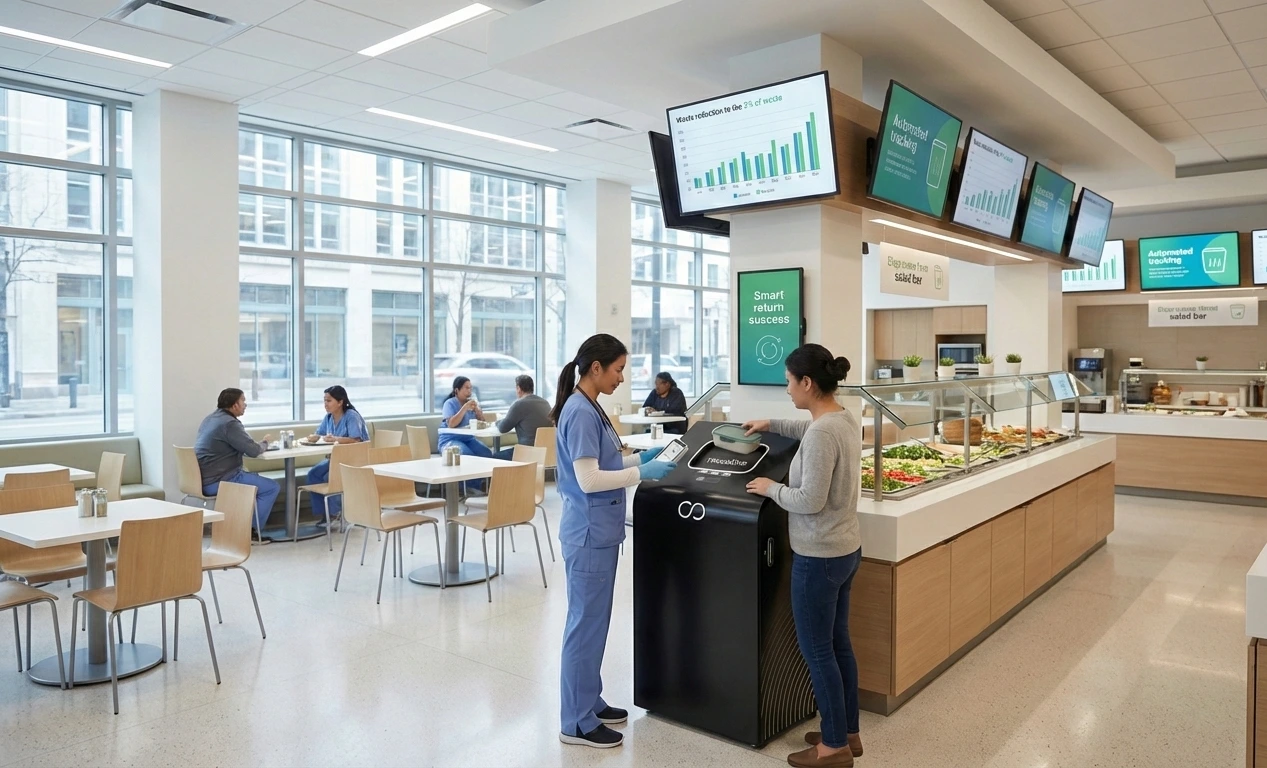
People want to know that their efforts are making a real difference. The best sustainability software makes it easy to share your collective impact with your members. Look for platforms that offer clear, visual dashboards you can display on screens around your facility or share in newsletters. Showing tangible metrics—like the number of single-use containers saved or the total reduction in your carbon footprint—builds trust and reinforces the value of the program. This transparency helps members feel like they are part of a meaningful, shared mission. When members can see the positive results of their actions, they are more motivated to continue participating and feel connected to the club's values.
Convenient Return Systems
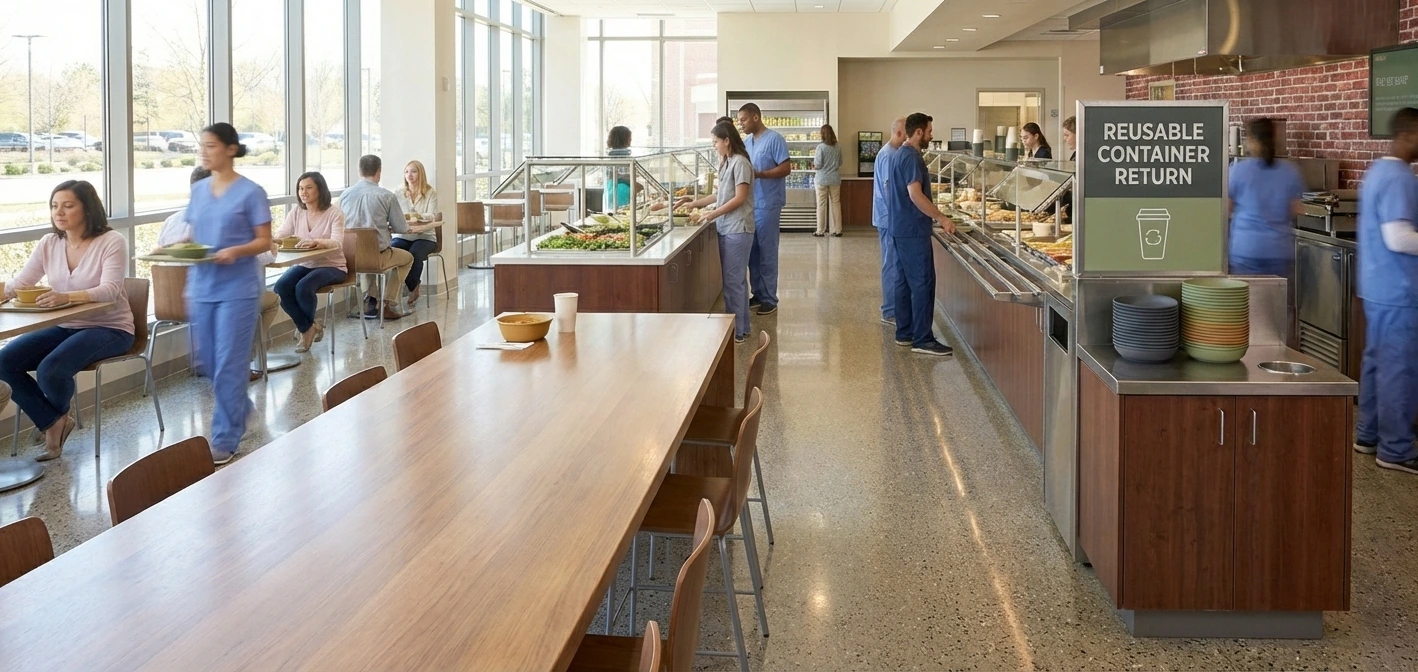
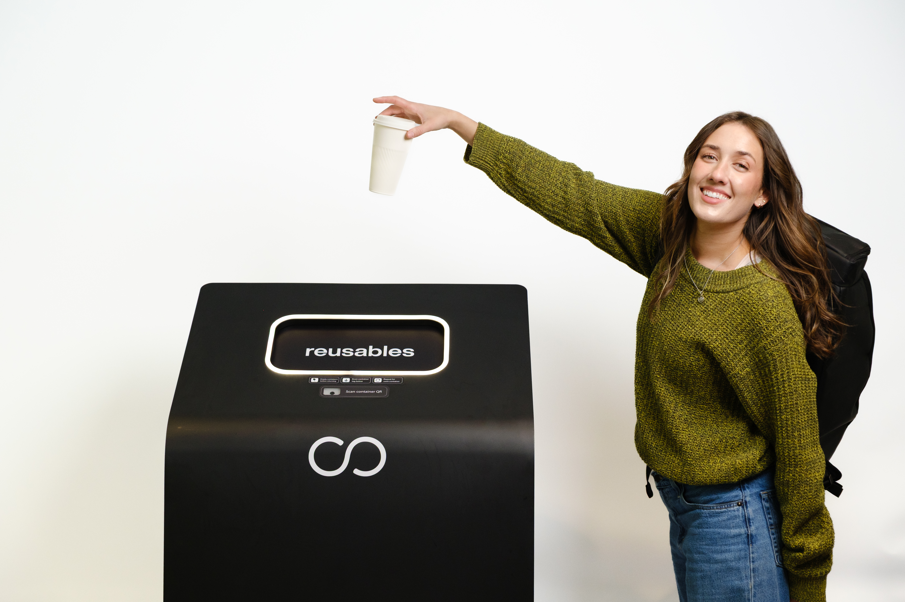
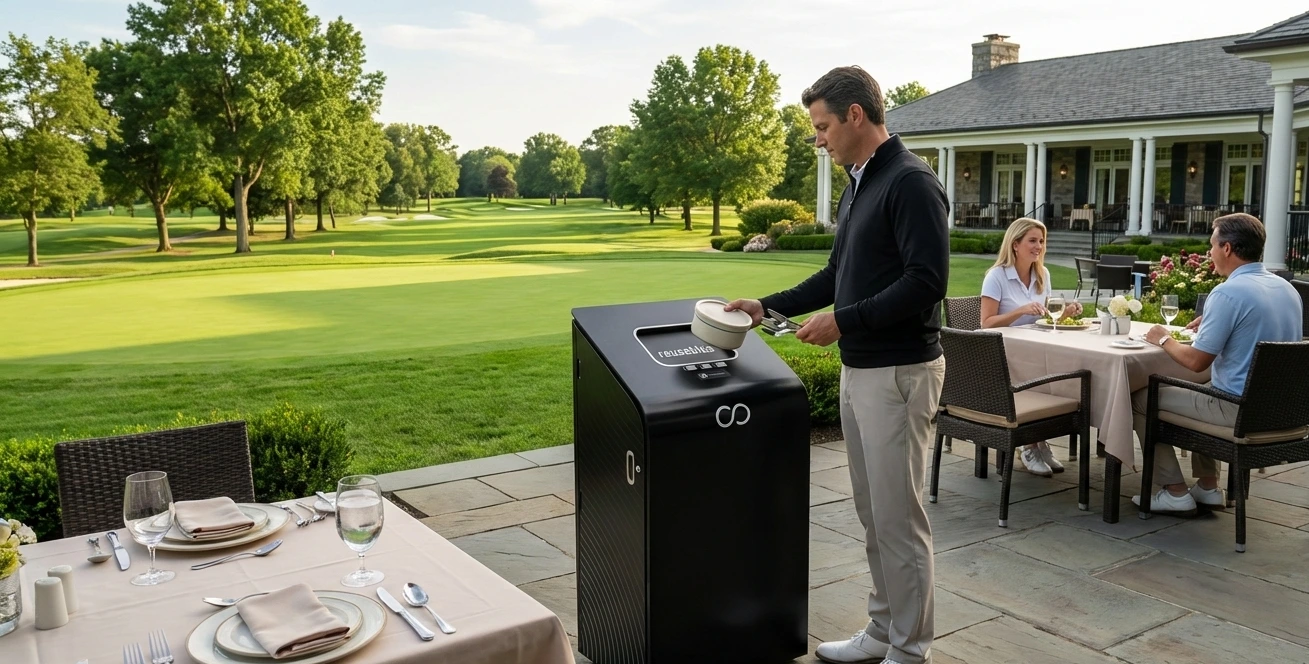
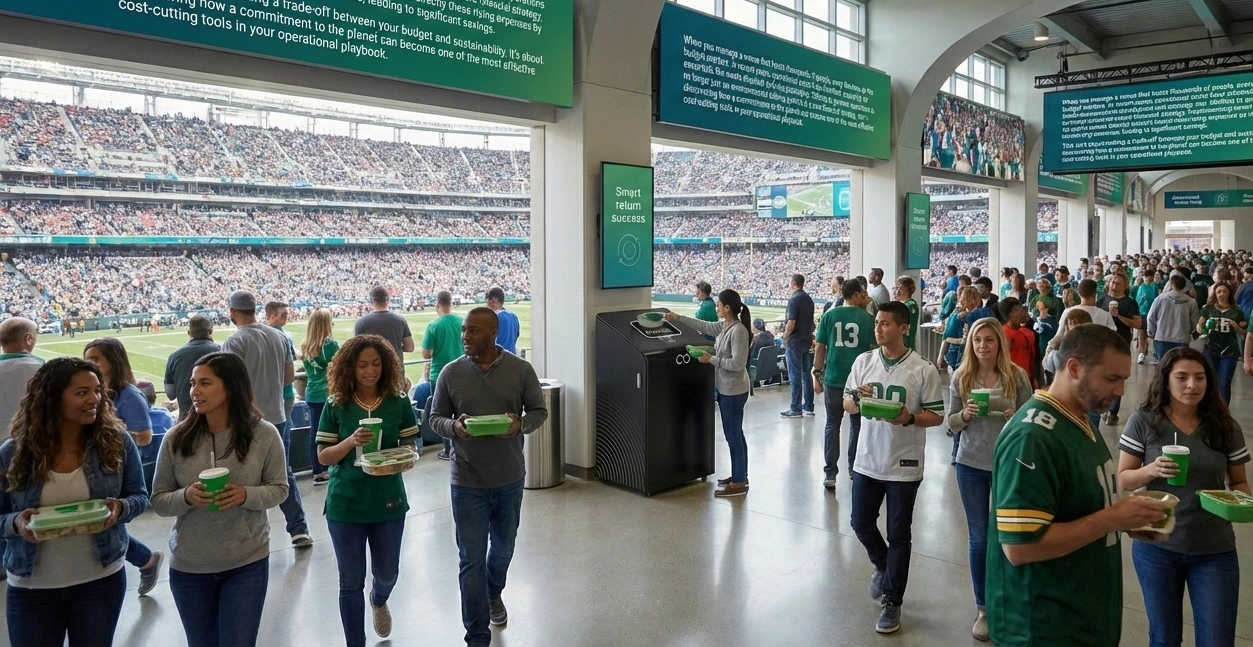
One of the biggest hurdles for any reuse program is the return process. If returning a container is a hassle, your inventory will quickly disappear. Modern sustainability software solves this with smart, convenient return systems. Features like 24/7, tamper-proof return bins placed in high-traffic areas mean members can drop off items whenever it suits them. Automated QR or RFID scanning makes the process instant—no waiting in line or dealing with manual check-ins. By making returns as simple as throwing something away, you can achieve incredibly high return rates and ensure the long-term success of your program. This creates a sense of shared ownership by removing any inconvenience associated with doing the right thing.
How to Choose a Vendor and Get the Best Deal
Selecting a sustainability software vendor is about finding a true partner for your institution's goals. The right choice can streamline your operations and make a real impact, while the wrong one can lead to headaches and wasted resources. To make a confident decision, you need to go beyond the sales pitch. It comes down to asking smart questions during the demo, negotiating a fair contract, and understanding the long-term support you’ll receive. This approach ensures you get a solution that not only works on paper but also works for your team and your members every single day.
Key Questions to Ask During a Demo
The demo is your chance to see the software in action and dig into the details. Don't be afraid to guide the conversation to address your specific needs. Come prepared with a list of questions to understand the platform's real-world performance. For instance, asking, "What features do your customers use the most, and which do they use the least?" can give you an honest look at its strengths and weaknesses. Follow up with specific scenarios, like, "Can you show me exactly how this would integrate with our campus card system?" This ensures the features align with your operational requirements. Finally, get a clear picture of the total investment by asking about any downstream costs beyond the initial setup fee.
Tips for Negotiating Your Contract
Effective negotiation starts long before you talk numbers. Before you even schedule a demo, sit down with your team and create a list of "must-have" versus "nice-to-have" features. This clarity gives you leverage and helps you focus on what truly matters. When you enter discussions, don't hesitate to ask for what you want, whether it's a multi-year discount, a phased rollout, or specific payment terms. If a vendor can't meet a request, ask them to explain why. Understanding their constraints can open the door to creative solutions that work for both of you. The goal is to sign a contract that feels like a win-win partnership.
Finding Discounts and Special Offers
While vendors may not advertise them, discounts and special offers are often available if you know how to ask. During your negotiations, inquire about pricing flexibility for non-profits or educational institutions. Many companies offer preferred rates for these sectors. You can also propose a case study partnership; in exchange for a reduced price, you agree to share your success story after implementation. This can be a powerful incentive for the vendor. Also, ask about pilot programs. A smaller, trial-run implementation can often come at a lower cost and allow you to prove the system's value before committing to a campus-wide rollout.
Understanding Support and SLAs
A great platform is only as good as the support behind it. Before you sign, get a clear understanding of the vendor's support structure and Service Level Agreement (SLA). An SLA is the vendor's formal promise regarding service uptime, performance, and issue response times. Ask direct questions like, "What are your guaranteed response times for critical issues?" and "What does your onboarding and training process look like for our staff?" Knowing how quickly you can get help is crucial for keeping your operations running smoothly and ensuring your team feels confident using the new system from day one.
Your Roadmap for a Successful Rollout
Switching to a new sustainability system is a big move, but a thoughtful plan makes all the difference. A successful launch goes beyond just installing the software; it’s about bringing your people—staff and members alike—along for the ride. By focusing on clear goals, communication, and continuous improvement from the start, you can ensure your new program becomes a seamless and celebrated part of your campus or club culture. Here’s how to build your roadmap.
Align Your Stakeholders and Set Clear Goals
Before you launch, get everyone on the same page. This includes your dining services team, operations staff, finance department, and even student or member representatives. The key is to define what success looks like for everyone involved. Use clear benchmarks, or Key Performance Indicators (KPIs), to set measurable targets. Instead of a vague goal like "be more sustainable," aim for specifics like "reduce single-use container costs by 30% in the first year" or "achieve a 99% container return rate." These concrete sustainability metrics give your team a shared purpose and a clear way to track progress.
Develop a Plan for Training and Communication
A new system only works if people know how to use it and are excited to do so. Develop a straightforward training plan for your staff so they feel confident explaining the new reusable container program to members. For your members, create a communication strategy that builds awareness and enthusiasm. Simple things like posters at checkout, articles in your campus newsletter, or a quick tour of the new return bins can create a sense of shared ownership of the initiative. Frame the change around the positive impact everyone is making together—it’s an easy win that helps build a culture of sustainability.
Monitor Performance for Continuous Improvement
Your work isn’t done once the system is live. The real magic happens when you use data to refine your program over time. A robust software solution like Reusables.com provides a dashboard with real-time data on usage, return rates, and environmental impact. Regularly review these metrics to see what’s working and where you can make adjustments. For example, if you notice low return rates at a specific dining hall, you might add another return station. Tracking performance metrics is essential for demonstrating the program's value and making smart decisions that ensure its long-term success.
Related Articles
- Smart Reuse Programs for Campuses, Private Clubs, Offices & More
- Benefits of Using Club Management Sustainability Software
- Hollyburn Country Club Reported a Payback Window of Just 2 Months - Case Studies
- Guide to Sustainable College Cafeterias
Frequently Asked Questions
How much extra work will a reusable container program create for my staff? This is a common concern, but the right software actually reduces your team's workload. A modern system automates the most time-consuming tasks, like tracking inventory, sending return reminders, and processing late fees. This means your staff can focus on food and service instead of chasing down containers or managing spreadsheets. The goal is to have the program run smoothly in the background.
Is this just another expense, or will it actually save us money? Think of it as an investment that pays for itself. You'll drastically cut your spending on single-use packaging and waste hauling fees, which are major recurring costs. The software provides clear data to calculate your return on investment, showing exactly how much you're saving. It shifts sustainability from a cost center to a smart financial strategy that improves your bottom line.
How do we get students and members to actually return the containers? The key is to make it incredibly easy to participate and even easier to return. A frictionless system that uses existing campus cards or credit cards—no app needed—removes the first barrier. Combine that with convenient, 24/7 smart return bins placed in high-traffic areas and an automated accountability system that sends gentle reminders. This combination is proven to drive the high return rates needed for a successful program.
Will this software integrate with our existing campus card and payment systems? Absolutely. It's essential that any sustainability platform works seamlessly with the technology you already rely on. The best solutions are designed to integrate directly with major campus card and POS systems like Transact, CBORD, and TouchNet. This creates a smooth experience for both your staff and your users and avoids the operational headaches of running separate, disconnected systems.
What kind of containers can we use with a system like this? You have options. A flexible platform should be "container-agnostic," meaning it can work with the inventory you may already have. If you're starting fresh, you can choose from a variety of approved container partners that offer durable plastic and stainless steel options. This allows you to select the containers that best fit your budget, operational needs, and brand.
Other stories you may find interesting




























.webp)
.webp)








.webp)





































Watch the Webinar
Learn How to Eliminate Single-Use Waste
Get instant access to our expert webinar and discover how leading institutions reach 99% return rates through smarter reuse systems.

© Reusables™. All rights reserved.