
Returnable Packaging Association: The Ultimate Guide

April 10, 2026
Making the move to reusable packaging is a strategic decision that impacts your budget, operations, and sustainability goals. But where do you turn for reliable information and proven best practices? In any major industry, there’s a central hub that brings together the best minds to solve common challenges and drive innovation. For reusables, that hub is the returnable packaging association (RPA). Think of it as the industry’s command center, connecting manufacturers, tech providers, and campus dining leaders like you. The RPA works to standardize the industry and share knowledge, making it an invaluable partner for any institution looking to reduce waste effectively.
Key Takeaways
- Use the RPA as your guide to reusables: The Reusable Packaging Association provides the essential resources, industry standards, and community connections to help you confidently implement and manage a successful program on campus.
- View reusables as a financial strategy, not just a green one: Switching to a reusable system reduces significant operational costs tied to disposable packaging, protects your budget from supply chain volatility, and improves overall efficiency.
- Technology is the key to a successful program: Modern solutions with smart tracking and automation solve the biggest challenges of reuse by ensuring high return rates and reducing the manual workload for your staff.
What is the Reusable Packaging Association (RPA)?
If you’re exploring a switch to reusable containers, you don’t have to go it alone. The Reusable Packaging Association (RPA) is the industry’s central hub for resources, data, and community. Think of it as a powerful partner dedicated to helping organizations like yours succeed with sustainable packaging solutions. The RPA brings together leaders and innovators to share knowledge and drive the entire industry forward, making it an invaluable resource for any campus dining program looking to reduce waste and improve operations.
What the RPA Stands For
The Reusable Packaging Association (RPA) is a non-profit trade organization that brings together businesses involved in every aspect of reusable packaging—from manufacturing to implementation. Its core mission is to promote the widespread adoption of reusable systems across all industries. The RPA works to highlight the clear economic and environmental benefits of moving away from single-use items. For campus dining services, this means the RPA is actively building the case for the very systems that help you meet sustainability targets and cut down on the ever-rising costs of disposable containers.
How the RPA Leads the Industry
The RPA serves as a key advocate for the growth of reusable packaging. It leads by demonstrating, with clear data and case studies, how these systems create value. By showcasing the significant economic and environmental advantages, the RPA helps organizations make a confident business case for switching to reusables. This work is crucial for campus leaders who need to prove ROI and get buy-in from stakeholders. The association’s efforts help standardize best practices and build momentum, making it easier for everyone to implement effective and efficient reuse programs.
Connecting with a Network of Peers
One of the most valuable aspects of the RPA is the community it fosters. The association connects industry stakeholders, creating a powerful network for collaboration and knowledge sharing. This means you can learn directly from peers who are navigating similar challenges and opportunities on their own campuses. This network of professionals helps members implement solutions, measure performance in both cost savings and sustainability, and drive innovation through shared experience. It’s a space to find support and discover new ideas that can improve your dining program.
How the RPA Champions Sustainability
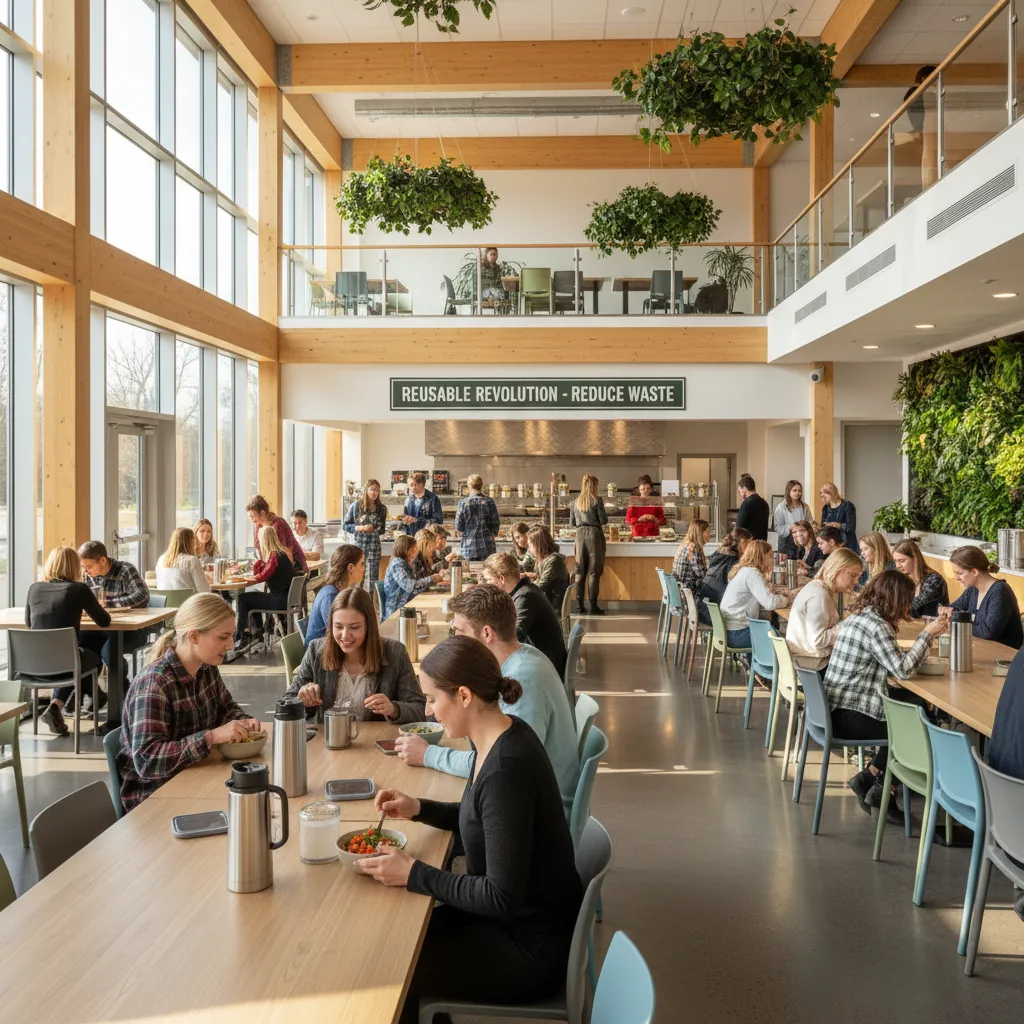
The Reusable Packaging Association (RPA) does more than just talk about sustainability—it actively builds the framework for a circular economy. For campus dining leaders, the RPA acts as a powerful ally, turning ambitious zero-waste goals into achievable operational plans. The association focuses on creating practical, data-driven strategies that make reusable systems not just an environmental win, but a smart business decision. It brings together industry leaders, from container manufacturers to technology providers, to solve the real-world challenges of implementing reuse at scale.
By championing research, setting clear standards, and advocating for supportive policies, the RPA helps organizations like yours confidently implement reuse programs that are effective, efficient, and built to last. Think of the association as a central hub for best practices, connecting you with a network of peers who have faced similar hurdles and found successful solutions. This collective effort provides the credibility and support needed to move away from single-use packaging for good, ensuring your campus is at the forefront of the sustainability movement while also improving your bottom line. The RPA's work is foundational to creating a future where reusables are the default, not the exception.
Measuring Environmental Impact
You can't manage what you don't measure. The RPA understands this and places a strong emphasis on developing clear metrics to track the success of reusable packaging systems. By providing frameworks for assessing environmental performance, operational efficiency, and economic feasibility, the association empowers managers to make informed decisions. This data-driven approach helps you see the tangible benefits of your program, from waste reduction to carbon footprint improvements. As the Plastics Industry Association notes, these essential insights allow you to demonstrate value to stakeholders and continuously refine your supply chain for even better results. It’s about proving that reusables are making a real difference.
Setting Industry Standards
One of the biggest hurdles to widespread adoption of reusables has been a lack of consistency. The RPA is tackling this head-on by working to establish industry-wide standards for everything from container design to tracking technology. When everyone is speaking the same language, it becomes much easier to collaborate and scale. As one report points out, the "absence of standardized processes" can make it difficult for businesses and consumers to handle different systems. By creating a more unified ecosystem, the RPA helps ensure that the reusable containers on your campus can be part of a larger, interconnected network, simplifying logistics and improving the user experience for everyone.
Advocating for Better Policies
With environmental regulations becoming more stringent, staying ahead of the curve is crucial. The RPA serves as a key advocate for the industry, working with policymakers to shape legislation that supports and encourages the growth of reusable systems. This proactive approach helps members prepare for upcoming mandates and avoid the risk of non-compliance penalties. By representing the collective voice of the reusables industry, the RPA ensures that new policies are practical, effective, and beneficial for both the environment and the businesses implementing them. This advocacy provides a layer of security, helping you invest in a reuse program with confidence.
Leading with Research
Making the switch to reusables is a significant decision, and it should be backed by solid evidence. The RPA is at the forefront of commissioning and sharing critical research that validates the benefits of reusable packaging. By partnering with organizations like the Ellen MacArthur Foundation, the association provides access to in-depth reports and data that help unlock a reuse revolution. This thought leadership helps demystify the process, offering clear pathways to tackling plastic pollution and reducing emissions. For campus leaders, this research provides the business case needed to get buy-in from stakeholders and build a program based on proven strategies.
Why Reusable Packaging Makes Financial Sense
While sustainability is often the conversation starter, the financial arguments for switching to reusable packaging are just as compelling. For any large-scale food service operation, the cost of single-use containers is a significant and constantly growing line item on the budget. In fact, many institutions have seen their spending on disposable packaging climb by more than 200% in just the last few years. This isn't just a minor expense; it's a major operational cost that directly impacts your bottom line.
Making the switch to a reusable system isn't just about being green—it's a strategic financial decision that can lead to substantial long-term savings. By investing in a durable inventory of containers, you transform a recurring expense into a one-time capital investment with a clear return. Beyond the direct cost savings on packaging, a well-designed reuse program can streamline your entire operation. It simplifies your supply chain, improves day-to-day efficiency for your staff, and provides a better, more modern experience for your customers. Thinking about reusables through a financial lens reveals a powerful opportunity to cut waste and costs simultaneously.
Analyzing Your Cost Savings
The most immediate financial benefit of a reusable system is straightforward: you stop buying items that are designed to be thrown away. Instead of placing weekly or monthly orders for disposable cups, clamshells, and bowls, you invest in a durable set of assets that can be used hundreds or even thousands of times. This shift directly cuts the perpetual purchasing cycle of single-use items from your budget. For many dining programs, this can translate into annual cost savings of 30% or more on packaging alone. By implementing a system that minimizes wastage, you not only reduce your environmental footprint but also protect your budget from volatile supply chain prices and ever-increasing material costs.
Optimizing the Supply Chain
Managing disposables means dealing with a complicated supply chain. You have to forecast demand, manage storage for bulky boxes, and handle frequent reordering, all while being vulnerable to shipping delays and price hikes. Returnable packaging brings multiple advantages to your supply chain by creating a predictable, closed-loop system. With a stable inventory of containers on-site, you simplify procurement and reduce the amount of storage space needed. This stability makes your operations more resilient and less dependent on external suppliers for essential daily items. It allows your team to focus less on inventory management and more on providing excellent service.
Calculating Your Return on Investment
It’s true that launching a reusable packaging program requires an upfront investment. However, the key is to look at the total cost of ownership over time. The economics of returnable packaging have the potential to compete with single-use, especially when implemented at scale. Your return on investment is calculated by comparing the initial cost against the money you save by no longer purchasing disposables month after month. A system with high return rates is critical to achieving a fast and significant ROI. When you can track your assets and ensure nearly every container comes back, your investment is protected and continues to pay dividends for years.
Improving Operational Efficiency
A modern, tech-enabled reuse program does more than just save money on containers; it makes your whole operation run more smoothly. Smart systems with automated tracking and convenient return stations reduce the manual workload for your staff. Instead of manually counting items or chasing down students for unreturned containers, the system handles accountability automatically. This frees up your team to focus on what they do best: preparing great food and serving customers. The right reusable packaging solutions offer clear benefits by saving money and reducing waste while making daily tasks easier for everyone involved.
Get Support with RPA Resources
Making the switch to a reusable packaging system is a big step, but you don’t have to go it alone. The Reusable Packaging Association (RPA) acts as a central support system for its members, offering a deep well of knowledge and connections to help you succeed. Think of the RPA as your partner in sustainability, providing the tools and community you need to implement, manage, and optimize your reuse program with confidence.
Whether you’re just starting to explore your options or looking to refine an existing system, the association provides resources that address the entire lifecycle of reusable packaging. From detailed implementation guides and performance metrics to exclusive networking events, the RPA ensures you have access to industry-leading expertise. This support structure is designed to help you make smarter decisions, avoid common pitfalls, and connect with peers who are navigating similar challenges. By tapping into these resources, you can streamline your operations, demonstrate clear value to stakeholders, and stay at the forefront of the reusables movement.
Guidance for Technical Implementation
Getting the details right is crucial for a smooth rollout. The RPA offers a comprehensive library of educational materials designed to walk you through the technical aspects of implementation. These resources break down complex topics into clear, actionable steps, helping you understand everything from container selection to system integration. Instead of guessing, you can lean on proven best practices and data-driven insights to build a program that’s efficient, effective, and tailored to your campus’s specific needs. This guidance ensures you can make informed decisions that set your program up for long-term success from day one.
Opportunities for Professional Growth
Being part of the RPA means joining a vibrant community of industry professionals. The association is a vital connector, creating spaces for members to collaborate, share ideas, and learn from one another’s experiences. Engaging with this network can spark innovative strategies for your own operations, helping you find new ways to reduce costs and improve your environmental impact. These connections foster incredible opportunities for professional development, allowing you and your team to grow as leaders in campus sustainability. You can start building these relationships by following the Reusable Packaging Association on LinkedIn.
Access to Market Intelligence
How do you know if your reusables program is truly working? The RPA provides access to the essential metrics and insights you need to measure performance and demonstrate your return on investment. With clear data on return rates, cost savings, and environmental impact, you can effectively track your progress and identify areas for improvement. These analytics empower you to make data-backed decisions that optimize your supply chain, enhance operational efficiency, and clearly communicate the value of your sustainability initiatives to campus leadership and students.
Networking with Industry Leaders
The RPA hosts events that bring together the brightest minds in the industry, giving you a front-row seat to the latest trends and innovations. At major trade shows like PACK EXPO Las Vegas, the RPA’s Reusable Packaging Pavilion is a must-see destination where member companies showcase their newest solutions. These gatherings offer unparalleled opportunities to connect with industry leaders, see cutting-edge technology in action, and discuss challenges with peers who understand your world. Participating in these events helps you stay informed and build valuable relationships that can support your program for years to come.
Exploring Tech and Innovation in Reusables
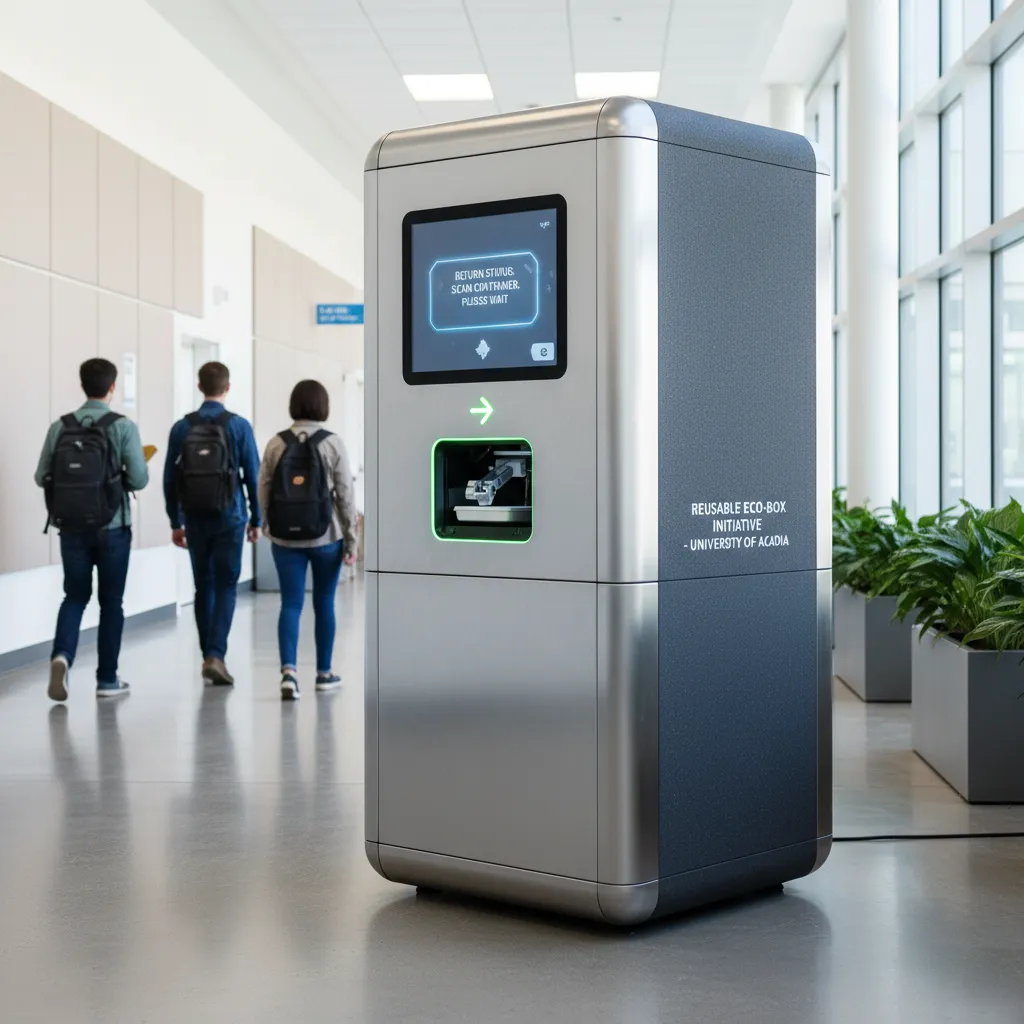
The success of any reusable packaging program hinges on its efficiency and ease of use. This is where technology makes all the difference. Modern reuse systems are no longer just about durable containers; they are sophisticated, tech-enabled platforms that streamline every step of the process. From tracking inventory to engaging users, innovation is solving the practical challenges that once held back widespread adoption.
Think of it this way: your dining hall is a complex ecosystem. Introducing a new element like reusables needs to be seamless, not disruptive. That’s why the latest tech focuses on deep integration and automation. It’s about creating a system that works so well it feels invisible to both your staff and your students. The goal is to eliminate friction at every touchpoint, from checkout to return. When technology handles the heavy lifting—like tracking containers, reminding students, and alerting staff—your team can stay focused on their primary roles. By embracing these advancements, you can implement a program that not only meets your sustainability goals but also enhances your operational workflow and improves the dining experience for your community. These technologies are what make a circular system truly viable at scale, turning a great idea into a practical, everyday reality on campus.
Leveraging Smart Tracking Systems
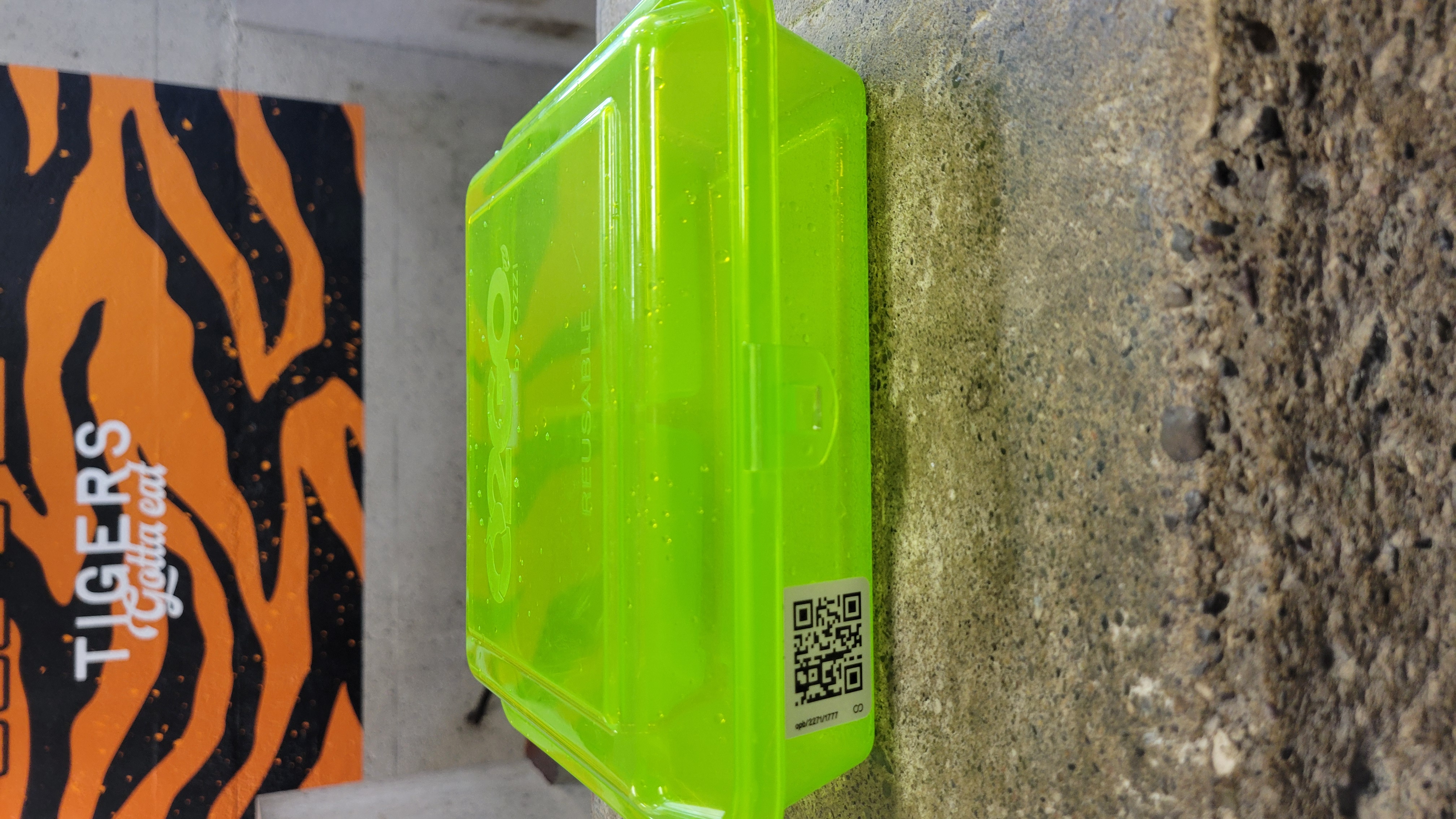
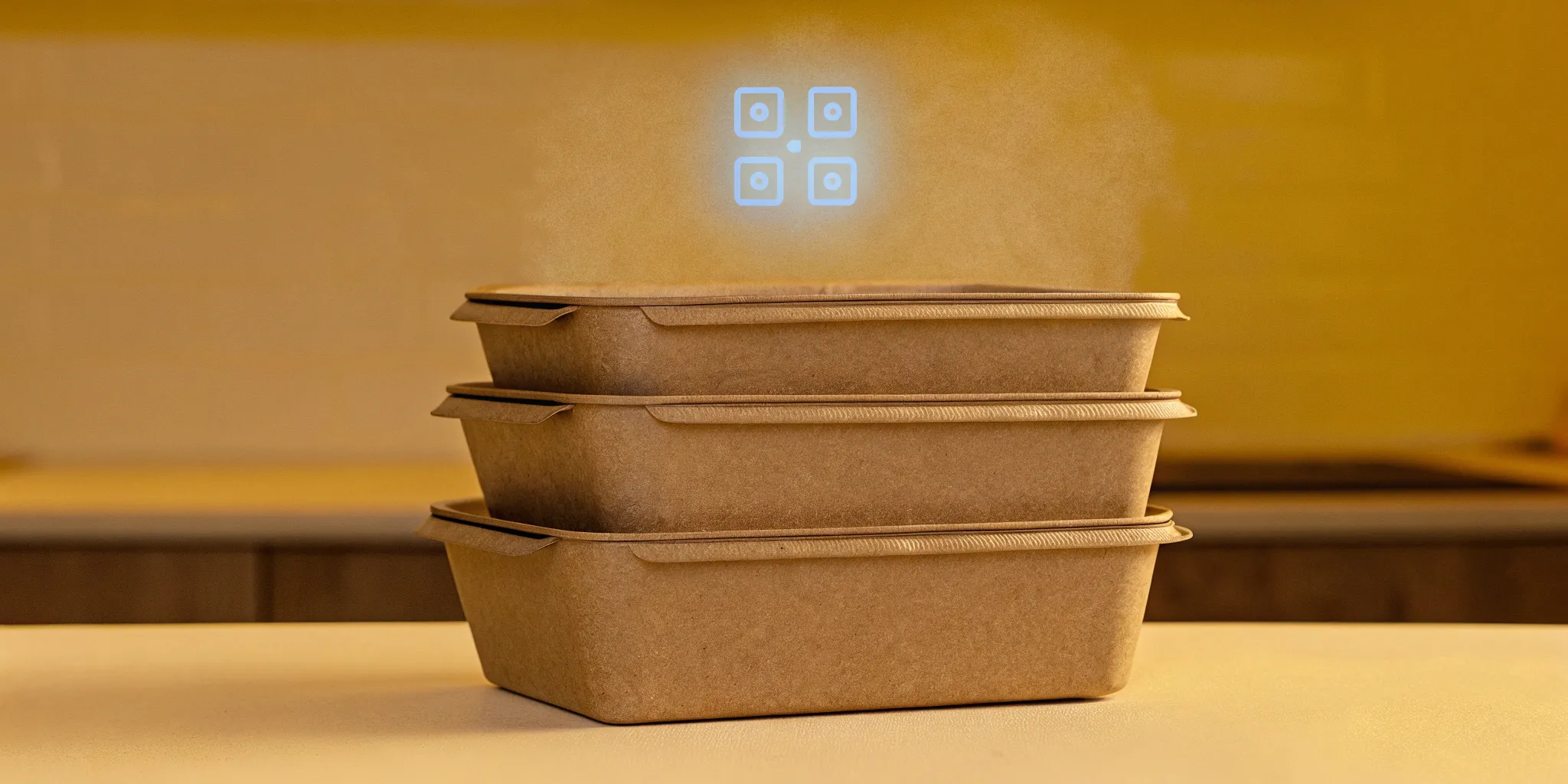
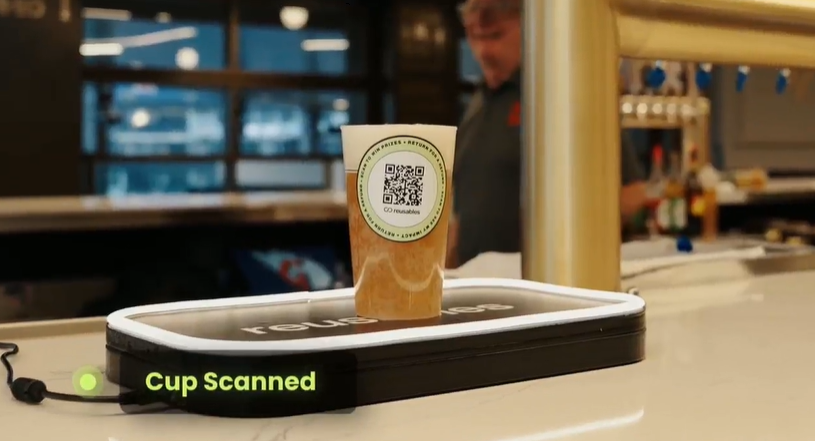
One of the biggest hurdles for any reuse program is getting the containers back. Smart tracking systems have completely changed the game by creating seamless accountability. New technologies provide real-time information on every container, using unique identifiers like QR codes or RFID tags. This allows you to see where your inventory is, how often it’s being used, and when it’s returned. This data is crucial for preventing inventory loss and understanding program performance. More importantly, it powers an automated system that gently reminds users to return containers, ensuring you maintain the high return rates needed for a cost-effective and sustainable program without adding work for your staff.
Advancing Container Materials
The containers themselves are also getting smarter. Today’s reusable packaging is designed for durability, safety, and a minimal environmental footprint. Material science has produced options that are both lightweight and incredibly resilient, capable of withstanding hundreds or even thousands of wash cycles. Whether you opt for stainless steel or advanced BPA-free plastics, these containers are built for the demands of a busy food service environment. A key principle in designing reusable programs is ensuring that when a container finally reaches the end of its long life, it can be easily recycled, closing the loop and contributing to a truly circular economy.
Integrating Digital Solutions
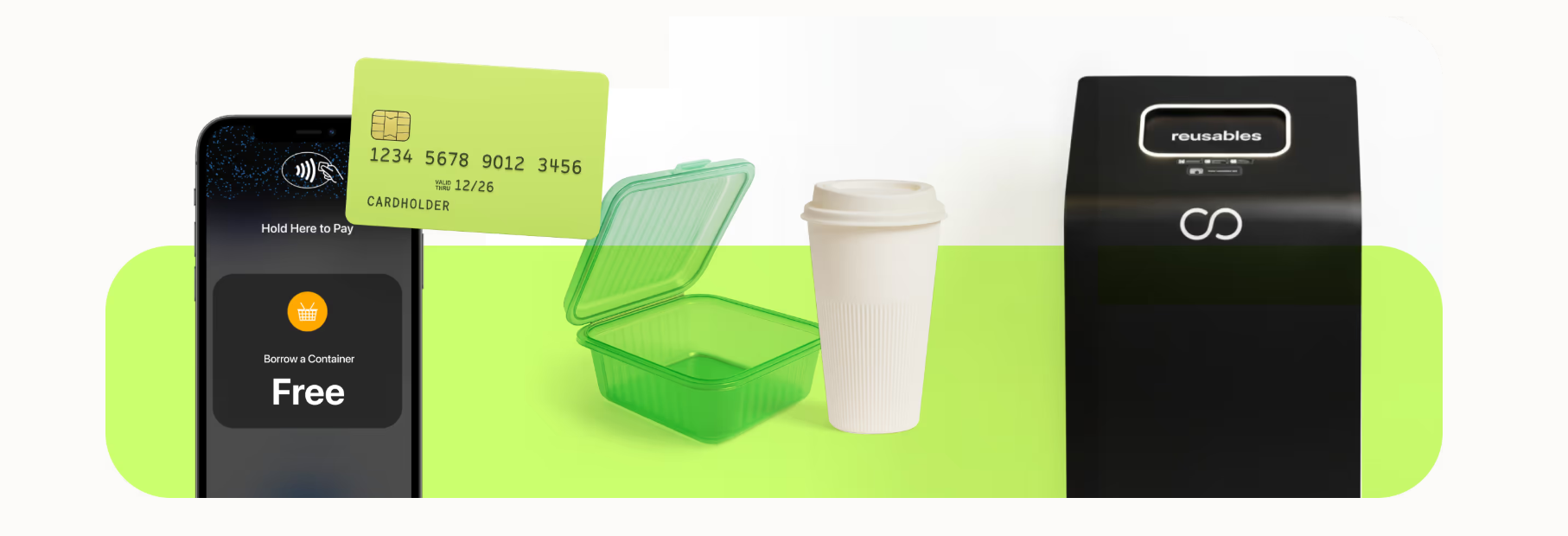
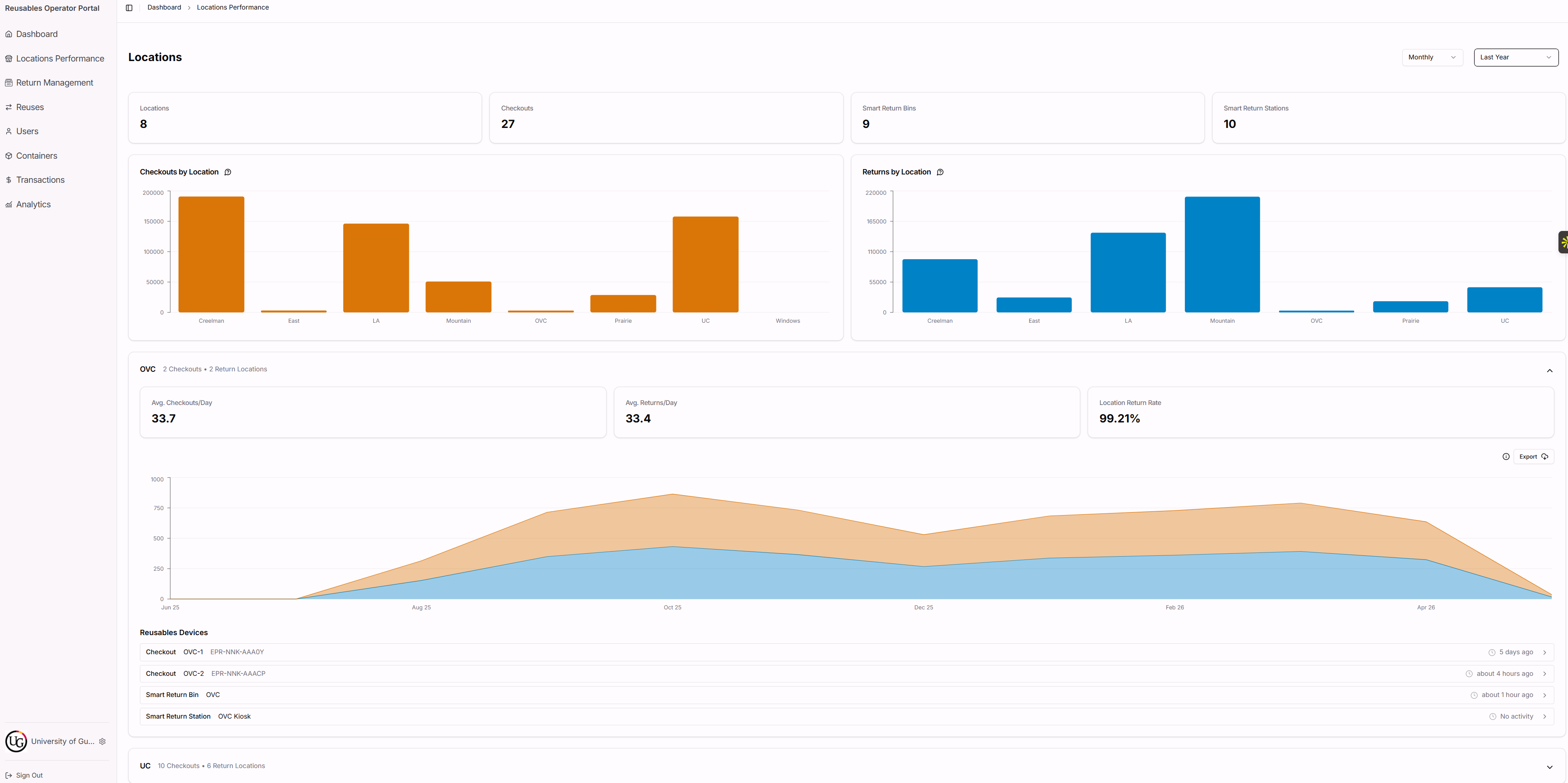
A successful reuse program fits effortlessly into your existing operations. Instead of standalone apps or clunky manual processes, integrated digital solutions create a frictionless experience for everyone. Imagine a system where students can check out a container simply by tapping their campus card or phone, with no app download required. This is possible through direct integrations with your point-of-sale and campus card systems. For operators, a centralized dashboard provides a complete view of the program, from live inventory levels to environmental impact metrics. These integrated platforms make managing a reuse program simple, transparent, and incredibly effective.
Implementing Automation
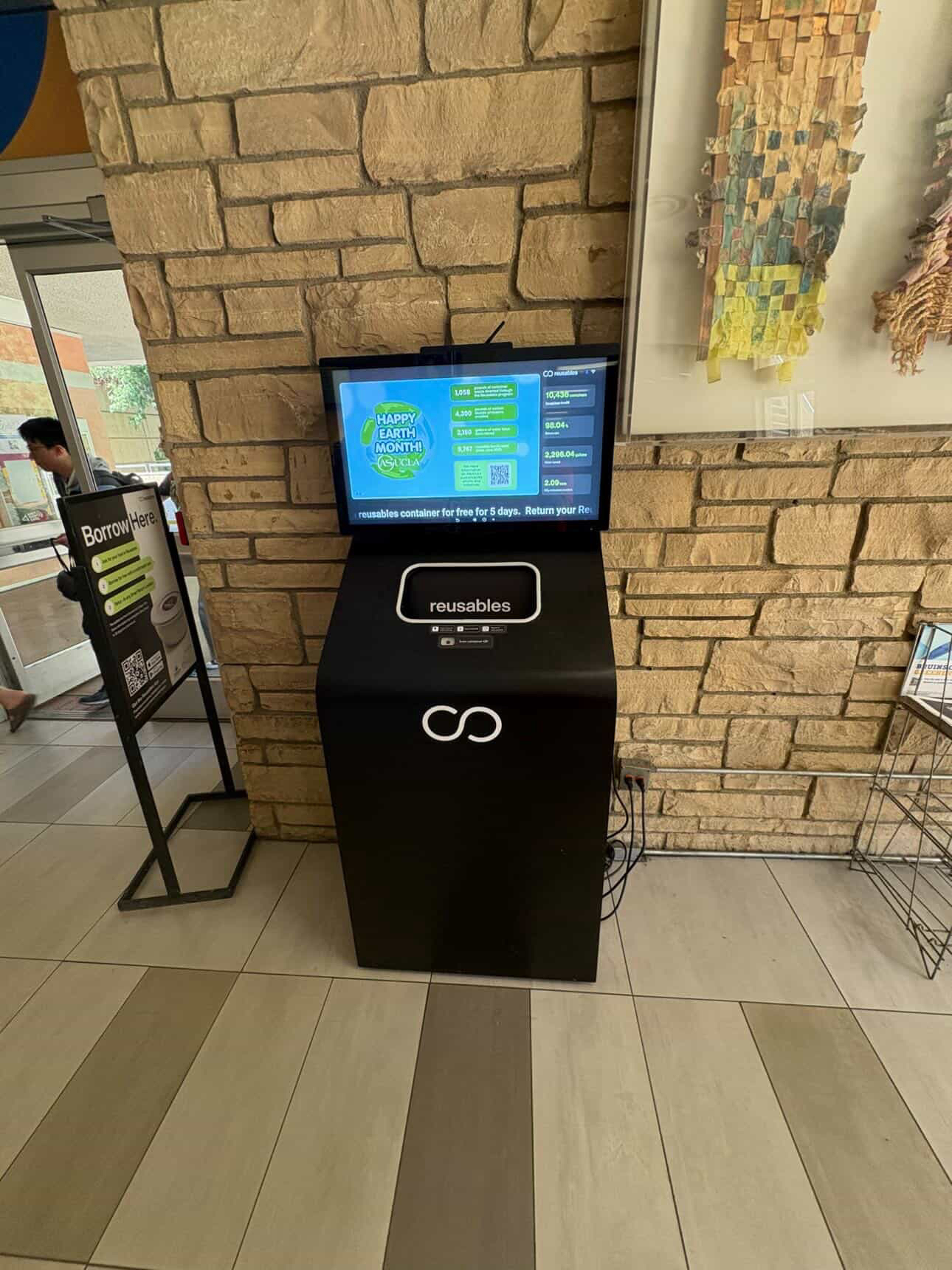
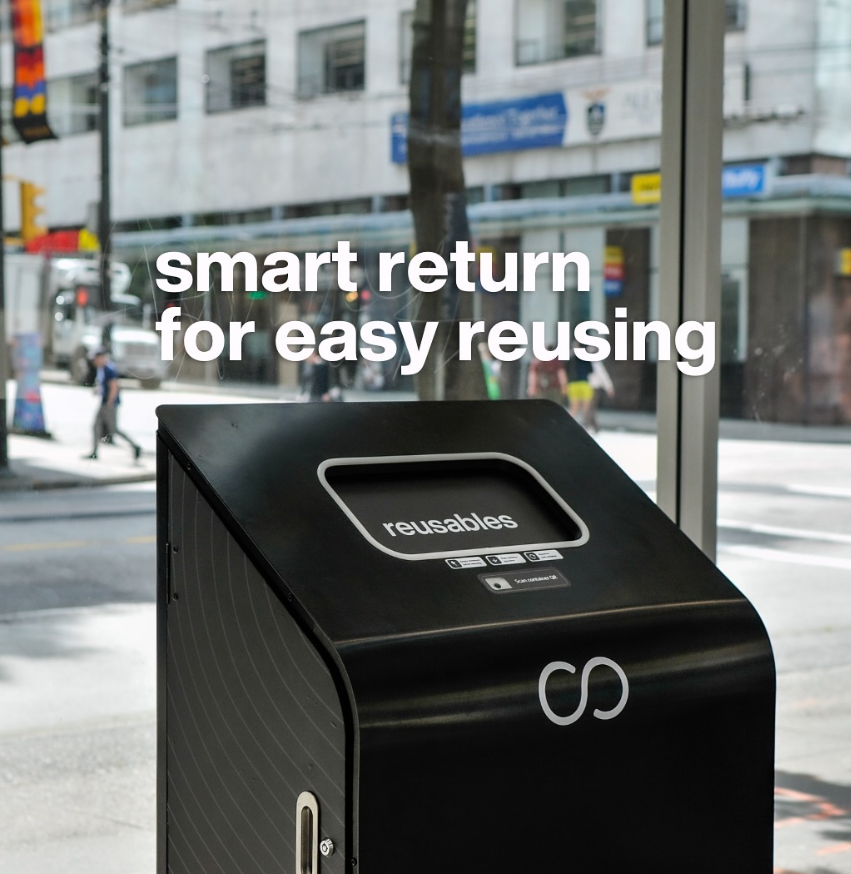
To make a reuse program scalable, you have to remove as much manual effort as possible. Automation is the key to achieving this. Modern systems automate everything from user communications to logistics. For example, smart return bins can detect when they’re full and automatically alert your staff for pickup, ensuring a smooth and sanitary return process. The system can also handle accountability automatically, sending reminders and processing late fees without any intervention from your team. By automating these critical functions, you free up your staff to focus on what they do best: providing excellent food and service. This level of automation in logistics is what makes a large-scale reuse program not just possible, but practical.
Measuring the Environmental Impact of Reusables
Adopting a reusable packaging system is a powerful statement about your institution's commitment to sustainability. But making a real difference means going beyond good intentions and actually measuring your impact. For directors managing campus dining services, quantifiable results are essential for reporting, securing budgets, and demonstrating real progress toward zero-waste goals. Vague estimates won’t cut it; you need clear, reliable data that shows exactly how your program is performing.
Fortunately, modern tech-enabled reuse systems are designed for transparency. Instead of relying on manual counts or guesswork, you get access to a dashboard with real-time data on your environmental performance. This allows you to see your wins as they happen and share them with stakeholders, from students to the board of trustees. True sustainability in business is built on a foundation of accurate measurement. By tracking key metrics, you can tell a compelling story about your impact, backed by hard numbers. Let’s look at the core areas where reusable packaging moves the needle.
Tracking Waste Reduction
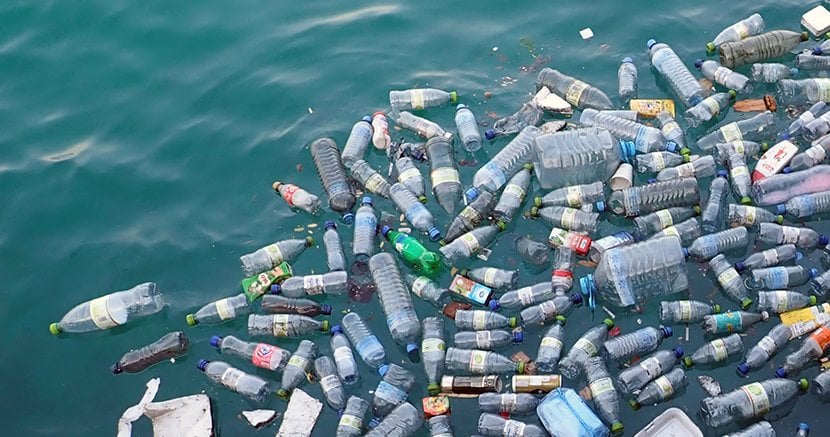
The most immediate and visible impact of a reuse program is the reduction of single-use waste. Every time a student checks out a reusable container, that’s one disposable cup, clamshell, or bowl that isn’t heading to a landfill. Over a semester, this adds up to thousands of items diverted from the waste stream. A smart reuse system tracks every single transaction, giving you a precise count of single-use containers avoided. This data is invaluable for sustainability reporting and helps visualize your progress. It’s a straightforward way to see how you are minimizing wastage on campus, which translates directly into a cleaner environment and lower waste hauling costs.
Analyzing Your Carbon Footprint
Moving beyond physical waste, a reusable system also dramatically lowers your carbon footprint. While a durable container requires more energy to produce than a single-use one, its environmental cost is spread out over hundreds or even thousands of uses. A disposable container, on the other hand, goes through the energy-intensive cycle of manufacturing, shipping, and disposal every single time. The key is to ensure high return and reuse rates, which is where automated tracking and reminders come in. By understanding the full lifecycle, you can confidently report on CO2 reductions. These environmental performance metrics provide the insights you need to make informed decisions and prove the long-term value of your program.
Conserving Natural Resources
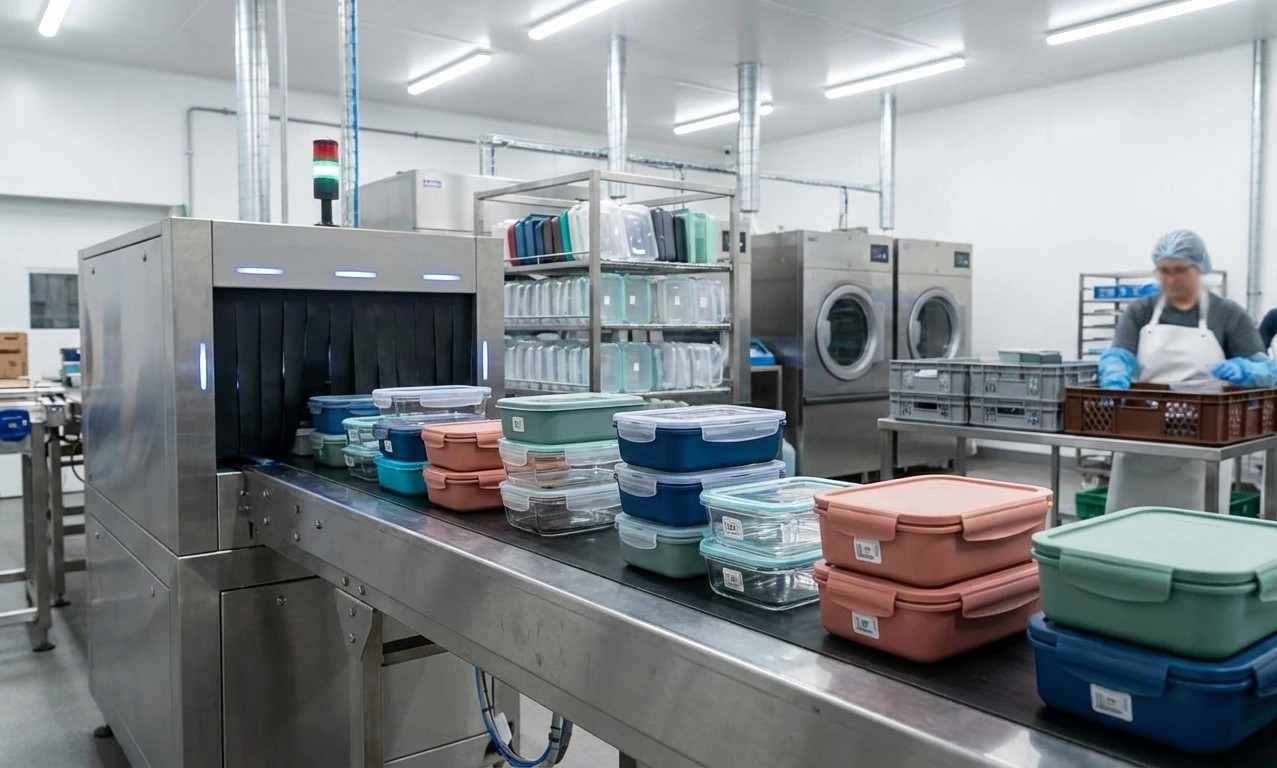
The production of single-use packaging consumes a massive amount of natural resources, from trees and water to petroleum. By switching to reusables, you reduce the constant demand for these virgin materials. While washing reusable containers does use water and energy, the impact is minimal compared to the resources required to create a new disposable item for every meal. High-efficiency commercial dishwashers and optimized logistics further minimize this footprint. This is why reusable packaging is one of the most effective—though often misunderstood—sustainability strategies. It’s a fundamental shift from a system of constant extraction to one of preservation and responsible stewardship of our planet’s resources.
Integrating into the Circular Economy
Ultimately, implementing a reusable packaging system is about more than just reducing waste; it’s about embracing a new economic model. Instead of the traditional linear "take-make-dispose" system, reusables operate within a circular economy. This model focuses on keeping materials in use for as long as possible, eliminating waste, and regenerating natural systems. Return systems are a clear solution pathway to tackling the pollution and emissions linked to packaging. By adopting a reuse program, your campus becomes an active participant in this global movement, demonstrating leadership and preparing students to build a more sustainable future.
How the RPA Shapes the Global Industry
The shift toward reusable packaging isn't happening in a vacuum. It’s guided by organizations that bring together industry leaders to solve common challenges and drive progress. The Reusable Packaging Association (RPA) is a key player in this movement, acting as a central force that shapes the industry on a global scale. For more than two decades, the RPA has worked to make reusable packaging a mainstream solution for supply chains everywhere.
For a dining director at a university, the RPA’s work provides a stable foundation for making sustainable changes. The association helps ensure that when you decide to implement a reuse program, you’re not going it alone. Instead, you’re tapping into a global network of expertise, established standards, and shared goals. This collective effort makes it easier to adopt effective, reliable systems that cut waste and improve your operations. The RPA’s influence is felt across four key areas: fostering international collaboration, creating standards, sharing knowledge, and aligning the industry on critical sustainability targets.
Collaborating on an International Scale
The RPA brings together manufacturers, service providers, and end-users from around the world to push for the adoption of reusable packaging systems. This international cooperation is crucial because it helps harmonize practices and creates a stronger, more unified voice for the industry. By connecting stakeholders across borders, the association ensures that innovations and successful models can be shared and adapted globally. This collaborative environment accelerates the transition away from single-use items, helping institutions everywhere build more resilient and sustainable supply chains.
Creating Cross-Industry Standards
Consistent standards are essential for any successful reuse program. The RPA plays a vital role in developing and promoting standards for things like container durability, cleaning processes, and tracking technology. These guidelines give you confidence that the reusable products you invest in are safe, effective, and built to last. For food service operations, this means you can trust that your containers meet quality benchmarks and will integrate smoothly into your existing systems. This work simplifies procurement and helps maintain a high level of performance across the board.
Exchanging Knowledge and Best Practices
One of the most valuable functions of the RPA is creating a space for members to learn from one another. Through events, workshops, and publications, the association facilitates a powerful exchange of knowledge and best practices. This means you don't have to reinvent the wheel when launching a reuse program. You can learn directly from peers who have already tackled similar challenges. The RPA’s community provides a platform to ask questions, share insights, and discover proven strategies for increasing return rates and engaging students.
Aligning on Sustainability Goals
Ultimately, the RPA’s mission is to advance the circular economy. The association champions the environmental benefits of reuse, from reducing landfill waste to cutting greenhouse gas emissions. By providing data and case studies, the RPA helps organizations make a strong business case for sustainability. It aligns the industry around shared goals, promoting a collective vision where reusing materials is the norm. This focus helps institutions like yours meet ambitious zero-waste targets and demonstrate clear environmental leadership to your campus community.
What's Next for Reusable Packaging?
The world of reusable packaging is moving fast, and it’s exciting to see the progress being made. For anyone in food service, staying aware of these developments isn't just about being sustainable—it's about making smart, forward-thinking decisions for your operations. The shift toward reusables is driven by new technology, changing student expectations, and a growing understanding of the financial benefits. With the cost of disposables rising, finding a better alternative is becoming a top priority for campuses everywhere. This isn't a temporary trend; it's the future of how we manage packaging. Systems that were once clunky or unreliable are now seamless, integrated, and user-friendly. By understanding what’s on the horizon, you can position your campus as a leader, improve the dining experience, and prepare for what’s to come. Let's look at the key areas shaping the future of reuse.
Exploring Emerging Technologies
One of the biggest hurdles for reusable systems has always been tracking and accountability. In the past, containers would go missing, and there was no easy way to manage inventory. Thankfully, new technologies are solving these exact challenges. Smart tracking systems that use QR codes, RFID, and even AI are making it simple to monitor every container in your fleet. This means you always know where your inventory is, when it needs to be collected, and who is using it. These tech-enabled solutions are key to achieving the high return rates—like the 99% we see with our partners—that make a reuse program successful and financially viable.
Keeping Up with Industry Trends
The demand for sustainable options is no longer a niche request; it's a mainstream expectation, especially on college campuses. As the reusable packaging market continues to grow, businesses are realizing that offering eco-friendly choices is essential. Students and faculty are actively looking for ways to reduce their environmental footprint, and they expect their institutions to do the same. Adopting a modern reuse system shows that you’re listening to your community and are committed to sustainability. It’s a powerful way to build loyalty and enhance the campus dining experience, turning a cost center into a point of pride.
Understanding the Regulatory Landscape
Across the country and around the world, governments and institutions are setting ambitious zero-waste goals. We’re seeing a steady increase in regulations aimed at phasing out single-use plastics. Reusable packaging helps you get ahead of these new rules and meet your campus’s own sustainability targets. For example, many cities are implementing bans on disposable foodware, and this trend is only expected to grow. By implementing a robust reuse program now, you’re not just complying with future mandates; you’re future-proofing your operations and avoiding the scramble to find last-minute, compliant solutions.
Projecting Market Growth
If you’re wondering whether reusables are here to stay, just look at the numbers. The global returnable packaging market was valued at over $104 billion in 2021 and is projected to grow significantly in the coming years. This incredible growth signals that the industry is stable, innovative, and investing heavily in better solutions. For you, this means more reliable partners, more advanced technology, and a stronger support network. Choosing to invest in a reusable system is a sound financial decision that aligns your operations with a thriving global market, ensuring long-term success and sustainability.
Related Articles
- Reusable Packaging System: How It Works and Why It Pays
- A Guide to Tracking Inventory of Returnable Containers
- Reusable Container Tracking Software: What to Look For
Frequently Asked Questions
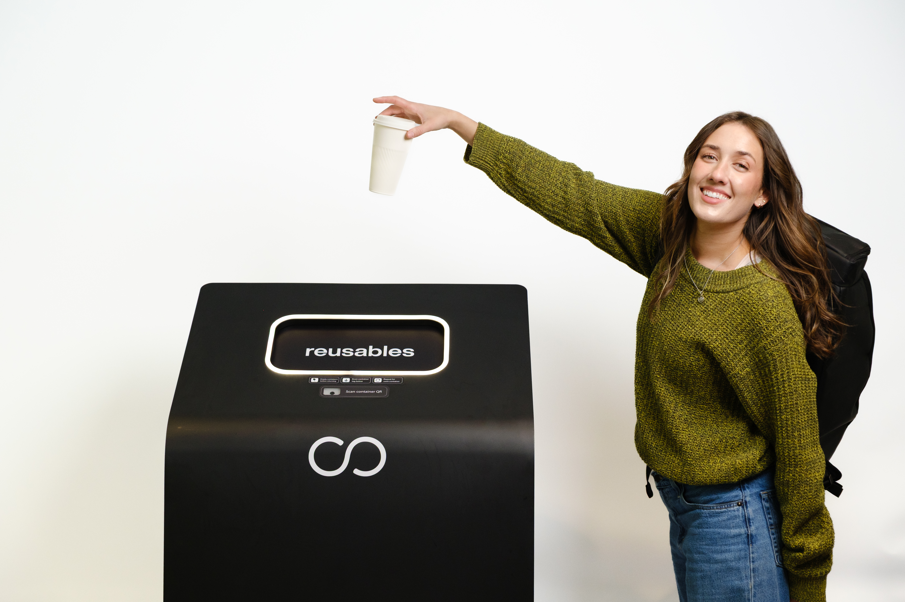
How do we ensure students actually return the containers? This is one of the most common concerns, and it’s a valid one. The key isn’t just reminding students, but making the entire process effortless. A successful system uses technology to automate accountability with gentle reminders and has convenient, 24/7 return stations that fit into a student's daily routine. When checking out and returning a container is as easy as tapping a campus card, high return rates follow naturally without adding a burden to your staff.
Isn't the upfront investment for a reusable system much higher than just buying disposables? While a reusable program does require an initial investment, it’s important to look at the total cost over time. You’re shifting from a constant, recurring operational expense—the endless cycle of buying disposables—to a one-time capital investment. With the cost of single-use packaging continuing to rise, a reusable system protects your budget from that volatility and typically delivers a clear return on investment through significant long-term savings.
Will implementing a reuse program create a lot more work for my staff? Quite the opposite. A modern, tech-enabled reuse program is designed to reduce your team's workload. The right system automates the most time-consuming tasks, like tracking inventory, sending return reminders, and even processing late fees. Smart return bins can also alert your team when they need to be serviced. This frees up your staff to focus on preparing food and serving guests, not chasing down containers.
What's the most important first step when considering a switch to reusables? A great starting point is to conduct a simple audit of what you currently spend on single-use packaging each year. Understanding this number gives you a clear baseline and helps you calculate the potential savings and return on investment for a reuse program. This single piece of data is often the most powerful tool for making the business case to campus leadership and getting the project off the ground.
How does an organization like the RPA help a campus dining program on a practical level? Think of the Reusable Packaging Association as a resource hub that helps you avoid reinventing the wheel. It provides access to case studies, data, and best practices that you can use to build a strong business case for your program. The RPA also connects you with a network of peers at other institutions, giving you a community to learn from and share solutions with as you implement and grow your own system.
Other stories you may find interesting

.png)

.avif)




.webp)



Watch the Webinar
Learn How to Eliminate Single-Use Waste
Get instant access to our expert webinar and discover how leading institutions reach 99% return rates through smarter reuse systems.

© Reusables™. All rights reserved.