
How RFID Tracking for Reusables Works: A Guide

March 11, 2026
Switching to a reusable container program is a great idea in theory, but the reality can be a logistical nightmare. You’ve likely heard the stories or experienced it yourself: containers disappear, return rates are low, and your staff is stuck with manual tracking and chasing down lost inventory. This is where the system often breaks down. The solution isn't more clipboards or manual check-ins; it's smarter technology. Understanding how does RFID tracking for reusables work is the first step to building a program that actually succeeds. It provides the automated accountability needed to protect your investment, ensure high return rates, and make reuse effortless for everyone.
Key Takeaways
- Gain real-time inventory control: RFID automates tracking to eliminate manual counts, giving you an accurate, live view of your container fleet that helps prevent loss and streamline your daily operations.
- Reduce packaging costs and prove your ROI: By ensuring high container return rates, RFID tracking minimizes replacement needs and cuts spending on single-use disposables, providing clear data to demonstrate financial savings.
- Build a program that works for everyone: A dual-tracking system using both RFID and QR codes creates a foolproof process that integrates with your campus technology, making participation easy for students and management simple for your staff.
What is RFID and How Does It Work?
If you're looking for a way to track your reusable containers automatically, RFID is the technology that makes it happen. It’s a system that helps you keep tabs on your inventory without needing to see or touch each item. Think of it as a major upgrade from manual counting or even barcode scanning, giving you a real-time view of your entire container fleet. Understanding how it works is the first step to seeing how it can streamline your dining operations and help you achieve your sustainability goals.
The Basics of Radio Frequency Identification
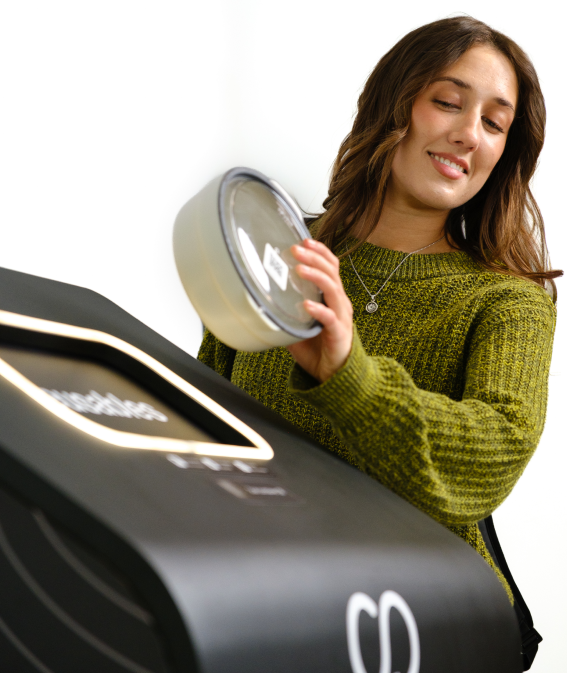
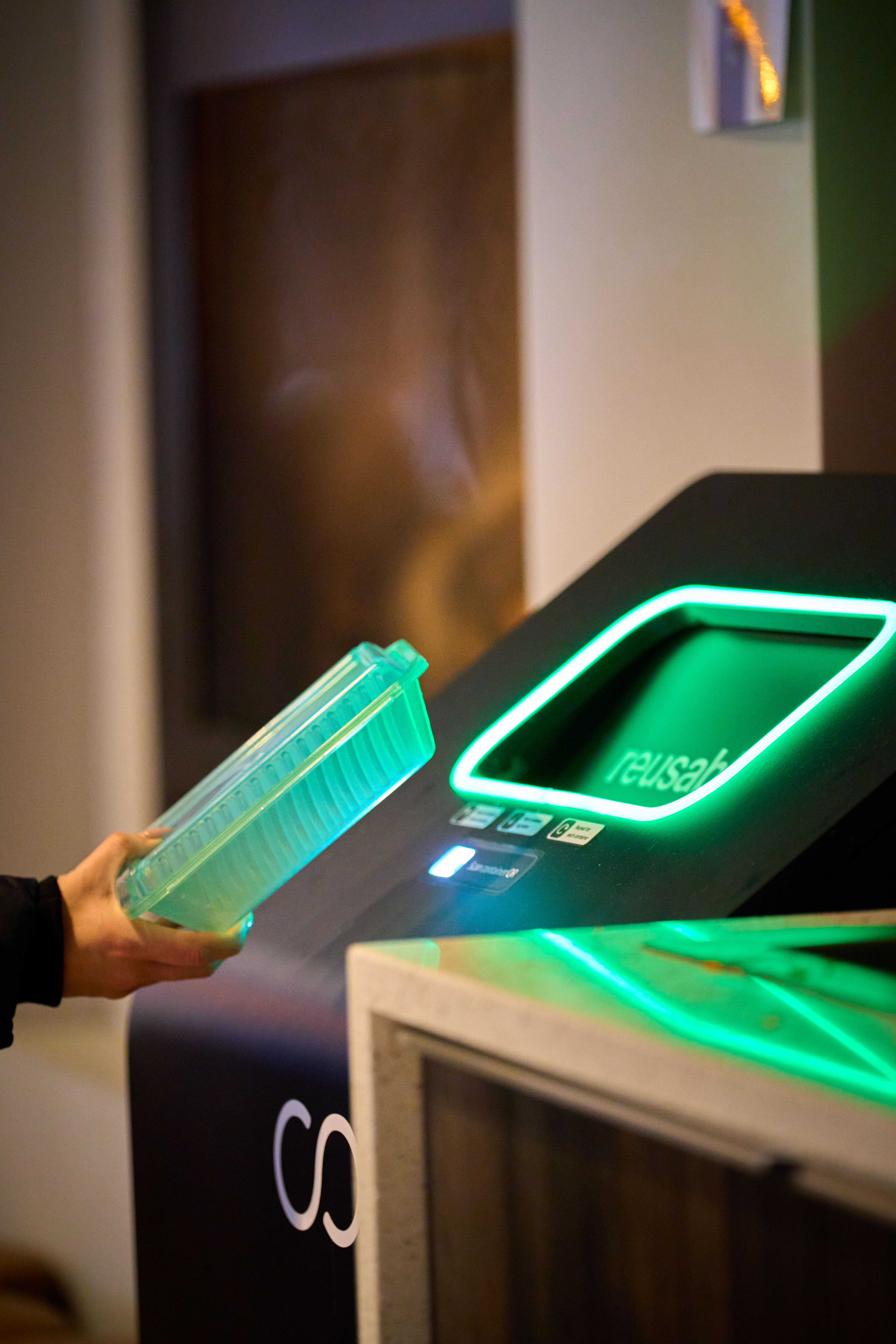
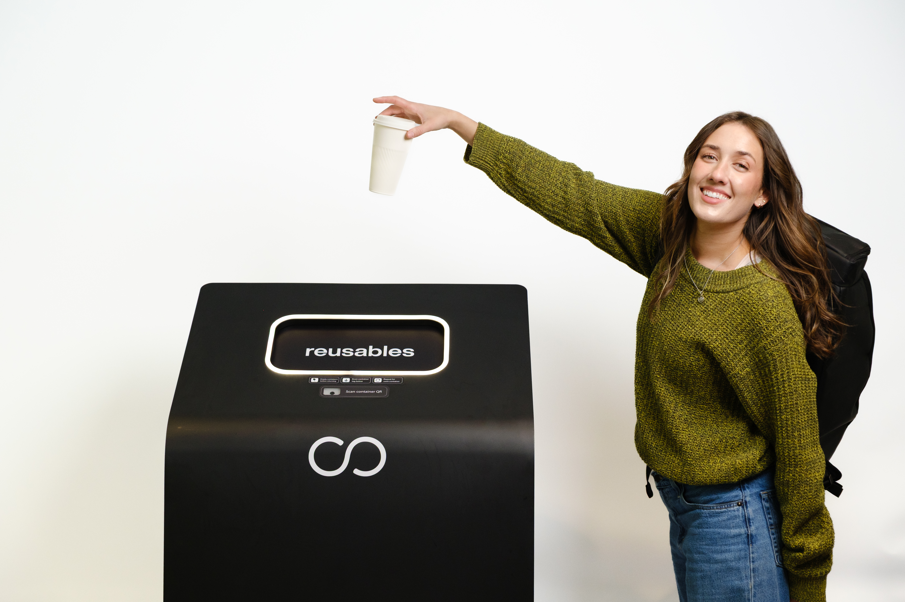
RFID stands for Radio Frequency Identification. At its core, the technology uses radio waves to identify and track special tags attached to objects. For your campus dining program, this means putting a small RFID tag on every reusable container. Unlike a barcode or QR code, an RFID tag doesn't need a direct line of sight to be read. This is a huge advantage when you’re dealing with hundreds or thousands of containers being returned at once. A student can simply drop their container in a smart bin, and the system instantly knows it’s back, making the process of tracking assets completely frictionless.
What Are the Key Parts of an RFID System?
An RFID system has three main components that work together: a tag, a reader, and an antenna. The tag is a small chip attached to your container that holds a unique ID number. The reader is the brain of the system, and the antenna is its messenger. The reader sends out a signal through the antenna, searching for any tags in its range. When a tag on a container passes by, it receives the signal and sends its unique ID back. This simple but powerful setup is the foundation of an effective RFID system. In your dining hall, this could look like an antenna and reader installed within a return bin or at a checkout station.
How Radio Waves Make Tracking Possible
So, how do these parts use radio waves to track a container? It’s a seamless, split-second process. The reader’s antenna sends out radio waves in a specific area, like around a return station. When a container with an RFID tag enters this area, the tag is energized by the radio waves. It uses that energy to send its unique identification number back to the antenna. The antenna picks up this signal and passes the information to the reader, which then communicates with your software to update the container's status. This automatic identification means you can track returns, monitor inventory levels, and manage your entire reusable program without any manual scanning or data entry.
What Are the Different Types of RFID Tags?
Not all RFID tags are created equal, and the right choice is crucial for a smooth and effective reusable container program. The tag you select determines everything from read distance and durability to the overall cost of your system. Think of it like choosing the right tool for the job; you wouldn't use a sledgehammer to hang a picture frame. Understanding the main types of RFID tags will help you see why certain options are better suited for tracking thousands of reusable containers across a busy campus. Let's break down the most common categories and what they mean for your operations.
Passive RFID Tags
Passive RFID tags are the workhorses of most high-volume tracking systems, including reusable container programs. These tags don’t have an internal battery. Instead, they are powered by the radio waves sent out by an RFID reader. When a reader sends a signal, the tag’s antenna captures that energy and uses it to send its unique identification number back. Because they don't need a power source, they are smaller, significantly less expensive, and have a very long lifespan. This makes them the perfect solution for tracking a large inventory of items like reusable cups and containers, where affordability and reliability are key.
Active RFID Tags
On the other end of the spectrum are active RFID tags. Unlike their passive counterparts, active tags come equipped with their own battery. This internal power source allows them to continuously broadcast their signal over much longer distances, sometimes up to 100 meters. While this long-range capability is impressive, it comes with a higher price tag, a larger physical size, and a limited lifespan due to the battery. Active tags are typically used for tracking large, high-value assets like shipping containers or vehicles. For a campus dining program, they are generally overkill and not cost-effective for managing individual food containers.
Semi-Passive RFID Tags
Semi-passive tags offer a hybrid approach. They contain a battery, but it isn't used to broadcast a signal. Instead, the battery powers the tag's internal chip, which can support additional features like environmental sensors to monitor temperature or humidity. The tag still relies on the reader's signal to communicate its data, but the battery assist can help it transmit from a greater distance than a standard passive tag. While they have their uses in specialized supply chains, the added cost and complexity are often unnecessary for the straightforward goal of tracking reusable containers in a dining environment.
How to Choose the Right Tag for Your Containers
Selecting the right tag for your reusable containers involves considering a few practical factors. First, think about the container material. A tag that works well on a plastic container might perform differently on stainless steel due to signal reflection. You also need to consider the read distance required for your operations, such as scanning a container as it’s dropped into a smart return bin. The tag must also be durable enough to withstand daily use, including commercial dishwashing cycles with high heat and moisture. The best way to ensure success is to test different tags directly on your containers in your actual campus environment. This step confirms you have the most reliable tag for your specific needs.
How Do RFID Readers and Antennas Capture Data?
An RFID tag on a container is like a license plate, but it needs a reader to see it. That’s where RFID readers and antennas come in. They work together as the central nervous system of your tracking operation, sending out signals and capturing data from each tag. This process turns a simple container into a smart asset you can track anywhere on campus. The key is setting up these components correctly to ensure every container is accounted for, giving you a clear and accurate inventory count at all times.
The Role of the RFID Reader
Think of the RFID reader as the brain of the system. These devices send out low-power radio waves that energize the passive RFID tags on your containers. Once a tag is powered up, it transmits its unique ID number back to the reader. This exchange happens in a fraction of a second, allowing for instant data capture without a direct line of sight. Readers can be fixed in one spot, like inside our Smart Return Bins, or they can be handheld for quick inventory checks. This technology is what makes automated, real-time tracking possible, eliminating the need for manual scanning.
Where to Place Antennas for the Best Signal
Antennas are the eyes and ears of your RFID reader, broadcasting radio waves and picking up signals from the tags. Where you place them is critical for reliable performance. Implementing readers and antennas strategically across your dining facilities enables consistent, real-time tracking and simplifies your asset recovery efforts. For a campus, this means installing them at key choke points like checkout counters, return stations, and dish room entrances. A well-designed layout ensures you have complete coverage, so every container’s movement is automatically logged as it travels through your operations.
How to Ensure Accurate Data Capture
Reliable data capture starts with the right equipment. Choosing the best combination of tags, readers, and software isn’t just about compatibility; it’s about aligning the technology with your specific operational goals. You need tags and readers that can withstand the rigors of a commercial kitchen, including high heat and moisture. Beyond the initial setup, routine system checks are important. Our platform helps by monitoring the health of your system and flagging issues, like a tag that has stopped responding. This proactive approach ensures your data stays accurate and your inventory counts remain trustworthy, giving you a clear view of your container fleet.

How to Implement RFID Tracking for Your Reusables
Putting an RFID system in place might sound technical, but it breaks down into a few clear steps. The goal is to create a seamless flow where containers are tracked automatically from the moment they’re checked out to the second they’re returned. A well-planned implementation means less manual work for your team, accurate inventory data for you, and a simple, intuitive experience for your students and staff. With the right partner, you can get a system up and running that fits perfectly into your existing operations.
Attaching Tags to Your Containers
First things first, every reusable container needs a tag. These small electronic devices are what allow your system to identify each specific item. Most reuse systems, including ours, use passive RFID tags. These tags don't have a battery; they get their power from the reader's signal when they come close. This makes them durable, long-lasting, and perfect for withstanding thousands of trips through a commercial dishwasher. The tags are securely attached to each container, giving every bowl, cup, and clamshell a unique digital identity that can be tracked throughout its lifecycle on campus.
Installing and Setting Up Readers
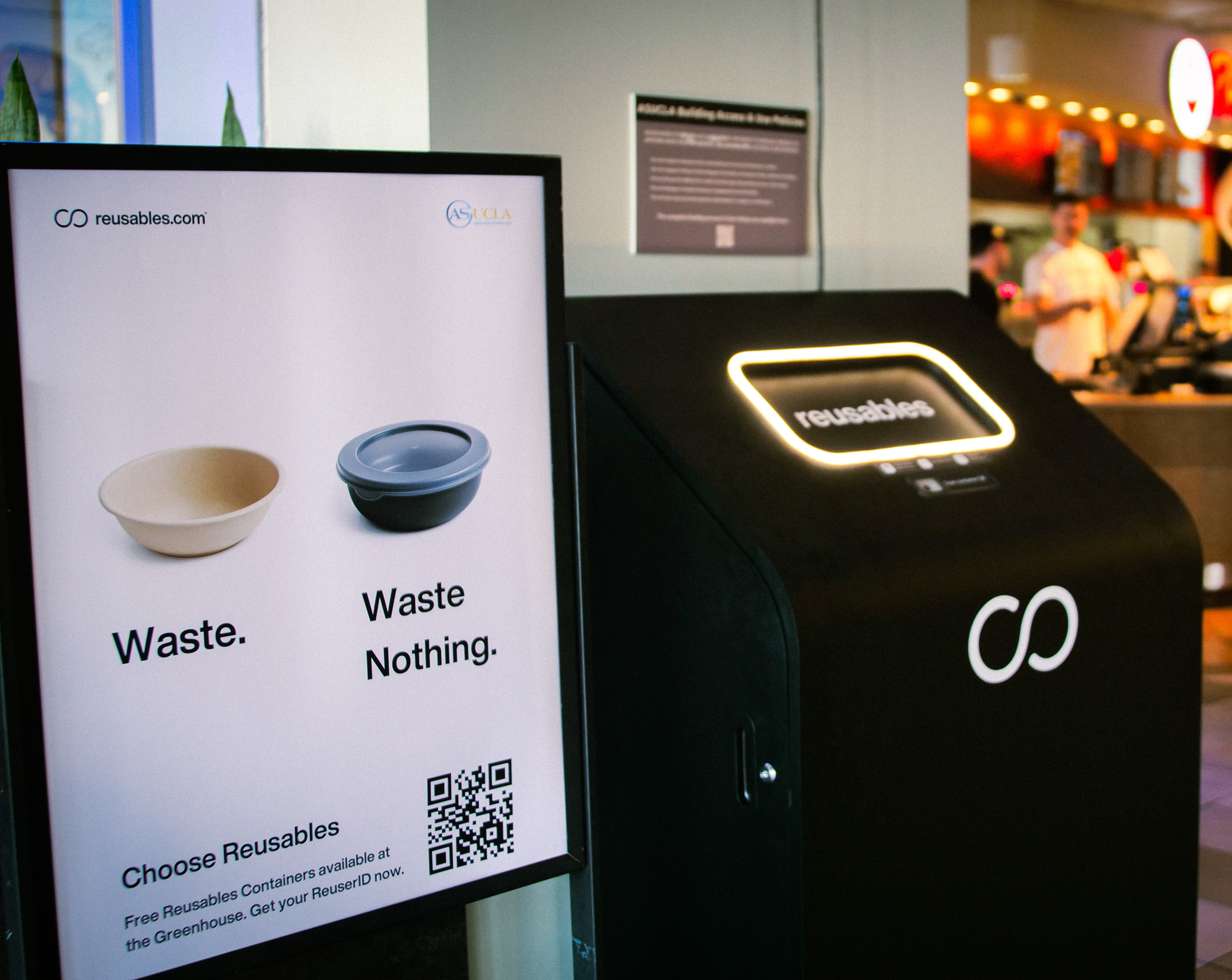
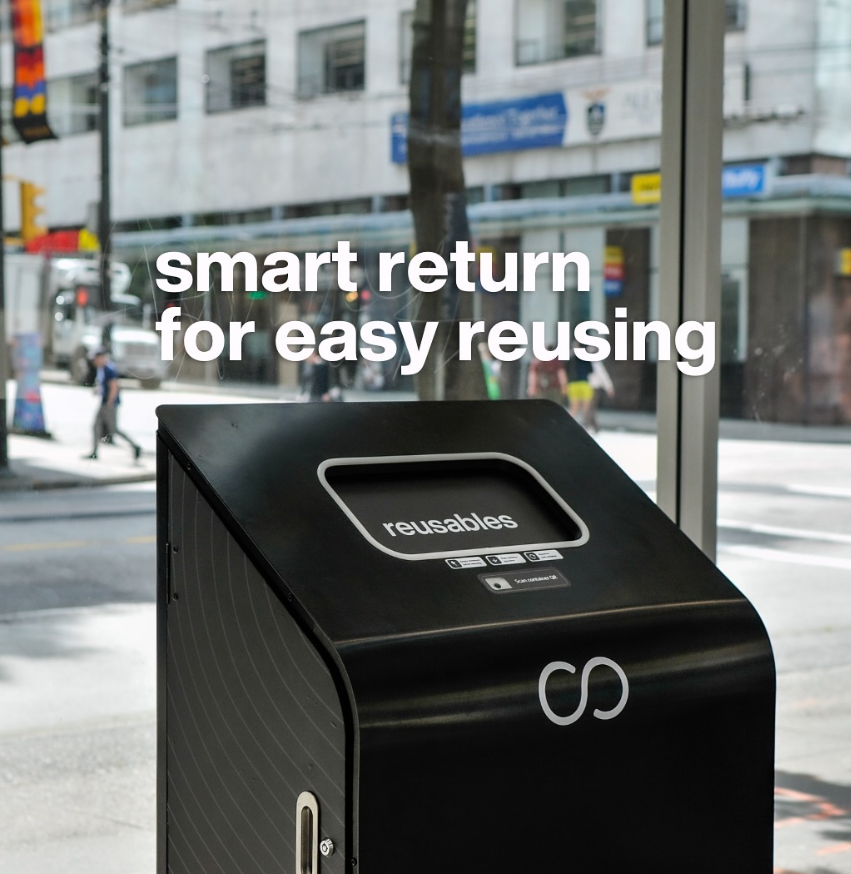
Once your containers are tagged, you need a way to read them. This is where RFID readers come in. You’ll want to install fixed readers at key points where containers are exchanged. Think checkout counters in the dining hall, coffee shop points-of-sale, and of course, at every return station. For other tasks, like taking a quick inventory count in a storage room, handheld readers offer more flexibility. Placing readers strategically ensures you capture data automatically at every important step. Our Smart Return Bins have readers built right in, making the return process completely touch-free and effortless for users.
Integrating RFID with Your Current Operations
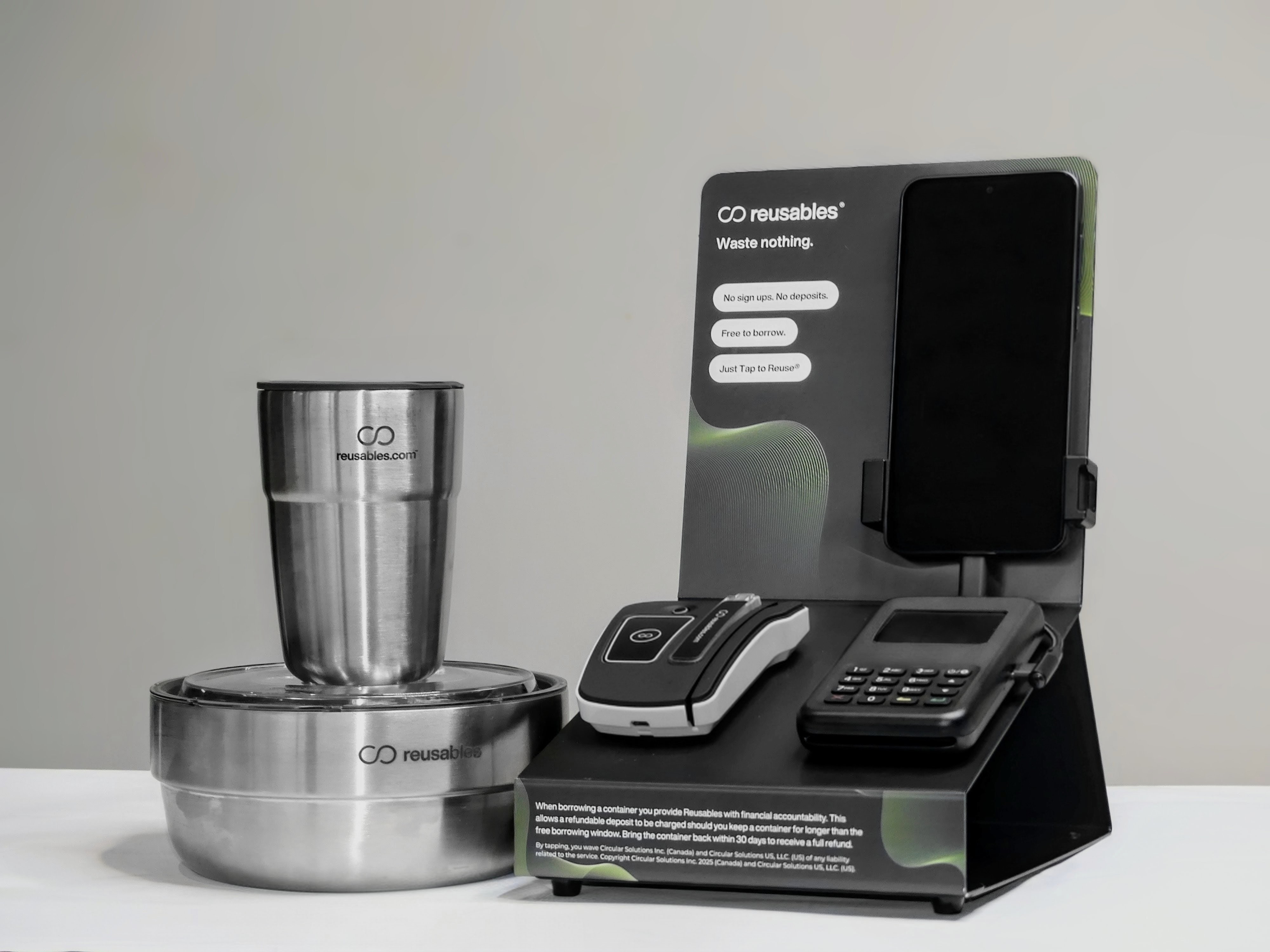
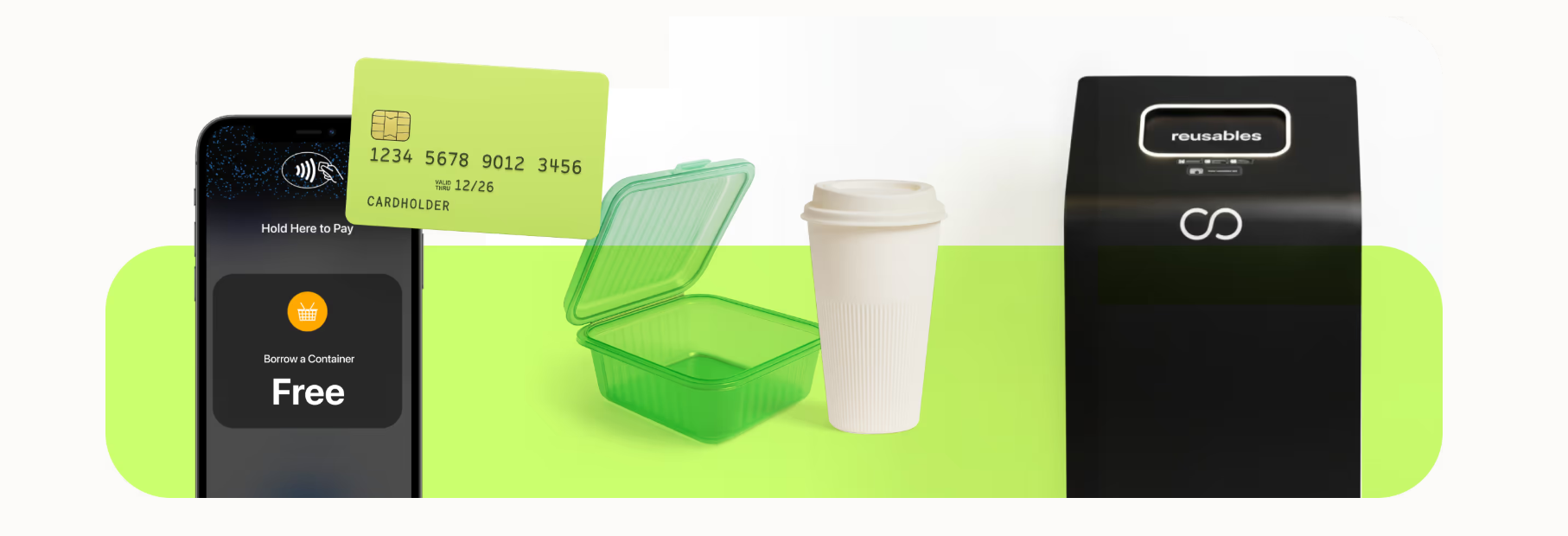
A successful RFID system doesn’t just track containers; it works in harmony with the tools you already use. Choosing the right software is about aligning the technology with your operational goals. For example, our platform is designed for full integration with major campus card and payment systems like Transact, CBORD, and TouchNet. This means students can check out a container simply by tapping their student ID or credit card, just as they would for any other purchase. This smooth integration is key to creating a frictionless experience that encourages participation and makes the system feel like a natural part of campus life.
Training Your Staff and Adapting Workflows
Your team is essential to making any new program a success. Before you launch, it’s important to walk your staff through the new process and show them how the technology works. The good news is that a well-designed system requires very little change to their daily workflows. Since checkouts and returns are automated, staff members don't have to manually scan items or track inventory on a clipboard. The main focus of training is often just explaining how the system benefits them by reducing manual tasks and how to answer common questions from students. This helps everyone feel confident and ready from day one.
What Are the Key Benefits of RFID Tracking?
Switching to a reusable container system is a big step, and you need it to run smoothly. The last thing you want is to trade the headache of single-use packaging costs for the new headache of lost containers and manual tracking. This is where RFID technology makes a tangible difference. It’s not just about fancy tech; it’s about creating a reliable, automated system that saves you time, cuts costs, and makes participation easy for everyone on campus. By embedding a tiny RFID tag in each container, you get a complete, real-time picture of your entire inventory.
This visibility transforms how you manage your reusables program, turning potential challenges into strengths. You can finally stop guessing where your containers are and start making data-driven decisions that improve your operations and support your sustainability goals. Instead of adding more work for your team, an RFID-powered system simplifies everything from checkout to returns and washing. It’s the operational backbone that ensures your sustainability initiative is also a financial and logistical success. Let's look at the specific advantages this brings to your dining services.
Gain Real-Time Visibility and Inventory Accuracy
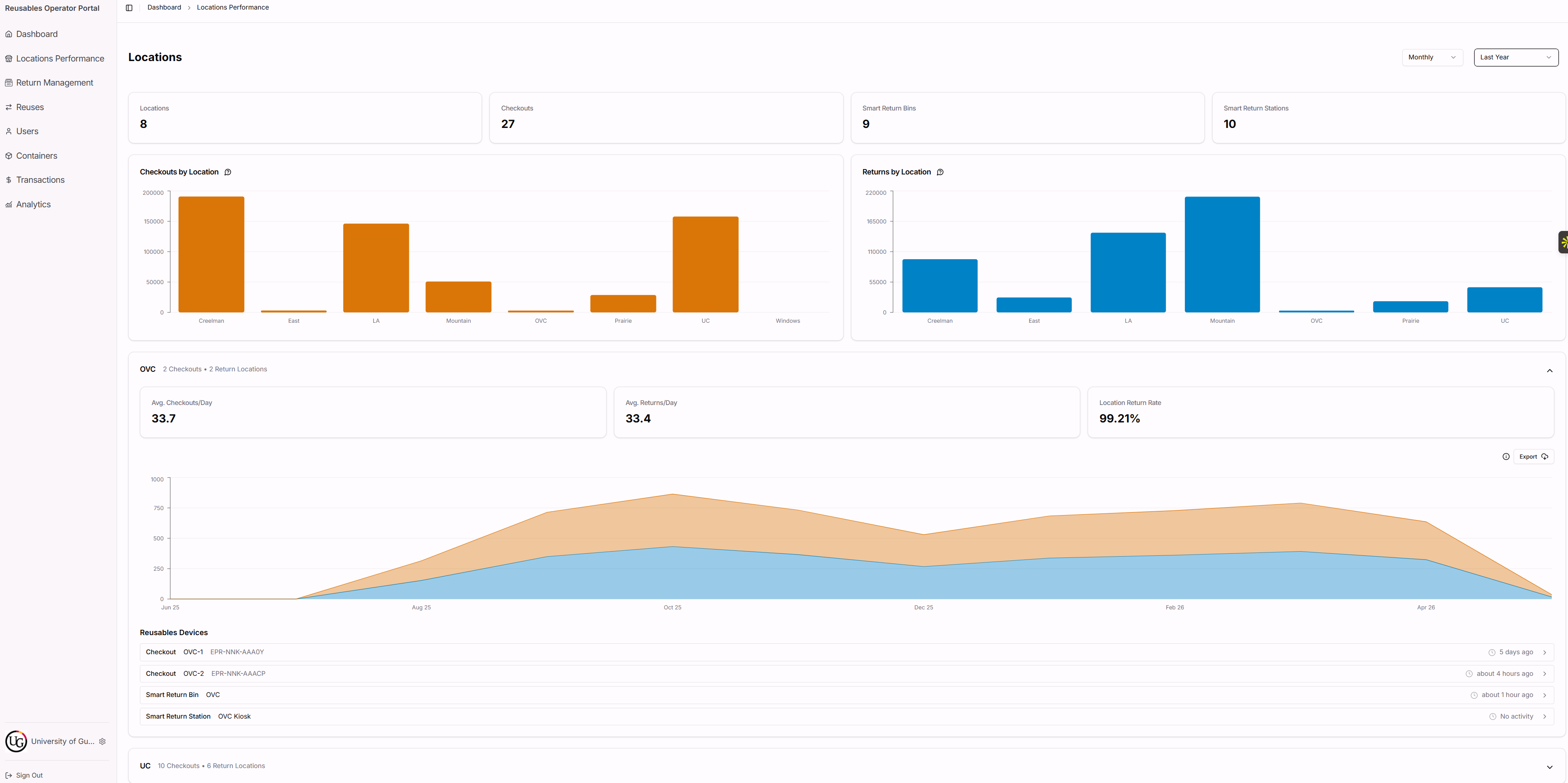
Imagine knowing exactly how many containers are in circulation, which ones are in the dish room, and how many are checked out by students, all in real time. RFID tracking gives you this level of inventory accuracy. Each container is scanned automatically when it's checked out or returned to a smart bin, feeding live data directly to your dashboard. This eliminates manual counting and guesswork. With a clear view of your inventory levels, you can optimize wash cycles, anticipate demand during peak times, and know precisely when it’s time to reorder, ensuring your program runs without a hitch.
Prevent Loss and Reduce Theft
Reusable containers are an investment, and losing them can quickly eat into your budget. RFID provides a powerful layer of security to protect that investment. Because each container has a unique digital identity, the system knows who has what and when it’s due back. If a container leaves a designated area or isn't returned on time, the system can automatically send reminders to the user. This simple, automated accountability drastically reduces accidental loss and discourages theft. You can maintain a healthy inventory without having to manually track down missing items, protecting your bottom line and the long-term viability of your reuse program.
Improve Efficiency and Save Money
By automating the tracking process, RFID frees up your staff from tedious, time-consuming tasks. No more manual check-out lists, no more counting containers by hand, and no more chasing down late returns. This newfound operational efficiency allows your team to focus on what they do best: providing great food and service. The long-term financial benefits are significant. With higher return rates and minimal container loss, you spend far less on replacement inventory. The combination of reduced product costs and more efficient labor makes a reusable system with RFID a smart financial decision that pays for itself over time.
Automate Accountability and Increase Return Rates
Getting students to consistently return containers is the key to a successful reuse program. RFID makes this process frictionless. The technology automates the entire accountability loop without creating extra work for your staff or a clunky experience for students. When a student takes a container, it’s automatically assigned to their account. The system handles everything from tracking return deadlines to sending reminders and processing late fees if needed. This gentle, automated approach is proven to drive incredibly high compliance. At Reusables.com, we see 99% return rates because the system makes it easy to do the right thing.
How RFID Improves Container Management
Switching to a reusable container system is a fantastic step toward your sustainability goals, but managing the logistics can feel daunting. How do you keep track of hundreds or thousands of containers without creating extra work for your team? This is where RFID technology transforms your entire operation. Instead of relying on manual counts or clunky check-out processes, RFID automates container management from start to finish. It gives you a real-time, bird's-eye view of your entire inventory, helping you prevent loss, streamline workflows, and ensure your program runs smoothly for both staff and students. By integrating RFID, you move from simply having reusable containers to running a smart, efficient, and accountable reuse system. This technology is the engine that powers a successful, large-scale program, giving you the data and control you need to reduce waste and save money. It provides the backbone for everything from a seamless student checkout to knowing exactly when a return bin needs to be emptied, turning potential operational headaches into simple, automated tasks.
Streamline Your Check-In and Check-Out Process
A successful reuse program has to be easy for students. If checking out a container is a hassle, they won’t participate. RFID eliminates friction by automating the entire process. When a student grabs a meal, a quick scan of their container and student ID is all it takes. There’s no manual data entry, which means no human error. This data-capture workflow creates the frictionless experience students expect, making it as simple as tapping and going. It also ensures every container is accurately assigned to a user, which is the first step toward building a system of accountability that encourages returns.
Use Smart Bins to Know When They're Full
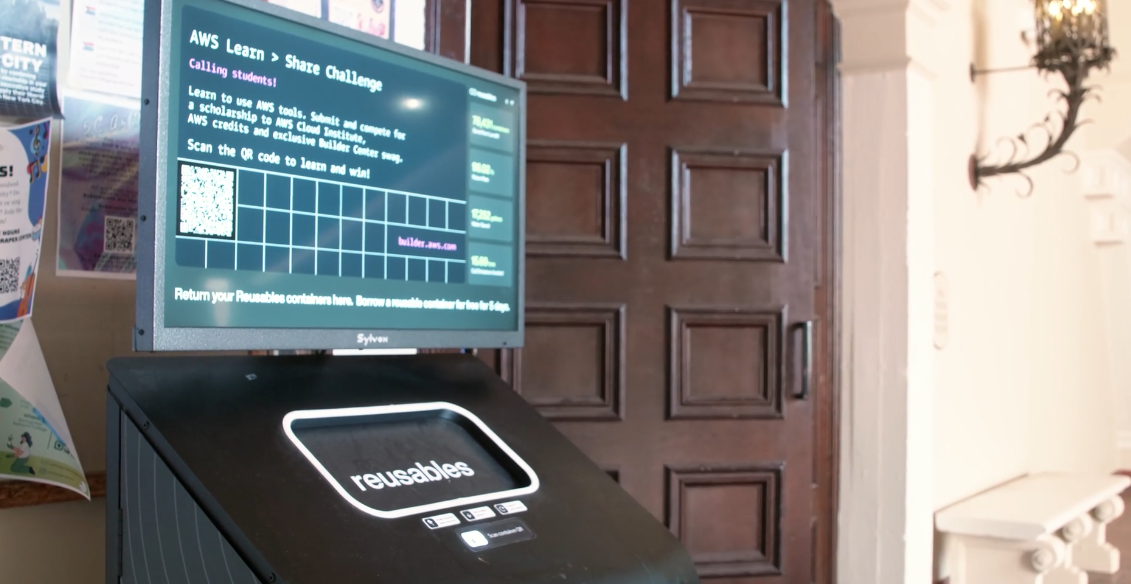
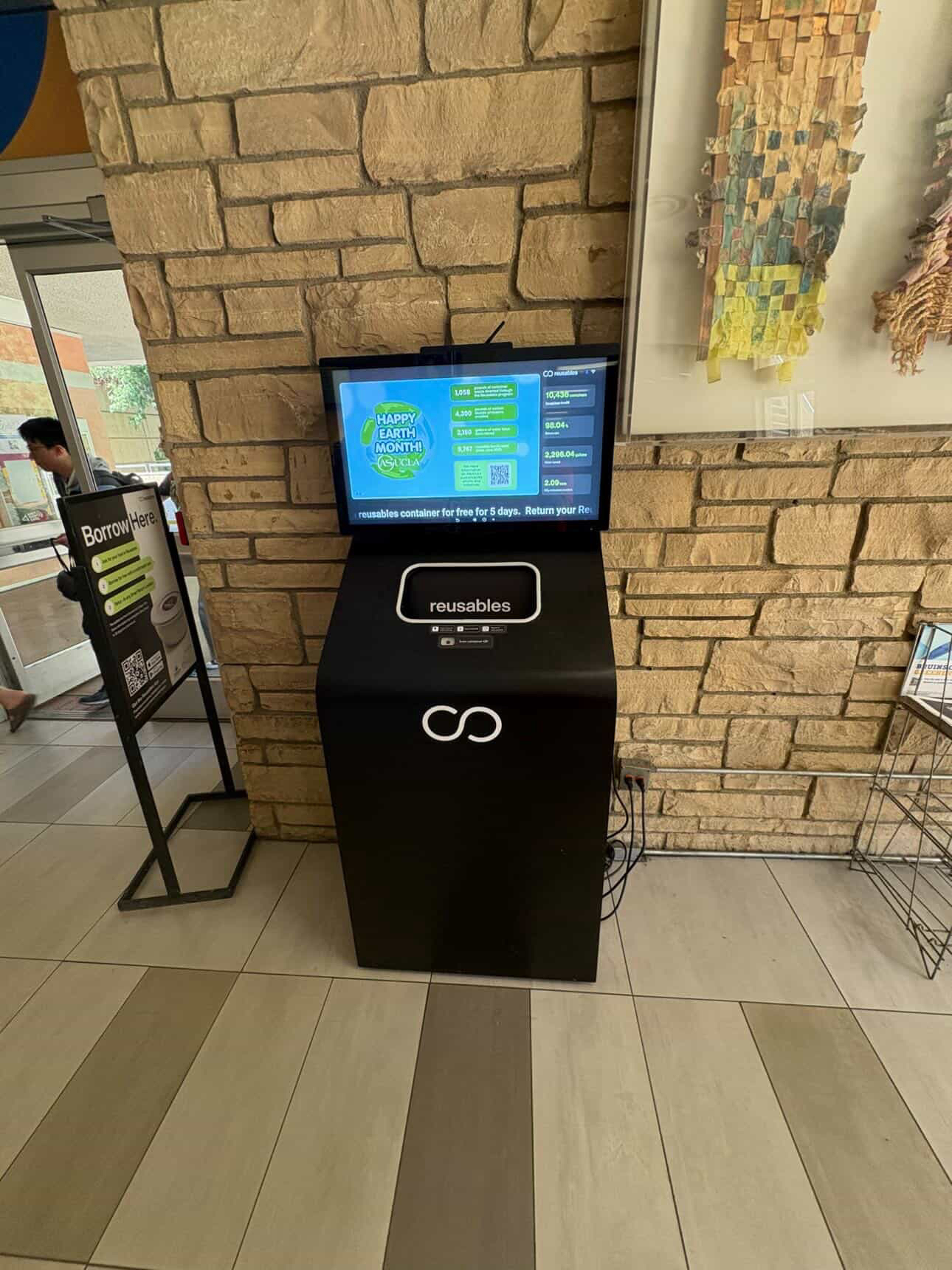
Overflowing return bins are not only messy but also a sign of an inefficient system. With RFID, your return bins become "smart." Each time a tagged container is dropped into a bin, the system registers its return automatically. This gives you a live count of how many containers are in each bin across campus. Your operator dashboard can show you which bins are nearing capacity, allowing your team to collect them proactively instead of reacting to overflows. This level of operational visibility means your staff can work more efficiently, and your return stations always look clean and inviting for students.
Track Every Container's Location in Real Time
One of the biggest challenges with reusables is asset management. Where are all your containers? How many are in circulation, in the wash, or ready for use? RFID container tracking answers these questions instantly. Because each container has a tag with a unique ID, you can see its status and last known location as it moves through your system. You’ll always know your exact inventory levels, which helps you anticipate demand and prevent shortages. This real-time tracking drastically reduces container loss and gives you the data you need to manage your inventory with confidence.
Common RFID Implementation Challenges (and How to Solve Them)
Adopting any new technology can feel like a big step, and RFID is no exception. You might be wondering about the costs, the technical setup, or how your team will adapt. These are all valid questions. The good news is that with a clear plan and the right partner, these challenges are completely manageable. Think of them not as roadblocks, but as details to be ironed out on the path to a more efficient and sustainable campus. Let's walk through the most common hurdles and discuss straightforward solutions for each one.
Managing Initial and Ongoing Costs
Let’s talk budget. The initial investment for RFID hardware like tags and readers can seem high, and it’s often the first thing that gives dining directors pause. When you build a system from scratch, you’re looking at a significant capital expenditure. However, partnering with a full-service provider like Reusables.com completely changes the financial picture. Instead of a large upfront purchase, you get a comprehensive solution that’s designed to pay for itself. Our system is proven to cut annual spending on disposable packaging by over 30%. Plus, our Smart Return Bins can feature revenue-generating ad screens, turning a cost center into a new income stream for your program.
Handling Technical Integration
"Will this work with our current systems?" This is one of the most critical questions, and for good reason. A reuse program can’t succeed if it creates technical headaches for your IT department or slows down your service lines. Integrating RFID with existing campus card systems, payment platforms, and POS software can be complex. That’s why we’ve made seamless technical integration a core part of our service. We are fully compatible with major campus credential platforms like Transact, CBORD, TouchNet, and Atrium. Our team handles the heavy lifting to ensure our system works perfectly with your existing infrastructure, so your launch is smooth and disruption-free.
Overcoming Signal Interference
RFID technology uses radio waves, which can sometimes be affected by the surrounding environment. Materials like metal and liquids (both common in a dining hall) can reflect or absorb radio waves, which can interfere with a tag being read correctly. This is a well-known challenge in the world of RFID, and solving it comes down to smart design. We approach this by carefully selecting the right tags for your specific containers, whether they’re stainless steel or durable plastic. We also determine the strategic placement of readers and antennas throughout your facilities to ensure maximum read accuracy. It’s how we guarantee our system is reliable in the fast-paced, real-world environment of campus dining.
Encouraging Staff Adoption
Your team is the backbone of your dining operation, and their buy-in is essential for any new program to succeed. A new workflow can feel disruptive if it isn’t intuitive and doesn't make their jobs easier. We designed our system with your staff in mind. The checkout process is fast and simple, and our Smart Return Bins send automatic alerts when they’re getting full, so your team doesn’t have to waste time checking them manually. Best of all, our automated accountability system handles reminders and late fees, freeing your staff from having to chase down unreturned containers. With proper training and a system that reduces manual tasks, your team will quickly see the benefits.

Why Dual-Mode Tracking (RFID + QR) is a Game-Changer
When you’re managing thousands of reusable containers across a busy campus, accurate tracking is everything. Relying on a single technology can leave you with blind spots and operational headaches. This is where a dual-mode system, combining both RFID and QR codes, truly shines. It’s not about choosing one over the other; it’s about leveraging the strengths of both to create a seamless, reliable, and future-proof system for your dining services. This approach gives you the best of both worlds: the rugged automation of RFID and the user-friendly accessibility of QR codes.
The Power of Combining QR Codes and RFID
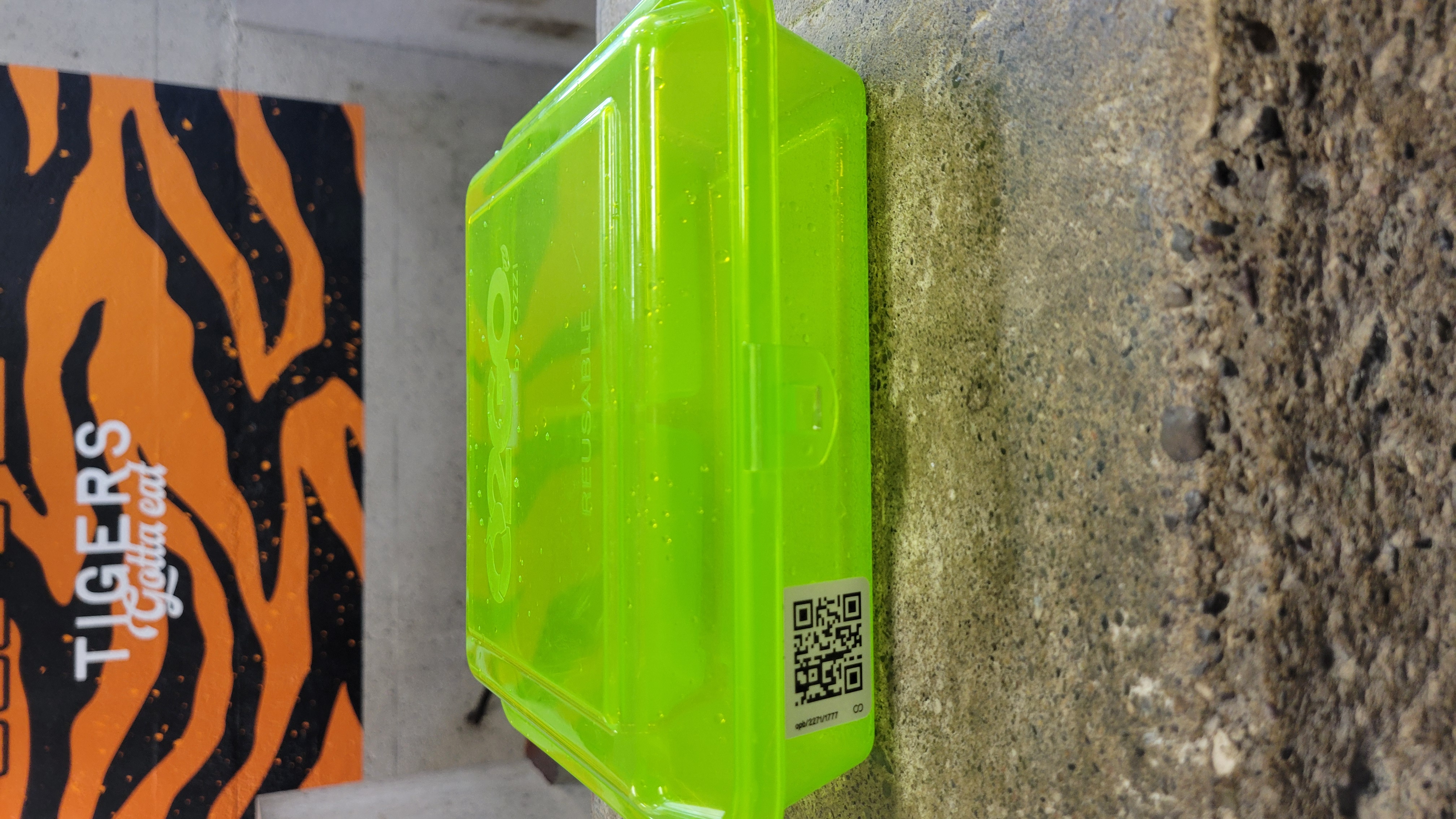
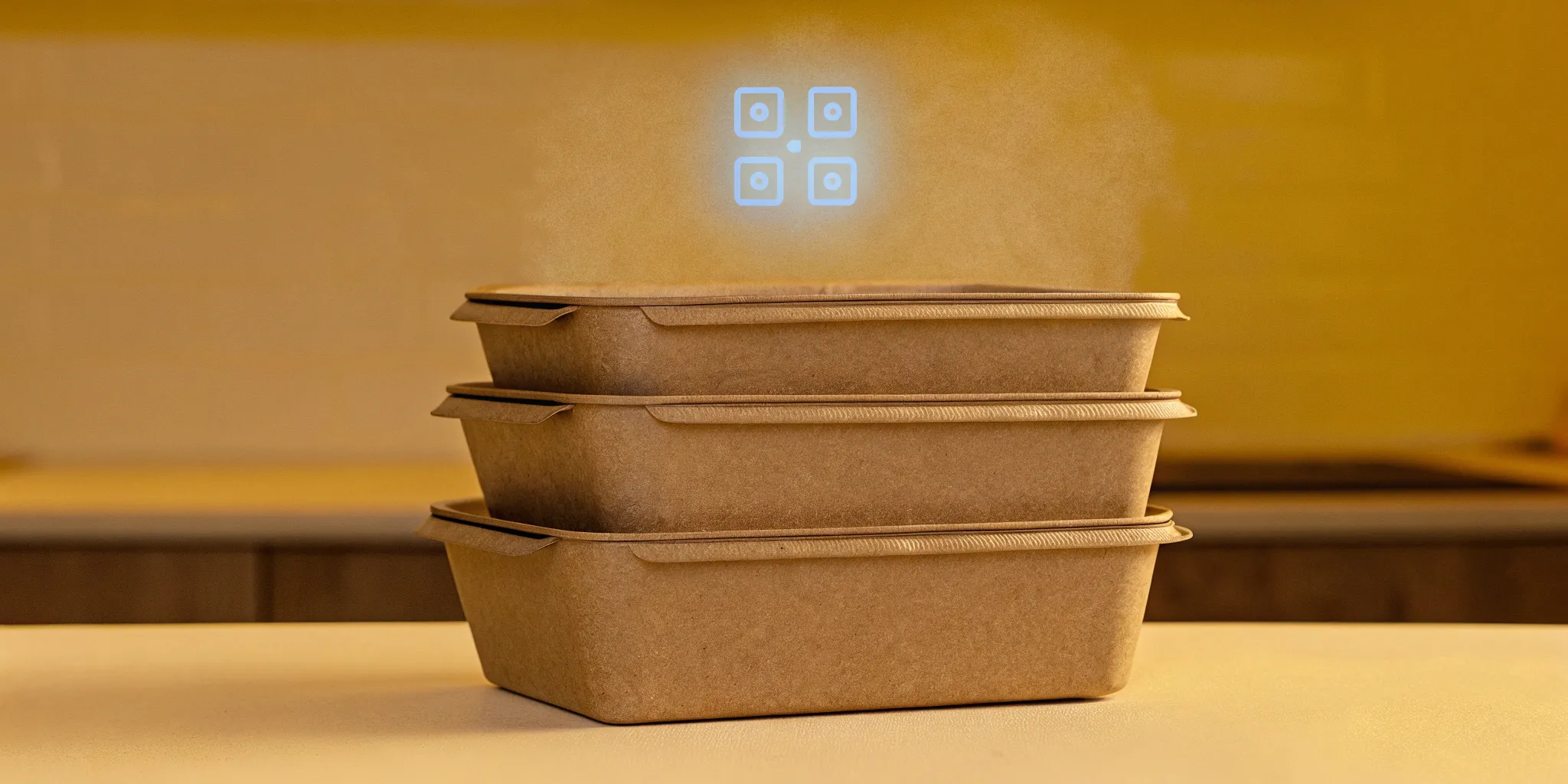
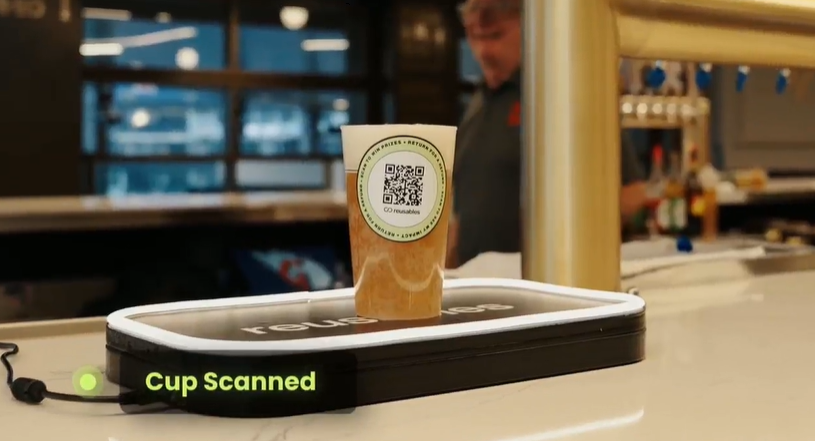
Think of RFID and QR codes as two different tools for the same job, each with its own specialty. QR codes are fantastic for manual, user-driven interactions. A student can easily scan a QR code with their phone to check out a container. However, printed QR codes can get scratched, smudged, or damaged in a high-volume dish room. That’s where RFID comes in. Embedded RFID tags are built to survive harsh conditions and can be read automatically, without a direct line of sight. Both RFID and QR codes give each reusable container a unique digital identity, but combining them ensures every container is accounted for, from checkout to return.
Create a Foolproof Backup System
What happens when a QR code becomes unreadable? Without a backup, that container might as well be lost, leading to inventory shrinkage and replacement costs. A dual-tracking system provides essential redundancy. If the QR code fails, the RFID tag is still there to be scanned automatically when the container is returned to a smart bin or passes through a checkpoint. This foolproof backup ensures your data remains accurate and your inventory is secure. It’s this level of reliability that helps a successful reuse program run smoothly, reduces loss, and keeps your return rates exceptionally high without extra staff effort.
Ensure Compatibility with All Your Containers
Your dining program likely uses a variety of container types, from durable plastic to stainless steel. A dual-mode system gives you the flexibility to work with all of them. While RFID tags are perfect for embedding in plastic, they can sometimes face signal challenges with metal. QR codes, on the other hand, can be easily etched or printed on any material. By offering both, you aren’t locked into a single container type. This means you can choose the best containers for your food, your budget, and your brand. Having flexible container options is key to designing a system that truly fits your campus operations, not the other way around.
How to Measure the Success of Your RFID System
Once your RFID tracking system is up and running, the next step is to measure its impact. After all, you invested in this technology to solve specific challenges, and you need to see the results. The right system makes this easy by giving you access to a dashboard with real-time data, so you can stop guessing and start knowing exactly how your program is performing.
Tracking success isn’t just about one single number. It’s about looking at a few key performance indicators (KPIs) that show how the system is improving your operations, your budget, and your campus's sustainability goals. The most important metrics to watch are your container return rates, your overall cost savings and return on investment, and your environmental impact. By focusing on these areas, you can get a clear picture of how RFID tracking is transforming your dining services. It also gives you concrete data to share with stakeholders and the campus community, proving the value of your reusable packaging program.
Track Return Rates and Inventory Accuracy
The success of any reusable container program hinges on one critical metric: the return rate. If containers aren't returned, costs go up and the system fails. RFID tracking gives you precise, real-time data on how many containers are checked out, returned, and currently in circulation. This lets you move beyond estimates and see exactly how effective your program is. At Reusables.com, our partners see 99% return rates because automated accountability and convenient return options make it simple for students.
Beyond returns, RFID provides unparalleled inventory accuracy. You’ll always know how many containers are clean and ready for use, in the return bins, or out with students. This eliminates the need for manual counts, saving your staff valuable time. It also helps you optimize your inventory levels, so you never run out of containers during a lunch rush or waste money by overstocking.
Measure Cost Savings and ROI
A well-run reusable program should save you money, and an RFID system provides the data to prove it. The most immediate saving comes from drastically reducing your spending on single-use disposable containers, which have become increasingly expensive. With RFID, you can track exactly how many times each reusable container is used, allowing you to calculate the direct savings against the cost of disposables.
This data makes calculating your return on investment (ROI) simple. You can compare the initial and ongoing costs of the reuse system to the money saved on packaging and waste hauling fees. Because RFID tracking minimizes container loss, you also spend less on replacing assets. Our full-stack solution is designed to deliver a clear and compelling ROI, turning a necessary operational expense into a smart financial decision for your campus.
Monitor Your Environmental Impact
Meeting sustainability goals is a major priority for most institutions, and RFID tracking gives you the hard data to show your progress. The system automatically logs every single use, creating a running tally of how many disposable containers you’ve avoided sending to the landfill. This isn't an estimate; it's a precise, verifiable number you can use in your campus sustainability reports.
This information is also incredibly powerful for engaging with students and staff. You can display live impact metrics on screens in the dining hall, run campus-wide challenges, and share milestones on social media. By tracking your environmental impact, you can clearly demonstrate your commitment to sustainability and make your reusable program a point of pride for the entire campus community.
Related Articles
- What Is RFID Tracking for Reusable Food Containers?
- A Guide to RFID Reusable Container Management Systems
- RFID vs QR Code for Reusable Tracking: Which is Best?
- Is RFID Tracking for Better Inventory Management Worth It?
- How RFID Tracking for Beer Cups at Stadiums Works
Frequently Asked Questions
How does RFID actually help ensure we get our containers back? RFID creates a system of gentle, automated accountability. When a student checks out a container, its unique RFID tag is linked to their account. The system then automatically tracks how long they've had it. If a container isn't returned on time, the software can send friendly reminders without your staff having to do anything. This simple, automated process is what drives the 99% return rates our partners see, because it makes returning containers an easy, expected part of the campus routine.
What's the real cost of an RFID system, and how does it save us money? While building a system from scratch can involve a large capital investment, partnering with a service like ours changes the equation. We provide the entire system, from tagged containers to smart bins, as a comprehensive service. The primary way it saves you money is by drastically cutting your spending on disposable packaging, which for many schools is over $50,000 a year. By preventing container loss and improving operational efficiency, the system is designed to deliver a clear return on investment.
How durable are the RFID tags in a commercial kitchen environment? This is a great question, because durability is essential. The passive RFID tags we use are specifically designed for this environment. They are small, have no internal battery, and are securely encased to withstand the high heat, water pressure, and detergents of commercial dishwashers. They are built to last for thousands of wash cycles, ensuring they can be tracked reliably throughout the entire lifecycle of the container.
Why do we need both RFID and QR codes on our containers? Think of it as having a primary system and a backup. RFID is perfect for automated, behind-the-scenes tracking, like when a container is dropped into a smart bin. QR codes offer a simple, manual option for students to check out a container using their phone. Using both means you have a foolproof system. If a QR code gets scratched or smudged, the RFID tag still ensures the container is tracked, which protects your inventory and keeps your data accurate.
How disruptive is the installation process for our dining operations? We designed our implementation process to be as smooth and non-disruptive as possible. Our team works with you to install readers and return stations at times that won't interfere with your peak service hours. Since our platform is built to integrate seamlessly with campus card and payment systems you already use, like Transact or CBORD, the technical setup is straightforward. The goal is a smooth transition that feels like a natural upgrade, not a major interruption.
Other stories you may find interesting


.png)

.avif)




.webp)





Watch the Webinar
Learn How to Eliminate Single-Use Waste
Get instant access to our expert webinar and discover how leading institutions reach 99% return rates through smarter reuse systems.

© Reusables™. All rights reserved.