
How to Track Reusable To-Go Boxes on Campus

December 1, 2025
The rising cost of single-use packaging is hitting dining budgets hard, with many campuses spending tens of thousands a year on disposable containers alone. Switching to a reusable system is the obvious solution to cut those recurring costs, but it introduces a new concern: protecting your inventory investment. Losing containers is not an option. This is why understanding how to track reusable to-go boxes is the most important step in building a successful program. A smart tracking system doesn't just prevent loss; it unlocks significant long-term savings, turning a major expense into a sustainable, cost-effective asset for your dining services.
Key Takeaways
- Make technology do the heavy lifting: A dual QR and RFID tracking system automates the entire process, from checkout to return, giving you accurate inventory data and high return rates without manual oversight.
- Shift from a recurring cost to a long-term asset: Implementing a reusable container system replaces the endless expense of disposables with an investment that delivers significant annual savings and improves operational efficiency.
- Eliminate barriers to participation for high adoption: The key to getting everyone on board is making reuse effortless. Choose a system that integrates with your existing campus cards and POS, so students and staff can participate without downloading an app or learning a complex new process.
What Are the Best Tracking Systems for Reusable To-Go Boxes?
When you’re ready to launch a reusable container program, your biggest question is probably, "How will we keep track of everything?" Getting containers back is the key to making any reuse system work financially and environmentally. The good news is that several proven tracking systems are available, each with its own approach to ensuring containers make their way back to the dish room. Let's look at the most common options.
Reusables.com: The All-in-One Solution
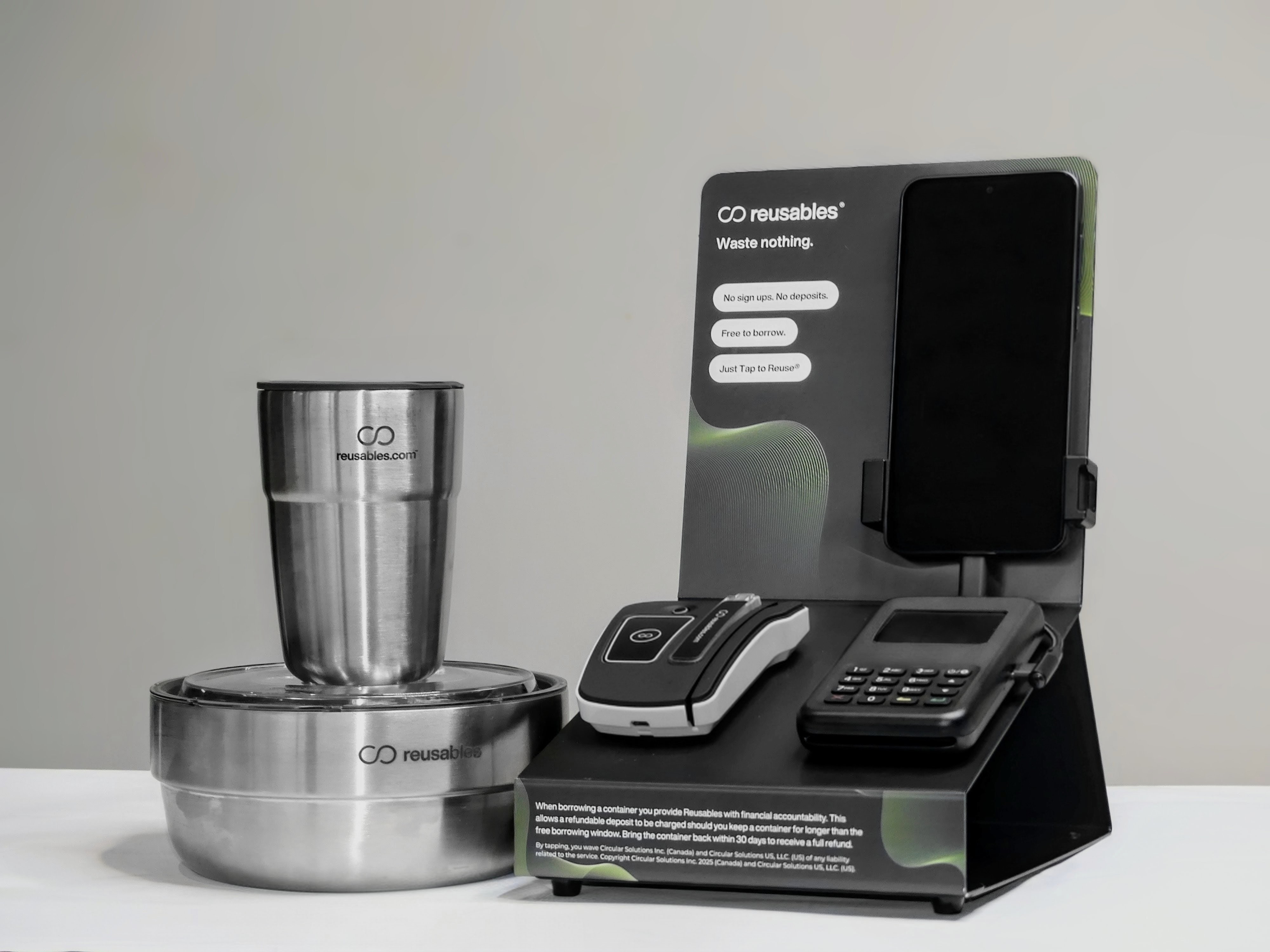
Instead of trying to piece together different technologies, an all-in-one system handles every step for you. Reusables.com offers a complete packaging technology solution that combines the best of both QR and RFID tracking with smart return bins and automated accountability. This means you get accurate, real-time data on your inventory without the operational headache. Because the system is fully integrated, it works seamlessly with existing campus card and payment platforms. This approach removes friction for both your staff and students, making it simple for everyone to participate and ensuring you get your containers back—we see 99% return rates on campuses we partner with.
RFID Tracking Platforms
Radio Frequency Identification (RFID) uses radio waves to track items automatically. Each container gets a small tag, and specialized readers can scan dozens of them at once without needing a direct line of sight—think of a student dropping a container into a return bin and it being logged instantly. This technology is incredibly accurate and efficient for managing a large inventory of reusable assets. While the initial investment in RFID tags and readers can be higher than other methods, the long-term operational savings from reduced manual labor and near-perfect tracking accuracy often make it a worthwhile choice for busy dining programs.
QR Code Systems
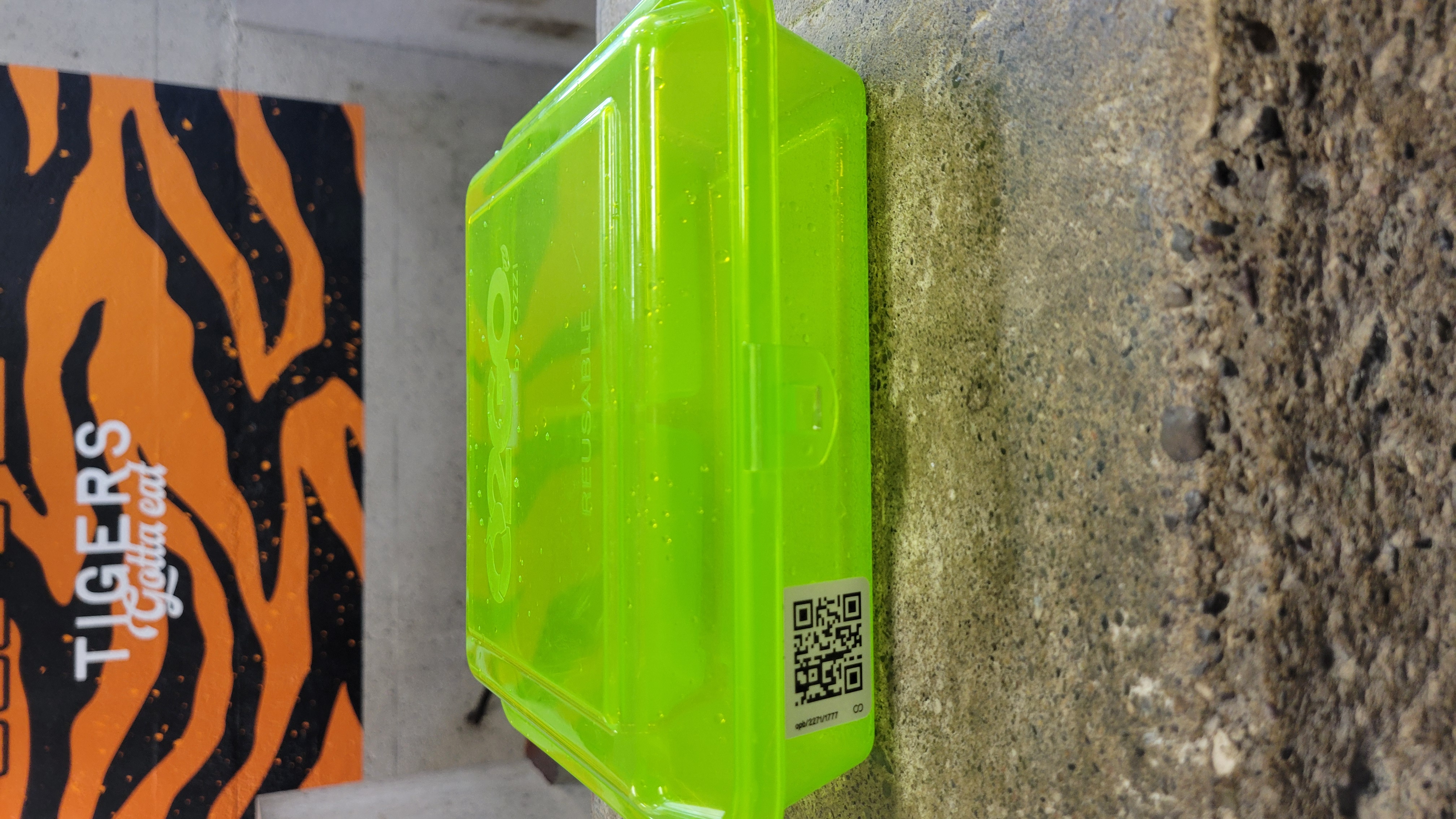
QR codes are a straightforward and cost-effective way to track reusable containers. Since students and staff are already familiar with scanning them, the learning curve is practically zero. A unique QR code on each container can be scanned with a smartphone or a dedicated scanner at checkout and return points to assign it to a student's account. This method is great for getting a program started quickly and with minimal hardware investment. The main consideration is that each item must be scanned individually, which can slow down the process during peak hours compared to more automated systems like RFID.
App-Based Solutions
Many programs rely on a dedicated mobile app for students to check out and return their to-go boxes. These apps can be effective for driving engagement through features like rewards, leaderboards, and push notification reminders to return containers. Some programs have achieved high return rates by building a strong user community within their app. However, the biggest challenge is overcoming "app fatigue." Asking students to download yet another app can be a significant barrier to adoption. A frictionless system that doesn't require a download often sees wider and faster participation across campus, which is critical for the program's overall success.
How Does Reusable Container Tracking Work?
A successful reusable container program hinges on one key element: knowing where your containers are at all times. Gone are the days of manual sign-out sheets or honor systems that lead to low return rates and lost inventory. Modern tracking systems use technology to create a seamless and accountable process for both your dining team and your students. The goal is to make reusing a container as easy—or even easier—than throwing one away.
The best systems automate the entire lifecycle of a container, from the moment a student checks it out at a dining hall to the second they drop it off in a return bin. This is typically accomplished using a combination of two core technologies: QR codes and Radio-Frequency Identification (RFID). Each method has its strengths, but when used together, they create a powerful, accurate, and user-friendly system. This technology not only ensures you get your containers back but also provides valuable data to help you manage your program effectively, proving its financial and environmental return on investment. By making the process frictionless, you can achieve the high return rates needed to make your reuse program a sustainable success.
Scanning QR Codes
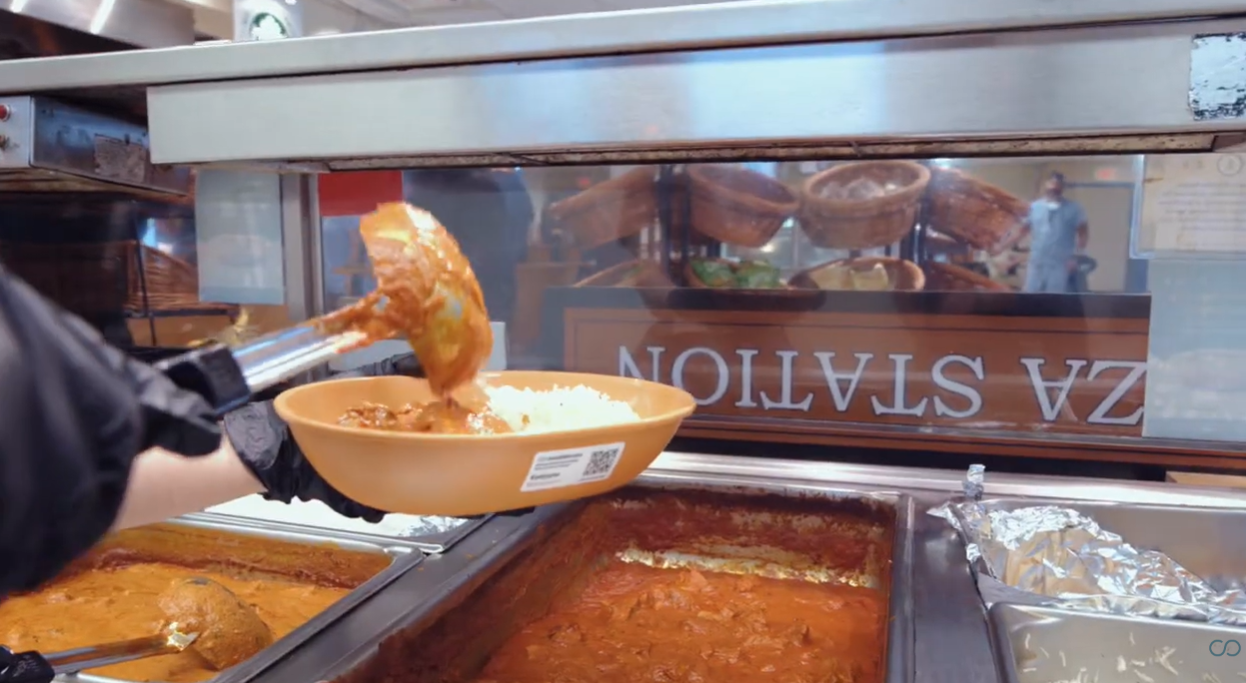
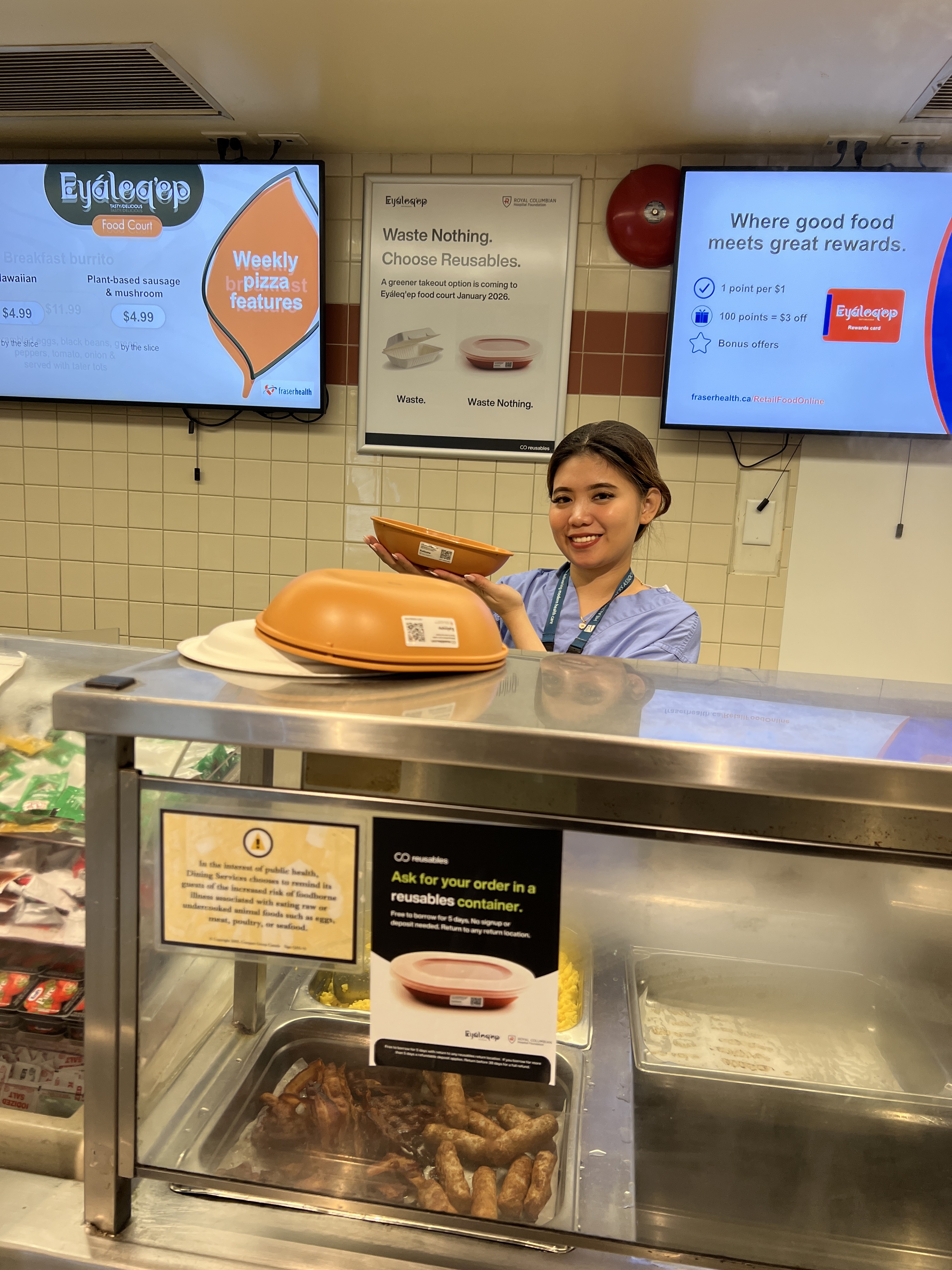
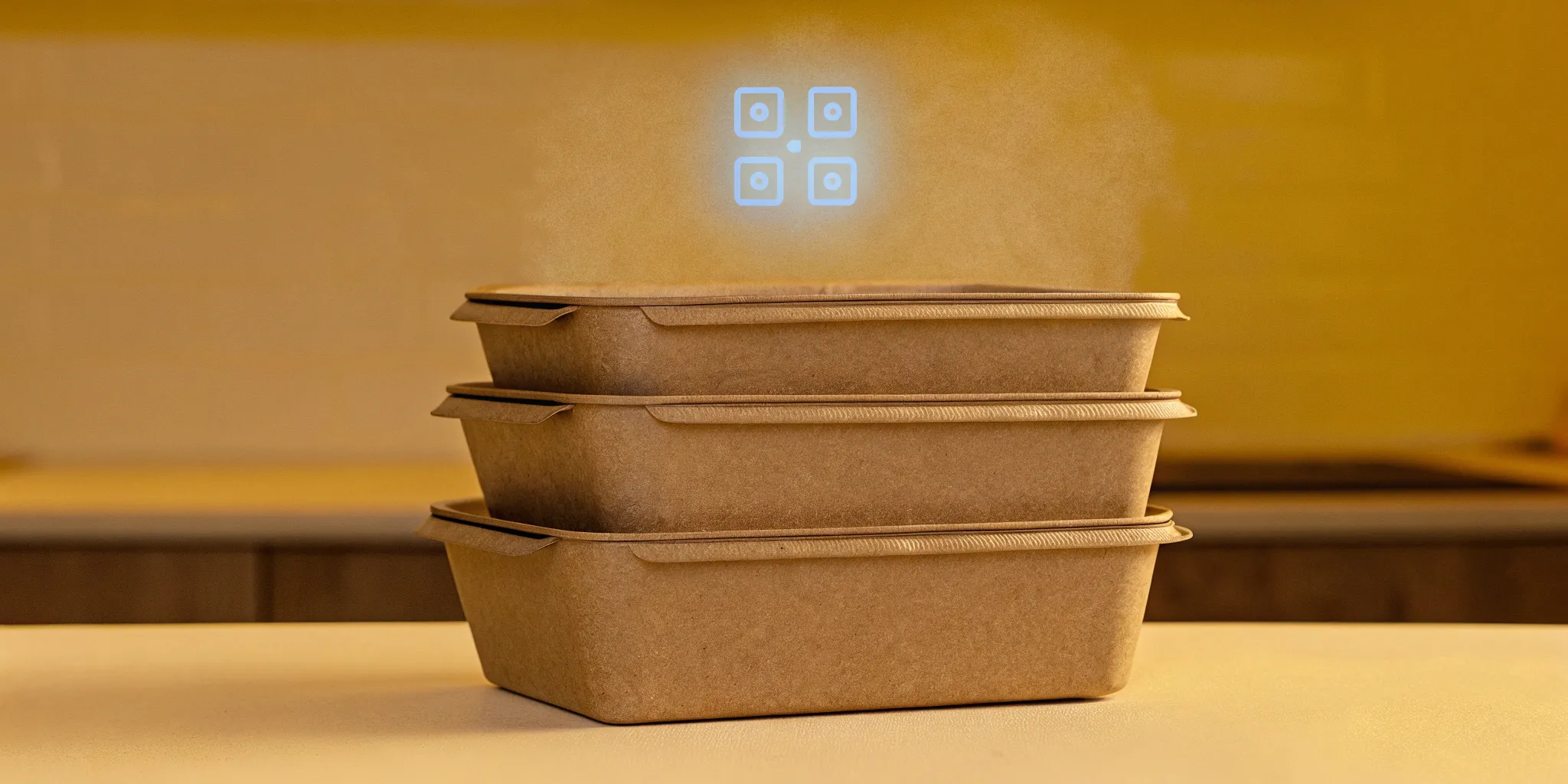
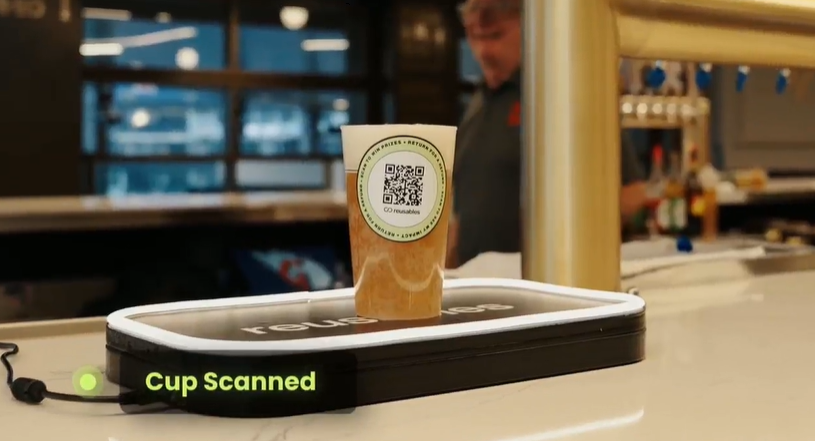
QR codes are a straightforward and cost-effective way to track reusable containers. In this system, every container is assigned a unique QR code. When a student orders a meal, your dining staff can scan the code to associate that specific container with the student's account, often through an integration with your existing point-of-sale or campus card system. This creates a clear record of who has which container.
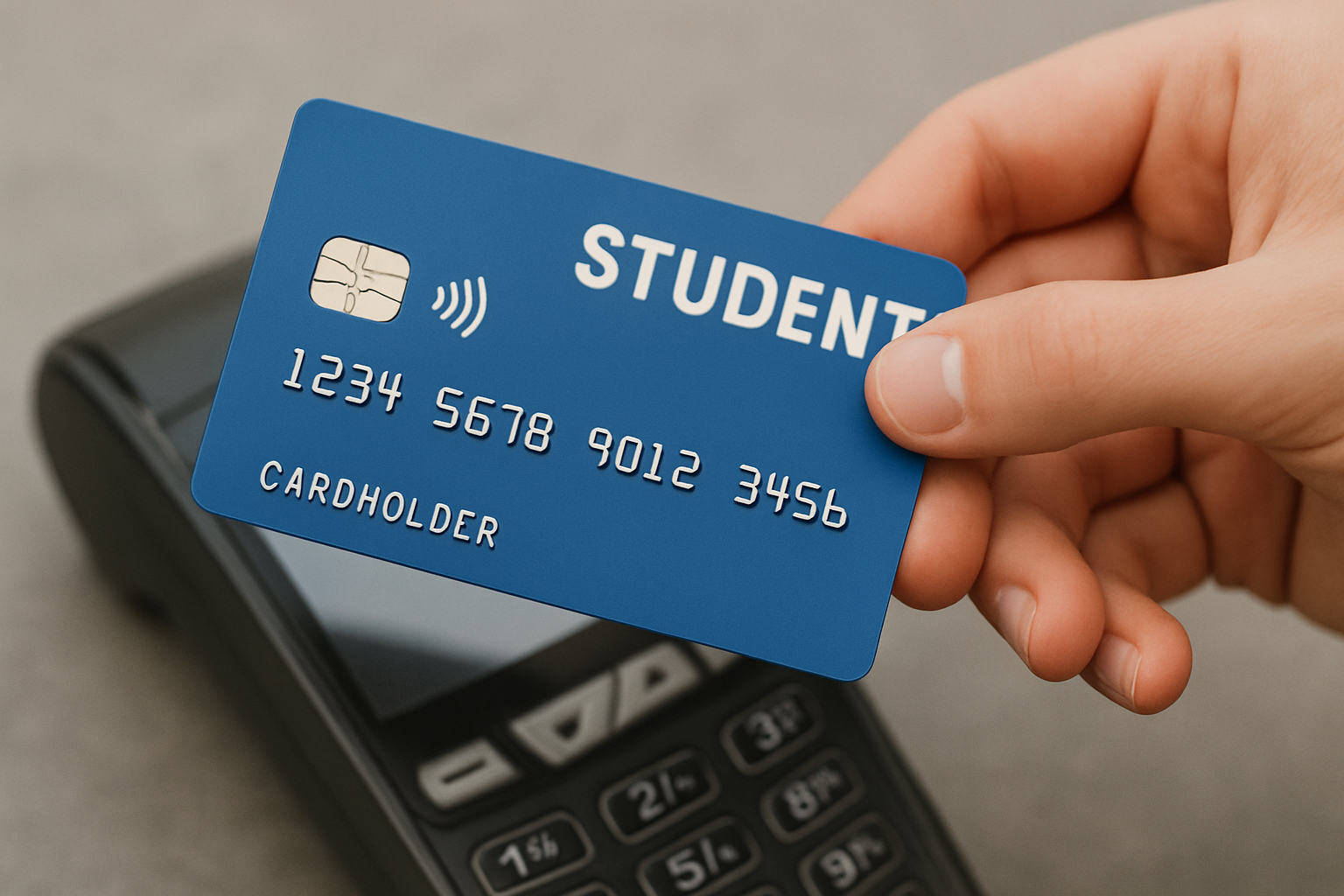
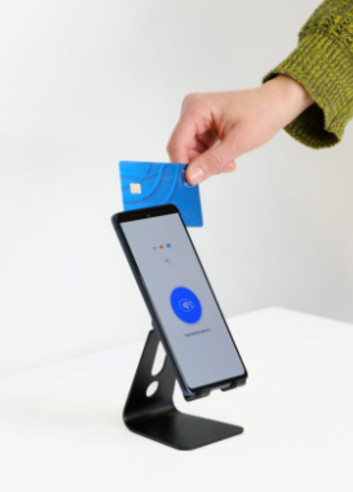
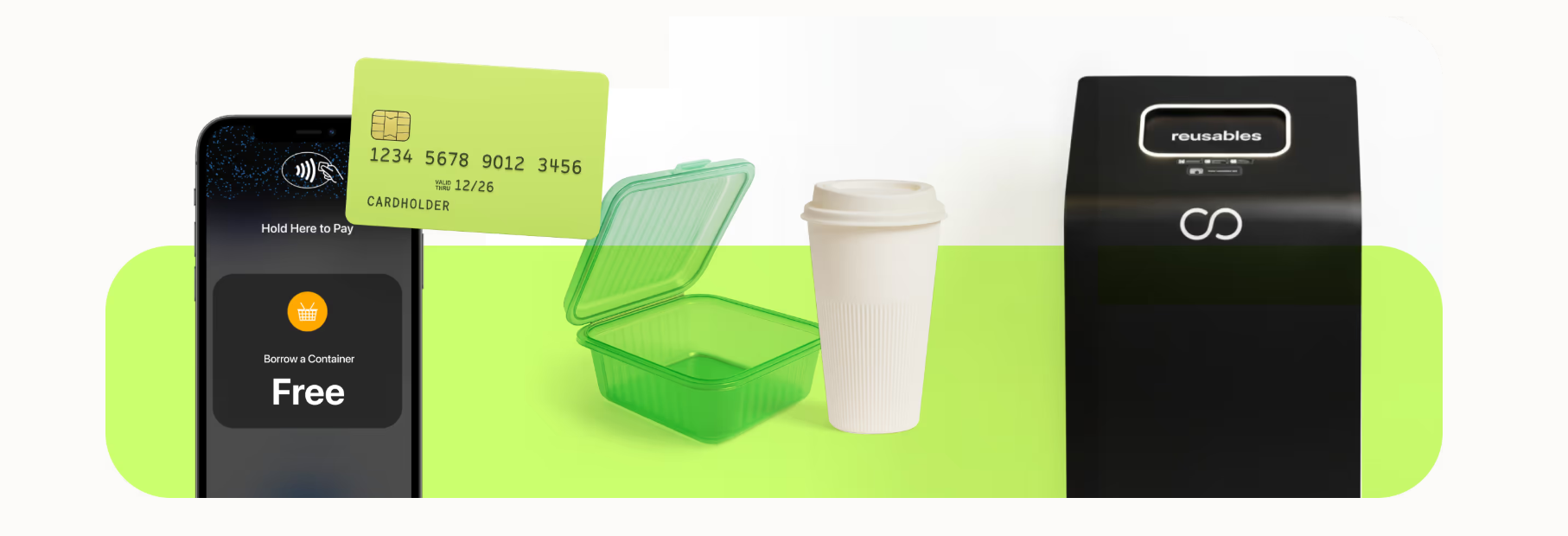
For students, the process is just as simple. Many modern systems, like the one offered by Reusables.com, allow for an app-free experience where students can check out a container just by tapping their student ID or phone. This eliminates a common barrier to adoption, as students don't have to download yet another app. QR codes make it easy to implement a basic tracking system that holds users accountable and starts you on the path to reducing single-use waste.
Using RFID Tags
RFID (Radio-Frequency Identification) takes container tracking to the next level of automation. Instead of a visible code, a small RFID tag is embedded in or attached to each container. These tags can be read automatically by scanners using radio waves, without needing a direct line of sight. This is where the magic happens for returns.
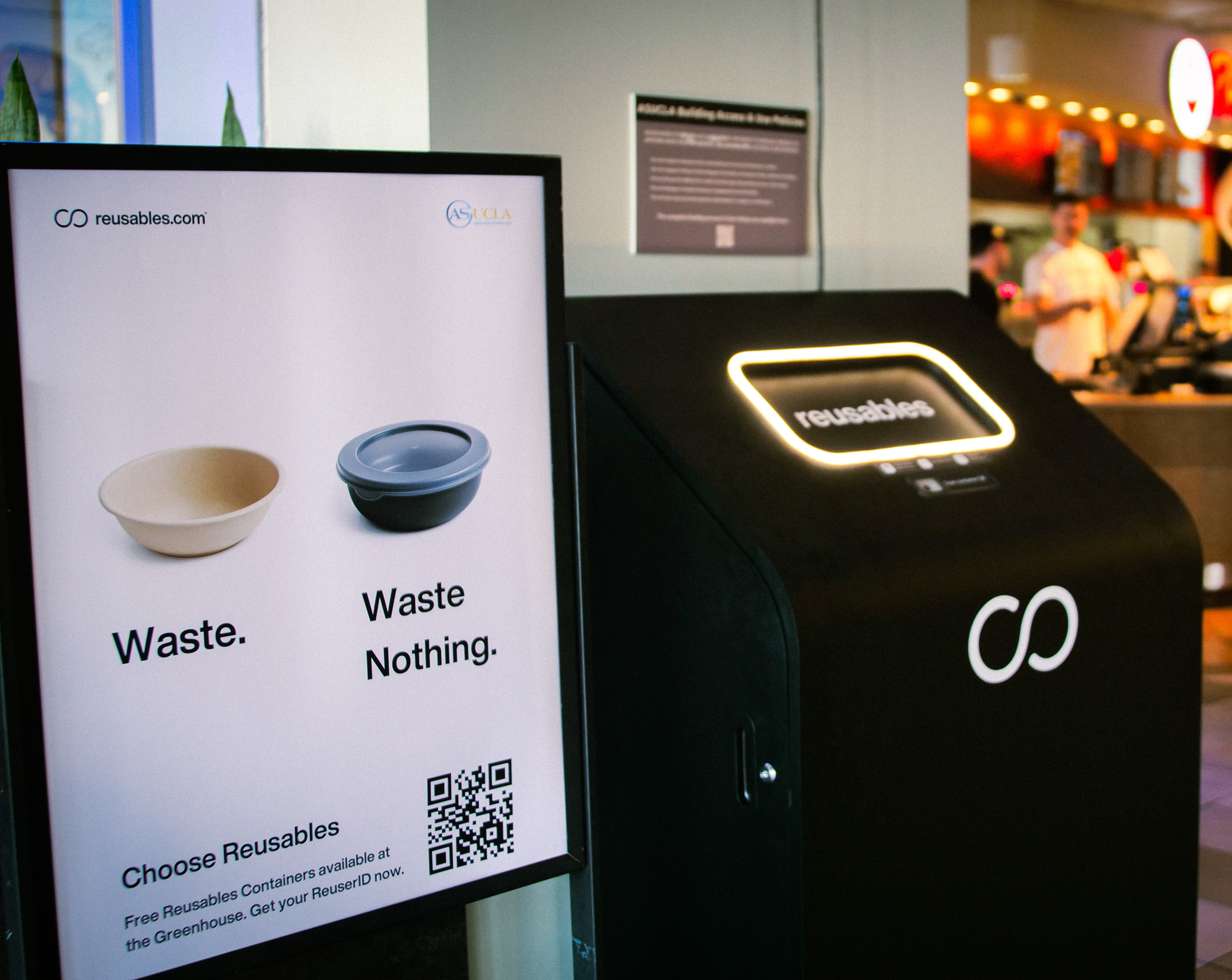
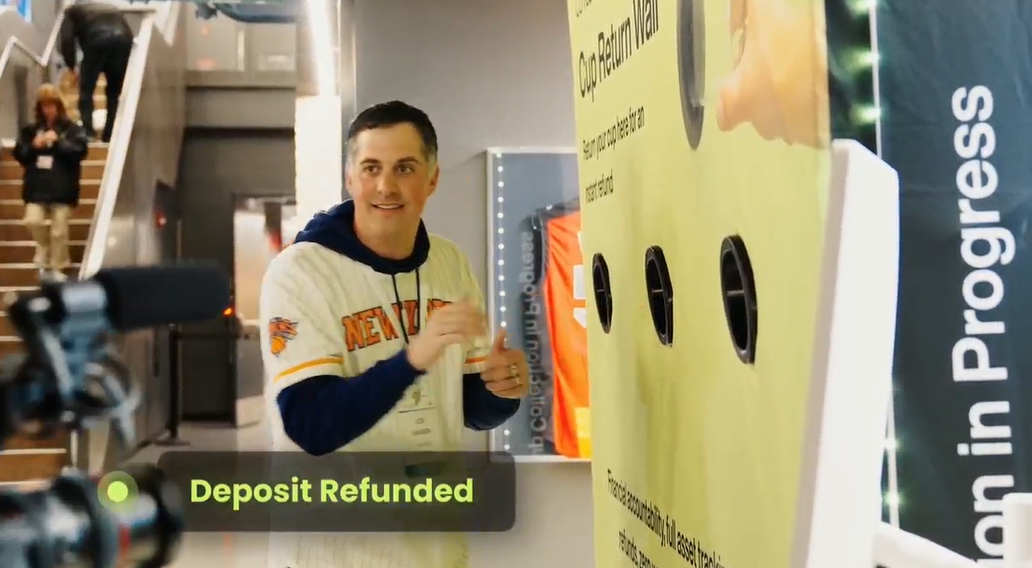
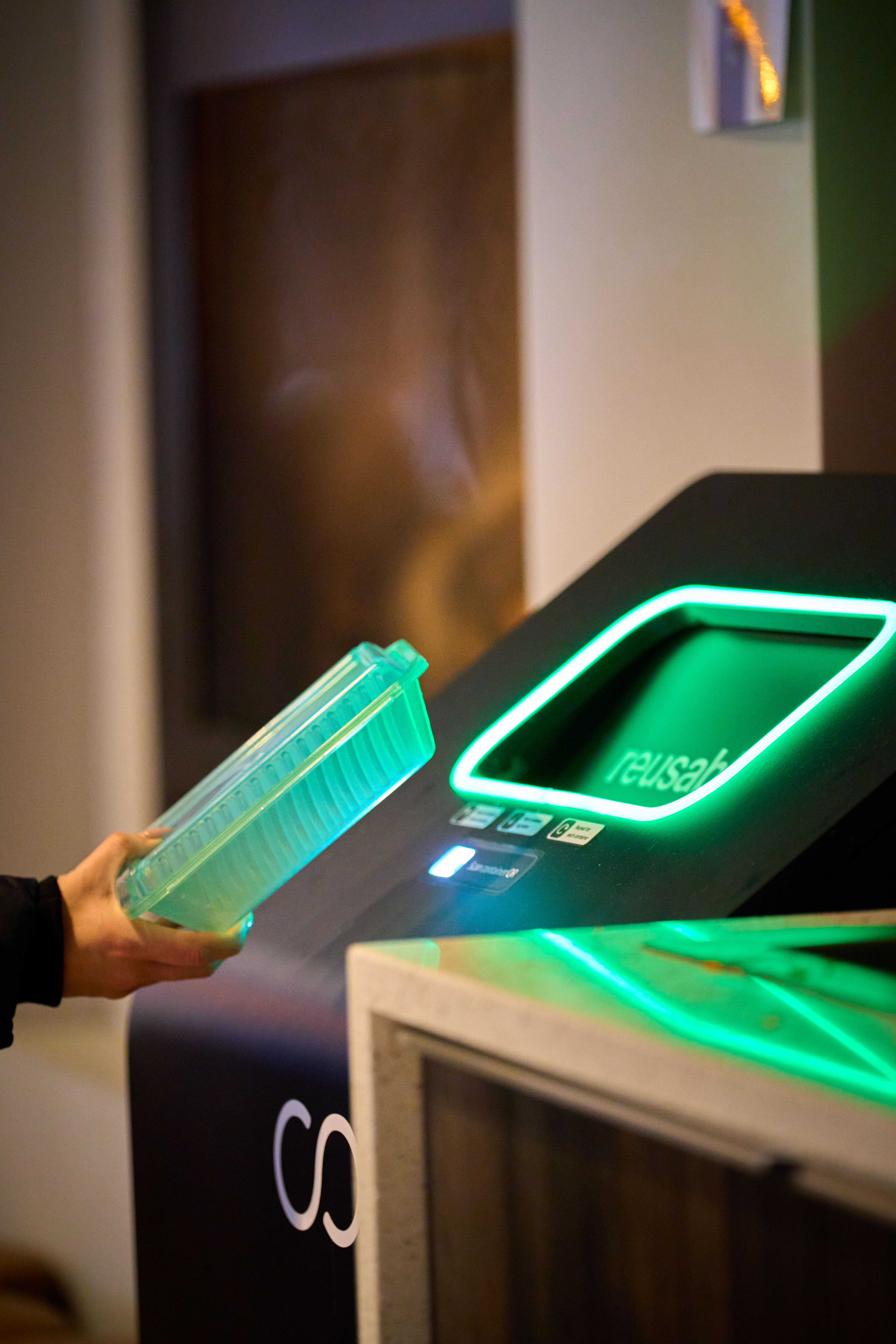
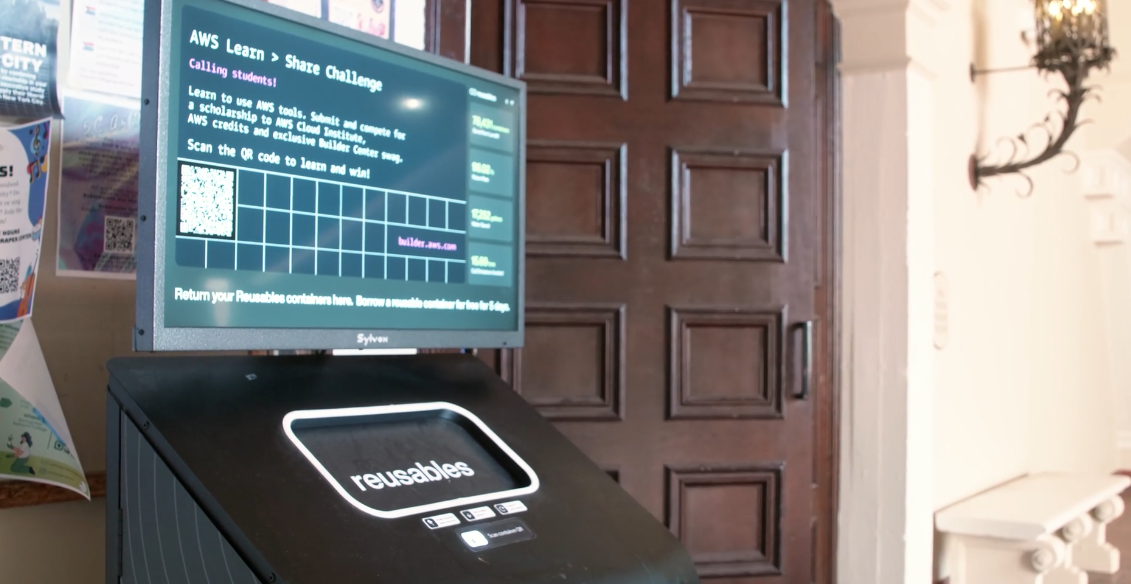
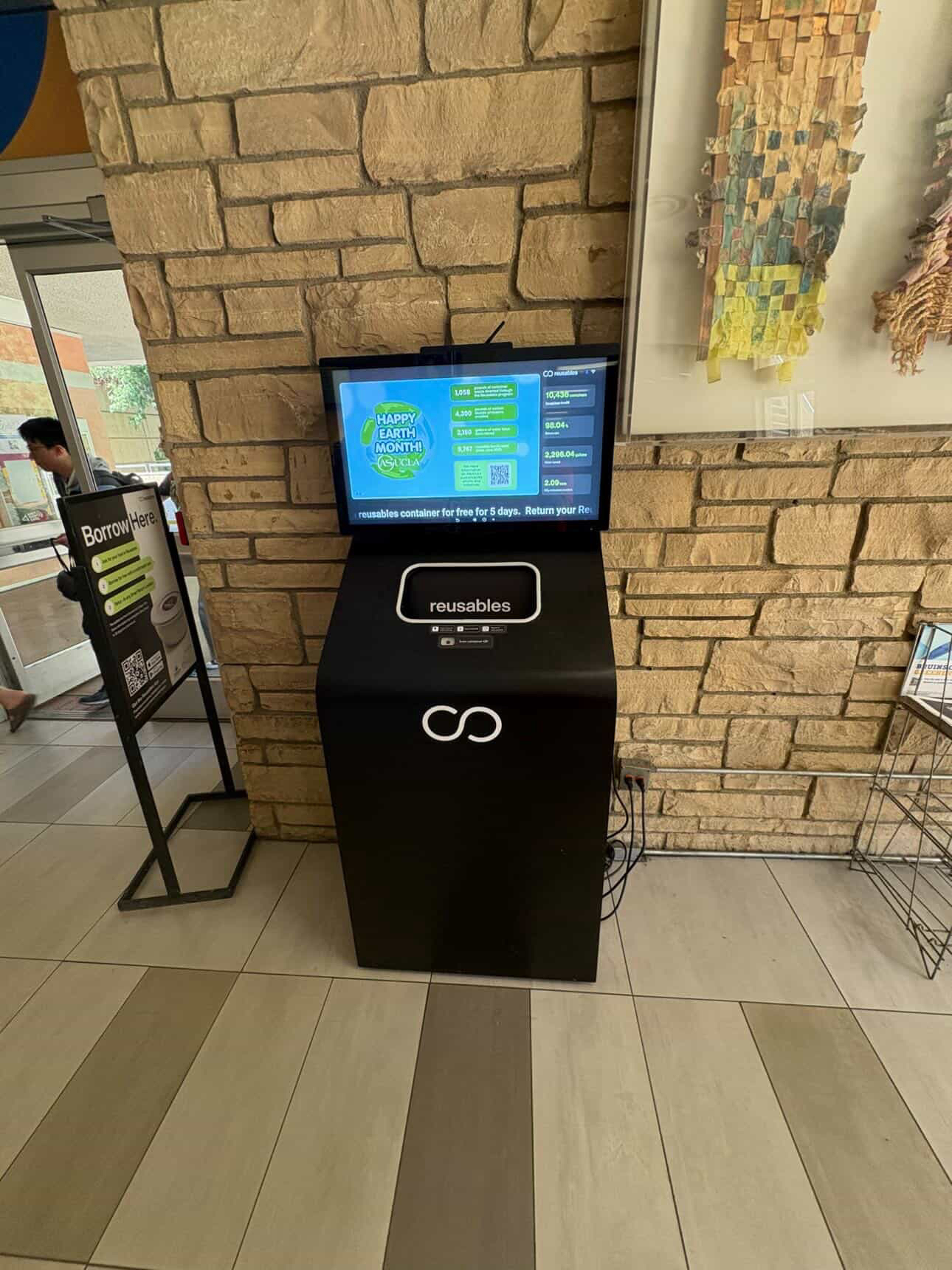
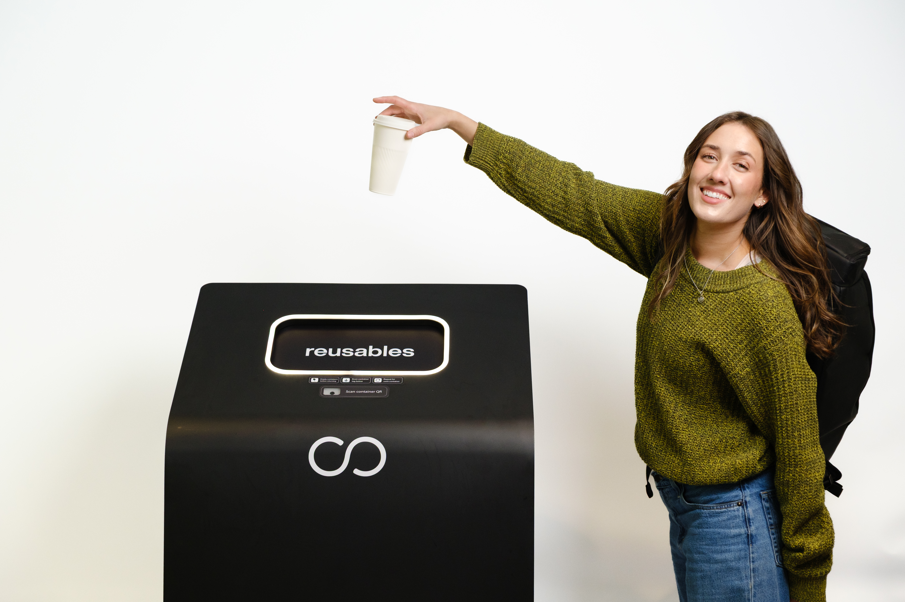
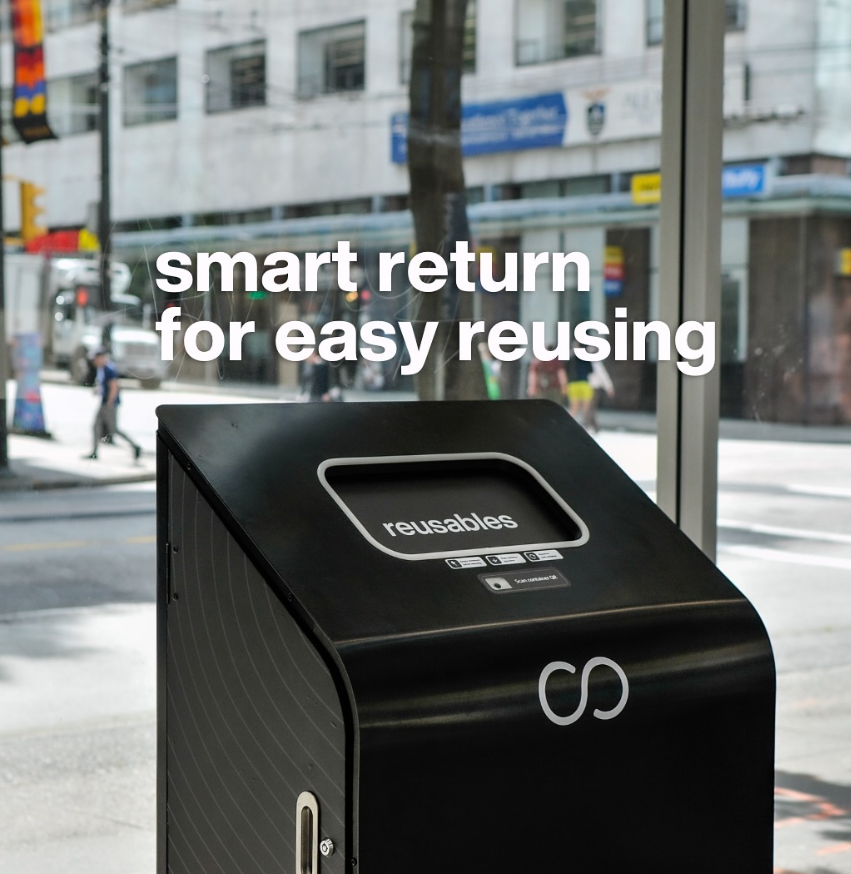
A student can simply drop their used container into a smart return bin, and an RFID reader inside instantly detects the tag, scans it, and marks the container as returned in the student's account. There’s no need for manual scanning by staff or any action from the student beyond dropping the container in the bin. This makes the return process incredibly fast and convenient, which is a major factor in achieving near-perfect return rates. RFID is ideal for high-traffic areas and for creating a truly frictionless experience.
Combining QR and RFID for Accuracy
While QR codes and RFID are effective on their own, the most robust and flexible tracking systems use both. This dual-mode approach provides comprehensive coverage across your entire dining operation. For example, you can use QR codes for attended checkouts at a cash register, where a staff member can easily scan the container. Meanwhile, RFID can power your unattended, 24/7 smart return bins, automating the check-in process.
This combination ensures every container is accounted for, no matter how it's checked out or returned. It also provides the flexibility to use different types of containers, as some materials work better with certain tags. By leveraging a dual-tracking solution, you create a resilient system that minimizes loss, maximizes accuracy, and makes participation effortless for everyone on campus.
Getting Real-Time Data
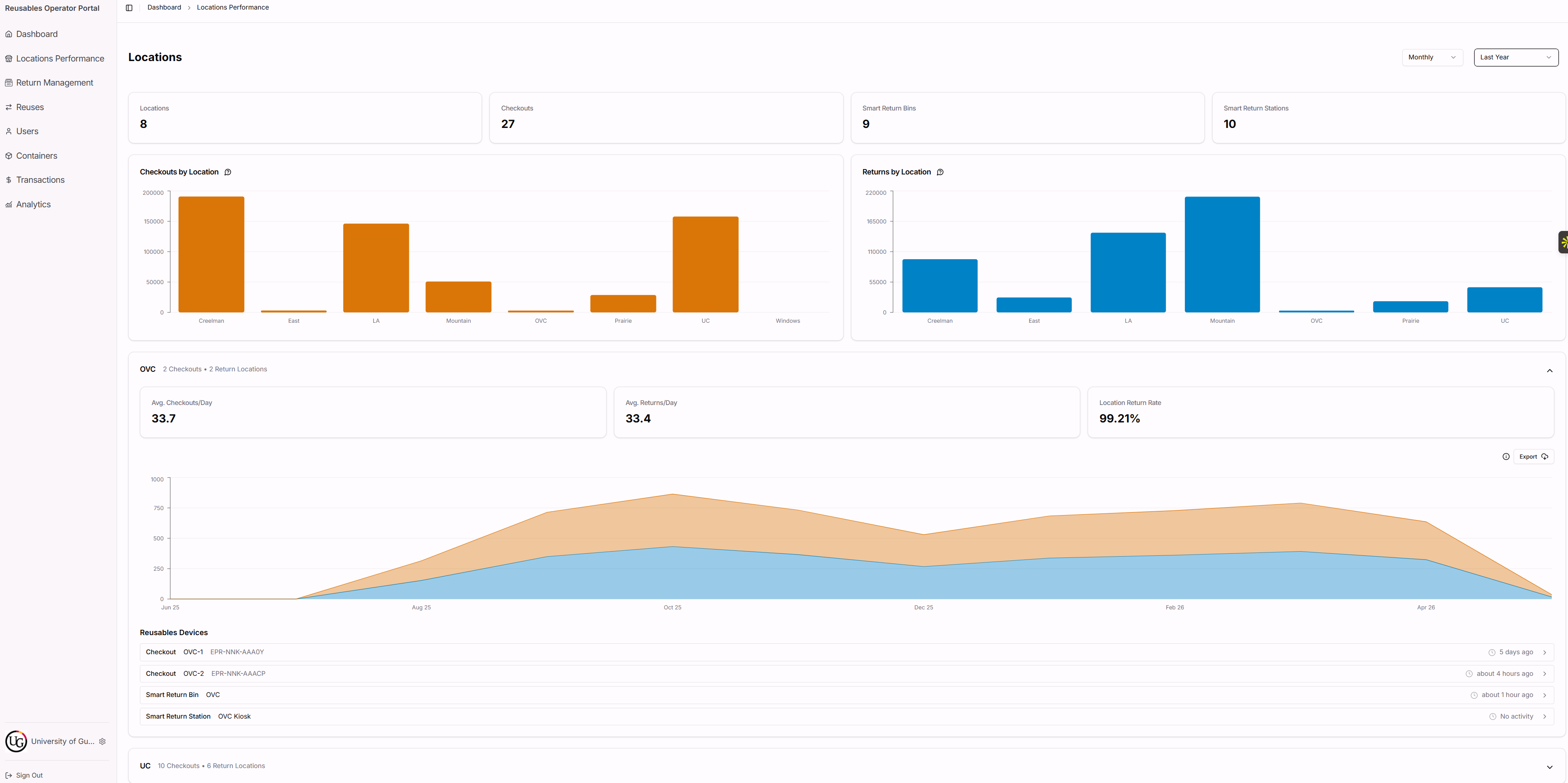
The ultimate benefit of a tech-enabled tracking system is the wealth of data it provides. All the information gathered from QR and RFID scans feeds into a central operator dashboard, giving you a live look at your program's performance. You can instantly see key metrics like total inventory, the number of containers currently in use, and your overall return rate.
This real-time data is critical for operational efficiency. You can receive alerts when return bins are getting full, track container wash cycles, and understand usage patterns to optimize inventory levels across different dining locations. Furthermore, the dashboard translates your efforts into clear impact metrics, showing exactly how many single-use containers you’ve avoided and the corresponding reduction in waste. This makes it easy to report on your sustainability goals and demonstrate the program's value to university stakeholders.

What Does a Reusable Box Tracking System Cost?
When you’re considering a switch to reusable containers, the first question is usually about the bottom line. The good news is that a reuse system is designed to save you money in the long run by eliminating the endless cycle of purchasing disposables. While every campus has unique needs, the cost structure generally breaks down into a few key areas: the initial setup, ongoing service fees, and the massive savings you’ll see by cutting out single-use packaging. Let's walk through what you can expect.
Upfront Setup and Hardware
Your initial investment covers the physical and digital tools needed to get your reuse program running. This includes the tracking technology itself—like QR codes or RFID tags for each container—and the hardware for checkouts and returns. The price for individual tracking tags can vary based on their features and durability. Beyond the tags, you’ll also need hardware like smart return bins and scanning stations. Think of this as a one-time investment in a permanent solution that replaces a recurring operational expense. These tools are the foundation for a smooth, automated system that makes reuse easy for students and staff.
Ongoing Service Fees
After the initial setup, you’ll typically have ongoing service fees for software, data management, and support. Many providers structure this as a small fee per use. For example, some programs charge less than $0.07 per use, which can be over 70% cheaper than the average cost of a single-use container. This model makes your expenses predictable and directly ties costs to usage, so you only pay for what you need. When you compare this small, consistent fee to the volatile and rising costs of disposable packaging, the long-term financial benefits become incredibly clear. It shifts packaging from a consumable good to a managed service.
Calculating Your Savings on Disposables
To understand the full financial impact, you need to look at what you’ll save on disposables. With disposable packaging costs rising more than 200% in the last three years, many campuses spend over $50,000 a year on takeout containers alone. You can use a cost comparison model to map out your current annual spending on single-use items versus the projected cost of a reusable system. When you factor in the high return rates (often 99% or more) that a good tracking system provides, you’ll see a dramatic reduction in your packaging budget, often saving 30% or more annually.
Finding New Revenue Opportunities
Beyond direct cost savings, a smart reuse system can create new opportunities. The money you save on disposable packaging can be reinvested into other areas of your dining program to improve the student experience. Some modern
What Are the Benefits of Tracking Reusable Containers?
Implementing a reusable container program is a fantastic first step. But to truly make it work, you need a way to track your inventory. A smart tracking system does more than just tell you where your containers are—it provides the data and automation you need to cut costs, streamline your dining operations, and hit your sustainability targets. It’s the difference between a program that just gets by and one that truly thrives, making life easier for your staff and students.
Reduce Waste and Meet Sustainability Goals
Every container that gets returned is one less disposable item in a landfill. A tracking system gives you the power to quantify that impact. Instead of guessing, you’ll have hard data on how many single-use containers you’ve avoided, your carbon footprint reduction, and your progress toward campus-wide zero-waste goals. This information is invaluable for sustainability reporting and sharing your success with the student body. When you can show exactly how the program is making a difference, you build momentum and support for all your campus sustainability initiatives. It turns a simple operational choice into a powerful story about your commitment to the environment.
Improve Your Operational Efficiency
A common worry with reuse programs is that they’ll create more work for an already busy dining team. The right tracking system does the opposite. It should integrate seamlessly into your existing ordering and pickup flows, so staff aren't slowed down by new, clunky procedures. With real-time data, you can see inventory levels at a glance, know when return bins are getting full, and optimize your dishwashing schedule. This eliminates manual container counting and guesswork. Your team can focus on preparing great food, not on managing container logistics. A well-designed system modernizes your operations without adding complexity for your staff or your customers.
Create a Better Student Experience
For students to embrace reuse, the process has to be incredibly simple. A tracking system with a frictionless checkout—like a quick tap of a student card—removes barriers and makes participation effortless. No one wants to download another app or fumble through a complicated sign-up. The system also provides a clear and fair experience by sending automated return reminders, helping students avoid late fees. You can even add elements of fun, like leaderboards or rewards for frequent reusers, to build a campus culture around sustainability. When the system is easy and engaging, students don't just participate; they become advocates for the program, creating a positive campus experience for everyone.
Automate Returns and Accountability
Getting containers back is the most critical part of any reuse system. Tracking automates this entire process, ensuring high return rates without requiring your staff to play police. Each container is checked out to a specific user, creating a clear loop of accountability. The system can automatically send friendly reminders when a container is due and manage any late fees if it isn't returned on time. This gentle, automated nudge is proven to drive return rates above 99%. It removes the burden from your team and avoids awkward conversations with students. By making accountability a seamless, built-in feature, you can build a reliable system that protects your inventory and keeps the program running smoothly.
How to Overcome Common Tracking System Challenges
Launching a campus-wide reuse program is a big step, and it’s natural to have questions about the logistics. While any new initiative has its learning curve, the most common hurdles are surprisingly easy to clear with the right strategy and technology. A well-designed system doesn't just track containers; it creates a seamless experience for everyone involved, from the students grabbing lunch to the staff managing inventory.
The key is to anticipate the challenges before they arise. How will you get students excited to participate? How will the system fit with the payment and ID card technology you already use? What about the containers themselves, and most importantly, how do you ensure you get them back? By focusing on these four areas, you can build a program that’s not only successful but also sustainable for the long run.
Encouraging Student Adoption
Getting students on board is often easier than you think. Today’s students are passionate about sustainability, and many are actively looking for ways to reduce waste on campus. In fact, student-led advocacy is frequently the driving force behind new green initiatives. The best way to harness this enthusiasm is to make participation completely effortless. A system that requires students to download yet another app creates a barrier. Instead, look for a frictionless solution that lets them check out a container with a simple tap of their student ID or credit card. Adding elements like campus-wide leaderboards or rewards for frequent reusers can also turn participation from a chore into a fun, engaging challenge.
Integrating with Your Existing Systems
Your dining operation is a complex machine with many moving parts. A reusable container program shouldn't add more complexity; it should streamline your work. The right tracking system will integrate directly with your existing campus card and point-of-sale (POS) platforms, like Transact, CBORD, or TouchNet. This eliminates the need for manual data entry and gives you a single source of truth for your operations. A successful program provides clear, real-time data on inventory levels, usage rates, and return performance, allowing you to see what’s working and make adjustments on the fly. This level of integration is what allows a pilot program to successfully expand across campus without creating headaches for your team.
Managing Container Durability
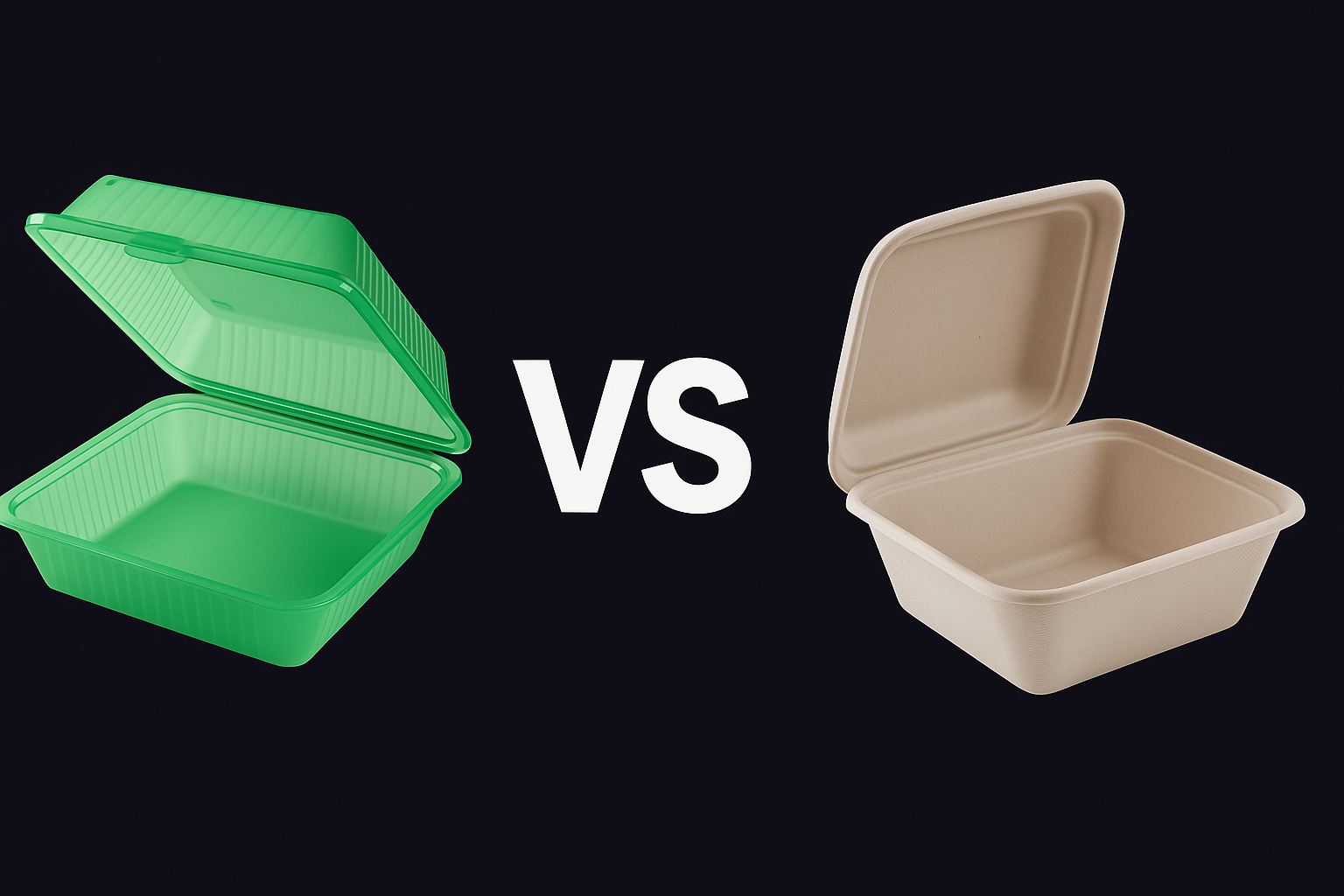
Your reusable containers are a long-term investment, so choosing the right ones is critical. While lower-cost plastic options might seem appealing upfront, some campuses have found they aren't durable enough for the demands of a busy dining hall, leading to cracking, staining, and early replacement costs. High-quality, durable plastic or stainless steel containers are built to last for hundreds or even thousands of uses. A flexible tracking platform should be container-agnostic, meaning it can support various materials and brands. This allows you to either use your existing inventory or select the best containers for your specific needs, ensuring your investment pays off for years to come.
How to Get Your Containers Back
The number one fear for any dining director is losing thousands of dollars in unreturned containers. The solution isn’t chasing down students—it’s automated accountability. A smart tracking system can automatically send gentle reminders to students who have held onto a container for too long. For those who still don’t return them, the system can automatically place a hold or a refundable late fee on their account, which is removed as soon as the container is returned. This approach, combined with convenient 24/7 smart return bins placed in high-traffic areas, removes the burden from your staff and drives industry-leading return rates of 99% or higher.

How to Choose the Right Tracking Solution
Selecting a tracking system for your reusable containers is a big decision. The right platform does more than just count boxes; it makes your entire reuse program run smoothly for students and staff. A clunky system can stop a sustainability initiative in its tracks, while a seamless one can make it a campus-wide success. As you evaluate your options, think about how the technology will fit into your daily operations and the student dining experience. Focus on these four key questions to find a solution that truly works for your campus.
Does It Integrate with Your Payment Systems?
The best way to ensure a program gets adopted is to make it effortless. A tracking solution that doesn’t integrate with your existing campus card and point-of-sale (POS) systems creates an extra step for everyone. Look for a provider that can connect directly with the payment platforms you already use, like Transact, CBORD, or TouchNet. This allows students to check out a container just like they’d buy a coffee—with a simple tap of their card. This kind of integrated technology eliminates the need for manual tracking, separate apps, or complicated sign-up processes, reducing friction and making participation second nature.
Can You Use Your Own Containers?
Your campus might already have an inventory of containers, or you may have a specific type in mind that fits your brand and dishwashing setup. Being locked into a single proprietary container can be limiting and costly. A flexible tracking solution should be "container-agnostic," meaning it works with a wide variety of container types and materials, from durable plastic to stainless steel. This allows you to use your existing inventory or choose new ones from any supplier. This flexibility ensures you can select containers that meet your budget, operational needs, and sustainability goals without being forced into a one-size-fits-all model.
Will It Scale with Your Campus?
You might want to start with a pilot program in one dining hall before expanding across campus. Your tracking system needs to be able to support that growth. Consider whether the solution can handle an increasing number of users, containers, and transaction points without a drop in performance. A scalable system provides the infrastructure to manage inventory across multiple locations and adapt to your campus's unique needs. As you grow, you’ll want a partner who can help you handle the challenges of large-scale implementation and ensure the program remains efficient and effective, whether you’re serving hundreds of students or tens of thousands.
Is It Easy for Students and Staff to Use?
If a system is complicated, people simply won’t use it. The success of your reusable program hinges on a positive user experience for everyone involved. For students, the process of borrowing and returning a container should be faster and easier than finding a trash can. Look for features like app-free checkouts and convenient, 24/7 return bins. For your staff, the system should provide clear, real-time data without adding to their workload. An intuitive operator dashboard that shows inventory levels, return rates, and system alerts is essential for assessing your program’s performance and managing operations efficiently.
Related Articles
- Reusable Packaging Systems for Efficient, Sustainable Operations
- Reusable Packaging Solutions for Institutions & Workplaces
- Smart Reuse Programs for Campuses, Private Clubs, Offices & More
- ASUCLA – Reusables.com
- Frequently Asked Questions (U.S.) – Reusables.com
Frequently Asked Questions
How do you ensure students actually return the containers? This is the most critical question, and the answer lies in making accountability easy and automatic. Our system links each container to a student's account at checkout. If a container isn't returned within a set time, the system automatically sends friendly reminders. If it’s still not back, a refundable late fee or hold can be applied to their account, which is instantly removed upon return. This gentle, automated process—combined with convenient 24/7 smart return bins—is proven to drive our 99% return rates without your staff ever having to chase down a student or a container.
Will this create more work for my already busy dining staff? Quite the opposite. A smart tracking system is designed to reduce your team's workload by automating the most tedious parts of managing a reuse program. Since the technology integrates directly with your existing point-of-sale and campus card systems, checkout is seamless. Manual container counting is eliminated, and real-time alerts from the operator dashboard let your team know when return bins need servicing. This allows your staff to focus on food and service, not on managing inventory logistics.
Do students really have to download an app to participate? No, and we believe that's essential for a successful program. We've all experienced "app fatigue," and asking students to download another one is a major barrier to participation. Our system is designed to be app-free. Students can check out a container with a simple tap of their existing student ID, credit card, or mobile wallet. This frictionless approach makes it just as easy to choose a reusable container as it is to grab a disposable one, which is key to getting everyone on campus to participate.
Can we use our existing inventory of containers with your system? Yes, absolutely. We understand that you may have already invested in a supply of containers. Our tracking platform is container-agnostic, which means our technology can be applied to a wide variety of container types and materials, whether they are durable plastic or stainless steel. This gives you the flexibility to use the inventory you already have or to choose new containers from any supplier that best fits your operational needs and budget.
What kind of data can I actually see, and how does it help me? The tracking system provides a live dashboard that gives you a clear view of your entire reuse program. You can see your total inventory, how many containers are currently in use, and your real-time return rate. This data is crucial for managing your operations efficiently, as you can optimize inventory across different dining halls and track wash cycles. More importantly, the dashboard translates your efforts into powerful impact metrics, showing you exactly how many single-use containers you’ve avoided and the positive environmental impact you're making, which is perfect for your sustainability reports.
Other stories you may find interesting

.png)

.avif)


.webp)



Watch the Webinar
Learn How to Eliminate Single-Use Waste
Get instant access to our expert webinar and discover how leading institutions reach 99% return rates through smarter reuse systems.

© Reusables™. All rights reserved.