
How to Choose Premium Reusable Takeout Containers

February 12, 2026
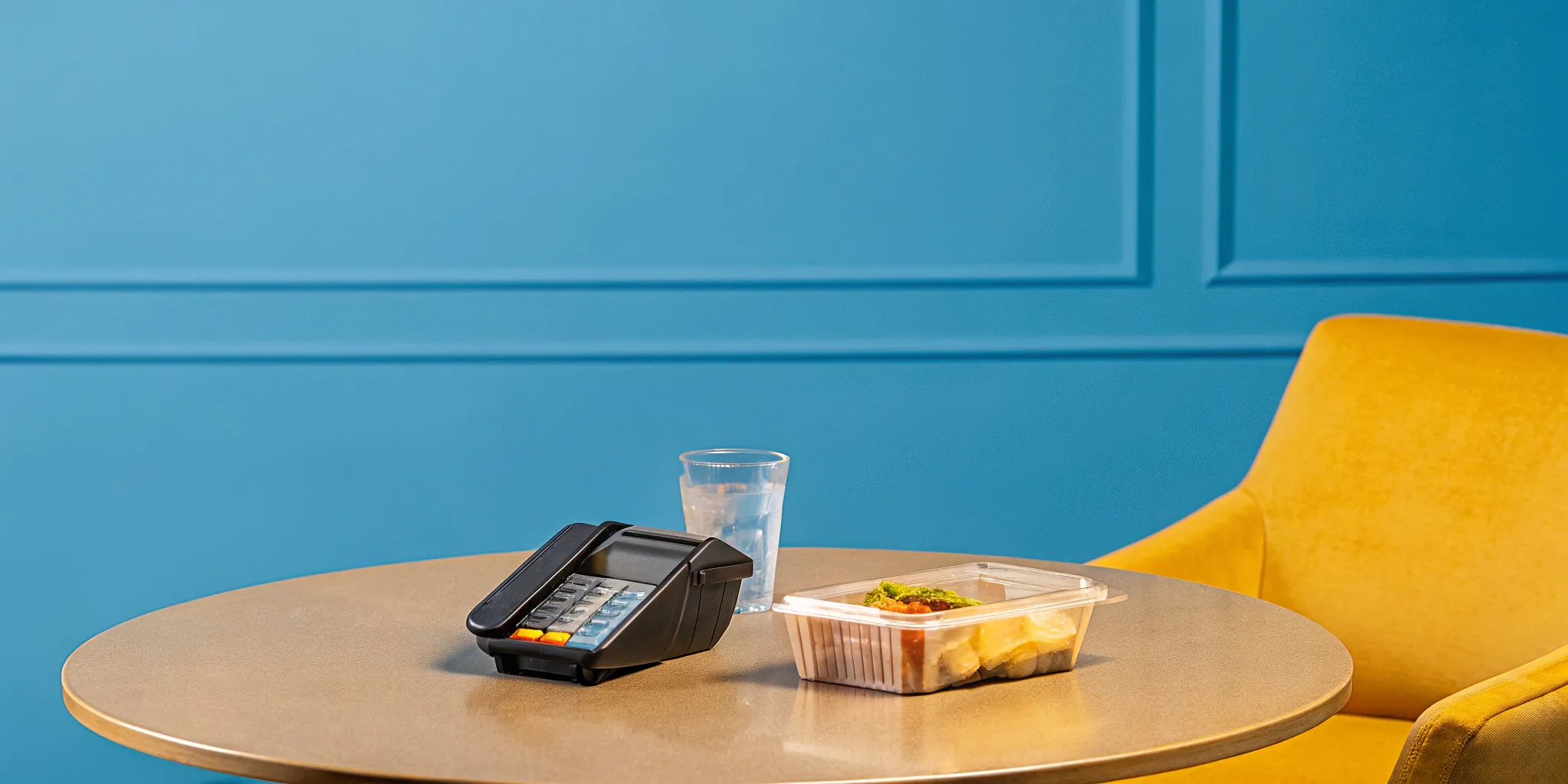
The sticker price of disposable packaging is climbing, turning a once-small line item into a significant operational expense. At the same time, campus communities are demanding more sustainable options. This puts dining directors in a tough spot: how do you meet sustainability goals without breaking the budget? The answer lies in shifting your perspective from a recurring expense to a long-term asset. Investing in a system built around premium reusable takeout containers is a strategic financial decision that pays dividends. These aren't just eco-friendly boxes; they are durable, high-performance tools designed to eliminate the endless cycle of reordering disposables, delivering significant cost savings and a powerful return on investment year after year. This guide will show you how making the right choice upfront can transform your budget and your environmental impact.
Key Takeaways
- Premium Means Performance, Not Price: Focus on three core qualities for your containers: durable materials that withstand commercial dishwashers, smart design features like leak-proof lids, and certified food-safe construction for peace of mind.
- Align Container Material with Your Operations: There's no single "best" material. The right choice depends on your menu and student habits—consider if microwave-safe plastic is more practical than durable, temperature-holding stainless steel for your campus.
- Pair Great Containers with a Smart System: The best containers only work if they come back. A system with campus card integration, automated tracking, and easy return bins is what ensures high return rates and protects your investment.
What Makes a Reusable Container "Premium"?
When you’re building a reuse program, the containers you choose are the star of the show. But not all reusables are created equal. The term "premium" goes far beyond a higher price tag; it signifies a commitment to quality, performance, and a better user experience for your students and staff. A premium container is an asset that works hard for your program, cycle after cycle. It’s the difference between a system that feels like a clunky workaround and one that feels like a genuine upgrade.
Think of it this way: your containers are the most tangible part of your sustainability initiative. They need to be tough enough to handle the daily grind of a busy campus, smart enough to make life easier for everyone, and safe enough to give you complete peace of mind. Choosing the right ones means higher adoption rates, fewer replacements, and a stronger return on your investment. Let's break down the three core elements that separate a basic reusable from a truly premium one: durability, design, and safety. These are the non-negotiables for building a reuse program that lasts.
Built to Last: Material Quality and Durability
The whole point of a reusable container is to, well, reuse it—as many times as possible. A premium container is built for the long haul. Its durability comes from high-quality materials like food-grade stainless steel or robust, shatter-resistant plastics. This isn't just about avoiding cracks and breaks; it's about ensuring the container can withstand hundreds of trips through a commercial dishwasher without warping or degrading. As researchers at the University of Michigan found, high-quality reusable containers can outperform single-use in every environmental impact category, but only if they’re durable enough to last. Investing in longevity means you’ll replace containers less often, which is better for your budget and the planet.
Smarter by Design: Advanced Features
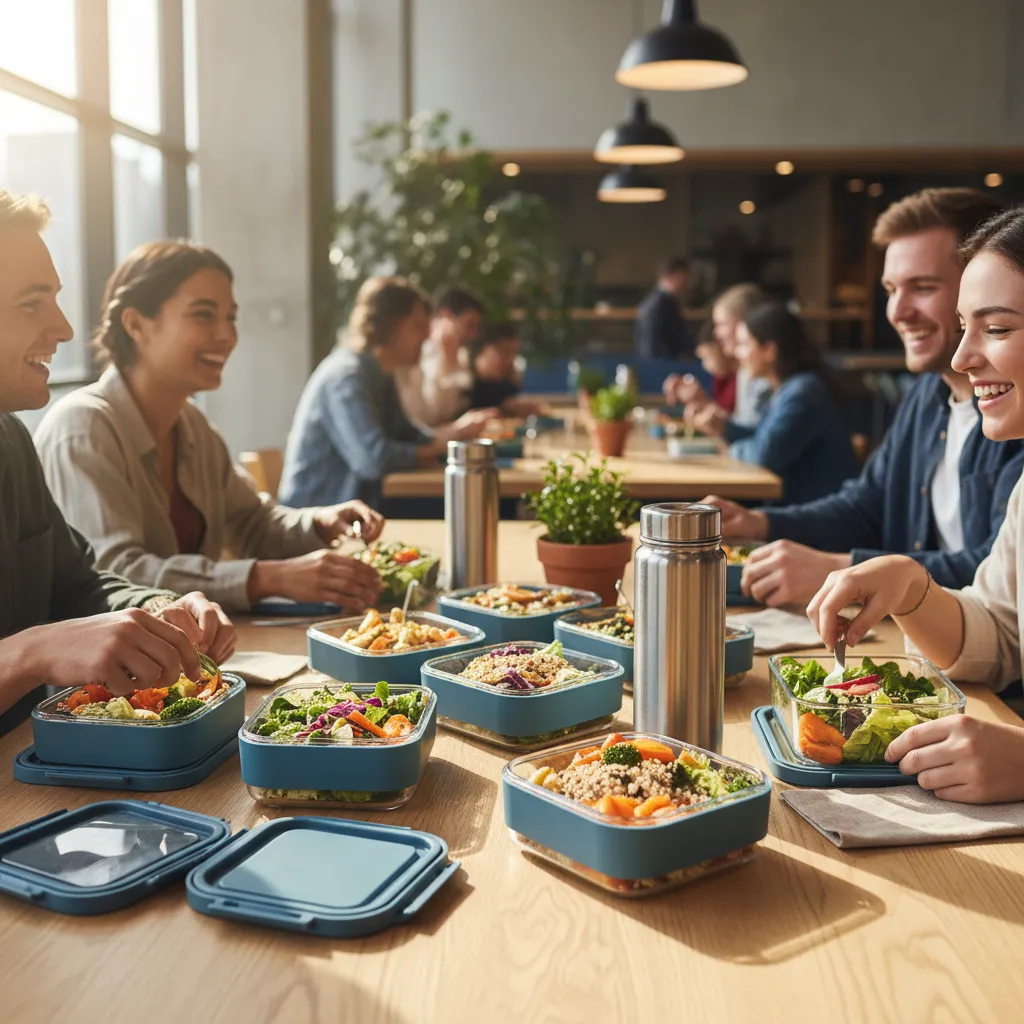
A premium container is designed with the user in mind. It’s not just a box; it’s a tool that should make enjoying a meal on the go easier and more pleasant. This is where thoughtful features come into play. According to market analysis, details like leak-proof lids, heat retention features, and stackable designs are key to a great user experience. A secure lid prevents messy spills in a backpack, while good insulation keeps food at the right temperature. Stackable designs save precious space in the kitchen and in return bins. For a truly seamless system, premium containers are also designed for easy integration with tracking technology like QR codes or RFID tags, which is essential for accountability.
Certified Safe: Chemical-Free Construction
Nothing is more important than the health and safety of your campus community. A premium reusable container is made from materials that are certified food-safe and non-toxic. The most important label to look for is "BPA-free." Bisphenol A (BPA) is a chemical that can seep into food from certain plastics, and you want to avoid it entirely. Premium containers are made from materials that are certified BPA-free, meaning they don’t contain harmful chemicals that can leach into food. Look for containers made from FDA-approved materials to ensure you’re providing an option that everyone can trust. This commitment to safety is a cornerstone of any successful and responsible food service program.
Exploring the Top Premium Reusable Containers
Once you’ve decided to implement a reuse program, the next big question is: which containers should you use? The market is full of options, from stainless steel to durable plastic and classic glass. The right choice depends on your specific needs, including the types of food you serve, your budget, and the overall dining experience you want to create. Each material comes with its own set of benefits related to durability, temperature retention, and maintenance.
Making this decision can feel overwhelming, but it’s a critical step that directly impacts your operational flow and user adoption. The containers are the most tangible part of the reuse system for your customers, so they need to be user-friendly, safe, and reliable. Partnering with a reuse platform that has already vetted top-tier container suppliers can simplify this process immensely. This ensures that whichever container you choose is not only high-quality but also fully compatible with the tracking technology—like QR codes or RFID tags—that makes the entire system work seamlessly. This approach lets you focus on what matters most: providing a great dining experience while hitting your sustainability goals.
Reusables.com Approved Container Partners
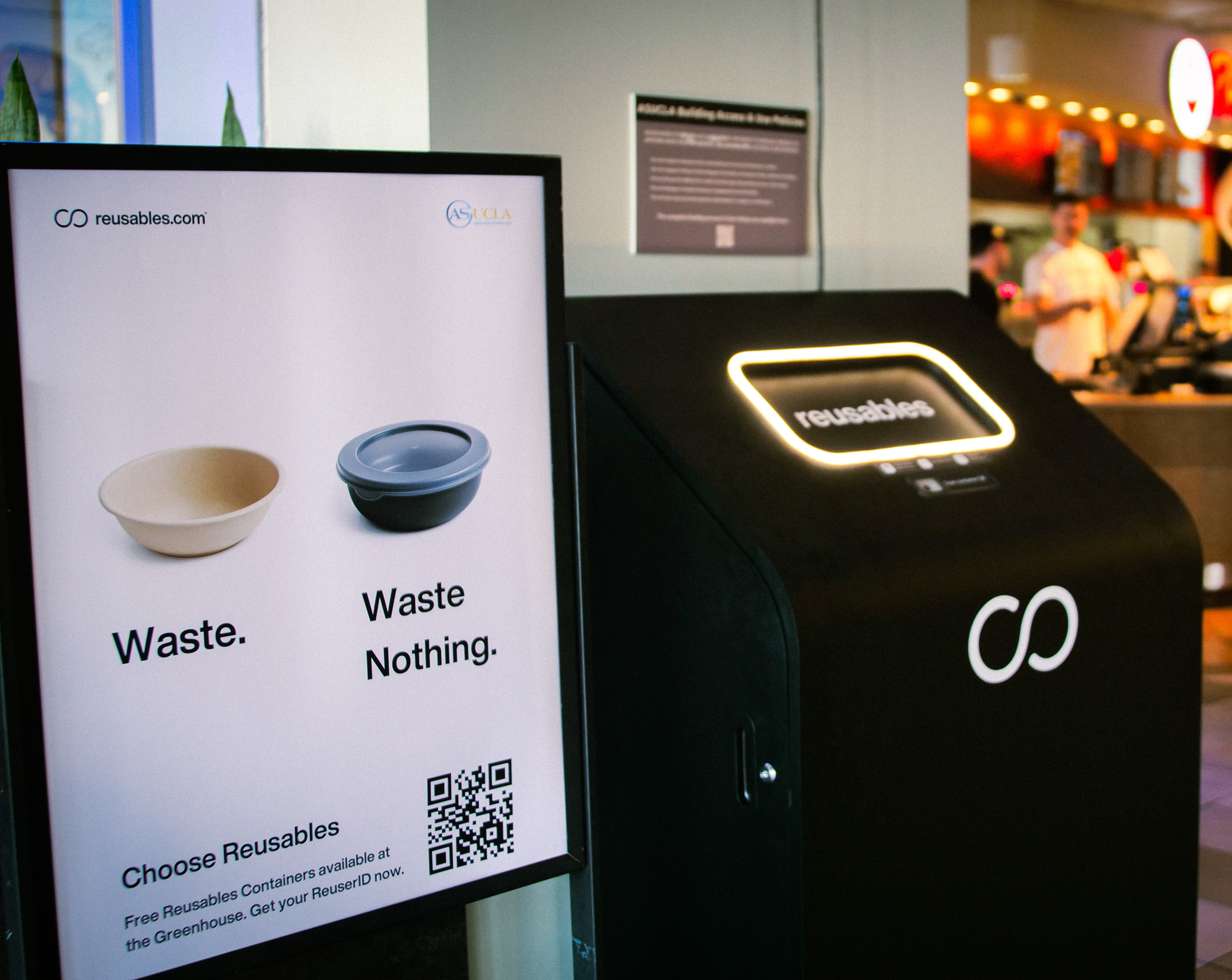
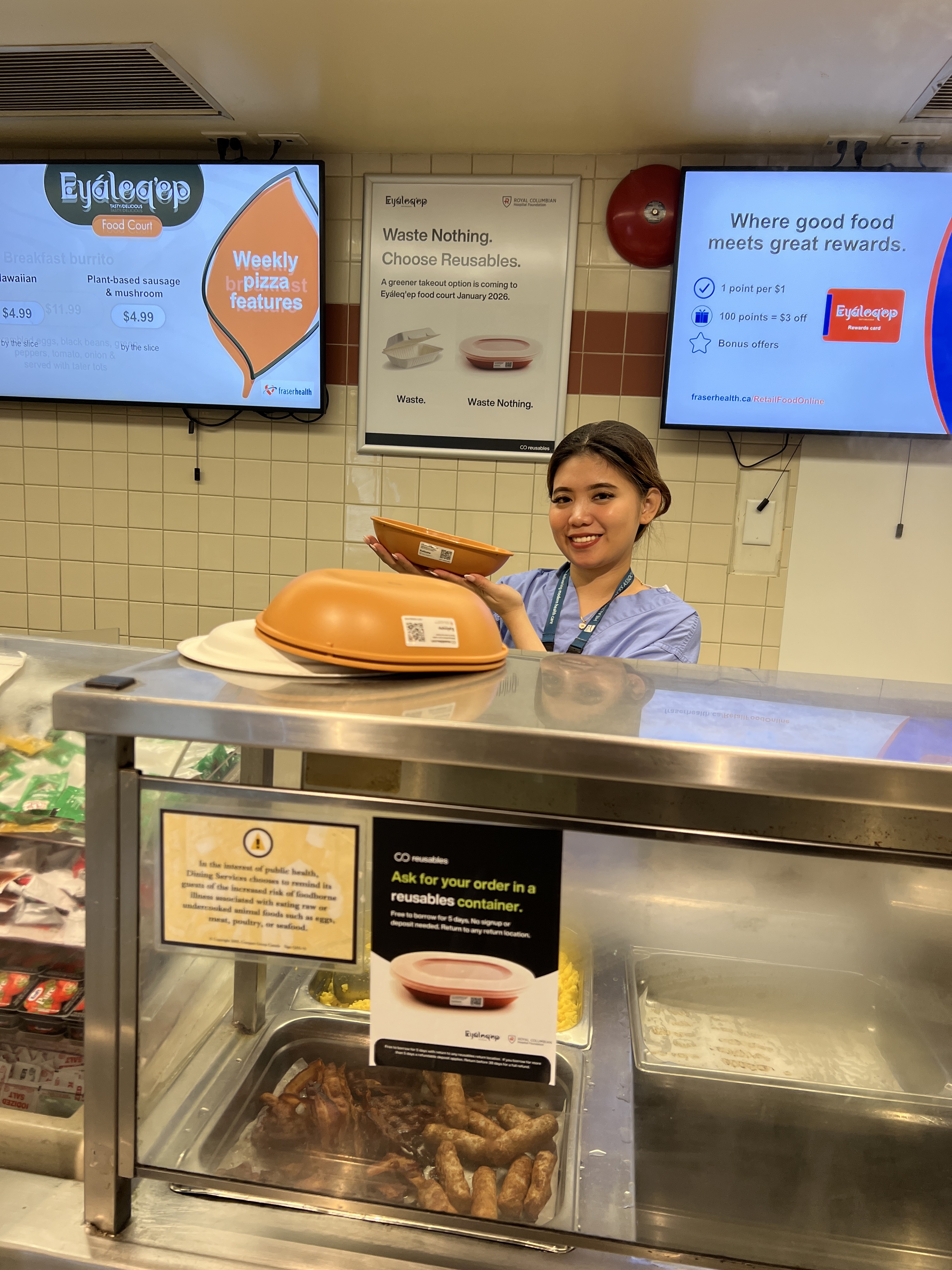
Our platform is container-agnostic, which gives you incredible flexibility. You can integrate your existing inventory of reusable containers or select from our list of Reusables Approved Container Partners. We’ve already done the homework to find durable, user-friendly, and system-compatible options from trusted suppliers like GET, OZZI, and Returnr. This saves you the time and effort of sourcing and testing containers yourself. For example, when UCLA launched its program, it partnered with Reusables.com to introduce a system that worked perfectly with its chosen containers, creating a successful model for sustainable campus dining. This partnership approach ensures you get high-quality containers that are guaranteed to work with our tracking and return technology.
Leading Stainless Steel Options
Stainless steel containers are a popular choice for their durability and sleek, modern aesthetic. They are practically indestructible, resisting dents, stains, and odors, which means they have an incredibly long lifespan in a high-volume dining environment. Steel is also excellent at retaining temperature, keeping hot foods hot and cold foods cold for longer. This makes them a fantastic option for grab-and-go meals. Many programs prefer steel because it offers a premium feel that elevates the dining experience. Companies like ECOlunchbox specialize in these types of containers, offering designs specifically made to help food service operations reduce single-use waste.
Durable Plastic Alternatives
When you hear "plastic," you might think of flimsy disposable containers, but premium reusable plastic is in a completely different league. These containers are made from high-quality, durable polymers designed for hundreds or even thousands of uses. They are lightweight, stackable, and often microwave and dishwasher-safe, making them incredibly practical for both your staff and your customers. A key feature to look for is a "BPA-free" label, which certifies the container doesn't contain certain chemicals, ensuring it's a safer option for food. Brands like Preserve have built their reputation on creating sturdy, reliable reusable containers that are convenient and sustainable.
Classic Glass Containers
Glass containers offer a classic, high-end feel and have some distinct advantages. Because glass is non-porous, it won’t absorb food odors, flavors, or stains, so it stays looking and smelling fresh even after countless uses. It’s also a great option for reheating food, as most glass containers are microwave and oven-safe. However, for a large-scale campus dining program, glass has some practical drawbacks. It’s significantly heavier and more prone to breaking than stainless steel or durable plastic, which can create safety concerns and higher replacement costs. While glass might be perfect for a smaller, more controlled environment, it’s often less ideal for a bustling, high-traffic setting.
Why Invest in Premium Reusable Containers?
Switching to reusable containers is a significant operational decision, and choosing the right ones is key to your program's success. While it might be tempting to opt for the lowest-cost option, investing in premium containers pays off in multiple ways. It’s a strategic move that impacts your budget, your environmental goals, your students' health, and their overall dining experience. A well-designed container is the cornerstone of a reuse system that people actually want to use, making your sustainability initiatives both effective and popular on campus.
Reduce Waste and Your Environmental Footprint
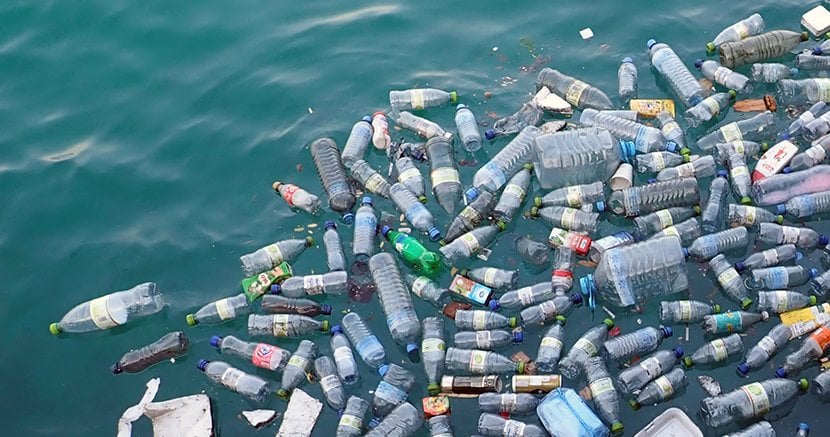
Let's start with the most obvious win: a dramatic reduction in waste. Every time a student chooses a reusable container, it's one less single-use item heading to the landfill. This has a powerful, cumulative effect on your campus's environmental footprint. A study from the University of Michigan confirms this, noting that "reusable containers can outperform single-use in all impact categories." By investing in a durable, high-quality fleet of containers, you’re not just cutting down on trash; you’re building a visible and impactful part of your campus sustainability plan. It’s a tangible way to demonstrate your commitment to zero-waste goals and create a greener campus community.
Save Money in the Long Run
The sticker price of disposables might seem low, but those costs add up—fast. Disposable packaging costs have skyrocketed, becoming a significant line item in food service budgets. While premium reusables require an upfront investment, they quickly deliver a strong return by eliminating the need to constantly reorder single-use items. One campus case study found that making the switch led to an "estimated annual savings of $36,000 in the first year." Think of it as shifting from a recurring operational expense to a one-time capital investment. With a high-return system like Reusables.com, you can reduce packaging costs by 30% or more while ensuring containers stay in circulation, maximizing the value of your investment.
Prioritize Health and Safety
When it comes to serving food, health and safety are non-negotiable. Many single-use takeout containers are not designed for more than one use. As experts from The New York Times note, while they're fine for short-term transport, "we don't recommend reusing them long-term" due to material degradation and potential chemical leaching. Premium reusable containers are specifically designed for repeated use with food-grade materials like stainless steel or durable, BPA-free plastics. This ensures that food is stored safely without the risk of harmful chemicals. By providing certified safe containers, you give students, faculty, and staff peace of mind and uphold the highest standards for your dining program.
Improve the User Experience
A successful reuse program depends on student participation, and a clunky experience is a major barrier. Investing in premium containers directly enhances the user experience. They are sturdier, often feature better seals to prevent leaks, and maintain food temperature more effectively than flimsy disposables. While some may worry that "a reusables system is going to add more work to my plate," a well-designed system with quality containers actually makes life easier. Paired with a frictionless checkout and return process, premium containers make reusing feel like an upgrade, not a chore. This positive experience encourages adoption, drives high return rates, and transforms your dining service into a leader in both sustainability and student satisfaction.

How to Choose the Right Premium Containers
Selecting the right reusable containers is one of the most important decisions you'll make when launching a zero-waste program. The containers you choose will directly impact everything from student satisfaction and return rates to the efficiency of your back-of-house operations. Think of them as the foundation of your reuse system—they need to be durable enough for daily use, safe for your students, and designed to work seamlessly with your existing kitchen workflow. A great container enhances the dining experience, while a poorly chosen one can create friction for both students and staff. Let's walk through the key factors to consider to ensure you make the best choice for your campus.
Consider Size and Capacity
Before you even look at a catalog, take stock of your menu. The types of food you serve will dictate the container sizes and shapes you need. A dining hall that specializes in hearty grain bowls and soups will require different containers than one that primarily serves sandwiches or pizza slices. Audit your current single-use packaging to see which sizes are most popular. This data gives you a clear starting point. Offering a few versatile options, like a 24 oz bowl and a 3-compartment clamshell, can often cover the majority of your menu items. Remember that the right size also helps with portion control, which is key to managing food costs effectively.
Select the Right Material
The material of your containers is crucial for durability, safety, and functionality. The most common choices for high-volume food service are durable, BPA-free polypropylene plastic and food-grade stainless steel. Each has its advantages. Plastic is lightweight, microwave-safe, and often more budget-friendly upfront. Stainless steel is incredibly durable and excellent at retaining temperature, but it can't go in the microwave. It’s essential to choose containers that are certified free of harmful chemicals like BPA and PFAS. Because our platform is container-agnostic, you have the flexibility to select the material that best fits your menu, budget, and operational needs, whether you use your own inventory or source from our partners.
Check for Leak-Proofing and Insulation
A leaky container is a fast way to ruin a student's day—and their willingness to participate in your reuse program. Look for containers with secure, tight-fitting lids, ideally with silicone gaskets that create a strong seal. This is non-negotiable for soups, curries, and other liquid-heavy dishes. Vented lids are also a great feature for hot foods, as they allow steam to escape and prevent pressure from building up. If students have a long walk back to their dorms, consider the container's insulation properties. A well-insulated container that keeps food at the right temperature significantly improves the dining experience and is a key driver of program adoption.
Factor in Cleaning and Maintenance
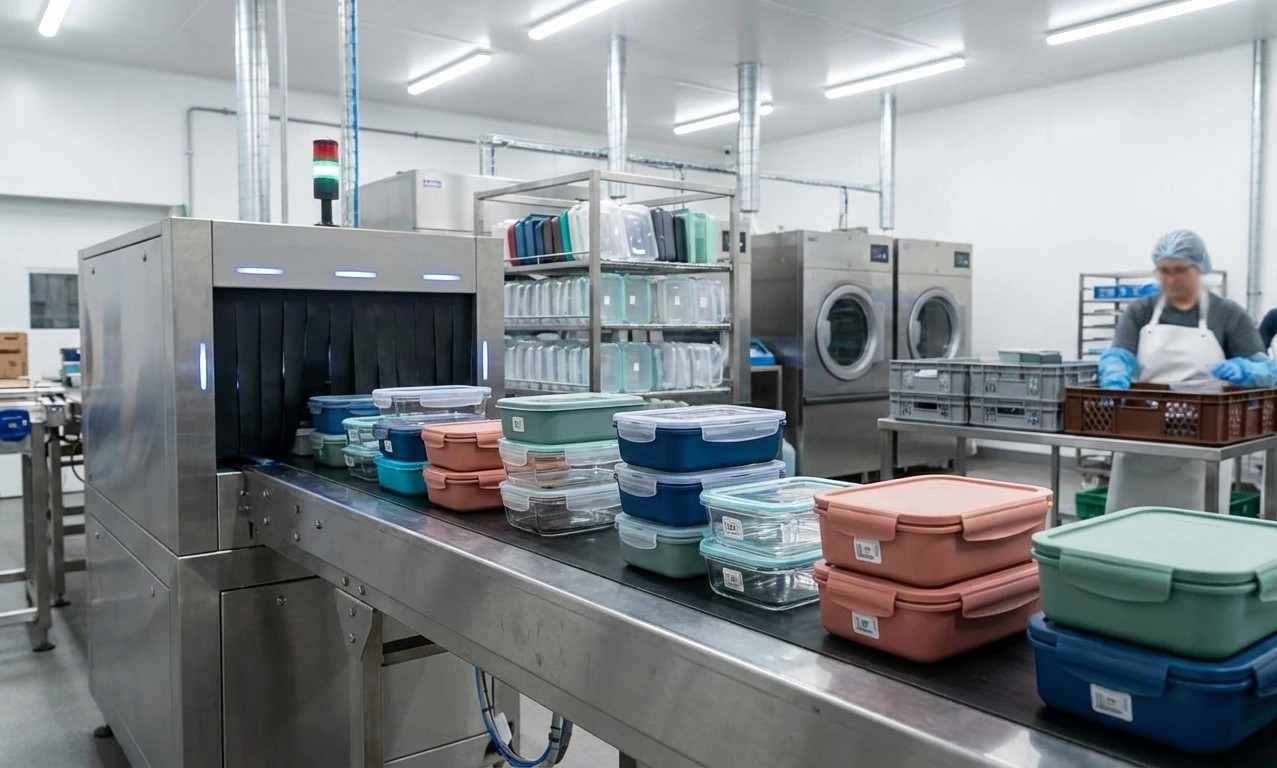
Your containers need to withstand the rigors of a commercial kitchen. Ensure any container you choose is rated for high-temperature commercial dishwashers and can endure hundreds of wash cycles without warping or degrading. The design itself also impacts cleaning efficiency. Look for smooth surfaces and rounded corners where food particles can't get trapped. Quick-drying designs are another operational lifesaver, as they prevent moisture from being trapped during stacking and speed up turnaround times. Choosing containers that meet NSF food equipment standards is always a smart move, as it ensures they are designed for cleanability and sanitation in a professional environment.
Common Myths About Premium Reusables
Switching to a reusable container system can feel like a big change, and it’s natural to have questions. Many of the common concerns about reusables are based on outdated ideas or experiences with low-quality products. Let's clear up a few of the most persistent myths so you can make an informed decision for your campus.
Myth: They're Too Expensive
It’s easy to look at the upfront cost of premium containers and compare it to a case of disposables. But that initial investment is just one part of the financial picture. With disposable packaging costs soaring over the last few years, that one-time purchase starts to look a lot more attractive. A well-managed reuse program eliminates the endless cycle of buying and throwing away single-use items. While it might seem that a reuse system adds complexity, the right partner actually streamlines operations and can deliver significant cost savings over time, turning a recurring expense into a long-term asset for your dining services.
Myth: They're Hard to Maintain
Another common worry is that reusable containers will create a maintenance nightmare for your team. The truth is, premium reusables are built for the rigors of a commercial kitchen. They are designed for durability and easy cleaning in high-temperature dishwashers, fitting right into your existing back-of-house workflow. Unlike the flimsy containers meant for one-time use, these are a different class of product entirely. While you wouldn't want to reuse standard plastic takeout containers long-term, premium options are built to last for hundreds of cycles, simplifying your inventory and dishwashing process.
Myth: They Aren't Hygienic
Hygiene is non-negotiable in food service, so it’s natural to question the safety of reusables. When managed in a closed-loop system, premium reusable containers are just as safe—if not safer—than their disposable counterparts. Each container is returned, professionally washed, and sanitized in commercial-grade dishwashers before being put back into circulation. In fact, studies show that reusable systems can outperform single-use containers across several impact categories. This controlled cleaning process eliminates the risk of contamination that can occur with single-use packaging during manufacturing, shipping, and storage.
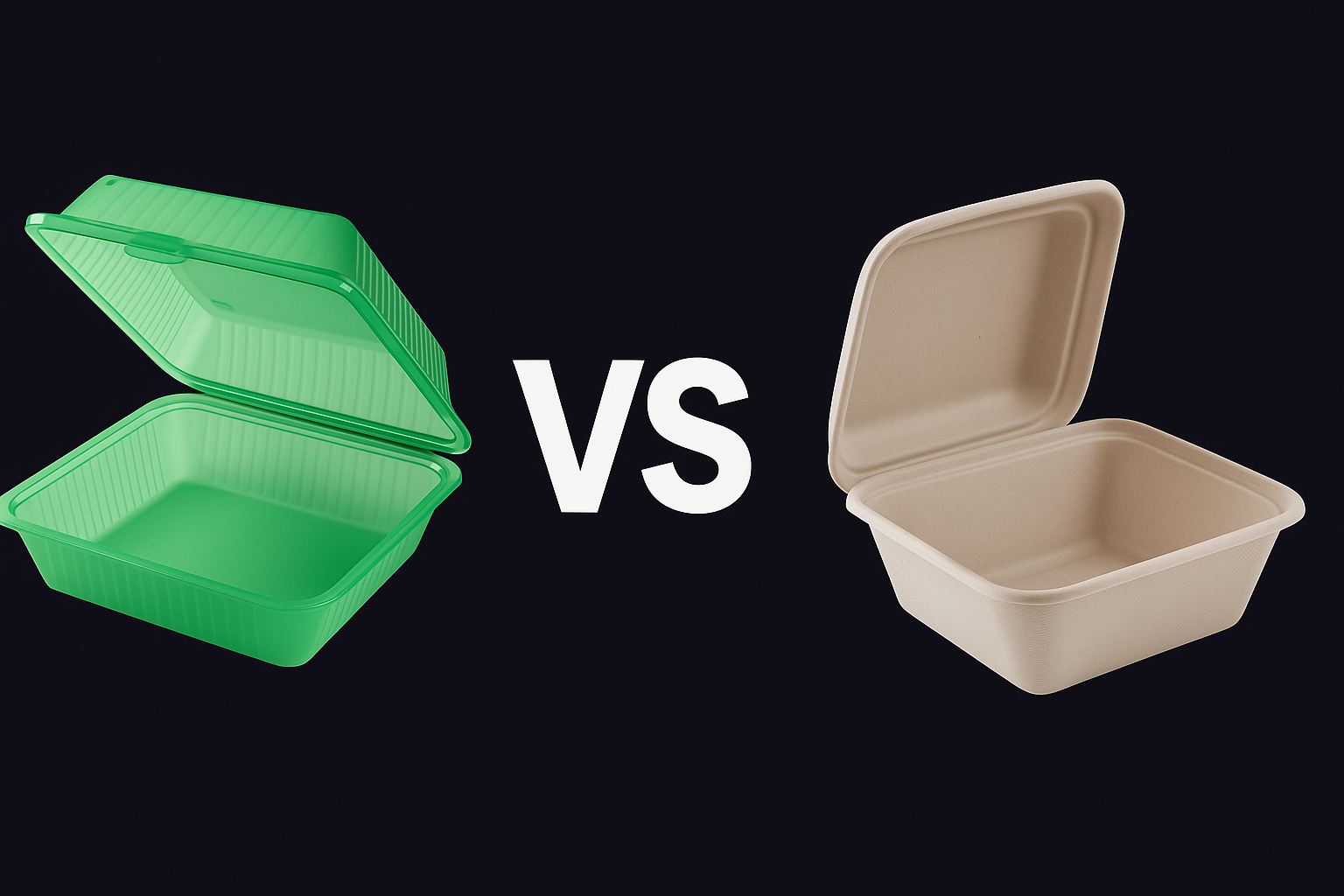
Stainless Steel vs. Plastic vs. Glass: Which Material is Best?
Choosing the right container material is one of the most important decisions you’ll make when setting up a reuse program. The "best" option really depends on your specific needs—what kind of food you serve, your budget, and how your students and staff will use them day-to-day. Each material comes with its own unique set of strengths and weaknesses.
Think about your primary goals. Are you looking for maximum durability to withstand thousands of uses in a bustling dining hall? Or is microwave-safe convenience a top priority for students reheating meals in their dorms? Maybe the aesthetic and feel of the container are key to enhancing your dining experience. Understanding these priorities will help you weigh the pros and cons of stainless steel, durable plastic, and glass. The good news is that a flexible reuse system can support whichever material you decide is the right fit for your campus operations.
The Pros and Cons of Stainless Steel
Stainless steel containers are the workhorses of the reusable world. They are incredibly durable and resistant to rust, corrosion, and stains, making them a fantastic long-term investment. Because they can handle countless wash cycles without degrading, they often have a lower cost-per-use over their lifespan. Many dining programs also prefer the premium, modern feel of steel.
However, there are a couple of trade-offs to consider. Stainless steel is heavier than plastic, which can be a factor for users carrying multiple containers. The biggest operational hurdle is that most stainless steel containers are not microwave-safe. If students frequently reheat their meals, you’ll need to communicate this clearly or provide alternative reheating options.
The Pros and Cons of Durable Plastic
Don’t mistake premium reusable plastic for its single-use counterpart. Modern options are designed for hundreds of uses and come with major advantages. They are lightweight, stackable, and almost always microwave-safe, offering the convenience students expect. They’re also typically more affordable upfront than stainless steel. Plus, you can find many containers that are certified BPA-free, ensuring food safety.
The main downside is that plastic can show wear and tear more quickly than steel. Over time, it may develop scratches or stains, which can affect its appearance. While built to last, it simply doesn’t have the same near-indestructible quality as stainless steel, so you may need to replace containers more frequently.
The Pros and Cons of Glass
Glass containers have a lot going for them in terms of health and quality. They are completely non-toxic, will never leach chemicals into food, and are excellent at resisting stains and odors. For serving certain types of cuisine, the clarity and clean feel of glass can really enhance the presentation. They are also generally safe for both microwaves and dishwashers.
However, for a high-volume campus dining environment, the cons are significant. Glass is heavy and, most importantly, breakable. A single dropped container can create a safety hazard and a loss of inventory. This risk of breakage often makes glass an impractical choice for large-scale, fast-paced reuse programs where containers are handled by thousands of different people.
Key Features of Premium Containers
When we talk about "premium" reusables, we mean containers that improve the dining experience and simplify your operations. It’s not just about looks; it’s about thoughtful design that addresses the real-world needs of a busy campus. These containers are built to withstand hundreds of cycles through a commercial dishwasher, keep food appealing for longer, and make life easier for both your staff and your students. These key features are what separate the best containers from the rest, turning a good idea into a successful, sustainable program.
Keeps Food Fresh: Temperature Retention
A great meal can be ruined if it’s cold by the time a student gets back to their dorm. Premium containers use materials and designs, like insulated walls and secure, leak-proof lids, that are better at heat retention. This ensures food stays at the right temperature for longer, which is crucial for grab-and-go services where students might not eat immediately. This simple feature directly impacts student satisfaction and their perception of your dining program, making it a small detail with a big payoff in the overall campus dining experience.
Saves Space: Stackability and Storage
Back-of-house space is always valuable. Premium reusable containers are designed with storage in mind, featuring stackable or nesting designs that minimize their footprint. This makes managing inventory much easier for your team, whether the containers are clean and ready for service or waiting to be washed. An organized storage system keeps your kitchen running smoothly. Thinking through your commercial kitchen organization from the start ensures your reusable program helps, not hinders, your staff’s daily workflow and keeps service lines moving without a hitch.
Easy to Use: Microwave and Dishwasher Safe
For a reuse program to work, it has to be convenient for everyone. Students will love the ability to safely reheat their meals in a microwave, a feature that makes your food service feel more like home. For your staff, commercial dishwasher-safe containers are non-negotiable. This ensures a fast, hygienic, and efficient cleaning process that can handle a high volume of returns daily. Choosing containers made from durable, BPA-free materials that withstand repeated high-temperature washing is essential for both safety and long-term operational success.
Versatile Portions: Multi-Compartment Designs
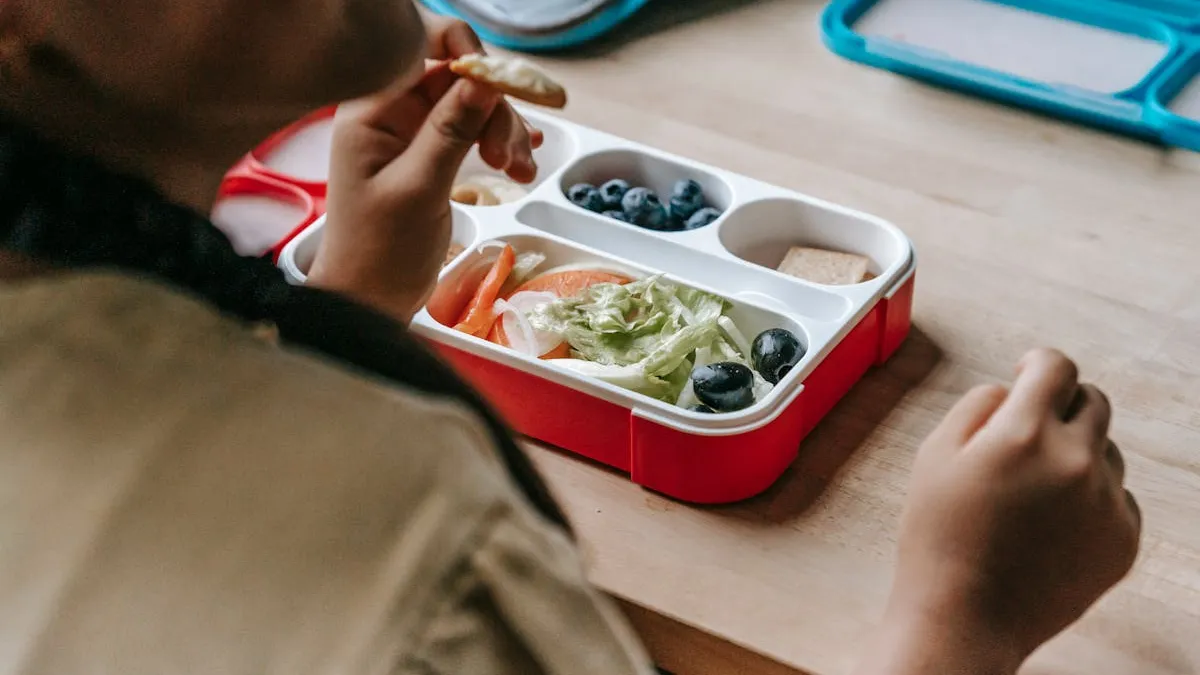
One-size-fits-all doesn’t always work for modern menus. Premium containers often come in multi-compartment designs, allowing you to serve meals with multiple components without them mixing together. This is perfect for keeping a sauce separate from a crispy main or a fresh salad away from a hot side. Having options with one, two, or even three compartments gives your culinary team the flexibility to create more appealing to-go meals. This versatility helps maintain the integrity and presentation of your food, ultimately providing a better, more enjoyable meal for your students.

Integrating Premium Containers into Your System
Choosing the right containers is a great first step, but the real success of a reuse program comes from how well those containers fit into your daily operations. A truly effective system makes it simple for students to participate and easy for your team to manage. The key is to remove as much friction as possible from checking out, tracking, and returning containers. When the technology works seamlessly in the background, you create an experience that feels effortless for everyone involved. This is where a fully integrated approach makes all the difference, turning a good idea into a sustainable, long-term solution for your campus.
Seamless Payments: Campus Card Integration
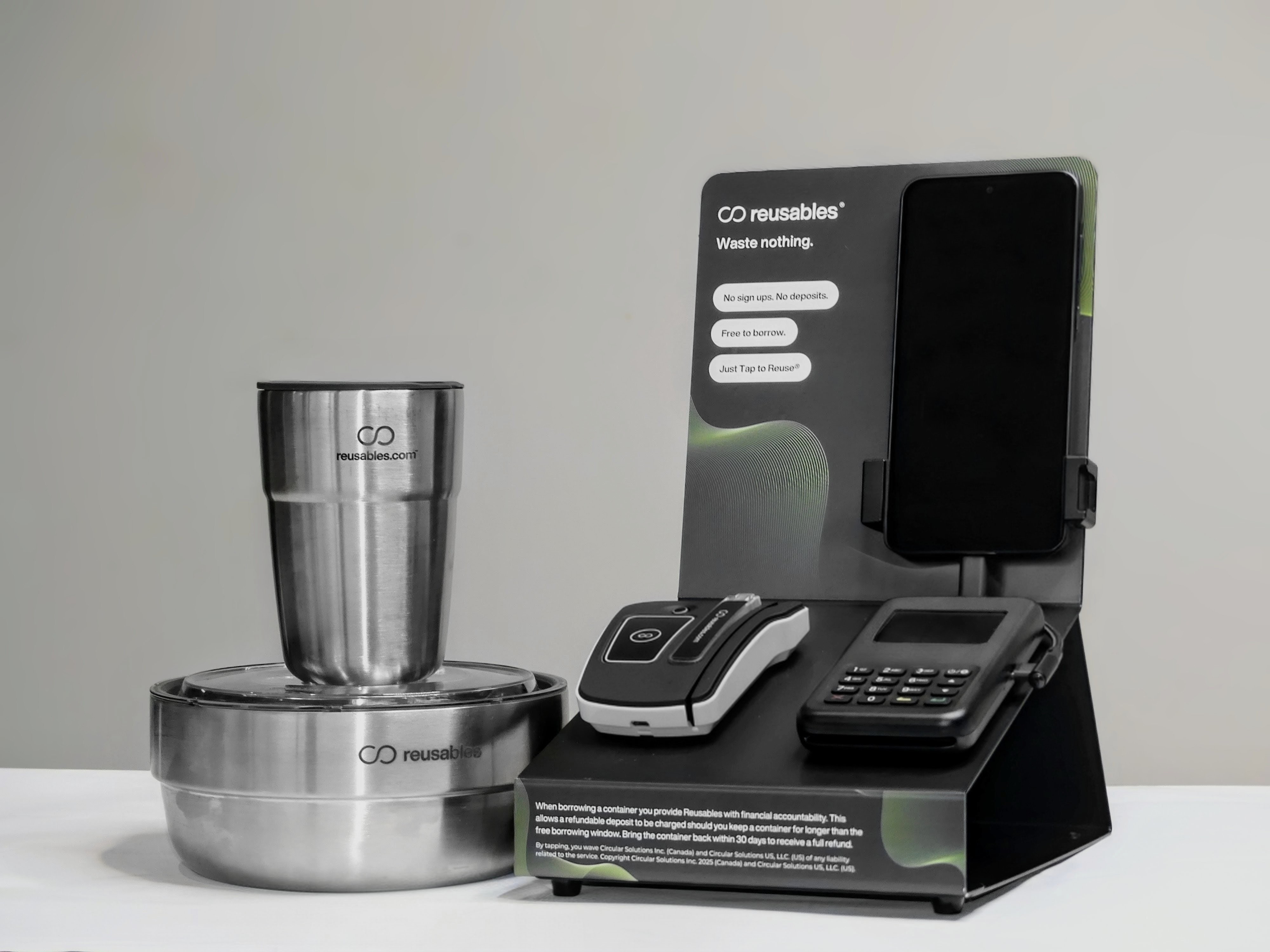
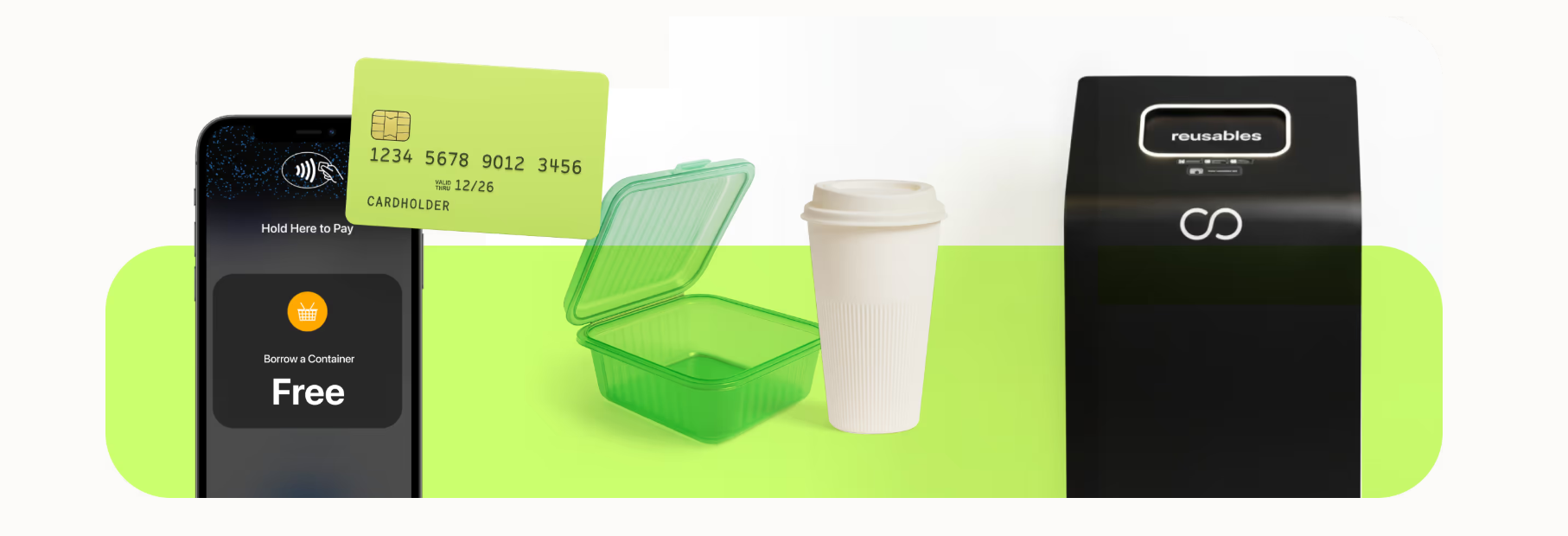
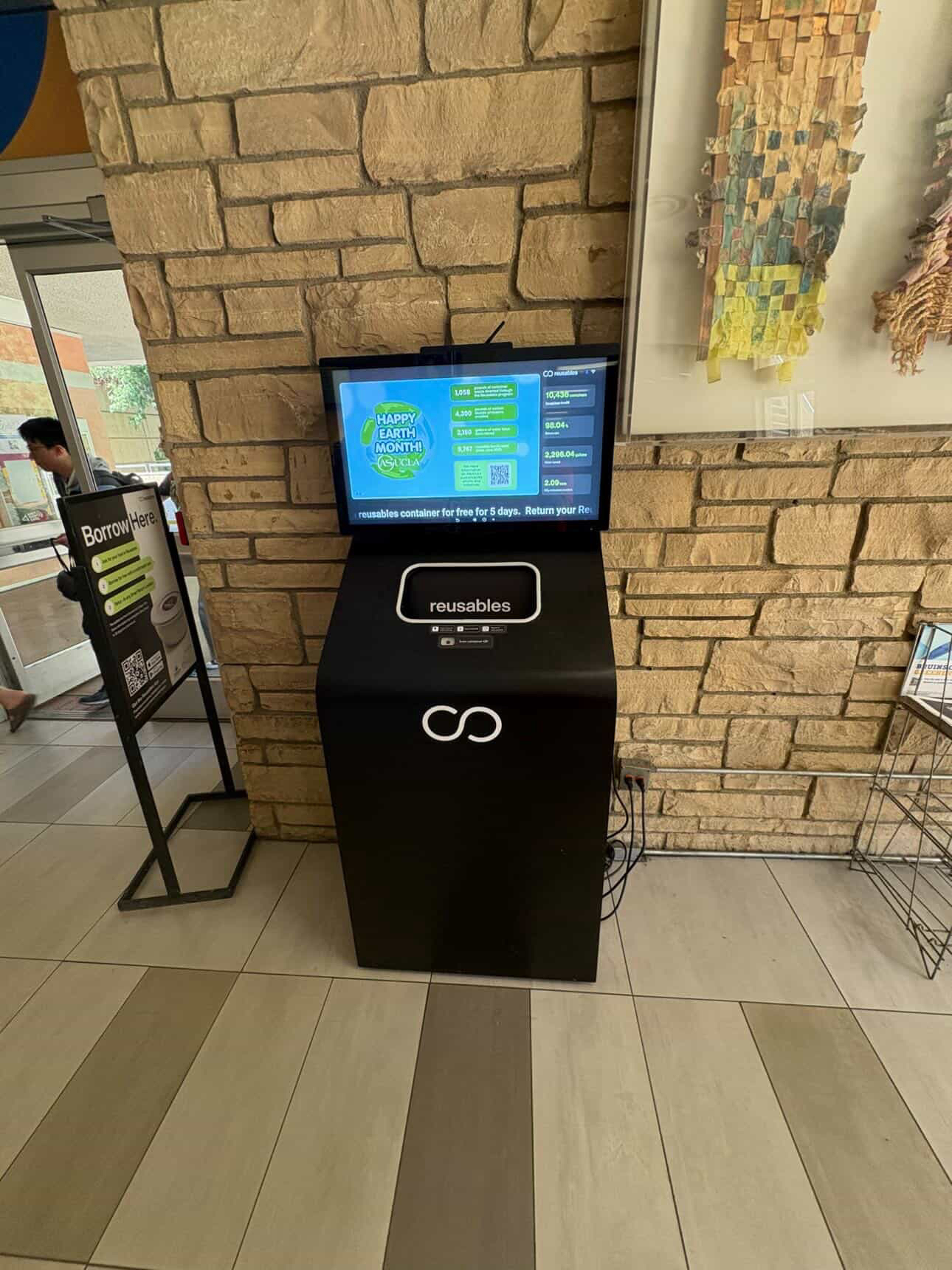
The best way to encourage students to use reusable containers is to make it incredibly easy. Instead of asking them to download another app or use a separate payment method, you can integrate the system directly with their existing campus cards. For example, UCLA partnered with Reusables.com to introduce a smart reusable container program that works with their student cards. This allows for a streamlined process where students can simply tap their card to check out a container. By meeting students where they already are, you remove a major barrier to adoption and make choosing the sustainable option the most convenient one.
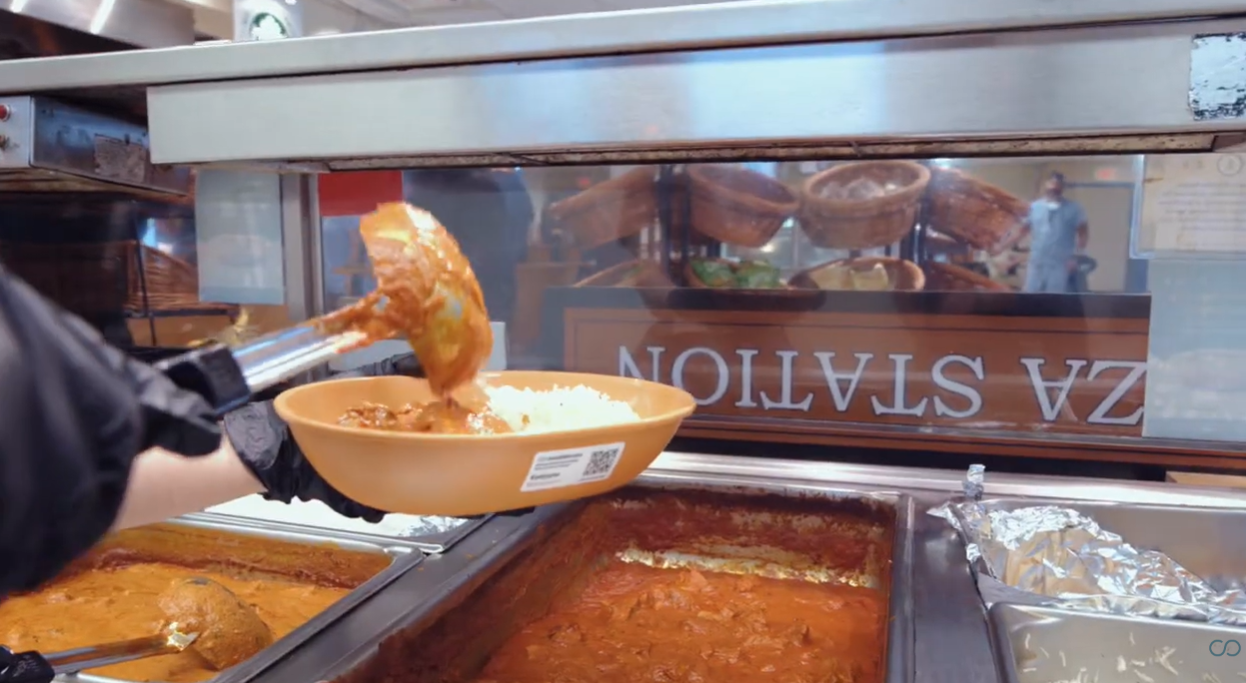
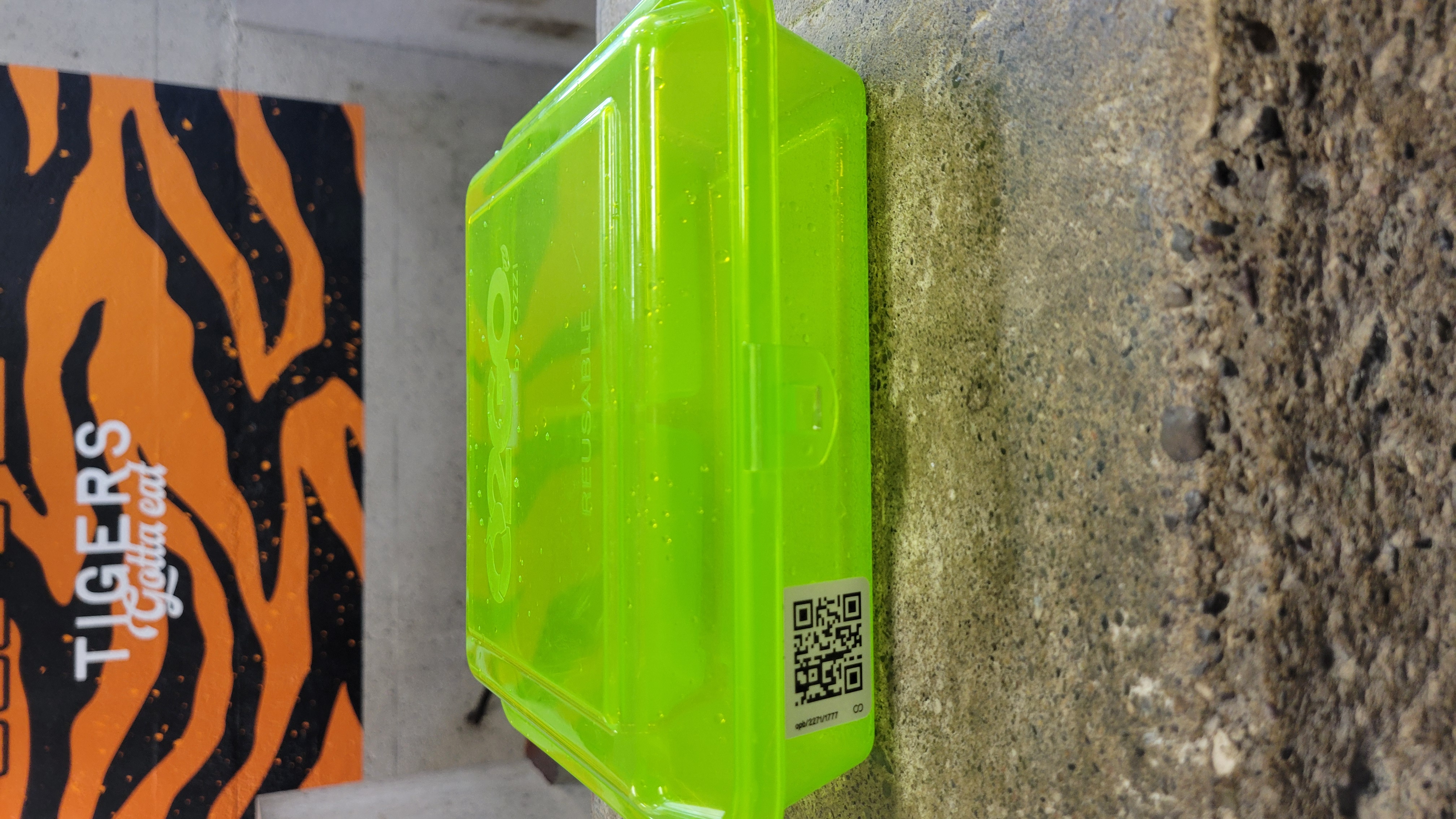
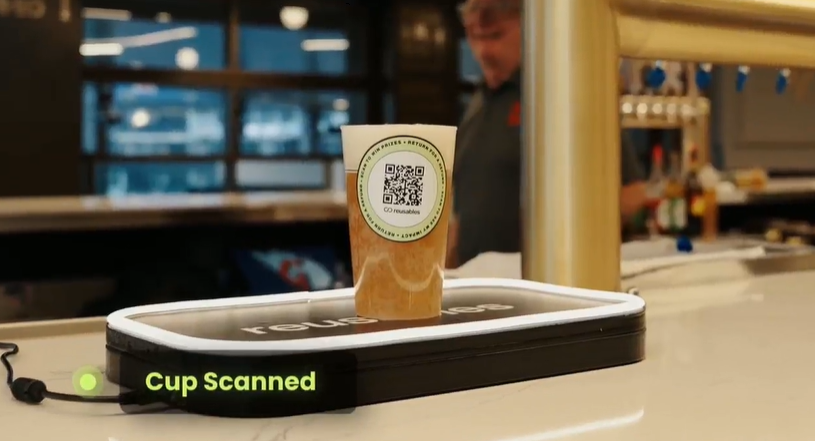
Smart Tracking with RFID and QR Codes
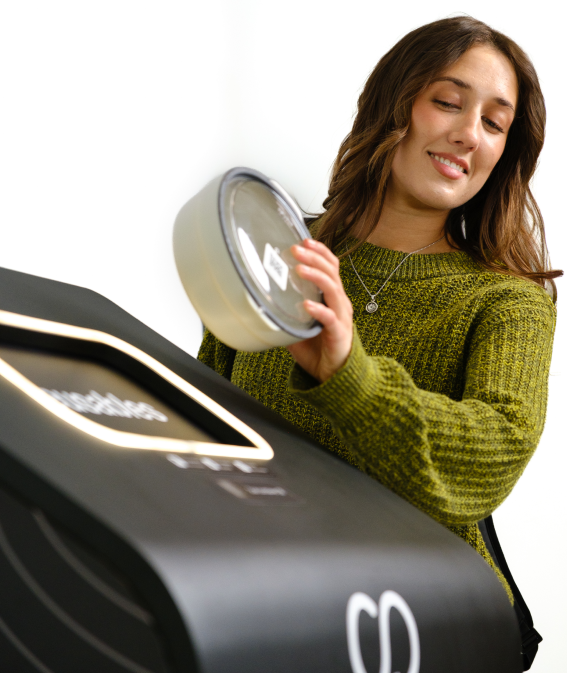
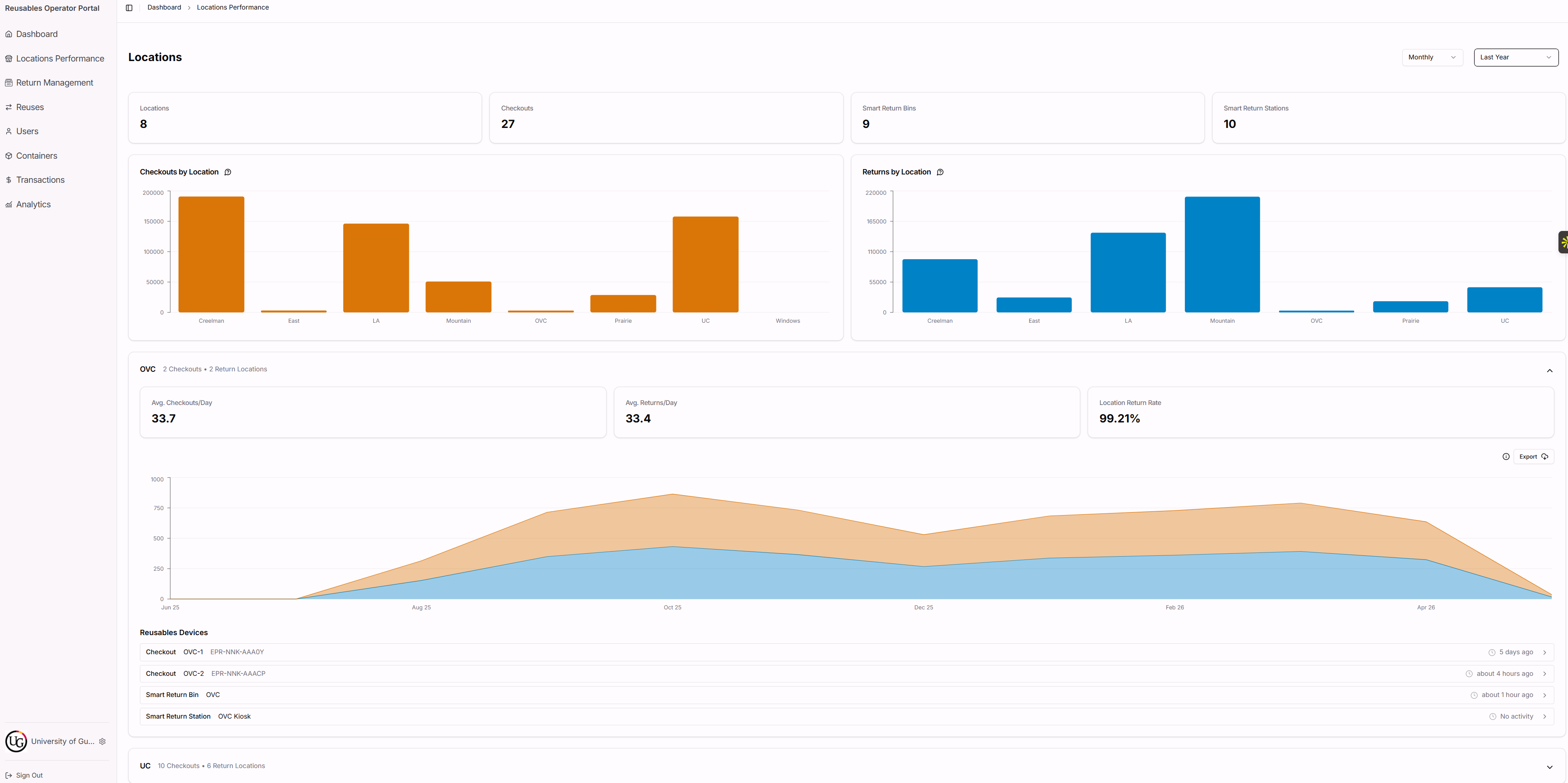
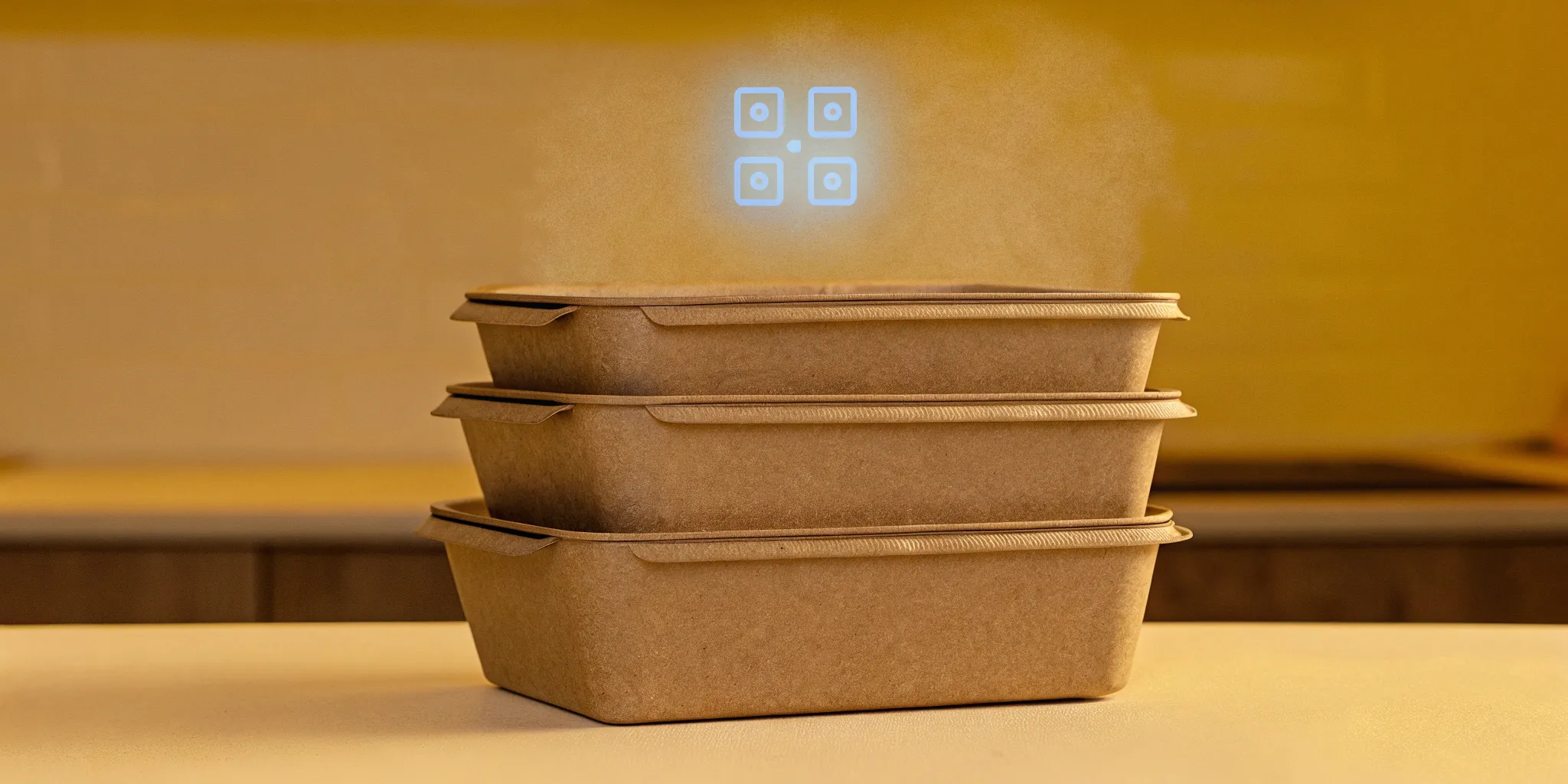
How do you keep track of hundreds or thousands of containers without creating a logistical nightmare? The answer is smart tracking technology. Every premium container can be equipped with a unique QR code and RFID tag, giving you a complete, real-time view of your inventory. This dual-mode system provides accurate data on usage rates, return times, and container locations. Your team can monitor program data through a simple dashboard to optimize return logistics and measure cost savings over time. This automated accountability eliminates manual tracking and gives you the insights needed to manage your program effectively.
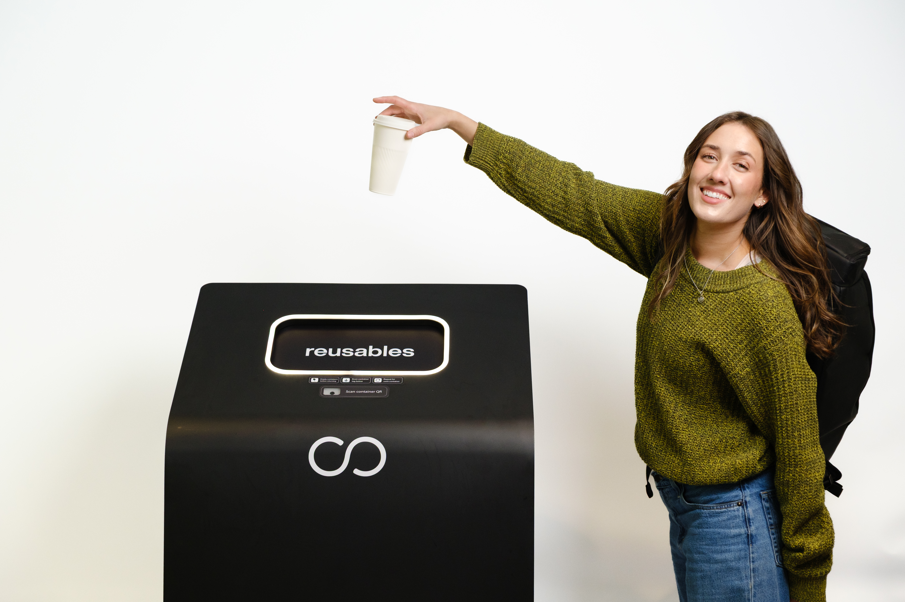
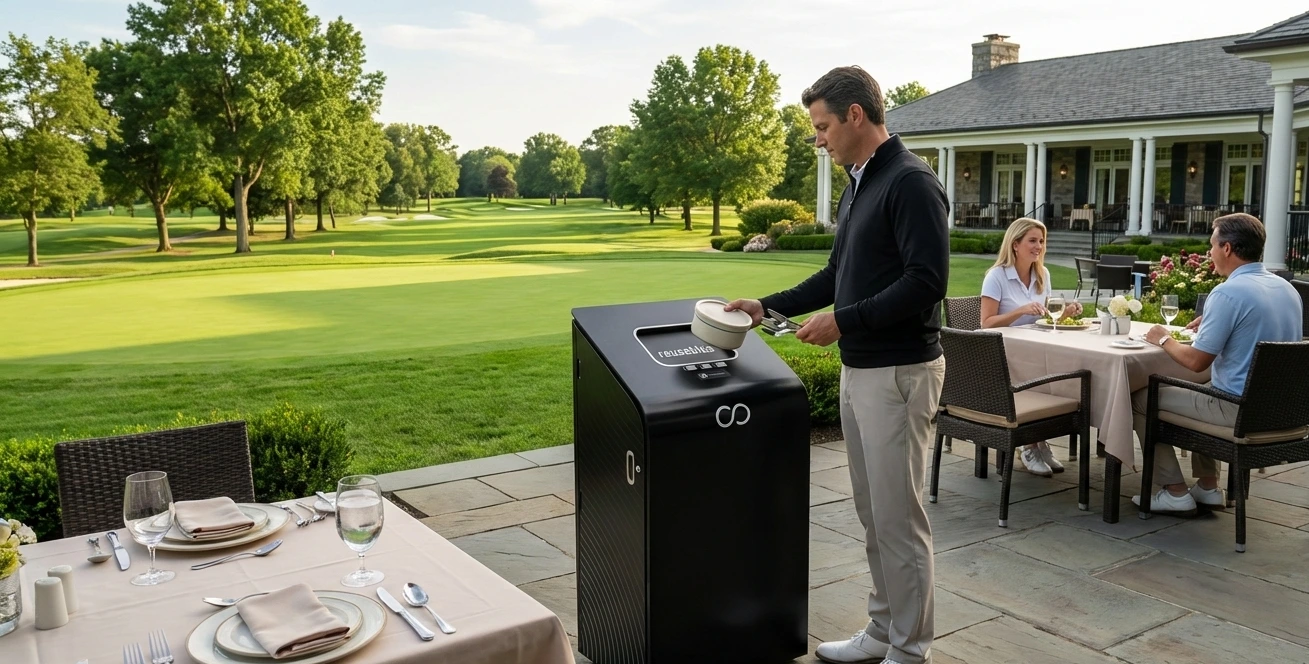
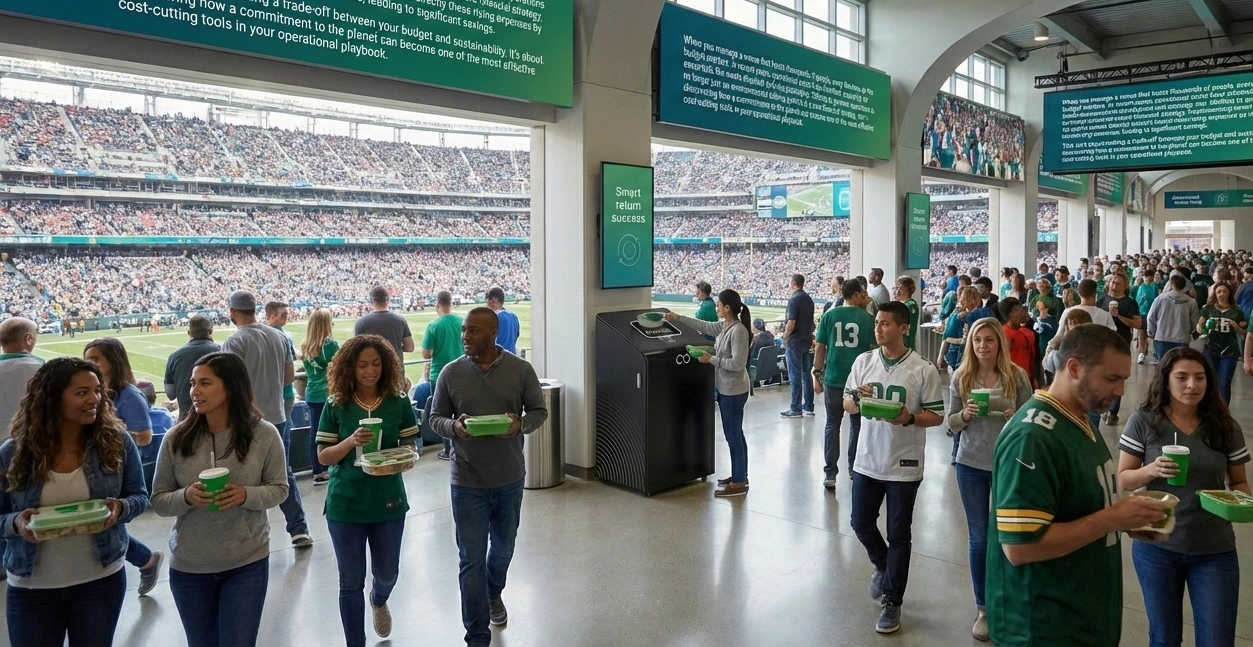
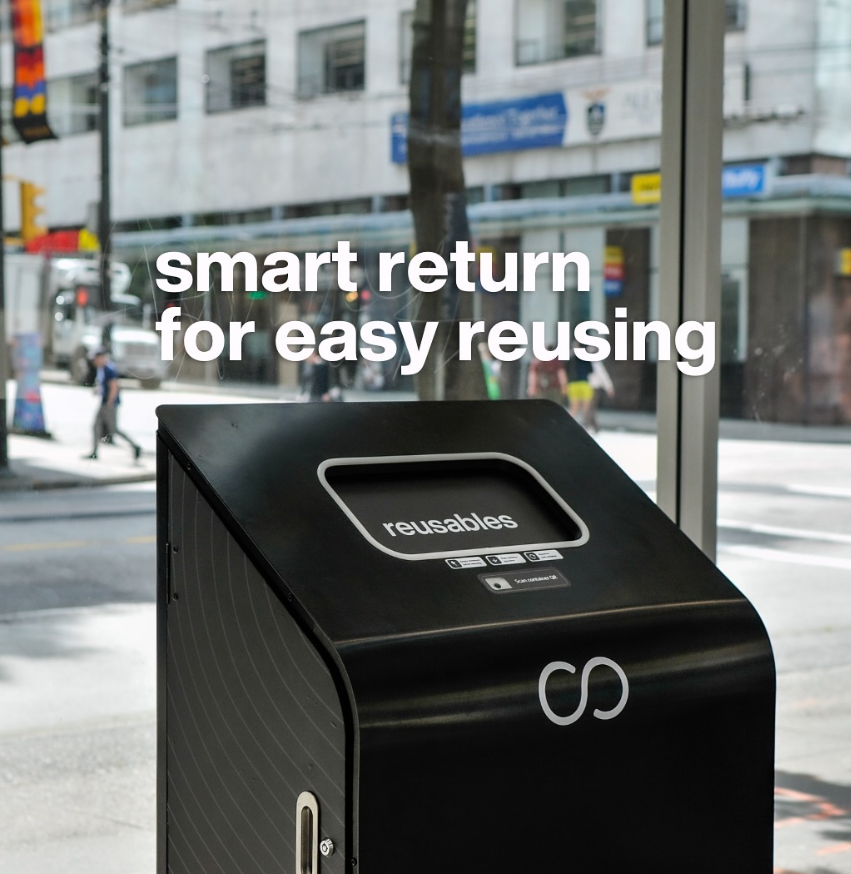
Effortless Returns with Smart Bins
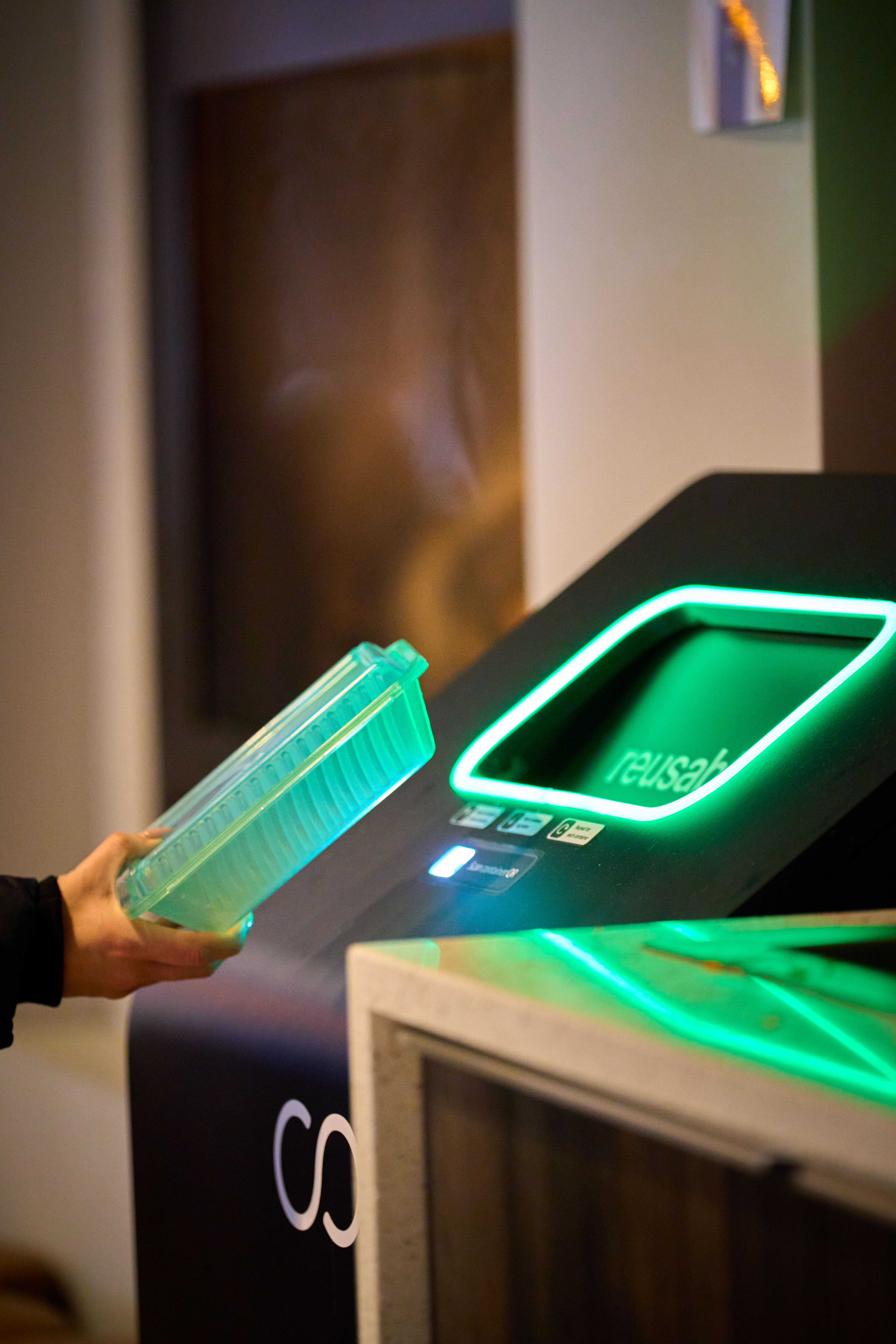
A successful reuse program hinges on high return rates. If containers aren't returned, costs go up and the environmental benefits disappear. The solution is to make returns as simple as grabbing a takeout meal in the first place. Strategically placed smart return bins allow students to drop off used containers 24/7 without waiting in line or interacting with staff. This convenience is a game-changer. At Simon Fraser University, this approach helped them achieve a 99.63% return rate. When returns are this easy, you create a reliable, closed-loop system that supports your campus sustainability goals.
Where to Source Premium Reusable Containers
Once you’ve decided on the perfect type of container for your campus, the next step is figuring out where to get them. Sourcing high-quality reusables isn’t just about finding a product; it’s about finding a partner who can supply the right quantity, meet your quality standards, and fit within your operational workflow. The good news is that you have several strong options, each with its own advantages.
Your best path will depend on your specific needs. Are you looking for a fully integrated system where the containers are guaranteed to work with your tracking technology? Or are you starting fresh and need to order a large volume of a specific container type? The main avenues for sourcing are working with an approved supplier network, ordering in bulk directly from a supplier, or purchasing from online storefronts. Understanding the differences will help you make a smart, strategic decision that sets your reuse program up for success from day one. Because our system is container-agnostic, you have the flexibility to choose what’s best for you. However, we’ve found that working with vetted partners can make the entire process smoother and more reliable, ensuring you get durable products that are ready for the rigors of campus life and fully compatible with your tracking system.
Work with Approved Supplier Networks
Partnering with an approved supplier network is one of the most effective ways to streamline the sourcing process for premium reusable containers. These networks consist of pre-vetted suppliers who meet specific quality, durability, and sustainability standards. For you, this means less time spent on research and a higher degree of confidence in your purchase. When you work with a network, like the Reusables.com Approved Container Partners, you’re choosing from options that are already confirmed to be compatible with tracking technologies like QR codes and RFID. This ensures every container integrates perfectly into your reuse system without any technical headaches. It’s the simplest way to guarantee you’re getting high-performing, system-ready containers.
Tips for Ordering in Bulk
Buying in bulk is essential for any large-scale dining operation, and it’s where you can achieve significant cost savings. When you’re ready to place a large order, look for suppliers that offer containers in large packs. This is especially helpful for campus dining services that need a substantial inventory to meet daily demand. Before committing, always ask for samples to test the quality and durability firsthand. It’s also a good idea to inquire about volume discounts and be clear about lead times and shipping costs, as these can impact your budget and launch timeline. A reliable bulk supplier should be able to provide a clear schedule and work with you to meet your institution's needs.
Buying Online vs. Directly from Manufacturers
You’ll also face the choice between buying from an online store or going directly to the manufacturer. Online stores are quickly becoming the preferred method for purchasing food containers, offering convenience and a wide variety of options at your fingertips. This can be a great way to compare different products quickly. On the other hand, buying directly from a manufacturer can be more advantageous for very large or custom orders. This route often provides better pricing at scale and gives you a direct line of communication for support and future orders, though it may require a higher minimum order quantity.
Get the Most Out of Your Investment
Choosing premium containers is a great first step, but the real return on your investment comes from how you manage them day-to-day. A successful reuse program depends on smart operational practices that extend the life of your inventory and keep containers cycling through your system. By focusing on proper care, inventory management, and high return rates, you can ensure your program is both financially sustainable and environmentally impactful for years to come.
How to Care for Each Material
To get hundreds of uses out of each container, proper care is essential. Different materials have different needs, so it’s important to follow the right cleaning protocols for your specific inventory. Stainless steel and glass containers are incredibly durable and can typically handle high-temperature commercial dishwashers without any issues. For durable plastic containers, it’s best to check the manufacturer’s guidelines, as some may warp if exposed to extremely high heat. Establishing a clear process with your dishwashing staff ensures every container is sanitized effectively while protecting it from damage, maximizing its lifespan and your investment.
Manage Your Inventory and Storage
An organized storage system is the backbone of an efficient reuse program. Knowing exactly how many clean containers you have ready for service prevents shortages during peak hours and helps you track your inventory over time. While designated shelving is a start, modern reuse platforms make this process much simpler. A robust dashboard with real-time data gives you a clear view of your entire inventory—what’s in circulation, what’s in storage, and what’s in the return bins. This eliminates manual counting and guesswork, allowing you to manage your container supply with complete operational visibility.
Ensure High Return Rates and Long-Term Use
The success of any reuse program hinges on getting your containers back. High return rates are what drive down your per-use cost and deliver significant savings over disposables. While some programs rely on manual deposit systems, a tech-enabled approach with automated accountability is far more effective. Systems that use automated reminders and charge refundable late fees for unreturned items achieve industry-leading return rates without creating extra work for your staff. When returns are frictionless for users and accountability is automated for you, containers stay in circulation, continuously delivering value.
Related Articles
- QR Code Reusable Packaging: A Campus Guide
- How Student Card Reusable Container Checkout Works
- The Real Cost of Disposable Containers for Universities
- How to Encourage Reusable Container Returns on Campus
- 7 Smart Eco-Friendly Initiatives for Campus Food
Frequently Asked Questions
What really makes a reusable container "premium"? A premium container is an asset designed to last for hundreds of uses in a demanding food service environment. It’s made from high-quality, food-safe materials like stainless steel or durable BPA-free plastic that won't warp in a commercial dishwasher. It also includes thoughtful design features, like leak-proof lids and stackable shapes, that create a better, more reliable experience for your students and a more efficient workflow for your staff.
How do I choose between stainless steel and durable plastic containers? The best choice depends on your menu and how students eat. Stainless steel is incredibly durable and great at keeping food hot or cold, but it isn't microwave-safe. Durable plastic is a fantastic, lightweight option that is almost always microwave-safe, which is a huge convenience for students. Both are excellent choices, so consider whether maximum longevity or microwave convenience is the higher priority for your campus.
Will switching to reusables create more work for my staff? It’s a common concern, but a well-designed reuse system actually simplifies operations. When paired with smart technology, the entire process of tracking inventory, managing returns, and ensuring accountability is automated. This removes the manual effort of constantly ordering and stocking disposables and eliminates the staff time spent chasing down unreturned items, freeing your team to focus on food and service.
How do we ensure students actually bring the containers back? High return rates are achieved by making the process incredibly simple for students and automating accountability. The key is a combination of convenient, 24/7 smart return bins placed in high-traffic areas and a system that sends automated reminders. When a refundable late fee is automatically charged for unreturned items, it creates a powerful incentive for students to participate without requiring any manual follow-up from your staff.
Can we use our existing reusable containers with your system? Yes, you absolutely can. Our platform is container-agnostic, meaning it’s designed to work with a wide variety of container types, including any you may already own. We can equip your current inventory with the necessary QR or RFID tracking tags to integrate them seamlessly into the system. This gives you the flexibility to use what you have or select new options from our network of approved partners.
Other stories you may find interesting
.png)
.avif)





.webp)


Watch the Webinar
Learn How to Eliminate Single-Use Waste
Get instant access to our expert webinar and discover how leading institutions reach 99% return rates through smarter reuse systems.

© Reusables™. All rights reserved.