
How to Encourage Reusable Container Returns on Campus

December 26, 2025
Launching a reusable container program can feel like a leap of faith. You invest in high-quality inventory with the goal of cutting waste and saving money, but one question looms over everything: will you ever see those containers again? A program’s success hinges entirely on this point. If containers disappear into dorm rooms, the financial and environmental benefits vanish, too. The good news is that achieving return rates of 99% isn't about luck; it's about design. The key is understanding how to encourage reusable container returns with a system that makes it the easiest choice for students. This guide breaks down the proven strategies, from frictionless tech to smart incentives, that ensure your containers come back every time.
Key Takeaways
- Make participation effortless for students: A successful reuse program depends entirely on convenience. Remove every barrier by using app-free checkout technology and placing 24/7 smart return stations in the high-traffic areas students already frequent.
- Use automation to drive accountability: Let technology do the work of tracking containers, sending reminders, and managing late fees. This ensures near-perfect return rates and protects your inventory without adding manual tasks for your staff.
- Build a campus culture around reuse: Combine smart incentives like gamification with clear, consistent communication about your program's environmental impact. Partnering with student organizations helps turn a new initiative into a shared campus value.
Why Switch to Reusable Containers?
If you’re managing a campus dining program, you’re likely dealing with the ever-present challenge of single-use packaging. The costs keep climbing, the waste piles up, and students are looking for more sustainable options. Making the switch to a reusable container system is one of the most impactful changes you can make—for the planet, your budget, and your brand.
A well-designed reuse program does more than just eliminate trash. It streamlines your operations with real-time data, saves significant money on disposable inventory, and shows students you’re serious about your sustainability goals. It’s about creating a smarter, more efficient, and modern dining experience for everyone on campus. When the system is simple and intuitive, it quickly becomes a valued part of campus life.
Cut Your Environmental Footprint
Most campuses have ambitious zero-waste goals, and single-use containers are a major obstacle. Every disposable cup, clamshell, and cutlery set contributes to a massive stream of waste that ends up in landfills. By introducing reusable containers, you take a direct and visible step toward reducing your campus’s environmental impact. This isn't just about hitting sustainability targets; it's about meeting the expectations of a student body that is increasingly conscious of its consumption. A strong reuse program demonstrates a genuine commitment to sustainability and positions your institution as a leader in environmental responsibility. It’s a powerful way to show you’re not just talking about change—you’re making it happen.
Save Money and Streamline Operations
Let's talk numbers. The cost of disposable packaging has skyrocketed, with many institutions spending tens of thousands of dollars annually just on takeout containers. A reusable system turns that recurring expense into a smart, long-term investment. While there's an initial setup, the goal is to reduce packaging and waste costs by over 30% each year. Beyond the savings, a tech-enabled system brings new efficiency to your operations. Instead of guessing inventory needs, you get real-time data on container usage, return rates, and bin fullness. This digital approach gives you the operational visibility you need to manage inventory effectively and keep the system running smoothly without adding extra work for your staff.
Improve Your Brand and Student Experience
Switching to reusables is a powerful way to enhance your brand and create a better dining experience. Today’s students don’t just want sustainable options—they expect them. Offering a convenient, easy-to-use reuse program shows you’re listening and investing in a modern campus environment. Worried about participation? Don’t be. Campuses with intuitive systems see incredible buy-in; Washington State University, for example, found that students returned 97% of checked-out containers. When the process is frictionless, students are happy to participate. This simple change elevates the perception of campus dining, transforming it from a basic service into a modern dining experience that aligns with student values.
How to Incentivize Students to Return Containers
Getting students to bring back containers consistently is the cornerstone of a successful reuse program. It’s not about hoping for the best; it’s about building a system with smart, thoughtful incentives that make returning containers the easy and obvious choice. When you remove friction and add a little motivation, you can achieve near-perfect return rates without adding extra work for your staff. Here are four proven strategies to encourage students to participate and keep your container inventory in circulation.
Go Deposit-Free with Automated Accountability
This might seem counterintuitive, but skipping the upfront deposit can actually lead to higher return rates. Instead of asking students to pay a deposit, the most effective systems use the threat of a fee if a container isn't returned on time. This approach removes a major barrier to entry—no one wants to pay extra just to grab lunch. By making it free to borrow, you encourage widespread adoption. The key is having a system that can automatically track every container and manage late fees without any manual work from your team. This creates a sense of accountability that motivates returns without penalizing students for simply participating.
Use Rewards and Gamification
A little friendly competition can go a long way. Turning reuse into a campus-wide challenge with rewards and leaderboards makes participation fun and engaging. You can offer prizes or points for consistent returns, creating a positive feedback loop that reinforces good habits. Think about running contests between dorms or offering giveaways to students who hit a certain number of reuses. This strategy of gamifying sustainability taps into the campus community spirit and transforms a simple action into a shared goal. When students see their collective impact, they’re more likely to stay involved and encourage their friends to join in.
Integrate with Campus Payment Systems
For any new program to succeed on campus, it has to be incredibly simple. The best way to ensure high adoption is to integrate your reuse system directly with the payment and ID card systems students already use every day. When students can check out a container just by tapping their campus card, you eliminate the need for them to download another app or carry a separate card. Our fully integrated solutions work with platforms like Transact, CBORD, and TouchNet, making the process completely seamless. This not only simplifies the experience for students but also streamlines operations for your IT and finance teams.
Offer Flexible Return Policies
A strict return deadline can create anxiety and discourage students from participating. If they’re worried about getting charged for being a day or two late, they might just stick with single-use options. Giving people more time to return items makes them less stressed and more likely to use the service. A flexible policy, paired with gentle, automated reminders, communicates that you trust your students and want to make sustainability easy for them. It shifts the focus from punishment to participation, building goodwill and encouraging long-term adoption of your reuse program.
Make Returns Effortless for Students
If you want students to participate in your reuse program, you have to make it incredibly easy for them. The single biggest barrier to high return rates is friction. A complicated, inconvenient, or time-consuming process will stop even the most well-intentioned student from returning their container. The secret is to remove every possible obstacle and integrate the return process so seamlessly into their daily life that it becomes second nature.
Think about a student's typical day: walking from class to the library, heading back to their dorm, or grabbing a coffee at the student union. Your return system should meet them where they are. By placing convenient and simple return options along these natural pathways, you make participation feel automatic rather than like another task on their to-do list. This approach not only drives the return rates you need for a successful program but also enhances the overall student dining experience by showing that you respect their time and busy schedules. When returning a container is as easy as tossing something in a recycling bin, you’ve won.
Provide 24/7 Smart Return Stations
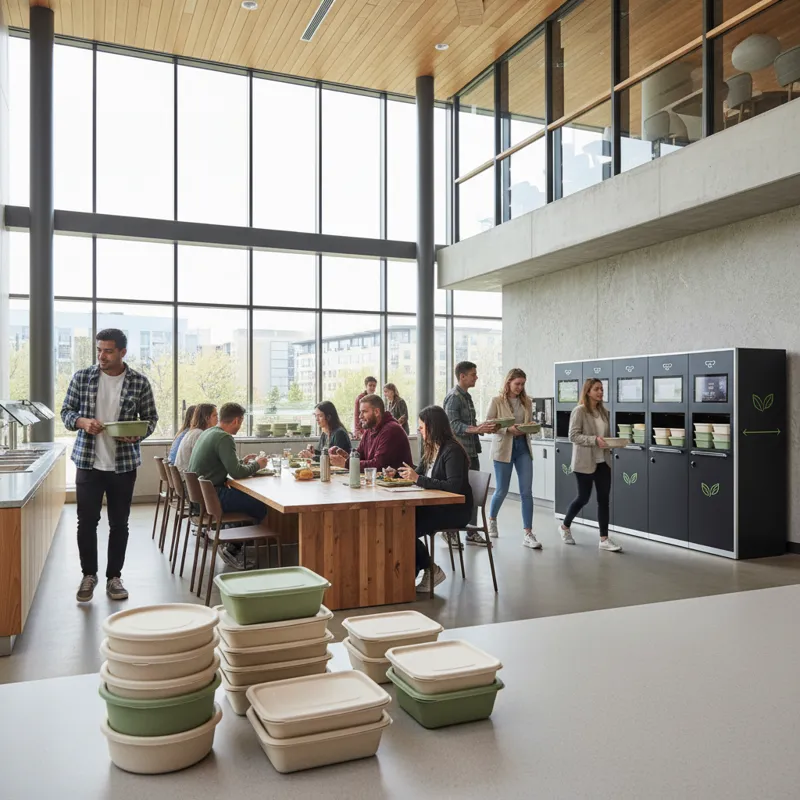
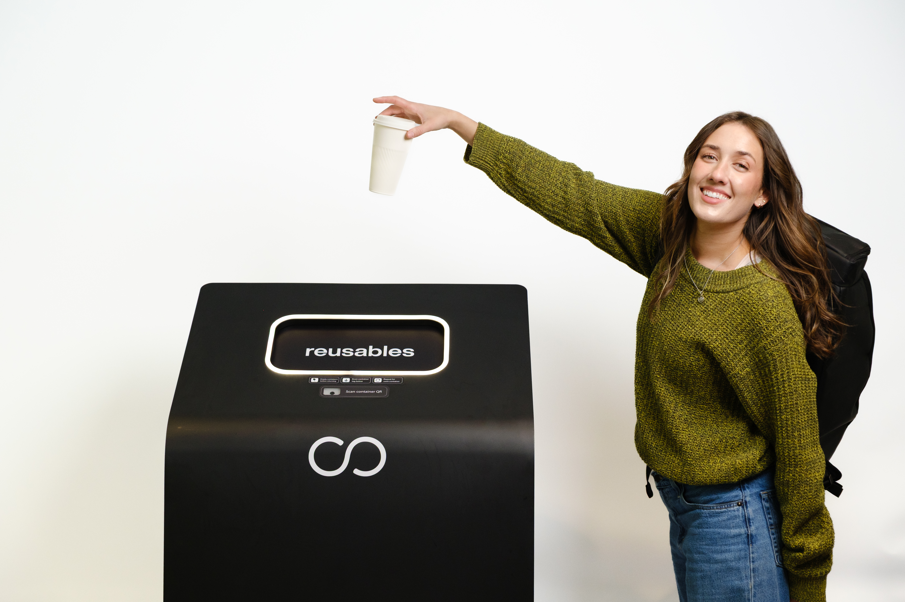
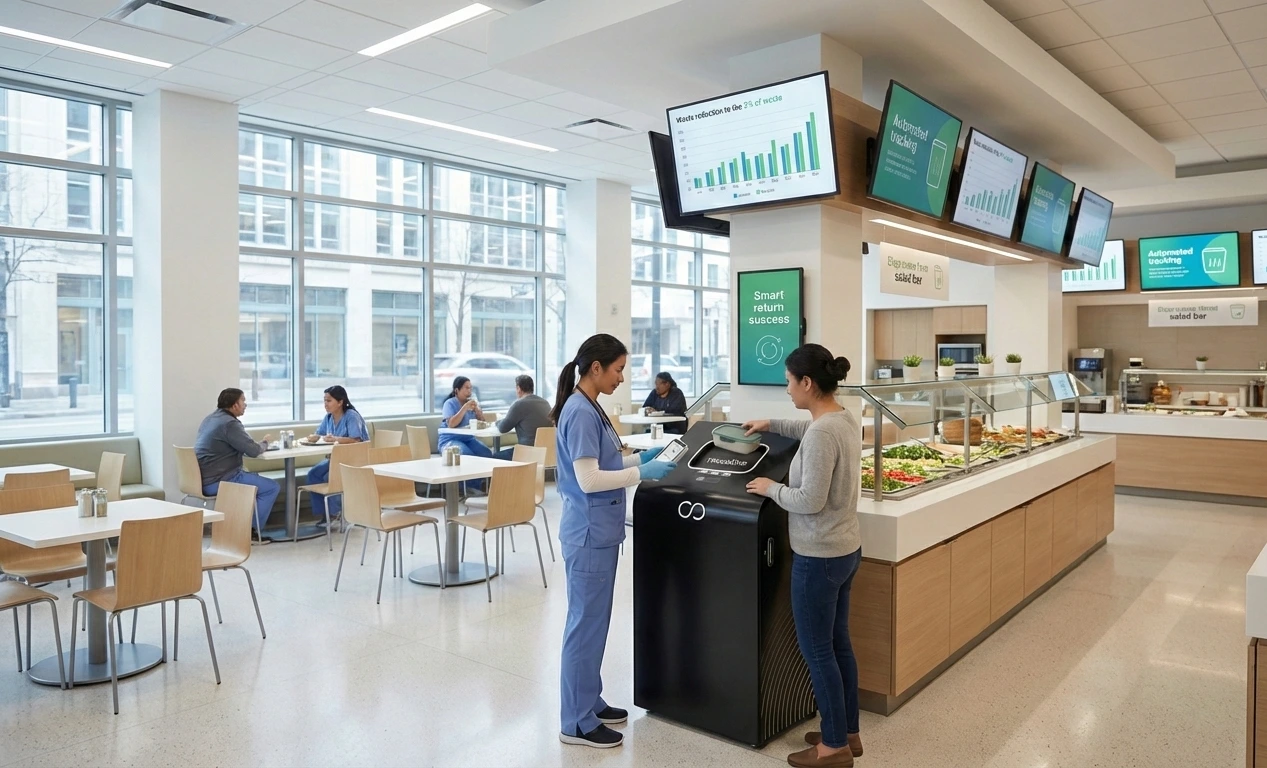
Student schedules are anything but 9-to-5. With late-night study sessions, early morning classes, and weekend activities, limiting container returns to dining hall hours creates a major bottleneck. A student who finishes a meal in their dorm at 10 p.m. shouldn't have to hold onto a container until the next day. Our Smart Return Bins solve this by offering 24/7, touch-free access. Students can drop off containers whenever it fits their schedule, completely removing time constraints as a barrier. These stations are designed to be sleek and tamper-proof, fitting naturally into any campus environment while ensuring a clean and simple user experience.
Implement App-Free, Tap-to-Reuse Tech
Let’s be honest: the last thing students want is another app to download. They already juggle apps for classes, campus events, and social life. Requiring them to download an app, create an account, and learn a new interface just to use a reusable container adds unnecessary steps that will deter many from participating. That’s why our patented Tap to Reuse™ technology is a game-changer. It’s completely app-free. Students simply tap their existing student ID, credit card, or mobile wallet to check out a container. The system integrates directly with campus card platforms you already use, making it a familiar and frictionless part of their daily routine.
Offer Multiple Return Locations
Convenience is everything on a college campus. If a student has to go out of their way to return a container, they’re less likely to do it. A single return point in a central dining hall isn’t enough. To achieve high return rates, you need to place return stations in high-traffic areas all across campus. Think libraries, academic buildings, residence halls, and student centers. Our flexible system includes both Smart Bins and smaller Return Scan Stations, allowing you to create a wide network of drop-off points. This strategy encourages immediate returns, prevents containers from piling up in dorm rooms, and makes reuse a visible, accessible part of campus culture.
Keep the Return Process Simple
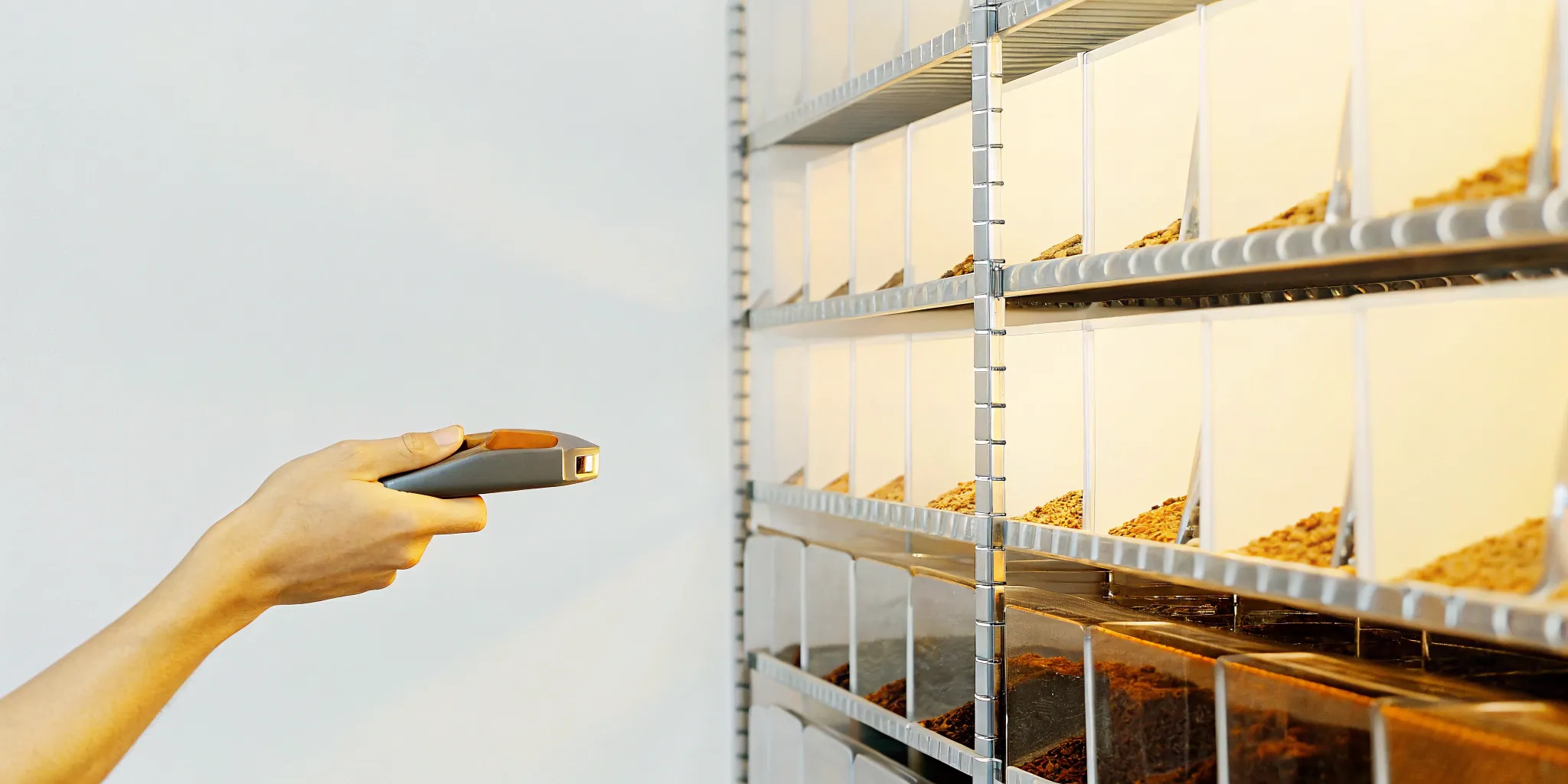
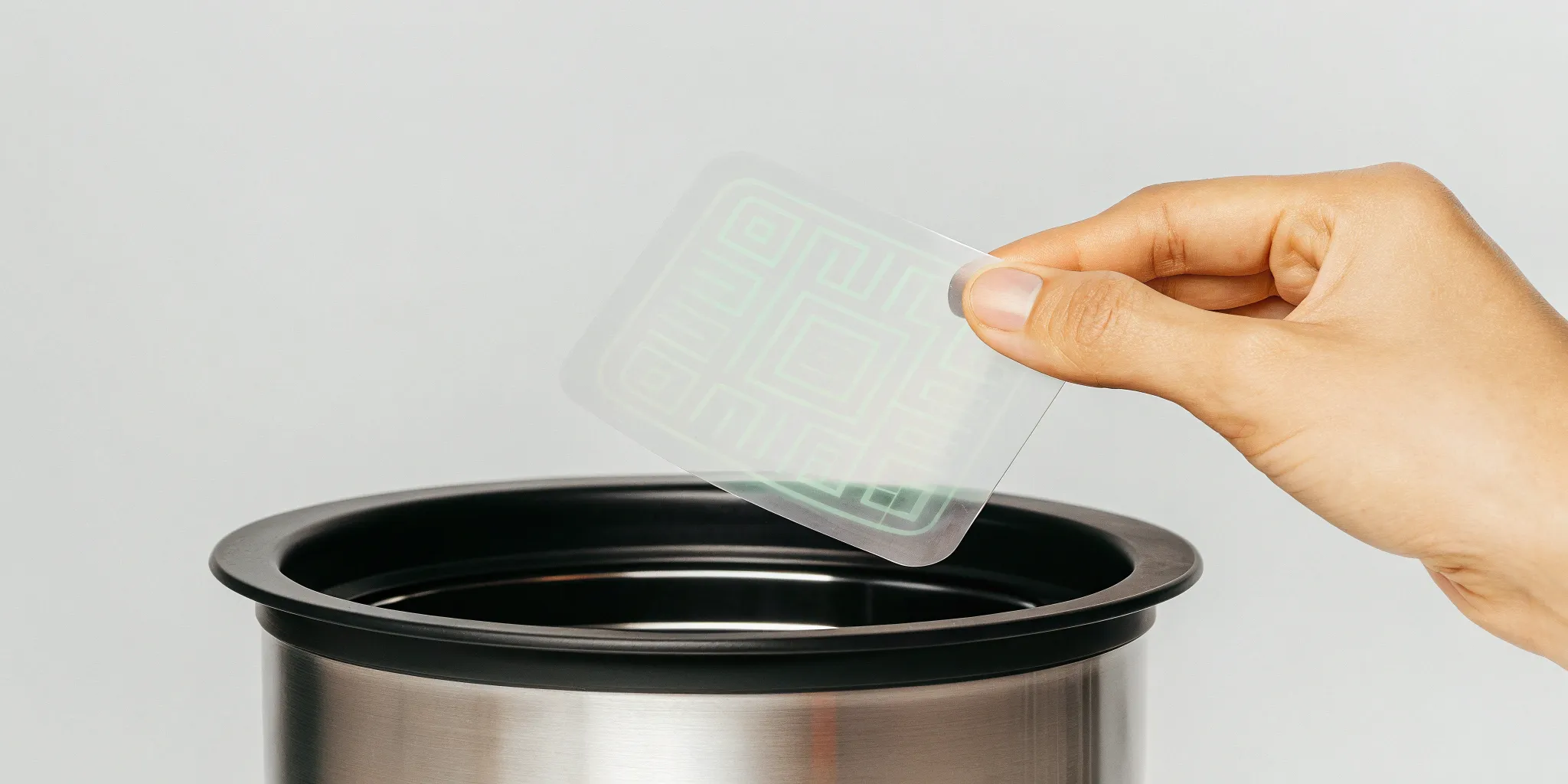
Complexity is the enemy of participation. A return process that requires multiple steps, manual scanning, or staff assistance will quickly frustrate students and create operational headaches for your team. The ideal system is one that a student can use in seconds without thinking twice. Our process is designed for exactly that. Students simply drop their container into a Smart Bin or scan it at a station, and our dual QR and RFID tracking handles the rest. There are no tokens to lose or paper slips to manage. The system automatically logs the return, providing a simple, reliable, and user-friendly experience that makes participation effortless.
The Tech That Drives High Return Rates
A successful reuse program hinges on making the entire process easy for students and invisible for your staff. The right technology is what makes this possible, transforming a logistical challenge into a smooth, automated system. Forget manual tracking, chasing down students for returns, or dealing with overflowing bins. Modern reuse platforms are built on a foundation of smart technology that handles the heavy lifting, ensuring containers come back without adding work to your team’s plate.
This tech-first approach is what separates a program that merely exists from one that thrives. By automating tracking, reminders, and accountability, you create a system that works seamlessly in the background. Students get a convenient, modern dining experience, and you get the data and operational efficiency needed to meet your sustainability goals and reduce costs. It’s about creating a closed-loop system where technology ensures every container is accounted for, driving the high return rates—often 99% or more—that make a reuse program financially and environmentally successful.
Track Every Container with QR and RFID
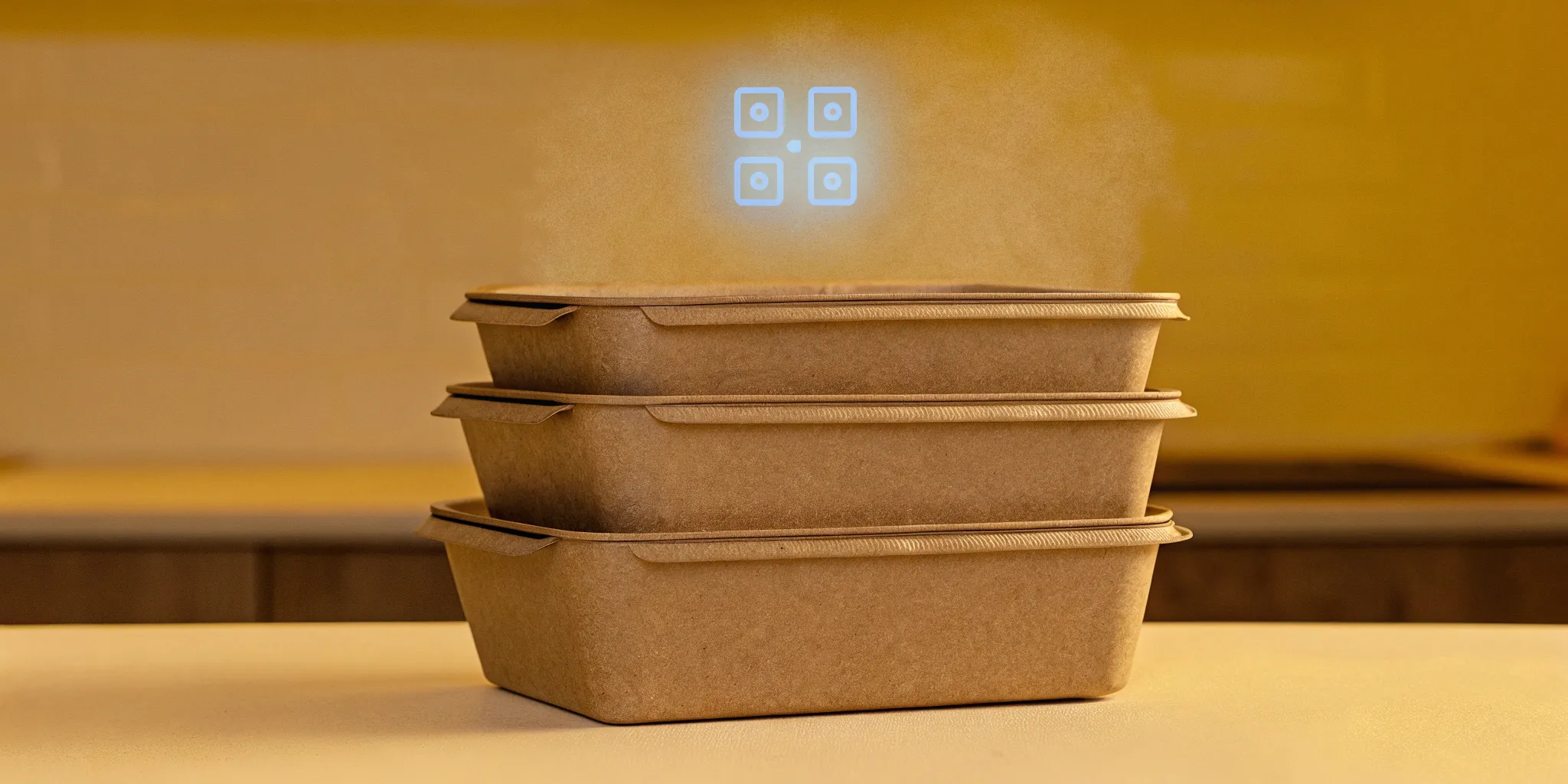
To manage thousands of containers across campus, you need to know where each one is. Assigning a unique digital identity to every container using QR codes and RFID tags is the first step. This dual-tech approach provides complete visibility, replacing outdated manual methods like tokens or paper slips. RFID technology, for example, has been proven to streamline asset movement and reduce waste in large-scale industrial programs. On campus, it means every time a student checks out a container or drops it in a return bin, the scan is automatically logged. This gives you precise, real-time inventory data and eliminates guesswork.
Send Automated Reminders
Even with the best intentions, students can forget to return their containers. Instead of relying on staff to track them down, an automated system can send gentle nudges. After a set number of days, the platform can automatically send a friendly email or text reminding the student to bring their container back. This simple, helpful prompt is often all that’s needed to encourage a return. Modern IoT technologies have made automated reusable container tracking both simple and effective, taking the burden of communication off your team and placing it on a system designed for consistency and scale.
Get Smart Alerts for Bin Fullness
Nothing stops a student from returning a container faster than an overflowing bin. Smart return stations solve this problem by using sensors to monitor their capacity in real time. When a bin starts to get full, it automatically sends an alert to your operational team. This means staff only need to empty bins when necessary, optimizing labor and ensuring students always have a clean, accessible place to make a return. With assets being monitored in real-time, you can maintain a tidy campus and a smooth, reliable return process that students can count on.
Automate Fee Management
Accountability is key to achieving near-perfect return rates, but it shouldn’t create more work for your staff. An automated system can manage late fees without any manual intervention. When a container isn’t returned on time, the platform can automatically place a hold or charge on a student’s account after sending several reminders. This process incentivizes prompt returns while freeing your team from having to chase payments or have difficult conversations. By implementing efficient reusable asset control, you create a system that holds users accountable and protects your inventory, all while running quietly in the background.
Build a Campus Culture of Reuse
The right technology and incentives are crucial for a successful reuse program, but they work best when supported by a strong campus culture. When students, faculty, and staff are all on board, returning containers becomes second nature—the default way of doing things. Building this culture doesn’t happen overnight, but with a focused effort, you can create a campus environment where sustainability is a shared value and reusing is the easy, obvious choice for everyone. It’s about turning a new system into a campus-wide habit.
Launch Campus-Wide Education Campaigns
To get everyone on the same page, you need clear and consistent communication. A campus-wide education campaign can explain how the reuse program works and, more importantly, why it matters. Use posters in dining halls, digital screens across campus, and social media to share simple instructions. Emphasize key messages, like the importance of returning containers promptly to help dining staff keep up during peak hours. You can also incorporate information into student orientation and welcome week activities. The goal is to make the process feel familiar and straightforward from day one, ensuring students feel confident and motivated to participate.
Partner with Student Organizations
Your most powerful advocates are often the students themselves. Engaging with student organizations is a fantastic way to build grassroots momentum for your reuse program. Connect with student government, environmental clubs, and residence hall associations to get them involved. These groups can act as program ambassadors, helping to spread the word and encourage their peers. When students take ownership of the initiative, it becomes more than just a dining services policy—it becomes a student-led movement. This level of engagement is key to achieving incredible results, with some campuses seeing return rates as high as 99%.
Communicate the Environmental Benefits
Students are increasingly passionate about sustainability, so it’s important to connect their actions to a tangible impact. Regularly share data on how the reuse program is making a difference. Use your dashboard to pull real-time metrics and translate them into compelling stories. For example, you can announce how many single-use containers have been diverted from the landfill each month or semester. Highlighting these environmental wins reinforces the value of the program and shows students that their individual choices are contributing to a larger, positive change. This transparency helps build trust and keeps the campus community motivated to continue their efforts.
Share Your Impact with Leaderboards
A little friendly competition can go a long way in keeping students engaged. Use leaderboards to showcase which dorms, student groups, or even individuals are leading the way in reuse. Our platform’s gamification features make it easy to track participation and display rankings on digital screens in high-traffic areas. You can celebrate top performers with shout-outs on social media or small prizes. This not only recognizes and rewards sustainable behavior but also turns reusing into a fun, campus-wide challenge. By sharing progress publicly, you motivate everyone to get involved and do their part.
Measure and Optimize Your Reuse Program
Launching a reuse program is a huge step, but the work doesn’t stop there. The most successful programs are the ones that are constantly learning and adapting. By treating your reuse system as a dynamic part of your campus operations, you can use real-time data to refine your approach, solve problems before they grow, and ensure your program thrives for years to come. A data-driven strategy is your key to turning a good initiative into a great one that delivers on its environmental and financial promises.
Track the Right Performance Metrics
To understand your program's success, you need to look beyond just the number of containers in circulation. The right metrics tell a complete story about your impact. Start with the basics: return rates, container loss, and the number of single-use items you’ve avoided. But also track student engagement, like how many unique users are participating and how frequently they reuse. By implementing a system with digitally tracked reusable containers, you can easily monitor these figures and make meaningful progress toward your campus’s environmental goals. This data not only proves your ROI but also gives you powerful stories to share with the campus community.
Use Your Dashboard for Key Insights
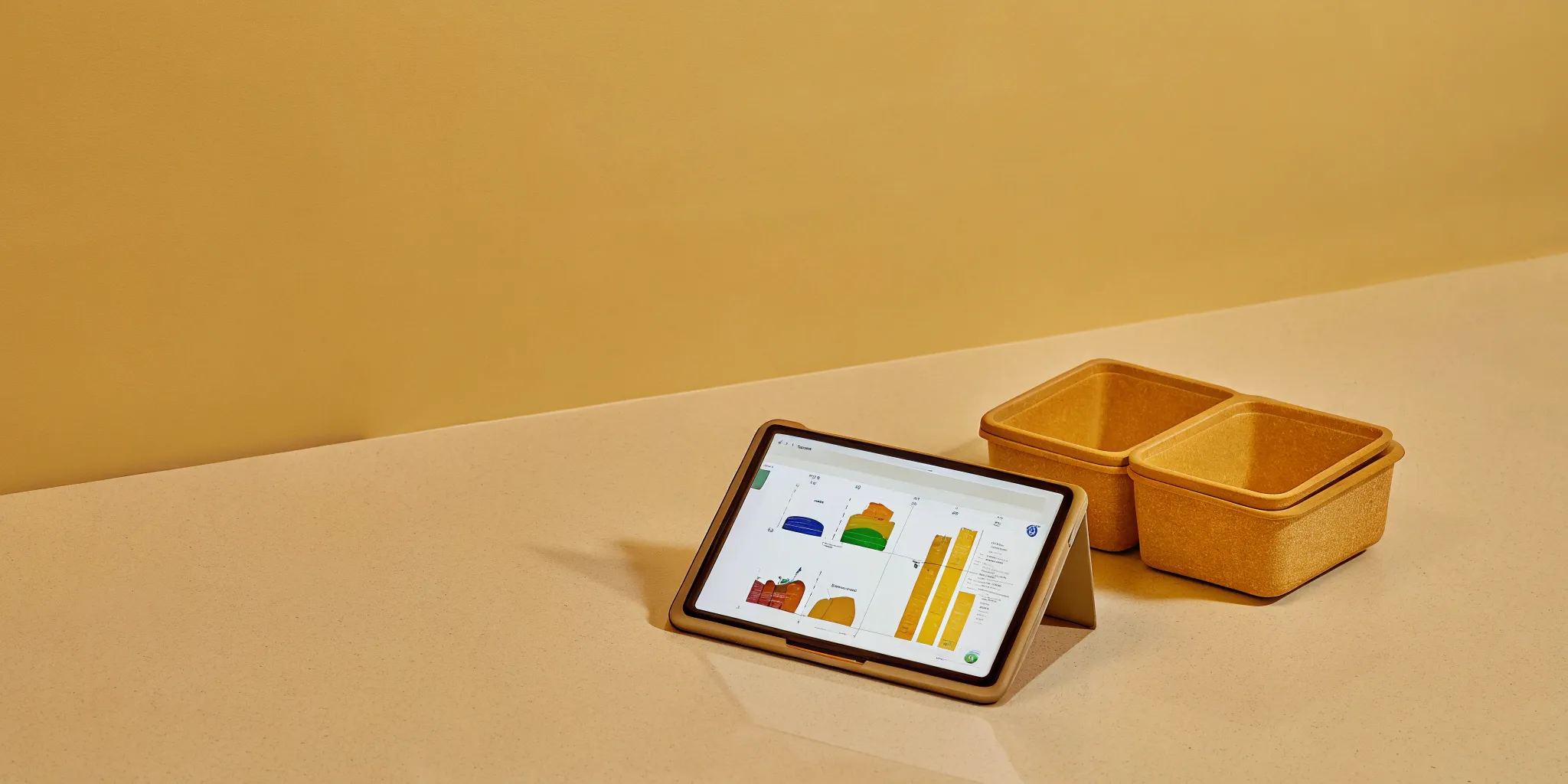
Your operator dashboard is your command center. It’s where raw data becomes actionable intelligence. Use it to spot trends in real-time, like which dining halls have the highest checkout rates or which return bins fill up the fastest. This information helps you manage inventory and optimize staff time. For example, you can adjust container stock based on demand or schedule bin collections more efficiently. Modern tracking technologies make this possible, providing the clear operational visibility you need to run a smooth and economically compelling program. Think of it as having a constant, clear view of your entire reuse ecosystem.
Overcome Common Implementation Challenges
Let’s be honest: the biggest hurdle is often getting people to change their habits. Students are used to the convenience of throwing things away. When you see a dip in return rates or a specific location underperforming, your data can help you pinpoint the cause. Is a return bin in a low-traffic area? Are students confused about the process at a certain cafe? Addressing these friction points is crucial for incentivizing returns in reuse systems. Use your insights to make targeted adjustments, whether that means better signage, a new return station, or a focused educational push for a specific part of campus.
Create a Strategy for Continuous Improvement
A great reuse program is never static; it evolves. Use the insights from your dashboard to build a strategy for ongoing optimization. You can experiment with different approaches and measure the results. For instance, you could test different reminder notification schedules to see what best encourages returns. You might also find that giving students more time to return containers reduces stress and actually improves participation. By continuously testing, learning, and refining your system based on real user behavior, you create a program that not only works but gets better over time.
Related Articles
- A Guide: How to Use Transact Card for Reusables
- How Student Card Reusable Container Checkout Works
- Guide to Sustainable College Cafeterias
- QR Code Reusable Packaging: A Campus Guide
Frequently Asked Questions
What kind of return rates can we realistically expect from students? This is the number one concern for most dining directors, and it's a fair question. While it might seem like a challenge, our systems consistently achieve return rates of 99%. This isn't because of luck; it's by design. The combination of automated reminders, frictionless return stations placed in high-traffic areas, and a simple accountability model makes returning a container the easiest and most natural option for students.
Will this system create more work for my already busy dining staff? No, it’s designed to do the opposite. The system is automated to reduce your team's workload, not add to it. Staff won't have to manually track containers, chase down students for late returns, or handle fees. The technology manages all of that in the background. Smart alerts even notify your team when return bins are getting full, so they only need to service them when necessary, which optimizes their time.
What's the real financial impact? Is the initial investment worth it? While there is an initial investment to set up the technology and container inventory, the long-term savings are significant. Think of it as shifting from a constantly growing operational expense—the disposable containers you buy every single month—to a one-time capital investment. Most of our partners see a reduction of over 30% in annual packaging and waste costs, delivering a clear and compelling return on that initial investment.
Do we have to use your containers, or can we use our existing inventory? Our platform is flexible and container-agnostic, so you can absolutely use your existing inventory of durable containers if you have them. We can outfit them with our smart tracking tags. If you're looking to start fresh or expand your supply, we can also connect you with our list of approved container partners who offer a variety of high-quality stainless steel and plastic options that work perfectly with our system.
How difficult is it to integrate this system with our campus card technology? We specialize in making this part seamless. Our system is fully integrated with the major campus card and payment platforms you already use, including Transact, CBORD, Atrium, and TouchNet. Because we integrate directly, students don't need to download a separate app. They simply tap their student ID or credit card to check out a container, making the process familiar and incredibly easy for everyone from day one.
Other stories you may find interesting


















.webp)
.webp)








.webp)



























Watch the Webinar
Learn How to Eliminate Single-Use Waste
Get instant access to our expert webinar and discover how leading institutions reach 99% return rates through smarter reuse systems.

© Reusables™. All rights reserved.