
What is a Green Box Program? A Modern Guide

February 25, 2026
Managing a campus dining service is a complex balancing act of budgets, staffing, and student satisfaction. The idea of adding a Green Box Program can feel like just one more thing to manage, with valid concerns about container loss, sanitation logistics, and tracking. But what if a reusable system could actually make your operations more efficient? A well-designed program does more than cut down on waste; it reduces the recurring, unpredictable costs of disposable inventory and automates accountability. We'll break down the operational components of a successful reusable program, showing how the right approach can save your team time and deliver significant financial savings.
Key Takeaways
- View reusables as an operational upgrade: A modern reuse program does more than meet sustainability goals; it directly cuts your recurring expenses for disposable packaging and waste hauling, freeing up your budget.
- The right tech makes all the difference: High return rates depend on a seamless student experience. Move past manual token systems and adopt technology that integrates with campus cards for a simple, tap-and-go checkout process.
- Convenience is key to changing habits: To get students on board, reusing a container needs to be just as easy as tossing one. Prioritize a simple checkout and return process, clear communication, and student involvement to build a lasting culture of reuse.
What is a "Green Box Program"?
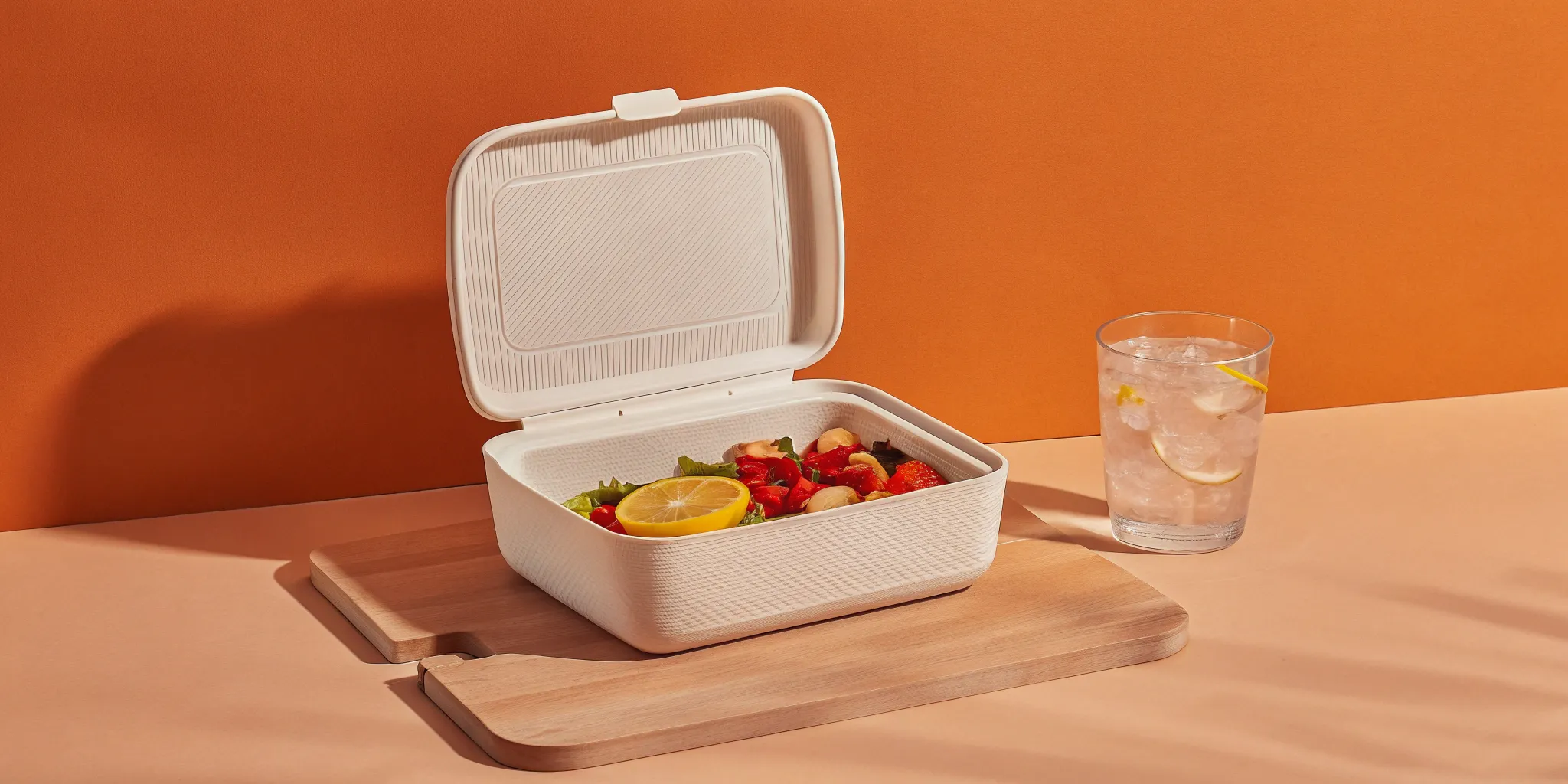
You’ve likely heard the term "green box program" in campus dining circles. At its core, a green box program is a system designed to replace single-use, disposable takeout containers with reusable ones. Instead of throwing a container away after one meal, students borrow a durable, sanitized container and return it when they're finished. It’s a simple concept with a powerful impact.
These programs are a direct response to the growing problem of waste in food service, especially with the rise of grab-and-go dining. While the name might vary from campus to campus, the mission is always the same: to create a circular system that cuts down on trash, saves resources, and makes sustainability a convenient part of the student experience. Think of it as a library system for your takeout containers.
The Goal: Reducing Single-Use Waste on Campus
The primary goal of any green box program is to significantly reduce the environmental footprint of campus dining. Every disposable container that’s replaced is one less item heading to the landfill. By shifting from a linear "use and toss" model to a circular one, campuses can make measurable progress toward their sustainability goals. It’s a tangible way to show commitment to environmental stewardship.
Beyond just cutting down on trash, these programs aim to build a culture of reuse. They encourage students and staff to adopt more mindful habits and participate directly in campus sustainability efforts. When reusing becomes as easy as throwing something away, it becomes a natural part of daily life, helping to foster a greener campus community for everyone.
How It Differs from Disposable Takeout
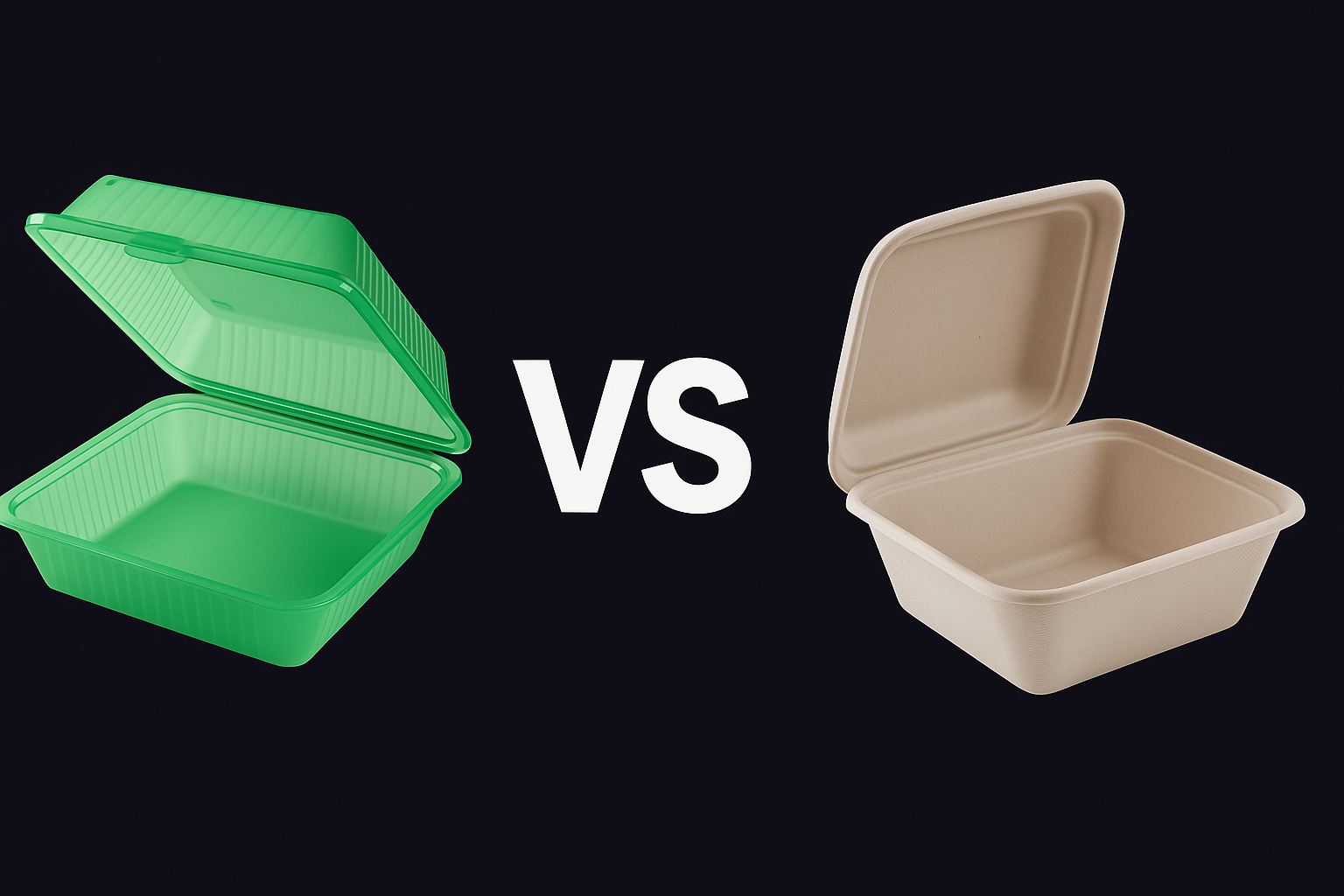
The difference between a green box program and traditional disposable takeout is the shift from a single-use mindset to a circular one. Disposable containers are designed for a one-way trip: from the kitchen to the customer to the trash can. This linear path generates a constant stream of waste and requires a never-ending supply of new materials. It’s a costly model, both financially and environmentally.
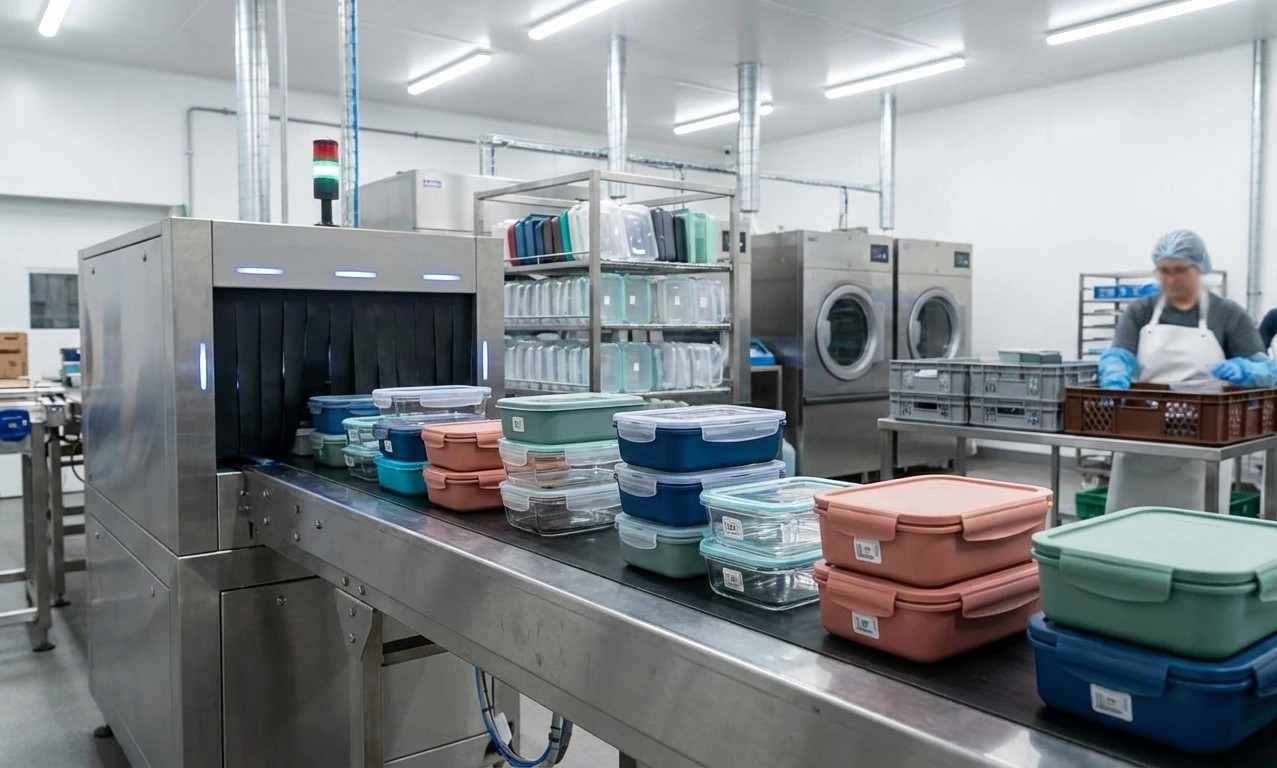
A reusable container program, on the other hand, creates a closed-loop system. A container is used, returned, professionally washed and sanitized, and then put back into circulation for the next student. This approach not only prevents waste but also reduces the long-term costs associated with purchasing disposable inventory. Modern platforms like Reusables.com make this process seamless, integrating technology to ensure returning a container is just as easy as tossing one.
How Do Traditional Green Box Programs Work?
If you’ve been in campus dining for a while, you’re likely familiar with the classic "Green Box" model. These programs were among the first to tackle takeout waste, and they all tend to follow a similar manual, token-based system. While the intention is great, the execution often relies on a lot of moving parts that fall on both your staff and the students.
The core idea is to swap disposable containers for reusable ones through a system of deposits, tokens, and manual exchanges. Students typically buy into the program once and are then responsible for bringing their container back to be swapped for a clean one or a token. This cycle continues throughout their time on campus. Understanding this traditional framework is a helpful first step in seeing how reuse programs have evolved and where the biggest opportunities for improvement are. Let's walk through how these systems usually operate day-to-day.
The Classic Token and Deposit System
Most traditional reusable programs start with a simple transaction: a one-time fee or deposit. To join, a student typically pays a small amount, often around $5, to get their first container. This initial payment is meant to cover the cost of the container and give students a sense of ownership, encouraging them to participate responsibly. For example, some programs require a one-time, non-refundable fee to purchase the Green Box. This token or deposit system is the foundation of the program’s accountability, creating a closed loop where a container or its placeholder (the token) is always in a student's possession.
The Step-by-Step Student Experience
From a student's point of view, the process begins at the register. They pay the initial deposit using campus cash or another payment method and receive their first reusable container instead of a disposable one. The next time they want a to-go meal, they bring their used container back. This system encourages students to opt for reusable containers, reducing waste on campus. The goal is to make the reusable option the default choice. After finishing their meal, the student is responsible for rinsing the container before returning it, which is a key step to ensure it’s ready for the dish room.
Handling Returns and Exchanges
When a student returns a used container, they have two choices. They can either get a clean container immediately for their next meal or receive a token, often a carabiner or a branded coin, to redeem for a container later. This token system allows students to participate without having to carry a container with them at all times. However, it also adds a physical item that can be easily lost, creating a point of friction. In some cases, students even need to keep a receipt taped to the box for verification, adding another manual step for both them and your staff.
What Are the Benefits of Reusable Programs?
Launching a reusable container program does more than just check a box for sustainability. It creates a positive ripple effect across your entire campus dining operation. When done right, these programs offer significant financial savings, a better experience for students, and a powerful way to demonstrate your institution's commitment to its environmental goals. It’s about shifting from a costly, linear model of "buy, use, toss" to a circular system that’s smarter, cleaner, and more efficient for everyone involved.
The key is moving beyond the idea that reusables are just about being "green." A modern, tech-enabled program can solve some of the most persistent challenges in campus dining, from soaring supply costs to meeting the expectations of a new generation of students. By focusing on a system that is both easy for students and seamless for your staff, you can realize benefits that impact your budget, your brand, and your community. These programs are not just an environmental initiative; they are a strategic operational upgrade. They streamline takeout services, provide valuable data on dining habits, and create a more premium feel for your food service offerings. Let's look at the specific advantages you can expect.
Reduce Waste and Meet Sustainability Goals
The most immediate and visible benefit of a green box program is the drastic reduction in single-use waste. Every reusable container that replaces a disposable one keeps trash out of landfills. As Wake Forest Dining notes, their program "helps reduce trash and encourages sustainable choices on campus." This is a straightforward way to make progress on your institution's zero-waste mandates and sustainability targets. A successful program becomes a point of pride, visibly demonstrating your commitment to environmental stewardship to students, faculty, and the wider community. It’s a tangible action that shows you’re building a more sustainable campus.
Lower Your Operational Costs
Switching to reusables can have a major positive impact on your bottom line. The costs of disposable containers, cutlery, and bags add up quickly, and these expenses are only rising. By implementing a reusable container program, you can "significantly reduce the costs associated with purchasing disposable items, waste disposal, and environmental impact fees," according to research published in Frontiers. A well-managed system with high return rates means you purchase inventory once and reuse it hundreds of times, directly cutting the recurring expenses that eat into your budget. This allows you to reallocate funds to other areas that enhance the student dining experience.
Improve the Dining Experience for Students
Today's students are looking for convenience that aligns with their values. A clunky, inconvenient system won't get much traction, but a smooth, modern reusable program can actually improve their dining experience. The University of Richmond found that their program "not only enhances convenience for students but also promotes a culture of sustainability." When students can easily grab a quality, sturdy container for their meal on the go, it feels like an upgrade from flimsy disposables. Modern reuse solutions that don't require a special app or complicated deposit system make participation effortless, turning a sustainable choice into the easiest choice.
Uphold Health and Safety Standards
Health and safety are non-negotiable in food service, and a professional reusable container program is designed to meet the highest standards. As noted by Pacific Lutheran University, "Using reusable containers can help maintain health and safety standards by ensuring that food is stored and transported in a clean, safe manner." Unlike single-use items that can be flimsy or poorly sealed, commercial-grade reusables are durable and designed for secure transport. They are also built to withstand high-temperature washing and sanitizing in commercial dishwashers, ensuring every container is clean, safe, and ready for its next use. This creates a reliable, closed-loop system you can trust.
What Does It Take to Launch a Reusable Program?
Launching a campus-wide reusable container program might feel like a huge undertaking, but it really breaks down into a few key areas. Success hinges on how well the program fits into your existing operations, meets your service standards, and uses technology to make the experience smooth for everyone involved. By focusing on these core components, you can build a program that students love and that delivers on your campus sustainability goals. It’s all about creating a system that works seamlessly in the background, making the sustainable choice the easy choice for your community.
Integrating with Campus Dining Locations
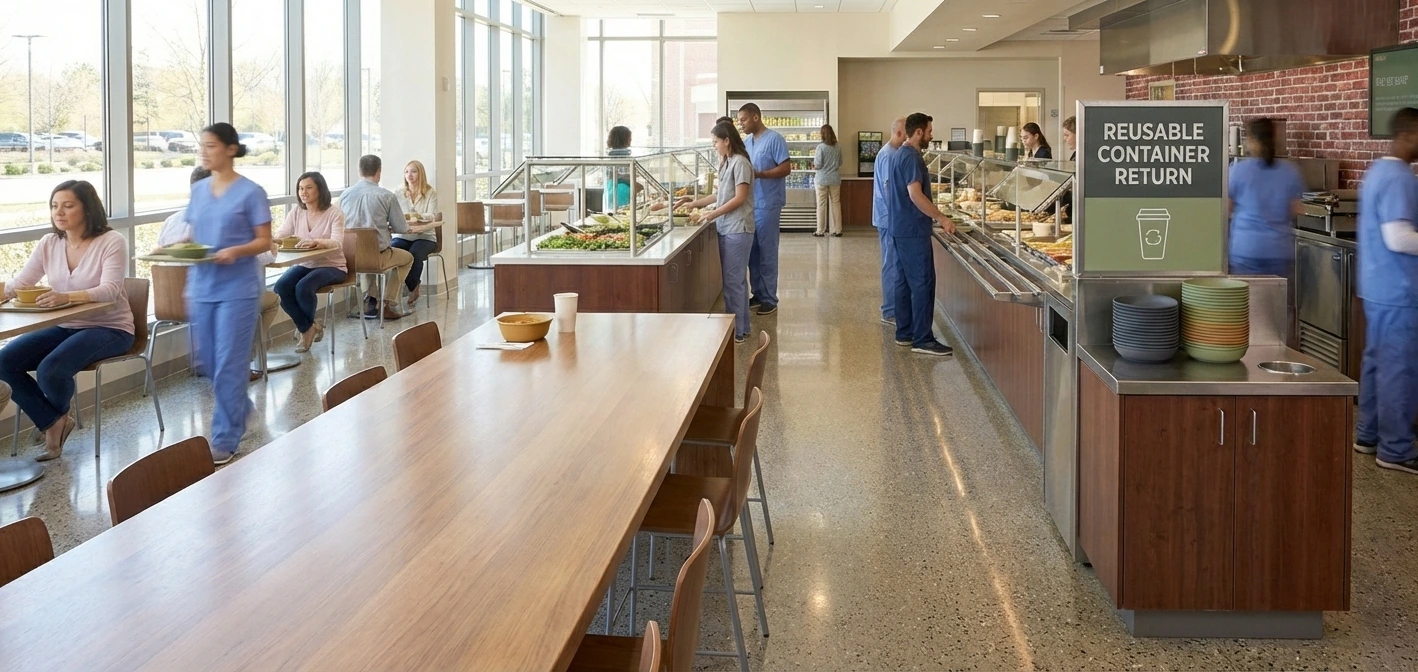
A successful reusable program must feel like a natural part of your dining services, not a complicated add-on. The goal is to make it simple for students to grab a meal to-go without creating bottlenecks for your staff. For example, the University of Richmond’s HDC Green Box Program is built directly into their main dining hall's takeaway service. You’ll also need a solid communication plan to get the word out. Texas State University supported its launch with a branding campaign across its website, social media, and dining halls to get students excited and informed, which is a crucial step for driving adoption.
Meeting Food Service Requirements
Your reusable program needs to work within your existing meal plan structure and meet all health and safety standards. This means choosing containers that are durable, easy to clean, and suitable for a variety of meals. The University of San Diego, for instance, replaced its paper to-go boxes with sturdy reusable plastic containers that could handle daily use and washing. You can also adapt your pricing to accommodate the program, such as defining what a "meal" includes when using a reusable container. This ensures the program is not only sustainable but also financially viable and aligned with how students already use their meal plans.
Understanding the Technology Involved
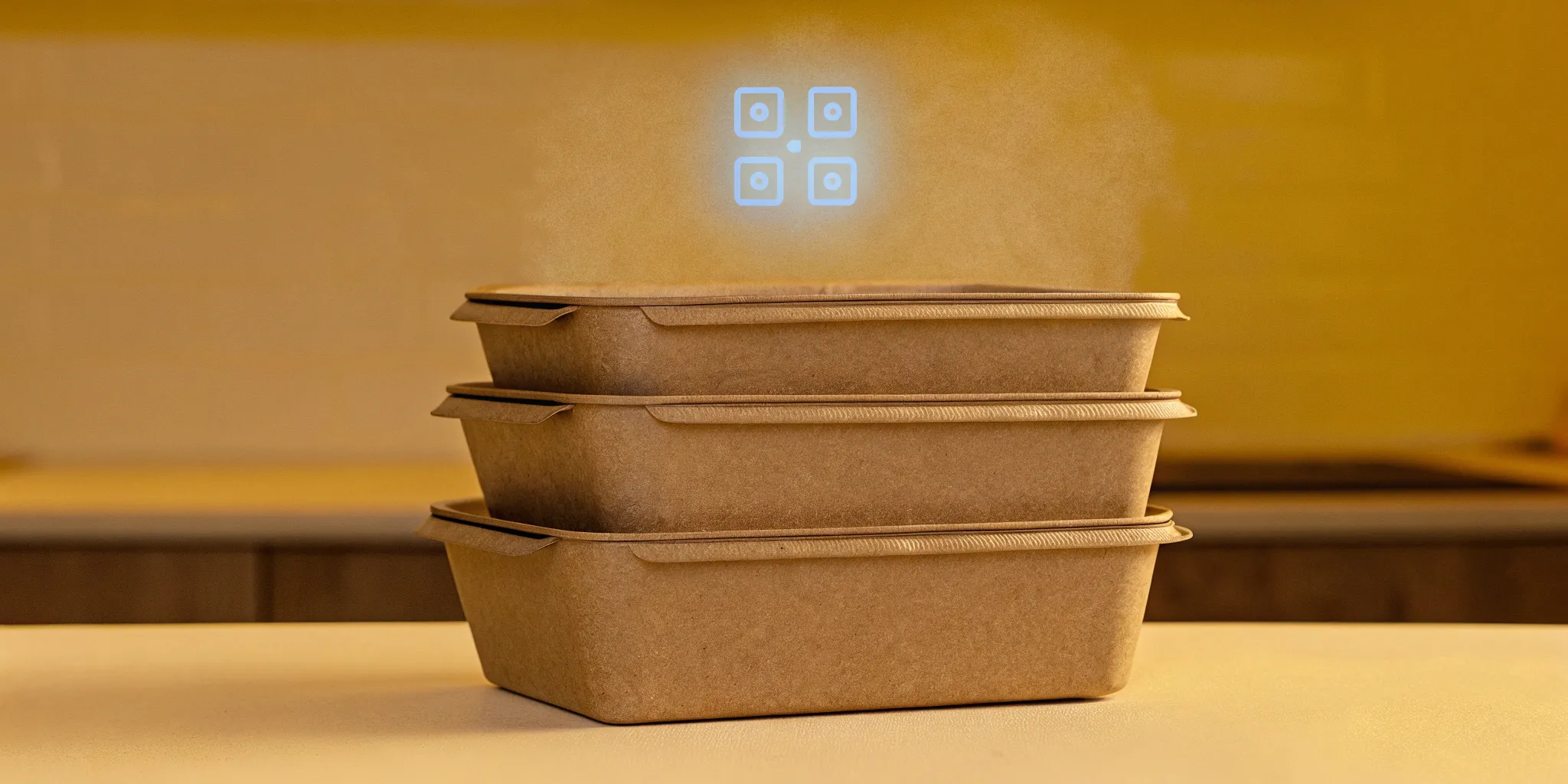
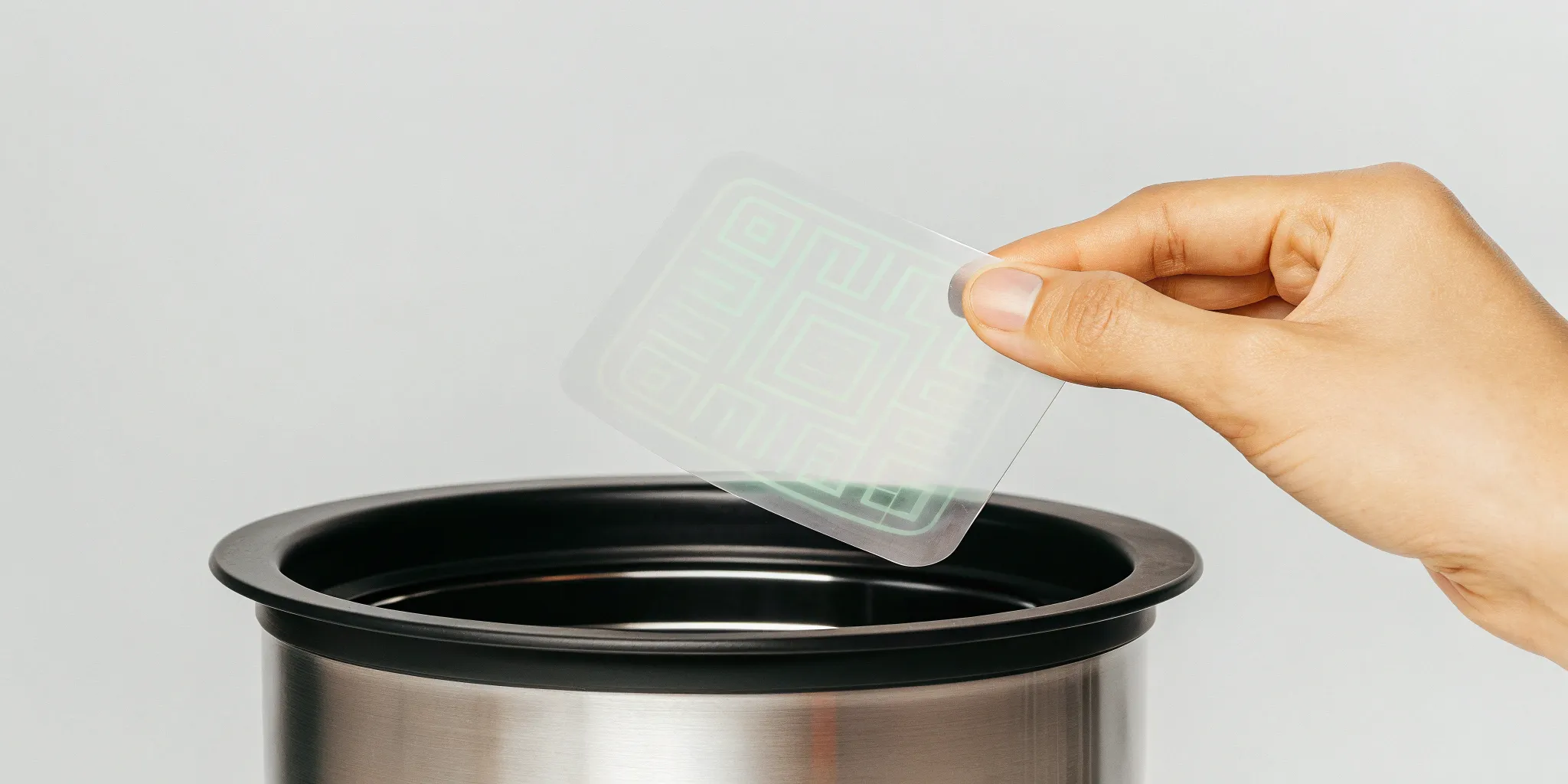
The right technology makes a reusable program work smoothly and keeps return rates high. Many early programs relied on a token or a cash deposit to encourage returns. While effective, this can sometimes create a barrier for students. Modern systems use unique QR codes or RFID tags on each container to track them without needing a physical token or deposit. This technology provides valuable data on usage and return rates, helping you manage inventory. Ultimately, a well-designed system helps reduce raw material consumption and lower the carbon footprint associated with disposable packaging, making a measurable environmental impact.
Solving Common Challenges in Reusables
Launching a reusable container program is a fantastic first step, but its long-term success hinges on student adoption and smooth operations. Even the best-laid plans can meet friction if the user experience isn't seamless or if students aren't clear on how to participate. The key is to anticipate common hurdles and build a program that is not only sustainable but also intuitive and engaging for the entire campus community. Let's walk through some of the most frequent challenges and how to solve them from the start.
Boosting Student Engagement and Awareness
A reusable program can't succeed in a vacuum; it needs a campus culture that champions it. The best way to build this is by making students active participants, not just users. Start with clear, consistent communication across campus using posters, digital screens in dining halls, and social media campaigns. You can form a student-led Green Team to help spread the word and gather peer feedback.
Consider adding a fun, competitive element to drive participation. Leaderboards showing which dorm or student group has the highest reuse rates can spark friendly rivalries. Offering small rewards or incentives for consistent participation also helps build positive habits. When students feel a sense of ownership and see the direct impact of their actions, they become the program's strongest advocates.
Addressing Common Feedback for a Better Program
Listening to your community is essential for refining your program. Students and staff will be the first to tell you what’s working and what isn’t. Common feedback often centers on convenience, cost, and container availability. Are the return locations easy to find and use? Is the process for checking out a container quick during the lunch rush? Answering these questions is vital to your program's success.
Proactively designing your system to address these points makes a huge difference. For example, instead of a deposit system that can feel punitive, an automated system with gentle reminders and refundable late fees encourages returns without creating a financial barrier. By making your feedback process visible and showing that you’re making changes based on suggestions, you build trust and encourage even more participation.
Overcoming Hurdles to Behavioral Change
The biggest hurdle for any new initiative is changing established habits. For students used to grabbing a disposable container and tossing it, switching to a reusable system needs to be incredibly simple. The goal is to make the sustainable choice the most convenient one. If students have to download an app, pay a deposit, or go out of their way to return a container, they’re less likely to participate.
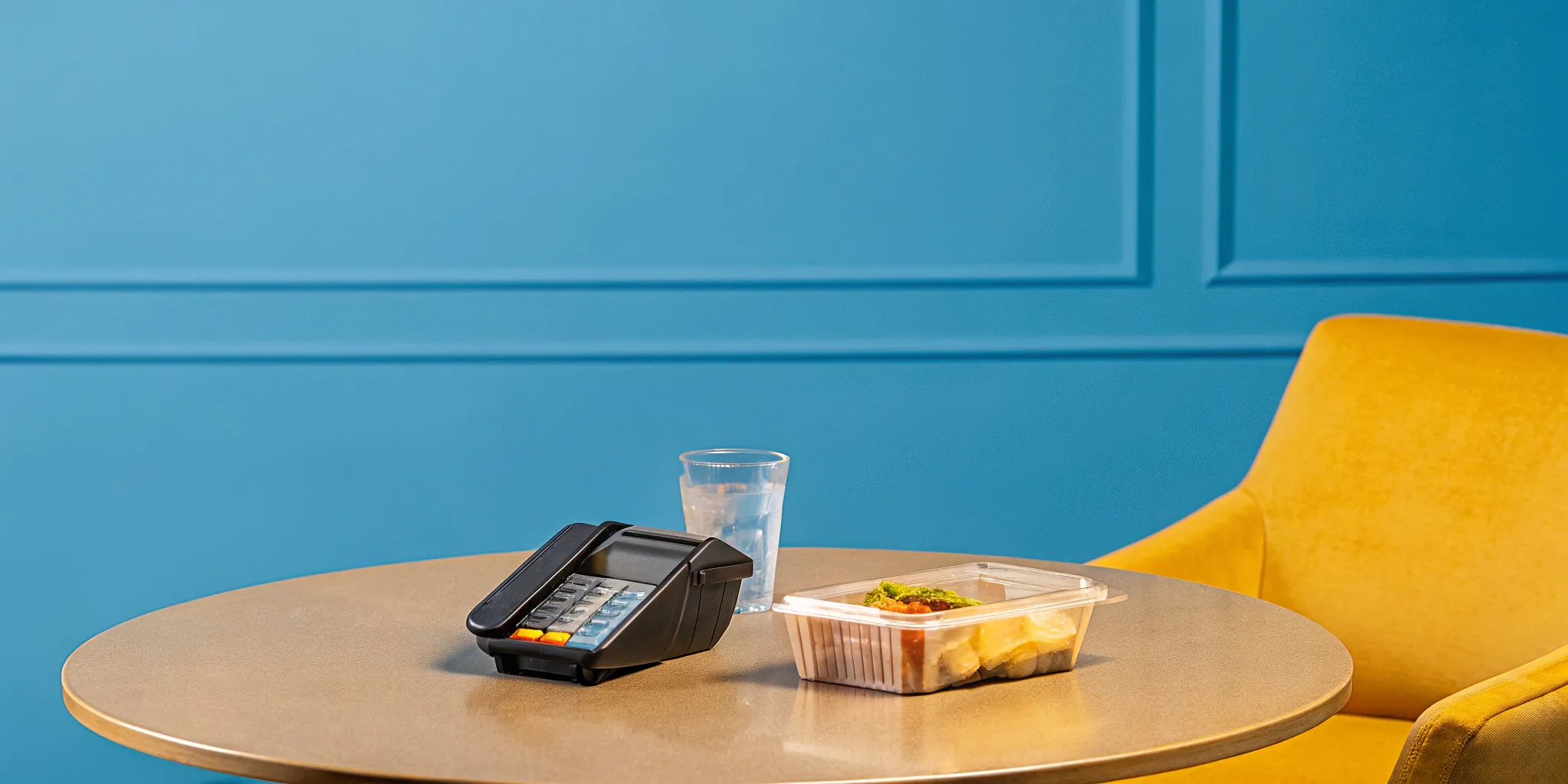
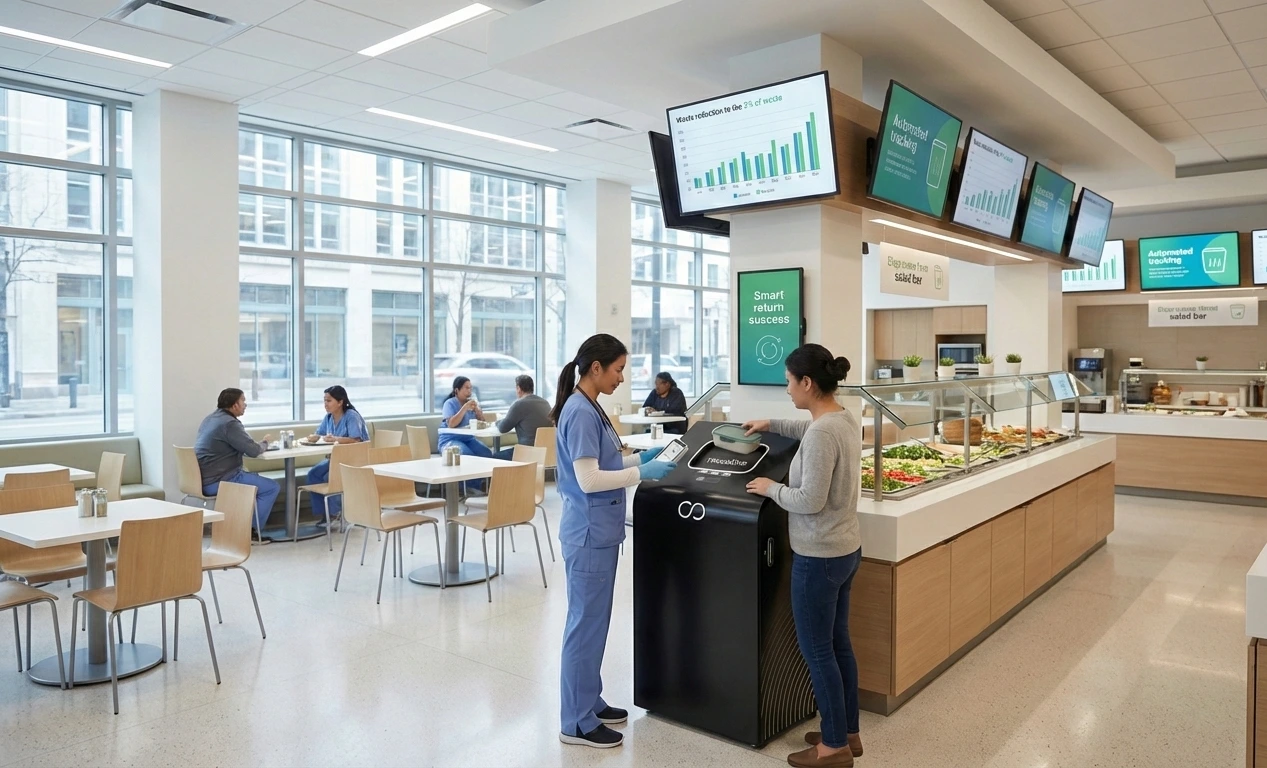
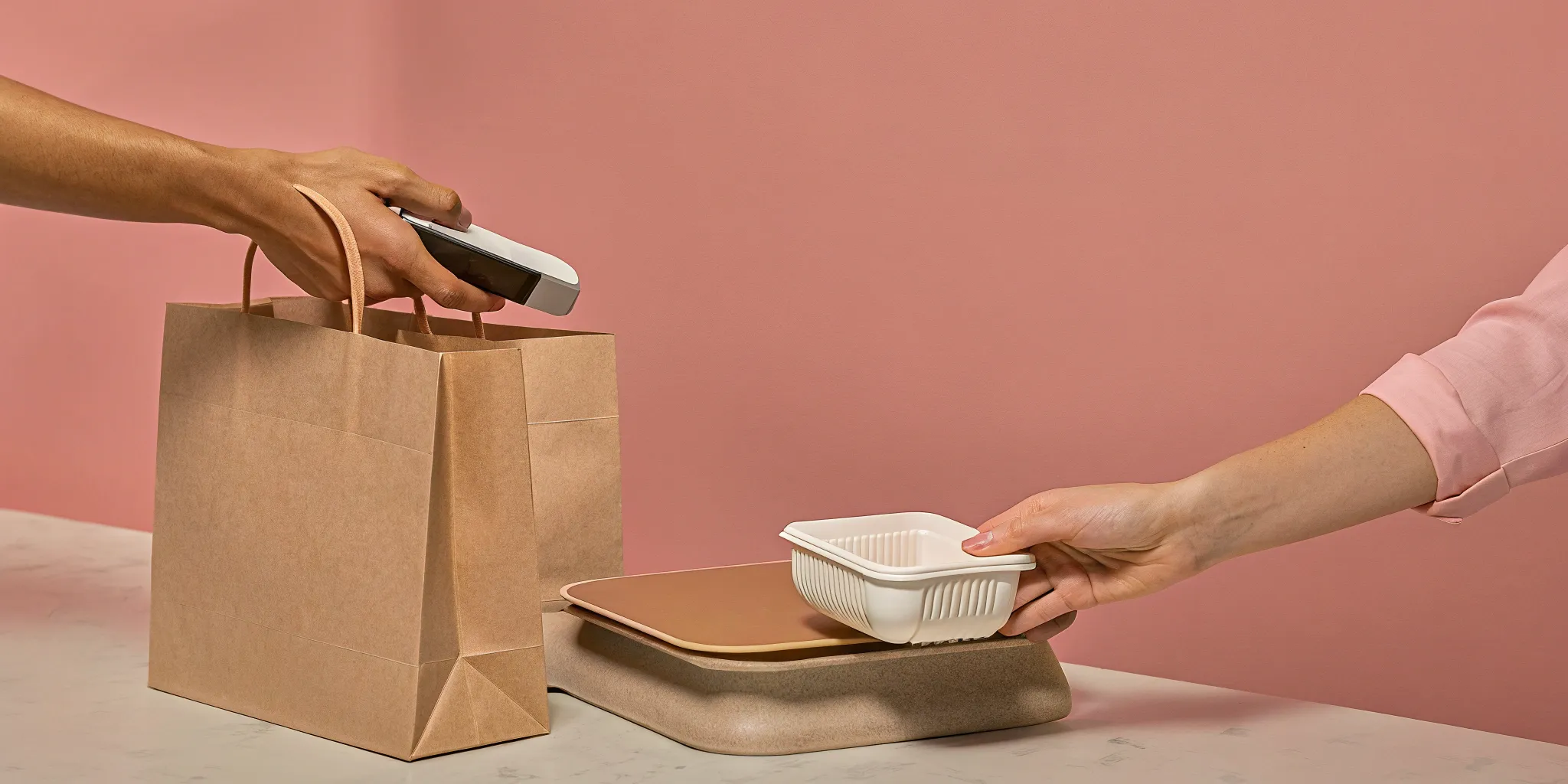
Frictionless systems that integrate with existing campus cards or payment methods remove these barriers. A simple tap-and-go checkout makes reusing just as easy as taking a disposable box. You can also use fun initiatives like a campus competition to make sustainability a shared goal. When the process is easy and feels rewarding, new, positive behaviors naturally follow.
Planning for Long-Term Success
A successful green box program becomes a permanent part of the campus identity. This requires planning for sustainability in every sense of the word. Your program should be built on a flexible, scalable platform that can grow with your campus. What happens when you want to add a new dining hall or introduce a different type of container? Your system should be able to adapt easily.
Having access to real-time data on usage, return rates, and environmental impact is also crucial. This information allows you to make informed decisions, demonstrate the program's value to stakeholders, and identify areas for improvement. As your campus continues to evolve its sustainability efforts, a modern reuse program can serve as a cornerstone initiative that inspires new ways to reduce waste and fosters a lasting culture of environmental responsibility.
Related Articles
- How Student Card Reusable Container Checkout Works
- Your Guide to Smart Takeout Containers for Universities
- The Real Cost of Disposable Containers for Universities
- The Right Way to Buy Reusable Food Containers for College
Frequently Asked Questions
How are modern reuse programs different from the old token systems? Modern programs replace the manual, physical elements of older systems, like tokens or deposits, with seamless technology. Instead of asking students to keep track of a carabiner or pay a deposit, today's systems use QR codes or RFID tags on each container. This allows for effortless checkouts using a student ID card or phone, and it provides you with real-time data on inventory and return rates without adding extra steps for your staff or students.
What kind of financial impact can we expect from a reusable container program? While there is an initial investment, a well-run reusable program is designed to lower your operational costs over time. You'll drastically reduce your recurring spending on disposable containers, which have become increasingly expensive. By purchasing durable containers that can be used hundreds of times, you shift from a constant expense to a long-term asset, often leading to significant annual savings on packaging and waste hauling fees.
Will students actually return the containers? This is a common concern, but high return rates are achievable with the right system. The key is to make returning containers incredibly easy and to have a smart accountability system in place. Modern programs use conveniently located return stations and automated reminders to encourage students. Instead of punitive deposits, they might use a system of gentle notifications and refundable late fees, which has proven to be highly effective at getting containers back without creating a negative experience.
How much work is it for my staff to manage a reusable program? A modern program is designed to minimize the workload for your team. The goal is to integrate the system directly into your existing workflow. With automated tracking, staff members don't have to manually collect tokens, manage deposits, or chase down students for unreturned containers. The technology handles the accountability, allowing your team to focus on what they do best: providing great food and service.
How do you ensure the containers are clean and safe for students? Safety is the top priority. Reusable container programs use commercial-grade containers made from materials designed to withstand high-temperature washing and sanitization in your existing dish rooms. Every container goes through the same rigorous cleaning process as your dining hall plates and cutlery. This closed-loop system ensures that each student receives a fresh, fully sanitized container every single time.
Other stories you may find interesting





















.webp)
.webp)







.webp)
























Watch the Webinar
Learn How to Eliminate Single-Use Waste
Get instant access to our expert webinar and discover how leading institutions reach 99% return rates through smarter reuse systems.

© Reusables™. All rights reserved.