
A Buyer's Guide to Reusable Food Containers for Hospitals

January 21, 2026
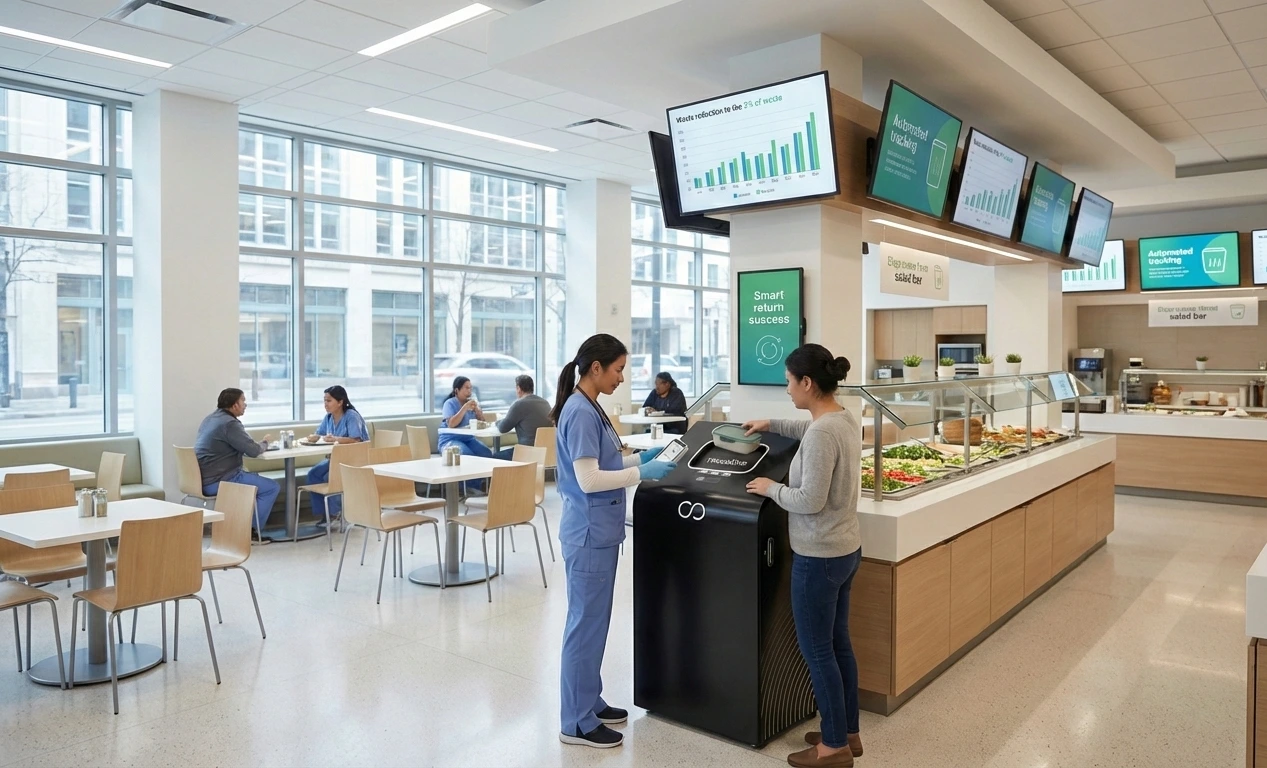
If you've considered reusables before, you might be skeptical. Early programs were often plagued with challenges: low return rates, lost inventory, and clunky systems that created more work for staff. It’s understandable to be hesitant. But the landscape has changed dramatically. Today’s systems for reusable food containers for hospitals are powered by smart technology that solves those exact problems. With automated tracking, convenient smart return bins, and app-free checkout, the entire process becomes frictionless for both users and your team. This isn't about trying the same old thing and hoping for a different result; it's about leveraging modern tools to build a program that actually works.
Key Takeaways
- Think of reusables as a cost-control strategy: Moving away from disposables directly reduces your annual spending on packaging and waste removal, creating a clear path to a positive return on investment.
- Prioritize a complete, tech-enabled system: The success of your program hinges on automated tracking and easy returns. A fully integrated system with features like smart bins and QR/RFID tags ensures high return rates and removes the management burden from your staff.
- Make material safety and compliance non-negotiable: In a healthcare setting, your containers must meet the highest standards. Select products that are NSF-certified, free of harmful chemicals like BPA and PFAS, and designed to withstand rigorous commercial sanitization.
Why Switch to Reusable Food Containers in Your Hospital?
Making the switch from single-use to reusable food containers might feel like a huge undertaking, but the benefits are too significant to ignore. Hospitals, by nature, are high-traffic environments that generate a massive amount of waste, and disposable food packaging is a major contributor. Moving to a reusable system isn't just about hitting sustainability targets; it's a strategic decision that can strengthen your budget, streamline operations, and improve the dining experience for patients and staff.
Think of it as an investment in efficiency. Instead of constantly ordering, stocking, and disposing of single-use items, you can implement a closed-loop system that pays for itself over time. It’s a practical way to align your hospital's daily operations with its core mission of promoting health—both for people and the planet.
The Case Against Single-Use Packaging
Let's be direct: single-use packaging is a constant drain on your budget. The cost of disposable containers, lids, and cutlery has risen dramatically, and these expenses add up quickly across thousands of meals served each day. This is money that could be reinvested into patient care or staff resources. Beyond the sticker price, there are the hidden costs of waste management and the operational drag of constantly managing inventory for items that are designed to be thrown away.
The environmental and financial impacts are a growing concern for healthcare systems worldwide. A mountain of daily trash undermines your hospital's sustainability goals and its reputation as a community leader in health and wellness. Relying on disposables creates a linear, wasteful process that is becoming harder to justify financially and environmentally.
Exploring Your Reusable Container Options
The good news is that modern reusable food service ware systems are designed to solve these exact problems. By implementing a well-managed program, you can drastically cut down on waste and reduce your annual spending on disposable packaging. While the initial setup requires an investment, the long-term savings and operational benefits create a clear path to a positive return.
Of course, there are practical questions to consider. How do you handle collection? How do you ensure containers are properly sanitized? And how do you get staff and patients to participate? In the past, a lack of standardized infrastructure made these challenges difficult to overcome. Today, tech-enabled solutions with smart tracking and return systems make the entire process seamless, taking the burden off your team and making it easy for everyone to do the right thing.
What Safety Certifications Matter Most?
When you're serving patients, staff, and visitors, the safety of your food containers is not just a priority—it's a requirement. The world of certifications can feel complex, but a few key standards will tell you everything you need to know about a container's safety and quality. Think of these certifications as your assurance that the products you choose meet strict public health standards, protecting both your patients and your hospital's reputation. They are the simplest way to verify that a container is built for the demands of a commercial healthcare environment.
Understanding NSF Certification
First, look for the NSF mark. NSF certification is a trusted sign that a product has been tested by a third-party organization to meet specific safety and quality standards. For hospital food service, this is a foundational requirement. Containers that are NSF Listed are verified to be non-toxic, durable, and designed for commercial cleaning and sanitization. Health inspectors often look for this certification during inspections, so choosing NSF-certified containers ensures you’re compliant with public health codes and using equipment that’s truly commercial-grade.
Meeting FDA and GreenScreen Standards
Beyond NSF, it's important that containers comply with FDA guidelines for food-contact surfaces. This ensures the materials themselves are safe for holding food. For an even higher standard of chemical safety, look for the GreenScreen Certified™ Standard. This certification goes a step further by evaluating every chemical used in a product’s manufacturing process to screen for hazardous substances. It’s a clear indicator that a manufacturer is committed to transparency and is actively avoiding chemicals of high concern, making it an excellent benchmark for healthcare settings.
Why BPA-Free, PFAS-Free, and Phthalate-Free Is Non-Negotiable
In any healthcare environment, choosing containers free from BPA, PFAS, and phthalates is absolutely essential. These chemicals have been linked to various health concerns, and their presence in food packaging is an unnecessary risk, especially when serving vulnerable patient populations. Certifications like GreenScreen specifically target these harmful chemicals, giving you confidence that your containers are truly safe. Making this a non-negotiable part of your purchasing criteria is a critical step in upholding your commitment to patient health and wellness.
A Look at Top Reusable Systems for Healthcare
Choosing the right reusable container system goes beyond just picking a container. You're adopting a new workflow for your staff and a new experience for your patients and visitors. The best system is one that integrates smoothly into your existing operations, ensures hygiene, and makes tracking effortless. While many providers offer containers, only a few offer comprehensive systems designed to handle the complexities of a large-scale healthcare environment. Let's look at some of the top players and what makes each one unique.
Reusables.com: The All-in-One Tech Solution
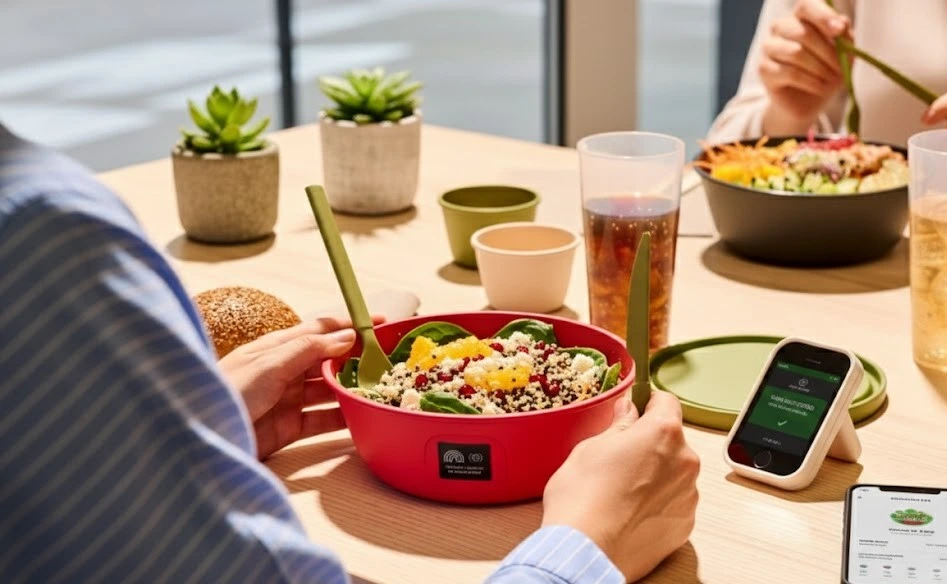
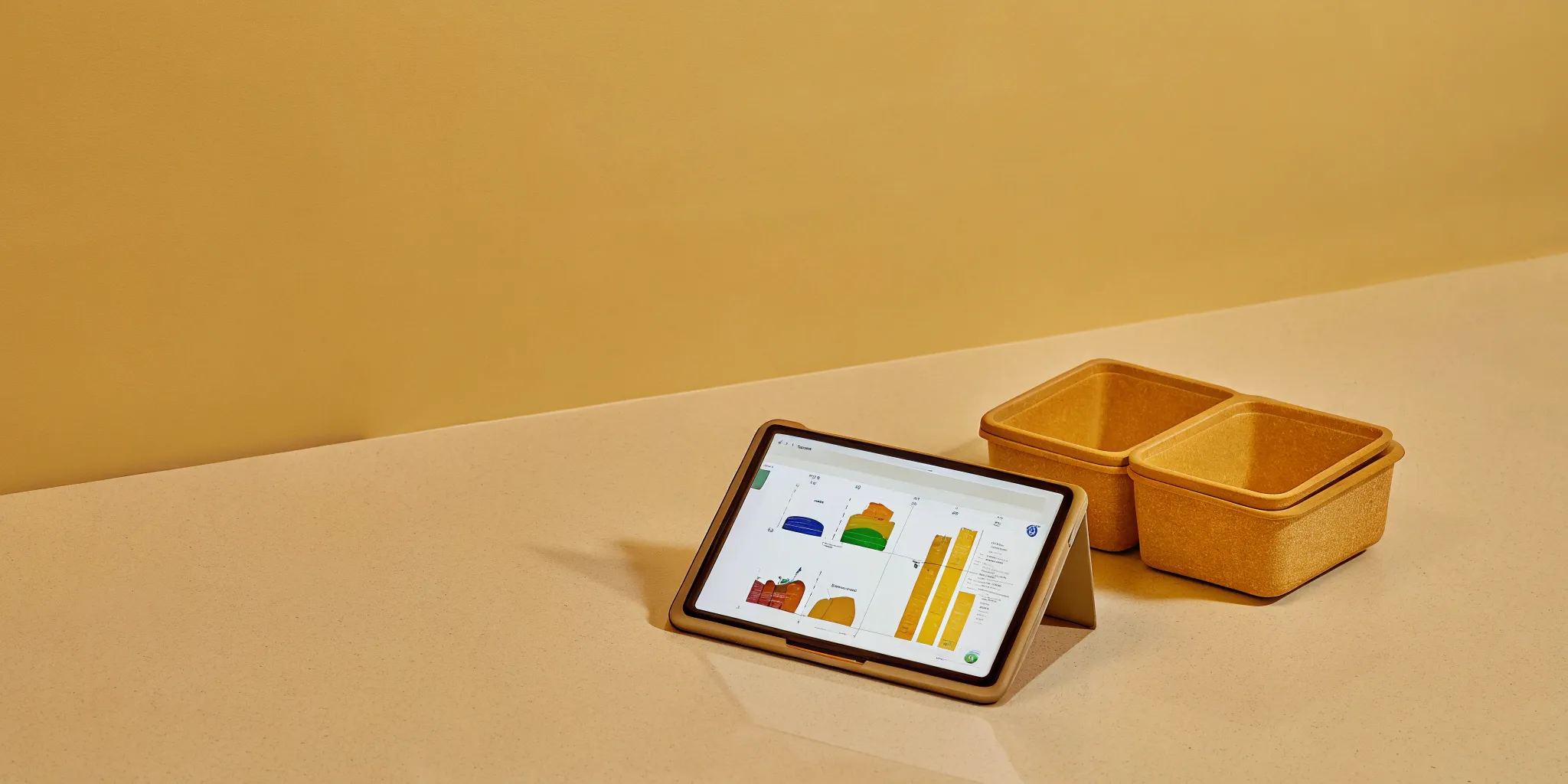
Implementing a large-scale reuse program can be challenging due to a lack of standardized infrastructure. Reusables.com addresses this head-on with a complete, tech-enabled system that manages the entire process for you. Instead of just providing containers, it offers a full-stack solution including smart return bins, automated tracking with both QR and RFID tags, and an operator dashboard with real-time data on inventory and return rates. The app-free "Tap to Reuse" technology makes checkout simple for staff and visitors. This integrated approach is designed to achieve near-perfect return rates while reducing the manual workload for your team, making it a powerful choice for hospitals that need a reliable, data-driven, and all-in-one business solution.
OZZI: Closed-Loop Collection Systems
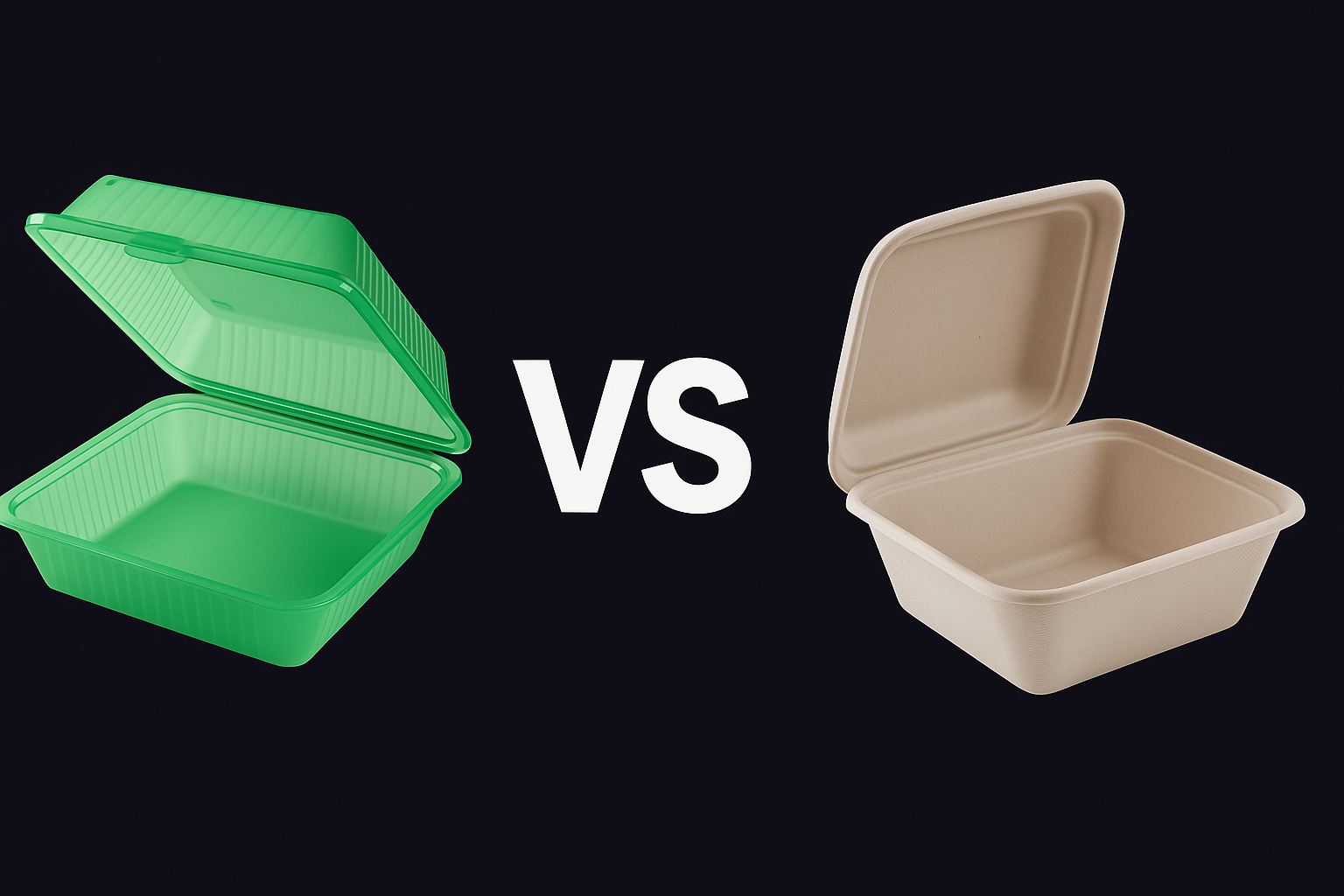
OZZI is well-known for its distinctive green containers and on-site collection machines. Their model is a classic example of a closed-loop collection system, where users return containers to a designated machine in exchange for a token or credit. This straightforward process ensures containers are returned to a central point for proper cleaning and sanitization, a critical factor in any healthcare setting. The system is self-contained and encourages user accountability through its token-based mechanics. While effective for managing returns, it often requires users to interact with a specific machine, which can be a different user experience compared to more flexible, tech-integrated return options.
GET Enterprises: Commercial-Grade Durability
If your primary need is a wide selection of durable, commercial-grade containers, GET Enterprises is a major supplier. They offer an extensive catalog of reusable products made from materials like melamine and durable plastics, designed to withstand the rigors of a commercial kitchen. Their focus is on providing the physical "hardware" for a reuse program. You can find a vast guide of food storage containers in various shapes and sizes to suit different needs, from patient meal trays to cafeteria takeout. This option is ideal if you plan to build your own tracking and collection system but first need to source high-quality, long-lasting containers that meet food safety standards.
Preserve2Go: Options from Recycled Materials
For hospitals prioritizing sustainability in their procurement, Preserve2Go offers a compelling option. Their containers are designed to be a direct alternative to single-use plastics and are made with 50% recycled plastic. This focus on using recycled materials helps close the loop on plastic waste and supports a circular economy. The Preserve2Go container is a sturdy, stackable choice for cafeterias and grab-and-go services. While the containers themselves are eco-friendly, you would still need to pair them with a separate system for tracking, collection, and washing to create a complete and effective reuse program within your facility.
Key Features to Look for in Hospital Containers
Choosing the right reusable containers for your hospital goes far beyond aesthetics. The containers you select become a core part of your meal service, directly impacting patient safety, staff workflow, and your program's overall success. When you're evaluating your options, it's essential to think through the entire lifecycle of a container—from the kitchen to the patient's room, to the dish room, and back again. The best containers are designed to handle the unique demands of a healthcare environment, balancing durability with strict safety and sanitation standards. By focusing on a few key features, you can confidently select containers that not only support your sustainability goals but also enhance your food service operations.
Prioritize Material Safety and Durability
In a healthcare setting, patient safety is the top priority, and that extends to the containers you serve food in. Look for materials that are certified to be free from harmful chemicals. According to the GreenScreen Certified Standard, containers should not contain substances like PFAS or other chemicals of concern that could potentially leach into food. This certification ensures the material is non-toxic and safe for everyone. Durability is just as important. Your containers will go through hundreds of cycles of use, transport, and high-temperature washing. Choosing a robust material, whether it's stainless steel or a commercial-grade polymer, ensures a long lifespan for your inventory and a better return on your investment.
Verify Temperature and Microwave Compatibility
Hospital meals are often prepared in advance and may need to be refrigerated, frozen, or reheated. Your containers must be able to handle these temperature changes without warping, cracking, or compromising food safety. Always verify that the containers are freezer-safe and can withstand the heat of a commercial dishwasher. If your workflow involves reheating meals, it's critical to confirm they are microwave-safe. You should always avoid microwaving food in plastic containers unless they are explicitly labeled for that purpose, as heat can cause harmful chemicals to be released. Checking these specifications upfront prevents serious safety issues and ensures your containers fit seamlessly into your kitchen's operations.
Ensure Easy Cleaning and Sanitization
Maintaining impeccable hygiene is non-negotiable. Reusable containers must be easy to clean and sanitize thoroughly after every use. The design of the container plays a big role here—look for smooth surfaces and rounded corners that don't trap food particles. The Healthcare Waste Institute provides clear minimum standards for cleaning, which involve washing with detergent and water before disinfecting with an EPA-registered solution. Your containers need to be compatible with these cleaning agents and the high temperatures of commercial dishwashers. This ensures you can confidently meet health codes and protect patients from cross-contamination.
Find the Right Size for Portion Control
Portion control is essential for managing patient nutrition, controlling food costs, and reducing waste. The right container size helps your team serve consistent, accurate portions that align with specific dietary plans. Food storage containers come in various materials, shapes, and sizes, so it’s important to choose a selection that meets your menu's needs. Standardized sizes also make stacking and storage much more efficient, both in the kitchen and on meal delivery carts. By selecting a range of appropriate sizes, you can streamline your meal-plating process and ensure every patient receives precisely what their care plan requires.
Stainless Steel vs. Plastic: Which Is Right for You?
Choosing the right container material is one of the first big decisions you'll make when setting up a reuse program. The two main contenders are stainless steel and durable, commercial-grade plastic. There’s no single "best" answer—the right choice depends entirely on your budget, your menu, and your operational flow. The good news is that our tech-enabled reuse system is container-agnostic, meaning it works seamlessly with either option from our trusted partners. This gives you the flexibility to choose what’s best for your facility, or even use a mix of materials for different applications. Let's break down the pros and cons of each so you can feel confident in your decision.
The Pros and Cons of Stainless Steel
Stainless steel is the workhorse of the commercial kitchen for a reason. These containers are incredibly durable, resistant to corrosion, and can handle high temperatures, making them perfect for everything from hot soups to chilled desserts. Because stainless steel is non-porous, it’s simple to clean and won't hold onto food odors or stains over time—a major advantage for maintaining quality and hygiene in a healthcare setting. The primary consideration with stainless steel is its higher upfront cost, but its longevity often makes it a sound long-term investment for high-volume dining operations that need containers to last for years.
The Pros and Cons of Durable Plastic
High-quality, commercial-grade plastic containers are a fantastic and popular choice for reuse programs. Their biggest advantages are that they're lightweight and more affordable upfront, which can make launching a program more accessible. Modern reusable plastics are specifically designed for commercial use, ensuring they are safe, BPA-free, and resilient enough for repeated trips through a commercial dishwasher. However, over a long lifespan, some plastics may be more prone to staining or retaining odors compared to steel. They also may have different temperature thresholds, so you’ll want to confirm they align with your menu's needs for heating and serving.
A Head-to-Head on Cost and Maintenance
When you look at the budget, the comparison is straightforward. Stainless steel requires a larger initial investment, but its durability can lead to a lower total cost of ownership since you'll replace containers far less frequently. Durable plastic is less expensive to purchase, which lowers the initial barrier to entry, but you should factor in a budget for replacing a certain percentage of your inventory over time. Both materials are designed for commercial dishwashers, but the inherent durability of stainless steel means it can withstand countless cleaning cycles without degrading, simplifying long-term maintenance and ensuring a consistent appearance.
Breaking Down the Costs of a Reusable System
Making the switch to a reusable container program is a financial decision as much as an operational one. It’s helpful to think of it not as an expense, but as a long-term investment in efficiency and sustainability. By looking at the complete picture—from initial setup to year-over-year savings—the value becomes clear. Let's break down what to expect.
Calculating Your Initial Investment
Your initial investment goes beyond just the containers. You're setting up an infrastructure for reuse, which includes the durable containers themselves and the technology to manage them. This could involve smart return bins, tracking software, and integration with your existing payment systems. You’ll also want to account for any updates to your dishwashing and storage areas to handle the new workflow. Investing in a complete system from the start is the key to building a program that runs smoothly and minimizes manual work for your staff.
Projecting Your Annual Savings on Packaging
This is where the investment starts to pay off. Your biggest savings will come from drastically reducing your spending on single-use containers. With the cost of disposable packaging rising, this line item can make a huge impact on your budget—many institutions spend over $50,000 a year on disposables alone. Beyond material costs, you’ll also see a drop in waste disposal fees. Less trash means lower hauling expenses. These combined savings create a powerful financial case for making the switch and can free up funds for other important dining initiatives.
Understanding Your ROI Timeline
So, how long until you see a return on your investment? While every hospital is different, many programs achieve a positive ROI within just a few years. The timeline depends on your current spending on disposables and how quickly your community adopts the new system. A program with high return rates and a frictionless user experience will see a faster return. This is where technology plays a huge role—automated reminders and easy return options keep containers in circulation. To get a clear picture of your potential ROI, work with a provider who can model the costs and savings based on your specific operational data.
How to Launch a Successful Reusables Program
Switching to a reusable container system is more than just a purchasing decision—it's an operational shift that can transform your hospital's approach to sustainability and cost management. A successful launch hinges on a well-thought-out plan that addresses your people, processes, and technology. When you get these core components right, you create a seamless experience for your staff and diners, ensuring high adoption rates and the long-term health of your program. Think of it as building a strong foundation. Without it, even the best containers won't deliver the results you're looking for.
The key is to move forward with a clear strategy that covers three essential areas: comprehensive staff training, smart tracking technology, and uncompromising hygiene protocols. By focusing on these pillars, you can anticipate challenges, streamline new workflows, and build confidence in the system from day one. A partner like Reusables.com can provide the integrated technology and support needed to manage this transition effectively. A well-executed program doesn't just reduce waste; it demonstrates a powerful commitment to patient well-being and environmental stewardship, all while improving your bottom line.
Train Your Staff and Integrate New Workflows
Your food service team is the backbone of your reusables program, and their buy-in is essential for success. Start by developing clear, documented procedures for every step of the container's journey—from filling and serving to collection and washing. This removes ambiguity and ensures consistency. Schedule hands-on training sessions to walk your staff through these new workflows, giving them a chance to ask questions and understand their role in the new system. Emphasize the importance of proper infection control protocols, as their diligence is key to maintaining a safe and hygienic environment for everyone in the hospital. When your team feels confident and prepared, they become champions for the program.
Choose the Right Tracking Technology
Without a reliable way to track your containers, you risk losing your investment and undermining the entire program. Modern tracking technology is the key to accountability and inventory management. Systems that use a combination of QR codes and RFID tags on each container allow you to monitor your inventory in real time, understand usage patterns, and maintain high return rates. This data is invaluable for projecting future needs and demonstrating the program's financial benefits. Implementing a system with automated accountability also means staff aren't burdened with manually chasing down fees or containers, allowing them to focus on their core responsibilities.
Uphold Strict Hygiene and Infection Control
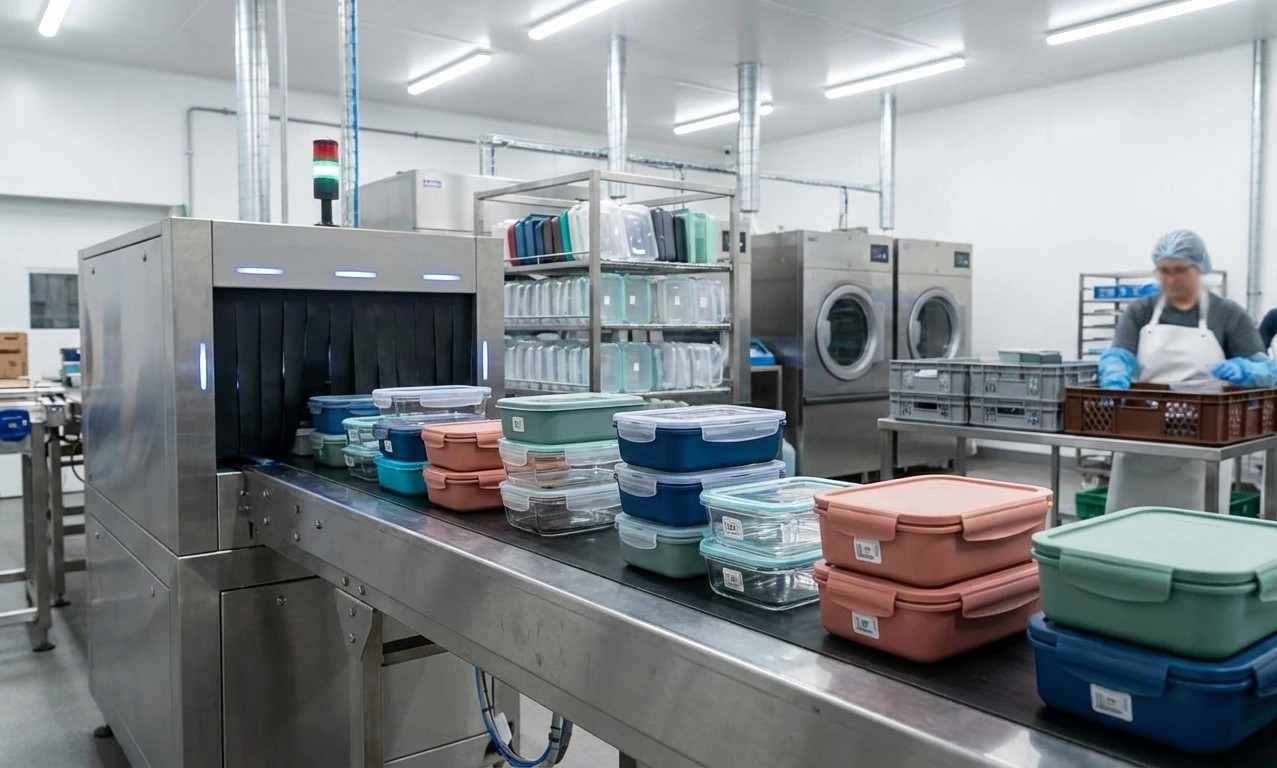
In a hospital setting, there is no room for error when it comes to cleanliness. Your reusable container program must adhere to the highest standards of hygiene and sanitation. Establish a rigorous, multi-step washing and sanitizing process that meets all health and safety regulations. This typically involves using commercial-grade dishwashers that reach temperatures high enough to kill bacteria and viruses. It’s also wise to designate a specific area for processing used containers to prevent any risk of cross-contamination. Documenting these food safety procedures and ensuring staff follow them consistently will guarantee that every container is perfectly clean and safe for its next use.
Common Challenges and How to Solve Them
Switching to a reusable container system is a significant operational change, and it’s natural to anticipate a few bumps in the road. The good news is that with a bit of planning and the right partner, these challenges are entirely manageable. Most issues fall into three main categories: logistics, staff adoption, and regulatory compliance. Let’s walk through each one and outline some straightforward solutions to ensure your transition is a success from day one. By addressing these potential hurdles head-on, you can build a program that not only meets your sustainability goals but also enhances your food service operations.
Streamline Storage and Logistics
One of the first questions that comes up is, "Where will all the containers go?" Implementing reusable packaging systems requires a clear plan for storage, collection, and redistribution. Without a well-defined workflow, you risk creating bottlenecks in your kitchen and dining areas.
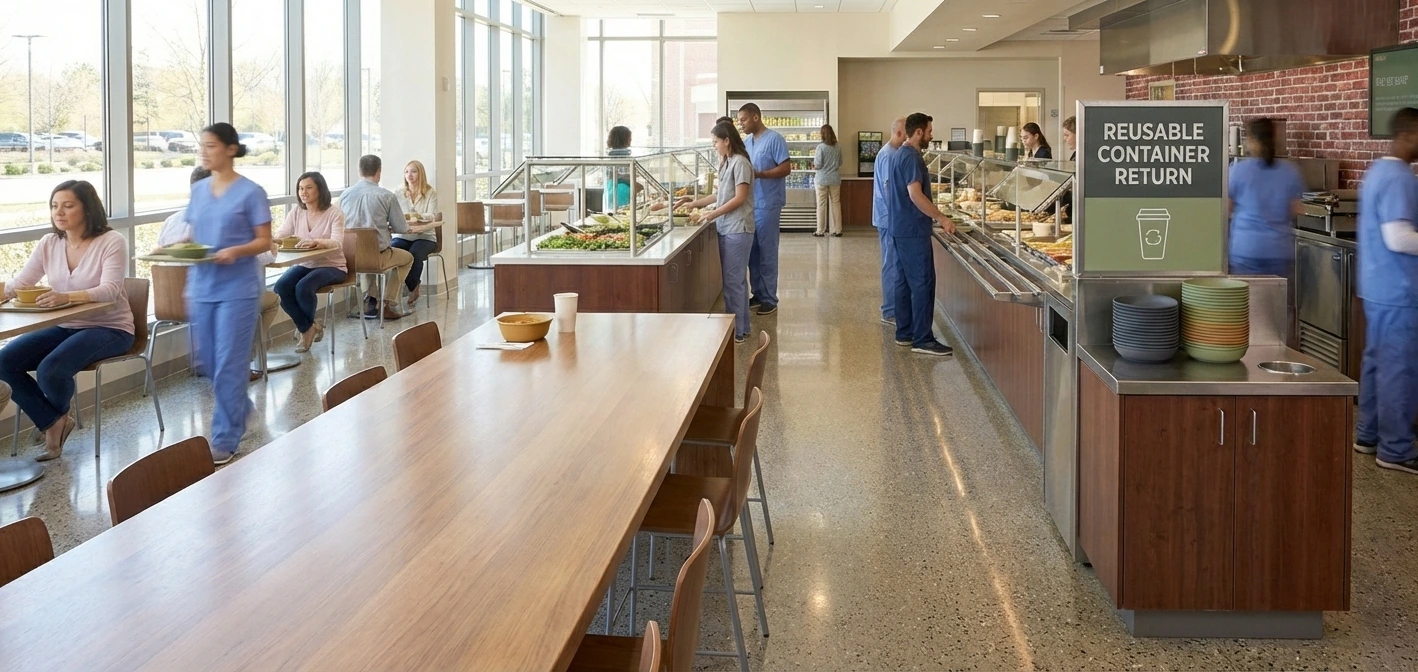
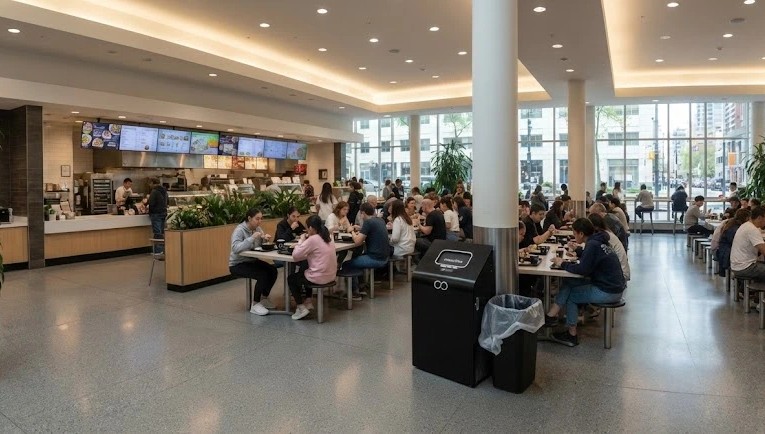
The key is to partner with a provider that offers a complete infrastructure. Look for solutions that include smart return bins that can be placed in convenient, high-traffic locations for 24/7 drop-offs. This eliminates the need for staff to manually collect containers. A tech-enabled system with real-time inventory tracking also removes the guesswork, telling you exactly how many containers are in circulation, in storage, or ready to be washed. This turns a potential logistical headache into a streamlined, automated process.
Encourage Staff Buy-In and Adoption
Your food service staff are the champions of your reusables program, and their buy-in is essential. A new system can feel disruptive if it adds complexity to their already busy schedules. Understanding the experience and perception of healthcare staff is the first step toward a smooth rollout.
Focus on making the new workflow as simple as possible. Choose a system that doesn’t require manual tracking or staff intervention for returns. For example, an app-free checkout using employee ID cards and automated return bins means less work for your team. Provide clear, hands-on training before launch and highlight the benefits that matter to them, like fewer overflowing trash cans and a cleaner dining environment. When the system is designed to make their jobs easier, adoption happens naturally.
Stay on Top of Regulatory Compliance
Hospitals operate under strict health and safety regulations, and your reusable container program is no exception. Every container must be properly sanitized, and the entire process needs to align with infection control protocols. At the same time, many institutions are facing new environmental mandates to reduce single-use plastics.
Work with a provider who understands the healthcare landscape. Ensure the containers are certified for commercial use (like NSF-certified) and made from food-safe materials. A great partner will help you design a workflow that meets health codes and documents your impact. This way, your reusables program doesn't just keep you compliant—it becomes a powerful tool for hitting sustainability goals. Effective waste reduction programs can help you meet zero-waste targets and demonstrate your hospital's commitment to environmental stewardship.
How Technology Makes Container Management Easy
Let's be honest: the idea of managing thousands of reusable containers in a busy hospital setting can feel overwhelming. Without the right system, you risk losing containers, creating extra work for your staff, and frustrating everyone involved. This is where technology comes in. A modern reusables program isn't about manual checklists and hoping for the best; it's about using smart, automated tools to make the entire process seamless. The right tech stack handles tracking, returns, and data analysis for you, ensuring high return rates and giving you a clear view of your inventory and impact. It’s the difference between a program that merely functions and one that truly thrives, saving you money and simplifying operations from day one. By leaning on technology, you can build a system that works effortlessly in the background, allowing your team to focus on providing excellent patient and visitor care.
Tracking with RFID and QR Codes
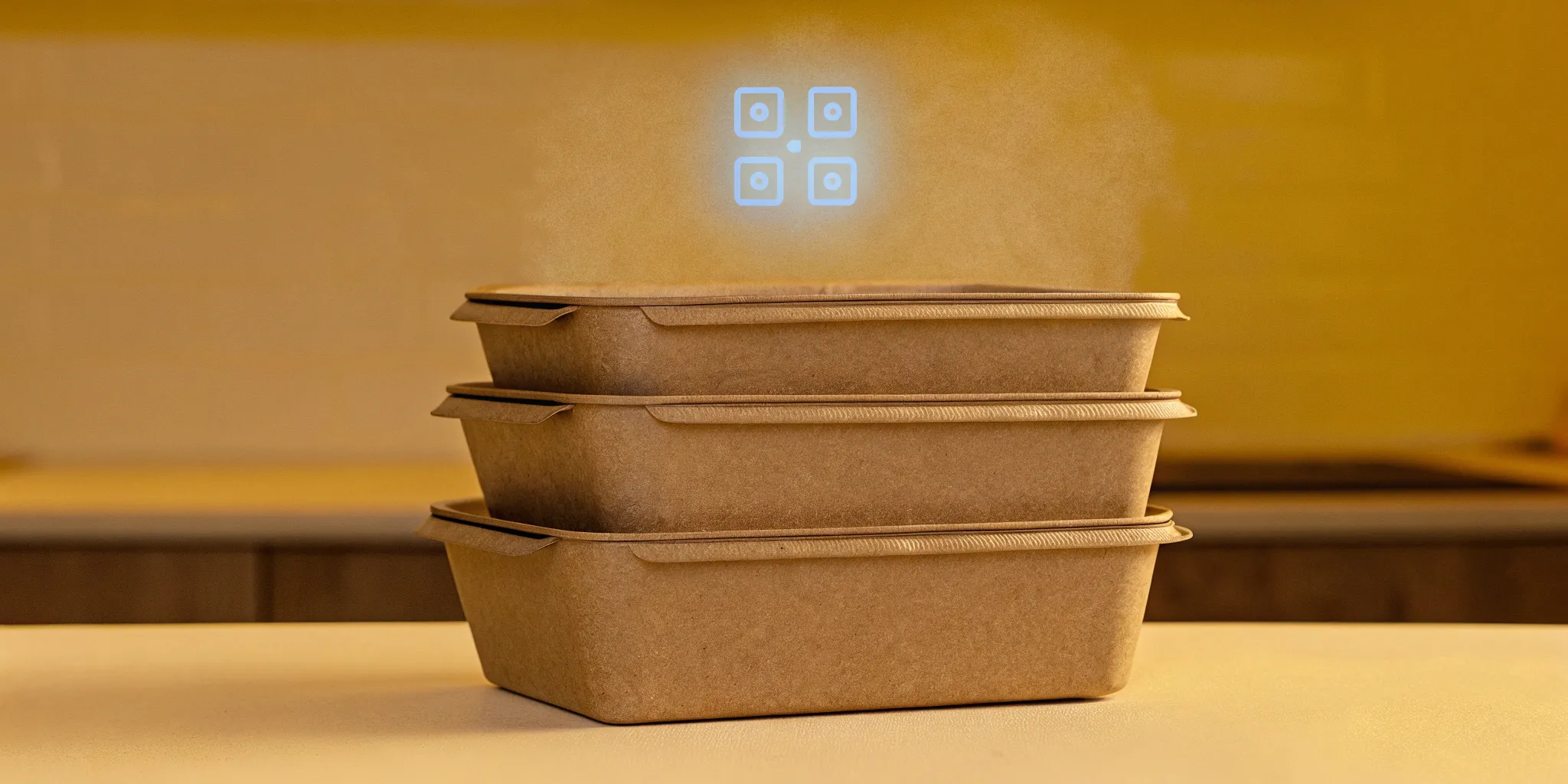
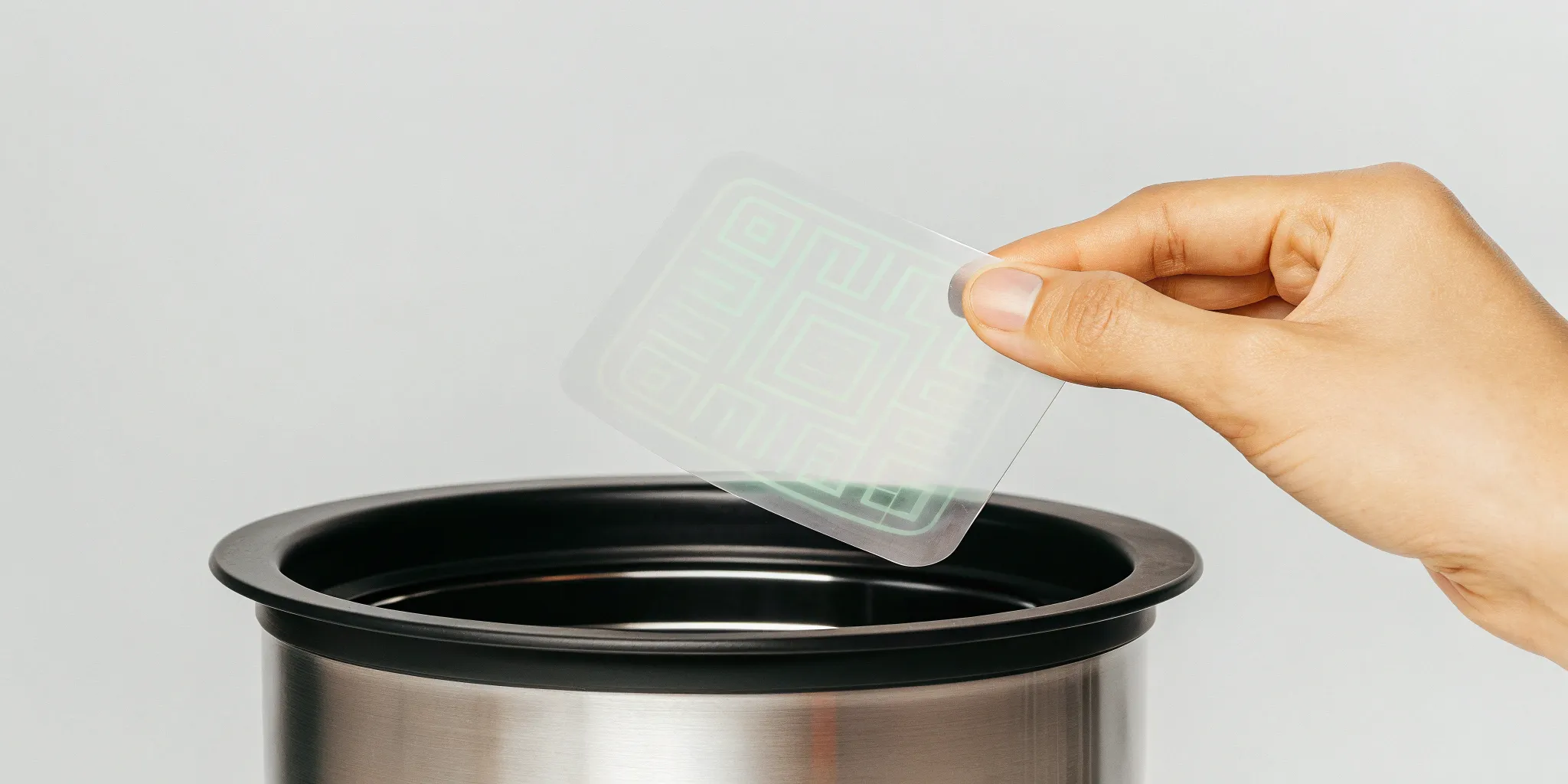
The first step to preventing container loss is knowing where every single one is. By assigning a unique QR code or RFID tag to each container, you give it a digital identity. This allows you to track its journey from the moment it’s checked out at the cafeteria to the moment it’s returned. This simple act of accountability is a game-changer. It gently encourages users to bring containers back, dramatically cutting down on replacement costs. More importantly, having a system with trackable containers provides the foundation for automated accountability, so your staff never has to chase down missing inventory or manually manage fees. It’s a straightforward way to protect your investment and keep the system running smoothly.
Automating Returns with Smart Bins
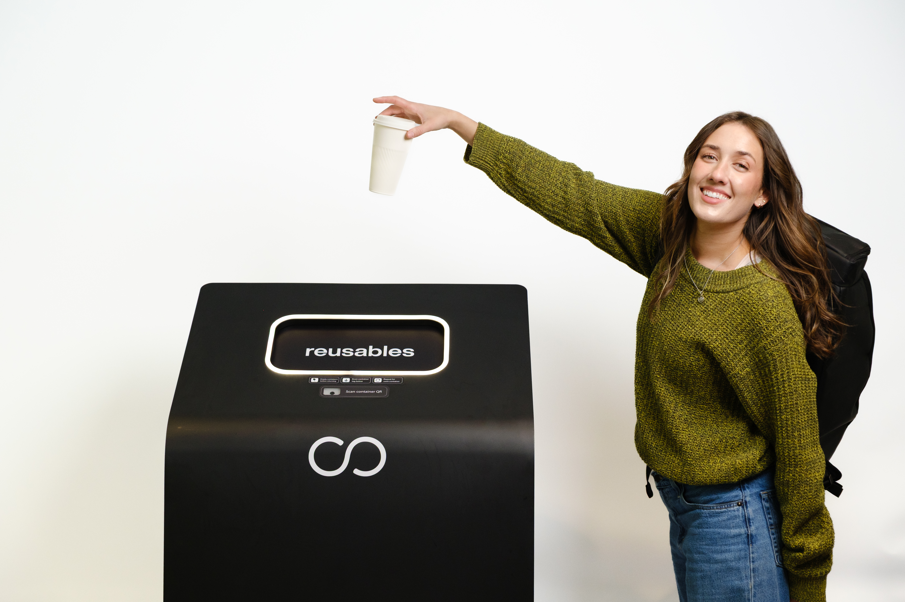
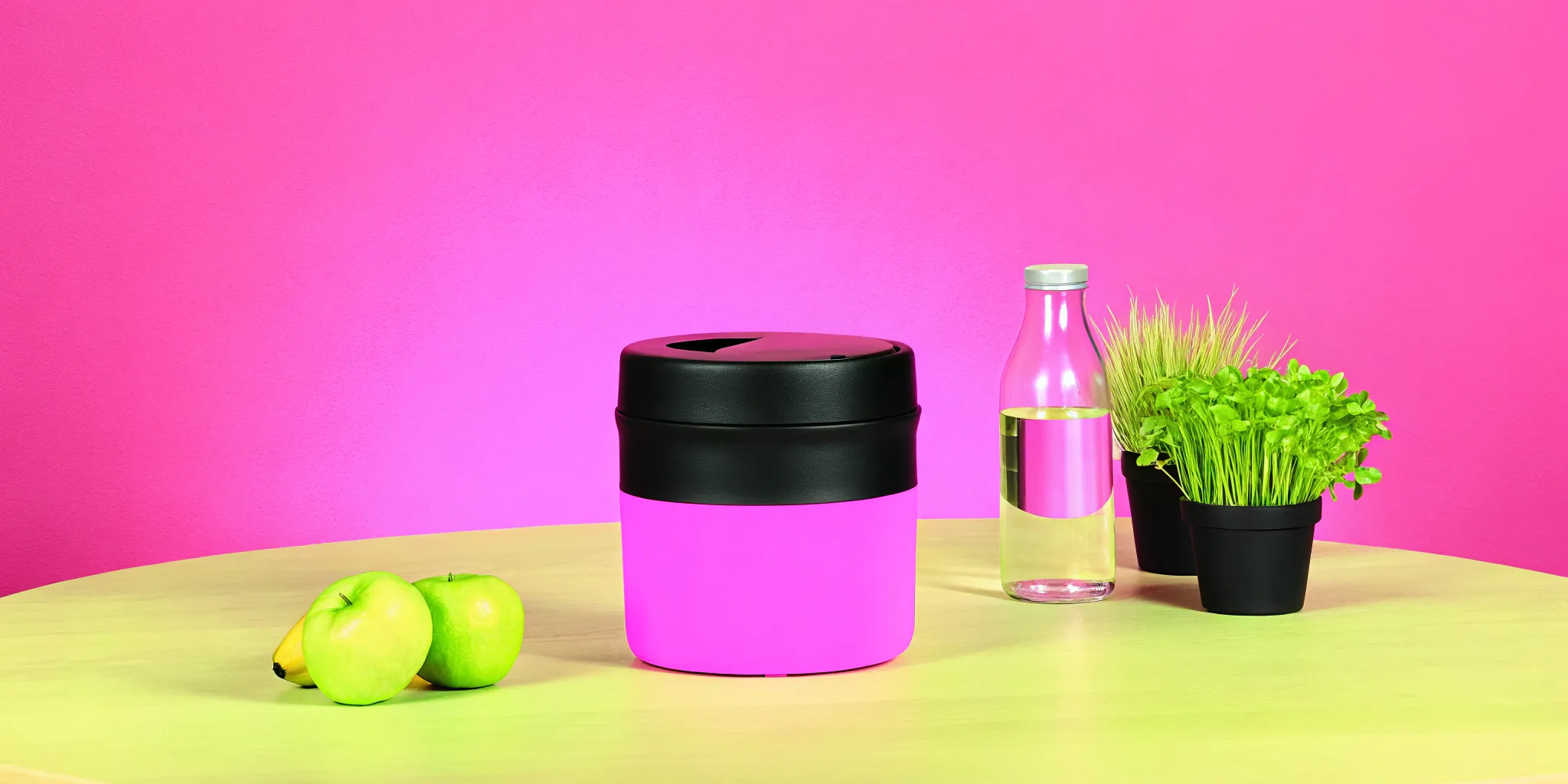
Making returns easy is critical for a successful program. No one wants to go out of their way or wait in line to return a container. Smart return bins solve this by offering a convenient, 24/7 drop-off point. Users simply scan their container at the bin, and the system automatically registers its return, clearing their account instantly. This eliminates any need for manual check-ins by your staff. The best solutions for businesses also include features like real-time fullness alerts that notify your team when a bin needs to be emptied, streamlining your collection workflow. This level of automation makes the return process completely frictionless for both users and your operational staff, which is key to achieving the high return rates you need.
Using Data to Monitor Inventory and Usage
A tech-enabled system does more than just move containers around; it gives you powerful data. Imagine having a dashboard that shows your inventory levels, return rates, and usage patterns in real time. You can see which departments are using the most containers, identify peak usage times, and track your environmental impact with precise metrics. This information is invaluable for making smart operational decisions. It helps you optimize your container supply, forecast future needs, and demonstrate the program's financial and environmental ROI to hospital leadership. Data transforms your reusables program from a simple operational task into a strategic, well-managed asset that addresses the challenges of large-scale implementation head-on.
The Sustainability Payoff: Go Green and Save Green
Switching to a reusable container system is more than just an environmental initiative; it's a strategic financial decision that strengthens your hospital's bottom line and public image. By moving away from the endless cycle of purchasing and disposing of single-use items, you create a more efficient, cost-effective, and responsible food service operation. This shift not only addresses immediate budgetary pressures but also positions your facility as a leader in healthcare sustainability, resonating with staff, patients, and the wider community. Let's look at how this dual benefit of "going green and saving green" plays out.
Cut Down on Waste and Packaging Costs
The cost of disposable packaging has skyrocketed, with some reports showing a more than 200% increase in recent years. For a large hospital, this can translate to tens of thousands of dollars spent annually on items that are used once and thrown away. Implementing a reusable system directly tackles this recurring expense. While there's an initial investment, the potential for significant cost savings and waste reduction is substantial. By replacing constant purchasing with a durable, long-lasting inventory, you can reduce your packaging budget by 30% or more each year. This creates a more predictable and stable financial model for your food service department.
Meet and Exceed Zero-Waste Mandates
Many cities and institutions are adopting ambitious zero-waste mandates, often with deadlines targeting the elimination of single-use plastics. A reusable food container program is one of the most impactful ways to meet these goals. Widespread implementation of reusable food service ware can dramatically decrease overall waste and reduce the strain on your facility's recycling and disposal services. Instead of reacting to new regulations, you can proactively position your hospital as a leader in compliance and environmental stewardship. This demonstrates a commitment to the community's health that extends beyond patient care and into responsible operational practices.
Champion Your Hospital's Sustainability Goals
Hospitals across the country are making sustainability a core part of their mission. Transitioning to reusable products is a powerful and visible way to achieve sustainability goals. It’s a tangible action that shows staff, patients, and visitors that you are serious about reducing your environmental footprint. This initiative can become a point of pride for your entire organization, enhancing your reputation as a forward-thinking institution. By limiting food and packaging waste, you not only contribute to a healthier planet but also reinforce your hospital's primary mission of promoting health and well-being for everyone.
Related Articles
- 6 Steps for Hospital Cafeteria Waste Reduction
- What Is a Circular Economy in Healthcare? A Guide
- How to Achieve a Zero-Waste Hospital Food Service
- The Right Way to Buy Reusable Food Containers for College
Frequently Asked Questions
How do we prevent containers from getting lost or stolen? This is one of the most common concerns, and it’s solved with smart tracking. Each container is given a unique digital identity, usually with a QR code or RFID tag. When a user checks one out, it’s linked to their account. The system then uses gentle, automated reminders to encourage returns. This creates a culture of accountability without adding a heavy-handed process, ensuring your container inventory stays in circulation and replacement costs remain low.
Will a reusable system create more work for my staff? Quite the opposite, if you choose the right system. A modern, tech-enabled program is designed to reduce your team's workload. Features like smart return bins allow for 24/7 drop-offs without any staff involvement, and automated tracking eliminates the need for manual inventory counts. The system handles reminders and accountability in the background, freeing your team to focus on food service and patient care, not chasing down containers.
How can we be sure reusable containers meet hospital hygiene standards? This is non-negotiable in a healthcare setting. The entire system is built around strict sanitation protocols. The containers themselves are made from commercial-grade, non-porous materials designed for high-temperature washing. Your workflow will include using commercial dishwashers and EPA-approved sanitizers to ensure every container is perfectly clean and safe for the next use, fully complying with all public health regulations.
What's the real difference between buying durable containers and investing in a full system? Simply buying containers is just one piece of the puzzle. A complete system provides the entire infrastructure needed for success. This includes the tracking technology to monitor your inventory, the smart return bins to make collection easy, and the data dashboard to measure your impact. Without this integrated approach, you're left to figure out logistics, accountability, and user engagement on your own, which often leads to low return rates and program failure.
How long does it typically take to see a return on investment? While it varies for each facility, many hospitals see a positive return on their investment within a few years. Your ROI timeline depends on your current annual spending on disposable packaging and waste hauling fees. By eliminating those recurring costs, the savings start to add up quickly. A provider can help you analyze your current expenses to create a clear projection of your specific payback period.
Other stories you may find interesting

























.webp)
.webp)









.webp)






























Watch the Webinar
Learn How to Eliminate Single-Use Waste
Get instant access to our expert webinar and discover how leading institutions reach 99% return rates through smarter reuse systems.

© Reusables™. All rights reserved.