
6 Steps for Hospital Cafeteria Waste Reduction

January 10, 2026
If past efforts to reduce waste have felt clunky or ineffective, you're not alone. Manual tracking systems, honor-system reusables, and forecasting based on guesswork often fail to deliver lasting results, leading to low participation and continued waste. These outdated methods simply can't keep up with the demands of a modern hospital dining environment, leaving your team frustrated and your budget strained. Technology has changed the game for hospital cafeteria waste reduction. Automated tracking, digital inventory systems, and smart return stations now make it possible to build a program that is both highly effective and easy to manage for staff and diners alike.
Key Takeaways
- Plan Meals with Data, Not Guesswork: Move from estimating to forecasting by using patient census data and meal trends to align food production with actual demand. This is the most direct way to cut down on overproduction and its associated costs.
- Use Tech for Both Food and Packaging Waste: Implement systems that address your two biggest waste streams simultaneously. Real-time monitoring tools give you the data to reduce food loss, while an automated reusables program cuts packaging costs and simplifies container tracking.
- Measure Your Waste to Prove Your Success: Start with a waste audit to establish a baseline, then track key metrics like cost savings on disposables and container return rates. This data provides clear evidence of your program's financial and environmental impact.
What Causes Food Waste in Hospital Cafeterias?
Hospital cafeterias face a unique set of challenges that can lead to significant food waste. Unlike a typical restaurant, you’re serving multiple distinct groups—patients with specific dietary needs, staff grabbing a quick meal, and visitors looking for a comforting bite. This complexity makes it difficult to predict demand and manage inventory, often resulting in wasted food, money, and resources.
Understanding where this waste comes from is the first step toward building a more efficient and sustainable operation. From the kitchen to the patient tray, waste happens at every stage. By identifying the key problem areas, you can implement targeted strategies that make a real difference for your budget and your environmental footprint. The main culprits are often overproduction, mismatched patient meals, inefficient staff planning, and poor storage practices. Let's look at each of these causes more closely.
Tackle Overproduction and Forecasting Challenges
Guessing how much food to prepare each day is one of the biggest hurdles in a hospital kitchen. Fluctuating patient numbers and unpredictable demand from staff and visitors make accurate forecasting a constant challenge. When you overestimate, the result is costly overproduction. In fact, some data shows that a staggering 65% of hospital food waste comes from preparing too much food.
This excess food often ends up in the bin, representing a significant loss of money spent on ingredients and labor. Improving your hospital food waste management starts with getting a better handle on forecasting. By analyzing patient census data, meal selection trends, and cafeteria traffic patterns, you can align production more closely with actual demand and cut down on one of the largest sources of waste.
Adapt to Patient Preferences and Dietary Needs
Plate waste—the food left on a patient's tray—is another major contributor to the problem. This often happens when meals don't align with a patient's preferences, cultural tastes, or specific dietary restrictions. When patients receive food they can't or won't eat, it comes right back to the kitchen untouched. Not only is this wasteful, but it can also negatively impact patient satisfaction and even their recovery.
Research on plate waste in hospitals00058-8/fulltext) shows that giving patients more control over their meals can be a powerful solution. Implementing selective menus, room service-style ordering, and gathering feedback on meal quality helps ensure patients receive food they will actually enjoy. This simple shift can lead to emptier trays, happier patients, and a healthier bottom line.
Streamline Staff Meal Planning
While patient meals are a primary focus, the food prepared for hospital staff and visitors also plays a role in overall waste. Inefficient planning for the main cafeteria can lead to excess batch cooking, especially during slower periods. Without clear communication and streamlined processes, kitchen teams may prepare more food than needed, leading to perfectly good meals being discarded at the end of the day.
Investing in your team is key to solving this. When you train staff on waste reduction, you empower them to make smarter decisions throughout the supply chain. Better internal communication, clear production sheets, and using real-time sales data to guide meal prep can help your team cook more accurately for the staff and visitors you serve each day.
Improve Food Storage and Handling
Waste doesn't just happen after food is cooked; it starts in the stockroom. Improper food storage and handling can lead to spoilage long before ingredients ever make it to the prep line. Issues like poor inventory rotation (not following the "first-in, first-out" rule), incorrect storage temperatures, and damaged packaging can turn valuable food supplies into waste. This not only costs money but can also create safety and compliance risks.
Properly educating hospital staff on best practices for receiving, storing, and handling food is fundamental. Regular inventory checks, clear labeling systems, and well-maintained storage equipment are essential for minimizing spoilage. By tightening up your back-of-house operations, you can prevent unnecessary losses and ensure you’re using every ingredient to its fullest potential.
What Are the Impacts of Hospital Food Waste?
When we talk about hospital waste, it’s easy to picture medical supplies. But food and packaging waste create some of the biggest—and most costly—challenges for dining services. The uneaten meals, over-prepped ingredients, and single-use containers add up, creating significant financial and environmental burdens that affect your budget, staff, and sustainability goals. Understanding these impacts is the first step toward finding effective solutions that not only reduce waste but also improve your operational efficiency.
Understand the Environmental Consequences
Food waste has a ripple effect that extends far beyond your kitchen. When food is thrown away, all the resources that went into growing, processing, and transporting it—water, energy, and land—are wasted, too. Once that food ends up in a landfill, it decomposes and releases methane, a potent greenhouse gas that contributes to climate change. Every discarded meal tray represents a missed opportunity to conserve resources and reduce your facility’s environmental footprint. By addressing food waste, you’re not just cleaning up your operations; you’re taking meaningful action for environmental health.
Calculate the Financial Costs
The financial side of food waste is just as serious. Studies show that food waste can make up 10-15% of a hospital's total solid waste, with overproduction being a primary cause. Every bit of that waste represents a direct hit to your budget through lost inventory and disposal fees. These significant financial losses cut into funds that could be better used for improving patient care or upgrading dining facilities. Trimming food waste isn’t just an environmental goal; it’s a smart financial strategy that can directly improve your department’s bottom line and demonstrate fiscal responsibility.
Address Rising Packaging Costs and Budget Pressures
On top of the cost of food itself, the price of disposable packaging has skyrocketed, putting even more pressure on already tight budgets. Many institutions report spending tens of thousands annually on single-use containers alone. While initiatives to reduce waste are critical, they can feel like a discretionary expense when you're facing financial constraints. This is where finding a system that tackles both food and packaging waste becomes essential. Implementing sustainable practices doesn't have to be another cost center; the right program can actually reduce your annual expenses while meeting institutional zero-waste goals.
How to Reduce Food Waste with Strategic Meal Planning
A well-planned menu is your most powerful tool for preventing food waste before it even starts. By moving from reactive ordering to a proactive strategy, you can significantly cut down on overproduction, reduce spoilage, and better meet the needs of patients and staff. Strategic meal planning isn't just about deciding what to serve; it's about creating a data-informed system that aligns your purchasing and production with actual demand. This approach not only helps you meet sustainability goals but also directly impacts your bottom line by reducing unnecessary food costs. The following steps create a framework for a smarter, more efficient meal planning process that minimizes waste from the get-go.
Implement Demand Forecasting Systems
Moving away from guesswork is the first step toward reducing overproduction. A demand forecasting system helps you make purchasing and production decisions based on data, not just intuition. By analyzing historical information like patient census data, meal popularity, and even seasonal trends, you can more accurately predict how much food you’ll actually need. As the Northeast Waste Management Officials' Association (NEWMOA) notes, analyzing this data allows hospitals to adjust their food supply to meet real demand. This means you’re not only buying the right amount of ingredients but also preparing the right quantities of each dish, leading to less food being left over at the end of the day.
Offer Flexible Portions and Trayless Dining
Giving patients and staff more control over their meals is a simple yet effective way to reduce plate waste. When people can choose the amount of food they receive, they are far less likely to leave uneaten food behind. Offering flexible portion sizes—such as small, medium, and large options—allows individuals to select what’s right for them. Another impactful change is implementing trayless dining in your cafeteria. Research shows that when people aren't carrying a large tray, they tend to take only what they will eat00058-8/fulltext), which naturally reduces waste. This small operational shift encourages more mindful consumption and can lead to a significant decrease in discarded food.
Optimize Menus to Engage Patients
An appealing menu is one of the best defenses against food waste. When patients are excited about their meal options, they are more likely to eat everything on their plate. You can optimize your menus by gathering feedback through patient surveys or tracking which dishes are consistently popular. Use this data to refine your offerings, replacing unpopular items with new ones that better reflect patient preferences. Introducing a "cook-to-order" system for certain meals can also make a huge difference. Instead of preparing large batches that may go uneaten, cooking to order ensures every meal is wanted, which improves patient satisfaction and dramatically cuts down on waste.
Train Staff and Build Awareness
Your team is essential to the success of any waste reduction initiative. Creating a culture of sustainability starts with ensuring every staff member understands their role in minimizing food waste. Comprehensive training should cover practical techniques like proper portioning, first-in-first-out (FIFO) food storage, and creative ways to use leftovers or scraps. It’s also important to explain the "why" behind these efforts—the financial and environmental costs of food waste. When your team understands the impact, they become more invested in the solution. Regular check-ins and sharing progress on waste reduction goals can help foster a conscientious approach to food service and keep everyone engaged.
What Tech Solutions Help Reduce Cafeteria Waste?
Technology offers some of the most effective tools for getting a handle on cafeteria waste. Moving beyond manual tracking and guesswork allows your team to make data-driven decisions that cut down on waste from both food and packaging. Implementing the right systems can streamline your operations, provide clear insights into your waste streams, and make sustainable practices easier for everyone to adopt. From digital ordering to automated tracking, these solutions help you pinpoint inefficiencies and create a more sustainable and cost-effective dining program.
Adopt Digital Ordering and Inventory Systems
If you're still relying on paper-based systems, you're likely leaving money on the table and creating unnecessary waste. Digital ordering and inventory systems are essential for managing food supplies efficiently and reducing overproduction. By shifting to a patient-centered digital system, you can better forecast demand and even tailor meals to individual preferences, ensuring less food ends up in the bin. These platforms provide precise, real-time data on what you have, what you need, and what’s being consumed. This clarity helps your kitchen staff prepare the right amount of food, preventing the costly cycle of over-purchasing and over-prepping that leads directly to waste.
Use Real-Time Waste Monitoring Tools
To make meaningful changes, you need to know exactly what’s being thrown away and when. Real-time waste monitoring tools give you that visibility. Instead of waiting for a quarterly audit, these systems can track food waste as it happens, providing immediate data that helps you make quick adjustments. For example, if you notice a particular dish is consistently being discarded, you can adjust the recipe, change the portion size, or remove it from the menu rotation. This continuous feedback loop turns waste tracking into a proactive strategy, allowing you to reduce food waste with informed, timely decisions rather than relying on old data.
Automate Tracking for Reusable Packaging
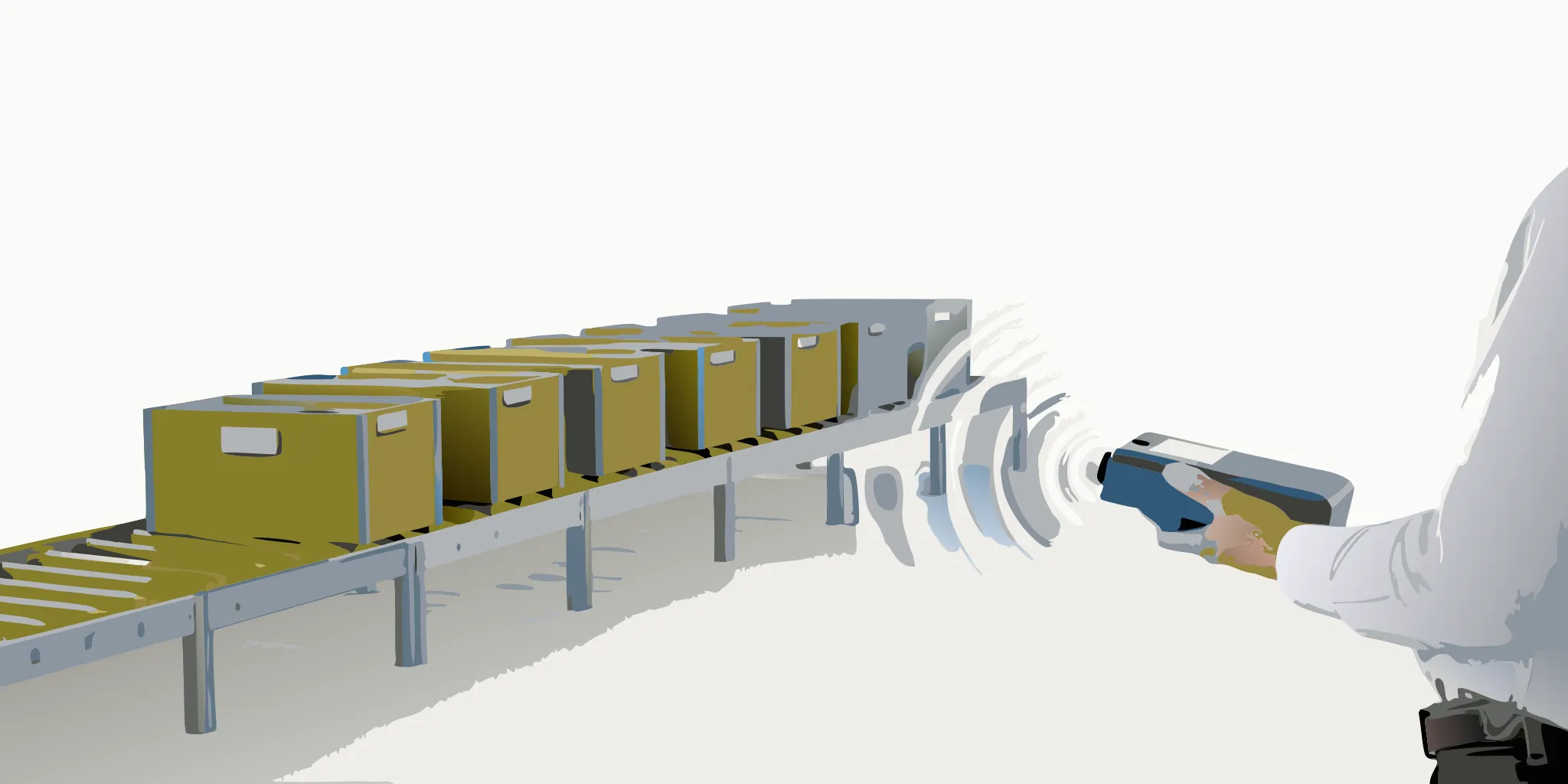
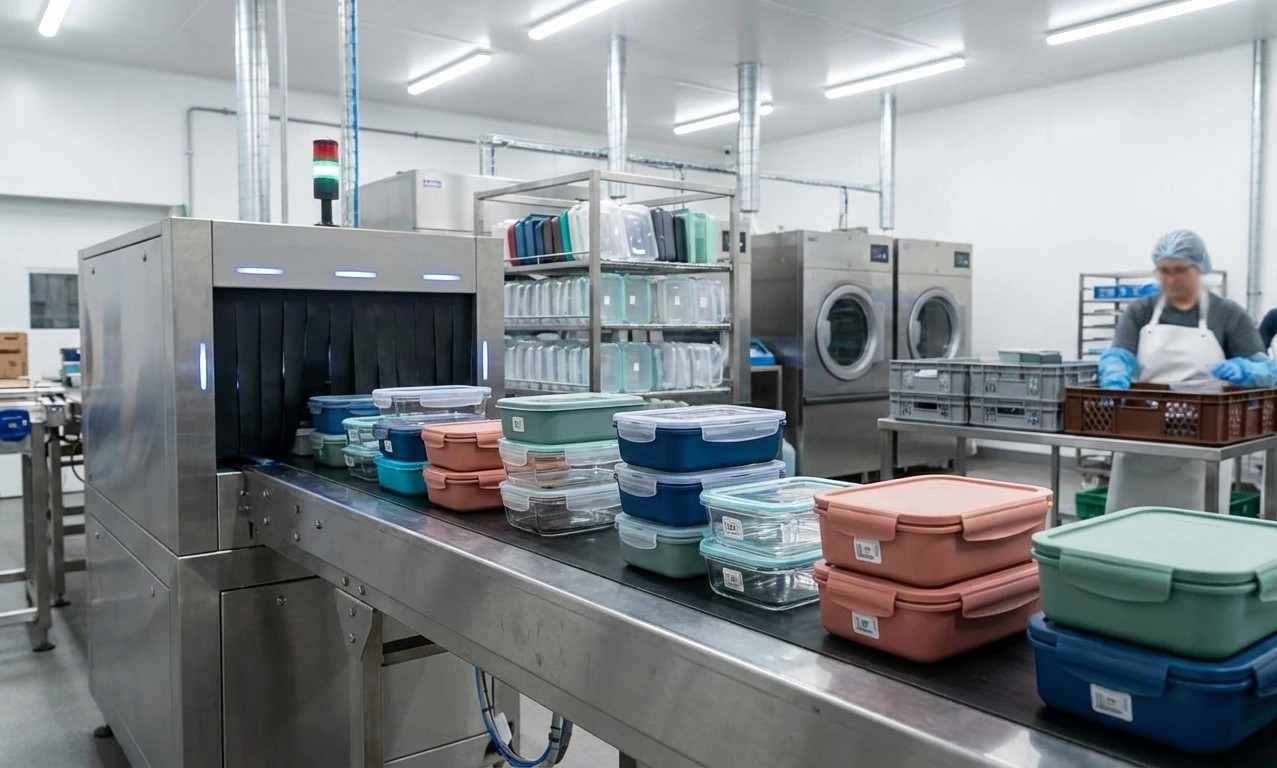
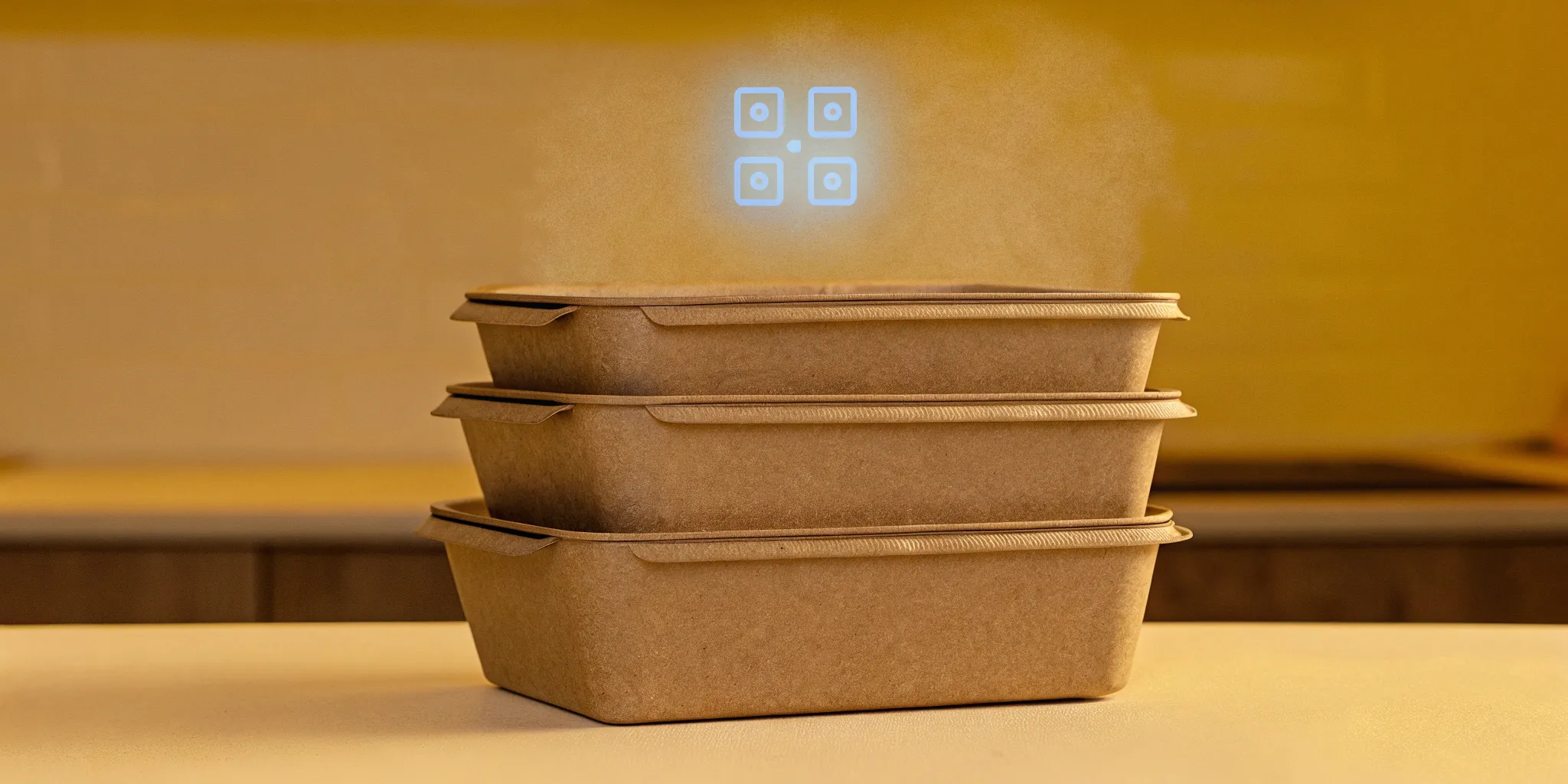
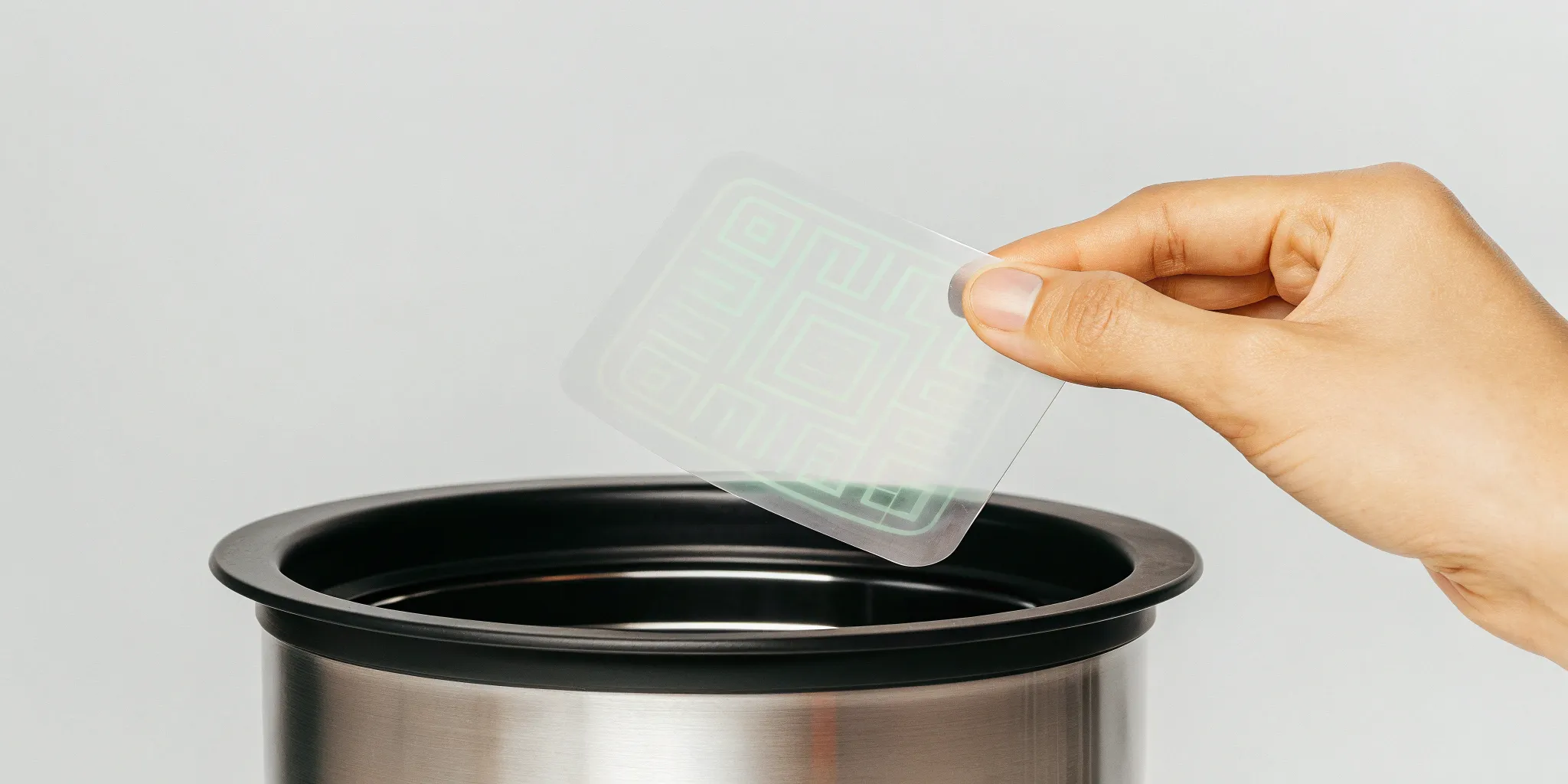
Switching to reusable containers is a fantastic way to eliminate single-use packaging waste, but the program's success depends on getting those containers back. Manual tracking is often a logistical headache that leads to low return rates and high replacement costs. Automating the tracking process with technology like QR codes or RFID tags is a game-changer. An automated reuse system makes it simple for diners to check out containers and for your team to monitor inventory. It also creates accountability, which is key to achieving the high return rates (upwards of 99%) that make a reusables program financially and environmentally successful. This streamlines the entire operation and ensures your investment in sustainability pays off.
How to Redirect Unused Food to Your Community
Even with the most precise forecasting, some surplus food is unavoidable. Instead of viewing this as waste, you can see it as an opportunity to support your local community. Redirecting safe, unserved food not only prevents it from ending up in a landfill but also addresses food insecurity in your area. It’s a powerful way to extend your institution's mission of care beyond your own walls and build meaningful community relationships. By setting up a food donation program, you can turn potential waste into a valuable resource for others.
Build Food Donation and Community Partnerships
The first step is to connect with local organizations that can get your surplus food to those who need it. Look for food banks, shelters, and community kitchens in your area. Building a strong partnership is key to a smooth and consistent donation process. For example, UC San Diego Health developed a program that stops good, unused food from being thrown away by giving it to local groups. Start by researching potential partners, reaching out to their program coordinators, and discussing logistics like pickup schedules and the types of food you can provide. A reliable partnership ensures your surplus food consistently finds a good home.
Follow Safe Food Handling Protocols for Donations
Maintaining food safety is just as important for donated food as it is for the meals you serve on-site. Your existing high standards for handling, storage, and temperature control should be applied to all food leaving your kitchen. This includes packaging donations in clean, secure containers and clearly labeling them with ingredients and preparation dates. Your team plays a crucial role here. Effective staff training on the specific protocols for donation will ensure every item is handled safely and meets regulatory requirements. This protects the recipients and maintains your institution's reputation for quality and care.
Navigate Legal and Liability Protections
A common hesitation around food donation is the fear of liability. Fortunately, legal frameworks exist to protect organizations that donate food in good faith. In the United States, the Bill Emerson Good Samaritan Food Donation Act shields donors from liability when they donate apparently wholesome food to non-profit organizations. Understanding these protections can give your team the confidence to move forward. Many public health departments and environmental agencies offer resources to help you donate food and connect with food rescue groups. Familiarizing yourself with these guidelines will help you establish a legally sound and impactful donation program.
What Sustainable Packaging Can Reduce Cafeteria Waste?
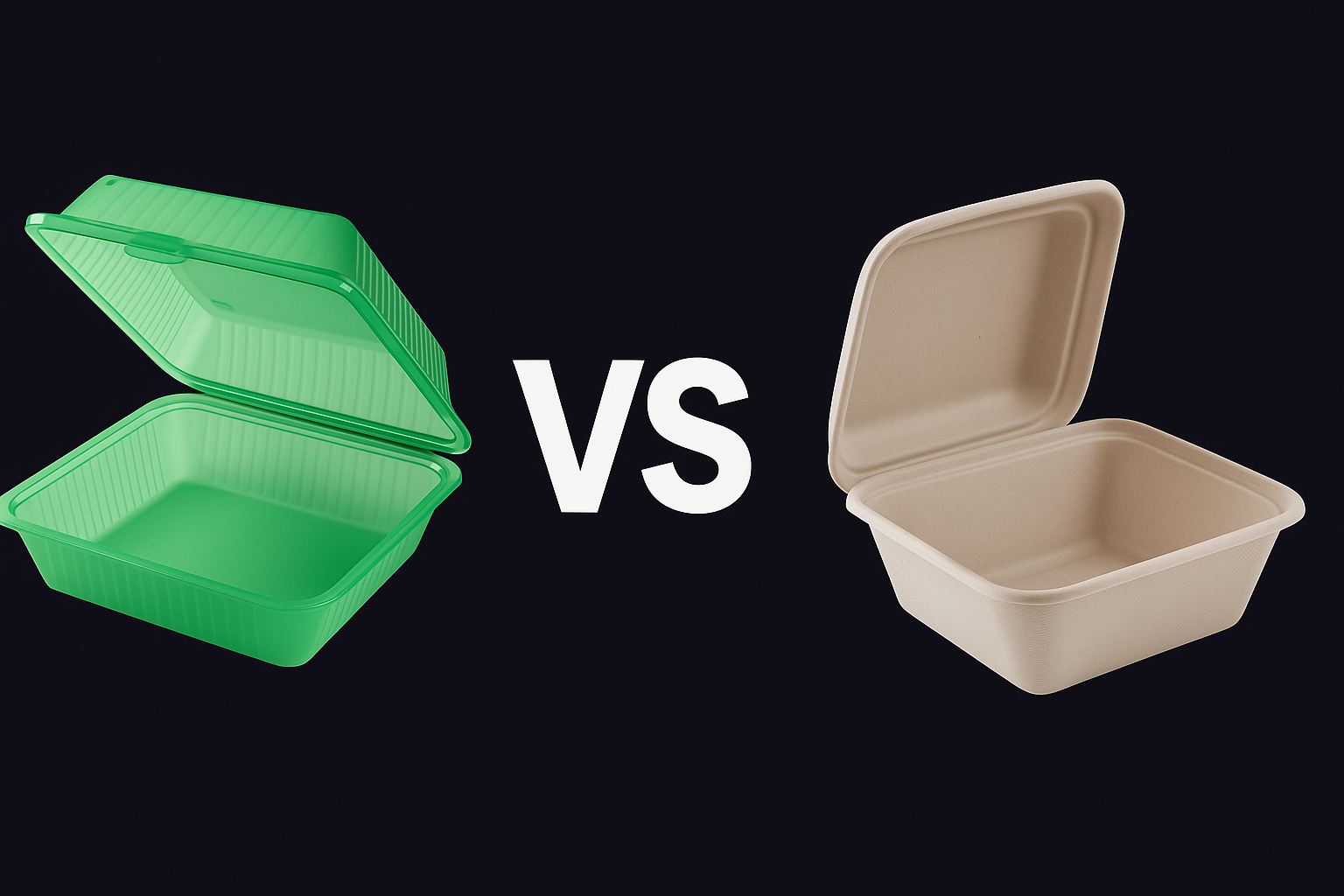
Single-use containers are a major source of waste and a growing line item in any food service budget. Shifting to a sustainable packaging system is one of the most effective ways to cut down on trash and reduce operational costs. By replacing disposable cups, clamshells, and bowls with durable, reusable alternatives, you can make a significant dent in your cafeteria’s environmental footprint. The key is to implement a system that’s simple for diners and seamless for your staff to manage. When done right, a reuse program not only reduces waste but also improves the overall dining experience.
Launch a Tech-Enabled Reusables Program
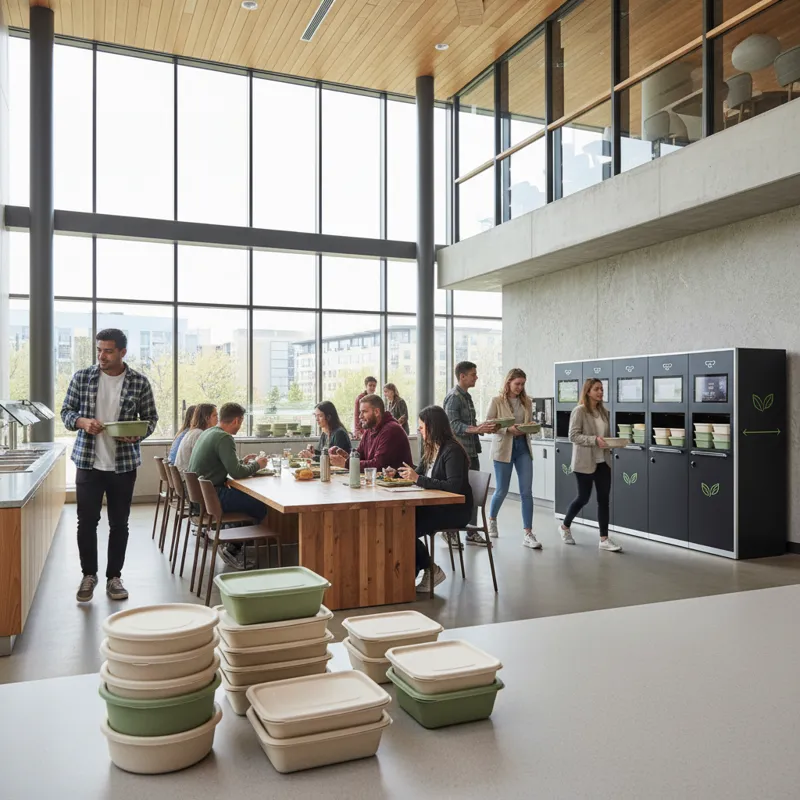
A modern reusables program uses technology to make borrowing and returning containers effortless. Implementing a tech-enabled reusables program can significantly reduce single-use packaging waste. Instead of relying on honor systems or manual tracking, which can be a headache for your team, technology streamlines the entire process. Look for systems that allow users to check out a container with a simple tap of their employee badge or a QR code scan. This frictionless approach encourages participation from busy staff, patients, and visitors who don’t have time for complicated processes. By using technology to track and manage reusable containers, hospitals can simplify their operations and promote sustainable habits.
Educate Staff and Patients on Proper Disposal
Even the most intuitive system needs clear communication to succeed. Education is key to ensuring that both staff and patients understand how the reusables program works and why it matters. Start with simple, visual instructions at ordering points and return stations. You can also incorporate information into staff onboarding or digital signage in the cafeteria. Training programs that explain the environmental impact of waste and the goals of the reuse initiative can help build buy-in from everyone. When people understand the positive impact of their actions, they are far more likely to participate correctly and consistently, making the program a success.
Set Up Automated Return Systems with Accountability
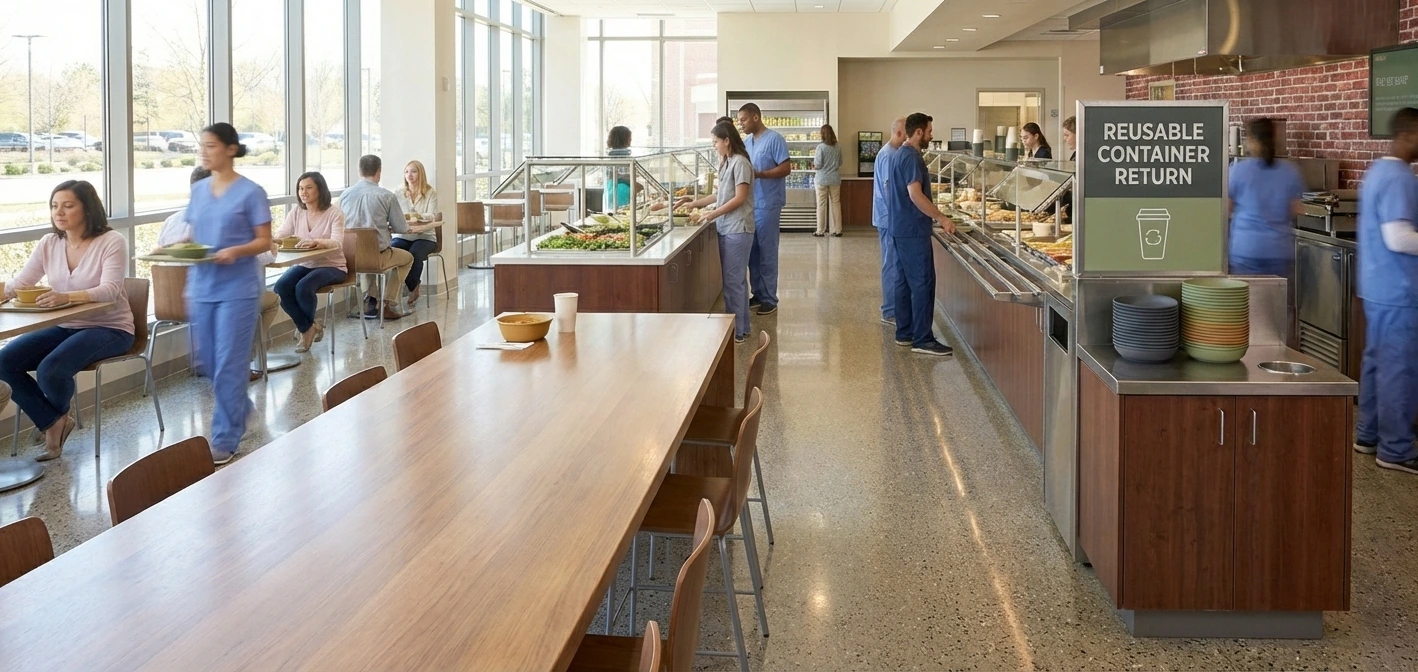
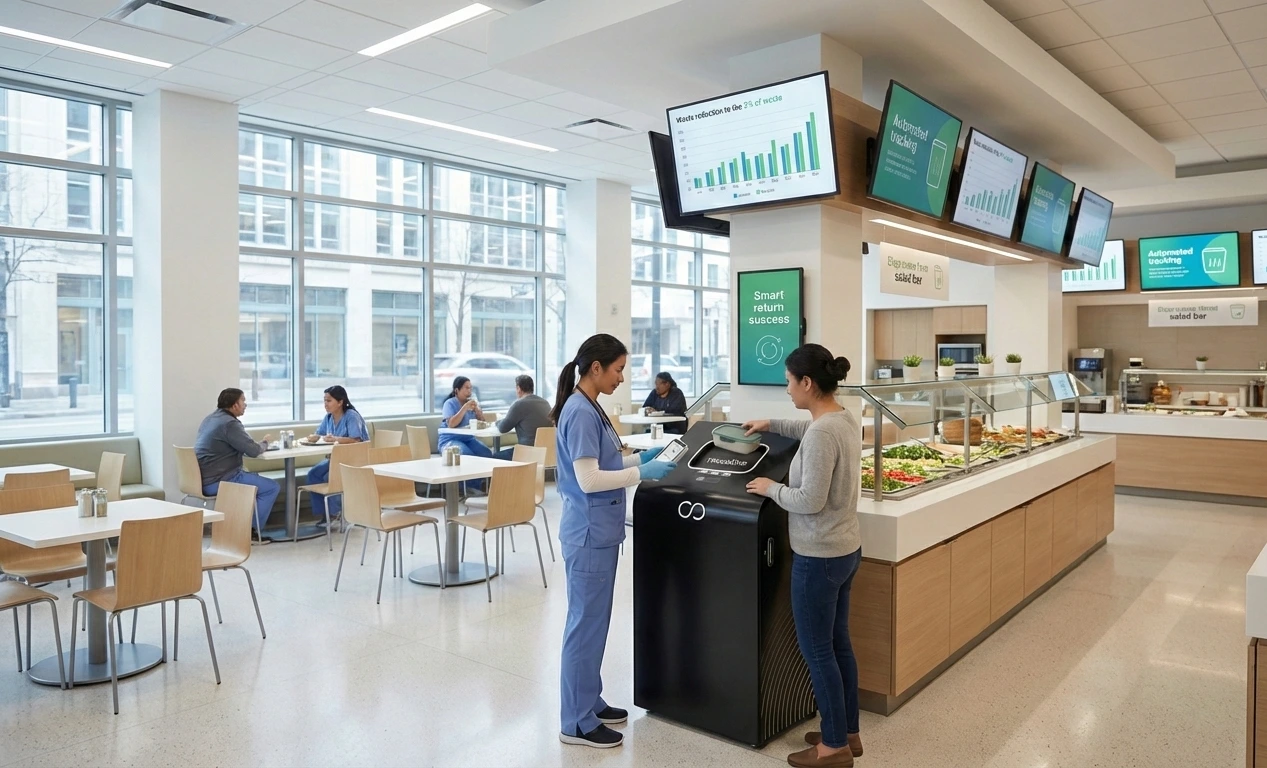
To get containers back consistently, the return process has to be incredibly easy. To enhance the effectiveness of a reusables program, hospitals should consider setting up automated return systems. Smart bins placed in convenient, high-traffic locations allow users to drop off containers 24/7 without waiting for a staff member. The best systems automatically scan the container upon return, instantly updating inventory and crediting the user’s account. This automation removes the burden of manual tracking from your team. It also creates gentle accountability, as the system can send automated reminders if a container isn’t returned, which helps achieve industry-leading return rates without creating conflict.
How to Measure Your Waste Reduction Success
You can’t improve what you don’t measure. To know if your waste reduction strategies are truly making a difference, you need a clear way to track your progress. Setting specific goals and consistently monitoring them helps you celebrate wins, identify what isn’t working, and make data-driven decisions to refine your approach. A solid measurement plan turns your sustainability goals into achievable targets, demonstrating the real-world value of your efforts to hospital leadership, staff, and patients. It’s the only way to prove the financial and environmental return on your investment. By tracking the right metrics, you can build a powerful case for continuing and expanding your waste reduction programs.
Establish KPIs and Conduct Waste Audits
Before you can track progress, you need a baseline. The best way to get one is by conducting a waste audit—a hands-on process of sorting and weighing your cafeteria’s trash to see exactly what’s being thrown away and in what quantities. This gives you a clear picture of your biggest waste streams, whether it’s food scraps, single-use packaging, or something else. Once you have this data, you can set specific Key Performance Indicators (KPIs), such as a goal to reduce food waste by 20% or cut disposable container usage in half within a year. The factors influencing implementation of these audits show that a structured approach is key to turning this data into actionable change.
Track Cost Savings and Return Rates
Waste reduction isn’t just an environmental goal; it’s a financial one. Start tracking your purchasing data for disposable items like containers, cutlery, and napkins. As you implement changes, you should see these costs decrease. Also, monitor your waste hauling fees, as reducing overall volume can lead to significant savings. For programs involving reusables, tracking the return rate of your containers is essential for success and cost control. High return rates mean you’re not constantly replacing lost inventory. As noted in studies on sustainable nursing leadership, comprehensive waste management systems directly translate to lower operational costs, making this a critical metric for proving program value.
Measure Environmental Impact and Program Effectiveness
Beyond the budget, it’s important to measure the positive environmental impact of your efforts. Use your waste audit data to calculate metrics like landfill diversion rates and reductions in your carbon footprint. Many tools and calculators are available to help you translate pounds of waste reduced into more tangible environmental benefits. At the same time, you need to create outcome metrics that measure the overall effectiveness of your programs. This includes tracking staff engagement and patient satisfaction through simple surveys. A successful program not only cuts waste but also enhances the dining experience for everyone in the hospital.
Related Articles
Frequently Asked Questions
Our biggest challenge is overproduction. What's the most effective first step to tackle it? The best place to start is by getting a clear picture of what you’re actually using versus what you’re preparing. Before you change any recipes, implement a digital inventory and ordering system. This moves you away from guesswork and allows you to use real data—like patient census numbers and cafeteria sales—to forecast your daily needs more accurately. This single step provides the foundation for smarter purchasing and prep, directly cutting down on the excess food that ends up as waste.
How can we implement a reusables program without losing all our containers? The key to a successful reusables program is making it incredibly simple for users and completely automated for your team. Success doesn't come from manual sign-out sheets or honor systems; it comes from technology. A system that uses QR codes or RFID tags on each container creates effortless accountability. When combined with convenient, smart return bins, users can easily return items anytime, and your team gets real-time inventory data without the headache of manually tracking everything. This approach is what drives the near-perfect return rates that make a program sustainable.
My team is already stretched thin. How can I get them on board with new waste reduction procedures? Instead of presenting it as another task, frame it as a way to make their jobs smarter and more efficient. Start by clearly explaining the "why"—the significant cost savings and environmental benefits that protect the hospital's resources. Then, focus on providing tools that simplify their work, like digital production sheets that reduce guesswork or automated container tracking that eliminates manual oversight. When your team sees that these new procedures are supported by technology that removes tedious tasks, they'll be much more likely to embrace the change.
Is donating surplus food complicated or legally risky for a hospital? It’s much more straightforward than many people think. Federal laws, like the Bill Emerson Good Samaritan Food Donation Act, provide liability protection for organizations that donate food in good faith to non-profits. The key is to establish a strong partnership with a local food bank or shelter that has clear protocols for safe food handling and transportation. By working with an established partner and ensuring your team follows standard food safety procedures, you can create an impactful donation program with confidence.
How can I justify the investment in these new systems to my leadership? Focus on the clear financial return. You can build a powerful business case by tracking specific, tangible metrics. Start by calculating your current annual spending on disposable packaging and your waste hauling fees. As you implement new systems, you can directly show the reduction in these line items. For a reusables program, you can demonstrate a high container return rate, proving it's a cost-effective alternative to constantly buying single-use items. Presenting this clear, data-backed evidence shifts the conversation from an expense to a smart investment with a measurable payoff.
Other stories you may find interesting




























.webp)
.webp)










.webp)






































Watch the Webinar
Learn How to Eliminate Single-Use Waste
Get instant access to our expert webinar and discover how leading institutions reach 99% return rates through smarter reuse systems.

© Reusables™. All rights reserved.