
7 Green Initiatives for Sports Arenas

January 13, 2026
When you manage a venue that hosts thousands of people, every line item on the budget matters. In recent years, operational costs have climbed, especially for essentials like waste disposal and single-use packaging. Shifting to greener operations is no longer just an environmental talking point; it's a core financial strategy. Implementing smart green initiatives for sports arenas directly tackles these rising expenses by reducing waste and conserving resources, leading to significant savings. This isn't about making a trade-off between your budget and sustainability. It's about discovering how a commitment to the planet can become one of the most effective cost-cutting tools in your operational playbook.
Key Takeaways
- Green Initiatives Are a Financial Win: Implementing sustainable practices directly reduces rising operational costs for waste and utilities while creating new revenue opportunities through sponsorships and tech-enabled ad screens.
- Start with Tech-Driven Waste and Energy Reduction: Tackle your biggest environmental footprints first with proven solutions like LED lighting, smart HVAC systems, and reusable packaging platforms that provide clear data and a strong return on investment.
- Make Sustainability Part of the Fan Experience: Engage your audience directly through clear communication, fun incentives, and visible green programs. When fans feel like they are part of the solution, you build deeper loyalty and ensure your initiatives succeed.
Why Should Sports Arenas Go Green?
When you think about a packed stadium on game day, the energy is electric. But behind the roar of the crowd, there's another kind of energy being used—along with massive amounts of water and resources. Shifting to greener operations isn't just about being environmentally friendly; it's a strategic move that resonates with fans, strengthens community ties, and makes incredible financial sense. For large venues, sustainability has moved from the sidelines to become a key player in the game. It’s about future-proofing your operations while building a legacy that extends far beyond the final whistle.
Understanding the Environmental Footprint of Large Venues
Let's be direct: sports arenas have a massive environmental footprint. A single event can generate tons of waste, consume enough electricity to power a small town, and use thousands of gallons of water. The sports industry as a whole emits hundreds of millions of tons of CO₂ annually, and venues are hotspots for intensive energy use, water consumption, and waste generation, especially from single-use concession items. Recognizing this impact isn't about pointing fingers; it's about seeing the scale of the opportunity. By making targeted changes, arenas can lead the way in sustainability and turn a major challenge into a powerful story of positive change.
Meeting Fan Expectations and Community Demands
Today's fans care about more than just the final score. They're making conscious choices about the brands and organizations they support, and your arena is no exception. As global consumers critically analyze the entities they support, integrating sustainability becomes a powerful way to connect with your audience. Green initiatives show that you share their values and are invested in the well-being of the community. Embracing these practices not only enhances the game-day experience but can also support community development and build deeper loyalty. It’s about creating an environment where fans can feel proud to cheer on their team, knowing their favorite venue is committed to a healthier planet.
Cutting Operational Costs and Meeting Mandates
Beyond the environmental and community benefits, going green is a smart financial play. Reducing waste directly cuts down on purchasing and disposal costs—especially with the price of single-use packaging on the rise. Optimizing energy and water use leads to significant savings on utility bills. At the same time, cities and institutions are introducing zero-waste mandates, making sustainable operations a matter of compliance, not just choice. While it can seem complex to identify the right green investments, the integration of sustainable practices is evolving quickly, with clear, tech-driven solutions that make the transition smoother and more cost-effective than ever before.
Powering Your Arena with Sustainable Energy
Large venues like sports arenas are massive energy consumers, from the bright lights on the field to the climate control that keeps thousands of fans comfortable. Shifting how you power your facility is one of the most impactful green initiatives you can undertake. It not only significantly reduces your carbon footprint but also leads to substantial long-term operational savings. By embracing sustainable energy solutions, you can transform your arena into a model of efficiency and environmental responsibility, showing fans and stakeholders that you’re serious about the future. This move goes beyond just being green; it enhances your brand, meets rising community expectations, and makes solid financial sense in an era of fluctuating energy costs.
Switching to Smart Energy and LED Lighting
One of the most straightforward and effective ways to cut down on energy use is by upgrading your lighting. Stadiums require an immense amount of electricity, and a simple switch can make a world of difference. Take Yankee Stadium, for example, whose new LED lights are 40% more energy-efficient, saving enough power to run 45 homes every single day. This kind of upgrade offers a clear and relatively quick return on investment. Smart energy systems can further optimize consumption by ensuring lights and non-essential systems are powered down when not in use, trimming waste without impacting the fan experience. It’s a practical first step that delivers immediate, measurable results.
Integrating Solar and Renewable Energy
Ready to take a bigger step? Integrating renewable energy sources can transform your arena from an energy consumer into an energy producer. As of a few years ago, about a third of major U.S. sports teams were already playing in stadiums powered by solar energy. The Sacramento Kings' Golden 1 Center is a standout example, running on 100% renewable energy sourced primarily from a nearby solar farm. By implementing solar technologies, stadiums can become powerful symbols of sustainability. Whether through rooftop panels or partnerships with off-site renewable energy providers, this move makes a bold statement about your organization's commitment to a cleaner future and can insulate you from unpredictable energy market prices.
Optimizing HVAC and Building Management
Your arena might only be packed with fans for about 65 days a year, but the building operates around the clock. This is where optimizing your HVAC and building management systems becomes crucial. These systems need to be efficient enough to handle both peak capacity events and quiet operational days. Modern, green building initiatives use smart technology to regulate temperature and airflow based on real-time needs, preventing wasted energy during downtime. Investing in these systems not only enhances the game-day experience for fans but also generates significant operational cost savings year after year. It’s a smart play that supports your budget, your community, and the planet.
Winning Waste Reduction Strategies for Arenas
A sold-out event is a thrilling sight, but the mountain of trash left behind is anything but. For large venues, waste is one of the biggest operational and environmental challenges. Tackling it requires more than just placing a few extra recycling bins around the concourse. The most successful arenas are adopting a multi-layered approach that transforms how they handle everything from concession packaging to post-event cleanup. These strategies aren't just about being green—they're about creating a smarter, more efficient, and more profitable operation.
By focusing on three core areas—comprehensive recycling and composting, reusable packaging systems, and formal zero-waste policies—you can dramatically reduce your environmental footprint. This approach helps you meet city or state mandates, cut rising supply costs, and show fans that you’re committed to sustainability. It’s a powerful way to build a positive brand reputation while making a measurable impact. Each strategy builds on the others, creating a system where waste is minimized at every step, from the kitchen to the stands.
Implementing Comprehensive Recycling and Composting
The first step toward a significant reduction in landfill waste is a robust recycling and composting program. Many leading stadiums are now aiming for "zero waste," a goal where at least 90% of all trash is diverted from landfills. Achieving this starts with making it incredibly easy for everyone—from fans to staff—to sort waste correctly. This means clear, consistent signage and strategically placed bins for recyclables, compostables, and the small amount of remaining trash throughout the venue.
Success, however, goes beyond just the bins. It requires a commitment to back-of-house sorting, staff training, and partnerships with reliable waste management services that can handle large volumes of materials. By implementing comprehensive recycling and composting, you’re not just managing waste; you’re creating a circular system that turns potential trash into valuable resources, all while promoting a culture of sustainability.
Introducing Reusable Packaging Systems
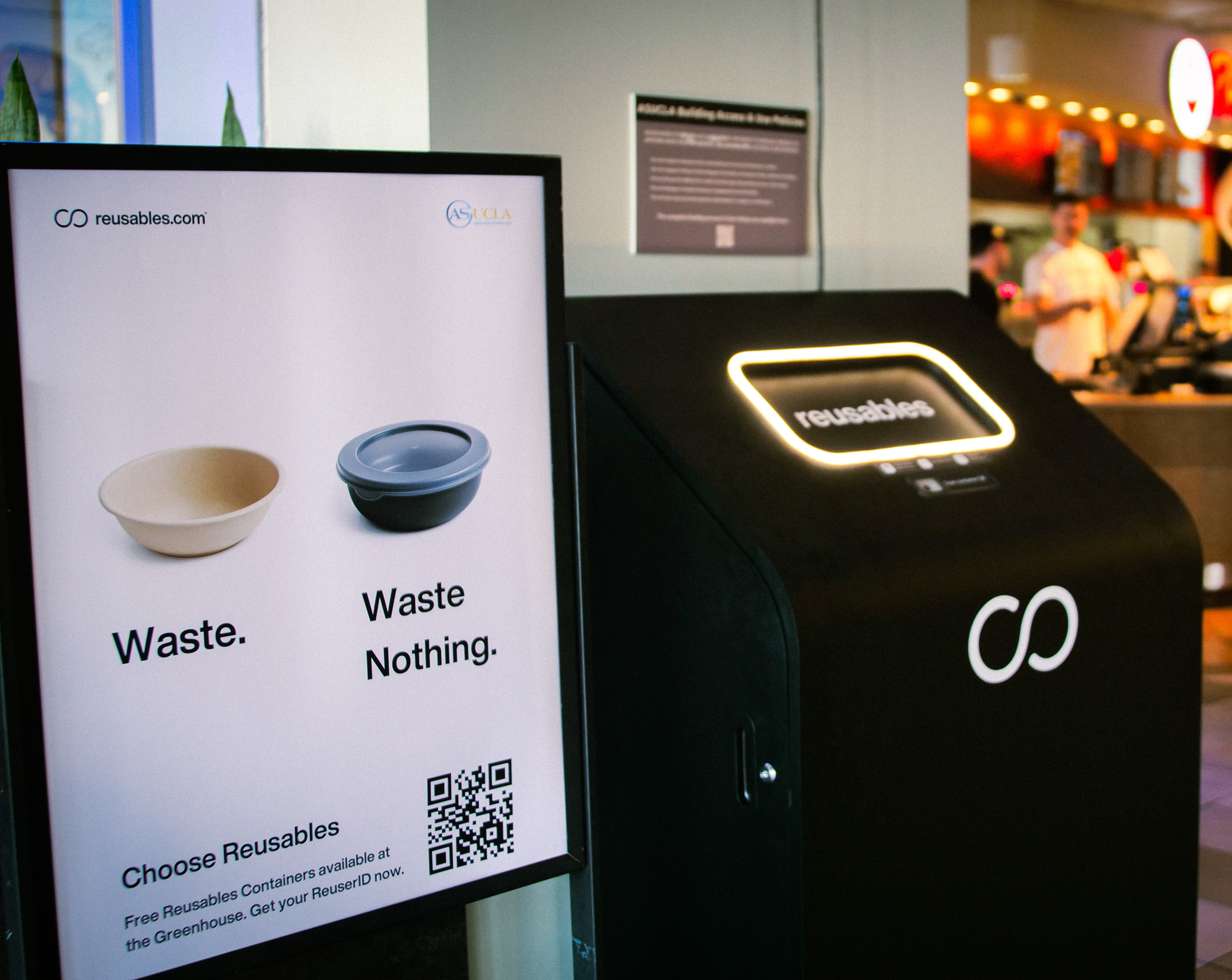
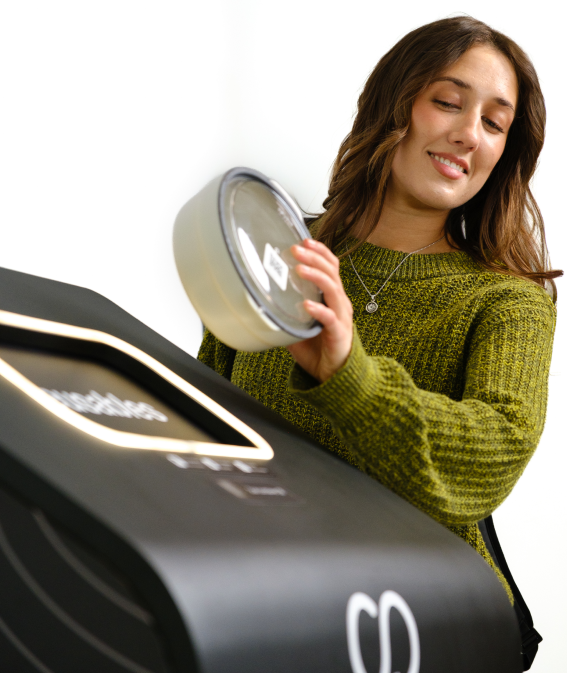
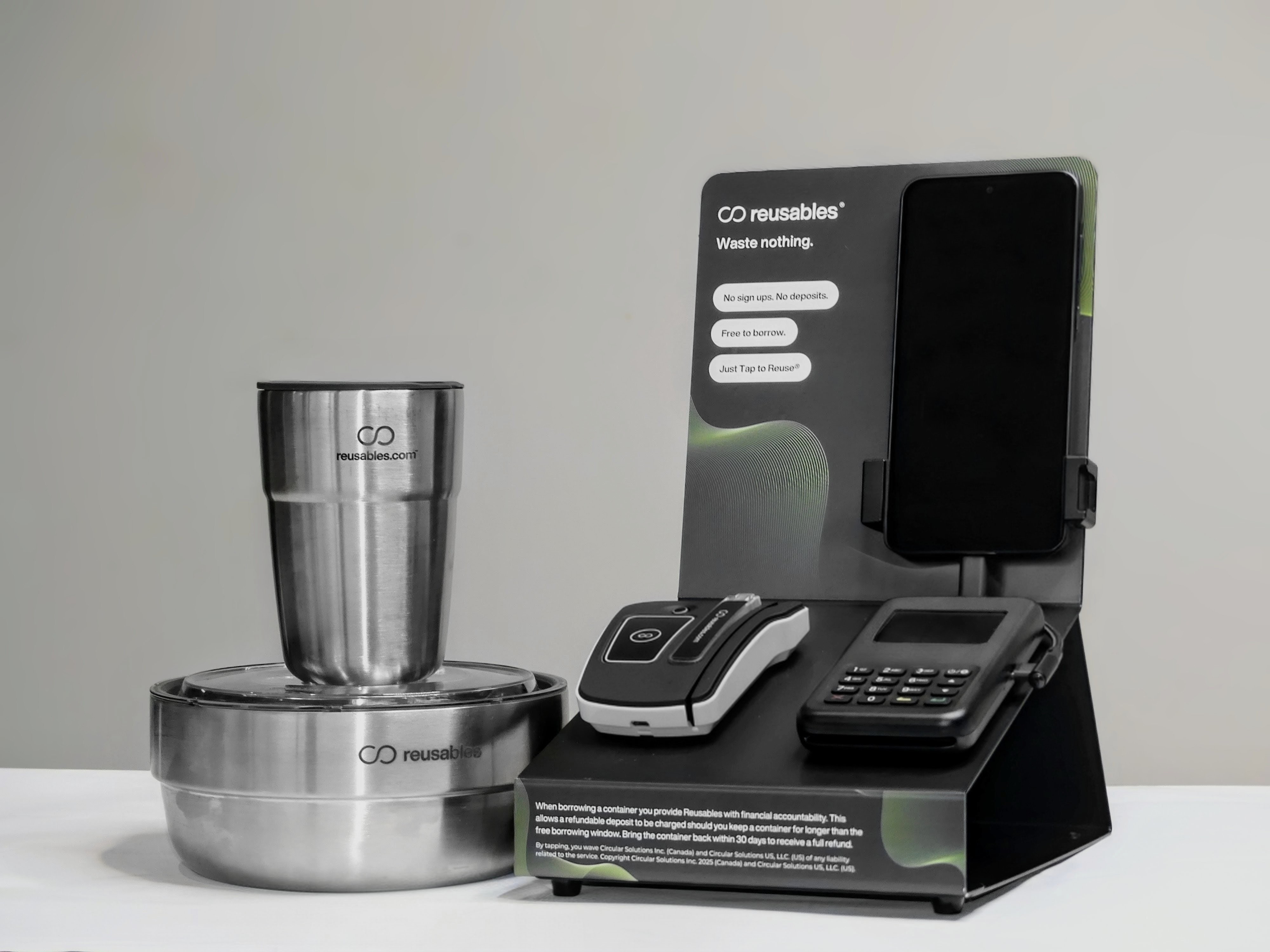
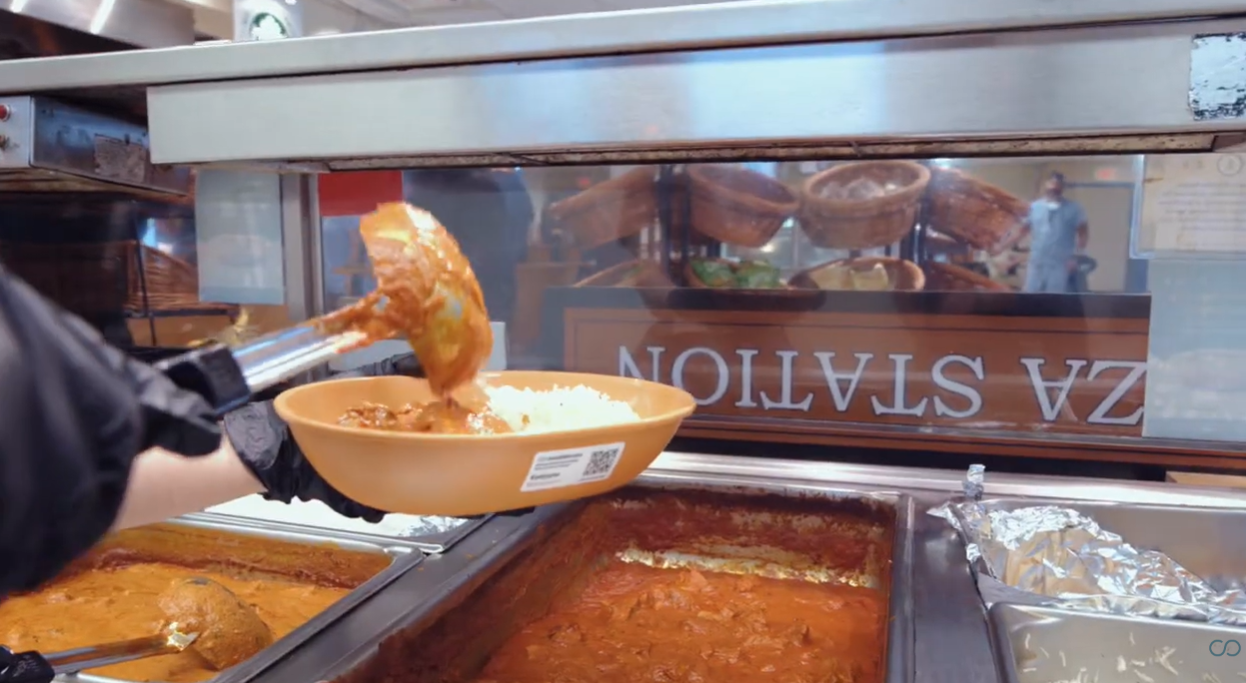
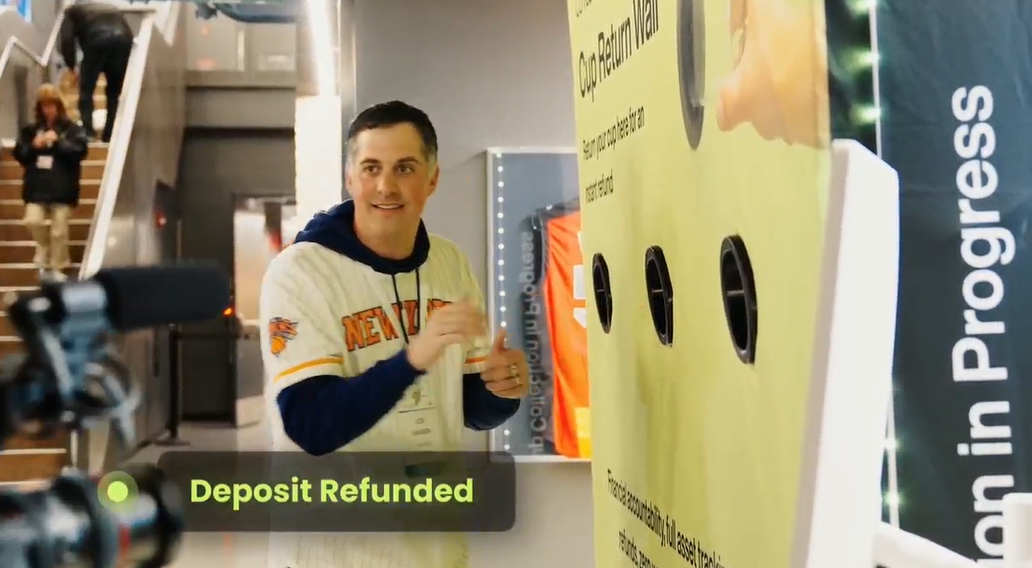
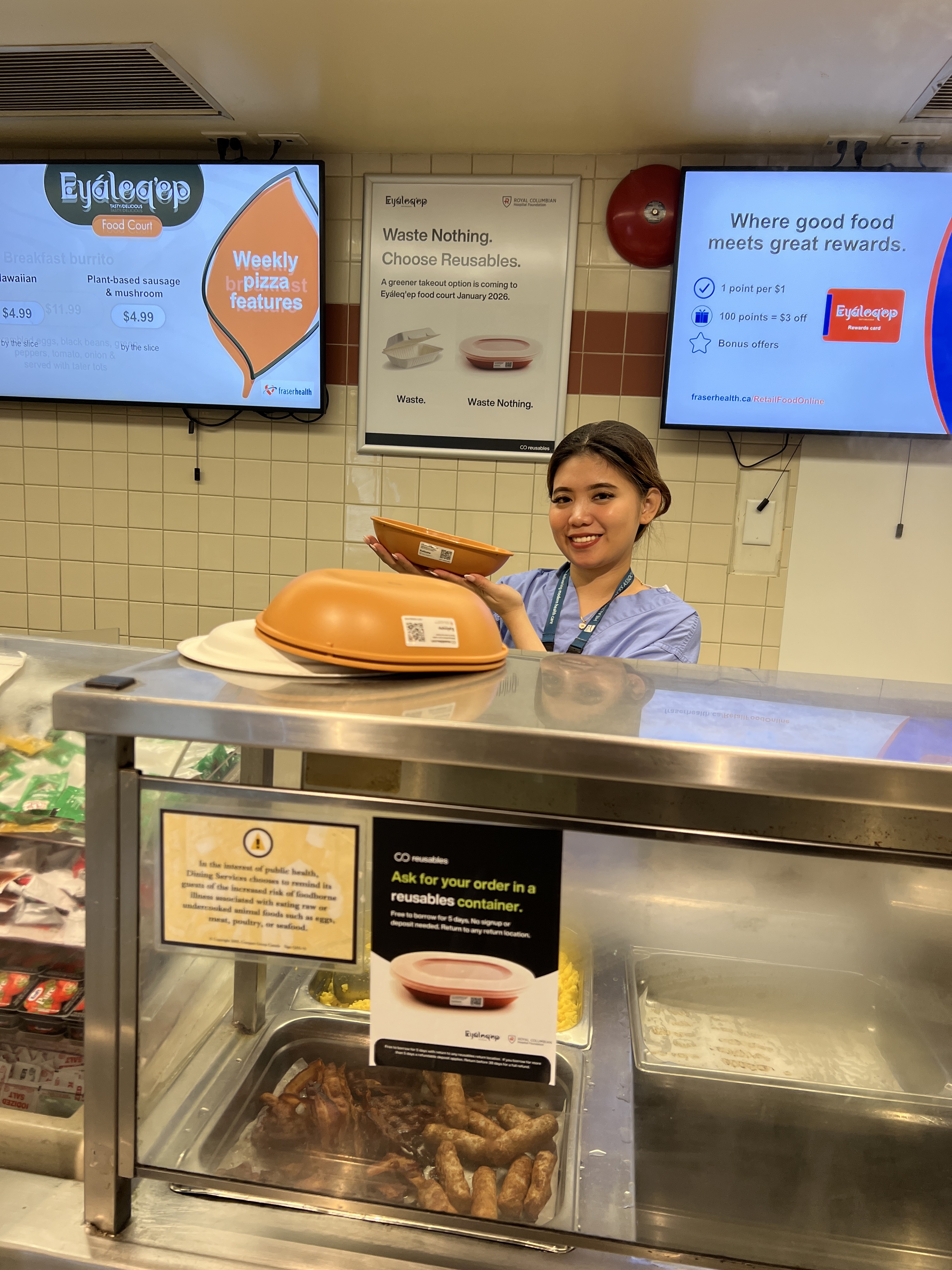
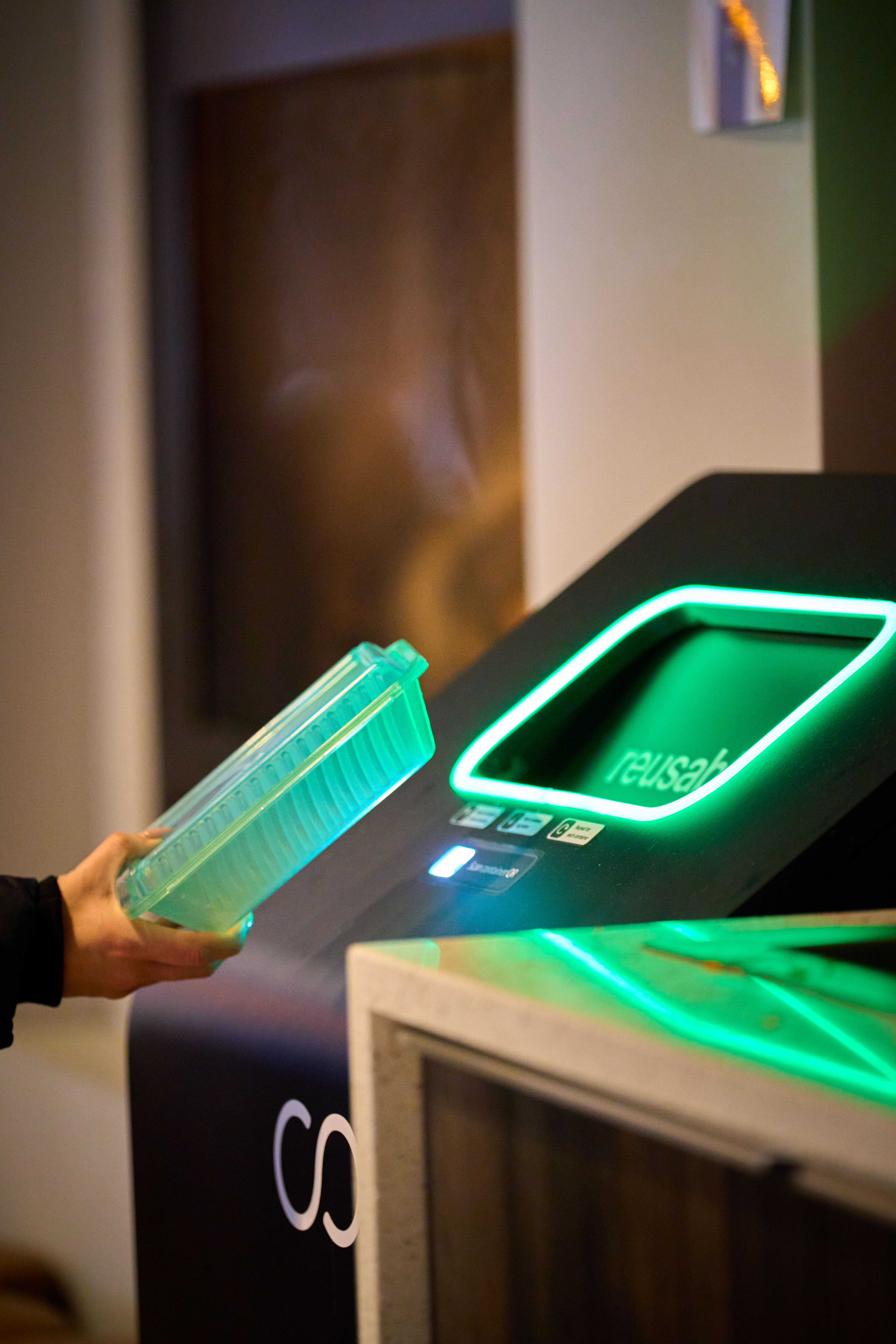
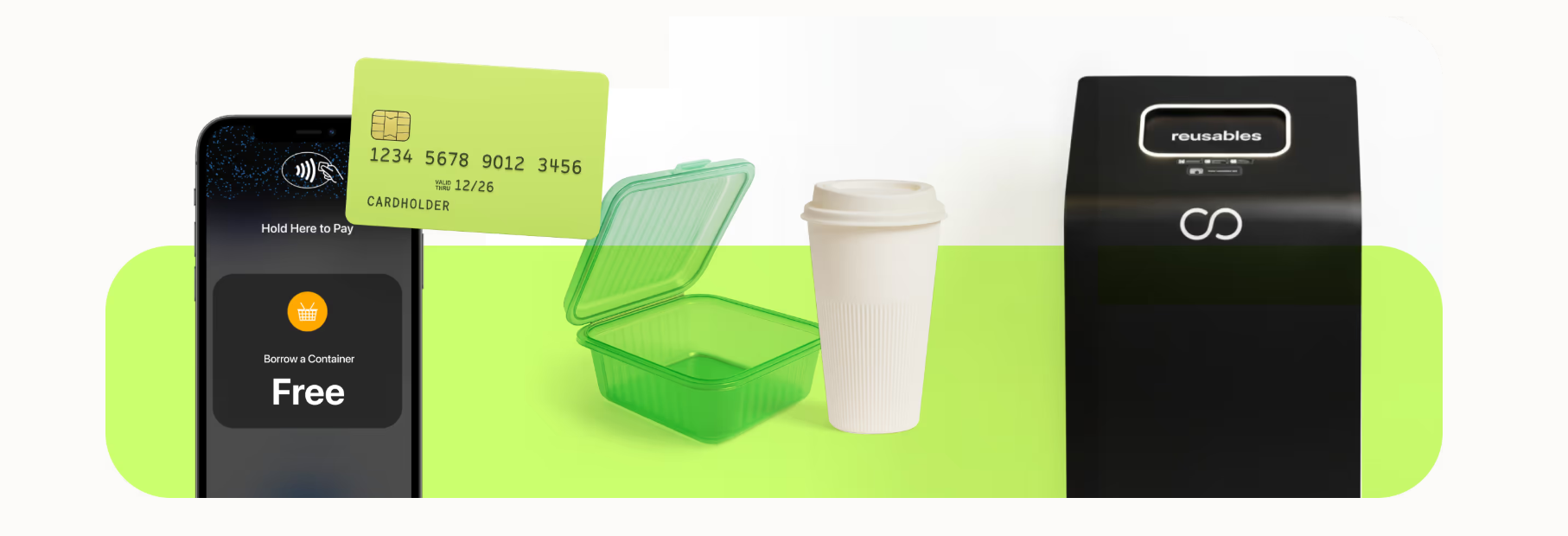
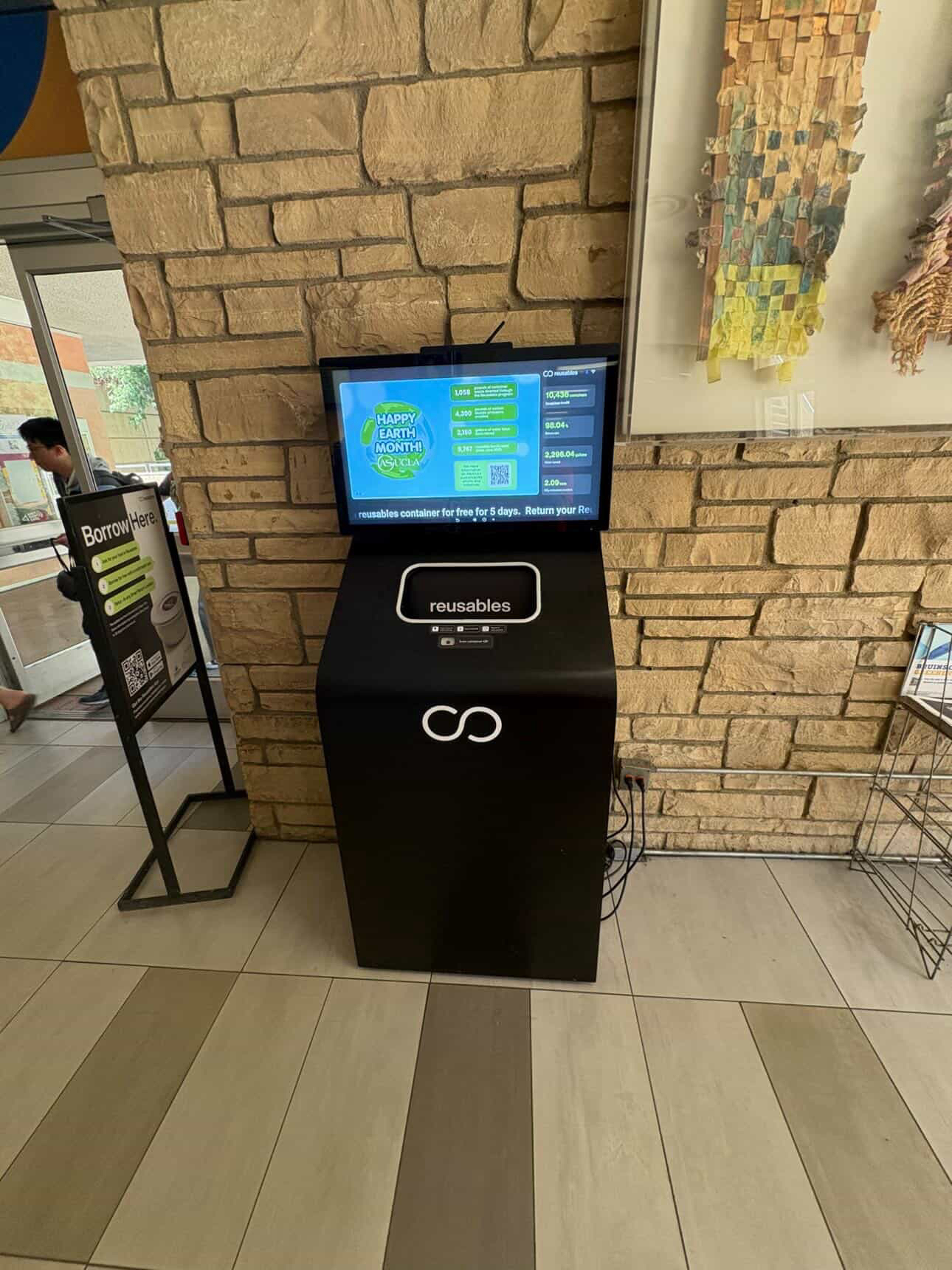
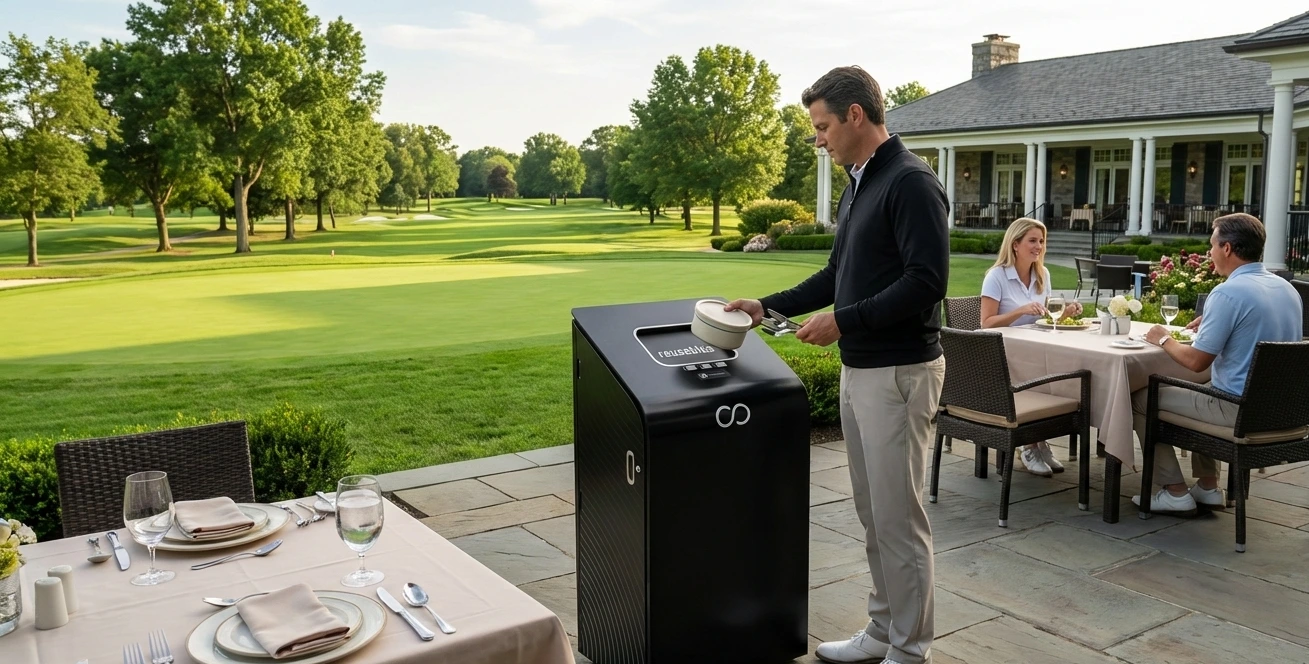
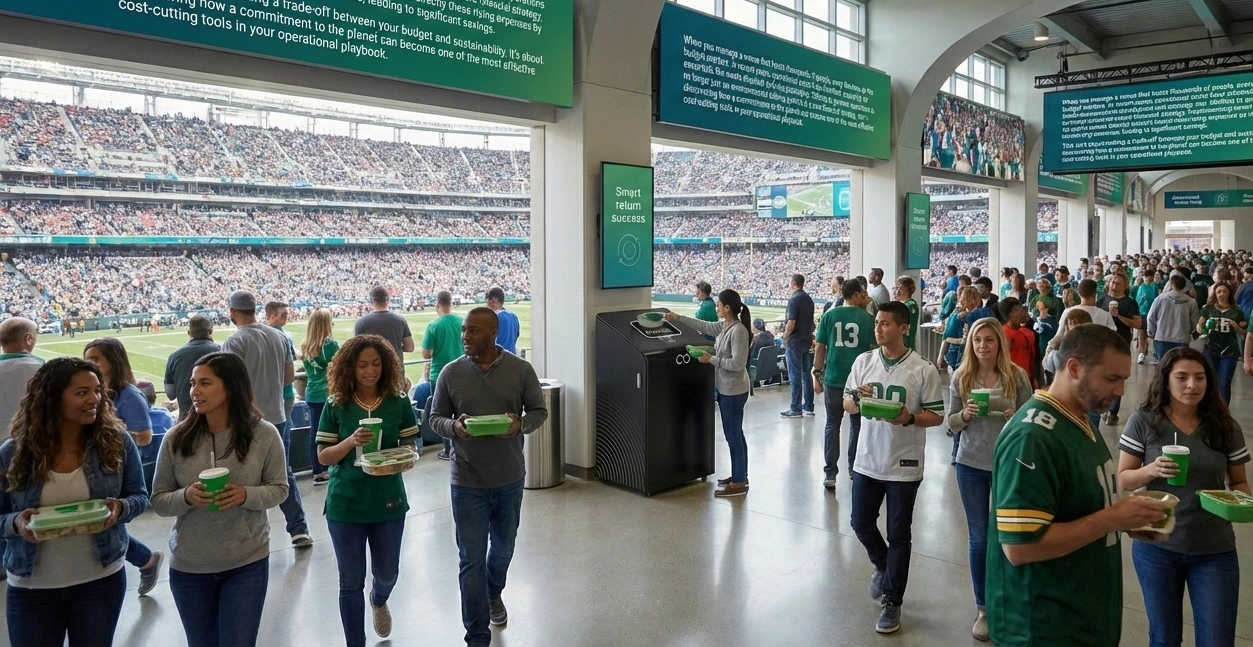
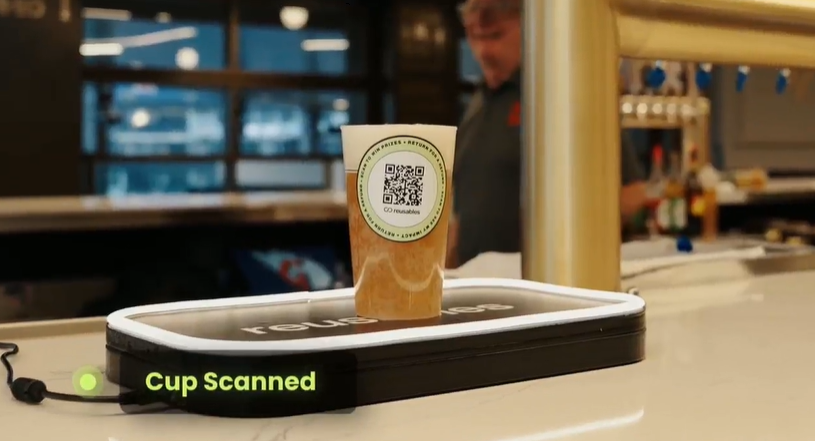
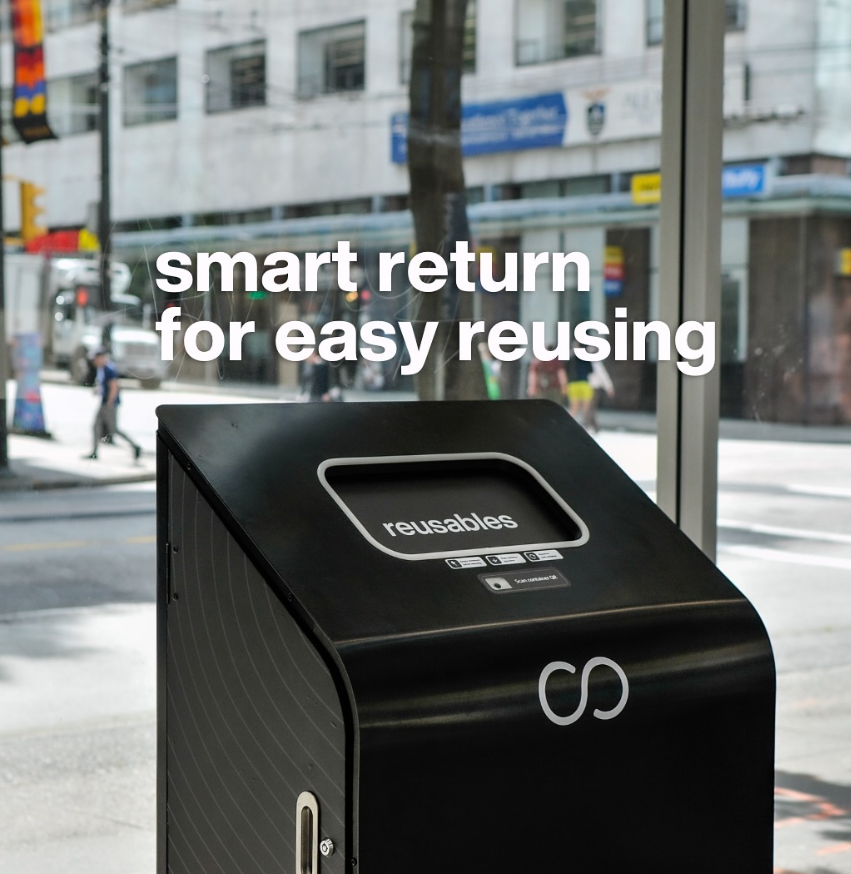
Single-use plastics, especially from food and beverage sales, are a primary source of waste at any large event. The most forward-thinking solution is to eliminate them altogether by introducing a reusable packaging system. Instead of disposable cups, containers, and cutlery, fans receive durable, high-quality reusables that they can return after use. Modern reuse platforms make this process seamless for both fans and staff, using simple tap-to-checkout technology and convenient smart return bins.
This shift away from a throwaway model has a massive impact. Arenas are getting rid of mountains of plastic bottles and cups by switching to reusable or easily recyclable items like aluminum or durable plastic containers. This not only drastically cuts down on waste but also reduces the recurring costs of purchasing single-use inventory. It also enhances the fan experience, replacing flimsy disposables with a premium product that reflects the quality of your venue.
Adopting Zero-Waste Policies
A zero-waste policy is the framework that holds all your waste reduction efforts together. It’s a formal commitment that signals to your staff, partners, and fans that sustainability is a core priority. This policy guides decision-making across all departments, from procurement choosing vendors with sustainable packaging to operations setting specific waste diversion targets. It creates accountability and ensures that your green initiatives are consistent and measurable.
Look at State Farm Arena, the world's first sports venue to achieve TRUE Platinum certification for zero waste. This accomplishment wasn't accidental; it was the result of a dedicated, top-down policy that integrated recycling, composting, and reuse into its core operations. A clear policy turns good intentions into a concrete action plan, setting a new standard for responsible venue management and proving that a world-class fan experience and environmental leadership can go hand-in-hand.
Greening Your Concessions and Conserving Water
Concession stands and kitchens are the heart of the fan experience, but they're also major hubs for resource consumption. From the water used in kitchens and restrooms to the food served and the waste it generates, this area presents a huge opportunity for impactful green initiatives. By focusing on your concessions, you can make significant strides in reducing your arena's environmental footprint, often while cutting operational costs at the same time.
Making your food and beverage operations more sustainable doesn't require a complete overhaul. It can start with simple, strategic upgrades to conserve water, then expand to rethinking your supply chain and menu. Finally, you can tackle what happens behind the scenes by aiming for a zero-waste kitchen. These steps not only contribute to your sustainability goals but also resonate with a growing number of fans who appreciate and support venues that prioritize environmental responsibility. Let's look at a few practical ways to make it happen.
Installing Low-Flow Fixtures and Harvesting Rainwater
Water is a massive operational expense and an area where conservation efforts can yield impressive results. Upgrading to high-efficiency and low-flow fixtures in restrooms and kitchens is a straightforward way to cut water usage without affecting performance. For example, Atlanta’s Mercedes-Benz Stadium uses low-flow toilets and waterless urinals to save tens of thousands of gallons annually. Taking it a step further, you can implement rainwater harvesting systems. The same stadium collects rainwater from its roof to handle tasks like irrigation and building cooling, turning a free resource into a major cost-saver and reducing strain on local water supplies.
Sourcing Locally and Offering Plant-Based Options
The food you serve has its own environmental footprint, largely tied to how far it travels to get to your arena. By partnering with local farms and suppliers, you can drastically reduce transportation emissions, support your local economy, and offer fans fresher, higher-quality food. Chase Center has set a great example by partnering with food management companies that prioritize local and sustainable sourcing. Additionally, offering more plant-based options caters to modern dietary preferences and is inherently more sustainable, as plant-based foods typically require fewer resources like water and land to produce compared to meat.
Running a Zero-Waste Kitchen
While fan-facing recycling is crucial, what happens in the kitchen is just as important. A zero-waste kitchen focuses on diverting as much material as possible from landfills through robust composting and recycling programs. State Farm Arena achieved the world's first TRUE Platinum certification for zero waste by implementing comprehensive back-of-house systems to manage food scraps and packaging. This involves everything from composting uncooked food waste to recycling cooking oil and ensuring all packaging is either recyclable or compostable. It’s a commitment that reduces hauling costs, streamlines kitchen operations, and serves as a powerful statement about your venue’s dedication to sustainability.
The Tech Behind a Greener Arena
Technology is the MVP when it comes to transforming arenas into models of sustainability. Beyond the jumbotrons and sound systems, a new wave of smart tech is working behind the scenes to cut waste, conserve resources, and create more efficient operations. These advancements aren't just about hitting environmental targets; they're about future-proofing your venue. Embracing green initiatives with the right technology can lead to significant long-term operational cost savings and a stronger connection with your community.
From the materials used in construction to the systems that manage waste, technology provides the data and automation needed to make sustainability scalable and effective. It allows venue managers to move from well-intentioned guesses to data-backed decisions. By integrating smart solutions, you can create a seamless experience for fans that is also lighter on the planet. This tech-forward approach shows that a world-class fan experience and environmental responsibility can, and should, go hand in hand.
Using Smart Building Systems and IoT
Smart building systems and the Internet of Things (IoT) are your operational playbook for efficiency. These interconnected networks of sensors and devices act as the central nervous system for your arena, monitoring everything from energy consumption to water usage in real time. Imagine lights that dim automatically in unoccupied areas or HVAC systems that adjust based on crowd density and outside weather conditions. This level of automation not only reduces your carbon footprint but also cuts down on utility bills without requiring constant manual oversight. It’s about making your building work smarter, not harder, to achieve its sustainability goals.
Building with Green Materials and Design
A truly green arena starts with its foundation. When building or renovating, the choice of materials and architectural design has a lasting impact on your venue's environmental footprint. Modern facilities are incorporating sustainable building materials like recycled steel, reclaimed wood, and low-VOC paints to create healthier indoor environments. Thoughtful design elements, such as roofs that help regulate temperature or windows that maximize natural light, can drastically reduce the energy needed for heating, cooling, and lighting. These initial investments in green design pay off for years to come through lower operational costs and a more resilient facility.
Leveraging Advanced Waste Tracking Systems
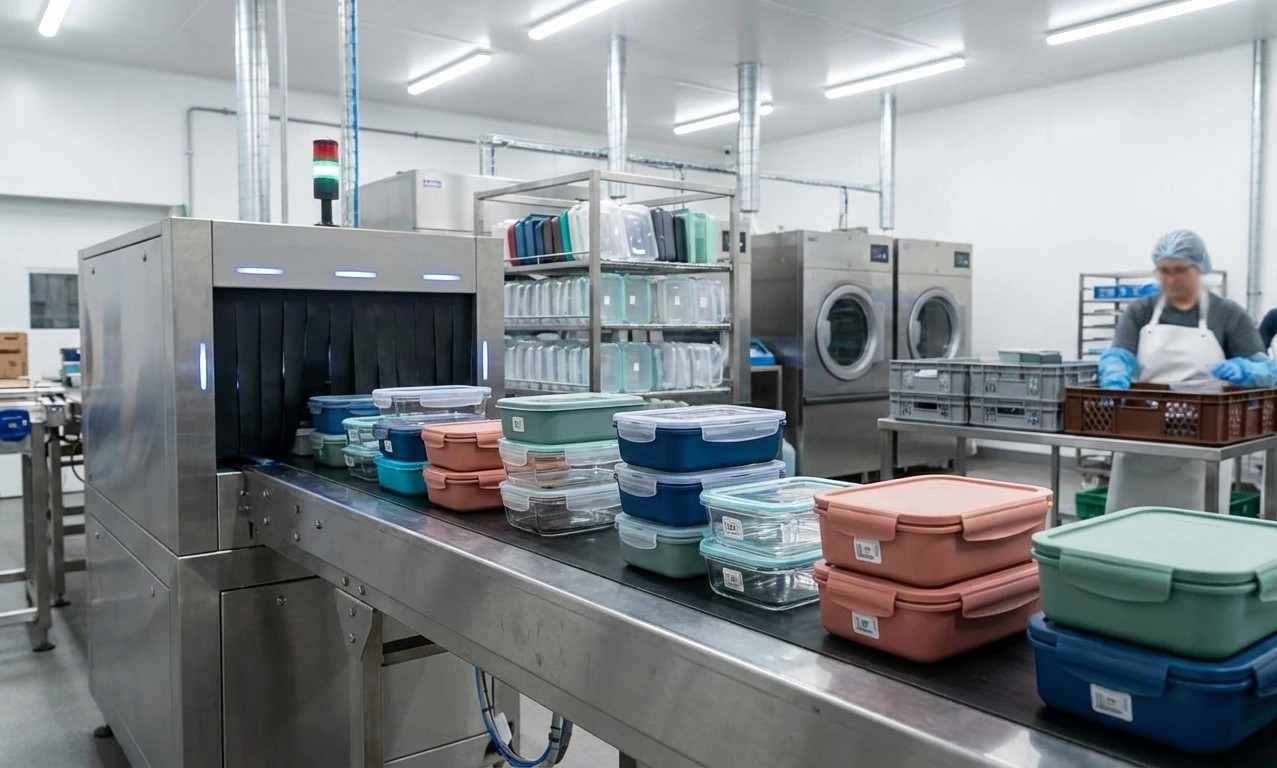
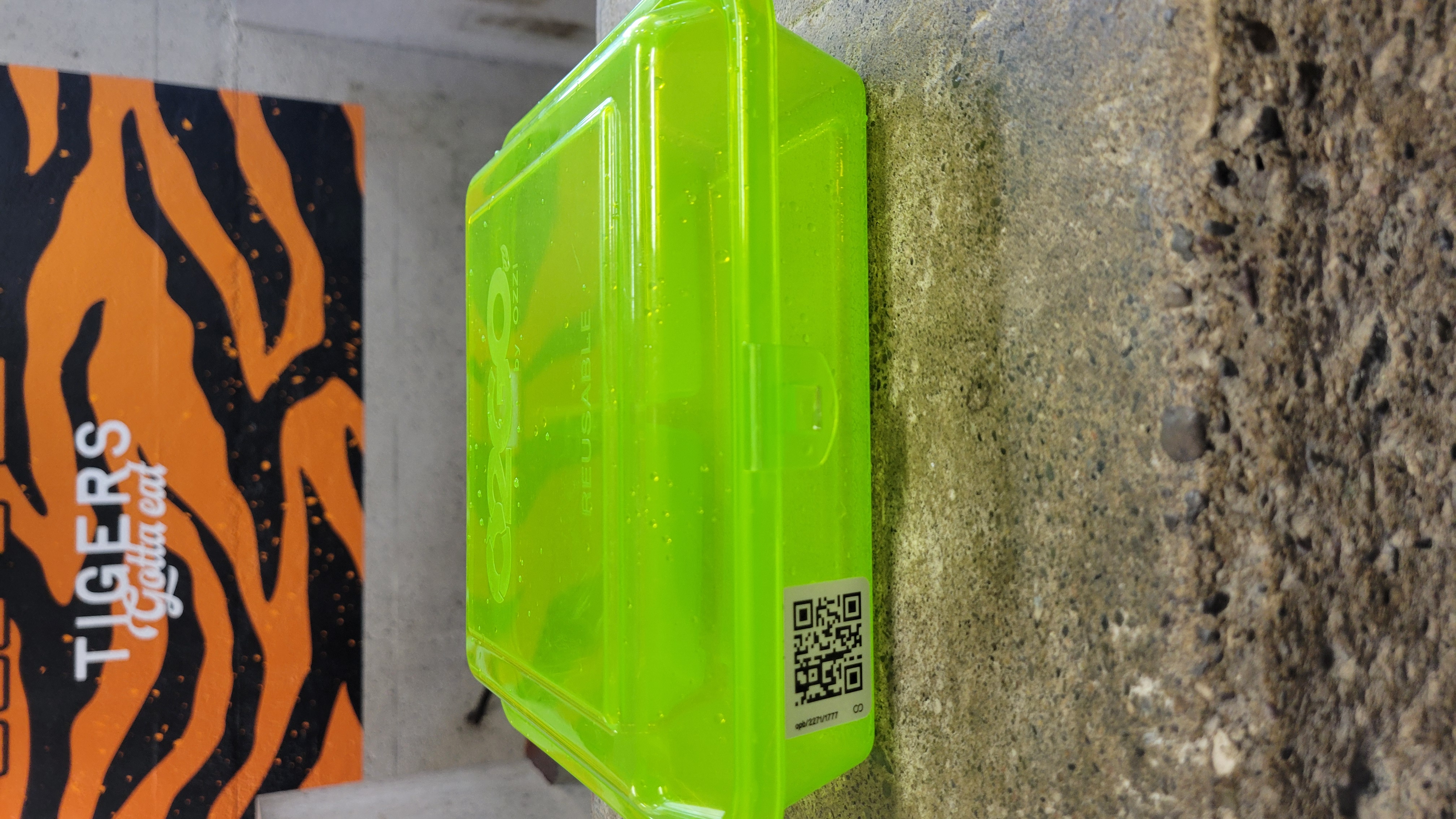
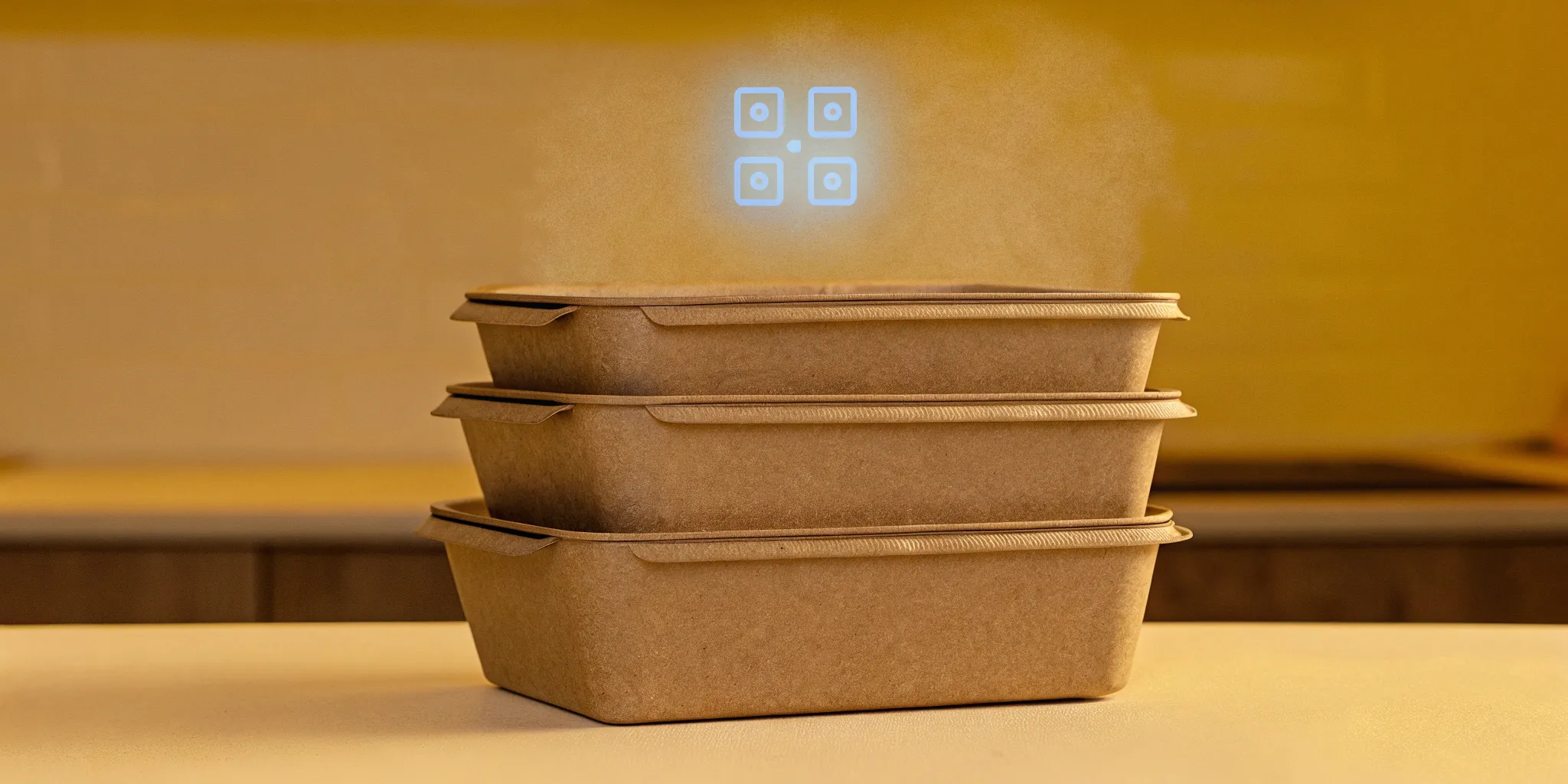
To truly tackle waste, you need to know exactly what you’re dealing with. Advanced waste tracking systems move beyond basic bin counts, offering a clear view of your entire waste stream. By using technology to monitor recycling, composting, and landfill-bound trash, you can identify contamination issues and measure your diversion rates with precision. The most forward-thinking solutions for businesses now include tech-enabled reusable packaging. Each container is tracked with a unique code, providing real-time data on usage, return rates, and environmental impact. This data-driven approach creates accountability and helps you refine your zero-waste strategy for maximum effect.
Getting Fans and the Community on Your Team
Your sustainability initiatives don't have to happen behind the scenes. In fact, they’re far more powerful when you bring your fans and the local community into the game. When people feel like they’re part of the solution, they become your biggest advocates. This creates a positive feedback loop: fans appreciate your commitment, their loyalty deepens, and your venue’s reputation as a community leader grows. It’s a win for everyone, turning a top-down mandate into a grassroots movement that feels authentic and exciting.
Engaging your audience transforms sustainability from a simple operational goal into a shared experience. It’s about making your green efforts visible, accessible, and even fun. Whether you’re rolling out a comprehensive recycling program or introducing a reusable packaging system for concessions, getting your fans on board is the key to making it a success. By turning spectators into active participants, you build a stronger, more connected community that rallies around your venue both on and off the field. This approach not only helps you hit your environmental targets but also enhances the overall fan experience, making every game an opportunity to do good together.
Educating Fans and Raising Awareness
Your arena is a massive stage, and you can use that influence to inspire greener habits among thousands of people. Simple, clear communication is the first step. Use your jumbotron, social media channels, and in-venue signage to share your sustainability goals and show fans how they can help. You can create short, engaging videos explaining what can be recycled or composted, or run a campaign that encourages carpooling and using public transit to get to the game. The key is to make the information easy to digest and the actions easy to take. When fans understand the why behind your efforts, they’re much more likely to participate.
Incentivizing Eco-Friendly Behavior
A little friendly competition can go a long way in motivating fans to adopt green habits. You can create programs that reward people for making sustainable choices. For example, some venues have created "Green Teams" that roam the stands, handing out small prizes to fans who are spotted recycling correctly. You could also offer a discount on concessions for fans who use a reusable cup or container, or set up a leaderboard to see which section can produce the least amount of waste. These incentive programs make participation fun and show fans that their individual actions are valued and contribute to a larger goal.
Building Community Partnerships for Local Impact
Your arena’s commitment to sustainability can extend far beyond its walls. Partnering with local environmental groups, schools, and community organizations creates a powerful ripple effect. You could sponsor a neighborhood cleanup event, host an e-waste collection day in your parking lot, or work with a local non-profit to create a community garden. These efforts demonstrate a genuine investment in the well-being of your community. This not only strengthens your local ties but also attracts sponsors who want to align their brands with organizations that are making a positive impact. It’s a powerful way to show that you’re more than just a venue—you’re a true community partner.
The Financial Playbook: Benefits and Challenges
Shifting to greener operations is more than a reputational move; it's a strategic financial decision. While the environmental and community benefits are clear, the numbers need to make sense for your bottom line. A successful green initiative improves your budget, not just your image. This means finding solutions that cut long-term costs, open up new revenue streams, and integrate smoothly into your existing operations without causing financial strain. It’s about making smart, sustainable investments that pay dividends in more ways than one. Let's break down the financial realities of going green.
Saving on Costs and Generating New Revenue
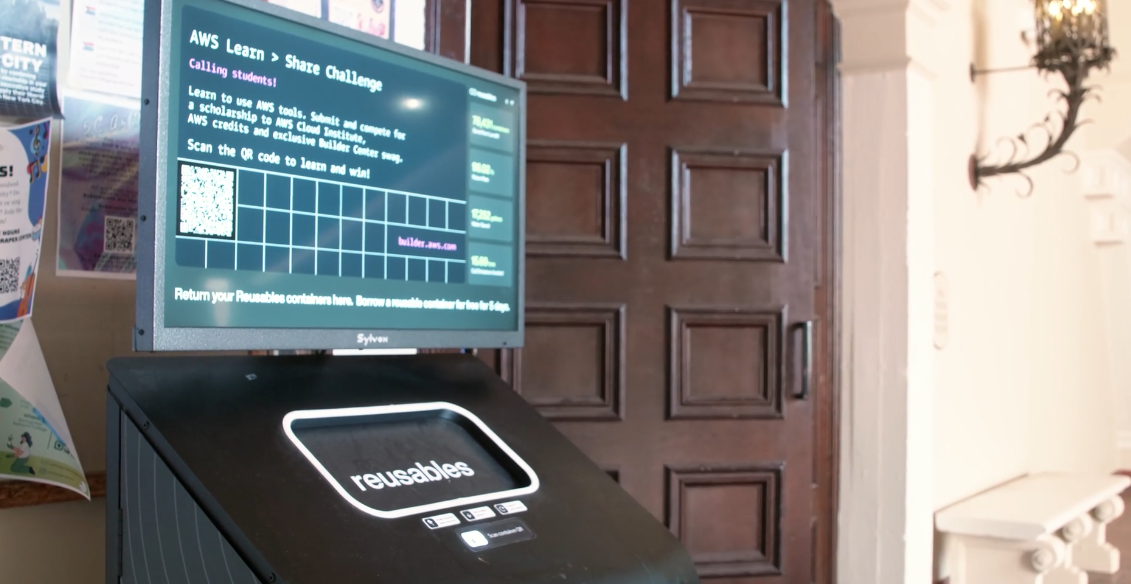
The most immediate financial win from green initiatives comes from reducing consumption. Less waste, energy, and water used means lower utility and supply bills. With the cost of disposable packaging rising over 200% in the last three years, switching to a reusable container system can lead to significant savings—often over 30% annually on packaging alone. Embracing these changes can yield long-term operational cost savings that directly impact your budget. Beyond savings, sustainability can create new income. For example, smart return bins can feature ad screens, generating thousands in passive revenue per year. A strong green commitment also attracts corporate sponsors who want to align their brands with sustainable venues, opening doors to new partnership opportunities.
Overcoming Initial Investment Hurdles
Let’s be direct: the upfront cost of new technology and infrastructure can feel daunting. It’s true that some green upgrades require a significant initial investment. While it can be complicated to identify which green investments are right for your team, there are pathways for every organization to get started. You don’t have to do everything at once. Begin with high-impact, lower-cost changes, like implementing a tech-enabled reuse system or upgrading to LED lighting. Look into local, state, and federal grants or rebates for sustainability projects. A phased approach allows you to make incremental changes, using the savings from one project to help fund the next, turning a large capital expenditure into a series of manageable operational ones.
Balancing Sustainability with Peak Operations
Your arena has a unique operational rhythm. As one report notes, venues "may only host spectators for 65 days each year, yet they must be optimized to handle both peak capacity events and everyday operations efficiently." Any new system must perform under the pressure of a sold-out crowd. The good news is that modern sustainability solutions are designed for this reality. Automated systems, like smart return bins and app-free checkout for reusables, reduce friction for fans and lighten the load on staff. The goal is to integrate green practices in a way that enhances the fan experience and streamlines workflows, rather than complicating them. The right solutions work with your operational flow, ensuring that your sustainability efforts support, rather than hinder, your ability to deliver on game day.
Related Articles
Frequently Asked Questions
This all sounds great, but where’s the best place to start? A great first step is to focus on your waste stream, since it’s one of the most visible and costly parts of your operation. Instead of trying to overhaul everything at once, consider a pilot program with a tech-enabled reusable packaging system at a few high-traffic concession stands. This gives you a chance to see the immediate impact on your supply costs and waste volume while getting fans and staff comfortable with a new, better process. It’s a tangible win that builds momentum for bigger changes.
How can we justify the upfront costs of these green initiatives to our stakeholders? It’s best to frame this as a strategic investment rather than just an expense. The conversation shifts when you focus on the long-term financial returns. Calculate the projected savings from reduced energy use, water conservation, and especially the elimination of recurring single-use packaging costs. Modern solutions also create new revenue streams, like ad screens on smart return bins. This isn't just about environmental responsibility; it's a financial strategy to cut operational costs and future-proof your venue against rising prices and new regulations.
How do you get thousands of fans to actually participate and return reusable containers? The key is to make it incredibly simple and seamless. Success depends on a system that doesn't rely on fans downloading an app or staff having to manually track anything. The best platforms use simple tap-to-checkout technology and have plenty of convenient, clearly marked smart return bins. When returning a cup is as easy as tossing it in the trash, people will do it. Automated reminders and a small, refundable late fee can also ensure you get nearly all of your containers back without creating a negative experience.
Will implementing these programs create more work for our already busy staff? Not if you choose the right technology. Modern sustainability systems are designed to reduce manual labor, not add to it. For example, a smart reuse system automates the entire checkout and return process, tracks inventory, and handles any late fees without staff intervention. Smart bins can even alert your team when they’re getting full. These solutions are meant to streamline your operations and free up your team to focus on providing a great fan experience.
If we have a limited budget, what is the single most impactful change we can make? Focus on eliminating single-use food and beverage packaging. This is often the largest source of an arena's physical waste and a significant recurring line item in your budget. Switching to a reusable container system tackles this head-on. With the cost of disposables continuing to climb, the return on investment for a reuse program is often much faster than you’d expect. It directly reduces purchasing and waste hauling costs while making a very visible statement to your fans about your commitment to sustainability.
Other stories you may find interesting


.png)


.avif)






.webp)



Watch the Webinar
Learn How to Eliminate Single-Use Waste
Get instant access to our expert webinar and discover how leading institutions reach 99% return rates through smarter reuse systems.

© Reusables™. All rights reserved.