
How to Keep Your Speed of Service with Reusable Cups

February 23, 2026
In every other part of your dining operation, you rely on technology to create efficiency. Your POS system, mobile ordering apps, and inventory management software are all designed to make things faster and smoother. So why should reusables be any different? The operational headaches and concerns about the speed of service reusable cups can cause are not problems with the concept of reuse itself; they are symptoms of an outdated, manual process. Modern reuse systems are built on smart, simple technology designed to make the entire process feel effortless. By automating tracking, returns, and inventory, you can eliminate bottlenecks and create a seamless, integrated experience that works with your existing operations, not against them.
Key Takeaways
- Keep Service Fast with a Managed System: Reusables don't have to slow you down. A tech-enabled program with app-free checkout and smart return bins eliminates the operational friction of "bring-your-own" models, ensuring your service speed is never compromised.
- Drive Student Adoption by Removing Friction: Success depends on student participation. Make reusing the easiest choice with a frictionless system that offers free borrowing, automated accountability, and engaging rewards, leading to industry-leading return rates.
- Achieve Tangible Financial and Green Goals: A high-return reuse system is a strategic investment, not just an expense. It directly cuts rising disposable packaging costs and provides a clear path to meeting your campus's ambitious zero-waste targets.
Reusable vs. Single-Use Cups: What's the Real Difference?
When you’re managing a busy campus dining hall, the choice between reusable and single-use cups can feel like a classic head-versus-heart debate. Your head knows that the cost of disposable packaging keeps climbing, while your heart wants to make a sustainable choice that students will appreciate. But what’s the real story behind the environmental and operational impact of each option?
The truth is, the best choice isn’t just about the cup itself—it’s about the system you build around it. A well-designed reuse program can deliver on both cost savings and sustainability without adding friction to your daily operations. Let’s break down how reusable and single-use cups stack up in the areas that matter most to your campus: materials, environmental footprint, and long-term costs.
Comparing Materials and Durability
At first glance, a single-use paper or plastic cup seems simple. It’s lightweight and designed for one purpose before being tossed. Reusable cups, on the other hand, are built to last. Whether they’re made of durable plastic or stainless steel, they require more energy and materials to produce initially. This upfront investment is what creates the "break-even point." For a reusable cup to become the more sustainable option, it needs to be used multiple times.
For example, a reusable plastic cup might need to be used around 20 times to outperform a disposable paper cup. A stainless steel version requires even more uses to hit that milestone. This is why durability and high return rates are so important. A system that ensures cups come back for hundreds of uses makes the initial resource investment worthwhile. Our flexible container options are designed for exactly this kind of longevity, ensuring they can stand up to the demands of a busy campus.
Weighing the Environmental Impact
The environmental conversation often gets stuck on the production phase, but it’s the entire lifecycle that tells the full story. While a reusable cup has a higher initial footprint, the cumulative impact of single-use cups quickly overtakes it. Think about it: making just one paper coffee cup with a lid creates a surprising amount of CO₂. For a student who grabs a coffee every day, that adds up fast.
Over their life cycle, reusable products generally use less water and produce far fewer greenhouse gases than their disposable counterparts. The key is consistent reuse. When a single reusable cup replaces hundreds of disposables, you’re not just preventing landfill waste; you’re also cutting down on the resources needed to manufacture, transport, and dispose of single-use items day after day. This is how you can make a measurable difference in your campus's sustainability goals.
Calculating the Long-Term Costs
It’s easy to see a disposable cup as the cheaper option because the per-item cost is low. But when you’re buying thousands of them every single week, those costs compound quickly—especially with disposable packaging prices rising over 200% in recent years. Many universities spend more than $50,000 annually on disposable containers alone. This is a recurring operational expense that only ever goes up.
A reusable system shifts this model from a constant expense to a one-time investment in durable assets. While some analyses suggest the overall environmental impact can be similar depending on usage, the financial case becomes very clear over time. By implementing a reuse program with high return rates, you can significantly reduce your annual spending on disposables. The savings on packaging and waste hauling can create a powerful financial incentive that also happens to be great for the planet.
Do Reusables Really Slow Down Service?
It’s the question every food service director asks: will switching to reusables create bottlenecks in our lines, especially during the lunch rush? It’s a valid concern. Your team is measured on its ability to serve hundreds, if not thousands, of students quickly and efficiently. The idea of adding a new step to your workflow can feel like a non-starter.
The truth is, a poorly designed reuse program can slow you down. Systems that rely on customers bringing their own cups, manual tracking, or clunky checkout processes often create friction. One study on drive-thru operations found that as more customers use personal reusable cups, the average waiting time gets longer, especially during peak hours. This happens because these systems add extra steps and decisions into a workflow that’s been optimized for speed.
But the problem isn’t the reusable container itself—it’s the system built around it. When you implement a fully integrated reuse program, you don’t add steps; you replace an existing one. Instead of grabbing a disposable container, your staff grabs a reusable one. With the right technology, the checkout process is instantaneous, and returns are handled seamlessly in the background. A smart system maintains your speed of service while cutting waste and saving you money on disposables.
Handling Peak Hour Rushes
The midday rush is the ultimate test for any campus dining operation. Every second counts, and any inefficiency is magnified. The fear is that handling reusables—checking them in, ensuring they’re clean, or using a different checkout process—will grind your lines to a halt. When your staff has to manually manage a reuse system, it pulls their focus away from preparing and serving food.
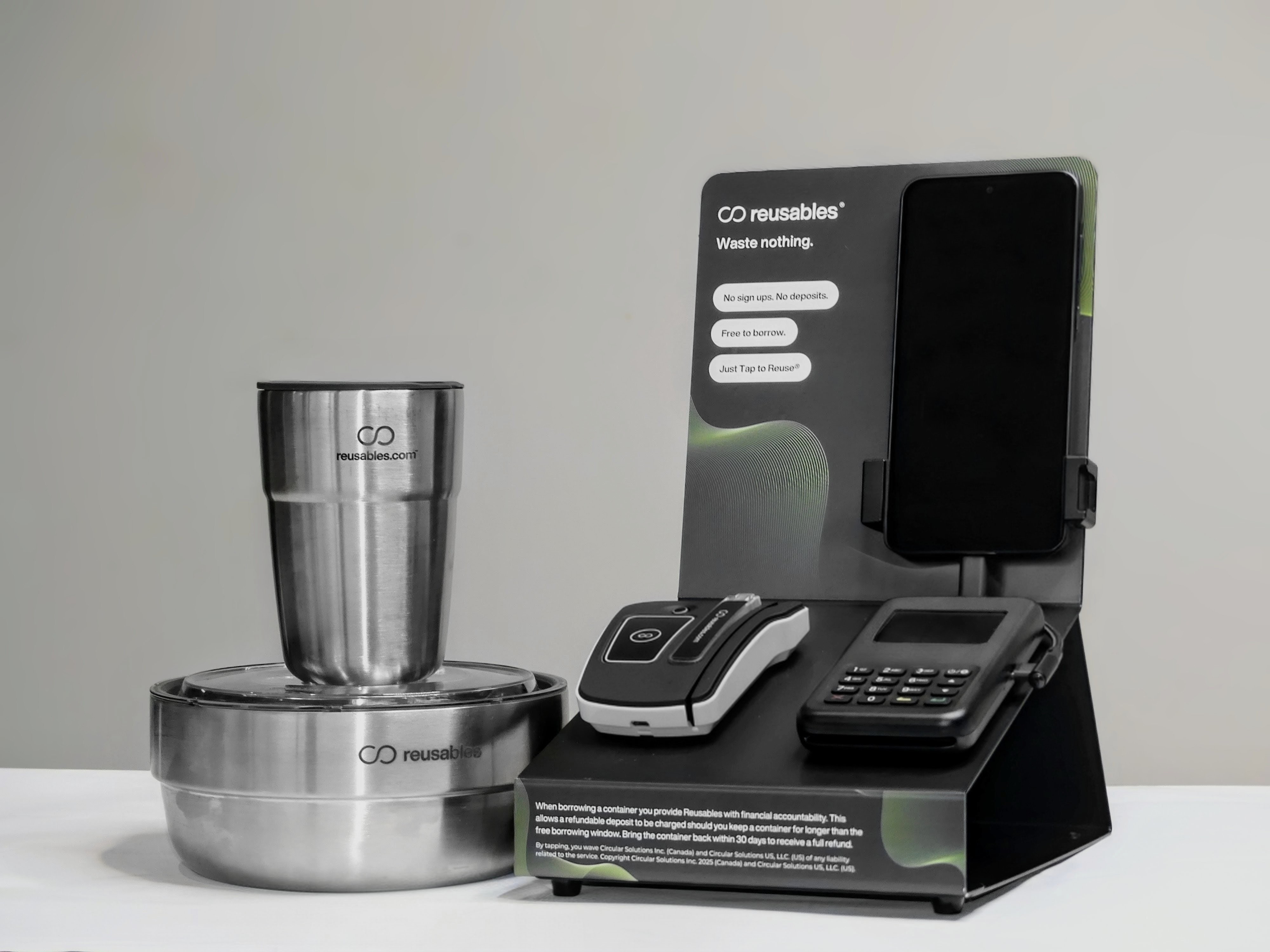
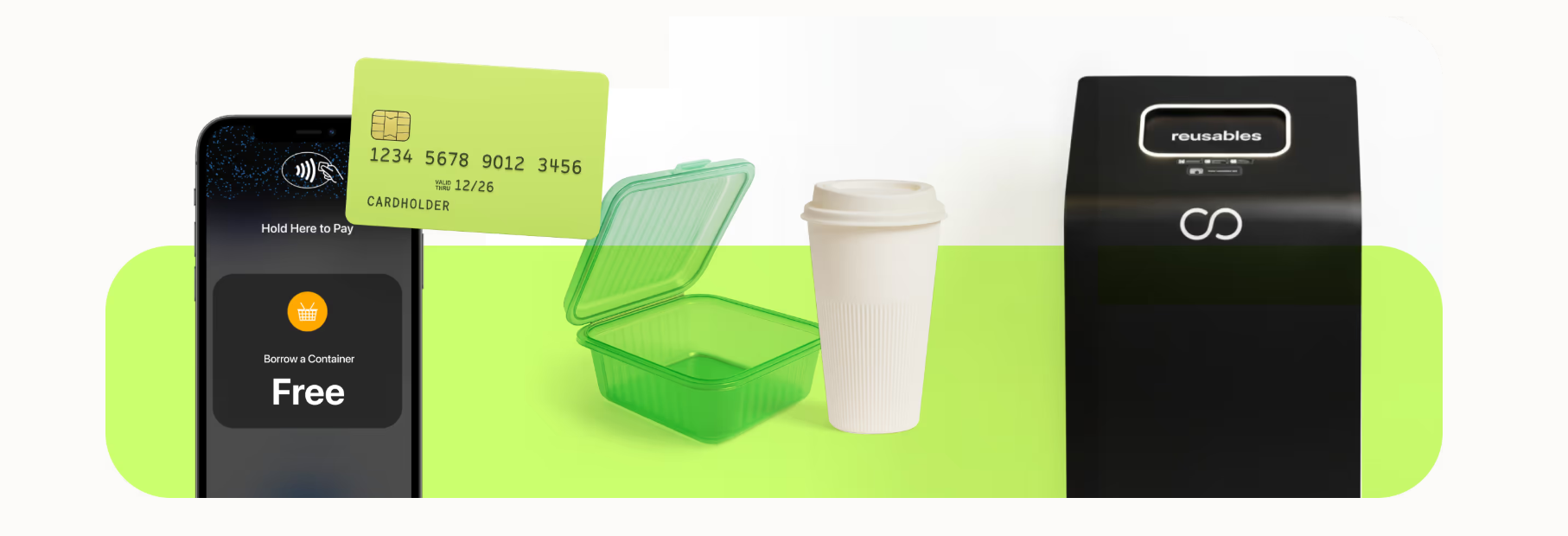
The key to handling peak hours is to make reusing as simple as using a disposable. With a system like Tap to Reuse™, checking out a container takes seconds and requires no app or complex sign-up. Students simply tap their campus card, and the container is automatically assigned to their account. This eliminates manual tracking and keeps your lines moving, ensuring your team can focus on what they do best: serving great food.
Solving Drive-Thru Delays
While less common on campuses, drive-thru operations offer a powerful lesson in workflow efficiency. Drive-thrus are built for speed, with different parts of an order happening at the same time. Traditional bring-your-own-cup programs break this model because they force everything to happen in sequence: the customer arrives, hands over their cup, and only then can the drink be made. This creates a delay that ripples through the entire line.
A managed reuse system solves this problem entirely. Because you’re using a pre-approved, clean inventory of containers, your staff can prepare orders ahead of time, just as they would with disposables. The container is simply checked out to the customer at the window. This maintains the parallel workflow that makes quick service possible and proves that you don’t have to sacrifice speed for sustainability.
Streamlining Mobile Orders
Mobile ordering is essential for modern campus dining, but it can also be a point of friction for reuse programs. Some coffee shops have tried workarounds where baristas make drinks in a measuring container and pour it into the customer’s personal cup upon arrival. This adds extra steps, creates more dishes to wash, and slows down the pickup process for everyone.
An integrated system makes mobile ordering with reusables effortless. Students place their order through your existing app, and your team prepares it directly in a clean, standardized reusable container from your inventory. When the student arrives, they simply scan their order and the container at a pickup station. The container is automatically checked out to their account, and they can be on their way in seconds. There’s no waiting, no awkward transfers, and no slowdown in service.
The Truth About Reusables and Service Speed
Let’s be honest: your biggest concern about switching to reusables is probably service speed. No one wants to be the reason for a long, slow-moving line of hungry students, especially during the lunch rush. The fear that reusable containers will create operational bottlenecks is completely valid, but it’s usually rooted in a misunderstanding of how a modern reuse system works.
The slowdowns you hear about are almost always tied to "bring-your-own-cup" (BYOC) models, not managed reuse programs. When you have a system designed for efficiency, reusables can be just as fast as disposables. It all comes down to having the right workflow and technology in place. A well-designed program keeps your lines moving, your staff happy, and your campus waste-free without sacrificing the speed your students expect.
Analyzing Peak Hour Performance
During your busiest hours, every second counts. Research on BYOC programs shows that as more customers bring their own cups, the average wait time gets longer. This happens because personal cups interrupt the workflow. Staff have to stop, take the customer's cup, check if it's clean, and then handle it carefully. This one-off process, repeated over and over during a rush, creates a serious drag on your service line. The problem isn't the reusable container itself; it's the lack of a standardized process. A managed system, where staff grab a clean, pre-approved reusable from their stack just like a disposable, eliminates this bottleneck entirely.
Understanding Customer Adoption
Another piece of the puzzle is customer adoption. Studies of large-scale BYOC initiatives have found that adoption rates are often incredibly low—sometimes less than 1%. When so few people participate, the program doesn't have a significant environmental impact, nor does it cause major delays. But the goal of a reuse program should be high participation. The key is to make it frictionless. If students have to remember to bring their own container, make sure it's clean, and wait longer in line, they simply won't do it. True behavior change happens when the sustainable choice is also the easiest one.
Measuring Staff Workflow Efficiency
Your team's efficiency is directly tied to the tools they use. With personal cups, staff are often forced into inefficient workarounds, like making a drink in a disposable cup and pouring it into the customer's reusable one. This "double-cupping" method not only slows things down but also creates waste, defeating the purpose of the program. It also adds mental strain on your team, who now have to manage complex orders while inspecting containers. A far better approach is a grab-and-go system. Our reuse solutions provide your staff with a ready supply of clean, sanitized containers, so their workflow remains exactly the same as it was with single-use packaging.
Overcoming Common Operational Hurdles
Switching to a reusable cup system can feel like a major operational shift. You might be worried about new cleaning protocols, how your staff will adapt, and what students will think. These are valid concerns, but they are far from insurmountable. With a clear plan and the right system in place, you can address these hurdles head-on and create a workflow that’s just as fast—if not faster—than your current single-use setup.
The key is to break down the challenge into three core areas: sanitation, staff training, and customer communication. By creating a solid process for each, you can build a reusable program that runs smoothly without sacrificing the speed of service your students expect. Let’s walk through how to tackle each of these common operational sticking points.
Nailing Your Cleaning and Sanitation Process
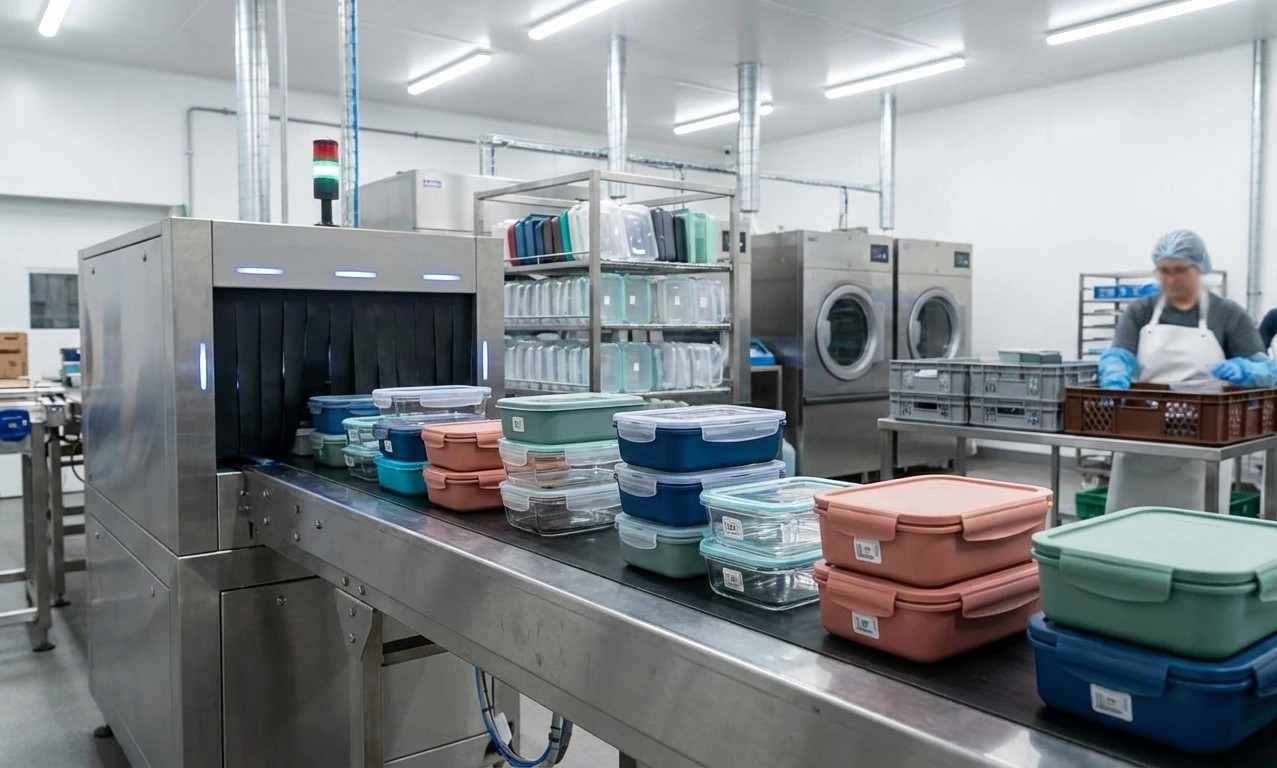
A top-tier cleaning process is the backbone of any successful reuse program. It’s not just about looking clean; it’s about ensuring food safety and protecting your investment. As experts from Ecolab point out, proper cleaning and disinfection are critical for both safety and maintaining the lifespan of your containers. When your team has a steady supply of professionally sanitized cups ready to go, they don’t have to spend time inspecting personal cups of questionable cleanliness. This standardized approach allows you to control hygiene from start to finish, giving both your staff and students complete confidence in the system while keeping your service lines moving efficiently.
Getting Your Staff Onboard
Your team is on the front lines, and their buy-in is essential. The best way to get them on board is to make the new process simple and clear. Start with straightforward guidelines, like only using professionally cleaned cups from your inventory. This eliminates any gray area or need for staff to inspect personal items, which can cause delays and awkward interactions. Providing thorough training on the new workflow, from checkout to return, empowers your team to handle the system confidently. When staff understand the process and see how it can be just as efficient as disposables, they become your program's biggest advocates, ensuring a smooth experience for every student.
Addressing Customer Hygiene Concerns
Students need to trust that their reusable cup is perfectly clean. While some reuse models rely on customers bringing their own cups, a system that provides professionally cleaned containers completely sidesteps this issue. You can eliminate any student hesitation by clearly communicating your robust, commercial-grade sanitation process. Some baristas worry that reusables will make their jobs harder and slower, especially when dealing with complex orders. However, a system where professionally cleaned cups are always ready at the point of service simplifies their workflow. They can make drinks directly in a clean, standardized cup without ever having to handle a personal one, keeping the process fast, simple, and hygienic.
Using Technology to Make Reusables Effortless
Let’s be honest: the idea of a reusable container program can bring up images of logistical headaches. Will it slow down your lines? Will you lose all your inventory? How do you even keep track of it all? The good news is that modern reuse systems are built on smart, simple technology designed to make the entire process feel effortless for both your staff and your students. Forget clunky manual processes—we’re talking about a seamless, integrated experience that works with your existing operations, not against them.
Technology is the key to making reusables a success on campus. It’s what turns a well-intentioned idea into a smooth, scalable system. By automating the tedious parts—like tracking, returns, and inventory management—you free up your team to focus on what they do best: serving great food. A tech-enabled platform gives you the tools to not only reduce single-use waste but also to maintain the speed of service your students expect. It provides the data you need to run the program efficiently and the accountability to ensure containers actually come back.
Track Every Cup with QR and RFID
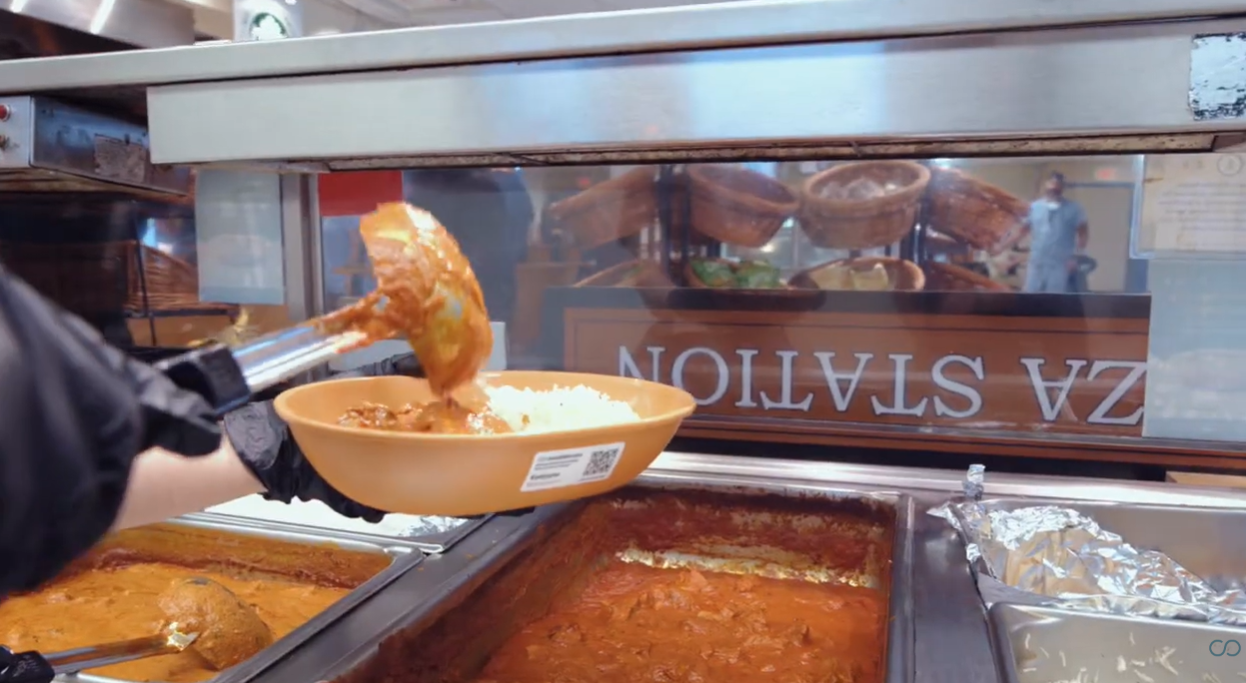
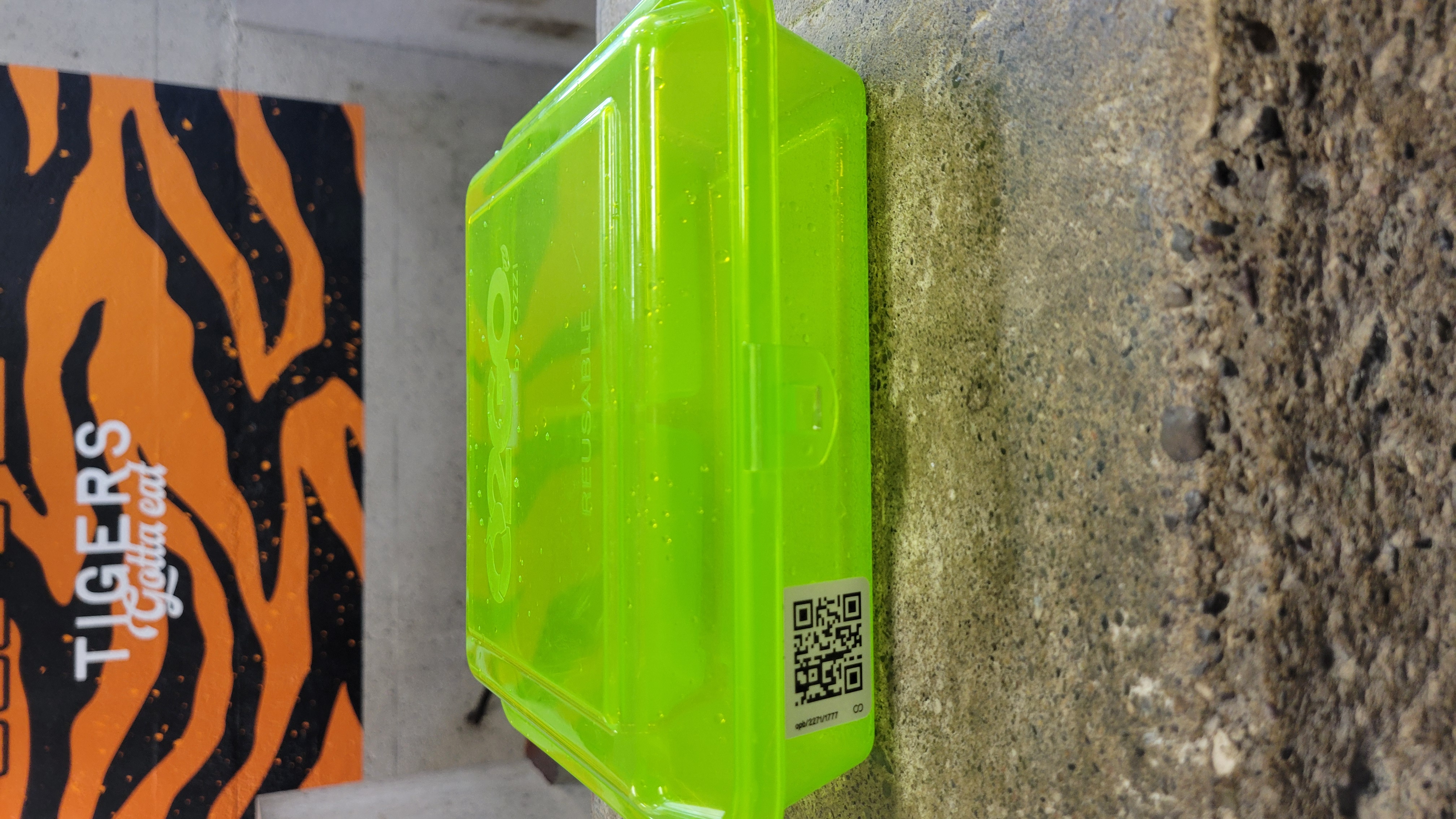
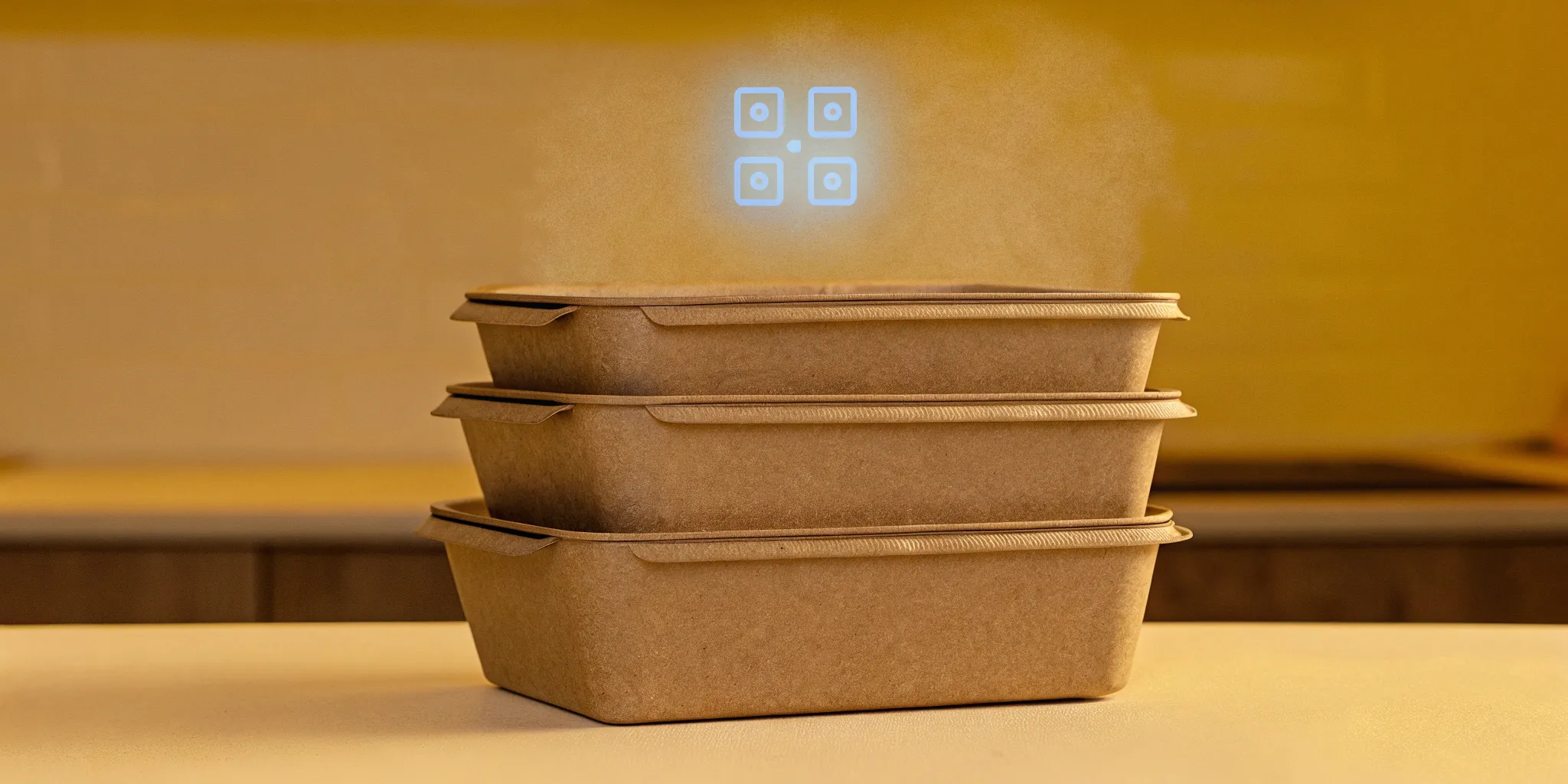
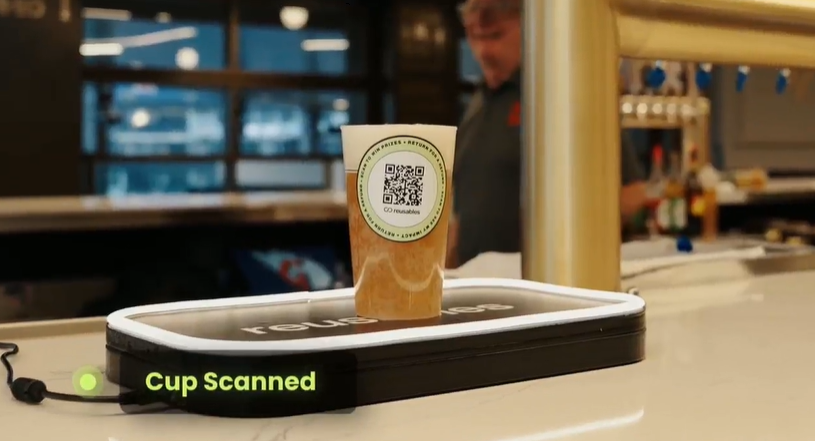
The foundation of a smooth-running reuse program is knowing where your containers are. Every cup, bowl, and clamshell in a smart system is tagged with a unique QR code or RFID chip. This simple tag is what makes automated tracking possible. When a student checks out a container, a quick scan links it to their account. This completely eliminates the need for manual sign-out sheets or guesswork, giving you a clear, real-time picture of your inventory. This digital approach is what allows you to scale your reuse initiatives effectively, ensuring every item is accounted for without adding extra work for your cashiers.
Offer Convenient 24/7 Returns
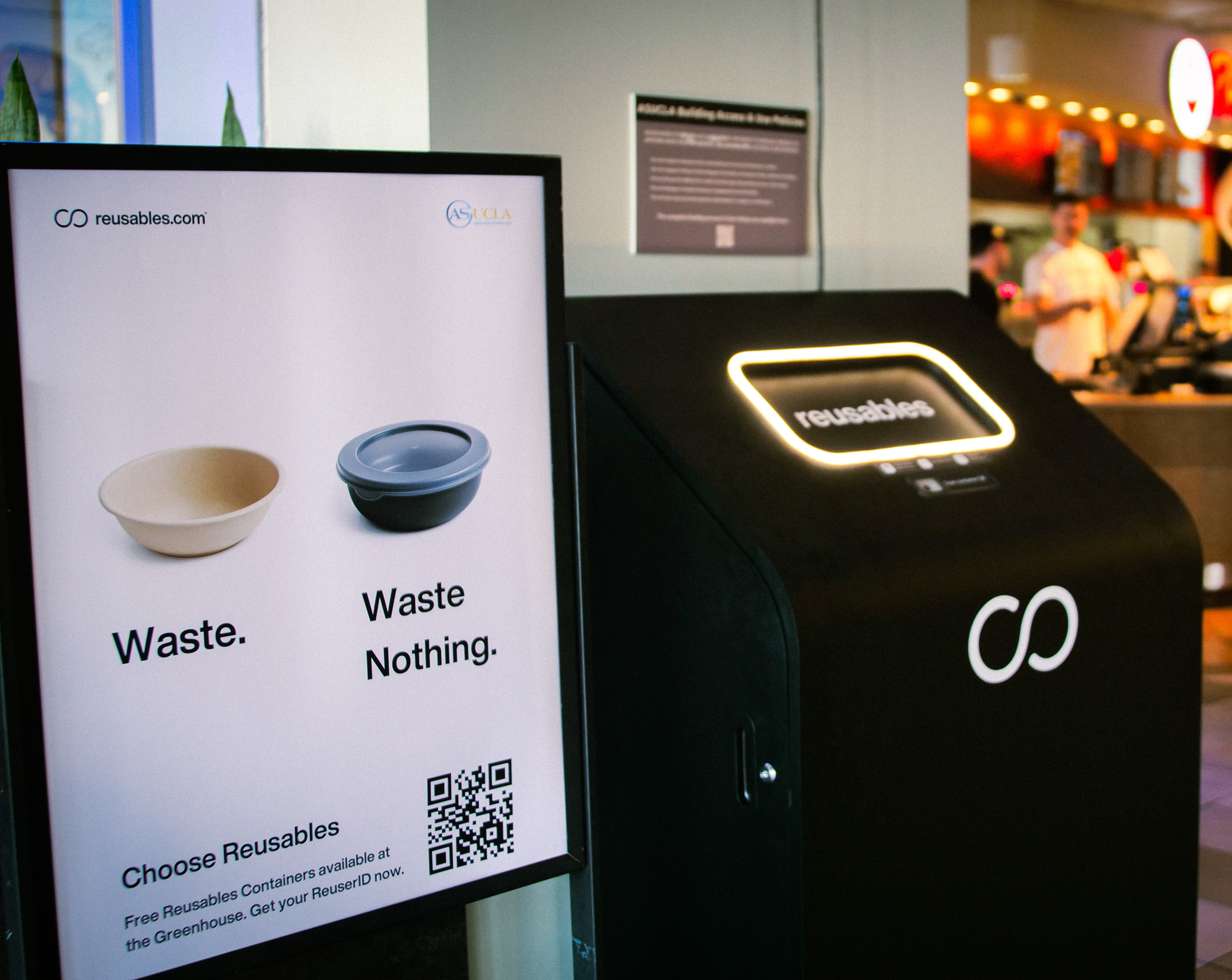
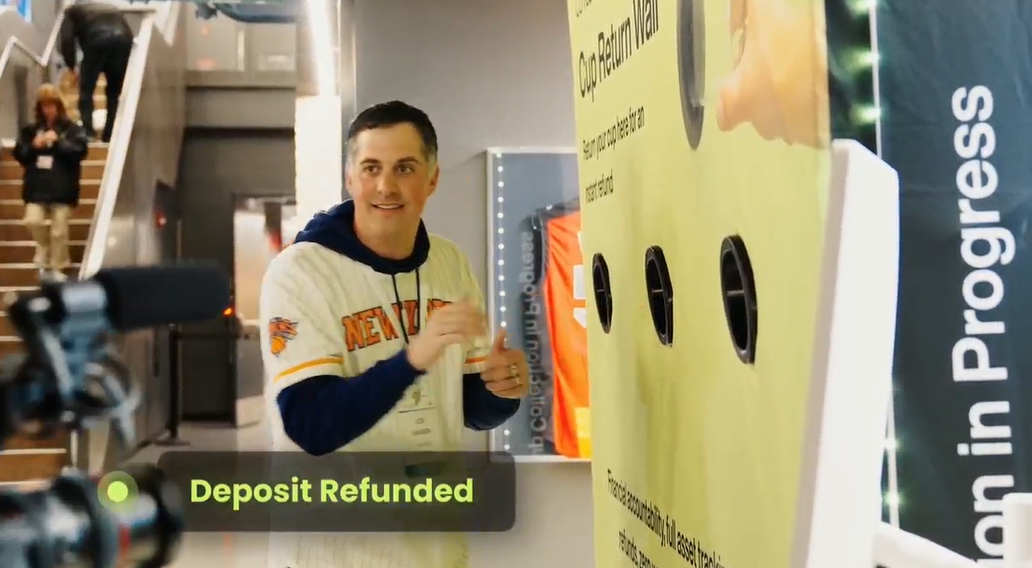
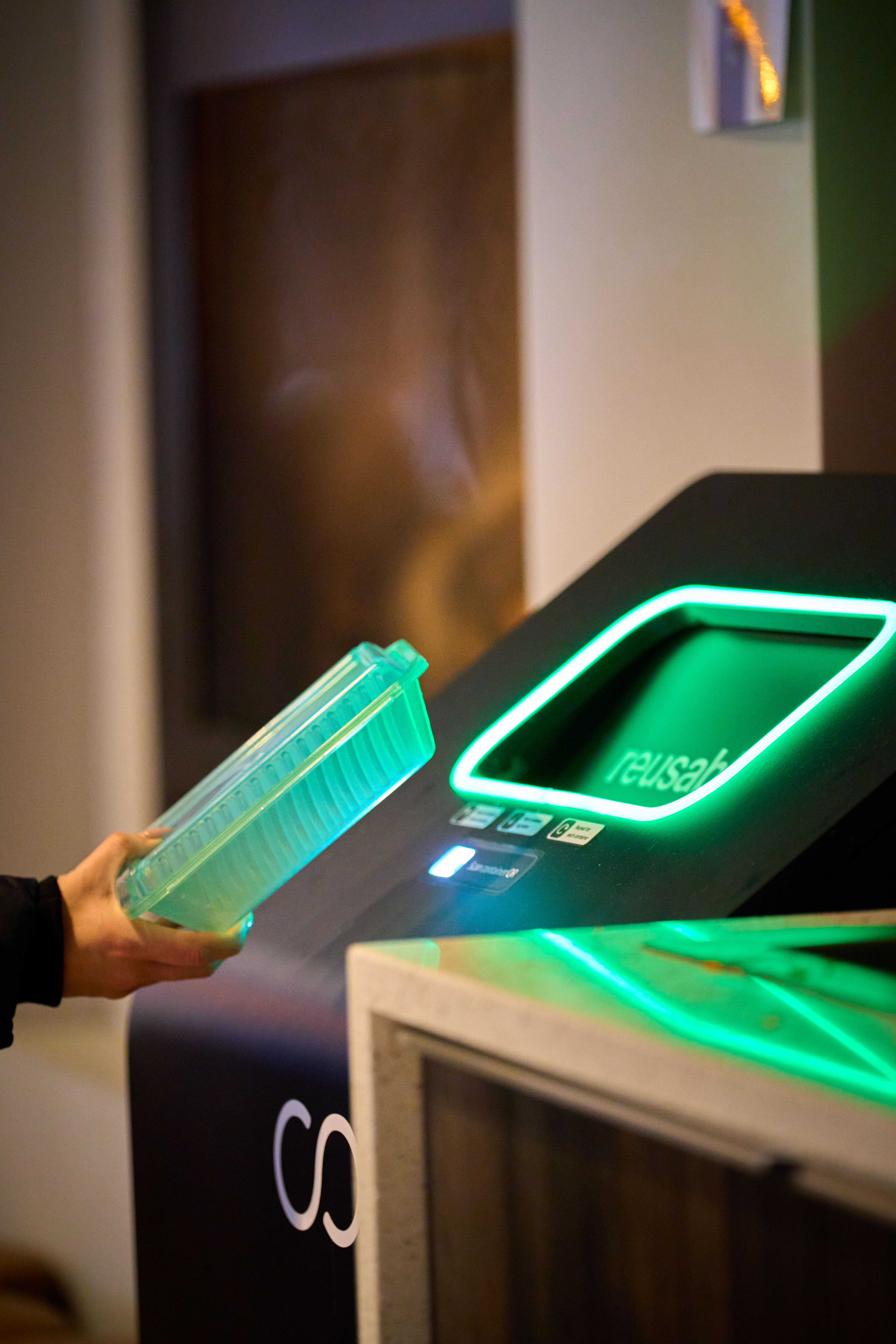
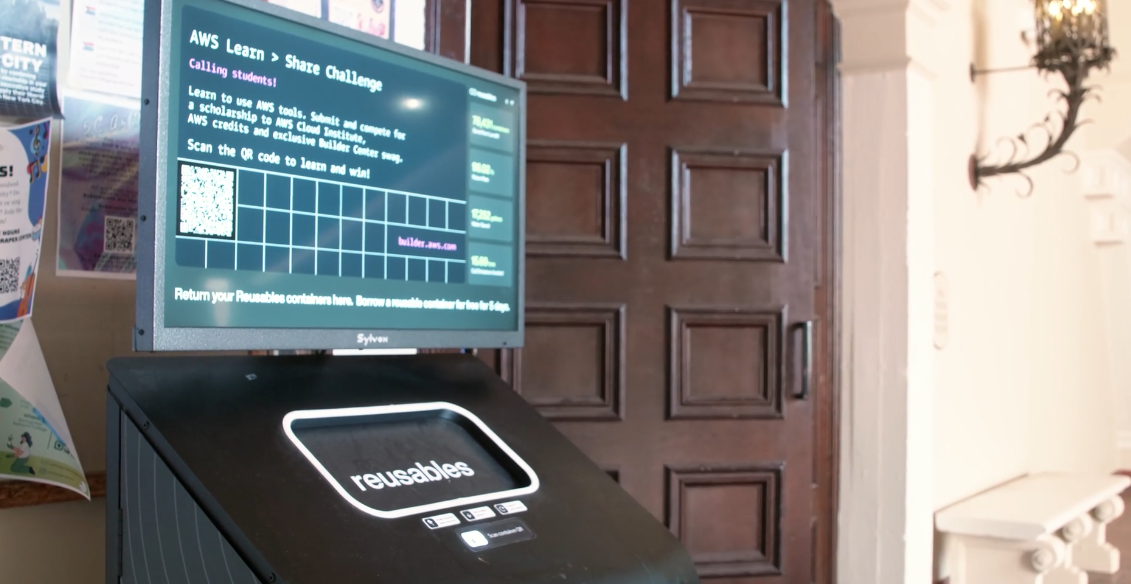
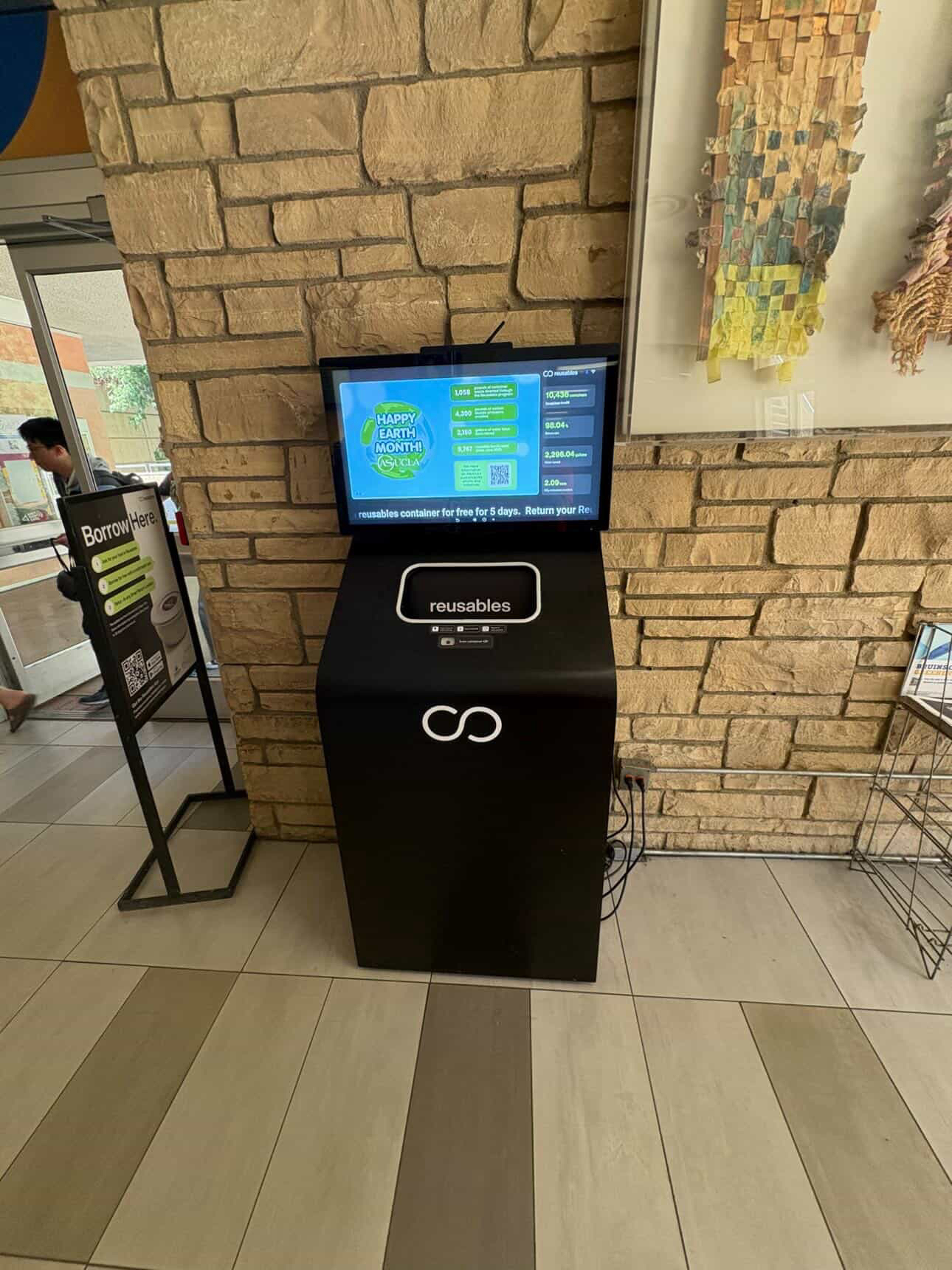
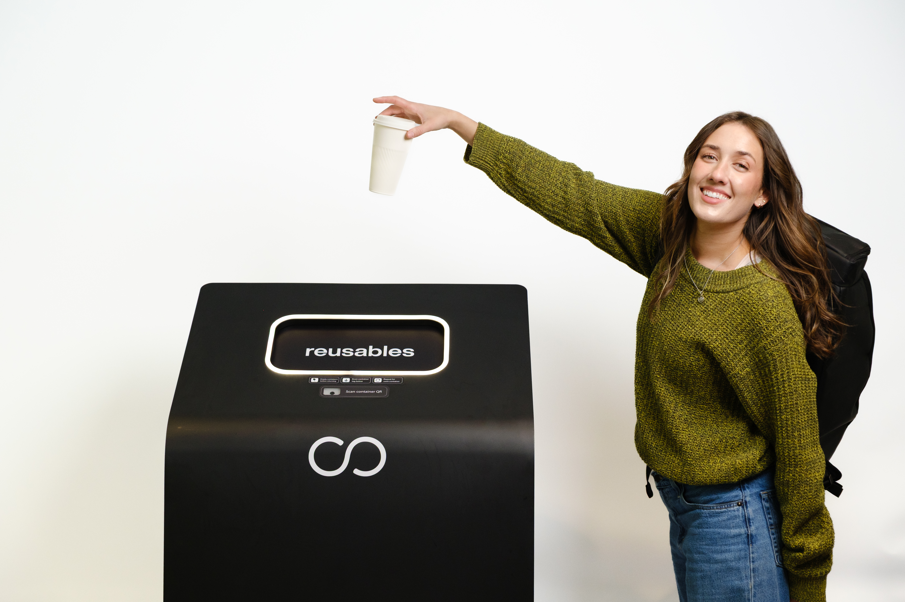
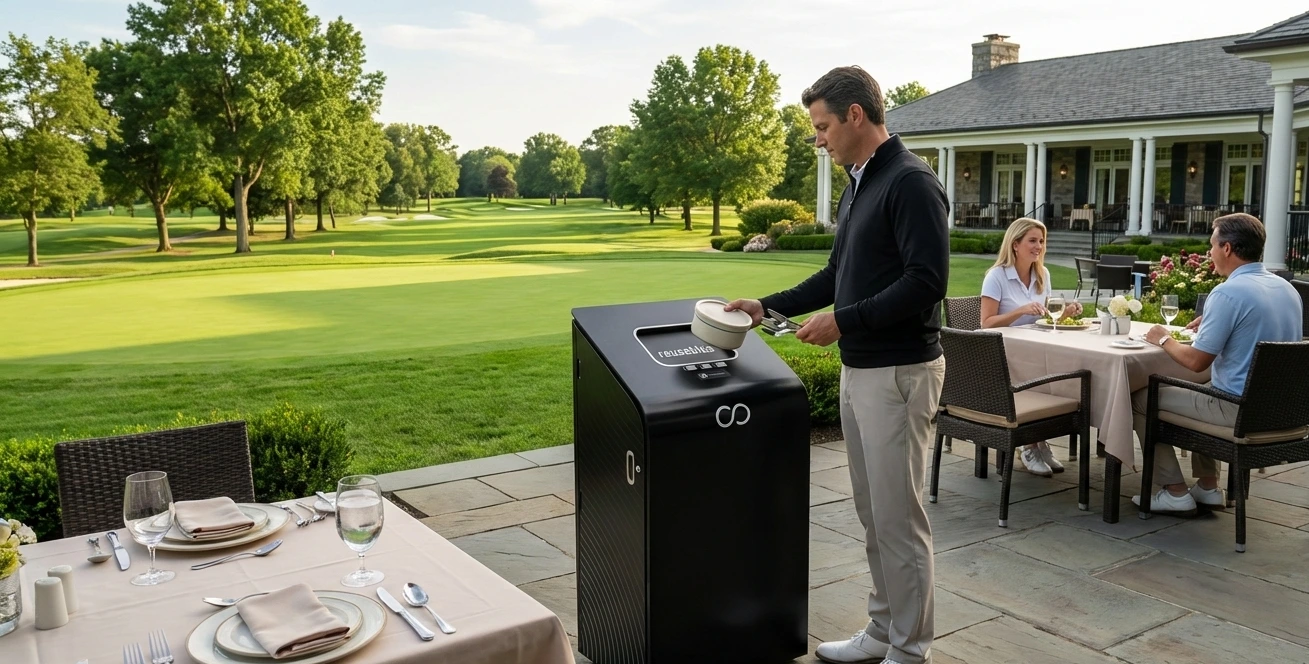
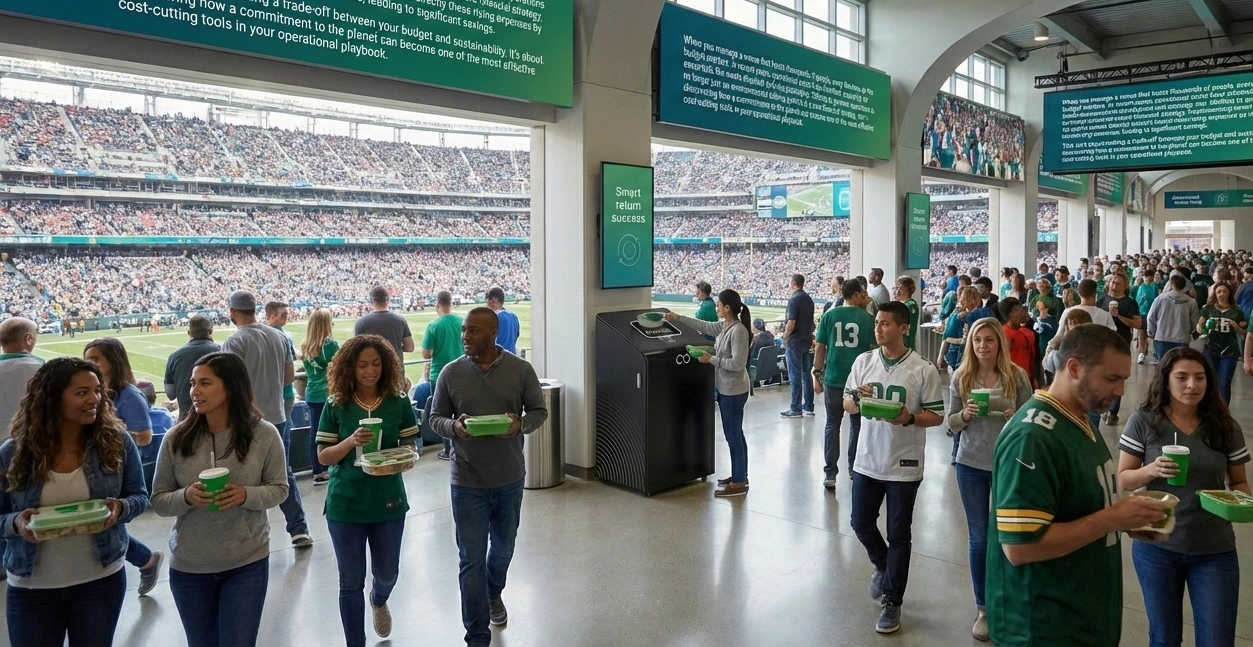
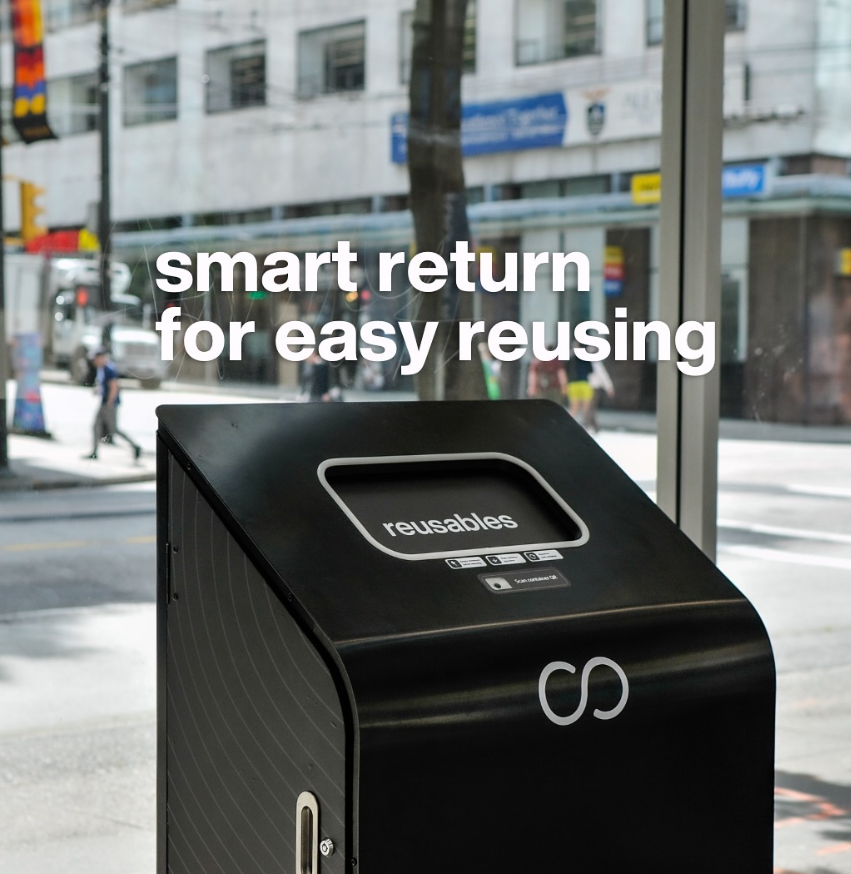
If returning a container is a hassle, students simply won’t do it. The easiest way to get high return rates is to make the process incredibly simple. This is where Smart Return Bins come in. These aren’t just glorified trash cans; they’re intelligent drop-off points that can be placed all over campus. Students simply scan their container, the bin opens, and their account is instantly credited. Our Smart Return Bins are designed to only accept tracked reusables, which prevents contamination from other waste. This 24/7 availability means students can return items on their own schedule, making participation feel effortless.
Integrate Seamlessly with Campus Cards and POS
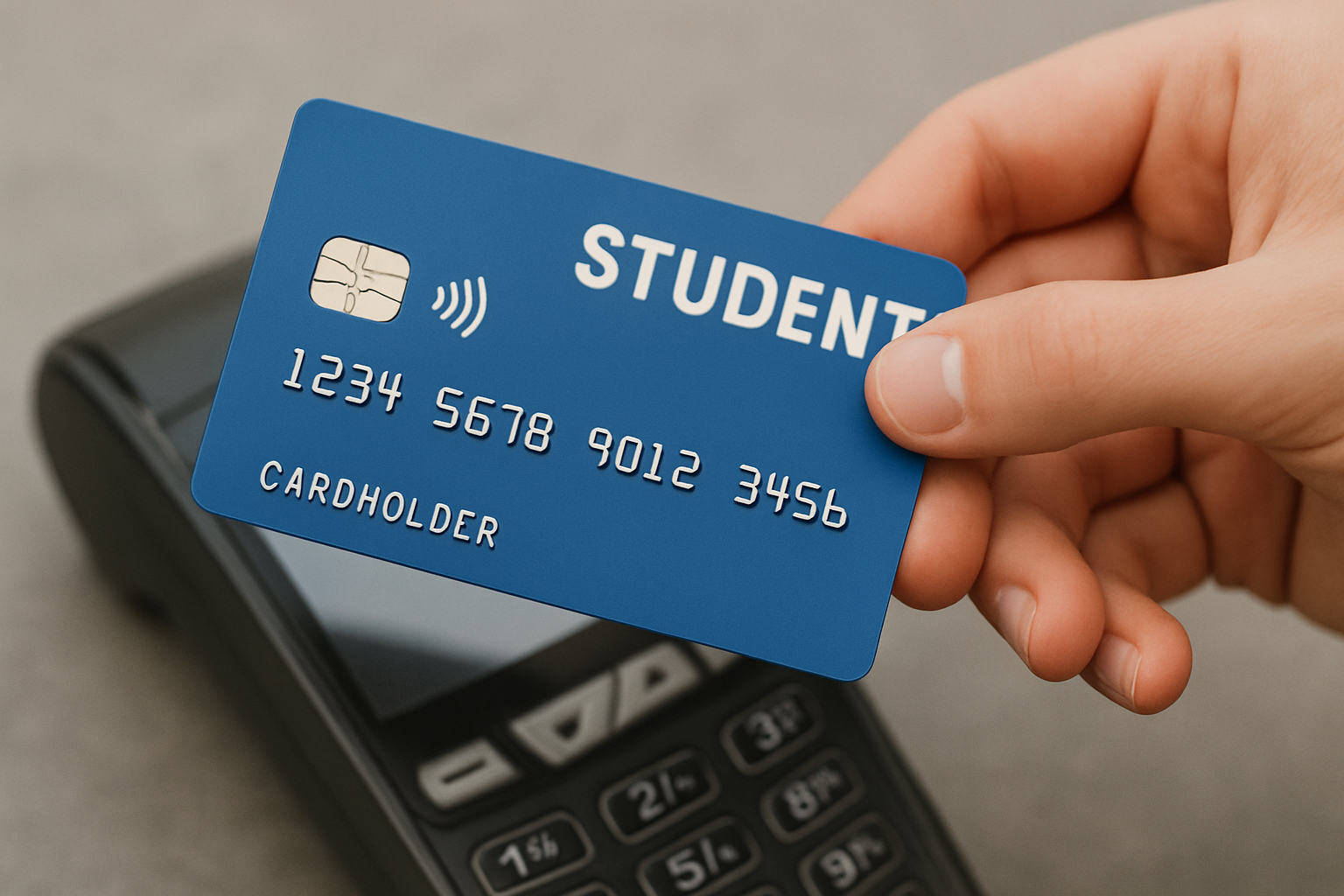
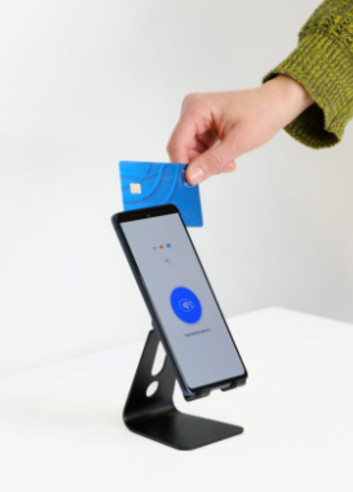
A major potential bottleneck for any new system is the point of sale. Adding extra steps at checkout is a recipe for long lines and frustrated students. That’s why seamless integration is non-negotiable. With a solution like Tap-to-Reuse™, students can borrow a container just by tapping their student ID, credit card, or debit card. There’s no app to download and no upfront deposit to manage. The transaction is as quick and familiar as buying a coffee. This frictionless checkout experience keeps your lines moving and makes choosing to reuse the easiest option available.
Monitor Your Inventory in Real-Time
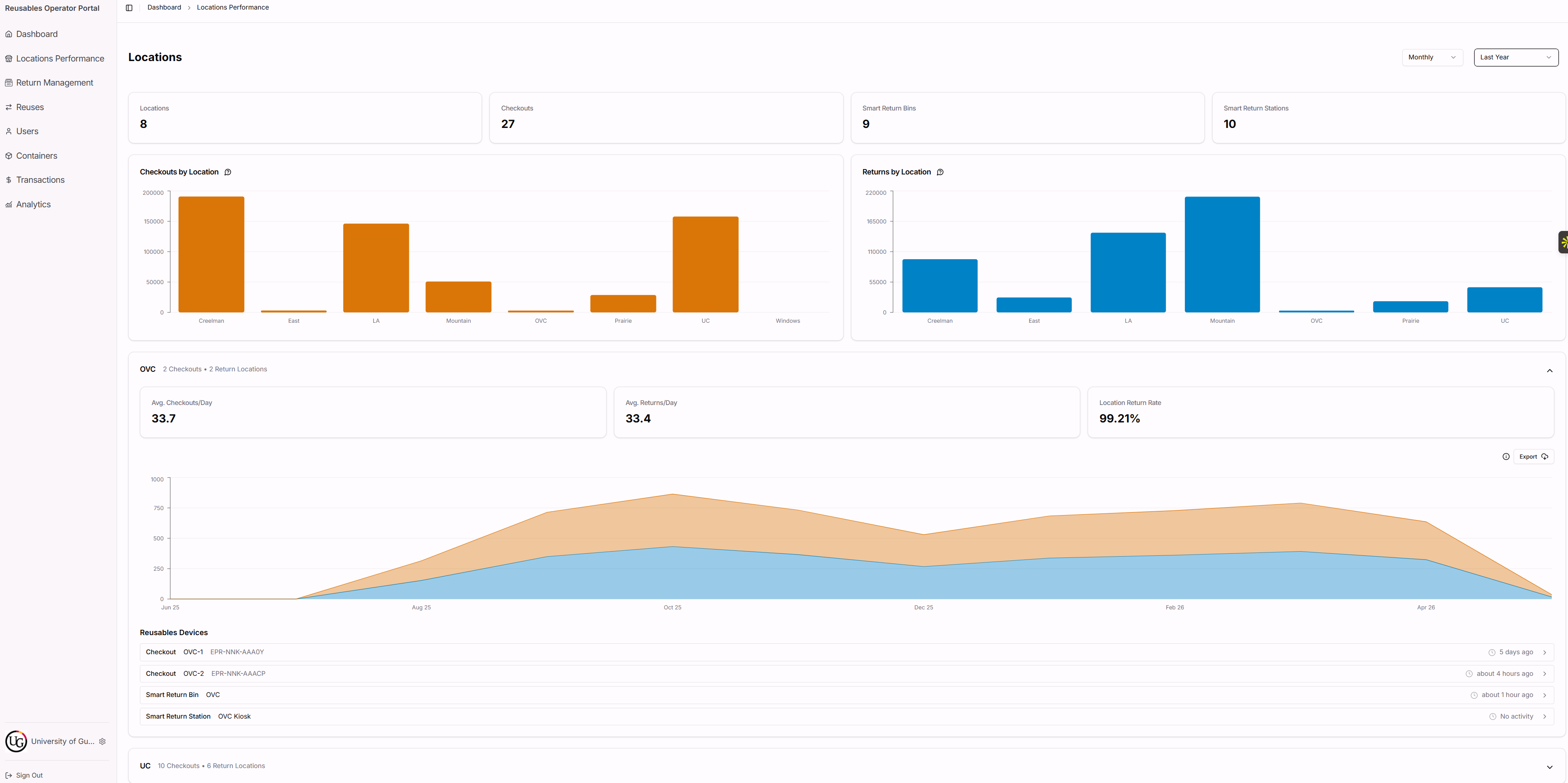
Running out of clean containers during the lunch rush is a scenario no one wants. Technology gives you the operational visibility to prevent this from ever happening. A centralized dashboard shows you exactly how many containers are in circulation, which return bins are getting full, and where your inventory levels are low. This real-time data allows your team to be proactive, collecting containers before a bin overflows and redistributing them to high-traffic dining halls as needed. This level of insight ensures your campus reuse program runs like a well-oiled machine, keeping containers available and service running smoothly.
Why Customer Education is Key to Fast Service
Switching to a reusable container program feels like a big operational shift, and it’s natural to worry about service speed. But the biggest drag on your line isn’t the reusable cup itself—it’s the uncertainty that comes with it. When students and staff are unsure of the process, hesitation happens. That’s where a little education goes a long way.
By teaching students how the system works, you replace confusion with confidence. Clear, simple instructions empower them to move through the line just as quickly as they would with disposables. It’s not about adding complicated steps; it’s about making the right steps obvious and easy. A well-designed reuse program, like the one from Reusables.com, builds this education right into the experience. When the process is intuitive, students learn it once and you reap the efficiency benefits for years to come. Think of it as a small, upfront investment in training that pays off with every single transaction.
Communicating Clear Instructions
The key to a smooth workflow is making sure everyone knows their role. For students, this means understanding exactly what to do when they get to the front of the line. Do they tap their card first? Hand over their container? Simple, visual cues at ordering stations and checkouts can answer these questions before they’re even asked. For example, a sign that says, “Have a reusable? Tap your card here to start,” eliminates the first point of friction. The goal is to make the process so clear that it becomes second nature. When students know they just need to tap their campus card and grab a clean container, there’s no need for lengthy explanations, which keeps your line moving.
Smoothing Out the Learning Curve
Any new process has a brief adjustment period, but you can make the learning curve feel less like a mountain and more like a speed bump. Many operators worry that adding steps will slow down service, especially during peak hours. While there might be a slight adjustment at first, proactive education helps students and staff adapt quickly. You can use digital signage, table tents, or a quick orientation message to explain the benefits and the simple process. When students understand that a quick tap of their card helps the campus reduce waste and costs, they’re more motivated to learn the new habit. The more intuitive the system, the faster this adoption happens.
Eliminating Confusion at Checkout
Confusion at the point of sale is a guaranteed way to slow things down. Questions about container cleanliness or how to handle returns can create bottlenecks. Setting clear, simple standards from the start is essential. For instance, establishing that only clean containers are accepted is a basic rule that protects both staff and service speed. Educating students on where and how to return containers using smart bins or scan stations also prevents pile-ups in the wrong places. When your system includes automated accountability, staff members don’t have to play the role of enforcer, and students know exactly what’s expected for a smooth, fast transaction every time.
How to Encourage Students to Go Reusable
Switching to a reusable system is a big operational change, but the real key to success is getting students to actually participate. Let's be honest—if students don't use the cups, the program won't work. The good news is that encouraging adoption doesn't have to be an uphill battle. With the right strategy, you can make reusables the easiest and most appealing choice on campus. It’s all about removing friction, adding a little fun, and building a sense of shared purpose. By focusing on the student experience, you can create a system that not only meets your sustainability goals but also becomes a valued part of campus culture.
Make it Free with Automated Accountability
The fastest way to get a student to do something is to make it free. Deposits, even small ones, can feel like a penalty and create a barrier to entry. Instead, offer a system where students can simply borrow a container at no upfront cost. Our Tap to Reuse™ technology makes this possible by allowing students to check out a cup with a simple tap of their campus card or phone. The magic happens on the back end, where automated accountability ensures you get your containers back. The system tracks every item and sends automatic reminders, only charging a refundable late fee if a container isn't returned on time. This approach removes the financial hesitation for students and the manual chasing for your staff.
Turn Reusing into a Game with Rewards
A little friendly competition can go a long way in changing habits. Gamification is a powerful tool for student engagement and can transform your reuse program from a simple utility into an exciting campus-wide activity. You can set up leaderboards to show which dorms or faculties are reusing the most, creating a fun rivalry. Offer points for every return that students can redeem for rewards like a free coffee or campus store discounts. Running contests and giveaways for participants also adds to the excitement. When reusing becomes a game, students are more motivated to participate, driving up your return rates and building positive associations with the program.
Build Campus-Wide Excitement
You can have the best system in the world, but it won’t succeed if students don’t know about it or understand why it matters. Treat your launch like a major campus event. Use social media, digital signage, and student ambassadors to spread the word. Clearly communicate how the program works and, more importantly, the positive impact it has. Share real-time data on how many single-use containers have been saved. Highlighting success stories, like how Simon Fraser University achieved a 99% return rate, can show students they’re part of a powerful movement. This builds momentum and fosters a campus culture where choosing to reuse is the norm.
Keep Your Lines Moving: A 3-Step Plan
Switching to reusables doesn't have to mean sacrificing speed. In fact, with a smart approach, you can maintain—and even improve—your service efficiency. The key is to address the operational shifts head-on rather than trying to fit a new system into an old workflow. By focusing on three core areas, you can build a reuse program that’s fast for students and simple for your staff. It all comes down to optimizing your workflow, training your team for the new process, and integrating technology that removes friction from every step. Let's break down how to get it right.
Optimize Your Workflow
The biggest fear with reusables is that they turn a smooth, parallel process into a clunky, sequential one. In a typical single-use workflow, taking an order and making the drink happen at the same time. Reusable cups can disrupt this by forcing staff to wait for the customer's cup. The solution is to create a dedicated flow for reusables. Instead of using the customer's personal cup, implement a "scan-and-swap" system. A student scans their reusable container at a return station before ordering, or hands it over at the counter, and your staff simply grabs a fresh, sanitized container from your own inventory to fulfill the order. This keeps your team moving without any awkward pauses or cross-contamination concerns, maintaining the operational efficiency your team has perfected.
Train Your Staff for Efficiency
Your team is on the front lines, and any new process can feel like an added burden, especially during a lunch rush. A common concern is that handling reusables will make baristas' jobs harder and slower. The best way to get your staff on board is with a system that simplifies their tasks. With a tech-enabled reuse program, your team doesn't need to inspect or wash personal cups from customers. Their only job is to grab a clean, standardized cup from the back-of-house supply. Your staff training should focus on these simple, repeatable steps. When the process is clear and consistent, it becomes second nature, eliminating confusion and keeping your lines moving smoothly.
Integrate the Right Technology
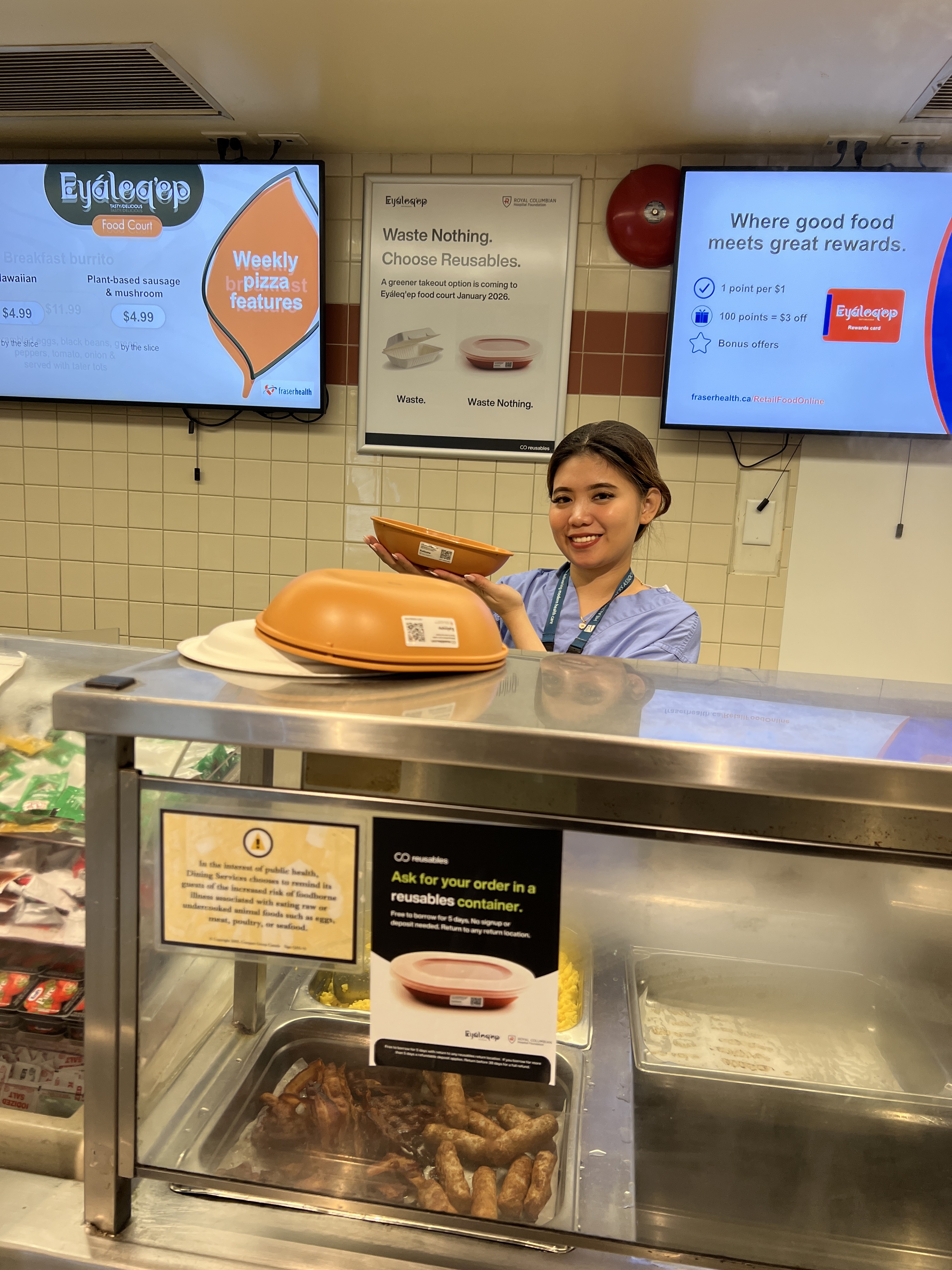
Manual tracking systems are the real source of slowdowns, not the reusable cups themselves. The right technology makes participation effortless. For example, our Tap-to-Reuse™ system is designed for operators who need to eliminate waste without slowing down service. Students can check out a cup in seconds just by tapping their campus card or phone—no app download required. This seamless integration means the transaction is just as fast as any other payment. By automating the checkout and return process, you remove the administrative burden from your staff and make it incredibly simple for students to participate. The goal is to make choosing reusables the most convenient option available.
The Long-Term Payoff of Switching to Reusables
While it’s easy to get focused on the day-to-day logistics of service speed, it’s worth remembering why you’re making this change in the first place. Implementing a reusable container system is more than just an operational shift; it’s a strategic investment in your campus's financial health, environmental goals, and student community. The benefits you’ll see down the line are substantial and create a positive ripple effect across your entire dining program. When you look beyond the initial rollout, you’ll find that a well-run reuse program pays for itself in more ways than one.
Save Money on Packaging Costs
Let’s talk about the budget. The cost of disposable packaging has climbed over 200% in the last few years, and many dining programs spend tens of thousands of dollars annually on single-use containers alone. Switching to reusables transforms that recurring operational expense into a smart, long-term investment. Our entire approach is built to make reuse more cost-effective and convenient than waste. By eliminating the need to constantly reorder disposables, you can see significant annual savings—often over 30%—and reduce your waste management fees at the same time. The initial investment in durable containers and smart technology quickly pays for itself, freeing up your budget for other priorities.
Reduce Your Campus's Environmental Footprint
For many institutions, hitting ambitious zero-waste targets is a top priority. A reusable container program is one of the most direct and visible ways to reduce your campus’s environmental footprint. The lifecycle environmental impact of single-use items is staggering, but the more a reusable container is used, the lower its overall carbon footprint becomes. With a system designed for high return rates—we see 99% compliance—you can maximize the positive impact of every single cup and container. This allows you to make tangible progress toward your sustainability goals and demonstrate true environmental leadership on campus.
Strengthen Your Brand and Student Loyalty
A successful reuse program does more than just cut costs and waste; it builds a stronger connection with your students. Today’s students are passionate about sustainability and expect their university to share those values. When you offer a seamless, modern reuse system, you show them you’re listening. The key is making it easy and engaging. Through clear instructions and effective communication, you can build excitement and encourage participation. This effort strengthens your dining program's reputation, fosters a sense of shared purpose, and turns a simple meal into a positive experience that students can feel good about.
Related Articles
- Guide to Sustainable College Cafeterias
- A Guide: How to Use Transact Card for Reusables
- 7 Smart Eco-Friendly Initiatives for Campus Food
- The Real Cost of Disposable Containers for Universities
Frequently Asked Questions
What happens if students don't return the containers? Won't we lose our entire inventory? This is the number one concern we hear, and it’s why the system is built around accountability. Every container has a unique digital identity, so it’s linked to a student’s account upon checkout. If an item isn’t returned on time, the system automatically sends friendly reminders and, if needed, applies a fully refundable late fee. This process encourages returns without requiring your staff to chase down students or manage fees. It’s how our partners consistently achieve 99% return rates and protect their investment.
Our staff is already stretched thin. How does this system avoid adding more work for them? A well-designed reuse program should make your team’s job easier, not harder. The technology automates all the tedious tasks that would otherwise fall on your staff. There’s no manual sign-out sheet, no need to inspect personal cups, and no awkward conversations about late fees. Your team’s workflow stays simple: they grab a clean, sanitized container from their stack, just as they would with a disposable. The checkout, return, and accountability processes are all handled by the system in the background.
Is the initial investment in a reusable system actually cheaper than just buying disposables? While there is an upfront investment in durable containers and technology, it’s important to see it as a shift from a constant operational expense to a long-term asset. The cost of single-use packaging is a recurring line item that only increases over time. A reusable system allows you to drastically reduce or even eliminate that spending. Most of our partners see annual savings of over 30% on packaging and waste hauling, allowing the system to pay for itself quickly and free up significant room in your budget.
Do we have to buy all new containers, or can we use our existing inventory? You have complete flexibility. Our platform is container-agnostic, which means it can work with the durable containers you may already own. We can help you tag your existing inventory to integrate it into the tracking system. If you’re looking to start fresh or expand your options, we can also connect you with our partners who offer a wide range of approved containers, from durable plastic to stainless steel.
How much work is involved in setting up a system like this on our campus? Getting started is more straightforward than you might think. We treat the implementation as a partnership, guiding you through every step. The system is designed to integrate seamlessly with the technology you already use, including major campus card and point-of-sale platforms. Our team works with yours to plan the rollout, train your staff, and develop a communication strategy to get students excited. The goal is to launch a program that feels like a natural and effortless part of your campus dining experience from day one.
Other stories you may find interesting
.png)
.avif)


.webp)


Watch the Webinar
Learn How to Eliminate Single-Use Waste
Get instant access to our expert webinar and discover how leading institutions reach 99% return rates through smarter reuse systems.

© Reusables™. All rights reserved.