
Successful Zero Waste Initiatives for College Dining

January 20, 2026
The cost of disposable packaging has climbed over 200% in recent years, turning a once-manageable line item into a significant financial drain. Many dining programs now spend tens of thousands annually on single-use containers that are used for minutes and then thrown away. This isn't just an environmental issue; it's a serious budget problem with no end in sight. Shifting your strategy is no longer just a "green" choice—it's a smart financial decision. Successful zero waste initiatives for college dining directly address this by replacing a recurring expense with a long-term, cost-saving asset. This guide will show you how to build a program that cuts costs, streamlines operations, and delivers a clear return on investment.
Key Takeaways
- Focus on the financial benefits to justify the switch: Moving to reusables is a smart financial strategy that directly cuts spending on disposable packaging and waste removal, delivering a strong return on investment that leadership will appreciate.
- Make participation effortless to ensure high return rates: The most successful programs integrate with existing campus technology, like student ID cards. This removes friction for students and automates tracking, which means less manual work for your staff.
- Prove your success with data and build a culture of reuse: Use a system that tracks key metrics like waste diversion to demonstrate the program's value. Pair this data with student-led campaigns and incentives to make participation a core part of the campus experience.
What is a Zero-Waste Campus Dining Program?
Let's clear up a common misconception: a zero-waste campus dining program isn't about achieving absolute zero waste overnight. Instead, it’s a strategic commitment to redesigning your operations to eliminate as much waste as possible. The official goal for most zero-waste initiatives is to divert at least 90% of waste from landfills and incinerators by focusing on the principles of reduce, reuse, and recycle. It’s a holistic approach that rethinks everything from procurement and menu planning to the final disposal of what little waste is left.
In practice, this means moving far beyond placing a few extra recycling bins around the dining hall. A successful program prioritizes preventing waste before it's even created. This often involves swapping out an endless stream of single-use disposables for a smart system of reusable containers, implementing comprehensive composting for all food scraps, and collaborating with suppliers to minimize packaging. It’s about creating a circular system where resources are kept in use for as long as possible, rather than being used once and thrown away. By adopting these practices, you not only build a more sustainable campus but also a more efficient and modern dining experience that aligns with the values of today's students and faculty.
The Real Impact of Campus Food Waste
The scale of food waste on college campuses is staggering. Studies show that post-consumer waste—the food left on students' plates—can account for up to 75% of all food thrown away in dining halls. This isn't just a waste of food; it's a waste of the water, energy, and labor used to produce and transport it. When this organic matter ends up in a landfill, it generates methane, a potent greenhouse gas. Campuses face unique waste management challenges, from fluctuating student populations to the diverse waste streams created by multiple dining venues. Addressing this issue head-on is one of the most impactful steps you can take to reduce your institution's environmental footprint.
The Financial Upside of Going Zero-Waste
While the environmental benefits are clear, a zero-waste program also makes strong financial sense. With the cost of disposable packaging and waste hauling services on the rise, reducing what you throw away directly translates to significant cost savings. By minimizing waste disposal fees and cutting spending on single-use items, you can reallocate those funds to other areas of your dining program. Beyond the direct savings, a visible commitment to sustainability enhances your university's reputation. It becomes a powerful tool for attracting students who increasingly prioritize environmental responsibility, which can positively influence enrollment and even open doors to new funding opportunities.
Why Prioritize a Zero-Waste Dining Program?
Moving your campus dining toward a zero-waste model is more than just an environmental goal—it's a strategic decision that addresses some of the biggest challenges facing university food services today. With the cost of single-use packaging soaring and a new generation of students demanding sustainable options, the status quo is becoming increasingly expensive and outdated. Prioritizing a zero-waste program allows you to get ahead of these challenges. It’s a practical way to streamline operations, reduce long-term costs, and create a campus experience that reflects modern values. By focusing on waste reduction, you’re not just making a green choice; you’re making a smart business choice that benefits your budget, your staff, and your students.
Meeting Mandates and Cutting Costs
Let's talk numbers. The cost of disposable packaging has skyrocketed over 200% in the last few years, with many dining programs spending upwards of $50,000 annually on single-use containers alone. This is a significant and unpredictable line item in any budget. Implementing a zero-waste dining program directly tackles this expense by replacing disposables with a reusable system. Beyond the immediate savings on packaging, you also reduce waste hauling fees. This proactive approach also positions your institution to meet the growing number of municipal and state-level zero-waste mandates. By making the switch, you can transform a major operational cost into a predictable, manageable investment while ensuring compliance with future regulations.
What Today's Students Expect
Today’s students arrive on campus with a high level of environmental awareness. They’ve grown up with recycling programs and water bottle refill stations, and they expect their university to be a leader in sustainability. A visible commitment to reducing waste is no longer a bonus—it’s a baseline expectation that can influence their choice of where to attend. Initiatives like the Campus Race to Zero Waste show just how engaged students are on this issue. A zero-waste dining program is a powerful, tangible way to show you share their values. It enhances the student experience, builds a positive campus culture, and demonstrates that your institution is invested in building a better future.
Key Strategies for a Zero-Waste Dining Hall
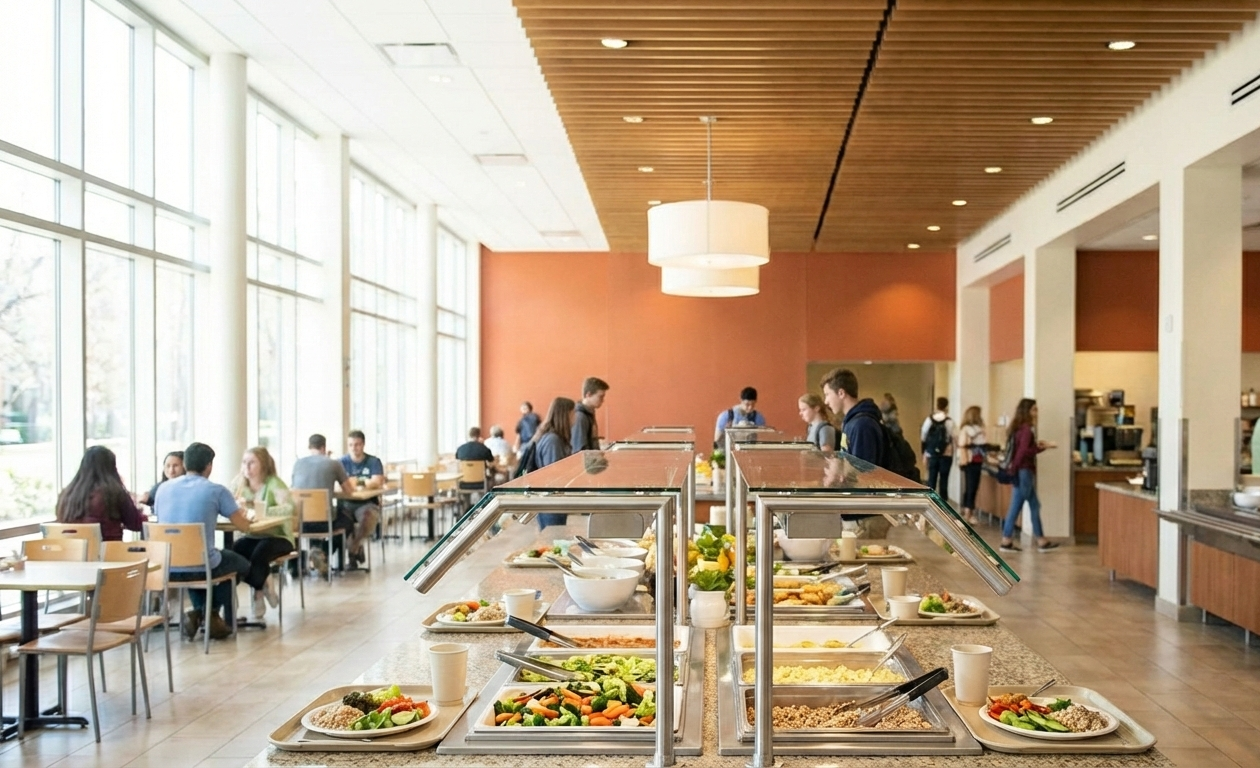
Transitioning to a zero-waste dining hall is a multi-faceted process, but it doesn't have to be complicated. By focusing on a few high-impact areas, you can create significant change that reduces costs, meets sustainability goals, and resonates with students. These strategies, proven effective on campuses across the country, provide a clear roadmap for diverting waste from landfills and building a more sustainable dining program.
Swap Single-Use for Reusable Systems
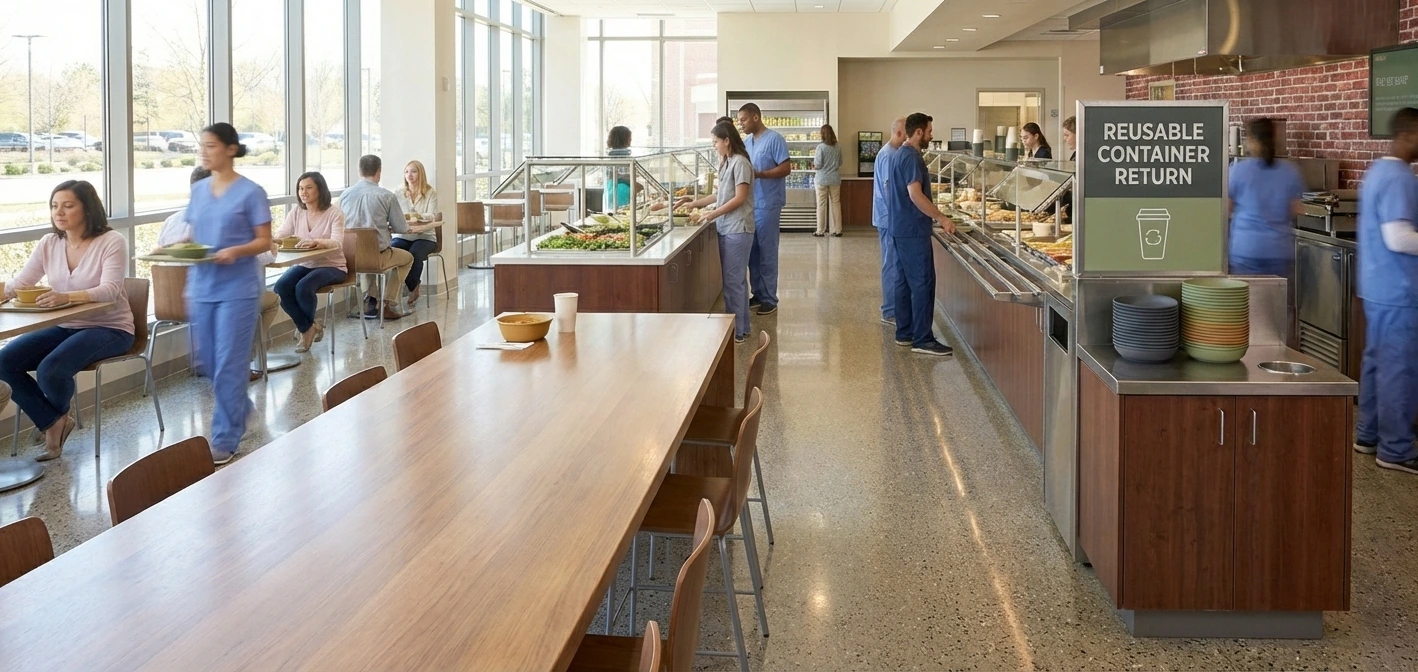
The most visible source of waste in any dining hall is single-use packaging. The first step toward zero waste is replacing disposable containers, cups, and cutlery with a durable, reusable alternative. A tech-enabled system makes this transition smooth for both your staff and students. For example, Boston University Dining encourages using reusable items through its "Choose to Reuse" program. By implementing a solution with smart tracking and convenient return stations, you can achieve near-perfect return rates without adding work for your team. This single change dramatically cuts down on daily trash volume and reduces recurring packaging costs.
Implement Food Recovery and Donations
Even with the most efficient kitchen, some surplus food is inevitable. Instead of sending perfectly good meals to the compost bin or landfill, you can establish a food recovery program. Partnering with local food banks or on-campus student groups creates a reliable channel to get this food to people who need it. Boston University, for instance, works with organizations like Food For Free and its own Student Food Rescue to donate extra food that is still safe to eat. This strategy not only prevents waste but also addresses food insecurity, strengthening your institution's connection to the community and demonstrating a deep commitment to social responsibility.
Start a Campus Composting Program
After you’ve implemented reusables and food donation, composting is your next essential tool for handling unavoidable food scraps. This includes both pre-consumer waste from kitchen prep and post-consumer plate scrapings. Placing clearly marked composting bins in all dining areas and back-of-house makes it easy for everyone to participate. At Boston College, all kitchen scraps are composted, and the program has expanded to include all main dining halls. An effective composting program can divert tons of organic material from landfills, where it would otherwise produce harmful methane gas. It’s a powerful step in closing the loop on your food system.
Optimize Menus and Portion Sizes
Reducing waste starts before the food even hits the plate. By carefully analyzing what students eat and what they leave behind, you can fine-tune your menus and adjust portion sizes to prevent overproduction. Running a "Weigh the Waste" event is a great way to gather this data and raise student awareness. Boston University found that since starting these events, the amount of edible food wasted per person has dropped by more than 50%. This data-driven approach allows you to make smarter purchasing decisions, reduce food costs, and design a menu that is both popular with students and better for the planet.
How to Measure Your Waste Reduction Success
You’ve put in the work to launch a new waste reduction initiative—now, how do you prove it’s making a difference? Tracking your progress is about more than just feeling good about your efforts. Solid data helps you demonstrate the program's value, justify your budget, and make informed decisions to improve your operations over time. When you can show a clear return on investment, whether in cost savings or waste diversion, you build momentum for even bigger sustainability wins on campus.
The key is to move from guessing to knowing. Instead of estimating your impact, you can pinpoint exactly what’s working and where you can do better. This data-driven approach transforms your sustainability program from a simple "green" initiative into a core part of your operational strategy. It allows you to tell a powerful story backed by numbers, which is essential for getting buy-in from leadership and the wider campus community. We’ll walk through three straightforward steps to measure your success: conducting waste audits, using technology for tracking, and defining your key metrics.
Conducting Waste Audits
Before you can measure progress, you need a baseline. A waste audit is essentially a deep dive into your trash to see what’s actually being thrown away. Since many schools don't have access to campus-wide tonnage weights, conducting waste audits provides a clear snapshot of your starting point. This hands-on process involves sorting, categorizing, and weighing waste from your dining halls to identify the biggest opportunities for reduction. It might sound messy, but the insights are invaluable. An audit can reveal exactly how many single-use containers, plastic bottles, and food scraps are ending up in the landfill, giving you a concrete benchmark to measure against as you implement new programs.
Using Tech to Track Your Progress
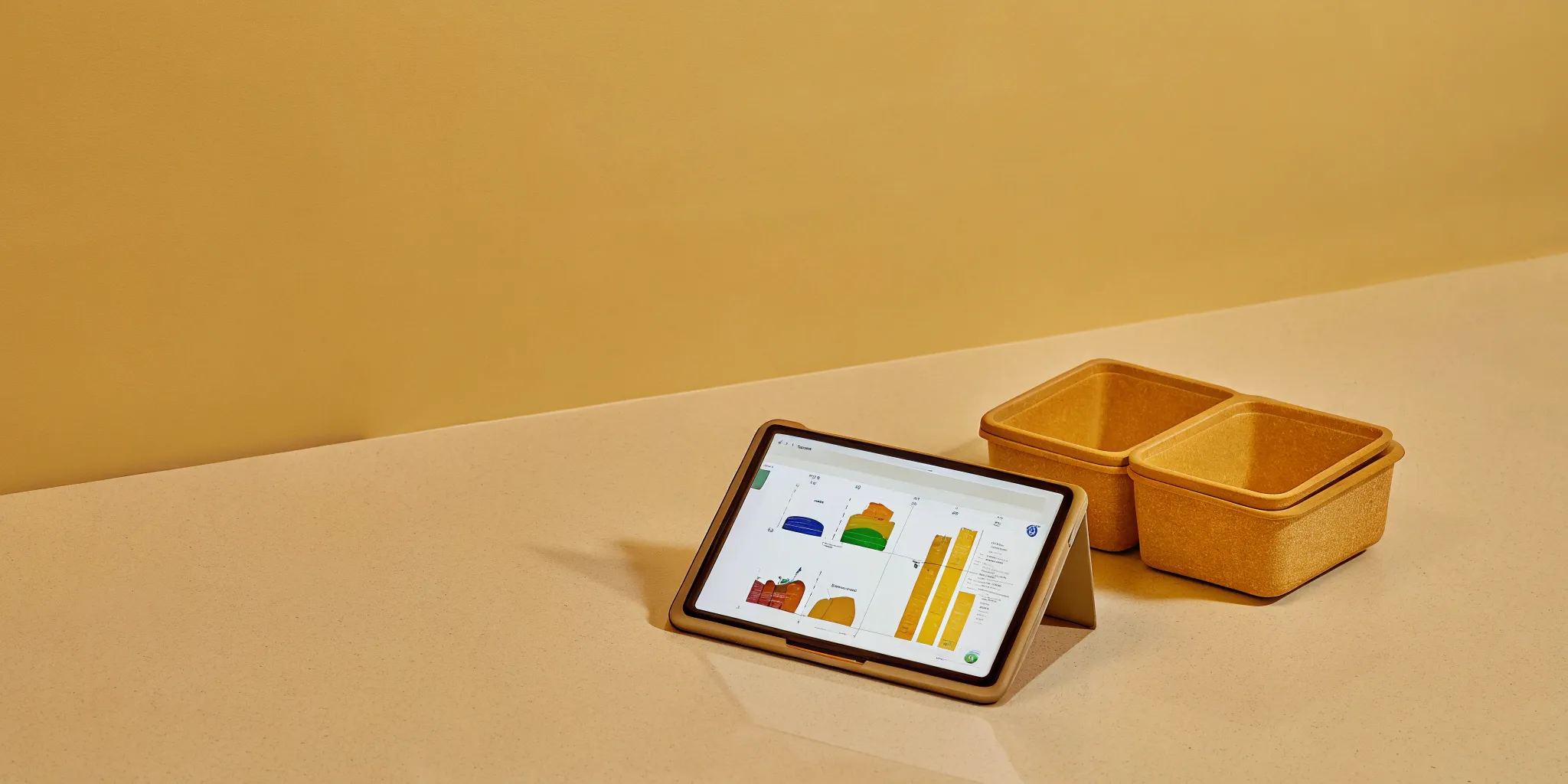
Manual tracking is time-consuming and prone to error. Technology can automate the process, giving you accurate, real-time data without adding to your team’s workload. For example, Boston University uses a system to monitor and analyze kitchen food waste, which helps them create effective reduction strategies. Similarly, a tech-enabled reuse system can completely change how you track packaging waste. The Reusables.com Operator Portal gives you a live dashboard showing container return rates, inventory levels, and your environmental impact at a glance. This means you always know how your program is performing and can easily generate reports to share your success.
Defining Your Key Metrics
Once you have the data, you need to focus on the numbers that matter most. Your key metrics are the specific, measurable indicators that tell you if you’re hitting your goals. For instance, after conducting "Weigh the Waste" events, Boston University Dining found that the average student wasted 2.1 ounces of food per meal—a clear metric they could work to improve. For a reusable container program, your key metrics might include:
- Container return rate: Aiming for 99% or higher shows the system is working.
- Reduction in single-use purchasing: Track the decrease in your monthly spending on disposable containers.
- Waste diversion: Calculate the number of single-use items kept out of the landfill.
- Student participation: Monitor the percentage of students actively using the program.
Common Challenges in Going Zero-Waste (and How to Solve Them)
Making the switch to a zero-waste dining program is an ambitious goal, and it’s natural to encounter a few hurdles along the way. From securing the budget to getting everyone on board, these challenges are common across campuses of all sizes. But thinking of them as roadblocks can stall your progress. Instead, it’s more productive to see them as solvable problems, each with a clear, strategic solution. Many well-intentioned programs falter not because the goal is wrong, but because the execution doesn't account for the realities of a busy campus environment.
The key is to anticipate these issues and build a program that addresses them from the start. A successful initiative isn’t just about having the right containers; it’s about creating a system that works for your budget, your staff, and your students. It needs to integrate smoothly into your existing operations rather than feeling like a clunky add-on. By focusing on a frictionless user experience and streamlined operations, you can create a program that not only meets your sustainability goals but also enhances the campus dining experience. Let’s look at the three most common challenges and how you can solve them.
Addressing Budget and Infrastructure Needs
Many campus leaders worry that a zero-waste program comes with a hefty price tag for new infrastructure and technology. While any new initiative requires an investment, the right reusable system can deliver significant cost savings that offset initial expenses. With the cost of single-use packaging rising, sticking with disposables is becoming the more expensive option. A well-designed reuse program reduces annual spending on containers and waste hauling fees. Modern solutions also offer creative ways to generate revenue, such as placing advertisements on smart return bins, which can help fund the program itself. By shifting the focus from upfront cost to long-term return on investment, the financial case for reusables becomes clear.
Managing Staff Training and New Workflows
Introducing a new system often raises concerns about adding more work for your already busy dining staff. The thought of manually tracking containers, chasing down students for returns, or managing a complicated checkout process can feel overwhelming. The solution is to choose a system that automates as much of the process as possible. Look for technology that handles container tracking, sends return reminders, and manages late fees without requiring manual staff intervention. When the system is intuitive for both students and staff—integrating seamlessly with existing POS and campus card systems—the need for extensive training is minimized. This allows your team to focus on what they do best: providing great food and service.
Encouraging Student Participation
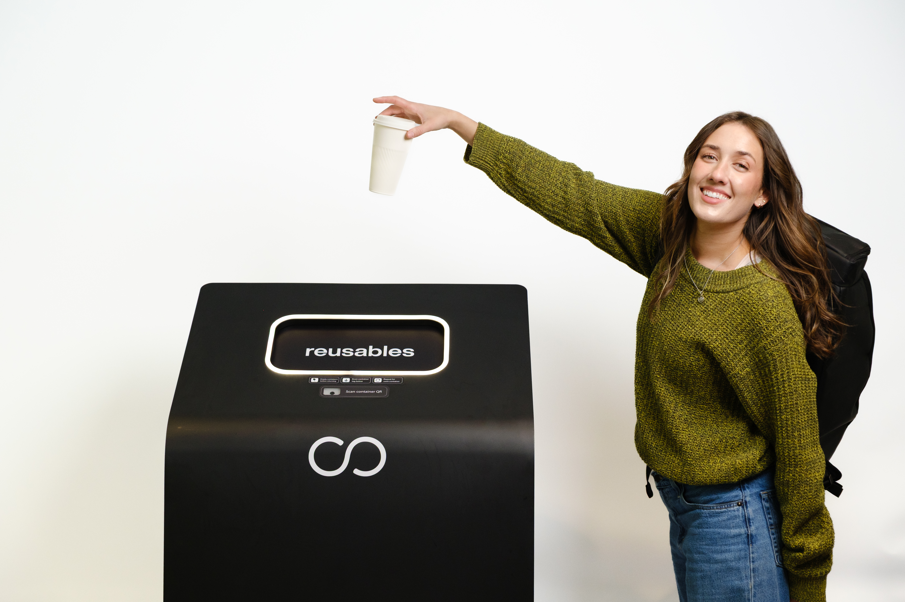
Your zero-waste program can only succeed if students actively participate. Low return rates are a frequent point of failure for campus reuse initiatives, often because the process is inconvenient. If students have to download an app, pay a deposit, or go out of their way to find a return location, they simply won’t do it. To get students on board, you need to make participation effortless and even enjoyable. A system that uses a simple tap of a student ID or credit card for checkout removes the initial friction. Combining this ease of use with smart, 24/7 return bins and gamification elements like leaderboards or rewards for frequent reusers can transform participation from a chore into a campus-wide habit.
How to Get Students on Board
Even the most well-designed zero-waste program can’t succeed without its most important users: the students. Getting them to participate isn’t just about posting a few signs; it’s about building a campus culture where reuse is the easy and obvious choice. The good news is that students are often your most passionate allies in sustainability. They want to make a difference—your job is to show them how.
The key is to make participation feel less like a requirement and more like a shared community goal. When students understand the "why" behind the program and see how simple it is to get involved, they become your biggest champions. By focusing on clear communication, creating some friendly competition, and giving students a real voice in the process, you can build the momentum needed to make your program a campus-wide success.
Launch Awareness Campaigns
Before you can expect students to start using reusable containers, they need to know the program exists and why it matters. A strong awareness campaign is your first step to getting everyone on the same page. Think beyond a single email announcement. Create a multi-channel launch plan that meets students where they are: in the dining hall, on social media, and during major campus events like orientation.
Use clear, simple messaging that explains how the system works and highlights the positive impact of their participation. Initiatives like the Campus Race to Zero Waste show that building a culture of sustainability starts with education. Collaborate with campus marketing teams to create posters, digital screen content, and social media posts that make the program feel exciting and accessible.
Use Incentives and Gamification
A little friendly competition can go a long way in motivating action. Gamification turns the act of reusing into a fun and rewarding experience, encouraging consistent participation. You can implement a points system for every reuse, with rewards like free coffee or campus store discounts. Displaying a live leaderboard in the dining hall can spark competition between dorms or student groups to see who can reduce the most waste.
These kinds of incentives and engagement strategies make sustainability feel less like a chore and more like a campus-wide game. With a tech-enabled reuse system, tracking participation is automatic, making it simple to manage rewards and showcase progress. This creates a positive feedback loop where students can see their collective impact in real-time, which encourages even more participation.
Empower Student Leaders
To create a program that truly resonates, invite students to be part of the process. Empowering student leaders gives them a sense of ownership and turns them into authentic advocates for your zero-waste initiative. Form a student sustainability committee or recruit "Reuse Ambassadors" from environmental clubs and student government to help spread the word.
These leaders can provide invaluable feedback, help run promotional events, and create content for their peers. When students see their classmates leading the charge, the message is more powerful and relatable. By involving them in the decision-making, you create a more inclusive and effective program that reflects the campus community. This approach fosters a sense of shared responsibility and ensures your initiative has the grassroots support it needs to last.
How to Build a Program That Lasts
Launching a zero-waste initiative is a great first step, but the real goal is to create a program that becomes a permanent, valued part of your campus dining experience. A lasting program isn’t just about swapping containers; it’s about building a system that is easy to manage, financially sound, and simple for students to adopt. By focusing on smart integration, scalability, and long-term value, you can move beyond a pilot project and establish a new standard for sustainable dining on campus.
Integrate with Existing Campus Tech
A successful reuse program shouldn't feel like another task for you or your students. Instead, it should seamlessly blend into your existing campus operations. Many schools struggle to gather the data needed to prove a program's effectiveness because their systems don't talk to each other. The best approach is to adopt a tech-enabled reuse system that works with the technology students already use every day, like their campus ID cards and payment accounts. When checking out a reusable container is as simple as tapping a student card, you remove friction and make participation effortless. This integration also provides you with real-time data on usage, return rates, and environmental impact, all without manual tracking.
Choose a Scalable Solution
We know that budgetary constraints are a real concern for campus dining services. You don’t have to overhaul your entire system overnight. The most sustainable programs are often the ones that start smart and grow over time. Look for a solution that allows you to begin with a pilot in a single dining hall or café. This lets you test the system, gather feedback, and demonstrate success to key stakeholders. As you prove the model and build momentum, you can scale the program across campus by adding more containers or installing different types of return stations where they’re needed most. This phased approach makes the transition manageable and financially viable.
Focus on Long-Term ROI
Shifting from single-use to reusables is an investment, not just an expense. While disposable packaging seems cheap upfront, it’s a significant recurring cost that continues to rise. A reusable system turns that endless operational expense into a one-time investment with a clear return. By embracing the principles of a circular economy, you’re not just cutting waste; you’re creating a more efficient and financially stable operation. The ROI extends beyond your budget, too. It strengthens your institution's reputation for sustainability leadership, helps you meet zero-waste mandates, and shows students you’re committed to the values they care about.
Related Articles
- Guide to Sustainable College Cafeterias
- Deposit-Free Reuse Systems and their Impact for On-Campus Dining
- A Guide: How to Use Transact Card for Reusables
Frequently Asked Questions
My staff is already stretched thin. How much extra work does a reusable container program create? This is a common concern, but the right system should actually reduce your team's workload, not add to it. Modern reuse programs are built on automation. Instead of staff having to manually track containers, chase down late fees, or remind students about returns, the technology handles it all. A system that integrates with your existing campus card and POS systems means checkout is seamless, and smart return bins mean students can drop off containers 24/7 without staff assistance. The goal is to let technology manage the logistics so your team can stay focused on food and service.
What if students don't return the containers? Isn't that a huge risk? Low return rates are the primary reason older reuse programs failed, but this is a solvable problem. The key is to make returning containers incredibly simple and to have a system of automated accountability. When students can check out a container with a simple tap of their ID and drop it in a convenient bin anytime, participation becomes effortless. A smart system can also send automated reminders and apply refundable late fees without any manual intervention from your staff, which creates a culture of responsibility and helps achieve return rates of 99% or higher.
This sounds like a big investment. How can we justify the upfront cost? It's helpful to shift the perspective from a one-time cost to a long-term investment that pays for itself. The price of single-use packaging is not only high but also unpredictable, rising over 200% in recent years. A reusable system replaces that endless operational expense with a predictable investment. You'll see direct savings from no longer purchasing disposable containers and from reduced waste hauling fees. When you can show a clear path to saving 30% or more on packaging costs annually, the financial case becomes very compelling.
How do we prove that a zero-waste program is actually making a difference? Moving away from guesswork and toward solid data is essential. The best way to demonstrate success is with a tech-enabled platform that provides a real-time dashboard of your key metrics. Instead of relying on messy waste audits alone, you can instantly see your container return rates, student participation numbers, and inventory levels. This allows you to track your progress against your goals and generate clear reports that show leadership the program's financial savings and positive environmental impact.
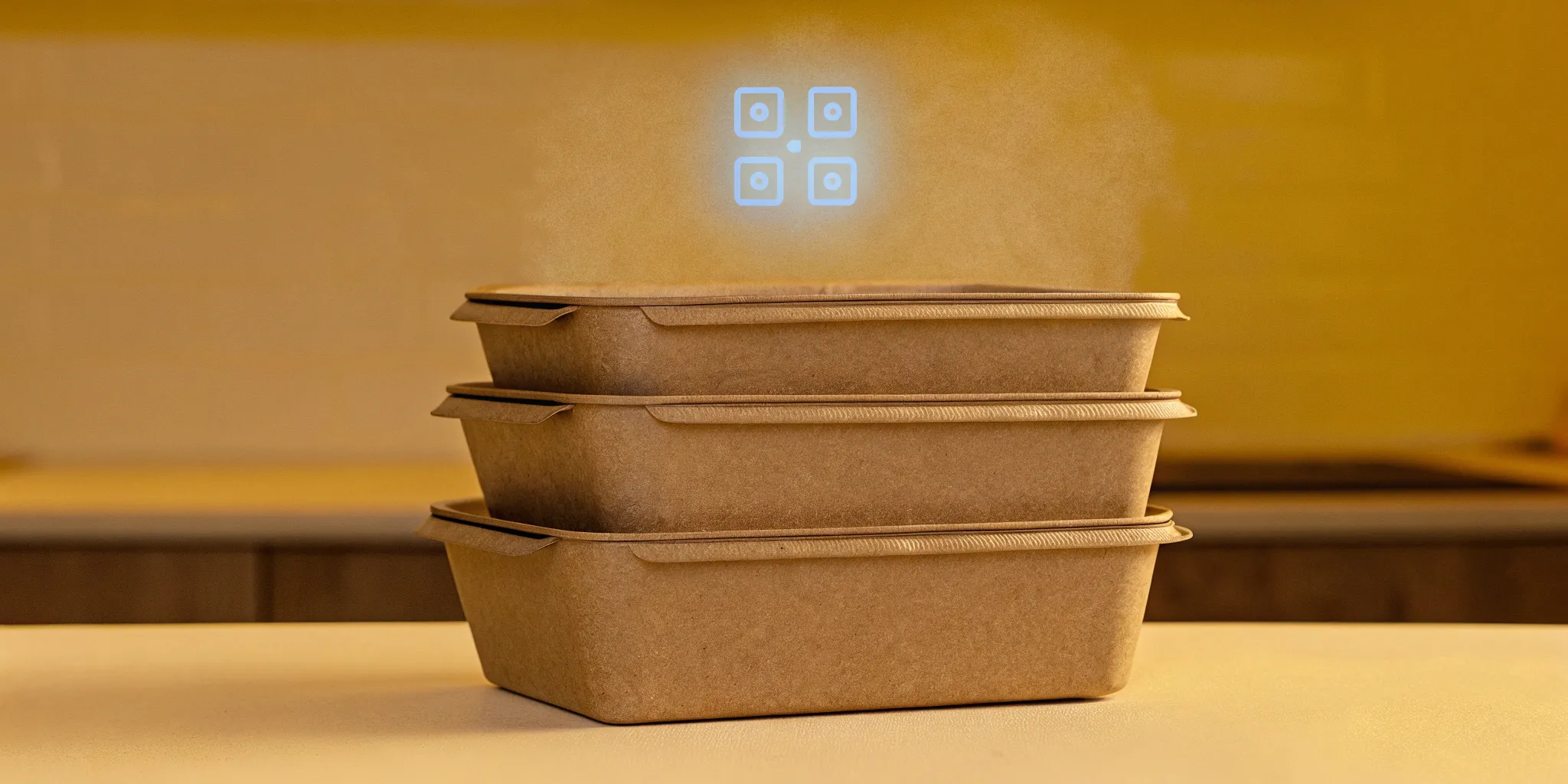
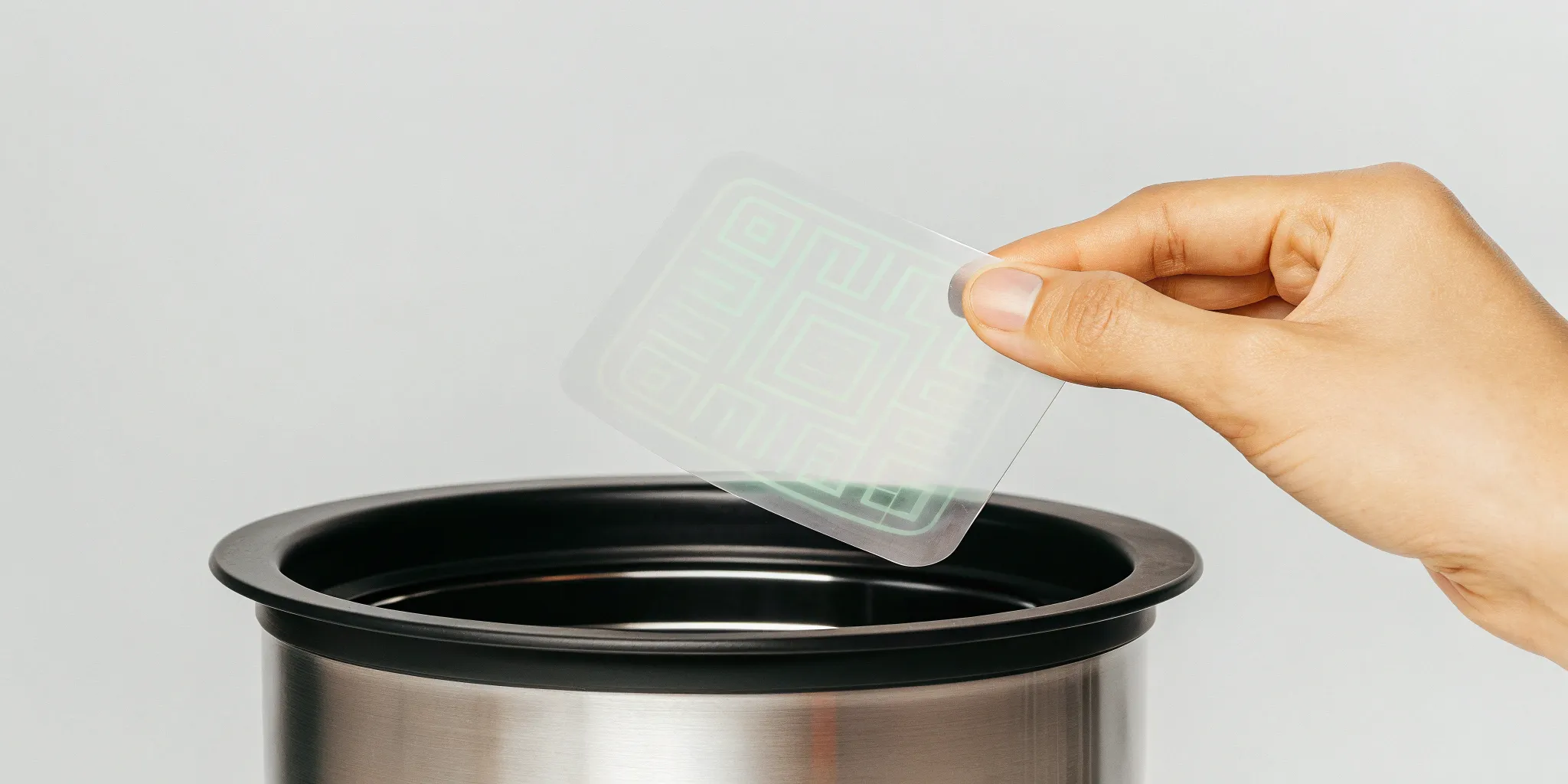
We already have an inventory of reusable containers. Do we have to buy all new ones? Not at all. A flexible, modern reuse platform should be "container-agnostic," meaning it can work with the inventory you already own. The technology, which often involves attaching a simple QR or RFID tag to each item, can be adapted to various types of containers, whether they are durable plastic or stainless steel. This allows you to get the benefits of a smart tracking and return system without having to discard your previous investment.
Other stories you may find interesting

























.webp)
.webp)








.webp)



























Watch the Webinar
Learn How to Eliminate Single-Use Waste
Get instant access to our expert webinar and discover how leading institutions reach 99% return rates through smarter reuse systems.

© Reusables™. All rights reserved.