
A Guide to Eco-Friendly Member Dining Services

February 20, 2026
If you're managing a campus dining program, you've seen the numbers. The cost of single-use containers has skyrocketed, eating into your budget with every takeout meal served. It often feels like a choice between your bottom line and your sustainability goals. But what if you didn't have to choose? Implementing eco-friendly member dining services is no longer just an environmental initiative; it's a powerful financial strategy. By replacing disposables with a smart reuse system, you can significantly cut recurring packaging costs and reduce waste management fees. This guide will walk you through how to build a program that saves money, meets zero-waste targets, and enhances the dining experience.
Key Takeaways
- View reusables as an investment, not an expense: With the cost of disposable packaging continuing to rise, a well-implemented reuse system offers a clear path to significant long-term savings on both supplies and waste management.
- Prioritize a frictionless experience for everyone: The success of your program hinges on making participation simple for members and staff. Look for solutions that integrate with existing campus cards and use automated return stations to eliminate hassle and ensure high return rates.
- Build a culture of reuse through clear communication: Get members excited by explaining the "why" behind the program, offering simple incentives, and sharing real-time data that shows their collective impact, turning sustainability into a shared campus goal.
What are eco-friendly member dining services?
Eco-friendly member dining services are all about making conscious choices to lessen your environmental footprint. Think of it as running a food service operation that’s kinder to the planet. Instead of just focusing on the bottom line, you’re also considering the impact of your daily activities—from the food you buy to the packaging you use. This approach involves cutting down on waste, conserving energy and water, and sourcing ingredients responsibly. It’s a holistic view of dining that benefits not only the environment but also your community and your brand's reputation.
What makes a dining program sustainable?
A dining program becomes sustainable when it weaves eco-friendly habits into its very fabric. It’s more than just a one-off initiative; it’s a commitment to responsible consumption that shapes the entire dining experience for your members. Truly sustainable programs look at the big picture, creating plans that address everything from responsible food purchasing and waste management to water and energy conservation. By building these practices into your operations, you’re not just serving meals—you’re fostering a culture of sustainability that can inspire and educate everyone on campus. It’s about making the green choice the easy choice for everyone.
Key principles for eco-friendly operations
Putting sustainability into practice comes down to a few core principles. First, focus on sourcing. This means partnering with local farms for fresh, seasonal produce, which supports your community and reduces transportation emissions. Second, prioritize waste reduction. This starts with preventing waste in the first place, like composting food scraps and, most importantly, swapping out single-use disposables. Many successful programs use reusable dishes and containers as a standard practice. Finally, think about your resource use—simple changes in the kitchen can make a big difference in your energy and water consumption.
What sustainable practices can you adopt?
Making your dining services more sustainable might feel like a huge undertaking, but it’s really about a series of smart, manageable changes. You don’t have to overhaul everything overnight. By focusing on a few key areas, you can make a significant environmental impact, reduce operational costs, and show your members you’re committed to a greener future. Think of it as a step-by-step process where each change builds on the last. From the food you source to the containers you serve it in, every decision is an opportunity to operate more thoughtfully. Let’s walk through some of the most effective practices you can start implementing today.
Sourcing local and organic food
Partnering with local farms is a powerful way to enhance your menu and support your community. When you source food locally, you get access to fresher, in-season ingredients, which often means better flavor and quality for your members. This practice also shortens the supply chain, reducing the carbon footprint associated with long-distance food transportation. You can start small by identifying one or two local producers for key items like seasonal vegetables or dairy. Building these relationships not only strengthens the local economy but also gives you a great story to share with your members about where their food comes from.
Reducing waste and composting
Every kitchen produces waste, but how you manage it can make a world of difference. The first step is to understand what you’re throwing away. A simple waste audit can reveal surprising patterns in both kitchen prep and post-consumer plate waste. Once you know where waste is coming from, you can take action. Implementing a composting program, like the one at Davidson College, diverts food scraps from landfills where they would otherwise produce methane gas. Instead, that waste becomes nutrient-rich soil. This not only helps the environment but can also reduce your waste disposal fees, turning a cost center into a sustainable cycle.
Running an energy-efficient kitchen
Your kitchen is an energy hub, and small adjustments can lead to big savings. Look for opportunities to upgrade to ENERGY STAR certified appliances, which are designed to use less electricity and water without sacrificing performance. Simple habits also add up. Train your staff to turn off equipment when it’s not in use and to follow best practices for maintaining appliances, which keeps them running efficiently. Beyond electricity, think about water usage. Installing low-flow faucets and spray valves can significantly cut down on water consumption. These changes reduce your utility bills and lighten your operation’s environmental footprint.
Switching to reusable containers
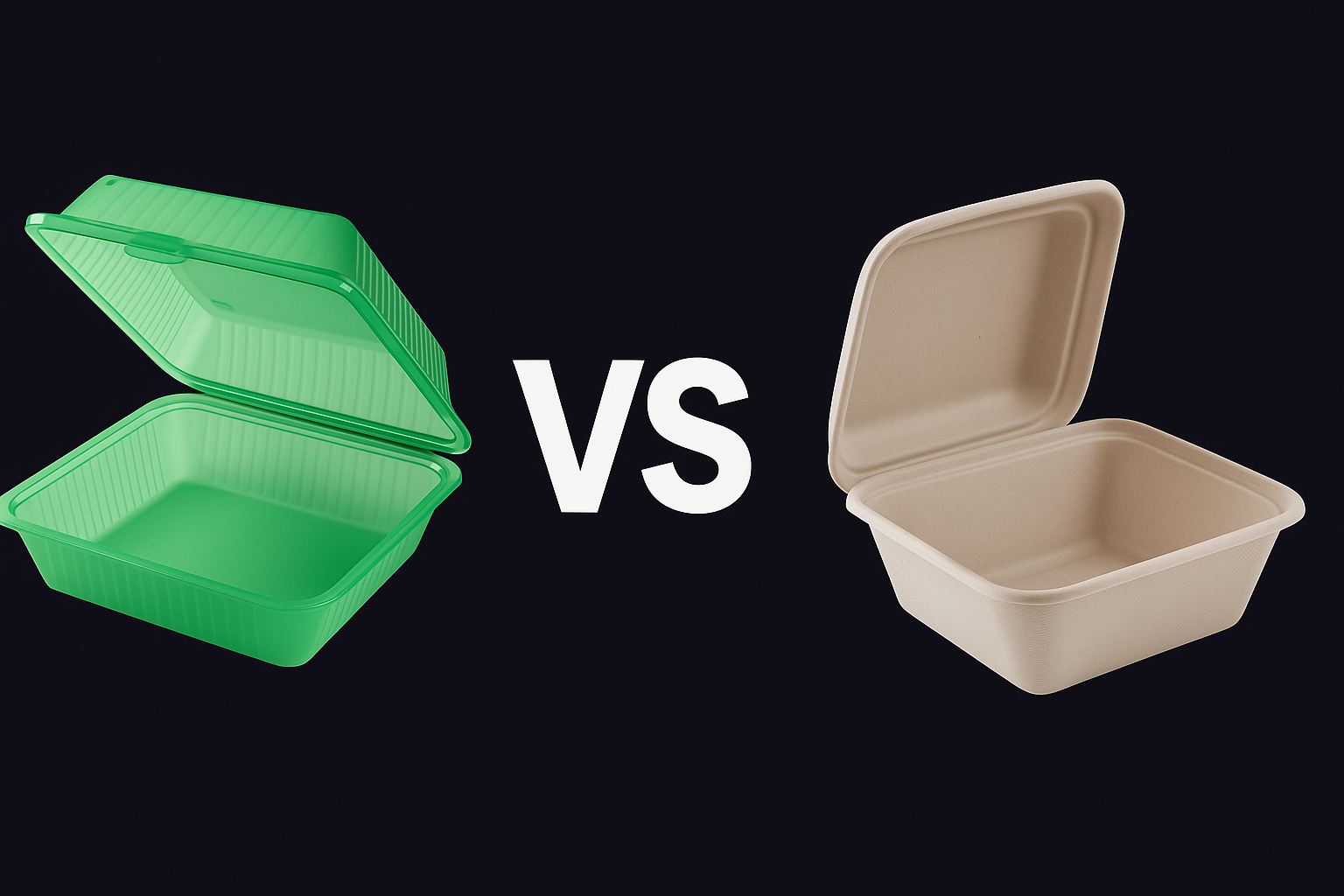
While reusable plates and cutlery are standard for dine-in, the real challenge is takeout. Single-use containers are a major source of waste and a growing expense, with disposable packaging costs rising over 200% in recent years. Making the switch to a reusable container program is one of the most impactful changes you can make. Modern reuse systems are designed to be completely frictionless for both your staff and your members, using technology to track containers and encourage returns. By eliminating single-use packaging, you can drastically cut your supply costs, reduce landfill waste, and offer a premium, sustainable amenity that members will appreciate.
How can technology support your green goals?
Adopting sustainable practices doesn't mean adding more work to your plate. In fact, the right technology can streamline your operations, reduce manual tasks, and provide clear insights into your environmental impact. Modern tools help you move beyond guesswork, giving you the data you need to make smart, effective decisions that support your green initiatives. From tracking waste to simplifying reusable container programs, technology is your best partner in building a more sustainable dining service. It helps make the eco-friendly choice the easiest and most efficient one for both your team and your members.
Tracking waste with analytics
Understanding what’s being thrown away is the first step to reducing waste. Instead of relying on visual checks or estimates, technology can give you precise data on food waste patterns. Some universities, for example, are using AI systems that analyze what food is left on plates, helping them understand waste patterns and make smarter purchasing decisions. By tracking this data, you can identify unpopular menu items, adjust portion sizes, and refine your ordering to prevent over-purchasing. This data-driven approach not only cuts down on waste but also significantly reduces food costs, turning what was once trash into a valuable operational insight.
Using smart bins for automated returns
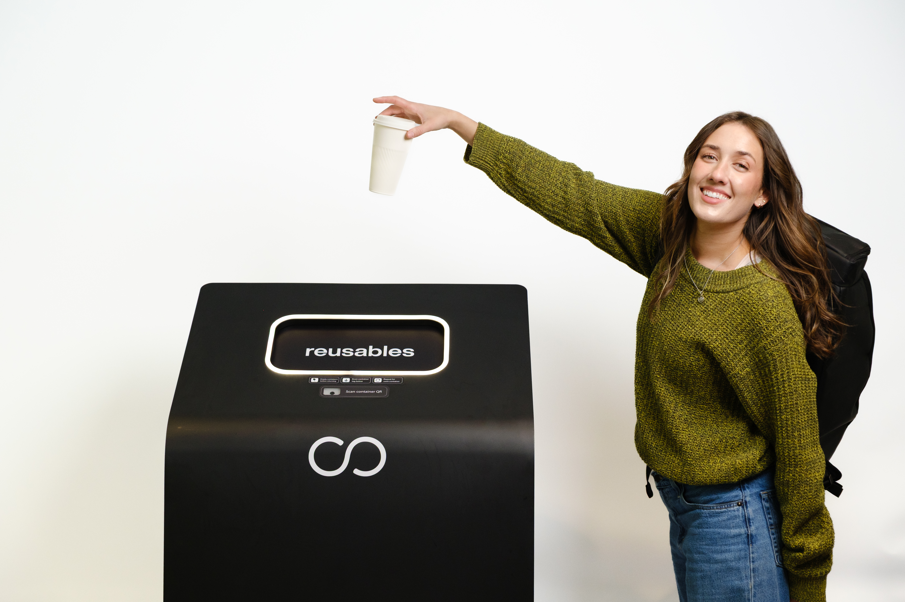
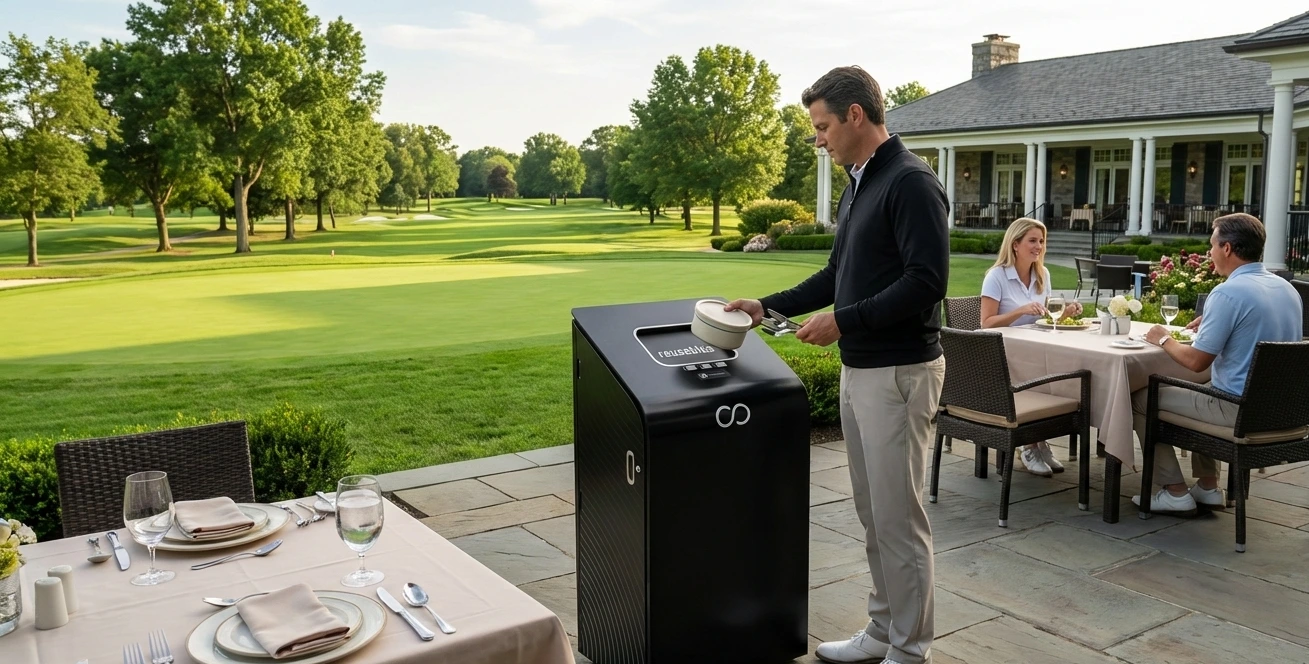
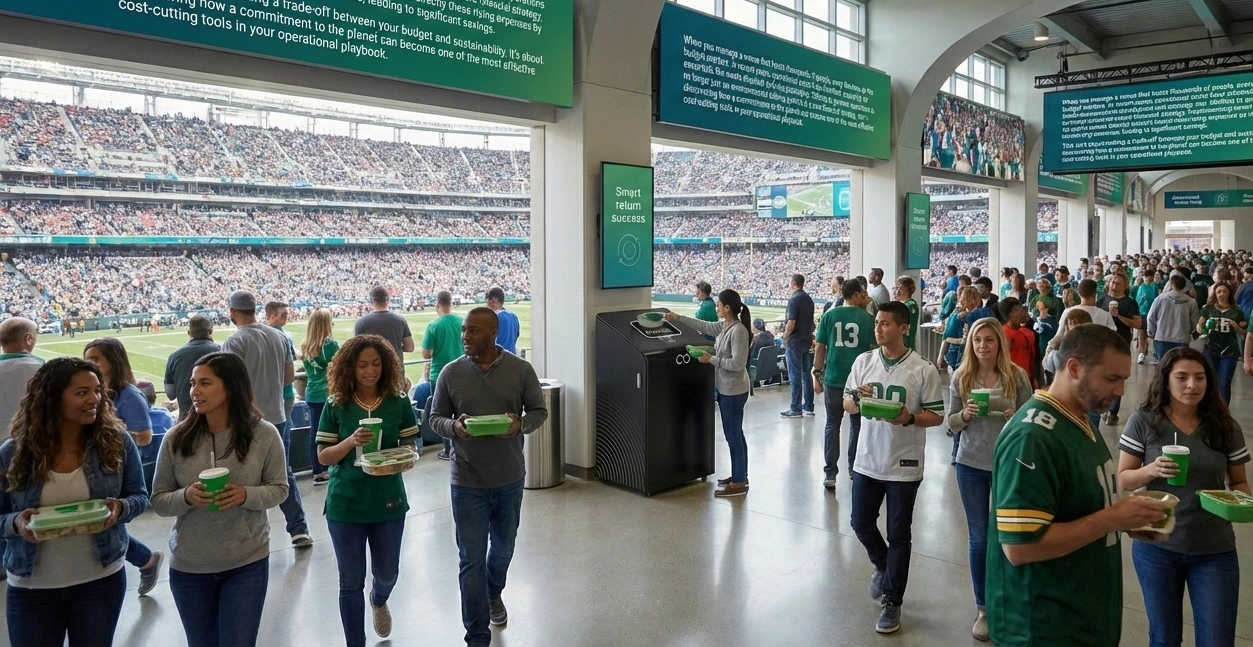
A successful reusable container program hinges on a simple and convenient return process. If returning a container is a hassle, participation will drop, and you’ll lose inventory. Smart return bins solve this problem by automating the entire process. Members can drop off their containers 24/7 without waiting for staff, and integrated scanners automatically check the container back into your system. This technology provides real-time data on return rates and bin fullness, ensuring you always have enough clean containers on hand. It creates a frictionless experience that encourages participation and helps you achieve near-perfect return rates.
Integrating with existing payment platforms
The easiest way to get members on board with a new initiative is to make it fit seamlessly into their existing routines. Integrating your reuse program with campus card or credit/debit systems allows members to check out a container with a simple tap—no new apps to download or accounts to create. This approach removes barriers to entry and makes participation effortless. It also enables automated accountability, linking each container to a member’s account to gently remind them to return it. This level of integrated payment solutions makes sustainability a natural part of the dining experience.
Optimizing your menu with data
Beyond tracking plate waste, technology can help you optimize your entire menu for sustainability and profitability. By analyzing sales data alongside waste data, you can see which dishes are both popular and low-waste. This information is invaluable for menu engineering. You might discover that a slight recipe tweak could reduce waste from a best-selling item or that a low-performing dish is a prime candidate for replacement. Using data to inform your menu choices helps you create offerings that members love while minimizing your environmental footprint and food costs, creating a win-win for your diners and your budget.
Common myths about sustainable dining
Making the switch to more sustainable dining practices can feel like a huge undertaking, and it’s easy to get bogged down by assumptions. Many of the things that hold dining programs back are based on outdated ideas about what "going green" actually involves. Let's clear the air and tackle some of the most common myths head-on. By understanding the reality of modern reuse systems, you can see a clearer path to reducing waste and improving your operations.
Myth: It’s too expensive and complicated
This is probably the biggest hesitation for any operator. The budget is always a primary concern, and the thought of overhauling your system sounds both costly and complex. While there is an initial investment, it’s important to frame it against the rapidly rising cost of single-use packaging. Many institutions find that a reusable system leads to significant long-term savings by cutting the recurring expense of disposables. As for complexity, today’s solutions are designed to be anything but. They integrate directly with your existing campus card and payment systems, making the transition smooth for both your staff and your members.
Myth: It doesn't make a real impact
When you’re facing a global issue like plastic waste, it’s natural to wonder if the actions of one campus or club can truly make a difference. The answer is a resounding yes. Think about the thousands of meals you serve every week. Each time a reusable container is chosen over a disposable one, it’s one less item heading to a landfill. Over a semester or a year, that adds up to tens of thousands of items. This collective action has a massive and measurable impact on your institution's waste footprint and contributes to a larger culture of sustainability. Your program can become a powerful example of how local choices create significant environmental change.
Myth: Members won't participate
You can build a fantastic program, but it won’t succeed if students or members don’t get on board. This is a valid concern, especially if you’ve seen past initiatives struggle. The key difference today is user experience. Clunky, inconvenient systems of the past created barriers to participation. Modern reuse programs are built to be frictionless—think simple tap-to-checkout systems with no app to download and convenient, 24/7 return bins. When reusing is just as easy (or even easier) than throwing something away, participation rates soar. Fostering this community engagement is crucial, and it starts by making the sustainable choice the simplest one.
How to get members excited about sustainability
Implementing a new sustainability program is one thing, but getting your members genuinely excited to participate is what makes it a success. When students and staff are on board, you’ll see higher adoption rates, better return rates for reusables, and a stronger campus culture around sustainability. The key is to move beyond simply providing a green option and instead create an experience that feels easy, rewarding, and collaborative. People are more likely to adopt new habits when they understand the purpose, see the benefits, and feel like they are part of a community effort.
It’s not just about telling them what to do; it’s about making them feel like part of a meaningful movement. This means communicating clearly, celebrating small wins, and making participation as frictionless as possible. Think about it from a student's perspective: they're juggling classes, social lives, and jobs. A sustainability program that adds complexity or feels like a chore is unlikely to stick. But a program that integrates seamlessly into their daily routine and offers a sense of accomplishment can become a point of pride. Building this kind of engagement transforms your dining service from a place that simply serves food into a hub for positive campus change. Here are four practical ways to build that excitement and turn your members into sustainability champions.
Launching educational campaigns
Before you roll out any new program, take the time to explain the "why" behind it. Clear, simple messaging is key to helping students and staff understand the impact of their choices. Use posters, social media, and campus newsletters to share the environmental benefits of switching to reusables. Creating a short, engaging video that shows exactly how the new system works can also clear up confusion and build confidence. By focusing on education, you can help nurture lasting eco-friendly habits and show members that their participation is a vital part of a larger campus-wide effort.
Offering incentives and rewards
A little friendly competition can go a long way in motivating people. Consider gamifying your reuse program with incentives that get members excited to participate. You could set up a leaderboard to track which dorm or department reuses the most, or offer a free coffee after every 10 reuses. Simple rewards and recognition make participation fun and show members that their efforts are valued. Over time, these small incentives help build strong relationships and create a loyal community of users who are personally invested in the program's success and feel good about their contributions.
Partnering with the local community
Your sustainability initiative doesn't have to live only within the dining hall. Involving student groups, especially environmental clubs, can turn members into passionate advocates for your program. You can also partner with local organizations for events like a "Zero-Waste Week" to generate broader campus buzz. When you engage all interested community members, you create a sense of shared ownership and purpose. This collaborative approach makes the program feel less like a top-down mandate and more like a collective movement that everyone can be proud to be a part of.
Sharing your impact with transparent reports
Nothing motivates people like seeing real results. Use the data from your program to share tangible impact metrics with your members. Put up digital screens in the dining hall showing a live count of how many single-use containers have been saved that week or month. Share these milestones in newsletters and on social media with clean, simple infographics. This transparency is crucial for enforcing sustainability as part of your campus culture. When members can see the collective difference they’re making, it reinforces their positive behavior and keeps them engaged for the long haul.
Common challenges in sustainable dining (and how to solve them)
Making the switch to more sustainable dining practices is a fantastic goal, but it’s not always a straight path. You might run into a few common roadblocks, from budget concerns to getting everyone on board with new routines. The good news is that these challenges are completely solvable with the right approach and tools. Think of it less as a series of hurdles and more as a set of questions that simply need clear answers.
Let's walk through some of the most frequent challenges dining service directors face when going green and explore practical, straightforward solutions for each one. By anticipating these issues, you can create a clear plan that ensures your transition to a more eco-friendly operation is smooth, successful, and supported by your entire community. With a little planning, you can build a program that not only meets your sustainability goals but also enhances the dining experience for your members.
Managing initial investment and costs
The idea of a big upfront investment can be a major barrier for many dining services looking to implement green practices. It’s easy to get sticker shock when you think about overhauling your systems. However, it’s helpful to frame this as an investment rather than a cost. With the price of disposable packaging rising over 200% in the last few years, sticking with single-use items is becoming the more expensive option. A well-designed reuse program can deliver more than 30% in annual cost savings on packaging and waste. Modern zero-waste packaging systems are designed to be tech-forward and asset-light, providing a clear return on investment without a massive initial outlay.
Getting staff and members on board
A new initiative is only as strong as the people who participate in it. One of the biggest challenges can be getting your team and members to adopt new habits. The key is to make participation as easy and intuitive as possible. For staff, this means providing clear training and using a system that simplifies their work, not complicates it. For members, the experience has to be frictionless. If they have to download an app or follow a complicated process, they’ll likely stick with what they know. A simple tap-to-checkout system and convenient return options remove these barriers, leading to the high participation and return rates needed for a successful program.
Handling supply chain logistics
Shifting your supply chain to be more sustainable can feel like a complex puzzle, especially when it comes to packaging. You might worry about being locked into a single type of container or having to manage a whole new set of vendor relationships. The best approach is to find flexible solutions that work with your existing operations. For instance, a container-agnostic platform allows you to use your current inventory of durable containers or choose from a list of approved partners. This adaptability simplifies the transition, reduces waste from the start, and gives you the freedom to build a system that fits your specific needs without overhauling your entire supply chain.
Integrating tech for a smooth operation
Technology should make your life easier, but the thought of integrating a new platform with your existing payment and management systems can be intimidating. A successful sustainability program relies on tech that can streamline operations, not create data silos or manual workarounds. Look for solutions that are built to integrate seamlessly with the campus card and POS systems you already use. When your reuse platform can communicate directly with systems from Transact, CBORD, and others, it creates a smooth experience for everyone. This integration provides you with real-time data on usage, inventory, and return rates, all from a single dashboard, giving you the operational visibility you need to manage your program effectively.
Related Articles
- Guide to Sustainable College Cafeterias
- 7 Smart Eco-Friendly Initiatives for Campus Food
- How UCLA Dining Made Choosing Sustainability Effortless With Reusables.com - Case Studies
Frequently Asked Questions
My members are used to disposables. How can I be sure they'll actually use and return reusable containers? This is a common concern, but it often comes down to making the process incredibly simple. The most successful programs remove all the friction. Think of a system where members can check out a container with a simple tap of their existing campus card or credit card—no app to download, no new account to create. When you pair that with convenient, 24/7 smart return bins placed in high-traffic areas, returning a container becomes just as easy as finding a trash can. When the sustainable choice is the easiest one, participation and return rates naturally follow.
We have a tight budget. Isn't switching to a full reuse system incredibly expensive upfront? It’s smart to look at this as an investment that pays for itself, especially when you consider that the cost of single-use packaging has skyrocketed. While there is an initial setup, a well-designed reuse program can cut your annual spending on disposables and waste hauling by over 30%. Modern, tech-focused systems are designed to be asset-light, providing a clear and predictable return on investment without requiring a massive capital expense that drains your budget.
What happens if a student or member loses a container or just doesn't return it? The best systems have automated accountability built right in, so your staff never has to play police. When a member checks out a container, it’s linked to their account. If the item isn’t returned within a set time, the system can automatically send friendly reminders. If it’s still not returned, a small, refundable late fee can be applied to their account, which is refunded as soon as the container is dropped off. This gentle nudge is highly effective at encouraging returns without creating any manual work for your team.
How much extra work will this create for my staff? They're already stretched thin. A well-designed reuse program should actually reduce your team's workload, not add to it. Technology handles the heavy lifting, from tracking inventory and return rates to managing member accounts. Smart return bins even send alerts when they need to be serviced. By automating these tasks, the system frees up your staff from managing disposable inventory, manually charging for lost items, or dealing with overflowing trash cans, allowing them to focus on providing a great dining experience.
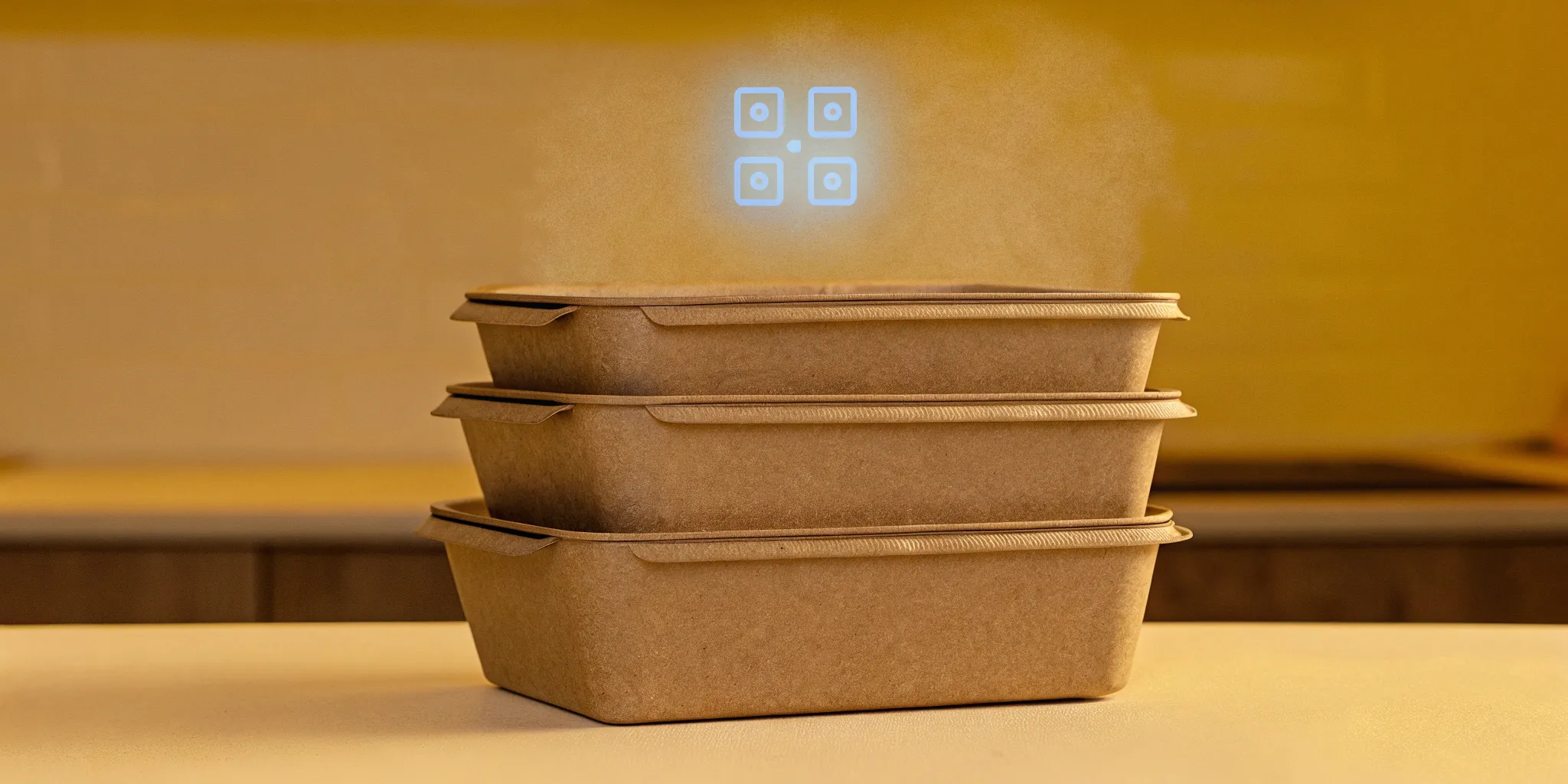
We already own a lot of durable containers. Do we have to start from scratch with a whole new set? Not at all. A flexible reuse platform should work with you, not force you into a one-size-fits-all solution. Many systems are "container-agnostic," meaning they can integrate with the durable containers you already own by simply adding a unique QR code or RFID tag. This approach allows you to make the most of your existing inventory, which saves money and prevents waste right from the start.
Other stories you may find interesting






















.webp)
.webp)





























Watch the Webinar
Learn How to Eliminate Single-Use Waste
Get instant access to our expert webinar and discover how leading institutions reach 99% return rates through smarter reuse systems.

© Reusables™. All rights reserved.