
How Charging for Single-Use Packaging Makes Reuse the Easy Choice

December 6, 2025
Across North America, a simple idea is transforming how people eat on campuses, in corporate spaces, and even in private clubs:
Make reusable containers free.
Add a small surcharge to single-use packaging.
Watch reuse adoption skyrocket.
This model has become one of the most reliable ways to accelerate sustainability goals while reducing costs and improving customer experience. And the results are remarkably consistent across very different environments—from major universities to elite hospitality venues.
In this post, we break down how the incentive works, why it works, and what leading institutions are seeing after adopting it.
Why a Small Fee Makes a Big Difference
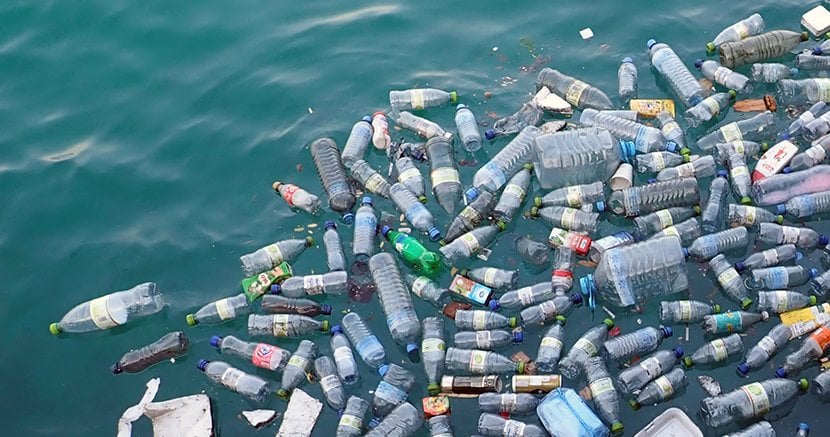
Most people are not actively choosing disposable packaging—they’re choosing whatever is easiest or the default. When both options feel the same, habits win.
But when the choice becomes:
- Reusable: free
- Disposable: costs money
…the psychology flips instantly.
Customers overwhelmingly do what’s cheaper, especially when the sustainable option is also convenient. Behavioral science calls this loss aversion: people want to avoid paying a fee, even a small one.
And it works.
Boston University: Reuse Adoption Jumps from 20% to 90%
Boston University’s “Choose to Reuse” program is one of the clearest examples of this model in action.
After introducing a $2.50 surcharge on single-use to-go containers, BU saw:
- Reuse adoption rise from ~20% to ~90%
- A 78–83% reduction in single-use packaging
- 96% return rates on reusable containers
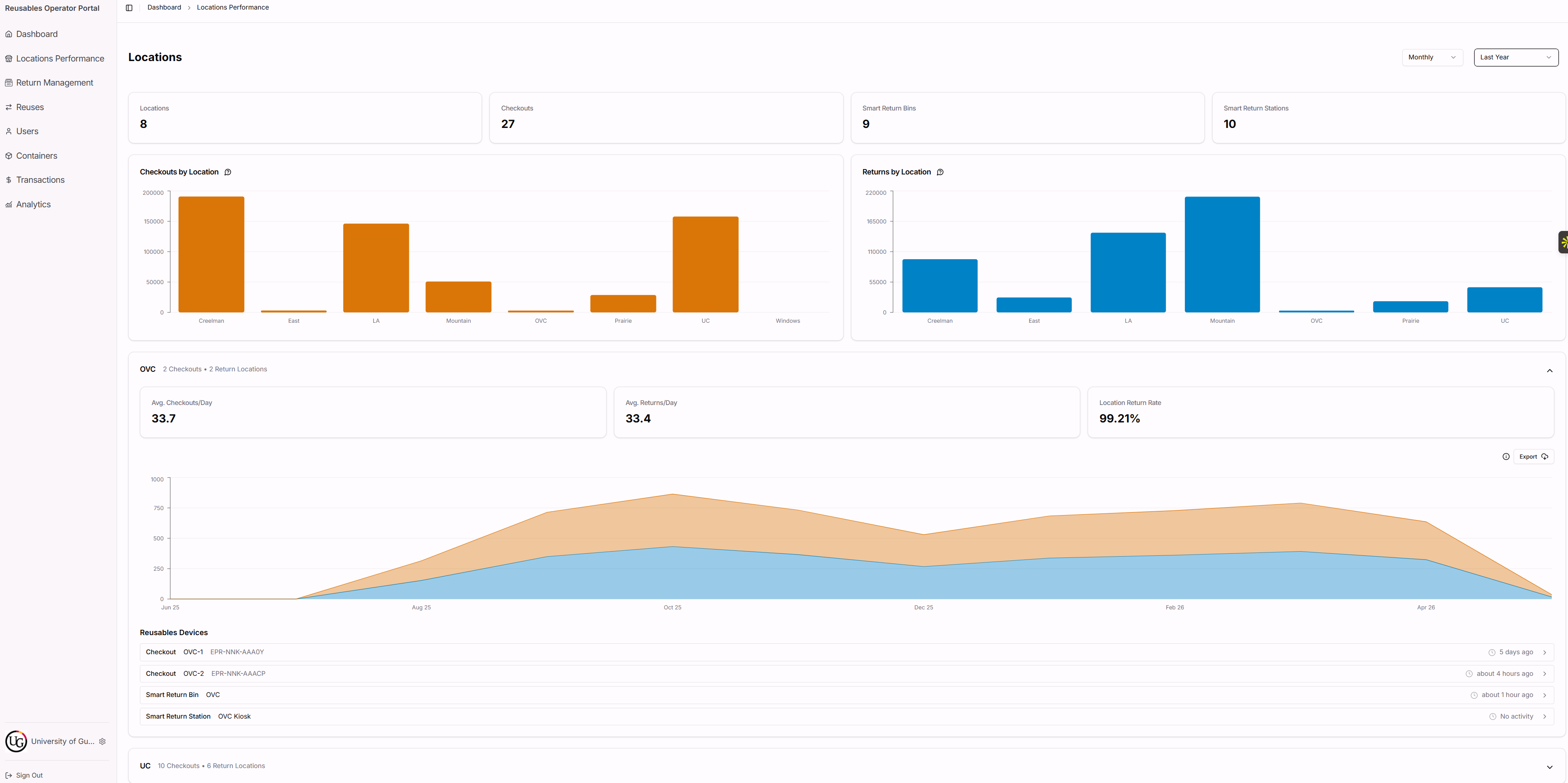
- Hundreds of thousands of dollars saved in avoided disposable packaging costs
The program worked so well that BU publicly shared how they now reinvest surcharge revenue and late fees into expanding sustainability operations.
The Wall Street Journal even highlighted the program’s success, noting how fast students shifted behavior when disposables started to cost more.
University of Guelph: 80% Conversion with a Modest Fee
Not every institution needs a high surcharge to drive change.
The University of Guelph charges $0.50–$1.00 for disposable containers—yet sees an impressive:
- 80% conversion rate from disposables to reusables
This demonstrates that even small fees can shift behavior when paired with a simple, free reusable program.
Simon Fraser University: 75% Reuse at Scale
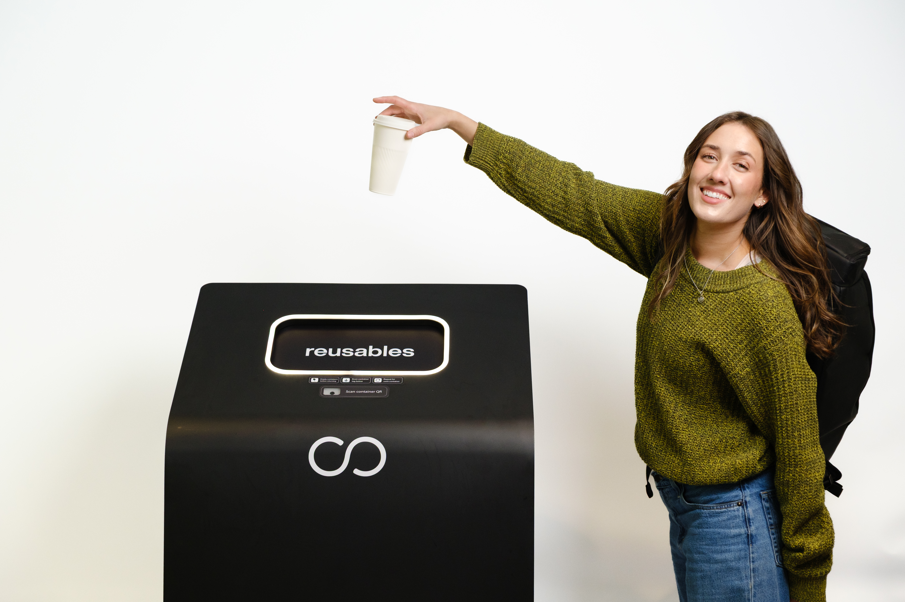
Simon Fraser University applies a $0.50 disposable fee, with reusables available for free through a streamlined checkout system.
The results?
- 75% reuse penetration across participating dining locations
This shows that commuter-heavy, urban campuses can achieve strong adoption without needing steep surcharges.
Hollyburn Country Club: 90% Conversion in a Luxury Environment
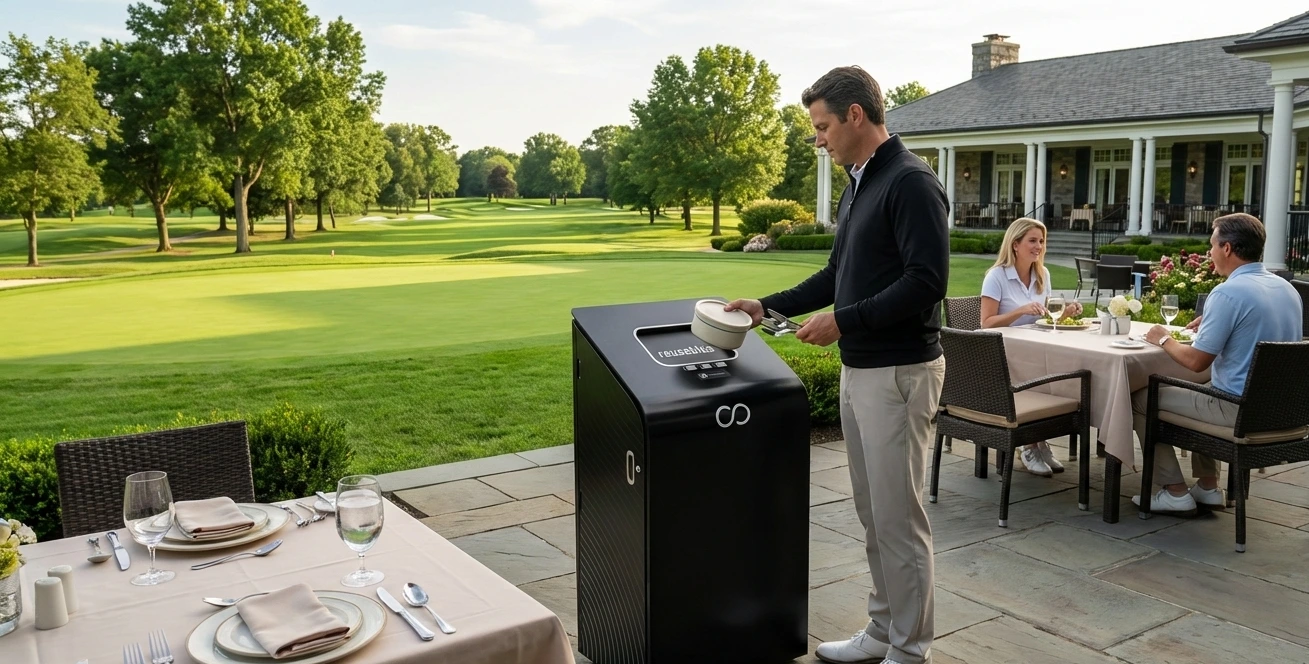
You might expect a premier private club to resist such a change. Instead, Hollyburn Country Club members have embraced it.
With a $0.75 fee on single-use packaging, the club now sees:
- 90% of members choosing reusables
Members prefer the higher-quality feel of durable containers—and appreciate that the sustainable option is the most affordable.
Why This Works
1. It aligns cost with impact
Single-use packaging actually costs more—financially and environmentally. The surcharge simply makes that cost visible.
2. It empowers choice
People can still use disposables if they want. They just pay the real cost of that convenience.
3. It improves operations
Less waste → cleaner facilities, fewer trips to dumpsters, less purchasing.
4. It saves money
Reusable containers can be washed and used 8–10+ times, making each use cheaper than buying new disposables.
5. It builds a culture of sustainability
Once most people switch to reusables, it becomes the social norm—and adoption stays high.
What This Means for Institutions
If your campus, corporate venue, or hospitality space is trying to:
- Reduce waste
- Lower operating costs
- Improve sustainability metrics
- Engage your community
- Build a modern, resilient food service operation
…then adding a surcharge to single-use packaging is one of the most efficient, proven strategies you can deploy.
The data shows it.
The behavior models explain it.
And real institutions are demonstrating it every day.
Further Reading
- Choose to Reuse Reusable Container Program | Dining Services
- Sustainable Dining Success: University of Guelph & Reusables.com
- SFU Adopts Reusables.com's Tap to Reuse Tech, Revolutionizing Campus Sustainability - Techcouver.com
- Reduce Single-Use Waste: Hollyburn Club’s 2-Month Payback | Reusables.com
Other stories you may find interesting

.png)
.avif)


.webp)


Watch the Webinar
Learn How to Eliminate Single-Use Waste
Get instant access to our expert webinar and discover how leading institutions reach 99% return rates through smarter reuse systems.

© Reusables™. All rights reserved.