
Shared Reusable Container System for Malls 101

January 15, 2026
The overflowing trash cans in your food court tell a story of rising costs and logistical headaches. Every day, your team manages a mountain of single-use boxes, cups, and containers that eat into your budget and detract from the guest experience. It’s a constant cycle of ordering, stocking, and hauling away waste. But what if you could replace that entire linear process with a smart, circular solution? A shared reusable container system for malls is designed to do just that. It offers a modern, sustainable alternative that cuts operational expenses, reduces waste, and provides a better dining experience for your customers. This guide will walk you through how this technology works and the tangible benefits it can bring to your operations.
Key Takeaways
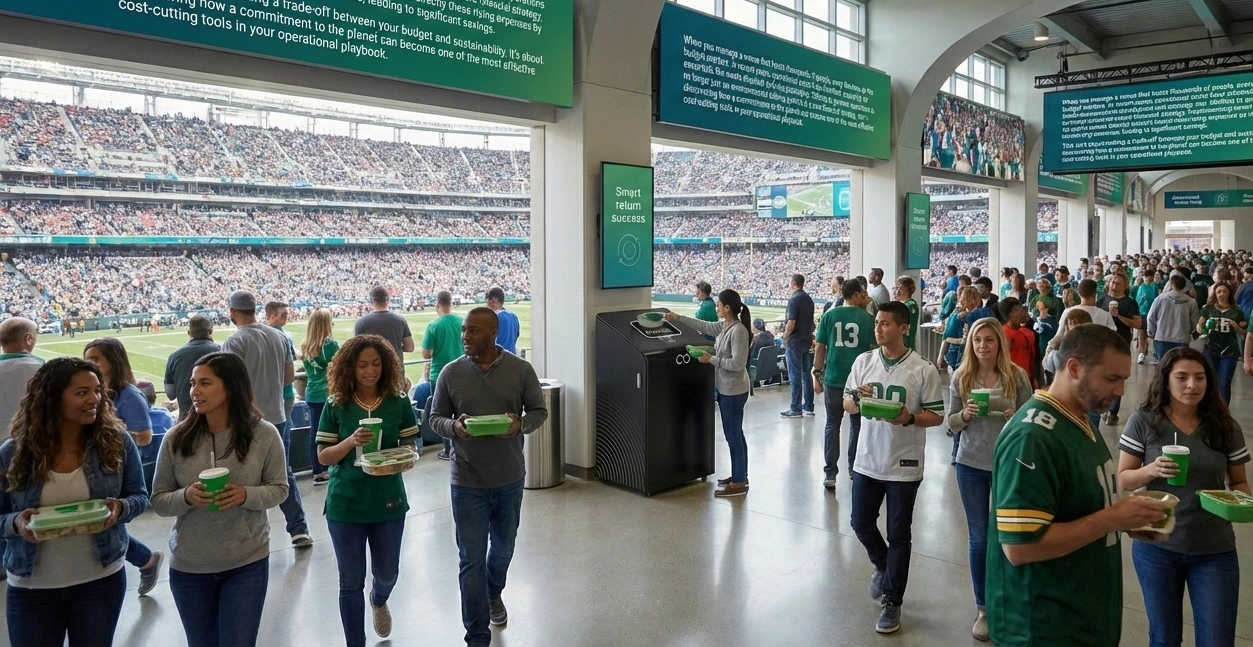
- Make it effortless to drive high returns: The key to a successful program is making it easier for customers to return a container than to throw it away. Look for systems with simple tap-to-checkout features and plenty of convenient smart return bins.
- Let technology handle the logistics: A modern reuse platform automates the most challenging parts of the process, from tracking every container to sending return reminders. This gives you full operational visibility without adding work for your staff.
- Look beyond sustainability to see the savings: While reducing waste is a huge win, a reusable system is also a powerful cost-cutting tool. It replaces the recurring expense of disposable packaging with a long-term asset that delivers a clear return on investment.
What is a shared reusable container system?
Think of a shared reusable container system as a library or a bike-share program, but for food packaging. Instead of each food vendor in your mall space managing their own mountain of single-use cups, bowls, and boxes, everyone uses a single, shared inventory of durable, returnable containers. This "pooling" approach creates a closed-loop system where containers are checked out by customers and staff, used for their meal, and then returned to convenient drop-off points to be washed and put back into circulation.
The goal is to make reusing just as easy—if not easier—than throwing something away. A well-designed system replaces the constant cost and waste of disposable packaging with a smart, sustainable alternative that fits right into your existing dining operations. It’s a practical way to meet zero-waste goals, cut down on supply chain headaches, and offer a better, more modern dining experience for your community.
The system's key components
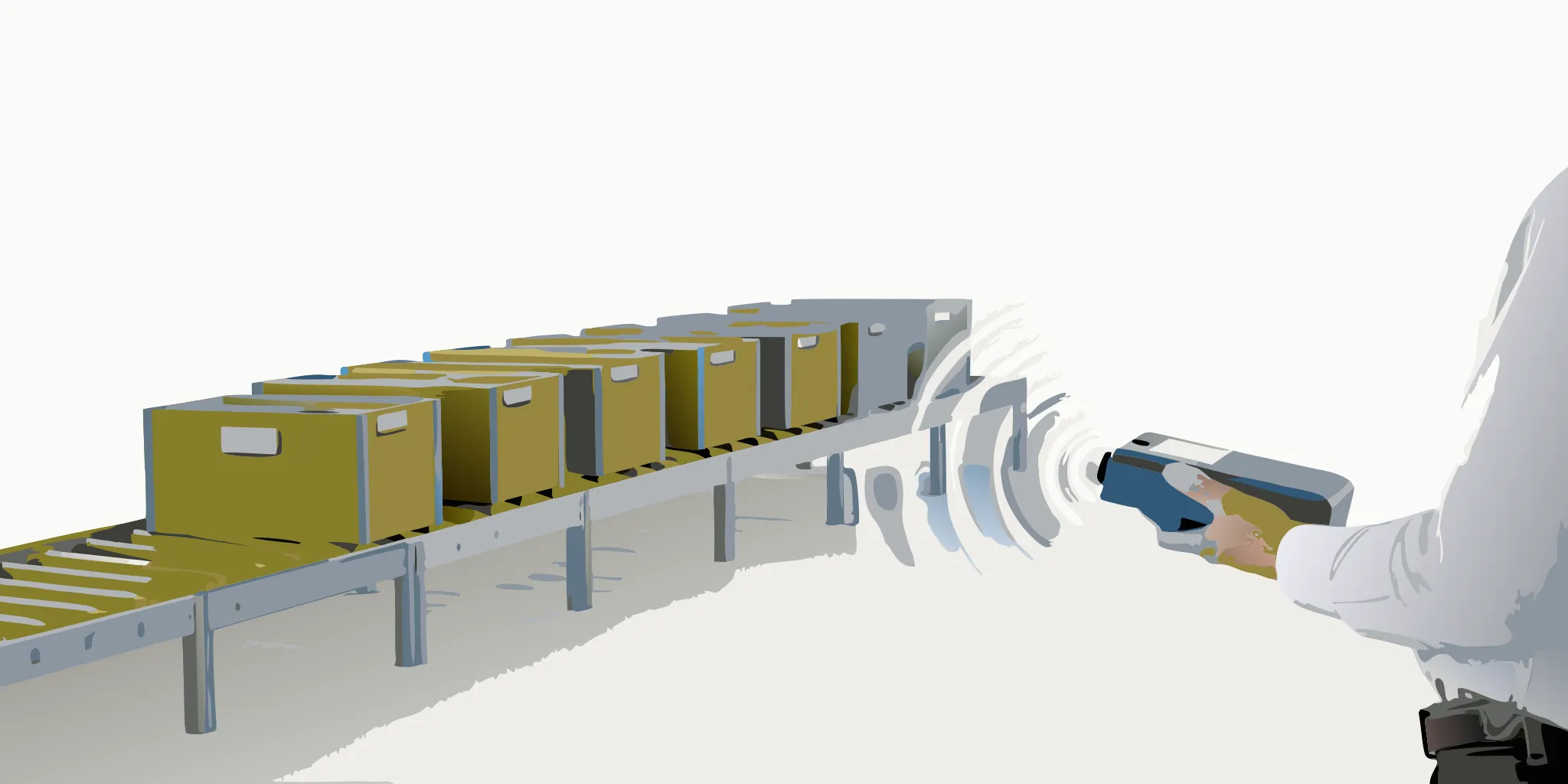
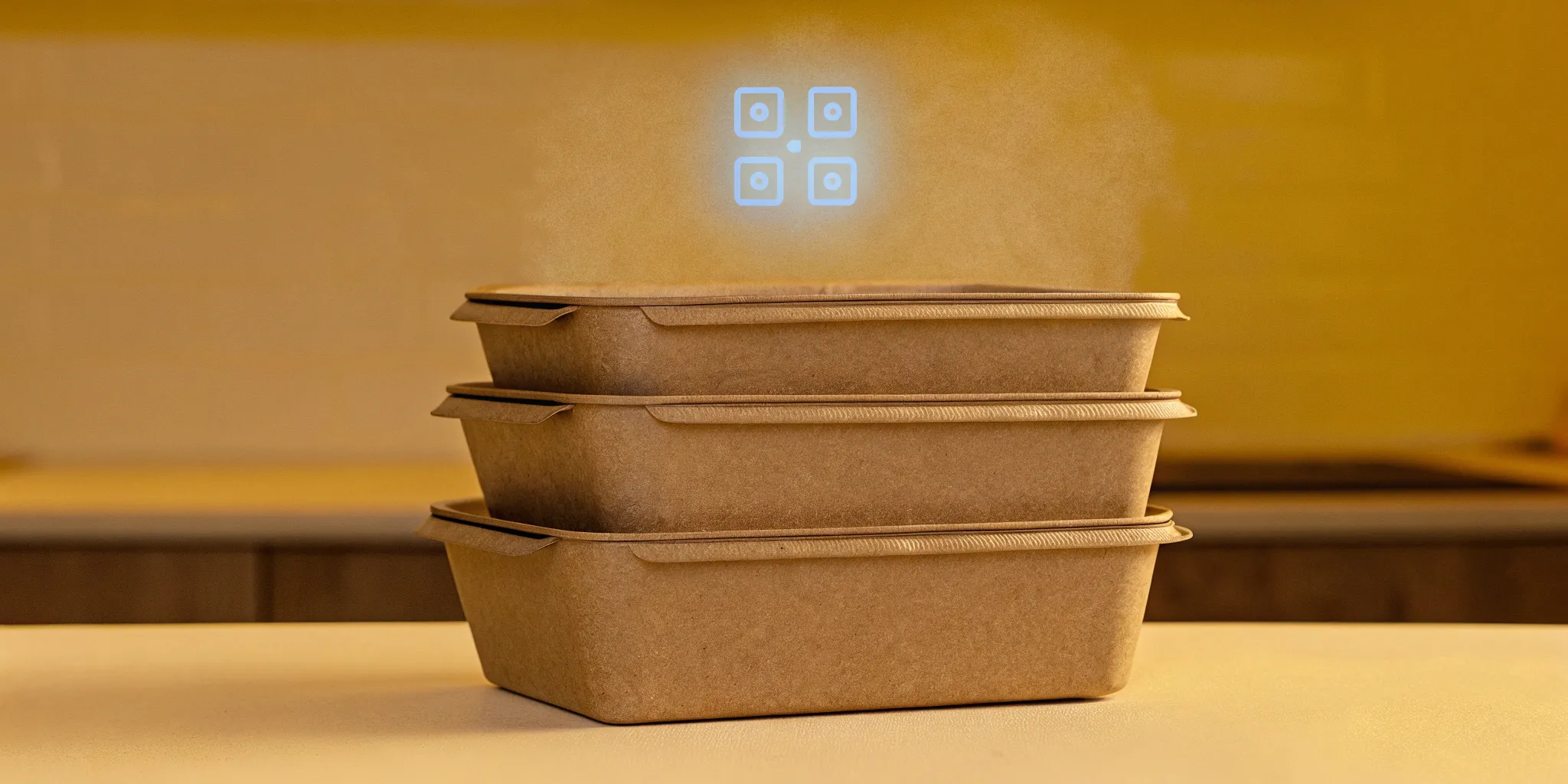
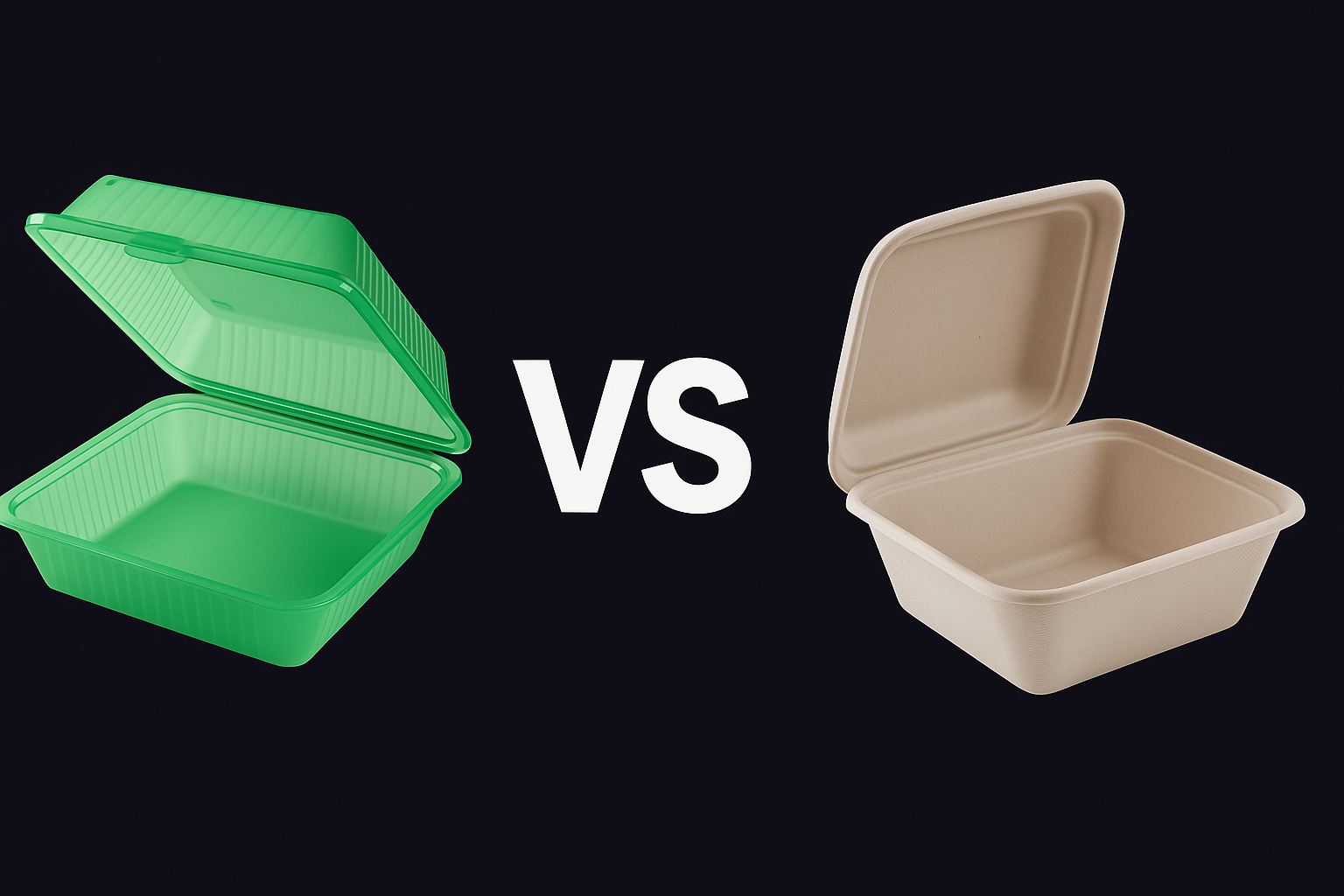
A modern reusable system is built on two core components: smart containers and the technology that tracks them. The containers themselves are designed for durability and repeated commercial washing, often made from stainless steel or high-grade, BPA-free plastic. Each one is equipped with a unique identifier, like a QR code or an RFID tag. This tag is what allows the software platform to track every container's journey. This digital backbone manages user checkouts, sends return reminders, and provides real-time data on inventory levels and return rates, giving you full visibility into how the reuse system is performing.
How does a reusable container system work in a mall?
Switching to a reusable container system might sound complex, but modern platforms make it a seamless part of your daily operations. The entire process, from a customer grabbing lunch to a container being washed and restocked, is powered by simple technology. It’s all about creating a smooth, circular flow that works for your food vendors, customers, and operational team. Let's walk through the three core stages of how these systems function in a busy mall or food court.
The return and cleaning process
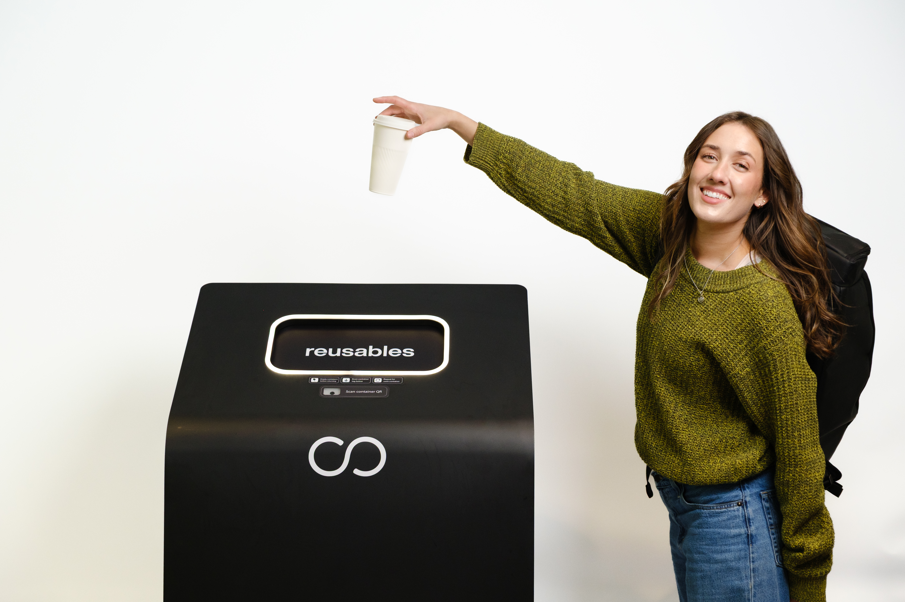
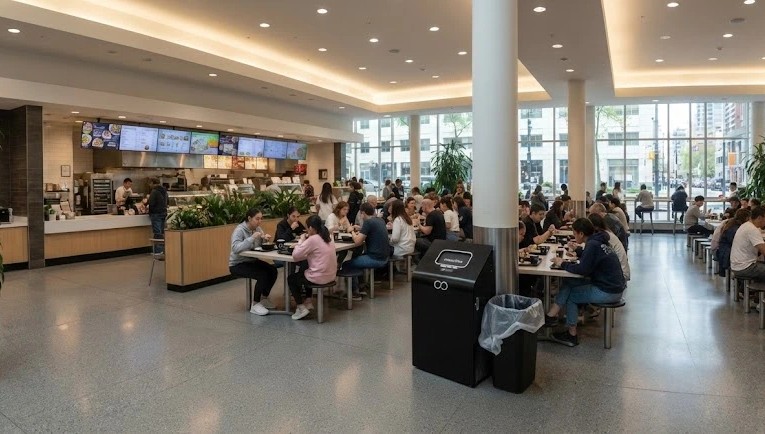
Once a customer is finished, they can return the container to any designated smart bin located throughout the mall. These stations are designed for a convenient, touch-free drop-off. From there, your staff or a service partner collects the containers for commercial sanitization at a central washing facility. Every container is inspected before being redistributed to food vendors. This systematic process is key to maintaining high standards of hygiene and ensuring a quality experience for every customer, which helps deliver new value beyond just sustainability.
Automating system management
The real magic happens behind the scenes with a fully automated management system. Technology handles the heavy lifting, from tracking checkouts to monitoring bin fullness for efficient collection. The system can send automated reminders to customers to encourage timely returns and even manage late fees without any manual work from your staff. An operator dashboard gives you a complete overview of usage rates, return performance, and environmental impact. This automation is what allows the packaging to be circulated and reused many times, maximizing its lifespan and your investment.
The benefits of switching to reusable containers
Implementing a reusable container system is more than just a green initiative; it’s a smart operational decision that positively impacts your budget, your waste management goals, and your reputation. By moving away from the endless cycle of purchasing and disposing of single-use packaging, you can unlock significant advantages that resonate with both your staff and your customers. Let’s break down the three biggest wins you can expect when you make the switch.
Save money on packaging costs
Switching to reusables can have a major impact on your bottom line. The cost of disposable packaging has skyrocketed, eating into profits for food service operators. A shared system of durable, reusable containers breaks this expensive cycle. Instead of constantly reordering disposables, you invest in a long-lasting inventory that pays for itself over time. This model allows you to reduce costs while also making your operations more efficient. With a tech-enabled platform like Reusables.com, you can track your inventory and ensure high return rates, protecting your investment and maximizing savings on packaging and waste hauling fees.
Reduce your carbon footprint
Beyond just cutting down on physical trash, reusable systems help lower your environmental footprint in less visible ways. The production, transportation, and disposal of single-use packaging all generate significant carbon emissions. By contrast, reusable containers contribute to sustainability by reducing CO2 emissions and waste over their lifecycle.
What to look for in a reusable container system
Choosing a reusable container system is a big decision, and not all programs are created equal. The right partner will provide more than just containers; they’ll deliver a complete, tech-enabled solution that integrates smoothly into your existing operations. A successful system is one that customers actually want to use and that makes life easier for the staff, not harder. When you're vetting potential systems, focus on the core components that drive high return rates and deliver real cost savings. It comes down to smart technology, durable containers, and a foolproof hygiene process.
Essential tracking tech and user interface
The magic of a successful reuse program lies in its technology. The goal isn't just to track containers, but to create a system so seamless that returning a container is the easiest and most natural option. Look for a platform with a frictionless user interface—ideally one that doesn't require anyone to download yet another app. Systems that integrate with credit/debit cards, like our Tap to Reuse™ technology, make checkout effortless. Each container should have a unique identifier, like a QR code or RFID tag, to enable accurate, automated tracking that provides you with real-time data on inventory and usage rates.
Durable container design
The containers are the workhorses of your reuse system, so they need to be built to last. Your ideal container should be sturdy enough to withstand hundreds of cycles of use and commercial washing without degrading. Consider materials like stainless steel or high-quality, BPA-free plastic. Beyond durability, think about the user experience. Are the containers easy for people to carry? Do they seal securely to prevent spills? Are they stackable to save precious space in kitchens? A great reusables partner will offer flexible container options that fit your specific food service needs.
Built-in sanitization and hygiene
Hygiene is non-negotiable in food service. A top-tier reusable system will have sanitization and safety built into every step of the process. This starts with the return points. Look for smart return bins that are tamper-proof and keep used containers separate from clean ones, preventing cross-contamination. The containers themselves should be designed for easy and effective cleaning in commercial dishwashers, meeting all food safety standards. The system should support a clear, efficient workflow for your staff, from collecting used containers to washing, sanitizing, and returning them to service.
Common challenges of implementing a reusable system
Switching to a reusable container system is a significant operational change, and it’s natural to have questions about how it will all work. You’re likely thinking about cleanliness, getting your vendors on board, and whether it’s truly a better alternative for the environment. These are the exact hurdles that modern reuse platforms are designed to clear. A well-designed system anticipates these challenges and builds the solutions right in, making the transition smoother than you might think.
Let’s walk through some of the most common concerns and how to address them head-on.
Addressing hygiene and maintenance
One of the first questions that comes up is about sanitation. What happens if a customer returns a container that’s been sitting in their car for a week? The good news is that a professional reuse system operates just like your commercial kitchen. You wouldn't hand a customer a plate that was just wiped down, and the same standard applies here. Every returned container goes through a rigorous, commercial-grade washing and sanitization process before it’s put back into circulation. This ensures that every container is perfectly clean and safe for the next user, eliminating any health and safety risks.
Getting retailers on board
For a reuse system to work, your food vendors need to be active participants. Their biggest concerns are usually about complicating their workflow and managing inventory. The key is to choose a system that makes their job easier, not harder. A frictionless checkout process, like a simple tap-to-scan system, means staff don’t need extensive training. When the system also handles all the tracking and accountability for returns automatically, it removes the burden from vendors entirely. They can focus on serving great food, and the reuse system works quietly in the background. This approach helps build a successful program that vendors will embrace.
Coordinating the system
The logistics of tracking, collecting, and redistributing hundreds or thousands of containers can seem daunting. Without the right tools, you could end up with lost inventory and a logistical headache. This is where technology is essential. Modern systems use unique QR or RFID tags on every container, paired with smart return bins and a central dashboard. This gives you a real-time view of your entire inventory—where containers are, which bins are full, and what your return rates look like. This level of operational visibility transforms a complex logistical challenge into a streamlined, automated, and manageable process.
Debunking common myths
Some people wonder if the energy and water used to wash reusables cancel out the environmental benefits. It’s a fair question, but the data is clear: reusable systems are far better for the planet. Numerous life cycle assessments show that after just a handful of uses, a reusable container has a much lower carbon footprint than its single-use counterpart. The key is a high return rate. When systems are designed to ensure containers are returned and reused consistently—as they are with automated reminders and incentives—the environmental savings in waste, carbon emissions, and water usage are substantial.
How to ensure a successful launch
A successful reusable container program doesn't happen by accident. It’s the result of a thoughtful rollout that gets both your vendors and your customers excited to participate. A strong launch sets the tone for the entire initiative, turning a new process into a habit. By focusing on clear communication, smart incentives, and reliable data from the start, you can build momentum that carries your program toward its waste-reduction and cost-saving goals. Here’s how to set your program up for success.
Establish clear cleaning protocols
Hygiene is non-negotiable. Your customers and retailers need to have complete confidence that every container is clean and safe to use. Before you launch, you must establish and document your cleaning, sanitation, and inspection procedures. This builds trust and ensures the program meets health standards. Well-maintained, high-quality containers are also a reflection of your brand. As experts at Reusables.org point out, "reusable packaging helps retailers deliver quality through any channel, enhancing quality and appeal." A clear protocol, whether handled in-house or by a third-party service, is the foundation of a program that people feel good about using every day.
Provide education and training
Don’t assume everyone will instantly know how the system works. A little education goes a long way in preventing confusion and encouraging adoption. Develop simple, clear training materials for food service staff so they can confidently process checkouts and answer customer questions. For customers, use signage at ordering points, on return bins, and on tables to explain the process in a few easy steps. It's helpful to create a simple communications plan that outlines your key messages. As the non-profit Équiterre suggests, a guide that addresses common questions can "better inform and assist" both businesses and consumers, making them more comfortable with the switch.
Track your performance metrics
What gets measured gets managed. To understand if your program is working, you need to track key performance metrics from day one. The most critical metric is your return rate. As the team at Muuse notes, "to make reuse systems successful, it’s very important to ensure customers return their containers." You should also monitor adoption rates among customers, cost savings on disposable packaging, and your environmental impact, such as the number of single-use containers avoided. A platform with a robust dashboard, like the Reusables.com Operator Portal, automates this process, giving you real-time data to demonstrate ROI and identify any areas that need improvement.
Plan your transition to a reusable system
Switching to a reusable container system is a big move, but it doesn't have to be a complicated one. With a clear plan, you can set your mall up for a smooth and successful transition. Breaking the process down into a few key stages—assessment, tech planning, and launch—will help you cover all your bases and build a program that everyone will love from day one.
Step 1: Assess and prepare
Before you can build a better system, you need a clear picture of your current one. Start by getting a baseline of your single-use container usage and waste. A simple waste audit can show you exactly how many disposable containers you’re going through and where the biggest opportunities for improvement are. This isn't just about counting trash; it's about understanding your starting point so you can measure your success later.
Step 2: Plan your tech integration
Technology is the engine that makes a modern reuse system run smoothly. The right tech doesn't just track containers; it creates a seamless experience for everyone involved. Look for a system that integrates directly with your existing infrastructure.
Each container should have a unique identifier, like a QR code or RFID tag, to ensure accountability without creating extra work for your team. This allows for automated tracking, reminders, and fee processing, which helps achieve high return rates. The goal is to find a technology partner that can architect a system where returning a container is just as easy—if not easier—than throwing one away.
Step 3: Develop your launch strategy
Once you have your system and technology mapped out, it’s time to plan your launch. A strong rollout focuses on three key areas: education, incentives, and convenience. Your launch strategy should clearly communicate how the new program works through signage, social media, and on-site events. Make it simple for everyone to understand what to do from the moment they pick up their first reusable container.
Frequently Asked Questions
What happens if people don’t return the containers? This is one of the biggest concerns for anywhere, and it’s why modern reuse systems are built around accountability. The system uses technology to make returning containers the easiest option. Each container is linked to a credit/debit card at checkout. If it isn't returned on time, the system automatically sends a refundable deposit after several days if a container is not returned. Because the process is tracked and tied to their account, customers are motivated to bring them back, leading to return rates of over 99%.
Will this system create more work for my already busy staff? A well-designed system should actually make your staff's jobs easier. The technology automates the most time-consuming tasks, like tracking inventory and managing late fees. At the point of sale, checking out a container is as simple as a quick scan. The system handles all the backend work, from sending return reminders to monitoring bin fullness, so your team can focus on food and service instead of chasing down containers or fees.
How do you ensure the containers are actually clean and safe to use? Hygiene is the top priority. The process for cleaning reusable containers is the same as the one you may already use for the plates, glasses, and cutlery in your dining halls, alternatively an external facility can be arranged for washing. Every returned container is ready to be sent through a commercial-grade washing and sanitization process that meets all health and safety standards. This ensures that every container is perfectly clean and ready for its next use, giving you and your customers complete peace of mind.
How does this system actually save us money? The savings come from a few key areas. First, you drastically reduce or even eliminate the recurring expense of purchasing single-use disposable containers, which have become increasingly costly. Second, by cutting down on the volume of trash you produce, you can also lower your waste hauling and disposal fees. The initial investment in a durable inventory of containers pays for itself over time by breaking the expensive cycle of buying and throwing away packaging.
Other stories you may find interesting














.webp)
.webp)






















Watch the Webinar
Learn How to Eliminate Single-Use Waste
Get instant access to our expert webinar and discover how leading institutions reach 99% return rates through smarter reuse systems.

© Reusables™. All rights reserved.