
How Student Card Reusable Container Checkout Works

December 3, 2025
The cost of single-use packaging has skyrocketed, putting constant pressure on your budget. While a reusable container program seems like the obvious solution, its success—and your return on investment—hinges on one critical factor: getting your containers back. A system that relies on manual tracking or creates inconvenience for students is a recipe for lost inventory and wasted resources. The key to unlocking real, long-term savings is a frictionless user experience. By implementing a reusable container checkout with student card, you make participation effortless. This simple, tap-and-go process encourages high adoption and ensures the near-perfect return rates required to significantly reduce your spending on disposables. Here, we’ll break down how this technology works and why it’s the most financially sound path to a zero-waste campus.
Key Takeaways
- Prioritize Student Card Integration: Make participation effortless by choosing a system that works with the campus cards students already use. This app-free approach removes the biggest barrier to adoption and ensures the program fits seamlessly into their daily lives.
- Implement an Automated System for Accountability: Achieve industry-leading return rates without adding to your team's workload. A free-to-use model with automated, refundable late fees encourages students to return containers on time, protecting your inventory and budget.
- Design a Frictionless Student Experience: Go beyond the checkout by placing 24/7 smart return bins in high-traffic areas and clearly communicating your hygiene standards. When returning a container is as easy as tossing one, students will embrace the new habit.
What is Student Card Checkout for Reusables?
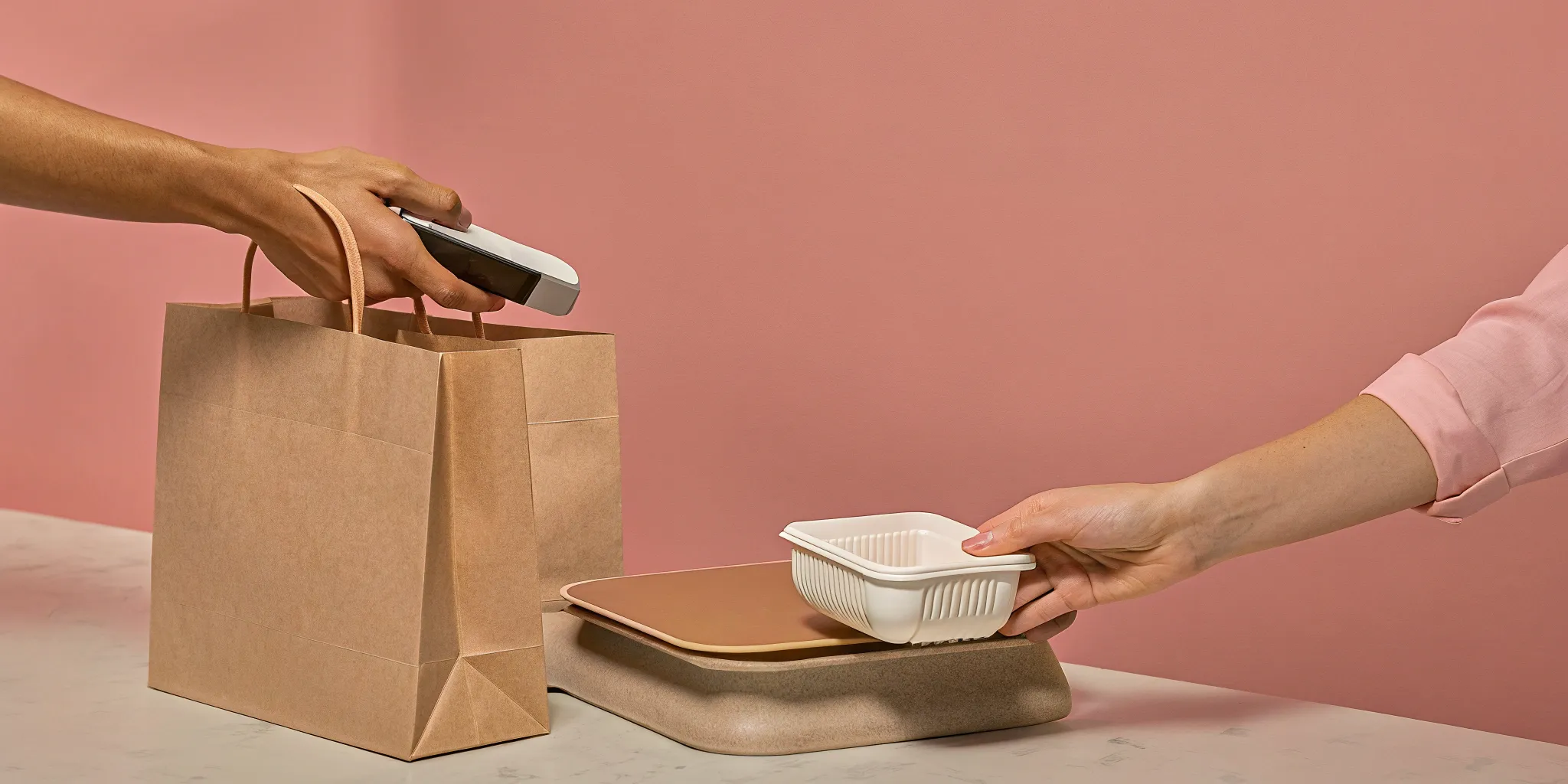
Imagine a reusables program that students actually use, without any groans or confusion. That’s the idea behind student card checkout. It’s a system that lets students borrow and return reusable containers using the one thing they never leave their dorm without: their student ID. Instead of forcing them to download another app or remember a separate loyalty card, this approach weaves your reuse program directly into their daily routine. When a student wants to grab a meal to-go, they simply tap their student card or mobile credential at checkout. It’s that simple.
This makes joining your sustainability efforts as easy and intuitive as swiping for a meal plan. The key is to remove every possible barrier. When the process is familiar and frictionless, you’ll see participation rates climb and achieve the high return rates essential for a successful, cost-effective program. It shifts the perception of reusing from an extra chore to a seamless part of the campus dining experience. For your team, this means you can confidently move toward your institution's zero-waste goals while providing a genuinely better and more convenient service for your students. It also means less waste to manage, lower spending on disposable packaging, and a campus that looks cleaner—all wins for your operations.
How the technology works
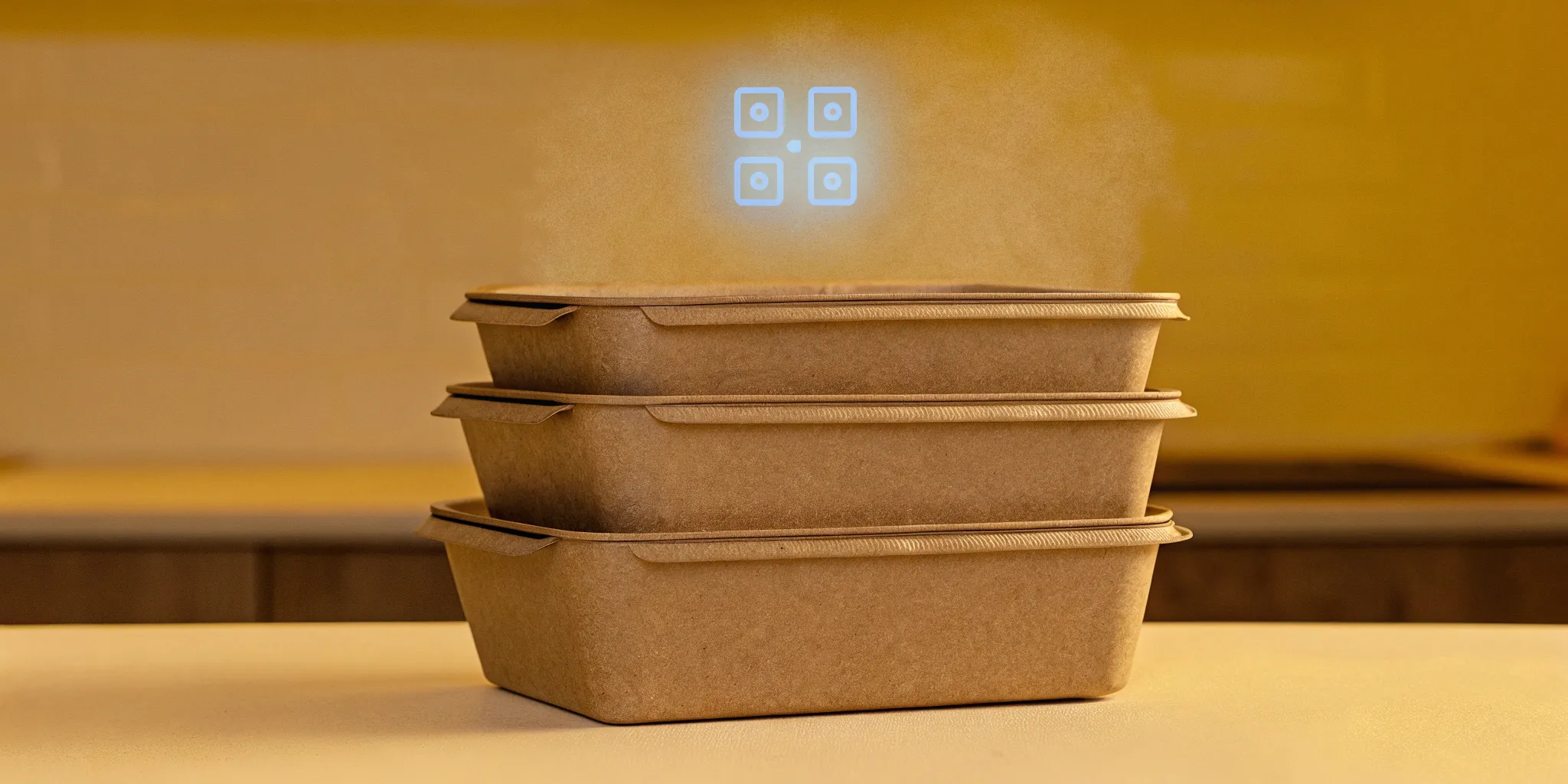
So, how does a simple tap make it all happen? The secret is a direct, secure connection between our platform and your campus card system. Through an API integration, the two systems communicate instantly, allowing a student to borrow a container with a quick tap of their ID card. Our patented Tap to Reuse™ technology makes the checkout experience truly seamless—it literally takes seconds. Every container has its own unique QR code or RFID tag, so each checkout and return is tracked automatically. This gives you real-time data on inventory and usage, ensuring total accountability without adding a single manual task to your team’s plate.
Integrating with existing campus card systems
A new program should make your life easier, not harder. Our system is built to integrate directly with the campus card and payment platforms you already rely on, including Transact, CBORD, Atrium, and TouchNet. There’s no need to overhaul your existing infrastructure or retrain your entire staff on a new, complicated setup. The reusables platform works right alongside your current point-of-sale and dining apps, making container checkouts and returns simple and easy to track. By fitting neatly into your established workflows, we help your team manage the program effortlessly while making it incredibly simple for students to build sustainable habits.
Why Students Embrace Reusable Container Programs
When you introduce a reusable container program on campus, you’re not just meeting a sustainability goal—you’re offering a service that students genuinely want. Today’s students are more than just consumers; they are active participants in shaping their campus environment. They look for ways their daily choices can reflect their values, and a well-designed reuse program aligns perfectly with their priorities. It’s a tangible way for them to contribute to a greener campus, save a little money, and simplify their busy lives.
The success of any campus initiative depends on student buy-in, and reuse programs are no exception. The good news is that students are often the most vocal champions for these systems. Their enthusiasm is typically driven by three key factors: a real desire to reduce waste, an appreciation for cost savings, and a need for convenience that fits their on-the-go lifestyle. When a program delivers on these fronts, it doesn’t just get adopted; it becomes a valued part of the campus culture. Understanding these motivations is the first step to launching a program that students will not only use but also advocate for.
The environmental impact they care about
For many students, sustainability isn't just a buzzword; it's a core value. They are keenly aware of environmental issues and actively seek out sustainability initiatives on campus that allow them to make a positive impact. A reusable container program offers a simple, direct way for them to reduce single-use waste with every meal. This isn't a passive choice—it's an active contribution to a collective goal they believe in. By choosing to reuse, they are helping their university reduce its carbon footprint, divert waste from landfills, and build a more sustainable community. This daily action empowers them, turning a simple meal into a meaningful decision.
How they save money
While students care about the planet, their personal budgets are always top of mind. Reusable container programs can offer clear financial benefits that make participation an easy choice. Many universities incentivize reuse by offering small discounts on purchases, like a reduced price on coffee for bringing a reusable mug. With a free-to-use program, the savings are even more direct—students avoid any potential fees associated with disposable containers without having to pay a deposit. This approach removes financial barriers and makes sustainability accessible to everyone, reinforcing the idea that doing good for the planet doesn't have to cost more.
Making campus life more convenient
A program can have the best intentions, but if it isn’t easy to use, students won’t stick with it. Convenience is critical. Modern reuse systems are designed to be frictionless, integrating directly into the technology students already use every day. For example, a seamless connection with existing campus ID card and payment apps means students can check out a container with a simple tap. There’s no need to download a separate app or carry cash. Paired with 24/7 smart return bins placed in high-traffic areas, the entire process becomes as effortless as tossing a disposable container in the trash.
How Does Student Card Checkout for Reusables Work?
For any campus reuse program to succeed, it has to be just as easy as grabbing a disposable container. Integrating with the student card system you already have is the key to making that happen. When students can check out a reusable container with a simple tap of their ID, you remove the biggest barrier to adoption and create a system that fits right into their daily routine. This approach not only makes participation effortless for students but also simplifies tracking and management for your dining services team, creating a win-win for sustainability and operational efficiency.
The step-by-step checkout process
The checkout process is designed to be incredibly simple. When a student grabs a meal to-go, they just take a reusable container and check it out using their student ID. At the point of sale, they can tap their card or scan a unique QR code on the container. This action instantly links the container to their student account without requiring them to download an app or sign up for a separate service. This streamlined workflow makes choosing a reusable option the most convenient choice, encouraging widespread participation across campus and supporting your institution's sustainability goals.
A look at Tap to Reuse technology
At the heart of this seamless experience is our Tap to Reuse™ technology. This system allows students to borrow a container in seconds with a simple tap of their student ID card, mobile credential, or even a credit card. Because it’s fully integrated with major campus card platforms like Transact, CBORD, and Atrium, it works with the infrastructure you already have in place. This app-free approach eliminates friction for students and makes the program easy for your team to implement. Our partnership with Transact Campus is a great example of how we make reuse a natural part of the campus dining experience.
The 24/7 smart return process
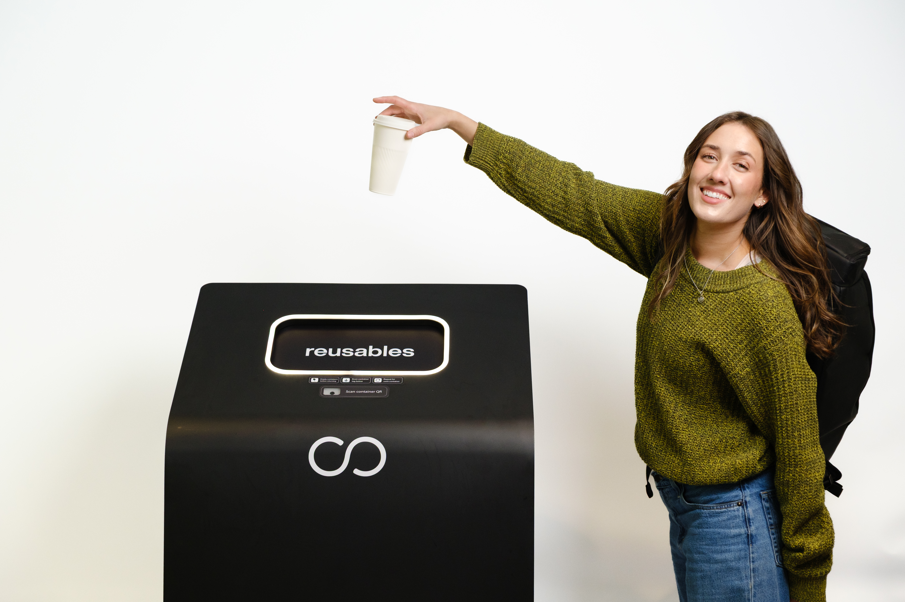
Returning containers is just as easy as checking them out. We place Smart Return Bins and Return Stations in high-traffic locations across campus, giving students 24/7 access to drop off their used containers. These stations automatically scan the container's QR or RFID tag, instantly checking it back into the system and updating the student's account. This flexibility means students can return containers whenever it fits their schedule, not just during dining hall hours. As seen in our work with UCLA Dining, this level of convenience is crucial for achieving high return rates and building a successful, long-term program.
Breaking Down the Costs: Fees and Program Models
Let’s talk about the bottom line. as the team reponsible for constantly balancing student experience with operational budgets; The good news is that a modern reusable container program is designed to be a financial win, not just an environmental one. Gone are the days of clunky, punitive systems that created more headaches than they solved. Today’s programs are built on smart, user-friendly technology that makes participation seamless for students and cost-effective for you.
The primary goal is to make reuse the easy, default choice. When you achieve high adoption and return rates, you drastically cut down on the recurring—and rising—costs of single-use packaging. With disposable packaging costs jumping over 200% in recent years, many institutions report spending well over $50,000 annually on these items alone. A well-implemented reuse system replaces that line item with a predictable investment that delivers long-term savings. The key is choosing a model that encourages participation without creating financial barriers for students or administrative burdens for your team. The right circular packaging solution integrates smoothly into your existing operations, providing the data you need to track inventory, measure impact, and demonstrate a clear return on investment.
Deposit systems vs. free-to-use programs
When you’re exploring reusable programs, you’ll generally find two core models: traditional deposit systems and modern free-to-use programs. Deposit systems require students to pay an upfront fee to get their first container. While straightforward, this initial cost can be a significant barrier to entry, discouraging the widespread adoption you need for the program to be successful.
In contrast, a free-to-use model eliminates that initial hurdle. Students can join and borrow a container simply by tapping their campus card, often as part of their existing meal plan. This frictionless approach encourages high participation from day one. Instead of asking students to "buy in," it makes reuse an accessible, integrated part of the campus dining experience, which is crucial for building sustainable habits.
How late fees and refunds work
You might be wondering: if the program is free to use, how do you ensure you get your containers back? This is where automated accountability comes in. The system is designed to be forgiving but firm, creating a gentle nudge to encourage returns without burdening your staff. Each container is tracked, and if it isn't returned within a set timeframe—say, three days—a small, refundable late fee is automatically charged to the student's account.
This process is completely hands-off for your team. The system handles all the reminders and charges automatically. As one campus explains to its students, "If you don't return the container within three days, you will be charged a $6 fee." The fee serves as an effective incentive, leading to industry-leading return rates. And if the container is returned, the fee is automatically refunded.
Clearing up common cost misconceptions
One of the most common questions from students is, "Is this really free?" The answer is a resounding yes—as long as they bring the container back. As Northeastern Dining puts it, "The best part, it's completely free with your meal swipe. Just make sure to return it within three days to avoid a $6 late fee." This simple structure is easy for students to understand and follow.
From an operational standpoint, the real value comes from visibility and control. An effective program gives you clear, real-time insights into performance, helping you keep tabs on your container inventory at all times. With a comprehensive campus solution, you can see live return rates, inventory levels, and financial data in a robust dashboard, ensuring you have the information needed to manage your assets and prove the program's financial benefits.
A Look at Reusable Container Checkout Providers
Choosing the right partner for your campus reusable container program is a big decision. The technology, user experience, and operational model can make all the difference between a program that students love and one that creates headaches for your team. Different providers approach this challenge in unique ways, from the checkout process to how they integrate with your existing campus infrastructure.
Understanding these differences is key to finding a solution that fits your goals, whether you’re focused on hitting sustainability targets, reducing packaging costs, or simply making campus dining more convenient. Let’s walk through some of the main players in the space and compare their approaches so you can see what might work best for your students and staff.
Reusables.com: A comprehensive campus solution
Reusables.com offers a complete system designed specifically for large institutions like college campuses. The goal is to make reuse simple and scalable. The platform combines uniquely tagged containers with smart, 24/7 return stations and a back-end that gives you a clear view of your inventory and impact. A key feature is the seamless way it integrates with existing campus card systems, payment platforms, and dining apps. This means students can check out a container just by tapping their student ID or using a mobile credential—no new app download required. The system also handles accountability automatically, sending reminders and charging a refundable late fee only if a container isn't returned on time.
Other providers in the space
Of course, there are other options out there helping campuses tackle single-use waste. For example, USEFULL provides a reusable takeout program where students use a dedicated app to scan a QR code on a container to check it out. Their focus is on creating a simple, app-driven experience for students to borrow and return containers at various campus locations. Another provider, ReusePass, also offers a program for borrowing and returning reusable containers, positioning itself as a way for individuals and communities to participate in the zero-waste movement. Each provider has its own take on how to best manage inventory and encourage returns.
Comparing key features and technology
When you look closer, the main differences often come down to technology and user experience. The checkout process is a perfect example. While some systems rely on students downloading an app and scanning QR codes, Reusables.com uses its app-free Tap-to-Reuse™ technology. This approach is designed for quick adoption, since students can use the student ID card that’s already in their pocket. This deep integration is a significant factor for many campuses. For instance, the partnership between Reusables.com and Transact Campus allows for a frictionless experience that works directly with the systems you already have in place.
Solving Common Student Challenges with Reusables
Launching a new program on campus means getting students on board. While students are often passionate about sustainability, a successful reusables program needs to address their practical, day-to-day concerns head-on. Anticipating these challenges and having clear answers ready is the key to a smooth rollout and widespread adoption.
The most common hurdles you'll face are questions about cleanliness, the convenience factor, and the effort required to build a new habit. By focusing on a system that is transparent, incredibly simple, and engaging, you can turn potential friction points into features that students genuinely appreciate. Let's walk through how to solve these common challenges before they even start.
Answering questions about hygiene and cleanliness
It’s natural for students to wonder about the cleanliness of shared containers. In fact, studies show that some students have sanitation concerns when first introduced to a reuse program. The best way to address this is with complete transparency. Your campus dining services already adhere to strict commercial health and safety standards for every plate, cup, and fork you use—and reusables are no different. Communicate this clearly. Use signage at dining halls and information on your website to explain that all returned containers go through the same high-temperature, commercial-grade washing and sanitizing process as all other kitchenware. This simple reassurance helps build trust and shows students that the system is professional, safe, and reliable.
Making reuse as easy as tossing
For a reusables program to succeed, it can't feel like a chore. The goal is to make returning a container just as easy as finding a trash can. This is where a frictionless system makes all the difference. Our data shows that reuse works when it’s simple and seamless for the user. By integrating directly with campus cards, students can check out a container with a quick tap—no app download or complicated sign-up required. Paired with strategically placed, 24/7 smart return bins across campus, students can drop off their containers on their own schedule, whether it's after a late-night study session or on their way to class. When the process is this effortless, choosing to reuse becomes the obvious, easy choice.
Encouraging new sustainable habits
Building new habits takes time, but students are often eager to participate in campus sustainability initiatives. The key is to make them feel like active participants, not just users. You can tap into this enthusiasm by partnering with student environmental groups to champion the program or creating campus-wide challenges with leaderboards to see which dorm is reducing the most waste. Research from institutions like Towson University shows that students have strong engagement in sustainability when they are actively involved. By framing the reusables program as a collective campus effort and using incentives to reward participation, you can help foster a campus culture where sustainability is a shared value and a point of pride.
How to Create a Great Student Experience with Reusables
A successful reusable container program depends entirely on the student experience. If the system is confusing, inconvenient, or unreliable, students simply won’t use it. The goal is to make choosing a reusable container the easiest and most obvious option. A great program feels seamless and integrated into daily campus life, not like an extra chore. By focusing on a few key areas, you can create a system that students genuinely enjoy using, which leads to high adoption, impressive return rates, and a campus culture that values sustainability. It’s about designing a program for students, with their needs and routines in mind.
Tips for meal planning
For students with packed schedules, convenience is everything. A reusables program has to support their need to grab food and go without any friction. This means always having clean, ready-to-use containers available, especially during the lunch and dinner rush. The best way to ensure this is with a system that gives you a clear view of your inventory. An effective program should offer real-time insights into how many containers are in circulation and where they are. With a dashboard that tracks inventory levels across different dining halls, you can proactively restock before a shortage occurs. This prevents student frustration and builds confidence that the program is a reliable part of their daily meal plan.
Proper container care and maintenance
Most students want to contribute to campus sustainability goals, and they often show strong engagement in sustainability initiatives when the path is clear and simple. You can make them partners in the program by communicating how to properly care for and return containers. A simple sign asking them to scrape leftover food before dropping a container in a return bin can significantly help your dishwashing staff. When this small step is combined with accessible, 24/7 smart return stations, the process becomes effortless. By explaining how their participation helps the program succeed, you empower students to take ownership and pride in their collective effort to reduce waste on campus.
Using rewards and incentives to drive adoption
While many students are motivated by environmental values, a little friendly competition and a few perks can build enthusiasm and turn a new behavior into a lasting habit. Gamification is a powerful tool for driving adoption. You can introduce campus-wide leaderboards to see which students or dorms are reusing the most, or create a points system where every reuse earns rewards like a free coffee or discounts at the campus store. Programs that use technology to encourage and incentivize students see incredible results, some with return rates as high as 99%. These rewards create a positive feedback loop that makes participating fun and turns sustainability into an engaging part of campus culture.
What Campus Systems Do You Need for a Reusables Program?
Bringing a reusables program to campus might sound like a heavy technical lift, but modern systems are designed to be surprisingly light-touch. The goal isn't to overhaul your existing operations; it's to plug a new, sustainable habit directly into the campus infrastructure your students and staff already use every day. A successful program works with what you have, not against it.
The key is seamless integration. Your reusables partner should be able to connect with the core technologies that power your campus services. This typically involves three main points of connection: your student card platform, your dining service point-of-sale (POS) systems, and your payment processors. When these systems talk to each other, checking out a reusable container becomes as simple as swiping a student ID to enter a dorm or pay for a coffee. This approach minimizes disruption, simplifies training for your team, and makes it incredibly easy for students to participate, which is the ultimate goal. By leveraging your current tech stack, you can launch a program that feels like a natural extension of the campus experience.
Checking student card platform compatibility
The student ID card is the key to campus life, and it should be the key to your reusables program, too. Before launching, you’ll want to confirm that your provider can integrate with your campus card system, whether it’s Transact, CBORD, Atrium, or another platform. This compatibility is what makes a frictionless experience possible. A direct API integration allows students to seamlessly borrow and return containers using just their student ID card or mobile credential. There’s no need for them to download a separate app or carry a second card. This simple, tap-and-go process removes barriers and encourages widespread adoption from day one.
Integrating with dining service POS
For your dining staff, the checkout process needs to be fast and intuitive. That’s why direct integration with your existing point-of-sale (POS) system is so important. The right reusables platform will connect with your current dining apps and payment terminals to make checking out a container a simple, scannable part of the transaction. This eliminates the need for manual tracking, paper slips, or complicated new workflows for your cashiers. For students, it’s just one quick tap. For your team, it means an easy and measurable system that doesn’t slow down service lines or require extensive training, making the transition to reusables smooth for everyone involved.
Connecting with payment processors
A crucial element of a high-performing reusables program is automated accountability. To achieve industry-leading return rates without creating administrative work, the system needs to connect with your campus payment processors. This integration allows for the automatic management of refundable late fees. If a student doesn't return a container on time, the system can place a temporary hold or charge a fee directly to their student account, which is then refunded upon return. This process happens entirely in the background, freeing your staff from ever having to chase down students or manually handle fees. It’s a simple, effective way to encourage returns while keeping the program free for students who participate as intended.
How to Promote Your Reusables Program to Students
Launching a successful reusables program goes beyond just having the right containers and technology. The key is getting students excited and involved. When students understand the "why" behind the program and feel like they're part of a campus-wide movement, adoption rates soar. A thoughtful promotional strategy turns a new dining service into a shared campus value. By focusing on clear education, smart incentives, and student leadership, you can build a culture of reuse that lasts.
Running effective educational campaigns
Your educational efforts should start before the first container is ever checked out. Use orientation week, campus newsletters, and digital screens in dining halls to introduce the program. Clearly explain how it works, where to return containers, and the positive environmental impact of their participation. As one university found, "Students have shown strong engagement in our sustainability initiatives, actively participating in programs and providing valuable feedback." Involve them from the start by asking for their input. This ensures students see the program not as a requirement, but as a meaningful way to contribute to campus sustainability goals.
Designing incentive and rewards systems
A little motivation goes a long way in building new habits. While environmental benefits are a powerful driver, tangible rewards make participation more appealing. Consider a gamified system with points for every reuse, leaderboards, and prize draws for consistent participants. As one provider noted, their program "has a 99% return rate, with innovative technology that encourages and incentivizes students." This shows that when you combine a simple user experience with positive reinforcement, you can achieve incredible results. The goal is to make reusing the most fun and rewarding option available.
Building a campus ambassador program
Empower your most passionate students to become leaders in the movement. A campus ambassador program is an effective peer-to-peer marketing tool. These student leaders can run info tables, create social media content, and answer questions from their peers. Student-led groups are often "at the forefront of initiating sustainability initiatives on campus." By giving them a formal role, you provide valuable leadership experience while gaining authentic voices to champion the program. This approach builds community and embeds the culture of reuse directly into the student experience.
Launch Your Campus Reusables Program
Getting a reusables program off the ground might seem like a huge undertaking, but with the right partner and a clear plan, it can be a smooth and rewarding process. The key is to focus on a system that works for everyone: your students, your staff, and your operational goals. A successful launch isn't just about swapping out disposable containers; it's about introducing a better, more convenient, and sustainable way for your community to dine. By prioritizing seamless integration with your existing campus infrastructure and creating an effortless experience for students, you can build a program that sees high adoption rates from day one.
The most effective programs are built on technology that simplifies operations, not complicates them. Think about a system that automates accountability, provides real-time data, and makes returns as easy as tossing a container in a bin. When you remove the friction for both users and your team, you create a foundation for long-term success. Let’s walk through the essential steps for getting started, onboarding your students, and the benefits you can expect to see.
What you need to get started
The first step is to find a system that integrates directly with your existing campus card services. When your reusables program works with the technology students already use every day, you eliminate a major barrier to adoption. This integration supports your campus sustainability goals while making the checkout experience faster and more convenient for students. A truly effective reusables solution should feel like a natural extension of your current dining services, not a clunky add-on. This foundational piece ensures the program is easy for your team to manage and simple for students to use from the very beginning.
Onboarding your students
For students to embrace a new program, it has to be incredibly simple. The best systems connect with existing ID, payment, or dining apps to make checking out and returning containers effortless. At UCLA, for example, students quickly adopted their new program because of the sheer convenience of the reusable containers. When you pair a simple user experience with a strong campus culture of sustainability, you create a winning combination. The goal is to make choosing the reusable option the easiest and most obvious choice, which drives the high participation rates needed for a successful and impactful program.
The administrative benefits for your team
A well-designed reusables program offers major advantages for your administrative team. Look for a partner that delivers exceptionally high return rates—some programs see rates as high as 99%—thanks to technology that encourages and incentivizes students to bring containers back. This automated accountability means your staff doesn't have to spend time chasing down missing inventory or manually charging fees. Beyond the daily operational wins, implementing a successful program positions your institution as a leader in sustainability. As seen at the University of Guelph, a campus can process hundreds of thousands of reuses a year, making a measurable impact and building a reputation for environmental stewardship.
Related Articles
- SFU and Reusables – Reusables.com
- ASUCLA – Reusables.com
- The Director's Guide to Sustainable College Cafeterias
Frequently Asked Questions
How difficult is it to integrate this system with our existing campus card and POS platforms? The system is designed to work with the technology you already have, not against it. We connect directly with major campus card platforms like Transact, CBORD, and Atrium through a straightforward integration process. This means the program plugs into your current infrastructure, making checkout a simple tap of a student ID at your existing POS. Our goal is to make the technical setup as light as possible for your team.
What happens if students don't return the containers? Are we going to lose our inventory? This is the most common concern, and we’ve designed the system specifically to solve it. While the program is free for students to use, there's an automated accountability process. If a container isn't returned within a set number of days, a small, refundable late fee is automatically applied to the student's account. This gentle nudge is incredibly effective, leading to 99% return rates and protecting your investment without your staff ever having to chase down a container or a fee.
Will students actually use this? What if they think it's inconvenient or unhygienic? Students will adopt a program if it’s easier than the alternative. By using their student ID, the checkout process is faster than any other option. Paired with 24/7 smart return bins in convenient locations, returning a container becomes as simple as finding a trash can. To address hygiene, we recommend being transparent: explain that all containers are cleaned and sanitized to the same commercial-grade standards as every other plate and fork in your dining halls.
Are we locked into using specific containers, or can we use our own? You have flexibility. Our tracking technology can be applied to a wide range of containers. If you have existing inventory you’d like to use, we can assess its compatibility. Otherwise, you can choose from our list of approved partners who offer a variety of durable plastic and stainless steel options that are proven to work well within the system.
How does the 'free-to-use' model work for us financially? The "free-to-use" part refers to the student experience—they don't pay deposits to participate. For your institution, the financial benefit comes from replacing the significant and rising annual cost of disposable packaging with a more predictable investment. By achieving high return rates, you drastically reduce your spending on single-use items, leading to considerable long-term savings and a clear return on your investment.
Other stories you may find interesting






















.webp)
.webp)








.webp)

























Watch the Webinar
Learn How to Eliminate Single-Use Waste
Get instant access to our expert webinar and discover how leading institutions reach 99% return rates through smarter reuse systems.

© Reusables™. All rights reserved.