
QR Code Reusable Packaging: A Campus Guide

December 9, 2025
You need hard numbers to prove a program's value. While reducing waste is a critical goal, you also need to demonstrate a clear return on investment. How do you quantify the impact of your sustainability efforts or prove that a reuse program is actually saving money? A system powered by QR code reusable packaging provides the data you need. It transforms your container fleet into a network of trackable assets, feeding live metrics on usage rates, return times, and cost-per-use directly to a central dashboard. This allows you to manage your program with precision and report on its success with confidence.
Key Takeaways
- Use QR Codes for Smarter Inventory Management: A simple QR code transforms each container into a trackable asset. This technology is the foundation for an automated system that prevents loss, guarantees high return rates, and provides the data you need for efficient operations.
- Address Costs, Experience, and Sustainability at Once: A strategic reuse program does more than just reduce waste. It directly cuts your spending on disposable packaging, offers students a more convenient dining experience, and provides the measurable data needed to hit your campus sustainability goals.
- Prioritize a Frictionless Experience: For a program to succeed, it must be effortless. Choose a partner that offers seamless integration with your existing campus card systems, requires no app downloads for students, and automates the entire return process to minimize the workload for your staff.
What is QR Code Reusable Packaging?
Think of QR code reusable packaging as the smart upgrade to your campus dining containers. Each reusable container gets a unique QR code, turning it from a simple piece of plastic or steel into a trackable asset within a digital system. This simple addition connects your physical inventory to a powerful software platform, giving you a clear view of where every container is at any given moment.
This technology is the key to building a successful reuse program that actually works. Instead of relying on honor systems or clunky manual checkouts, QR codes create a seamless and accountable process. For dining directors, this means cutting down on container loss, improving return rates, and gathering valuable data to make your operations more efficient. It’s a straightforward way to strengthen your sustainability initiatives while also solving common logistical headaches. By linking a physical item to a digital identity, you create a system that’s easy for students to use and simple for your team to manage.
How QR Code Tracking Works
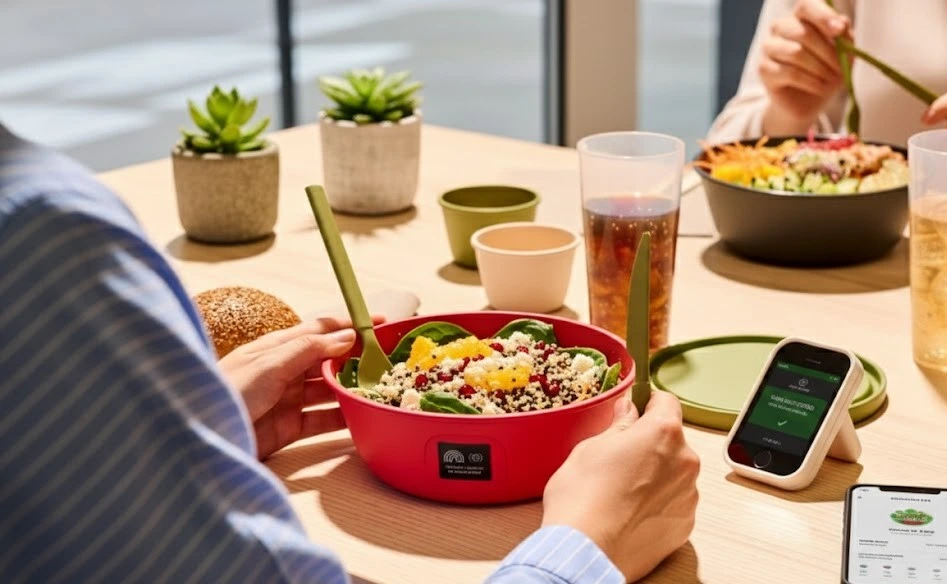
The tracking process is designed to be incredibly simple. When a student grabs a meal to-go, they scan the QR code on the container using their smartphone camera. This action instantly links that specific container to their student account without needing to download a special app. The system logs the container as "checked out."
From there, the container is tracked from the moment it leaves the dining hall until it’s returned to a designated bin. When the student drops it off at a smart return station, another quick scan checks it back into your inventory. This digital tracking solution gives you a complete, real-time overview of your container fleet. You can see how many containers are in circulation, who has them, and how long they’ve been out, all from a central dashboard.
The Simple User Experience
For any campus program to succeed, student adoption is everything. A QR-code-based system makes participation effortless. There are no extra apps to download or complicated sign-up processes. Students simply use their phone's camera to scan and go. This frictionless experience is critical for keeping dining hall lines moving and encouraging students to choose reusables over disposables.
Beyond the checkout process, the QR code can also serve as a communication tool. A quick scan can show students where the nearest return bin is located, display their personal environmental impact, or even link them to information about your campus’s sustainability goals. It transforms a simple container into an interactive touchpoint that makes participating in the program easy and rewarding.
Dynamic vs. Static QR Codes: What's the Difference?
Not all QR codes are created equal, and the difference is important for a reuse program. A static QR code has fixed information—once it’s created, the data linked to it cannot be changed. Think of it like text printed directly on a page.
A dynamic QR code, on the other hand, allows you to update the linked information without changing the physical code itself. This flexibility is essential for reusable packaging. Each container needs a unique identity that can be updated as it moves through the system—from "available" to "checked out" to "in the wash." Dynamic codes make it possible to manage this entire lifecycle for thousands of containers, ensuring accurate tracking and a smooth operational flow.
Key Benefits of a QR-Powered Reusables System
Switching to a reusable packaging system does more than just reduce waste—it creates a ripple effect of positive changes across your campus dining operations. By attaching a simple QR code to each container, you can unlock significant cost savings, make dining more convenient for students, and hit your sustainability targets with ease. It’s a smart, tech-forward solution that addresses some of the biggest challenges in campus food service today. Let’s look at how this system delivers value from day one.
Save Money and Streamline Operations
Let's be honest: the cost of single-use packaging is a constant drain on your budget, and those expenses are only going up. A QR-powered reusable system directly tackles this by giving you a clear picture of your container inventory. Knowing where every container is, how often it’s used, and when it’s returned means you can drastically reduce losses and stop over-ordering disposables. This isn't just about cutting costs on packaging; it's about making your entire operation more efficient. A tech-enabled reuse system provides the data you need to manage stock effectively, saving both money and staff time that would otherwise be spent on manual tracking and inventory counts.
Improve the Student Dining Experience
Today’s students expect convenience, and a clunky, complicated system just won’t cut it. QR codes make participating in a reuse program incredibly simple. With a quick scan, students can check out a container without downloading an app or fumbling through a confusing sign-up process. This frictionless experience removes the barrier to entry, making it easy for them to do the right thing. It also offers a chance to connect with them. The simple act of scanning a code can link students to information about their environmental impact, making them feel like active participants in a campus-wide initiative and more connected to your dining program.
Meet Your Campus Sustainability Goals
Nearly every institution has ambitious environmental goals, and reducing single-use plastic is often at the top of the list. A QR-powered reuse program is one of the most visible and impactful ways to demonstrate your commitment. Every scan is a data point that proves you’re preventing containers from ending up in landfills, cutting down on the energy needed to produce disposables, and conserving resources. This system provides the hard numbers you need to track your progress and report on your success. It’s a powerful tool for achieving your campus sustainability goals while showing students, faculty, and alumni that you are leading the way in creating a greener campus.
How QR Codes Improve Tracking and Accountability
One of the biggest hurdles for any campus reuse program is keeping track of the containers. Without a solid system, inventory shrinks, costs go up, and the program becomes more of a headache than a solution. This is where QR codes change the game. By assigning a unique digital identity to every cup and container, you create a system of clear accountability. This technology helps you get real-time data on your inventory, automate the entire return process, and ensure your containers make it back to be used again and again.
Get Real-Time Data with Dual-Mode Tracking
A powerful reuse system uses more than just a QR code; it pairs it with RFID technology for complete visibility. Think of it this way: the QR code is for the student—a simple scan to check out or return a container. The RFID tag is for your operations team. These tags allow for bulk, automated scanning, so you can instantly know how many containers are in a return bin or heading to the dish room. This dual-mode approach feeds real-time data directly to your dashboard, giving you a live look at inventory levels, usage rates, and container locations. You can finally move beyond guesswork and manage your reusable packaging with the same precision as any other asset.
Automate Returns and Manage Inventory
QR codes make the return process effortless for everyone. Students simply scan their container at a smart bin or return station, and the item is automatically checked back into the system and removed from their account. This means no manual scanning or oversight is needed from your staff, freeing them up for more important tasks. For you, this automation provides a constant, accurate count of returned inventory. You’ll know exactly what’s ready for washing and redistribution, which helps you streamline your operations and maintain the right amount of stock. It transforms inventory management from a manual chore into an automated, efficient workflow.
Prevent Container Loss and Ensure High Return Rates
When a container is checked out with a QR scan, it’s temporarily linked to a student’s account. This simple step creates a foundation for accountability. If a container isn’t returned on time, the system can automatically send friendly reminders to the user. This gentle accountability is incredibly effective and is the key to achieving industry-leading return rates of over 99%. By preventing container loss, you protect your investment and ensure the financial viability of your program. You’re not just reducing waste; you’re running a closed-loop system where your assets are tracked, managed, and consistently returned, which is fundamental to a successful sustainability initiative.
Choosing a QR Code Reusable Packaging Partner
Making the switch to a reusable packaging system is a big decision, and the partner you choose will have a major impact on your success. A great partner provides more than just containers; they offer a complete, tech-enabled system that simplifies operations for your team and creates a seamless experience for students. The right platform will help you cut costs, reduce waste, and get the high return rates you need to make the program sustainable. It’s about finding a solution that integrates smoothly into your existing campus infrastructure, from payment systems to dishwashing workflows, without causing disruption.
When you evaluate potential partners, look beyond the containers themselves. Ask about their tracking technology, their user interface, and their data reporting capabilities. How do they ensure accountability without creating extra work for your staff? How do they engage students and encourage participation? The answers to these questions will help you find a provider that can deliver a truly effective and hassle-free reuse program. A system supported by the right digital tools creates a win for everyone involved—your business, your partners, and your customers. This approach transforms a simple container into a smart, trackable asset that provides valuable operational insights.
The Reusables.com Integrated Platform
At Reusables.com, we provide a full-stack, integrated platform designed specifically for campus environments. We go beyond simple QR codes to offer a complete solution that handles every aspect of your reuse program. Our system starts with our app-free Tap to Reuse™ technology, which allows students to check out a container in seconds using their campus card, credit/debit, or mobile wallet. This removes the friction of downloading an app, a common barrier to adoption. Our platform also features dual-mode tracking with a choice of QR and RFID tags, ensuring accurate, real-time data on every container. This information feeds directly into your Operator Portal, where you can see live inventory levels, return rates, and environmental impact metrics. Our smart return bins and scan stations make returns available 24/7, automatically detecting fullness and alerting your staff when service is needed. It’s a comprehensive system built to make reusables easy and efficient.
Comparing Alternative Solutions
Not all reusable packaging systems are created equal. Many campuses have tried programs that rely on manual tracking, clunky apps, or inconvenient return processes, often leading to low participation and high container loss. These systems place a heavy burden on staff to chase down missing items and manually manage fees, which simply isn’t scalable. Without automated accountability and a frictionless user experience, even the best intentions can result in a failed program and wasted investment. The key difference lies in the technology. A truly integrated system automates the entire process, from checkout to return to data analysis. While some providers may offer containers with a basic QR code, they often lack the backend software to manage inventory, automate reminders, and integrate with your existing campus payment systems. This is why it’s so important to look for a partner who offers a complete, end-to-end solution.
What to Look For in a Provider
When selecting a partner, focus on features that ensure high return rates and operational ease. First, look for a provider that offers a flexible and comprehensive tracking system. Using both RFID and QR code technologies creates a more robust system that captures data automatically and accurately. Second, prioritize the user experience. A system that is free for students, requires no app download, and offers convenient 24/7 return options will always drive higher adoption. Finally, insist on automated accountability. Your team doesn’t have time to manually track down containers or charge fees. A strong platform will handle holds, reminders, and charges automatically, ensuring compliance without adding to your staff’s workload. By focusing on these core elements—robust tracking, a simple user experience, and automated accountability—you can find a reusables partner who will help you achieve your sustainability goals and deliver a program that lasts.
How to Drive Student Adoption and Engagement
Even the most advanced technology needs people to embrace it. A successful reusables program hinges on student participation. Getting them on board isn’t just about launching the system; it’s about creating a campus-wide culture of reuse. The good news is that students are often passionate about sustainability—they just need a system that’s easy to use and a little encouragement to build new habits.
The key is to make participation feel effortless and rewarding. Your strategy should focus on three core areas: proactively addressing their potential concerns, providing clear and simple education, and making the experience fun and engaging. When students understand the why behind the program and the how is incredibly simple, they’re more likely to become enthusiastic participants. A well-planned engagement strategy will not only drive high return rates but also turn your students into advocates for your campus’s sustainability mission. This approach ensures your investment in a reusable system delivers its full potential for both cost savings and environmental impact.
Address Common Hurdles to Adoption
Before you can get students excited, you need to address any potential hesitations. One common misconception is that reusable containers are inconvenient—that they’ll get lost, forgotten, or be a hassle to return. It’s important to communicate that your system is designed to prevent this. With automated reminders and convenient, 24/7 return bins, students don’t have to worry about tracking containers.
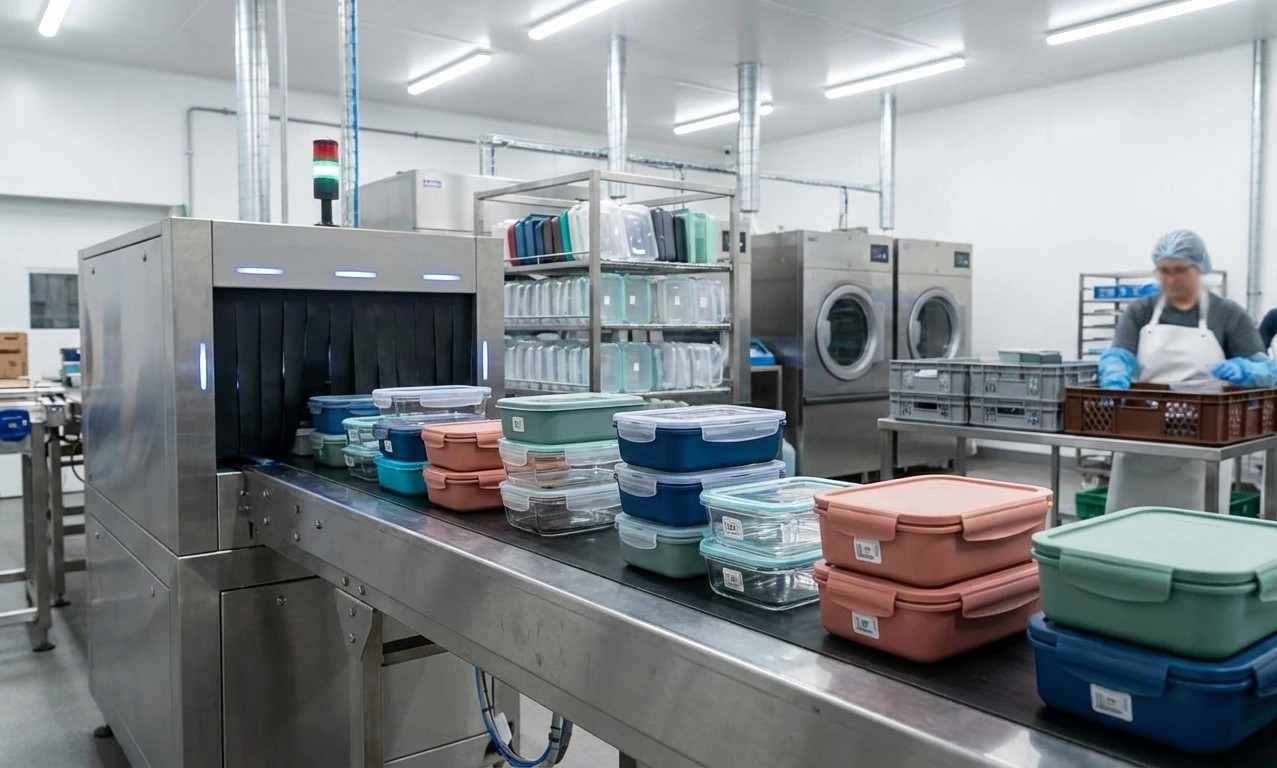
Another concern can be cleanliness. Assure students that your containers are made from high-quality, food-safe materials that are professionally cleaned after every use. Emphasize the simplicity of the checkout process. With a system like Reusables.com, there’s no app to download. Students just tap their campus card and go, making it even faster than using disposables.
Develop Effective Education Strategies
Clear communication is the foundation of a successful rollout. Students need to know how the program works, where to get containers, and how to return them. Use simple, visual instructions at every touchpoint: in the dining hall, at checkout counters, and on the return bins themselves. QR codes are an excellent tool for this. A quick scan can direct students to a short video tutorial or a webpage with FAQs.
You can also use QR codes on posters and table tents to share your campus’s sustainability goals and show the real-time impact of their participation. By placing educational cues directly in their path, you make it easy for students to learn the ropes and feel connected to the program’s mission without overwhelming them with information.
Use Incentives and Gamification
A little friendly competition can go a long way in motivating students. Gamification is a powerful way to encourage consistent participation and make reusing a rewarding habit. You can create campus-wide leaderboards to show which dorms or student groups have the highest reuse rates, offering prizes for the winners at the end of the month or semester.
Incentive programs are also highly effective. Offer points for every container returned on time, which students can redeem for free coffee, snacks, or campus store discounts. These circular strategies require consumer participation to work, but they transform a simple action into an engaging experience. When students feel like they’re part of a collective effort—and get rewarded for it—they’re far more likely to participate enthusiastically.
Implementing Your QR Code Reusables Program
Once you’ve chosen a partner, it’s time to roll out your program. A successful launch hinges on a few key steps: integrating the technology smoothly, preparing your team, and knowing how you’ll measure success from day one.
Integrate with Existing Campus Systems
For a reusables program to work, it has to feel like a natural part of campus life. Students won’t adopt a system that requires them to download a new app or carry a separate card. The best approach is to find a solution that integrates directly with the systems your students and staff already use every day, like campus cards and credit/debit payment platforms. This creates a frictionless experience—students can simply tap their card to check out a container. This level of integration is a versatile tool to engage consumers in sustainability efforts without adding complexity to their routines. When the system works seamlessly with your existing infrastructure, adoption rates climb and the program feels like an upgrade, not a burden.
Train Staff and Optimize Your Workflow
Your dining services team is on the front lines of your reusables program, so their buy-in is essential. The goal is to show them how the new system makes their jobs easier, not harder. Focus your training on the simplicity of the new workflow: no more constant restocking of single-use containers and far less waste to manage. A well-designed system with automated tracking and smart return bins should reduce manual tasks for your staff, not add them. Walk your team through the process, from checkout to return, and highlight the operational efficiencies. When your staff understands the benefits and feels confident with the new tools, they become the program’s best advocates. You can find great tips to implement reusable packaging solutions effectively in your dining operations.
Measure ROI and Define Success
Before you launch, define what a successful program looks like for your campus. Your goals will likely be a mix of financial savings and sustainability milestones. Key metrics to track include cost-per-use compared to disposables, container return rates, student participation, and the total amount of waste diverted from landfills. A great partner will provide a dashboard with real-time data, making it easy to monitor your progress and report on your return on investment. Tracking these numbers allows you to demonstrate the program's value to stakeholders and make data-driven decisions to improve it over time. Remember, reusable packaging offers the dual benefit of long-term sustainability and cost-effectiveness, and having the right data proves it.
Related Articles
- Smart Reuse Programs for Campuses, Private Clubs, Offices & More
- Reusable Packaging Solutions for Institutions & Workplaces
- SFU and Reusables – Reusables.com
- Reusable Packaging Systems for Efficient, Sustainable Operations
Frequently Asked Questions
What if students don't return the containers? This seems like a big risk. This is one of the most common concerns we hear, and it’s why our system is built around accountability. When a student checks out a container by scanning the QR code, it’s temporarily linked to their account. If they forget to return it, the system automatically sends friendly reminders. This simple, automated process is incredibly effective and is the reason our partners see return rates of over 99%. It ensures you don’t lose your investment in inventory and that the program remains financially sustainable.
Will this create more work for my already busy dining staff? Quite the opposite. This system is designed to make your team's jobs easier by reducing their workload. Think about the time they currently spend restocking disposables, managing overflowing trash cans, and doing manual inventory counts. Our platform automates tracking, and the smart return bins only alert staff when they actually need to be serviced. Your team is freed from chasing down lost containers or manually handling fees, allowing them to focus on providing a great dining experience.
How exactly does a system like this save our dining program money? The most significant savings come from eliminating the endless cycle of purchasing single-use containers, which is a major and rising line item in any dining budget. By investing in a durable, reusable inventory that consistently comes back, you turn a recurring expense into a manageable asset. High return rates mean you aren't constantly buying replacements, and the operational efficiencies from automated tracking also contribute to a healthier bottom line.
Do we have to use a specific type of container, or can we use our existing inventory? Our platform is flexible and designed to be container-agnostic. This means you have options. If you have an existing inventory of durable containers, our system can likely be integrated with them. If you're starting fresh, you can choose from a variety of approved partners who offer everything from stainless steel to high-quality plastic. The choice is yours, allowing you to select containers that best fit your brand and operational needs.
We've seen other reuse programs struggle. What makes this QR code system different? Many programs fail because they create friction for students or operational headaches for staff. Our system is different because it focuses on a seamless, integrated experience. Students don't need to download a special app—they can use their existing campus card or payment method. For your team, the accountability is completely automated. The platform integrates with your existing campus systems, making it feel like a natural upgrade rather than a clunky add-on. It’s a complete solution, not just a container with a code.
Other stories you may find interesting


















.webp)
.webp)








.webp)
























Watch the Webinar
Learn How to Eliminate Single-Use Waste
Get instant access to our expert webinar and discover how leading institutions reach 99% return rates through smarter reuse systems.

© Reusables™. All rights reserved.