
How to Achieve Healthcare Food Service Sustainability

March 12, 2026
Managing a busy food service operation is a complex job, and the constant cycle of ordering, stocking, and disposing of single-use packaging only adds to the workload. The idea of adding a sustainability program can feel overwhelming. But what if it could actually make your operations simpler and more efficient? Modern healthcare food service sustainability uses smart technology to automate tedious tasks, reduce manual work for your staff, and provide clear data on your progress. This guide will walk you through how to adopt systems that streamline your workflows, cut down on waste, and free up your team to focus on what they do best: providing excellent food and service.
Key Takeaways
- Treat sustainability as a cost-control strategy: Shifting to sustainable practices directly reduces operational expenses from disposable packaging and waste hauling while improving the patient dining experience and aligning with your facility's health mission.
- Implement a tech-enabled reusable system: The most effective way to cut packaging waste is to introduce a reusable container program that uses automated tracking, like QR codes or RFID, to ensure high return rates without adding manual work for your staff.
- Follow a phased rollout plan for success: Start with a small pilot program to refine your process and gather feedback, then use that data to scale your program across the entire facility. Clear communication and simple workflows are essential for getting your team on board.
What is a Sustainable Healthcare Food Service?
When you hear "sustainability," it’s easy to think of it as a lofty, far-off goal. But in a healthcare setting, a sustainable food service is simply one that operates efficiently while supporting the health of your patients, your community, and the planet. It’s about making intentional choices that reduce waste, cut down on unnecessary costs, and align your cafeteria’s operations with your facility’s core mission of promoting wellness.
Think of it as a holistic approach. It looks at the entire lifecycle of the food you serve, from where it’s grown to how it’s prepared and what happens to the leftovers and packaging. A sustainable model recognizes that your food service has a significant environmental footprint and a powerful opportunity to make a positive impact. By focusing on key areas like sourcing, waste reduction, and menu strategy, you can create a system that is not only better for the environment but also healthier for patients and more financially sound for your organization. It’s a practical strategy for building a more resilient and responsible food service operation.
Defining "Green" Practices in Healthcare Food Service
So, what does a "green" or sustainable food service look like in practice? It’s a combination of several key initiatives working together. Many facilities are already leading the way by implementing plant-based dining programs, prioritizing local sourcing to get fresher ingredients, and finding creative ways to reduce food waste. These aren't just trends; they are smart operational shifts.
Beyond the food itself, a major component is tackling packaging. This means moving away from the endless cycle of single-use containers for takeout and leftovers. Instead, you can implement a system of durable, reusable containers that cut down on trash and supply costs. It’s about creating a circular system where resources are preserved instead of thrown away after one use.
Why Sustainability Matters for Your Facility
The connection between food, health, and the environment is impossible to ignore, especially in a hospital setting. A significant part of any hospital's environmental impact comes directly from its food services. In fact, if the global healthcare sector were a country, it would be the fifth-largest greenhouse gas emitter. This puts you in a unique position to drive meaningful change.
Your choices can directly contribute to better health outcomes for both people and the planet. By offering more sustainable and nutritious food, you reinforce the message of wellness that your facility stands for. It shows patients, staff, and visitors that you are committed to their health in every sense of the word. This isn't just about reducing your carbon footprint; it's about leading by example and fostering a healthier future for everyone.
The Hidden Costs of Traditional Food Service
When you look at your budget, the costs of food, labor, and equipment are obvious. But what about the expenses that aren't so clear on a spreadsheet? Traditional food service models come with significant hidden costs, from the environmental toll of your supply chain to the financial drain of disposable packaging. These factors don't just affect your sustainability goals; they impact your bottom line and operational efficiency.
Understanding these hidden costs is the first step toward building a more resilient and responsible dining program. Let's break down where these expenses come from and the impact they have on your facility.
Your Cafeteria's Carbon Footprint
It’s easy to overlook the environmental impact of a single cafeteria, but on a larger scale, the effect is massive. Large institutions have a surprisingly large carbon footprint, and food service is a major contributor. In fact, if the global healthcare system were a country, it would be the fifth largest producer of greenhouse gases.
Your cafeteria's footprint comes from more than just cooking. It includes the energy used for refrigeration and dishwashing, the fuel for food deliveries, and the emissions from producing single-use packaging. Every step, from farm to fork to landfill, adds up. Recognizing the scale of this impact is key to identifying opportunities for meaningful change that can also lead to operational improvements.
The Impact of Food and Packaging Waste
Waste is one of the most visible and costly aspects of any food service operation. The entire global food system is responsible for about one-third of all greenhouse gas emissions, and a significant portion of that comes from food that is lost or wasted. This isn't just an environmental issue; it's a financial one. Every disposable container, plastic fork, and plate of uneaten food that ends up in the trash represents a sunk cost.
For a busy campus or healthcare facility, this waste adds up quickly, leading to overflowing dumpsters and high disposal fees. The constant cycle of purchasing and discarding single-use items creates a linear, inefficient system. By focusing on reducing this waste, you can directly cut costs while making a tangible environmental contribution.
How Single-Use Items Drain Resources
Single-use containers might seem like a convenient solution, but they come at a steep price. The cost of disposable packaging has risen dramatically, putting a strain on already tight budgets. Beyond the purchase price, these items drain your resources in other ways. They require significant storage space, constant inventory management, and frequent reordering, all of which take up valuable staff time.
Implementing more sustainable food service practices isn't just about being green; it's about running a smarter, more cost-effective operation. By moving away from a disposable-first model, you can improve your bottom line while creating a better dining experience. This shift allows you to reinvest resources into what matters most: the quality of your food and service.
How to Cut Down on Food Packaging Waste
Tackling the mountain of single-use packaging in your facility can feel like a huge undertaking, but it’s one of the most impactful changes you can make. With the cost of disposable packaging climbing and zero-waste mandates becoming more common, shifting your strategy isn't just good for the planet, it's good for your budget. The key is to move beyond simply replacing one type of disposable with another and instead build a system that eliminates waste at the source. This means thinking about the entire lifecycle of your containers, from checkout to return and reuse.
A successful approach focuses on three core actions: phasing out single-use items, implementing a dedicated reusable container program, and using smart technology to make sure it all runs smoothly. By creating a closed-loop system, you gain control over your inventory, reduce recurring expenses, and offer a better, more modern dining experience for patients and staff. This isn't about adding more work for your team; it's about adopting a smarter, more efficient system that pays for itself. A well-designed reuse program can streamline your operations while making significant progress toward your sustainability goals. It transforms a major expense and waste source into a manageable, circular asset that reflects your facility's commitment to health and wellness.
Phase Out Single-Use Containers
The first and most critical step is to commit to moving away from disposables. Single-use containers for meals, drinks, and snacks are a major source of waste and a constant drain on your budget. As the American Hospital Association notes, "Transitioning away from single-use containers is essential for reducing waste." Making this shift does more than just cut down on trash. By offering meals in durable, high-quality reusable containers, you can also improve the patient and staff dining experience. This move signals a commitment to quality and care that extends beyond the food itself, helping you build a stronger reputation for your facility’s environmental stewardship.
Implement a Reusable Packaging System
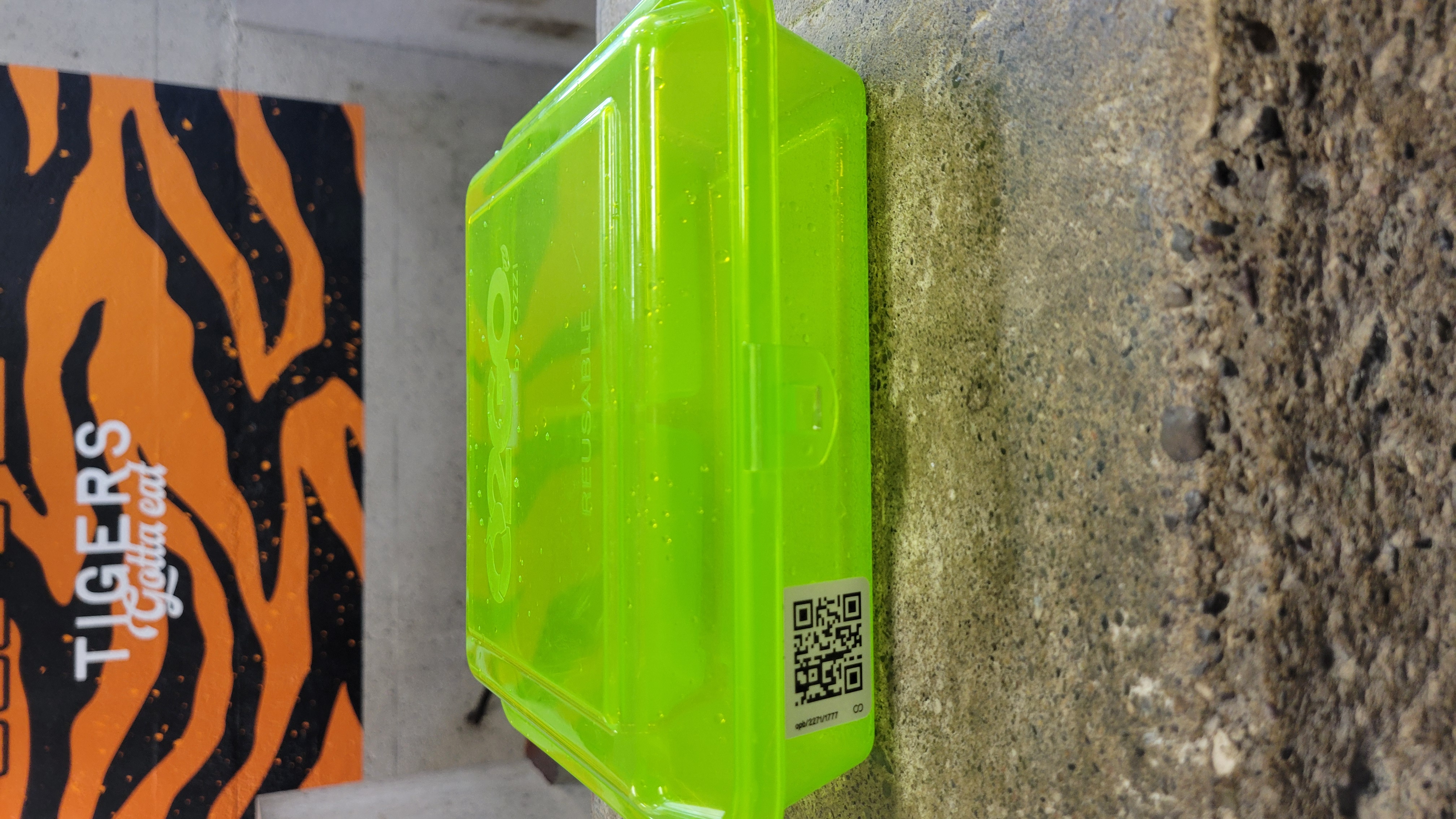
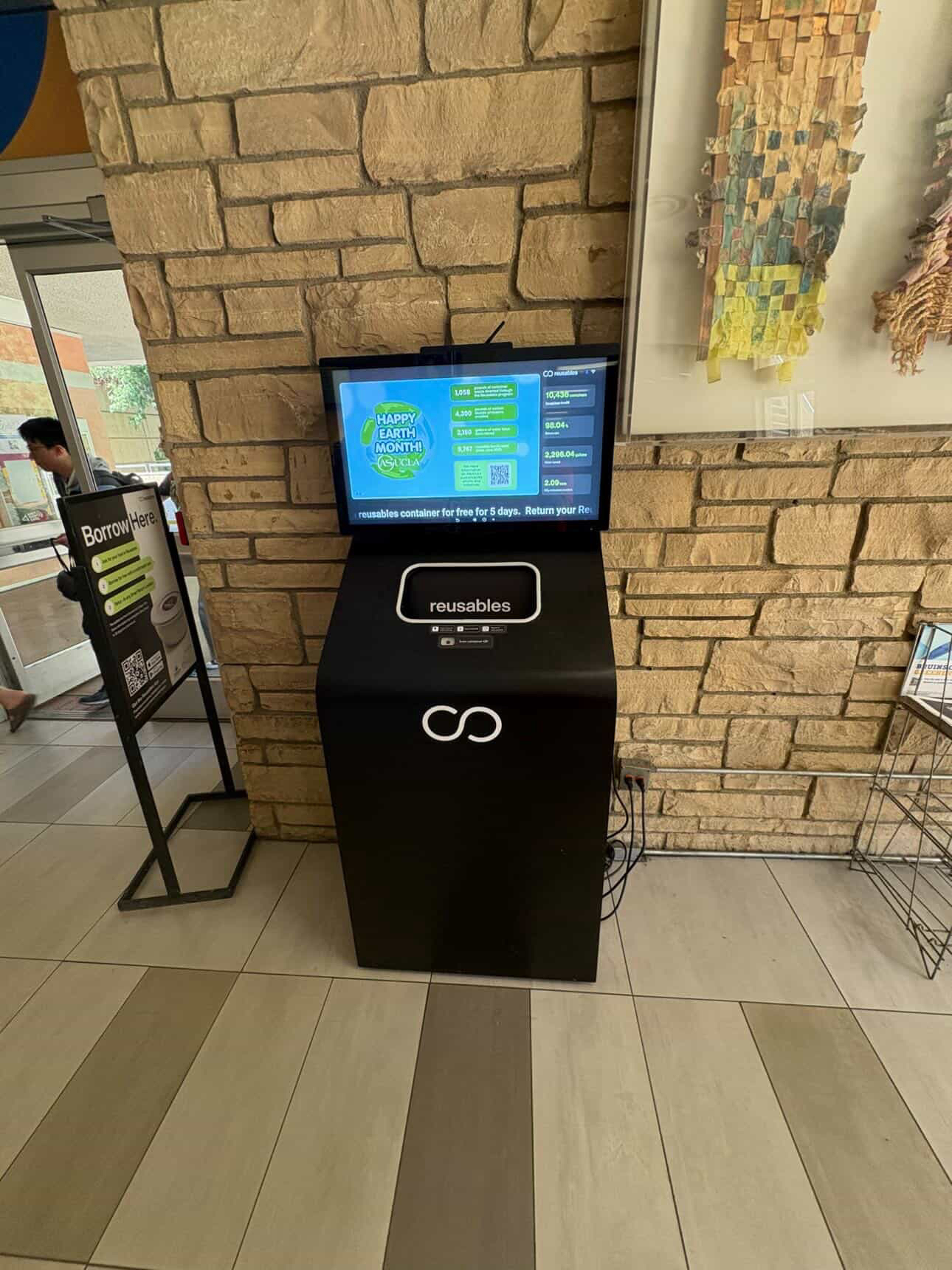
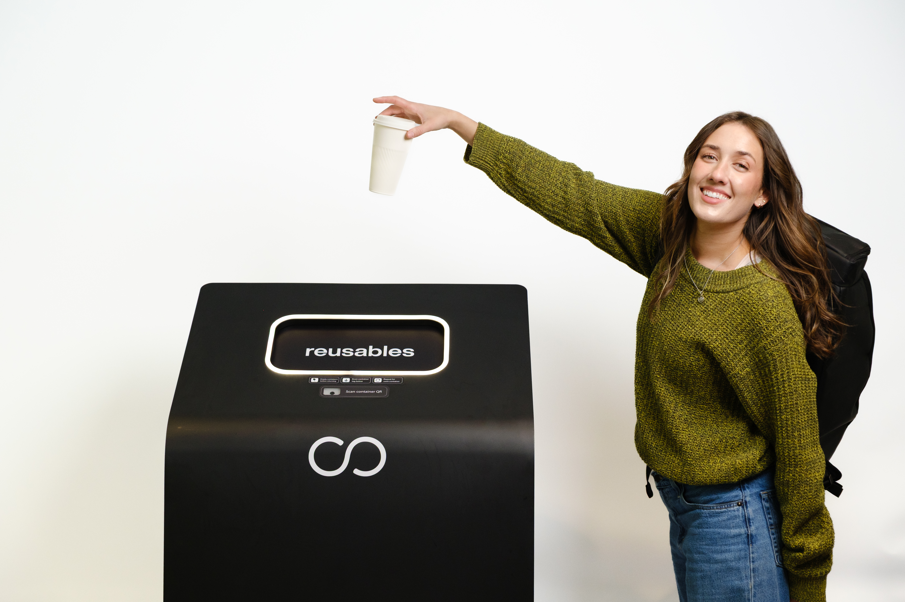
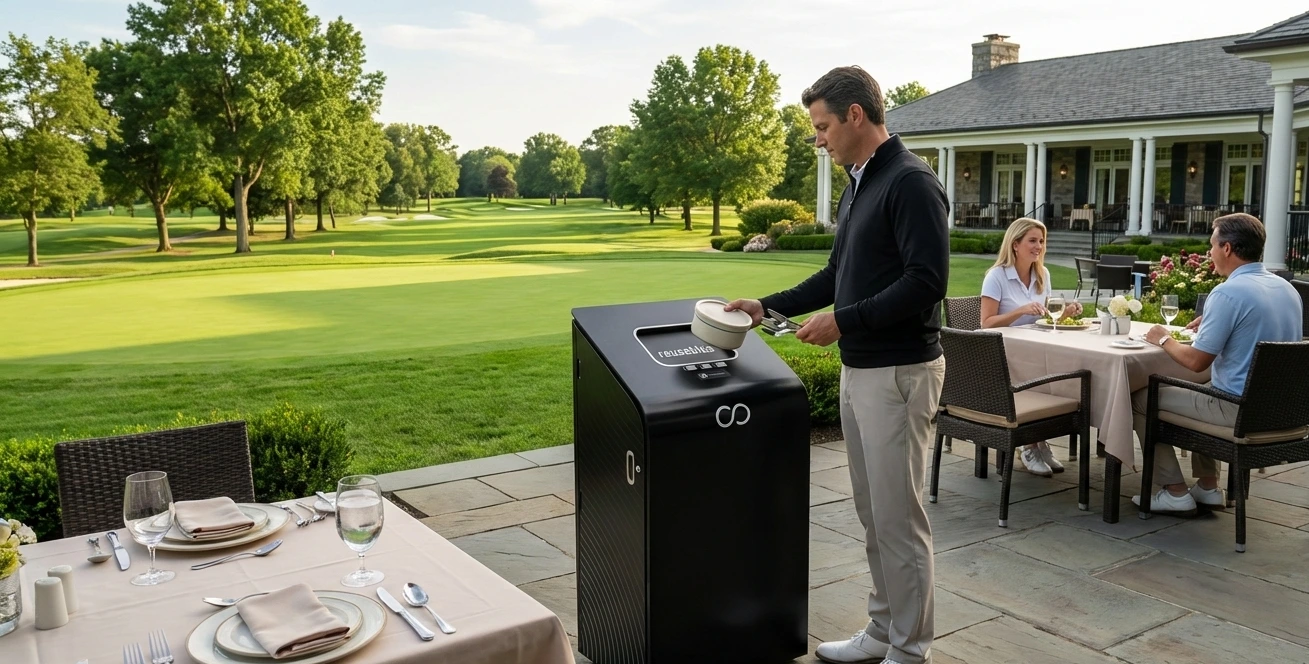
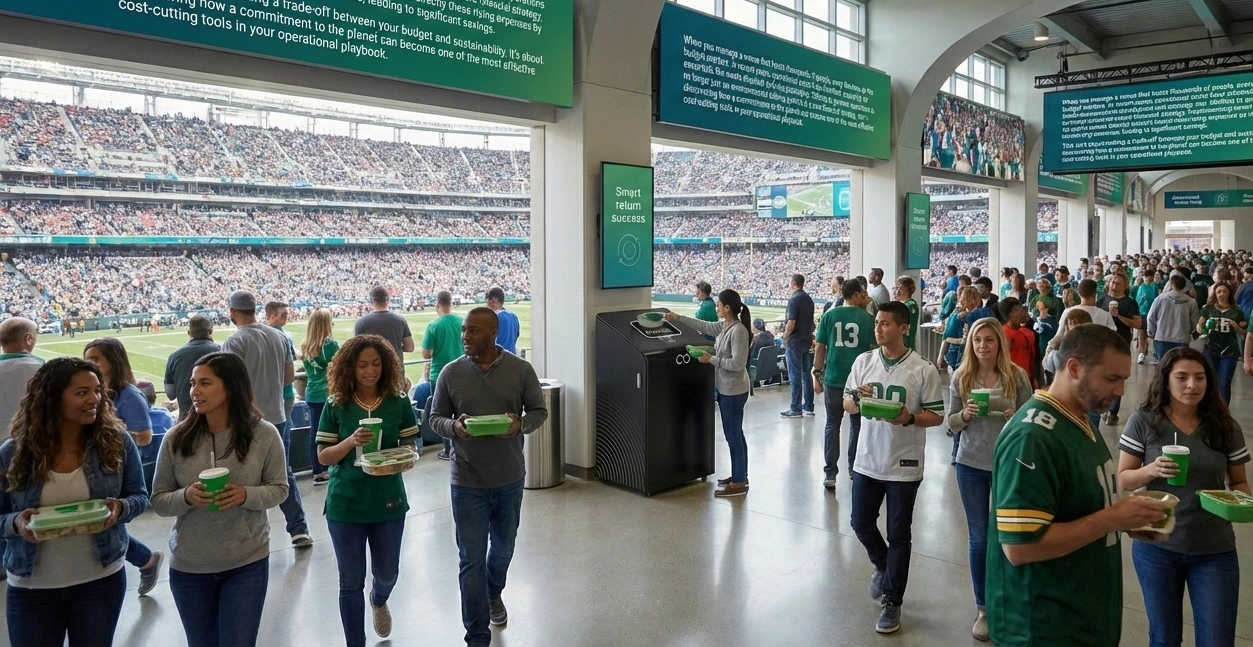
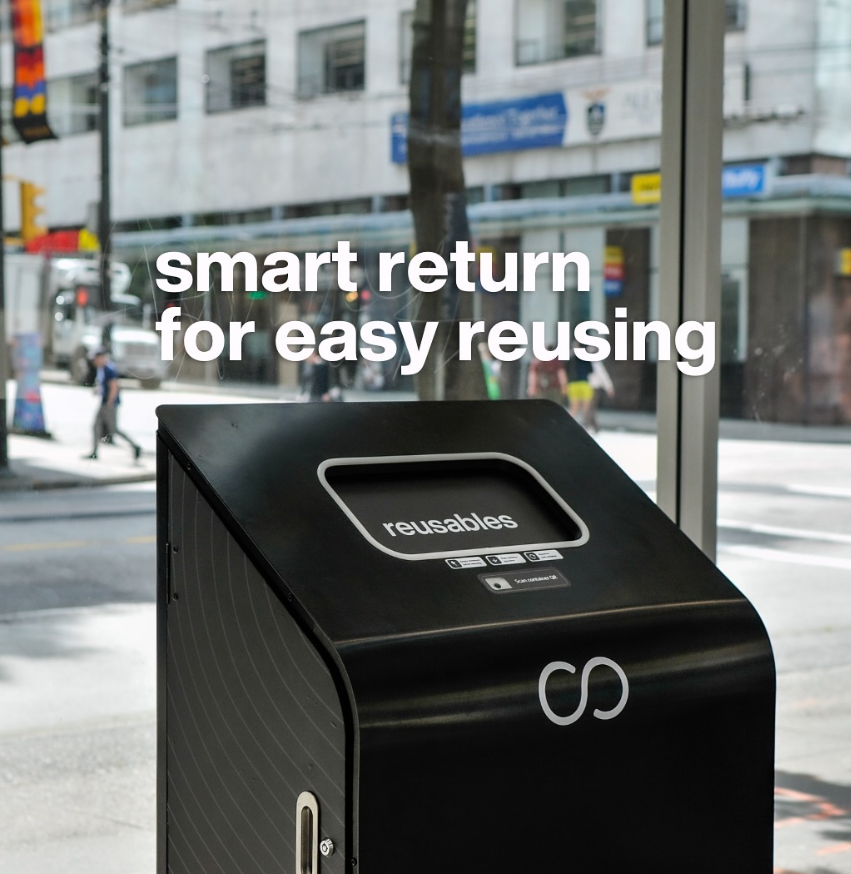
Once you’ve decided to phase out disposables, the next step is to introduce a reusable packaging system. This involves providing a fleet of durable containers that can be checked out by staff and patients and then returned for washing and reuse. A well-managed program makes participation easy and intuitive for everyone. Instead of relying on individuals to bring their own containers, which can create logistical and sanitation challenges, a dedicated system ensures consistency and safety. The goal is to make reusing just as convenient as throwing something away. By providing clearly marked return stations and a simple checkout process, you can drastically reduce the waste generated from your food service operations.
Use Smart Tracking to Ensure Returns
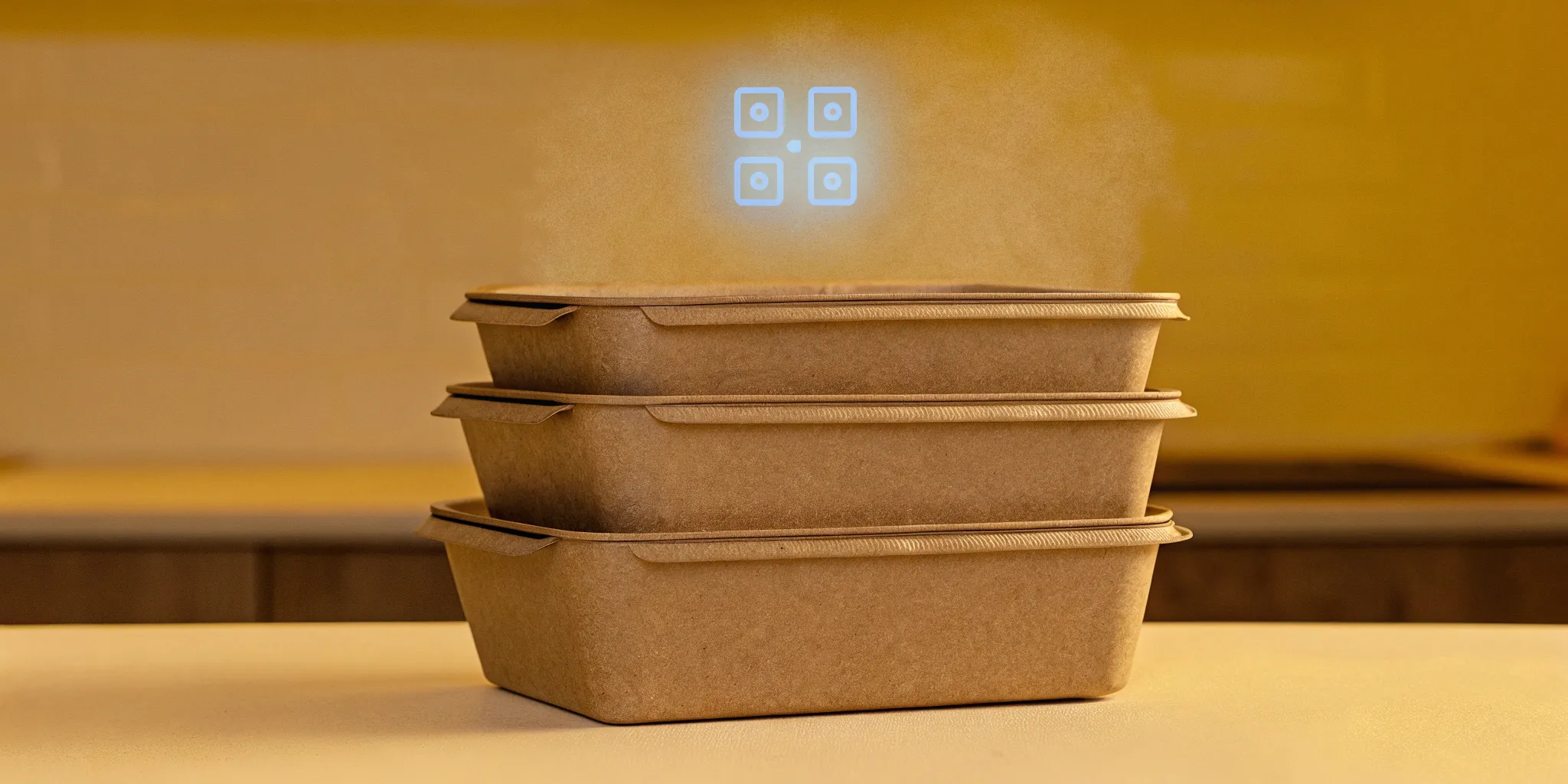
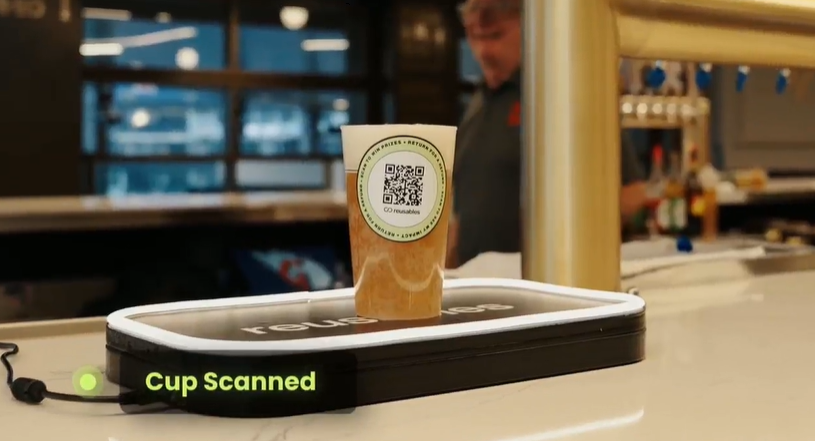
The biggest question for any reusable program is: how do you get the containers back? The answer is smart tracking technology. Many programs fail due to low return rates, but technology solves this by creating accountability. Industry experts agree that using smart tracking systems is key to enhancing accountability and ensuring items are returned efficiently. Every container is given a unique identifier, like a QR code or RFID tag. When someone takes a container, it’s scanned and linked to them. This automated process ensures you always know where your inventory is, encourages timely returns, and can even automate late fees if needed, achieving return rates of 99% or higher without adding work for your staff.
Key Benefits of Sustainable Food Practices
Adopting sustainable practices in your food service department is a strategic move that delivers measurable improvements across your operation. It enhances the well-being of your patients, creates significant cost savings, and builds a more resilient and efficient program. Let's look at the three key areas where you'll see the most positive changes.
Improve Patient Health and Satisfaction
The food you serve is a core part of the patient experience. Sustainable food practices often go hand-in-hand with healthier meal options. For example, many hospitals are finding success by offering more plant-based meals. This shift not only supports patient health but also improves their satisfaction with the food they receive. When patients see you’re providing fresh, nutritious, and environmentally conscious food, it builds trust and shows a deeper commitment to their overall well-being. This focus on quality can transform your cafeteria from a simple necessity into a valued part of the healing process.
Reduce Your Operational Costs
Sustainability is one of the most effective cost-control strategies you can implement. For instance, NYC Health + Hospitals saved 59 cents per meal tray by making plant-based meals the default. Think about the impact of eliminating single-use packaging, especially with disposable container costs rising dramatically. By implementing a reusable packaging system, you can drastically cut your annual spending on disposables and waste hauling fees. These savings free up your budget for other critical areas, turning your sustainability program into a powerful financial tool for your department.
Shrink Your Environmental Footprint
Food service operations are a major contributor to a facility's environmental impact. In fact, if the global healthcare system were a country, it would be the fifth-largest producer of greenhouse gases. A significant part of that impact comes directly from food services, from sourcing and preparation to packaging and waste. By making conscious changes, like reducing food waste and eliminating single-use plastics, you can make a substantial difference. These actions help your facility meet its sustainability targets and position it as a community leader in environmental stewardship.
Rethink Your Sourcing and Menu Strategy
Sustainable food service goes beyond just the packaging you use. The food you choose to serve and where it comes from are central to your environmental impact, operational costs, and the health of the people you serve. By making strategic shifts in your sourcing and menu design, you can create a food program that is not only greener but also more efficient and appealing. Let's look at three powerful ways to adjust your approach: sourcing locally, leaning into plant-forward options, and designing your menu to reduce waste from the start. Each of these strategies offers a clear path to a more sustainable and successful dining operation.
The Benefits of Sourcing Locally
Partnering with local food producers is a fantastic way to improve food quality while supporting your community and the environment. When you source locally, you cut down on the carbon emissions tied to long-distance transportation and often get access to fresher, more flavorful ingredients. This approach allows you to build relationships with nearby farmers and suppliers, which can lead to more reliable and resilient supply chains. As the Association for Healthcare Foodservice notes, facilities that partner with local food producers are better able to reduce waste and create energy-saving kitchens. You don't have to change everything overnight; start by featuring one seasonal, locally sourced ingredient each month and build from there.
Develop a Plant-Forward Menu
Shifting toward a plant-forward menu is one of the most impactful changes you can make for both human and planetary health. This doesn't mean you have to eliminate meat entirely. Instead, it’s about making plant-based foods the star of the plate. Hospitals are finding that when they offer more plant-based meals, it improves patient health and satisfaction while reducing their environmental footprint. In fact, research shows that adopting healthy, low-emission diets on a global scale could prevent millions of deaths annually. Try introducing a "Meatless Monday" special or creating a vibrant grain bowl station to make plant-forward eating exciting and accessible for everyone.
Design Menus to Minimize Food Waste
The most effective way to handle food waste is to prevent it from being created in the first place. You can design your menu specifically to minimize food waste by planning for cross-utilization of ingredients, where trimmings from one dish can become a key component in another. Simple operational changes, like taking meal orders closer to service times and offering flexible portion sizes, can also make a huge difference. Implementing smart food waste management isn't just good for the planet; it directly cuts down on purchasing and disposal costs, making a positive impact on your bottom line. A great first step is to perform a waste audit to see which dishes are generating the most waste.
Overcoming Common Sustainability Hurdles
Transitioning to a more sustainable model in a busy healthcare environment can feel like a huge undertaking. You're juggling patient needs, staff schedules, and tight budgets. The good news is that the most common hurdles are well-understood, and there are clear, practical paths to get past them. By addressing concerns around budget, team adoption, and existing operations head-on, you can build a sustainability program that lasts. It’s not about finding a perfect, one-size-fits-all solution, but about taking strategic steps that fit your facility’s unique needs.
Navigating Budget and Investment Concerns
The budget question is often the first thing on everyone's mind. While financial constraints are real, it helps to frame sustainability not as a cost, but as a long-term investment. With the price of disposable packaging rising dramatically, sticking with the status quo is quickly becoming the more expensive option. A well-planned reusable system can deliver significant annual savings. To make the case, prioritize initiatives based on their potential return on investment. Start with changes that offer the biggest financial and environmental impact, like replacing single-use containers, to build momentum and prove the value of your program from the start.
Getting Your Staff On Board
Your team is the heart of your food service operation, and their support is essential for any new initiative to succeed. A successful transition requires strong commitment from leadership and clear communication with everyone involved. It's important to foster a culture of sustainability where green practices are part of the daily routine, not just another box to check. Provide thorough training and explain the "why" behind the changes, connecting them to improved patient wellness and a healthier community. When staff understands the mission and sees how new, efficient systems can simplify their work (like automated tracking instead of manual counts), they are more likely to become enthusiastic advocates for the program.
Working With Your Existing Infrastructure
The thought of overhauling your entire operation is daunting, but you don’t have to. The best sustainability solutions are designed to fit into your current workflows, not disrupt them. Instead of ripping and replacing, look for partners and technologies that integrate with what you already have. For example, a modern reuse platform can work with your existing payment and POS systems and even allow you to use your current container inventory. By implementing technology that gives you better visibility, you can work closely with suppliers and monitor your impact without adding complexity. The goal is to find smart, flexible tools that make sustainability a seamless part of your service.
How to Get Your Team Excited About Sustainability
Your sustainability goals are only as strong as the team that brings them to life. Getting everyone on board, from kitchen staff to cashiers, is the key to making any new initiative a success. It’s not about forcing new rules, but about building a shared sense of purpose. When your team understands the "why" behind the changes and sees a clear, simple path forward, they can become your biggest champions for a greener cafeteria. Here’s how you can inspire your team and make sustainability a core part of your culture.
Build Awareness and Secure Buy-In
Start by connecting your sustainability efforts to your facility's core mission: promoting health. As major food purchasers, hospitals have a unique opportunity to lead the way in creating healthier outcomes for both people and the planet. Frame the conversation around this larger purpose. Share compelling data about the impact of single-use waste on community and environmental health. In team meetings, discuss how reducing waste and offering sustainable options aligns with the values of patient care. When your staff sees themselves as leaders in a public health movement, not just participants in a recycling program, their motivation will follow.
Create Simple, Sustainable Workflows
For sustainability to stick, it has to be simple. Your team is already busy, so new practices must fit seamlessly into their daily routines. Focus on introducing workflows that are intuitive and reduce friction, not add to it. For example, a reusable container system should be as easy as handing out a disposable one. Look for tech-enabled solutions that automate tracking and returns, so your staff doesn't have to manage a complicated manual process. The goal is to make the sustainable choice the easy choice for everyone, from the person grabbing lunch to the team member at the dish return.
Establish Systems for Accountability and Measurement
Lasting change requires a clear plan and a way to measure success. Strong commitment from leadership, paired with clear internal guidelines, creates a foundation for accountability. Set specific, achievable goals, like reducing container waste by 80% in the first year. Then, use data to track your progress and celebrate milestones with your team. A dashboard showing real-time return rates or the number of single-use items saved can be a powerful motivator. When everyone can see the tangible impact of their efforts, it reinforces the importance of the program and keeps the momentum going. This transparency shows you’re serious about making a difference.
Use Technology to Simplify Your Sustainability Efforts
Making your food service operations more sustainable doesn't have to mean adding more work for your team. In fact, the right technology can streamline your processes, reduce manual tasks, and give you clear insights into what’s working. Instead of relying on spreadsheets and guesswork, you can use digital tools to manage everything from inventory to reusable container programs. This approach helps you make data-backed decisions that cut costs and reduce waste simultaneously.
By integrating smart systems, you can automate tedious jobs like tracking containers or monitoring food waste, freeing up your staff to focus on providing excellent service. Technology transforms sustainability from a complex challenge into a manageable, measurable part of your daily operations. It provides the foundation for a program that not only works but also proves its own value through clear, quantifiable results. Think of it as giving your team a powerful assistant dedicated to making your green initiatives a success. It handles the tracking and the nagging, so your people can focus on preparing great food and caring for patients and visitors. This shift not only improves efficiency but also boosts staff morale by removing frustrating, low-impact tasks from their plates.
Go Digital with Tracking and Inventory
One of the fastest ways to reduce waste is to get a better handle on your inventory. Digital tracking systems give you a precise view of what you have, what you’re using, and what’s ending up in the bin. This information is crucial for optimizing your purchasing and preventing over-ordering. When you can see exactly which ingredients are frequently wasted, you can adjust your menus and ordering habits accordingly. Implementing smart food waste management isn't just good for the planet; it directly impacts your bottom line by turning potential waste into profit. These tools replace manual counts with real-time data, making it easier to spot trends and make cost-effective changes.
Automate Accountability for Reusables
A common hurdle for any reusable container program is simply getting the containers back. Manual tracking is often inefficient and creates extra work for your staff. This is where automation makes all the difference. By using a system with uniquely tagged containers (using QR codes or RFID), you can easily track each item as it’s checked out and returned. Tech-enabled reuse systems can automate reminders for users and even manage late fees without any staff intervention. This creates a seamless experience for diners and removes the burden of enforcement from your team. When accountability is built into the system, you can achieve impressive return rates and ensure your investment in reusables pays off.
Monitor Your Progress with Real-Time Data
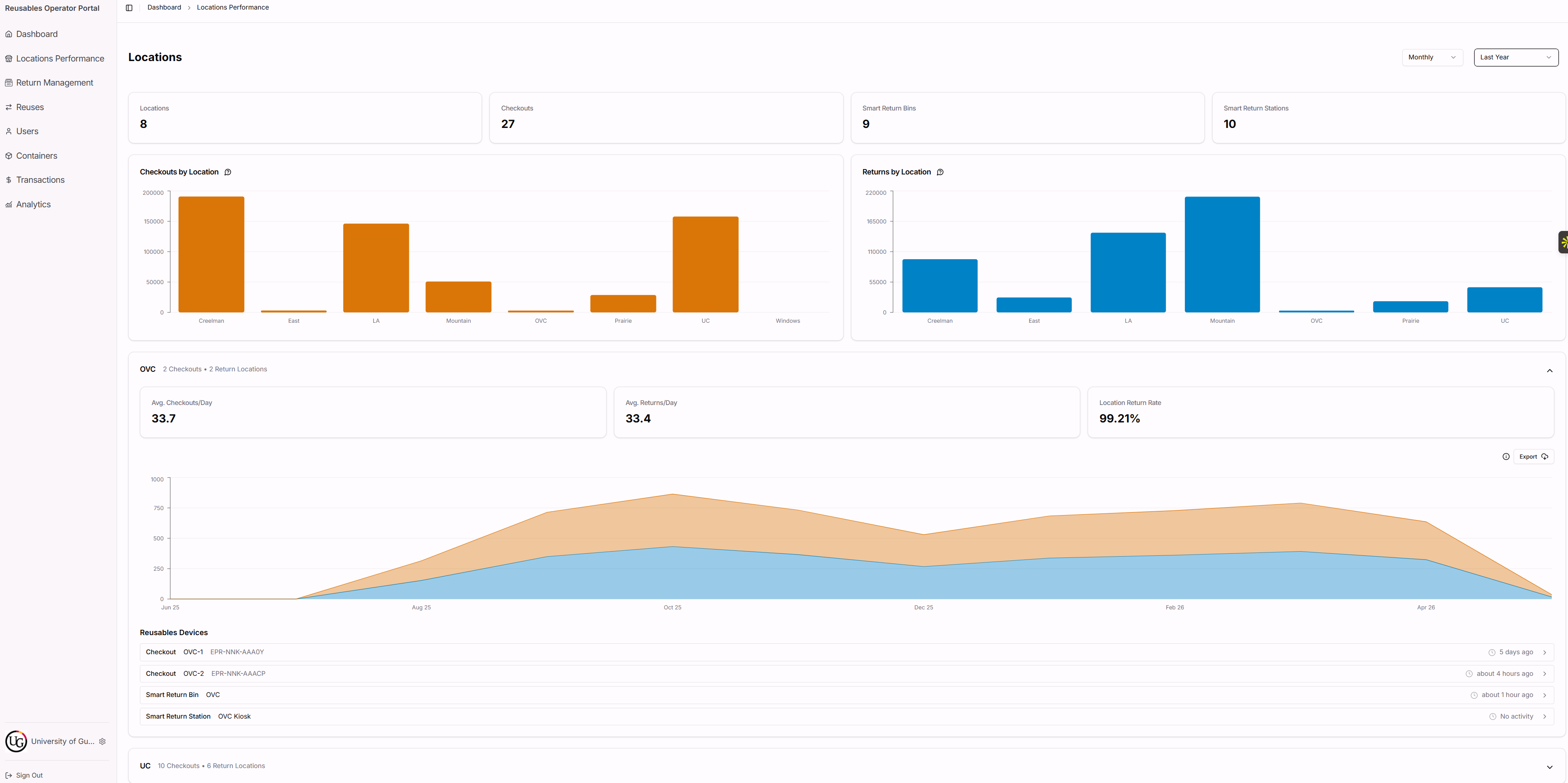
How do you know if your sustainability efforts are actually making a difference? Real-time data provides the answer. A robust analytics dashboard can show you key metrics at a glance, including waste diversion rates, container return rates, cost savings, and your overall environmental impact. This allows you to monitor your progress and share concrete results with leadership and other stakeholders. Using data to promote sustainable food choices and operational changes helps you refine your strategy over time. When you can clearly see which initiatives are driving the biggest impact, you can focus your efforts where they matter most and build momentum for your program.
How to Measure and Report Your Impact
Making sustainable changes is a great first step, but to understand your success and gain long-term support, you need to measure your impact. Clear data demonstrates the value of your initiatives, turning them from a project into a core operational strategy. Reporting on key metrics helps you justify investments, celebrate wins with your team, and show leadership how sustainability contributes to both financial health and patient care. It’s about telling a powerful story backed by solid numbers, showing exactly how your efforts are paying off for your facility and the community you serve.
Key Performance Indicators (KPIs) to Track
To get a clear picture of your progress, focus on a few essential KPIs. Start with waste reduction by measuring the decrease in single-use containers by weight or volume. Next, track cost savings by comparing purchasing records for disposables and calculating lower waste-hauling fees. If you’re using a reusable system, the container return rate is your most important metric, as a high rate ensures the program is financially viable. Finally, track the adoption of plant-forward menu items. This reflects a shift toward choices that are better for both people and the planet, connecting your operational goals directly to wellness.
Methods for Tracking Environmental Impact
You don’t need a complex system to start tracking. A simple "before and after" waste audit can provide a powerful baseline for how much single-use packaging you’ve eliminated. You can also analyze purchasing data to show a clear reduction in spending on disposables. For more detailed insights, a tech-enabled platform can automate this process. For example, the Reusables.com dashboard provides real-time data on usage and return rates, along with automatically calculated impact metrics like CO2 and water saved. This gives you transparent information without adding manual work for your team.
Connecting Sustainability to Patient Outcomes
In a healthcare setting, sustainability is directly linked to promoting health. Diets that are good for the planet are often the same ones that are good for people. When you report your progress, connect your operational changes to patient wellness. For instance, alongside data on waste reduction, report on the increase in plant-based meals served. Studies consistently show that a plant-rich diet can lower the risk of chronic health conditions. By framing your sustainability efforts this way, you show that your food service program is reducing its environmental footprint while actively contributing to better patient health.
Your Roadmap to a Sustainable Food Service
Transitioning to a more sustainable food service model doesn't happen overnight. It requires a thoughtful, structured approach to ensure the changes you make are both effective and lasting. By following a clear roadmap, you can systematically reduce waste, cut costs, and create a healthier environment for your patients, staff, and community. This three-step process will guide you from initial assessment to a full-facility rollout.
Step 1: Assess and Plan
Before you can make meaningful improvements, you need a clear picture of your current operations. A thorough assessment will help you identify the biggest sources of waste and the greatest opportunities for change. To make real progress, you need to look at your entire food system, not just make small adjustments.
Start by conducting a waste audit in your cafeteria and kitchens. Track how many single-use containers, utensils, and cups are thrown away daily. Analyze your purchasing records to understand the true cost of these disposable items. Once you have this data, you can set specific, measurable goals. For example, you might aim to eliminate 95% of single-use plastic takeout containers within the first year. This initial planning phase is crucial for building a strong business case and a clear path forward.
Step 2: Develop and Test a Pilot Program
Once you have a plan, it’s time to test it on a small scale. A pilot program allows you to work out any operational kinks and gather feedback before committing to a facility-wide launch. This gradual approach helps staff and diners get used to the new system, much like how hospitals might slowly introduce plant-based options to ease the transition.
Choose a single, controlled environment for your pilot, such as one dining hall or a specific coffee shop. Introduce your reusable container system here and closely monitor the results. Track key metrics like participation rates, container return rates, and staff efficiency. Most importantly, talk to your team and your customers. Their feedback is invaluable for refining the program and ensuring its success when you’re ready to expand.
Step 3: Scale Your Success Across the Facility
After a successful pilot, you’ll have the data and confidence to scale the program across your entire facility. The key to a smooth rollout is empowering your team. When food service managers can make their own decisions, they can adapt the system to their specific workflows and drive positive change more quickly.
Develop a clear implementation schedule and provide comprehensive training for all staff members. Communication is also critical. Use posters, emails, and staff meetings to explain the new program, highlight its benefits, and answer any questions. As you expand, continue to monitor your key metrics to ensure the system is working effectively everywhere. A well-executed rollout will solidify your commitment to sustainability and deliver significant cost savings and environmental benefits.
Related Articles
- How to Achieve a Zero-Waste Hospital Food Service
- Zero Waste Hospital Dining: A Director's Guide
- A Buyer's Guide to Reusable Food Containers for Hospitals
Frequently Asked Questions
This all sounds good, but what's the real cost of starting a reusable container program? It's helpful to think of this as shifting an expense rather than adding a new one. You're already spending a significant amount on single-use containers, and those costs are only going up. A reusable system turns that recurring expense into a long-term investment. A well-designed program can deliver substantial annual savings on packaging and waste hauling fees, meaning it effectively pays for itself over time.
My team is already stretched thin. How can we implement a reuse program without adding more work? The right system should actually make your team's job easier, not harder. Modern reuse programs use technology to automate the most time-consuming tasks. Instead of manually tracking inventory or chasing down lost items, the system handles accountability through smart tags and automated reminders. This frees up your staff to focus on what they do best: preparing great food and serving patients.
How can we be sure we'll get the containers back? I'm worried we'll just lose our entire inventory. This is the most common concern, and it's where technology makes all the difference. Each container is tagged with a unique code, like a QR or RFID tag, that gets scanned at checkout and linked to a user's account. This creates a simple and effective accountability loop. The system can send out automatic reminders and even process refundable late fees, which encourages people to return items promptly and helps achieve return rates of 99% or higher.
Our facility has specific payment and POS systems. Can a modern reuse platform integrate with our existing technology? Absolutely. The best sustainability solutions are designed to be flexible and work with the infrastructure you already have. A modern reuse platform can integrate seamlessly with existing campus card systems, credit and debit processors, and POS setups. The goal is to find a partner that fits into your current operational workflow, not one that forces you to start from scratch.
I'm convinced this is the right direction. What is the single most important first step I should take? The best place to start is by getting a clear picture of your current situation. Before making any changes, conduct a simple waste audit to figure out exactly how many single-use containers you're using and how much you're spending on them each week or month. This data will give you a powerful baseline and help you build a solid business case for making the switch.
Other stories you may find interesting

.png)


.avif)





.webp)



Watch the Webinar
Learn How to Eliminate Single-Use Waste
Get instant access to our expert webinar and discover how leading institutions reach 99% return rates through smarter reuse systems.

© Reusables™. All rights reserved.