
Your Guide to Reusable Beverage Cups for Events

January 14, 2026
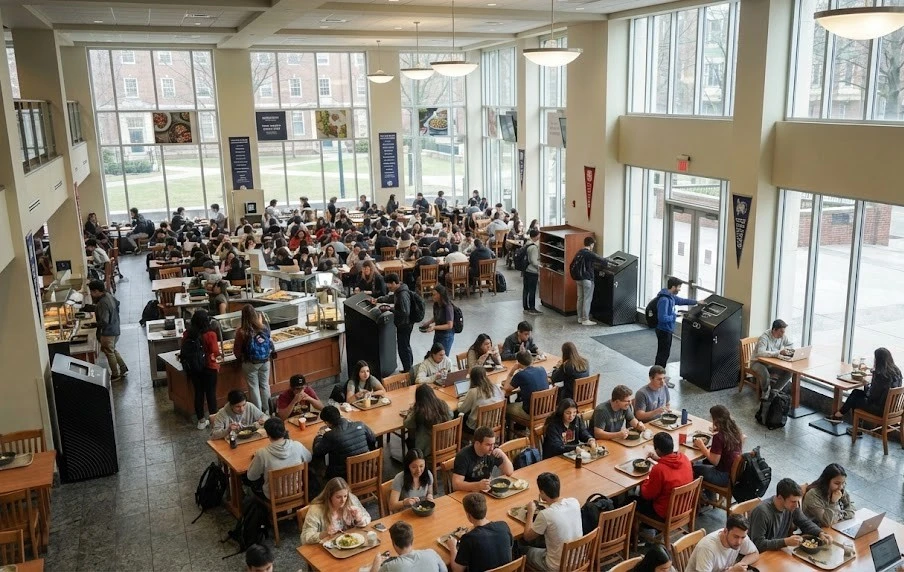
Many institutions have tried to launch a reusable cup program only to see it fail. They invest in thousands of durable cups, but within months, most of them have disappeared. The problem isn't the cup; it's the lack of a system. Simply buying reusable beverage cups for events or dining halls isn't enough. Success depends on the technology that powers the program—the automated tracking, the convenient return points, and the built-in accountability that ensures a near-perfect return rate. This article breaks down the essential components of a smart reuse system that actually works, protecting your investment and delivering real environmental and financial results.
Key Takeaways
- A great cup needs a great system: While choosing durable cups is a good start, the success of your program hinges on the technology behind it. A smart, frictionless system for tracking and returns is what drives high participation and ensures you get the financial and environmental results you want.
- Shift from endless spending to a smart investment: Reusable cups change your budget from a constant operational expense to a one-time capital investment. This move protects you from the rising costs of disposables and can lead to significant long-term savings on packaging and waste management.
- Make participation the easiest choice: A successful rollout is all about convenience and clear communication. Plan for easy, 24/7 return options, train your staff to be program champions, and use a system that automates accountability to make reusing a seamless part of campus life.
What Are Reusable Event Cups?
Reusable event cups are exactly what they sound like: durable, washable cups designed to replace the endless cycle of single-use plastic and paper at events, on campuses, and in dining halls. Instead of being tossed after one use, these cups are collected, cleaned, and put back into circulation. This simple switch is a powerful way to cut down on waste and reduce long-term supply costs. But before you can reap the benefits, it’s important to understand the different types of cups available and how to choose the right ones for your specific needs.
Common Materials and Designs
When you picture a reusable cup, you might think of the branded plastic ones from a festival, and that’s a great starting point. Durable plastics, like polypropylene, are popular because they’re lightweight, hard to break, and offer fantastic opportunities for custom branding. You can print your university logo or event name right on the cup, turning it into a functional souvenir. For a more premium feel, stainless steel is another excellent choice. It’s incredibly long-lasting, great for both hot and cold drinks, and has a sleek, modern look that can really enhance the guest experience. The material you choose will depend on your budget, brand, and the types of beverages you serve.
Finding the Right Size and Capacity
Choosing the right cup size is key to a smooth service operation. You wouldn't serve an espresso in a 24-ounce tumbler, right? Most suppliers offer a wide range of sizes, typically from a small 8-ounce cup perfect for coffee to a large 32-ounce option for fountain drinks. A great all-purpose size for many campuses and events is the 16- to 18-ounce cup. It’s versatile enough for water, soda, and iced tea, making it a reliable workhorse for your inventory. Consider conducting a quick audit of your current disposable cup usage to see which sizes are most popular. This data will help you invest in the right reusable inventory from the start.
Why Switch to Reusable Cups?
Making the switch from disposable to reusable cups might seem like a big operational lift, but the move is more than just an environmental statement—it's a strategic decision that addresses some of the biggest challenges in food service today. With the cost of single-use packaging soaring and students demanding more sustainable options, sticking with the status quo is becoming increasingly expensive and out of touch.
A well-implemented reusable cup program can directly tackle these issues. It offers a clear path to significant long-term cost savings by eliminating the endless cycle of purchasing disposable inventory. It also provides a tangible way to meet your institution's waste reduction goals, turning sustainability targets into visible, everyday actions. Beyond the operational benefits, offering durable, high-quality cups improves the entire dining experience for students and staff. It shows you’re invested in both their experience and the planet. When supported by a smart, frictionless system, these benefits aren't just possible—they're easily achievable.
Calculate Your Long-Term Savings
Let's talk numbers. The recurring expense of disposable cups adds up quickly, especially across multiple dining halls, cafes, and campus events. With disposable packaging costs rising over 200% in the last few years, that line item in your budget is only going to grow. Many institutions spend tens of thousands of dollars annually on single-use containers alone.
Switching to reusables changes this financial model from a perpetual operational expense to a one-time capital investment with a clear return. Instead of buying thousands of cups every week, you invest in a durable inventory that lasts for years. Our clients typically see a 30% or more reduction in annual packaging and waste costs. By choosing the right reusable solutions for your business, you can cut significant spending and redirect those funds to other areas of your dining program.
Reduce Waste and Your Environmental Footprint
Most campuses have ambitious sustainability goals, with many aiming for zero-waste operations. Disposable cups are a major obstacle to hitting those targets, contributing tons of waste to landfills each year. A reusable cup program is one of the most effective ways to make a measurable dent in your campus's waste stream.
The key to making an impact is consistent reuse. A reusable cup is only as good as the system that keeps it in circulation. This is where a high return rate becomes critical. By making it simple for students to return their cups, you ensure each container is used hundreds of times, maximizing its environmental benefit. This practice is a cornerstone of the circular economy, where materials are kept in use rather than thrown away. It’s a powerful, visible way to demonstrate your commitment to sustainability.
Improve the Guest Experience
The quality of your serviceware directly impacts how students perceive your dining program. A sturdy, well-designed reusable cup feels more premium and thoughtful than a flimsy paper or plastic cup. It enhances the simple act of grabbing a coffee or a cold drink, making it a better experience. For a generation of students that actively seeks out sustainable brands, offering reusables shows that your values align with theirs.
This simple change can build loyalty and a sense of community pride. Students feel good about making a sustainable choice, and the program becomes a visible symbol of the university's commitment to positive change. When the system is easy and intuitive—no confusing apps to download or fees to worry about—it becomes a seamless part of daily campus life. It’s a small detail that makes a big difference in how students feel about dining on campus.
What Types of Reusable Cups Are Available?
Once you’ve decided to introduce reusables, the next step is choosing the right containers for your program. The best material for your cups depends on several factors, including the types of beverages you serve, your budget, and your operational capacity for washing and storage. While your choice of cup is important, remember that a successful reuse program depends more on the system than the container itself. A platform like Reusables.com is container-agnostic, meaning our tracking technology works seamlessly with a variety of cup types, giving you the flexibility to choose what’s best for your campus. Let’s look at the most common materials available.
Stainless Steel Cups
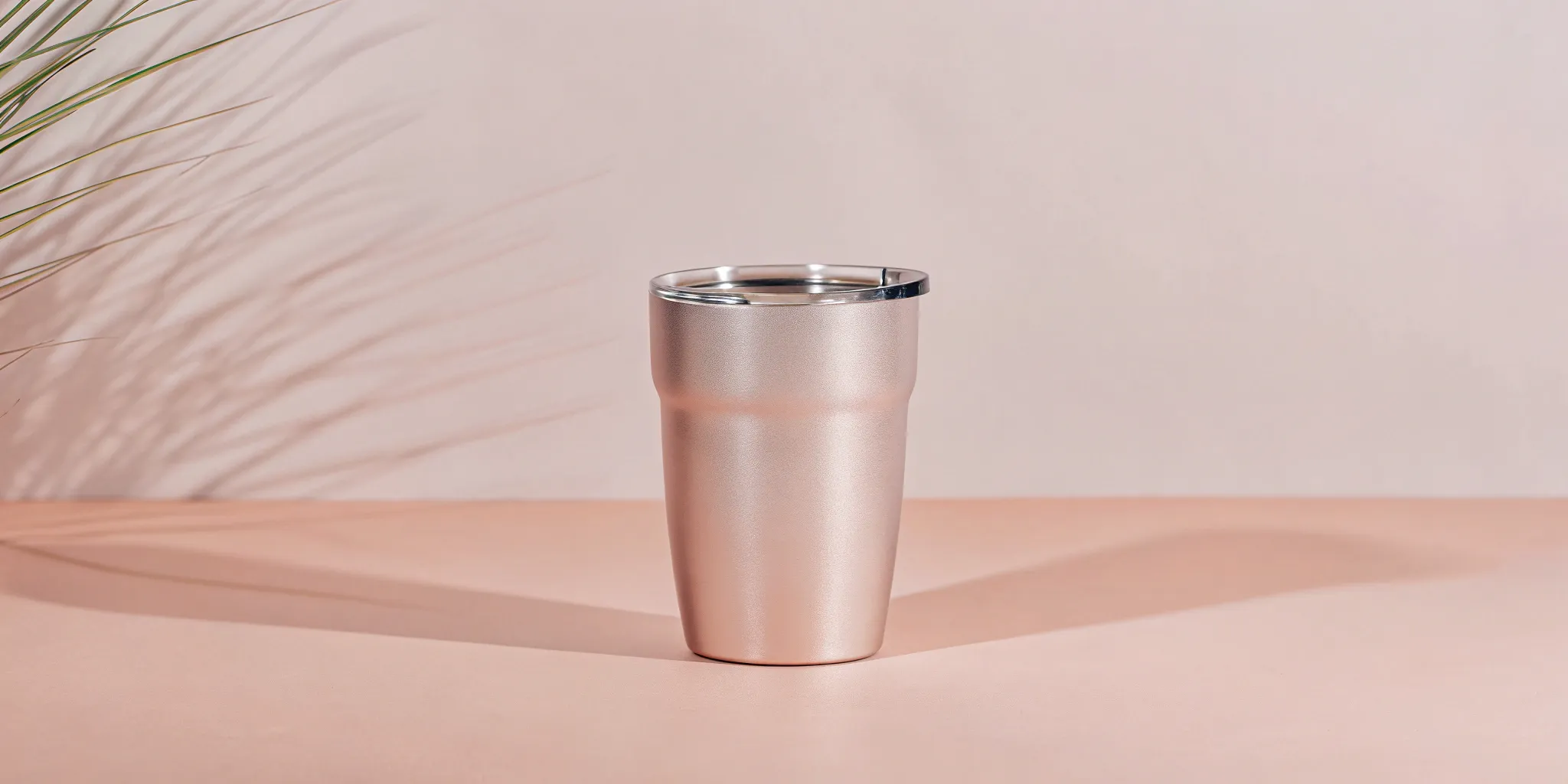
Stainless steel is a fantastic choice for its sheer durability and premium feel. These cups can handle the daily grind of a busy campus environment, resisting drops and dents while lasting for years. Their natural insulation is a major plus, keeping hot drinks warm and cold beverages chilled, which is a simple but effective way to improve the student dining experience. From a food service perspective, stainless steel is non-porous and easy to sanitize, meeting high standards for any food-safe operation. While the initial investment might be higher than plastic, their long lifespan often translates to a lower cost-per-use over time, making them a sound financial choice.
Durable Plastic Options
Modern reusable plastic cups are worlds away from flimsy disposable ones. Made from high-quality, BPA-free materials like polypropylene or Tritan, these cups are designed for repeated use and commercial dishwashing. They are lightweight, easy to stack, and less prone to shattering than glass, which is a critical safety feature in a high-traffic dining hall. Durable plastic is also incredibly versatile. It comes in a wide range of colors and shapes, offering plenty of opportunities for branding with your university’s logo or colors. Many leading reusable drinkware suppliers specialize in these options, providing a cost-effective and practical solution for large-scale beverage programs.
Silicone and Other Materials
You’ll also find cups made from materials like silicone, glass, or bamboo composites. Silicone cups are flexible and lightweight, but they may not offer the rigidity and long-term durability needed for a high-volume institutional setting. Glass offers a high-end look but comes with obvious breakage risks that make it impractical for most campus dining scenarios. While materials like bamboo are marketed as eco-friendly, their durability and suitability for commercial sanitization can be a concern. For most large-scale programs, sticking with proven materials like stainless steel and durable plastic is the most reliable path, ensuring your reusable cups can stand up to the demands of daily campus life.

A Look at Top Reusable Cup Brands
Choosing the right container is a big decision, but it’s only one piece of the puzzle. A durable, well-designed cup is great, but it won’t deliver cost savings or waste reduction if your return rates are low and the user experience is clunky. That’s why our platform is container-agnostic. We believe the technology that powers the system—the tracking, the returns, the accountability—is what truly drives success. This gives you the flexibility to use your existing inventory or select from our list of trusted container partners to find the perfect fit for your operations, budget, and brand. The key is pairing quality physical products with a smart, seamless system that makes reuse easy for students and provides you with real-time data. This integrated approach is what ensures you get the financial and environmental results you’re looking for. Below, we’ll walk through some of the top container brands that our clients successfully use on their campuses and in their venues.
Exploring Reusables.com Container Partners
We partner with a variety of leading brands to offer a full spectrum of sustainable solutions. Our focus is on providing a complete system that integrates the best hardware—the cups and containers—with our smart software. This allows you to choose options that are both functional and environmentally friendly. Whether you need durable plastic for a high-traffic dining hall or sleek stainless steel for a campus coffee shop, there’s a partner that fits. The goal is to find a container that stands up to daily use while fitting seamlessly into a reuse program that students and staff will actually embrace. By working with established container providers, we ensure you have access to high-quality, tested products that are ready to be integrated into our tech-enabled system.
A Closer Look at GET and OZZI
GET and OZZI are two of the most recognized names in the reusable container space, and for good reason. GET is known for its incredibly durable and versatile drinkware and food containers, designed to withstand thousands of wash cycles without showing much wear and tear. They are a workhorse option for busy dining environments. OZZI offers a comprehensive system that includes its own return stations, which can be a convenient all-in-one solution for some venues. Both brands align with the growing trend of venues adopting reusable systems to cut down on waste. Brands like these provide the reliable hardware needed to make the switch successful.
Understanding deSter and Returnr Options
deSter and Returnr are two other excellent choices to consider. deSter specializes in creating innovative and sustainable packaging solutions, often with a focus on smart design that enhances the user experience. They bring a fresh perspective to how reusable containers can look and feel. Returnr, as the name suggests, emphasizes a simple and effective return process for its containers, which is a critical component of any successful reuse program. Both companies help institutions move toward their sustainability goals by providing high-quality alternatives to single-use products. By implementing a robust reuse program with containers from partners like these, you can directly tackle your waste stream and significantly reduce landfill contributions.
Comparing Other Popular Choices
Beyond these brands, many other fantastic options are available. The right choice often comes down to your specific operational needs, budget, and the experience you want to create for your guests. For college campuses, in particular, the decision can have a big impact. Research shows that a student’s perception of campus dining is significantly influenced by visible sustainability efforts. A well-run reuse program is one of the most visible commitments you can make. It shows students you’re listening and that you share their values. Ultimately, the best reusable cup is one that fits into a system that encourages participation, automates accountability, and makes sustainability the easiest choice for everyone.
Key Features to Look For in Event Cups
Once you’ve decided to introduce reusable cups, the next step is choosing the right ones for your campus or venue. Not all reusables are created equal, and the small details can make a big difference in your day-to-day operations and the overall guest experience. Think about the entire lifecycle of the cup: how it will be used, washed, stored, and how it holds up over time. Focusing on a few key features will help you select cups that your staff and students will love, ensuring your program is a success from the start.
Prioritize Durability and Safety
Your reusable cups will go through a lot—from busy event crowds to high-temperature commercial dishwashers. That’s why durability is non-negotiable. Look for cups made from strong, shatter-resistant materials like durable polypropylene or stainless steel. This not only prevents breakage and replacement costs but also ensures safety for your guests and staff. It’s also essential to confirm that the cups are made from food-grade materials and are BPA-free. Choosing dishwasher-safe options will make your cleaning process much more efficient, which is a huge plus for any busy food service team.
Explore Branding and Customization
Reusable cups offer a fantastic opportunity to showcase your brand or campus spirit. Many suppliers provide customization options, allowing you to add your university logo, a specific event name, or even a unique design. This transforms a simple cup into a powerful branding tool that reinforces your identity with every use. Custom cups can also become a fun keepsake for students and event attendees, creating a lasting positive association with your institution. It’s a simple way to make your sustainability initiative more visible and engaging for everyone on campus, turning a practical item into a point of pride.
Check for Temperature Retention and Easy Cleaning
A great cup should perform well, whether it’s holding iced tea or hot coffee. Consider how well the cups retain temperature to ensure a better experience for your guests. Insulated options, especially for hot beverages, can make a significant difference. Just as important is how easy they are to clean. Look for cups with a smooth interior finish that resists staining and odors. Designs without complex nooks or crannies will simplify your washing process, saving valuable time and labor while ensuring your cups are always ready for their next use. This focus on operational efficiency is key to a smooth-running program.
Consider Stackability and Storage
Storage space is always a valuable commodity in a busy dining hall or event venue. Choosing stackable cups is one of the smartest logistical decisions you can make. Tightly stacking designs drastically reduce the amount of space needed for storage and transport, making your team’s job much easier during setup and breakdown. Before you order, think about where you’ll store the cups and how they’ll fit into your existing workflow. Many suppliers offer a range of sizes, so you can find options that meet your beverage needs while also being incredibly space-efficient. This foresight will help keep your operations organized and clutter-free.
Reusable vs. Disposable: A Cost Comparison
When you’re looking at your budget, the low per-item price of disposable cups can seem appealing. But that initial number doesn’t tell the whole story. The true cost of single-use items adds up quickly through repeat purchases, storage needs, and waste management fees. Disposables represent a line item that never goes away and only gets more expensive as supply chain issues and material costs fluctuate.
A reusable cup program, on the other hand, shifts the spending from a constant operational expense to a one-time capital investment that pays for itself over time. By making this switch, you gain control over your budget and create a more predictable, sustainable system for your campus. Let’s break down how the costs really compare and where the long-term value lies.
Initial Investment vs. Long-Term ROI
There’s no getting around it: a durable, reusable cup costs more upfront than a single paper or plastic one. But it’s helpful to think of it as an investment, not just a purchase. Each time a student uses a reusable cup, it’s one less disposable cup you have to buy. Over time, these per-use savings add up and can offset the initial investment. With the cost of disposable packaging having risen over 200% in recent years, you’ll likely find that a reusable system delivers significant long-term savings and a strong return on investment for your campus dining program.
The Benefits of Buying in Bulk
When you’re ready to make the switch, buying your reusable containers in bulk is the smartest financial move. For a large-scale operation like a university or corporate campus, a bulk purchase significantly lowers the cost per unit, making that initial investment much more manageable. This approach ensures you have a healthy inventory to meet demand during your busiest periods, like orientation week or major campus events. Working with established container partners allows you to secure favorable pricing and select from a range of durable, tested options that are designed for high-volume use, ensuring your investment is built to last.
Uncovering the Hidden Costs of Disposables
The most obvious cost of disposables is the endless cycle of reordering. But other expenses are hiding just below the surface. You have to account for the physical space required to store thousands of cups, the staff time spent managing that inventory, and the rising fees for waste hauling. A common concern with reusables is losing them, which turns an investment into an expensive giveaway. However, a smart reuse system with automated tracking eliminates this risk. By ensuring accountability, you can achieve return rates of 99%, protecting your investment and guaranteeing you realize the full financial and environmental benefits of your program.
What Do the Reviews Say?
When you’re choosing cups for thousands of students or event guests, you need to know they’ll last and that people will actually enjoy using them. That’s where reviews come in. Sifting through feedback can feel overwhelming, but you’ll notice that most comments fall into a few key categories: performance, user experience, and overall value. People want to know if a cup keeps their drink hot, if it’s easy to carry around campus, and ultimately, if the investment pays off. Looking at what real users say about these points gives you a much clearer picture of which cups will stand up to the demands of a high-volume environment and which ones will fall short. It’s about finding a product that not only meets your operational needs but also enhances the daily experience for your community.
Feedback on Performance and Durability
When you're digging through reviews, performance and durability are front and center. You'll see testers put cups through the wringer to find top picks that stood out for performance and usability. For campus dining, this means looking for feedback on how well a cup handles daily drops, hundreds of wash cycles, and constant use. Temperature retention is another huge factor. A top performer will keep "both hot and cold drinks secure and well insulated," which is exactly what you want for students grabbing coffee before class or a cold drink in the afternoon. These are the details that show whether a cup is truly built for a demanding environment.
What Users Say About the Experience
Beyond durability, the user experience is what drives adoption. If a cup is a pain to use, people won't use it. Look for comments on the little details that make a big difference. For example, a well-designed lid can make a cup "especially easy to use on the go," preventing spills between classes or during a busy event. Reviews often rank products on everything from insulation to how easy they are to clean—a critical factor for your dishwashing staff. A positive user experience is key to getting the buy-in you need for a successful program, ensuring students and guests reach for the reusable option every time.
Assessing Overall Value
Ultimately, the reviews help you assess the true value of a reusable cup program. The cup itself is just one piece of the puzzle. As one analysis points out, reusable products "are only effective if they are reused again and again." A cheap cup that breaks after a month doesn't provide value. The goal is to find a durable, user-friendly product that fits into a system built for the long haul. The most successful programs prioritize high return rates and sustainable practices, which is where a well-designed system makes all the difference. The right cup, combined with the right infrastructure, is what delivers real savings and environmental impact.

Where to Source Reusable Beverage Cups
Once you've decided on the type of cup that best fits your campus dining program, the next step is finding where to get them. Sourcing your containers is a big decision that impacts your budget, product quality, and even your operational workflow. The good news is that you have several options, from working directly with the people who make the cups to partnering with suppliers who offer a wide variety. Because our system at Reusables.com is container-agnostic, you have the flexibility to choose the inventory that works best for your specific needs and budget. Let's walk through the most common ways to source your reusable cups so you can find the right partner for your program.
Buying Direct from Manufacturers
Going straight to the source can be a smart move. When you buy directly from a manufacturer, you often get access to in-depth product knowledge and can sometimes secure better pricing by cutting out the middleman. This route is great if you have a clear idea of what you want and plan to order a large volume. For example, companies like Red Cup Living specialize in durable, shatter-resistant plastic cups designed for events. Their products are made to last and are dishwasher-safe, checking off key requirements for any busy food service operation. This direct relationship can also open doors for deeper collaboration on product specs if you have unique needs.
Working with Retailers and Local Suppliers
If you're looking for variety or need to compare different styles and materials in one place, working with a retailer or a local supplier is an excellent option. These businesses typically stock products from multiple manufacturers, giving you a broader selection to choose from. This can be especially helpful for finding cups that fit a specific theme for a campus event or a special dinner. Retailers like eFavormart carry a wide range of drinkware, making it easier to find the perfect match for any occasion without having to vet dozens of individual manufacturers yourself. This approach saves time and simplifies the procurement process.
Securing Bulk Pricing and Discounts
No matter where you source your cups, buying in bulk is one of the most effective ways to manage your budget. Most suppliers offer significant discounts on large orders, which can dramatically lower your cost-per-cup and improve your program's overall ROI. Don't hesitate to ask about bulk pricing tiers. Suppliers like The Cup Store are well-equipped for large orders and even offer options for custom branding. Adding your university's logo is a fantastic way to build campus spirit and make the cups feel like a special part of the student experience, turning a simple container into a piece of school pride.
How to Launch a Successful Reusable Cup Program
Switching to reusable cups is a fantastic step toward your sustainability goals, but a successful program requires more than just a new inventory of cups. It’s about building a closed-loop system that makes sense for your campus, your staff, and your students. The most effective programs are built on a solid strategy that prioritizes convenience, clear communication, and accountability. A thoughtful rollout ensures the program is adopted quickly and that your cups are returned consistently, which is the key to achieving both environmental and financial benefits. Let's walk through the essential steps to get your program off the ground and running smoothly.
Plan Your Implementation
The success of any reuse program hinges on one critical factor: getting the cups back. Reusable products are only sustainable if they are reused over and over again. Your implementation plan should focus on creating a frictionless experience for students. Start by mapping out the entire cup lifecycle on your campus. How will students check out a cup? Where are the convenient drop-off points? What motivates them to return it promptly? A system with automated tracking and accountability removes the guesswork and manual effort, making it simple for everyone to participate. By designing a clear, easy-to-follow process from the start, you can drive the high return rates needed for your program to make a real impact.
Train Your Staff for a Smooth Rollout
Your dining services team is the face of your new reusable cup program, and their confidence will directly influence student adoption. Before you launch, invest time in comprehensive staff training. They need to understand not only the mechanics of the new system—how to distribute cups and manage returns—but also the purpose behind it. When your team can clearly explain the benefits and answer questions with ease, they become champions for the program. A smooth rollout depends on a team that feels prepared and empowered to guide students through the change. This preparation minimizes confusion and helps create a positive first impression, setting the stage for long-term success.
Overcome Common Challenges
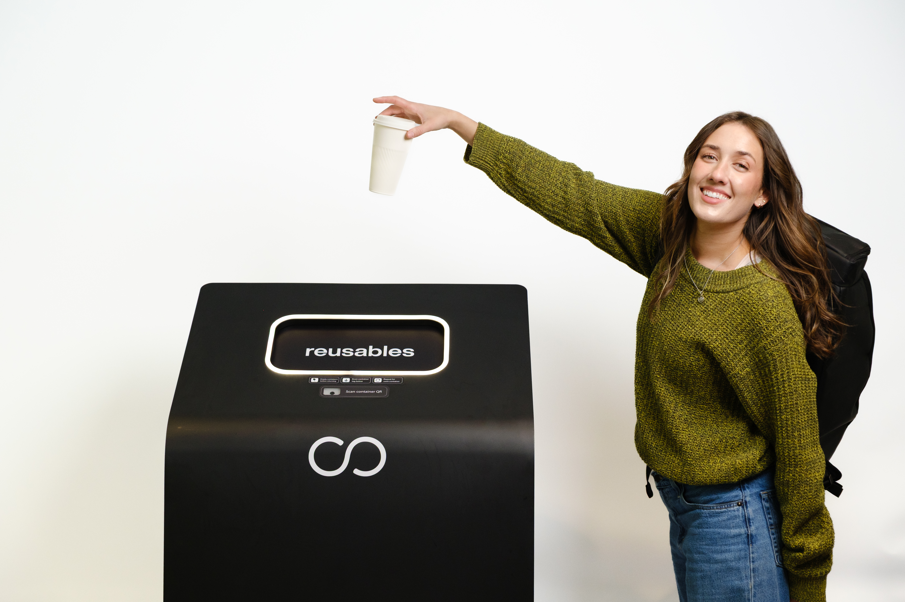
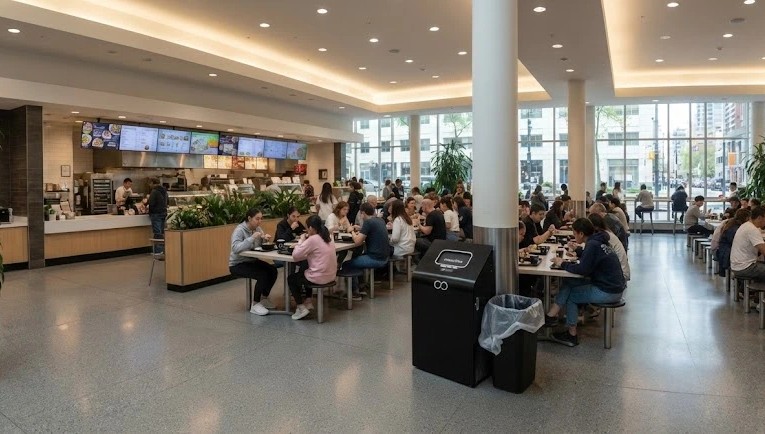
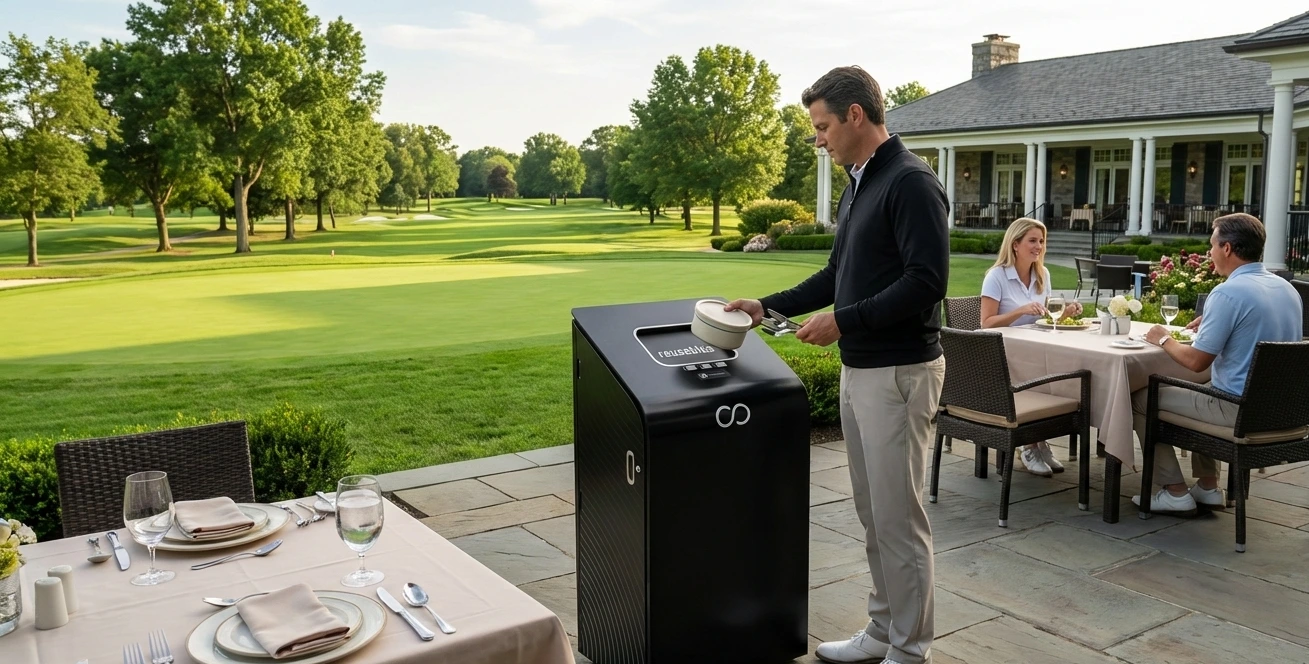
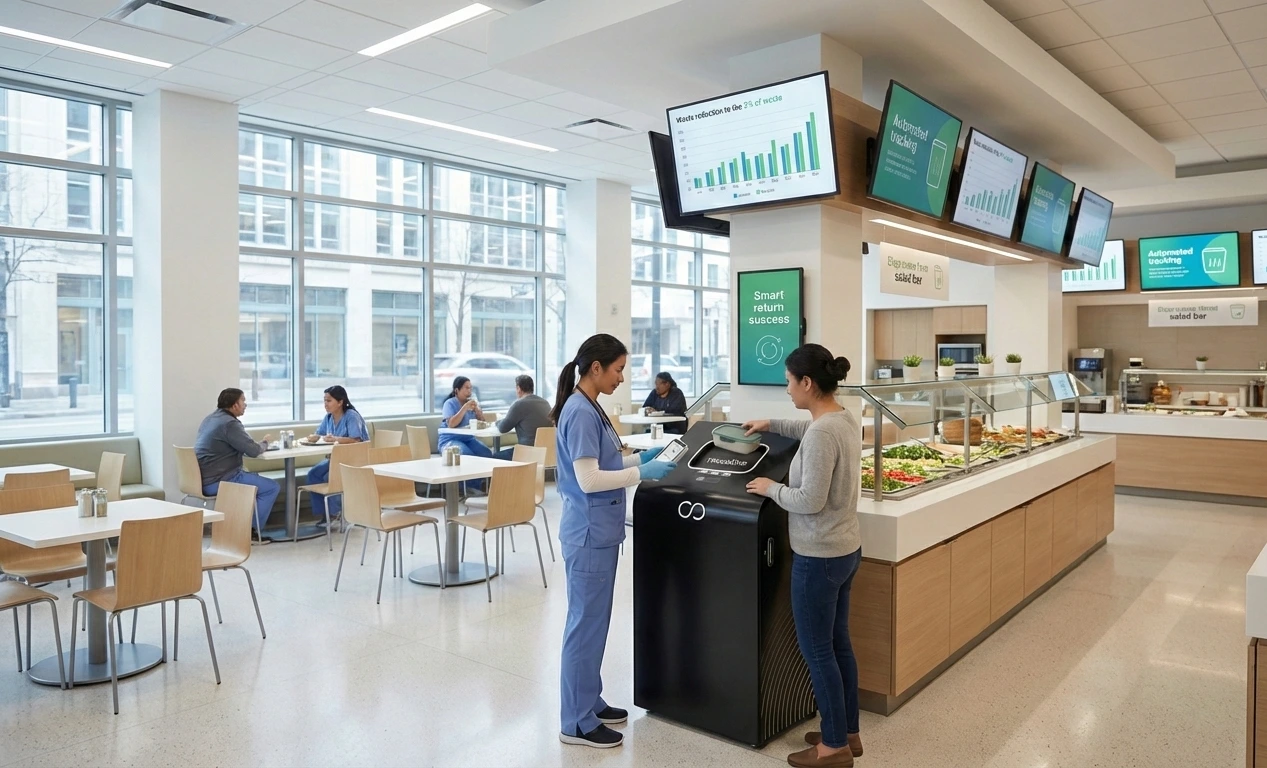
Even the best-laid plans can face hurdles. The most common challenge with reusable cup programs is loss; cups might accidentally be thrown away, taken home, or misplaced. This is where a smart system becomes invaluable. The key is to prevent losses before they happen by making returns incredibly simple and adding a layer of accountability. Strategically placed smart return bins that are available 24/7 can make a huge difference. When returning a cup is just as easy as tossing a disposable one, students are more likely to do it. Combining this convenience with automated reminders and a clear fee structure for unreturned items ensures your inventory stays intact and your program remains sustainable.
Related Articles
- Why Top Stadiums Are Ditching Single-Use Cups
- Catalog : Explore Reusables' Sustainable Product Catalog – Reusables.com
- Smart Reuse Programs for Campuses, Private Clubs, Offices & More
Frequently Asked Questions
What happens if students don't return the cups? Isn't that a huge cost? This is the number one concern for any reuse program, and for good reason. Losing your inventory is a real risk with a manual or honor-based system. A smart, tech-enabled program solves this by building in gentle accountability from the start. By linking each cup to a user with a simple tap of their student card, the system can send automated reminders and, if needed, apply a refundable late fee. This simple step, combined with convenient 24/7 return bins, ensures students bring the cups back. It protects your investment and is how our partners achieve return rates of 99%.
Will a reusable cup program create a lot more work for my dining staff? It’s actually designed to do the opposite over time. While there's an initial learning curve, a well-designed system automates the most time-consuming tasks. Staff no longer have to constantly restock disposable cup dispensers or manage overflowing trash cans. The system handles all the user reminders and fee management automatically, so your team never has to have an awkward conversation about a missing cup. With smart bins that send alerts when they're getting full, your team can manage collections efficiently instead of reacting to problems.
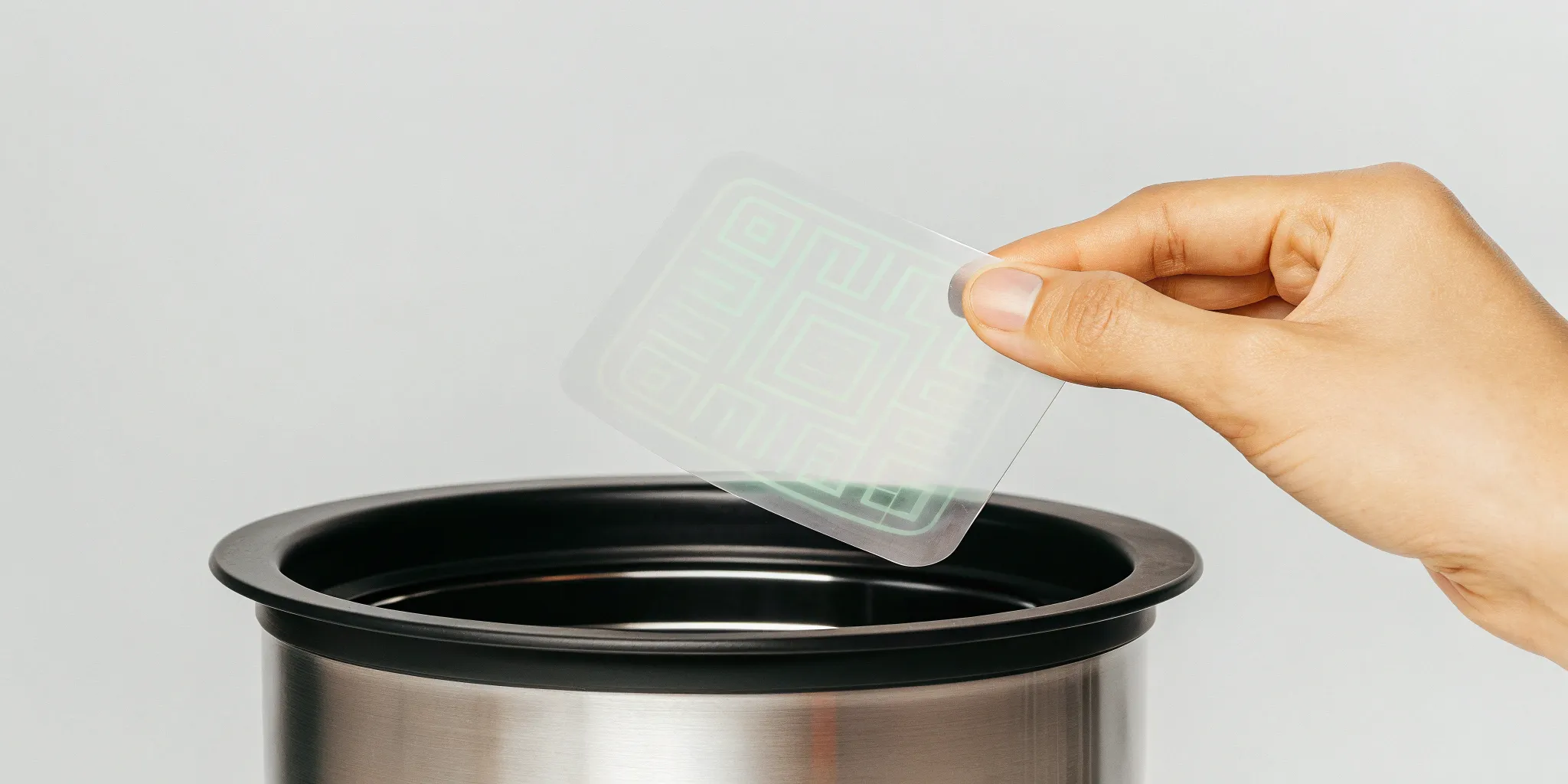
We already have an inventory of reusable cups from a previous initiative. Can we use those? Yes, absolutely. The technology that powers a successful reuse program is flexible and can be integrated with a wide variety of containers, including ones you may already own. As long as your cups are durable and designed for commercial washing, they can be outfitted with unique QR or RFID tags. This allows you to get the benefits of a smart tracking and return system without having to invest in a brand-new set of containers.
How do you get students to actually participate without making it a hassle for them? The key to student adoption is making the sustainable choice the easiest choice. Students are busy, so the process has to be completely frictionless. The best systems don't require students to download an app or pay a deposit. Instead, they can check out a cup in seconds just by tapping their student ID card or phone. When returning is just as simple—dropping the cup into any smart bin on campus—it becomes a natural part of their daily routine rather than a chore.
What's a realistic timeline for seeing a return on our investment? Switching to reusables changes your spending from a constant operational expense to a one-time capital investment. While the upfront cost is higher than a box of disposables, the savings begin immediately. You stop the endless cycle of buying and throwing away single-use products, which reduces your supply and waste-hauling costs from day one. Most of our clients see annual savings of 30% or more on packaging, allowing the program to pay for itself and deliver significant long-term financial value.
Other stories you may find interesting























.webp)
.webp)








.webp)
























Watch the Webinar
Learn How to Eliminate Single-Use Waste
Get instant access to our expert webinar and discover how leading institutions reach 99% return rates through smarter reuse systems.

© Reusables™. All rights reserved.