
Your Guide to Fan Engagement Sustainability Programs

March 9, 2026
What if your sustainability program could do more than just reduce waste? What if it could actually bring your campus community closer together? Many campus initiatives operate in silos, failing to create a sense of shared purpose among students, faculty, and staff. Sustainability efforts, in particular, can feel like a chore rather than a collective celebration of your institution's values. By reframing your efforts as fan engagement sustainability programs, you can change that dynamic entirely. This approach uses technology and smart communication to foster a sense of teamwork, turning individual actions into a visible, collective victory for the entire campus and making sustainability a source of shared pride.
Key Takeaways
- Turn Sustainability into a Shared Goal: Build a campus-wide movement by making participation social and rewarding. Use strategies like friendly competitions, educational campaigns, and partnerships with student groups to create a program everyone feels connected to.
- Prioritize Frictionless Technology: The key to high participation is making reuse the easiest choice. Implement app-free solutions that integrate with existing campus cards and systems to remove barriers and create a seamless experience for students and staff.
- Build a Strategy for Lasting Success: Start with a clear plan that assesses your current waste impact and anticipates challenges like budget needs and changing habits. Consistent communication and data tracking will ensure your program maintains momentum and achieves its goals.
What is a Fan Engagement Sustainability Program?
Think of a fan engagement sustainability program as a way to bring your entire campus community into your green initiatives. It’s not just about what your institution does behind the scenes; it’s about making sustainability a visible, interactive, and shared goal. These programs invite students, faculty, and staff to become active participants in reducing waste and protecting the environment. By creating initiatives that resonate with your community, you can foster a culture of sustainability that extends far beyond the dining hall. It’s about turning individual actions into a powerful collective impact and making everyone feel like they’re part of the team.
Going Beyond Green Goals
A truly effective sustainability program does more than just check a box for your institution's environmental goals. It’s an educational tool that empowers your community. The aim is to educate students and staff on the importance of their choices, whether it's opting for a reusable container, sorting waste correctly, or choosing sustainable transportation. By focusing on education, you encourage people to adopt sustainable practices in their daily lives, creating a ripple effect that lasts long after they’ve left campus. This approach transforms your program from a simple operational change into a meaningful learning experience that shapes long-term habits.
How to Build Community and Environmental Impact
The most successful programs make sustainability feel like a community-wide celebration, not a chore. You can create programs that use fun and friendly competition to get people involved. Think about setting up campus-wide leaderboards to track reuse rates or offering small rewards for consistent participation. Working with campus influencers, like student government leaders or popular clubs, can also get the word out and build excitement. When you make sustainability engaging and social, you’re not just reducing your environmental footprint; you’re building a stronger, more connected campus community united by a shared purpose.
Why Your Campus Needs a Sustainability Program
Implementing a campus-wide sustainability program is much more than a feel-good initiative. It’s a strategic decision that delivers tangible benefits across your entire institution, from your brand reputation to your bottom line. When you commit to reducing waste, you’re not just helping the environment; you’re creating a more attractive, efficient, and connected campus community. A well-designed program can improve the student experience, streamline operations, and position your institution as a leader.
Think of it as an investment in your campus’s future. By adopting sustainable practices, you address the growing demand for environmental responsibility while uncovering new opportunities for financial savings and community engagement. It’s a powerful way to align your operational goals with the values of your students, faculty, and staff.
Strengthen Your Brand and Attract Students
Today’s students are actively looking for universities that reflect their values, and sustainability is high on their list. A visible commitment to environmental stewardship can be a deciding factor for prospective students. By being proactive, you can increase your performance and build a stronger connection with your community.
Implementing programs like a campus-wide reusable container system sends a clear message that your institution is forward-thinking and dedicated to making a real impact. This not only helps you attract top-tier students and faculty but also strengthens your brand as a whole. It’s a story worth telling, one that showcases your campus as a place that cares about the future.
Forge Stronger Community Ties
Sustainability initiatives have a unique way of bringing people together. When students, staff, and faculty work toward a shared environmental goal, it creates a powerful sense of unity and collective purpose. Programs that encourage participation, like a campus reuse system, turn everyday actions into opportunities for connection.
These shared efforts can deepen connections among different groups on campus, fostering a more collaborative and engaged atmosphere. Seeing a program succeed through everyone’s participation builds pride and strengthens the feeling that everyone is part of something bigger than themselves. This sense of community is a vital part of a positive and memorable campus experience.
Hit Your Sustainability Targets
Many institutions have set ambitious zero-waste and carbon-reduction goals. A comprehensive sustainability program is essential for turning those goals into reality. Instead of being an abstract target, initiatives like eliminating single-use plastics provide a clear, measurable path to success.
To truly tackle your environmental impact, you need practical solutions that integrate seamlessly into campus life. A tech-enabled reuse program, for example, offers real-time data on waste diversion and return rates, giving you the concrete metrics needed to track progress and report on your achievements. This allows you to confidently demonstrate your commitment and celebrate your milestones with the entire community.
Save Money and Cut Operational Costs
Beyond the environmental benefits, sustainability is a smart financial strategy. The cost of disposable packaging has skyrocketed, putting a significant strain on dining services budgets. By switching to a reusable system, you can drastically reduce these recurring expenses and achieve long-term savings.
Just as switching to renewable energy can provide clean, low-cost energy, investing in reusables replaces a constant operational cost with a durable, long-lasting asset. This shift not only cuts down on supply chain issues and waste management fees but also frees up your budget for other important initiatives. It’s a practical way to make your operations more resilient and financially sound.

How Do Successful Programs Actually Work?
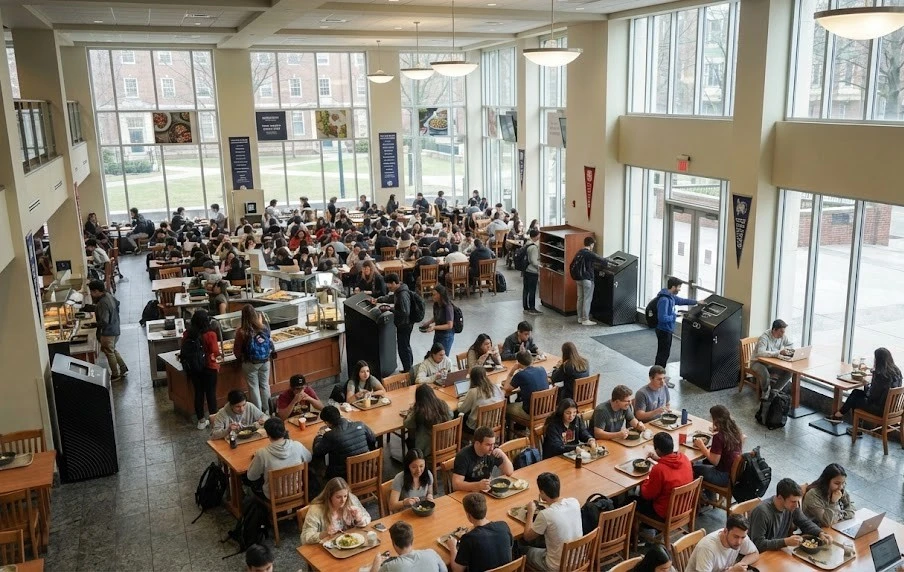
It’s one thing to have a sustainability goal, but it’s another to build a program that people actually love and use. The most effective initiatives aren’t just about providing a green alternative; they’re about creating a seamless, rewarding experience that becomes a natural part of campus life. We’ve all seen well-intentioned programs fail because they were clunky, inconvenient, or asked too much of busy students. A successful program, on the other hand, is built on a deep understanding of the community and is designed to be as easy as it is impactful. It integrates smoothly into existing routines, like grabbing lunch between classes, rather than adding another complicated step.
Successful programs don’t happen by accident. They are the result of careful planning, genuine community engagement, and a commitment to transparency. By focusing on a few core principles, you can create a system that not only meets your sustainability targets but also strengthens your campus community and enhances the student experience. From setting a clear strategy to celebrating your wins, every step matters. Let’s break down the four key pillars that make these programs thrive and turn sustainability goals into a campus-wide reality.
Start with a Solid Program Design
Before you launch anything, it’s crucial to have a clear and thoughtful plan. The best approach is to first assess your environmental impacts to understand your starting point. How many single-use containers are you currently using? What are the associated costs and waste management challenges? This initial data gives you a benchmark to measure success against. From there, you can set realistic, incremental goals. Instead of aiming for zero waste overnight, focus on small, achievable steps that build momentum. A well-designed program is built for the long haul, with a clear roadmap that outlines how you’ll get from where you are to where you want to be.
Find What Motivates People to Participate
For any campus program to succeed, you need enthusiastic participation from students, faculty, and staff. The key is to understand what drives them. While many people are motivated by environmental concerns, making it easy and rewarding is what turns good intentions into consistent action. Consider offering incentives like loyalty points, discounts, or friendly competitions between dorms or departments. Reusables.com’s platform includes gamification features like leaderboards and rewards to keep engagement high. Ultimately, the less friction there is, the better. When participating is as simple as tapping a student ID card, you remove barriers and make reuse the most convenient choice.
Get Everyone Involved
A truly successful sustainability program feels like a community-wide effort, not a top-down mandate. You can foster this sense of shared ownership by involving everyone from the start. Partner with student environmental groups, consult with faculty, and get feedback from your dining staff. Use their insights to shape the program and empower them to become its biggest advocates. Educational campaigns are also vital. Use clear signage, social media, and campus news to explain how the program works and, more importantly, why it matters. When people understand the collective impact of their individual actions, they become more invested in the program’s success and help encourage sustainable practices across campus.
Measure and Share Your Success
Data is your best friend when it comes to running and refining your program. Tracking key metrics allows you to see what’s working, identify areas for improvement, and demonstrate the program's value to stakeholders. You should monitor metrics like container return rates, participation levels, waste diversion numbers, and cost savings. More importantly, share this information widely. Post real-time impact data on screens in the dining hall, send out updates in campus newsletters, and celebrate milestones on social media. This transparency not only builds trust and credibility but also keeps the community motivated by showing them the tangible difference they’re making. This data is also essential for environmental, social, and governance (ESG) reporting, which is increasingly important for institutional reputation.
What Strategies Make the Biggest Impact?
Creating a successful sustainability program is about more than just setting goals; it’s about inspiring action and making participation easy and rewarding. The most effective programs use a mix of strategies to connect with the community on different levels. It's about building a culture of sustainability that feels like a natural part of campus life, not a chore. By combining education with fun, tangible actions, and strategic partnerships, you can create a program that not only meets its environmental targets but also strengthens your community. Let's look at five powerful strategies that can help you get there.
Launch Educational Campaigns
Before people can change their habits, they need to understand why it matters. That’s where a strong educational campaign comes in. Your goal is to connect the dots between individual actions, like choosing a reusable container, and the larger campus-wide impact. Use campus media, social media channels, and posters in high-traffic areas to share clear, compelling facts about waste reduction. You can highlight how much the campus spends on disposables or showcase the positive environmental impact of your reuse program. As the Earthly blog points out, these campaigns can inspire people to adopt sustainable practices in their daily lives. Keep the message simple, positive, and focused on the collective difference you’re all making together.
Use Gamification to Drive Engagement
A little friendly competition can go a long way in motivating people. Gamification turns sustainable actions into a fun challenge with clear rewards. You can set up campus-wide leaderboards to track which dorm or department is reusing the most, or create individual challenges with prizes for hitting certain milestones. This approach taps into people's natural desire to play and achieve. Platforms like AWorld show how effective it is to offer rewards for eco-friendly choices and track collective progress. By making sustainability interactive, you can keep your community engaged and excited to participate over the long term, transforming routine actions into rewarding experiences.
Partner with Environmental Groups
You don’t have to build your program alone. Partnering with student environmental clubs or local non-profits can add incredible value and authenticity to your initiatives. These groups are often passionate and knowledgeable, and they can help you spread the word and organize volunteers for events. Working with an established group also sends a strong message that your commitment to sustainability is genuine. Organizations like the Green Sports Alliance Foundation show how powerful these collaborations can be in inspiring entire communities. Tapping into existing passion on campus will help you build momentum and create a program that truly reflects your community’s values.
Host Sustainable Events
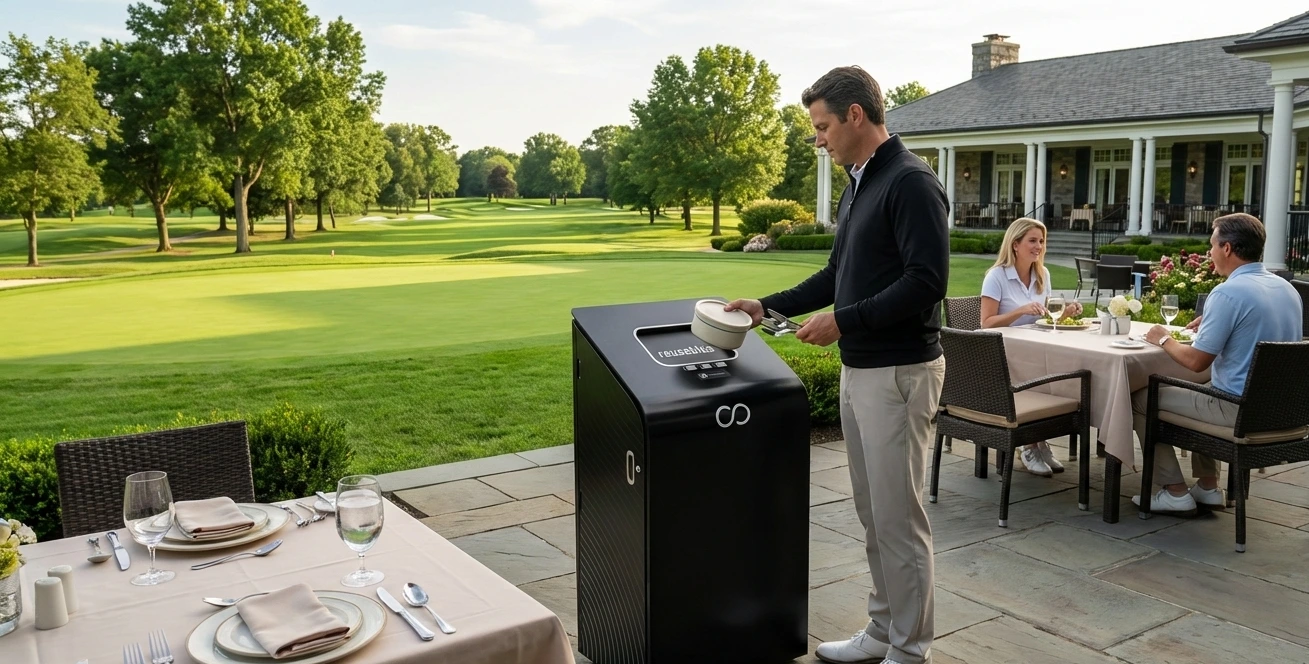
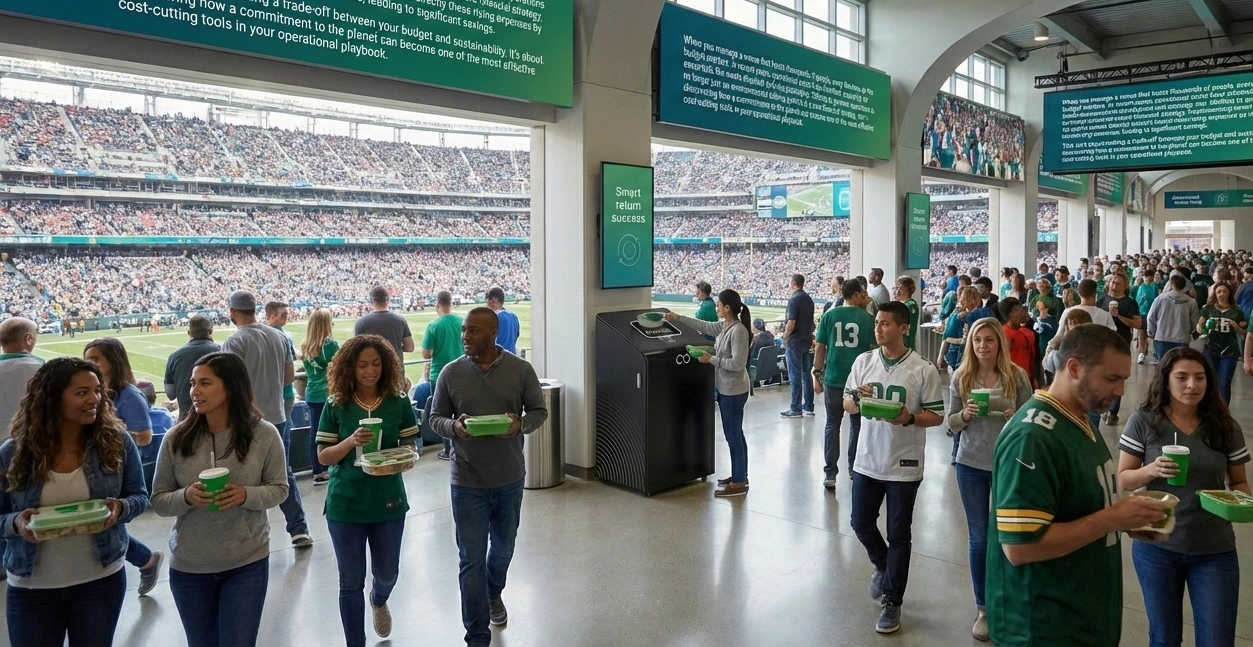
Events are a fantastic opportunity to put your sustainability goals on full display. Whether it’s a major sporting event, a campus festival, or even daily lunch service, you can make reuse and waste reduction a central part of the experience. A zero-waste tailgate or a competition between residence halls during move-in week can generate a lot of positive buzz. Research from Texas A&M University confirms that events with clear environmental initiatives deepen connections with the community. These events serve as powerful, hands-on educational moments, showing everyone what’s possible and making sustainability feel both achievable and exciting. It’s a chance to lead by example and celebrate your shared commitment.
Promote Green Transportation
Your sustainability efforts can extend beyond the dining hall. Encouraging green transportation options for getting to and from campus events is another high-impact strategy. You can work with campus transportation to promote bus routes, set up designated rideshare locations, or install more bike racks near major venues. Consider offering small incentives, like a discount at the concession stand for anyone who shows a bus pass or a bike helmet. As researchers have noted, targeted campaigns can successfully increase the use of mass transit for events. By making it easier for people to choose sustainable travel, you reduce your event’s carbon footprint and demonstrate a holistic commitment to environmental responsibility.
How Can Technology Help You Engage Your Community?
Technology is the key to making your sustainability program feel effortless and exciting, not like another campus chore. When you meet students where they are, on their digital devices, you can transform abstract green goals into a tangible, shared experience. Think of it like building a sports team. The best fan engagement strategies use technology to create interactive ways for people to feel like part of the action. Your sustainability program can do the same thing.
By using the right tech, you can make participation simple, track collective progress, and create a friendly sense of competition. Instead of relying on posters and pamphlets, you can build a dynamic system that integrates directly into daily campus life. This approach not only makes it easier for students to get involved but also provides you with the real-time data you need to manage and grow your program effectively. The goal is to create a system so seamless that choosing the sustainable option becomes the easiest and most rewarding choice.
Use Digital Platforms to Track Progress
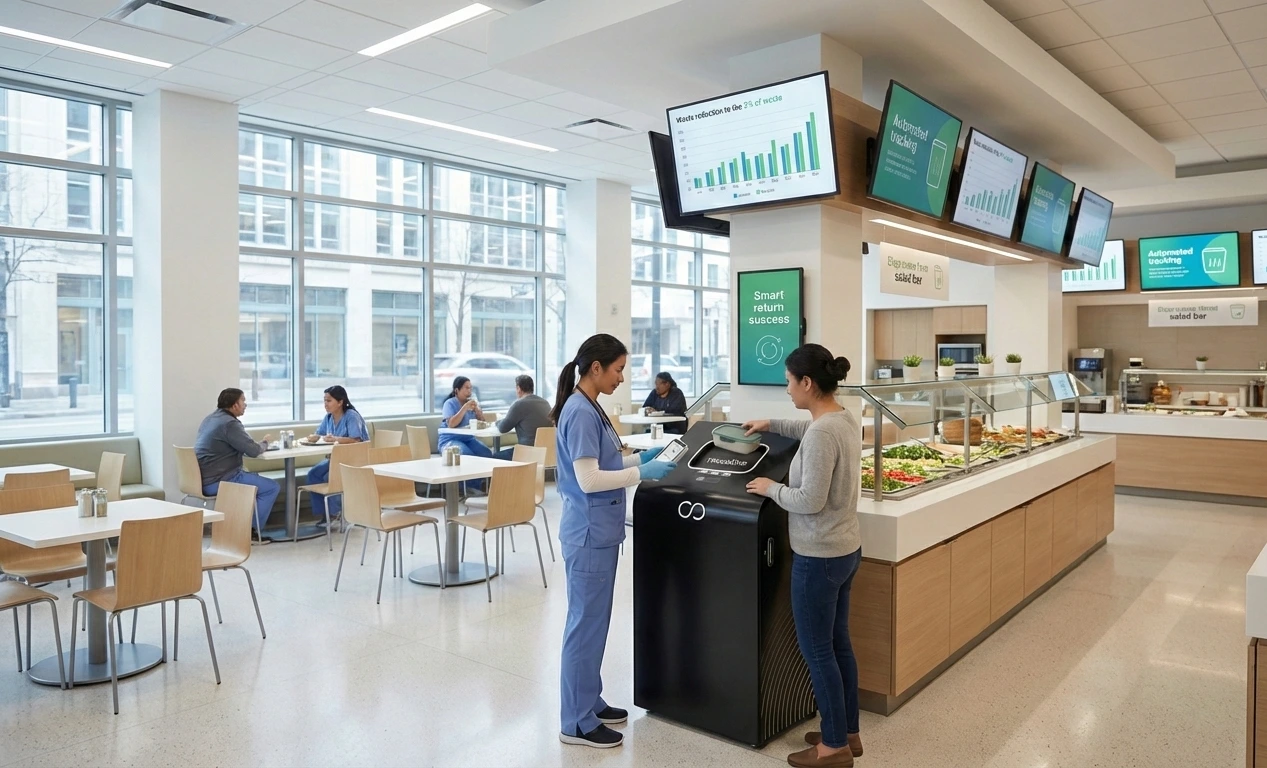
A digital platform makes your community's impact visible and personal. When students can see how many single-use containers they’ve helped divert from the landfill, it turns a small daily action into a meaningful contribution. You can use dashboards and leaderboards to showcase individual and campus-wide achievements, creating a sense of collective pride and friendly competition. Just as sports fans follow team stats, your community can track its environmental wins. This data-driven approach helps everyone feel connected to the program's success and motivated to keep participating.
Offer App-Free Ways to Participate
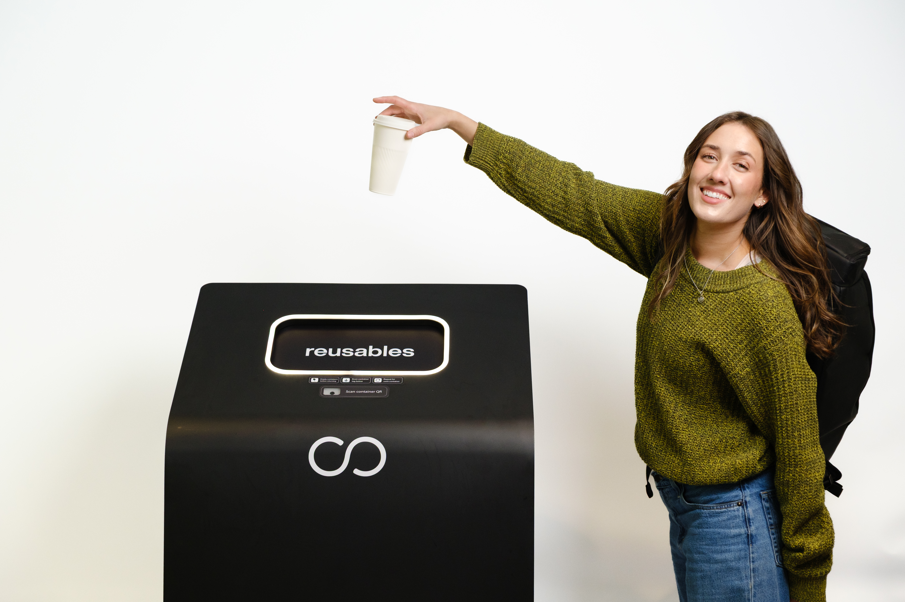
In a world of app fatigue, requiring a download is a major barrier to entry. The most effective technology is often the one people barely notice. Look for app-free solutions that make participation completely frictionless. Systems that allow students to simply tap their campus card or phone to check out a reusable container remove any hesitation. When joining your program is as easy as buying a coffee, you’ll see participation rates soar. This simple, intuitive approach ensures your program is accessible to everyone on campus from day one.
Automate Accountability with Real-Time Data
A successful reuse program depends on getting your containers back. Technology can automate accountability without creating extra work for your staff or making students feel policed. A smart system can track every container and send automated reminders to users if an item is overdue. This gentle nudge is often all that’s needed to encourage returns. By automating this process, you can maintain high return rates and protect your inventory, ensuring the long-term financial and environmental sustainability of your program. This frees up your team to focus on engagement rather than enforcement.
Integrate with Your Existing Campus Systems
Your sustainability program shouldn't operate in a silo. To make it a true part of campus life, choose technology that integrates with the systems you already use. A platform that works with your existing point-of-sale, campus card, and payment providers creates a seamless experience for both students and staff. This integration means no clunky workarounds or manual data entry for your team. For students, it means they can participate using the same card they use for everything else on campus, making sustainability a natural part of their daily routine. You can learn more about tech integrations that fit your campus needs.

What Challenges Should You Prepare For?
Launching any new initiative comes with its own set of hurdles, and a sustainability program is no different. But thinking through these potential challenges ahead of time is the best way to set your program up for success. By anticipating the bumps in the road, you can create a smoother, more effective rollout that gets your community on board from day one. It’s not about avoiding problems entirely, but about having a smart plan to address them when they arise. The most common areas to focus on are encouraging new habits, planning your budget, keeping engagement high for the long term, and handling the natural resistance to change.
Encourage New Habits and Awareness
The biggest challenge is often behavioral. People are accustomed to the convenience of single-use packaging, so introducing a reusable system requires a shift in mindset. Your goal is to make the new, sustainable habit just as easy (or even easier) than the old one. Targeted environmental sustainability campaigns can educate your community on the "why" behind the program, helping them feel like part of the solution. Clear signage, simple instructions at checkout, and kick-off events can build the initial momentum you need. The key is to lower the barrier to entry so much that choosing to reuse becomes the obvious, simple choice for everyone on campus.
Plan Your Budget and Resources
A new program requires a thoughtful budget and resource plan. While the initial investment in reusable containers and tracking technology might seem significant, it’s important to frame it against the long-term savings. Many campuses spend tens of thousands annually on disposable packaging, a cost that a reuse program can dramatically reduce. Your budget should account for the system itself, as well as resources for marketing and staff training. Just as major sporting events are investing in solutions to reduce travel-related emissions, your campus can invest in a system that cuts waste-related costs. When you can show stakeholders a clear path to ROI, securing the necessary funding becomes a much more straightforward conversation.
Keep Engagement High Over Time
The launch will generate buzz, but how do you maintain that energy for the long haul? Sustaining participation requires ongoing effort and a focus on community. This is where you can get creative with gamification, leaderboards, and rewards for frequent reusers. Sharing regular updates on your collective impact, like the number of single-use containers saved, helps everyone see the tangible results of their actions. Authentic engagement builds a community where people feel a genuine connection to the program and its goals. By celebrating milestones and consistently communicating the positive impact, you transform a one-time initiative into a lasting part of your campus culture.
Handle Resistance to Change
No matter how great your program is, some people will be hesitant to change their routines. The best way to handle this is with empathy and education. Make sure information is readily available to answer common questions about hygiene, convenience, and cost. Often, resistance comes from a lack of understanding. You can involve fans through educational campaigns, showing them how simple the process is and highlighting the benefits. Starting with a pilot program in one dining hall can also be a great strategy. It allows you to gather feedback, work out any kinks, and build a group of early adopters who can become advocates for the program when you expand it campus-wide.
Build Your Fan Engagement Sustainability Strategy
Launching a successful sustainability program is about more than just setting a goal. It requires a clear, thoughtful strategy that turns your vision into a campus-wide movement. By breaking the process down into manageable steps, you can build a program that not only meets your environmental targets but also creates a more engaged and connected community. A solid plan ensures your initiative has the foundation it needs to grow, adapt, and make a lasting impact. Think of it as your playbook for creating a program that people are genuinely excited to be a part of, from day one and for years to come.
Assess and Plan Your Program
Before you can move forward, you need a clear picture of where you stand. Start by assessing your current environmental impact. How many single-use containers does your campus use each month? What are the associated costs and waste management fees? Gathering this baseline data gives you a starting point to measure success against. Once you have that information, you can take small, deliberate steps to build your program. You don’t need to overhaul every dining hall overnight. A pilot program in a single location can help you work out the kinks and build momentum before a campus-wide rollout.
Choose the Right Partners and Practices
You don’t have to go it alone. The most successful sustainability programs are built on strong partnerships. Look for collaborators both on and off campus. Student environmental groups, faculty members, and other campus departments can be powerful allies in spreading the word and driving participation. External technology partners can provide the infrastructure and expertise needed to make your program seamless. These collaborations often lead to joint campaigns and community projects that get everyone involved in a meaningful way, creating positive associations that extend across campus.
Create a Strong Communication Plan
A great program can’t succeed if no one knows about it or understands how to participate. Your communication plan is key to getting buy-in from the entire campus community. Use a mix of channels to get the word out, including digital screens in dining halls, campus newsletters, and social media. Work with student leaders to help spread the message. Your communications should focus on making participation feel easy and rewarding. Clearly explain how the program works, why it matters, and what’s in it for them. Well-planned educational campaigns can encourage students and staff to adopt sustainable habits that last a lifetime.
Scale and Optimize for Long-Term Success
Your launch is just the beginning. The real goal is to create a program that lasts. This means continuously tracking your progress, gathering feedback, and making adjustments along the way. Use data to see what’s working and identify areas for improvement. Are return rates high? Are people actively participating? Answering these questions will help you refine your approach. As your program proves its value, you can scale it from a pilot to a campus-wide initiative. Focusing on long-term success is essential for building a loyal fanbase for your sustainability efforts and creating strong, lasting relationships within your community.
Related Articles
- 7 Smart Eco-Friendly Initiatives for Campus Food
- Guide to Sustainable College Cafeterias
- Successful Zero Waste Initiatives for College Dining
Frequently Asked Questions
How much extra work will a reuse program create for my dining staff? That’s a fair question, as your team is already managing a lot. A well-designed program should actually reduce staff workload, not add to it. When you use a tech-enabled system, tasks like tracking containers, sending return reminders, and managing late fees are automated. This means your staff doesn't have to manually check items in or chase down students for missing containers. The focus shifts from managing waste to simply running a smooth dining operation.
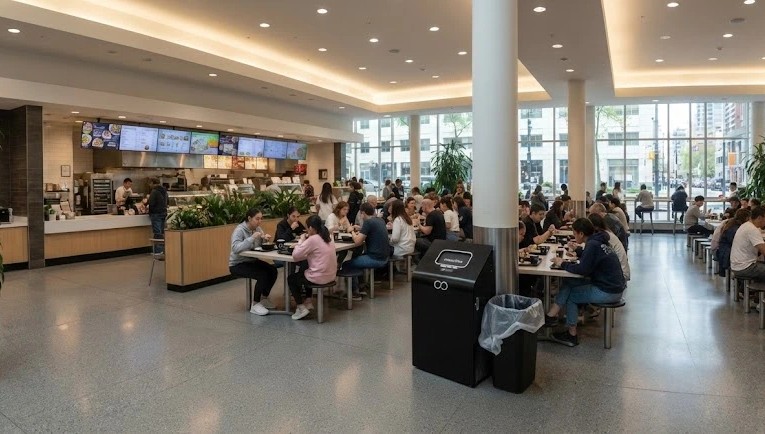
What's the best way to get students to actually return the containers? The key is to make returning containers simple and to create a system of gentle accountability. Smart return bins that are available 24/7 make it convenient for students to drop off containers on their own schedule. Combining this with an automated system that tracks each container and sends friendly reminders is highly effective. This approach removes the need for staff intervention and encourages high return rates, ensuring your container inventory stays healthy.
How can we justify the initial investment in a reusable system to our stakeholders? It's best to frame it as a shift from a recurring expense to a long-term asset. Calculate how much you currently spend annually on disposable packaging, a cost that is only rising. A reusable system replaces that endless operational cost. You can present a clear financial case showing how the program pays for itself over time through the elimination of disposable purchasing and reduced waste management fees, leading to significant savings.
Our students are busy. How do we make participation easy enough that they'll actually do it? The secret is to make the sustainable choice the most convenient one. The best systems don't require students to download an app or remember a special card. Instead, they integrate directly with existing campus credentials, like a student ID or mobile wallet. When checking out a reusable container is as simple as a quick tap, you remove all the friction. This makes participation a seamless part of their daily routine, not another task to think about.
We want to start small. What does a pilot program typically look like? Starting with a pilot is a smart way to build momentum. A great approach is to launch the program in a single, high-traffic location, like your main student union or a popular cafe. This allows you to introduce the concept to the campus community in a controlled environment. You can gather valuable feedback, work out any operational details, and build a group of early adopters who can become advocates before you expand the program campus-wide.
Other stories you may find interesting





























.webp)
.webp)








.webp)





































Watch the Webinar
Learn How to Eliminate Single-Use Waste
Get instant access to our expert webinar and discover how leading institutions reach 99% return rates through smarter reuse systems.

© Reusables™. All rights reserved.