
How to Charge for Reusables & Get High Return Rates

December 5, 2025
The primary goal of any reuse program is to reduce waste, but what happens when the reusables aren't reused? A lost container is actually worse for the environment than its disposable counterpart due to its larger manufacturing footprint. Your program's environmental success is directly tied to its return rate. To truly make an impact and meet your campus's zero-waste targets, you need a closed-loop system that ensures every container is returned, washed, and put back into circulation. This makes the question of how to charge for unreturned reusables a critical sustainability decision, ensuring your program fulfills its green promise rather than accidentally undermining it.
Key Takeaways
- Automate Your Program to Ensure Its Success: Manual tracking and fee collection are unsustainable. Use a tech-enabled system to manage inventory, send reminders, and handle fees automatically, which frees up staff and ensures policies are enforced consistently and fairly.
- Adopt a No-Deposit Model to Encourage Participation: Upfront deposits can deter students from using the program. The most effective approach is to let students borrow for free by linking their campus card, only charging an automated fee if a container isn't returned. This removes friction while maintaining accountability.
- Design for Student Convenience, Not Dining Hall Hours: To get containers back, you must fit into students' schedules. Combine clear communication with a network of 24/7 smart return bins in high-traffic areas like residence halls and libraries to make returning an effortless, obvious choice.
Reusable Containers: Why Return Rates Make or Break Your Program
Launching a reusable container program is a fantastic step toward your campus sustainability goals. But the unfortunate truth is that many programs fail to deliver on their promise, and it almost always comes down to one critical metric: the return rate. When containers don't come back, the entire system falls apart. The environmental benefits disappear, and the financial savings you were counting on turn into a significant new expense.
A successful reuse program isn't just about offering durable containers; it's about creating a closed-loop system that ensures they are consistently returned, washed, and put back into circulation. This means having the right technology and processes in place to track every container and make returning them effortless for students. Without high return rates, you’re not running a reuse program—you’re just distributing expensive, heavy-duty disposables. This single factor determines whether your initiative will be a celebrated success that cuts costs and waste or a frustrating operational headache that drains your budget and staff resources. Understanding the stakes is the first step to building a program that actually works for your campus, your students, and your bottom line.
The Environmental Cost of Low Return Rates
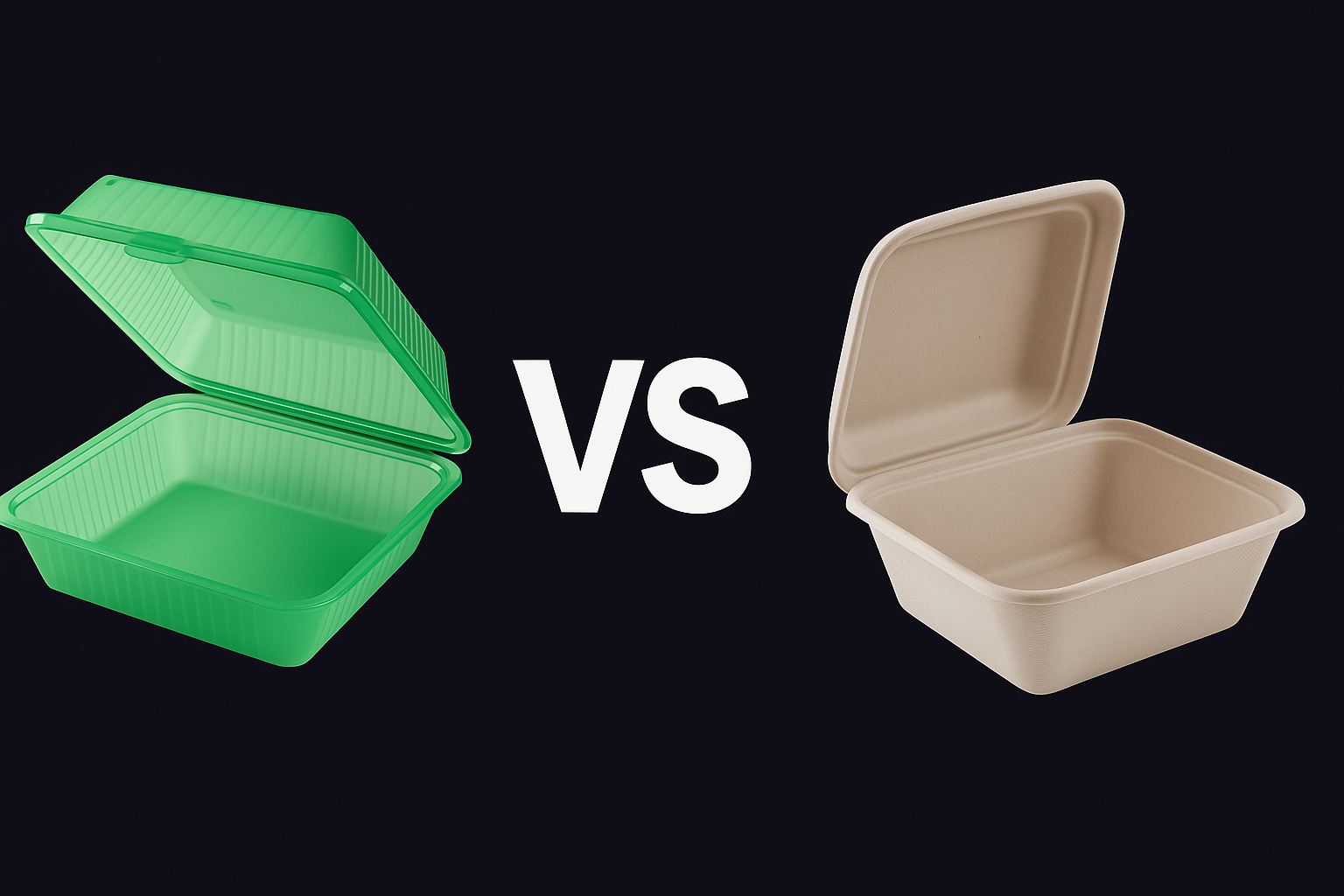
The primary goal of any reuse program is to reduce single-use waste. But what happens when the reusables aren't reused? As the team at the University of Vermont found, "without the containers coming back, the original intention of the program, to reduce waste, wasn’t being met." When a student walks off with a container that never returns, it effectively becomes a single-use item. Worse, it's a single-use item with a much larger manufacturing footprint than the compostable or paper alternative it replaced. Your well-intentioned program can accidentally increase its environmental impact, undermining the very mission it was created to support.
The Financial Drain of Lost Containers
From a budget perspective, low return rates are a disaster. You’ve invested in a durable inventory to replace the recurring expense of disposables, but now you’re stuck constantly buying more containers to replace the ones that go missing. This creates a new, unpredictable line item that can quickly exceed any savings you hoped to achieve. With disposable packaging costs already on the rise, adding the expense of replacing lost assets puts incredible strain on your operational budget. An effective program must have built-in accountability to protect your investment and ensure financial sustainability. The idea of being charged a penalty fee can be a powerful incentive to return containers, turning a potential loss into a reliable asset.
How Much Should You Charge for Unreturned Containers?
Figuring out what to charge for unreturned containers is one of the most critical decisions you’ll make when launching a reuse program. It’s a delicate balance. Charge too little, and you risk losing your inventory as containers are treated like disposable items, which undermines your sustainability goals and budget. Charge too much, and you might discourage students from participating in the first place, leading to low adoption rates. The right fee structure isn’t about generating revenue from lost items; it’s about creating a system that gently nudges users toward the desired behavior: returning the container. Think of it as a key part of your operational strategy for the efficient management of your reusable inventory. When you get this piece right, you protect your investment, keep containers in circulation, and ensure the long-term financial and environmental success of your program. The goal is to set a price that reflects the container's value and reinforces the "borrow, not own" mindset, without creating a barrier for your campus community. It starts with understanding your actual costs, considering the psychology of your users, and choosing a model that makes returns easy and intuitive for everyone involved. This isn't just a financial decision; it's a core component of the user experience that directly impacts your return rates and the overall perception of the program on campus.
Calculate Your True Replacement and Operational Costs
Before you can set a fee, you need to know the true cost of a lost container. This goes beyond the sticker price you paid your supplier. Your total replacement cost should include the price of the container itself, plus any shipping, handling, and administrative fees associated with ordering a replacement. You should also factor in the labor costs for your staff to manage inventory, place new orders, and process lost items in your system. A lost container isn't just a missing piece of plastic or steel; it's a gap in your operational flow that requires time and resources to fix. Calculating this all-in cost gives you a clear, data-backed baseline for what each lost container actually costs your program.
Set Rates to Encourage Returns, Not Deter Users
With your replacement cost calculated, the next step is to set a fee that encourages returns without deterring participation. The most effective fee isn't necessarily the exact replacement cost. Instead, it’s a number that feels significant enough to motivate action. Research from Upstream Solutions shows that the mere threat of a fee is often a stronger incentive for returns than an upfront deposit. The goal is for students to want to avoid the charge. If the fee is too low (say, $1), a student might just decide it’s worth it to keep a convenient container. If it’s too high ($25), they might be too nervous to even try the program. Find a middle ground that communicates value and encourages responsibility.
Deposits vs. Late Fees: Which Model Works Best?
The two main ways to structure your fee are deposits and late fees. A deposit system charges students an upfront fee that’s refunded upon return. While it creates immediate accountability, it also adds friction to the checkout process and can be a barrier for students. A more modern and user-friendly approach is a no-deposit model with an automated late fee. As Upstream Solutions notes, many successful reuse companies are finding that not charging an upfront deposit can lead to very high return rates. With a tech-enabled reuse system, students simply tap to check out a container for free. If it isn't returned on time, a late fee is automatically charged, removing the need for staff to chase down payments and making the whole process seamless for everyone.
What Are the Most Effective Charging Methods?
Choosing how to charge for unreturned containers is one of the most critical decisions you’ll make when setting up a reuse program. The goal isn’t to penalize students, but to create a system that gently encourages them to bring containers back. The right approach minimizes friction for users while protecting your inventory and budget. Get it wrong, and you could face low participation or a constant drain on your resources from lost containers. Get it right, and you’ll see return rates soar without adding a heavy administrative burden on your staff.
The most successful programs don’t rely on manual tracking or chasing down students for fees. They use automated systems that handle everything from reminders to charges seamlessly. This automation is what makes a charging policy fair, transparent, and effective. Let’s break down the three most common models to see how they work and which one might be the best fit for your campus. Each has a different philosophy, but all share the same goal: getting those containers back in circulation.
Deposit Systems with Automatic Refunds
The deposit model is the classic approach. A student pays a small, refundable fee when they check out a container, and the money is returned to their account when the container comes back. Historically, this has been a straightforward way to cover the cost of any lost items and give students a clear financial reason to participate. It’s a simple transaction that everyone understands.
However, requiring an upfront payment, even a small one, can create a barrier to entry. Some students may not want to tie up funds or may simply opt for a disposable container to avoid the hassle. Because of this, many of the most successful reuse programs are moving away from upfront deposits to create a more frictionless experience for users.
Progressive Late Fee Structures
A late fee model offers more flexibility than a deposit system. Instead of charging everyone upfront, you only charge students who don’t return their containers within a set timeframe. This approach often includes a grace period and automated reminders before any fee is applied. For example, a student might have seven days to return a container before a fee is charged to their campus card.
This method feels less like a penalty and more like a fair consequence for not participating in the program correctly. Our own Terms of Service are built on this idea, allowing for a charge for the container's value if it isn't returned on time. This structure encourages timely returns while giving students a chance to make things right without an immediate financial hit.
No-Deposit Models with Built-In Accountability
This is quickly becoming the gold standard for campus reuse programs. In this model, students can borrow containers for free, completely removing any financial barrier to participation. The accountability comes from linking their student ID or payment card to the container at checkout. If the container isn’t returned on time after a grace period and several reminders, a fee for the replacement cost is automatically charged.
Interestingly, research shows that the threat of a fee is often a more powerful motivator than an upfront deposit. In fact, programs that use this no-deposit, card-on-file method report return rates as high as 99%. It’s the best of both worlds: students get a free, easy-to-use service, and you get a highly effective, automated system for ensuring your containers come back.
How to Get Students to Actually Return Containers
Launching a reusable container program is a fantastic step toward your campus sustainability goals. But getting students to use the containers is only half the battle. The real challenge—and the key to a program that’s both financially and environmentally successful—is getting them back. Without a strong return strategy, you risk losing inventory, spending more on replacements, and falling short of your waste-reduction targets. As some universities have found, high participation doesn't always translate to high return rates, which can undermine the entire intention of the program.
The good news is that achieving 99%+ return rates is entirely possible. It doesn’t happen by accident, though. It requires a thoughtful system designed around student behavior. You need to make returning containers not just a requirement, but the easiest and most obvious choice. This involves a multi-pronged approach that combines clear communication, ultimate convenience, smart reminders, and positive reinforcement. By focusing on removing friction and creating a positive user experience, you can build a culture of reuse where returning containers becomes second nature for your students.
Communicate Your Policies Clearly
From the moment a student picks up their first reusable container, they should know exactly what the process is. Ambiguity is the enemy of compliance. Your return policy, including any potential late fees and deadlines, should be communicated simply and consistently at every touchpoint. This includes clear signage at dining halls, information on your website, and maybe even a simple sticker on the container itself. Don’t assume students will seek out the information. Make it impossible to miss. When students understand the "how" and "why" from the start, they are far more likely to participate correctly and keep your containers in circulation.
Offer Convenient, 24/7 Return Options
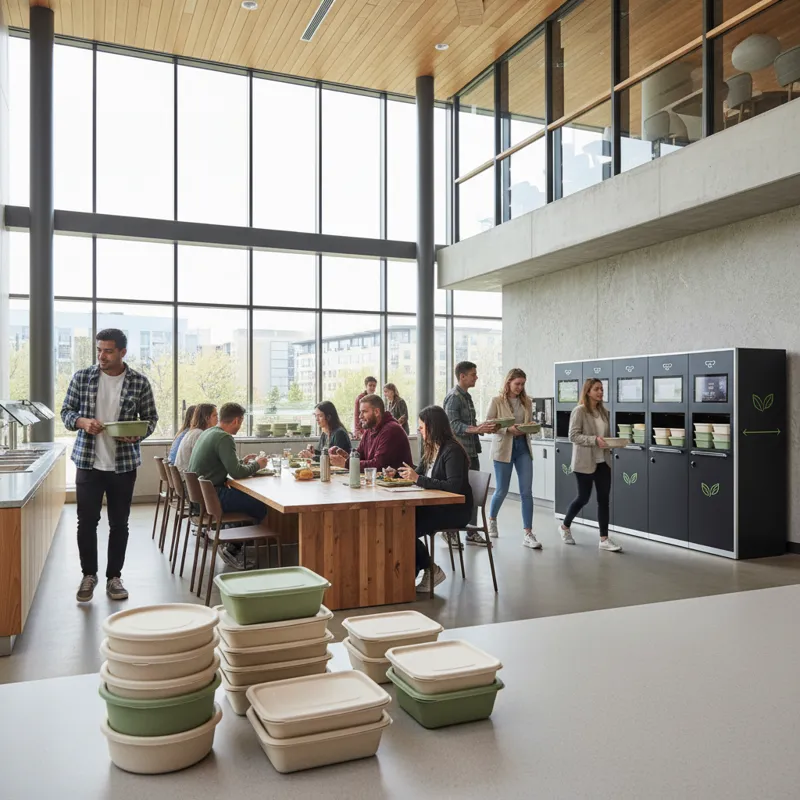
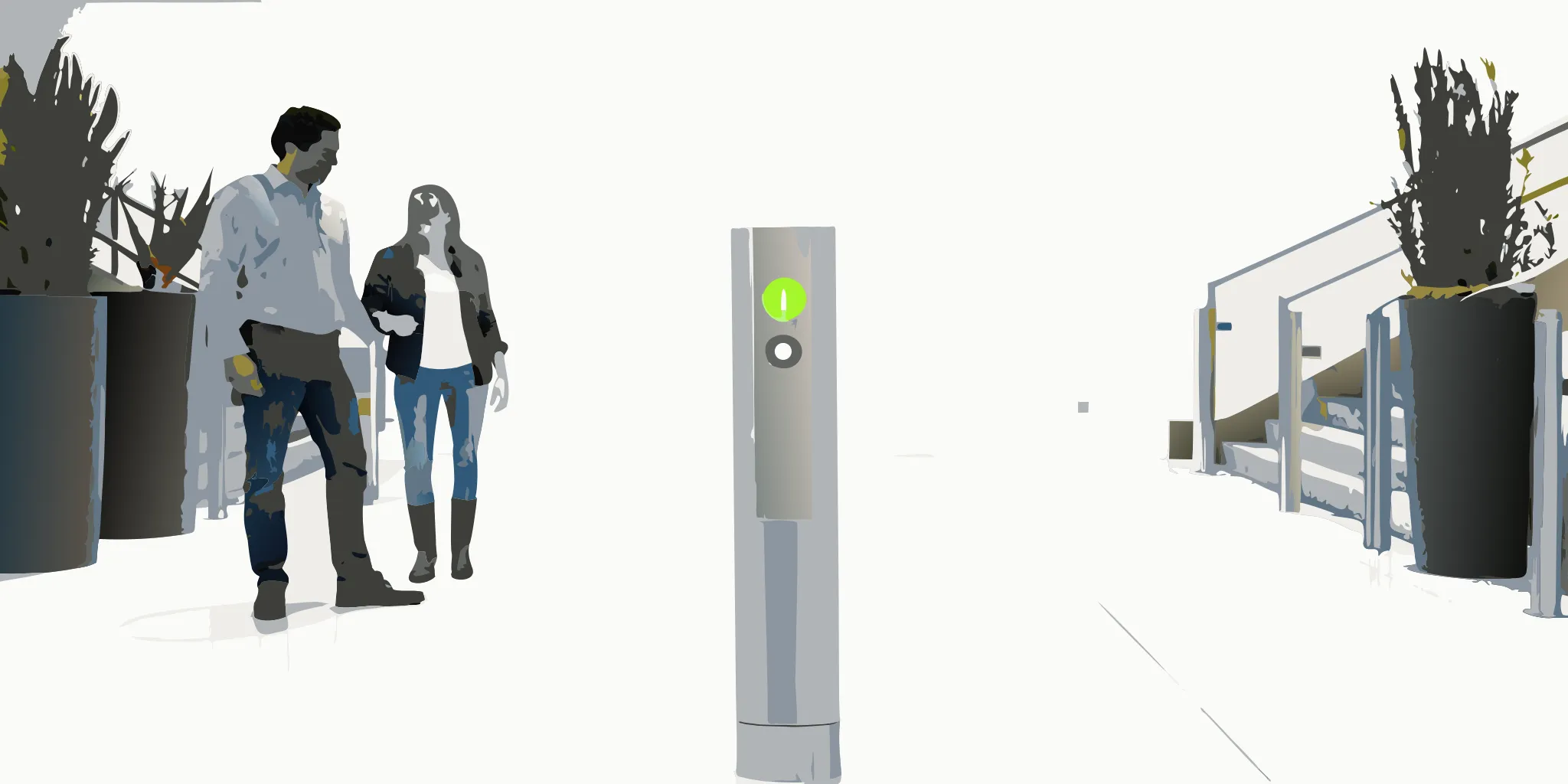
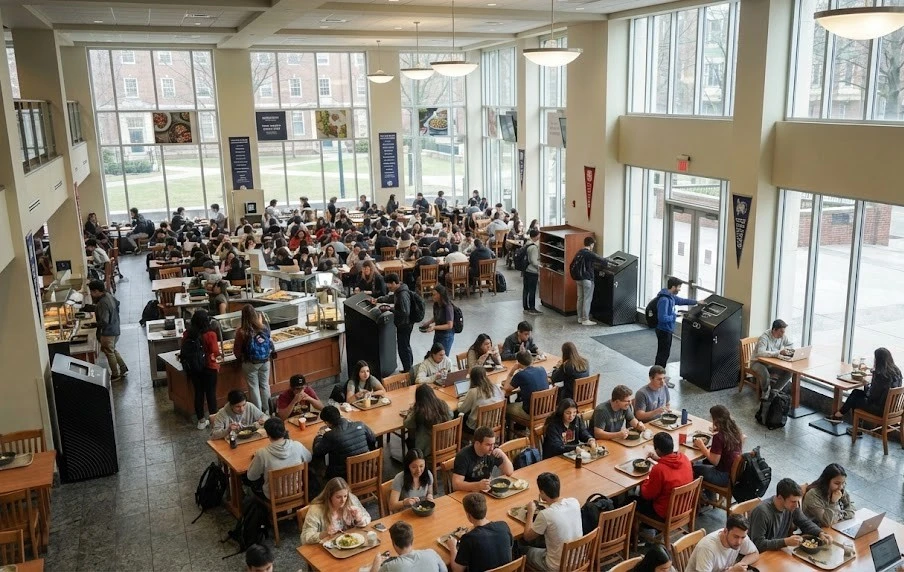
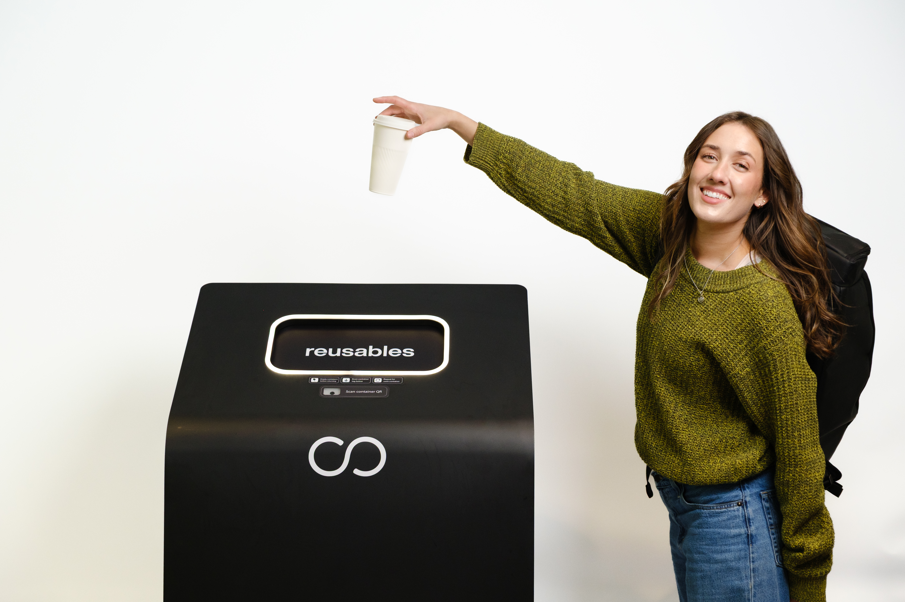
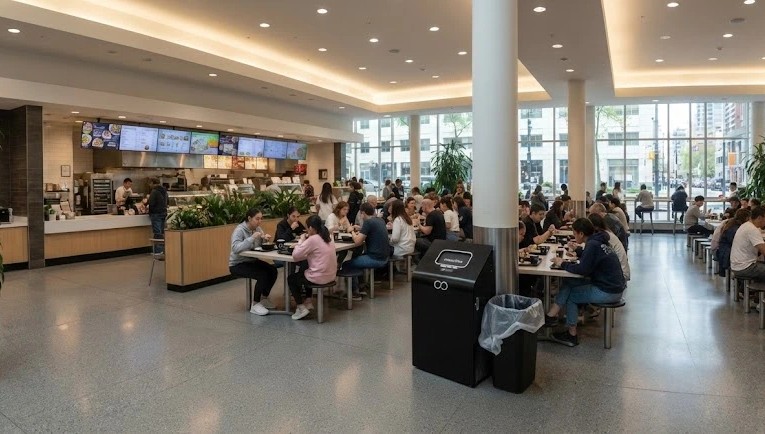
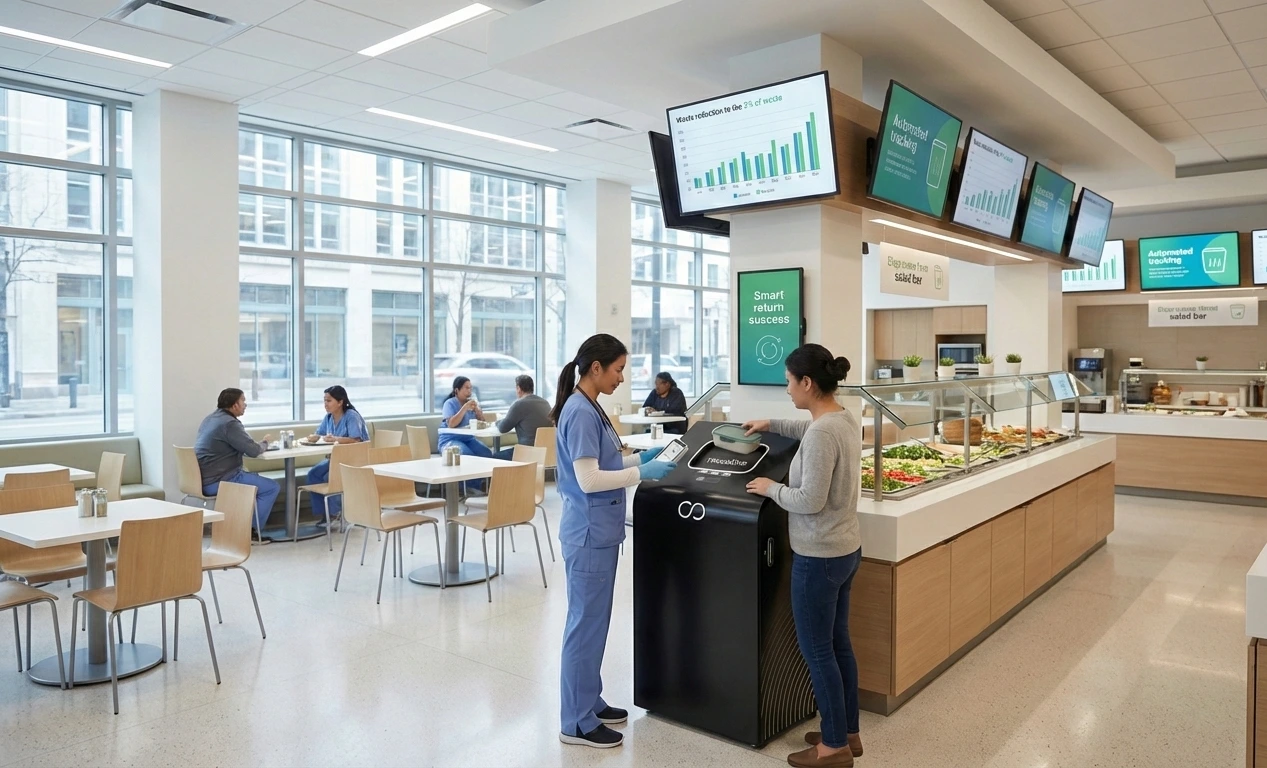
A student’s schedule is anything but predictable. If they can only return containers during limited dining hall hours, you’ll find them stacked in dorm rooms. The key to high return rates is to make the process incredibly easy and accessible. The program should be designed for customers, fitting into their lives, not the other way around. Strategically placed smart return bins in high-traffic areas like residence halls, libraries, and student unions allow for 24/7, drop-and-go returns. When returning a container is as easy as tossing a disposable one, students will make the right choice every time.
Use Automated Reminders and Grace Periods
Let's be honest, students have a lot on their minds. A forgotten container isn't usually malicious—it's just forgotten. This is where automated reminders are a game-changer. A simple, friendly text or email can be the nudge a student needs to bring a container back on time. This proactive approach prevents containers from getting lost in the first place and saves your staff from having to chase them down. Pairing these reminders with a reasonable grace period shows that you understand student life is busy. It frames the system as supportive rather than punitive, which goes a long way in building student buy-in.
Drive Engagement with Gamification and Rewards
While accountability is crucial, you can also foster enthusiasm by making reuse fun. Gamification turns the act of returning a container into a positive, engaging experience. Think campus-wide leaderboards showing which dorm is returning the most containers, or a rewards system where students earn points for every return. These strategies create a sense of community and friendly competition around your sustainability goals. While the possibility of a late fee is a powerful incentive to encourage returns, positive reinforcement helps build a lasting culture of reuse on campus.
The Role of Student Education in a Successful Program
A charging policy is only as effective as your communication strategy. If students don’t understand how the program works or why it exists, even the most thoughtfully designed system can fall flat. High return rates depend on students feeling like partners in your sustainability mission, not just participants in a transaction. Investing time in education builds the foundation for a program that runs smoothly, reduces staff headaches, and achieves your environmental goals. It’s about creating a culture of reuse where returning a container becomes second nature.
Build Awareness Around the "Why"
Before you explain the "how," start with the "why." Students are more likely to get on board when they understand the positive impact of their actions. Share the big picture: talk about the campus's zero-waste goals, the staggering amount of single-use waste generated each year, and how this program directly addresses the problem. You can share metrics on posters, social media, and digital screens in the dining hall. Explaining that the program also helps control dining costs—which ultimately benefits them—can be a powerful motivator. Strong communication across campus departments ensures everyone is sharing the same clear, consistent message.
Show Them How to Participate
Make the process feel effortless. Your instructions should be so clear that a first-year student can figure it out on their busiest day. Use simple, action-oriented language to outline the steps: how to check out a container, how to use it, and where and how to return it. As the University of Vermont found, high participation doesn't always equal high returns if the process isn't clear. This is where a simple checkout process like Tap to Reuse™ makes a huge difference—no app download or complicated sign-up required. The easier you make it for students to do the right thing, the more likely they are to do it consistently.
Use Clear Signage and Visuals
Your students are constantly moving and multitasking, so your instructions need to cut through the noise. Use bold, easy-to-read signage with clear graphics at every key point in the process. Place signs at dining hall entrances, above the container stacks, at the checkout counter, and on every return bin. A simple visual showing a student tapping their campus card to check out a container can be more effective than a paragraph of text. Think of it as wayfinding for reusables. The goal is to make participation intuitive, removing any guesswork that might prevent a student from taking part.
Create a Community Around Sustainability
Frame your reuse program as a collective campus effort, not just a dining hall rule. When students feel a sense of ownership and pride, they become your program's best advocates. You can foster this by sharing campus-wide progress toward waste reduction goals and celebrating milestones. Features like leaderboards and rewards for frequent reusers can add a fun, competitive element. By creating a positive feedback loop, you build a community around a shared mission for a greener campus. This transforms the act of returning a container from a chore into a meaningful contribution to a cause they care about.
Understand the Legal and Ethical Rules for Charging Fees
Setting up a system for charging fees is about more than just getting your containers back; it’s about creating a program that’s fair, transparent, and legally sound. When students feel the system is reasonable and clearly explained, they’re more likely to participate enthusiastically. On the other hand, a program that feels punitive or confusing can quickly lose support and create administrative nightmares. Think of it as setting the ground rules for a partnership with your students. You're all working toward the same goal of reducing waste, and the fee structure is just there to keep everyone accountable.
Before you roll out your fee structure, it’s essential to do your homework on the rules and best practices that govern these types of programs. This protects your institution from legal risks, builds trust with your student body, and ensures your sustainability initiative has a strong, ethical foundation to stand on. Getting this right from the start prevents headaches down the road, reduces the time your staff spends handling complaints, and helps you build a program that everyone on campus can feel good about. It’s a critical step in making sure your investment in reusables pays off in both environmental impact and student satisfaction.
Know Your Local Consumer Protection Laws
First things first, you need to get familiar with any local or state consumer protection laws that might apply to your reusable container program. These regulations are in place to ensure businesses treat customers fairly, and they can cover everything from how you advertise fees to how you handle refunds. While a campus dining program might feel different from a typical retail business, these rules often still apply. Make sure your fee structure, including any late fees or charges for unreturned items, is compliant. Being proactive here helps you avoid potential fines and, more importantly, shows students that you’re running a program that respects their rights as consumers.
Be Transparent and Offer Dispute Resolution
Trust is the cornerstone of a successful reuse program. Students are more likely to embrace the system if they understand how it works and believe it’s fair. This starts with being completely transparent about your policies. Clearly communicate any potential charges, grace periods, and the overall goals of the program—don't hide the details in fine print. Just as important is having a straightforward dispute resolution process. If a student believes they were charged unfairly, they need a simple way to address it. A clear, accessible system for handling these issues shows you value student feedback and are committed to fairness, which goes a long way in maintaining goodwill and participation.
Ensure Health and Safety Compliance
While encouraging reuse is the goal, it can never come at the expense of health and safety. Your program must operate in full compliance with local health and safety regulations for food service. This includes ensuring that all containers provided by your program are properly cleaned and sanitized between uses. Using a closed-loop system where you control the washing process is the best way to guarantee compliance and remove any guesswork for your staff and students. While some regulations address customers bringing their own containers, a managed program like this puts the responsibility squarely on your shoulders. Partnering with a provider that understands these requirements ensures your program not only reduces waste but also upholds the highest standards of food safety.
How Automation Lifts Return Rates and Lowers Overhead
A successful reusable container program hinges on one thing: getting the containers back. Manually tracking inventory and chasing down students for late fees creates a significant administrative burden that your team simply doesn’t have time for. This is where automation changes the game. By removing the manual work, you not only free up your staff but also create a system that holds users accountable without confrontation. An automated system works quietly in the background to manage your entire inventory, send reminders, and handle any necessary fees. This approach is the key to achieving the high return rates that make a reuse program financially viable and environmentally impactful.

Instead of relying on spreadsheets and manual check-ins, you can lean on technology to provide real-time data on container usage, return patterns, and overall program health. This gives you complete operational visibility and allows you to run a sophisticated, large-scale program without adding to your team’s workload. When you can see exactly how many containers are in circulation, where they are, and when they’re due back, you can make smarter decisions about inventory and staffing. It’s about creating a smarter, more efficient system that encourages participation and ensures its own long-term success, all while reducing the headaches associated with managing a physical asset program.
Track Every Container with QR and RFID Systems
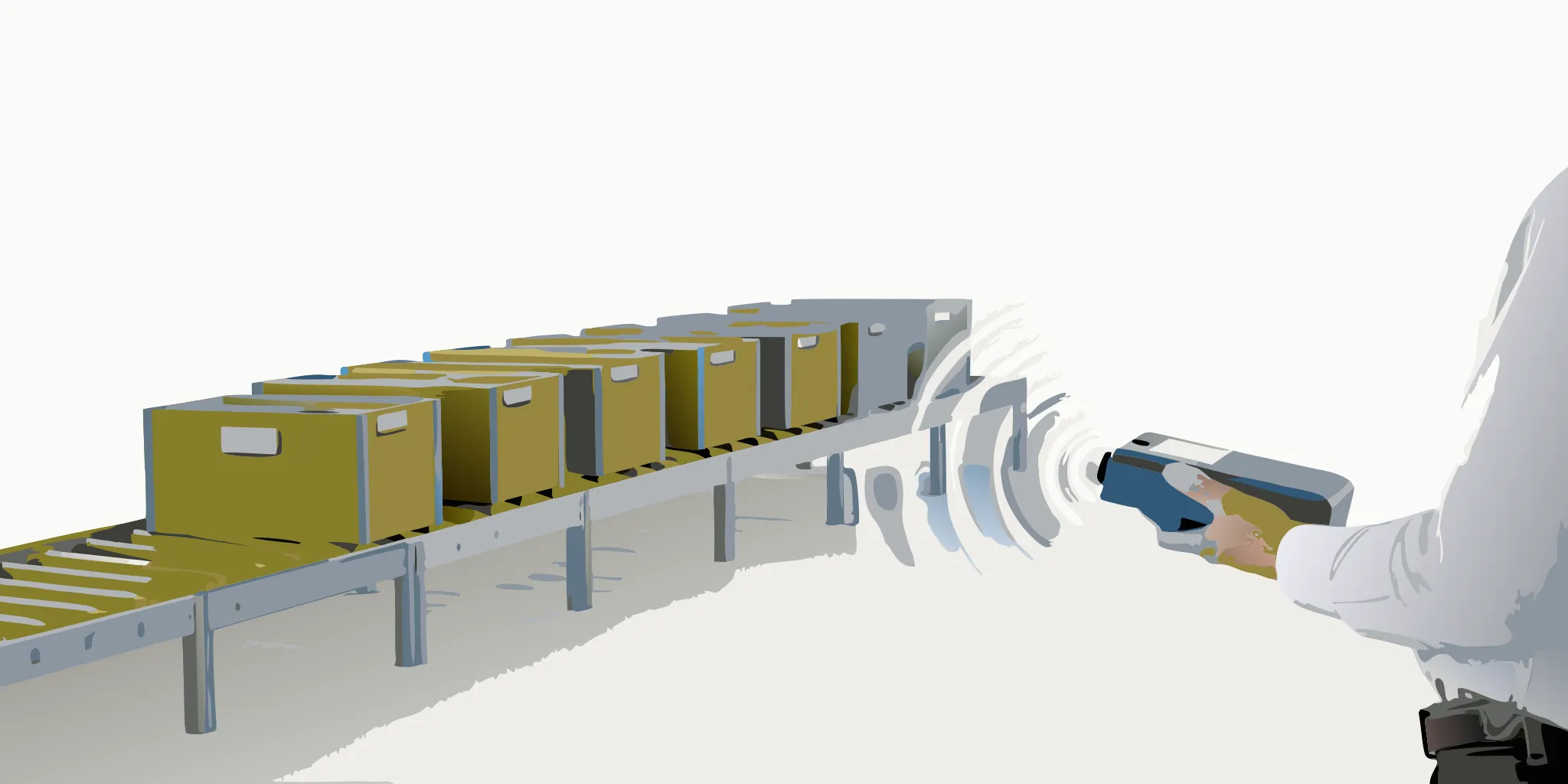
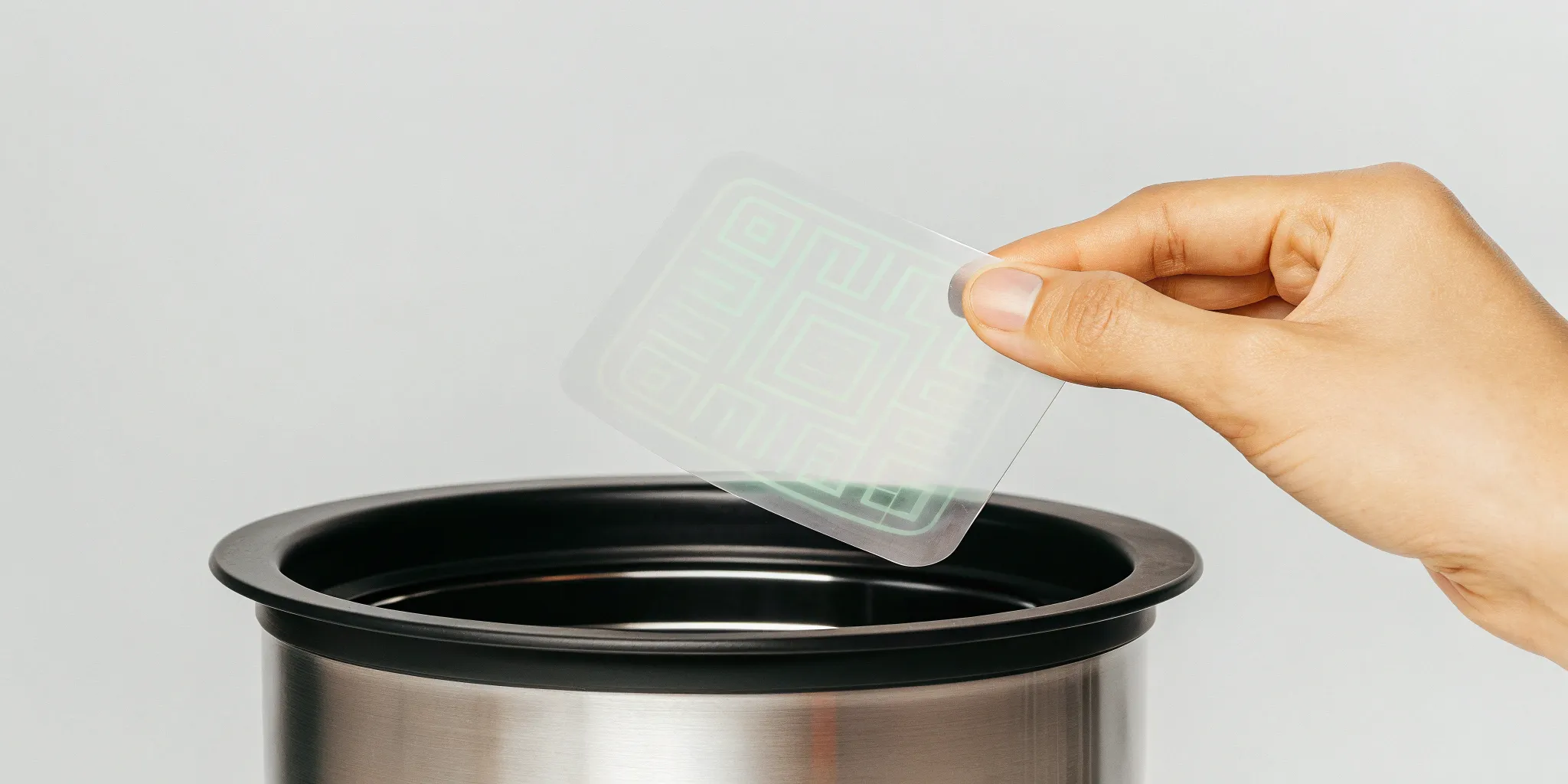
The foundation of a strong automated system is knowing where every container is at all times. By giving each reusable container a unique digital identity with a QR code or RFID tag, you can track its entire lifecycle. From the moment a student checks it out at a dining hall to the second they drop it in a return bin, the container is linked to their account. This individual tracking creates a gentle sense of accountability. Students know the container is their responsibility, which is a powerful motivator for bringing it back. This technology is what makes it possible to see your entire inventory in real-time and understand usage patterns across campus.
Automate Fee Collection and Payment Processing
Let’s be honest: no one on your staff wants to be the person chasing students for late fees. Automating the fee collection process removes this awkward and time-consuming task entirely. If a container isn’t returned within the designated grace period, the system can automatically apply a late fee to the student’s account. This process is clear, consistent, and requires zero manual intervention from your team. It ensures that your policies are enforced fairly for everyone, which in turn protects your inventory and the financial health of your program. By taking the manual follow-up out of the equation, your staff can focus on what they do best: providing a great dining experience for students.
Integrate with Existing Campus Card Platforms
For any new program to succeed on campus, it needs to be incredibly easy for students to use. The best way to achieve this is by integrating directly with the systems they already use every day. A platform that connects with existing campus card and payment providers like Transact, CBORD, and TouchNet makes the entire process frictionless. Students can check out a container with a simple tap of their student ID or linked payment card—no new apps to download or accounts to create. This seamless integration with campus infrastructure is crucial for driving high adoption rates and making the reuse program feel like a natural part of campus life.
Overcome Common Challenges in Reusable Programs
Launching a reusable container program is a fantastic step toward your campus sustainability goals, but it’s not without its hurdles. Many well-intentioned programs struggle with the same core issues: getting students to participate consistently, managing the logistics of container tracking and returns, and justifying the initial investment. The success of your program hinges on overcoming these obstacles. When containers go missing, costs add up and the environmental benefits disappear. When staff are overwhelmed with manual tracking, the system becomes unsustainable. And when students find the process confusing or inconvenient, they simply won't participate.
The good news is that these challenges are solvable. With the right strategy and technology, you can create a system that students love, your staff can easily manage, and your budget can accommodate. It’s about shifting from a manual, hope-based approach to an automated, data-driven one that addresses the root causes of low return rates and high operational friction. By focusing on a frictionless user experience, streamlined logistics, and a clear financial model, you can build a program that not only meets your sustainability targets but also enhances the campus dining experience.
Drive Student Participation and Behavior Change
Getting students to grab a reusable container is only half the battle. The real challenge is getting them to bring it back. As one university found, "Participation was higher than ever before but without the containers coming back, the original intention of the program...wasn’t being met." True participation means completing the cycle. The key is to make reusing easier and more rewarding than using a disposable container. A frictionless system, like an app-free Tap to Reuse™ checkout, removes initial barriers. From there, you can build engagement with automated reminders, clear communication, and even gamification features like campus-wide leaderboards to foster a community around sustainability and drive the behavior change you need to see.
Simplify Container Management and Logistics
A reusable container program can quickly become a logistical nightmare if you’re relying on manual tracking and collection. Staff get bogged down counting containers, chasing down missing inventory, and dealing with overflowing return bins. Efficient management is essential for a smooth supply chain. This is where technology becomes your most valuable player. By tagging each container with QR or RFID codes, you gain real-time inventory visibility. Smart return bins provide 24/7 access for students and automatically alert your team when they need servicing, eliminating guesswork and manual checks. A streamlined back-end operation ensures your program supports your staff instead of overwhelming them, making the entire system sustainable long-term.
Address Cost Concerns and Ownership Questions
The upfront cost of a reusable program can seem daunting, but it’s an investment that pays off. With the price of disposable packaging soaring, implementing a reusable system can significantly decrease your overall waste and supply costs. The financial viability, however, depends entirely on getting your containers back. A system with built-in accountability and high return rates ensures you aren't constantly spending money on replacement inventory. Modern reuse solutions are designed to deliver a clear return on investment by cutting packaging expenses and reducing waste management fees. Some systems even offer revenue-generating opportunities, like ad screens on return bins, turning a cost center into a new income stream for your department.
How to Implement a Fair and Transparent Policy
A successful reusable container program runs on trust. When students understand the rules and see them as fair, they’re far more likely to participate enthusiastically. A clear, transparent policy is your foundation for building that trust. It sets clear expectations, minimizes confusion, and prevents the kind of friction that can derail sustainability goals. Think of it as the user manual for your reuse system—it should be simple, direct, and easy for everyone to follow. This approach ensures that from day one, students see the program as a benefit, not a burden.
This isn’t just about writing down rules; it’s about creating a system that feels supportive, not punitive. When students feel the program is designed for their convenience and respects their busy schedules, you’ll see higher adoption and, most importantly, higher return rates. A well-designed policy also reduces the burden on your staff, who won’t have to spend their time explaining rules or handling disputes. Instead, they can focus on providing great service and promoting the positive impact of the program across campus. Ultimately, a fair policy is the engine that keeps your containers in circulation and your program running smoothly.
Define Clear Terms and Reasonable Grace Periods
From the very first time a student checks out a container, they should know exactly what’s expected of them. Your terms should be written in plain language, avoiding jargon. Clearly state the borrowing period, what happens if a container isn’t returned on time, and the cost of a replacement. For example, a simple policy might be: “You can use our containers for free for up to 14 days. If a container isn’t returned by then, a $15 replacement fee will be charged to your student account.” A reasonable grace period shows you understand that students have demanding schedules. It gives them enough time to return items without feeling pressured, which builds goodwill and encourages compliance.
Provide Multiple Payment and Return Options
Convenience is everything on a college campus. The easier you make it for students to pay for and return containers, the better your return rates will be. The best systems integrate directly with existing campus cards and payment platforms, so there’s no need for students to download a new app or carry extra cash. When a late fee is necessary, it should be processed automatically through a system they already use and trust. The same principle applies to returns. Offering a network of 24/7 smart return bins in high-traffic areas—like residence halls, libraries, and student centers—ensures students can drop off containers whenever it fits their schedule, not just during dining hall hours.
Create an Accessible Process for Disputes
Even in the best systems, things can sometimes go wrong. A container might break, or a return might not register correctly. Having a simple, accessible process for handling these issues is crucial for maintaining student trust. Make it easy for students to report a problem. For instance, you could instruct them to simply take a picture of the container’s QR code and email it to a dedicated support address. Providing a clear point of contact, whether it’s a sustainability manager or a customer support line, shows that you’re responsive and ready to help. This turns a potential negative experience into a positive one, reinforcing that you see students as partners in your sustainability efforts.
Key Metrics to Track and Optimize Your Strategy
Launching a reusable container program is a huge step, but the work doesn’t stop there. To build a system that truly lasts, you need to know what’s working and where you can make improvements. Tracking the right data gives you a clear picture of your program's health, helping you make smart decisions that save money, reduce waste, and keep students happy. Think of these metrics as your guide to refining your strategy and proving its value to campus stakeholders. By focusing on a few key areas, you can ensure your program not only meets but exceeds its sustainability and financial goals.
Return Rate Percentages and Revenue
Your container return rate is the single most important metric for success. A low rate means you’re constantly losing inventory and spending money on replacements, which defeats the purpose of the program. The goal is to get as close to 100% as possible. Interestingly, many successful programs find that the best way to do this isn't by charging an upfront deposit. Instead, they use a credit card guarantee and the threat of a late fee. This approach removes the initial barrier for students while still creating a powerful incentive. Research shows that this model of incentivizing return can lead to return rates as high as 98%, proving that accountability is key.
User Satisfaction and Adoption Rates
A successful program is one that students actually want to use. If the process is clunky or confusing, participation will drop. That’s why you need to track adoption rates and gather feedback on user satisfaction. High participation is great, but as the University of Vermont found, it doesn't help if the containers aren't coming back. This means the program isn't meeting its goal of reducing waste. The key is to make participation seamless. Integrating the system with existing campus technology, like allowing students to check out a container by simply scanning their university ID card, removes friction and makes reuse feel like a natural part of the dining experience.
Cost Savings from Reduced Waste
Ultimately, a reusable container program should save your institution money. By tracking your spending on single-use packaging before and after launch, you can calculate your direct cost savings. But the financial benefits don't stop there. As you scale your program, you’ll also see a reduction in waste management costs, including hauling and landfill fees. Widespread implementation of reusable containers can significantly decrease overall waste on campus. This data is powerful for demonstrating the program's return on investment and building a strong case for continued support and expansion across your dining facilities.
Related Articles
- University of Guelph Processing Over 500k Reuses Per Year with a 99% Return Rate - Case Studies
- Smart Reuse Programs for Campuses, Private Clubs, Offices & More
- Reusables for Stadiums
- Flexible Pricing Plans with Guaranteed Cost Savings
- Reusable Packaging Systems for Efficient, Sustainable Operations
Frequently Asked Questions
Won't charging students a fee for lost containers discourage them from participating? It’s a common concern, but we find the opposite is true when the system is designed correctly. The most successful programs don't charge an upfront deposit, which removes any financial barrier to entry. Students can grab a container for free. The fee only comes into play if the container isn't returned after a generous grace period and several friendly reminders. This no-deposit model makes participation frictionless while the possibility of a future charge creates just enough accountability to ensure containers come back.
My staff is already stretched thin. Will a reusable container program add a lot of extra work? A manual reuse program absolutely would, but a tech-enabled one is designed to reduce your team's workload. An automated system handles the tedious tasks that consume staff time, like tracking inventory, sending return reminders, and processing fees. Smart return bins even alert your team when they need to be emptied. This frees your staff from chasing down containers or managing spreadsheets so they can focus on their core responsibilities.
What's more effective: an upfront deposit or a late fee for unreturned containers? While deposits seem like a straightforward way to ensure accountability, they can create hesitation and slow down service lines. A more modern and effective approach is a no-deposit model with an automated late fee. This allows students to participate freely without paying anything upfront. The system holds their payment method on file and only applies a charge if the container isn't returned on time. It’s a friendlier experience that actually results in higher return rates.
How do we decide on the right amount to charge for a lost container? The ideal fee should be based on your total replacement cost, which is more than just the price of the container. You should factor in shipping, handling, and the administrative time it takes for your staff to order and process a replacement. The final amount should be significant enough to motivate a return, but not so high that it scares students away from trying the program. The goal isn't to make money from fees, but to set a price that reinforces the container's value and encourages responsibility.
Besides charging fees, what are the most effective ways to get students to bring containers back? Accountability is important, but convenience is king. The single most effective strategy is to make returning a container incredibly easy by placing 24/7 smart return bins in high-traffic locations like residence halls and libraries. When returning is as simple as tossing something in the trash, students will do it. This, combined with clear communication about how the program works and automated text or email reminders, creates a supportive system that guides students to do the right thing.
Other stories you may find interesting




























.webp)
.webp)








.webp)







































Watch the Webinar
Learn How to Eliminate Single-Use Waste
Get instant access to our expert webinar and discover how leading institutions reach 99% return rates through smarter reuse systems.

© Reusables™. All rights reserved.