
Non-Polystyrene Foam Takeaway Food Container: Your Guide to Sustainable Alternatives

April 10, 2026
Let’s be honest: foam containers have always felt like the easy option. They’re lightweight, stackable, and you just throw them away. But the hidden operational costs—from overflowing dumpsters and hauling fees to the endless cycle of ordering and restocking—add up. You might worry that moving to reusables will create more work, but modern systems are designed to do the opposite. Technology has transformed reuse from a logistical puzzle into a streamlined, automated process. Implementing a smart non polystyrene foam takeaway food container system can actually simplify your operations, giving you real-time inventory control and eliminating manual tasks. We’ll show you how this technology works and guide you through choosing a solution that makes your team’s job easier.
Key Takeaways
- Moving Beyond Foam is a Smart Business Decision: Rising costs and new regulations make single-use packaging a growing liability. Switching to a reusable system protects your budget from unpredictable price hikes and positions your campus as a forward-thinking leader.
- Prioritize Systems That Guarantee High Return Rates: The financial success of any reusable program hinges on getting your containers back. Tech-enabled solutions with automated tracking and convenient return stations are essential for protecting your investment and achieving near-perfect return rates.
- A Successful Launch Requires a Strategic Plan: A smooth transition depends on more than just new containers. Your rollout plan should include comprehensive staff training, clear student communication, and a system for tracking key metrics like cost savings and waste reduction from day one.
Why It’s Time to Move On From Foam Containers
For decades, foam containers have been the go-to for takeout on campuses. They’re lightweight, they insulate well, and they’ve always been inexpensive. But the ground is shifting. Between rising costs, new regulations, and a growing demand for sustainability from students, relying on foam packaging is becoming a risky strategy. Making a change isn’t just about being green—it’s about future-proofing your dining operations, protecting your budget, and giving students an experience they can feel good about.
Moving away from foam doesn’t have to be a headache. In fact, it’s an opportunity to build a more efficient, cost-effective, and resilient system. By understanding the real drawbacks of foam and exploring modern alternatives, you can get ahead of the curve and position your campus as a leader in sustainability. Let’s break down why now is the perfect time to make the switch.
The Environmental and Financial Downsides
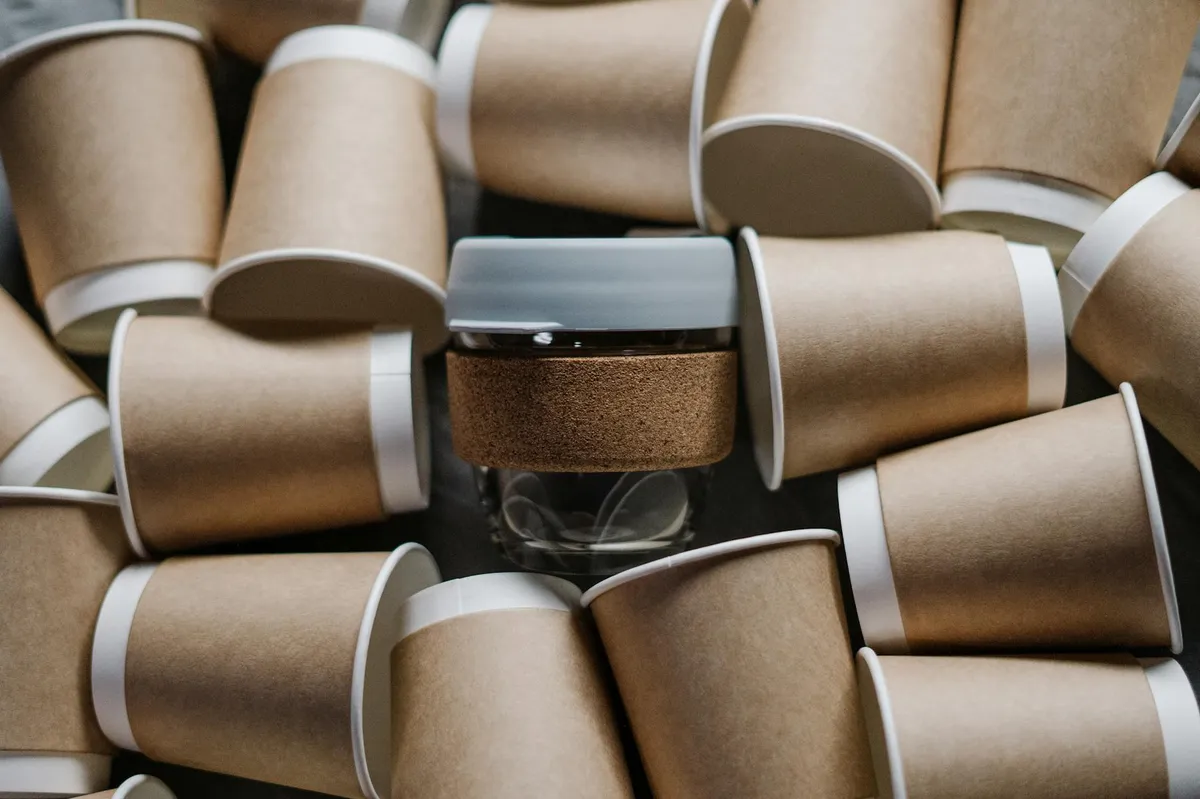
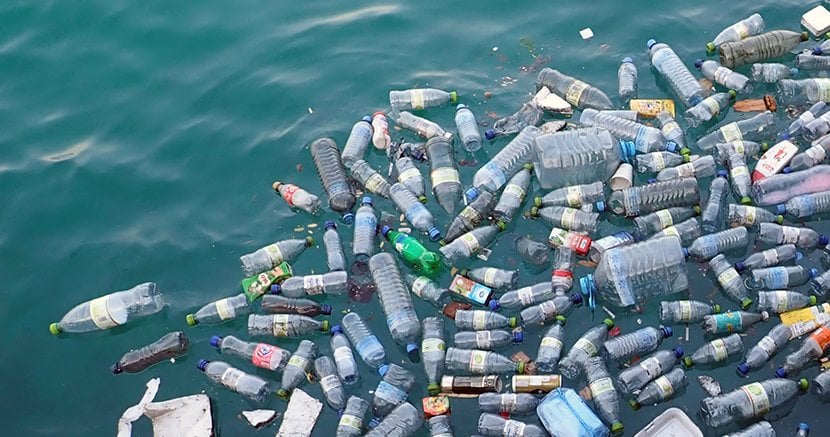
Let’s be direct: foam containers create problems that last for centuries. Made from polystyrene, a type of plastic, these containers don’t biodegrade. Instead, they break down into tiny plastic particles that pollute our soil and waterways, posing a threat to wildlife and ecosystems. Many states and cities are now banning these materials because of their harmful environmental impact.
This environmental cost eventually becomes a financial one. As landfills overflow and cleanup costs rise, the pressure on institutions to manage their waste grows. Beyond that, there’s the cost to your brand’s reputation. Today’s students are more environmentally conscious than ever and actively choose to support institutions that share their values. Sticking with outdated, polluting packaging can send the wrong message.
How Rising Costs Affect Your Budget
If you feel like you’re spending more on disposables, you’re not wrong. The cost of single-use packaging has skyrocketed, with some reports showing increases of over 200% in recent years. These recurring expenses can quickly eat into your budget, diverting funds that could be used for improving food quality or services. Every foam container you buy is an item you pay for once, use for a few minutes, and then literally throw away.
This is where the financial case for switching becomes so clear. While there’s an initial investment in a new system, moving to a reusable model eliminates that endless cycle of purchasing disposables. You stop paying for trash. Instead, you invest in a durable asset that you can use thousands of times, leading to significant long-term cost savings and a more predictable budget year after year.
Keeping Up with Regulations and Bans
The regulatory landscape for single-use plastics is changing fast. Cities, states, and even entire countries are implementing bans on foam food containers to cut down on plastic pollution. For a dining director, managing this patchwork of rules can be a major challenge. Waiting until a ban is enacted in your area forces you into a reactive scramble, often leaving you with limited time and fewer options.
By proactively moving away from foam, you stay ahead of legislation and avoid the risk of non-compliance fines or sudden operational pivots. This forward-thinking approach demonstrates leadership and a commitment to sustainability that resonates with your entire campus community. It allows you to choose the best solution for your needs on your own timeline, rather than having one forced upon you.
Debunking Common Myths About Foam
You might hear that foam bans don’t actually reduce litter—they just change what kind of trash is on the ground. This argument misses the bigger picture. While swapping one disposable for another might not solve the root problem, implementing a true reuse system does. The goal isn’t just to find a better disposable container; it’s to eliminate the need for disposable containers altogether.
Another common myth is that foam is essential for keeping food at the right temperature. While it has good insulating properties, modern reusable containers made from stainless steel or durable, BPA-free plastics are designed to perform just as well, if not better. They offer excellent temperature retention while being far more durable and sustainable, proving that you don’t have to sacrifice quality for sustainability.
What Are Your Sustainable Container Options?
Moving away from foam opens up a world of better, more sustainable options for your dining services. But with so many “eco-friendly” labels out there, it can be tough to know which choice is truly the best for your campus, your budget, and the planet. Understanding the key differences between reusables, compostables, and other plant-based alternatives is the first step. Let’s walk through the main categories of sustainable containers so you can find the right fit for your operations.

Tech-Enabled Reusable Systems
The most direct way to eliminate single-use waste is to switch to a reusable system. These programs use durable containers that are designed to be used many times. In a campus setting, students simply check out a container, enjoy their meal, and return it to a designated drop-off spot. The containers are then professionally washed and sanitized before being put back into circulation. Modern reusable packaging systems are powered by technology that makes the whole process seamless. With smart tracking via QR codes or RFID, you can monitor your inventory in real time and ensure high return rates without creating extra work for your staff.
Biodegradable vs. Compostable Materials
The terms “biodegradable” and “compostable” are often used interchangeably, but they mean very different things. A biodegradable product will eventually break down into smaller pieces, but the process can take years and may leave behind microplastics. Compostable products, on the other hand, are made from natural materials that break down into nutrient-rich soil. However, they almost always require an industrial composting facility to decompose properly. If your campus doesn’t have access to one, these containers often end up in a landfill, where they won’t break down as intended. It’s crucial to confirm you have the right waste management infrastructure before investing in compostable packaging.
A Look at Plant-Based Alternatives
Many single-use containers are now made from plants, like fiber from sugarcane or PLA (a type of plant-based plastic). These are certainly a step up from polystyrene foam because they come from renewable resources. However, they still present challenges. For example, PLA looks and feels like traditional plastic, which can confuse users and contaminate your recycling stream if not disposed of correctly. Like other compostable materials, most plant-based containers need to be sent to an industrial facility to break down. While they solve the fossil fuel problem, they don’t solve the single-use waste problem and can introduce new operational hurdles for your team.
Decoding Important Certifications
When you’re evaluating single-use alternatives, certifications help you see past the “green” marketing claims. They provide third-party verification that a product meets specific environmental standards. For compostable products, look for the BPI Certified logo, which confirms the item can be processed in a commercial composting facility. For paper or wood-based products, the Forest Stewardship Council (FSC) certification indicates the materials come from responsibly managed forests. Relying on these trusted certifications ensures you’re sourcing products that are genuinely better for the environment and helps you avoid the pitfalls of greenwashing.
How Technology Simplifies Reusable Systems
If you’ve ever hesitated to launch a reusable container program, it was likely due to concerns about logistics. How do you keep track of everything? How do you get students to actually bring the containers back? In the past, these were major hurdles that required a lot of manual effort and often led to low return rates and lost inventory. Today, technology provides the answer, turning a complex operational challenge into a streamlined, automated system.
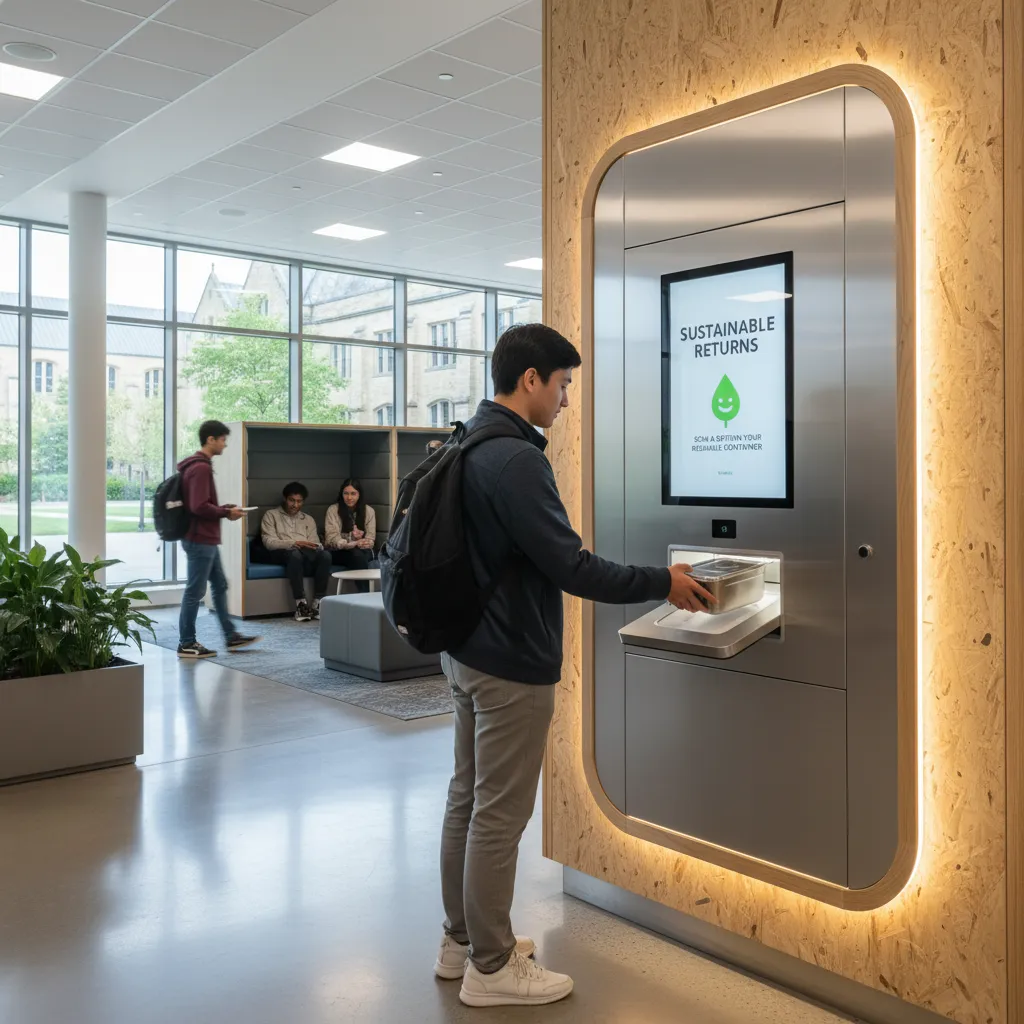
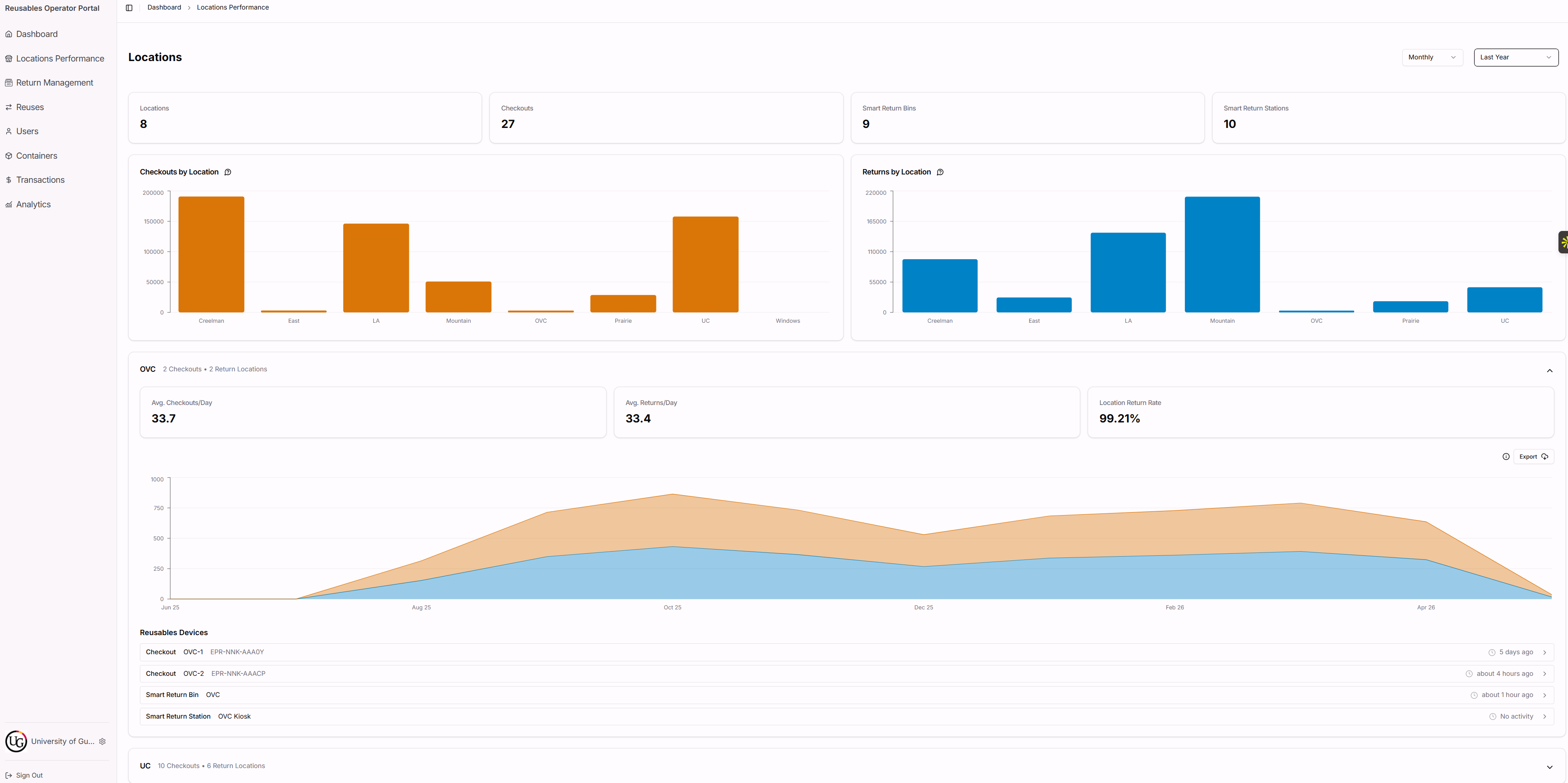
Modern reuse programs run on smart, simple tech that handles the heavy lifting for you. Instead of relying on honor systems or manual checkouts, you can use a platform that tracks every container, automates reminders, and makes returning items incredibly easy for everyone. This approach not only ensures you get your containers back—often achieving return rates of 99% or higher—but also gives you a clear, real-time view of your entire operation. You can see usage patterns, monitor inventory levels, and measure your environmental impact with just a few clicks. This is what makes a large-scale reusable system not just possible, but practical and cost-effective for your campus.
Digital Tracking and Management
A successful reuse program depends on knowing where your containers are at all times. Digital tracking gives you a complete picture of your inventory, from the moment a container is checked out to when it’s returned, washed, and put back into circulation. This is made possible by a digital infrastructure where every container has a unique identity. This allows you to gather data on usage, return speeds, and even container durability. With a central dashboard, you can manage your entire system efficiently, ensuring you always have the right number of containers ready for service and can prove the positive impact of your program.
The Role of RFID and QR Codes
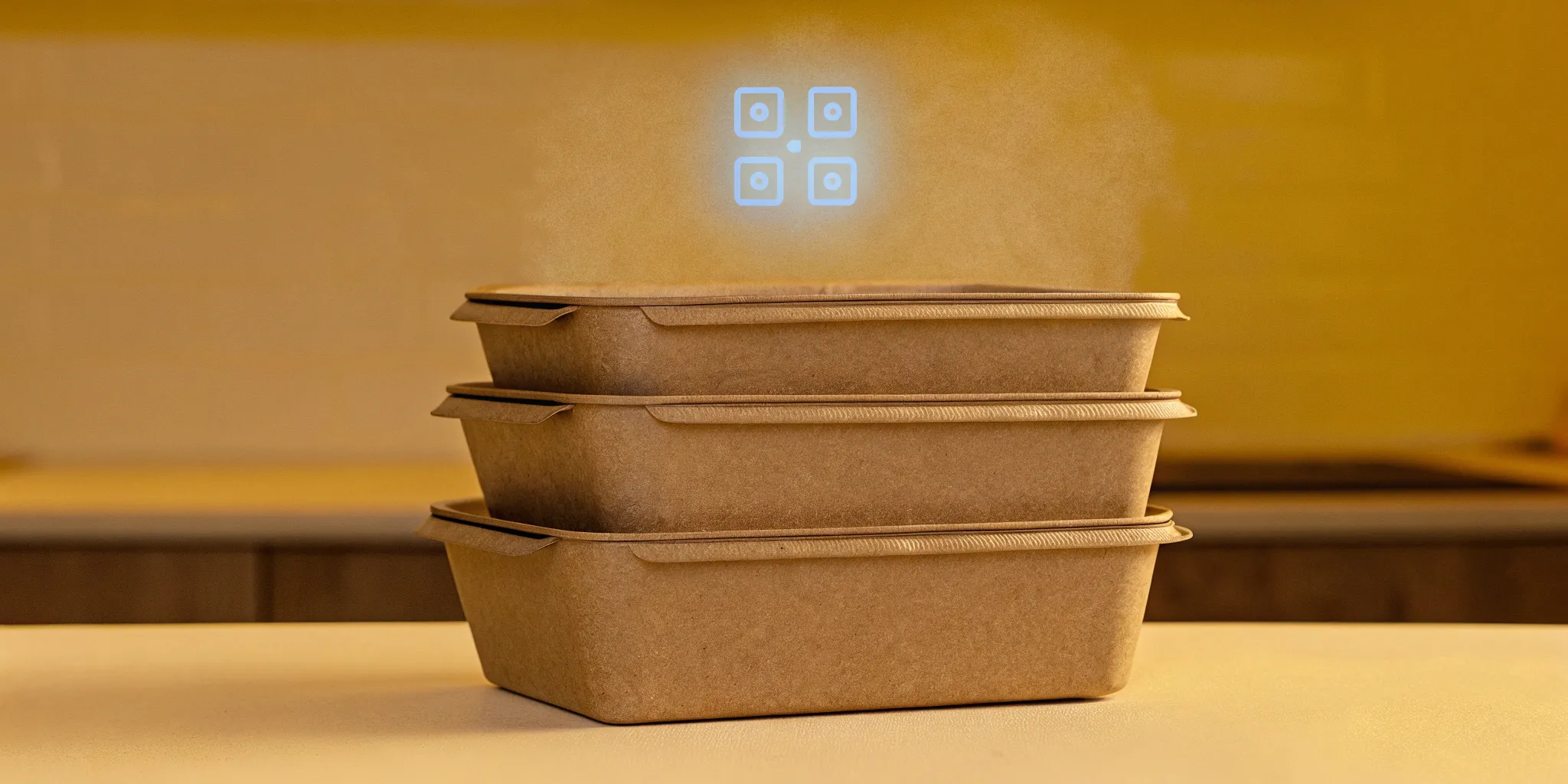
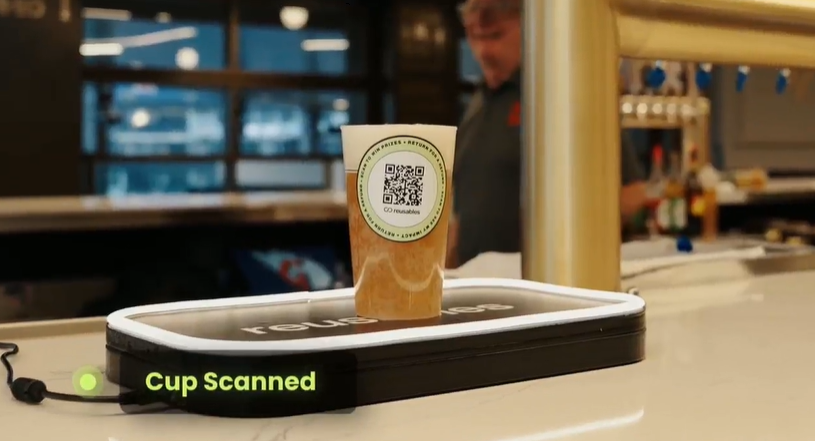
So, how does digital tracking actually work? It comes down to giving each container a unique digital fingerprint, usually with a QR code or an RFID tag. Think of it as a license plate for each bowl or cup. When a student checks out a container, a quick scan links it to their account. This technology is key to the traceability of reusable packaging, making it simple to see who has what and for how long. It removes any need for manual logs or paper slips, creating a seamless and accurate record of every item in your fleet.
Creating Easy, Automated Returns
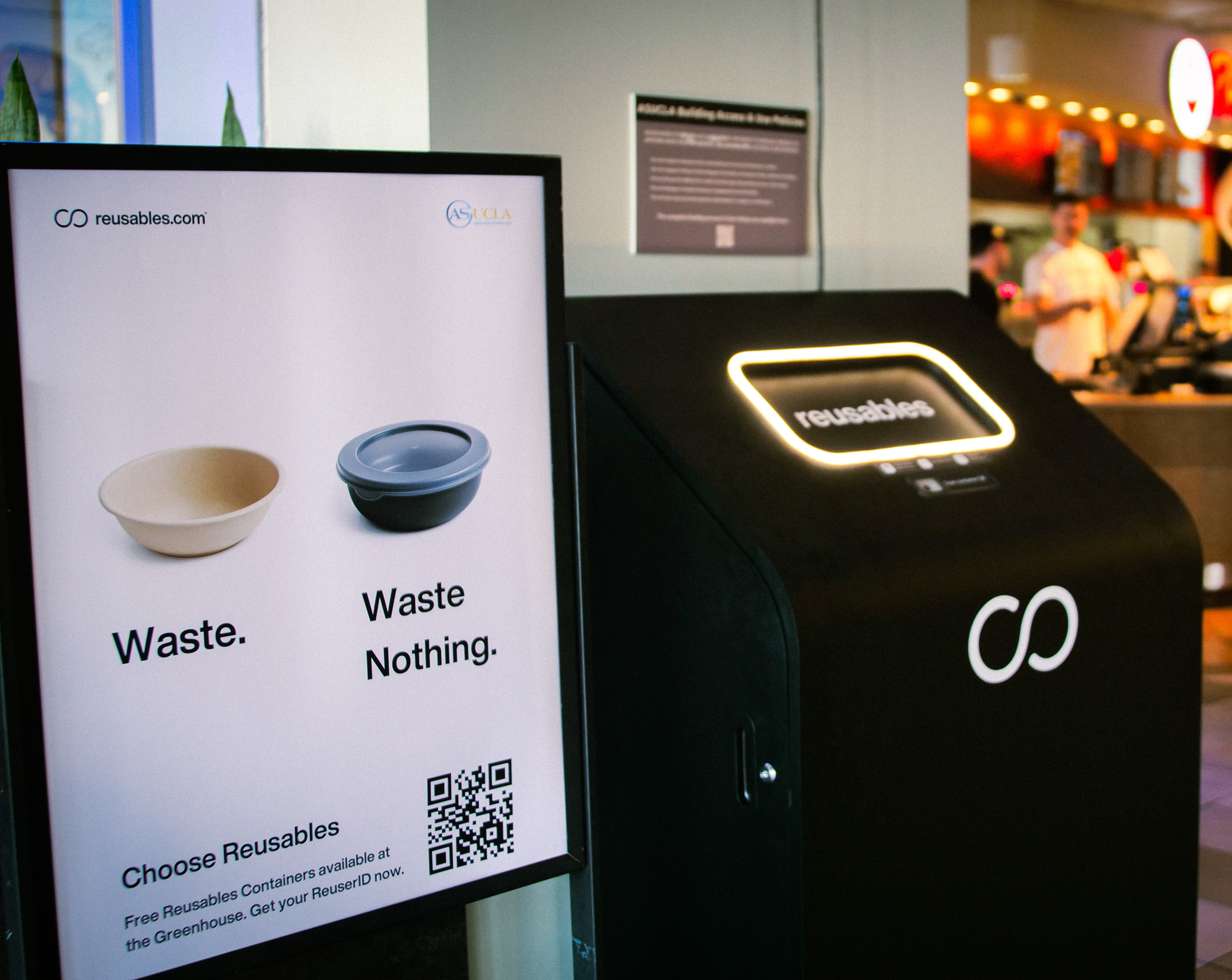
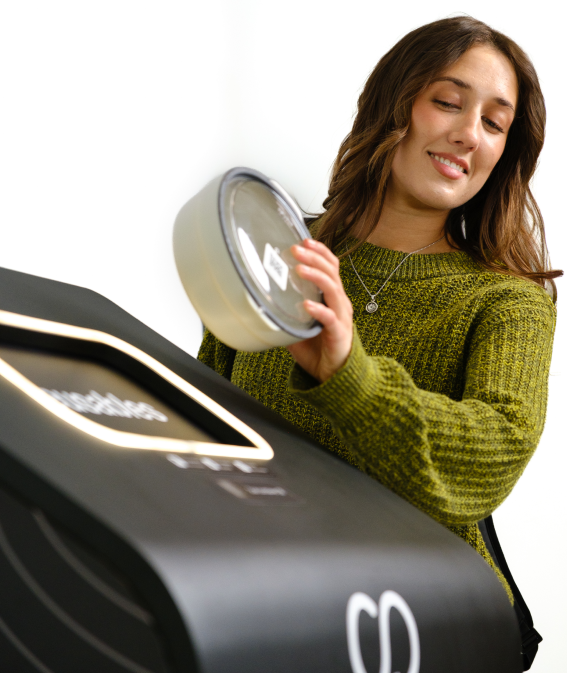
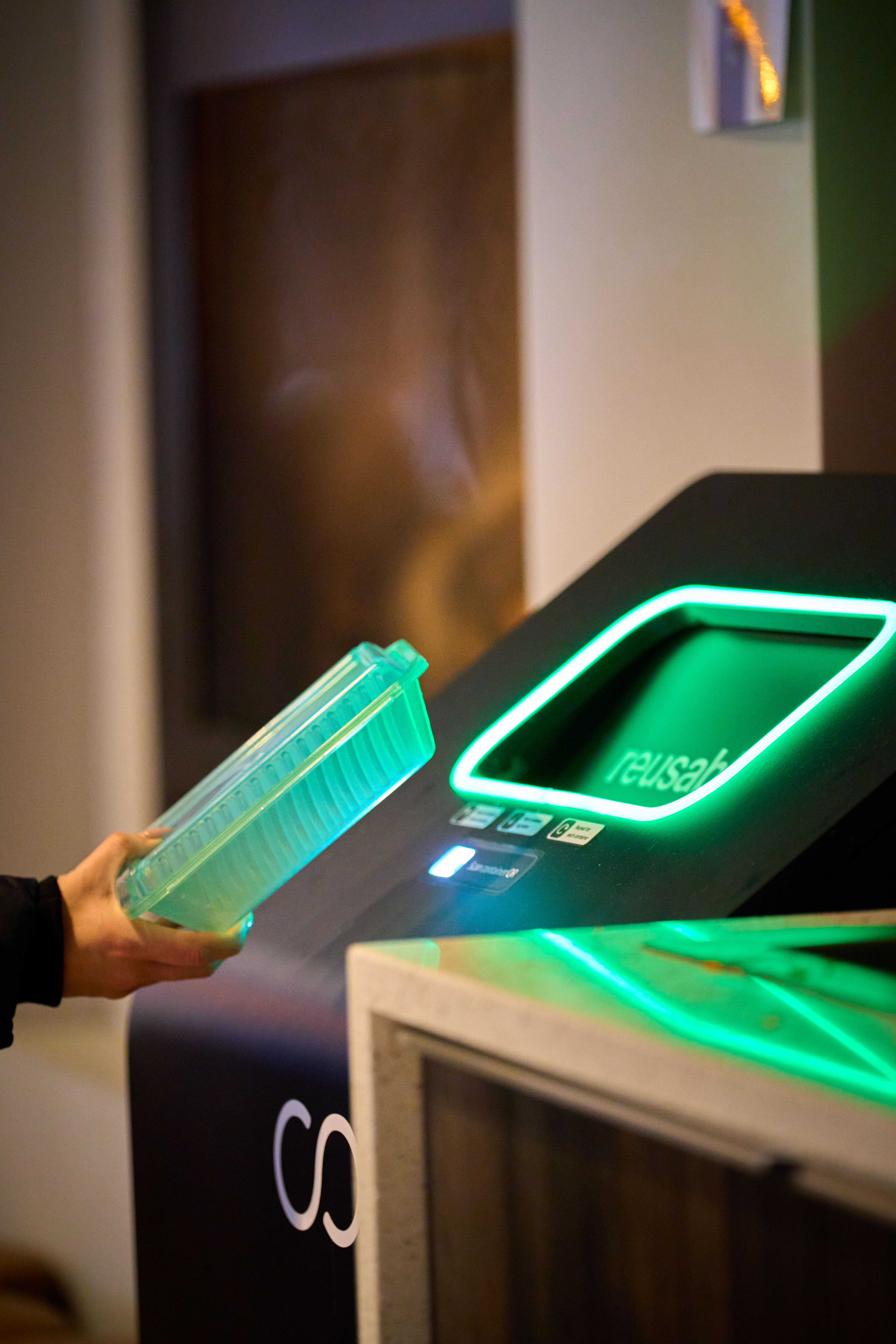
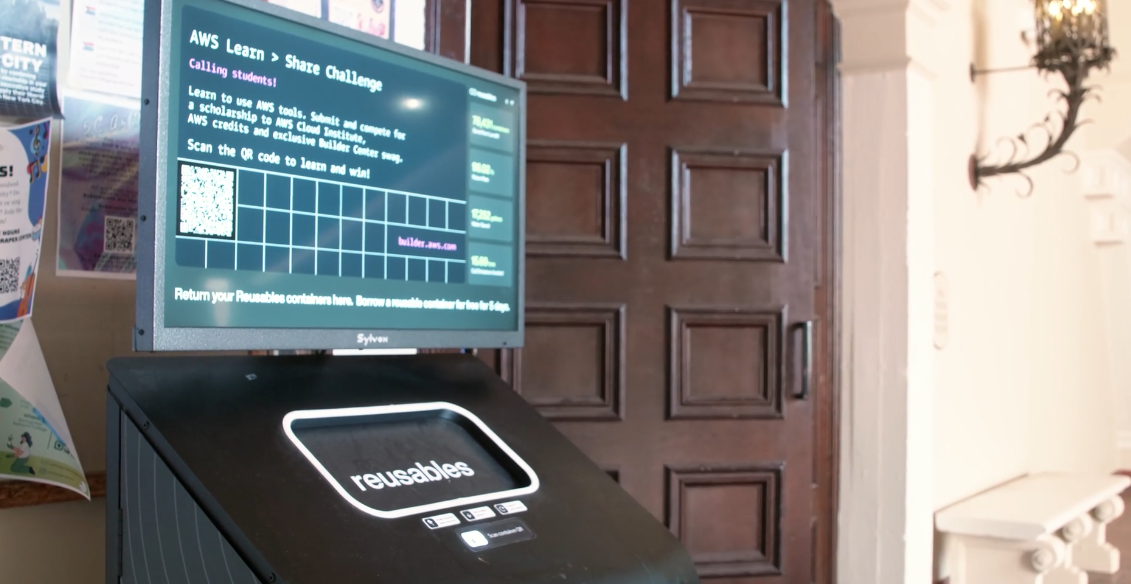
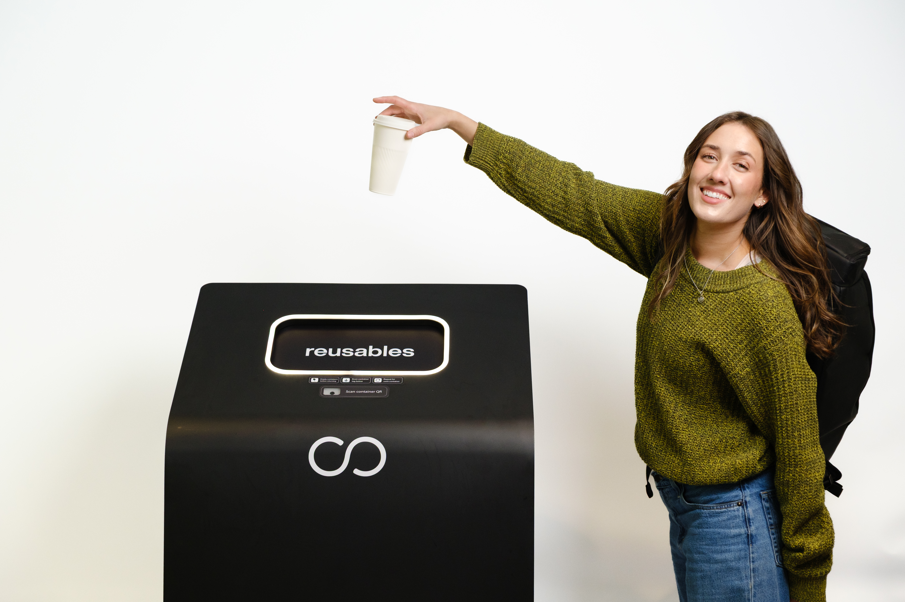
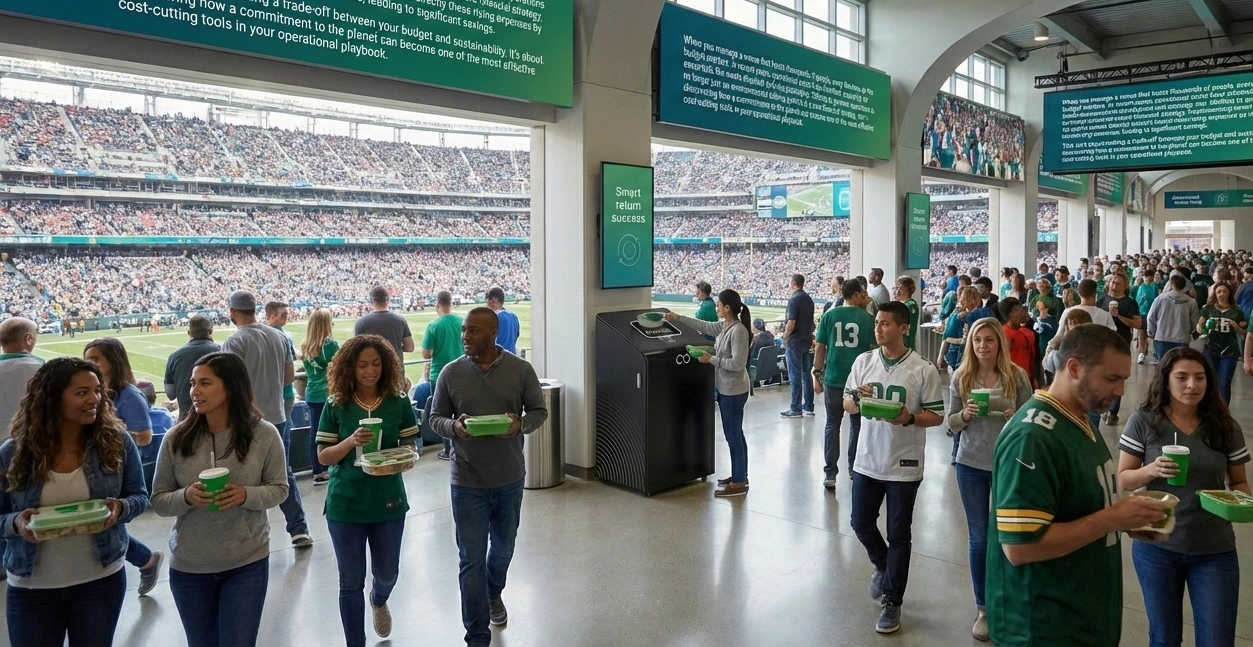
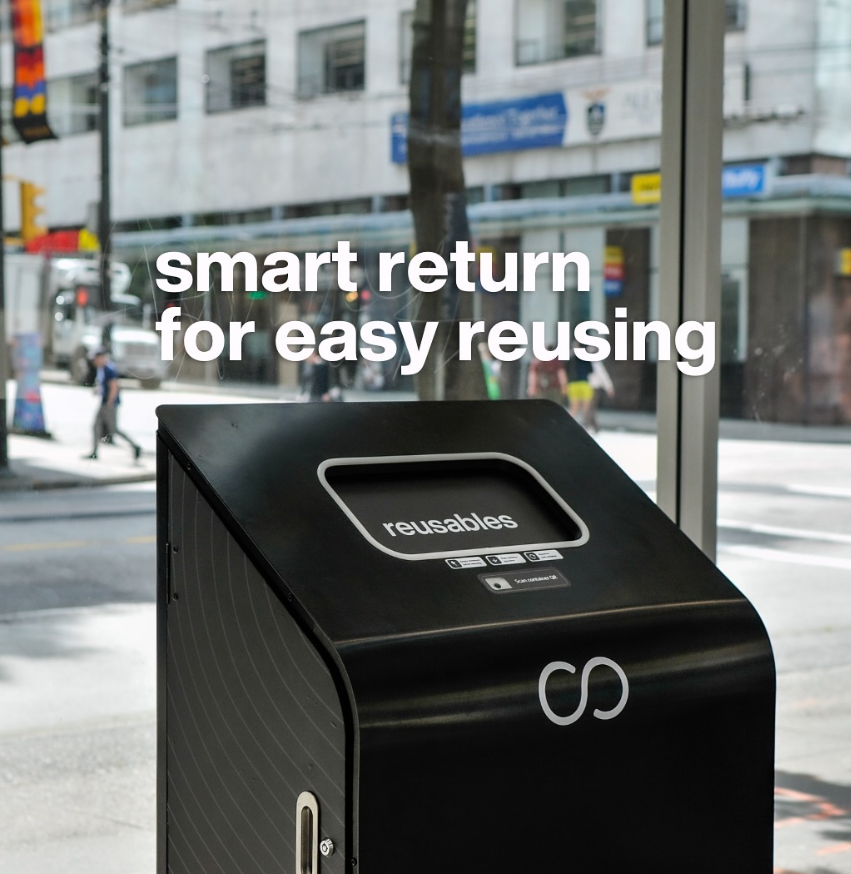
The single biggest factor in getting containers back is making the return process as simple as possible. Technology removes the friction. With smart return bins, students can drop off their used containers 24/7. A quick scan automatically checks the item back in and clears it from their account. This automated process means no long lines at the dish drop and no extra work for your staff. When you facilitate the return of containers this way, students are far more likely to participate, which is essential for keeping your program running smoothly and your inventory in circulation.
Gaining Real-Time Inventory Control
Wondering if you have enough clean containers for the lunch rush? With a tech-enabled system, you never have to guess. Because every container is tracked, you have a live view of your inventory levels across campus—what’s in use, what’s in the return bins, and what’s ready on the shelves. This real-time data allows you to optimize your inventory management and prevent shortages before they happen. It also helps you understand usage trends over time, so you can make smarter decisions about purchasing and operations, ultimately saving money and reducing waste even further.
How to Choose the Right Reusable Solution
Switching from single-use containers to a reusable system is a significant operational change, but it’s one that pays off in cost savings and sustainability wins. The key is to choose a solution that fits your specific needs, from the food you serve to the space you have. It’s not just about picking a container; it’s about implementing a complete reuse system that works for your staff and students. A successful program is one that’s easy to manage and simple for everyone to use. As you weigh your options, think through the entire lifecycle of the container—from checkout and return to washing and restocking. Answering the following questions will help you find the perfect fit for your campus.
Check for Food and Temperature Compatibility
First things first: the containers have to work with your menu. If you’re serving hot soups and chilis, you’ll need containers that are insulated and can handle high temperatures without warping or leaching chemicals. For crisp salads and sandwiches, you’ll want something that keeps food fresh without getting soggy. Take a look at your most popular takeout items and match them with appropriate container materials, like durable polypropylene or stainless steel. Make sure any container you choose is rated for the temperatures it will encounter, from hot holding stations to refrigerators. This ensures both food quality and the longevity of your container fleet.
Calculate Your Costs and ROI
Moving to reusables shifts your spending from a constant operational expense on disposables to an upfront capital investment. While the initial cost might seem higher, the return on investment can be substantial, especially as the price of single-use packaging continues to rise. To calculate your potential ROI, factor in the cost per container and its expected number of uses. The most critical factor, however, is your return rate. A system that ensures you get your containers back is what turns that upfront cost into long-term savings. Losing containers is like throwing money away, so a solution with built-in tracking and accountability is essential for protecting your investment.
Assess Your Storage and Space Needs
Before you place an order for thousands of containers, map out where they will live. You’ll need adequate shelving for clean, ready-to-use containers at each service point. Just as important is your plan for collecting used ones. Will you have staff collecting them, or will you use designated return stations? Consider the footprint of any return bins and where they can be placed for maximum convenience without disrupting traffic flow. A well-designed system should integrate smoothly into your existing kitchen workflow and campus layout, making it easy for staff to manage inventory and for students to return containers on the go.
Evaluate Container Durability
The whole point of a reusable system is reuse, so durability is non-negotiable. Your containers need to be tough enough to handle hundreds of cycles of use and abuse. Look for high-quality options made from materials like commercial-grade, BPA-free plastic or stainless steel that can withstand drops, scrapes, and daily trips through a high-temperature commercial dishwasher. Ask potential suppliers for the specs on a container’s expected lifespan—a good one should last for at least 300-500 uses. Investing in durable, high-quality containers from the start means you’ll replace them less often, which is better for your budget and the planet.
Prioritize Food Safety Standards
Nothing is more important than the health and safety of your students and staff. Any reusable container you introduce must be made from food-grade materials that are certified for contact with food. Look for containers that are NSF-certified and FDA-approved to ensure they are non-toxic and safe for repeated use. They also need to be designed for easy and effective cleaning, with no tight corners or crevices where food particles and bacteria can hide. Your containers must be able to withstand the high heat and detergents of your commercial dishwashers to ensure they are properly sanitized after every single use.
Your Plan for a Smooth Rollout
Switching to a reusable container system is a big move, but it doesn’t have to be a complicated one. A successful launch comes down to a solid plan that gets everyone on board, from your kitchen staff to your campus community. By focusing on clear communication and simple processes, you can make the transition feel like a natural upgrade for everyone involved. Think of it as a series of small, manageable steps that lead to a major positive impact on your operations and your campus’s sustainability goals. A well-thought-out launch strategy ensures that the new system is adopted quickly and enthusiastically, preventing common pitfalls like low return rates or operational confusion. It sets the stage for long-term success, turning a potential challenge into a celebrated campus achievement. This plan covers the key areas you’ll want to focus on to ensure your new program is a hit from day one, from preparing your team and educating your guests to streamlining returns and managing inventory with confidence. Getting these pieces right from the start will not only save you headaches down the road but will also build momentum that carries the program forward, making sustainability an integrated and effortless part of campus life.
Prepare Your Staff for the Change
Your team is the backbone of this initiative, so getting their buy-in is the first step. Start by explaining the “why” behind the switch. Many institutions are seeking greener options to meet sustainability targets, reduce rising supply costs, and comply with local regulations. When your staff understands the bigger picture, they become advocates for the program. Hold dedicated training sessions to walk them through the new workflow. Show them exactly how the checkout and return systems work, and equip them with key talking points for answering student questions. Be sure to highlight how the system makes their jobs easier—no more manual tracking or chasing down fees. When your team feels confident and prepared, they’ll pass that confidence on to every guest they serve.
Teach Students and Guests How It Works
For students and guests to embrace reuse, the system needs to be simple and intuitive. Kick things off with a clear communication campaign before the program goes live. Use posters, social media, and digital screens in the dining hall to build awareness and excitement. Focus on the benefits for them: it’s a free and easy way to reduce waste, and it shows you’re a campus that cares. As one packaging expert notes, “Customers who care about the environment will like that you use them.” Place simple, visual instructions at checkout and return stations. Language like “Tap, Take, Return” makes the process feel effortless. You can also use incentives like campus-wide leaderboards or rewards to make participation fun and build a culture of reuse.
Streamline the Return Process
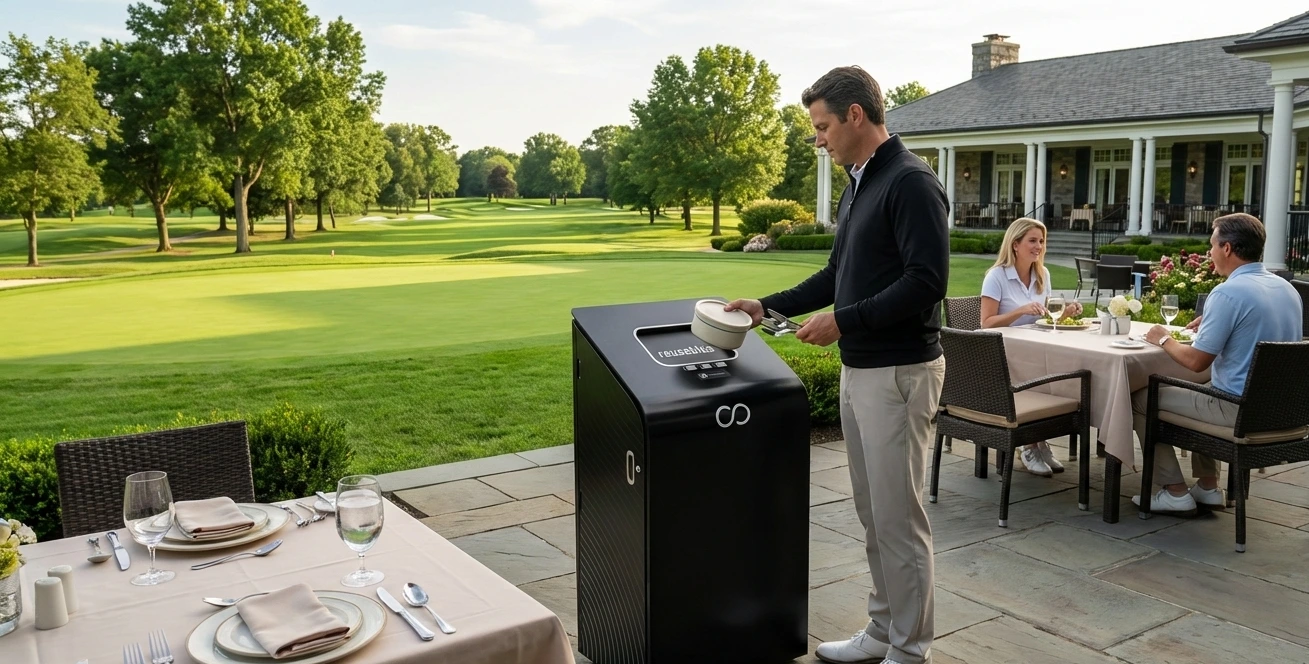
The key to a high return rate is making it just as easy to return a container as it is to toss one in the trash. Place smart return bins and scan stations in high-traffic locations like dining halls, residence buildings, and student centers. The process should be quick, clean, and available 24/7. The ideal system creates a simple loop where “customers get a container… take their food, and then return it for a clean one later.” A tech-enabled system also provides gentle accountability. Automated reminders encourage timely returns without creating extra work for your staff. When students know the process is easy and consistent, returning their containers becomes a natural habit, helping you maintain a 99% return rate.
Meet and Exceed Sanitization Standards
Health and safety are always top priorities. It’s important to communicate that your reusable containers are washed and sanitized to the highest commercial standards—just like the plates, glasses, and cutlery you already use. Choose a partner that provides durable, food-grade containers designed for your operations. The best options are “safe (no BPA), strong, stackable, and can go in the microwave and dishwasher.” Be transparent about your sanitization process. You can share information on your website or on signage in the dining hall. Reassuring your community that reusables are a safe and hygienic choice helps build trust and encourages widespread adoption of your new program. This proactive communication addresses concerns before they arise and reinforces the quality of your dining program.
Set Up Your Inventory Management
Losing containers is a common concern when switching to reusables, but modern technology makes it easy to keep track of your inventory. A system with unique QR or RFID codes on every container gives you a complete picture of your stock in real time. Instead of relying on manual counts, you can use a digital dashboard to see exactly how many containers are in circulation, in storage, or at the dishwashing station. This real-time data helps you understand usage patterns, anticipate demand, and know precisely when to reorder. It takes the guesswork out of inventory management, reduces replacement costs, and ensures you always have clean containers ready for service. This level of control gives you the confidence to scale the program across campus.
Comparing Top Reusable Solutions
Choosing the right reusable container system feels like a big decision, but it doesn’t have to be complicated. When you break it down, the best choice is the one that fits seamlessly into your existing operations, makes life easier for your staff, and provides a great experience for your guests. The goal is to find a solution that not only helps you meet your sustainability targets but also makes financial sense and stands the test of time.
As you explore your options, you’ll find they generally fall into two camps: simple, low-tech programs and more advanced, technology-enabled systems. Each has its own approach to container materials, cost structure, and overall management. To make a confident choice, you’ll want to compare these key areas and think about which model aligns best with your campus environment and long-term goals. We’ll walk through the most important factors to consider, from the technology that powers the system to the specific questions you should ask any potential partner before signing on.
Technology-Enabled vs. Low-Tech Options
Low-tech reusable programs are often the first thing that comes to mind. These typically rely on a simple exchange model where customers might use a token or pay a deposit to get a container and then return it for a clean one. While straightforward in concept, these systems often depend on manual tracking and the honor system, which can lead to low return rates and a lot of staff time spent managing the process.
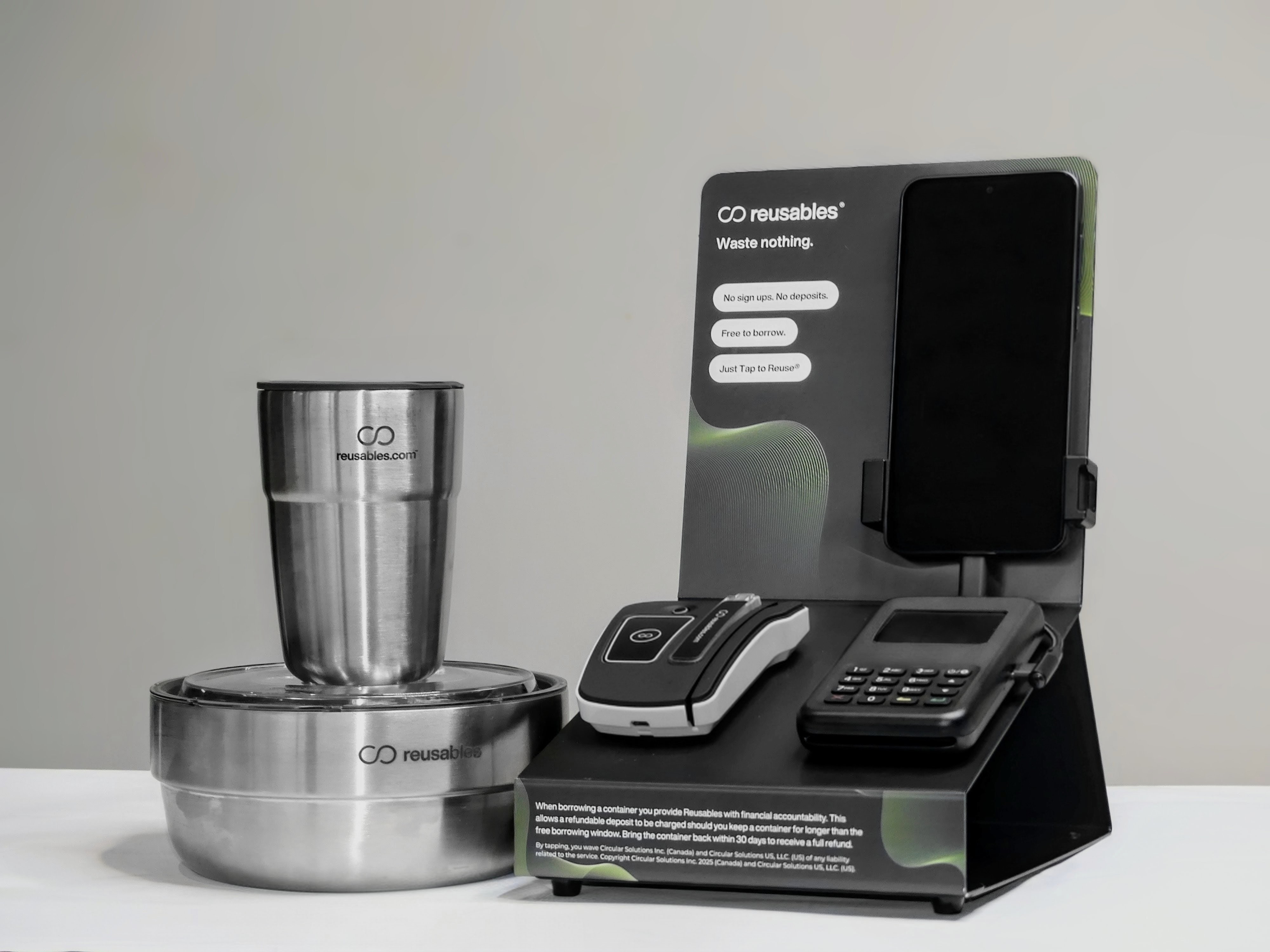
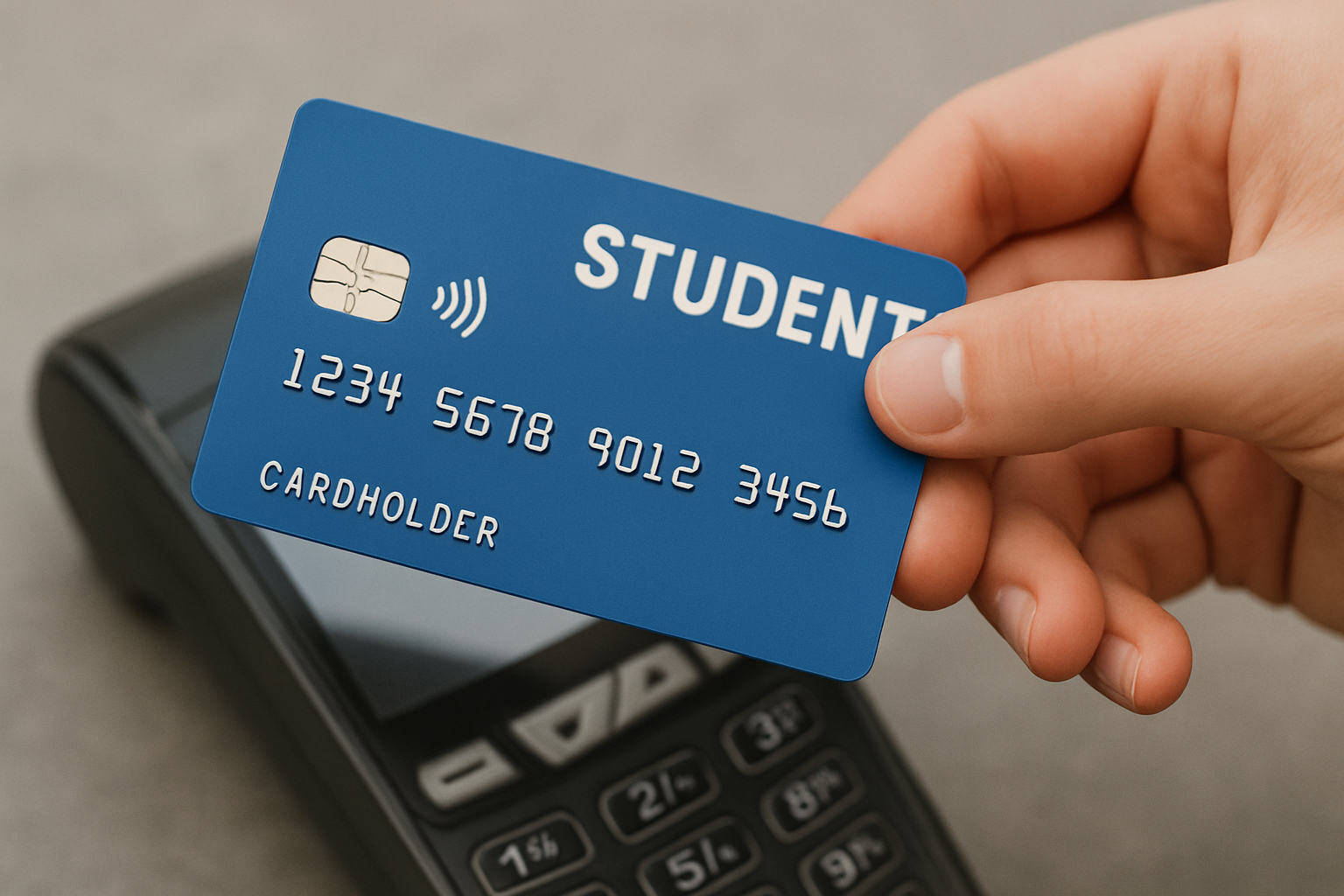
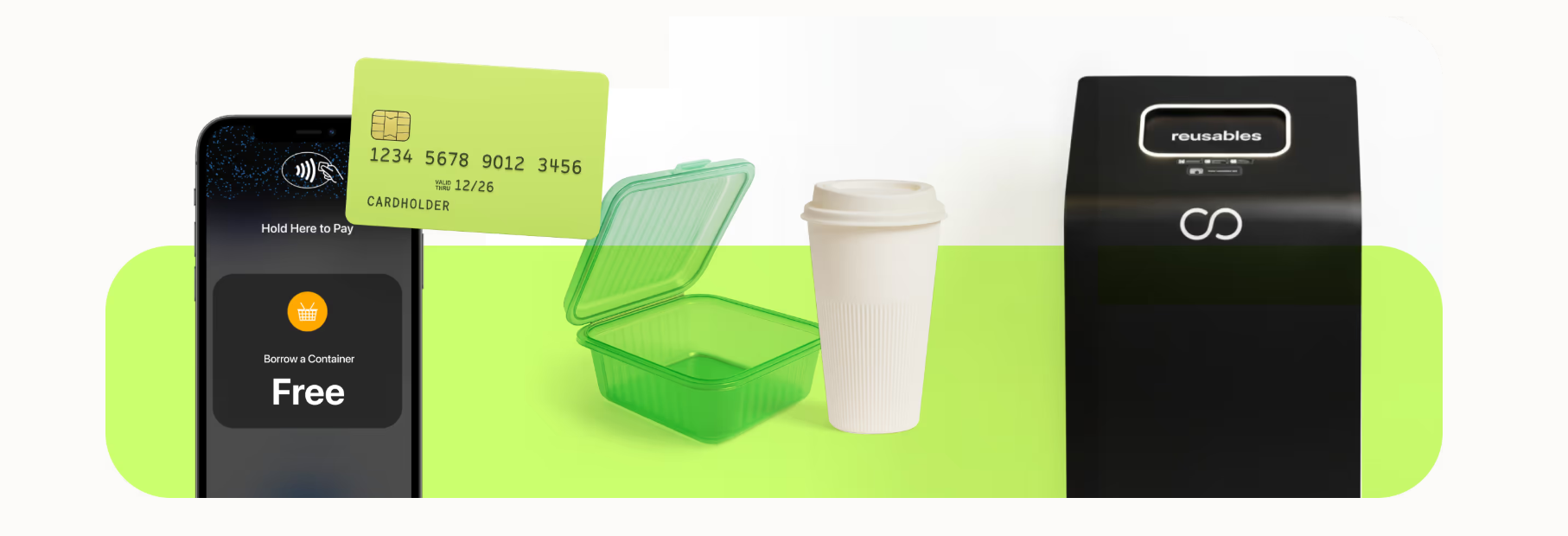
Technology-enabled systems, on the other hand, use tools like QR codes or RFID tags to automate tracking and accountability. This approach creates a frictionless experience for users—they can often just tap their student ID or a payment card to check out a container. For operators, this means you get real-time data on inventory, return rates, and environmental impact without the manual overhead. These integrated reuse solutions are designed to make reusability easy and efficient for everyone involved.
A Quick Guide to Container Materials
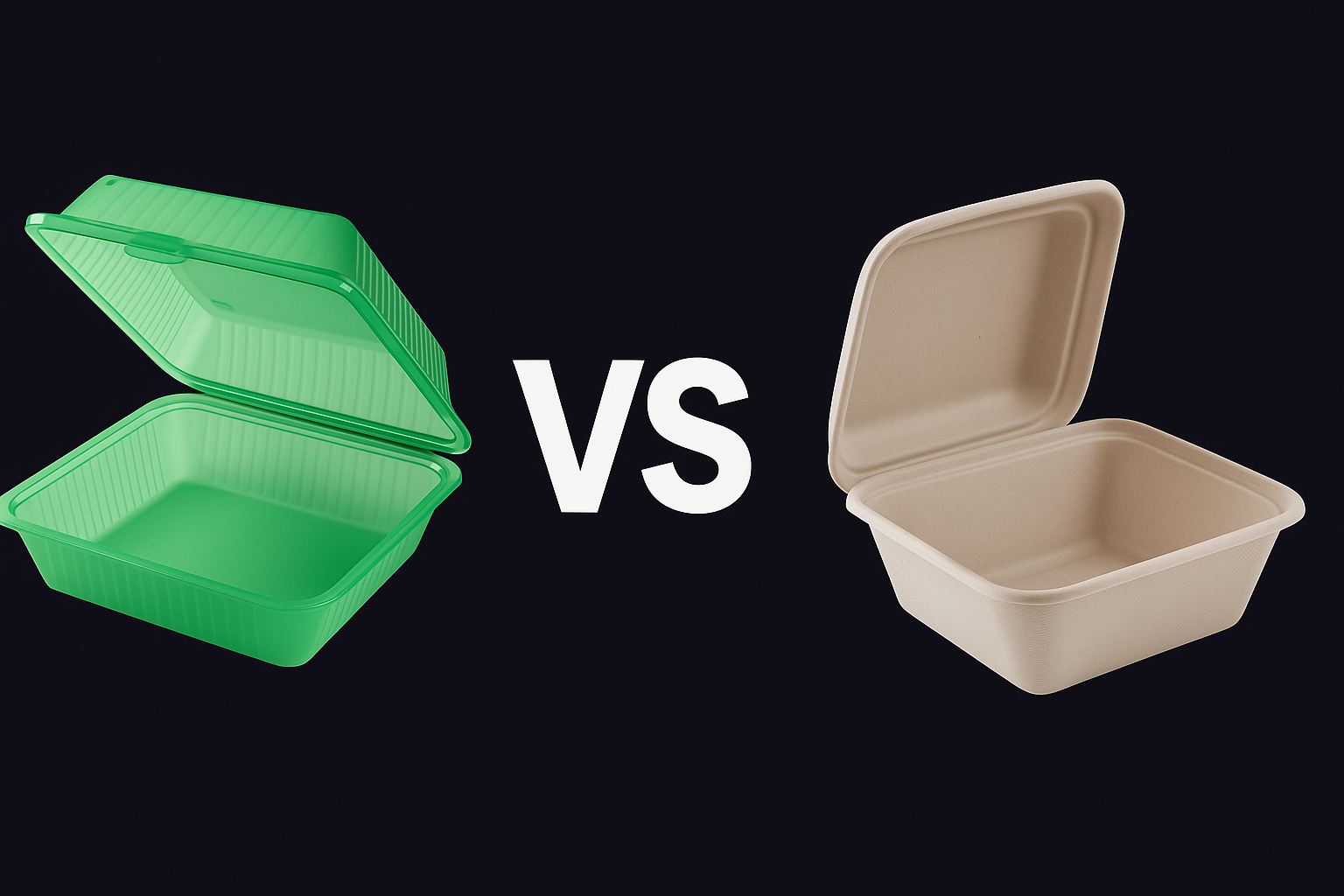
When it comes to the containers themselves, you’ll primarily choose between durable, BPA-free plastic (like polypropylene) and stainless steel. Plastic options are lightweight, cost-effective, and often microwave-safe, making them a versatile choice. Stainless steel is incredibly durable, excellent at retaining temperature, and has a premium feel, though it usually comes at a higher price point.
You may also come across compostable containers made from materials like sugarcane or bamboo. While these are a better alternative to foam, it’s important to remember they are still single-use items. A true reusable system is designed to eliminate waste entirely by keeping containers in circulation for hundreds or even thousands of uses, making it a more sustainable and cost-effective model in the long run.
Understanding the True Cost
The price of a container is only one piece of the financial puzzle. To understand the true cost, you need to look at the total cost of ownership. For any reusable system, this includes the initial investment in inventory, staff labor for managing returns and tracking, and replacement costs for lost or damaged containers. A system with low return rates can quickly become more expensive than disposables.
The real value comes from finding a program that minimizes those operational costs while maximizing container reuse. A well-run system dramatically reduces your annual spending on single-use packaging. Beyond the direct savings, consider the value of your brand’s reputation. Offering a convenient, sustainable dining option shows that you care about the environment and enhances the student experience, which is an investment that pays dividends.
What to Ask Before You Buy
Before committing to a reusable container program, it’s essential to ask the right questions to ensure you’re choosing a partner, not just a product. Your goal is to find a solution that works for your specific campus, brand, and sustainability goals. Start by asking potential providers about the core mechanics of their system.
Here are a few key questions to guide your conversation:
- How do you track containers to ensure a high return rate?
- What is the checkout and return process like for students and staff?
- Does your system integrate with our existing campus card and POS technology?
- What kind of data and impact reporting can we access?
The answers will reveal how much thought has gone into the user experience and the back-end management. A great partner will have clear, confident answers and be ready to work with you to design a smooth and successful rollout.
How to Measure Your Program’s Success
Launching a reusable container program is a huge step forward, but the work doesn’t stop there. To truly understand the value of your new system and build long-term support, you need to measure its performance. Tracking key metrics shows you what’s working, where you can improve, and how the program is benefiting your campus and your budget.
Think of it as telling the story of your success with data. When you can clearly show stakeholders—from the board to the student body—how many single-use containers you’ve eliminated and how much money you’ve saved, you create a powerful case for sustainability. This isn’t just about a one-time report; it’s about continuous improvement. The data you collect can help you optimize return bin locations, adjust inventory levels, and even create targeted engagement campaigns to encourage participation. The right technology partner makes this simple by providing a dashboard with real-time data on everything from usage rates to environmental impact. By focusing on a few key areas—waste reduction, financial return, regulatory compliance, and impact reporting—you can prove the value of your investment and inspire your community to keep the momentum going.
Track Your Waste Reduction
The most immediate goal of a reuse program is to stop generating trash. To measure this, you first need a baseline. Before you launch, calculate how many single-use containers your dining services used per month or per semester. Once your reusable system is running, you can compare the new, lower numbers against that baseline. The difference is the amount of waste you’ve successfully diverted from the landfill.
Many states and cities are banning single-use plastics because of their negative effects on the environment. Tracking your waste reduction not only demonstrates your program’s success but also shows how your campus is actively contributing to a healthier planet. A tech-enabled system gives you precise data on container usage, making it easy to see your progress in real-time without manual counting.
Calculate Your Return on Investment
A sustainable program should also be financially smart. Calculating your return on investment (ROI) proves that doing good for the planet is also good for your bottom line. Start by adding up the total cost of your old disposable inventory, including rising material costs and waste hauling fees. Then, compare that to the operational cost of your new reusable system.
While there’s an upfront investment, high-quality reusable containers can be used hundreds or thousands of times. With a system that ensures high return rates—like the 99% seen with Reusables.com’s platform—the cost-per-use plummets over time. This leads to significant annual savings on packaging. Don’t forget to factor in added benefits, like reduced labor for waste management, to see the full financial picture.
Monitor Regulatory Compliance
Sustainability regulations are constantly evolving. Staying compliant with local and state rules is a critical measure of success. Many institutions are moving to greener options to get ahead of new legislation and demonstrate environmental leadership. A well-run reuse program ensures you’re not just meeting current standards but are prepared for future ones.
Keep a close watch on zero-waste mandates in your city and state, especially those targeting the elimination of single-use plastics by specific dates. By implementing a comprehensive reusable system, you can confidently meet these requirements and avoid potential fines. This proactive approach positions your institution as a leader in sustainability and protects it from the risks of non-compliance.
Report Your Environmental Impact
Data is most powerful when you share it. Translating your metrics into a compelling impact story helps build support across campus. Instead of just saying you reduced waste, quantify it. Report on the exact number of containers diverted from landfills, the corresponding reduction in carbon emissions, and the amount of water saved.
Many platforms provide this data automatically, making it easy to create reports for stakeholders, marketing materials, and student engagement campaigns. Sharing these wins celebrates your community’s collective effort and reinforces the value of the program. It transforms abstract goals into tangible achievements, showing students and staff that their choice to reuse is making a real, measurable difference.
Related Articles
- Why Compostable Packaging Is Not as Sustainable as You Think
- How a Reusable Packaging System Works
- Smart Takeout Containers for Universities
- The Real Cost of Disposable Containers at Universities
- Food-Grade Plastic Packaging Containers: What You Need to Know
Frequently Asked Questions
Isn’t switching to a reusable system more expensive than just buying foam containers? It’s true that there’s an upfront investment in reusable containers, while disposables are an ongoing operational expense. However, with the cost of single-use packaging rising dramatically, that recurring expense quickly adds up. A reusable system turns that endless cost into a one-time investment in a durable asset. When you have a system that ensures you get your containers back, the cost-per-use drops to just pennies, leading to significant long-term savings and a more predictable budget.
How can I be sure we’ll get the containers back? I’m worried about losing our entire inventory. This is the most common concern, and it’s why older, low-tech reuse programs often failed. Modern systems solve this with smart, simple technology. Every container has a unique digital ID, like a QR code, that’s linked to a user’s account at checkout. This creates gentle accountability. The system can send automated reminders, and the return process is made incredibly simple with 24/7 smart bins. This combination of ease and accountability is how campuses achieve return rates of 99% or higher.
Why go through the trouble of a reuse system when I can just switch to compostable containers? Switching to compostables can feel like an easy win, but it often trades one problem for another. Compostable packaging only breaks down in an industrial composting facility, which many campuses don’t have access to. If they end up in a landfill, they don’t decompose as intended. A reusable system is the only solution that truly breaks the cycle of single-use waste, moving you from constantly buying and managing trash to investing in a durable, long-term asset.
How much extra work will a reusable program create for my already busy staff? A well-designed, tech-enabled system should actually reduce your team’s workload. Think about the time your staff currently spends ordering, stocking, and managing the waste from disposable containers. A modern reuse platform automates the entire process, from app-free checkouts to automated return tracking and inventory management. This frees your staff from tedious manual tasks so they can focus on providing great service.
What’s the first practical step I should take to see if a reusable system is right for my campus? A great starting point is to calculate your current annual spending on all single-use takeout containers. Getting a clear picture of that recurring cost gives you a powerful baseline for understanding your potential return on investment. At the same time, you can begin to map out your campus’s high-traffic areas—like dining hall exits, libraries, and residence halls—to identify the most convenient spots for return stations.
Other stories you may find interesting

.png)
.avif)



.webp)


Watch the Webinar
Learn How to Eliminate Single-Use Waste
Get instant access to our expert webinar and discover how leading institutions reach 99% return rates through smarter reuse systems.

© Reusables™. All rights reserved.