
A Roadmap to Scalable Reusable Packaging for Retail Dining

February 24, 2026
If you’re like most dining directors, the line item for single-use packaging in your budget has become a serious headache. With costs surging over 200% in recent years, what was once a minor expense is now a significant financial drain. This volatility makes planning difficult and eats into funds that could be better used elsewhere. While sustainability is often framed as an added cost, the opposite is now true for packaging. A well-designed system of scalable reusable packaging for retail dining transforms this recurring expense into a long-term investment. It’s a strategic way to insulate your budget from unpredictable supply chain issues and build a more financially stable operation for the future, all while meeting your campus’s green initiatives.
Key Takeaways
- Reusable packaging is a cost-control strategy: By replacing the unpredictable and rising expense of single-use containers with a durable inventory, you create long-term savings and protect your budget from volatile supply chain costs.
- Frictionless technology drives participation: A successful program depends on making reuse easy. Features like app-free checkout and smart return bins remove barriers for students and staff, which is essential for achieving the high return rates that make the system work.
- A phased rollout is the key to a successful launch: Starting with a pilot program in one or two locations allows you to test your workflow, gather real-world data, and build momentum before expanding, ensuring a smoother transition across campus.
What Is Scalable Reusable Packaging?
When we talk about reusable packaging, we’re talking about more than just durable containers. A true reusable system is a complete loop: containers are checked out, used by diners, returned, washed, and put back into circulation. For this to work beyond a small pilot program, it needs to be scalable. Scalable
It’s a solution that’s efficient, sustainable, and creates an exceptional brand experience for your diners. The goal is to make reusing just as easy, if not easier, than using a disposable container. This requires a thoughtful approach that considers every touchpoint, from the moment a student grabs lunch to the moment your staff restocks the clean containers. A scalable system isn't just about replacing disposables; it's about introducing a smarter, more streamlined way to manage your takeout packaging that saves money and reduces waste over the long term.
What Makes a Reusable System "Scalable"?
A reusable system becomes scalable when it works seamlessly for everyone involved, from your diners to your kitchen staff. This means it needs to be simple to use, integrate with your existing operations, and be financially sustainable. For reusable packaging to become common practice, the entire process needs to be frictionless. A truly scalable solution features a high return rate, ensuring you aren't constantly replacing lost containers. This is where many early programs faltered. Modern systems achieve this through smart, user-friendly design that encourages participation without adding extra work for your team. Ultimately, a scalable system is one that consistently delivers environmental benefits over single-use alternatives.
A Look at the Day-to-Day Workflow
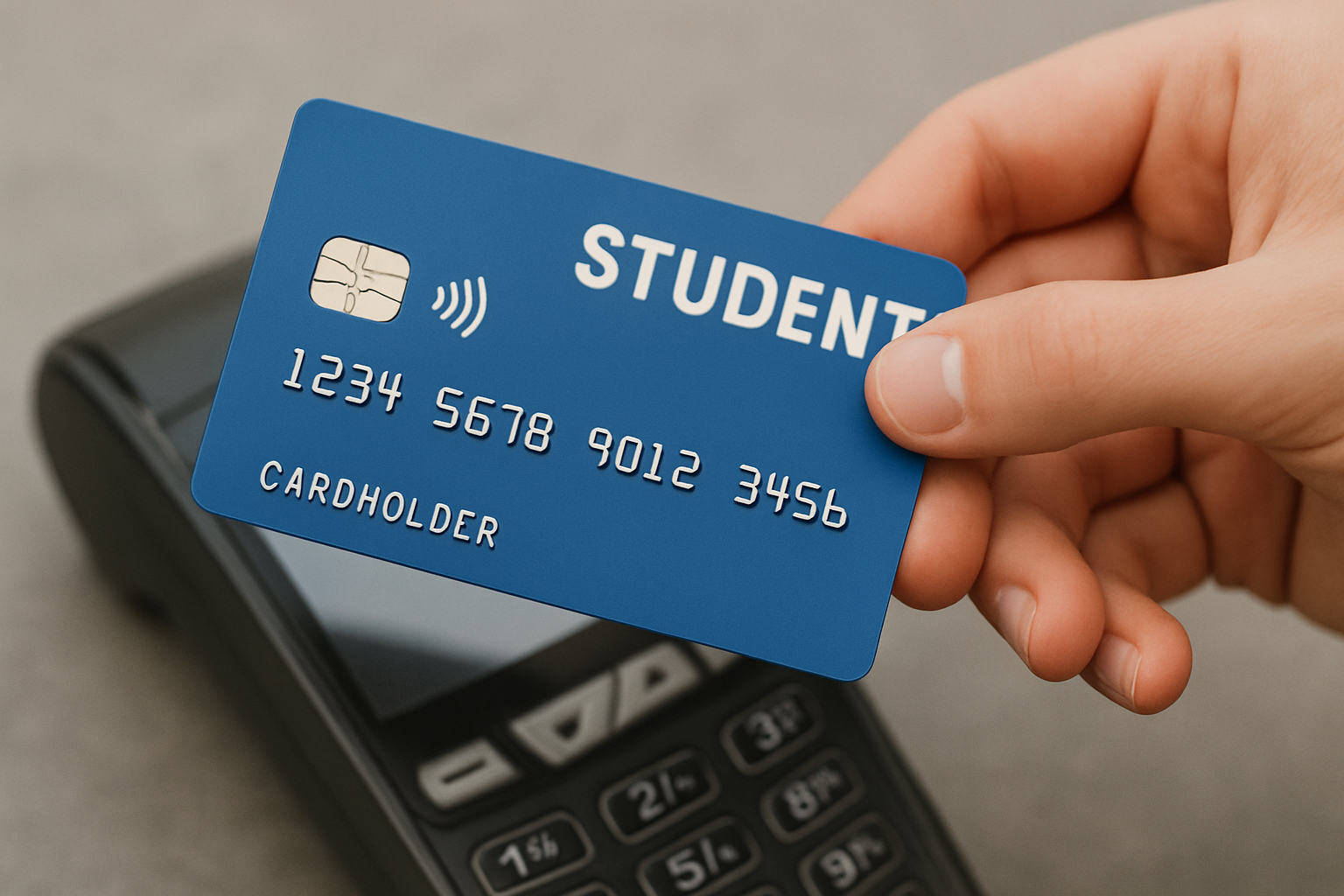
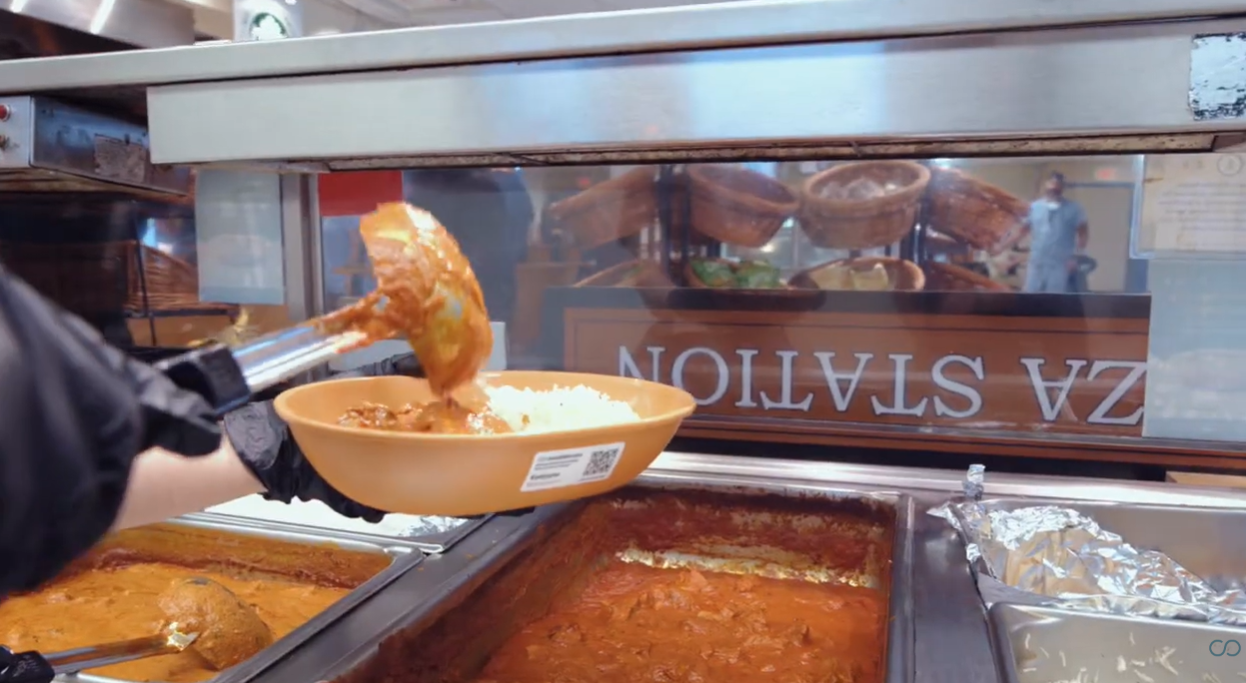
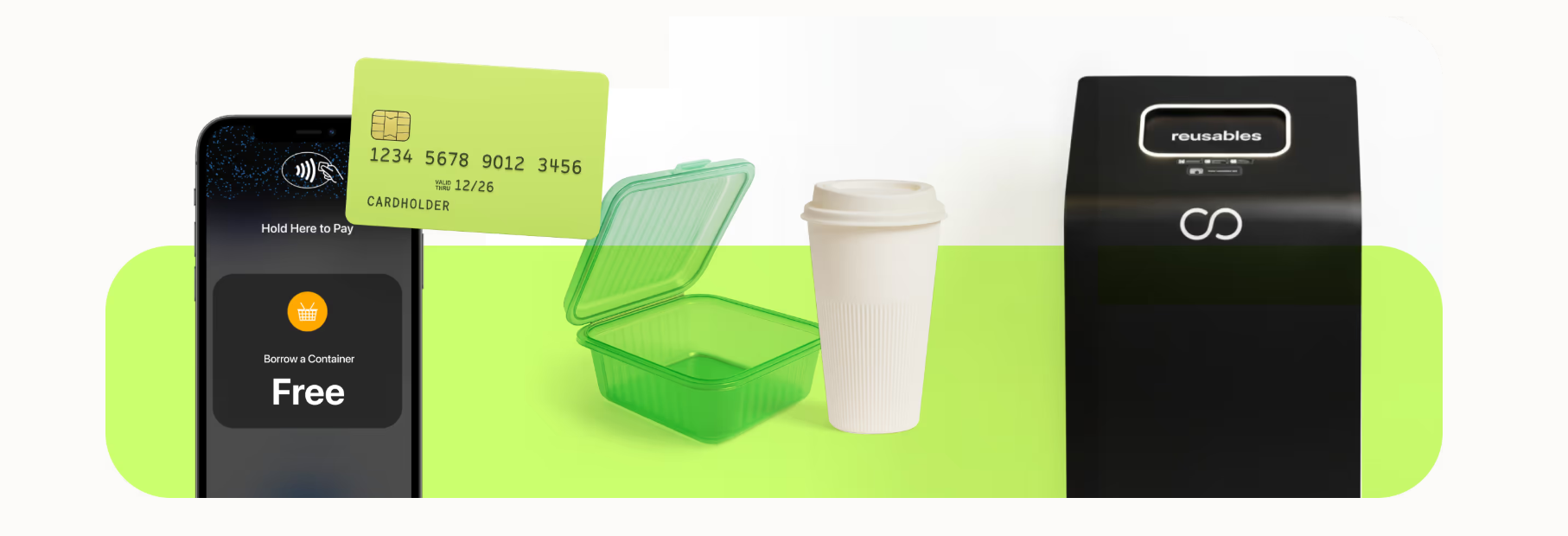
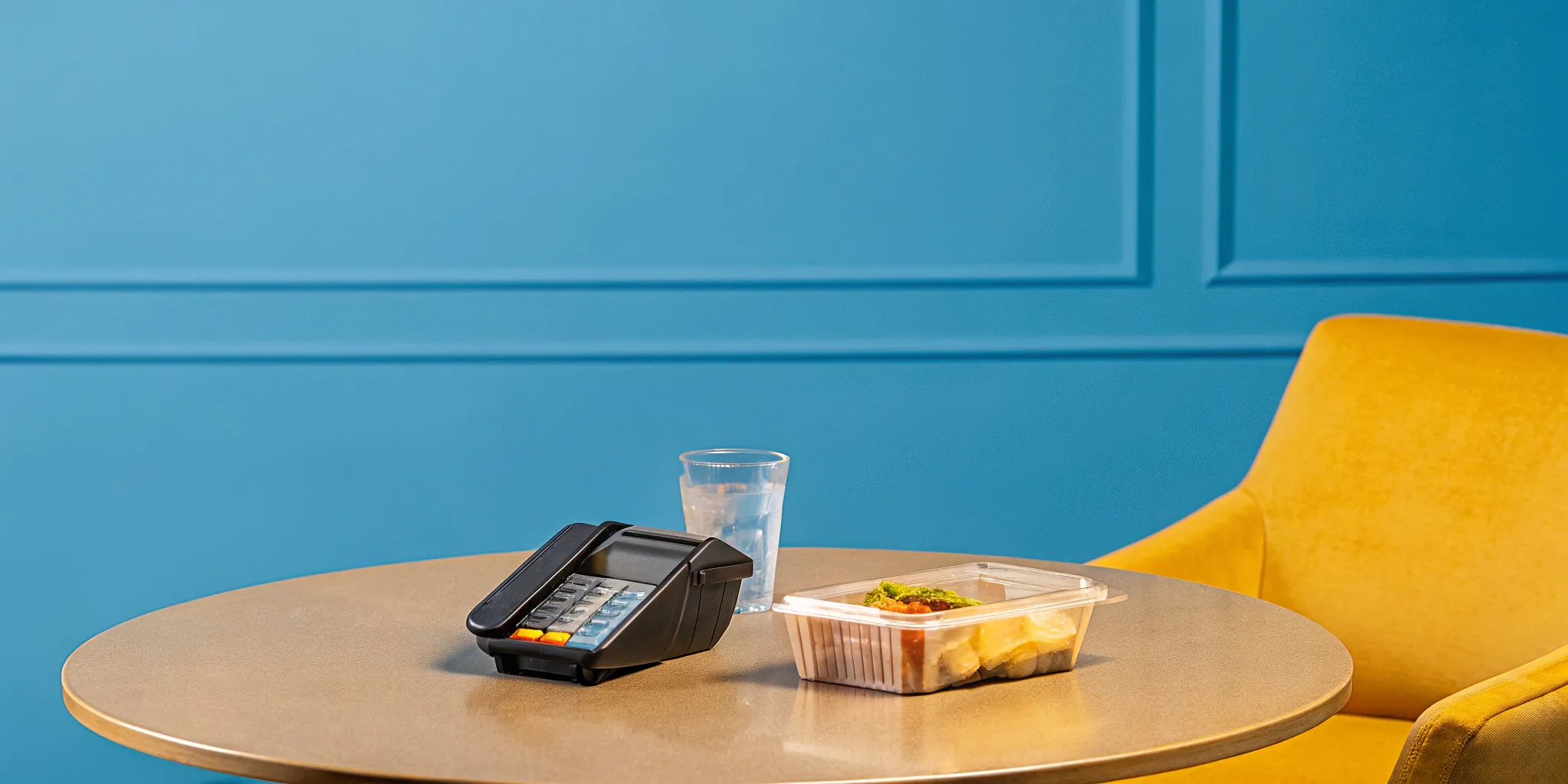
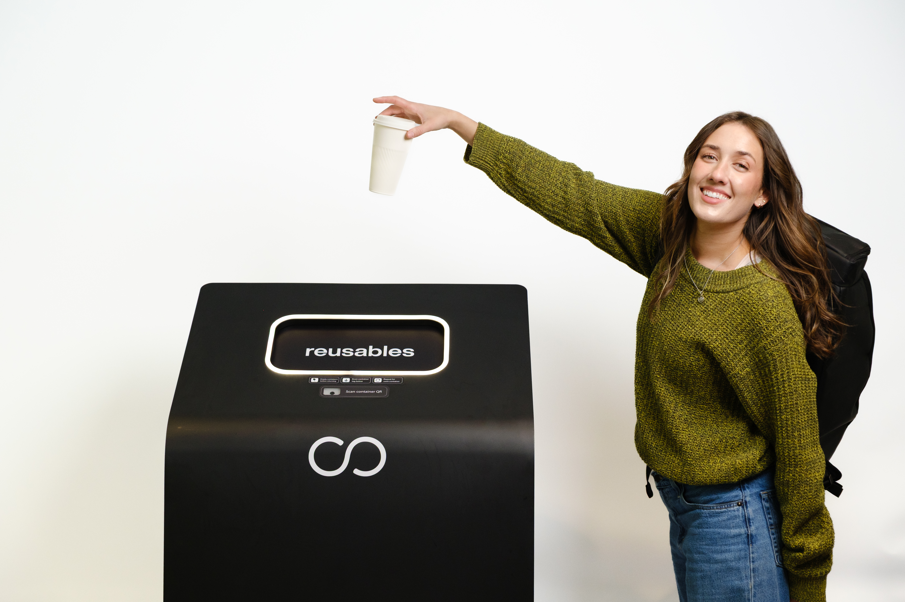
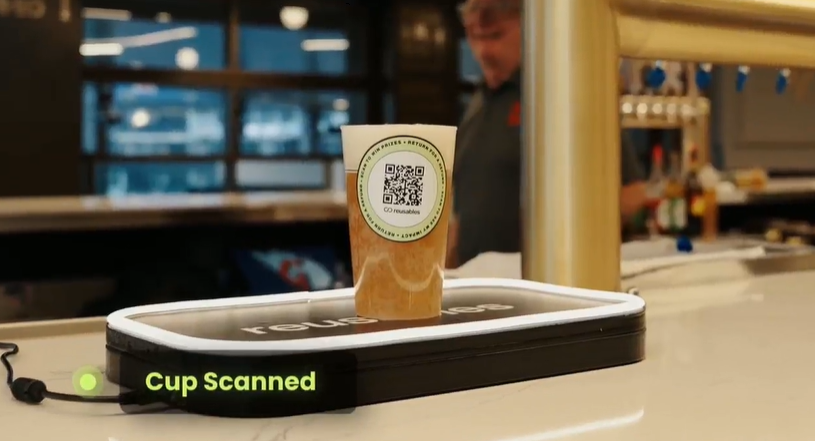
So, what does this look like in practice? Imagine a student heading to the dining hall for a quick lunch. They pick up their meal in a reusable container and head to the register. Instead of fumbling with an app or paying a deposit, they simply tap their student ID or credit card to check out the container. This is the core of a frictionless experience. After their meal, they drop the used container into a designated smart return bin on their way to class. The bin automatically scans and registers the return, closing the loop. This simple, intuitive workflow makes participation effortless and keeps your reusable packaging in constant circulation.
The Role of Tech in Modern Reuse Systems
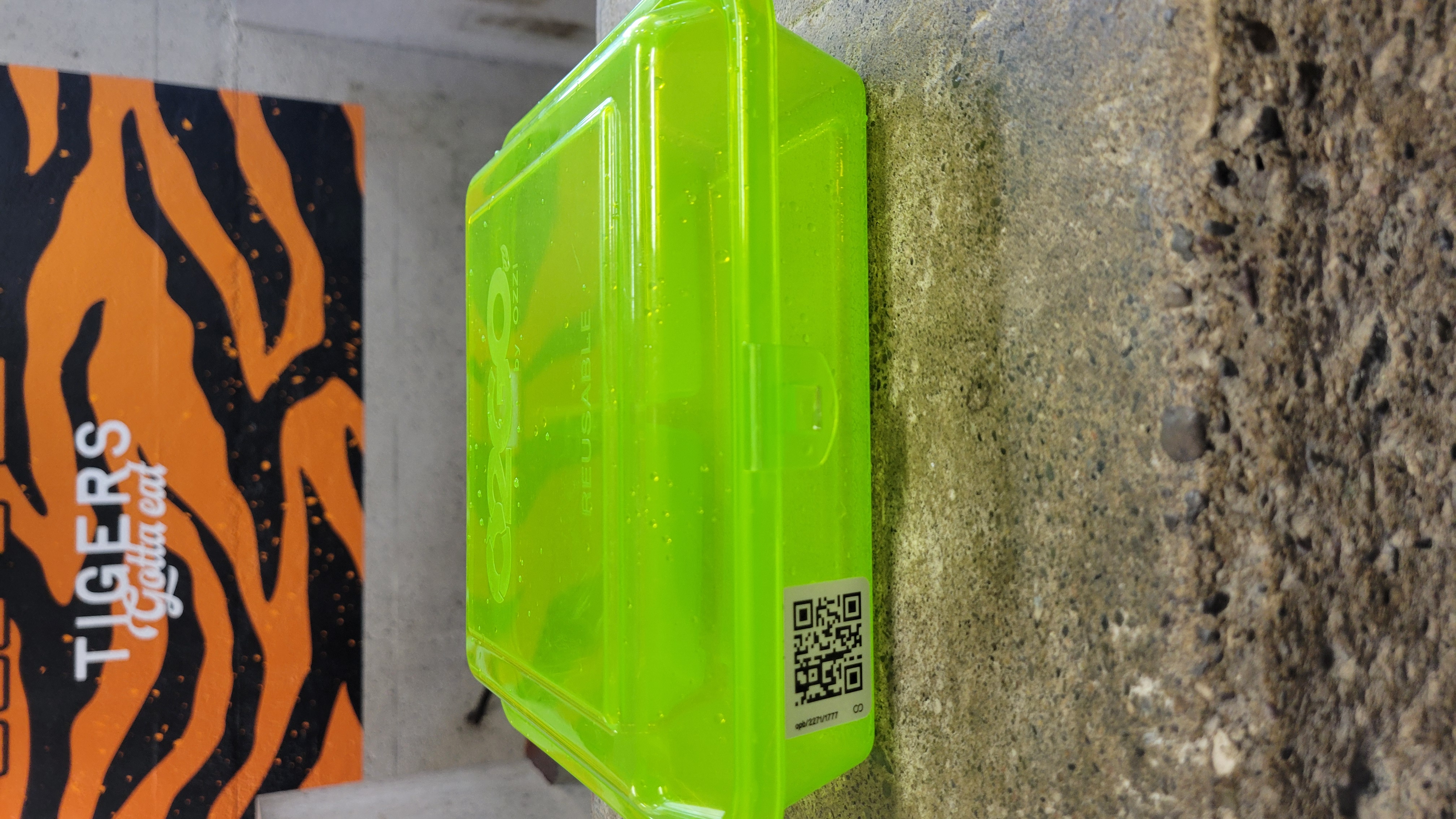
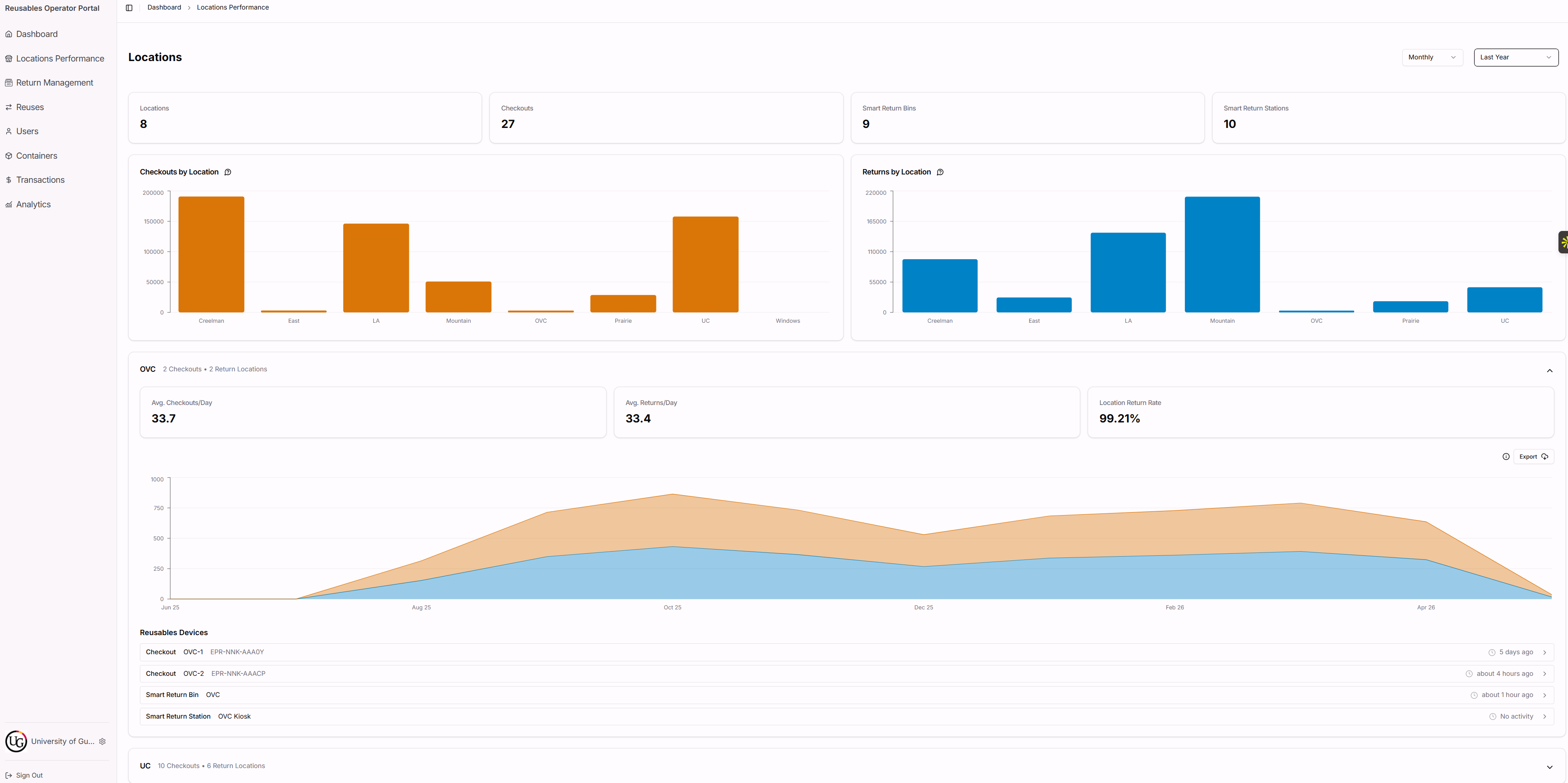
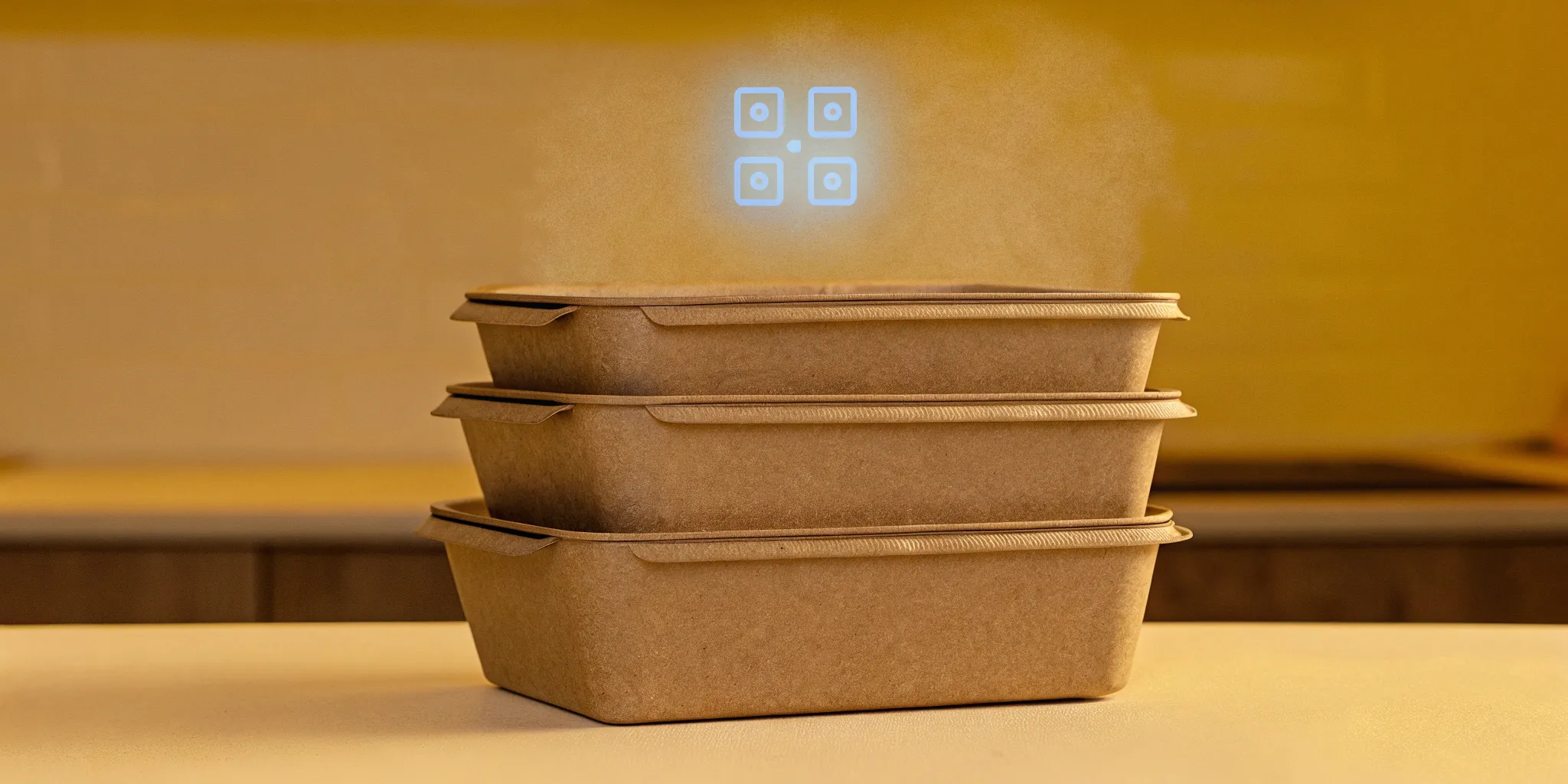
Technology is what makes modern reuse systems truly scalable. Each container is tagged with a unique QR code or RFID chip, allowing you to track your inventory in real time. This digital tracking is crucial for automating accountability and achieving the high return rates needed for the system to work. For example, Simon Fraser University used an RFID-enabled system to achieve a stunning 99.63% return rate. This level of accuracy eliminates the guesswork and manual tracking that burdened older programs. Technology also provides a dashboard with real-time data on usage, return rates, and environmental impact, giving you the insights needed to manage and optimize your program effectively. It’s one of the key enablers for scaling reuse successfully.
Why Switch to a Reusable Packaging Solution?
Making the switch to a reusable packaging system might feel like a big step, but the reasons to do so are becoming impossible to ignore. It’s more than just an environmental initiative; it’s a strategic move that addresses three of the biggest challenges facing campus dining services today: skyrocketing operational costs, pressing sustainability mandates, and the evolving expectations of your diners. For years, the convenience of disposables seemed to outweigh the costs, but that equation has flipped. Now, single-use packaging represents a significant financial drain, a logistical headache, and a growing reputational risk.
A modern reuse program is a fundamental upgrade to your dining operation. It replaces a wasteful, linear process with a smart, circular system that saves money and improves the guest experience. By implementing a tech-enabled solution, you gain control over your inventory, get real-time data on usage and return rates, and create a seamless experience for students and staff. This isn't about adding more work; it's about working smarter. The right system automates accountability and provides the operational visibility you need to run a more efficient and resilient program. Let's look at how a reusable system can directly benefit your bottom line, help you meet your green goals with confidence, and give your campus community the sustainable experience they’re asking for.
Combat Rising Disposable Packaging Costs
Let's talk numbers. The cost of disposable packaging has surged over 200% in the last few years, and many campuses now spend upwards of $50,000 a year on single-use containers alone. It’s a significant and unpredictable line item in your budget. A common myth is that sustainability is expensive, but when it comes to packaging, the opposite is true. Reusable systems turn a recurring expense into a long-term investment, leading to significant savings over time. By investing in a durable inventory of containers, you insulate your budget from volatile supply chain costs and ever-increasing prices for paper and plastic goods.
Beyond the direct cost of containers, a reusable system helps you get ahead of other emerging expenses. Many regions are introducing regulations like Extended Producer Responsibility (EPR) fees and virgin plastic taxes, which add financial penalties to single-use packaging. The business case for reuse shows that shifting to a reusable model can protect your institution from these fees. It’s a proactive way to control costs and build a more financially stable operation for the future.
Meet Zero-Waste Mandates with Confidence
With zero-waste mandates on the horizon, many targeting 2030, the pressure is on for institutions to eliminate single-use plastics. This can feel like a monumental task, but a reusable packaging program provides a clear and effective path forward. Instead of trying to manage complex waste streams, you can sidestep the problem entirely by eliminating the waste at its source. This approach not only helps you comply with regulations but also demonstrates true leadership in sustainability on campus.
Implementing a reusable system is a powerful way to reduce your campus’s overall environmental footprint. Beyond just cutting down on landfill waste, scaling reusable packaging reduces greenhouse gas emissions, saves water, and conserves the natural resources used to produce single-use items. It’s a tangible change that makes a real difference, allowing you to confidently report on your progress toward institutional sustainability goals.
Give Diners the Sustainable Options They Want
Today’s students are more environmentally conscious than ever. They actively seek out and support brands that align with their values, and they expect their university to do the same. Offering a reusable packaging option is no longer a novelty; it’s a core expectation. By providing a convenient, well-designed reuse system, you show students that you’re listening and committed to making a positive impact. This can improve the overall dining experience and strengthen their connection to your program.
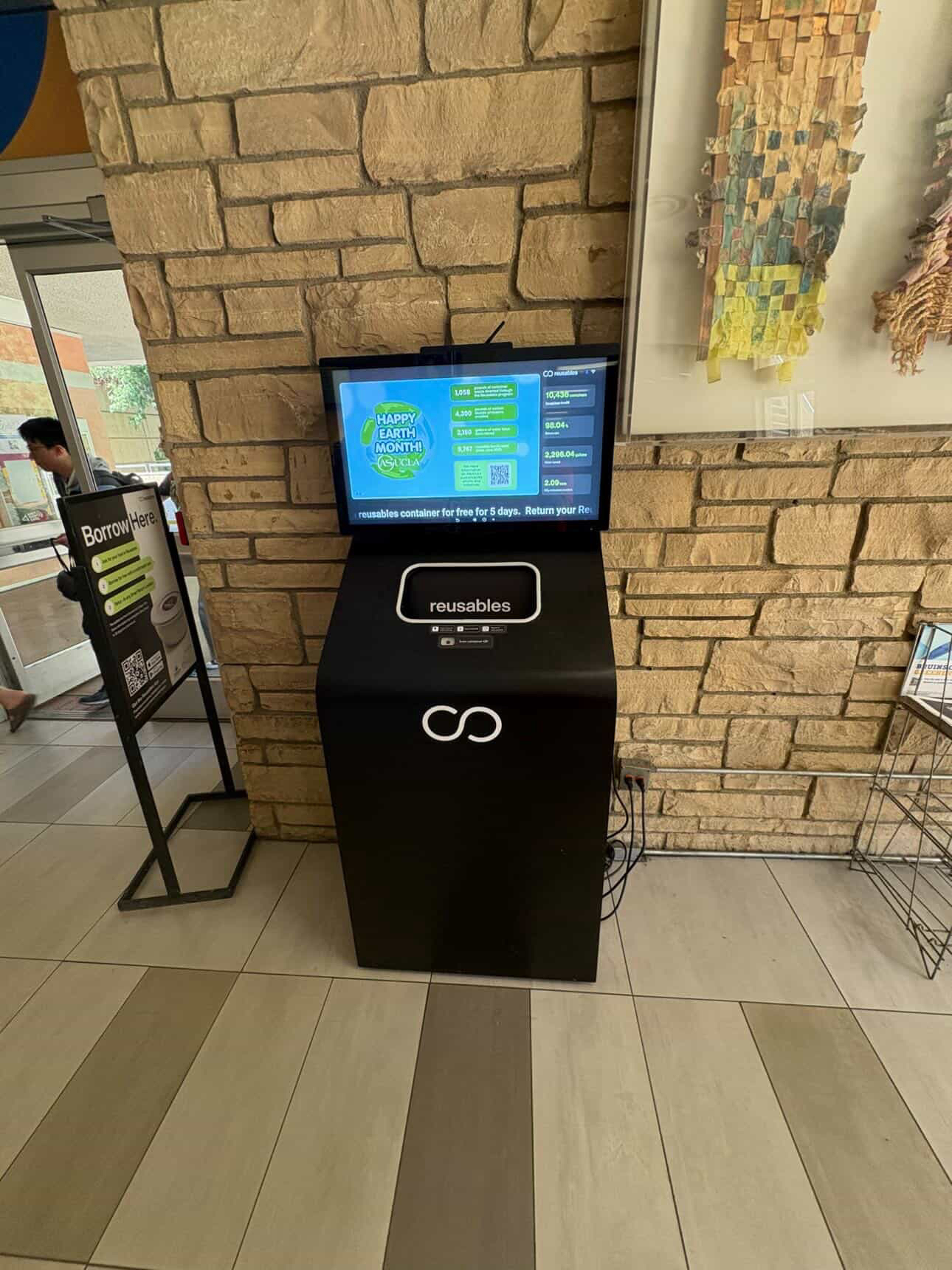
When a reuse program is easy to use, students will embrace it. For example, the ASUCLA case study shows how students quickly adopted the program because of its simplicity and the campus’s existing sustainability culture. A modern, tech-enabled system removes friction, making it just as easy to grab a reusable container as it is to grab a disposable one. This not only meets student demand but also sets your dining program apart as a forward-thinking leader on campus.
What Are the Benefits of a Reusables Program?
Switching to a reusable packaging system does more than just help you meet sustainability goals. It’s a strategic move that can positively affect your budget, your operational efficiency, and how diners perceive your brand. A well-designed program offers clear, measurable advantages that address some of the biggest challenges in food service today. From reducing the sting of rising supply costs to offering a modern amenity that students and staff appreciate, the benefits are practical and far-reaching. Let's look at the three main ways a reusables program can make a difference for your institution.
Cut Costs and Streamline Operations
Let’s talk about the bottom line. The cost of single-use packaging has skyrocketed, putting a strain on already tight budgets. A reusable system can directly lower these expenses. While it might seem like the pay-per-use fee for reusables would be comparable to buying disposables, the long-term savings are significant. With a partner like Reusables.com, you get detailed reports that show exactly how much you’re saving on packaging and waste management. Plus, you can sidestep future expenses like Extended Producer Responsibility (EPR) fees and virgin plastic taxes. This isn't just about being green; it's a smart financial decision that provides predictable pricing and savings.
Track Your Environmental Impact
Every institution has sustainability targets, but proving your progress can be a challenge. A tech-enabled reuse system replaces vague estimates with hard data. You can track key metrics like waste diverted from landfills, water saved, and the reduction in your carbon footprint. This data is invaluable for annual reports, stakeholder updates, and sharing your sustainability story with the campus community. By switching to reusables, you’re not just making a claim about helping the environment. You’re actively cutting down on pollution and can demonstrate your impact with clear, compelling numbers right from your dashboard.
Improve the Guest Experience and Stand Out
Today’s diners, especially students, expect sustainable options. Offering a convenient, modern reuse program shows you’re listening. When the system is simple and frictionless, like the one at UCLA, students are quick to adopt it. It becomes a valued part of the campus experience. This positions your dining services as a forward-thinking leader. Instead of just another meal, you’re offering a better, more responsible way to dine. This enhances your brand image and contributes to a stronger campus culture built around convenience and shared values. It’s a powerful way to show you care about both the student experience and the planet.
Key Features of a Winning Reusables Platform
A successful reusable packaging program is more than just durable containers; it’s a smart, scalable system that works for your staff and diners. The right platform makes reuse the easy choice. When evaluating your options, look for a partner whose technology integrates smoothly into your daily operations while providing the data you need to track your success. Here are the core features that separate a good idea from a great, long-term solution.
Smart Container Tracking and Management
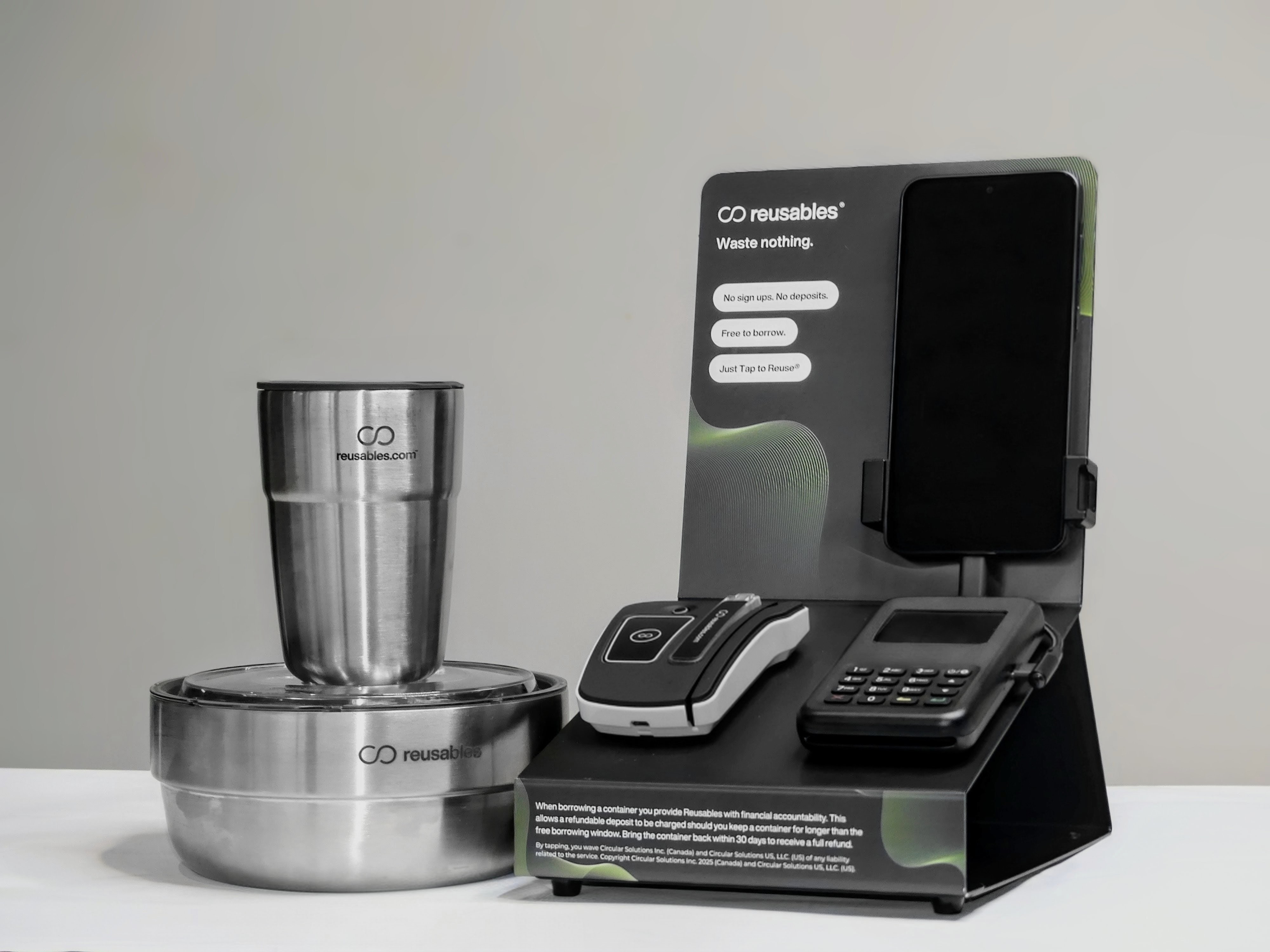
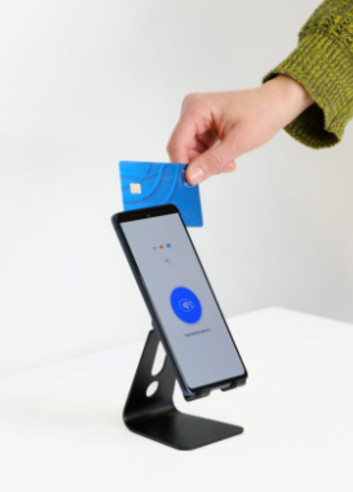
To achieve high return rates, you need to know where your containers are. A winning platform uses technology like QR codes or RFID to give every container a unique digital identity for automated, accurate tracking. This eliminates manual counting and guesswork. The checkout process must be frictionless for diners. For example, a Tap to Reuse™ system makes borrowing a container as simple as tapping a student card or phone, with no app download required. This ease of use is critical for adoption and ensures your inventory keeps circulating, preventing loss and the need for constant reordering.
Convenient Return Bins and Stations
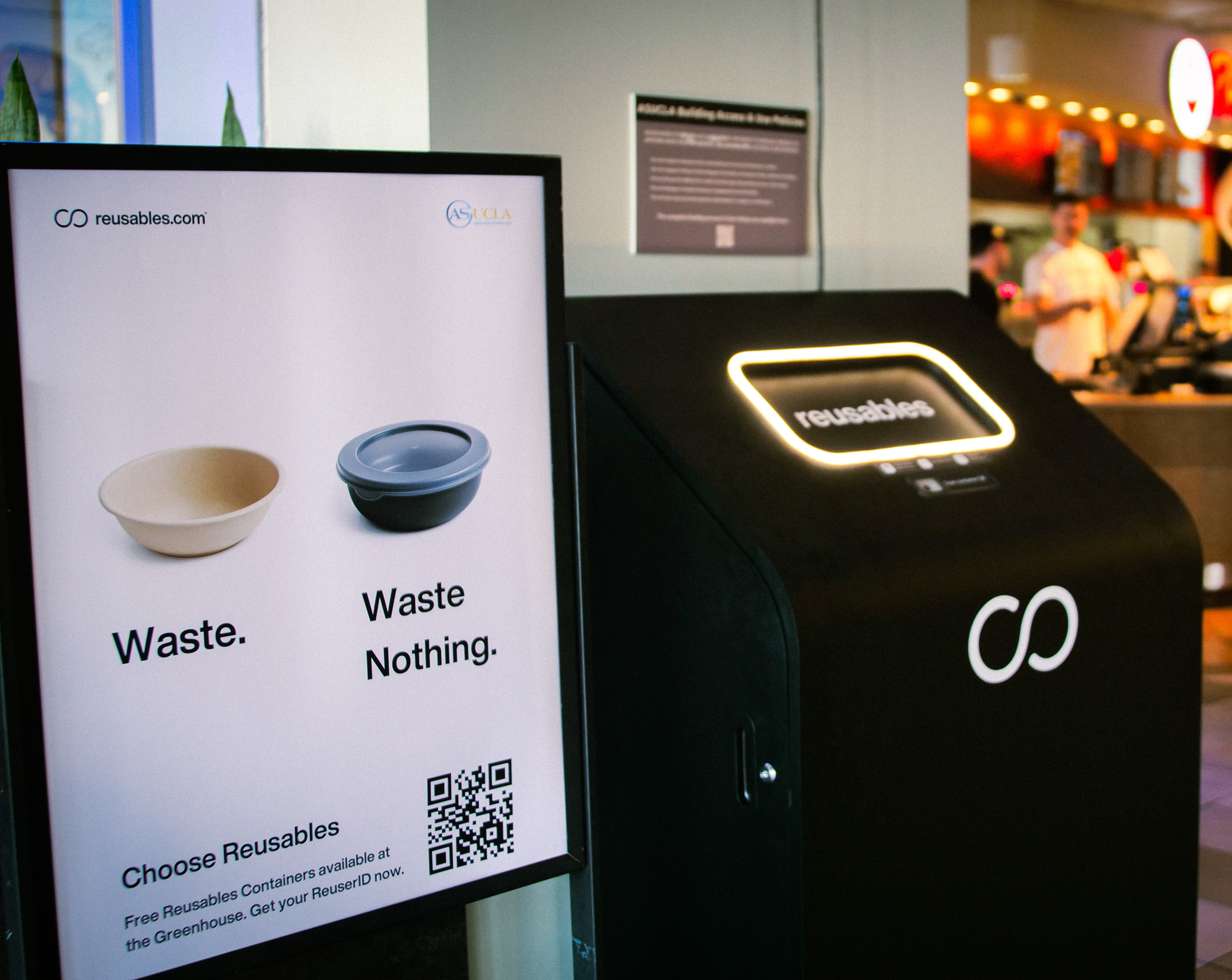
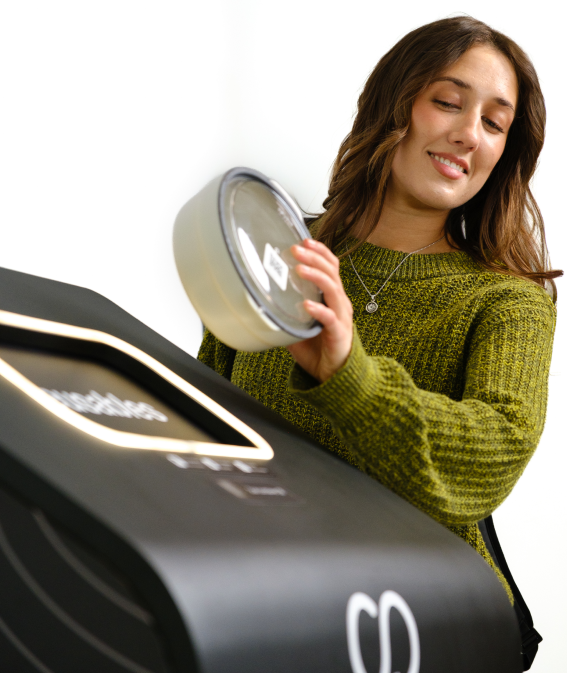
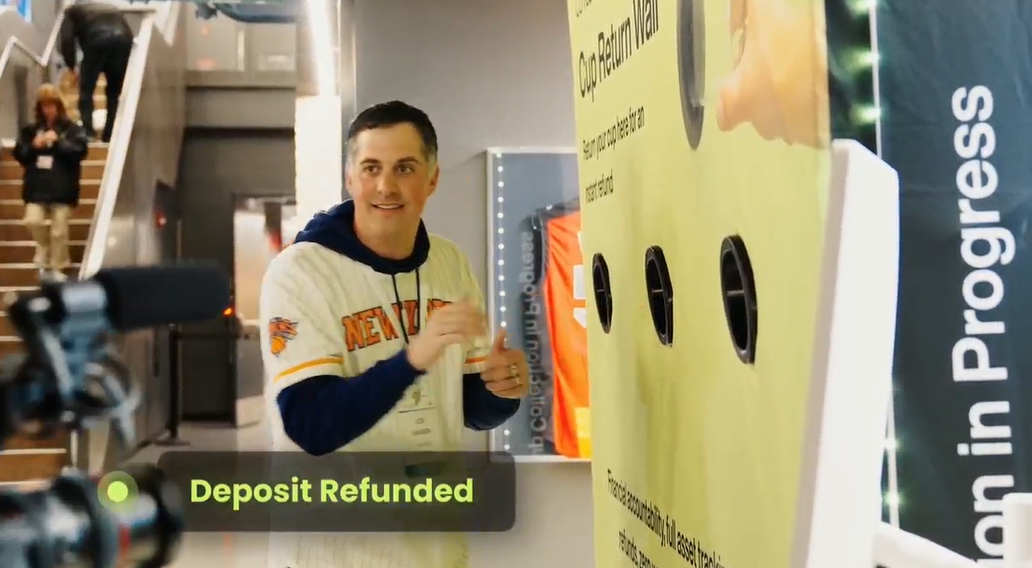
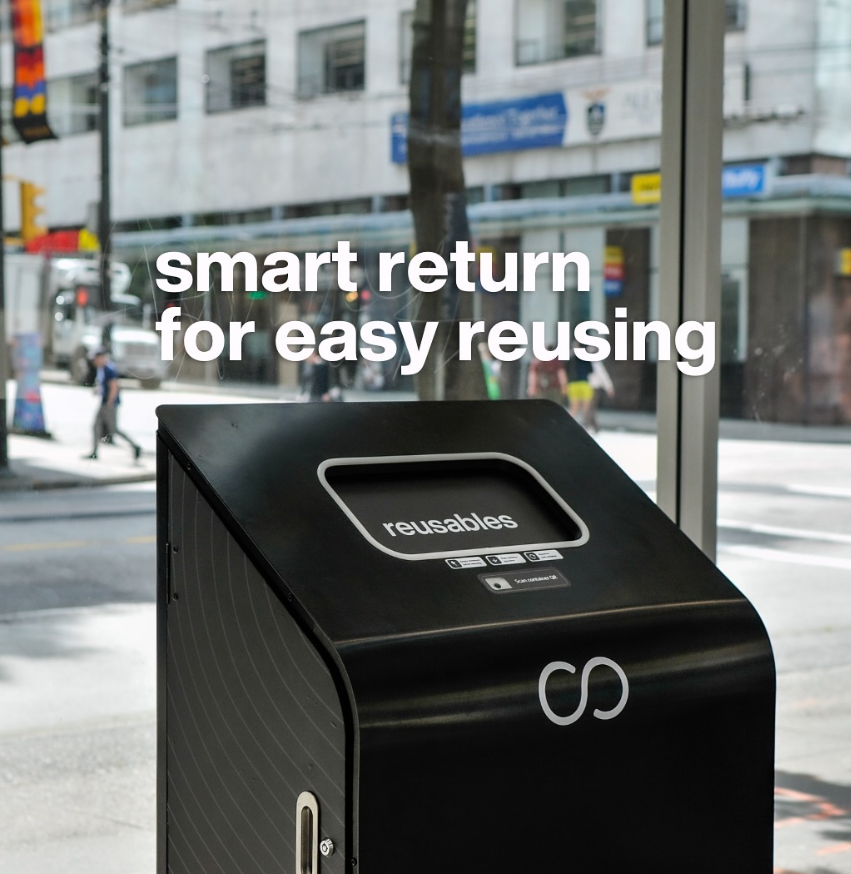
If returning a container is a hassle, students won't do it. The most effective programs place smart, accessible return bins in high-traffic locations, allowing for 24/7 drop-offs. These aren't just passive boxes; they should actively scan and register each return, providing instant confirmation to the user and real-time data to your team. Look for features like tamper-proof designs and automatic alerts when a bin is getting full, which helps your staff manage collections efficiently. With the right infrastructure, you can see incredible results, like the 99.63% return rate achieved at Simon Fraser University.
Seamless Integration with Your Existing Tech
A new reusable system shouldn't force you to overhaul your existing technology. The best platforms are designed to integrate directly with the systems you already use, including POS, campus card programs like Transact and CBORD, and payment processors. This integration is what makes the program feel like a natural part of your dining service, not a clunky add-on. It also provides a wealth of information. When your systems are connected, you can easily monitor program data to track usage rates, optimize bin locations, and measure your cost savings and environmental impact over time, just as UCLA has done with their program.
Flexible Container and Branding Options
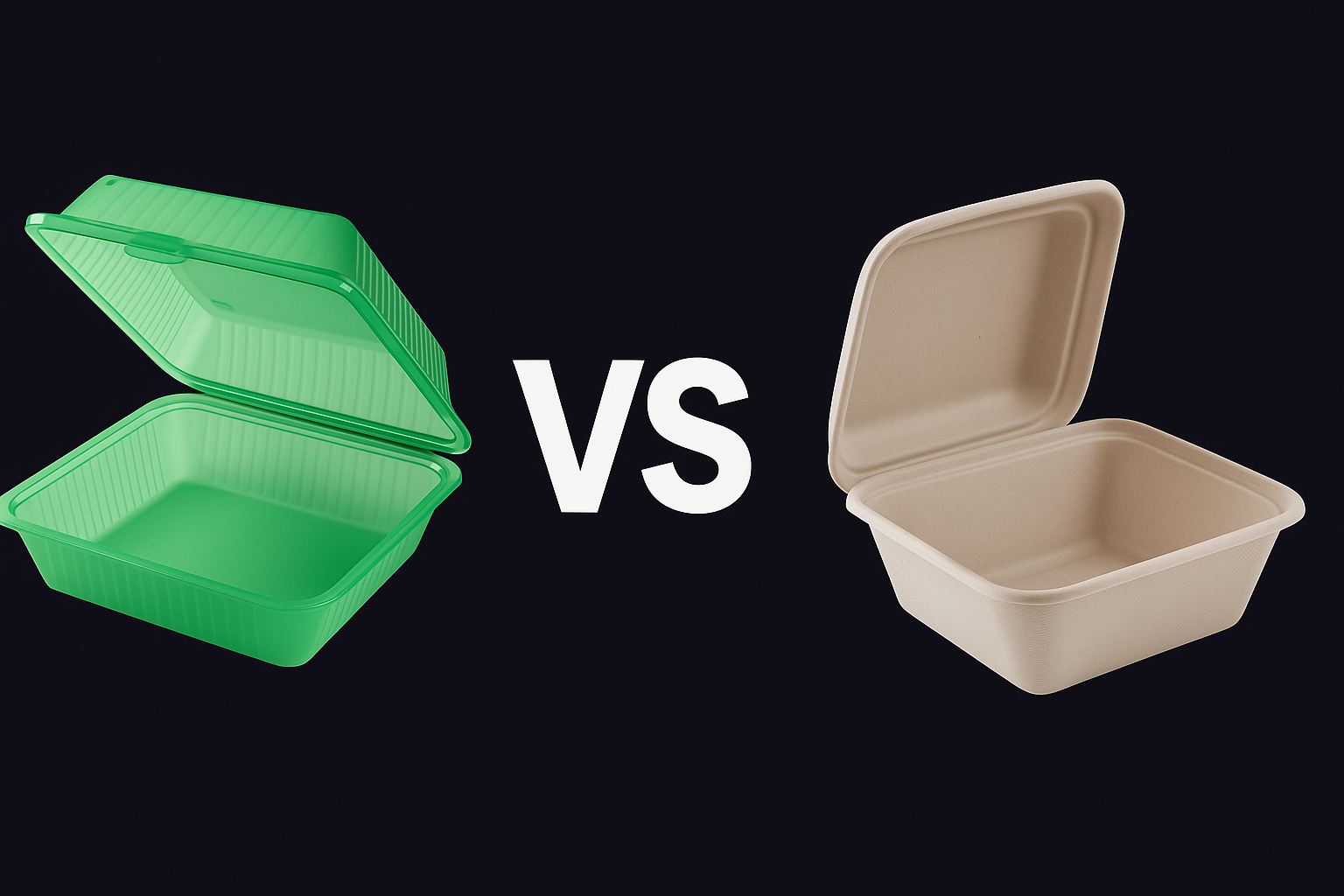
Your containers are a tangible part of the dining experience, so they need to be durable, safe, and aligned with your brand. A top-tier reusables partner won't lock you into a single proprietary container type. Instead, they’ll offer flexibility, allowing you to use your existing inventory or choose from a curated selection of high-quality options, from stainless steel to durable plastic. This flexibility extends to branding. Reusable packaging offers a unique opportunity to showcase your commitment to sustainability. By working with a partner that supports custom branding, you can turn every container into a statement about your institution's values and establish yourself as one of the leading eco-conscious brands on campus.
Common Challenges When Switching to Reusables
Making the switch to a reusable packaging system is a significant operational change, and it’s natural to anticipate a few hurdles. While the long-term benefits are clear, a successful transition means planning for potential challenges from the start. Thinking through these common sticking points will help you create a smoother rollout for your team and your diners.
The main areas to focus on are diner perception, staff adoption, and the new logistics of managing a fleet of containers. Diners might have questions about hygiene, your team will need to adapt to a new workflow, and you’ll need a reliable way to track your inventory to prevent loss and ensure containers are available when needed. These are not roadblocks but rather guideposts for your implementation plan. With the right strategy and partner, each of these challenges can be transformed into an opportunity to build a stronger, more sustainable dining program.
Addressing Diner Questions About Cleanliness
One of the first things you might encounter are questions from diners about the cleanliness of reusable containers. It’s a valid concern; people want to be sure the container they’re using is perfectly sanitized. Research shows that some customers can be hesitant about reuse systems because they’re unsure about how clean the packaging is.
The key is to be proactive and transparent. Clearly communicating your cleaning process and highlighting your commitment to health and safety can build trust from day one. When diners see that you have a professional, reliable system in place for washing and sanitizing every container, their confidence grows. This is your chance to show them that reusables are not just a sustainable choice, but a safe and high-quality one, too.
Adapting Your Team's Workflow
Introducing any new process requires an adjustment period for your staff. Your team is busy, and the thought of adding new steps to their day can feel overwhelming. The goal of a modern reuse program isn’t to add more work, but to integrate a smarter workflow. A well-designed system should feel intuitive and simple for everyone to use, from the front-of-house staff to the dishwashing team.
The best reuse systems are designed to be efficient and can even be cheaper than single-use items in the long run. Providing your team with clear training and easy-to-use tools is essential. When the process for checking out a container or accepting a return is quick and seamless, it becomes a natural part of the daily routine instead of a disruption.
Managing Inventory and Logistics
Perhaps the biggest operational challenge is keeping track of all your containers. Without a solid system, containers can go missing, leading to inventory shortages and rising replacement costs. This is where technology becomes your most valuable asset. Manually tracking hundreds or thousands of containers simply isn’t feasible, and it’s a major reason why older reuse programs often struggled to scale.
Partnering with a provider who specializes in reusable packaging and reverse logistics is key. A modern system uses technology like QR codes or RFID tags to track each container individually. This gives you real-time data on your inventory levels, return rates, and where every container is in the cycle. It automates accountability and ensures you always have clean containers ready for service.
How to Overcome Common Implementation Barriers
Switching to a reusable packaging system is a significant operational change, but it doesn't have to be a difficult one. Most of the hurdles you might face are predictable and can be managed with a bit of planning. By focusing on clear communication and smart operational adjustments, you can set your program up for a smooth and successful launch. The key is to anticipate the needs of your diners and your staff and to address them proactively. With the right strategy, you can turn potential challenges into opportunities to build a stronger, more sustainable dining program that everyone feels good about.
Educate and Engage Your Diners
For a reuse program to truly take hold, it needs to be a collaborative effort between you and your diners. Your goal is to make participation feel easy, intuitive, and rewarding. Start with clear, simple messaging at all points of service. Use signage, table tents, and digital screens to explain how the system works in three simple steps. Consider a launch event with giveaways or special offers to generate initial excitement. Gamification features, like campus-wide leaderboards or rewards for frequent reusers, can also create friendly competition and keep students engaged long-term. When everyone understands the process and feels like part of a shared mission, you’ll see your return rates and participation soar.
Prepare Your Staff for a Smooth Transition
Your team is on the front lines, and their confidence in the new system will directly impact the guest experience. Before you launch, hold brief training sessions that cover not just the "how" but also the "why." When your staff understands the cost savings and environmental benefits, they become powerful advocates for the program. Provide them with simple cheat sheets and FAQs so they can confidently answer diner questions. A great reusables partner will provide a dashboard with program data. You can use this to optimize your operations and share positive results with your team, showing them the tangible impact of their efforts and keeping them motivated.
Build Trust Around Cleanliness and Safety
It’s natural for some diners to have questions about the cleanliness of reusable containers. The best way to handle this is to be transparent and proactive from the start. Use clear signage in dining areas to explain your washing and sanitization process. You can highlight that your containers go through a commercial-grade wash cycle that meets health and safety standards, just like your regular dining hall plates and cutlery. Creating a simple FAQ page on your website can also help address these concerns. By openly communicating your commitment to safety and hygiene, you build the trust needed for diners to embrace the program without hesitation.
Streamline Your New Operational Workflow
A new system shouldn't mean more work for your team. The right technology partner will provide tools that simplify, rather than complicate, your daily operations. Look for a solution that offers automated tracking and smart return bins that alert your staff when they need to be serviced. This eliminates manual counting and guesswork, freeing up your team to focus on food and service. A tech-enabled reuse system should integrate smoothly into your existing workflow, providing the physical containers and the reverse logistics support you need. This partnership ensures you can manage inventory effectively and keep the system running smoothly without adding extra tasks to your staff's plate.
How to Choose the Right Reusables Partner
Finding the right partner is about more than just sourcing containers. It’s about finding a technology platform that integrates smoothly with your operations and makes reuse easy for everyone. A successful program depends on a system that students will actually use and that your staff can manage without adding friction. When evaluating your options, focus on these four key areas to find a partner who can help you meet your sustainability and financial goals.
Assess Your Current Packaging Needs and Costs
First, get a clear picture of your current spending on single-use packaging. Tally up everything from the containers themselves to waste hauling fees. This baseline number is your starting point for calculating potential savings, especially as the costs for disposables continue to rise. Understanding these figures helps you build a strong business case for reuse and clearly demonstrates the financial upside to stakeholders. A good partner can take this data and help you project your long-term savings, making it easier to get buy-in from your entire team.
Evaluate Your Tech and Integration Needs
A modern reuse system runs on technology, so it’s critical to choose a platform that works with your existing infrastructure, like campus cards and POS systems. A seamless, app-free checkout is key to high adoption rates among students. Look for features like automated tracking with QR codes or RFID that make the process frictionless for both diners and staff. The goal is to find a complete reuse solution that feels like a natural extension of your dining services, not a clunky, complicated add-on that creates more work for your team.
Plan Your Container and Capacity Needs
Think about the containers themselves. You’ll need a variety of shapes and sizes made from durable materials like stainless steel or high-quality plastic to suit your menu. A great partner offers flexibility, allowing you to use existing inventory or choose from their selection. To make the system work, you also need a high return rate to ensure you always have clean containers ready. This is where a partner’s system for encouraging returns through automated reminders and smart return stations becomes incredibly valuable. After all, achieving enough reuses per container is what makes the model sustainable.
What to Ask a Potential Reusables Partner
When you talk to potential partners, have a list of questions ready. Ask about their clients’ average return rates and how their system integrates with your campus technology. Inquire about the student experience—is it app-free and easy to use? How do they check out and return containers? A reliable partner will have clear answers and can show you a proven framework for scaling reuse that fits your campus. They should be able to walk you through their entire process, from launch support to ongoing operational visibility, giving you confidence in their ability to deliver results.

Calculate the ROI of a Reusables Program
Making a significant operational change requires a clear understanding of the financial impact. A well-designed reusables program doesn't just align with your sustainability goals; it makes solid business sense. Calculating the return on investment (ROI) helps you build a compelling case for stakeholders and provides a clear benchmark for success. It’s about looking past the initial setup to see the long-term financial, operational, and brand benefits. Let's break down how to weigh the costs, calculate savings, and measure the true value of switching to reusables.
Weighing Initial Investment vs. Long-Term Savings
One of the biggest myths about sustainability initiatives is that they come with a hefty price tag. While a reusables program has upfront costs for containers and technology, it’s an investment that pays for itself by eliminating the recurring expense of single-use packaging. With the cost of disposables rising over 200% in the last three years, sticking with the status quo is becoming increasingly expensive.
Think of it this way: you’re shifting from a variable, ever-increasing operational expense to a predictable, one-time capital investment. Over time, this shift leads to significant savings. A reusable system also protects your budget from future financial pressures, including potential Extended Producer Responsibility (EPR) fees and volatile material costs. The initial investment paves the way for a more stable and cost-effective operation down the road.
How to Calculate Your Potential Cost Savings
To get a clear picture of your potential savings, start with your current spending. Calculate the total annual cost of your disposable containers, including cups, lids, and clamshells. For many institutions, this number exceeds $50,000 a year. This figure is your baseline. Next, compare that to the cost of implementing a reusable system.
The key to maximizing savings is a high return rate. To break even on a container, you need to hit a certain number of uses, and achieving that depends on getting your inventory back consistently. For example, getting just ten use cycles requires a 90% return rate. This is where technology makes all the difference. With a platform like Reusables.com that achieves case-study-backed 99% return rates, you can dramatically extend the life of each container and accelerate your ROI.
Find New Revenue Opportunities
A reusables program can do more than just cut costs; it can also create new streams of value. For instance, our Smart Return Bins can be equipped with digital screens, turning a simple drop-off point into a revenue-generating asset. These media surfaces can generate around $5,000 per screen per year from campus advertisers without adding any work for your staff.
Beyond direct revenue, a modern reuse system enhances your brand. Today’s students actively seek out sustainable options and are more loyal to institutions that share their values. By offering a frictionless, tech-forward reusable program, you improve the dining experience and position your campus as a leader in sustainability. This can attract more students to your meal plans and build a positive reputation that pays dividends in the long run.
Measure Your Return on Investment
Once your program is running, you need a simple way to track its performance. The right partner will provide a robust dashboard with real-time data, so you can stop guessing and start knowing. You should be able to easily monitor key performance indicators (KPIs) that demonstrate the program's success to your entire team.
Look for a system that tracks both financial and operational metrics. This includes your overall cost savings, return rates, and current inventory levels. At the same time, you can measure your environmental impact by tracking the number of single-use containers you’ve eliminated and the corresponding reduction in waste. Having access to this data not only proves your ROI but also helps you optimize your operations and share compelling impact stories with your campus community.
Your Roadmap for a Successful Launch
Launching a reusable packaging program is a significant step, but it doesn't have to be complicated. With a clear plan, you can introduce a system that your staff and diners will love. The key is to approach it methodically: start with a well-planned rollout, use data to refine your process, and then scale your success across campus. This approach ensures a smooth transition and sets you up for long-term wins in both cost savings and sustainability.
Making a change of this scale requires collaboration from everyone involved, from your kitchen staff to your student diners. A thoughtful launch strategy respects the learning curve for your team and gives your community time to get excited about the new program. By breaking the process down into manageable phases, you can build momentum and demonstrate the value of reuse from day one. Let’s walk through what that looks like.
Plan Your Phased Rollout and Timeline
The best way to introduce a reusables program is to start with a pilot at one or two of your busiest locations. A phased rollout gives your team a chance to learn the new workflow in a controlled environment and allows you to gather feedback before expanding. Think of it as a dress rehearsal. You can identify what works well and what needs tweaking on a smaller scale, which makes the campus-wide launch much smoother.
Start by creating a clear timeline with specific milestones. Schedule dates for staff training, installing return stations, and launching your marketing campaign to get students excited. A well-communicated plan ensures everyone knows what to expect and when. When you’re ready to map out your timeline, a reusables expert can help you create a realistic plan tailored to your campus operations.
Monitor and Optimize Your Program
Once your pilot program is live, the real learning begins. The goal is to use real-time data to make your system as efficient as possible. A strong reusables platform will give you access to a dashboard with key metrics like return rates, container usage, and bin fullness. This information is invaluable for fine-tuning your operations. For example, the team at UCLA continuously monitors program data to optimize their return logistics and measure cost savings.
Paying close attention to your return rate is especially important. For a reusable container to be more sustainable and cost-effective than a disposable one, it needs to be used multiple times. Industry analysis shows that achieving just ten use cycles requires a return rate of 90% or higher. This is why automated reminders and convenient return options are so critical for driving the consistent returns needed for success.
How to Scale Across Multiple Locations
After a successful pilot, you’ll have a proven model ready for expansion. Scaling across multiple dining halls and retail locations becomes a matter of repeating a process you’ve already refined. The insights you gained from your initial launch will help you anticipate challenges and train staff at new locations more effectively. You’ll know exactly how many containers you need, where to place return bins for maximum convenience, and how to message the program to students.
As you grow, working with a partner who can supply the technology and support your logistics is essential. A fully integrated system ensures a consistent experience for diners, whether they’re grabbing lunch at the student union or a coffee from the library café. With a solid foundation and a scalable platform, you can confidently expand your reusable packaging solution across your entire campus, making a bigger impact on your waste reduction goals.
Ready to Make the Switch?
Feeling inspired to bring a reusable packaging system to your campus? That's fantastic. The journey to a zero-waste dining experience is an exciting one, and it starts with a few practical, well-planned steps. Instead of overhauling your entire operation overnight, you can build momentum with a thoughtful approach that proves the concept, gets your community on board, and sets you up for long-term success. Here’s how to get started.
Plan Your Pilot Program
The best way to introduce a major change is to start small. A pilot program lets you test the waters, work out any kinks, and gather valuable feedback before a full-scale launch. You could begin with a single dining hall, a popular café, or even just the lunch rush. The goal is to create a controlled environment where you can see the system in action. As research shows, reusable packaging systems have a proven track record of environmental benefits in specific markets, and a pilot is your chance to prove that your campus is the next ideal market. Use this phase to understand student and staff reactions and fine-tune your workflow.
Get Stakeholder Buy-In
For a reuse program to truly succeed, you need champions from every corner of your campus. This includes students, dining staff, faculty, and university leadership. Start building your case by highlighting the triple win: reducing operational costs, meeting institutional sustainability goals, and improving the diner experience. With growing pressure from consumers and regulators to adopt sustainable solutions, the timing has never been better. Frame your pilot program as a forward-thinking initiative that positions your university as a leader. Share data on potential cost savings and environmental impact to get everyone excited and on board with your vision.
Define Your Key Metrics for Success
Before you launch your pilot, you need to know what success looks like. Defining your key performance indicators (KPIs) from the start will help you measure the program's impact and justify its expansion. Obvious metrics include container return rates, student participation, and direct cost savings from no longer purchasing disposables. You can also track operational improvements, like how easily containers are returned and processed. For a deeper analysis, consider measuring your environmental impact by calculating the reduction in waste and greenhouse gas emissions compared to single-use packaging. These concrete data points will tell a powerful story to your stakeholders.
Related Articles
- QR Code Reusable Packaging: A Campus Guide
- The Right Way to Buy Reusable Food Containers for College
- 7 Smart Eco-Friendly Initiatives for Campus Food
- Smart Reuse Programs for Campuses, Private Clubs, Offices & More
- Successful Zero Waste Initiatives for College Dining
Frequently Asked Questions
Will this create more work for my already busy staff? That’s a fair question, and the answer is no. A modern reusable system is designed to streamline your operations, not complicate them. Technology handles the heavy lifting, from tracking containers with QR or RFID tags to automating reminders for students. Smart return bins even alert your team when they’re ready for collection, so there’s no guesswork involved. The goal is to make the workflow so smooth that it feels like a natural part of your service.
Is a reusable system really more cost-effective than single-use packaging? Yes, it is. While there's an initial investment, you're shifting from a constant, rising operational expense to a long-term asset. You eliminate the weekly costs of buying disposable containers, which have been increasing dramatically. Over time, this leads to significant savings on both packaging and waste management fees. It’s a financially sound decision that provides budget predictability in a volatile market.
What happens if students don't return the containers? Won't we lose our inventory? This is the most common concern, and it’s why technology is so important. Each container has a unique digital ID, so it’s checked out to a student just like a library book. The system sends out automated reminders, and if a container isn't returned on time, a refundable late fee is automatically applied. This simple accountability, combined with convenient return bins placed in high-traffic areas, results in return rates of over 99 percent.
How do you get students to participate without making it a hassle for them? Student adoption is all about making the process completely frictionless. The best systems don't require students to download an app or pay an upfront deposit. Instead, they can simply tap their student ID, credit card, or phone to check out a container in seconds. When returning is as easy as dropping a container into a bin on their way to class, participation becomes second nature.
How difficult is it to integrate this system with our existing campus card and POS technology? A great reusables platform is built to work with the technology you already have. It should integrate directly with major campus card systems like Transact and CBORD, as well as your point-of-sale terminals. This seamless connection is what makes the checkout process so quick and provides you with the data you need. It’s designed to feel like a natural extension of your dining services, not a complicated add-on.
Other stories you may find interesting
.png)
.avif)


.webp)


Watch the Webinar
Learn How to Eliminate Single-Use Waste
Get instant access to our expert webinar and discover how leading institutions reach 99% return rates through smarter reuse systems.

© Reusables™. All rights reserved.